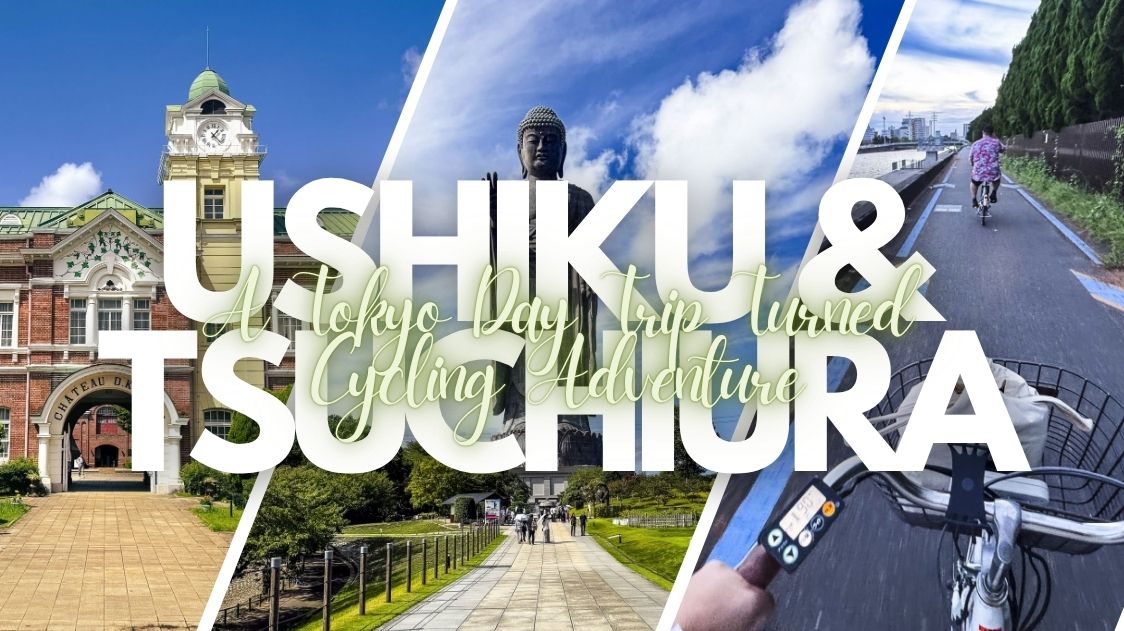
Ushiku and Tsuchiura: A Tokyo Day Trip Turned Cycling Adventure

- +0 0
-

-


By the time I walked out of Ushiku Daibutsu, my day trip from Tokyo was supposed to be winding down.
Instead, I checked the time, opened the map on my phone, and looked north along the JR Joban Line. We still had a few hours of daylight. Tsuchiura was only a couple stops away, and the JR pass in my pocket was already valid for the journey. So I went.
About an hour later, I was unlocking an electric-assist bicycle outside Tsuchiura Station. I made a quick stop at the surviving gate of Tsuchiura Castle, then pointed the bike toward Lake Kasumigaura and kept riding until it was time to turn back.
That was never the plan when I left Tokyo that morning. The day had started with a visit to Ushiku Chateau and the enormous Ushiku Daibutsu, but an unexpectedly free afternoon turned a straightforward sightseeing trip into an impromptu cycling ride.
Here is how that detour came together, and why one train pass made it remarkably easy to change plans halfway through the day.
The JR Nonbiri Holiday Suica Pass
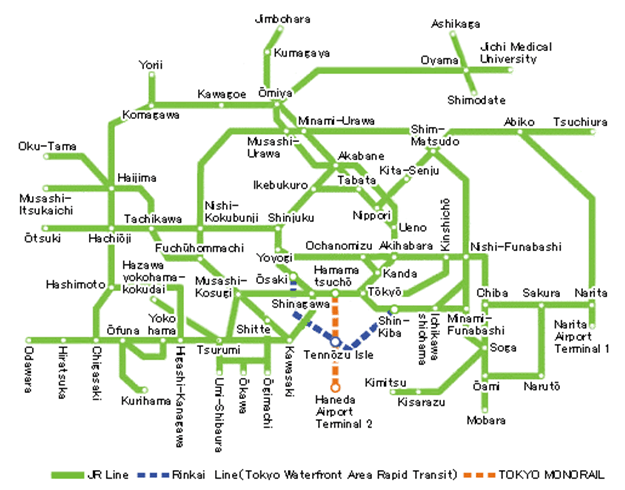
The JR Nonbiri Holiday Suica Pass is a one-day pass for JR travel around the Tokyo area. It covers unlimited rides on ordinary and rapid JR East trains within the designated free area, using ordinary-class non-reserved seats. It also covers the entire Tokyo Monorail and Rinkai Line networks. See JR East’s official pass website for details.
The pass is currently 2,850 yen for adults and 1,420 yen for children. It is available throughout the year, but can only be used on Saturdays, Sundays and national holidays, plus the following periods:
- April 29–May 5
- July 20–August 31
- December 29–January 3
It is valid for one calendar day.
The pass is Suica-only, and this includes Mobile Suica. For iPhone users, I found the easiest option was simply buying it through the Suica app as a digital pass and using it from my phone. There was no paper ticket to collect at the station. Mobile Suica purchases are available for adults; there is currently no child version through Mobile Suica. There is also an identical
There are a few limitations to keep in mind. Shinkansen are not covered, while limited express trains and Green Car seats can be used if you purchase the appropriate additional ticket (base fare is covered; all you need is to pay the supplementary fare for those services). The pass itself covers only ordinary-class non-reserved seats on the included local and rapid services.
It’s not as powerful as the Tokyo Wide Pass, but it’s a solid alternative for weekend day trips around Tokyo if you don’t mind sticking to local trains.
1-Day Itinerary in Ushiku and Tsuchiura from Tokyo
The Original Plan: Ushiku Chateau & Ushiku Daibutsu
Ushiku Chateau: A Meiji-Era Winery
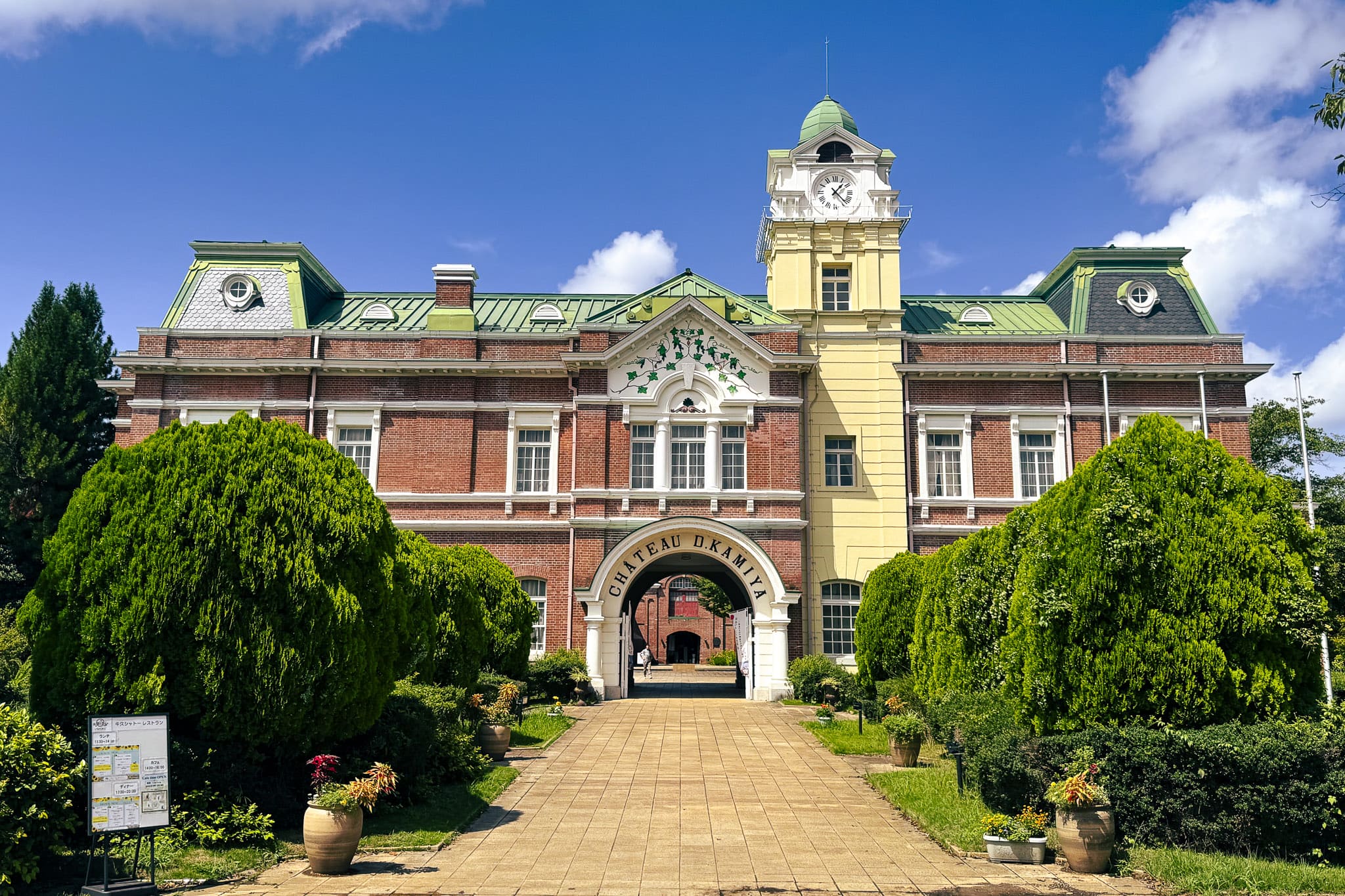
Ushiku Chateau is only about an eight-minute walk from the East Exit of JR Ushiku Station, making it an easy first stop after arriving.
My main reason for coming was the architecture. I have a particular interest in Meiji-era buildings, so I was more interested in seeing the historic winery itself than in the wine. The Chateau was established by Kamiya Denbei in 1903 (Meiji 36) and became Japan’s first full-scale winery. Three of its surviving historic buildings — the former office, fermentation room and storage cellar — are now designated National Important Cultural Properties. And they’re completely free to visit.


The wine history was still fascinating. Kamiya had become interested in Western alcohol while working at a French-run liquor producer in Yokohama, and later sent his adopted son, Denzo, to France to study grape cultivation and winemaking. Denzo returned to Japan with knowledge and materials from his time in Bordeaux, helping his father develop wine production here.
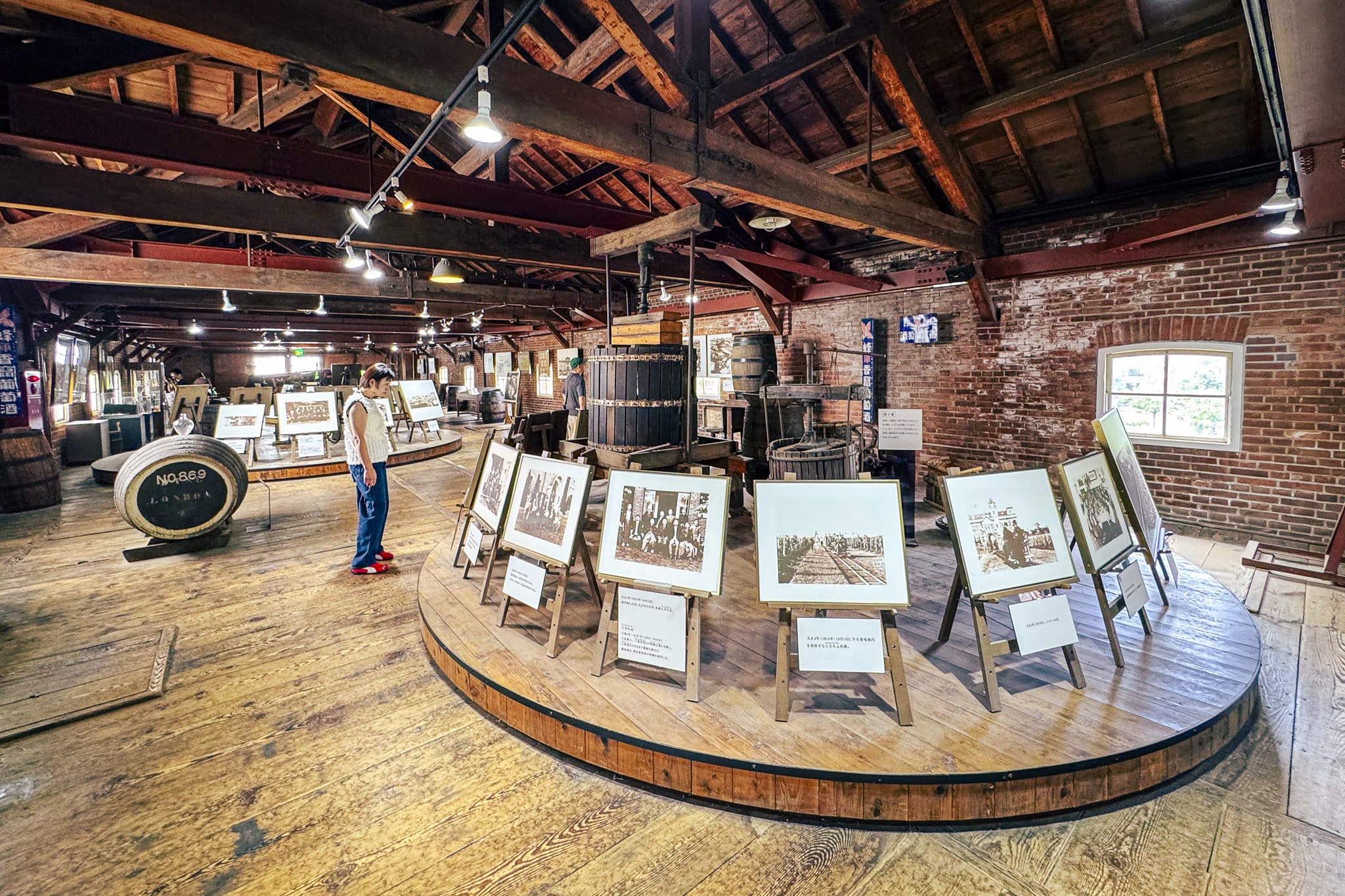
I spent about 45 minutes there, enough time to look around the historic buildings and see the exhibits about the winery’s early years. I particularly liked seeing the old brewing equipment and learning about Kamiya’s efforts to establish wine production in Japan.


The souvenir shop had a much larger selection of wine and craft beer than I expected, and I was seriously tempted to buy something. The only thing that prevented the impulse purchase was knowing I still had the rest of the day ahead of me, and carrying bottles around on trains and buses wasn’t particularly appealing. I made a note to come back another time specifically to browse the products properly.
We also had to keep an eye on the time. The next stop was Ushiku Daibutsu, and although the bus ride itself only takes around 25 minutes, the service isn’t particularly frequent. Depending on the timetable, there can be around an hour or more between buses, so I didn’t want to arrive at the stop just as one was leaving. On a busy summer weekend, there’s also a good chance of a queue forming, and if the bus fills up before you can board, you’re left waiting for the next one or considering a taxi.
So we decided to keep the visit relatively short rather than stop for lunch at the Chateau. We could grab something to eat when we reached the Daibutsu.
 Access |
8-min walk from Ushiku Station |
|---|---|
 Business Hours |
10 AM–4 PM |
 Price |
Free |
 Official Website |
https://ushiku-chateau.com/ |
Ushiku Daibutsu: Going Inside the Giant Buddha
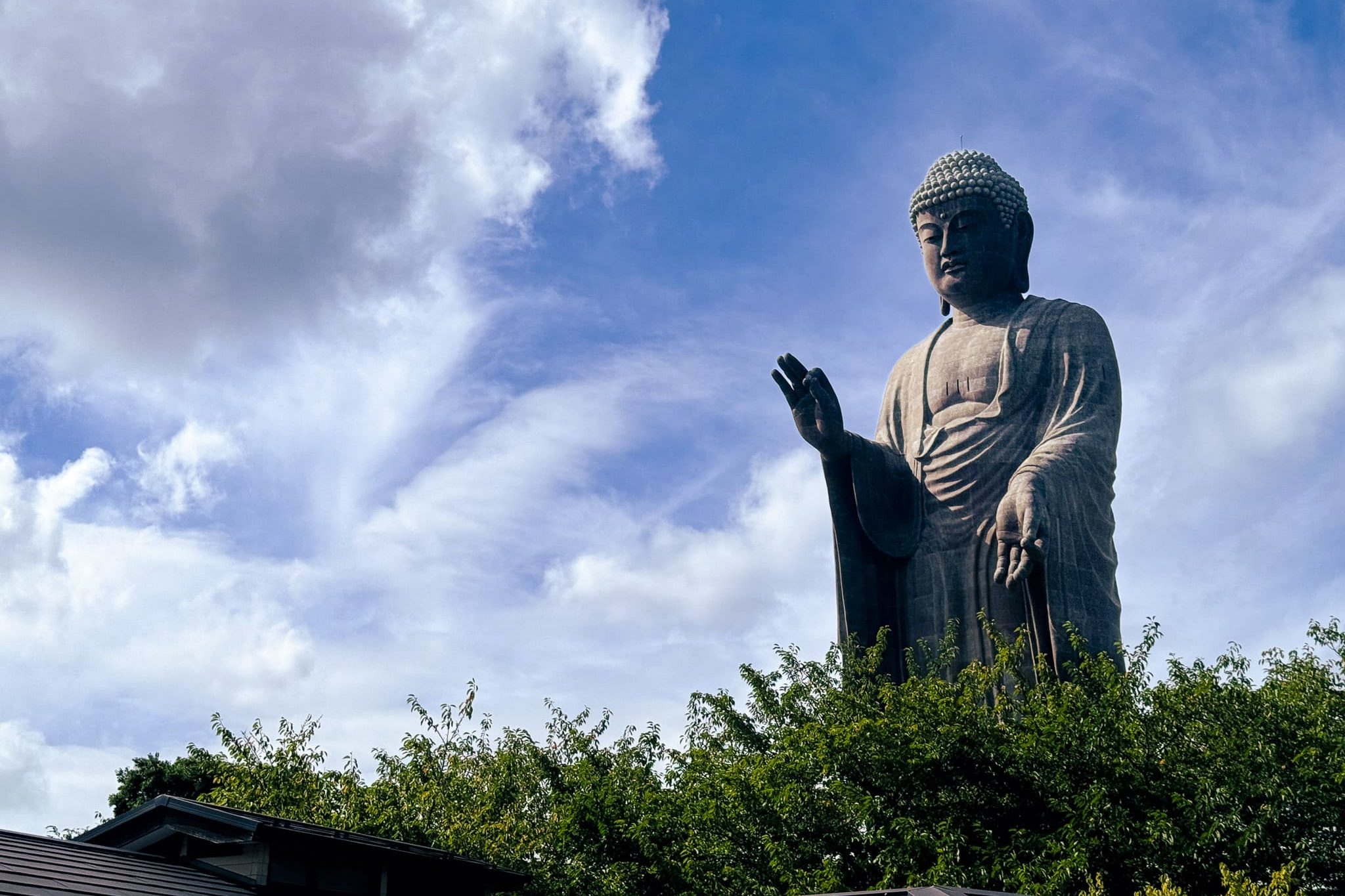
I knew the Ushiku Daibutsu was surrounded by countryside. What I hadn’t quite appreciated was how large the whole visitor complex would feel once I got there.
The statue itself is impossible to miss, of course. At 120 meters high, it was completed in 1993 and was recognized by Guinness World Records in 1995 as the world’s tallest bronze Buddha statue at the time. The site is connected with the Higashi Honganji tradition of Jodo Shinshu Buddhism and stands on land associated with Shinran.
But before getting anywhere near the statue, we walked through the little Nakamise shopping street. I actually liked this more than I expected. There are souvenir shops, sweets and local products, and the food stalls around the entrance gave the place a bit of a festival atmosphere, so I was glad we didn’t stop for lunch earlier. We grabbed a small bite there before buying our tickets.


I bought the 900 yen combined ticket, which at the time gave us access to both the garden and the interior of the Daibutsu. The garden-only ticket was 600 yen, so the extra 300 yen seemed worth paying. It was. The garden had already passed its main flowering season when I visited, but I still enjoyed walking around it. And I was definitely not going to skip the interior after coming all this way.
You move through several floors inside the enormous bronze structure, with exhibitions about its construction, Buddhist spaces, a small exhibition about the life of the Buddha, and an observation area 85 meters above the ground. There are elevators involved, and depending on how busy it is, you can spend a little time waiting for them.


One of the things that caught me completely off guard was the 3,400 small golden Buddha statues covering the walls of the third floor. The official site calls this the Rengezo Sekai, or “World of the Lotus Sanctuary,” and describes it as a sacred space where Buddhist chanting takes place morning and evening.
The entire complex has a distinctly tourist-oriented side to it, and the interior sometimes crosses into territory that I would describe as deliberately kitschy and spectacularly over-the-top. I don’t mean that as a judgment but rather about the visitor experience: the enormous statue, the elevator inside it, the golden Buddha-filled room, the displays, the gardens, the souvenir street outside. It was definitely far from subtle but I enjoyed every bit of it.
All in all, I would allow at least 1 hour 20 minutes for the visit. From the outside, it is tempting to think this will be a quick stop: arrive, photograph the giant Buddha, walk around the garden, pay your respects if you must, and leave. Once you’re inside, though, there are several floors to go through, exhibitions to look at, the elevator queues to factor in, and the garden to explore afterward, as well as the little shops if you would like a local souvenir. I was glad I had left enough time.
By the time we came back out, it was already well into the afternoon, but we still had time left on the day. And I had another idea.
| Access |
25-min bus from Ushiku Station |
|---|---|
| Business Hours |
Mar-Sep: 9:30 AM–5:00 PM, Oct-Feb: 9:30 AM–4:30 PM |
| Price |
Garden only 600 yen, Garden + Daibutsu interior 900 yen |
| Official Website |
https://daibutu.net/ |
The Pivot: Pushing on to Tsuchiura
I checked the JR Joban Line map and noticed that Tsuchiura was the last stop in this direction covered by our pass.
I hadn’t planned to go there at all. My original idea was simply to visit Ushiku and head back to Tokyo. But Tsuchiura was close enough, the train was already covered, and we had time to spare. There was no real reason not to keep going.
So we did.
At that point, I didn’t have a plan for Tsuchiura either. I knew almost nothing about the city. A quick look at Google Maps showed some castle ruins near the station, which was enough to give us a starting point for some random exploration, which is something I particularly enjoy when traveling in Japan: pick a direction, find something interesting on the map, and see what happens.
The Spontaneous Cycling Afternoon: Tsuchiura Castle & Lake Kasumigaura
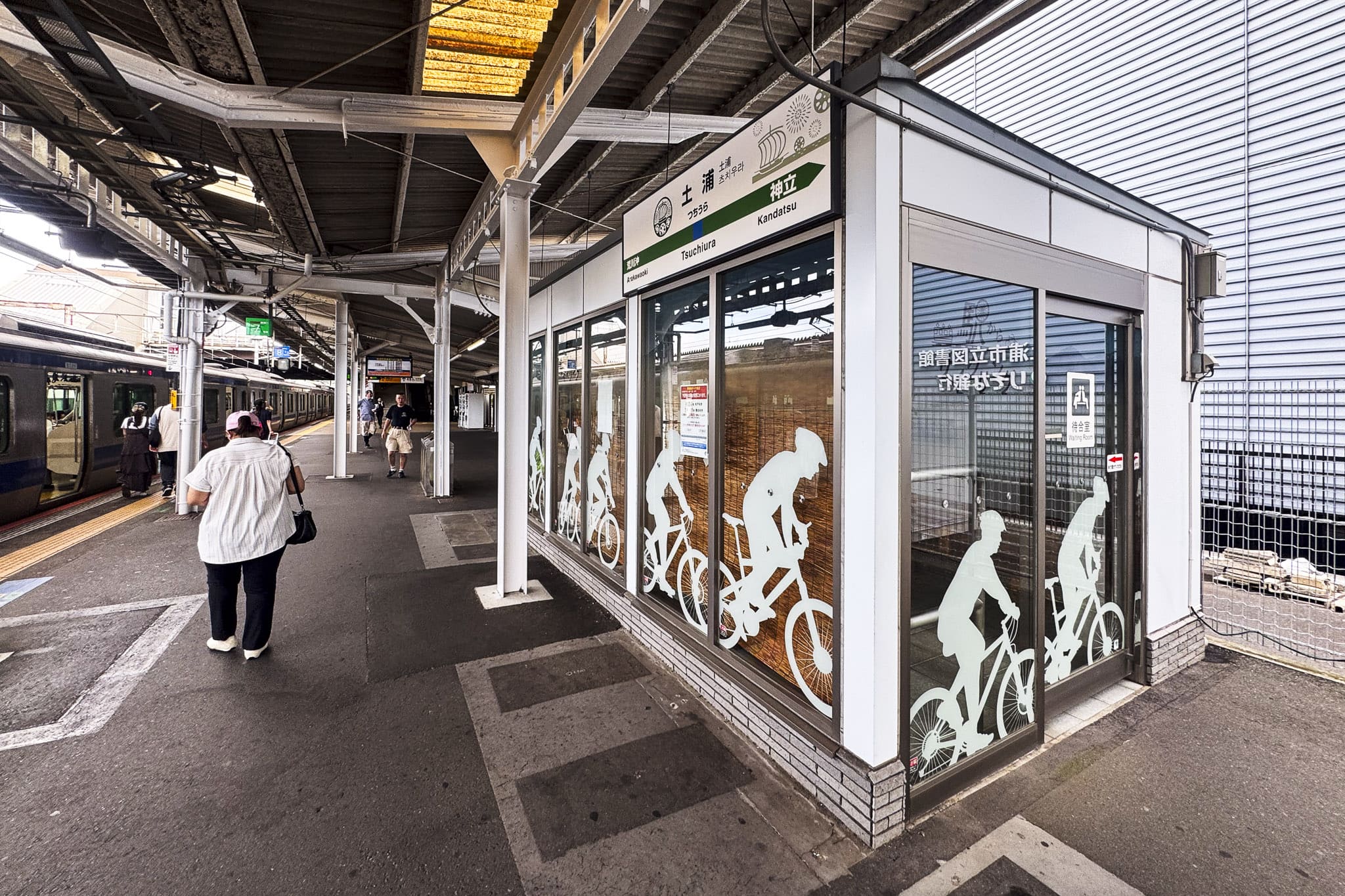
We arrived at Tsuchiura Station at around 16:30 and headed out of the west exit. Kijo Park is about a 15-minute walk from the station, so that was where I initially planned to go. But something else caught my attention first: signs and local advertisements around the station promoting cycling. I had no idea Tsuchiura was an important cycling destination.
Turns out Tsuchiura is one of the main gateways to the Tsukuba-Kasumigaura Ring Ring Road, a long-distance cycling route that connects the former Tsukuba Railway route with the roads around Lake Kasumigaura. The lake is also one of Japan’s major lotus root-producing areas, something I only discovered after arriving and looking up the fields we were seeing along the way.
Anyway, as soon as we left the station, I opened the HELLO CYCLING app as I figured if cycling was such a big thing around here, there had to be bike stations around the area. Bingo.
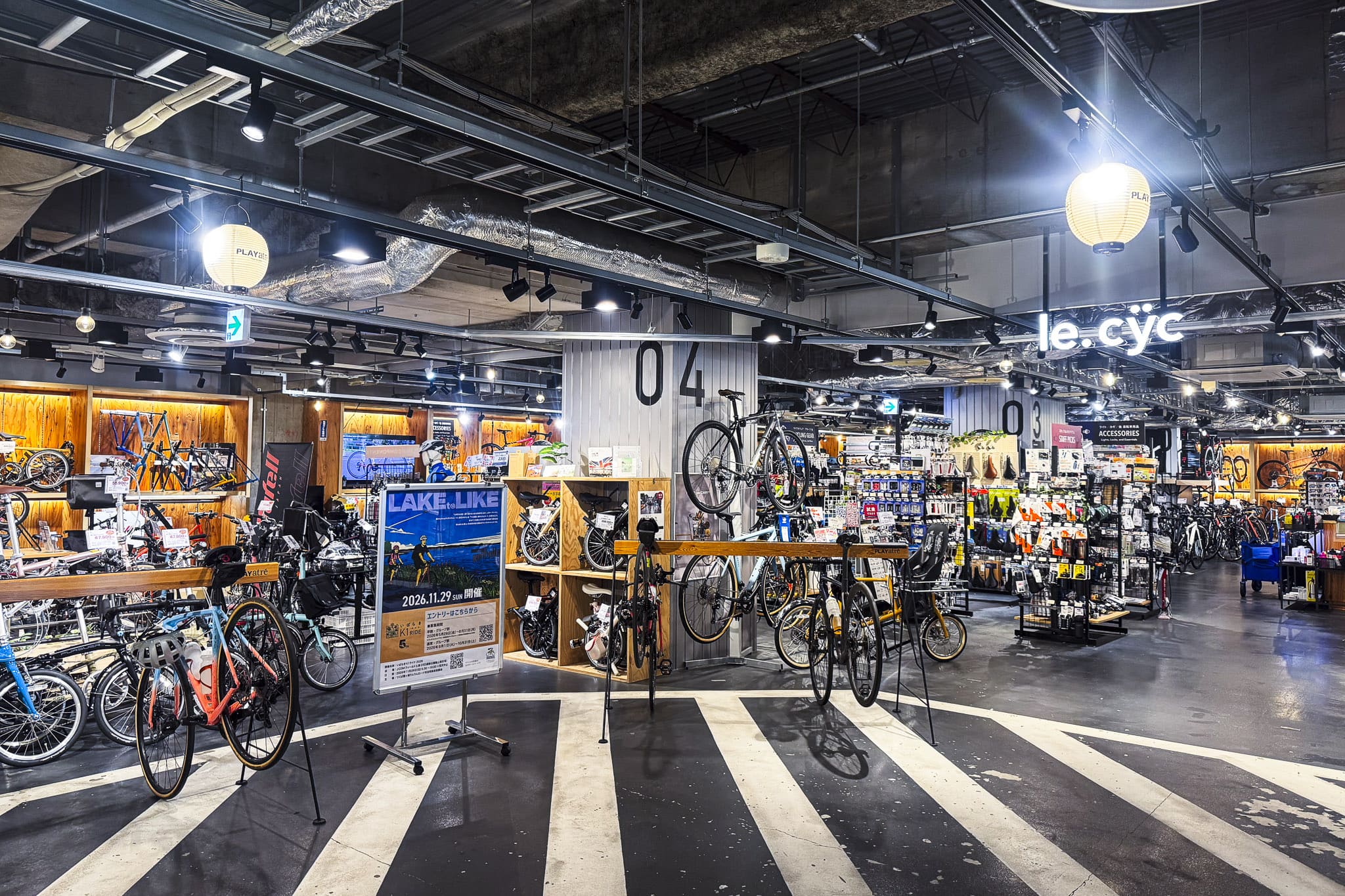
Tsuchiura has dedicated bicycle rental facilities around RinRin Square, including conventional and electric-assist bicycles intended for longer rides. But those services make much more sense when you’re planning a proper cycling day. For our situation, I had only discovered the possibility of cycling after arriving and expected to ride for perhaps an hour and a half.
HELLO CYCLING was much simpler. The Tsuchiura Station service uses electric-assist bicycles and charges 200 yen per 15 minutes, so I could pay for the time I actually used instead of committing to a full-day rental costing over 4,000 yen for an e-bike.
I unlocked the bikes through the app, and we were on our way.
For anyone doing the same thing, I’d recommend having the HELLO CYCLING app already installed and registered before arriving. You can also read my guide to bike sharing in Tokyo if you’re unfamiliar with how these rental systems work in Japan.
So we got on our bikes and made the short trip to Kijo Park.
Kijo Park and Tsuchiura’s Castle Remains
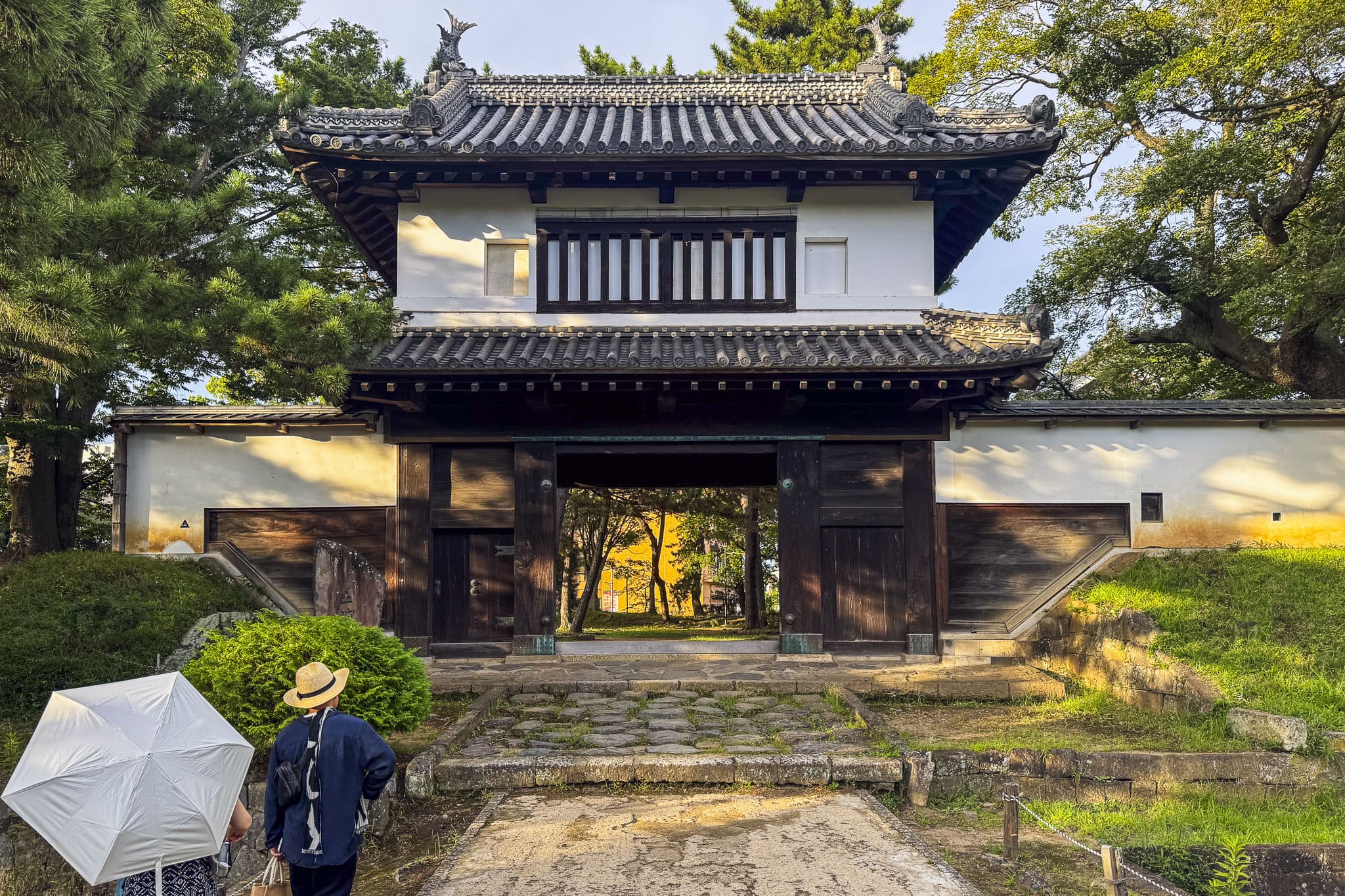


The park occupies the former honmaru and ninomaru areas of Tsuchiura Castle, and the main structure is its original Yagura-mon gate. It is a particularly interesting remnant for anyone who likes Japanese castle history: the city describes it as the only surviving gate of this type in the Kanto region still standing within a castle’s main enclosure. The small park is very nice for a short stroll or simply to kick back and relax in its quiet surroundings.
We sat there for a little while to take in the surroundings, and picked up our bikes again to continue.
| Access |
15-min walk from Tsuchiura Stration |
|---|---|
| Business Hours |
24 hours |
| Price |
Free |
| Official Website |
http://www.city.tsuchiura.lg.jp/page/page001098.html |
Cycling Along the Northwestern Shore of Kasumigaura Bay
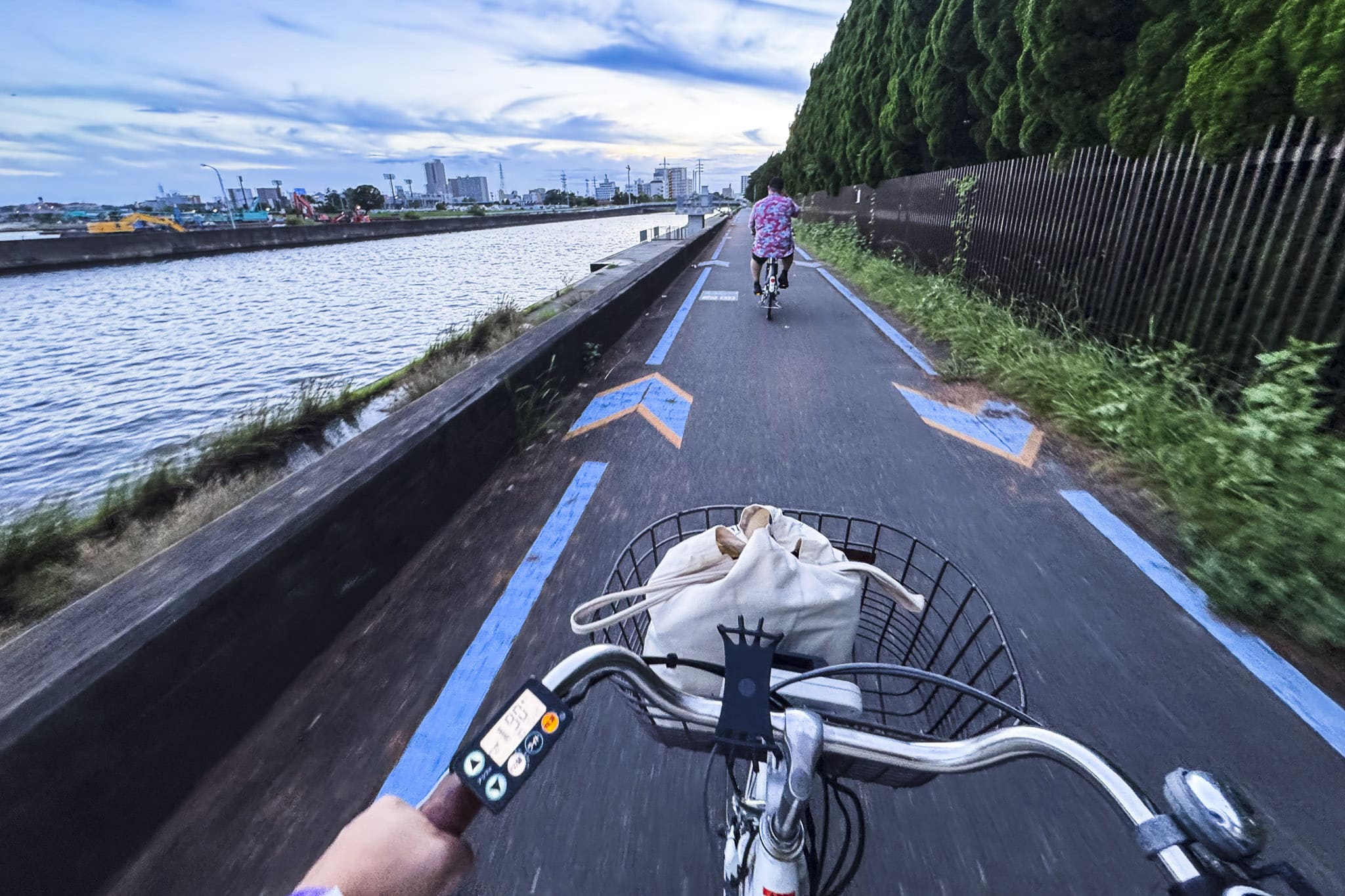
From Kijo Park, we headed toward the lake and followed the roads along the northwestern shore of Kasumigaura Bay, Japan’s second larget lake after Bika Lake.
The landscape changed quickly once we got away from the city: bucolic greenery and countryside landscapes, as well as broad lotus root fields (renkon) near the lake caught our attention, and after a quick search I learned that Tsuchiura is one of Japan’s major production areas for renkon. It may sound silly, but this little fact brought me a lot of joy because I love this vegetable.


Beyond them, the landscape opened toward the lake. The countryside was calm, the water was equally still, and there was very little pressure to get anywhere in particular. We simply rode along the lakeshore and enjoyed having a bicycle for a while. The cycling infrastructure was solid and the thought of circling the entire lake was enticing enough for us to make a promise to return soon for a full cycling day.
But alas, daytime hours are what they are, and as much as we were enjoying ourselves beside the lake with such a pleasant scenery, before long it was time for us to start making our way back before dark. So I begrudgingly stopped around 18:00 (sunset was around 18:30). It was a short ride, but enough to feel we ended the day on a high note. We had arrived in Tsuchiura without knowing much about the city, and discovering this felt like a genuinely happy accident.


Before riding the train back to Tokyo, I also made a point of getting a few renkon snacks as souvenirs.
We’ll be back for sure.
| Access |
Several access points, 5-min cycling or 15-min walk from Tsuchiura Station |
|---|---|
| Business Hours |
24 hours |
| Price |
Free |
Read more from my recent travel stories:


And for more trip ideas, check these articles too!


Written by
Photographer, journalist, and avid urban cyclist, making sense of Japan since 2017. I was born in Caracas and lived for 14 years in Barcelona before moving to Tokyo. Currently working towards my goal of visiting every prefecture in Japan, I hope to share with readers the everlasting joy of discovery and the neverending urge to keep exploring.
- +0 0
-
-