Autumn in Northern Kyushu: Japan’s Quieter Side in November
Discover northern Kyushu’s autumn colors, scenic drives, and hidden gems with an easy November getaway from Tokyo.


- +0 0
-

-


Japan’s autumn foliage season is famous for the brilliant colors of Kyoto’s temple gardens and Tokyo’s tree-lined avenues. But beyond these familiar destinations, another side of autumn awaits in northern Kyushu.
Across Fukuoka and Oita prefectures, November brings colorful mountain valleys, historic towns, scenic cycling routes, and seasonal festivals. While popular spots can still attract crowds, the region offers opportunities to explore beyond Japan’s busiest sightseeing routes.
Better still, northern Kyushu is easily accessible from Tokyo by air, making it an appealing destination for a weekend escape or a longer autumn adventure.
This guide covers when to see the foliage, where to find the best scenery, how to get around, and how to make the most of a November trip.
The Case for November in Northern Kyushu, in One Table
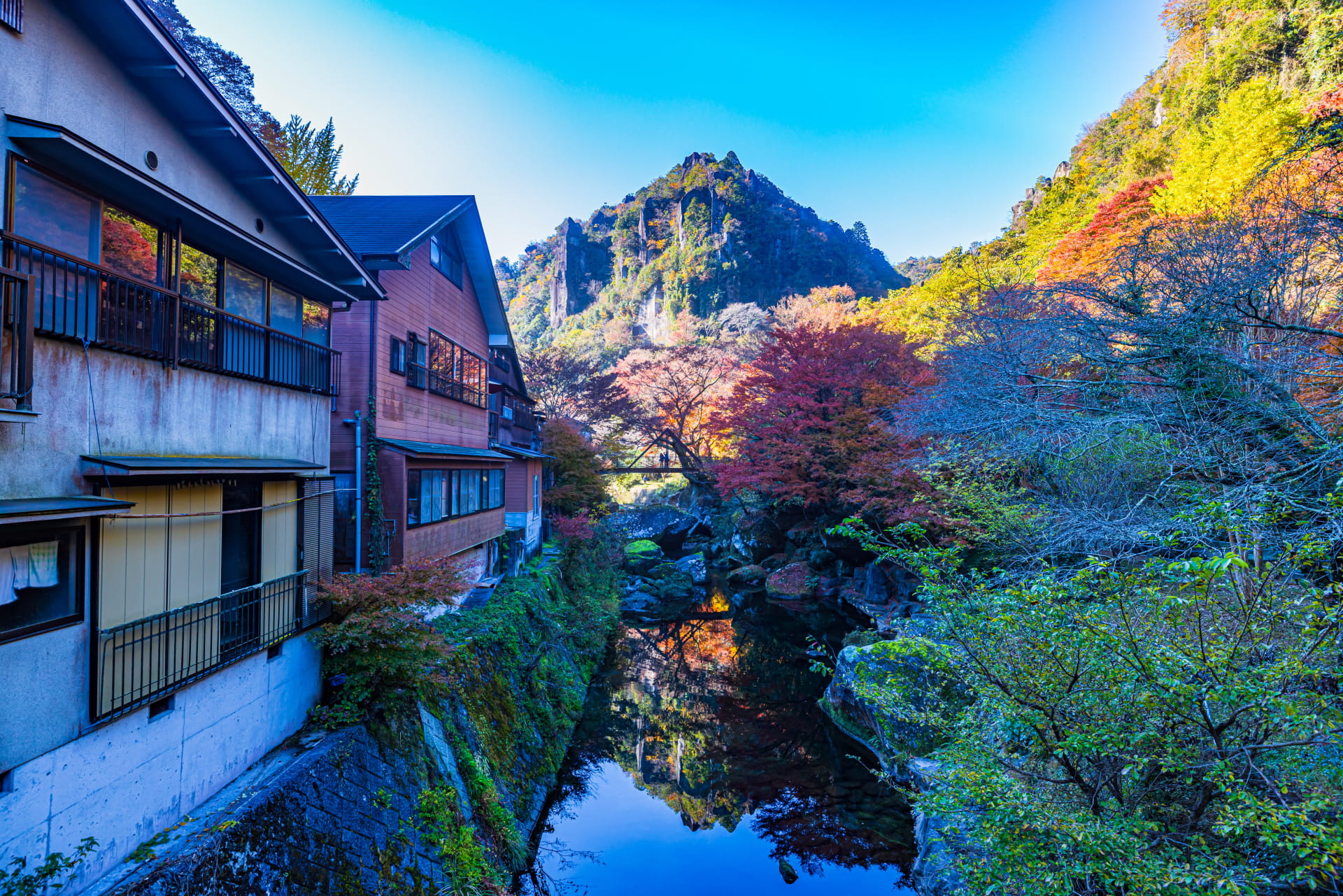
Autumn colors arrive at different times across Japan, influenced by elevation, temperature, and local weather conditions. In northern Kyushu, mountain foliage can begin appearing in late October, while some lower-elevation gardens and historic towns reach their best colors toward the end of November.
| Where | Approximate autumn foliage season | What to see |
|---|---|---|
| Hikosan (Soeda, Fukuoka) | Late Oct–mid Nov | Sacred mountain, shrine approach, cedar-and-maple slopes |
| Yabakei / Shin-Yabakei (Nakatsu, Oita) | Early–late Nov | Dramatic rock formations and colorful gorge scenery |
| Raizan Sennyoji (Itoshima, Fukuoka) | Mid–late Nov | A centuries-old maple and historic temple garden |
| Akizuki Castle ruins (Asakura, Fukuoka) | Mid–late Nov | Black castle gate framed by autumn foliage |
| Kamado Shrine (Dazaifu, Fukuoka) | Mid Nov–early Dec | Maples, ginkgos, and seasonal illuminations |
| Shiranoe Botanical Garden (Kitakyushu) | Late Nov–early Dec | Late-season foliage in a peaceful garden setting |
These periods are general seasonal guidelines, not guaranteed peak dates. Actual conditions vary each year, so check current foliage forecasts before visiting.
November also brings comfortable sightseeing weather. In Fukuoka, average temperatures hover around 13°C, though mornings and evenings can be much cooler, especially in mountainous areas.
For travelers considering another season, our guide to why May and June are the smartest months to fly to Kyushu explores the advantages of visiting outside the busiest travel periods.
First, the Friction: What to Know Before You Go
Northern Kyushu rewards a little advance planning, particularly if you want to explore its mountains and rural landscapes.
Autumn timing varies. Foliage peaks can shift by a week or more depending on the weather. Check updated forecasts from services such as Weathernews or Walkerplus closer to your departure.
A rental car offers greater flexibility. You can reach destinations such as Yabakei, Hiraodai, and Hikosan by road, but public transportation may have infrequent service or require additional transfers.
Rental car hours require attention. Most staffed rental counters at Kitakyushu Airport operate during the day and evening. Some providers offer unattended pickup, but these services may require a Japanese driver’s license or other eligibility requirements. International visitors should confirm the requirements before booking.
Popular foliage spots can get busy. Akizuki, Kamado Shrine, and Shin-Yabakei may be crowded on peak weekends. When possible, consider visiting on weekdays.
Rural services can be limited. English-language information is less common outside major cities, and some smaller establishments prefer cash.
These considerations should not discourage visitors. With a little preparation, the region offers a rewarding mix of natural scenery, local food, and cultural experiences.
The Flights That Turn This Into a Weekend

One advantage of northern Kyushu is its accessibility from Tokyo.
Kitakyushu Airport (KKJ) sits on an artificial island and operates 24 hours, offering greater flexibility for late-night and early-morning flights.
Unlike airports with overnight operating restrictions, Kitakyushu can accommodate flights outside conventional daytime hours. However, airline schedules and airport services still vary.

STARFLYER, an airline based in Kitakyushu, operates regular flights between Tokyo’s Haneda Airport and Kitakyushu Airport.
The airline uses two seasonal timetables:
-
Summer timetable: Generally runs from late March to late October.
-
Winter timetable: Generally runs from late October to late March.
Departure and arrival times can differ between these schedules, and individual flights may not operate every day. Travelers should always consult the official STARFLYER timetable when planning their trip.
For travelers leaving Tokyo, late-evening flights can make a weekend trip particularly convenient. Depending on the schedule, it may be possible to fly after work on Friday, spend Saturday and Sunday exploring northern Kyushu, and return to Tokyo on Sunday evening.
STARFLYER also offers a distinctive flying experience, with its signature black cabin interiors and an emphasis on onboard comfort and service.
For more information about its routes, see our How to Travel from Tokyo to Kyushu with STARFLYER guide. Our comparison of Fukuoka Airport vs Kitakyushu Airport can also help you choose the most convenient gateway.
Find the best flights from Tokyo to Kyushu
Fly from Tokyo to Kitakyushu with STARFLYER and discover northern Kyushu’s stunning autumn foliage, scenic valleys, and historic towns — all within easy reach of the airport.
The Drive: Kitakyushu to Yabakei
If you choose one scenic drive in northern Kyushu this autumn, Yabakei deserves serious consideration.
In northern Oita Prefecture, this area is known for dramatic rock formations, forested valleys, and the Yamakuni River. During autumn, colorful foliage creates a striking contrast with the rugged cliffs.
From Kitakyushu Airport, allow approximately one to two hours by car to reach the area’s main attractions, depending on your destination, route, and traffic conditions.
Hitome Hakkei — Eight Views at a Glance
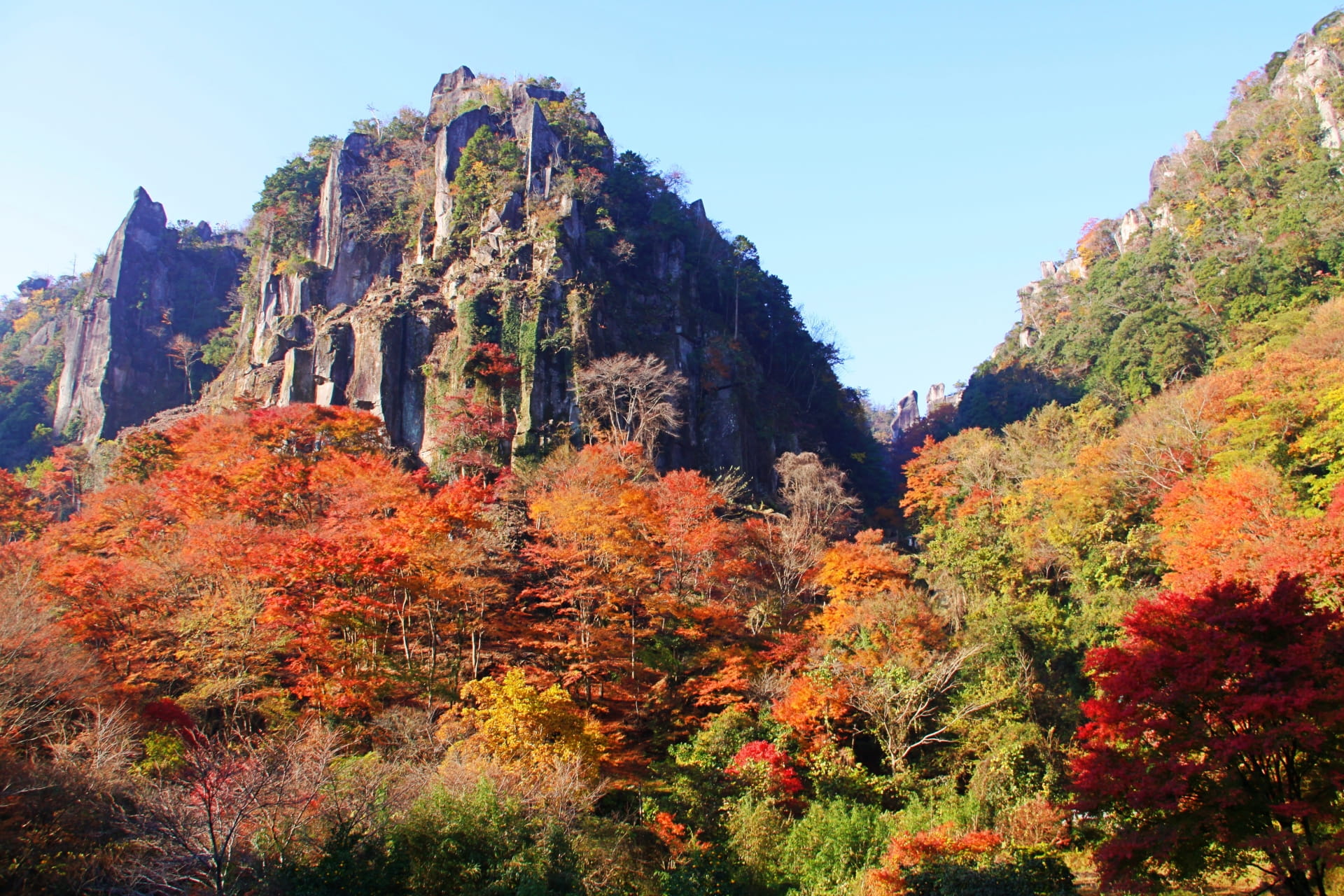
The centerpiece of Shin-Yabakei is Hitome Hakkei, a viewpoint whose name means roughly “eight sights at a glance.”
From here, visitors can admire eight named rock formations rising above the surrounding valley.
The foliage typically reaches its best colors around mid-November, although conditions vary. In 2025, the area’s peak occurred around mid-month, while seasonal illuminations continued for a longer period.
Nearby shops and soba restaurants make this a convenient place to stop for lunch before exploring the rest of Yabakei.
Ao no Domon — A Tunnel with a Remarkable History
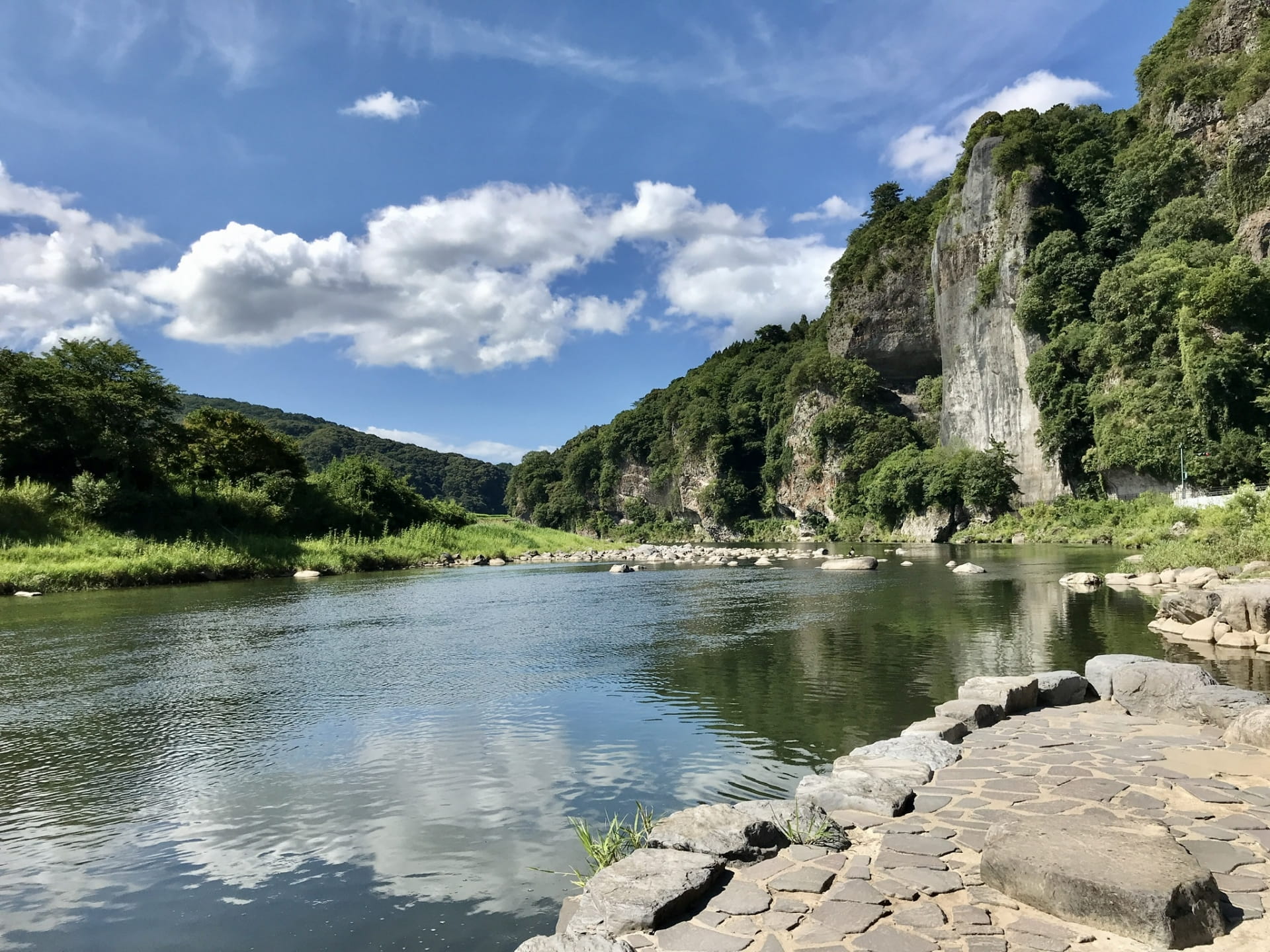
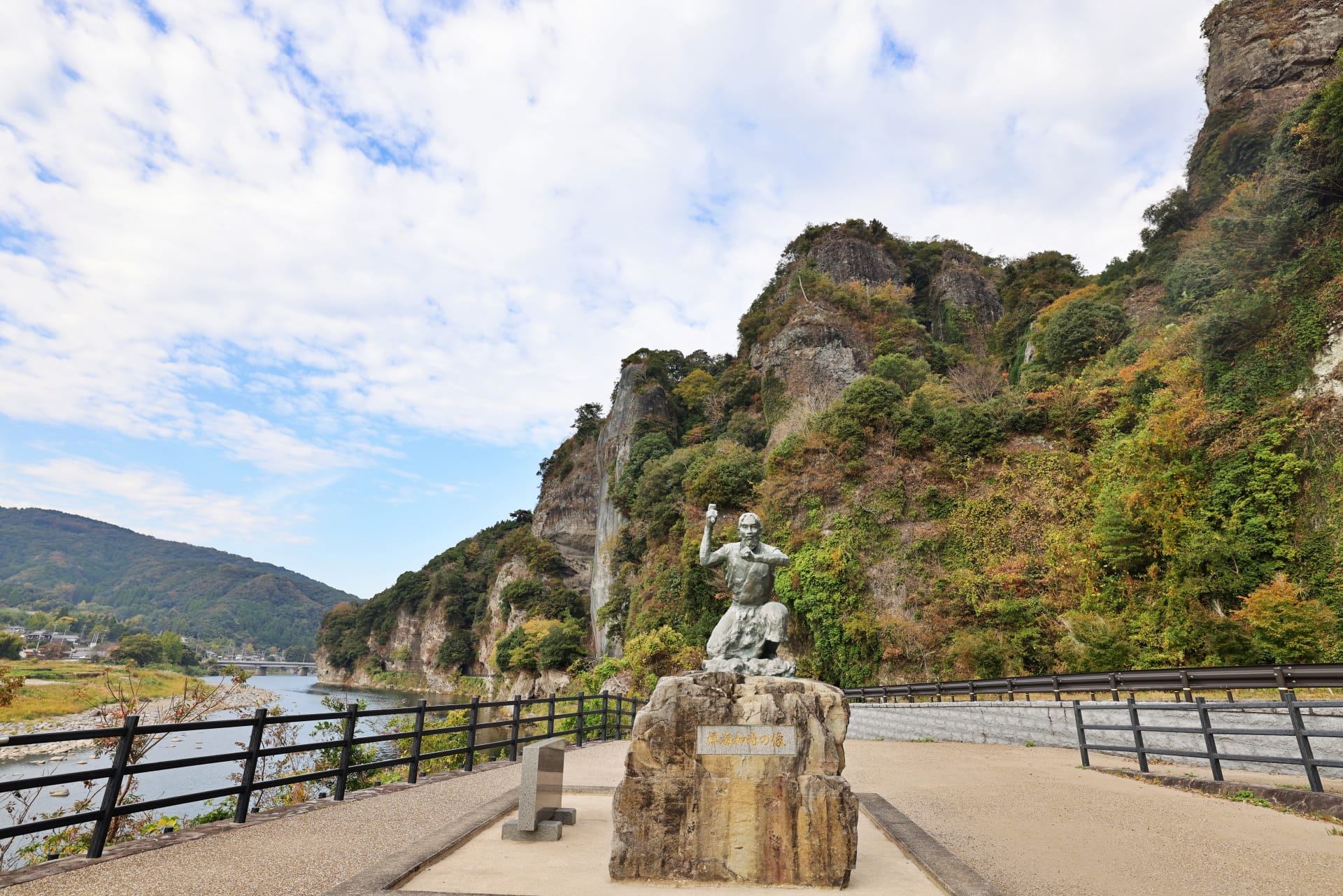
About half an hour from Hitome Hakkei, Ao no Domon is a historic passage carved through rock beside the Yamakuni River.
According to local tradition, the Buddhist monk Zenkai began excavating the passage in the eighteenth century to provide travelers with a safer alternative to a dangerous cliffside route.
The project reportedly took about thirty years and was completed in 1764 with help from other workers.
The passage extends approximately 342 meters, including around 144 meters of tunnel. Some describe it as an early example of a toll road in Japan, as travelers were reportedly charged to use it.
The story later inspired literary works, including a novella by Kikuchi Kan.
Nearby, Rakanji Temple is known for its cliffside setting and collection of Buddhist statues, making it another worthwhile stop in the area.
Nakatsu and Its Famous Karaage
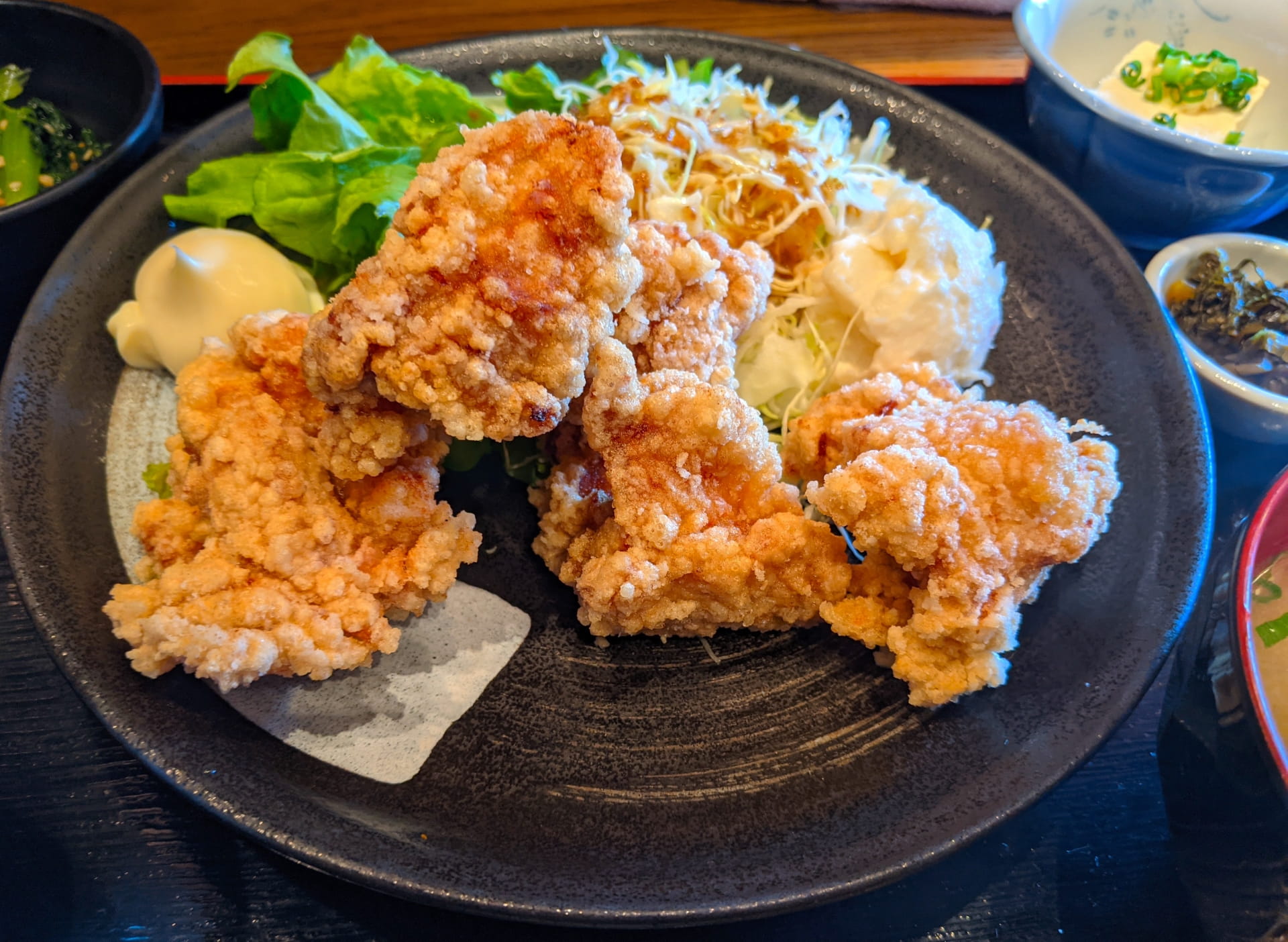
After exploring Yabakei, head to Nakatsu, widely celebrated as a destination for Japanese fried chicken, or karaage.
Nakatsu has more than 30 specialist karaage shops, many offering their own variations on seasoning and preparation.
Garlic, soy sauce, ginger, and other ingredients create distinctive flavors, and many establishments specialize in takeaway orders.
Picking up freshly prepared karaage is an easy way to experience one of the area’s best-known local foods.
For more regional specialties, see our guide to what to eat in Fukuoka.
The Maple Yaba Cycling Road: Autumn Scenery on Two Wheels
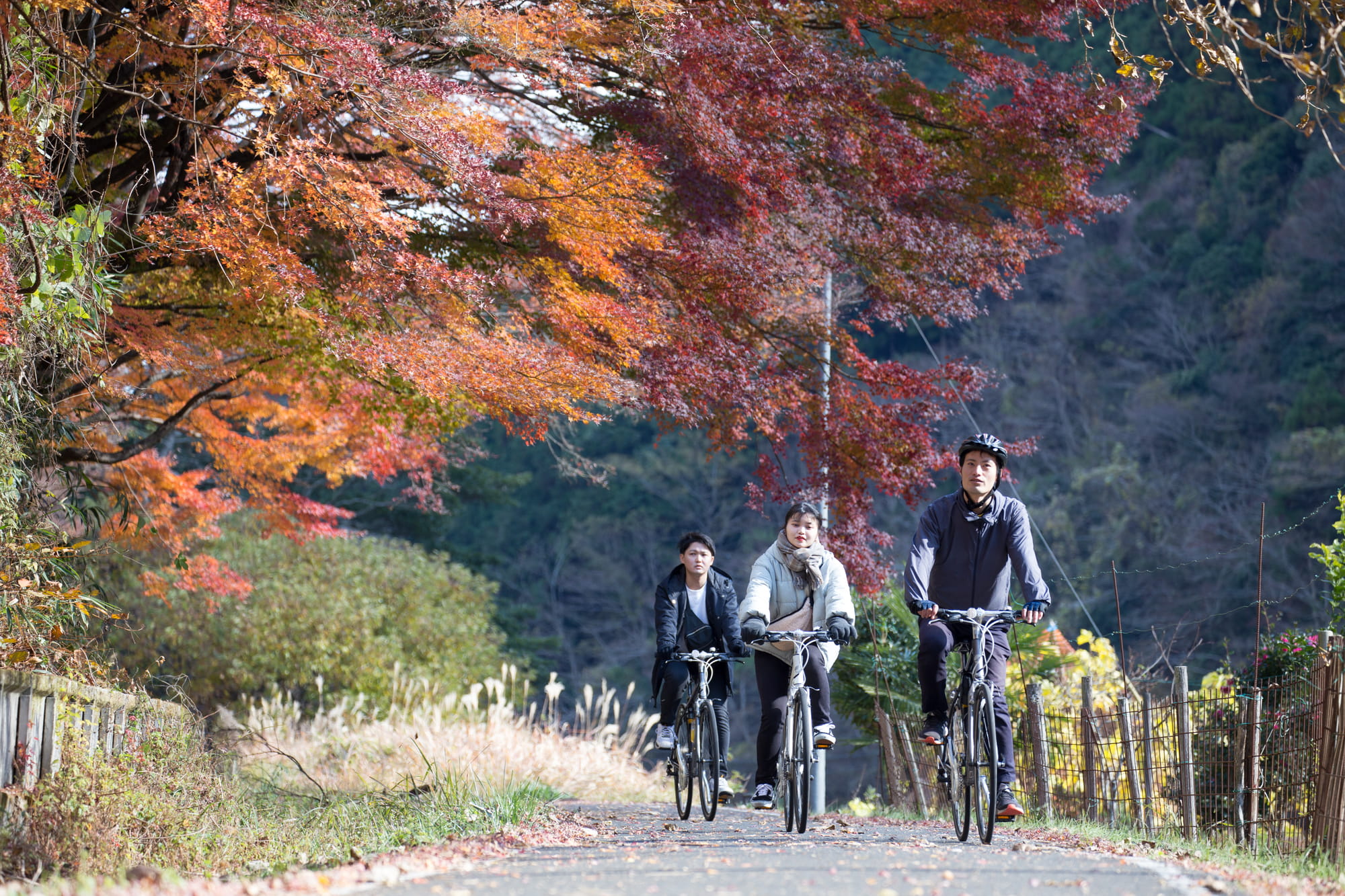
For a different perspective on Yabakei, consider exploring the valley by bicycle.
The Maple Yaba Cycling Road follows about 36 kilometers of the former Yabakei Railway, which operated from 1913 to 1975.
Around 22 kilometers between Hon-Yabakei and Yamakuni are designated for bicycles, following the river through the surrounding countryside.
Because much of the route follows a former railway alignment, gradients are relatively gentle, making it attractive to recreational cyclists and experienced riders alike.
In autumn, colorful trees, riverside scenery, and unusual rock formations make this an especially enjoyable outdoor activity.
Rental bicycles are available at designated facilities, including the Yabakei Cycling Terminal. Depending on the location, options may include electric-assist bicycles and other models.
Check rental availability, operating hours, and return arrangements before visiting. Travelers without a car should also plan how to reach their starting point, as local transportation services can be limited.
Five More Autumn Places, Ranked by Effort
Yabakei may be the highlight of a northern Kyushu autumn trip, but several other destinations deserve a place on your itinerary.
1. Hiraodai (Kitakyushu) — An Accessible Natural Landscape
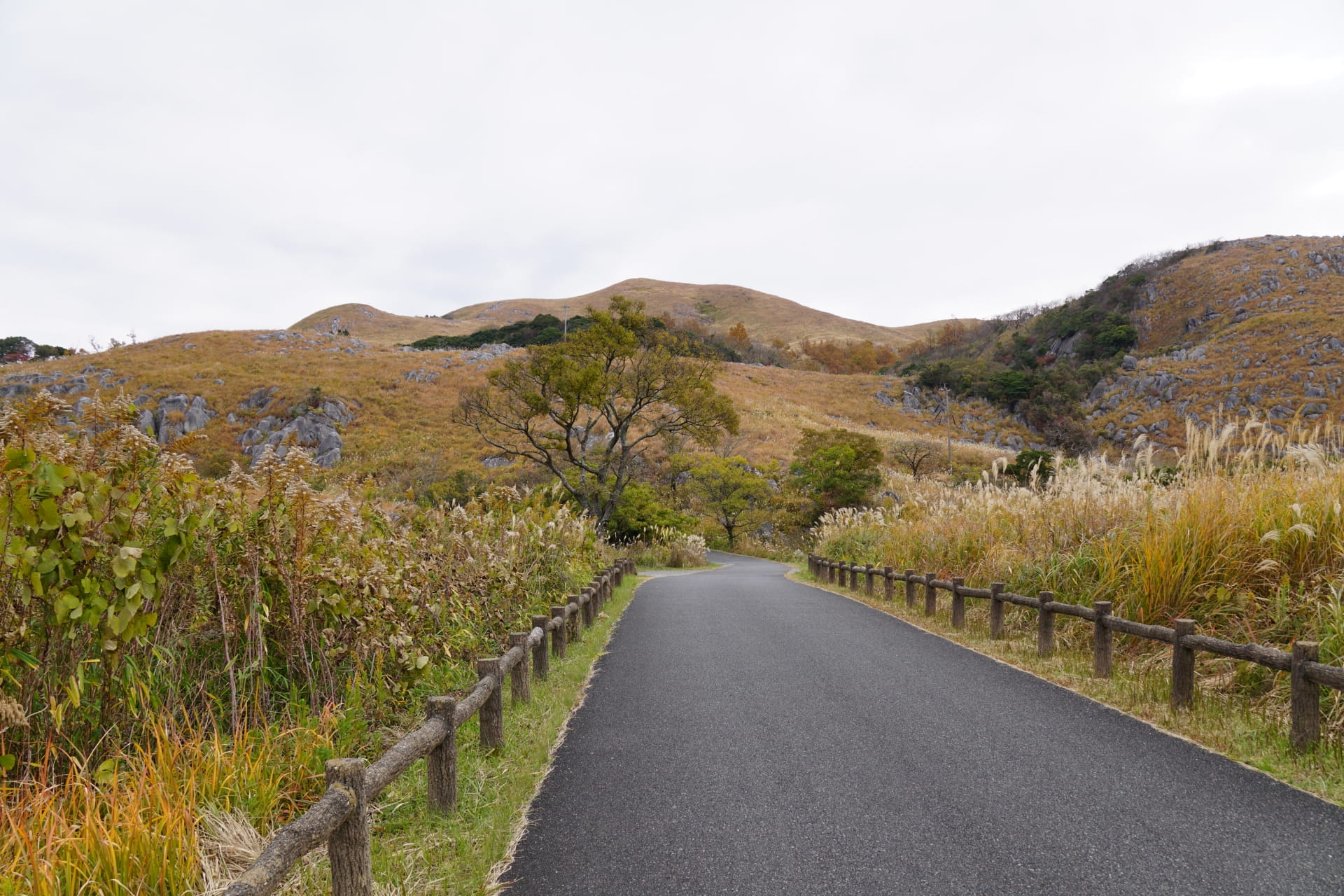
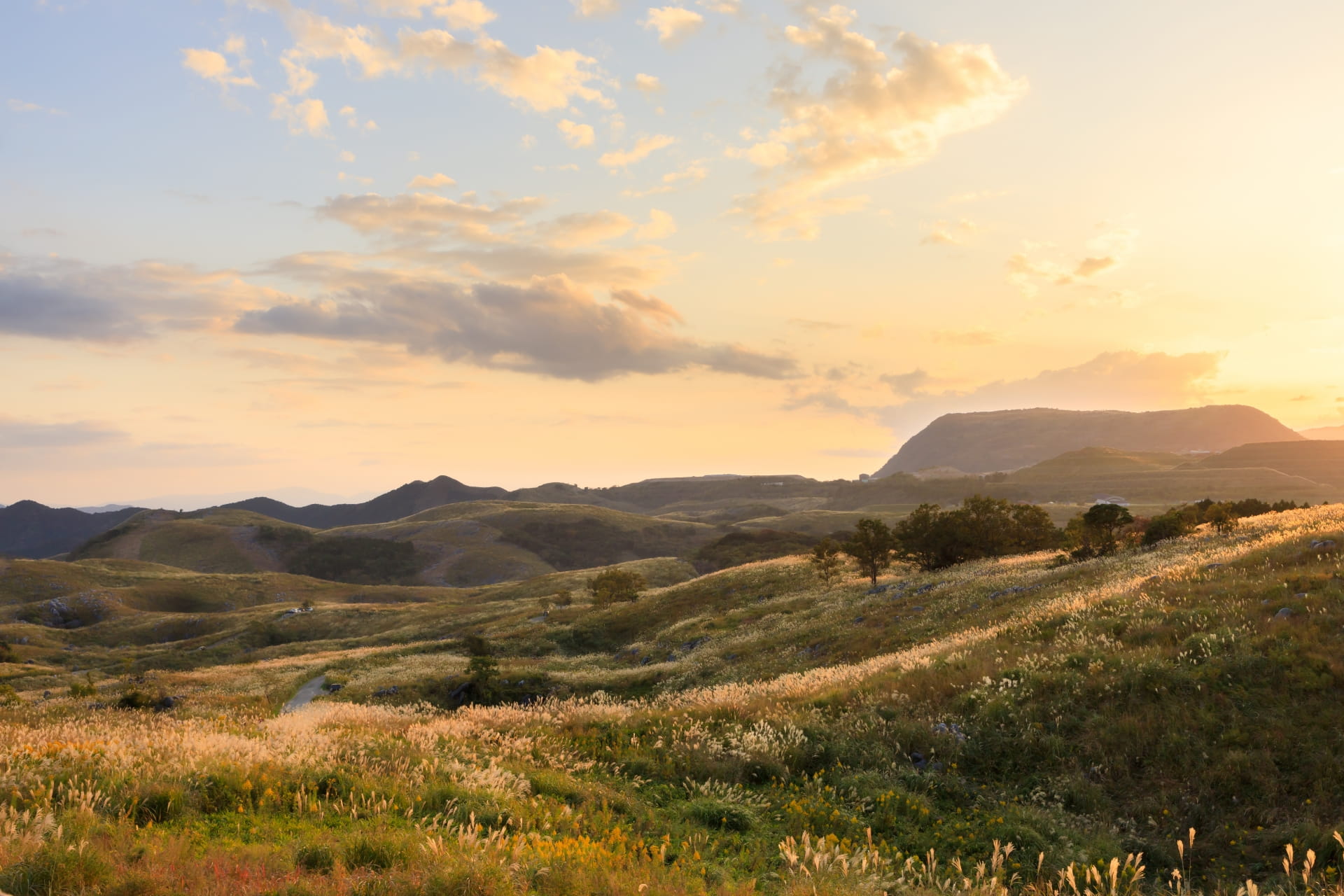
Approximately 40 minutes by car from central Kokura, Hiraodai is a karst plateau known for its scattered white limestone formations and open grasslands.
In autumn, Japanese pampas grass (susuki) turns silver and gold, creating particularly beautiful scenery in the late-afternoon light.
Visitors can enjoy viewpoints and walking trails, while nearby Senbutsu Cave offers another experience for those interested in the area’s geology.
2. Shiranoe Botanical Garden (Kitakyushu) — Late-Season Foliage
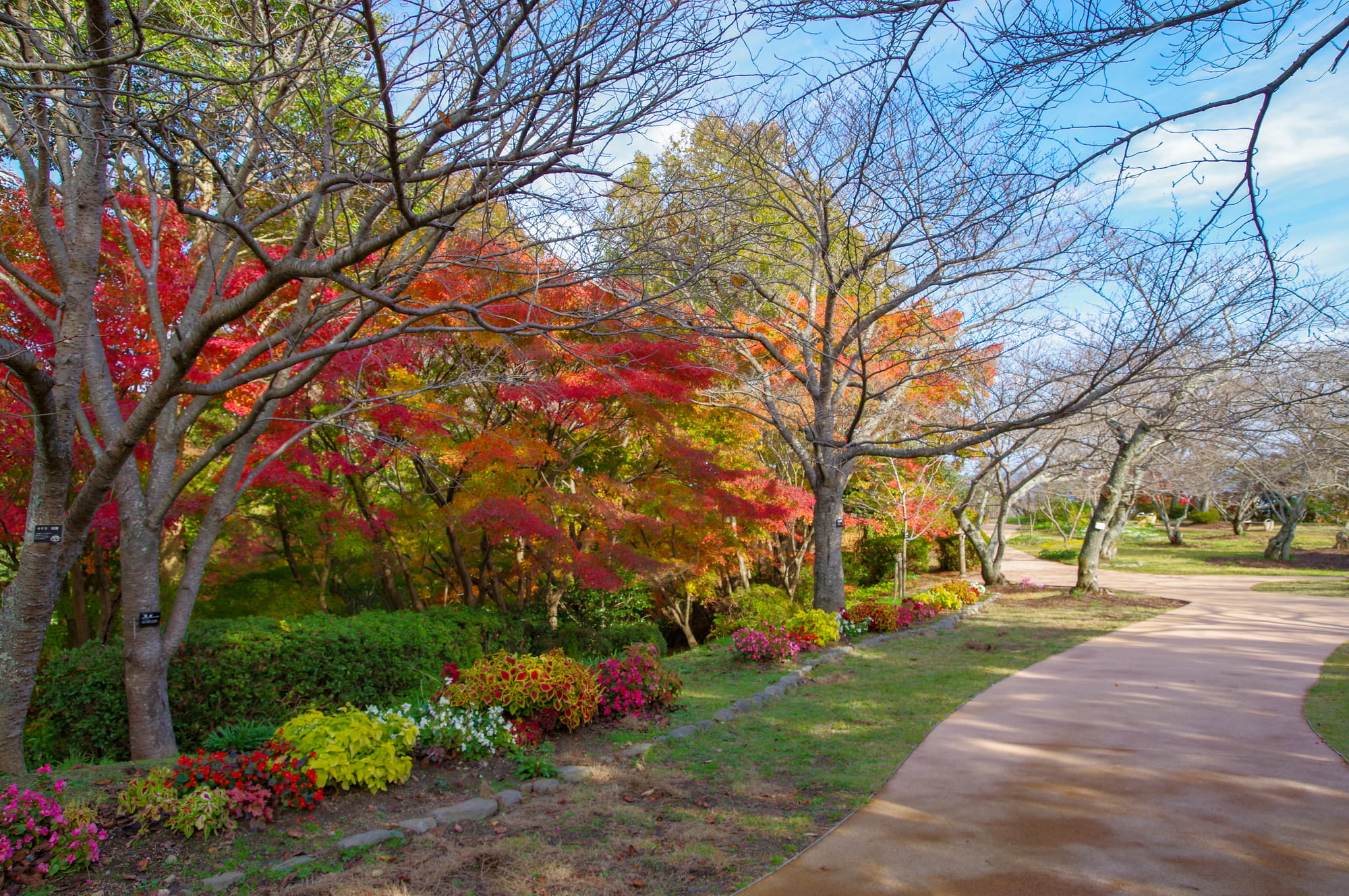
Located near Moji, Shiranoe Botanical Garden is a convenient destination for travelers staying in Kitakyushu.
Its variety of trees and landscaped paths make it especially appealing in late autumn.
Colors often remain attractive into early December, although the timing depends on the year’s weather.
3. Hikosan (Soeda, Fukuoka) — A Sacred Mountain
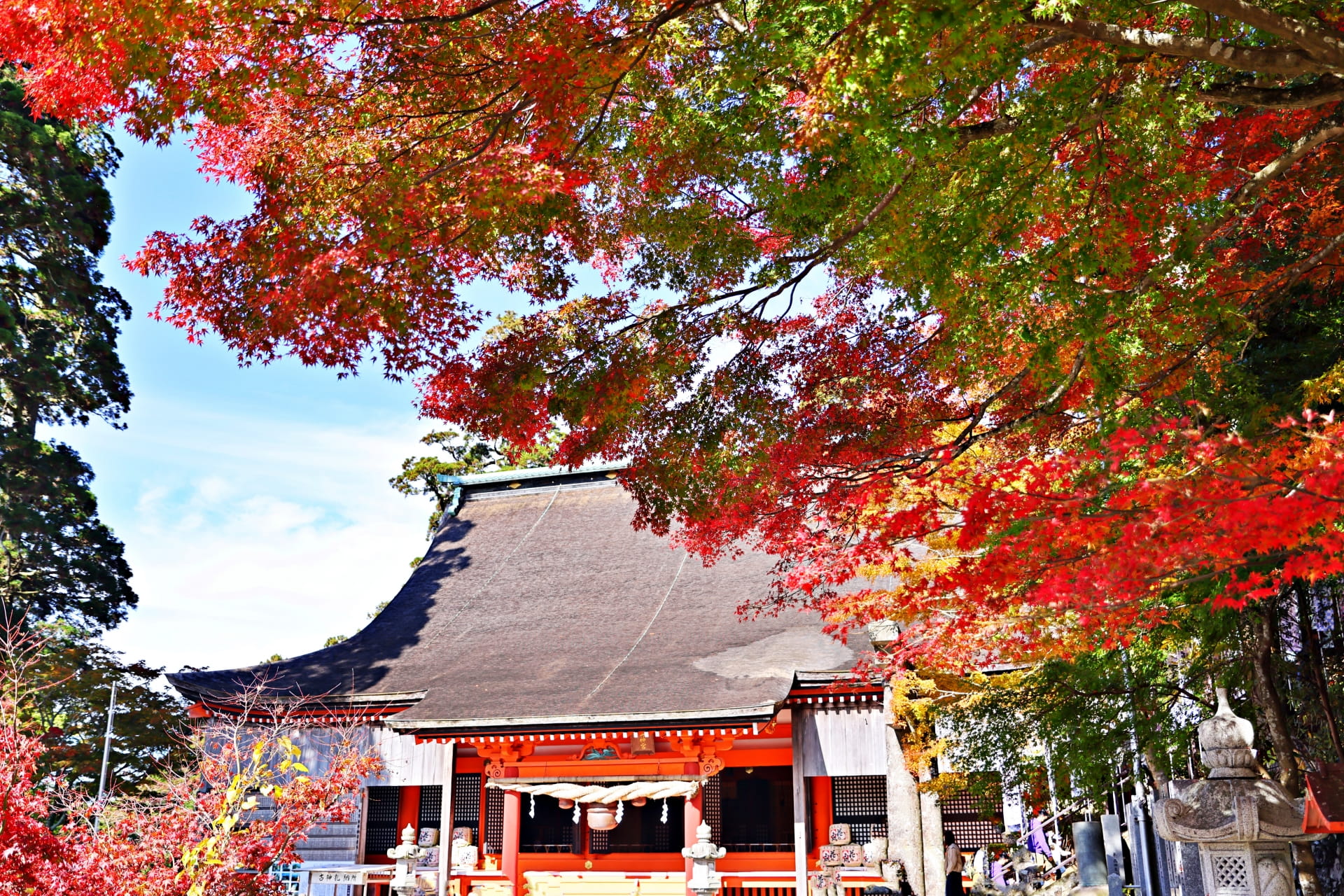
Hikosan has long been associated with Shugendo, a Japanese mountain-based religious tradition combining elements of Buddhism and Shinto.
Its forested slopes and historic shrine complex become especially atmospheric as autumn colors spread down the mountain.
Visitors can take the Hikosan Slope Car, an inclined monorail that runs about 849 meters uphill from Hana Station, past the bronze torii gate, toward the shrine area.
The journey takes approximately seven minutes. The slope car and its stations accommodate wheelchair users and visitors with strollers, but travelers should check current operating conditions before visiting.
4. Raizan Sennyoji Daihioin (Itoshima, Fukuoka) — One Extraordinary Tree
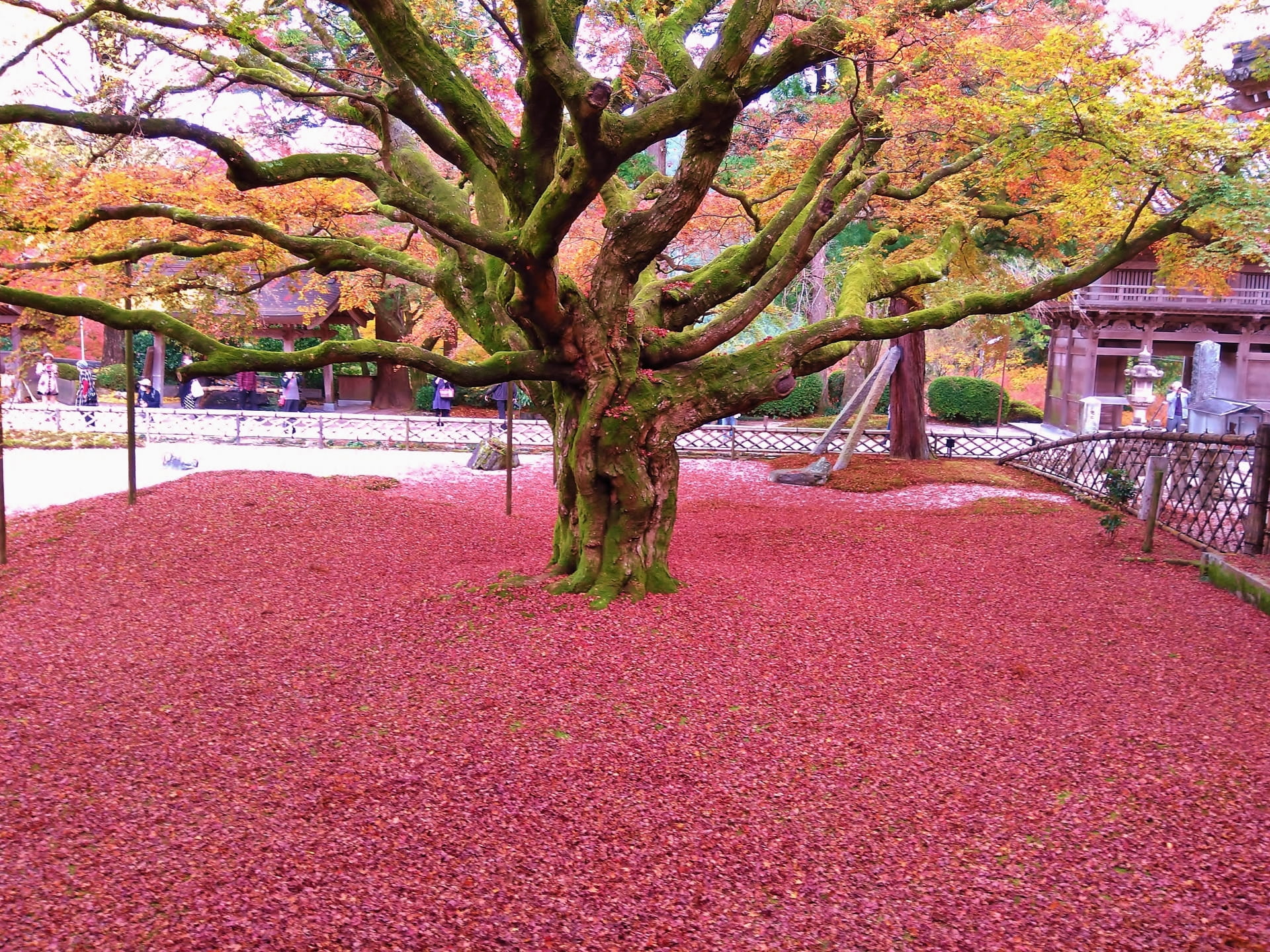
About an hour by car from Fukuoka City, Raizan Sennyoji Daihioin is famous for its approximately 400-year-old maple tree, designated a natural monument by Fukuoka Prefecture.
More than 200 additional maples surround the temple’s historic garden, creating a particularly colorful setting around mid-to-late November.
General admission is ¥500, and in November you can choose a ¥ 200 option to see only the outer garden and the great maple. Admission is free for junior-high-school-age children and younger.
5. Kamado Shrine and Akizuki (Fukuoka) — Classic Autumn Scenes
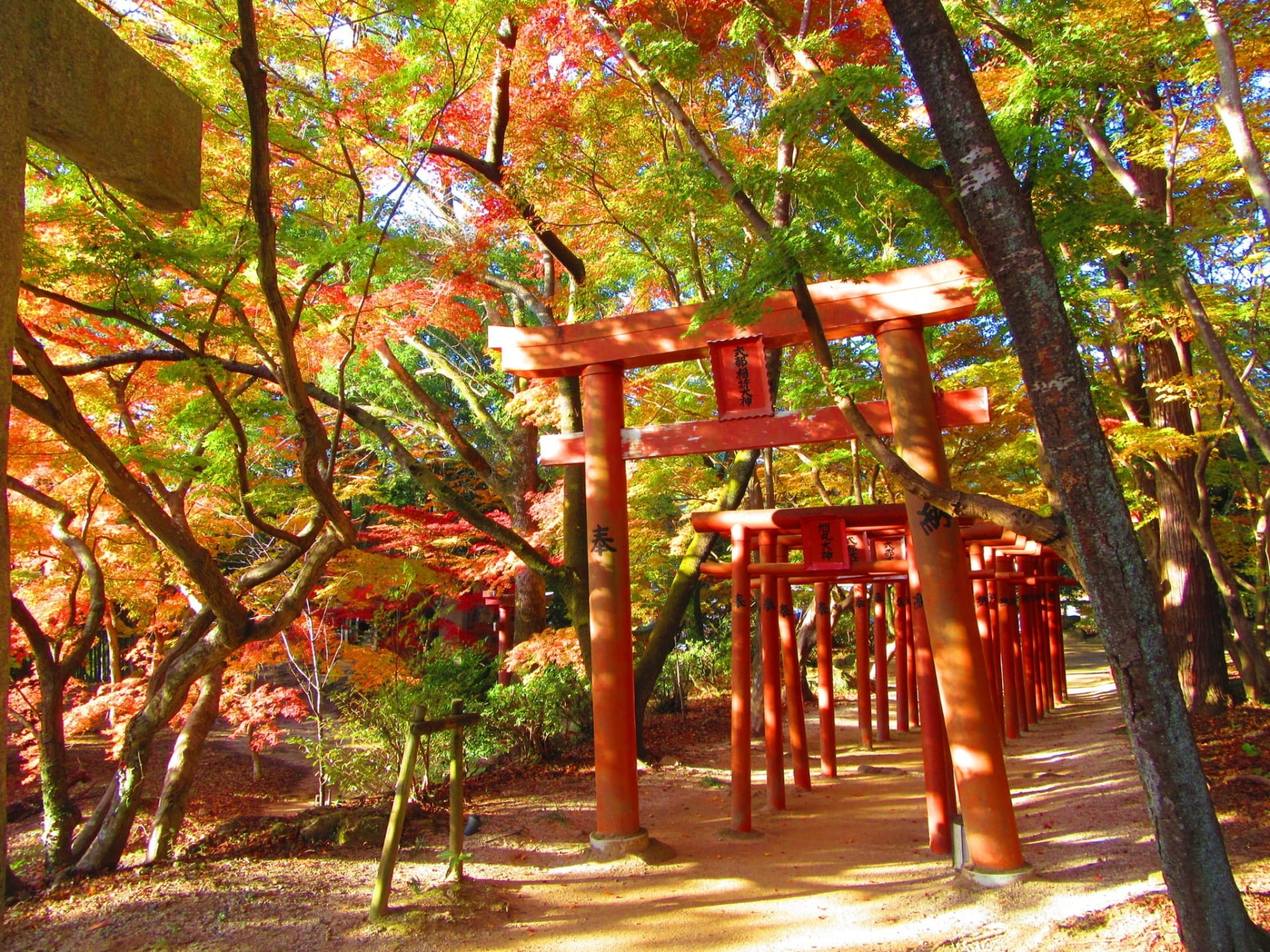
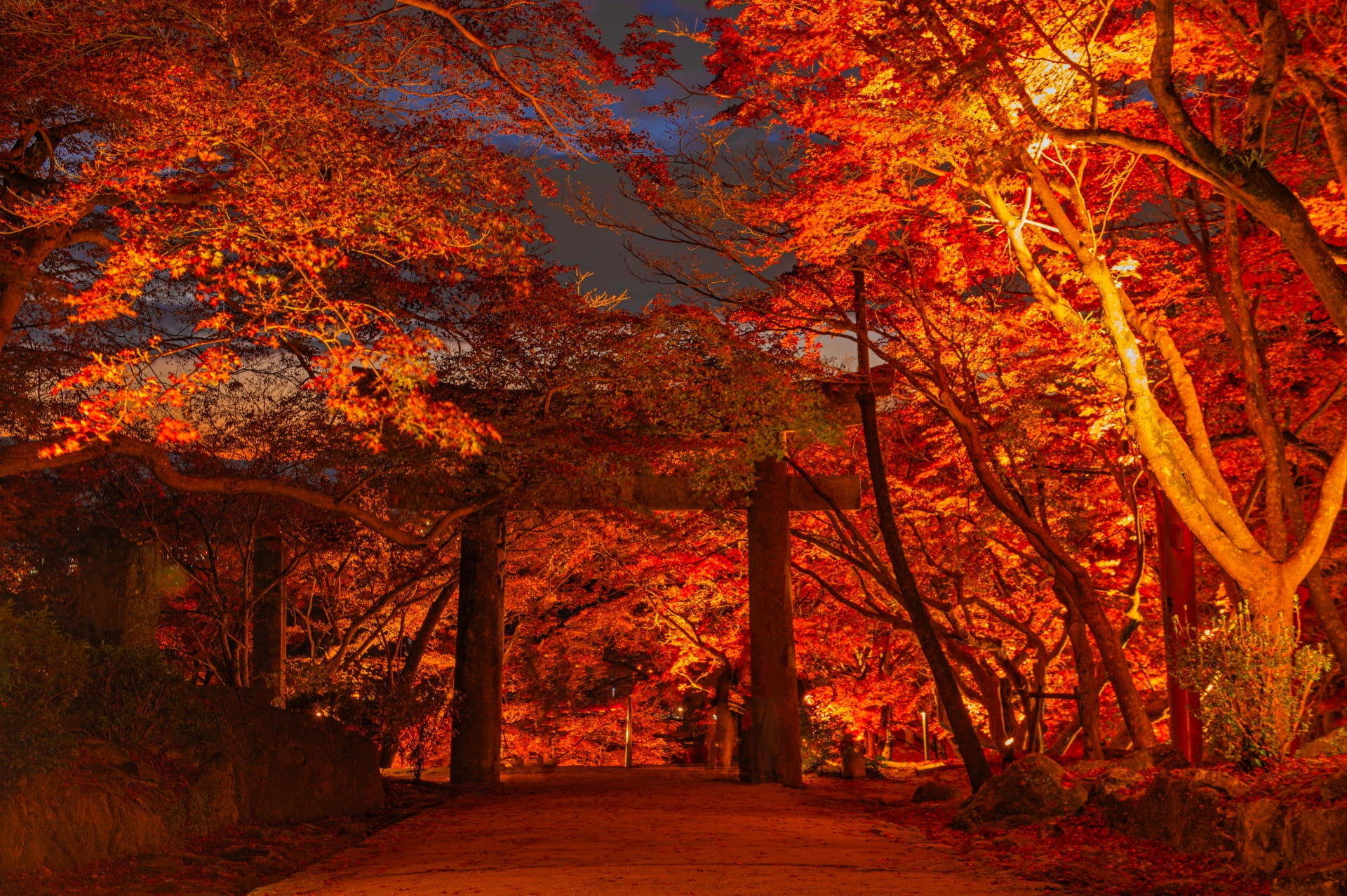
Kamado Shrine, located above Dazaifu on Mount Homan, is known for its maples, ginkgos, and seasonal autumn illuminations.
In 2026, autumn light-ups run November 21–December 6, with a maple festival scheduled for November 28–29. Dates and arrangements may change, so check the shrine’s latest announcements before visiting.
Akizuki, a historic castle town in Asakura, is often nicknamed the “Little Kyoto of Chikuzen.”
Its best-known autumn scene is the black castle gate framed by red maple leaves. The area is especially popular during peak foliage weekends, so we recommend visiting early or on a weekday.
The Autumn 2026 Calendar
Northern Kyushu’s autumn appeal extends beyond foliage, with traditional festivals and seasonal illuminations adding to the experience.
| Dates | Event | Where |
|---|---|---|
| Oct 23–Nov 3 | Kokura Castle Takeakari: Bamboo lanterns illuminate the castle grounds and surrounding area. Admission ¥1,000; free for elementary-school-age children and younger with a guardian. | Kokura, Kitakyushu |
| Nov 2–4 | Karatsu Kunchi: Historic festival featuring 14 elaborate floats. Its float procession is part of the UNESCO-inscribed Yama, Hoko, Yatai float festivals. | Karatsu, Saga |
| Mid–late Nov | Yabakei autumn foliage: Seasonal colors around Hitome Hakkei and other scenic locations. Illumination details should be checked locally. | Nakatsu, Oita |
| Nov 21–Dec 6 | Kamado Shrine autumn light-up: Seasonal illumination, with a maple festival scheduled for Nov 28–29. | Dazaifu, Fukuoka |
| Mid Nov–early Dec | Akizuki and Shiranoe foliage: Typical seasonal viewing periods rather than fixed event dates. | Asakura / Kitakyushu |
Event information reflects published 2026 schedules and general seasonal guidance. Dates, operating arrangements, and illumination periods may change due to weather or other circumstances.
Two particularly memorable events are Kokura Castle Takeakari and Karatsu Kunchi.
Takeakari transforms the castle grounds with thousands of bamboo lanterns, while Karatsu Kunchi brings centuries-old festival traditions to the streets of Saga Prefecture.
The first days of November also coincide with Culture Day on November 3, a national holiday. Visitors planning to attend these events should book accommodation in advance.
Two Ways to Do It
Northern Kyushu works well for both a short weekend and a longer trip combining cities, countryside, and coastal scenery.
The 48-Hour Foliage Weekend (from Tokyo)
Friday — Arrival in Kitakyushu
Take an evening STARFLYER flight from Haneda to Kitakyushu, subject to the operating schedule. Transfer to Kokura and stay near the station for convenient access the following morning.
Saturday — Yabakei and Nakatsu
Pick up a rental car and head to Yabakei.
Begin at Hitome Hakkei, enjoy lunch at a local soba restaurant, and explore Ao no Domon and nearby attractions. Stop in Nakatsu for karaage before returning to Kokura or staying overnight.
Sunday — Cycling or Hiraodai
Choose a shorter ride along the Maple Yaba Cycling Road or visit Hiraodai’s limestone plateau.
Return the rental car with enough time to reach Kitakyushu Airport for your flight home.
This itinerary assumes a rental car and should be adjusted to flight schedules, attraction hours, and travel conditions.
The Five-Day Northern Kyushu Autumn Loop
For travelers with more time, consider extending the weekend route.
Days 1–2 — Kitakyushu, Yabakei and Nakatsu
Follow the two-day itinerary above to explore the area’s dramatic landscapes and local food.
Day 3 — Karatsu and Itoshima
Drive west toward Karatsu in Saga Prefecture, known for its castle, pottery traditions, and festival heritage.
Continue to Itoshima, where coastal scenery contrasts with the mountain landscapes of Yabakei, then spend the night in Fukuoka City.
Day 4 — Dazaifu and Fukuoka
Visit Dazaifu and Kamado Shrine in the morning, then return to Fukuoka City for shopping, sightseeing, and local food.
In the evening, consider visiting one of the city’s famous yatai food stalls.
Our three-day Fukuoka and Kitakyushu itinerary offers additional ideas for exploring both cities.
Day 5 — Raizan Sennyoji or Akizuki
Depending on foliage conditions and your departure schedule, visit Raizan Sennyoji or Akizuki before heading to the airport.
You can depart from either Fukuoka or Kitakyushu Airport, so choose the route that best suits your travel plans.
For more inspiration, read why Kyushu keeps pulling travelers away from the Tokyo–Kyoto line and our complete guide to Kitakyushu.
Practical Tips
A few simple preparations can make a northern Kyushu autumn trip considerably smoother.
-
Plan rental car collection carefully. If you arrive late, consider transferring to Kokura and picking up a car the following morning. Standard staffed counters may not be open overnight, and unattended services have different eligibility requirements.
-
Use public transportation in the cities. Major IC cards work on many trains and buses around Fukuoka and Kitakyushu, although rural services may require separate payment.
-
Pack layers. November temperatures can vary considerably between coastal cities and mountain viewpoints.
-
Carry some cash. Smaller restaurants, temples, and rural businesses may not accept every payment method.
-
Check foliage forecasts shortly before traveling. Seasonal predictions become more useful as autumn progresses.
-
Allow extra time on weekends. Popular foliage destinations can get congested, especially during peak viewing periods.
-
Confirm airport transfers. The bus between Kitakyushu Airport and Kokura costs about ¥710 and takes about 40 minutes, but travelers should check connections against their flight schedules.
Frequently Asked Questions (FAQ)
Q. When is the best time to see autumn colors in northern Kyushu?
A. November is generally the main foliage season, although timing varies by destination. Higher elevations may begin changing color in late October, while some gardens and lower-elevation areas remain colorful into early December.
Q. Is northern Kyushu a good place to visit Japan in November?
A. Yes. November offers autumn scenery, relatively comfortable sightseeing temperatures, seasonal festivals, and opportunities to explore destinations beyond Japan’s most familiar tourist routes.
Q. Do I need a car?
A. A car is recommended for exploring Yabakei, Hiraodai, and other rural destinations efficiently. However, you can reach Fukuoka City, Kitakyushu, Dazaifu, and Karatsu by public transportation.
Q. How do I get to northern Kyushu from Tokyo?
A. Flying is one of the most convenient options. STARFLYER operates regular flights from Haneda to Kitakyushu and Fukuoka, with flight times generally around two hours or less.
Flight schedules vary between the summer and winter timetables, so check the airline’s official website for current departure and arrival options.
Q. How far is Yabakei from Kitakyushu Airport?
A. Allow approximately one to two hours by car, depending on which part of Yabakei you plan to visit and current traffic conditions.
Q. Can I cycle in Yabakei without bringing a bike?
A. Yes. Bicycle rental facilities are available along the Maple Yaba Cycling Road, but you should confirm bicycle types, availability, and return arrangements in advance.
Q. What is Ao no Domon?
A. Ao no Domon is a historic rock-cut passage in Yabakei. According to local tradition, the Buddhist monk Zenkai excavated it in the eighteenth century to provide a safer route for travelers.
Q. Is Kitakyushu Airport really open 24 hours?
A. Kitakyushu Airport supports 24-hour aircraft operations. However, this does not mean that all passenger facilities, transportation services, or rental car counters operate around the clock.
Q. Where should I stay?
A. Kokura is a convenient base for exploring Kitakyushu, Yabakei, and Hiraodai.
Fukuoka City suits travelers who prioritize Dazaifu, Itoshima, shopping, and urban dining.
For a longer trip, consider dividing your stay between the two cities.
The Bottom Line
Autumn in Japan is about more than the country’s most famous temple gardens and city parks.
Northern Kyushu offers a different perspective on the season, from Yabakei’s dramatic rock formations and Akizuki’s historic streets to scenic cycling routes, mountain shrines, and regional food traditions.
With convenient air connections from Tokyo, the region is easy to reach for both weekend getaways and longer adventures.
STARFLYER’s flights to Kitakyushu make it easier to discover this side of Japan, whether you’re planning a short autumn escape or exploring Kyushu at a more relaxed pace.
And while northern Kyushu’s best-known foliage spots can attract their own seasonal crowds, there is plenty of room to discover something beyond the usual autumn itinerary.
Before traveling, check the latest flight schedules, foliage forecasts, attraction information, and event announcements.
Find the best flights from Tokyo to Kyushu
Fly from Tokyo to Kitakyushu with STARFLYER and discover northern Kyushu’s stunning autumn foliage, scenic valleys, and historic towns — all within easy reach of the airport.
For more information about Kyushu, check out the following links!


Written by
Born and raised in Costa Rica, I started living in Tokyo from college. I love traveling within Japan & around the world. Since I wasn’t born in Japan, I know the cultural impact that you can get when visiting Japan for the first time and what you might be worried about before your trip. And I’ve lived long enough to somewhat understand the nuances of the Japanese culture that make this country such an attractive place to visit. Hopefully I can provide to you both the information you’re looking for and the information you didn’t know you needed to know.
- +0 0
-
-