The Post-Golden Week Sweet Spot: Why May–June Is the Smartest Time to Fly to Kyushu
Skip the crowds, catch the best fares, and experience Kyushu at its most relaxed between Golden Week and summer

- +23 23
-

-


For the first week of May, Japan turns into a beautiful kind of madness. Bullet trains sell out months in advance. Domestic flights vanish overnight. Hotel rates double. And every famous viewpoint, from Kyoto to Kamakura to Mount Fuji, fills up with a wall of selfie sticks.
Then, on May 7, something quietly magical happens. Golden Week ends. Schools reopen. Office workers return. And for the next five or six weeks — until the rainy season makes its full appearance and tourists start flooding in for summer — Japan exhales.
This is the window seasoned travelers whisper about. Hotels are half-empty. Trains have seats. Famous gardens look greener than at any other time of year. And the airfares? Dramatically cheaper than what you paid in spring or what you’ll pay in August.
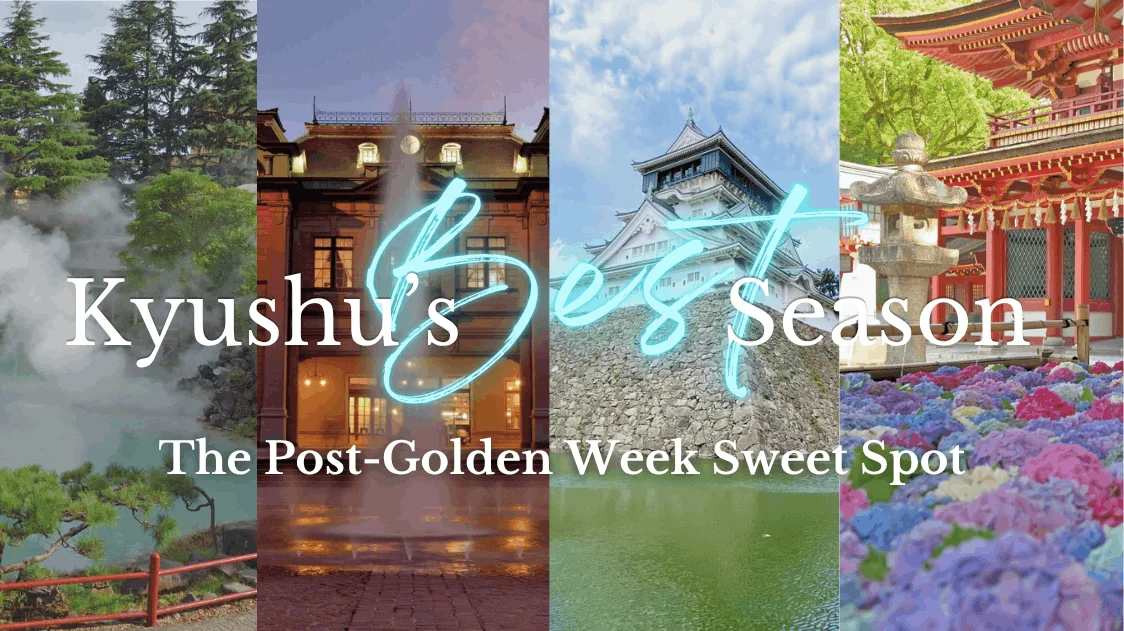
Almost nowhere captures this better than Kyushu — Japan’s southwestern island, where the climate is mild, the food is some of the best in the country, and tourist crowds remain a fraction of those in Tokyo or Kyoto. From hydrangea-lined hillsides in Kitakyushu to volcanic onsen towns in Beppu, Kyushu in May and June feels like a Japan you didn’t know existed.
This guide explains why this window matters, what you’ll find when you get there, and how to fly there comfortably — including a closer look at STARFLYER, the Kitakyushu-based boutique airline that offers one of the most comfortable in-cabin experiences on the Tokyo-to-Kyushu route.
The Math: Why May–June Is Japan’s Off-Peak Sweet Spot
Most international visitors to Japan land in one of three peak windows: cherry blossom season (late March to early April), summer holidays (mid-July through August), or autumn foliage (mid-November). Domestic Japanese travel adds two more spikes — Golden Week (late April to early May) and Obon (mid-August). Together, these stretches account for the highest airfares, the busiest attractions, and the most stressful logistics of any time on the calendar.
May 8 through late June falls into none of them.
Here’s what that means in practical terms:
- Seats actually available. Golden Week and Obon sell out domestic flights weeks in advance. In May–June, Haneda–Fukuoka and Haneda–Kitakyushu flights have genuine weekday availability, including the more comfortable forward rows and premium-carrier options like STARFLYER that tend to fill up fastest in peak windows.
- Hotels open up. Properties in Fukuoka, Yufuin, and Beppu that are fully booked in early May suddenly have weekday availability, often at 20–40% lower rates than during cherry blossom or autumn foliage seasons.
- Famous spots feel different. The Kokura Castle gardens, the Mojiko Retro district, the Nagasaki Peace Park — places that get crowded during Golden Week — return to a slow, local pace. You’ll often share viewpoints with locals on a stroll, not international tour groups.
- The weather is genuinely good. May in Kyushu averages 18–24°C (64–75°F), with low humidity and frequent clear days. The rainy season (tsuyu) typically arrives in northern Kyushu around June 5–10, but the days leading up to it are some of the most photogenic of the year.
There is one trade-off: from mid-June onward, the rain becomes a real factor. But the rainy season in Kyushu is nothing like a typhoon — it’s intermittent showers, often clearing by afternoon, and the resulting greenery and hydrangea blooms turn the countryside into something out of a Studio Ghibli backdrop.
For travelers who hate crowds, want better food without queues, and prefer to spend their money on a memorable onsen dinner than on a peak-season premium, May–June is the year’s most underrated window. And Kyushu — closer, quieter, less Tokyo-saturated — is where that window pays off the most.
What Kyushu Looks Like in May and June
Late May — The Last Burst of Spring
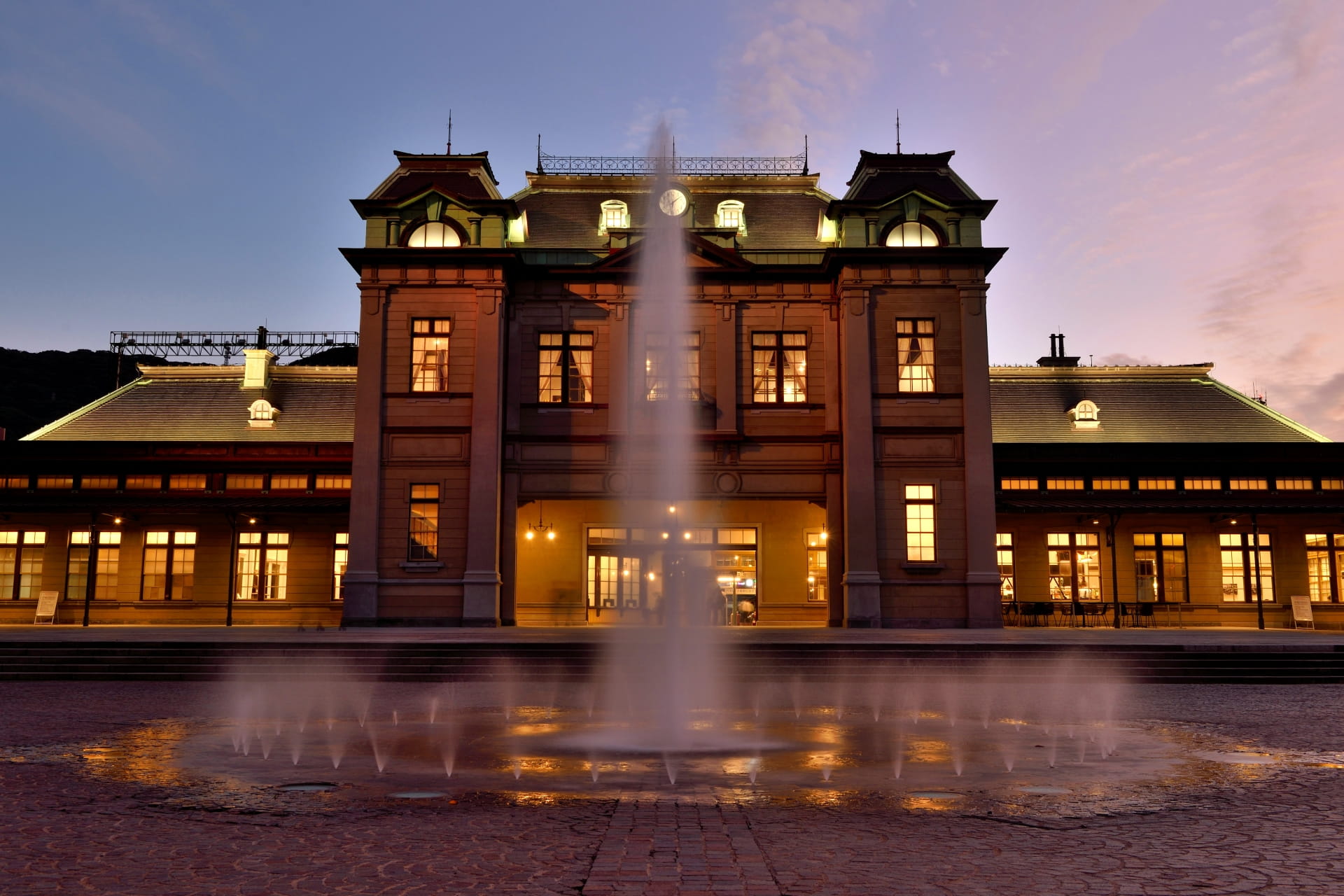
By the time Golden Week traffic clears, Kyushu has fully transitioned out of cherry blossom season but hasn’t yet entered tsuyu. Late May is, hands-down, the most pleasant stretch of the year in northern Kyushu. Days are long. Evenings are mild. The new-green (新緑) hillsides around Kitakyushu and Yufuin look almost luminous in the soft afternoon light.
This is the season for:
- Hiking Mount Sarakura above Kitakyushu, where trails have dried out from spring rains and the summit ropeway runs without the autumn-foliage queues.
- Strolling the Mojiko Retro waterfront at golden hour, when the western sun lights up the brick warehouses without the summer humidity.
Day trips to Itoshima, the coastal area west of Fukuoka City, where the beach cafés open for the season but the tourist tide hasn’t arrived.
Early to Mid-June — Hydrangea Season
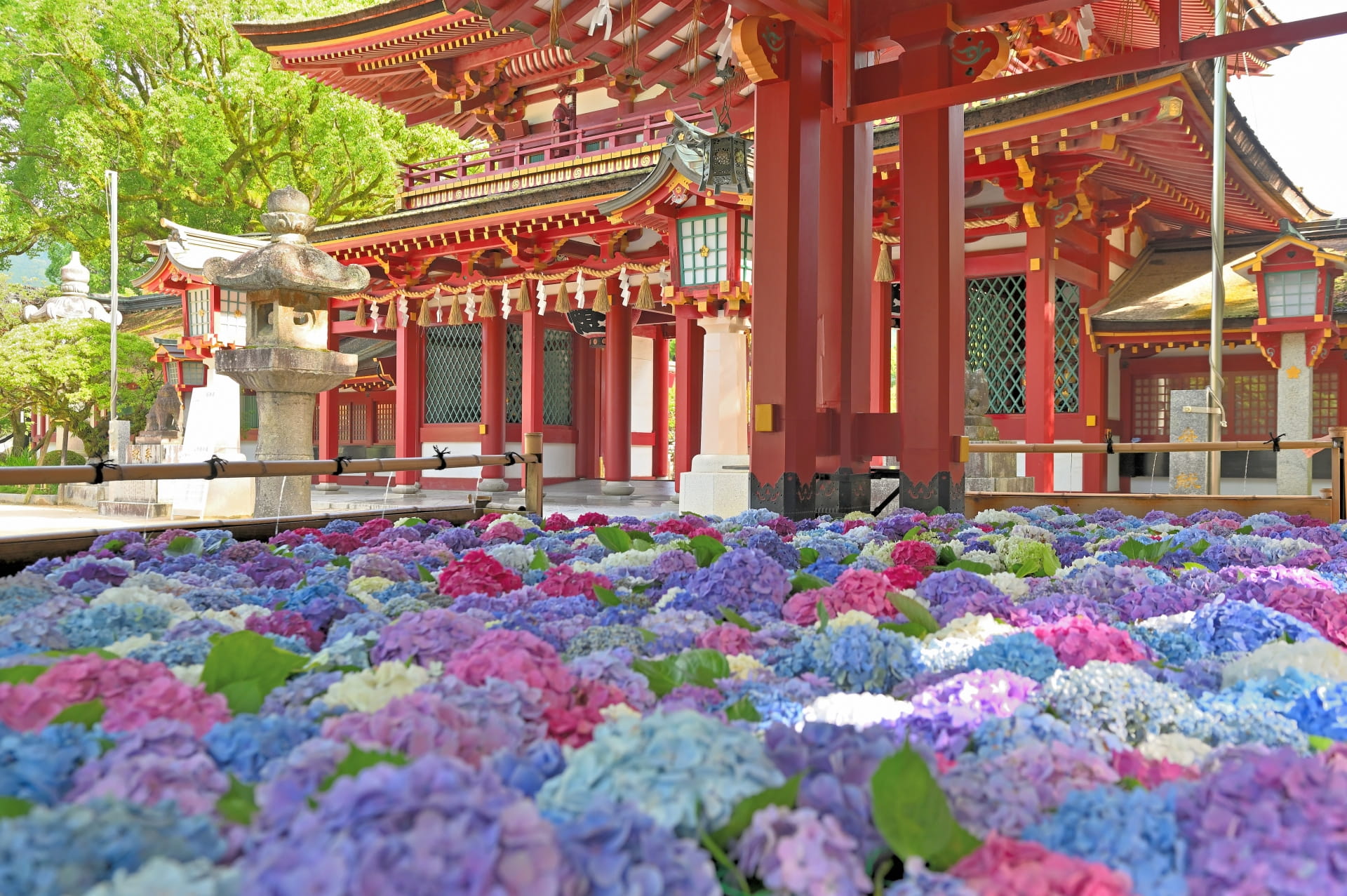
If there’s one flower that defines Kyushu in June, it’s the hydrangea (ajisai). And no shortage of small temples and quiet hillsides put on a show worth flying in for:
- Munakata Taisha (Fukuoka) lines its sacred path with thousands of blue and pink blooms throughout June.
- Kanzeonji Temple in Dazaifu turns its 1,400-year-old grounds into a watercolor of soft purples.
- Itozu-no-Mori Park (Kitakyushu) is one of the largest urban green spaces in northern Kyushu and stays lush and walkable into mid-June, well after Golden Week traffic has cleared.
Even urban areas get in on it. Fukuoka’s Maizuru Park, Kitakyushu’s Itozu-no-Mori, and Kumamoto’s Suizenji Garden all bloom in early June, and weekday visits often mean having entire walking paths to yourself.
Late June — The Rainy Reward
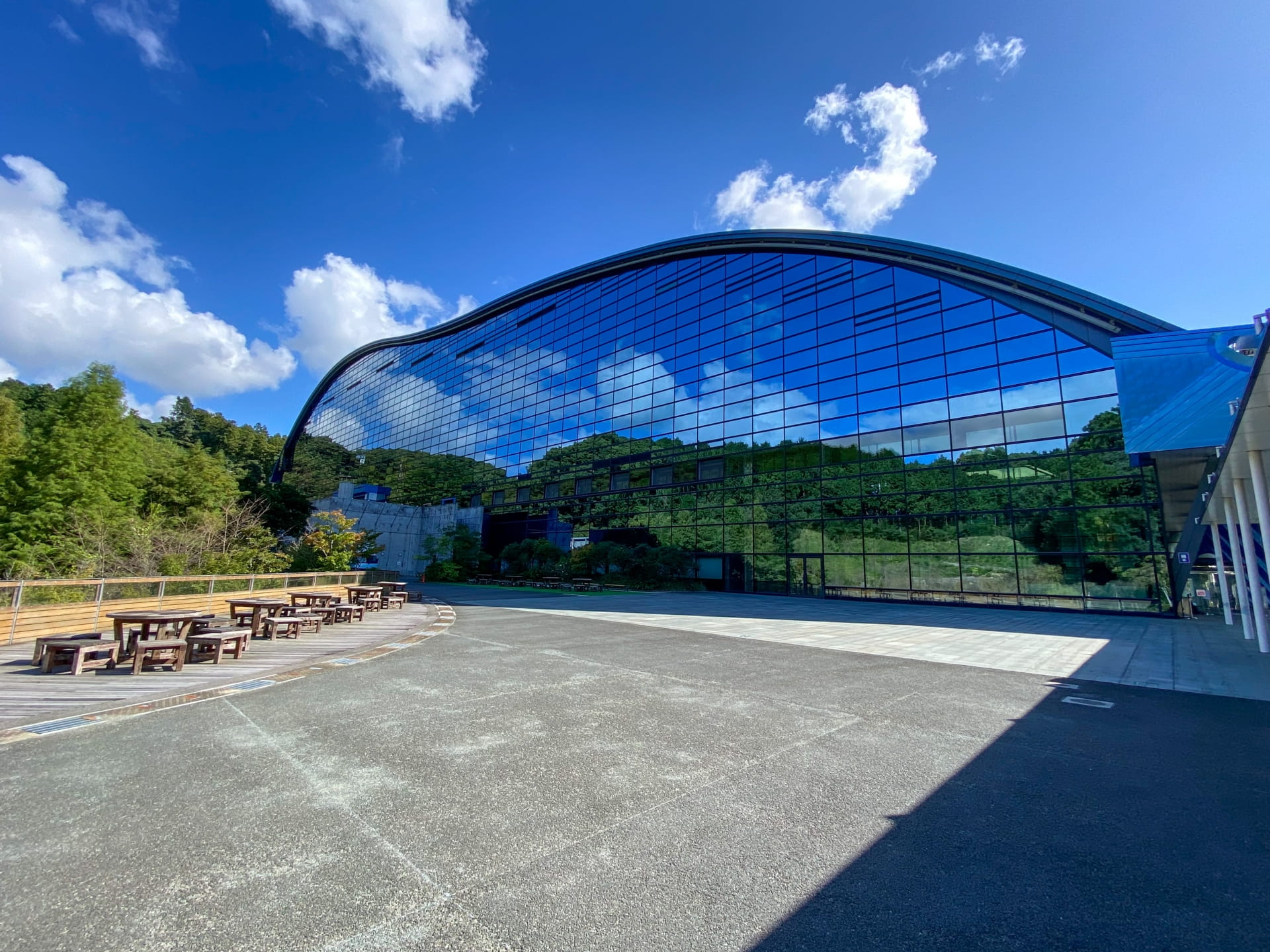
Yes, it rains. Northern Kyushu’s tsuyu typically begins around June 5–10 and lasts until mid-July. But “rainy season” doesn’t mean “constantly raining.” Most days see one or two showers, often in the morning or late evening. Between them, the air stays warm, temples glow under wet stone paths, and the onsen towns of Yufuin and Beppu feel made for the moment — soak in steaming sulfur water while a soft drizzle taps the cedar roof above you.
In late June, you’ll also catch:
- Firefly viewing in mountain valleys across Oita and Kumamoto prefectures (Yufuin’s Yunotsubo stream is famous for hotaru sightings in mid-June).
- Early summer matsuri, including Hakata Yamakasa’s preparations, which begin lining the streets of Fukuoka with floats by month’s end.
- Indoor museum culture — Fukuoka City Museum, Kitakyushu Museum of Modern Art, the Nagasaki Atomic Bomb Museum — all benefiting from being uncrowded between school trips and summer break.
The food angle alone is worth the trip. Late spring through early summer is when Kyushu’s seafood — from Genkai Sea squid to Amakusa horse mackerel — hits some of its best months of the year. (For the full breakdown, see our guide to What to Eat in Fukuoka.)
Where to Go: A Region-by-Region May–June Guide
Fukuoka City — The Soft Landing
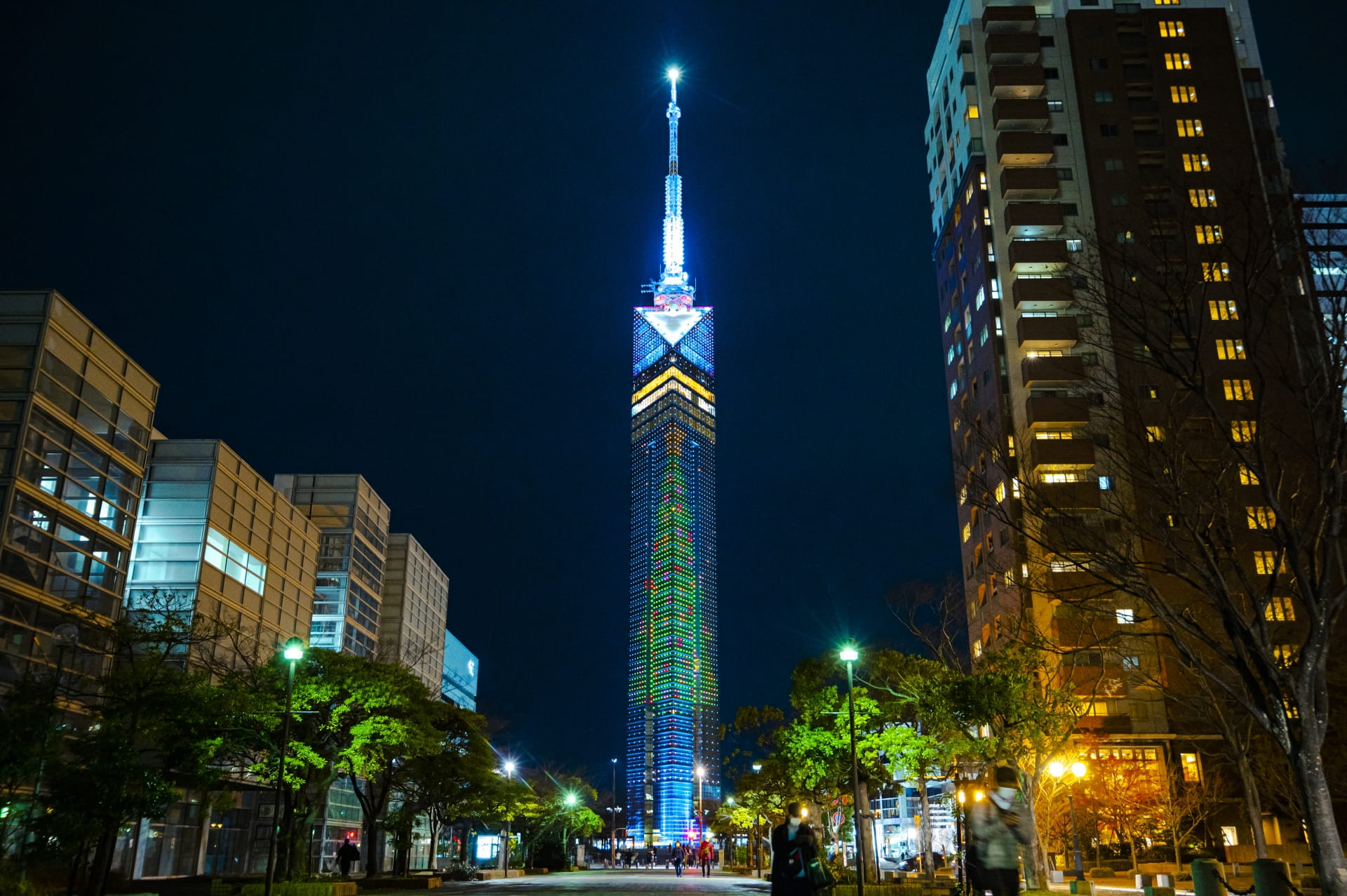
Fukuoka is the obvious starting point. It’s compact, walkable, served by every major Japanese airline, and packed with the kind of food that justifies the entire trip on its own. In May–June specifically, Fukuoka shines because:
- Tenjin and Daimyō — the city’s main shopping and nightlife districts — are at their easiest. The post-Golden Week dip means no waits at popular ramen shops like Ichiran’s flagship Tenjin store, and the rooftop bars at Solaria Stage open their outdoor seating without humidity.
- Maizuru Park and Ohori Park — central Fukuoka’s twin green spaces — bloom with late roses and early hydrangeas through May. Joggers, families, and weekend musicians replace the cherry blossom crowds.
- Yatai (street food stalls) — the famous nightly food carts along the Naka River — operate at their most pleasant. Spring evenings are warm enough for shorts but not the wall-of-humidity that hits in July.
For more on what to eat once you get there, our full Fukuoka food guide breaks down the must-tries.
Kitakyushu — The Local-Favorite Detour
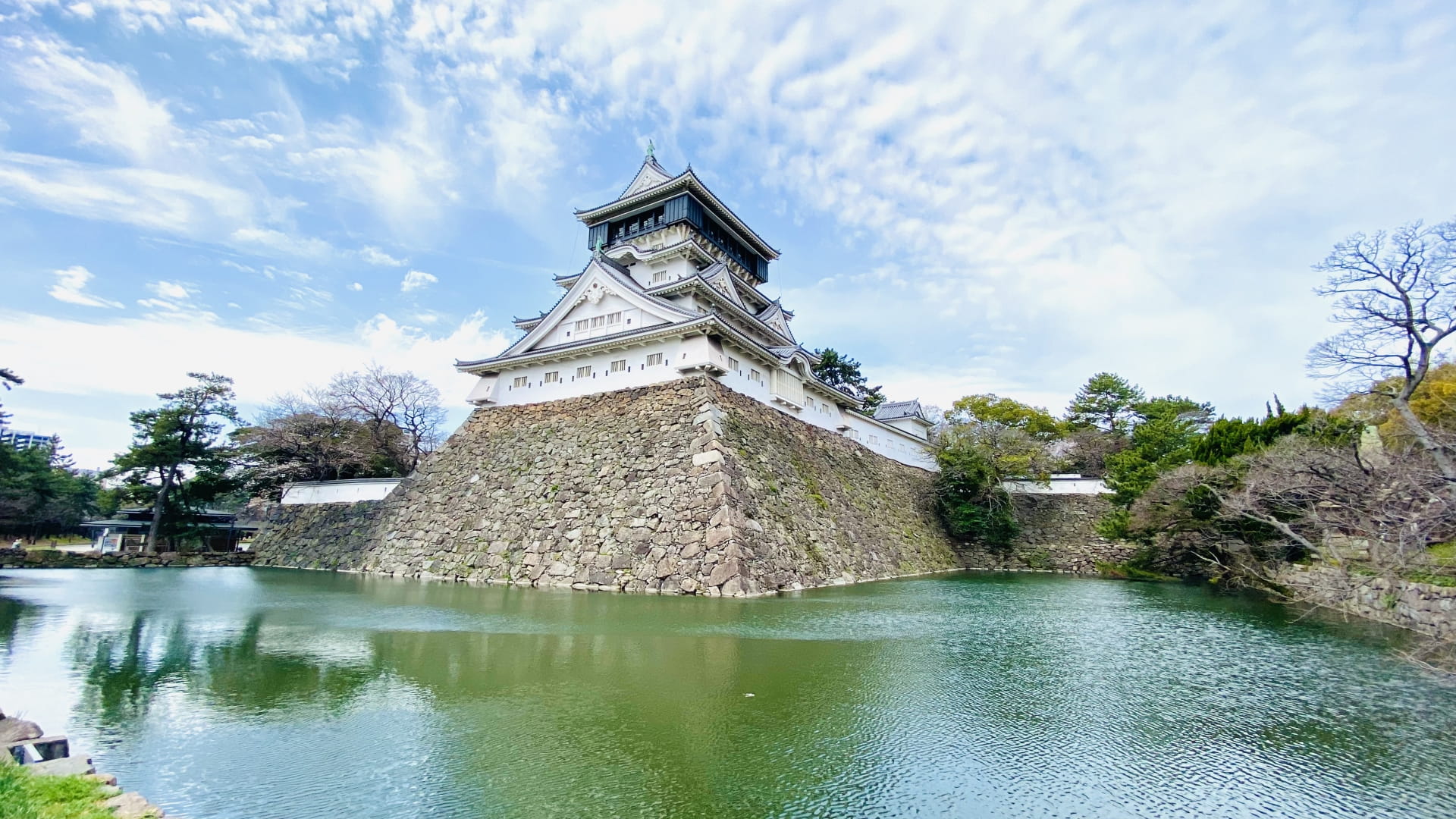
Just 90 minutes east of Fukuoka by train (or a 30-minute flight from Haneda landing right next to it), Kitakyushu is the under-rated counterweight to Fukuoka City. STARFLYER, headquartered here, makes it easy to skip the Fukuoka-airport bottleneck entirely by flying directly into Kitakyushu Airport.
May and June are arguably the best months to visit:
- Mojiko Retro‘s waterfront brick warehouses are postcard-perfect in late spring sun.
- Kokura Castle is surrounded by green, and the on-site Yasaka Shrine begins its summer purification rituals in late June.
- Mount Sarakura’s night view — listed among Japan’s “Three Major Night Views” — is at its clearest before tsuyu humidity rolls in.
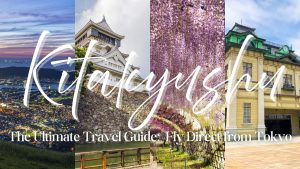
For a deeper dive, see The Ultimate Kitakyushu Guide and our breakdown of Fukuoka Airport vs Kitakyushu Airport when planning which one to fly into.
Yufuin and Beppu — The Onsen Heartland
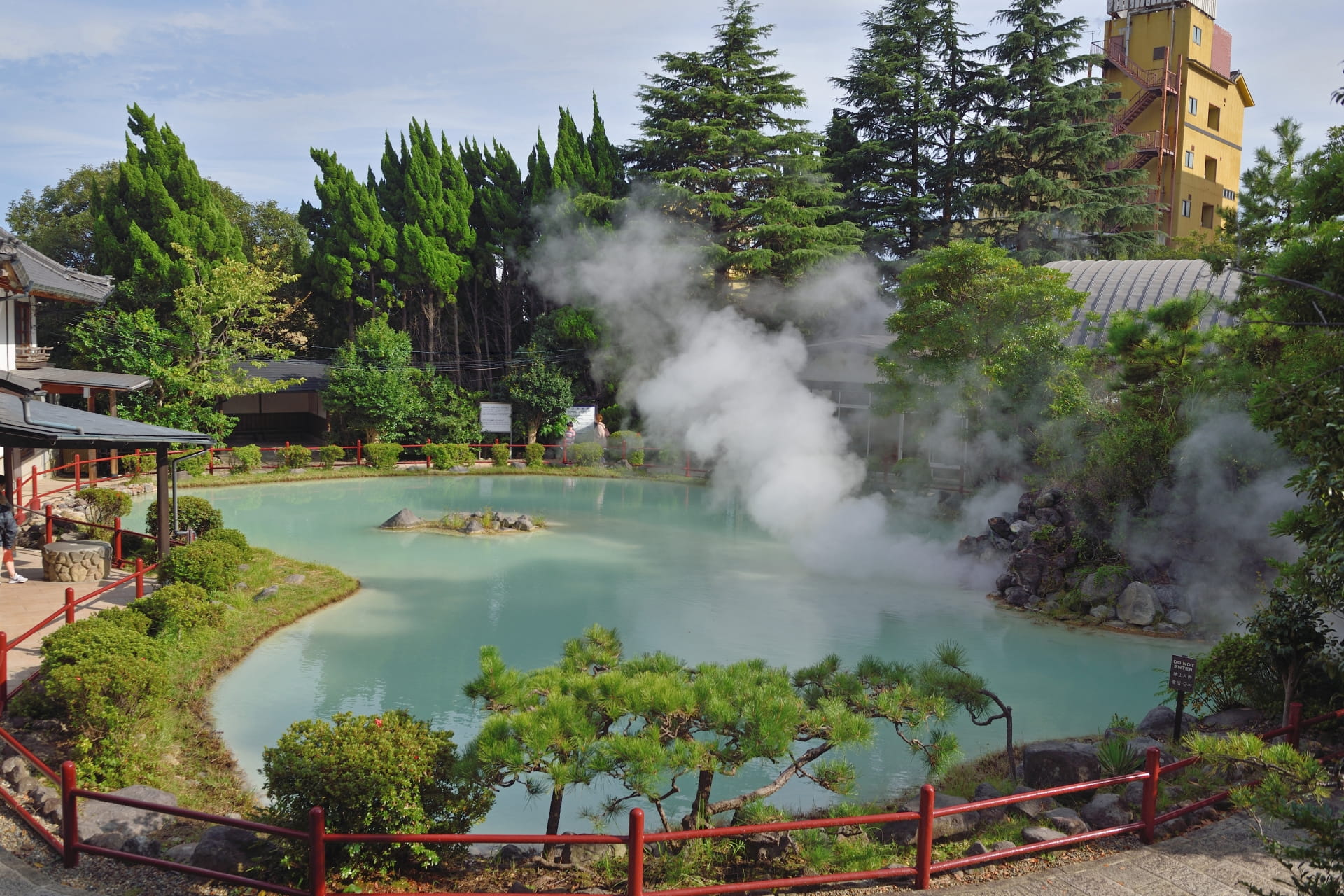
If you’ve ever wanted to experience an onsen town the way it was meant to be experienced — quiet, foggy, walkable, with the smell of cedar and sulfur floating between the inns — May and June are the months. Yufuin’s main street, packed shoulder-to-shoulder during cherry blossom season, returns to a slow weekday rhythm. Beppu’s eight “hells” (jigoku) hot springs operate without the queue management you’ll see in summer.
Bonus: weekday ryokan rates in late May and early June can run 25–40% lower than the same room during cherry blossom or autumn foliage windows.
Nagasaki — The Quietly Cinematic Coast
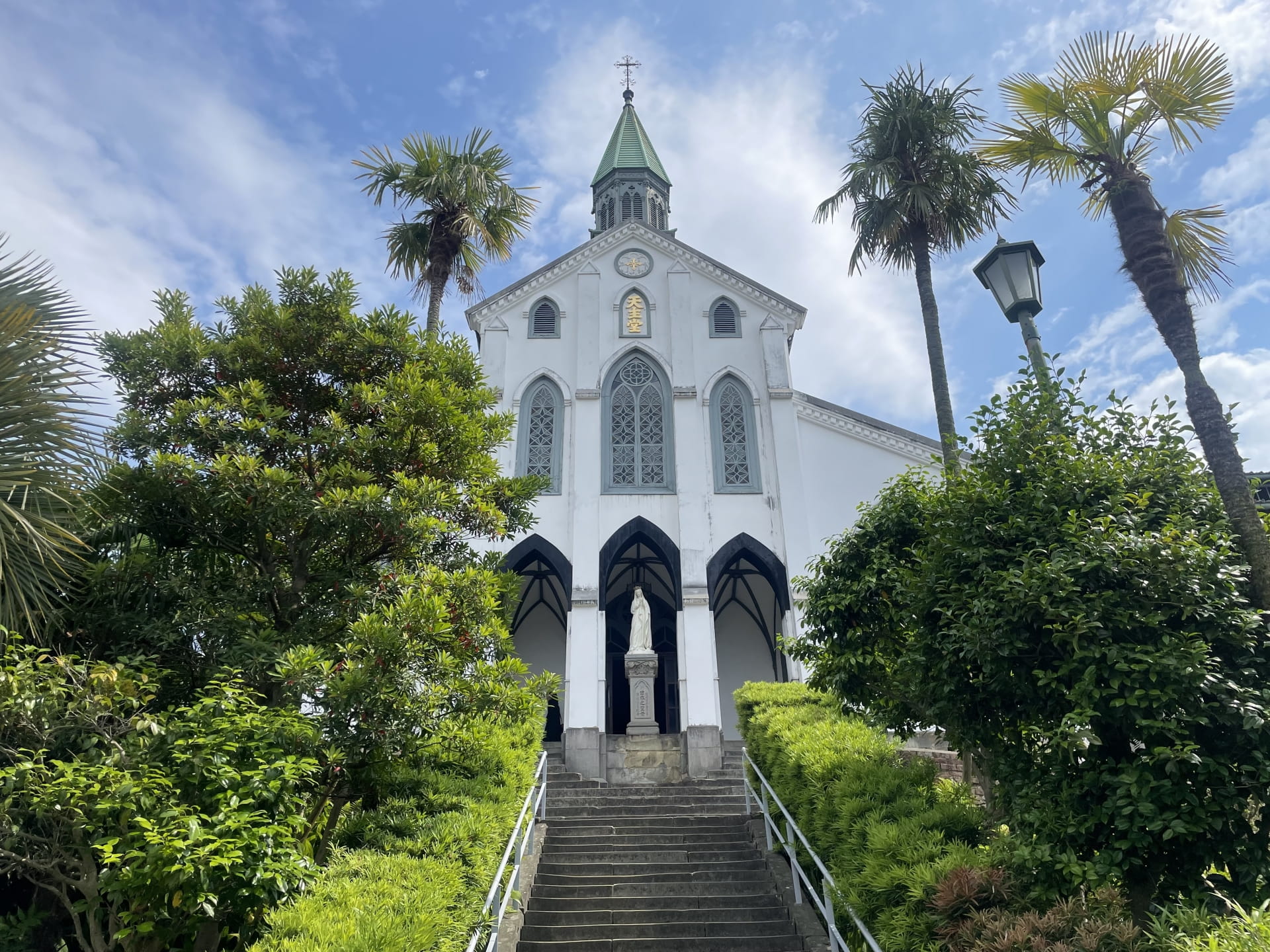
Nagasaki — Japan’s most international historical city — is criminally under-visited in early summer. The city’s distinctive blend of Dutch, Chinese, and Portuguese influence is at its photogenic peak when bougainvillea blooms (early June) and the Mt. Inasa night view begins to clear after pre-tsuyu humidity. Inside Glover Garden and the Dejima reconstruction, you’ll find space to actually read the placards rather than shuffle past them.
Kumamoto and Aso — The Volcano Window
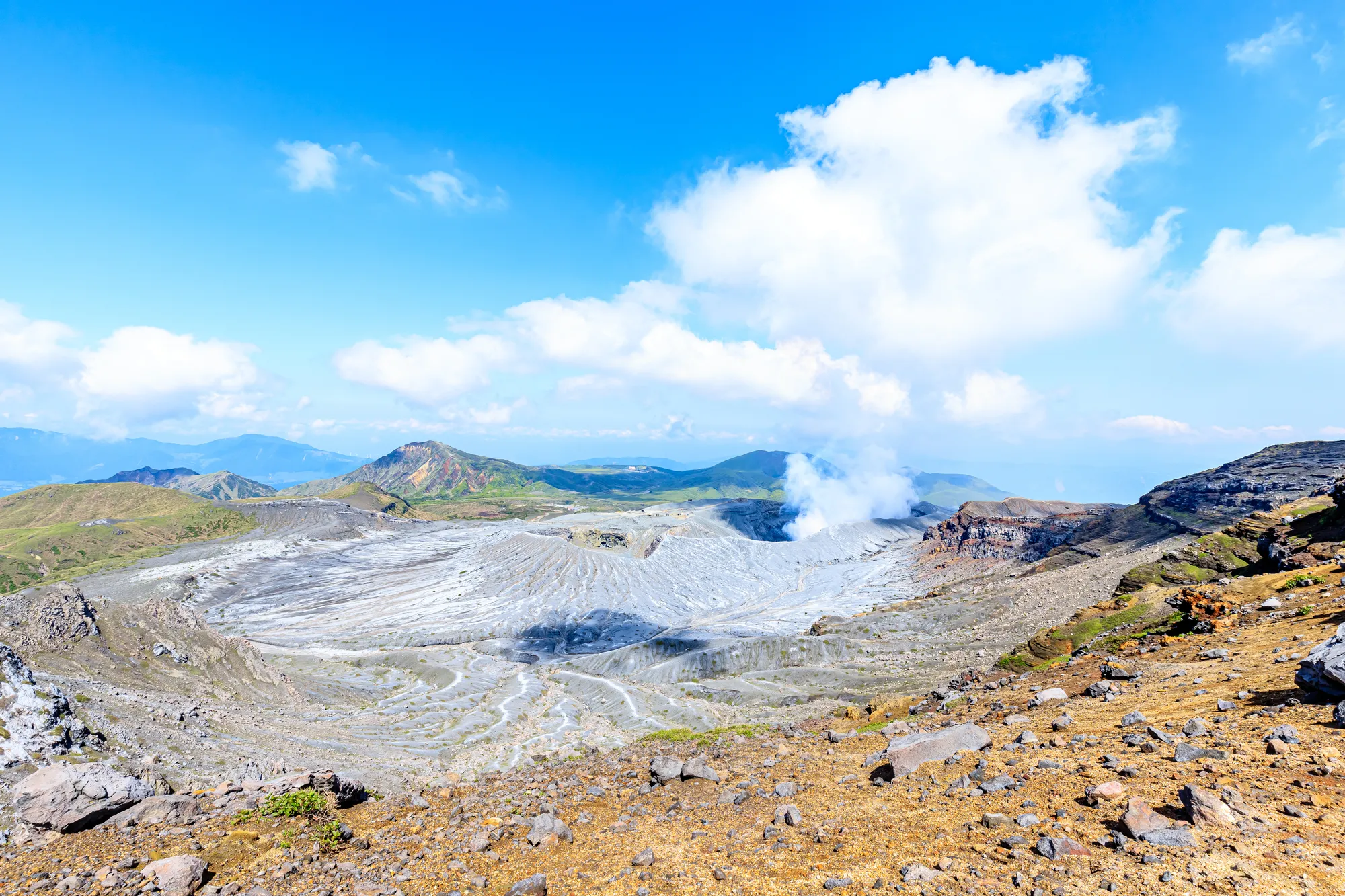
For travelers willing to rent a car, the Aso caldera region — the largest active volcanic caldera in the world — is at its best in late May, before the seasonal grasslands brown out and before the rainy season closes some of the higher trail access. Kumamoto City itself is recovering, café-by-café, from the 2016 earthquake and offers one of Kyushu’s most underrated old-castle experiences in pleasant late-spring weather.
How to Fly There — And Why STARFLYER Is the Smart Pick
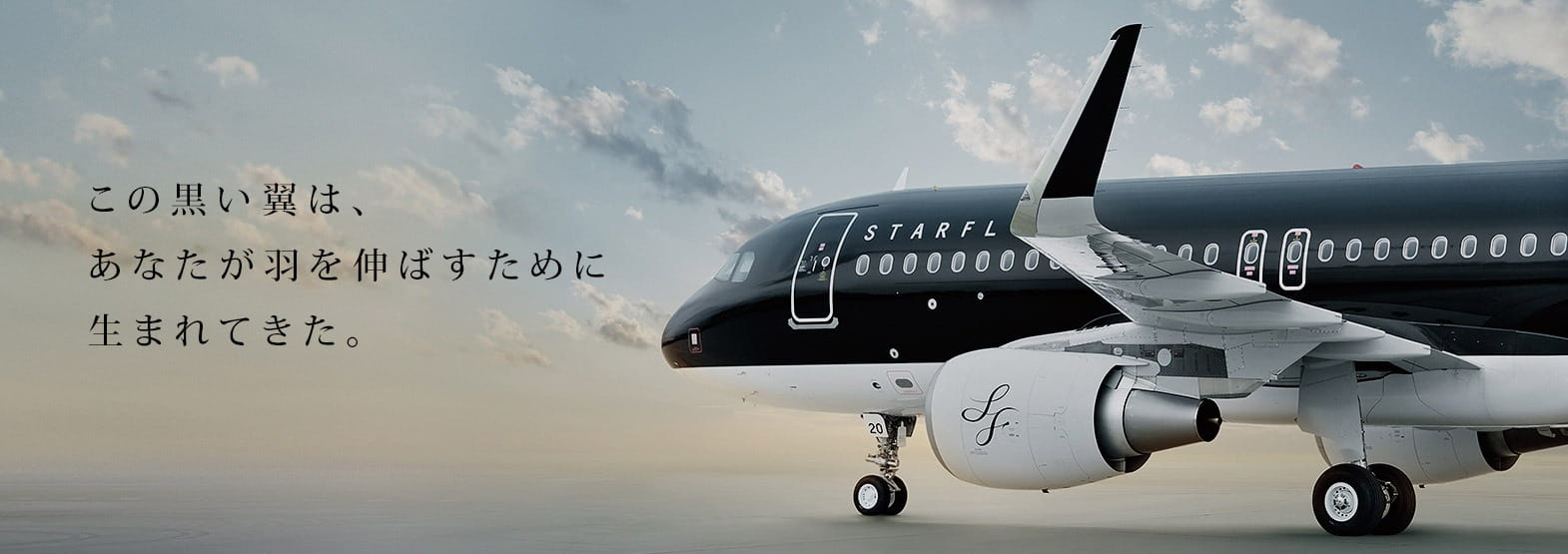
Now to the practical part: getting there.
Tokyo to Kyushu by plane typically takes about 2 hours, versus 5 hours on the Shinkansen. (For a deeper comparison, see our guide on How to Travel from Tokyo to Kyushu and Tokyo to Osaka: Flying vs Shinkansen.) Four major carriers serve the route, including two low-cost carriers — plus one quieter, often-overlooked option: STARFLYER.


If you’ve never flown STARFLYER, it deserves a paragraph of explanation. STARFLYER is a Kitakyushu-based “boutique” airline — offering a hybrid model that combines competitive pricing with full-service elements. The trade-off often associated with low-cost travel doesn’t apply here. Instead:
- Seat pitch is 31–34 inches, offering noticeably more space and placing it toward the upper end of domestic economy standards.
- All seats are leather, with in-seat entertainment screens on select aircraft and USB charging on every plane.
- Tully’s coffee, mineral water, and a small chocolate are complimentary on every flight.
Find the best flights from Tokyo to Kyushu
Fly from Tokyo to Kyushu and arrive just minutes from your starting point — whether it’s the vibrant streets of Fukuoka or the relaxed pace of Kitakyushu.
Which Airport to Fly Into
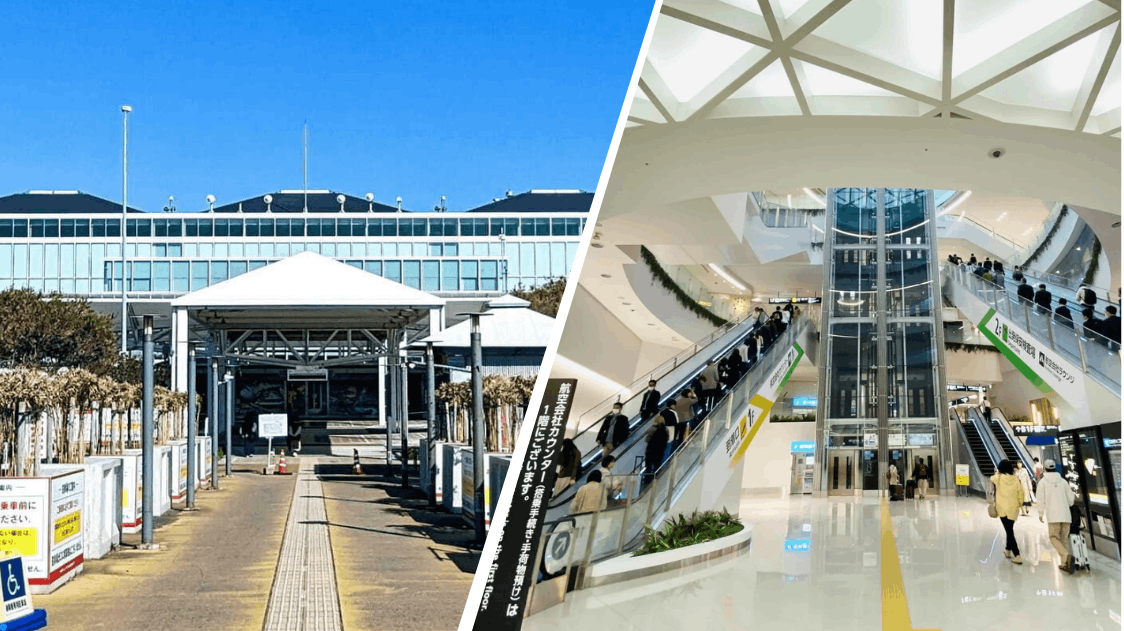
Fukuoka Airport (FUK) sits 5 minutes from the city center by subway — the closest major airport to a downtown in Japan. Kitakyushu Airport (KKJ) is 35 minutes from Kokura Station by direct bus. The choice depends on where you’re going:
- Heading straight into Fukuoka City for ramen, yatai, and Tenjin nightlife? Fly Fukuoka
- Starting your trip in Kitakyushu, Mojiko, or planning a Yufuin/Beppu onsen detour? Fly Kitakyushu.
- For the full breakdown, see Fukuoka Airport vs Kitakyushu Airport.
STARFLYER is one of the few carriers serving Kitakyushu Airport directly from Haneda — and in May–June, when domestic travel volume drops, you’ll often find flights with a noticeably more relaxed cabin environment compared to busier routes.
A Sample 5-Day May–June Kyushu Itinerary

For travelers building a first-timer Kyushu trip during this window, here’s a tested skeleton:
Day 1 — Tokyo → Kitakyushu
- Morning: STARFLYER from Haneda → Kitakyushu
- Afternoon: Direct bus to Kokura, drop bags, lunch at Tanga Market (try Kashiwa-meshi)
- Late afternoon: Kokura Castle and surrounding Katsuyama Park
- Evening: Mojiko Retro waterfront at sunset; dinner at one of the brick-warehouse cafés
Day 2 — Kitakyushu → Yufuin (via Beppu)
- Morning: Train or rental car south to Yufuin
- Midday: Yufuin’s Kinrin Lake walk; lunch on the main street
- Afternoon: Onsen ryokan check-in
- Evening: Private bath + multi-course kaiseki dinner
Day 3 — Yufuin → Beppu → Fukuoka
- Morning: Beppu’s Hells circuit (90 minutes is enough)
- Afternoon: Train or bus to Fukuoka
Day 4 — Fukuoka City + Dazaifu
- Morning: Dazaifu Tenmangu Shrine and Kanzeonji Temple (hydrangea bloom in early June)
- Afternoon: Return to Fukuoka, Maizuru Park stroll, Tenjin shopping
- Evening: Hakata-style ramen at Ichiran or Ippudo’s home flagship
Day 5 — Itoshima → Fukuoka → Tokyo
- Morning: Local train or rental car to Itoshima beach cafés
- Late afternoon: Return to Fukuoka Airport
- Evening: Flight back to Haneda
Practical Tips for May–June Travel in Kyushu
- Book STARFLYER as soon as your dates firm up. May–June availability is much easier than during Golden Week or August, but STARFLYER operates a smaller fleet than the major airlines — popular departure times still fill up a few weeks in advance. Booking 2–4 weeks out is generally enough to secure your preferred flight and seat.
- Pack layers and a compact umbrella. May mornings can be cool (15°C); June afternoons can hit 28°C with sudden showers.
- The “best” week, if forced to pick: May 12–25. After Golden Week traffic dissipates, before tsuyu sets in. Hotel rates are typically at their annual low, and weather is at its most reliable.
- For early-June travelers, prioritize hydrangea spots (Munakata, Dazaifu) over outdoor coastal time, which can be hit-or-miss with morning showers.
- Carry cash for rural areas. Yufuin, Beppu side streets, and most onsen ryokan still prefer cash, despite the ongoing cashless push in big-city Japan.
- For weekend trip planners, see our Tokyo Weekend Getaways: Best Destinations by Flight for shorter 2–3 day options.
Frequently Asked Questions (FAQ)
Q. Is May or June a better month to visit Kyushu?
A. Both are excellent, but they’re different experiences. May offers more reliable weather and longer daylight; early June offers hydrangeas, fewer tourists, and lower ryokan rates. If you can only pick one window, mid-to-late May is the strongest balance.
Q. Does it rain a lot in Kyushu in June?
A. Northern Kyushu’s rainy season typically begins around June 5–10. It rains intermittently, not constantly. Mornings and evenings are most likely to see showers; afternoons are frequently clear.
Q. Is Kitakyushu Airport better than Fukuoka Airport for tourists?
A. It depends on where you’re going. Fukuoka Airport is closer to Fukuoka City (a 5-minute subway ride). Kitakyushu Airport is the better choice for travel to Mojiko, Kokura, and onward to Yufuin or Beppu.
The Window Is Open — Until It Isn’t
There’s no perfect time to visit Japan — only better and worse trade-offs. May and June, in Kyushu specifically, lean about as far toward “better” as the calendar allows. Mild weather, half-empty ryokan, and a quieter rhythm that disappears the moment summer arrives.
Book the flight before the secret gets out.
Find the best flights from Tokyo to Kyushu
Fly from Tokyo to Kyushu and arrive just minutes from your starting point — whether it’s the vibrant streets of Fukuoka or the relaxed pace of Kitakyushu.
For more information about Kyushu, check out the following links!

Written by
Born and raised in Costa Rica, I started living in Tokyo from college. I love traveling within Japan & around the world. Since I wasn’t born in Japan, I know the cultural impact that you can get when visiting Japan for the first time and what you might be worried about before your trip. And I’ve lived long enough to somewhat understand the nuances of the Japanese culture that make this country such an attractive place to visit. Hopefully I can provide to you both the information you’re looking for and the information you didn’t know you needed to know.
- +23 23
-
-