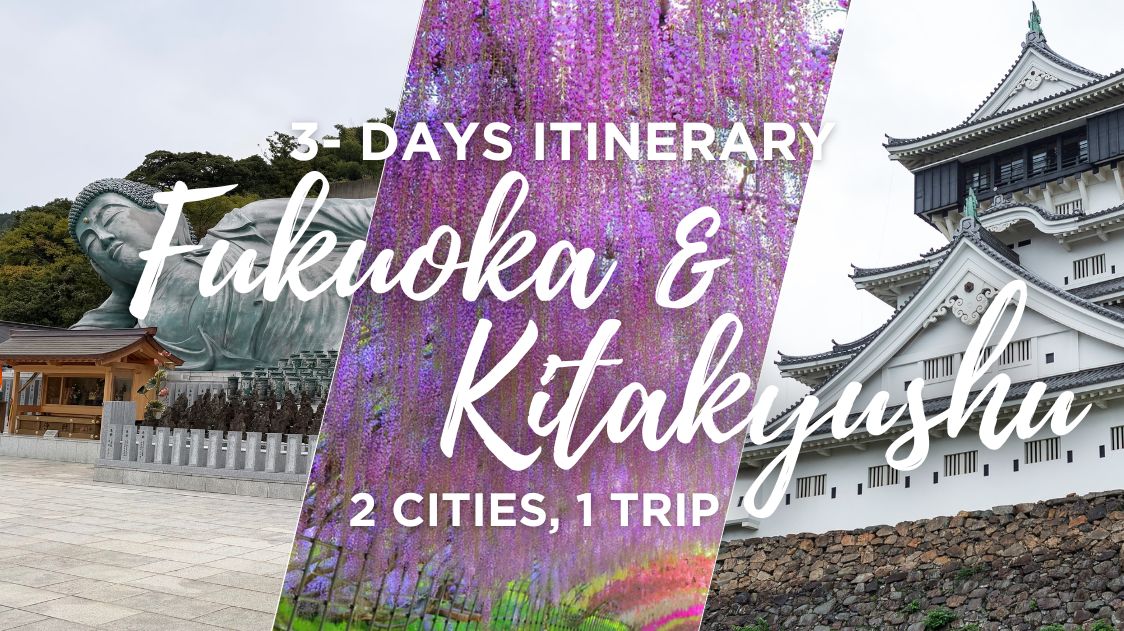
The Perfect 3-Day Fukuoka & Kitakyushu Itinerary (Two Cities, One Trip)
Discover the best of northern Kyushu in just three days with an efficient itinerary through Kitakyushu and Fukuoka.

- +39 39
-

-


Most travelers treat northern Kyushu as a single dot labeled “Fukuoka.” That is a mistake.
Two of Kyushu’s most rewarding cities sit just 15 minutes apart by Shinkansen. Fukuoka is the food-and-energy capital of the south: yatai stalls by the river, tonkotsu ramen at midnight, the kind of city that stays out late and means it. Kitakyushu, to the north, is the industrial-heritage city that most foreign visitors skip entirely, which is exactly why it rewards the ones who do not: a rebuilt Edo castle, a century-old port district preserved almost intact, and some of the best baked curry rice in Japan.
You can do both properly in three days without feeling rushed or backtracking once.
The trick is the flights. STARFLYER, the Kitakyushu-based carrier, serves both Kitakyushu Airport (KKJ) and Fukuoka Airport (FUK) from Tokyo Haneda. That lets you build an open-jaw trip: land at Kitakyushu in the morning, work your way south, and fly home from Fukuoka at night, using the day at both ends rather than losing it to a return leg. With STARFLYER’s early morning departure out of Haneda and a late evening last flight back, you get three full days on the ground from what most people would call a two-night weekend.
This is the exact 3-day Fukuoka and Kitakyushu itinerary we give friends who have already seen Tokyo and Kyoto and want the version of Japan where you can still get a yatai stool on a Saturday night. Save it, screenshot it, and adjust the dinners to taste.
The Logic: Why This Route Works (and Why the Flights Matter)
Before the day-by-day, here is the thinking. The order matters.
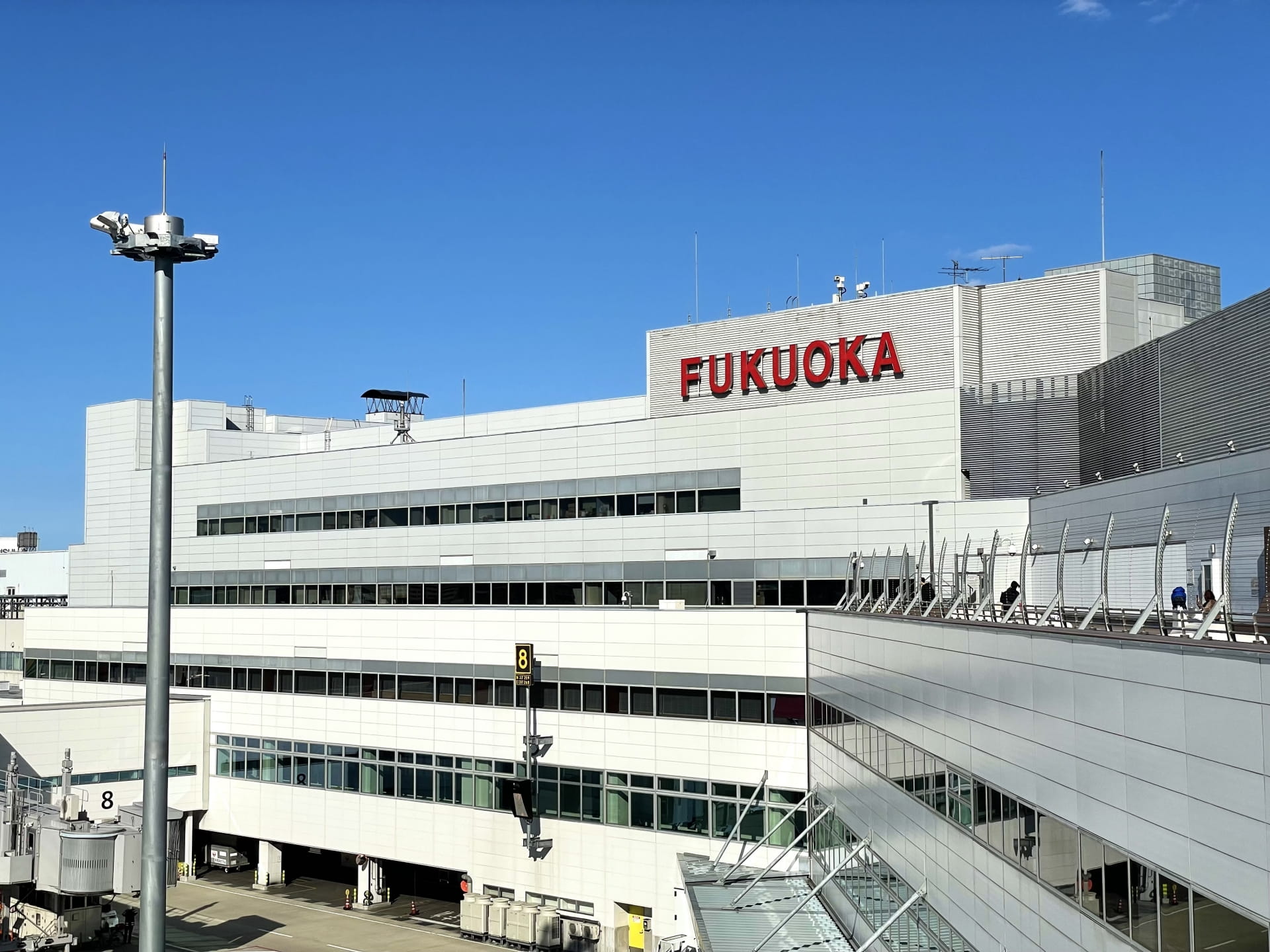
- Land at Kitakyushu (KKJ), fly out of Fukuoka (FUK). Because STARFLYER flies both airports, you never double back. You move north to south, which is also the direction the cities get bigger, busier, and better for a final night out. Ending in Fukuoka means your last evening is the yatai-and-ramen one.
- Use the first and last flights. STARFLYER’s Haneda schedule includes an early morning departure that puts you in Kitakyushu before noon, and a late evening last flight that lets you keep Day 3 almost intact. Confirm exact times when you book, since schedules shift seasonally, but the early-out, late-back pattern is the backbone of this plan.
- Kitakyushu Airport is open 24 hours. Built on its own island, KKJ is one of the few Japanese airports with round-the-clock operation. An early or odd-hour arrival is genuinely workable. We compare the two airports in detail in our Fukuoka Airport vs Kitakyushu Airport explainer.
- One rail line ties it together. The two cities are well connected by rail. High-speed trains connect Kokura (Kitakyushu’s main station) and Hakata (Fukuoka’s main station) in about 15 minutes. Local trains take roughly 45–60 minutes to complete the journey at a lower fare.
The one-sentence version: fly into Kitakyushu, spend a night there, train to Fukuoka, fly home from Fukuoka. Everything below hangs off that.
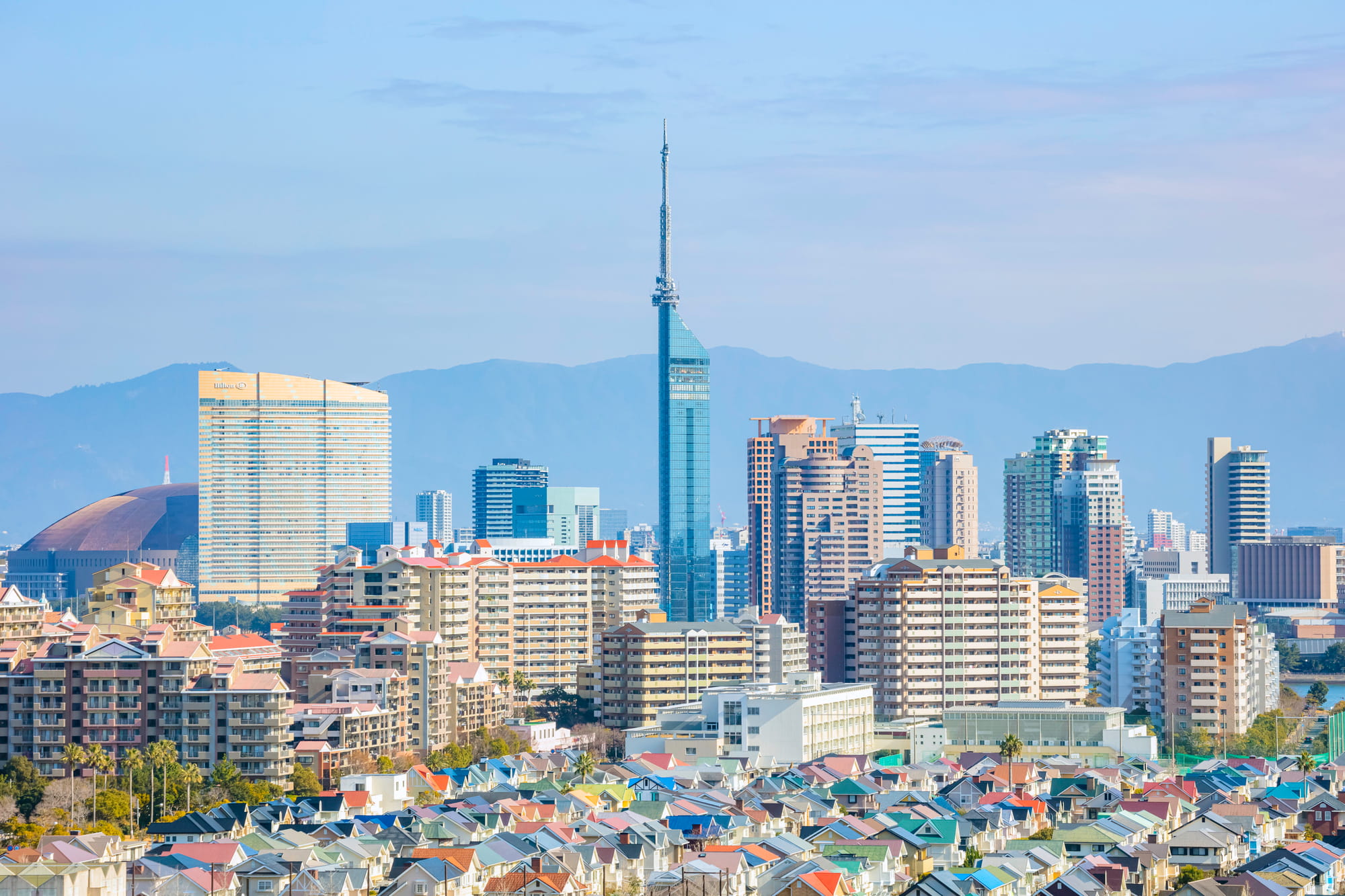
The 3-Day Fukuoka & Kitakyushu Itinerary at a Glance
| Day | Base | Morning | Afternoon | Evening |
|---|---|---|---|---|
| Day 1 | Kitakyushu (Kokura) | Land KKJ → bus to Kokura, drop bags | Kokura Castle & Castle Garden, Tanga Market lunch | Mojiko Retro waterfront at dusk, yaki-curry dinner |
| Day 2 | Fukuoka (Hakata/Tenjin) | Shinkansen to Hakata, Dazaifu Tenmangu | Tenjin & Ohori Park, Fukuoka Castle ruins | Nakasu yatai street-food crawl |
| Day 3 | Fukuoka | Canal City, Kushida Shrine, last-minute shopping | Final tonkotsu ramen, Hakata souvenirs | Subway to FUK → late STARFLYER flight home |
Three nights of sleep get compressed into two (Night 1 in Kitakyushu, Night 2 in Fukuoka), but because the flights bookend the days so well, it reads as a three-day trip, not a two-night one.
Day 1: Kitakyushu — Castle Town and Retro Port
Morning: Arrive and settle in Kokura
Take STARFLYER’s early Haneda departure, and you will land at Kitakyushu Airport (KKJ) mid-morning. The airport sits on its own island; a 35-minute airport bus drops you at Kokura Station, the heart of the city. Leave your bags at your hotel or in a station coin locker, then start walking — Kokura is compact, and almost everything on Day 1 is within 20 minutes on foot.
Late morning: Kokura Castle and the castle garden
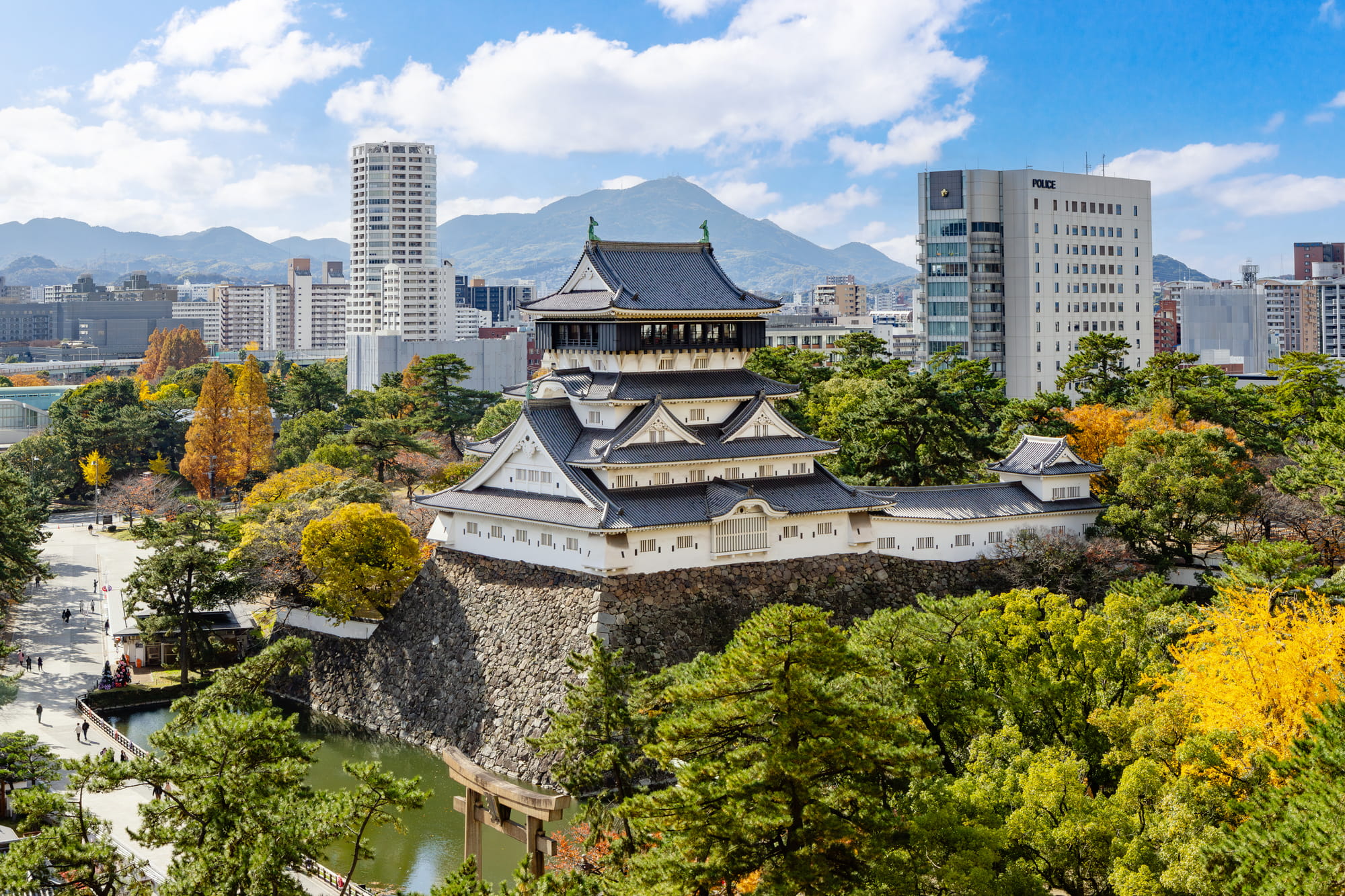
Kokura Castle (小倉城) is the city’s anchor. The original 1602 keep was rebuilt in the 1950s, and the interior was renovated in 2019 into a genuinely good interactive museum — projection-mapped history, a samurai-era diorama, and a top-floor viewing deck over the city. Next door, the Kokura Castle Garden is a restrained Edo-style daimyo garden where you can sit on tatami and have matcha overlooking the pond. Together, they make for an easy, low-stress first two hours in Japan.
Lunch: Tanga Market
A five-minute walk away, Tanga Market (旦過市場) is Kitakyushu’s century-old “kitchen” — a covered arcade of fishmongers, pickle stalls, and tiny counters. Parts of the market were damaged by fire in 2022 and have been rebuilding, so expect a mix of old and new stalls. This is the place to try nukamisodaki (fish simmered in fermented rice-bran paste, a Kitakyushu specialty) or just graze: a croquette here, grilled fish there, fruit for the walk.
For a deeper guide to the city — neighborhoods, history, and the full list of what to do with more time — see our Ultimate Kitakyushu Guide.
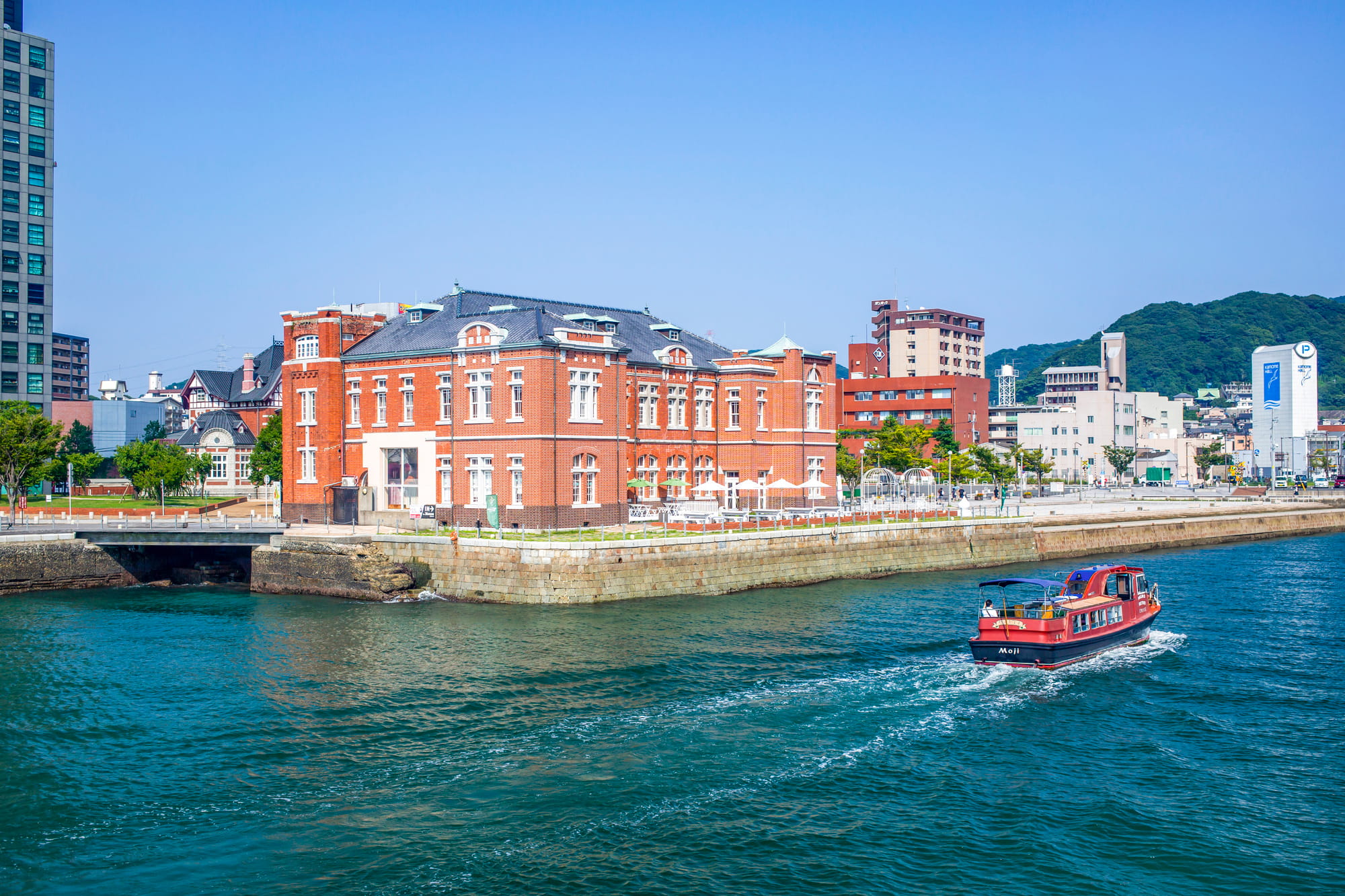
Afternoon to evening: Mojiko Retro
Hop a local train (about 15 minutes from Kokura) to Mojiko (門司港), the old international trading port at the northern tip of Kyushu. The Mojiko Retro district is a cluster of preserved Meiji- and Taisho-era Western buildings — the former customs house, the 1914 station (one of the oldest wooden station buildings in Japan, beautifully restored), and a strip of brick warehouses now full of cafes. It is at its best at dusk, when the buildings light up against the Kanmon Strait separating Kyushu from Honshu.
Dinner here is easy and local: Mojiko’s signature dish is yaki-curry (baked curry rice with cheese, bubbling in a gratin dish), served all along the waterfront. Pair it with the view of ships threading the strait, and you have a quietly perfect first evening.
Overnight: Kokura. Stay near Kokura Station for the easiest Day 2 departure — most business hotels here are clean, well under Tokyo prices, and a two-minute walk from the Shinkansen gates.
Day 2: Fukuoka — Shrine, City, and the Yatai Night
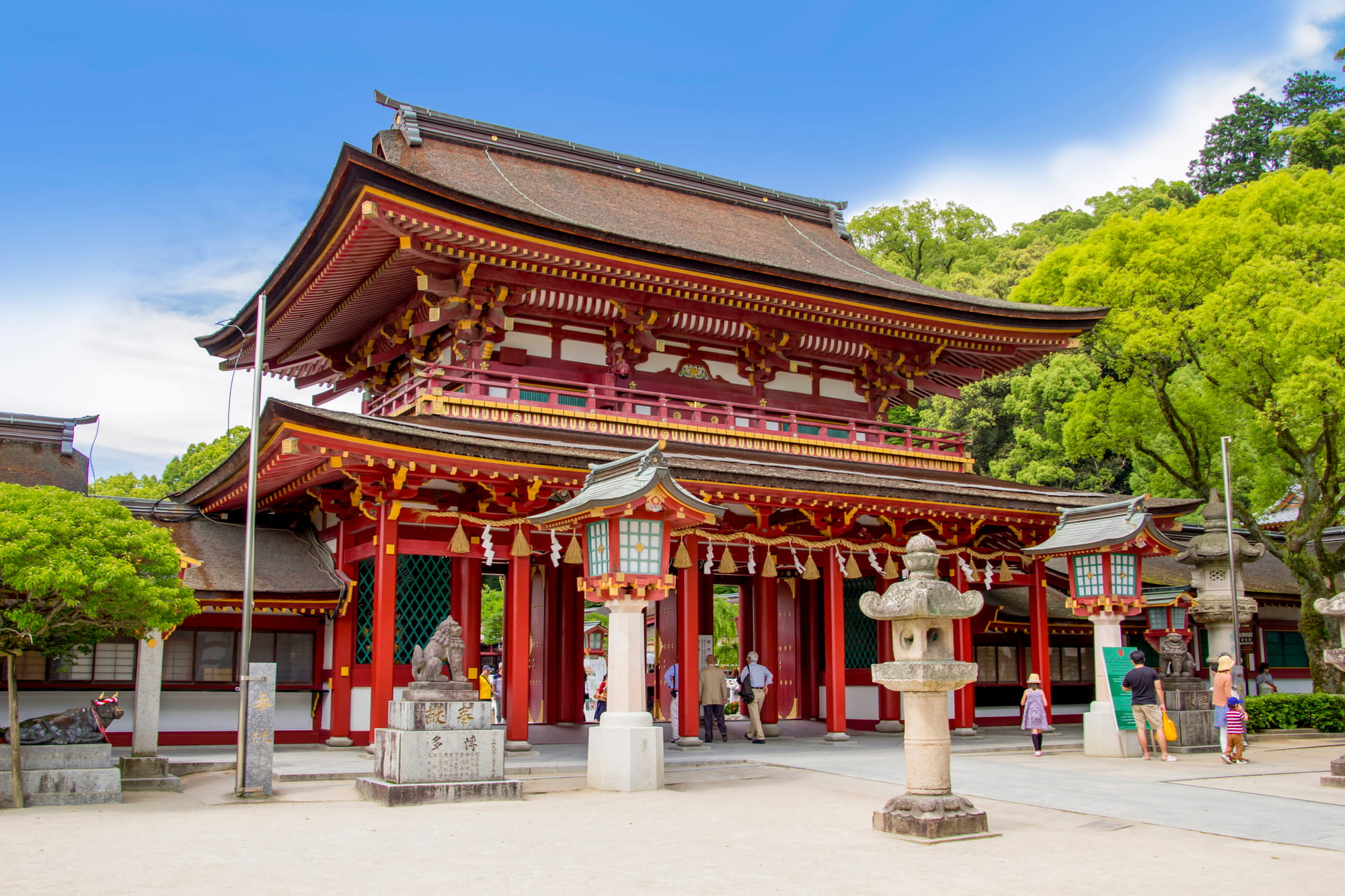
Morning: Train to Hakata, then Dazaifu
Check out and take a Shinkansen from Kokura to Hakata — about 15 minutes. Drop your bags at your Fukuoka hotel (or in Hakata Station lockers) and head straight out to Dazaifu.
Dazaifu Tenmangu (太宰府天満宮) is one of Japan’s most important shrines, dedicated to the deity of learning, and it is genuinely worth the half-day. From Hakata, it is roughly 40–45 minutes (subway to Tenjin, then the Nishitetsu line to Dazaifu). The approach street is lined with shops selling umegae mochi (grilled red-bean rice cakes stamped with a plum crest) — buy one hot. Stop at the Starbucks designed by Kengo Kuma, an architectural set-piece of interlocking wooden beams, on the way in. (Note: the main shrine hall has been undergoing periodic restoration; a striking temporary “floating forest” shrine pavilion has stood in front of it during the works — check the current state before you go.)
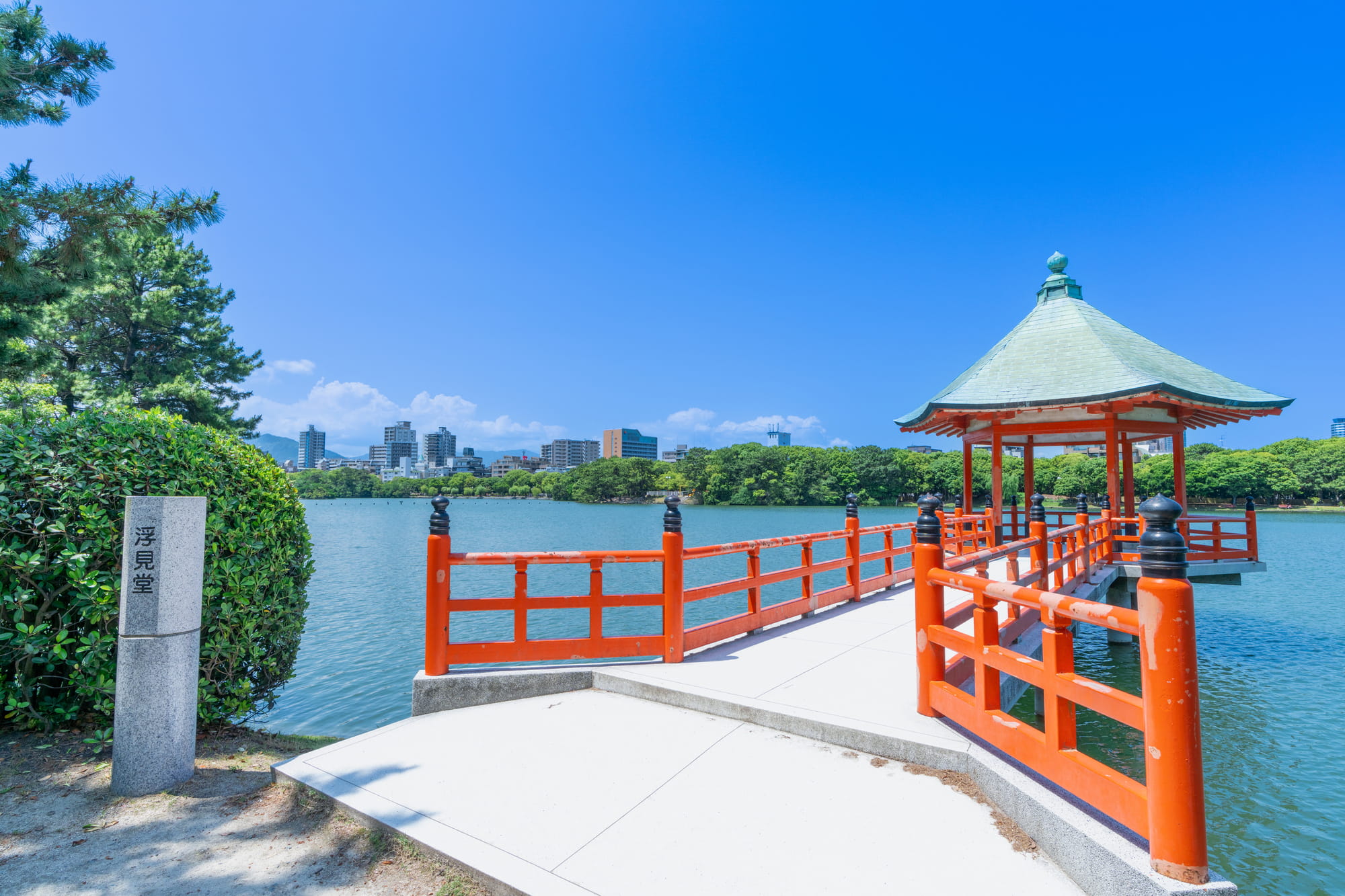
Afternoon: Tenjin, Ohori Park, Fukuoka Castle
Back in the city, give the afternoon to central Fukuoka:
- Tenjin is the downtown shopping and dining core — department stores, underground arcades (the Tenjin Chikagai), and the kind of dense street life that makes Fukuoka feel bigger than its size.
- Ohori Park (大濠公園) is a serene lake-centered park centered around a large pond inspired by China’s West Lake. Perfect for a walk or a rented swan boat if your legs need a break.
- Adjacent to Fukuoka Castle (Maizuru Park), the stone walls and a few gates of what was once Kyushu’s largest castle remain; the ruins rise to a viewpoint overlooking the city.
Evening: The Nakasu yatai crawl
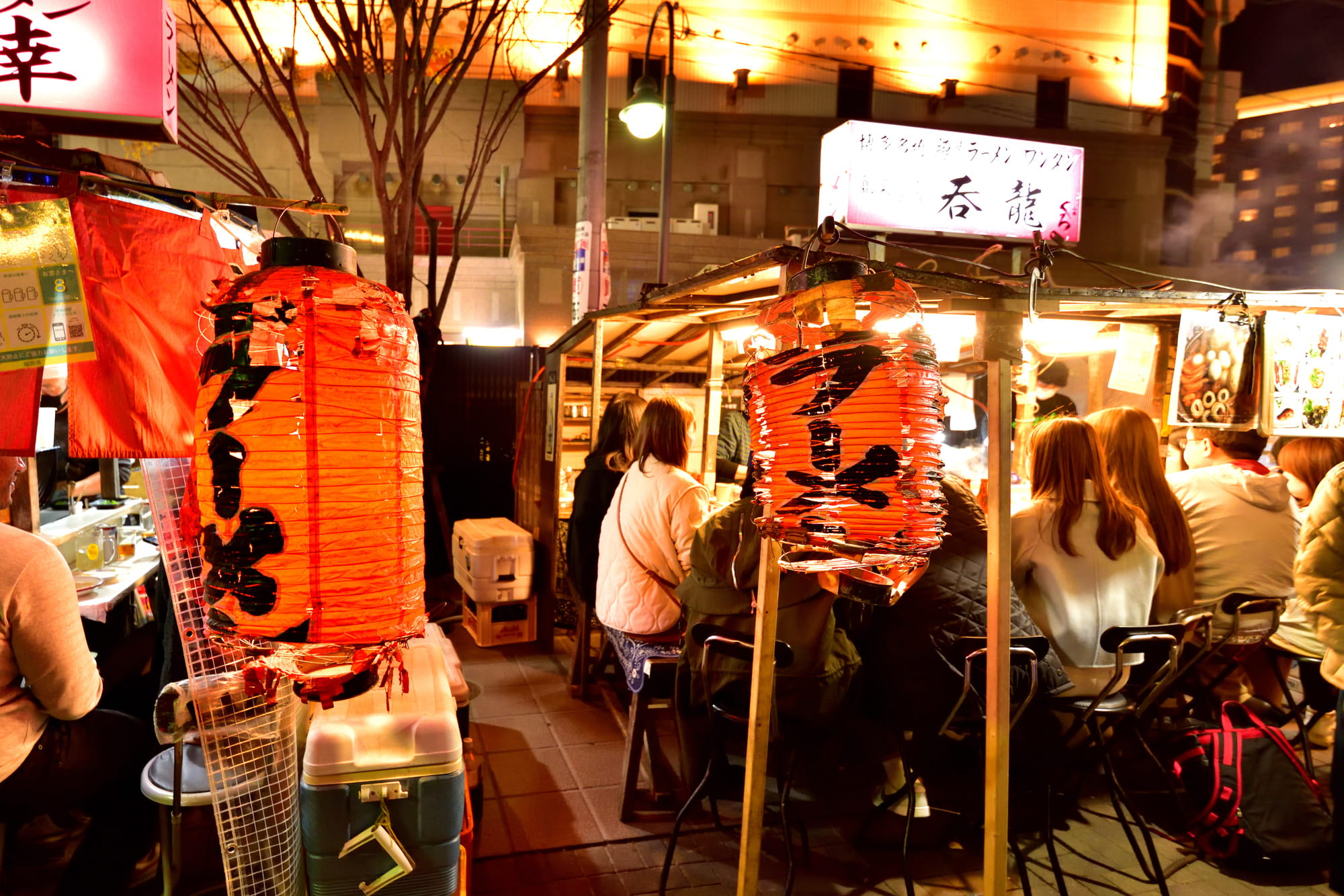
For many visitors, this becomes the highlight of the trip. Nakasu, the sandbar island between two rivers, hosts Fukuoka’s most famous concentration of yatai — open-air food stalls that fold out at dusk along the riverbank. Pull up a stool, order Hakata-style tonkotsu ramen, yakitori, mentaiko (spicy cod roe) tamagoyaki, and a beer, and talk to whoever is sitting next to you. The yatai are cash-friendly, slightly chaotic, and one of Kyushu’s most memorable dining experiences.
If you want a proper map of where to eat — which ramen counters locals actually rate, the difference between Nakasu and Tenjin stalls, and the must-try regional dishes — read our What to Eat in Fukuoka guide before you go.
Overnight: Fukuoka (Hakata or Tenjin area).
Day 3: Fukuoka — Last Morning, Late Flight Home
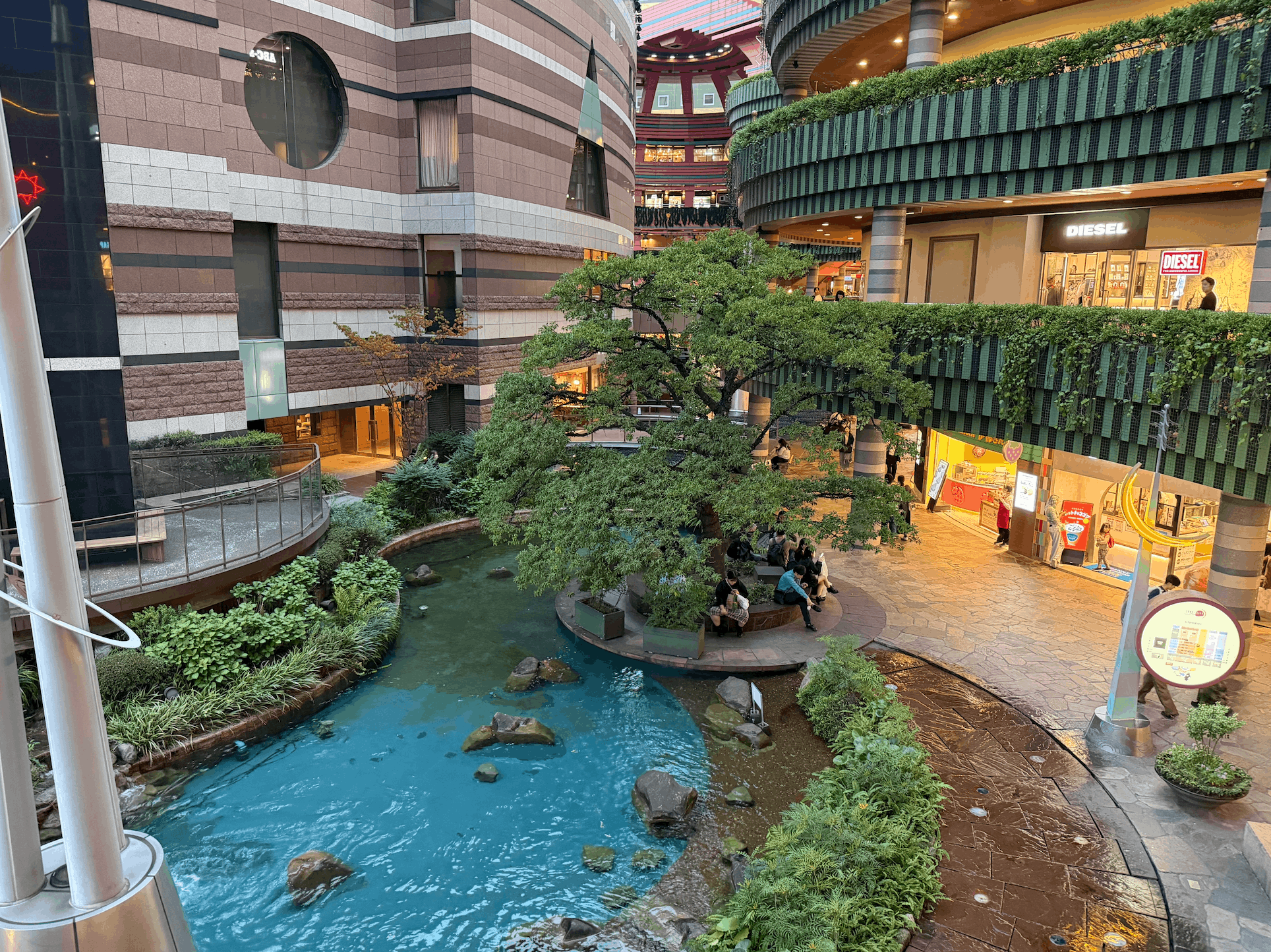
Day 3 is relaxed by design, because STARFLYER’s late-evening last flight from Fukuoka means you do not have to rush to the airport. You have most of the day.
Morning: Canal City and Kushida Shrine
- Canal City Hakata is the city’s landmark shopping-and-entertainment complex, built around an artificial canal which hosts regular fountain shows throughout the day. Good for a coffee, a browse, and the Ramen Stadium on the top floor if you skipped a stall the night before.
- Kushida Shrine (櫛田神社), a short walk away, is Fukuoka’s tutelary shrine and the spiritual home of the Hakata Gion Yamakasa festival — the towering decorated float on permanent display in the grounds is worth the detour even outside festival season.
- The old merchant district of Hakata Machiya and the nearby Tochoji Temple (home to a huge wooden seated Buddha) round out a low-key cultural morning.
Afternoon: Last ramen and souvenirs


Have your final tonkotsu ramen — Fukuoka is the city that gave the world the dish, so end on it. Then do souvenir duty inside and around Hakata Station, which is a shopping destination in its own right: the basement food halls (depachika) are the place to buy mentaiko and Hakata-style sweets, and to grab coffee and travel snacks before your flight.
Evening: To the airport, and home
Here is Fukuoka’s superpower: FUK is two subway stops — about five minutes — from Hakata Station. It is one of the world’s quickest airport-to-downtown rail connections. You can browse Hakata Station until well into the evening and still make a late STARFLYER departure with time to spare.
A quick word on the airline itself, since the cabin is part of why this trip is pleasant at both ends:

- The seat. STARFLYER’s Airbus A320 aircraft prioritize comfort over maximum seating capacity, offering spacious black leather seats, generous legroom, and power outlets at every seat.
- Tully’s coffee, free, every flight. A small thing that frequent flyers remember.
- Fares. STARFLYER’s standard fares sit in the mid-range among Japanese domestic carriers — broadly comparable to the full-service airlines on the same routes and above budget LCCs. You are paying for the cabin, not paying a premium over the majors.
For the full breakdown of flying the airline as a Tokyo–Kyushu connector, see our pillar guide, How to Travel from Tokyo to Kyushu with STARFLYER.
Find the best flights from Tokyo to Kitakyushu
Fly from Tokyo to Kitakyushu and return from Fukuoka with STARFLYER—an easy way to explore more of northern Kyushu without backtracking.
Where to Stay: Two Bases, Two Nights
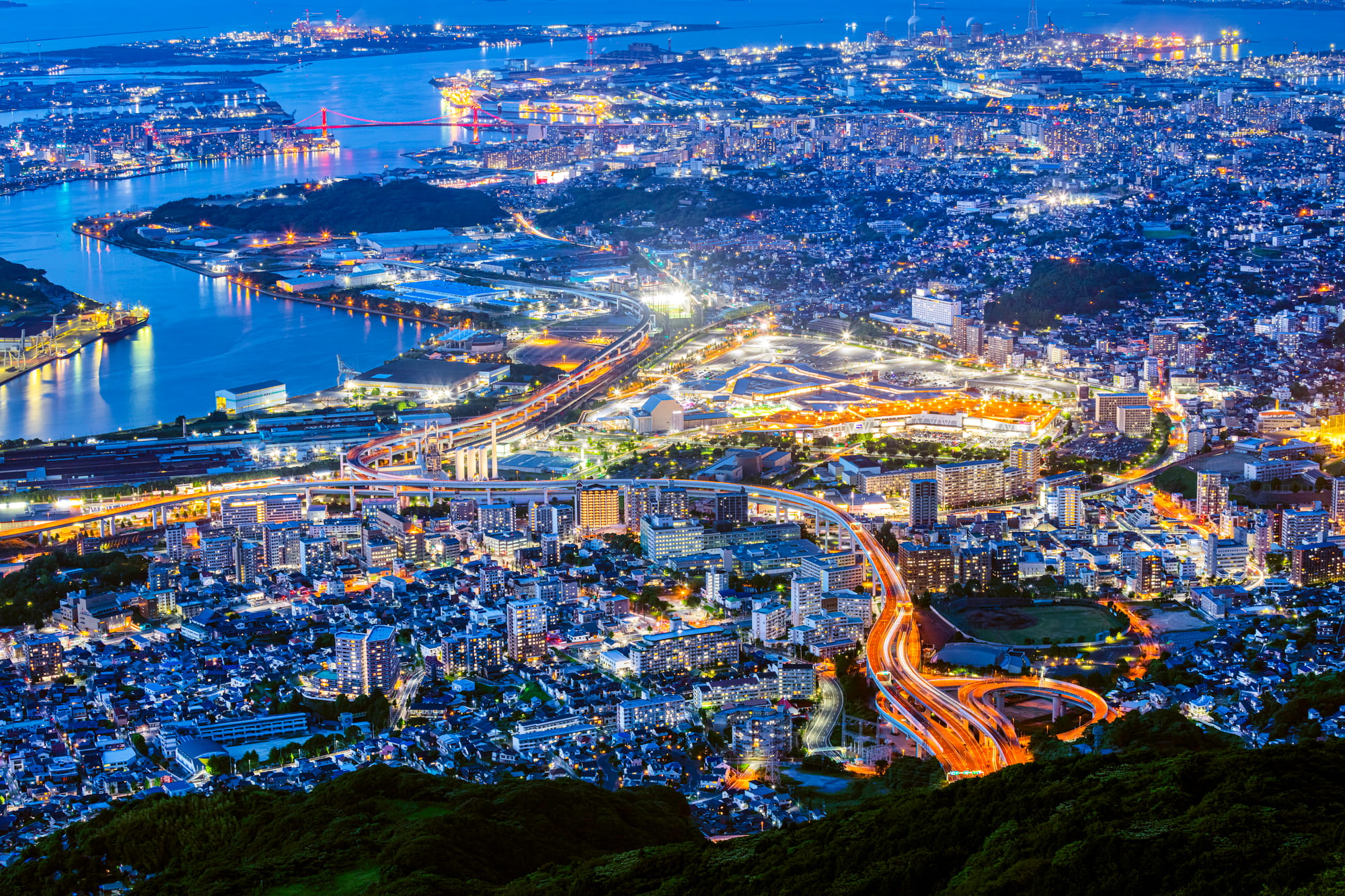
You only need two hotels for this itinerary, and both choices are simple.
- Night 1 — Kokura (Kitakyushu). Stay within a few minutes of Kokura Station. The area is full of well-priced, reliable business hotels, and proximity to the main train platforms makes the Day 2 morning effortless. This is a sleep-and-go night, so prioritize location over luxury.
- Night 2 — Fukuoka (Hakata or Tenjin). Hakata puts you next to the station and the airport subway; Tenjin puts you in the middle of the nightlife and shopping. Either works. If you want a splurge, the Ritz-Carlton, Fukuoka in the redeveloped Tenjin district is the city’s luxury anchor; mid-range options around Hakata Station run noticeably cheaper than comparable Tokyo hotels.
If you are timing this trip for the quieter, better-value shoulder window, our guide to the post–Golden Week sweet spot (see N1 — update link on publish) explains when northern Kyushu is at its calmest.
Getting Around: Trains, IC Cards, and the One Pass Question
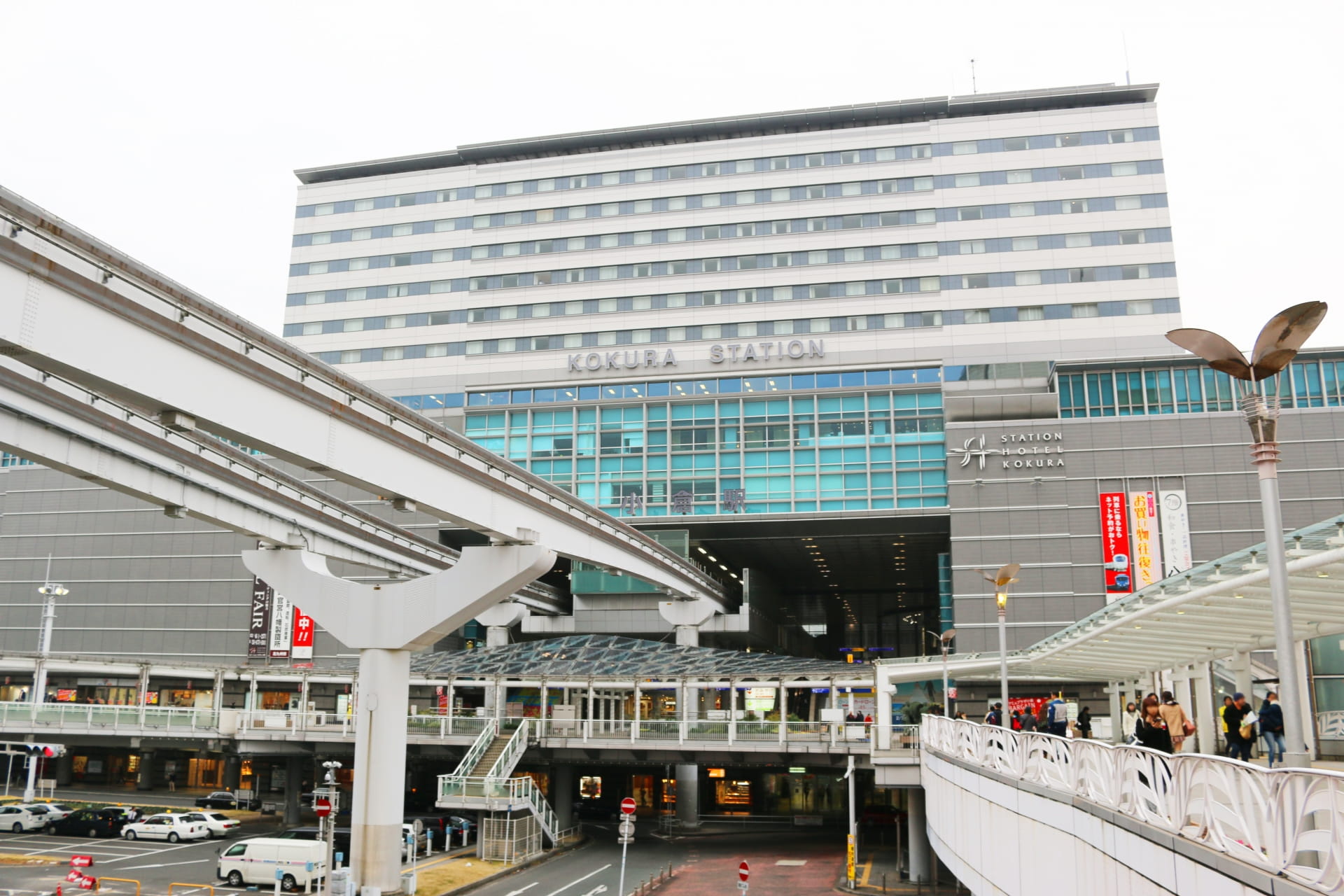
- IC cards work everywhere that matters. IC cards can be used on most trains, subways, and buses throughout the region, making it easy to travel without buying individual tickets. Load one on arrival and forget about tickets.
- Kokura ⇄ Hakata. The Shinkansen takes ~15 minutes; the local trains take ~45–60 minutes and are cheaper. For a single hop, the local train is fine; if you value the time, take the Shinkansen.
- Do you need a rail pass? For a short Fukuoka–Kitakyushu trip like this, probably not—you’ll only be making one intercity rail journey. A regional transportation pass generally becomes worthwhile only if you’re planning to continue on to destinations such as Nagasaki, Kumamoto, Beppu, or Yufuin.
- A car is unnecessary. Everything here is reachable by train and on your own two feet. Save the rental car for an Aso or Kuju mountain extension.
Practical Tips for a 3-Day Northern Kyushu Trip
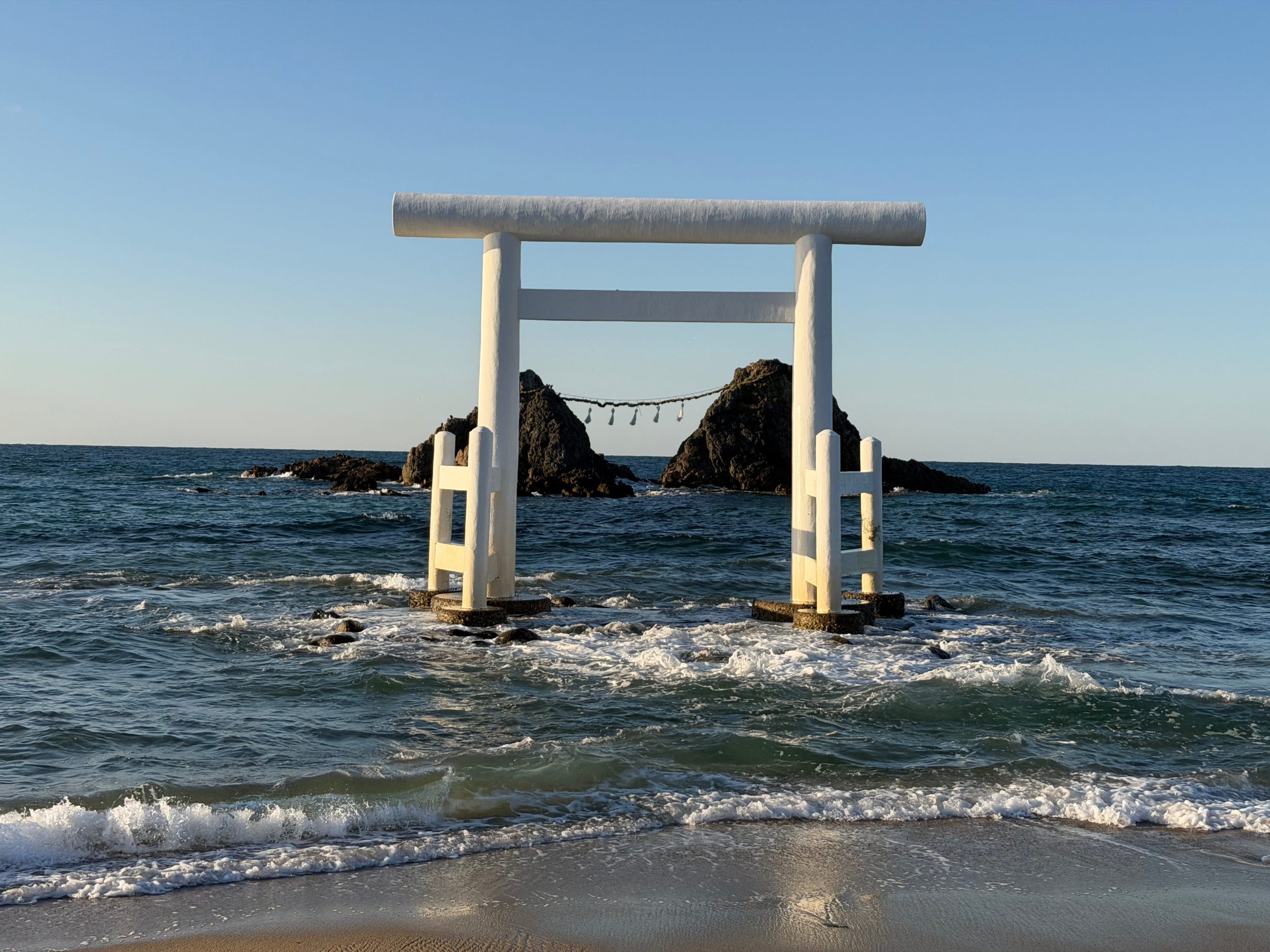
- Pack light and use lockers. Coin lockers at Kokura and Hakata stations let you sightsee on the move-days without dragging luggage. Both stations also have same-day luggage-forwarding counters.
- Connectivity. 5G coverage is widely available throughout Fukuoka and Kitakyushu. Set up an eSIM before you fly or activate one on arrival at KKJ/FUK.
- Cash for the yatai and markets. Cards are accepted at hotels and most restaurants, but the Nakasu yatai and parts of Tanga Market are cash-first. Carry a few thousand yen.
- Festival timing. If your trip overlaps Hakata Gion Yamakasa (July 1–15), Fukuoka is electric but hotels book out — reserve early. The festival’s climax, the pre-dawn Oiyama race on July 15, is one of Japan’s great spectacles.
- Weather. Early summer (June–early July) is the rainy season in Kyushu; pack a compact umbrella. Late October to November is the most comfortable window if your dates are flexible.
FAQ: Your 3-Day Fukuoka & Kitakyushu Questions
Q: Is 3 days enough for Fukuoka and Kitakyushu?
A. Yes — three days is the ideal length for this specific pairing. One night in Kitakyushu covers Kokura Castle and Mojiko Retro comfortably, and two nights in Fukuoka cover Dazaifu, the city center, and a yatai evening without rushing. You would only need more time if you were extending into the rest of Kyushu (Nagasaki, Kumamoto, the onsen towns).
Q: Should I fly into Fukuoka or Kitakyushu Airport?
A. For this itinerary, the smart move is to fly into Kitakyushu (KKJ) and out of Fukuoka (FUK) — an open-jaw routing that STARFLYER makes possible because it serves both airports from Haneda. You move north-to-south and never backtrack. If you can only book a round trip into one airport, choose FUK for its unbeatable 5-minute subway link to downtown Hakata. See our full Fukuoka Airport vs Kitakyushu Airport comparison.
Q: How do you get from Kitakyushu to Fukuoka?
A. The Shinkansen connects Kokura and Hakata in about 15 minutes. Local trains take 45–60 minutes and cost less. Both run frequently throughout the day, so the two cities effectively function as one trip.
Q: Can you do this itinerary without a car?
A. Completely. Every stop — Kokura Castle, Mojiko Retro, Dazaifu, Tenjin, Ohori Park, Nakasu — is reachable by train, subway, short bus, or on foot. A rental car only becomes useful if you add Aso or the Kuju Mountains.
Q: What is the best time of year to visit Fukuoka and Kitakyushu?
A. Late October to mid-November for mild weather and autumn color, or spring for cherry blossoms at Maizuru Park and Kokura Castle. Avoid the June–early July rainy season if you can, and book well ahead if your dates fall during Hakata Gion Yamakasa (July 1–15).
Q: Is Mojiko Retro worth the trip from Kokura?
A. Yes — it is only ~15 minutes by local train, and it is the visual highlight of Kitakyushu, especially at dusk when the preserved port buildings light up over the Kanmon Strait. The local yaki-curry makes it an easy dinner stop, not just a photo stop.
Q: How much does this trip cost compared to Tokyo?
A. Northern Kyushu runs meaningfully cheaper than Tokyo across the board — mid-range hotels in Fukuoka and Kokura typically come in often around 20–30% below comparable Tokyo properties, and yatai and market food is inexpensive. The main fixed costs are the two flights and the one Shinkansen hop.
The Bottom Line
Three days, two cities, two flights, one Shinkansen ride — and zero backtracking. Land at Kitakyushu and spend your first afternoon between a rebuilt castle and a lantern-lit port. Train down to Fukuoka for a shrine in the morning and yatai by the river at night. Spend a slow last day on ramen and souvenirs, then walk onto a late flight five minutes from downtown.
It is one of the most efficient ways to experience northern Kyushu, and the flights are what make it click. Start early, end late, go in one direction. The rest is just deciding which ramen counter gets your last bowl.
Find the best flights from Tokyo to Kitakyushu
Fly from Tokyo to Kitakyushu and return from Fukuoka with STARFLYER—an easy way to explore more of northern Kyushu without backtracking.
For more information about Fukuoka and Kitakyushu, check out the following links!
Written by
Established in 2016, Japan Web Magazine is a long-running online media platform dedicated to sharing the beauty and uniqueness of Japan with a global audience. Our team is made up of passionate Japan lovers—both Japanese and international writers—who bring a diverse and authentic perspective to every article. We cover everything from must-visit travel destinations across Japan, to local food recommendations, shopping guides, and practical travel tips. In addition to tourism content, we also delve into Japan’s rich cultural tapestry, introducing readers to traditional customs, festivals, and the latest trends in modern Japanese pop culture, including anime and entertainment. Driven by a genuine love for Japan, our mission is to connect readers around the world with the wonders of this incredible country.
- +39 39
-
-