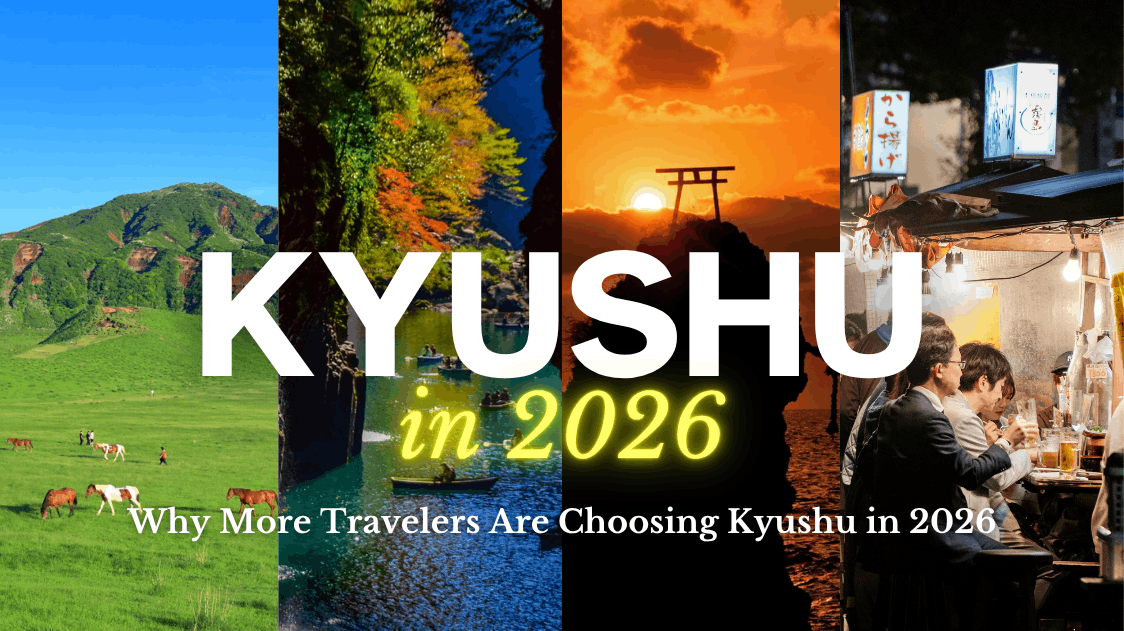
Why More Travelers Are Choosing Kyushu in 2026
Why travelers are choosing Kyushu for onsen, food culture, and a more relaxed side of Japan in 2026.

- +0 0
-

-


If you have already done Tokyo, Kyoto, and Osaka — and you can feel the elbows of other tourists pressing in at Fushimi Inari — 2026 is the year to point your compass south. Kyushu (九州), Japan’s third-largest main island, is having a quiet but unmistakable moment. The island is seeing expanded international connectivity with STARFLYER’s Kitakyushu–Taipei route scheduled to resume in September 2026, while large-scale events such as the Mynavi Tour de Kyushu 2026 are bringing renewed attention to the region’s landscapes, culture, and road networks across multiple prefectures.
This is not “hidden Japan” anymore — Fukuoka has repeatedly appeared in global livability rankings over the years. But it is still the part of Japan where a foreign traveler can have lunch at a 70-year-old yatai food stall, soak in a steaming sand bath two hours later, and ride Kyushu’s acclaimed luxury sleeper train, all without booking anything more than a week out.
The Big Picture: Why Kyushu in 2026
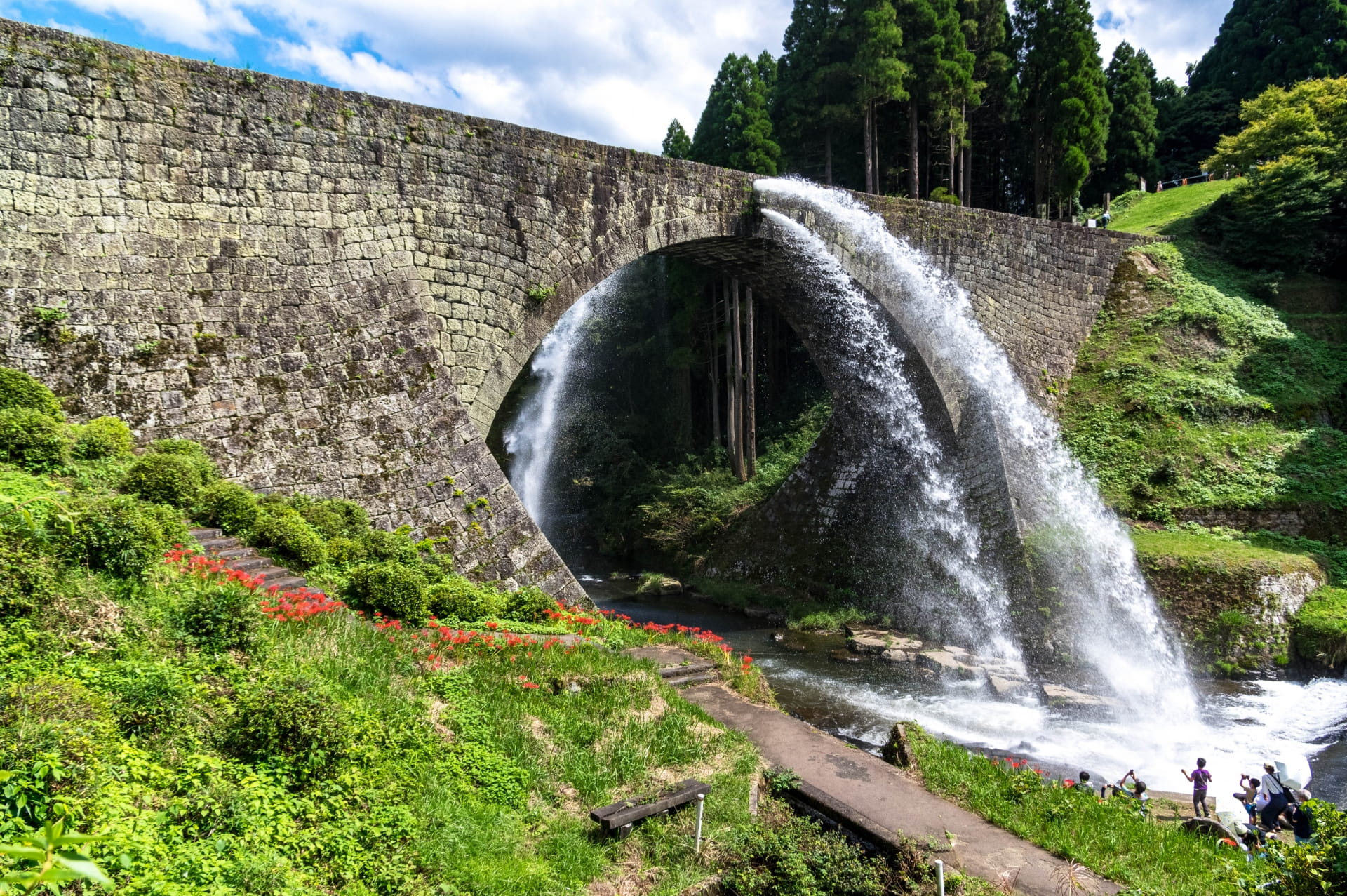
Kyushu is the southwesternmost of Japan’s four main islands, about the size of Switzerland but with seven prefectures (Fukuoka, Saga, Nagasaki, Kumamoto, Oita, Miyazaki, Kagoshima) packed with everything Japan is famous for — minus the Golden Route crowds. The reasons 2026 is the inflection year are concrete, not vague:
International air access is expanding.
STARFLYER, the Kitakyushu-based premium carrier, is scheduled to resume its Kitakyushu (KKJ) – Taipei (TPE) route in September 2026 after a six-year suspension. This re-opens Kyushu’s eastern flank to Taiwanese and connecting Asian travelers and adds inbound capacity that was simply not there in recent years.
Major international-scale events are bringing new attention to Kyushu.
The Mynavi Tour de Kyushu 2026 — one of Asia’s largest international cycling road races — will take place across multiple Kyushu prefectures in October 2026, including Nagasaki, Fukuoka, Saga, Kumamoto, Oita, and Miyazaki. The event continues to strengthen Kyushu’s growing reputation as a destination for outdoor travel, scenic road routes, and regional tourism.
Compared with pre-pandemic periods, many international visitors continue to find Japan favorable from a currency perspective.
Popular Kansai destinations such as Osaka and Kyoto continue to experience heavy tourism demand following Expo 2025.
Savvy travelers and travel agents are increasingly recommending Kyushu as an alternative for visitors seeking a more relaxed pace.
Regional travel passes can be particularly useful in Kyushu.
The island’s sightseeing train network and long-distance rail connections make it easier to combine major cities, onsen towns, and rural destinations in a single trip.
If you needed a one-line answer to “Why Kyushu in 2026?”: the access is the best it has been in years, the region continues to gain international attention, and many travelers are now looking beyond Japan’s busiest tourism routes.
What’s New in Kyushu for 2026
Kyushu’s 2026 calendar is unusually loaded. These are the developments worth re-shuffling your itinerary for.
STARFLYER’s Kitakyushu–Taipei route returns in September
Kitakyushu-headquartered carrier STARFLYER — the all-black, leather-seated airline that has received high customer satisfaction ratings in Japan — is scheduled to resume service between Kitakyushu Airport (KKJ) and Taipei Taoyuan (TPE) in September 2026. The route had been suspended since 2020. Even if you are not flying from Taipei, the practical effect is more international connectivity feeding into northern Kyushu, more bilingual ground staff, and a more confident inbound infrastructure across the prefecture.
For deeper details on flying STARFLYER, see our Complete STARFLYER Guide (publishing October 2026).
Mynavi Tour de Kyushu 2026 (October)
The Mynavi Tour de Kyushu 2026 — one of Asia’s largest international cycling road races — will take place from October 9 to 12, 2026, across multiple Kyushu prefectures, including Nagasaki, Fukuoka, Saga, Kumamoto, Oita, and Miyazaki. The event highlights Kyushu’s coastal roads, volcanic landscapes, and regional towns while bringing international teams, media, and spectators to the island.
Even travelers who are not dedicated cycling fans may notice increased activity and hotel demand in parts of northern and central Kyushu during the event period.
New and expanded hotels
Luxury and experiential accommodation options continue to expand across Kyushu as inbound tourism grows beyond the Golden Route.
The Ritz-Carlton, Fukuoka opened in mid-2023 in the redeveloped Tenjin Business District and has settled into being the de facto luxury anchor of central Fukuoka.
Upscale ryokan and boutique stays in destinations such as Yufuin, Kurokawa Onsen, and Aso continue to strengthen multilingual guest support and premium hospitality offerings for international travelers.
Glamping properties in Aso and around Mt. Kuju continue to expand, opening up Kyushu’s volcanic interior to non-Japanese-speaking visitors.
6 Reasons Kyushu Should Top Your 2026 Japan Trip
If you only have time to scan one section, this is it.
1. Onsen culture you cannot replicate elsewhere
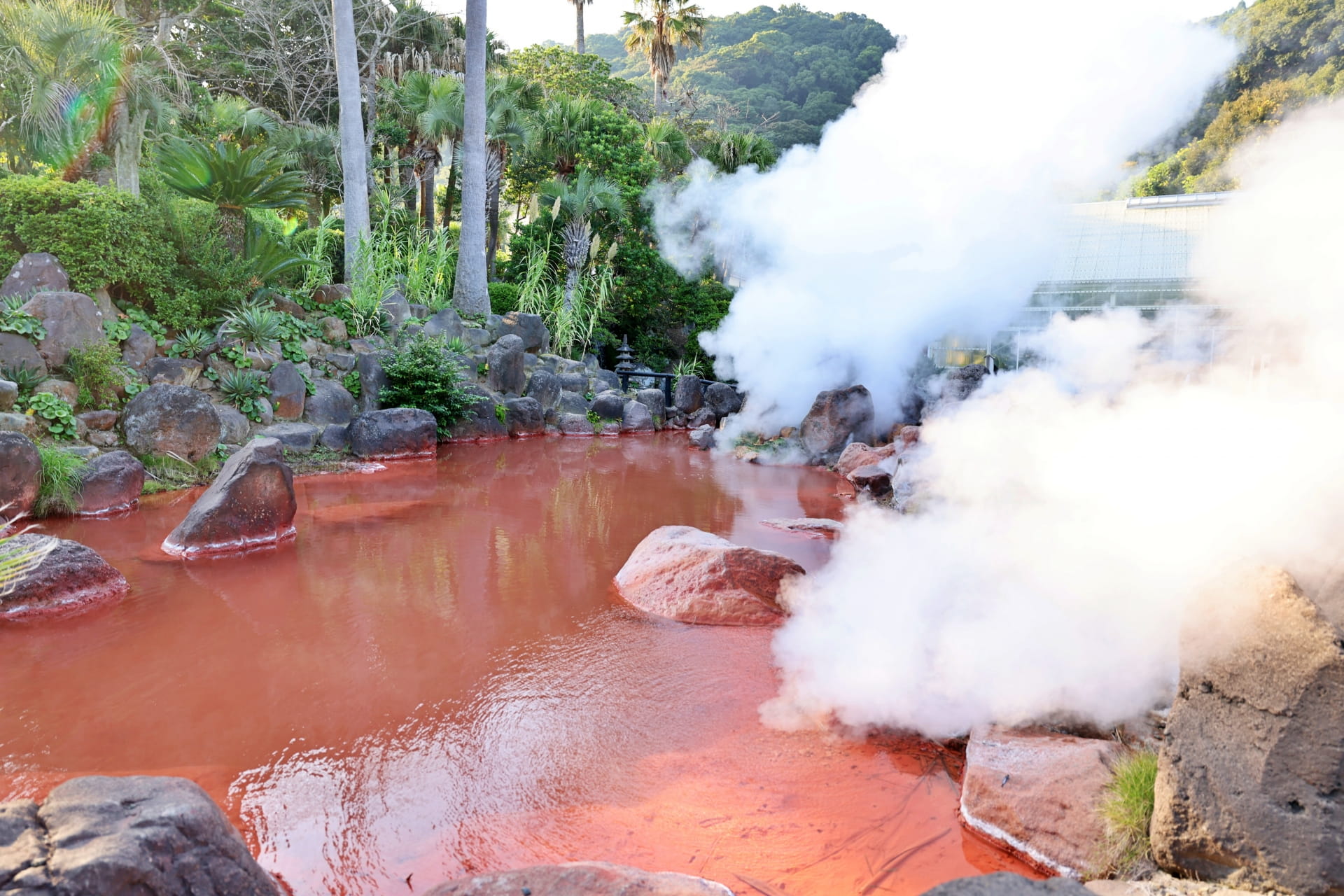
Japan has famous hot spring destinations across the country, but Kyushu offers an unusually wide variety of onsen experiences within a single trip. You can visit Beppu’s eight “hells” (jigoku, geothermal pools you look at, not bathe in, ranging from cobalt-blue to blood-red), Yufuin’s quiet Mt. Yufu-backed ryokan town built around art galleries and craft shops, and Kurokawa Onsen in Kumamoto’s mountains, where over 25 inns share a single “rotenburo pass” and visitors wander between outdoor baths in yukata at dusk. Add Ibusuki in Kagoshima, where you are buried up to your neck in naturally steam-heated black sand on the beach, and you have more onsen variety in a week than many of Japan’s best-known hot spring destinations combined.
2. Active volcanic landscapes that are still working
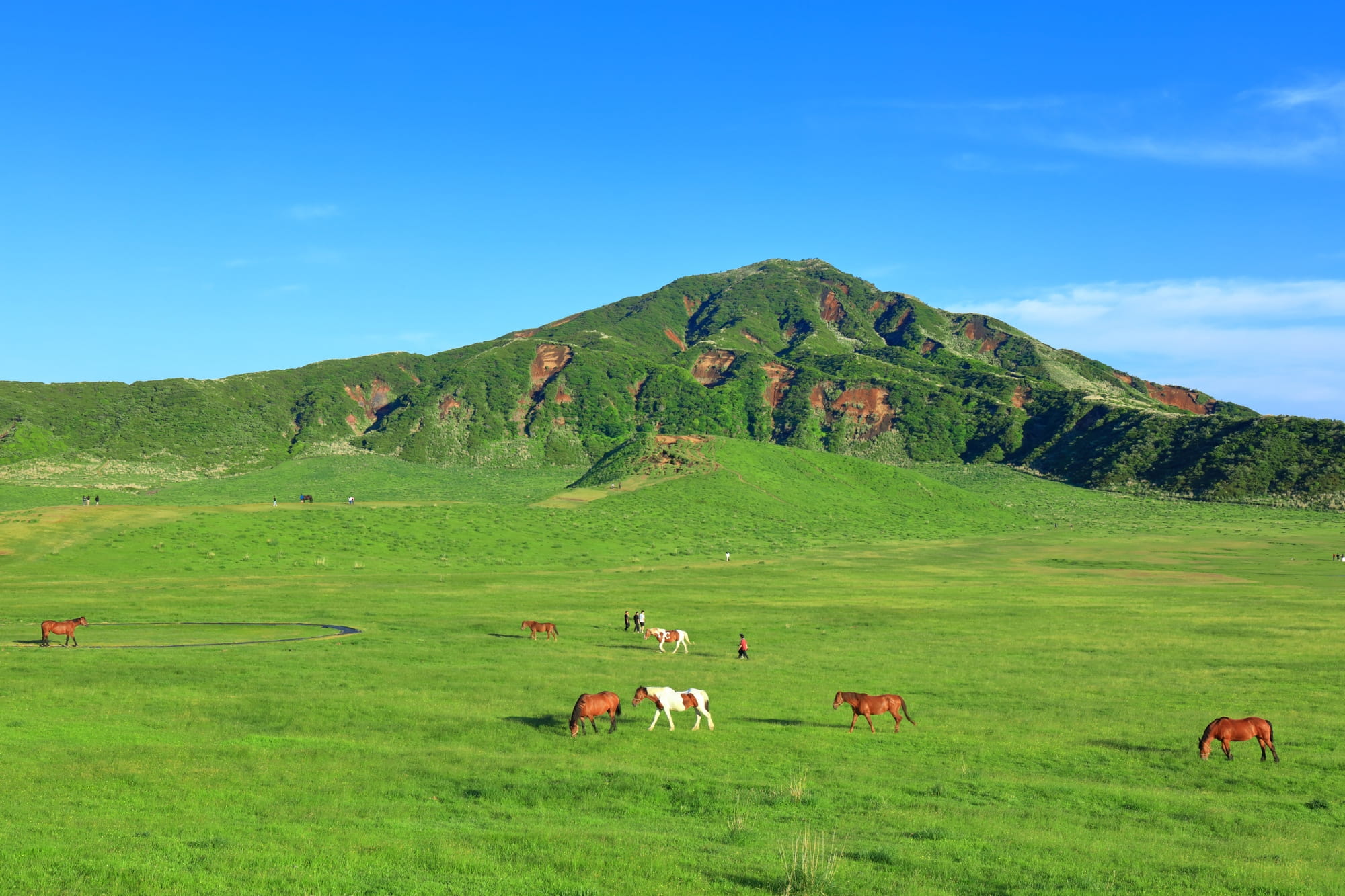
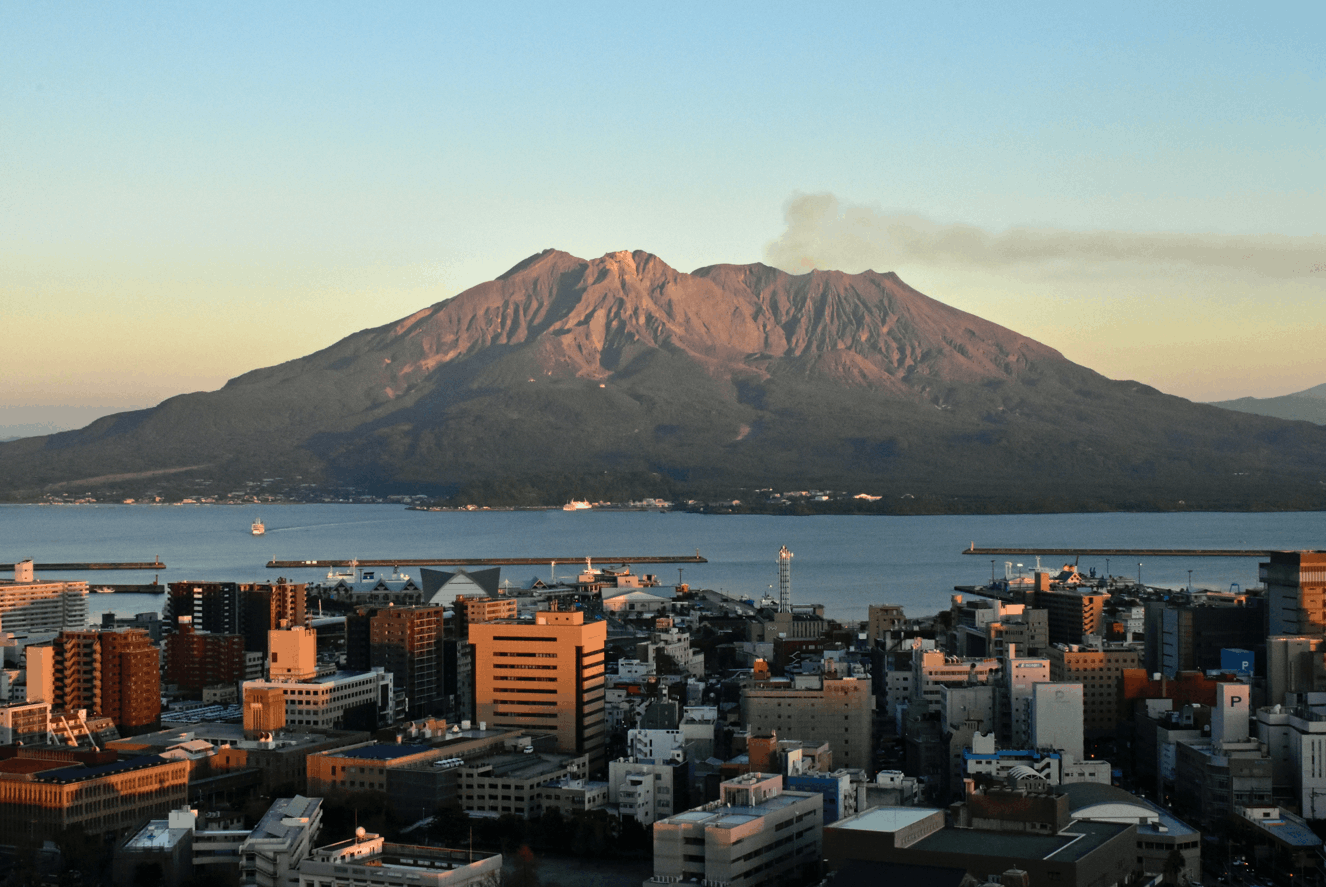
Mt. Aso (阿蘇山) in Kumamoto sits in one of the world’s largest active calderas — 25 km across. Sakurajima in Kagoshima is the Vesuvius of Japan: an actively venting stratovolcano sitting in the bay opposite a major city, reachable by a 15-minute ferry from downtown Kagoshima. Unzen in Nagasaki and the Kirishima range round out a volcanic checklist no other Japanese island can match.
3. The food scene actually has identity
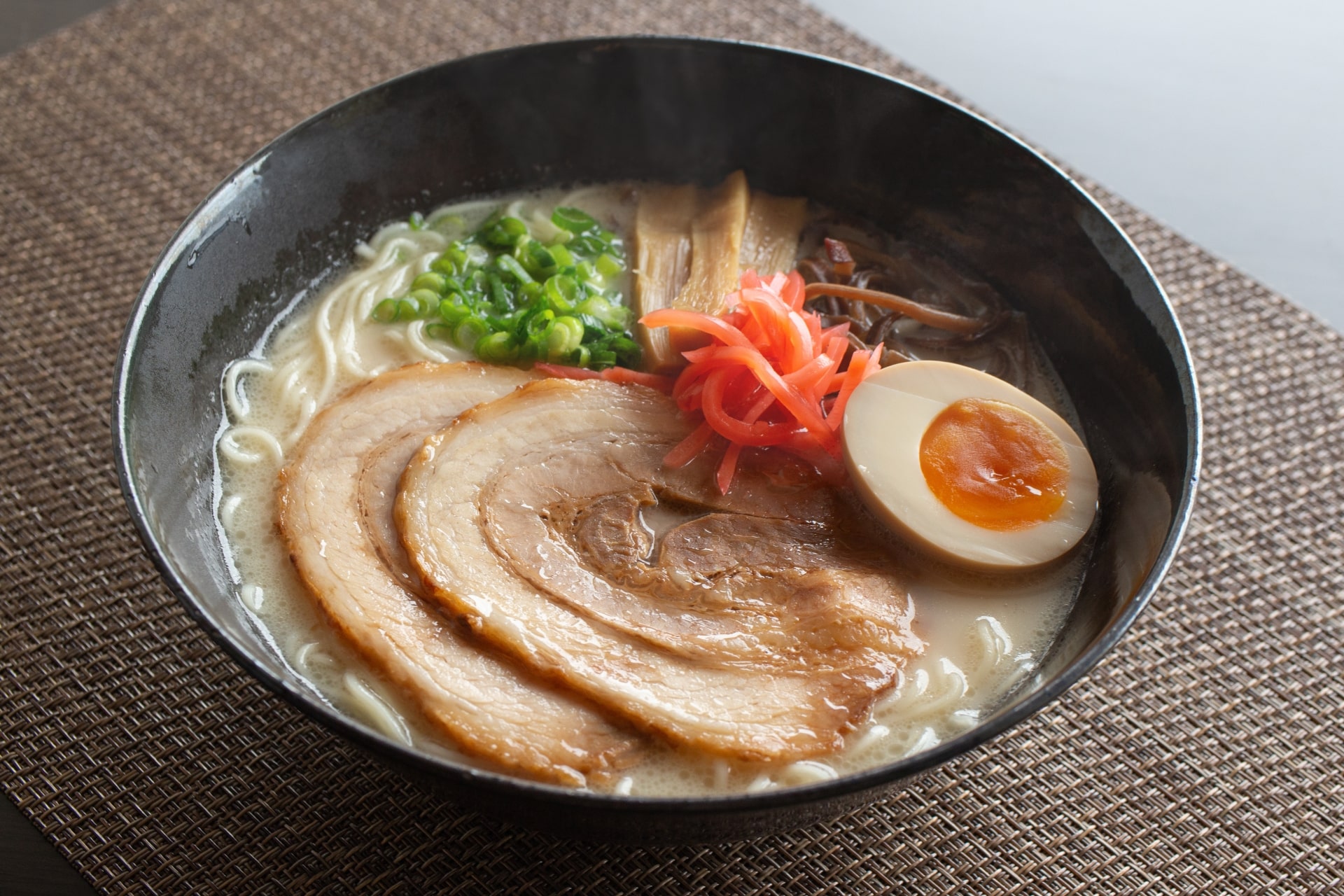
Kyushu’s food is regional in a way that, say, Kanto food is not. Hakata-style tonkotsu ramen (Fukuoka) is what most of the world thinks of when they think “Japanese ramen.” Motsunabe and mizutaki are both Fukuoka inventions. Saga beef and Miyazaki beef are A5-grade wagyu that locals will tell you rival some of Japan’s most famous brands. Nagasaki champon, Kumamoto basashi, Kagoshima shochu, and Sasebo burgers give every prefecture a distinct dish. For a full breakdown, see our guide to what to eat in Fukuoka.
4. Underrated cities that still feel local
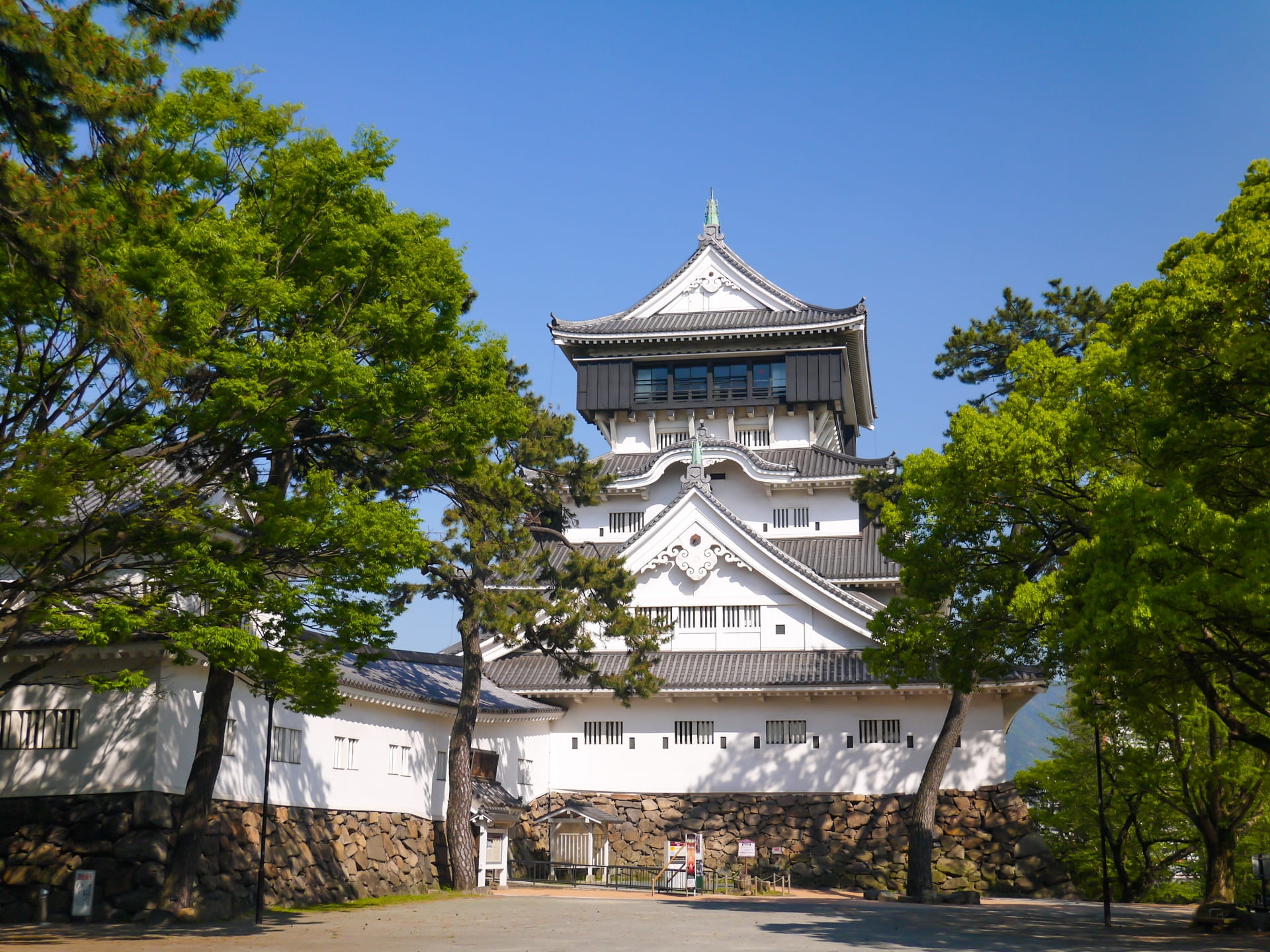
Fukuoka is the obvious base. But Kitakyushu (one of Japan’s best-restored Edo-era castle districts in Kokura), Nagasaki (the only Japanese city with both a Chinatown and a Catholic cathedral), and Kumamoto (whose iconic black castle is finally walkable again) all reward a two-night stop. For Kitakyushu, see our Ultimate Kitakyushu Guide.
5. Island escapes that most foreign travelers miss
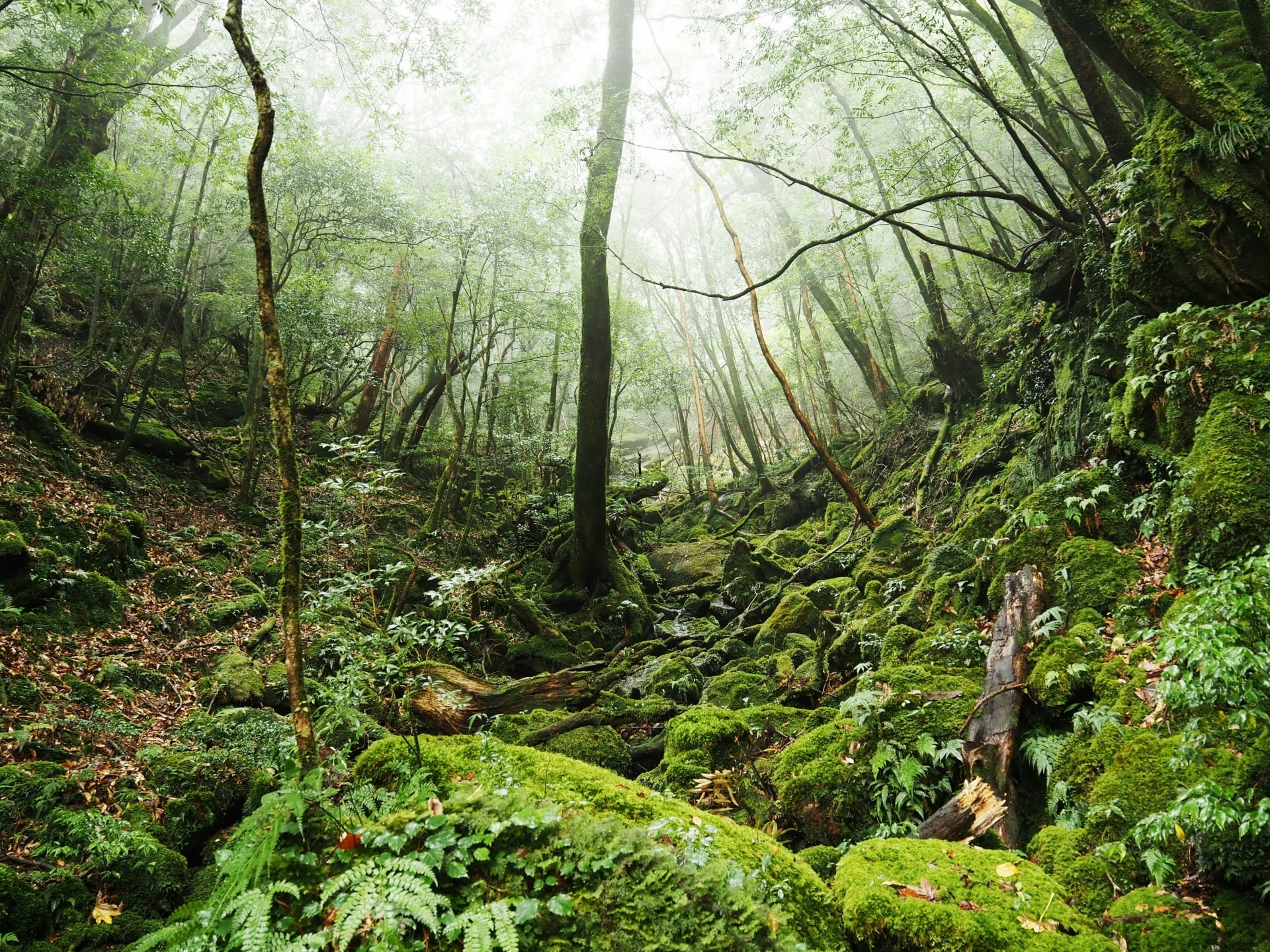
Yakushima (UNESCO Natural Heritage 1993, 3,000-year-old cedar forests that inspired Princess Mononoke) and Amami Oshima (UNESCO Natural Heritage 2021, empty white-sand beaches, mangrove kayaking, the wild Amami rabbit) are both short flights from Kagoshima or Fukuoka.
6. Proximity to Asia, in a way Tokyo cannot match
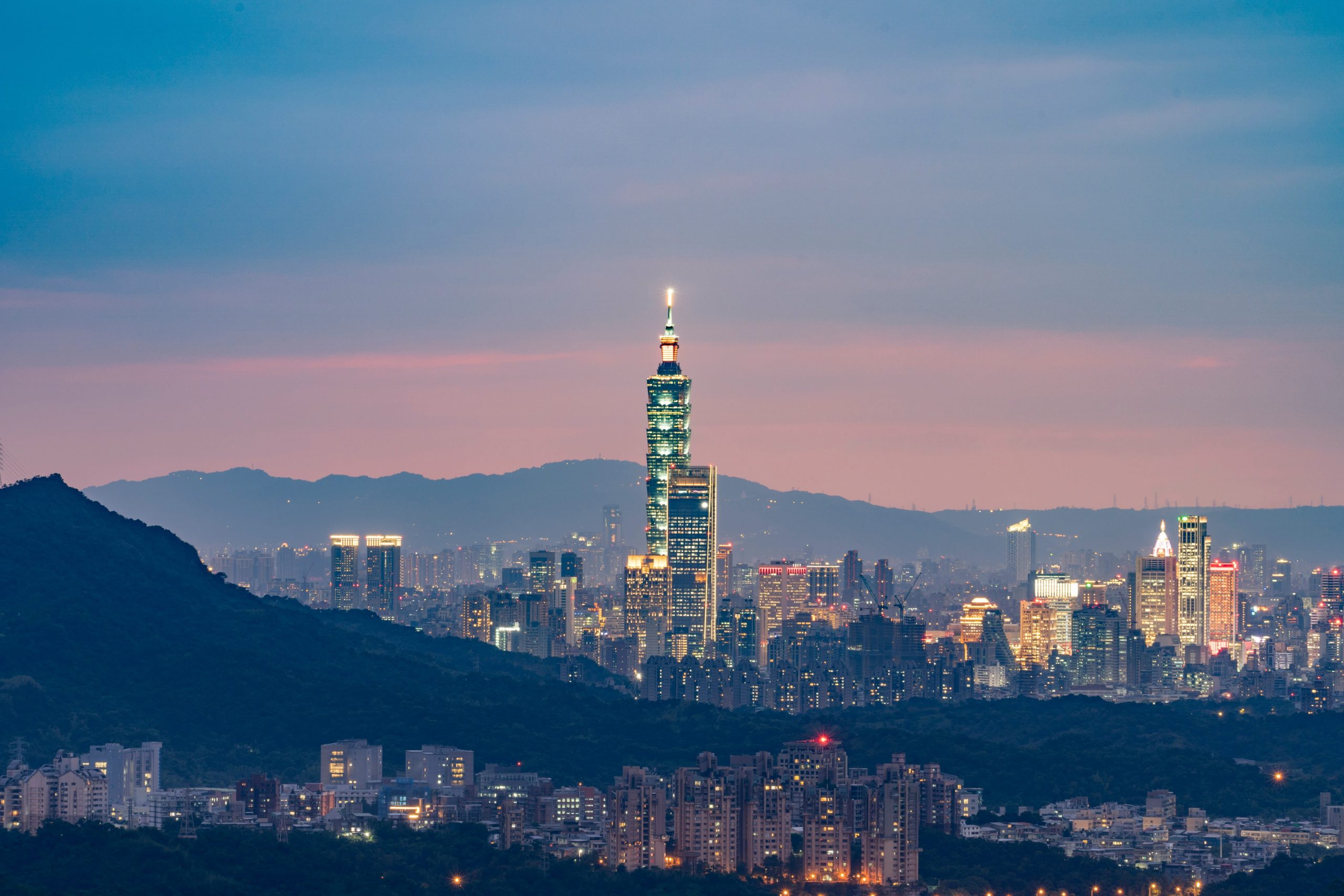
Geographically, Fukuoka sits closer to Seoul than to Tokyo. With STARFLYER’s KKJ–TPE route returning in August, cheap, fast hops to Busan or Taipei just got easier.
Best Time to Visit Kyushu
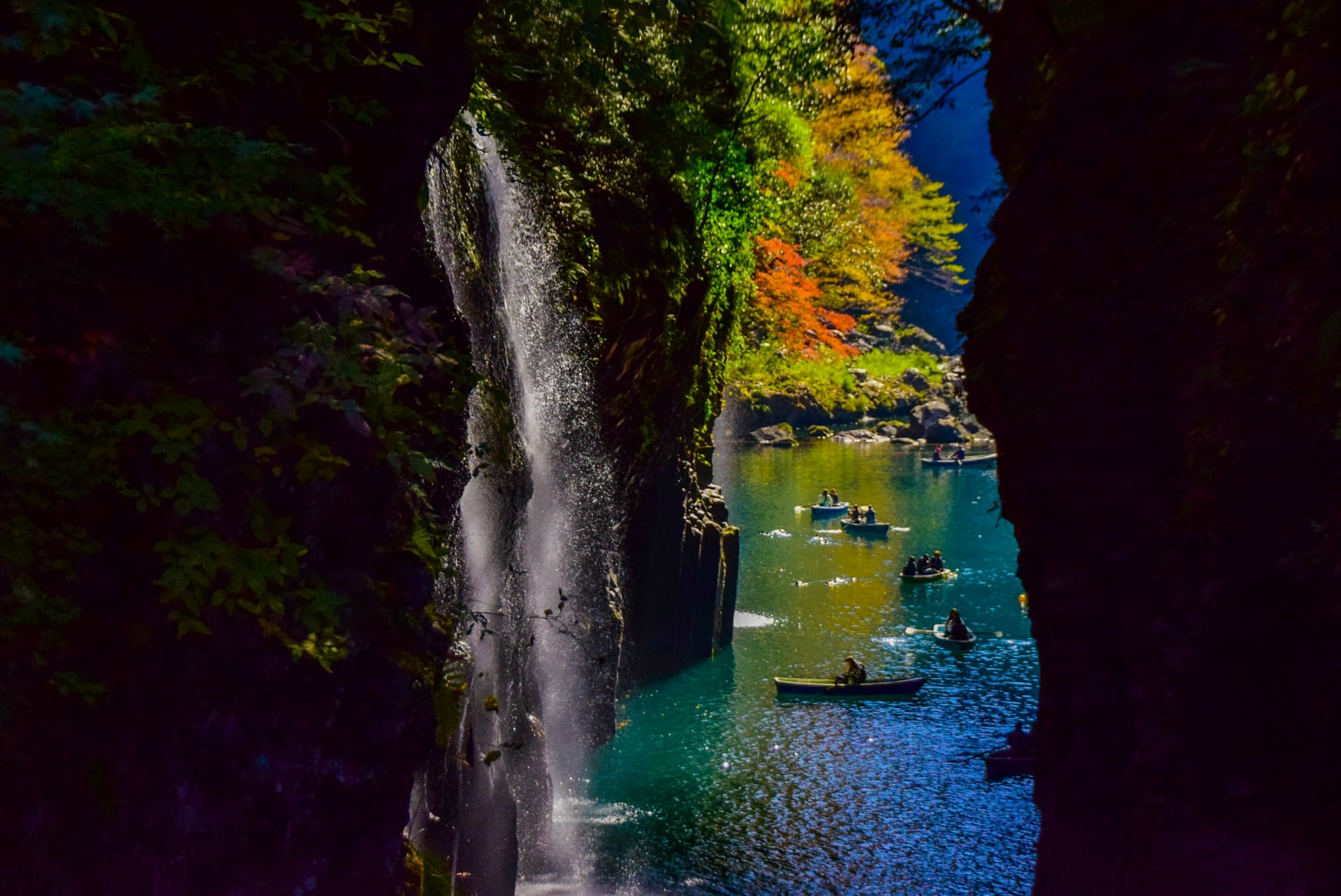
Kyushu sits at a more southerly latitude than the Golden Route cities, which means shoulder seasons are longer and milder — but the rainy season hits harder.
| Month | Weather | What’s On | Crowd | JW Verdict |
|---|---|---|---|---|
| Jan | Cold (4–10°C) | New Year shrines, Huis Ten Bosch illuminations | Low | Great for onsen-only trips |
| Feb | Cold (5–11°C) | Plum blossoms (Dazaifu) | Low | Quiet shoulder |
| Mar | Mild (8–15°C) | Early cherry blossoms | Rising | Good value |
| Apr | Pleasant (12–20°C) | Peak sakura, Hakata Dontaku prep | Peak | Book early |
| May | Warm (16–24°C) | Hakata Dontaku (May 3–4) | Peak | Best overall |
| Jun | Humid, rainy (20–27°C) | Ajisai temples | Low | Skip unless quiet trip |
| Jul | Hot, humid (25–31°C) | Hakata Gion Yamakasa (Jul 1–15) | High | Festival hunters only |
| Aug | Hot, humid (26–32°C) | Fireworks, Obon | High | Avoid mid-month |
| Sep | Warm (22–28°C) | Early autumn travel season | Moderate | Good shoulder season, but monitor weather forecasts |
| Oct | Pleasant (17–24°C) | Mynavi Tour de Kyushu, early autumn foliage | Rising | One of the best overall months to visit |
| Nov | Mild (12–19°C) | Karatsu Kunchi (Nov 2–4), peak autumn foliage | High | Stunning scenery and comfortable temperatures |
| Dec | Cool (7–13°C) | Illuminations, hot pot | Moderate | Food + onsen |
Quick answer: For a first-time Kyushu trip, late October through mid-November is the sweet spot. Early May is the second-best window.
How to Get to Kyushu: Flights, Shinkansen, and the STARFLYER Edge
There are three sensible ways to reach Kyushu from Tokyo.
Option 1: Fly from Haneda (HND) — the fastest

Direct flights from Tokyo Haneda to Fukuoka (FUK) take about 1 hour 50 minutes. Other major airlines and STARFLYER all operate the route. STARFLYER also flies Haneda to Kitakyushu (KKJ) — also under two hours — which is the better option if your itinerary starts in Kokura, Kitakyushu, or the Mojiko port district.
What makes STARFLYER worth knowing about specifically:


The cabin. All-black leather seats in a 2-3-2 configuration on the Airbus A320 (vs. the 3-3 standard on many domestic carriers). Seat pitch is notably spacious for a Japanese domestic carrier.
In-flight Tully’s coffee. Brewed Tully’s Coffee is served on every flight at no charge.
Pricing. STARFLYER’s standard full fares sit in the mid-range of Japanese domestic carriers — comparable with other major airlines on the same route. The value sits in the cabin product, not the price.
For a deep dive on the airline, see our pillar guide: How to Travel from Tokyo to Kyushu with STARFLYER.
Option 2: Shinkansen — the scenic option
The Tokaido–Sanyo–Kyushu Shinkansen runs from Tokyo to Kagoshima-Chuo. Tokyo to Hakata takes about 4 hours 50 minutes on a Nozomi-to-Sakura connection.
Option 3: Land in Osaka, train in
Fly into KIX, two nights in Osaka, then Shinkansen to Hakata in 2 hours 30 minutes.
Once you arrive: airport access
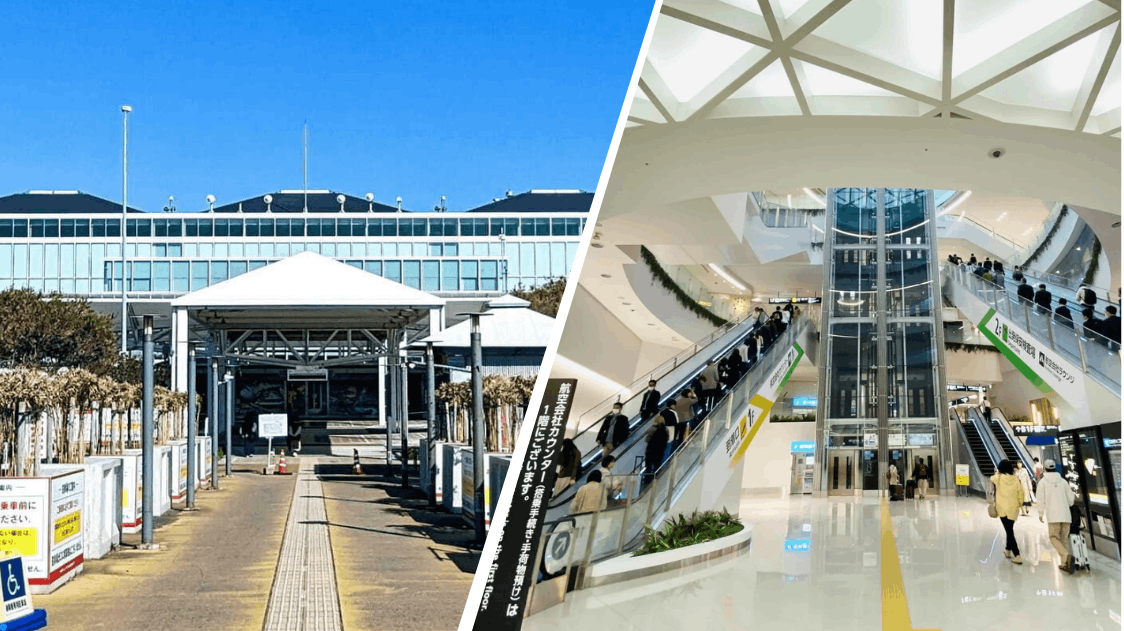
Fukuoka Airport (FUK) to Hakata Station: 5 minutes on the airport subway line, two stops. Widely considered one of Japan’s most convenient airport-to-downtown connections.
Kitakyushu Airport (KKJ): located on an artificial island, 24-hour operational, 35-minute airport bus to Kokura Station. Compare the two in Fukuoka Airport vs Kitakyushu Airport.
Find the best flights from Tokyo to Kyushu
Fly from Tokyo to Fukuoka or Kitakyushu and arrive within easy reach of Kyushu’s vibrant cities, famous onsen towns, and regional food destinations.
The Kyushu Itinerary: 5-Day, 10-Day, and Two-Week Plans
The 5-Day Sampler (Fukuoka + Yufuin/Beppu)
Suggested 5-Day Kyushu Itinerary
| Day | Base | Highlights |
|---|---|---|
| 1 | Fukuoka | Land at FUK, Canal City, yatai dinner in Nakasu |
| 2 | Fukuoka | Dazaifu Tenmangu, Ohori Park, motsunabe dinner |
| 3 | Yufuin | Yufuin no Mori train from Hakata, ryokan check-in |
| 4 | Beppu | Bus to Beppu, Hells tour, sand bath |
| 5 | Fukuoka | Return train, last ramen, fly out |
The 10-Day Classic Loop
Fukuoka → Nagasaki → Kumamoto → Aso → Kurokawa Onsen → Yufuin → Beppu → Kitakyushu → Fukuoka.
The Two-Week Deep Dive
Add Kagoshima, a 3-day Yakushima detour, and Miyazaki (Takachiho Gorge, Aoshima Shrine, A5 wagyu).
Where to Eat: Kyushu’s Regional Specialties
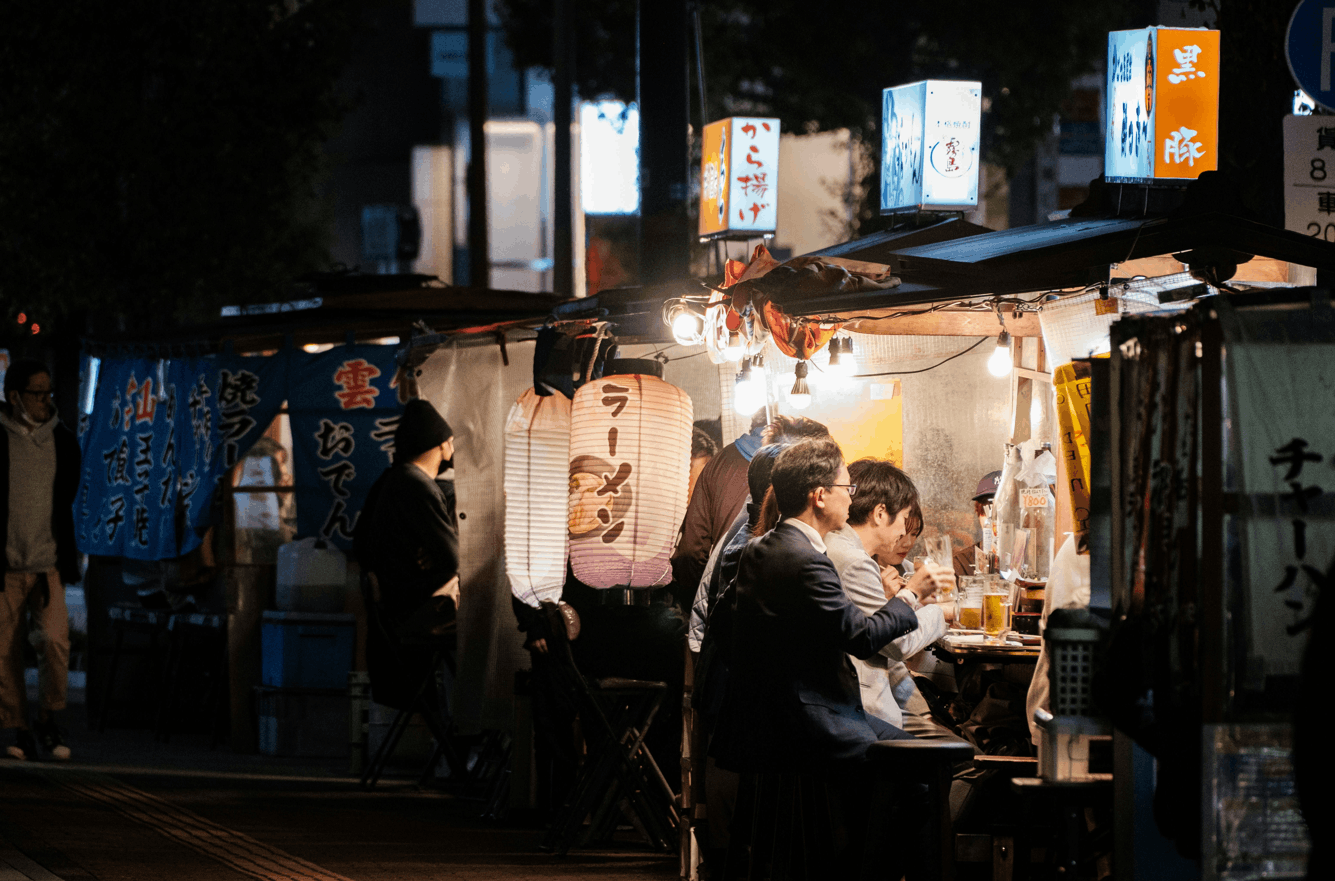
- Tonkotsu ramen — Fukuoka (Ichiran’s original Tenjin branch; Hakata Issou)
- Motsunabe — Fukuoka (Motsunabe Rakutenchi, Tenjin)
- Champon — Nagasaki (Shikairou, the inventor)
- Basashi — Kumamoto (Suganoya)
- Miyazaki wagyu — Miyazaki City (Mitsuhashi)
- Kurobuta tonkatsu — Kagoshima (Tonkatsu Kawakyu)
- Shochu flight — Kagoshima (Honkaku Shochu Bar Ishizue)
For the Fukuoka-specific deep dive, see What to Eat in Fukuoka.
Practical Travel Tips for Kyushu
- Connectivity. Kyushu has full 5G in cities and reliable LTE in onsen towns. Buy an eSIM before you fly.
- Payments. IC cards (Suica, Pasmo, Sugoca) work on all JR Kyushu trains, the Fukuoka subway, and most buses. Bring cash for Kurokawa Onsen, smaller shops in Yufuin, and rural Aso.
- Renting a car. Worth it for Aso, the Kuju mountains, and southern Miyazaki.
- Language. English signage is solid in Fukuoka, Nagasaki, and the major JR Kyushu trains.
Where Kyushu Sits on Japan’s Tourism Map
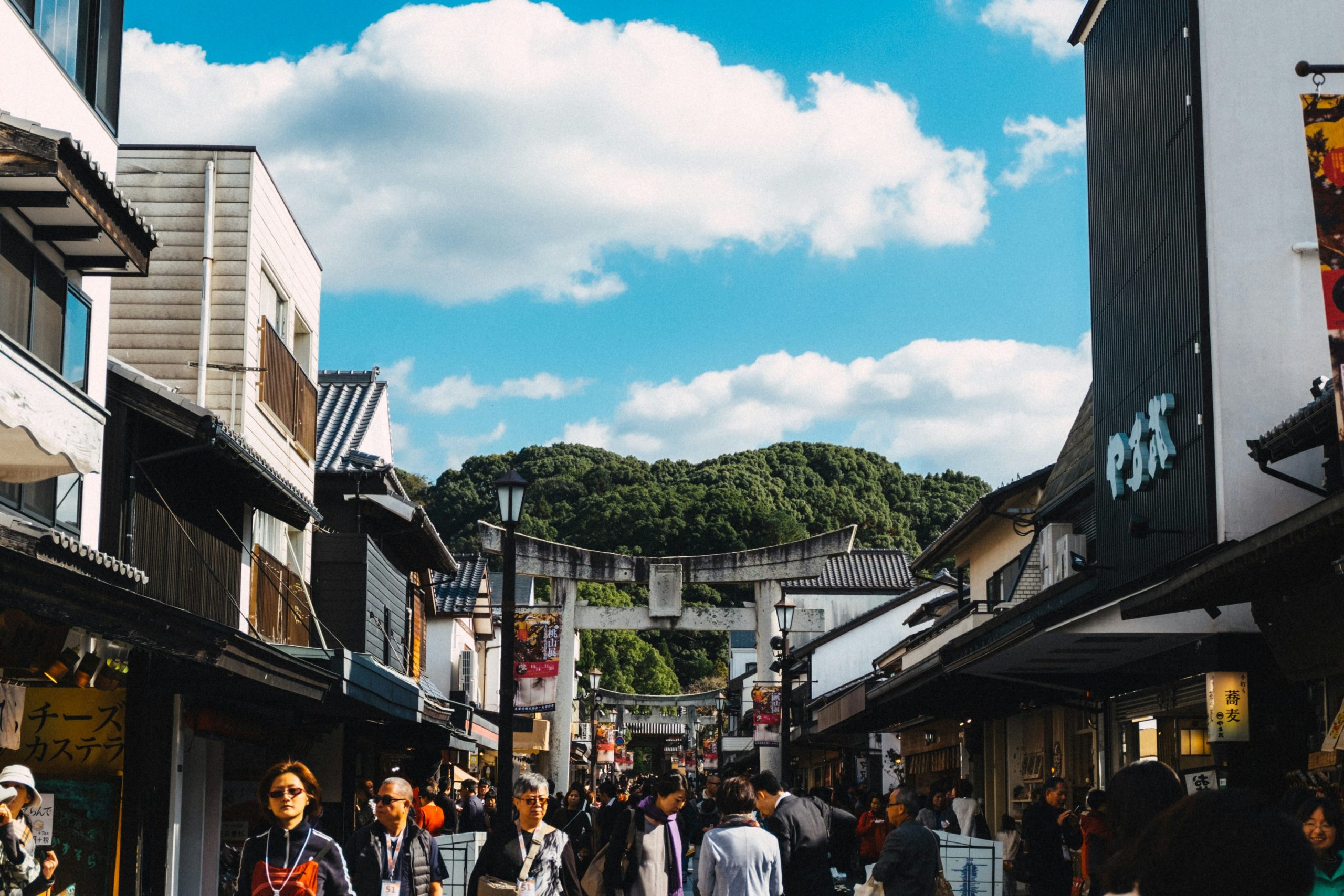
Tokyo and Kyoto recorded record-breaking numbers of foreign visitors in 2024 and 2025. Kyushu, by contrast, received roughly 5 million foreign visitors in 2024, according to the Kyushu District Transport Bureau, distributed across seven prefectures. The practical effect: you can still walk up to a tonkotsu counter at 8 PM on a Saturday in Fukuoka and get a stool. That experience can be harder to find in heavily visited districts such as Kyoto’s Pontocho.
This is the central case for Kyushu in 2026: many travelers find that Kyushu offers a more relaxed alternative to Japan’s busiest tourism corridors.
Frequently Asked Questions (FAQ)
Q: Is Kyushu worth visiting in 2026?
A: Yes — particularly if you have already done Tokyo, Kyoto, and Osaka. 2026 brings restored international access from Kitakyushu (STARFLYER Taipei route resumes in September), the Mynavi Tour de Kyushu 2026 in Oita in October, and continued post-Expo overflow.
Q: How many days do you need in Kyushu?
A: A minimum of 5 days for Fukuoka, plus one onsen town. 10 days for the classic loop. 14+ days to add Kagoshima, Yakushima, and Miyazaki.
Q: What is the best month to visit Kyushu?
A: Late October to mid-November for autumn foliage and mild weather, or early May for spring greenery and the Hakata Dontaku festival.
Q: Is Kyushu cheaper than Tokyo?
A: Generally, yes. Mid-range hotel rates in Fukuoka run roughly 20–30% below comparable Tokyo properties.
Q: Can you do Kyushu without a car?
A: For major cities and onsen towns — yes, entirely on JR Kyushu trains and local buses. For Aso, the Kuju mountains, and southern Miyazaki, a rental car opens up meaningfully more.
Q: What is the best city to base in Kyushu?
A: Fukuoka for first-timers — best air access (FUK is 5 minutes from Hakata Station), densest food scene, direct trains to Nagasaki, Kumamoto, Yufuin, and Beppu.
Q: Should I fly into Fukuoka or Kitakyushu Airport?
A: Fukuoka (FUK) for unbeatable subway access. Kitakyushu (KKJ), if your itinerary starts in Kokura or you are specifically flying STARFLYER. KKJ also has the rare advantage of being a 24-hour airport. See our Fukuoka vs Kitakyushu Airport comparison.
The Bottom Line
Kyushu in 2026 is one of the few places in Japan where expanding international access, improving tourism infrastructure, and regional travel experiences are all aligning at the same time. STARFLYER’s Kitakyushu–Taipei route is scheduled to return in September, major events such as the Mynavi Tour de Kyushu continue to bring international attention to the region, and travelers are increasingly looking beyond Japan’s busiest tourism corridors.
Yet despite that growing visibility, Kyushu still feels remarkably approachable. The volcanoes, sand baths, quiet ryokan towns, and tonkotsu counters are all still there — often without the level of congestion now common in parts of Tokyo, Kyoto, and Osaka.
Start with Fukuoka. Add an onsen town. Explore a few regional cities. The rest will sort itself out.
Find the best flights from Tokyo to Kyushu
Fly from Tokyo to Fukuoka or Kitakyushu and arrive within easy reach of Kyushu’s vibrant cities, famous onsen towns, and regional food destinations.
For more information about Kyushu, check out the following links!


Written by
Born and raised in Costa Rica, I started living in Tokyo from college. I love traveling within Japan & around the world. Since I wasn’t born in Japan, I know the cultural impact that you can get when visiting Japan for the first time and what you might be worried about before your trip. And I’ve lived long enough to somewhat understand the nuances of the Japanese culture that make this country such an attractive place to visit. Hopefully I can provide to you both the information you’re looking for and the information you didn’t know you needed to know.
- +0 0
-
-