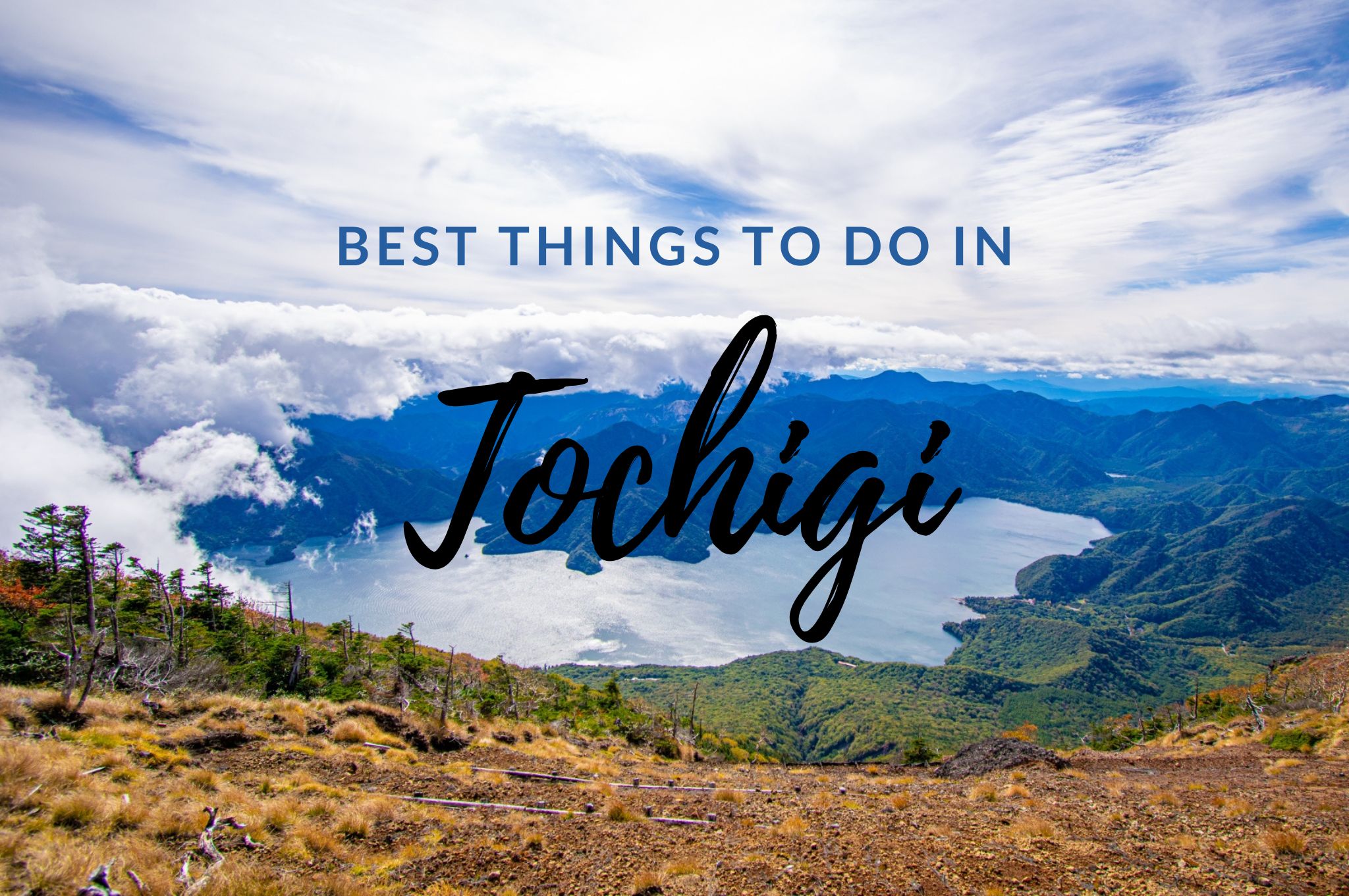
Best Things to Do in Tochigi: Nikko, Onsen, Gyoza and More
The Complete Guide to Nikko, Kinugawa Onsen, Utsunomiya, Ashikaga and Nasu

- +0 0
-

-


Most people visit Nikko… and accidentally ignore the rest of Tochigi Prefecture.
They see the shrines, maybe stop by Nikko Toshogu, take a photo at the waterfalls, and head straight back to Tokyo, thinking they’ve “done” the area. They haven’t.
Tochigi is better understood as a cluster of completely different experiences sitting surprisingly close together. Within the same prefecture, you can go from ornate UNESCO-listed shrines to a full hot spring town like Kinugawa Onsen, then end the day eating your way through Utsunomiya, Japan’s unofficial gyoza capital. Travel a bit further, and you’ll hit places like Ashikaga Flower Park, known for some of the country’s most photographed seasonal displays.
That variety is exactly why Tochigi gets underestimated. The highlights aren’t in one neat package; you have to know where to look and how to connect them. This guide does exactly that: we break down the best things to do in Tochigi by area, so you can actually plan a trip that makes sense, whether you’ve got a single day or a couple of nights.
Is Tochigi Worth Visiting? A Quick Answer for First-Time Travelers
Yes, but only if you approach it the right way. If you’re looking for a quick, effortless day trip from Tokyo, there are easier options. Hakone and Kamakura are compact, straightforward, and designed for exactly that kind of visit.
Tochigi plays a different game. It works best when you combine places. Do Nikko on its own, and you’ll get a great day—but a limited view of what the prefecture actually offers. Pair it with a night in Kinugawa Onsen, or add a stop in Utsunomiya, and suddenly the trip feels far more complete.
Who Tochigi is ideal for:
- Travelers who want variety without changing regions every day
- Visitors planning a day trip plus an overnight stay
- Anyone interested in mixing history, nature, and local food
Who should probably skip it (for now):
- First-time visitors trying to cover Japan in a tight schedule
- Travelers who want a single, compact destination with minimal planning
Put simply, Tochigi rewards a bit of effort. Treat it like a one-stop checklist, and it’ll feel average. Plan it as a small region to explore, and it becomes one of the most interesting escapes from Tokyo.
Where Is Tochigi and How to Get There from Tokyo
Tochigi Prefecture sits directly north of Tokyo, making it one of the most accessible regions in the Kanto area. Travel times are short, but your route depends on where you’re going within the prefecture. Because Tochigi is spread out, your transport choice will shape your itinerary, so it’s worth deciding your main base first before booking tickets.
From Tokyo, there are two main ways to get there:
1) JR (Fastest option)
Take the Tohoku Shinkansen from Tokyo or Ueno to Utsunomiya (about 50 minutes).
- Best for: Utsunomiya, southern Tochigi, and connections onward
- Covered by the JR Pass
2) Tobu Railway (Best for Nikko & Kinugawa)
Departing from Asakusa, Tobu trains run directly to Nikko and Kinugawa Onsen (around 2 hours).
- Best for: direct access to major sightseeing areas
- Often cheaper than JR
If your main destination is Nikko, the Tobu route is usually the most straightforward. For a full breakdown of routes, passes, and which option to choose, see our dedicated guide to getting to Nikko.
How Many Days Do You Need in Tochigi?
It depends on how far beyond Nikko you want to go:
1 day (possible, but limited)
A day trip from Tokyo works if you focus on a single area, usually Nikko. You’ll have time to see highlights like Nikko Toshogu and nearby natural spots, but that’s essentially it. You’re experiencing one corner of Tochigi, not the prefecture as a whole.
1 night / 2 days (recommended)
This is where Tochigi starts to make sense. A common and effective plan to let you combine history, scenery, and a hot spring stay without rushing:
- Day 1: Explore Nikko
- Night: Stay in Kinugawa Onsen
- Day 2: Add a second stop like Utsunomiya or a nearby attraction
2+ days (best for variety)
With more time, you can branch out further beyond a side trip to explore the region:
- Head south to Ashikaga Flower Park
- Explore quieter areas like the Nasu Highlands
- Add niche spots such as Oya History Museum
Bottom line:
- Short on time → stick to Nikko
- 1 night → good balance
- 2+ days → full Tochigi experience
If you try to compress everything into a single day, you’ll spend more time on trains than actually enjoying the places themselves.
Best Things to Do in Tochigi by Area
Tochigi isn’t built around a single center, as its highlights are spread across distinct areas, each with a different focus. Breaking it down this way makes planning far easier.
Nikko Area: Historic Sites and Natural Scenery
For most visitors, Nikko is the entry point—and for good reason. This is where Tochigi delivers its most recognizable landmarks, combining UNESCO-listed heritage with mountain landscapes in a relatively compact area. If you’re visiting as a day trip, focus on the shrine area plus one natural site (usually Kegon Falls or Lake Chuzenji). Trying to cover everything in one go quickly turns into a rushed loop. With more time, spreading these across a longer stay makes the experience far more manageable.
Nikko Toshogu, Japan’s Most Spectacular Shrine
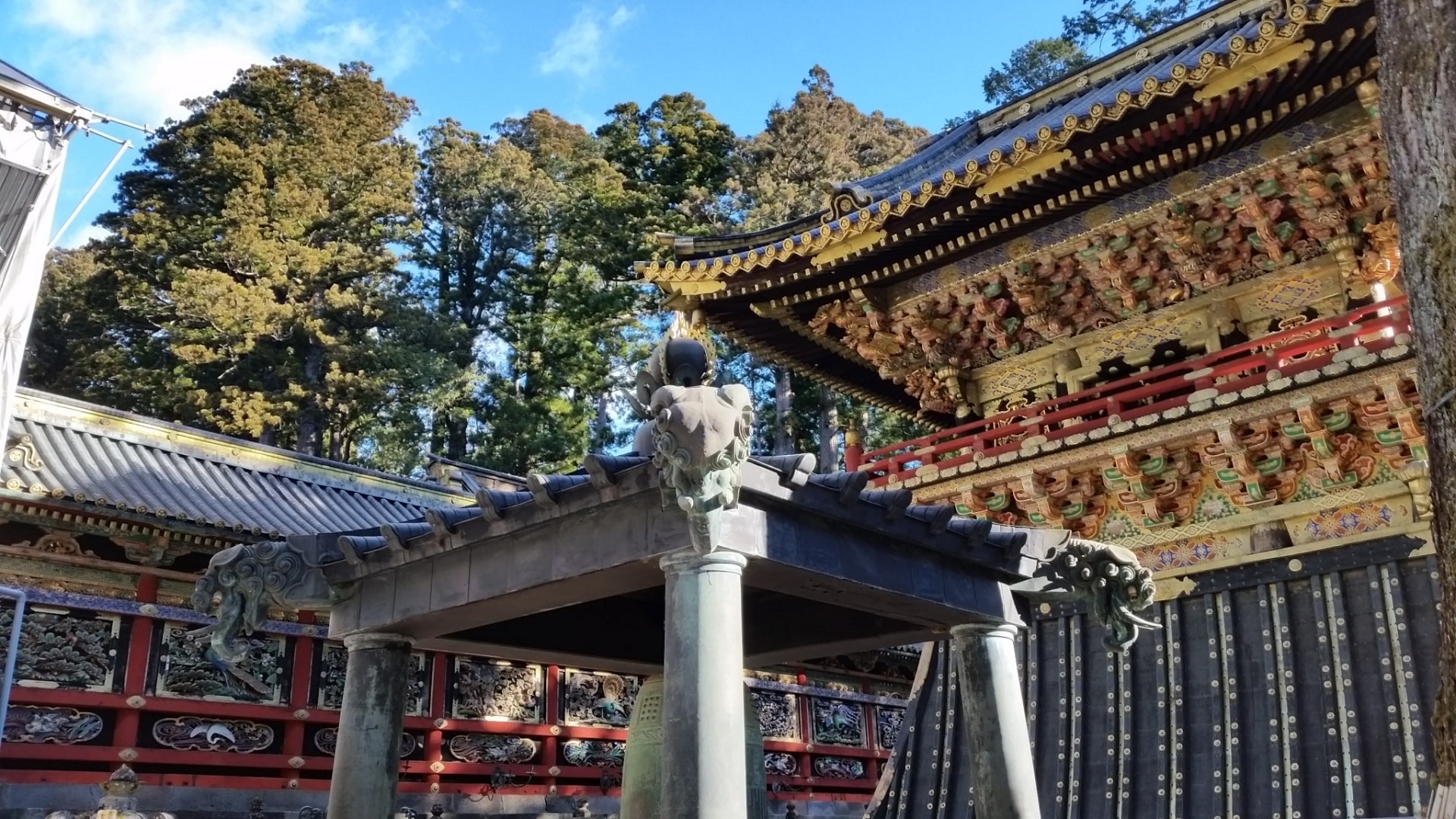
The centerpiece of Nikko and one of Japan’s most elaborate shrine complexes. Dedicated to Tokugawa Ieyasu, the founder of the Tokugawa shogunate, Nikko Toshogu (日光東照宮) is a shrine known for its dense ornamentation, far more intricate than the restrained style seen in most shrines. Expect carved details, gold leaf, and iconic motifs like the “see no evil, speak no evil, hear no evil” monkeys.
If you ask me, particularly if it’s your first time visiting this prefecture, I’d say Nikko Toshogu is an absolute must, without a second thought. There’s a popular saying that goes “don’t say ‘enough’ until you’ve seen Nikko” (日光を見ずして結構と言うなかれ), which has a little wordplay between Nikko and ‘enough’ (kekko). Just the fact alone that it’s a UNESCO World Heritage Site should be enough of a clue that this is one of those places that you have to see during your lifetime if you have the chance. And although it’s prominently popular during autumn, I have been there in all seasons save for winter, and I can confidently say that every season in Nikko has its own charm and beauty!
For an in-depth look, see our dedicated article: Nikko Toshogu: Japan’s Greatest Mausoleum
 Access Access |
20-min bus from Nikko Station or Tobu Nikko Station |
|---|---|
 Business Hours Business Hours |
9 AM–5 PM (April-October) 9 AM–4 PM (November-March) |
 Price Price |
1,600 yen |
 Official Website Official Website |
https://www.toshogu.jp/ |
Kegon Falls, One of the Prettiest Falls in Japan
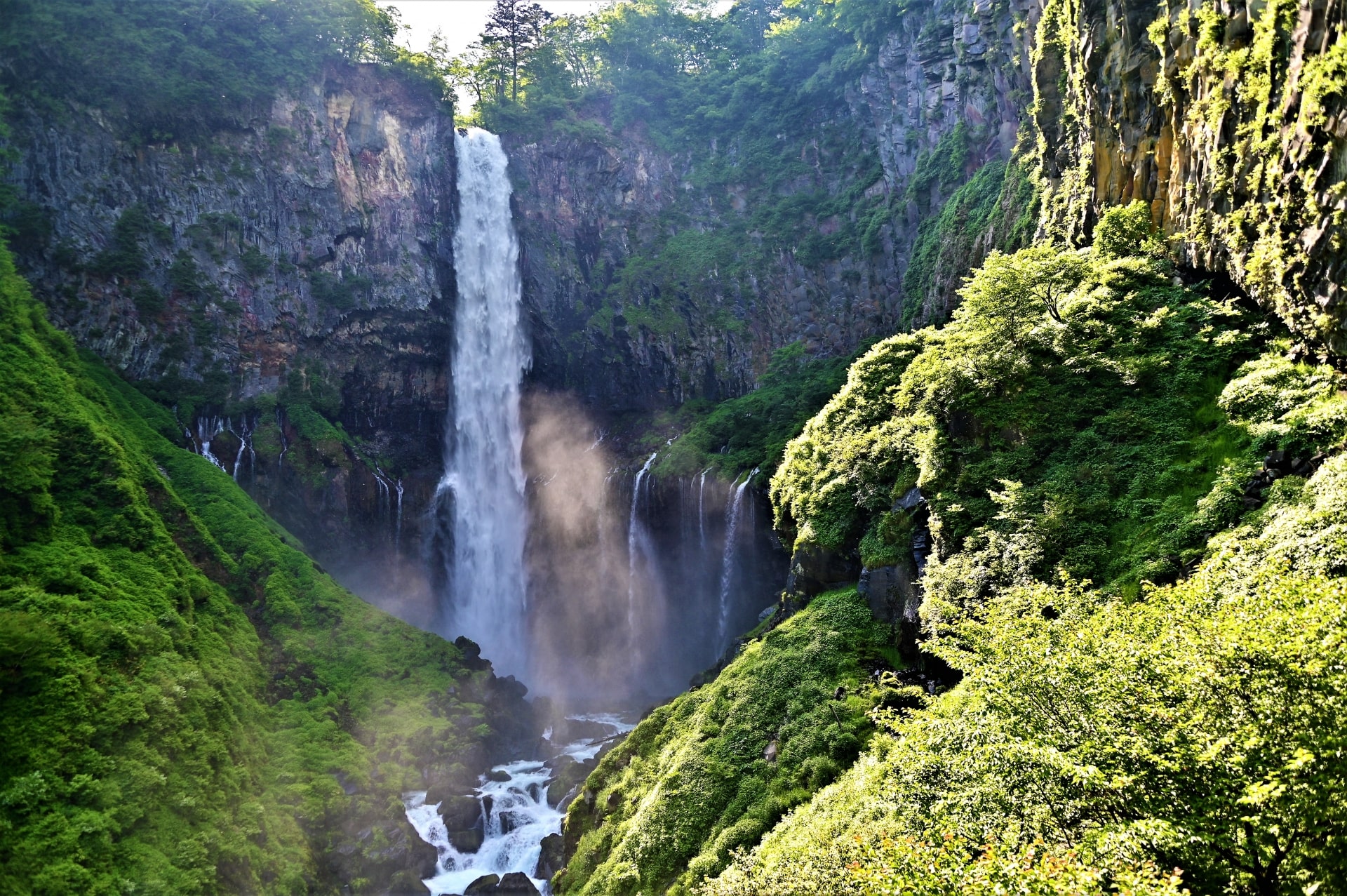
One of Japan’s most famous waterfalls, Kegon Falls (華厳滝) drops nearly 100 meters from Lake Chuzenji. It’s said that it owes its name to a monk called Shodo Shonin, who supposedly discovered it and named it after one Buddhist scripture, the Kegon Sutra. It’s accessible year-round via an observation deck, but the atmosphere shifts dramatically by season, lush in summer, sharply colored in autumn, and partially frozen in winter. And since 2019, the beauty of the area is further enhanced at night during November, when special illuminations are implemented here and in several nearby areas.
| Access |
50-min bus from Nikko Station or Tobu-Nikko Station |
|---|---|
| Official Website |
http://kegon.jp/ |
Lake Chuzenji, One of the Best 100 Landscapes in Japan
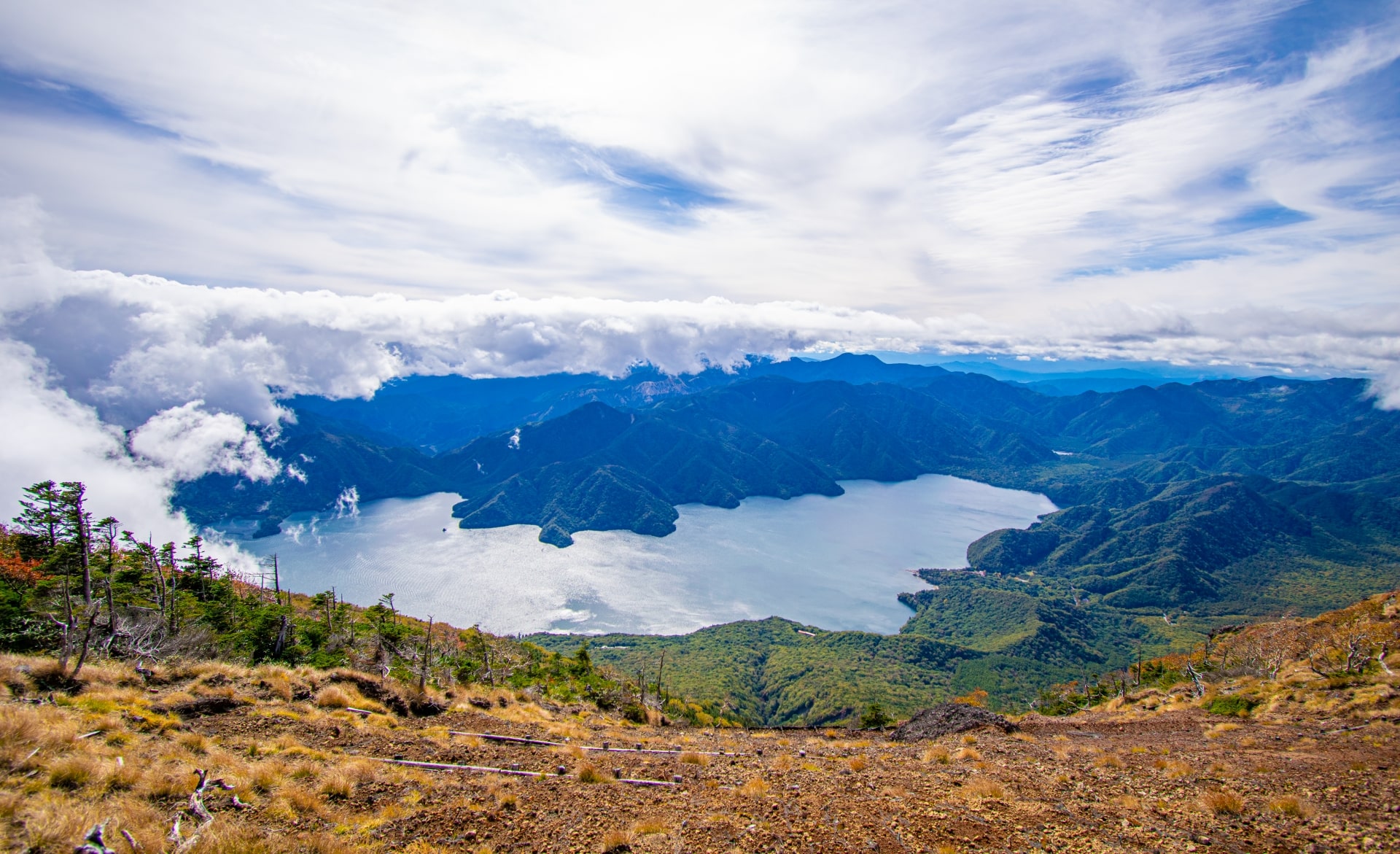
Sitting at the base of Mount Nantai, Lake Chuzenji (中禅寺湖), Tochigi’s largest lake, is also designated as one of the best 100 landscapes in Japan. It’s a sight to behold all year long, surrounded by the beauty of nature and with the different flowers that bloom in each season. There are many hiking trails in the area to enjoy all the possible points of view across a radius of approximately 25Km. Alternatively, sightseeing boat cruises operated by Nikko National Park offer a variety of options for travelers to enjoy the sights from within the lake and discover many historical sites along the shore. If you don’t have time for a cruise, a fun alternative is to rent one of those small and cute swan-shaped pedal boats for 30 minutes.
| Access |
50-min bus from Nikko Station or Tobu-Nikko Station |
|---|
Recommended Accommodation: Nikko Kanaya, Japan’s Oldest Resort Hotel
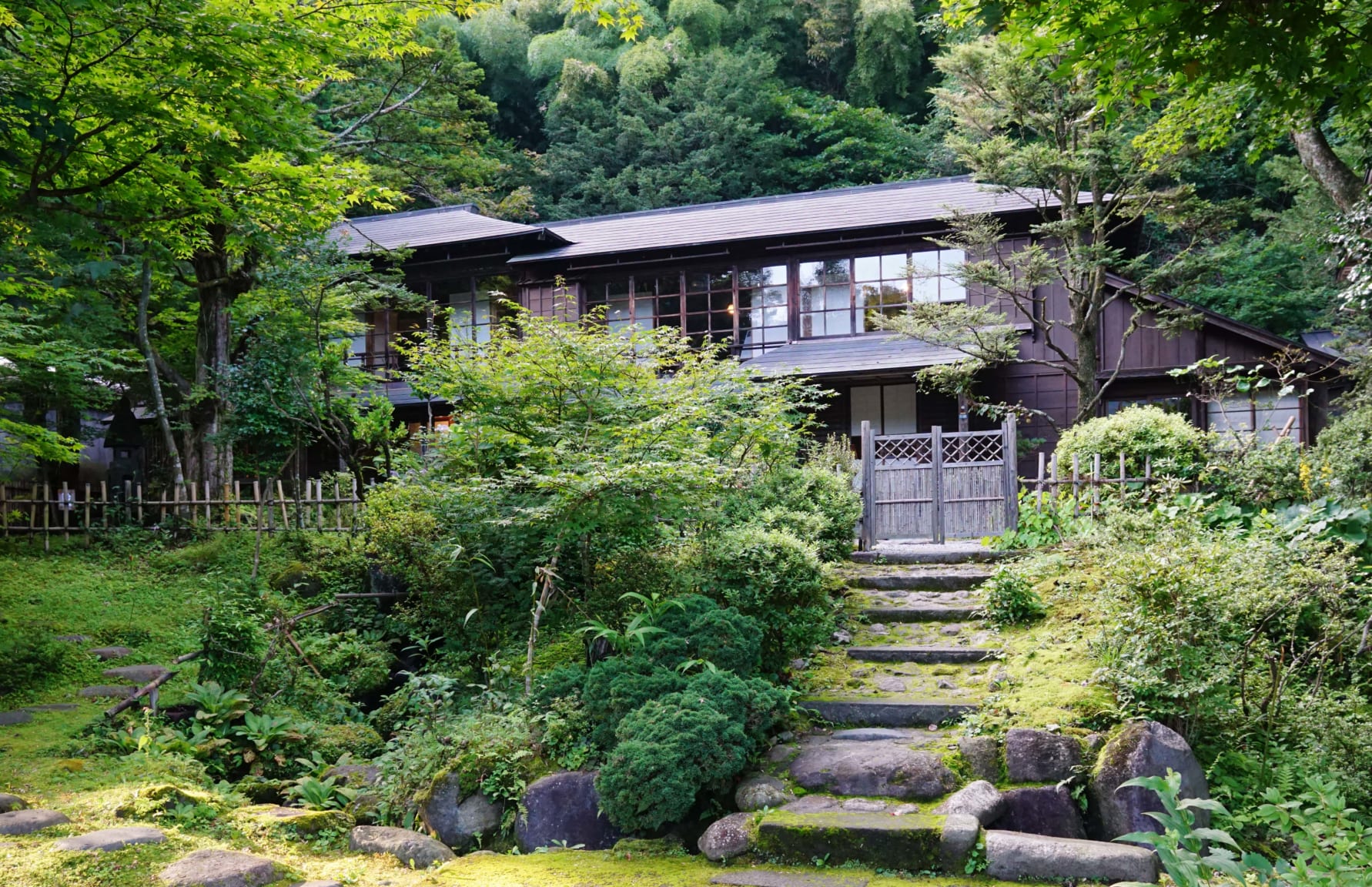
Opened in 1873, Japan’s oldest resort hotel built with a western style is located here in Nikko. As if that wasn’t enough, turns out the building itself is also an old samurai residence from the Edo Period with approximately 400 years of history! As such, Kanaya Hotel (日光金谷ホテル) is honored with the designation of National Cultural Property, turning the hotel itself into one of Nikko’s famed tourist attractions and well worth a visit even if you’re not staying because of the architectural heritage alone.
| Access |
10-min bus from Nikko Station or Tobu-Nikko Station |
|---|---|
| Official Website |
https://www.kanayahotel.co.jp/eng/nkh/ |
Kinugawa Onsen Area: Hot Springs and Theme Attractions
Just north of Nikko, Kinugawa Onsen offers a completely different side of Tochigi. It’s best enjoyed as an overnight stay rather than a rushed stop. For example, after a full day in Nikko, it provides the ideal reset button: hot springs, good food, and no need to sprint for the last train.
Kinugawa Onsen, a Historical Hot Spring Retreat since the Edo Period
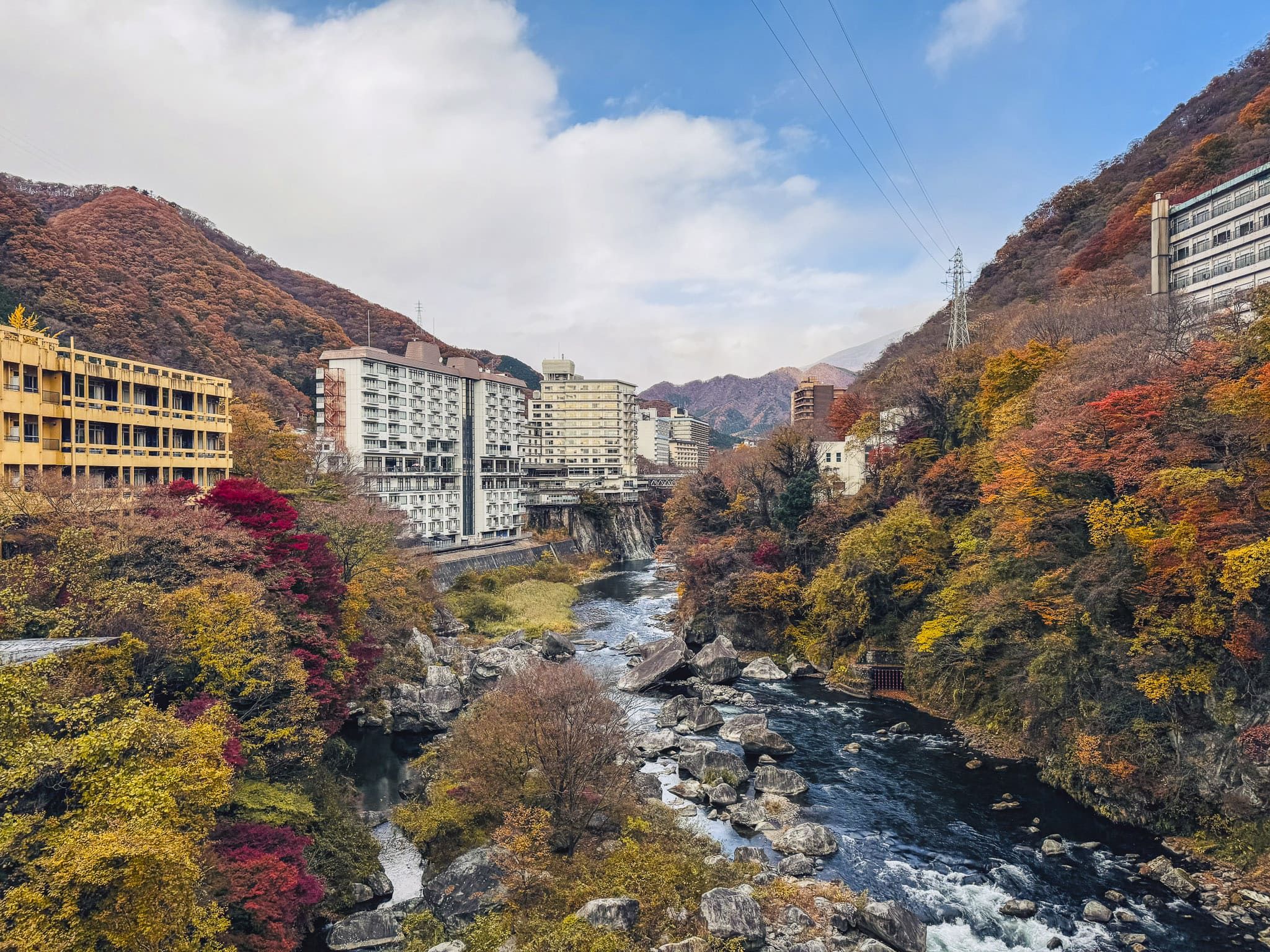
Where Nikko is all temples and cedar-lined paths, Kinugawa Onsen (鬼怒川温泉) is about slowing down, preferably while soaking in a hot spring with a river view. Developed as a resort town during the Edo period, Kinugawa Onsen remains one of the Kanto region’s most popular onsen destinations. Many visitors come simply to relax at a traditional ryokan, enjoy a kaiseki dinner, and call it a day. Frankly, that’s a perfectly respectable itinerary.
For a more in-depth look at Kinugawa Onsen, check our dedicated guide: Kinugawa Onsen: Hot Springs, River Views, and Tobu World Square
| Access |
Kinugawaonsen Station |
|---|
Edo Wonderland Nikko Edomura, Traveling Back in Time for a Day
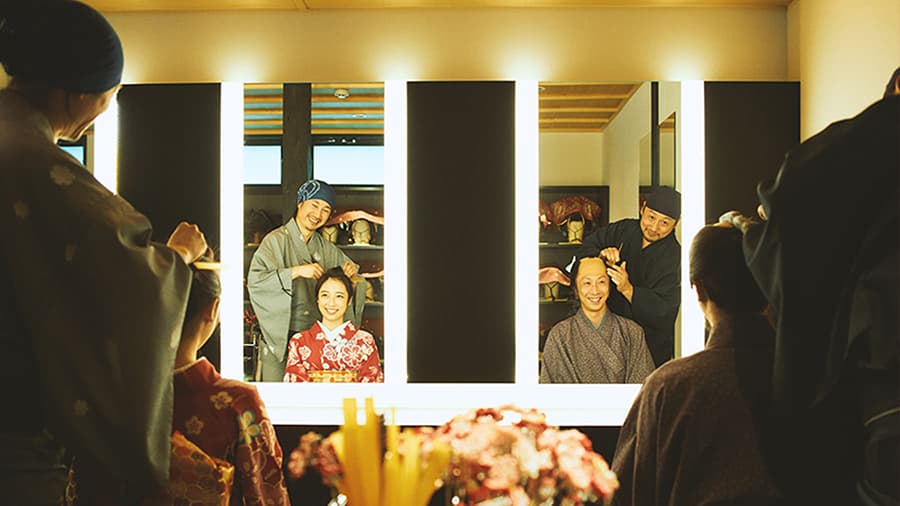
If you’ve ever felt that no matter how many historical sites you visit, you still can’t grasp what daily life was like during the Edo Period, Nikko Edo Village (日光江戸村), known in English as Edo Wonderland, is the answer you’re looking for! A family-friendly theme park designed to recreate an Edo-period town, complete with samurai, ninja performances, and hands-on cultural experiences. You can also see the townspeople going about their day in traditional clothing. For further enhancing your immersion experience, you can also cosplay as a resident out of several choices, such as a farmer, a samurai, or even a police officer!
| Access |
About 15-min taxi or bus from Kinugawaonsen Station or 6-min drive from Kosagoe Station |
|---|---|
| Business Hours |
9 AM–5 PM |
| Price |
5,800 yen |
| Official Website |
http://edowonderland.net/en/ |
Tobu World Square, Around the World in Tiny Slice-of-life Scenes
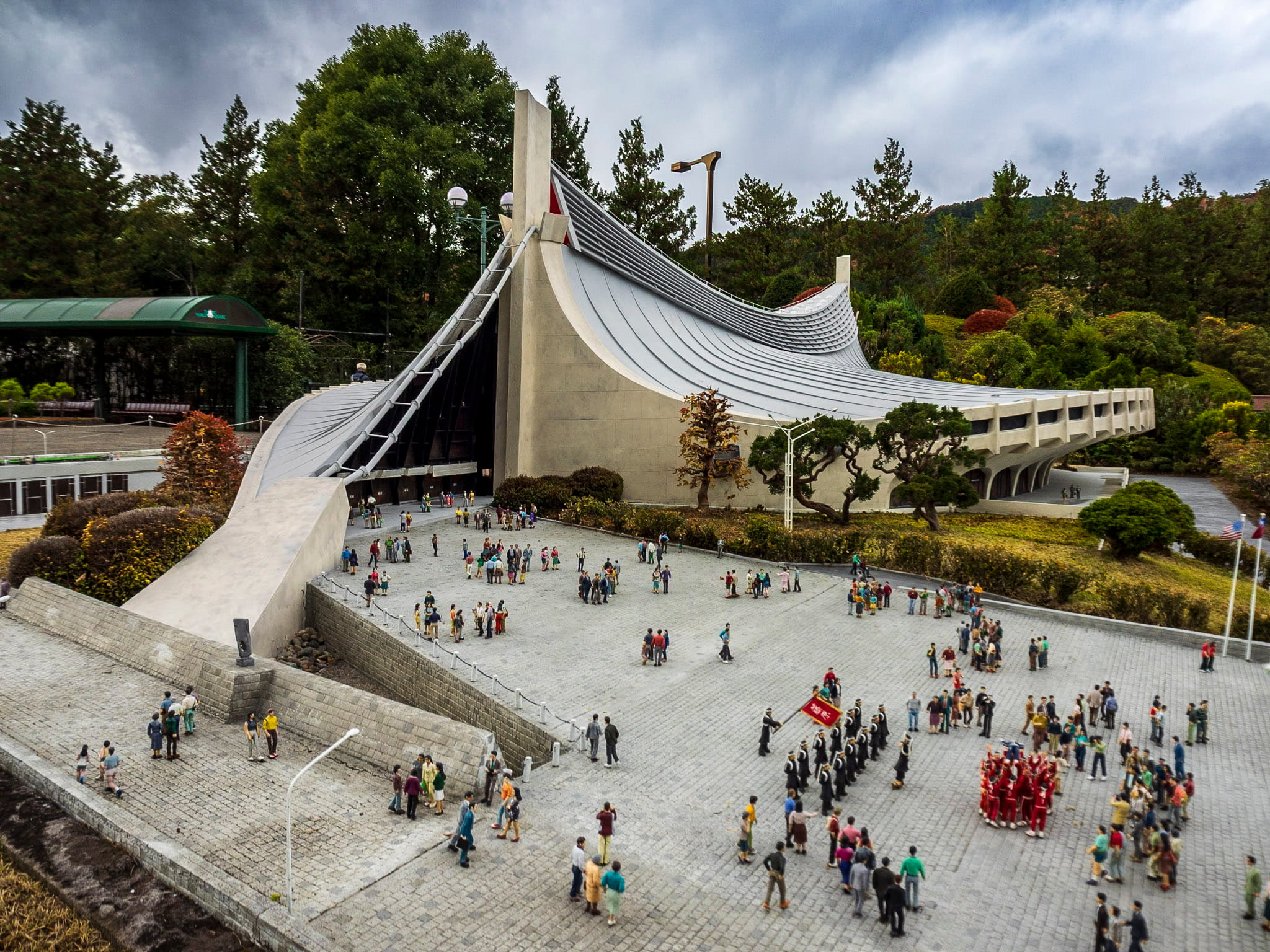
Tobu World Square (東武ワールドスクウェア) is a miniature park featuring scaled-down replicas of famous landmarks from around the world, from the Eiffel Tower to the Pyramids. It is genuinely delightful and far more detailed than most first-time visitors expect, which is part of its charm. Each spot is carefully crafted to feel like a snapshot of daily life, filled with countless little scenes, thanks to thousands of strategically placed figurines. If you can spare a few hours, it’s a wonderful choice to round up your stay in the area.
| Access |
Tobu World Square Station |
|---|---|
| Business Hours |
9:30 AM–4 PM (December to mid-March), 9 AM–5 PM (late March to November), 8 AM–6 PM on selected days. Check official website for details. |
| Price |
2,800 yen |
| Official Website |
https://www.tobuws.co.jp/ |
Utsunomiya Area: Local Culture and Food
Utsunomiya is often treated as a transit hub, a place people pass through on the way elsewhere. That’s a shame, because it has one of the strongest local food identities in the region. If Nikko is Tochigi’s historic face and Kinugawa its relaxing side, Utsunomiya is where the prefecture gets a little more local. Come for the gyoza, stay for the underground cathedral-like quarry, and perhaps a second helping of gyoza. Research, after all, requires dedication.
Utsunomiya Gyoza, an Opportunity for Restaurant Hopping in the City
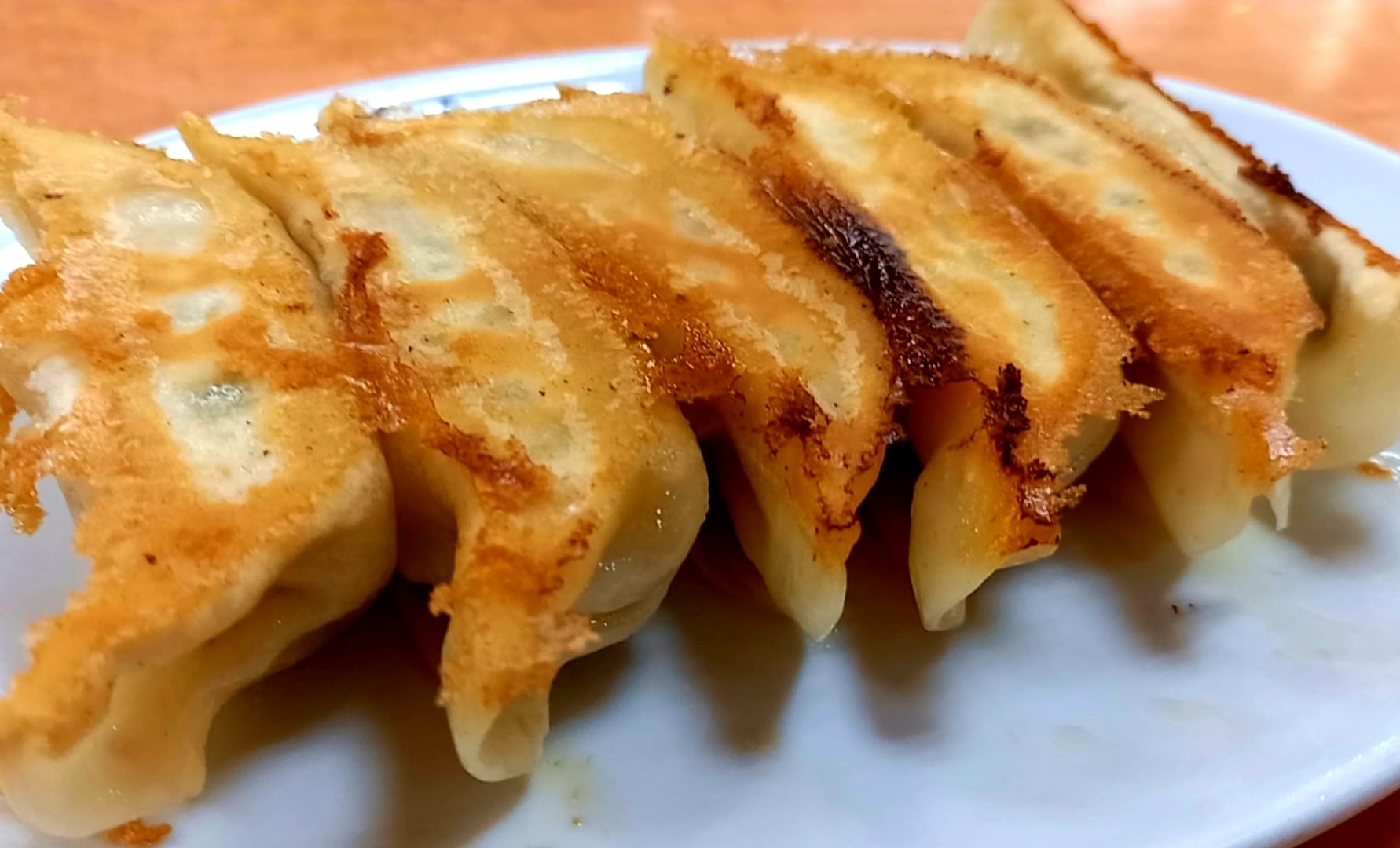
If you’ve ever wondered what food Tochigi is famous for, here’s the answer! Utsunomiya (宇都宮市) could be considered Japan’s Gyoza capital, where many shops ranging from tiny family-run shops to long-established local institutions go above and beyond to display an endless parade of original dumpling varieties: fried, steamed, in soup, grilled, deep fried, you name it. With this in mind, there’s no better way to explore Utsunomiya than firing up your map application of choice, searching for “gyoza” (餃子), picking locations in any desired order, et voilá!
Oya History Museum, an Unreal Sight in Utsunomiya City
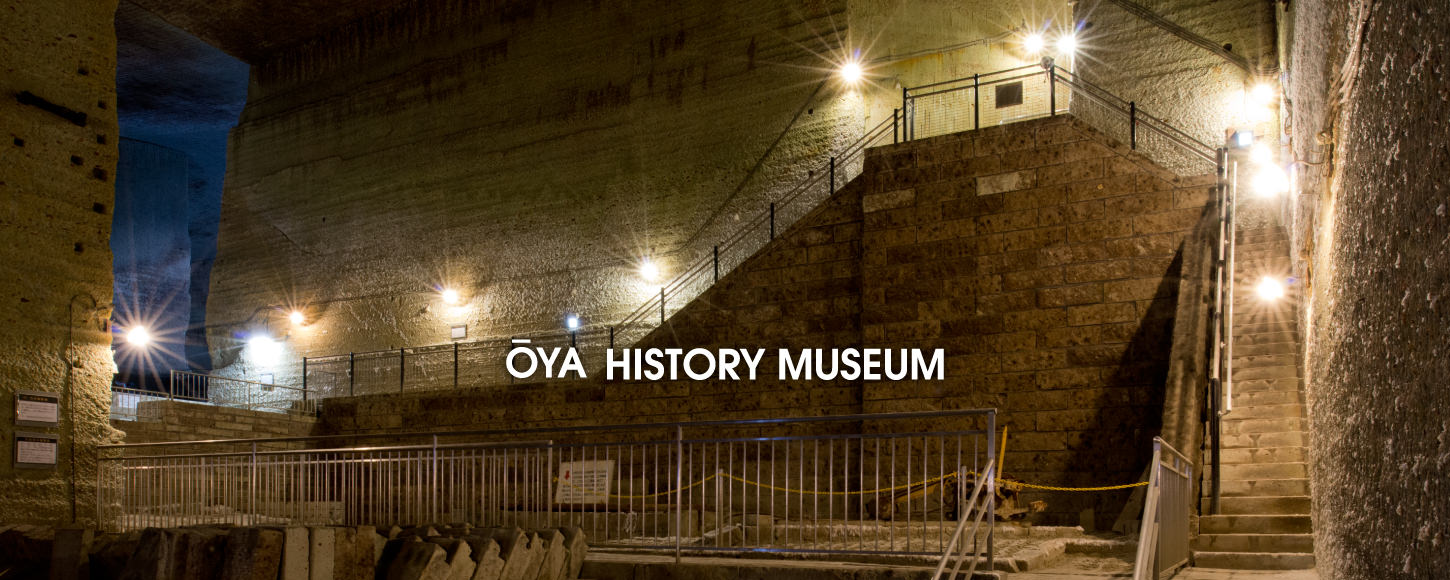
Beyond the dumplings, one of the city’s standout attractions is also quite the unexpected sight: Oya History Museum (大谷資料館) is built inside a vast former stone quarry, a subterranean space that looks less like a museum and more like the set of a science-fiction film. The enormous underground chambers, carved from Oya stone, have hosted everything from art installations to music videos and movie shoots.
| Access |
20-min drive from Utsunomiya Station |
|---|---|
| Price |
1,000 yen |
| Official Website |
http://www.oya909.co.jp/ |
Southern Tochigi (Ashikaga & Sano): Seasonal Highlights
Southern Tochigi is often overlooked by first-time visitors, which is excellent news for anyone who prefers fewer crowds and a little more elbow room. This part of the prefecture is best known for seasonal scenery, historic landmarks, and one very compelling excuse to loosen your belt.
Ashikaga Flower Park, the Region’s Most Beautiful Seasonal Blooms
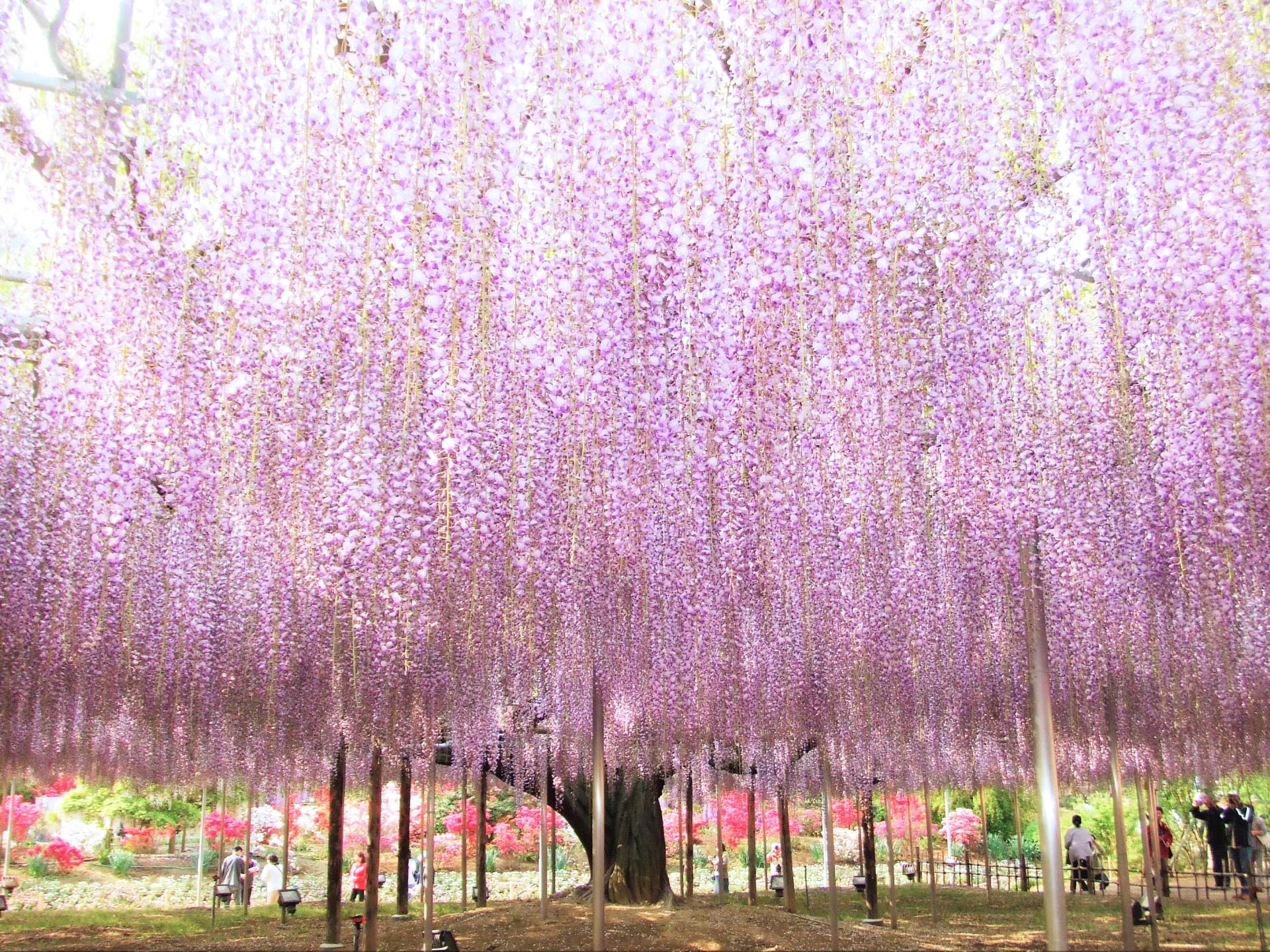
A must for flower enthusiasts, Ashikaga Flower Park (あしかがフラワーパーク) opened in 1968 as an ever-changing garden filled with flowers blooming in different seasons, such as Christmas roses, tulips, wisterias or water lilies, among many others. Currently spanning an area of 100,000 square meters, it’s also famous for featuring a 150-year-old wisteria tree, which Tochigi Prefecture has designated as a national monument. During wisteria season, between late April and early May, the park becomes one of Japan’s most photographed gardens, when enormous cascading wisteria trellises bloom in shades of purple, pink, white, and yellow.
And although the colder months of the year may not seem great seasons in terms of flower appreciation, the park more than makes up for it with a gorgeous autumn-winter illumination from late October to late January.
More information about Ashikaga: 3 Best Things to Do in Ashikaga
▶︎ Check out Ashikaga Flower Park Great Wisteria Festival!
| Access |
Ashikaga Flower Park Station |
|---|---|
| Business Hours |
7 AM–9 PM |
| Price |
2300 yen |
| Official Website |
https://www.ashikaga.co.jp/ |
Watarase Reservoir, with Hot Air Balloons Galore
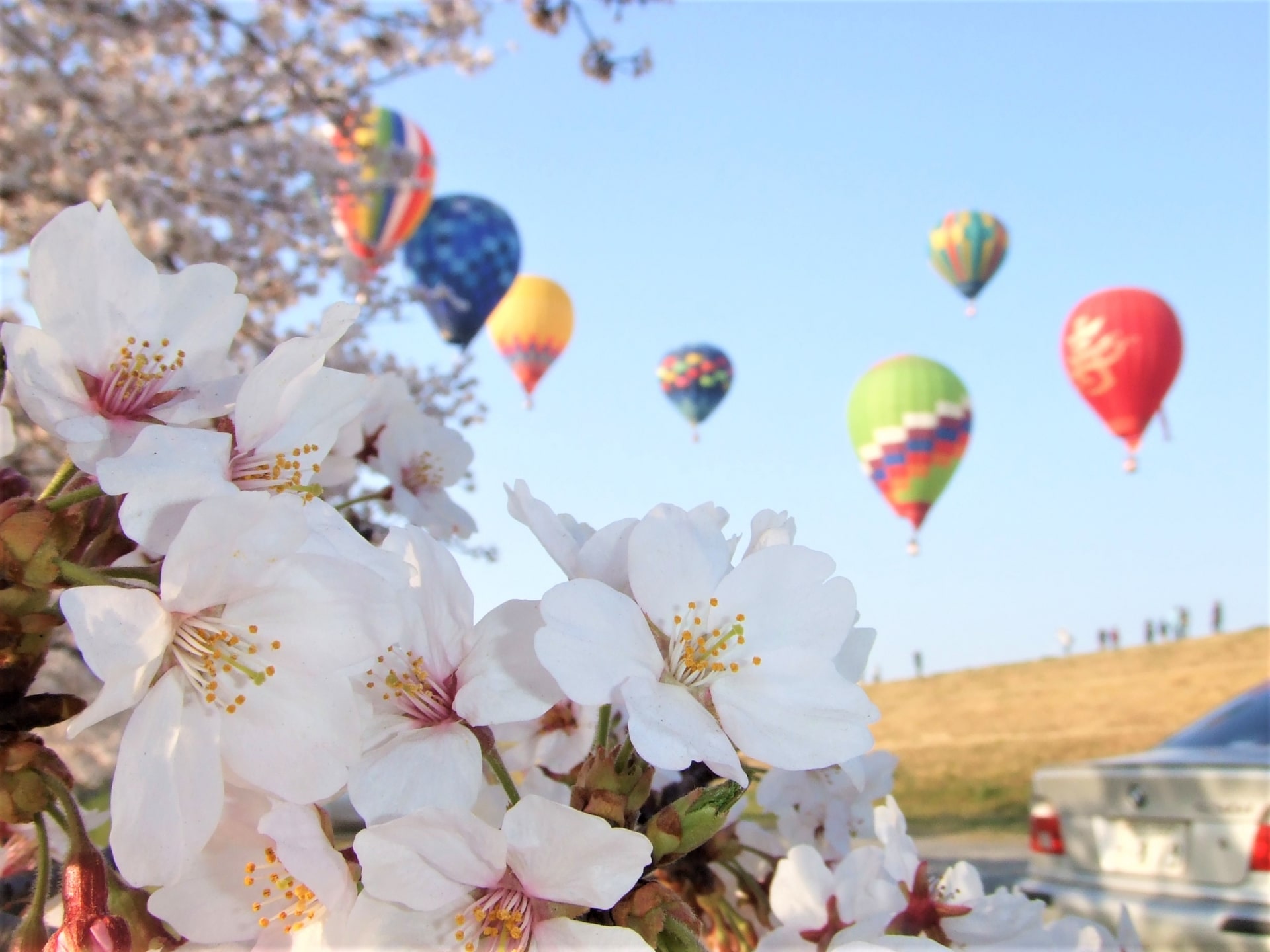
Far less famous but no less rewarding, Watarase reservoir (渡良瀬遊水地) in southern Tochigi is a vast wetland and reservoir area that offers a completely different kind of scenery. Its broad skies, open grasslands, and cycling routes make it a favorite for outdoor enthusiasts.
One of the standout annual events is the annual hot-air balloon race held at this location at the beginning of December. Three days where the local landscape is dominated by these large and colorful floating devices, turning the surroundings into a sort of fantasy-filled scenery. If races are not your thing but you still want to explore the area from a bird’s-eye view, you can also book a hot air balloon flight activity. At the very least, seeing colorful balloons rise over the flat landscape at dawn is probably a sight that feels surprisingly cinematic, and certainly a different side of Tochigi.
| Access |
15-min drive from Itakuratoyodai-Mae Station |
|---|---|
| Business Hours |
24 hours |
| Official Website |
http://watarase.or.jp/ |
Ashikaga Gakko, the Foundations of Japanese Scholarship
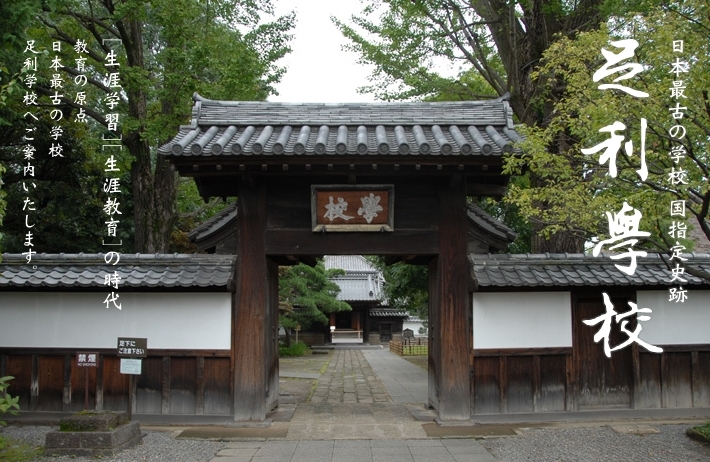
Often described as Japan’s oldest academic institution, Ashikaga Gakko (足利学校) the school’s origins are debated, with some accounts tracing roots back as far as the Nara Period, though its prominence as a major scholarly institution dates to the medieval era. What’s more clearly established is that it was conceived as a premier location for the transmission of classical Chinese scholarship during the Middle Ages.
Its nationwide relevance was such that even in 1549, the renowned Jesuit Francis Xavier would refer to it as the greatest university in the Bando region (old designation for the Kanto region). Designated as a national historic site in 1921, it offers a quieter, more reflective stop to walk around the open-air museum or glance at interesting artifacts such as old manuscripts.
| Access |
15-min walk from Ashikaga Station |
|---|---|
| Business Hours |
9 AM–4:30 PM |
| Price |
480 yen |
| Official Website |
https://www.city.ashikaga.tochigi.jp/education/000031/index.html |
Trying Out Sano Ramen, a Local Signature Dish
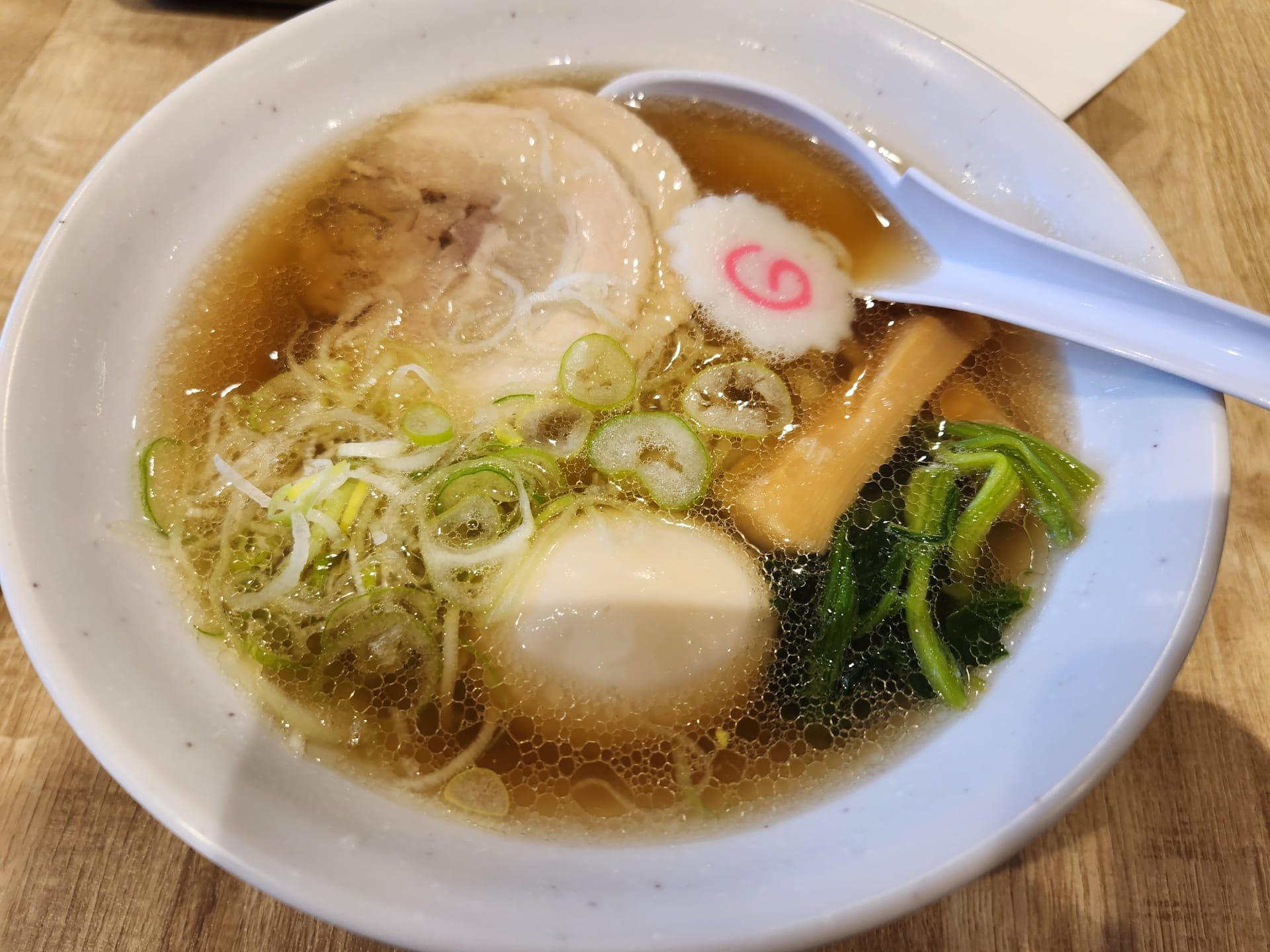
A short trip away, Sano City (佐野市) is known across Japan for two things: ramen and outlet shopping. The city’s signature Sano ramen (佐野ラーメン) is lighter than many other regional styles, typically featuring a clear soy-based broth and hand-kneaded noodles with a pleasantly uneven texture. It’s comfort food with a loyal following, and for good reason.
In a similar way to Utsunomiya’s gyozas, all you need to do once you’re in the area is simply search “佐野ラーメ” in your maps application of choice, and you’ll see plenty of ramen establishments for you to choose from.
| Access |
Sano Station |
|---|
Nasu Area: Nature and Countryside Escapes
If Nikko is Tochigi’s headline act, the Nasu Highlands is where the prefecture slows down and stretches out. Sitting in northern Tochigi, this highland resort area is known for its cooler climate, open landscapes, and easy access to nature. In summer, it offers welcome relief from Tokyo’s heat; in autumn, the mountains put on one of the region’s best foliage displays.
Nasu works particularly well for travelers who want a more relaxed pace. Instead of rushing between major landmarks, this is a place for scenic drives, leisurely walks, and long lunches with mountain views. Families will also find plenty to do, from ranches and animal parks to interactive farms and outdoor attractions. That combination of nature, hot springs, and low-pressure sightseeing is exactly what makes Nasu so appealing.
Hiking and Camping in Nasu
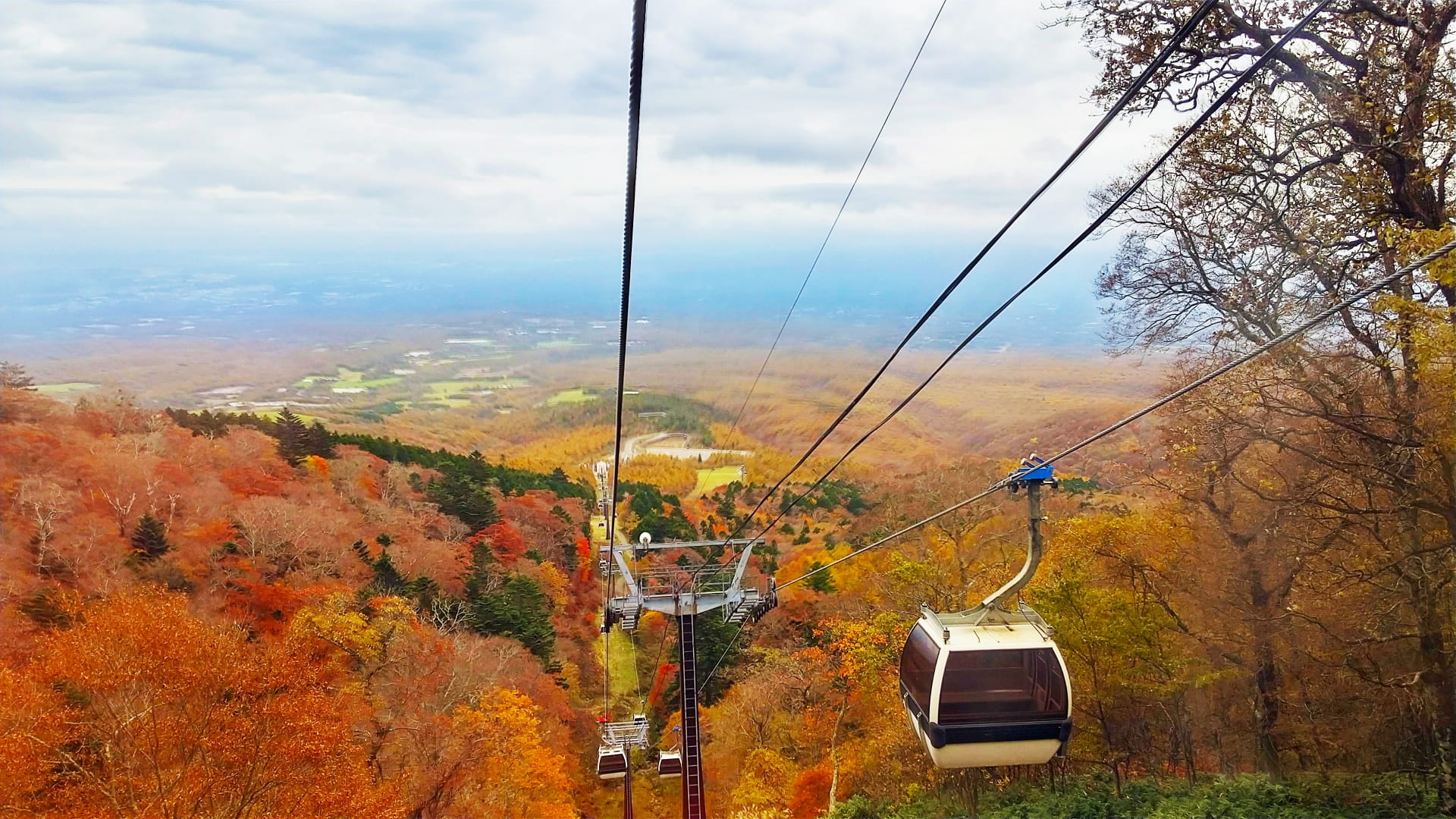
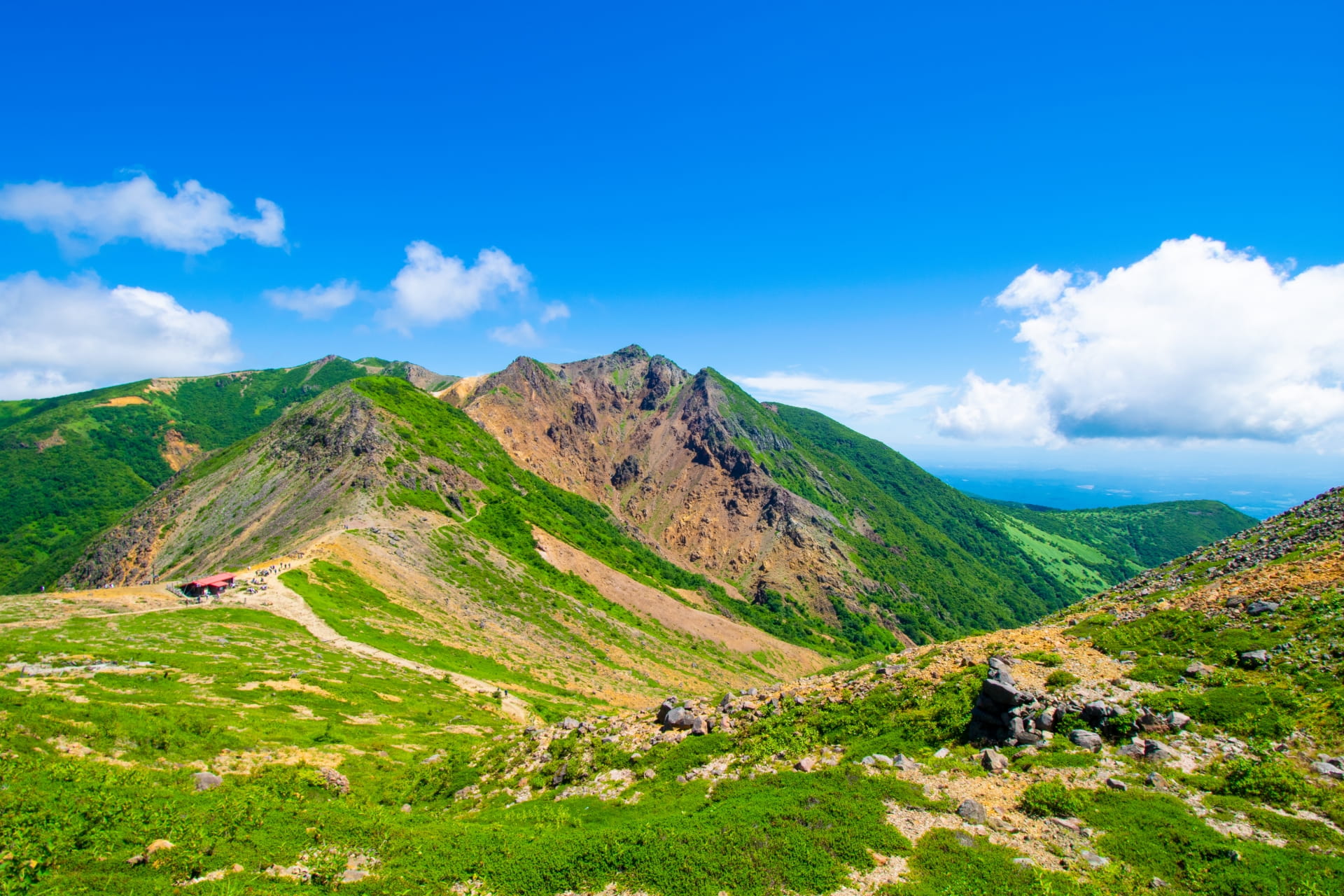
For outdoor lovers, the volcanic peaks of the Nasu Mountains, part of the Nikko National Park area, provide some of Tochigi’s best hiking experiences. The Nasu Ropeway makes the upper slopes far more accessible, allowing even casual hikers to enjoy alpine scenery without committing to a full-scale expedition. Trails range from short viewpoint walks to more challenging summit routes around Mount Chausu.
For camping options in the area, Nasukogen Akarupa Camping Site is a popular and convenient campsite, allowing groups the possibility of renting tents or even BBQ equipment, among other equipment and available facilities.
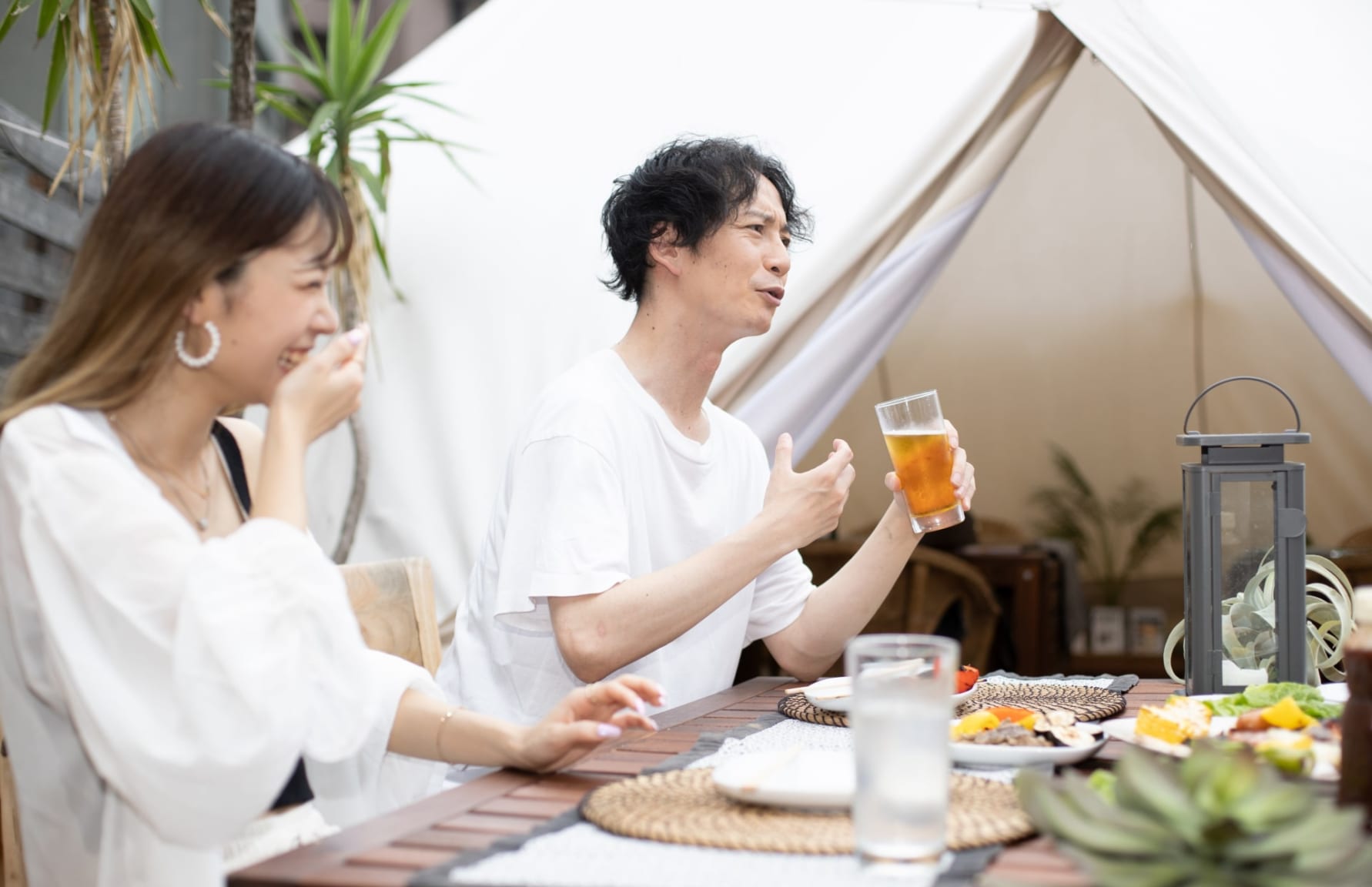 Also, over the past few years, glamping sites have started to gain traction around rural areas of Tochigi prefecture, like the Nasu Highlands. For instance, if you try searching “glamping” in Google Maps, tons of options for all price ranges will pop up for you to choose.
It’s an option that’s growing in popularity for those eager to sleep under the stars in a natural environment without the hassles of dealing with all the work associated with camping. As the name indicates, glamping is an abbreviated way of saying glamorous camping. Available options range from luxury tents with meals included to cute caravans or even small cottages, bringing together the best of both worlds.
| Access |
About 45-min drive or 1h20min from Nasushiobara Station. |
|---|
Nasu Onsen
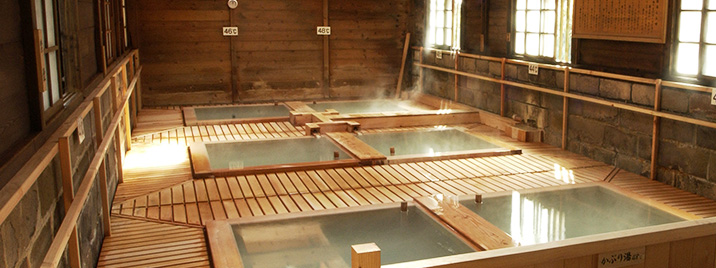
At the heart of the region is Nasu Onsen, one of eastern Japan’s oldest hot spring areas. Centered around the historic Yumoto hot spring district, it has been welcoming bathers for more than a millennium. Its sulfur-rich waters, traditional inns, and mountain setting make it an ideal base for hiking, sightseeing, or simply doing absolutely nothing—an underrated travel skill. Nearby sights such as the volcanic Sessho-seki and walking trails around the onsen area add a touch of geology and folklore to the experience.
| Access |
40-min drive from Nasushiobara Station |
|---|---|
| Official Website |
https://www.nasukogen.org/nasuonsen/ |
Strawberry Picking
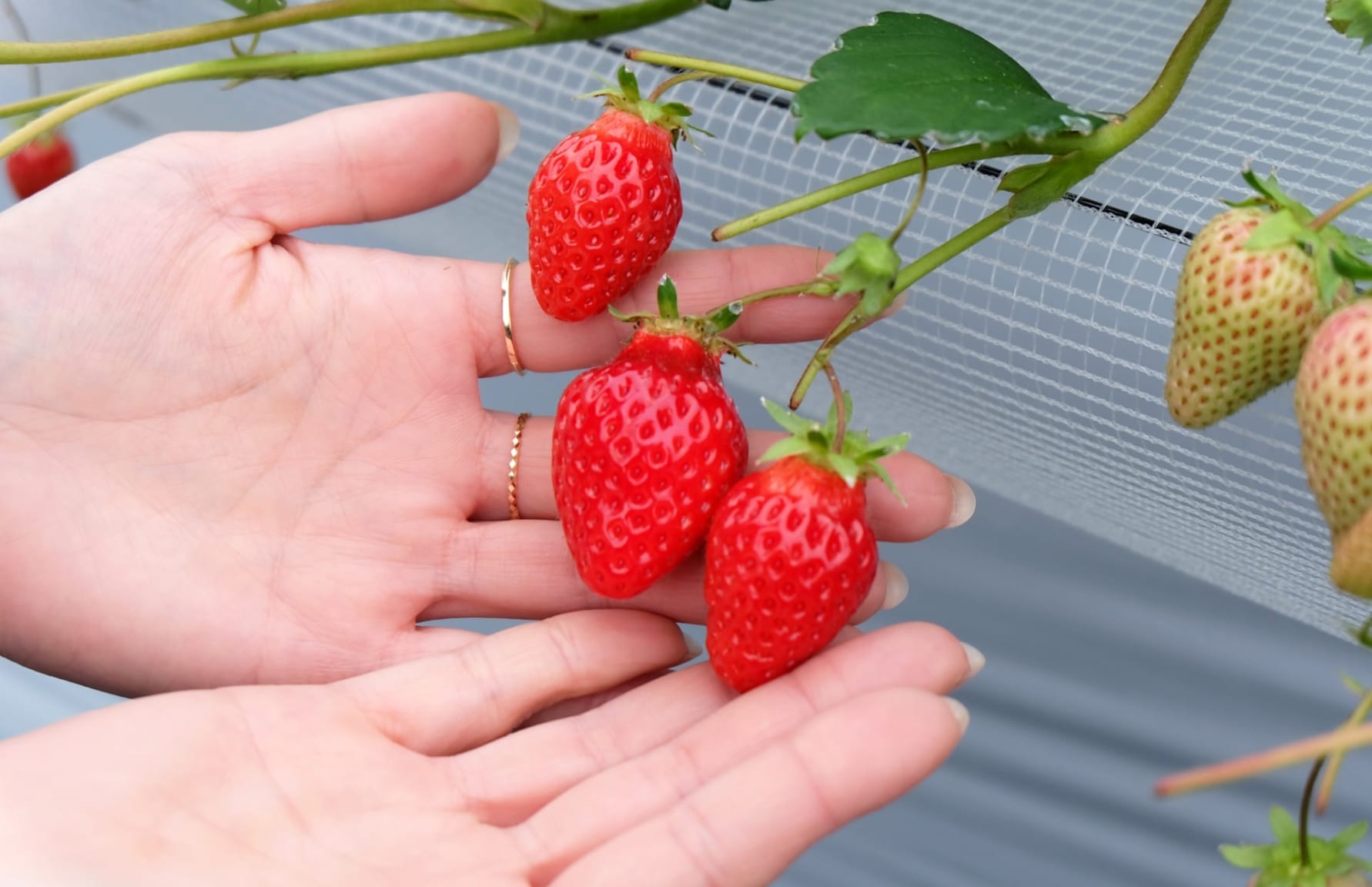
Nasu is also one of the best places to experience Tochigi’s agricultural side. As Japan’s leading strawberry-producing prefecture, Tochigi takes its strawberries very seriously. From December through May, farms across the region open for strawberry picking, with 30-minute all-you-can-eat sessions typically costing around ¥1,900 to ¥2,900, depending on the season and variety.
Out of all the strawberry varieties found in Japan, the most prevalent is the Tochiotome, developed and grown here, so chances are if you’ve eaten strawberries in Japan, you’ve had one of these.
Nasu Kogen Ichigo no Mori is one of the area’s most popular options, offering visitors the chance to sample local varieties such as Tochiotome and Tochiaika straight from the greenhouse during April and May. Fresh, sweet, and considerably better than anything wrapped in supermarket plastic.
| Access |
20-min drive from Nasushiobara Station |
|---|---|
| Business Hours |
9:30 AM–3:30 PM from April to May |
| Price |
Starting at 1,900 yen for 30-min |
| Official Website |
https://www.okashinoshiro.co.jp/facilities/ichigo/ |
Best Time to Visit Tochigi
Tochigi Prefecture is a year-round destination, but the best time to visit depends on what you want to see. One month brings waterfalls framed by fresh greenery; another delivers wisteria tunnels or hillsides ablaze with autumn color. Tochigi doesn’t really have an off-season—it just changes costumes.
Spring (March to May)
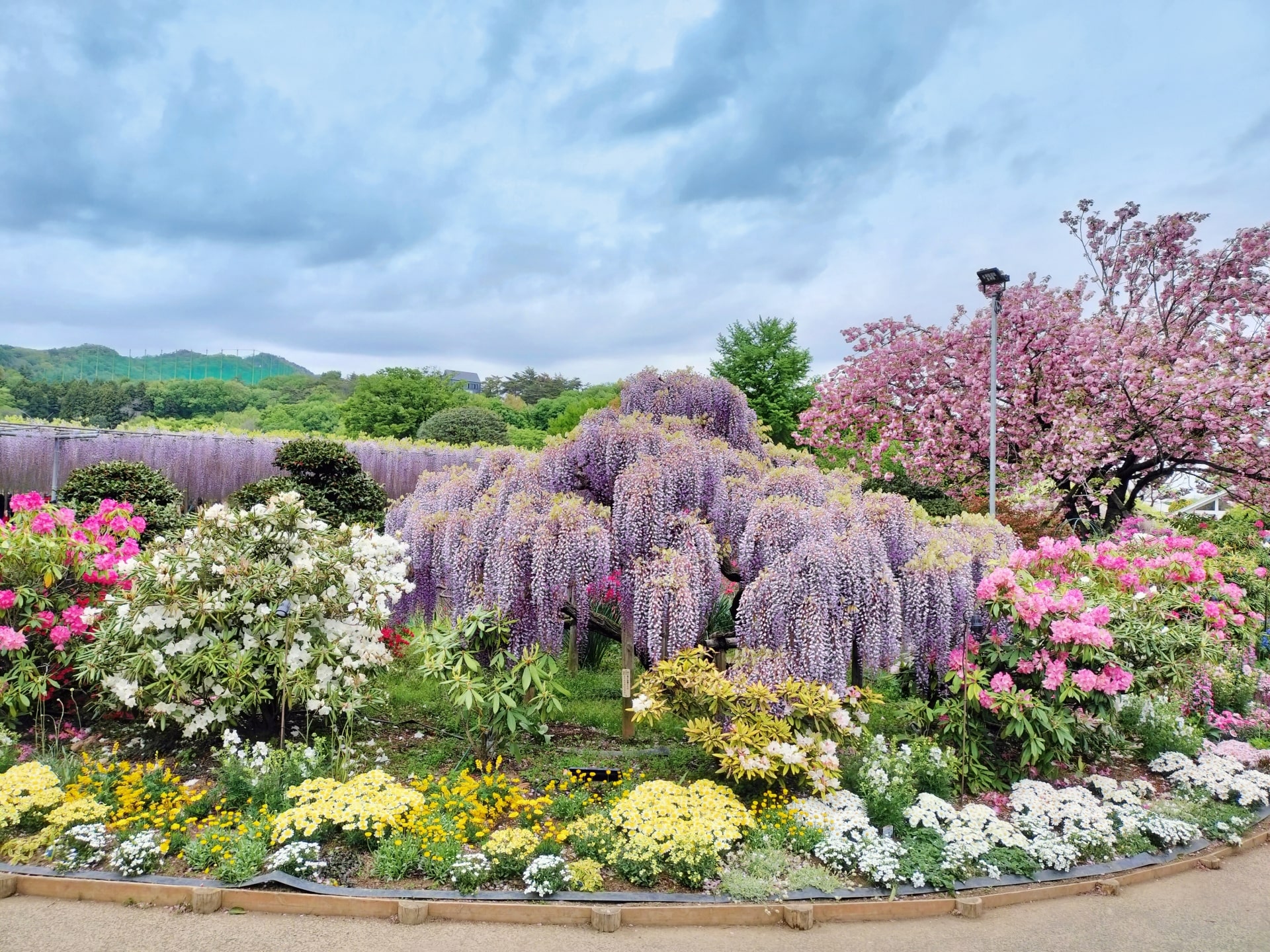
Spring is one of the most popular times to visit. Cherry blossoms arrive in early April, especially around Nikko and Utsunomiya. Later in the season, Ashikaga Flower Park steals the spotlight with its famous wisteria, usually at peak bloom from late April to early May. It’s one of Japan’s signature spring displays, and yes, it really is that impressive.
Summer (June to August)
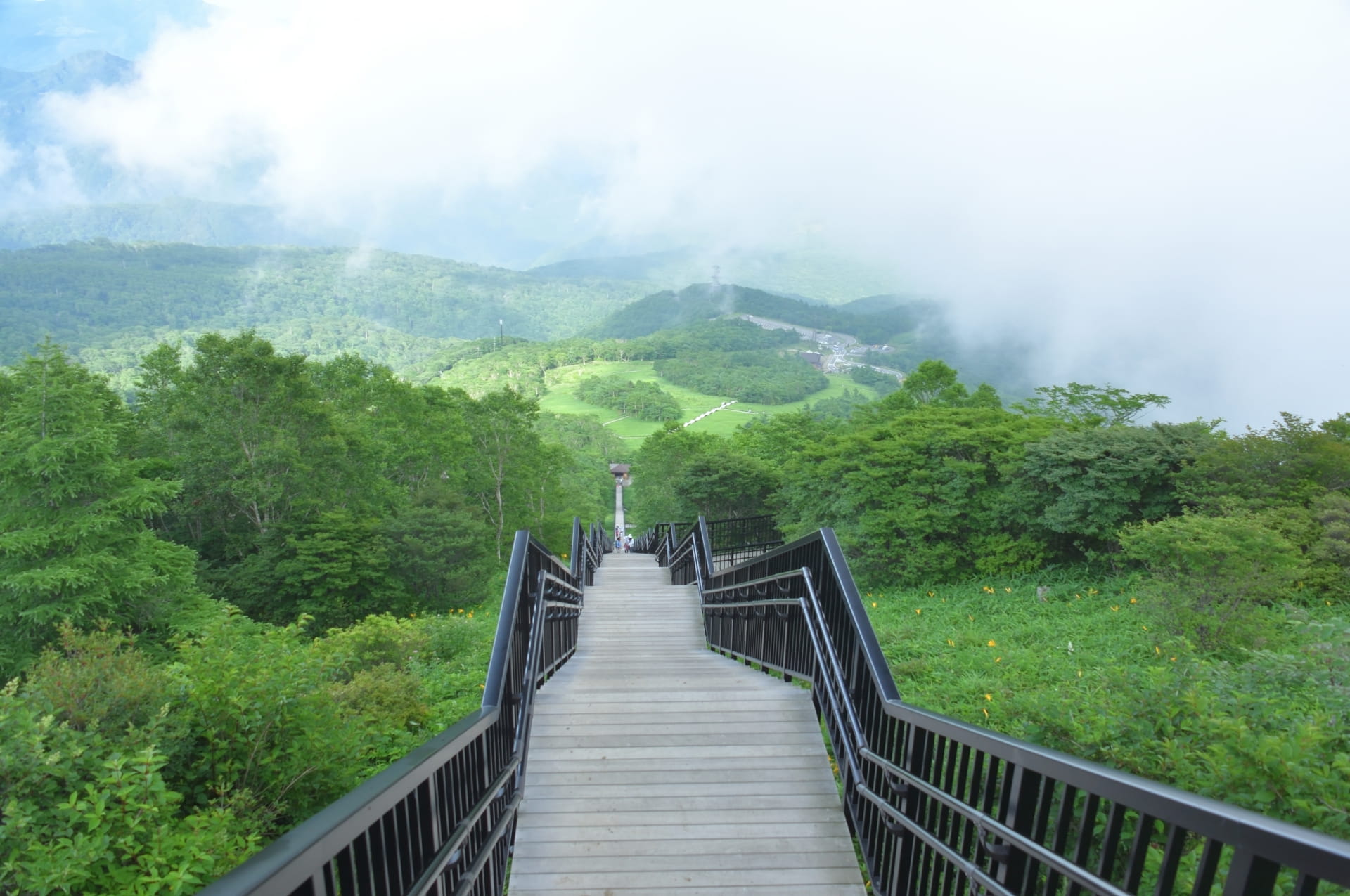
Summer brings lush mountain scenery and cooler temperatures in higher-altitude areas like Nikko and Nasu. This is an excellent time for hiking, lake excursions, and escaping Tokyo’s rather enthusiastic humidity. Hydrangeas, green forests, and festival season add to the appeal.
Autumn (October to November)
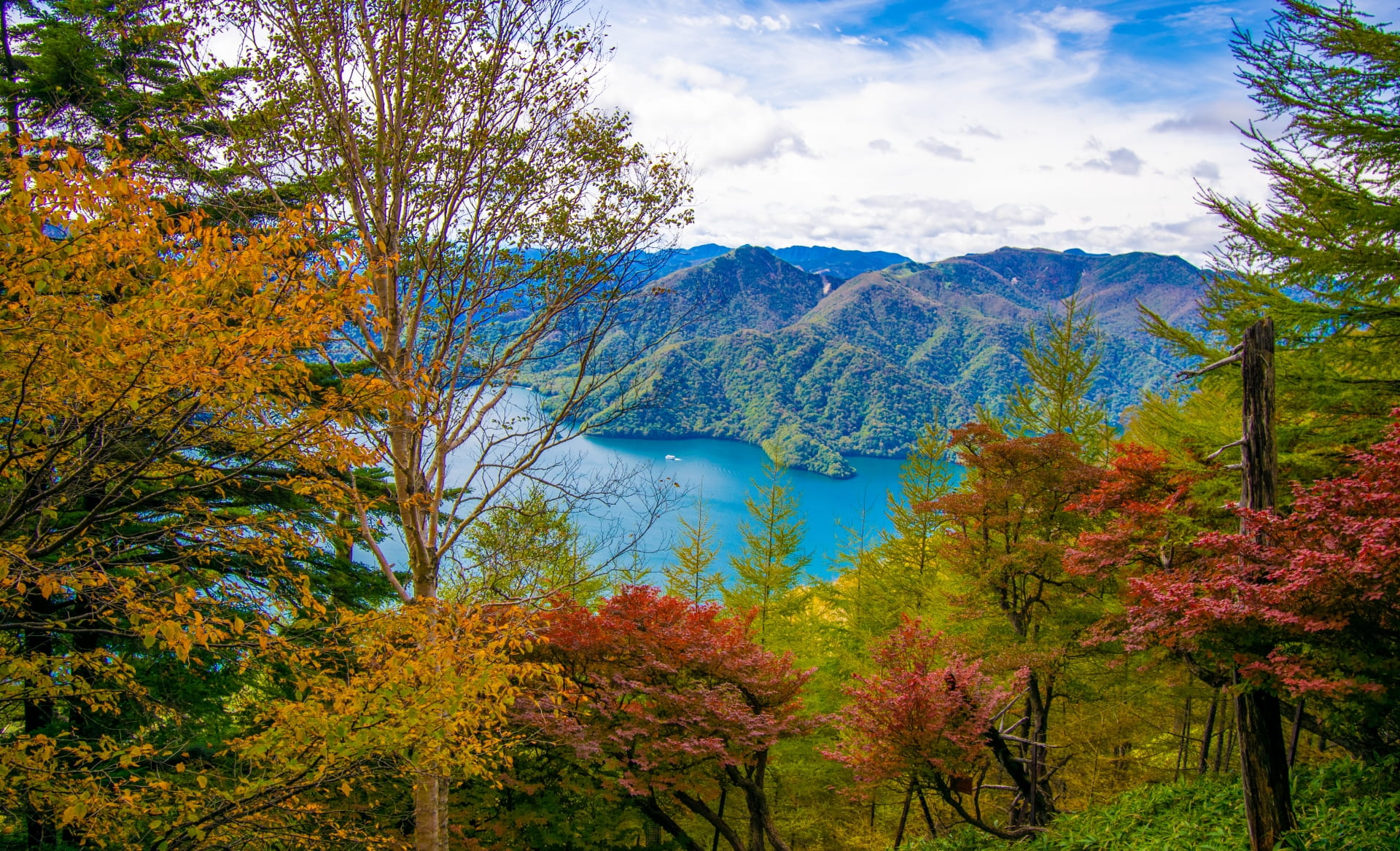
If Tochigi had a superstar season, this would be it. Autumn foliage in Nikko is among the most celebrated in Japan, with vibrant reds, oranges, and golds transforming areas around Lake Chuzenji, Irohazaka, and Kegon Falls. Expect crowds, but also some of the finest scenery the region has to offer.
Winter (December to February)
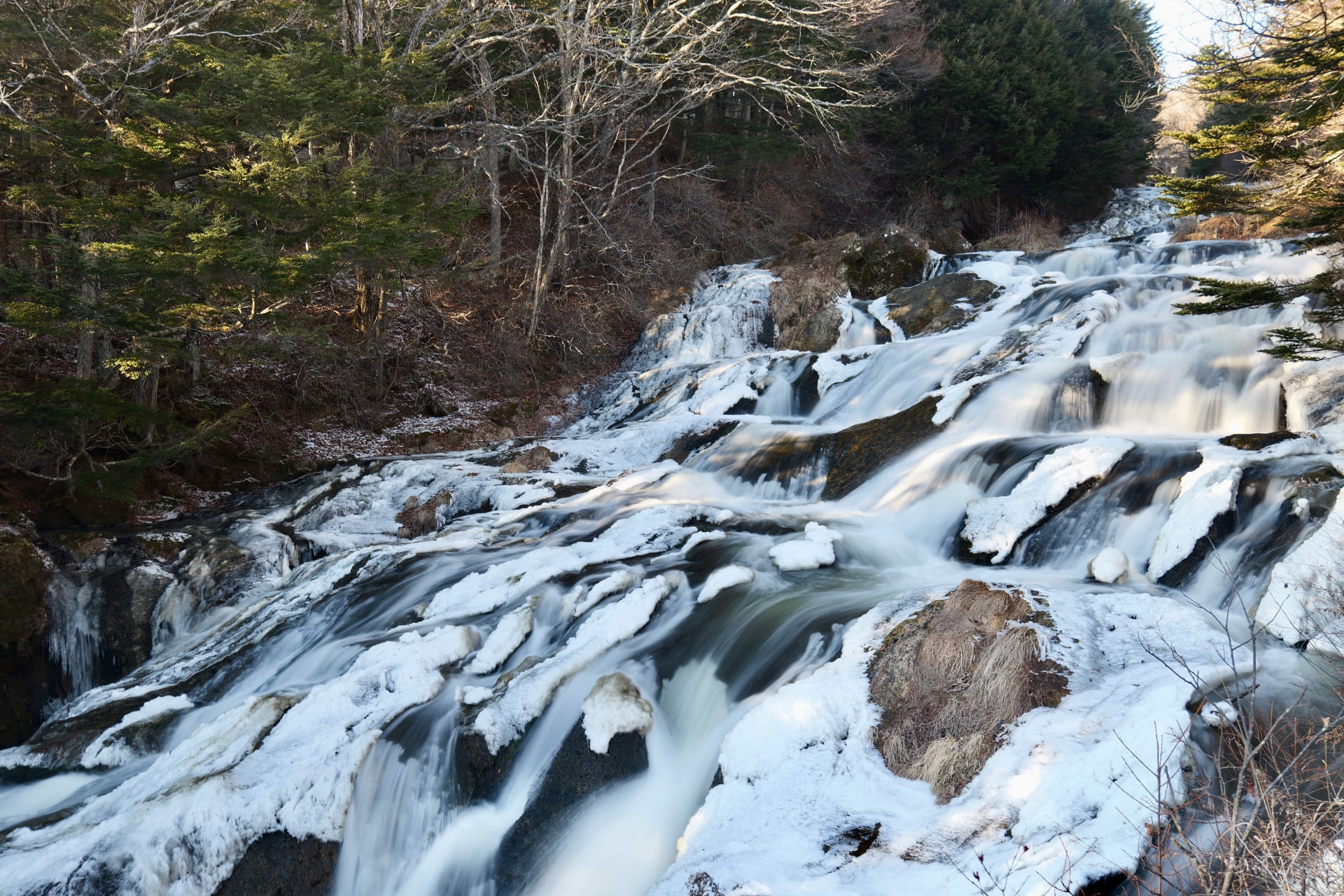
Winter is quieter, colder, and surprisingly rewarding. Snow adds a dramatic backdrop to Nikko’s temples and shrines, while hot spring towns like Kinugawa Onsen feel especially inviting. There’s something deeply satisfying about soaking in an outdoor bath while cold air nips at your face. Science has yet to improve on this.
Best overall times to visit:
- Late April to early May for wisteria and spring flowers
- October to early November for autumn foliage
- Year-round for onsen, food, and cultural sightseeing
For first-time visitors, spring and autumn are the safest bets. But if you prefer fewer crowds, summer and winter have plenty to recommend them too.
Suggested Itineraries for Tochigi
Not sure how to fit Tochigi together? You’re not alone. The prefecture covers a lot of ground, and trying to see everything in one trip is a fine way to become intimately acquainted with train timetables. A better approach is to match your itinerary to the time you actually have.
1-Day Tochigi Itinerary: Nikko Highlights
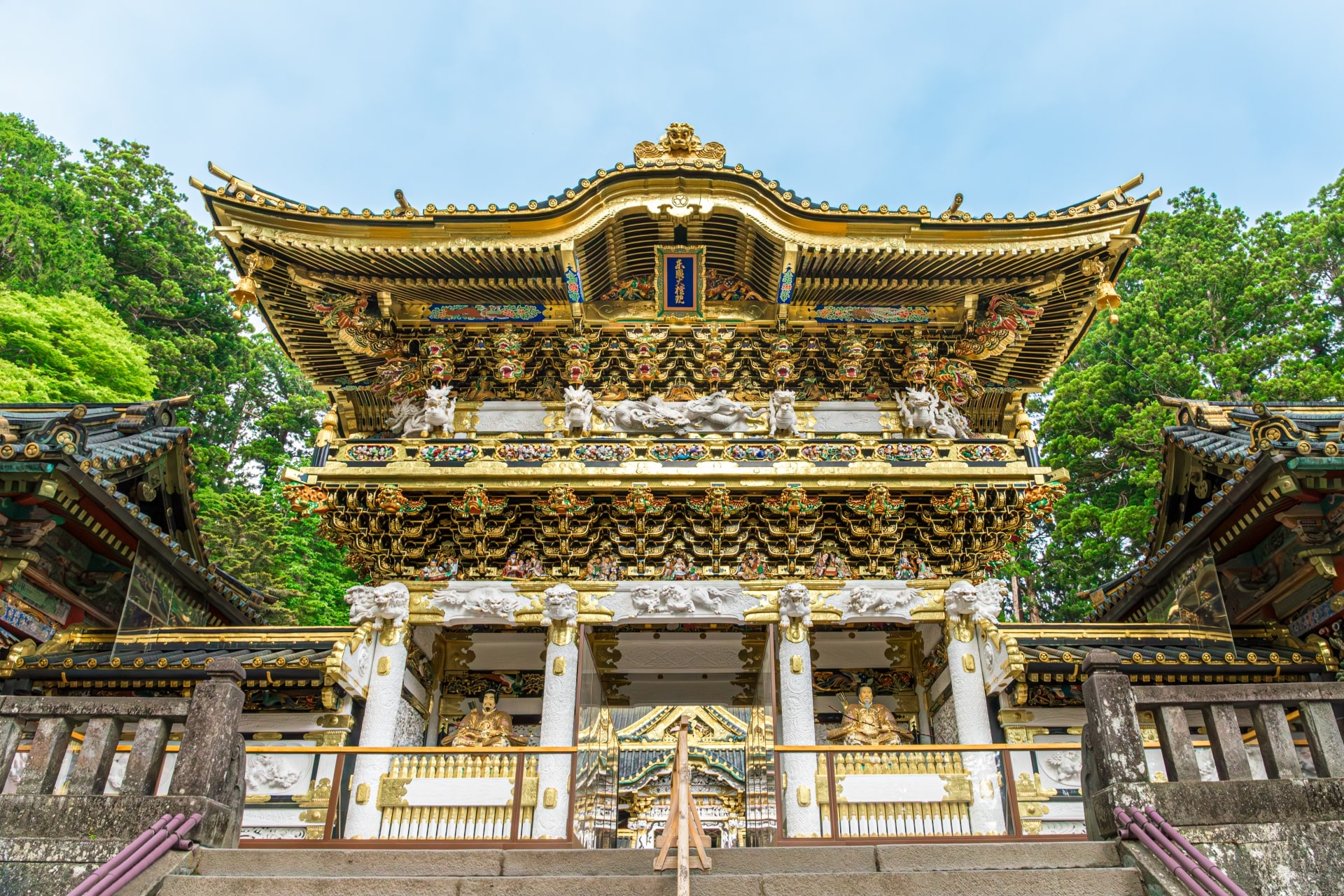
Ideal for a day trip from Tokyo.
- Morning: Arrive in Nikko and visit Nikko Toshogu
- Midday: Explore the surrounding UNESCO shrine and temple area
- Afternoon: Head to Kegon Falls or Lake Chūzenji
- Evening: Return to Tokyo
This is the classic first-time route. It’s busy, but highly rewarding.
2-Day Tochigi Itinerary: Nikko + Kinugawa Onsen
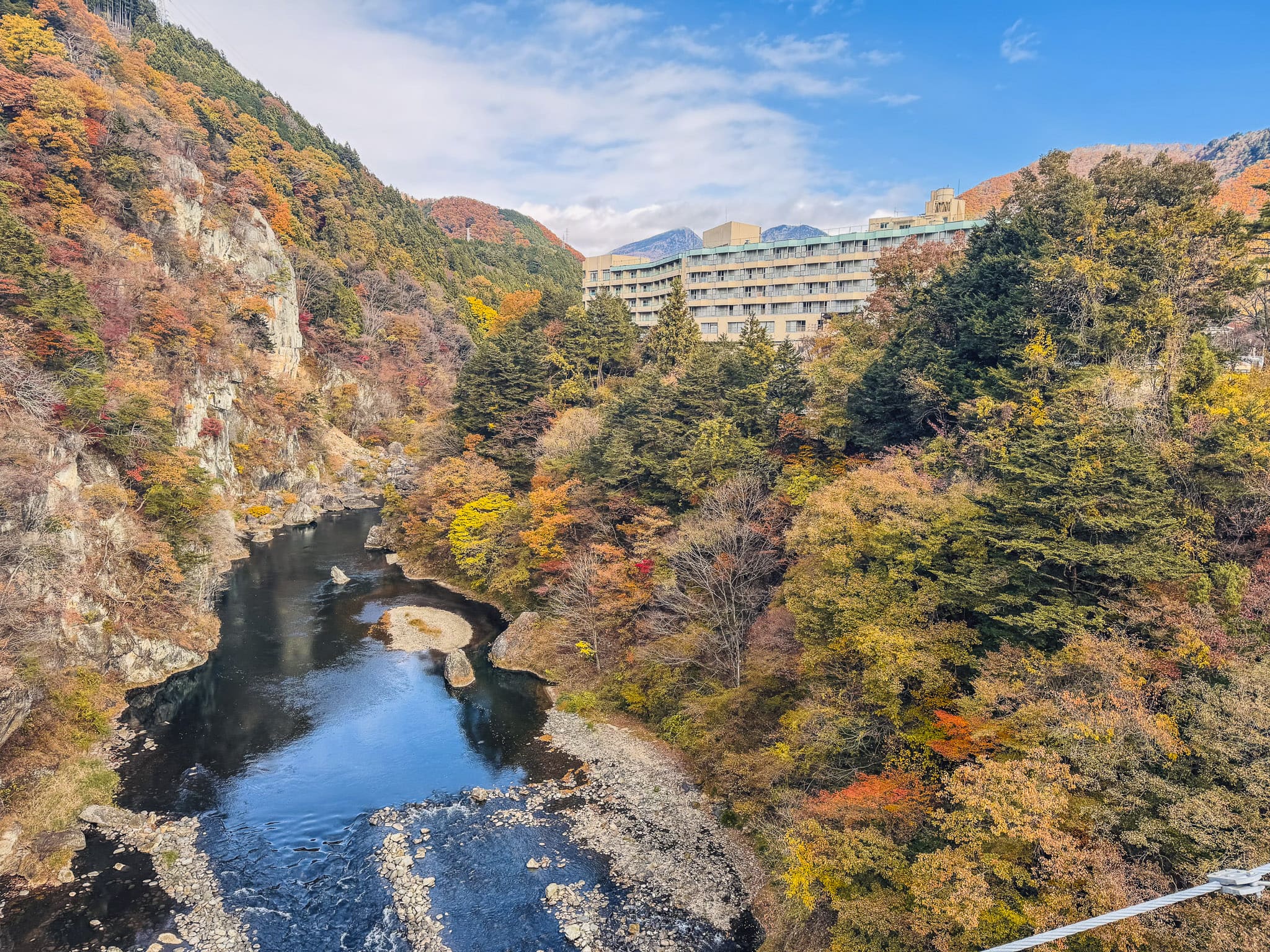
The sweet spot for most travelers.
Day 1
- Explore Nikko’s historic sites, including Toshogu Shrine
- Continue to Lake Chuzenji or Kegon Falls
- Transfer to Kinugawa Onsen
- Stay overnight in a ryokan with hot springs
Day 2
- Relax in the morning onsen (strictly for research purposes)
- Visit Edo Wonderland Nikko Edomura or Tobu World Square
- Return to Tokyo in the afternoon or evening
This itinerary balances sightseeing with actual relaxation, a surprisingly rare achievement.
3-Day Tochigi Itinerary: A Wider Regional Tour
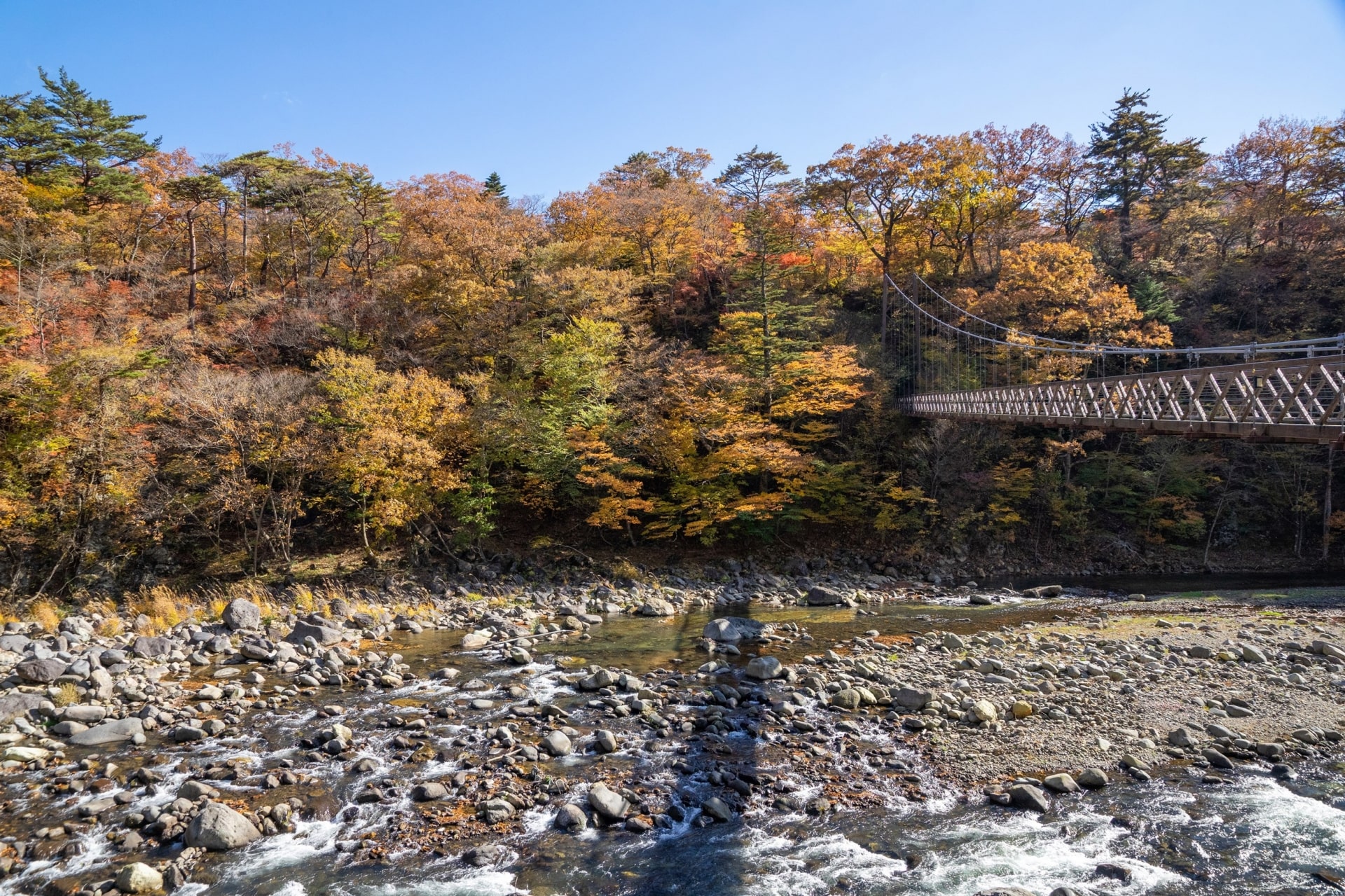
Perfect if you want to see more than just Nikko. This route showcases Tochigi’s range: history, hot springs, food, and nature, all in a manageable trip.
Day 1: Nikko
- Toshogu Shrine
- Lake Chuzenji
- Kegon Falls
Day 2: Kinugawa + Utsunomiya
- Morning in Kinugawa Onsen
- Visit Edo Wonderland or Tobu World Square
- Continue to Utsunomiya
- Dinner featuring the city’s famous gyoza
Day 3: Southern Tochigi or Nasu
Choose one based on the season:
- Spring: Ashikaga Flower Park
- Year-round culture: Oya History Museum
- Nature retreat: Nasu
Quick recommendation:
- Short trip: Nikko only
- Weekend: Nikko + Kinugawa
- Longer stay: Add Utsunomiya, Ashikaga, or Nasu
Tochigi rewards slower travel. Give it at least one night, and the prefecture starts to reveal why it deserves far more attention than a simple Nikko day trip.
FAQ About Visiting Tochigi
Is Tochigi worth visiting?
Absolutely. Tochigi Prefecture is one of the most rewarding destinations near Tokyo, combining UNESCO World Heritage sites, hot spring resorts, mountain scenery, and excellent local food. While many travelers know it only for Nikko, the prefecture has far more to offer, from wisteria gardens in Ashikaga to countryside escapes in Nasu.
What is Tochigi famous for?
Tochigi is best known for Nikko and the ornate Nikkō Tōshōgū shrine, one of Japan’s most important historical sites. It’s also famous for hot springs such as Kinugawa Onsen, the spectacular seasonal displays at Ashikaga Flower Park, and Utsunomiya’s celebrated gyoza.
Can you visit Tochigi as a day trip from Tokyo?
Yes, especially if you focus on one area. Nikko is the most popular choice for a day trip, thanks to direct rail connections from Tokyo. You can comfortably visit Toshogu Shrine and one nearby natural attraction in a single day. For destinations like Kinugawa, Ashikaga, or Nasu, an overnight stay is usually a better idea.
How many days should I spend in Tochigi?
Two days is ideal for most travelers. That gives you enough time to explore Nikko thoroughly and spend a night in Kinugawa Onsen or another part of the prefecture. If you want to include places like Ashikaga, Utsunomiya, or Nasu, three days or more will allow for a much more relaxed trip.
When is the best time to visit Tochigi?
Spring and autumn are the standout seasons. Late April to early May is famous for wisteria at Ashikaga Flower Park, while October and early November bring spectacular autumn foliage to Nikko. Summer is excellent for mountain escapes, and winter is perfect for hot spring stays and snow-covered temple scenery.
Is Tochigi only about Nikko?
Not at all. Nikko may be the headline act, but it’s hardly the entire festival. Beyond Nikko, Tochigi includes hot spring resorts, gourmet destinations, flower parks, historic towns, and scenic highlands. Spending time outside Nikko reveals a much broader and more varied side of the prefecture.
Final Thoughts: Is Tochigi Right for Your Japan Trip?
If your Japan itinerary includes time beyond the major cities, Tochigi Prefecture makes an excellent addition. It’s close to Tokyo, easy to reach, and remarkably diverse for a region that many travelers still reduce to a single day trip. A generous mix of natural wonders, historical locations, and fun and quirky activities makes Tochigi an excellent choice for visitors to explore beyond Tokyo in search of original experiences.
For first-time visitors to Japan, Nikko alone is worth the journey. But travelers with a little extra time will find that Tochigi rewards curiosity with a well-rounded mix of culture, nature, and local character, from the historic grandeur of Nikko Toshogu to the relaxing atmosphere of its onsen towns.
In short:
- Best for: history lovers, nature enthusiasts, onsen fans, and food-focused travelers
- Ideal trip length: 2–3 days
- Easy from Tokyo: yes
- Worth visiting beyond Nikko: absolutely
Tochigi may not always be the first destination travelers add to their Japan plans, but it often becomes one of the most memorable. And really, any place that combines UNESCO landmarks, mountain scenery, and plate after plate of dumplings is doing something very right. Hopefully, this article inspires you to venture and explore Tochigi!
For more information about traveling in Japan, check these articles below, too!
Here are the attractions you should experience around Tokyo!

Written by
Photographer, journalist, and avid urban cyclist, making sense of Japan since 2017. I was born in Caracas and lived for 14 years in Barcelona before moving to Tokyo. Currently working towards my goal of visiting every prefecture in Japan, I hope to share with readers the everlasting joy of discovery and the neverending urge to keep exploring.
- +0 0
-
-