Nikko National Park Guide: Hiking Trails, Regions, and Seasonal Travel Tips
Best Things to Do in Nikko National Park: Hiking, Lakes & Travel Guide


- +1 1
-

-


Nikko tends to be reduced to a checklist: a shrine, a waterfall, a lake, done by mid-afternoon. That’s perfectly fine, but it barely scratches the surface of what lies beyond the town limits.
Nikko National Park begins where most itineraries stop, stretching across three prefectures and more than 1,000 square kilometres of mountains, marshlands, volcanic terrain, and forested valleys. The famous landmarks sit inside it, but they are not the main story. Trails cut through highland wetlands like Senjogahara, ridgelines climb toward peaks such as Mount Nantai, and quieter areas like Nasu and Shiobara see a fraction of the visitors.
This guide focuses on that larger picture. Instead of repeating what to see in central Nikko, it looks at how the park actually works: where its regions begin and end, which hikes are worth your time, how conditions change with the seasons, and what it takes to explore beyond the standard stops.
See also: Best Things to Do in Nikko
What is Nikko National Park?
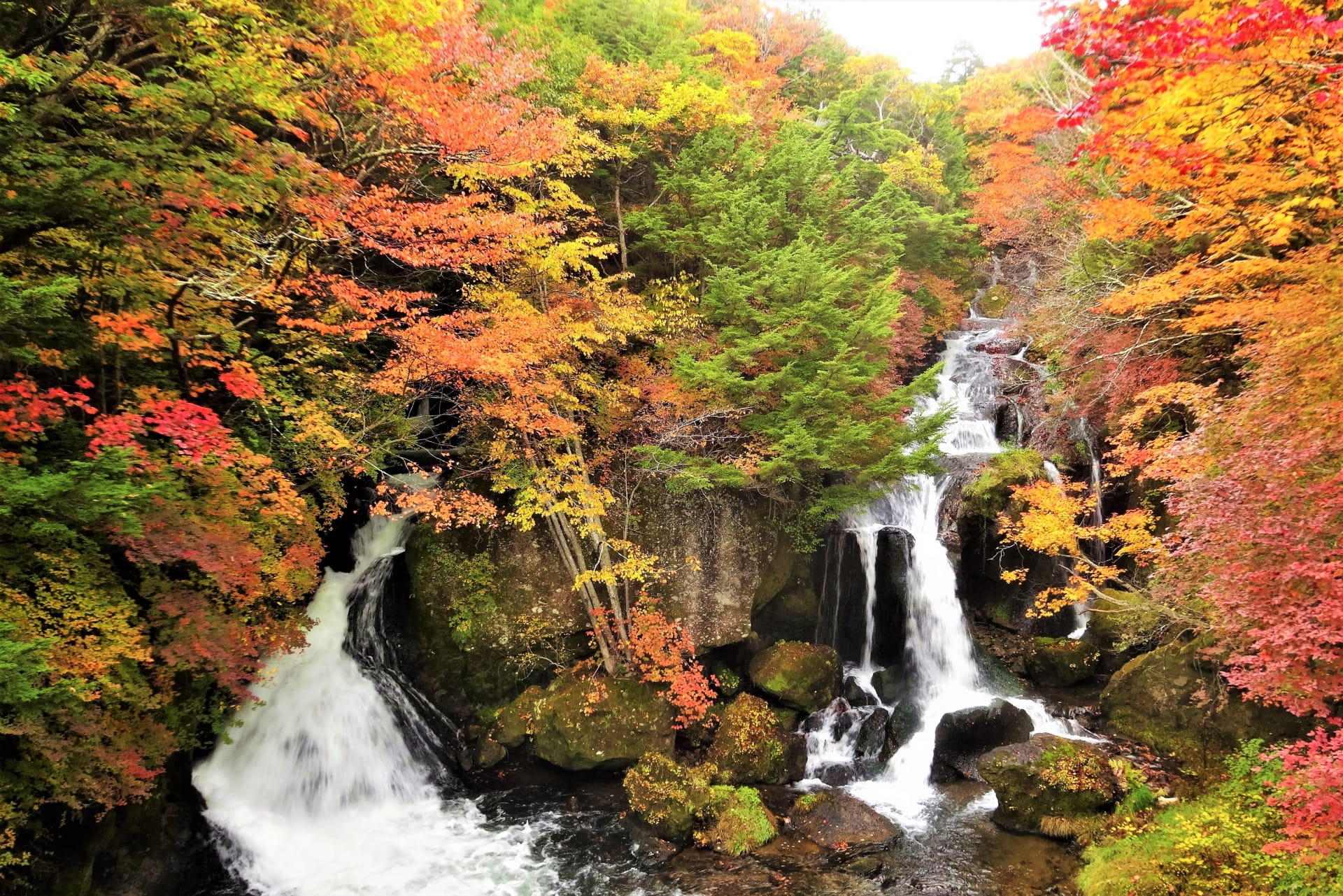
It helps to start with a simple clarification: this is not a single site with an entrance gate and a map handed out at a ticket counter. Nikko National Park (日光国立公園) is a vast protected area, officially designated in 1934, that spans parts of Tochigi, Gunma, and Fukushima prefectures. At over 1,100 square kilometres, it ranks among Japan’s larger national parks, with a landscape shaped by volcanic activity, alpine terrain, and dense forest.
The places most visitors associate with Nikko, like Lake Chuzenji and Kegon Falls, are only small sections of a much broader environment. Beyond them, the park includes highland marshes such as Senjogahara, volcanic peaks including Mount Nantai, and lesser-known regions that stretch far from the usual tourist routes.
There is also a cultural layer embedded within this landscape. The shrines and temples of Nikko, including Nikko Toshogu, sit within the park’s boundaries, which explains why many first-time visitors experience it through a historical lens. But geographically and functionally, the park is defined by its natural features and the outdoor activities they support, especially hiking, seasonal travel, and access to remote onsen areas.
Understanding that distinction is key: Visiting Nikko town is a day trip. Exploring Nikko National Park is something closer to a region-wide journey.
Where Is Nikko National Park? (Areas and Regions Explained)
One of the main reasons this park is often misunderstood is geography. There is no single “Nikko National Park area” you arrive at and explore on foot. Instead, the park is roughly divided into several distinct regions, each with its own landscape, access points, and travel logic.
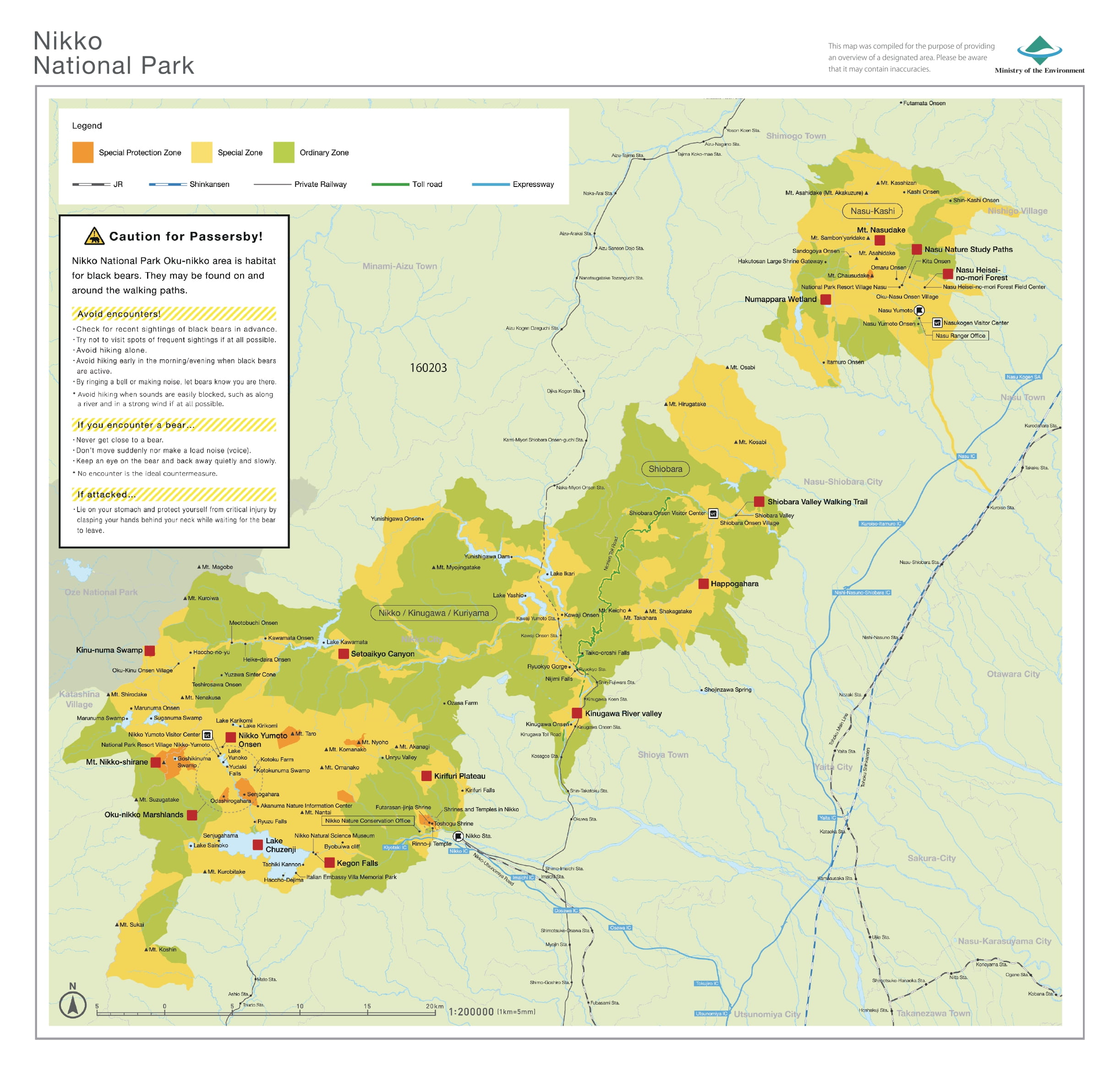
These areas are not connected in a way that allows quick or easy movement between them without careful planning. Public transport routes differ, travel times can be significant, and each region requires a slightly different approach:
- Okunikko is the most accessible from central Nikko
- Kinugawa works well as a separate base
- Nasu and Shiobara require more deliberate planning
So it makes more sense to treat Nikko National Park as a collection of regions rather than a single destination, and based on this, decide how long you stay, where you base yourself, and what kind of experience you can realistically fit into your itinerary.
Okunikko: Alpine Landscapes, Lakes, and Marshlands
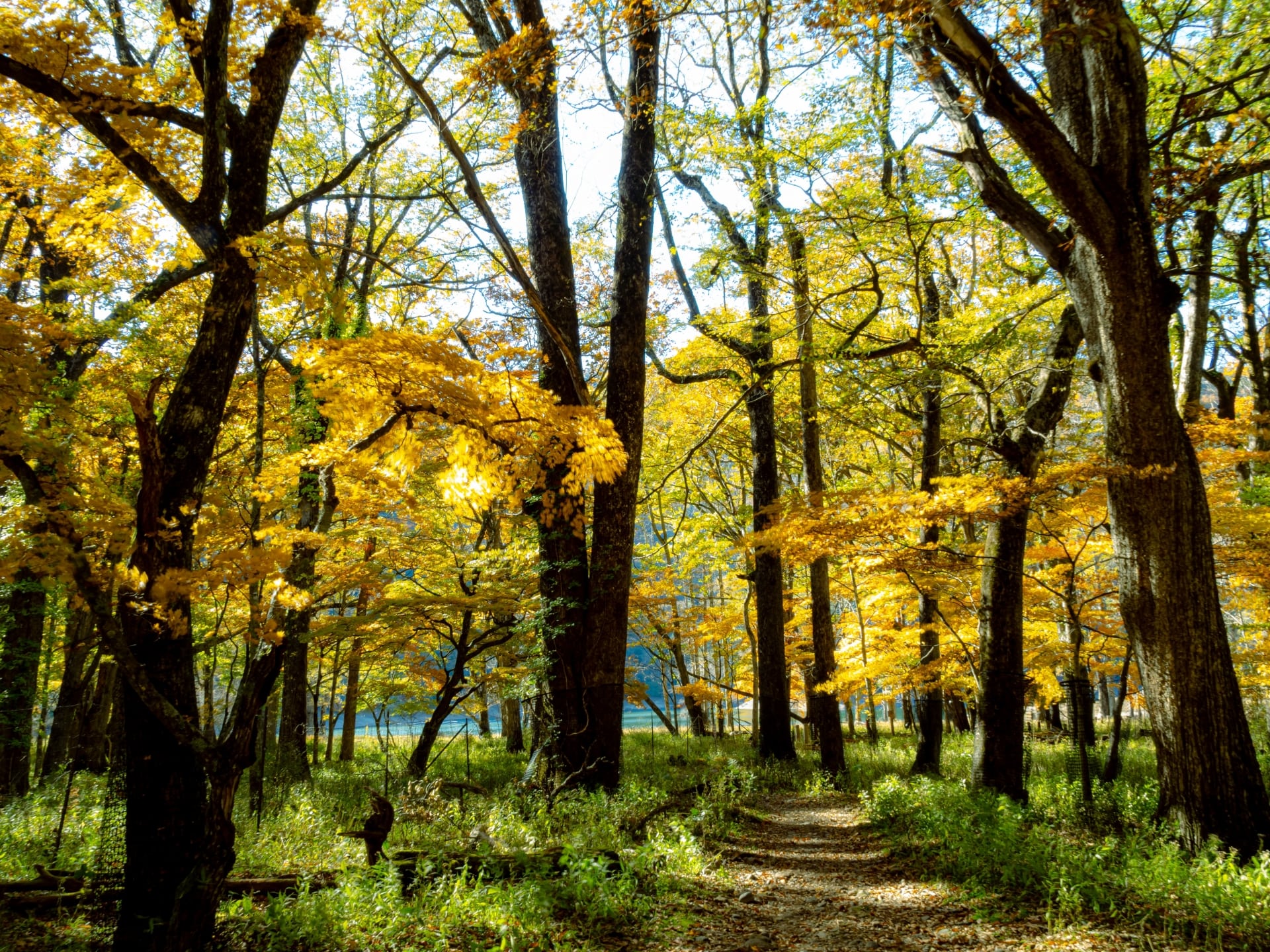
Okunikko (奥日光) is the section most visitors experience when they travel beyond central Nikko. Located at a higher elevation, this section is where the terrain opens up into lakes, wetlands, and volcanic slopes.
Key highlights include Lake Chuzenji, formed by volcanic activity, and the marshland of Senjogahara, one of Japan’s most accessible highland walking areas. The slopes of Mount Nantai dominate the skyline, and for experienced hikers, the mountain itself is climbable during the official season.
Okunikko is also where you begin to notice the difference in climate. Temperatures are cooler than in the town below, snow lingers longer into spring, and autumn arrives earlier. For hiking, this is the core zone of the entire park.
Kinugawa & Ryuokyo Gorge: Scenic Gorges and River Valleys
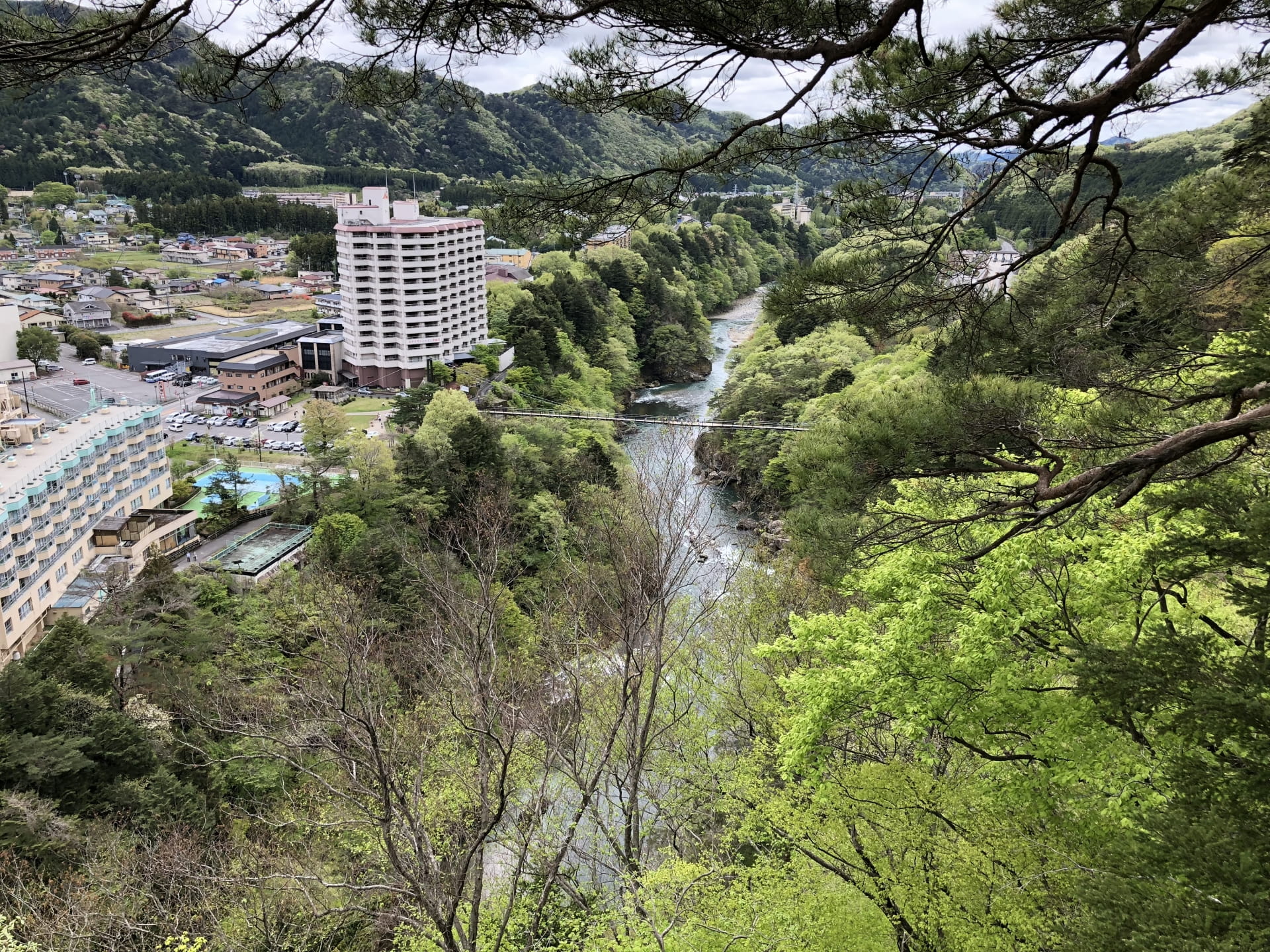
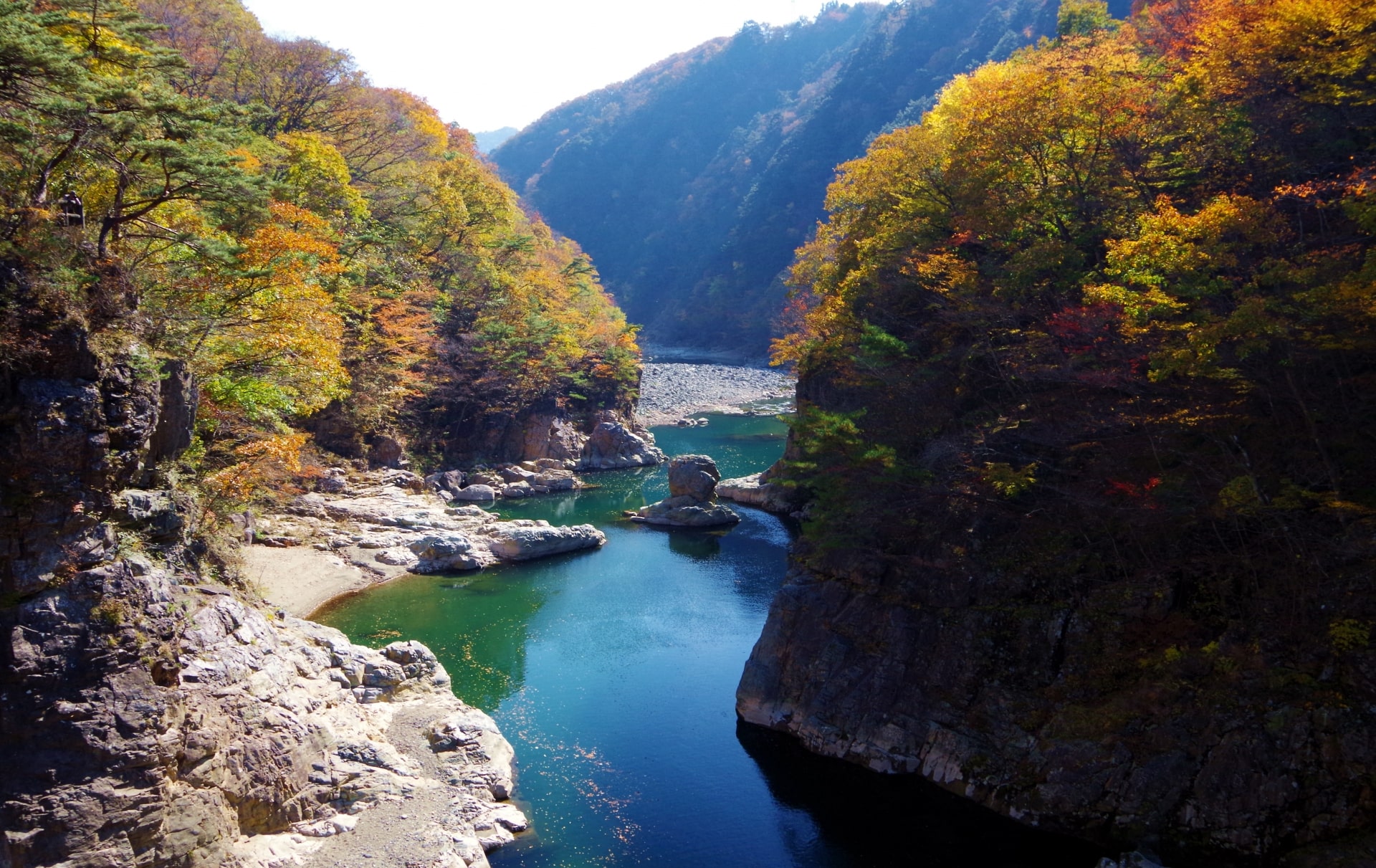
To the northeast of Nikko, the Kinugawa (鬼怒川) area acts as a transition between developed resort towns and more rugged natural scenery. The highlight here is Ryuokyo Gorge (龍王峡), a dramatic river-carved landscape with walking trails that follow the Kinugawa River.
Compared to Okunikko, hikes here are shorter and less demanding, making this area a good option for travellers who want nature without committing to full-day treks. Kinugawa itself is known for its onsen resorts, which makes this region particularly practical as a base for combining light hiking with overnight stays.
Nasu Area: Volcanic Terrain and Ridge Hikes
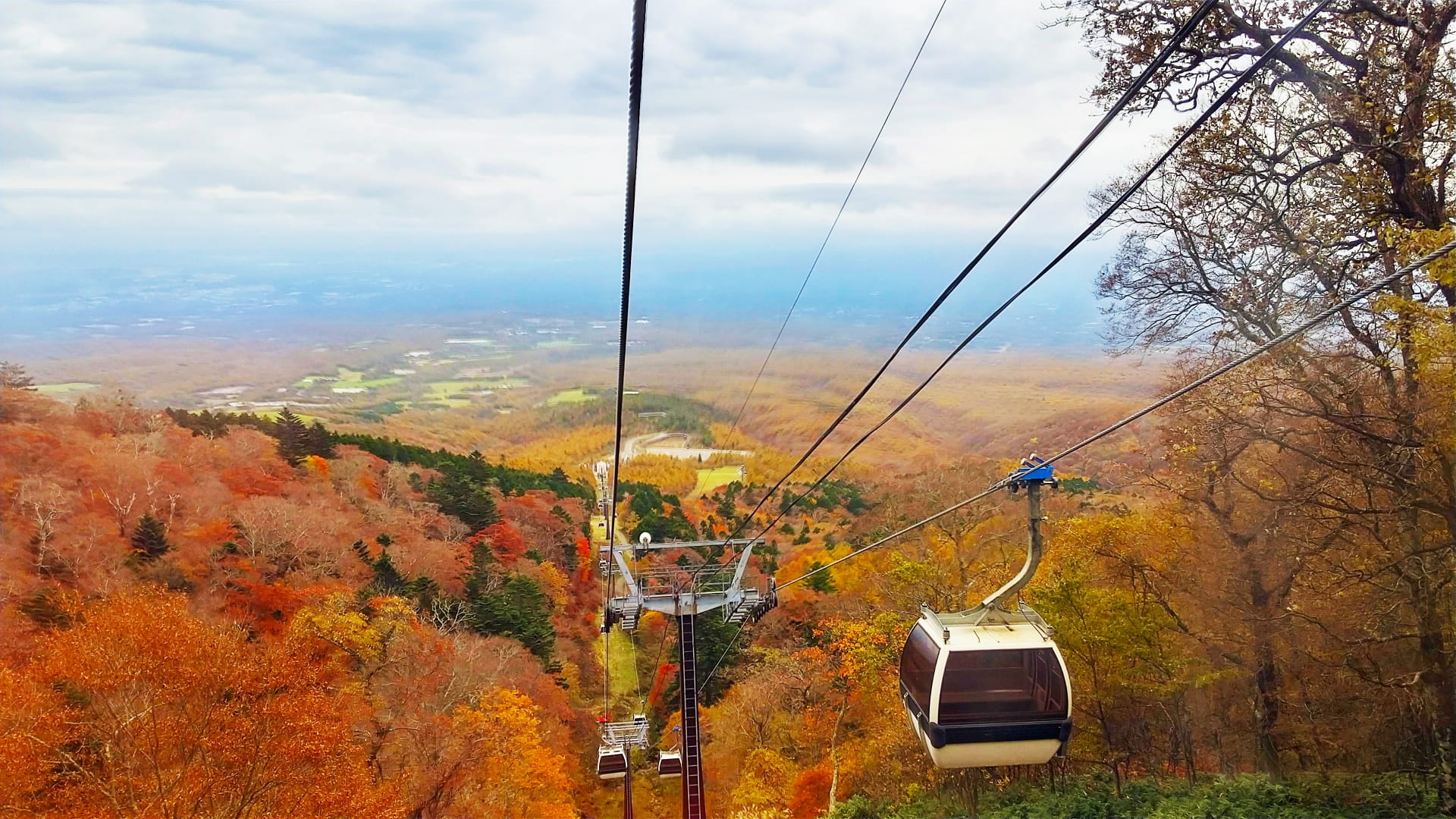
Further north, the Nasu (那須町) area introduces a different kind of landscape with more exposed, more rugged, and distinctly volcanic. Centred around Mount Nasu (a group of peaks rather than a single mountain), this region is known for its ropeway access, which allows visitors to gain elevation quickly before continuing on foot. From there, ridgeline hikes offer wide views across the surrounding countryside.
Another popular local spot is Nasu Heisei-no-Mori park, which features lush forests and walking trails that make it an ideal spot for outdoor exploration. Generally speaking, compared to Okunikko, Nasu feels less forested and more open. Weather conditions can change quickly, and the terrain is better suited to those with some hiking experience. It is also significantly less crowded, which makes it one of the strongest differentiation points within the park.
Shiobara Area: Waterfalls, Forest Trails, and Low-Key Exploration
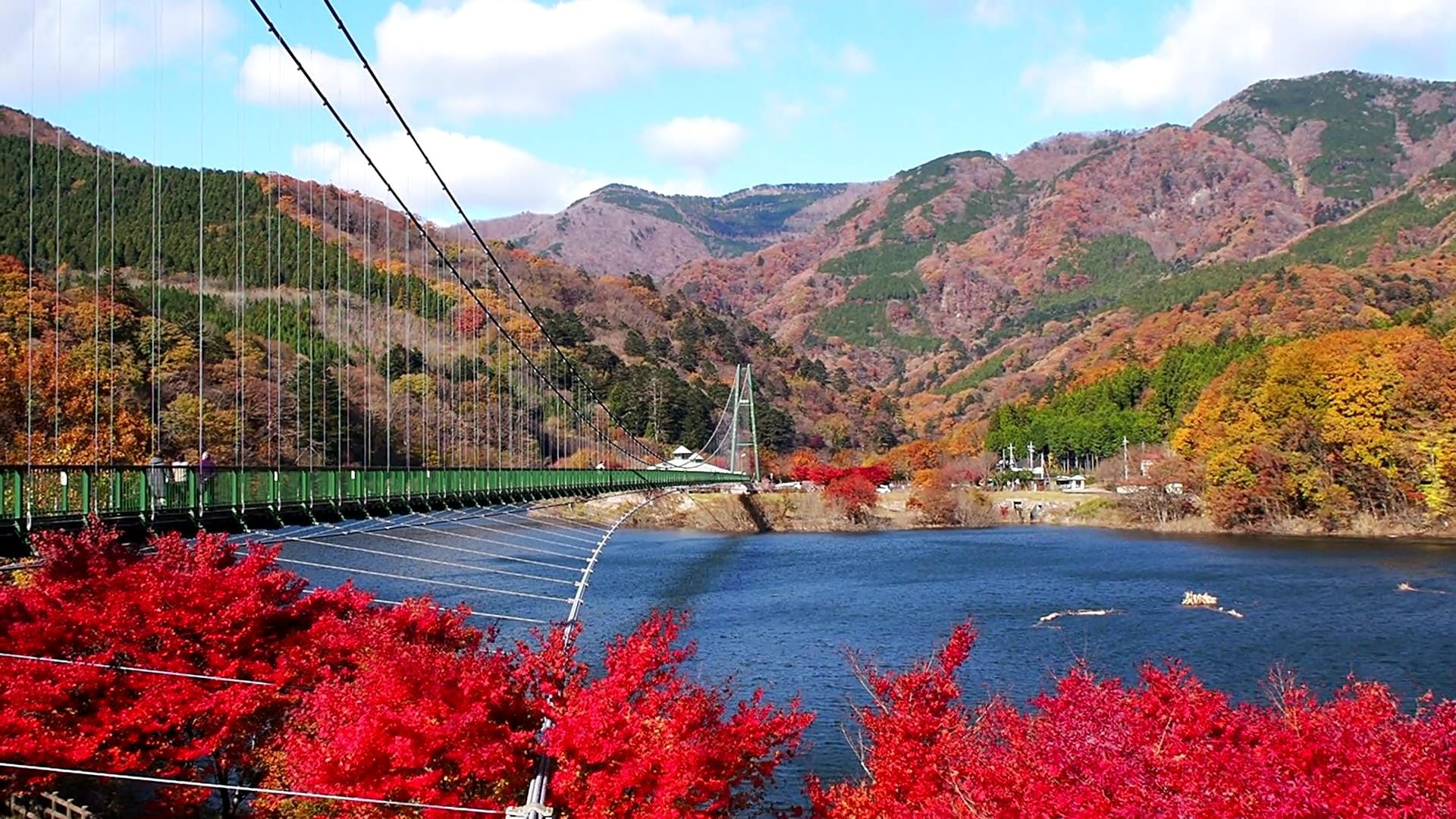
Often overlooked entirely, the Shiobara area provides a quieter alternative to the more established zones. This region is characterised by forested valleys, rivers, and a network of walking trails that connect multiple waterfalls. Shiobara is more enclosed and gradual, making it suitable for relaxed hikes rather than summit-focused climbs, unlike the alpine feel of Okunikko or the volcanic ridges of Nasu.
The area is also home to several hot spring towns along the Hoki River, offering a slower pace and fewer crowds. For travellers who have already seen Nikko’s main landmarks, Shiobara is where the park starts to feel expansive rather than concentrated.
Key Natural Highlights
Some locations in Nikko National Park appear in almost every guide, and for good reason. Both Kegon Falls and Lake Chūzenji are visually striking and easy to access. If your goal is to explore Nikko National Park beyond the surface level, they work as convenient starting points, as places you pass through on the way to hikes, quieter landscapes, and longer stays deeper in the park.
Kegon Falls
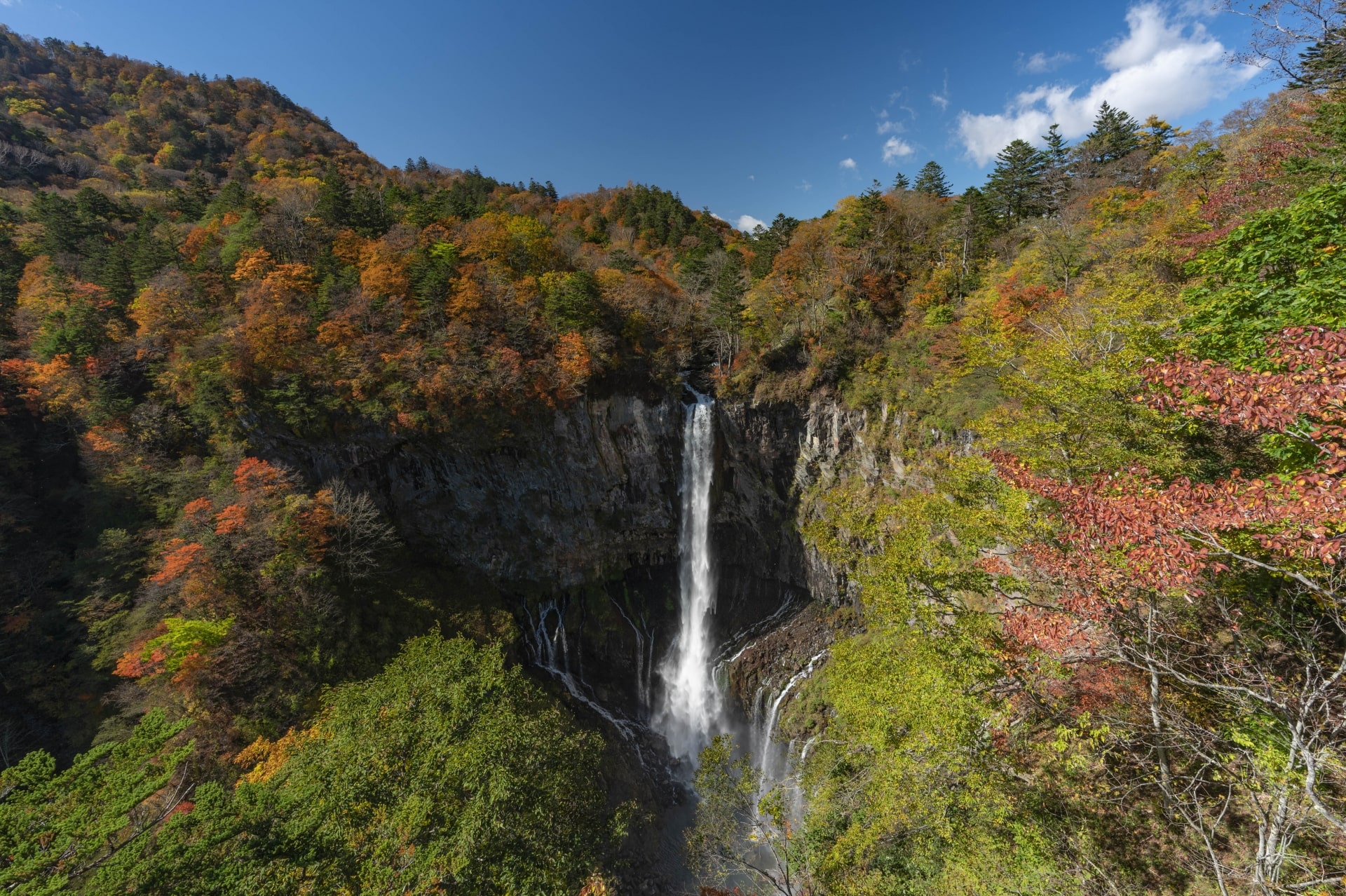
One of Japan’s most famous waterfalls, Kegon Falls (華厳滝) drops nearly 100 metres from Lake Chūzenji into the valley below. It is easily accessible by bus from central Nikko, with viewing platforms at both free and paid observation points.
For most visitors, this is a short stop rather than a destination in itself. Its real value lies in proximity, as Kegon Falls is typically combined with a visit to the lake or used as a starting point for exploring Okunikko.
See more details about Kegon Falls in our dedicated guide to Best Things to do in Nikko!
Lake Chuzenji
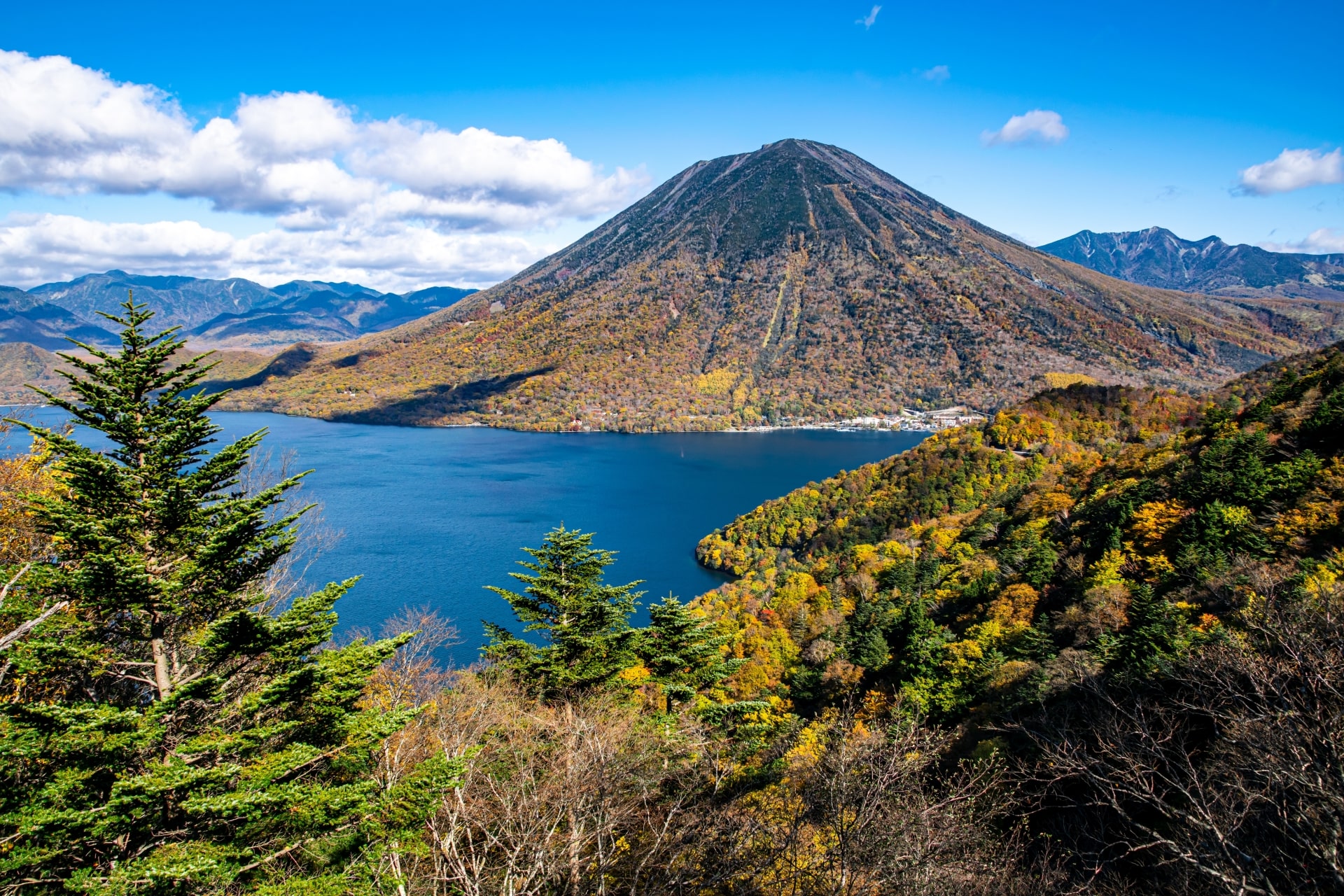
Formed by the eruption of Mount Nantai, Lake Chuzenji (中禅寺湖) sits at the base of the mountain and marks the gateway to Okunikko.
The lakeshore offers walking paths, boat cruises, and access to nearby trails, but it is most often used as a base rather than a standalone attraction. From here, buses continue deeper into the park toward hiking areas and onsen towns.
See more details about Lake Chuzenji in our dedicated guide to Best Things to do in Nikko!
Best Things to Do in Nikko National Park (By Experience)
A list of attractions doesn’t work particularly well for a national park of this scale. The same waterfall or shrine can be visited in under an hour, but that says very little about how the park is actually experienced.
A better approach is to think in terms of activities. Hiking, bathing, and cultural visits each follow different rhythms, require different planning, and often take place in completely separate parts of the park.
Hiking and Outdoor Activities
For nature lovers, the hiking opportunities are not to be missed.
Kirifuri Plateau (Kirifuri Highlands)
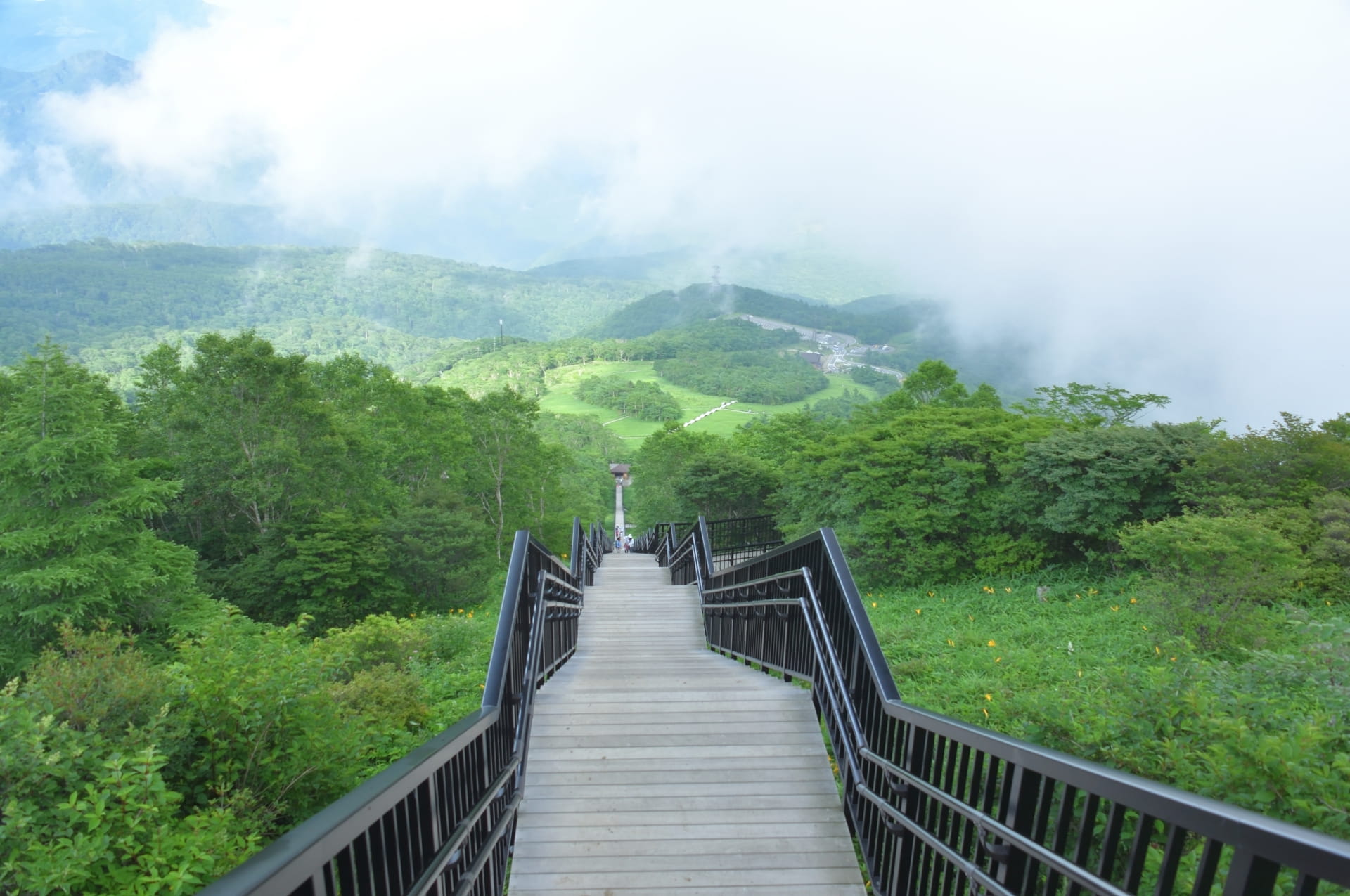
Kirifuri Plateau (霧降高原) near Nikko offers an accessible, shorter hike with open views. Starting at Kisuge-daira highlands and following the ‘sky staircase’ of wooden steps up Mount Akanagi, the steady climb is broken by observation decks. The plateau features rolling grasslands and panoramic views, with seasonal alpine flowers from spring to summer. Ideal for those seeking rewarding scenery without a full mountain climb.
 Access Access |
25-min bus from Nikko Station |
|---|---|
 Price Price |
Free |
 Official Website Official Website |
http://www.kirifuri-kogen.jp/english/index.html |
Senjogahara Marshland Trail
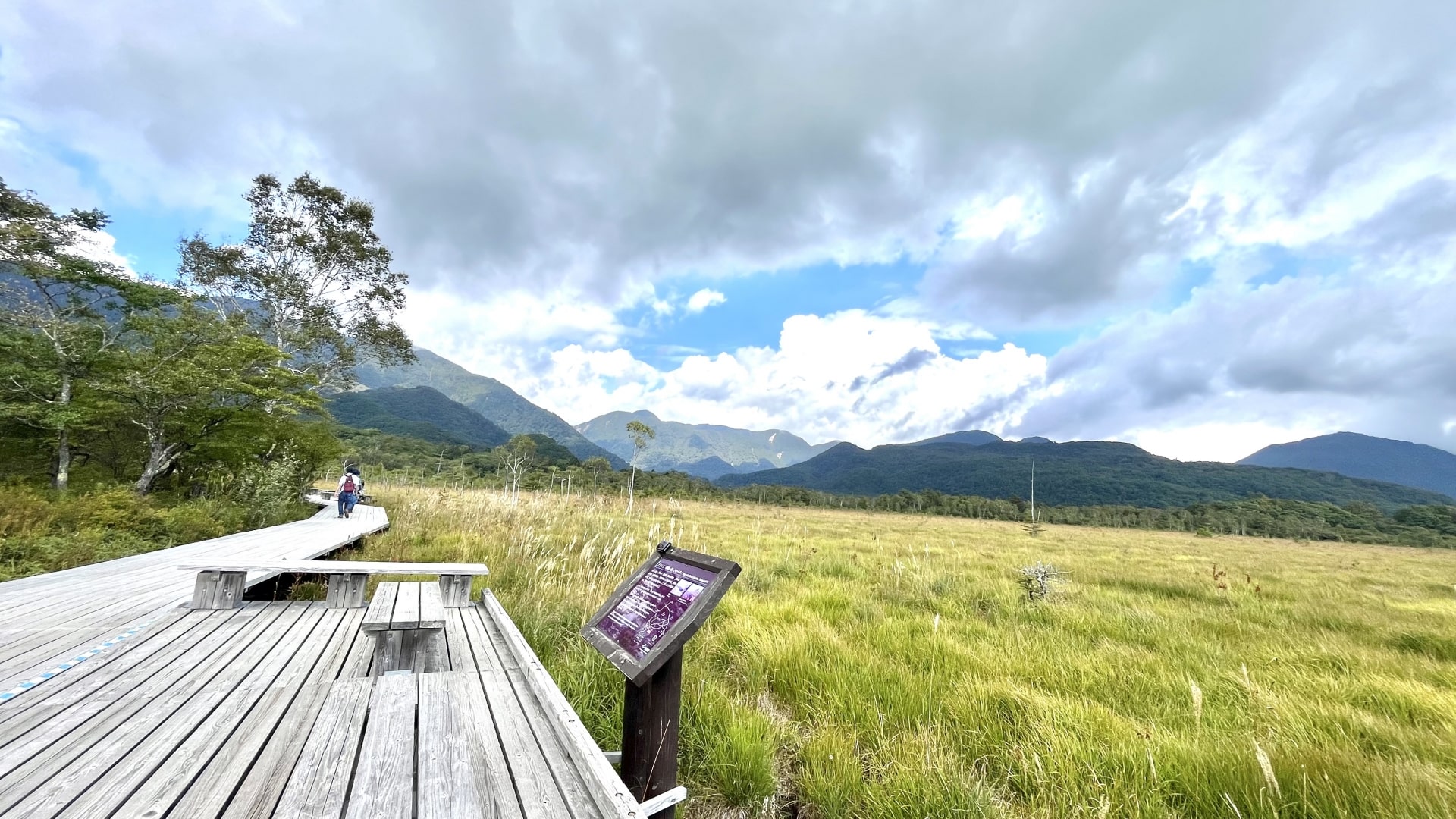
The most accessible option is the boardwalk trail through Senjogahara Marshland (戦場ヶ原). The route is largely flat, well-marked, and typically takes around 2 to 3 hours, depending on pace. It’s one of the few places in Japan where you can walk through a highland wetland without technical difficulty, making it suitable for most visitors.
| Access |
About 1h15min or 40min drive from Nikko Station |
|---|---|
 Business Hours Business Hours |
24h |
| Price |
Free |
| Official Website |
http://www.nikkoyumoto-vc.com/hiking/ |
Mt. Nantai Climb
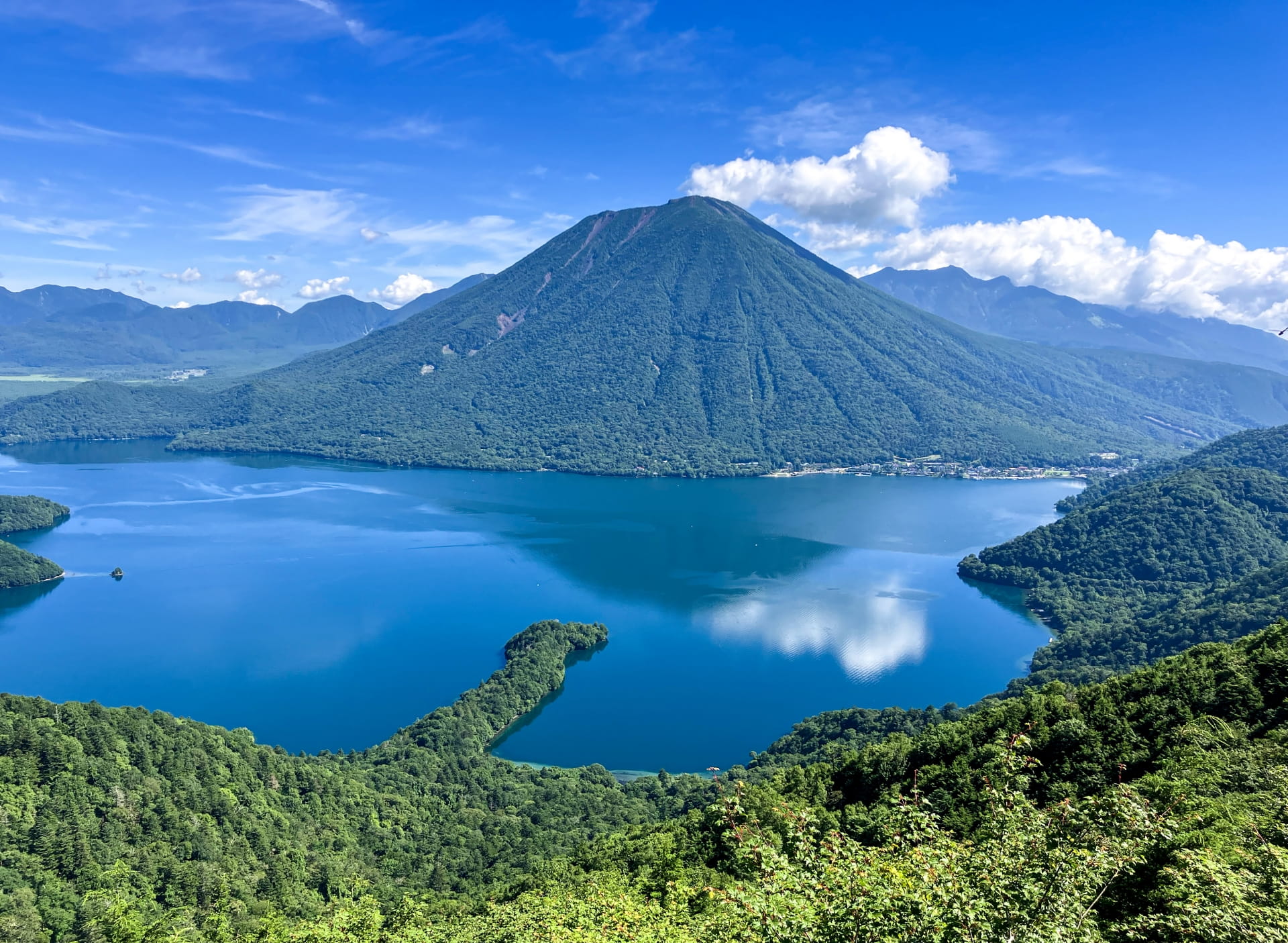
For something more demanding, Mount Nantai (男体山) offers a straightforward but physically taxing ascent. The mountain is steep, with an elevation of 2,486 metres, and the trail usually takes 5 to 7 hours round trip. It is officially open from April 25 to November 11, with access restricted outside that period due to weather conditions. The mountain access fee comes with an amulet gift. Bear in mind that entry is not allowed after 12:00 for safety reasons, and carrying your own bear bell is strongly encouraged.
| Access |
1h bus from Nikko Station to the beginning to the Mount Nantai Trailhead from Nikko Futarasan Shrine |
|---|---|
| Business Hours |
Access to the mountain allowed from 6:00 AM |
| Price |
1,000 yen |
Nasu Hiking Routes
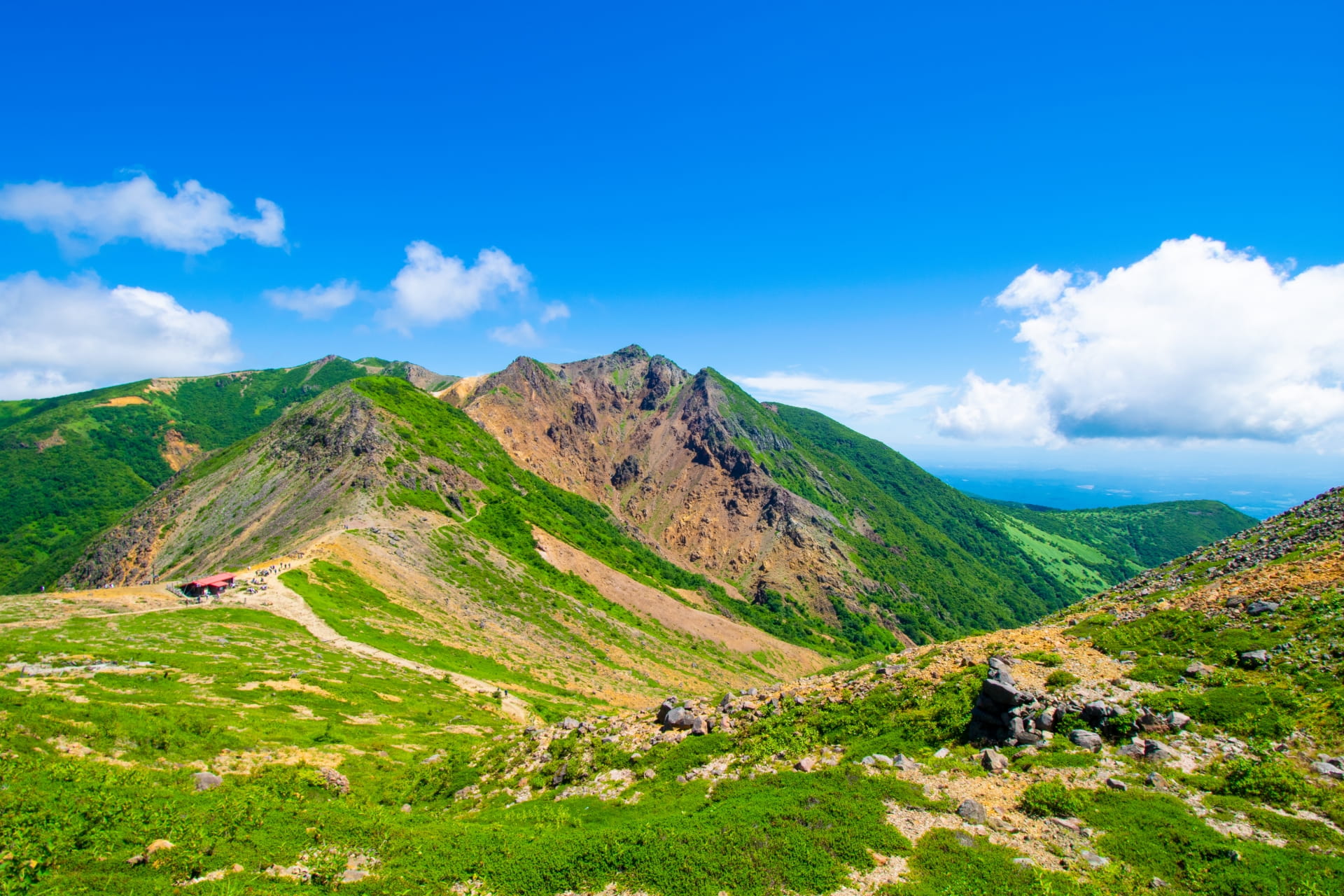
Further north, the hiking routes around Mount Nasu (那須岳) introduce more exposed terrain. Ropeway access allows you to start at a higher elevation, after which ridge walks connect several peaks. These routes are less forgiving in bad weather, but they reward with wide, unobstructed views.
| Access |
Via Nasu Ropeway or Toge-no-Chaya parking lot |
|---|---|
| Business Hours |
24h, Ropeway open times 8:30 AM–4:30 PM |
| Price |
Free, Ropeway round trip 2,000 yen |
| Official Website |
https://nasu-vc.jp/envc/region/nature |
Related: Top 5 Things To Do In Nasu-Karasuyama
Ryuokyo Gorge Walk
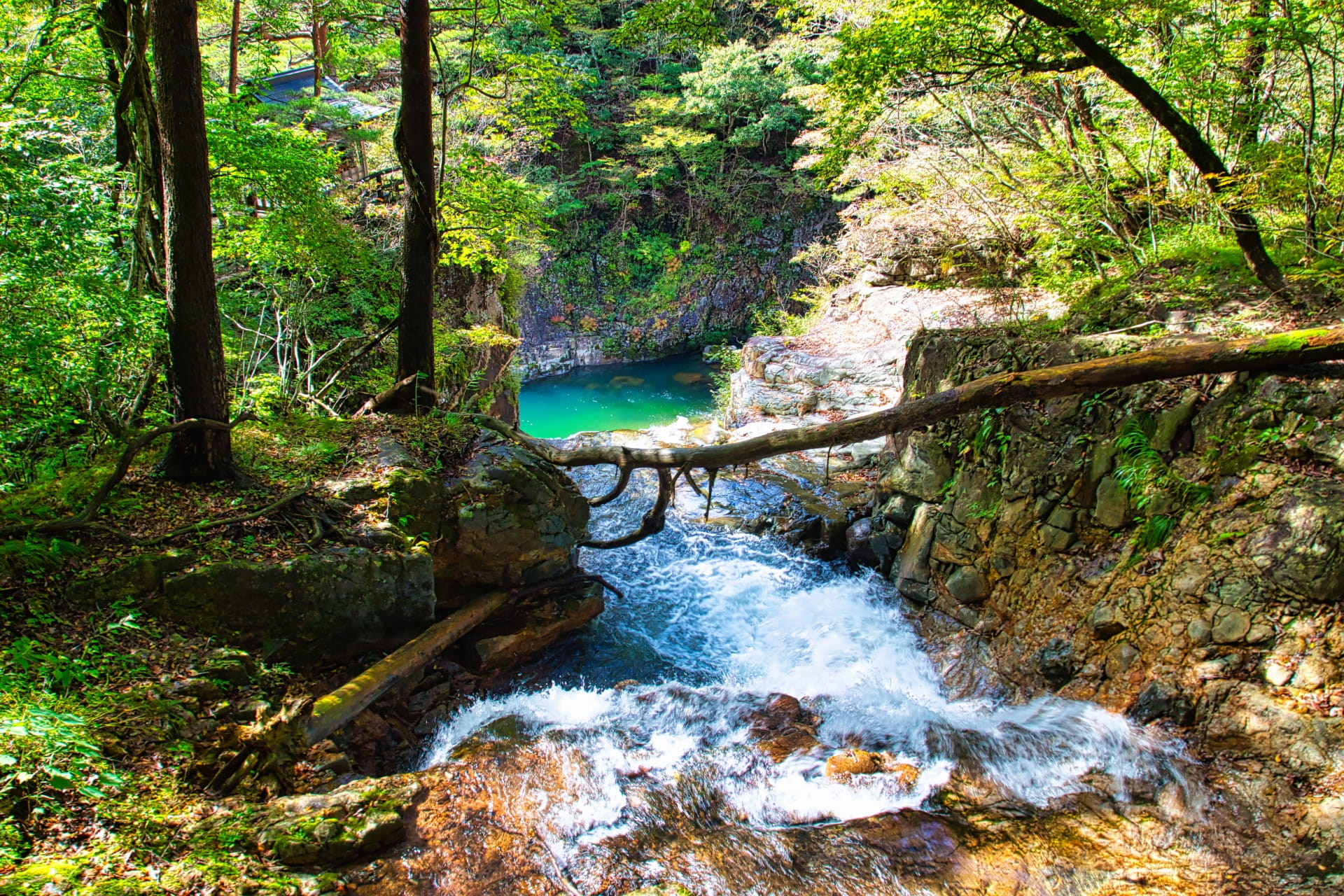
In the Kinugawa area, the trails around Ryuokyo Gorge (龍王峡) provide a shorter and more relaxed alternative, and its low difficulty makes it a good entry-level option. The paths follow the river through a series of rocky formations, and can be completed in sections, making them flexible for half-day outings.
| Access |
Ryuikyo Station |
|---|---|
| Business Hours |
24h |
| Price |
Free |
| Official Website |
http://www.ryuokyo.org/hiking.html |
Hot Springs and Relaxation
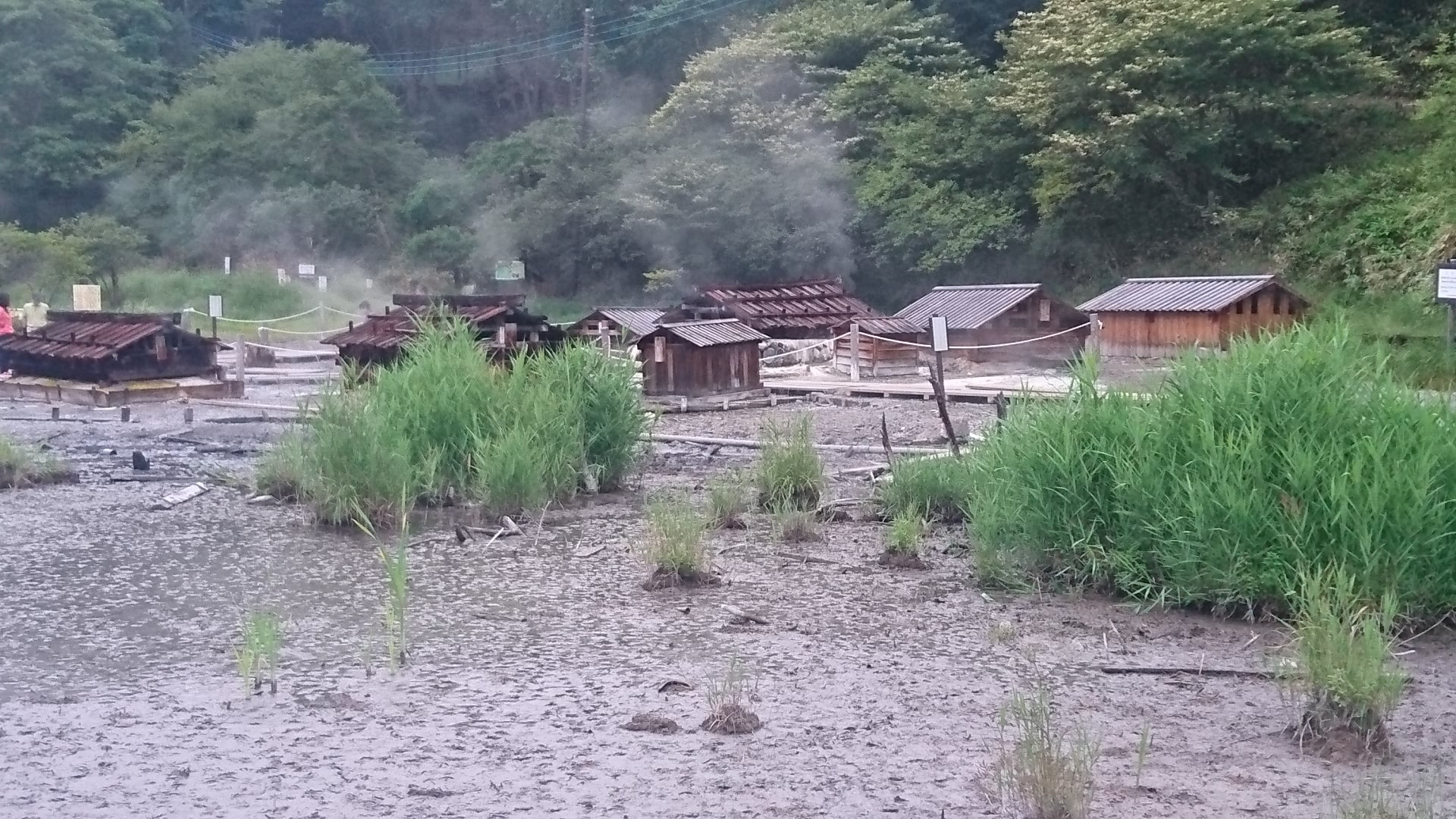
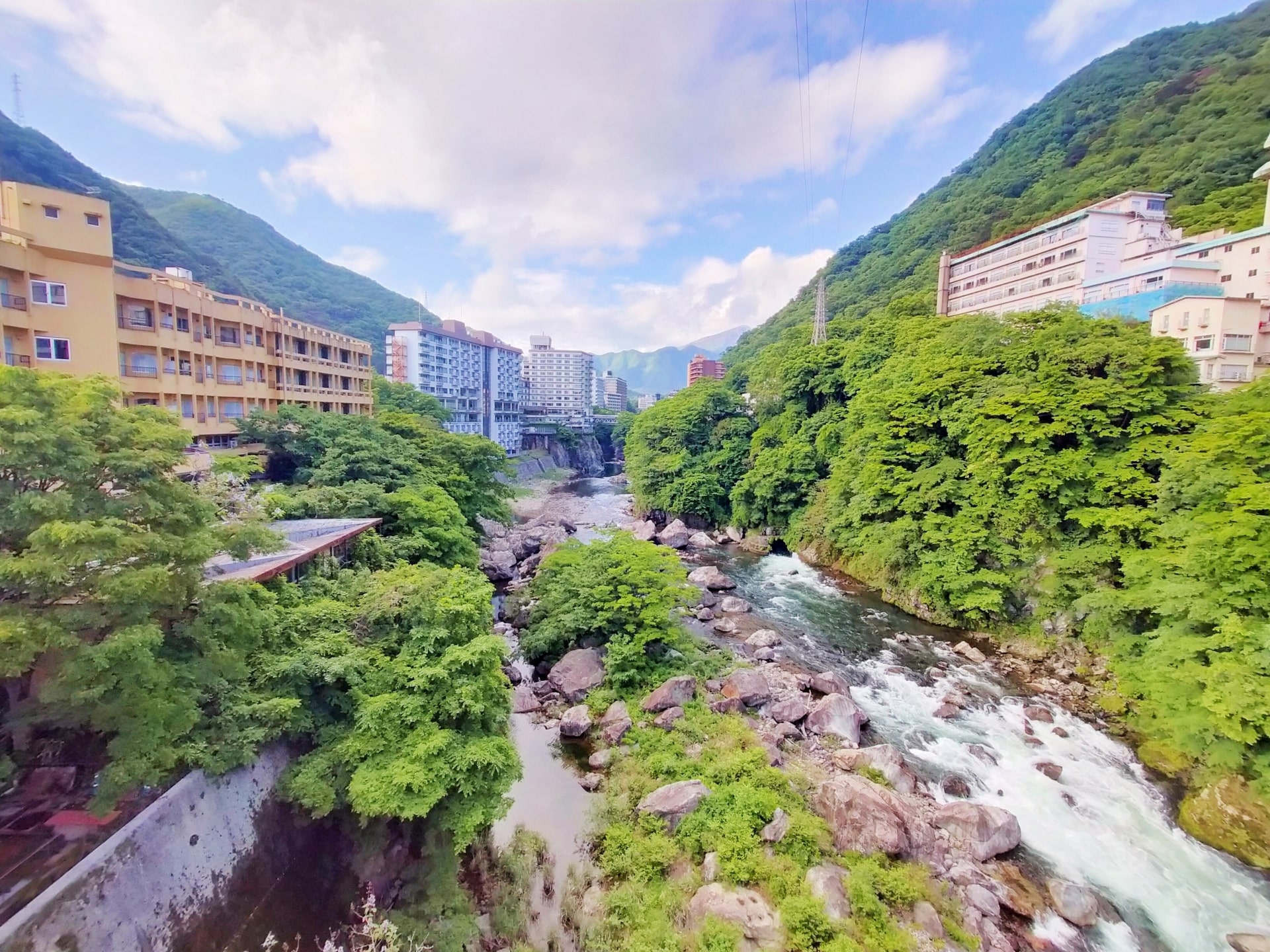
After a day outdoors, the park’s onsen areas provide a natural counterpoint. These hot spring areas are part of how the park is typically experienced, especially on overnight trips.
Yumoto Onsen (湯元温泉), located in Okunikko on the northern shore of Yuno Lake, is known for its sulphur-rich waters and relatively quiet atmosphere. It sits near the trailheads of several hiking routes, which makes it a convenient place to stay if your focus is on outdoor activities.
Closer to the Kinugawa area, Kinugawa Onsen (鬼怒川温泉) offers a wider range of accommodation, from large ryokan complexes to smaller inns. While more developed, it is also easier to access and works well for shorter stays.
Cultural Sites Within the Park
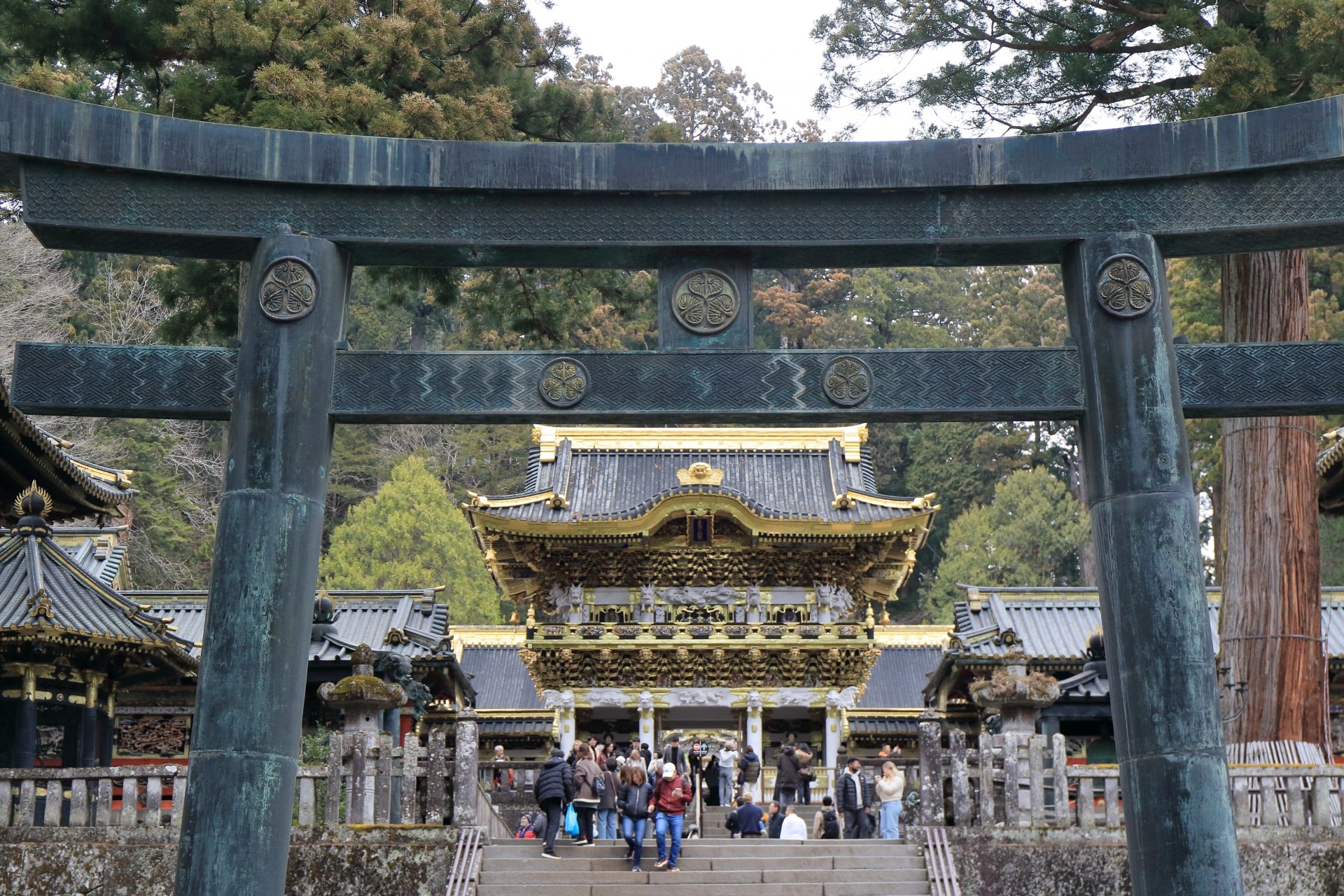
Cultural landmarks exist within the boundaries of Nikko National Park, but they are best approached as a separate layer rather than the main focus of a nature-based visit.
The most prominent example is Nikko Toshogu Shrine (日光東照宮), part of the UNESCO-listed Shrines and Temples of Nikko. It is one of Japan’s most elaborate shrine complexes and draws a large share of visitors to the area.
That said, detailed planning for these sites—tickets, opening hours, and routes—is better handled in our dedicated guide. Within the context of the national park, they serve as an introduction rather than the main event, and most itineraries combine them with time spent in the surrounding natural areas.
Best Time to Visit Nikko National Park
Seasonality shapes everything here: access, trail conditions, visibility, and even how different parts of the park feel. The same route can be a straightforward walk in summer and completely inaccessible just a few months earlier. So planning around the seasons will determine what you can actually do:
Spring (April to May): Transition and Limited Access
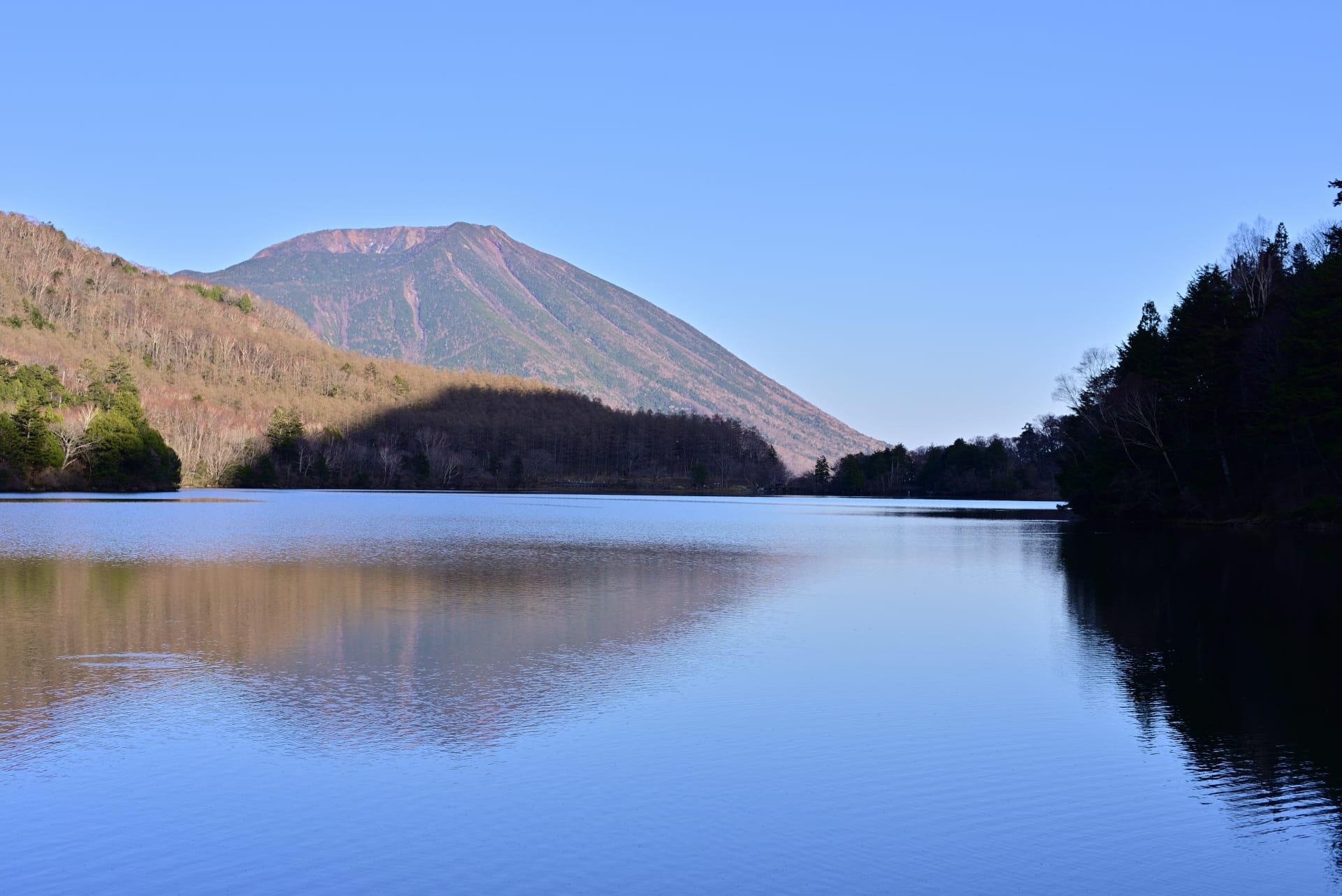
Spring arrives late in the higher elevations of the park. While central Nikko begins to warm up in April, areas like Senjogahara and the slopes of Mount Nantai can still be dealing with lingering snow.
This is a transitional period. Lower areas become accessible, but some hiking routes remain muddy or partially closed. It’s not the most reliable time for trekking, though it can be quieter than the months that follow.
Summer (June to August): Peak Hiking Season
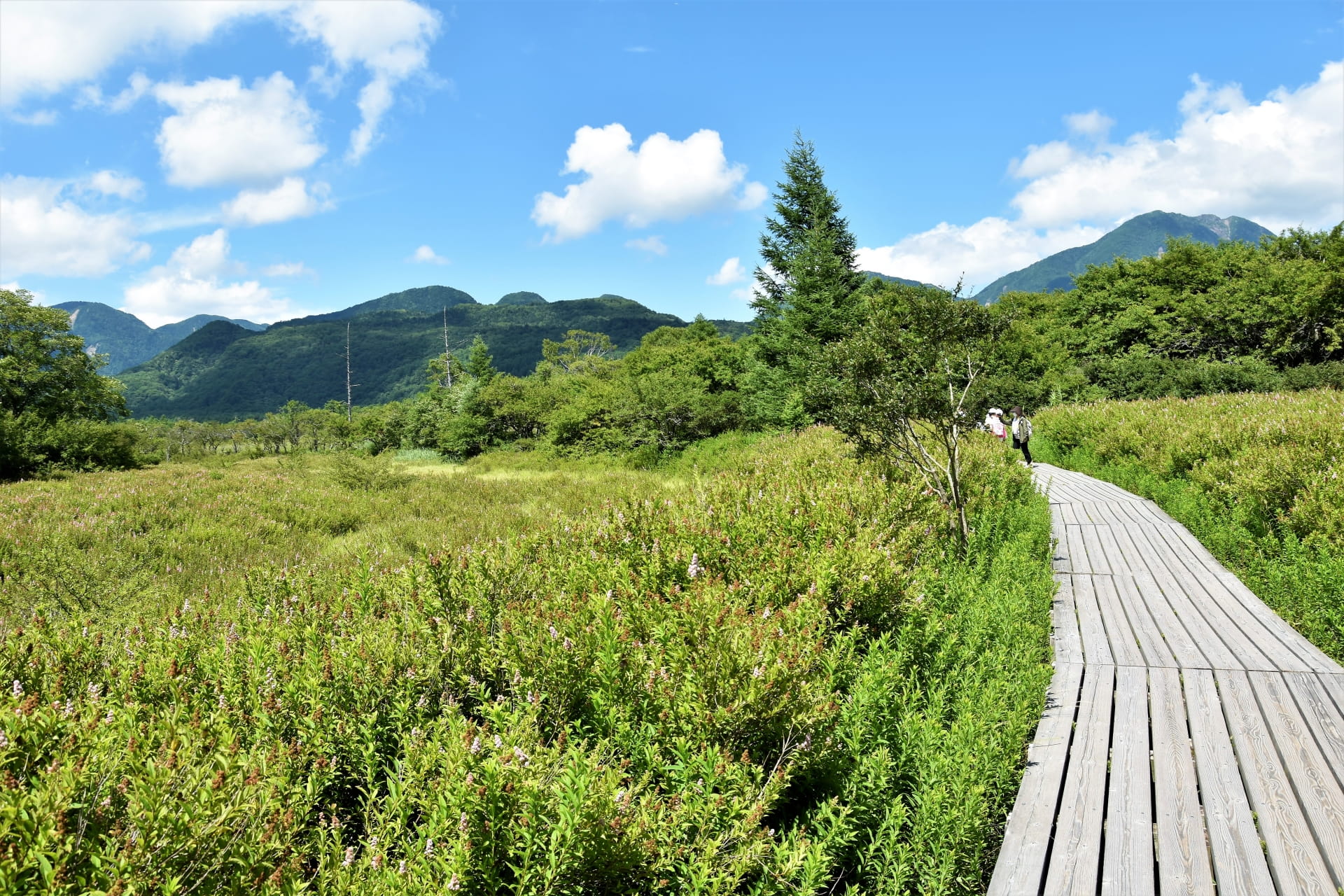
Summer is when Nikko National Park is at its most functional for outdoor activity. Trails across Okunikko and the Nasu area are fully open, and higher elevations offer relief from the heat found in cities like Tokyo.
The boardwalks of Senjogahara are particularly popular during this period, with clear paths and stable conditions. This is also the official climbing season for Mount Nantai, which typically runs from May through October.
Autumn (October to November): Foliage Season
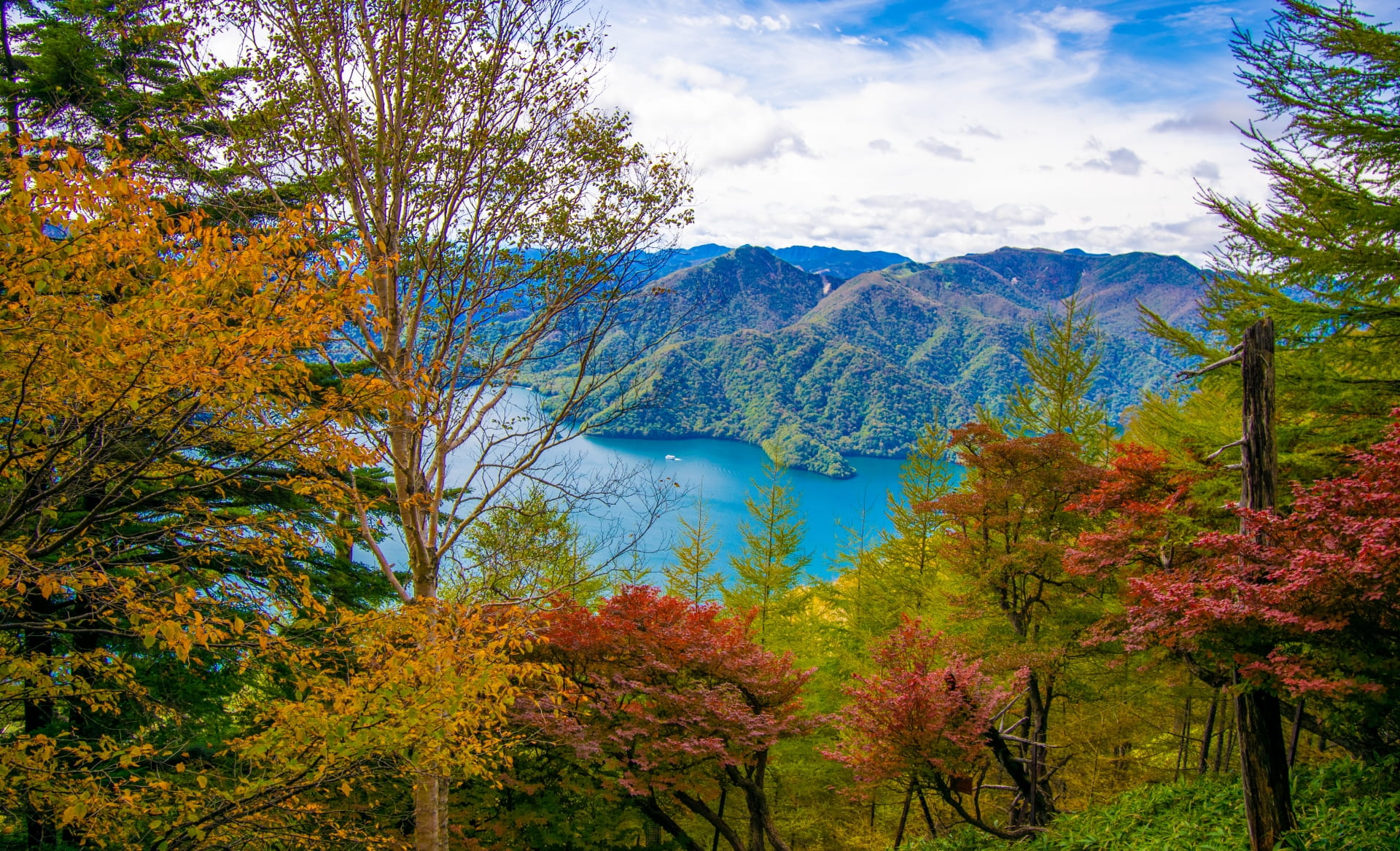
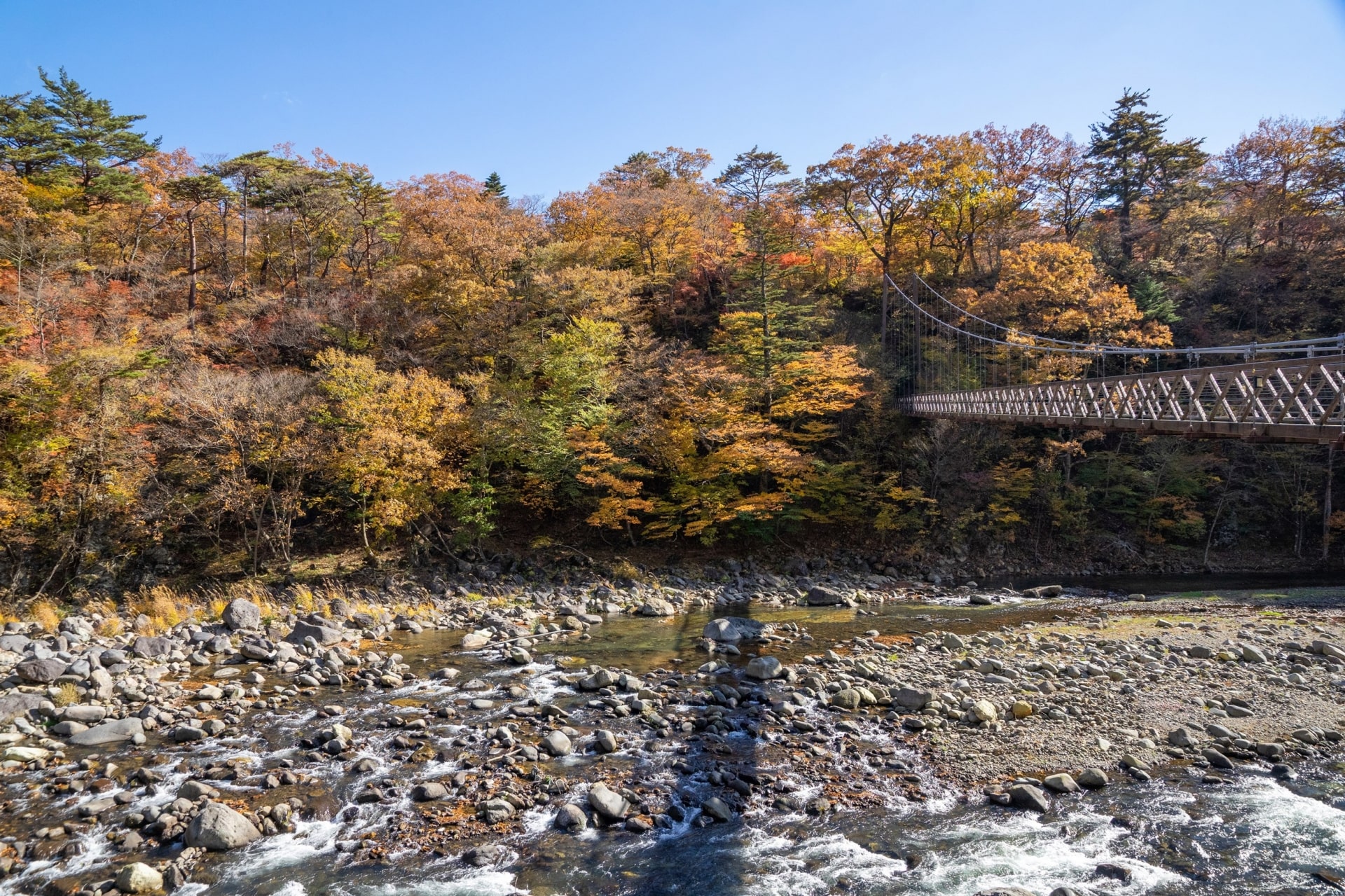
Autumn is the most visually striking time to visit. The forests around Lake Chūzenji and throughout Okunikko turn in stages, usually peaking from early October at higher elevations to early November lower down.
This is also the busiest period. Roads into Okunikko can become congested, and accommodation fills quickly. The trade-off is clear: exceptional scenery, but with heavier crowds and longer travel times.
Winter (December to March): Snow and Restricted Movement
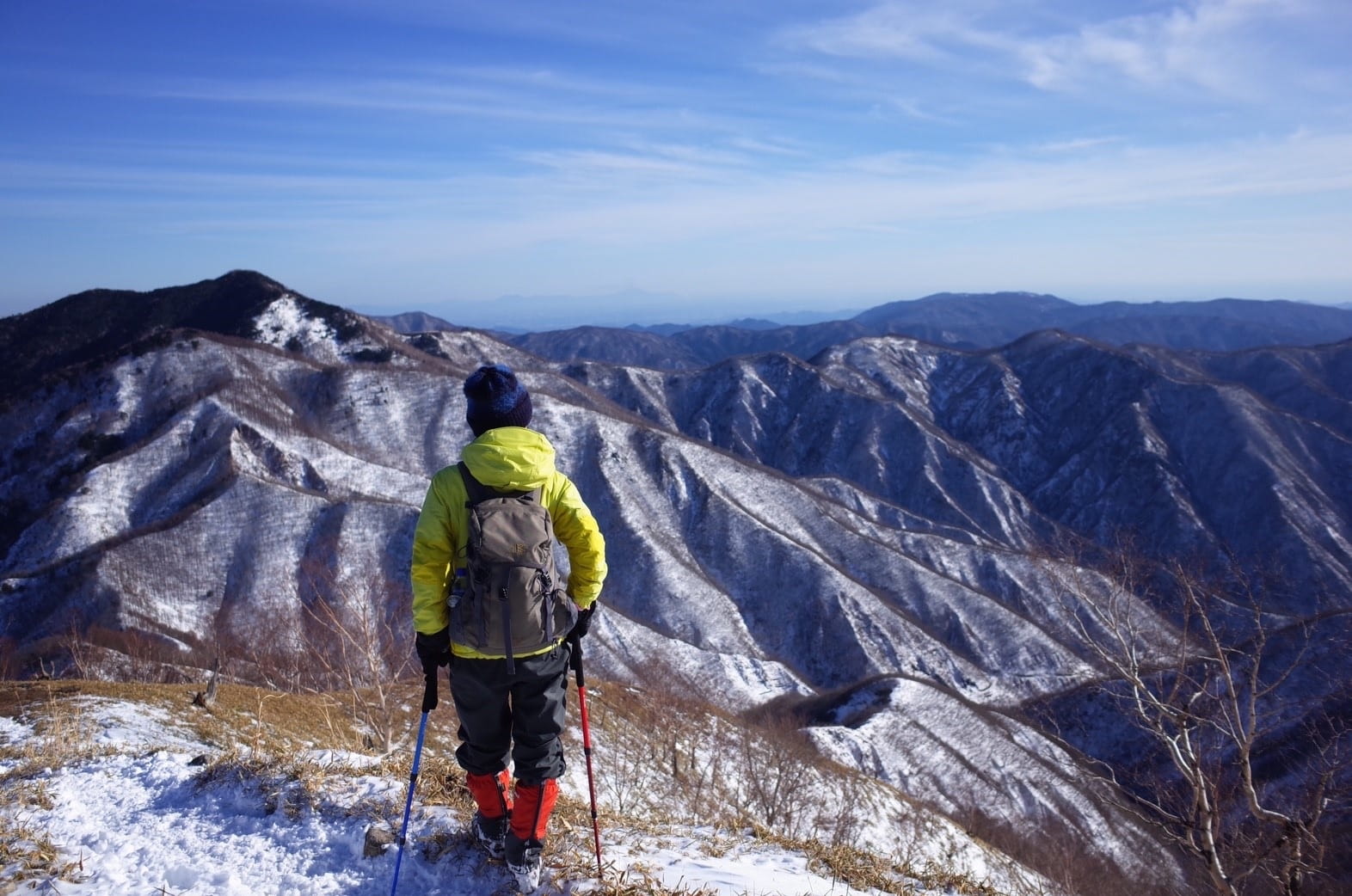
Winter changes the park entirely. Snow covers much of Okunikko, and several roads and trails become inaccessible or require specialised equipment.
That said, this is the season for snowshoeing and quiet landscapes. Areas around Yumoto Onsen remain accessible, and combining outdoor activity with hot springs becomes a defining part of the experience.
For most travellers, winter visits require more preparation and flexibility, but they offer a version of Nikko National Park that feels far removed from peak-season crowds.
When Should You Go?
- For hiking: June to October
- For autumn colours: October to early November
- For quieter travel: late spring or winter (with planning)
Each season has its own drawbacks and advantages, so the key is matching your expectations to what the park can realistically offer at that time of year and plan accordingly.
How to Get to Nikko National Park
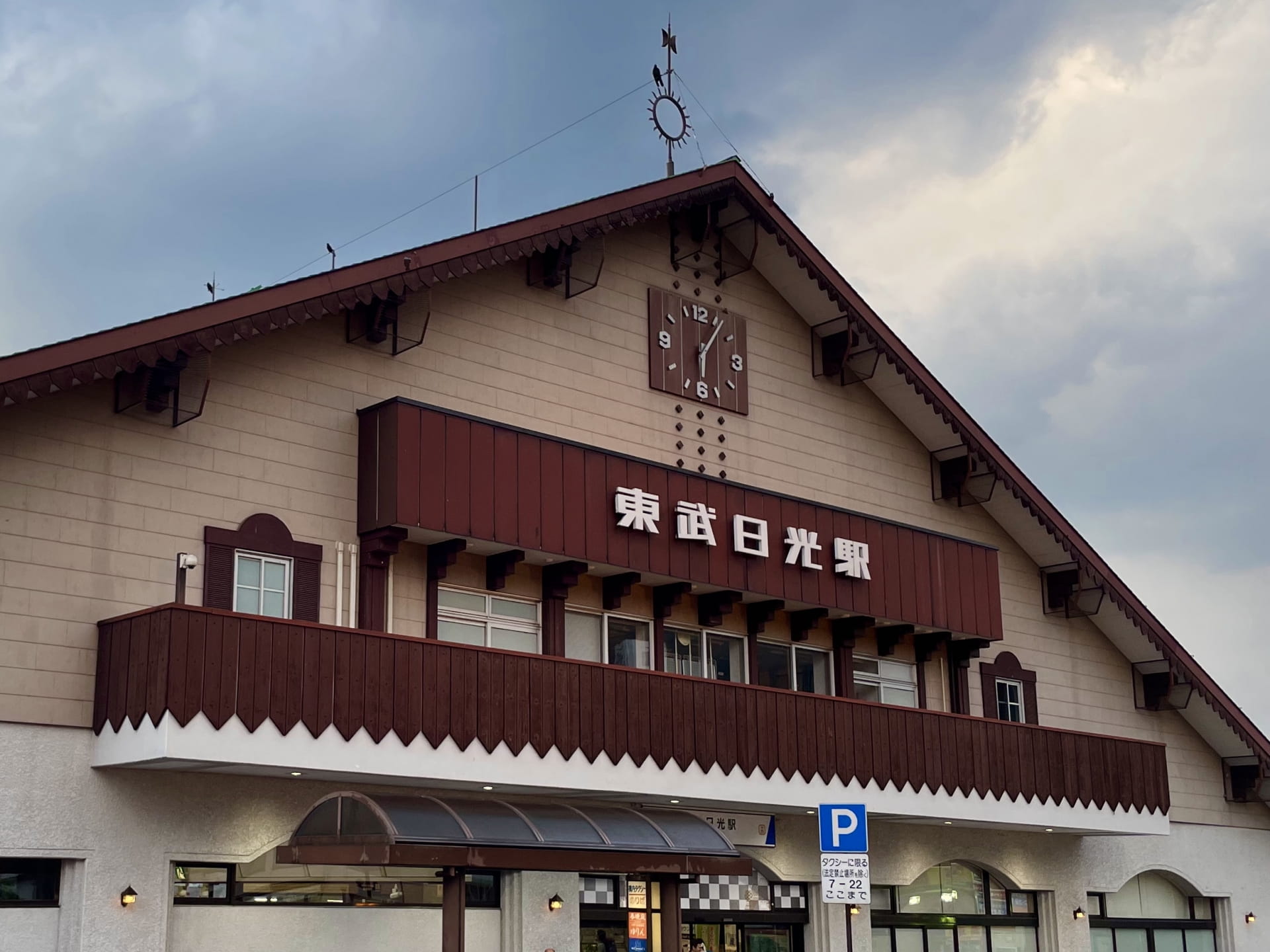
Getting to the park is less straightforward than it first appears, since there is no single “Nikko National Park station,” and access depends entirely on which region you are aiming for. Most routes pass through Nikko city, but from there, transport splits in different directions. As mentioned at the beginning. distances within Nikko National Park are significant, and connections between regions are limited. Moving from Okunikko to Nasu, for example, is not something you do casually in a single day. However, public transport works well within each region while being far less efficient between regions. Depending on your aim, a car provides flexibility, but it is not essential if you plan carefully.
| Access |
Main access through JR Nikko Station or Tobu Nikko Station |
|---|---|
| Official Website |
https://www.env.go.jp/park/nikko/ |
From Tokyo to Nikko
The main gateway is the Nikko area itself, served by two primary rail networks:
- Tobu Railway from Asakusa to Tobu-Nikko or Shimo-Imaichi
- JR lines via Utsunomiya to JR Nikko Station
Both options take roughly 2 hours, depending on the service. Tobu is often more convenient for direct access, while JR can be better if you are using a rail pass. At this stage, you are not yet in the national park’s core natural areas, only at the edge of it.
For more details about reaching Nikko from Tokyo, check our dedicated guide!
Reaching Okunikko (Lake Chuzenji and Beyond)
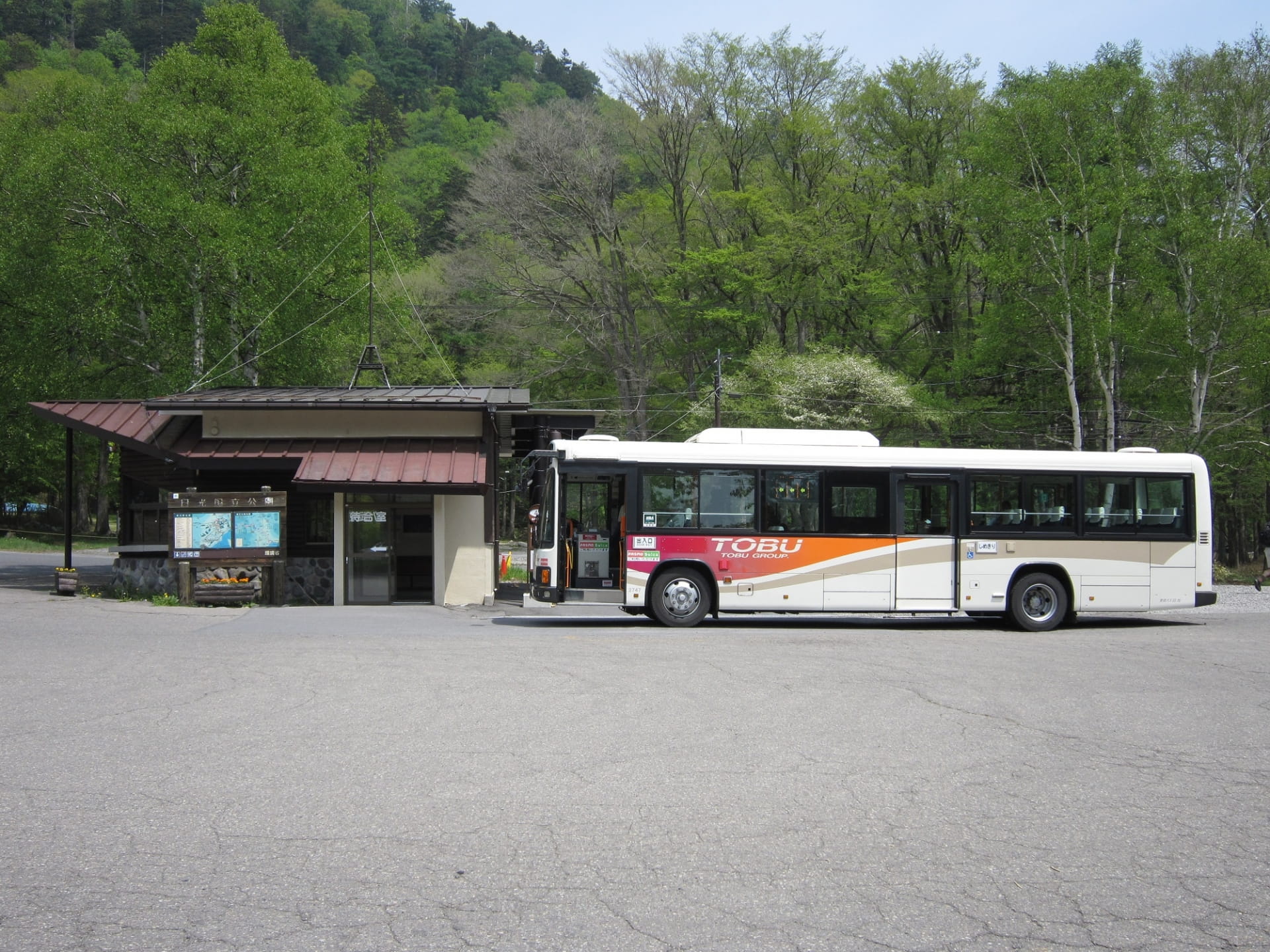
To access the higher-elevation section around Lake Chūzenji and Senjogahara, buses depart from both JR Nikko and Tobu-Nikko stations. This is the most common route for visitors and the easiest way to access hiking areas without a car.
- Travel time: 40–70 minutes depending on destination
- Route includes the Irohazaka mountain road
- Buses continue as far as Yumoto Onsen
Accessing Kinugawa and Ryuokyo Gorge
The Kinugawa area is reached via Tobu Railway from Asakusa or via transfers from Nikko. This route is separate from Okunikko and does not connect directly by simple public transport, which is why planning matters.
- Kinugawa Onsen Station is the main hub
- From there, local trains or buses reach Ryuokyo Gorge
Getting to Nasu and Shiobara
These areas require more deliberate routing and are often overlooked for that reason. Travel times are longer, and services are less frequent compared to Nikko and Kinugawa, so these regions are better suited to overnight stays rather than quick visits.
- Nasu is accessed via JR lines to Nasushiobara Station, followed by buses toward the mountain area
- Shiobara is also reached via Nasushiobara Station, then bus into the onsen and hiking regions.
Practical Information for Visitors
A trip to Nikko National Park doesn’t require complex logistics, but small details make a noticeable difference once you’re on the ground. Distances are larger than they appear on a map, weather shifts quickly in higher elevations, and transport options thin out outside the main routes.
Entrance Fees and Opening Hours
Unlike many national parks globally, Nikko National Park has no general admission fee. You can access trails, lakes, and public natural areas freely.
Costs only apply to specific sites within the park:
- Observation decks (e.g. at Kegon Falls)
- Cultural landmarks such as Nikkō Tōshōgū
- Ropeways in areas like Mount Nasu
Opening hours vary by facility, but natural areas themselves are accessible year-round unless restricted by weather.
Getting Around Inside the Park
Public transport is reliable but region-specific.
- Buses connect central Nikko to Okunikko (Lake Chuzenji, Senjogahara, Yumoto Onsen)
- Separate rail lines serve Kinugawa
- Nasu and Shiobara rely more heavily on bus networks from JR stations
There is no single transport system covering the entire park seamlessly. Planning routes in advance, specially return journeys, is essential.
Weather and What to Expect
Conditions vary significantly depending on elevation.
- Okunikko is cooler than the lowlands, even in summer
- Snow can persist into spring and arrive early in autumn
- Sudden weather changes are common in exposed areas like Mount Nasu
Layered clothing and basic preparation go a long way, even for short hikes.
Trail Conditions and Safety
Most popular routes are well maintained, but difficulty varies. Signage is generally clear, though not always in English in more remote areas.
- Boardwalks like Senjogahara are suitable for most visitors
- Mountain routes such as Mount Nantai are physically demanding
- Some trails close seasonally due to snow or safety concerns
Planning Your Stay
Because of travel times, a day trip only allows for a limited view of Nikko National Park. Staying overnight, especially near hiking areas or onsen towns, changes the pace entirely and allows you to experience the park beyond its most accessible points.
- Okunikko works for a long day trip, but benefits from an overnight stay
- Kinugawa is well-suited for short stays with easy access
- Nasu and Shiobara are better approached as dedicated trips
Is Nikko National Park Worth Visiting?
Short answer: yes, but not for the reasons most itineraries suggest.
If your plan is limited to a quick stop at Nikko Toshogu, followed by Kegon Falls and Lake Chuzenji, then you’re essentially visiting Nikko as a day-trip destination. It’s efficient, but it only captures a small portion of what the area actually offers.
The value of Nikko National Park comes from scale and variety. Within a relatively compact region, you have:
- High-altitude wetlands like Senjogahara
- Volcanic climbs such as Mount Nantai
- Gorge walks around Ryuokyo Gorge
- Less-visited areas like Nasu and Shiobara
What makes it worth visiting is not any single landmark, but the ability to combine these environments into a trip that can be adapted to different travel styles.
Who Will Enjoy It Most
- Hikers and outdoor-focused travellers
The park delivers consistent, varied routes without requiring technical expertise for most trails. - Repeat visitors to Japan
Those who have already seen the standard highlights often find this area far more rewarding on a second trip. - Travellers willing to stay overnight
Spending a night near Yumoto Onsen or Kinugawa changes the experience completely, allowing time for early starts, longer hikes, and quieter moments.
When It May Not Be Ideal
- Tight itineraries based in Tokyo
A rushed day trip limits what you can realistically see. - Travellers focused only on cultural landmarks
In that case, central Nikko, and especially Nikko Toshogu, will be the main focus, not the park itself.
The Bottom Line
Nikko National Park works best when approached as a destination in its own right, not as an extension of a Nikko sightseeing checklist. Give it time, choose a region, and the experience shifts from a series of stops to something closer to a proper outdoor trip.
FAQ About Nikko National Park
Is Nikko National Park free to enter?
Yes. The park itself has no entrance fee, which is standard for national parks in Japan. You only pay for specific attractions such as Kegon Falls (elevator access), cultural sites like Nikko Toshogu, or ropeways in volcanic areas like Mount Nasu.
How many days do you need for Nikko National Park?
One day is a popular choice, but a single overnight stay already improves the experience significantly.
- 1 day: Covers central Nikko and possibly Lake Chuzenji, but at a rushed pace
- 2 days: Allows time for Okunikko, including Senjogahara and nearby waterfalls
- 3+ days: Ideal if you want to explore multiple regions like Kinugawa, Shiobara, or Nasu
What is the best time to visit?
- Autumn (October–early November): Peak foliage season, especially around Lake Chuzenji and Senjogahara
- Summer: Cooler temperatures in Okunikko compared to Tokyo
- Winter: Snow-covered landscapes, with access limited in some areas
- Spring: Later blooming season than Tokyo due to elevation
Each season changes the landscape noticeably, particularly in higher-altitude zones.
Can you visit Nikko National Park as a day trip from Tokyo?
Yes, and many people do. However, a day trip usually focuses on:
- Nikko Toshogu
- Kegon Falls
- Lake Chūzenji
This gives a good introduction but leaves out much of the park’s natural diversity. Staying overnight opens access to quieter and more remote areas.
Is Nikko National Park good for hiking?
Yes, and this is where it stands out.
- Easy walks: Senjogahara boardwalk trails
- Moderate hikes: forest routes around Lake Chūzenji
- Challenging climbs: Mount Nantai
Trails are generally well-maintained, with clear paths in popular areas.
Are there hot springs (onsen) in Nikko National Park?
Yes, several:
- Yumoto Onsen: Known for its sulfur-rich waters in a quiet mountain setting
- Kinugawa Onsen: Larger resort-style area with easy access
- Shiobara: A mix of riverside baths and traditional inns
These areas are often integrated into travel plans as overnight stays rather than short visits.
Do you need a car to explore Nikko National Park?
Not necessarily. Public transport works well in:
- Central Nikko and Okunikko
- Kinugawa Onsen
However, areas like Nasu and Shiobara are easier to explore with a car due to limited bus coverage and wider distances.
Is Nikko National Park suitable for beginners?
Yes, if you choose the right areas. You don’t need hiking experience to enjoy:
- Scenic viewpoints
- Short walking trails
- Lakeside paths around Lake Chūzenji
More demanding routes exist, but they’re optional rather than unavoidable.
For more information about traveling in Japan, check these articles below, too!

Written by
Photographer, journalist, and avid urban cyclist, making sense of Japan since 2017. I was born in Caracas and lived for 14 years in Barcelona before moving to Tokyo. Currently working towards my goal of visiting every prefecture in Japan, I hope to share with readers the everlasting joy of discovery and the neverending urge to keep exploring.
- +1 1
-
-