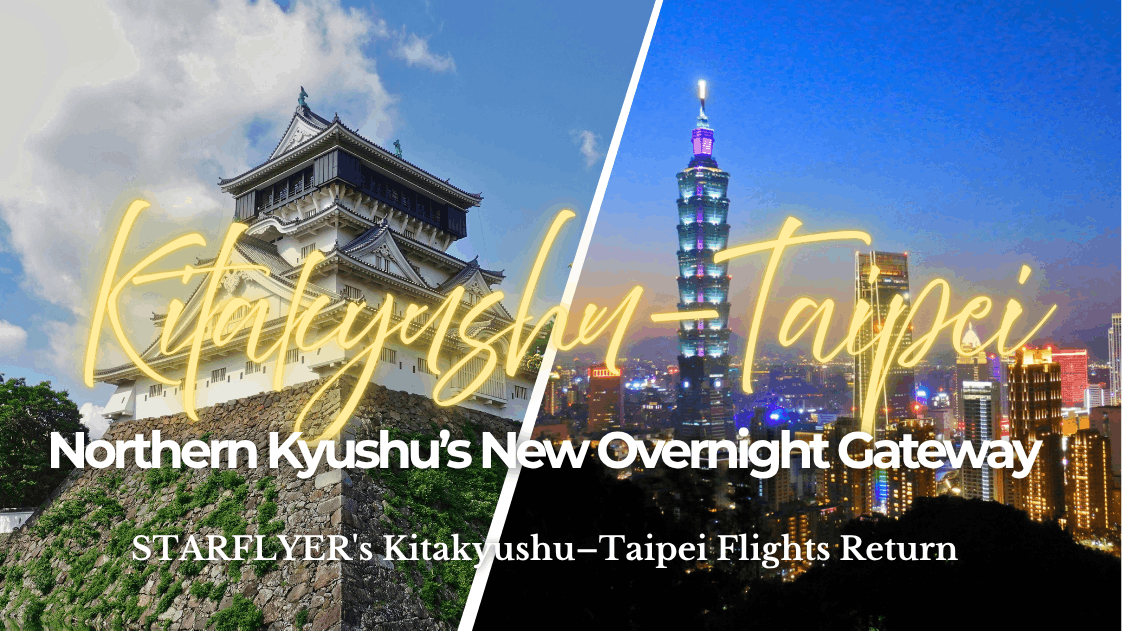
STARFLYER Relaunches Kitakyushu–Taipei: Northern Kyushu’s New Overnight Gateway
Fly overnight from Taipei and begin exploring northern Kyushu from the moment morning arrives

- +0 0
-

-


For six years, STARFLYER’s scheduled international services remained suspended. That changes in September 2026, when the Kitakyushu-based airline resumes direct flights between Kitakyushu Airport and Taipei Taoyuan International Airport.
The route was launched in 2018 and suspended in March 2020 amid the COVID-19 pandemic. Its return marks STARFLYER’s first scheduled international service since that suspension and restores a useful link between Taiwan and northern Kyushu.
For travelers who have never considered Kitakyushu as an entry point to Japan, the relaunch creates a new option. Taipei Taoyuan is a major international gateway in East Asia, while the flight to Kyushu takes only around two and a half hours. Thanks to the overnight schedule, passengers can arrive in Japan early in the morning and begin exploring northern Kyushu the same day.
Here is what is changing, how the summer and winter schedules differ, and how travelers can build a trip around the relaunched route.
The News in One Table
Kitakyushu–Taipei Route Overview
| Detail | Information |
|---|---|
| Route | Kitakyushu Airport (KKJ) ⇄ Taipei Taoyuan International Airport (TPE) |
| Relaunch date | September 2, 2026, from Kitakyushu; September 3, 2026, from Taipei |
| Frequency | Three round trips per week |
| Kitakyushu → Taipei | Flight SFJ (7G) 801, operating Sunday, Wednesday and Friday |
| Taipei → Kitakyushu | Flight SFJ (7G) 800, operating Monday, Thursday and Saturday |
| Aircraft | Airbus A320 |
| Flight time | Approximately 2 hours 30 minutes |
| Carrier | STARFLYER, IATA code 7G |
STARFLYER has announced separate operating times for the 2026 summer and winter timetable periods. All times below are local.
2026 Summer Timetable
Operating period: September 2–October 24, 2026
Kitakyushu–Taipei Flight Schedule
| Route | Flight | Departure | Arrival | Operating days |
|---|---|---|---|---|
| Kitakyushu → Taipei | SFJ/7G801 | 23:40 | 01:10 the following day | Sun / Wed / Fri |
| Taipei → Kitakyushu | SFJ/7G800 | 03:00 | 06:20 | Mon / Thu / Sat |
2026 Winter Timetable
Operating period: October 25, 2026–March 27, 2027
Kitakyushu–Taipei Flight Schedule
| Route | Flight | Departure | Arrival | Operating days |
|---|---|---|---|---|
| Kitakyushu → Taipei | SFJ/7G801 | 23:50 | 01:30 the following day | Sun / Wed / Fri |
| Taipei → Kitakyushu | SFJ/7G800 | 03:00 | 06:15 | Mon / Thu / Sat |
The route therefore remains a late-night departure from Kitakyushu and an early-morning arrival from Taipei during both timetable periods, although the exact times vary slightly. Flight schedules are subject to change, so passengers should confirm the latest information for their travel dates.
This is a relaunch rather than a completely new route. STARFLYER began serving Taipei Taoyuan from Kitakyushu in October 2018 and suspended its international services in March 2020. The 2026 restart closes a gap of approximately six years.
Why the Late-Night Schedule Can Work Well
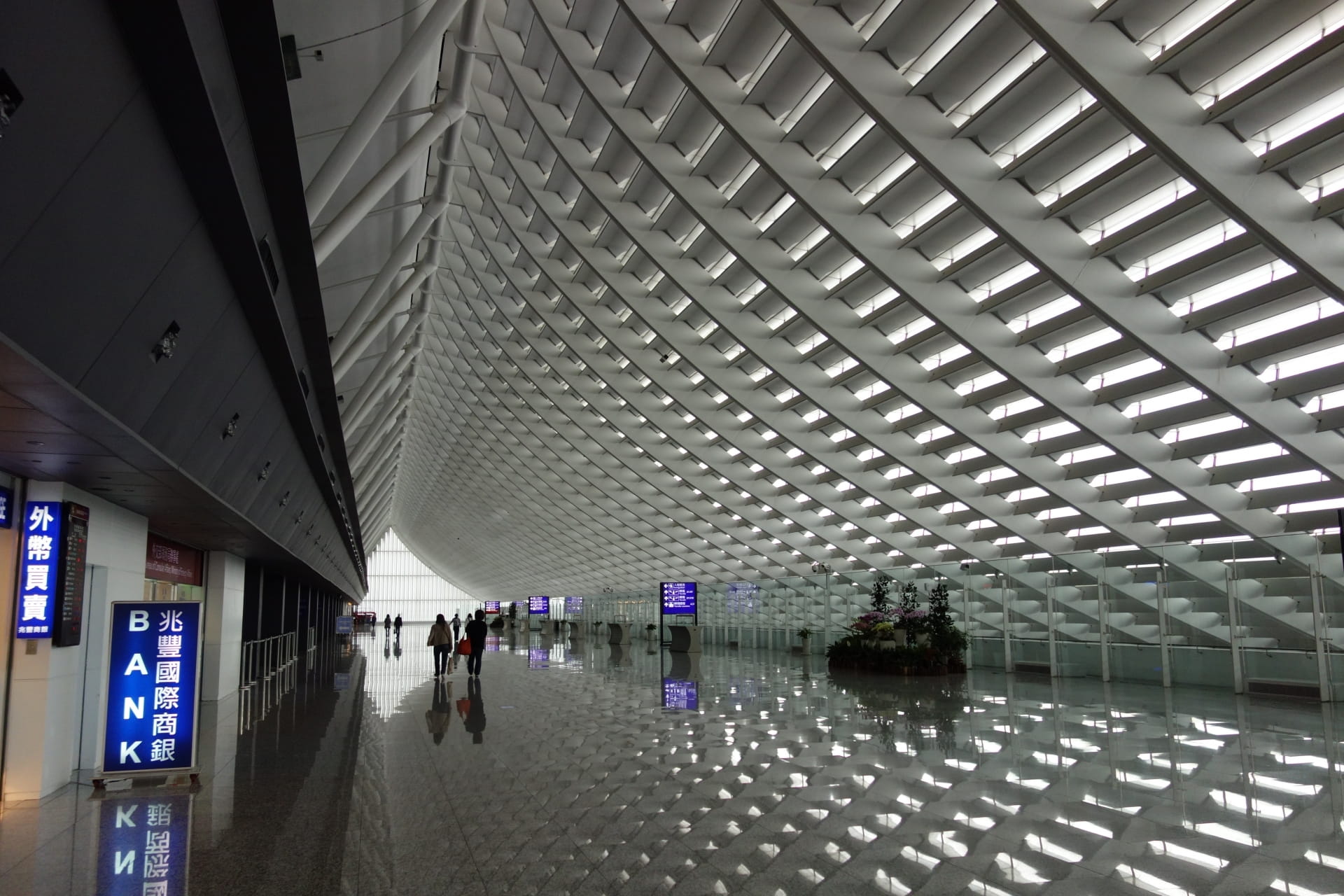
The unusual timetable is one of the route’s defining features.
Kitakyushu Airport operates 24 hours a day, allowing airlines to schedule flights during periods when many other Japanese airports are subject to nighttime operating restrictions. Its offshore location gives STARFLYER the flexibility to use late-night and early-morning slots that would be difficult to arrange at some major city airports – unlike Fukuoka Airport, which sits in the middle of the city and shuts overnight. We break down the two airports’ very different personalities in our Fukuoka Airport vs Kitakyushu Airport comparison.
For travelers, the schedule creates two main advantages.
When flying into Kitakyushu, passengers arrive early in the morning with most of the day still available. Immigration and customs processing are often quicker at compact regional airports than at Japan’s largest international gateways, although waiting times will depend on staffing, passenger numbers and other arrivals.
After completing the arrival procedures, travelers can often reach Kokura in time for breakfast. However, this is a short overnight flight rather than a full night’s journey, so passengers should not expect uninterrupted sleep. Booking accommodation that offers luggage storage or early check-in can make the first morning easier.
When flying from Kitakyushu to Taipei, the late-night departure allows passengers to spend almost a complete final day in Japan before heading to the airport. The trade-off is an arrival in Taipei after midnight, so transportation and accommodation on the Taiwan side should be planned in advance.
The reverse flight also requires passengers to check in at Taoyuan International Airport during the middle of the night. Travelers should confirm whether their preferred public transportation is operating or arrange a taxi, airport hotel, or another suitable option.
This schedule will not suit everyone. However, for travelers willing to forgo a conventional departure time to gain more daylight hours at their destination, it can be an efficient way to combine a visit to Taiwan with a trip to Kyushu.
What Flying STARFLYER Is Actually Like
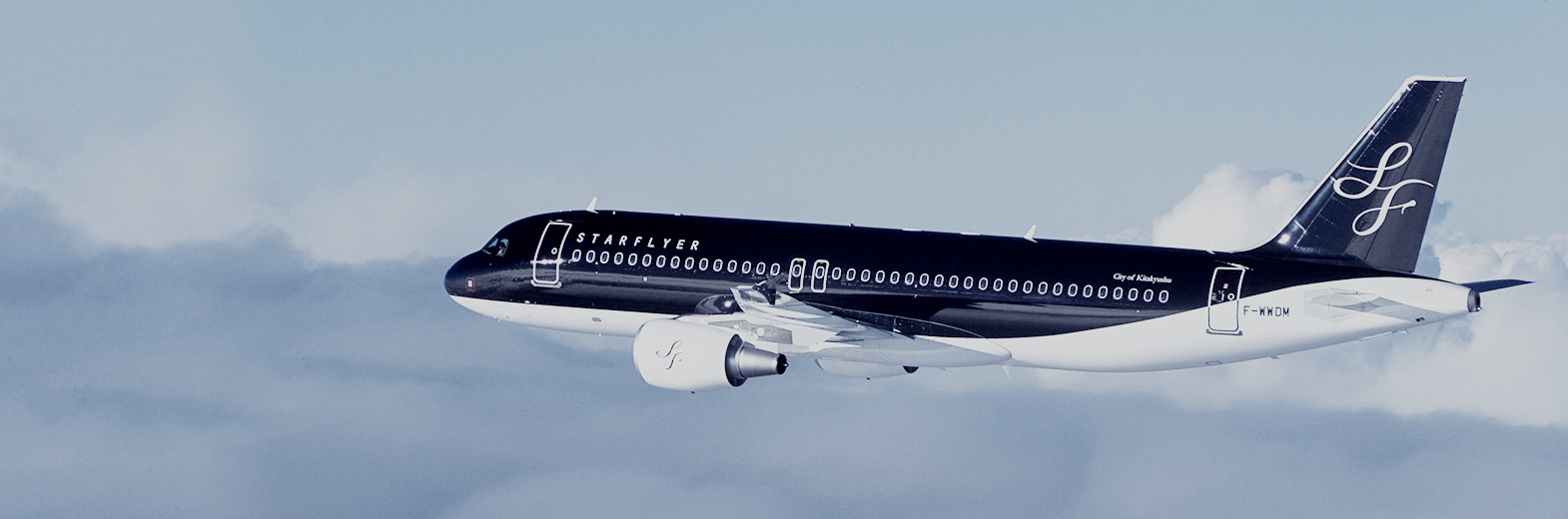
STARFLYER is not generally positioned as a low-cost carrier. Instead, it occupies a middle ground between budget airlines and larger full-service carriers, placing particular emphasis on cabin comfort and design.
The airline has also received high customer-satisfaction ratings in multiple Japanese aviation surveys over the years.
A Distinctive Cabin
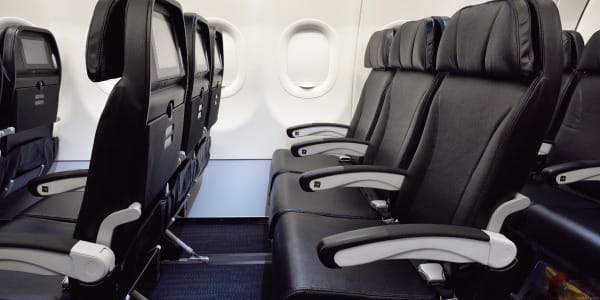
STARFLYER is well known for its dark, lounge-like interiors and signature black leather seats.
For the Taipei service, the airline states that it has intentionally reduced seat counts to provide a more generous seat pitch. This allows the international route to retain the sense of space for which STARFLYER is known.
A Practical Checked-Baggage Allowance

The standard international checked-baggage allowance is up to 30 kg per passenger, with no set limit on the number of pieces as long as the combined weight remains within the allowance. Each checked item must generally have total external dimensions of no more than 203 cm.
This allowance is useful for travelers planning to bring home items such as pottery, packaged food or other regional souvenirs. Passengers should still confirm the conditions attached to their particular fare and booking before departure.
Regional Touches

STARFLYER also incorporates elements of its home region into the onboard experience. Its international service includes light refreshments such as sweets that have long been popular locally.
These details help make the relatively short flight feel more considered without attempting to turn it into a luxury experience.
For more on how the airline can fit into a broader trip, see our guide, How to Travel from Tokyo to Kyushu with STARFLYER.
What It Costs—and What to Budget For
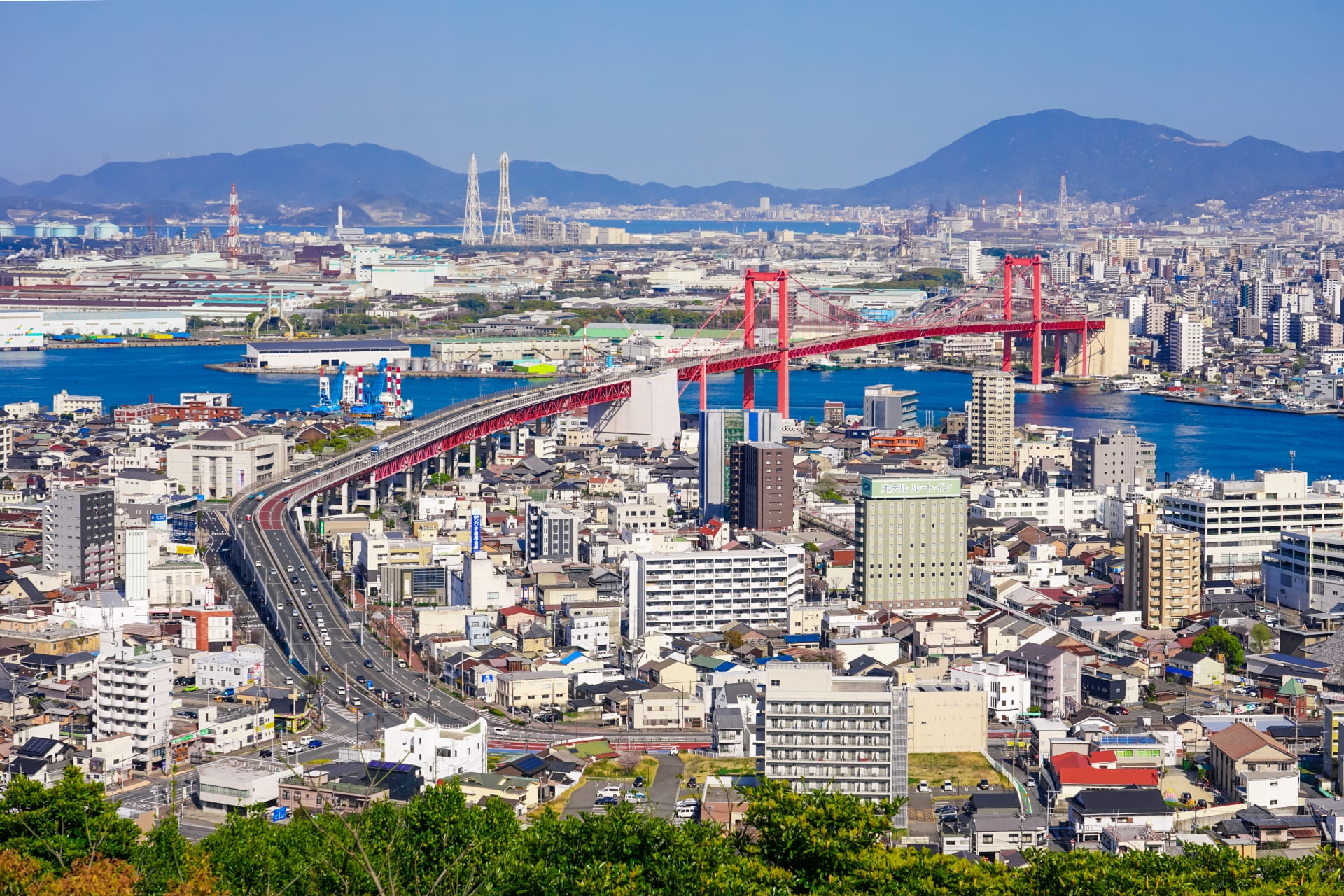
STARFLYER offers three main international fare categories on the Kitakyushu–Taipei route. Each provides a different balance between price and flexibility.
STARFLYER Fare Types
| Fare type | General positioning | Suitable for |
|---|---|---|
| STAR COMET | Lowest standard fare with greater restrictions | Travelers with fixed dates |
| STAR PLANET | Mid-level fare offering more flexibility | Travelers whose plans may change |
| STAR UNIVERSE | Highest-flexibility fare | Flexible or business-style travel |
Promotional STAR COMET fares may occasionally be available at prices considerably below the regular fare. However, the lowest advertised rate is usually limited to selected flights and a restricted number of seats. It should therefore be treated as a promotional starting point rather than the typical price for every date.
The fare initially displayed is also not necessarily the final amount. Travelers may need to pay:
- fuel surcharges;
- airport passenger service or security charges;
- applicable taxes; and
- the International Tourist Tax on departures from Japan.
From July 1, 2026, the International Tourist Tax is generally 3,000 yen per departure from Japan. Certain exemptions and transitional rules may apply, including for some tickets contracted before the tax increase. Be sure to check the current total directly through STARFLYER’s official booking system.
The main appeal is therefore not necessarily the lowest possible ticket price. It is the balance of an overnight schedule, included checked baggage, and additional cabin space.
Why This Route Matters for Your Trip
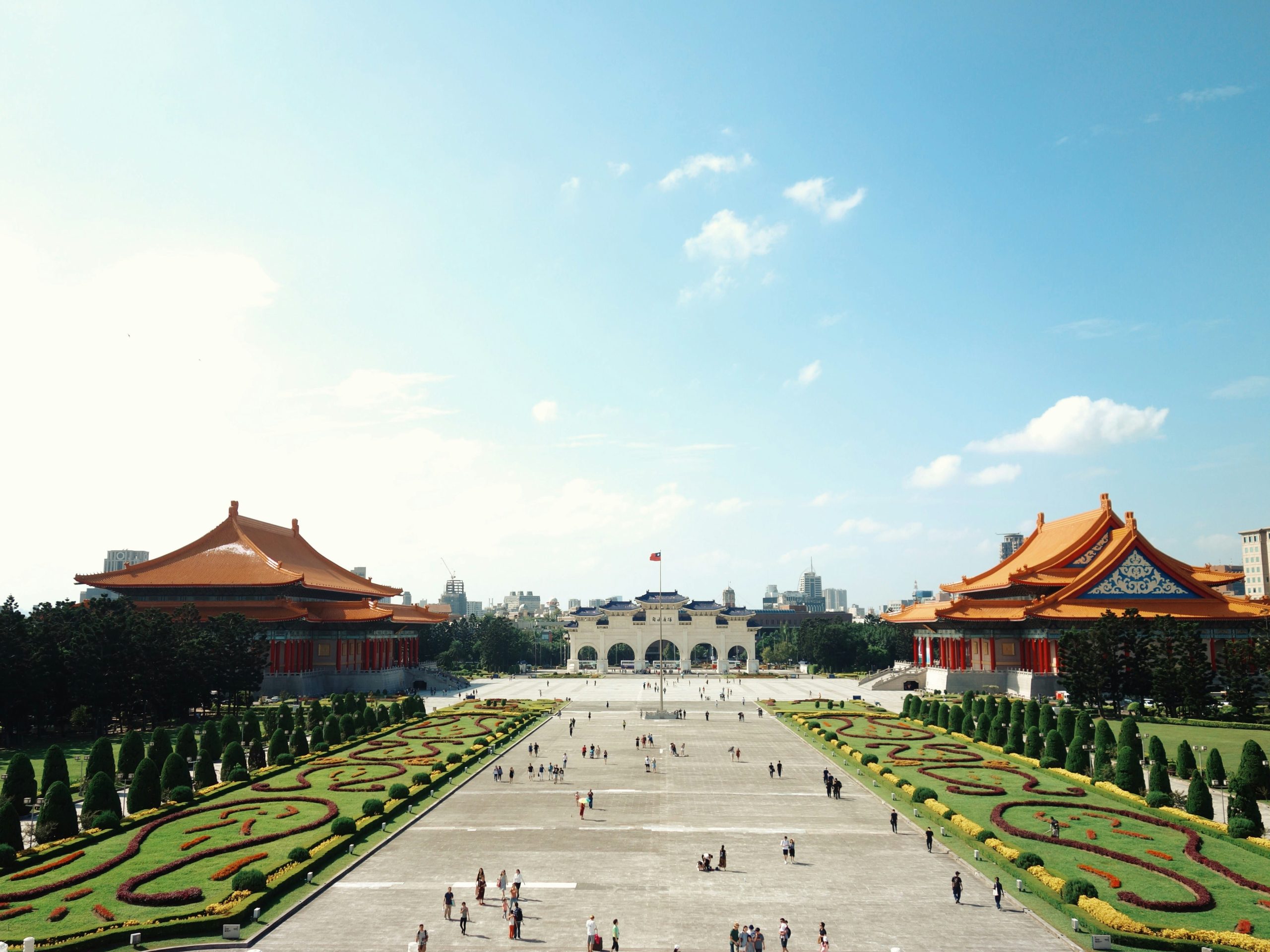
Three weekly round trips will not transform Asian aviation, but the connection can be genuinely useful for independent travelers interested in exploring beyond Japan’s most familiar destinations.
1. Taipei Is a Major International Gateway
Taoyuan International Airport provides connections to destinations across Asia and to long-haul markets farther afield.
Travelers whose itinerary already includes Taiwan can now continue directly to northern Kyushu without first flying through Tokyo or Osaka. This creates an alternative entry point to Japan that avoids some of the country’s busiest international airports.
Separate tickets should be treated carefully, however. Unless an onward journey is issued as a protected through-booking, passengers may need to enter Taiwan, collect their luggage and check in again. A generous connection window is essential.
2. It Makes a Taiwan and Kyushu Combination Easier
Taiwan and Kyushu are natural travel partners. Both are known for distinctive regional food, mountain landscapes and strong hot-spring cultures, yet each offers a very different travel experience.
The short overnight flight means travelers can finish a day in Taiwan and arrive in Japan early the following morning—or spend a final day in Kyushu before flying to Taipei late at night.
For more ideas, see Why More Travelers Are Choosing Kyushu in 2026.
3. It Places Travelers at the Northern End of Kyushu
Arriving at Kitakyushu allows visitors to begin in a castle-and-port city that many international travelers overlook before continuing south toward Fukuoka.
This produces a logical route with little backtracking: start in Kitakyushu, explore the surrounding area, and then continue to Fukuoka for its shopping, restaurants, and nightlife.
That is also the structure behind our 3-Day Fukuoka & Kitakyushu Itinerary.
Find the best flights from Taipei to Kyushu
Fly overnight from Taipei to Kitakyushu and wake up in northern Kyushu — a convenient new gateway to one of Japan’s most rewarding regions.
After You Land: Your First Morning in Northern Kyushu
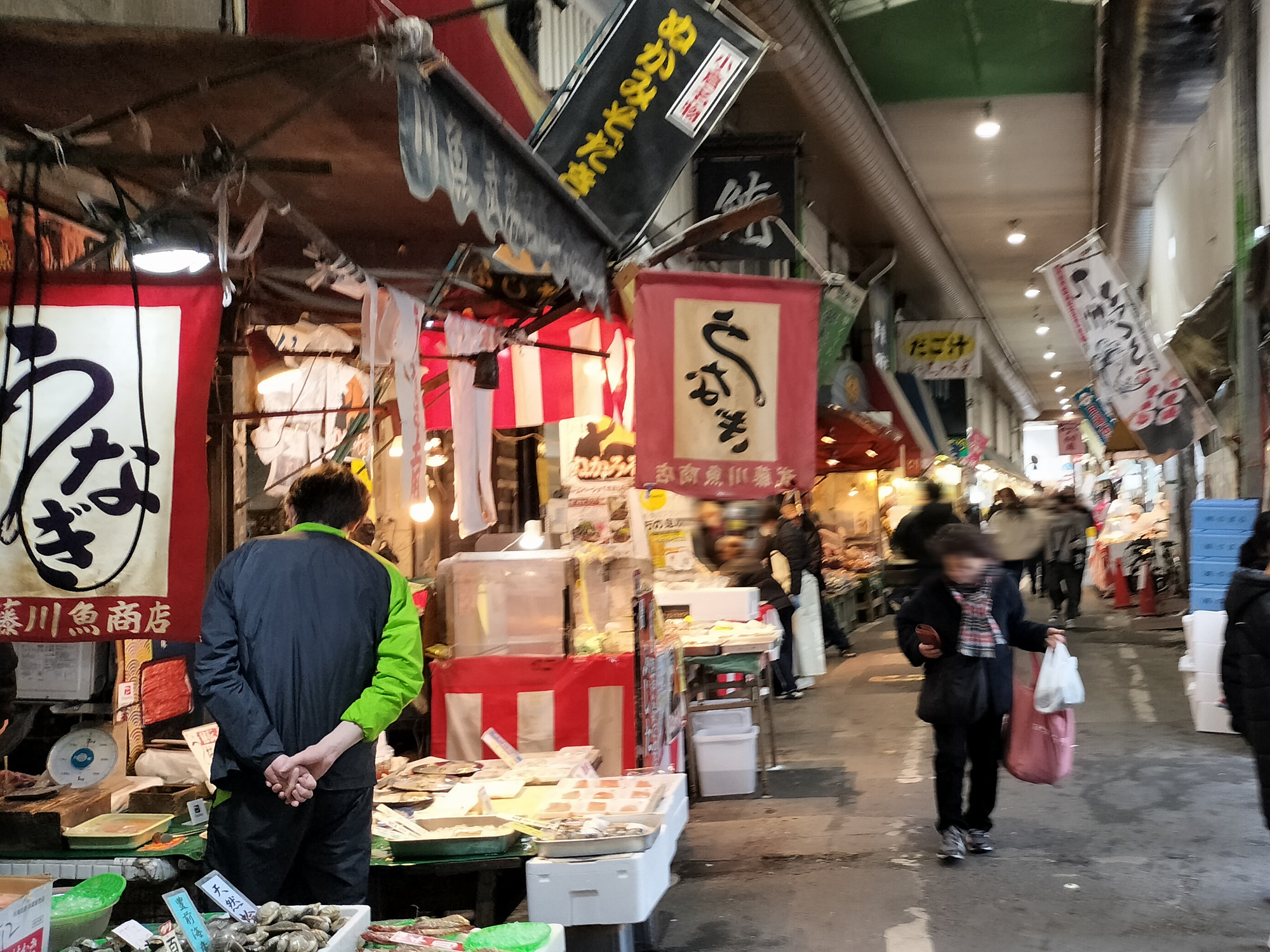
Passengers arriving from Taipei will arrive in Kitakyushu early in the morning. A compact regional airport can offer a relatively smooth introduction to Japan, but travelers using the newly relaunched service should leave some flexibility in their first-day schedule.
Allow Time for Immigration and Customs
Kitakyushu Airport is considerably smaller than Japan’s major international gateways, and there are unlikely to be large numbers of long-haul passengers arriving at the same time.
Nevertheless, processing times can vary. Avoid making tightly timed reservations immediately after arrival, particularly during the first weeks of the relaunched route.
Travel to Kokura
Airport buses connect Kitakyushu Airport with Kokura Station in approximately 40 minutes. Services are generally arranged around flight operations, but fares and timetables can change, so check the latest information from the airport or bus company before traveling.
For selected late-night and early-morning international services, passengers can also use a shared limousine taxi connecting the airport with central Fukuoka, including the Hakata and Tenjin areas. Advance reservations are required.
Taxis are another option, but travelers should confirm availability and estimated fares before relying on one for a longer journey.
The passenger terminal is currently scheduled to be open from 05:15 to 00:05. These hours cover both early-morning arrivals and late-night departures, although airport opening hours may be revised in the future.
Set Up Your Phone Before Flying
Because some airport retail and telecommunications counters may not be operating early in the morning, preparing an eSIM before departure can be useful.
Once activated, it provides immediate access to maps, translation tools, and public-transport information after landing.
Begin with Breakfast in Kokura
After reaching Kokura Station, travelers can store their luggage in a coin locker or leave it at their hotel.
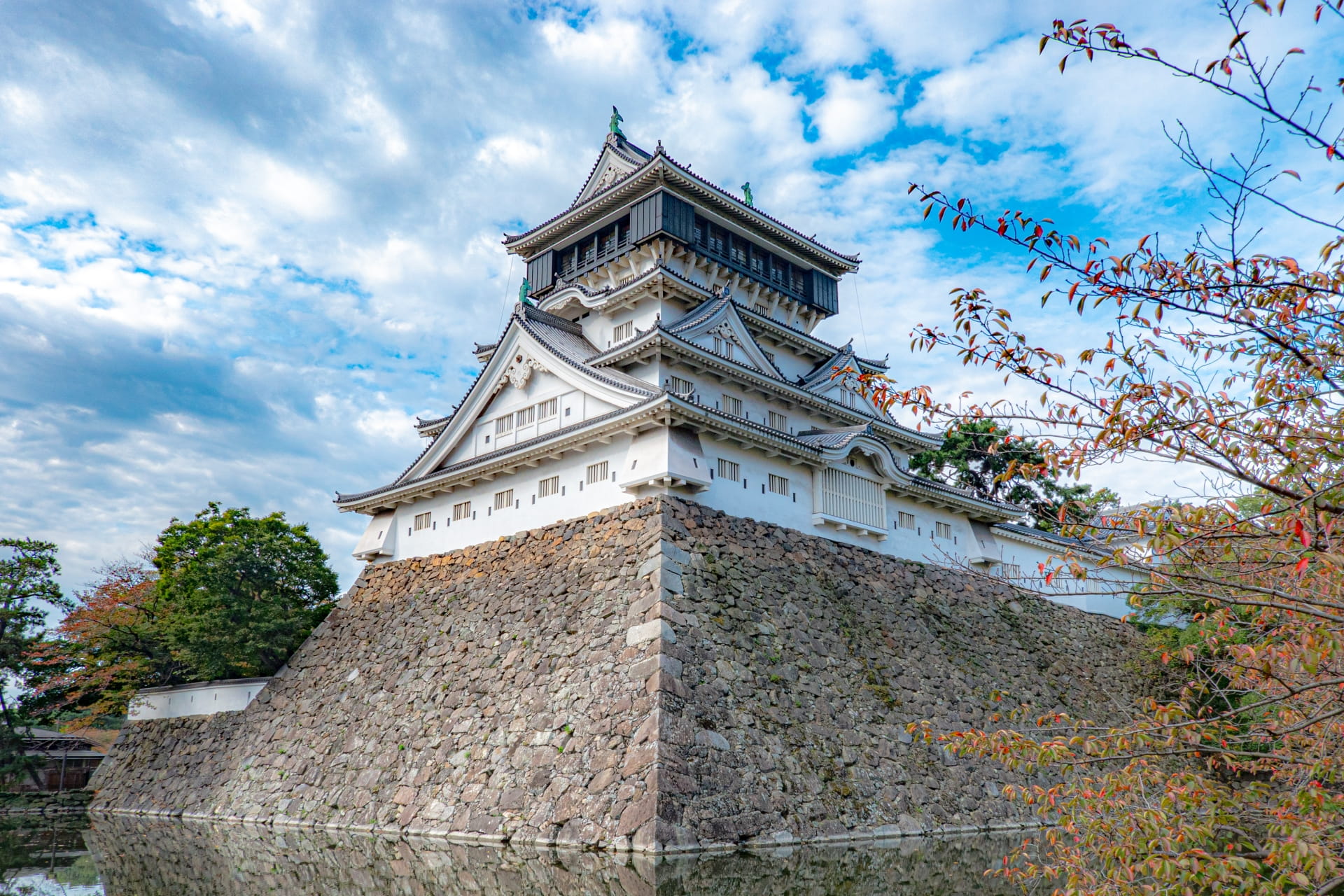
Kokura Castle and Tanga Market are both within walking distance of the station, making them convenient places to begin exploring once attractions and shops open.
For a closer look at the city, see our Ultimate Kitakyushu Guide.
Continue to Fukuoka
From Kokura Station, the Sanyo Shinkansen reaches Hakata Station in approximately 15 minutes.
This makes it easy to spend the first part of the day in Kitakyushu before continuing to central Fukuoka—or to base yourself in Fukuoka while using Kitakyushu as the entry point.
Practical Tips for the New Route
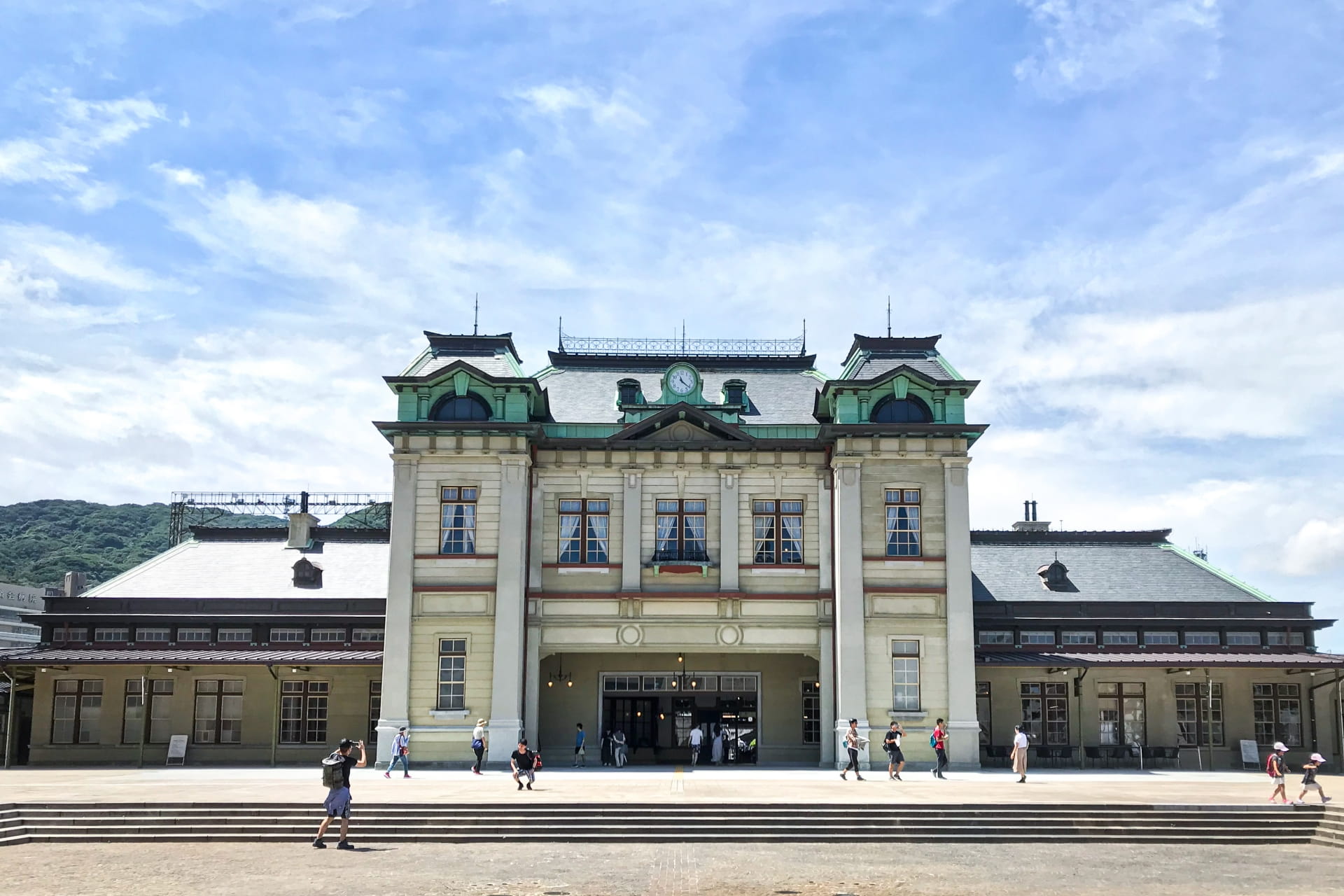
Plan Around the Overnight Schedule
The flight is only around two and a half hours long, so it does not offer enough time for a conventional night’s sleep.
Treat it as a short red-eye journey. Keep the first morning relatively light, avoid long drives immediately after arrival and consider arranging luggage storage or early hotel access.
Check the Operating Days Before Booking Hotels
The service runs only three times per week in each direction:
- Kitakyushu to Taipei: Sunday, Wednesday and Friday;
- Taipei to Kitakyushu: Monday, Thursday and Saturday.
Your preferred arrival and departure dates therefore need to align with the schedule.
Confirm Whether the Summer or Winter Timetable Applies
The service remains overnight in both seasons, but the departure and arrival times change slightly from late October.
Always check the date-specific schedule rather than relying on a time quoted in an older article, screenshot or social-media post.
Arrange Airport Transportation in Advance
On the Kitakyushu side, check the current airport bus timetable or reserve a shared limousine taxi in advance when necessary.
On the Taipei side, an early-morning departure requires arriving at Taoyuan International Airport during the night. Do not assume that trains or airport buses will be operating at the required time.
Consider an Open-Jaw Itinerary
A practical northern Kyushu trip could enter Japan through Kitakyushu from Taipei, continue south to Fukuoka, and then take another domestic route for the rest of the journey.
This avoids returning to the original airport and makes better use of the region’s transport network.
Use the Included Baggage Allowance
The international service includes up to 30 kg of checked baggage under the standard allowance, making the route practical for travelers carrying more than a small cabin bag.
Conditions may vary depending on the booking, so check the allowance shown on your ticket before packing.
Frequently Asked Questions (FAQ)
Q. When does the STARFLYER Kitakyushu–Taipei route restart?
A. Flights from Kitakyushu are scheduled to resume on September 2, 2026. Flights from Taipei begin the following day.
The route operates three round trips per week and is STARFLYER’s first scheduled international service since its international flights were suspended in 2020.
Q. What are the flight times?
A. The times differ between the summer and winter timetable periods.
During the initial summer period, the Kitakyushu flight departs late at night and arrives in Taipei shortly after midnight. The return flight departs Taipei at night and arrives in Kitakyushu early in the morning.
The same general pattern continues in winter, with minor adjustments to the exact departure and arrival times. Check STARFLYER’s official timetable for your chosen date.
Q. What aircraft will STARFLYER use?
A. The Kitakyushu–Taipei route is scheduled to use an Airbus A320.
Q. Why are the flights operated overnight?
A. Kitakyushu Airport operates 24 hours a day, allowing STARFLYER to use late-night and early-morning slots.
The timetable enables travelers to arrive in Japan with most of the day ahead of them or to spend nearly a full final day in Kyushu before departing for Taiwan.
Q. How much does the flight cost?
A. STARFLYER offers STAR COMET, STAR PLANET and STAR UNIVERSE fares, with different levels of pricing and flexibility.
Limited promotional fares may be available on selected flights, but fuel surcharges, airport charges and taxes are generally added to the base fare. Check the official booking site for the current total.
Q. Is STARFLYER a low-cost carrier?
A. No. STARFLYER is generally positioned as a full-service airline focused on comfort and design rather than offering the lowest possible fare.
The Taipei service features a reduced seat count to provide a more generous seat pitch and a standard checked baggage allowance of up to 30 kg.
Q. How do I travel between Kitakyushu Airport and the city?
A. Airport buses connect the airport with Kokura Station in approximately 40 minutes. Exact fares and schedules should be checked before departure.
A reservation-only shared limousine taxi is also available for selected late-night and early-morning international flights, connecting the airport with areas including Hakata and Tenjin.
Q. Can I connect through Taipei to another destination?
A. Yes. Taipei Taoyuan is a major international gateway with numerous onward services.
However, travelers using separately purchased tickets may need to clear immigration, collect their baggage and check in again. Leave sufficient time between flights and check Taiwan’s entry requirements.
Q. What can I do after arriving in Kitakyushu?
A. After traveling to Kokura Station, visitors can explore attractions such as Kokura Castle and Tanga Market.
Hakata Station in central Fukuoka is approximately 15 minutes from Kokura by Shinkansen, making the two cities easy to combine.
Q. Can I combine Taiwan and Kyushu in one trip?
A. Yes. The short flight and overnight schedule make it possible to combine Taipei and northern Kyushu without spending an entire daytime period in transit.
Travelers can begin in Taiwan and continue to Kitakyushu, or finish a Kyushu itinerary with a late-night flight to Taipei.
A New International Entrance to Northern Kyushu
The restored Kitakyushu–Taipei route gives travelers another way to enter Japan while avoiding its largest aviation hubs.
Its overnight timetable requires more planning than a conventional daytime service, particularly when arranging transportation and accommodation. In return, passengers can arrive in northern Kyushu early in the morning or enjoy almost a complete final day before leaving Japan.
For travelers already considering Taiwan, Fukuoka or a wider Kyushu itinerary, STARFLYER’s relaunched service creates a practical new connection between two closely linked parts of East Asia.
Find the best flights from Taipei to Kyushu
Fly overnight from Taipei to Kitakyushu and wake up in northern Kyushu — a convenient new gateway to one of Japan’s most rewarding regions.
For more information about Kyushu, check out the following links!



Written by
Born and raised in Costa Rica, I started living in Tokyo from college. I love traveling within Japan & around the world. Since I wasn’t born in Japan, I know the cultural impact that you can get when visiting Japan for the first time and what you might be worried about before your trip. And I’ve lived long enough to somewhat understand the nuances of the Japanese culture that make this country such an attractive place to visit. Hopefully I can provide to you both the information you’re looking for and the information you didn’t know you needed to know.
- +0 0
-
-