Hamarikyu Gardens: Tokyo’s Historic Garden Near Tsukiji Outer Market
A Complete Guide to Tokyo’s Historic Seawater Garden: Teahouses, Seasonal Flowers & Visitor Tips


- +0 0
-

-


Tucked between the futuristic glass towers of Shiodome and the calm waters of Tokyo Bay lies Hamarikyu Gardens, one of Tokyo’s most captivating historical escapes. Originally built in the 17th century as a feudal villa and private duck-hunting preserve for the Tokugawa Shoguns, this sprawling 62-acre green sanctuary offers a striking contrast where centuries-old Japanese landscaping meets modern metropolitan architecture.
Just a short walking distance from Ginza, Tsukiji Outer Market and Shiodome Station, the grounds showcase a 300-year-old black pine tree, sprawling fields that rotate roughly 300,000 spring rapeseed and autumn cosmos blossoms, and iconic skyline views from Fujimi-yama Hill. This guide covers everything needed to plan a visit, including bloom calendars, teahouse pricing, one-way water bus access rules, and practical entry details.
For an overview of the nearby Ginza area, check out our All-in-One Guide to Ginza.
What is the Hamarikyu Gardens?
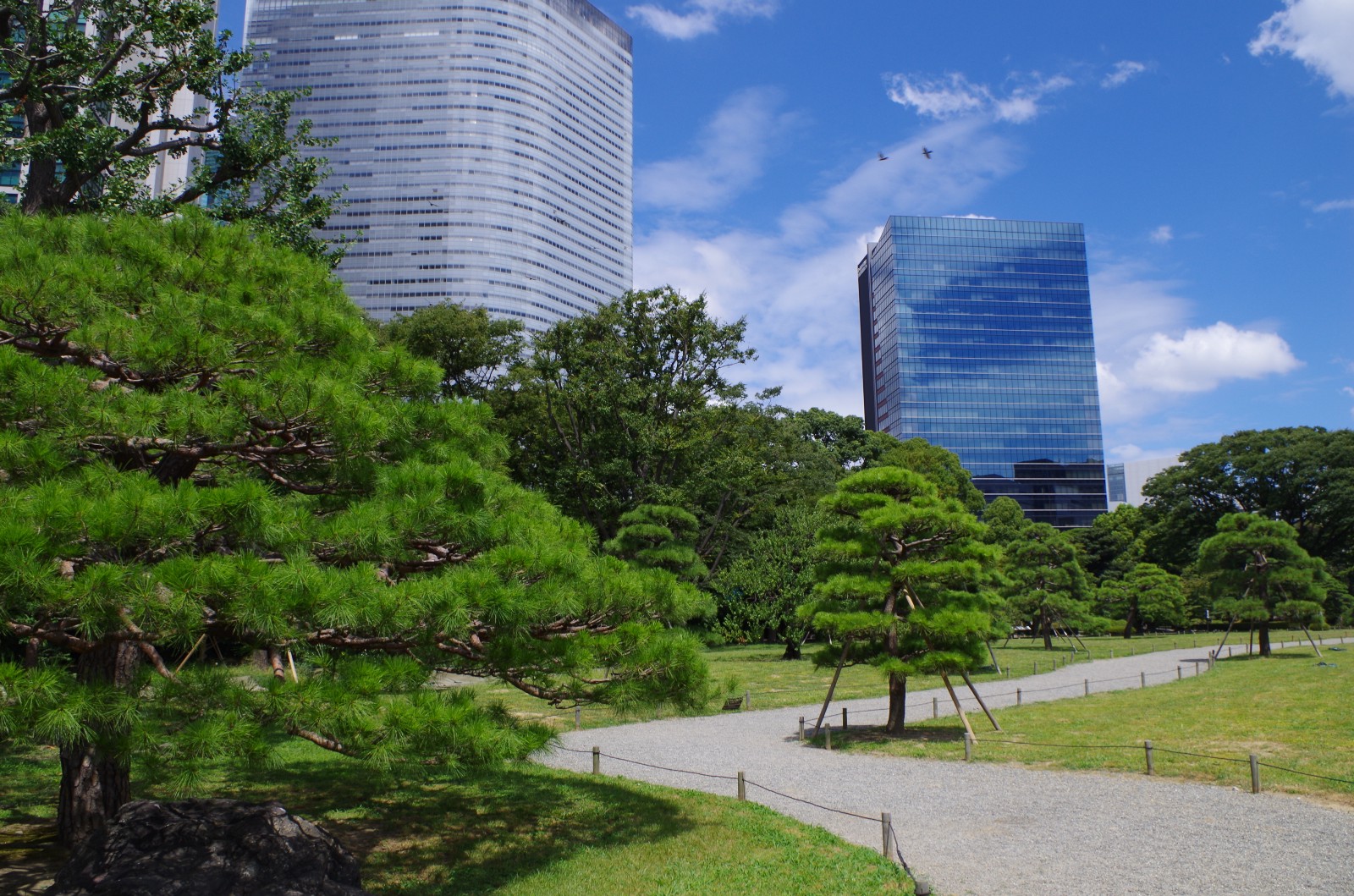
Hamarikyu Gardens (浜離宮恩賜庭園) is one of Tokyo’s most historic and graceful Japanese strolling gardens. Originally established in 1654 when Matsudaira Tsunashige, the feudal lord of Kofu, reclaimed the land from Tokyo Bay to build his villa, the site was later taken over in 1709 by his son, Tokugawa Ienobu, upon becoming the 6th Tokugawa Shogun.
Under shogunal ownership, the grounds served as a secondary residence, an outer fort protecting Edo Castle, and a prized duck-hunting preserve. Following the Meiji Restoration in 1868, it became a detached palace for the Imperial Family before being gifted to the City of Tokyo and officially opening to the public in 1946. Today, it is recognized nationally as both a Special Place of Scenic Beauty and a Special Historical Site.
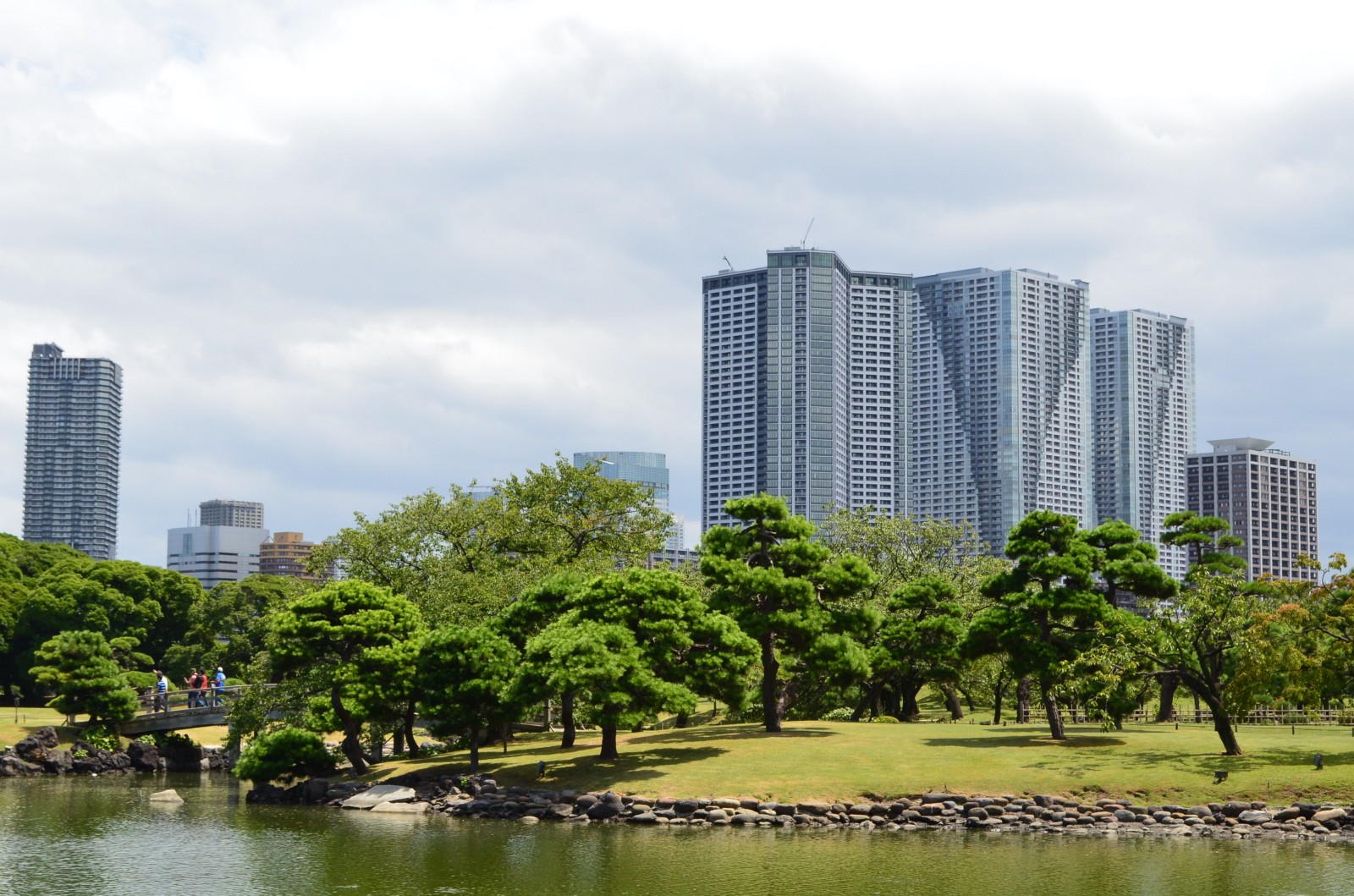
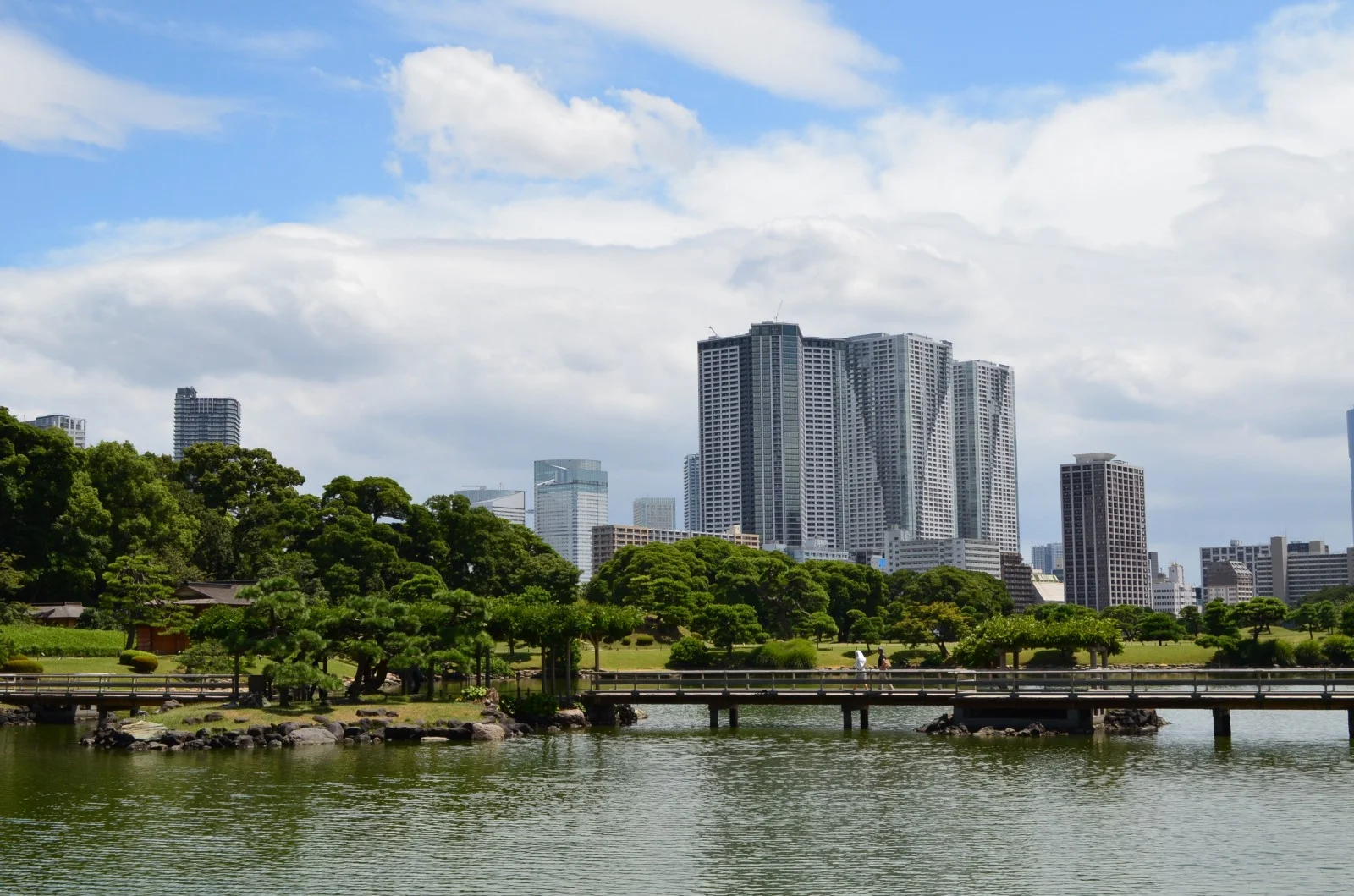
The garden’s defining feature is Shioiri-no-ike (Tidal Pond), the only surviving seawater pond in central Tokyo. Connected directly to Tokyo Bay via a sluice gate, the pond’s water levels rise and fall with the ocean tide, offering visitors an ever-changing landscape set against the dramatic backdrop of Shiodome’s modern skyscrapers.
Best Time to Visit & Seasonal Flowers
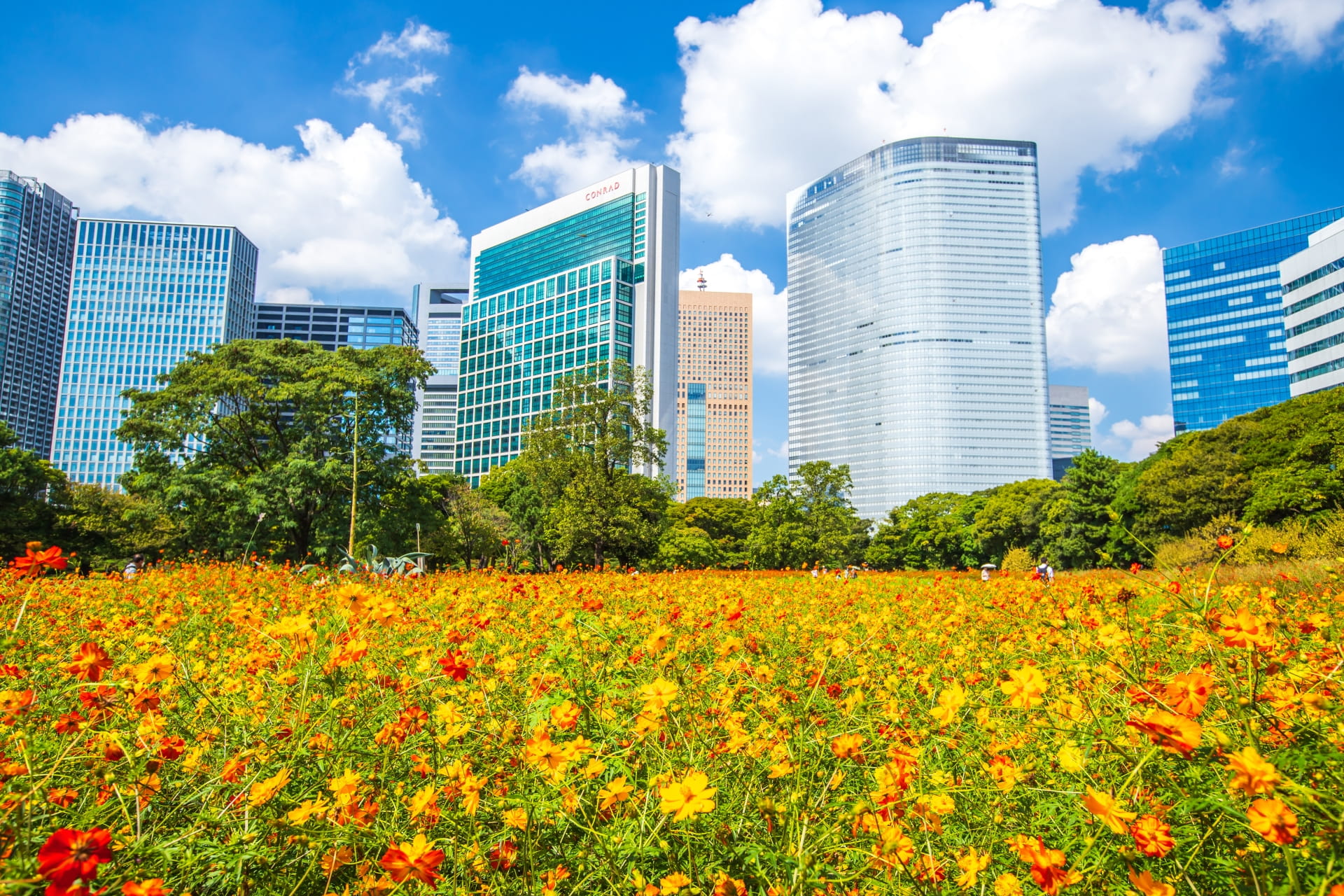
While Hamarikyu Gardens is a tranquil escape year-round, the park’s flower fields and historic tree groves transform dramatically with each passing season. Unlike many Tokyo gardens that focus solely on cherry blossoms, Hamarikyu is famous for expansive, multi-hued flower fields set against the backdrop of modern Shiodome skyscrapers.
Spring (February – May)
- Plum Blossoms (Ume): Fragrant white and deep pink plum blossoms bloom from late January through mid-March, signaling the end of winter near the garden’s entrance and walking paths.
- Rapeseed Field (Nanohana): From late February to mid-March, the central flower field turns into a glowing sea of approximately 300,000 golden rapeseed blossoms. This is one of Tokyo’s most iconic early-spring photo spots.
- Cherry Blossoms (Sakura): Home to about 80 cherry trees, the garden offers a peaceful, uncrowded alternative to high-traffic spots like Ueno Park. Early-blooming Somei Yoshino peak from late March to early April, followed by multi-petaled Yaezakura (double-blossom cherries) through mid-April.
- Peonies (Botan): In late April and May, the Peony Garden bursts into color with between 800 and 1,000 individual plants representing dozens of rare varieties.
Summer (June – August)
- Irises & Hydrangeas: June brings deep purple Japanese irises (shobu) and soft blue hydrangeas (ajisai) lining the garden’s freshwater and tidal streams.
- Water Lilies & Lotuses: During July and August, pink and white lotus blossoms open across the garden’s ponds in the early morning hours.
Autumn (September – November)
- Cosmos Fields: From late August through October, the same field that hosted rapeseed in spring transforms into a vibrant carpet of roughly 300,000 yellow, orange, and pink cosmos blossoms.
- Autumn Foliage (Koyo): From mid-November to early December, fiery Japanese maples (momiji) and golden ginkgo trees frame the tidal pond, creating striking autumn reflections on the water’s surface.
Winter (December – January)
- Winter Camellias & Landscape: Winter offers crisp air, minimal crowds, and blooming winter camellias (tsubaki). Visitors can also admire yukitsuri—traditional rope cones erected by gardeners to protect delicate branches from heavy snow.
Things to See & Do at Hamarikyu Gardens
Here are several things to do and to see at Hamarikyu Gardens; let’s dive into it!
The Best View at Hamarikyu Gardens
Located on the south side of the Tidal Pond (Shioiri-no-ike) opposite the main entrance, Fujimi-yama Hill is considered by many as the top photo spot in Hamarikyu Gardens. Look for the small wooden signboard marked “Fujimi-yama Hill” and follow the gentle steps up the artificial mound.
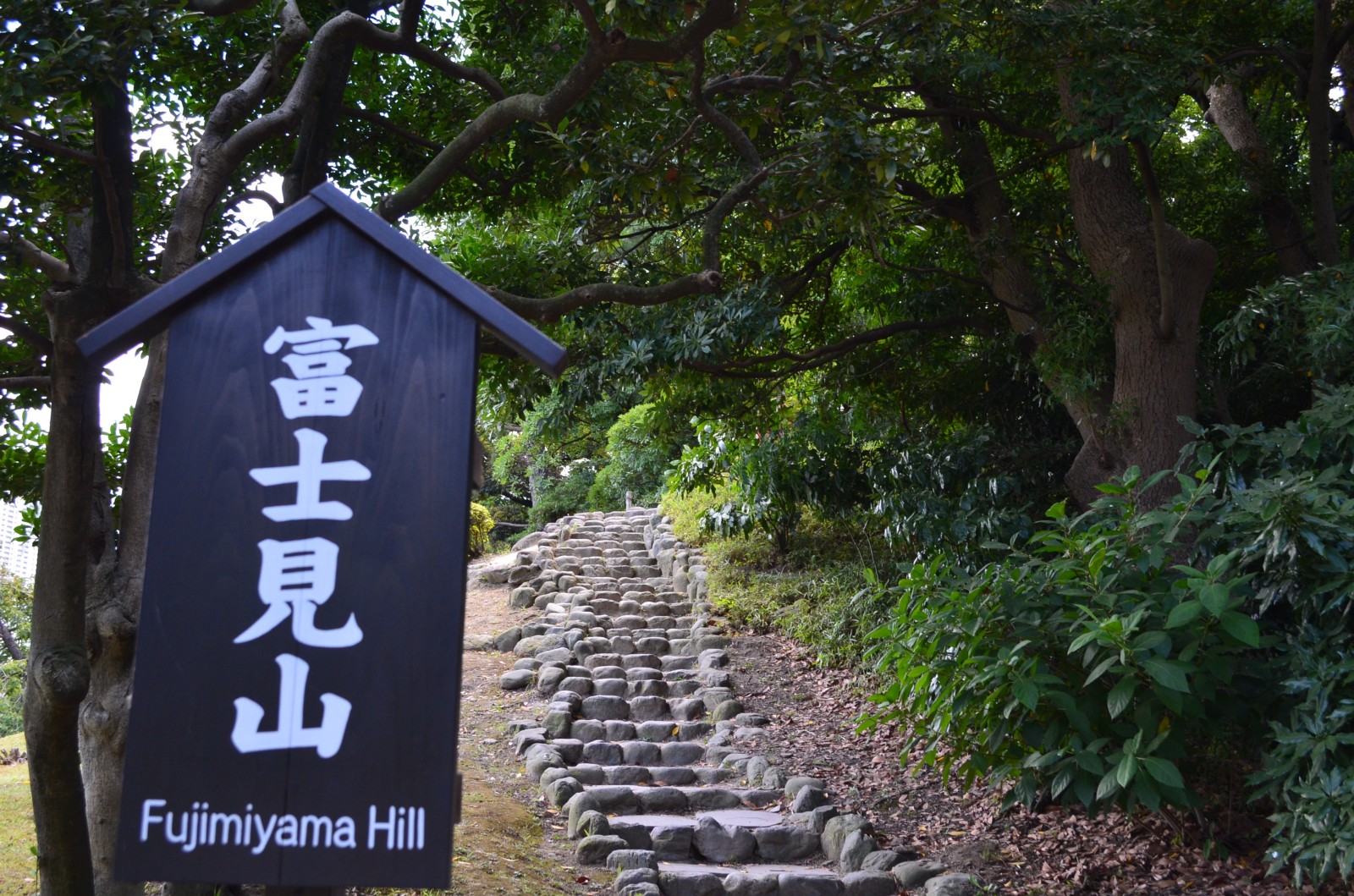
Fujimi-yama literally translates to “Mt. Fuji-viewing hill.” During the Edo period, before urban development altered Tokyo’s skyline, the Shogun and his guests would stand atop this elevated vantage point to admire unobstructed views of Mount Fuji rising beyond Tokyo Bay.
While skyscrapers now block the view of Mount Fuji, the hill offers something equally iconic: Tokyo’s signature “old meets new” landscape. From the peak, you get a sweeping panoramic view looking over the seawater pond, the cypress-wood Otsutai-bashi bridge, and Nakajima-no-ochaya teahouse—all dramatically framed against the towering steel-and-glass skyscrapers of Shiodome.
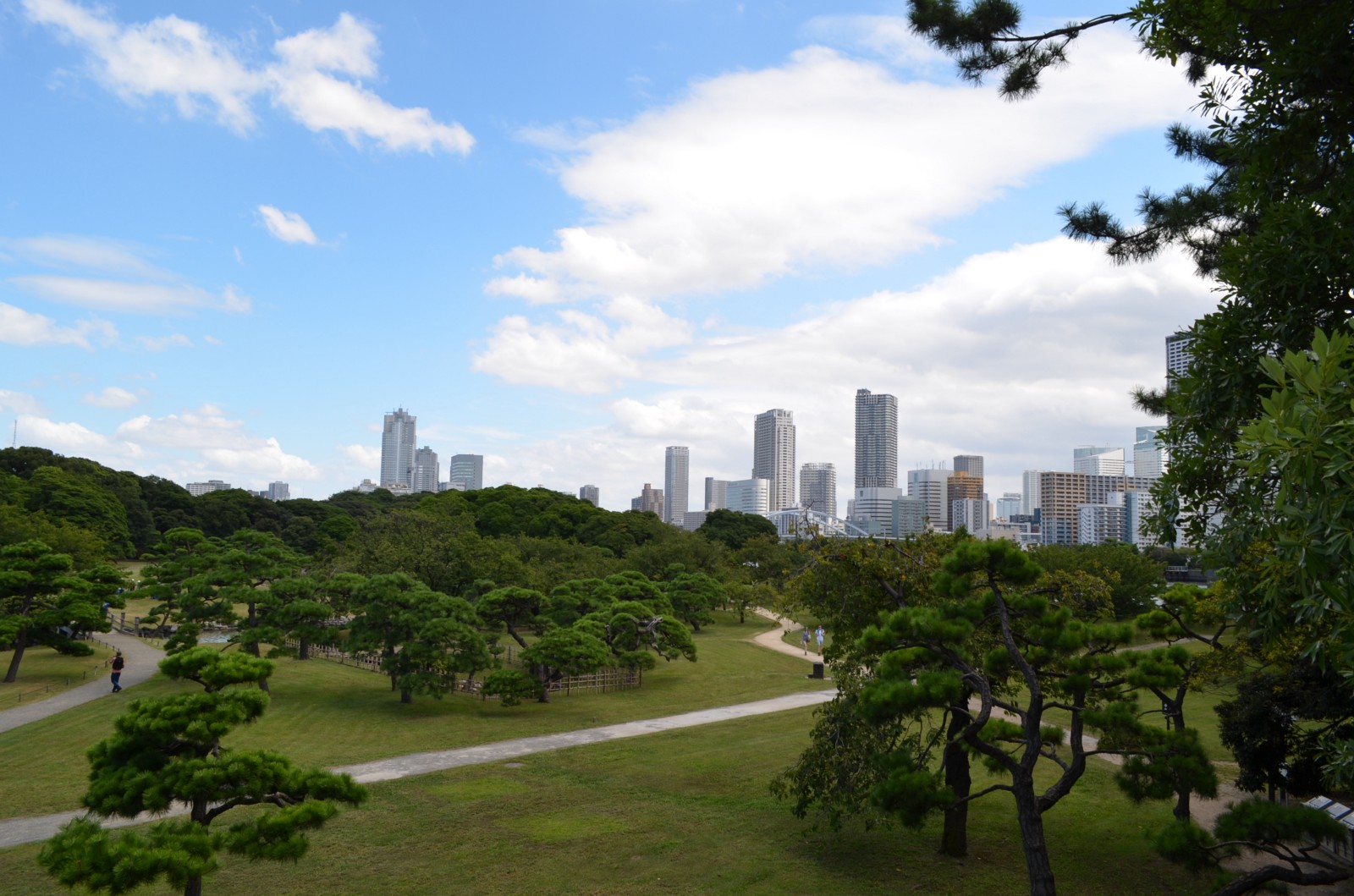
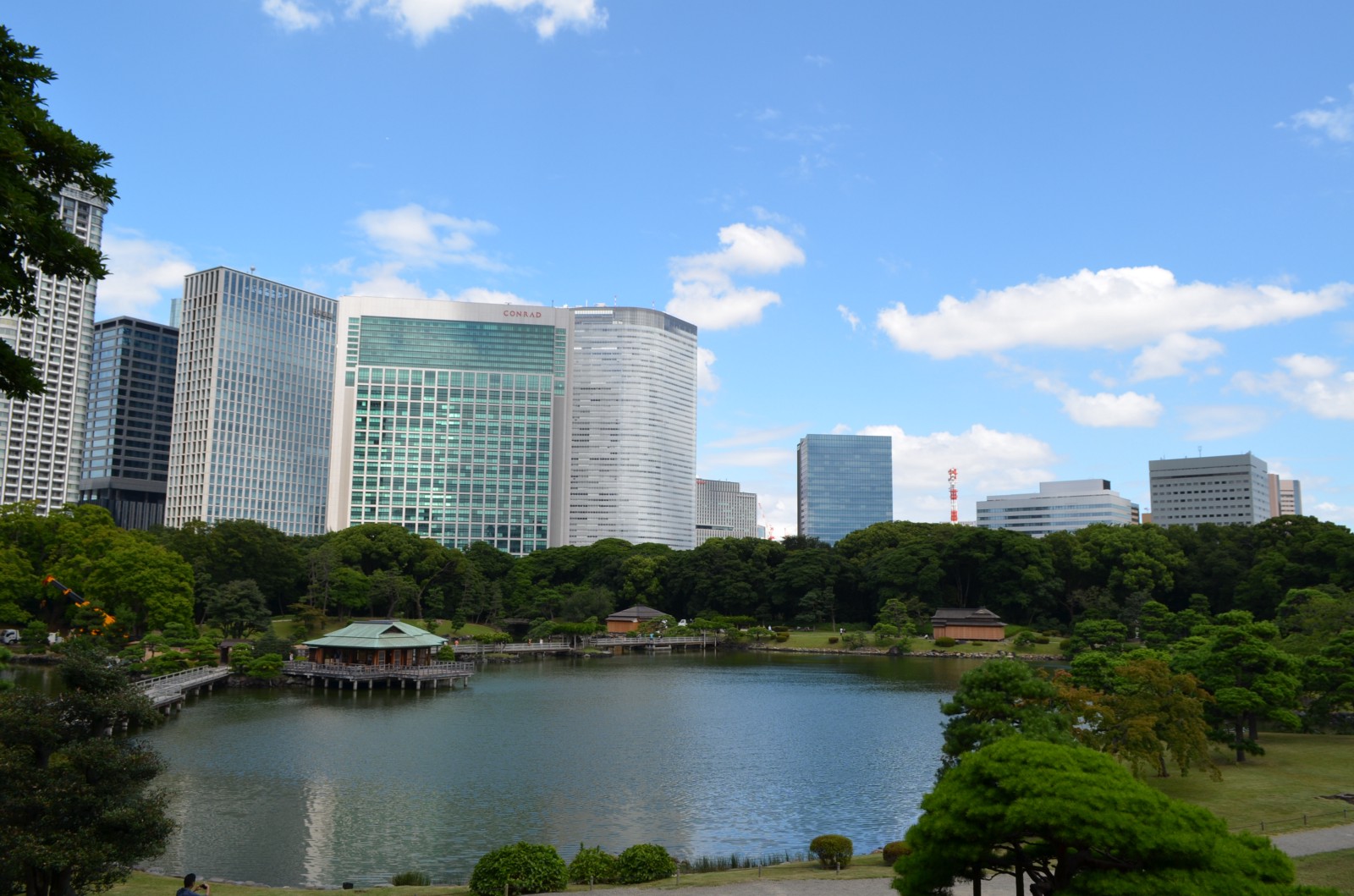
Photography Tips:
- Composition: Aim your camera across the pond toward the teahouse to capture the contrast between traditional Japanese landscaping and modern architecture reflected on the water’s surface.
- Best Lighting: Visit in the morning or early afternoon when the sun illuminates the garden and skyline from the front.
Hamarikyu Gardens Teahouses
One of the highlights of Hamarikyu Gardens is resting over a traditional bowl of matcha surrounded by scenic water views. The garden is home to four faithfully restored Edo-period teahouses lining the Tidal Pond: Nakajima-no-ochaya, Matsu-no-ochaya (Pine Teahouse), Tsubame-no-ochaya (Swallow Teahouse), and Taka-no-ochaya (Falcon Teahouse).
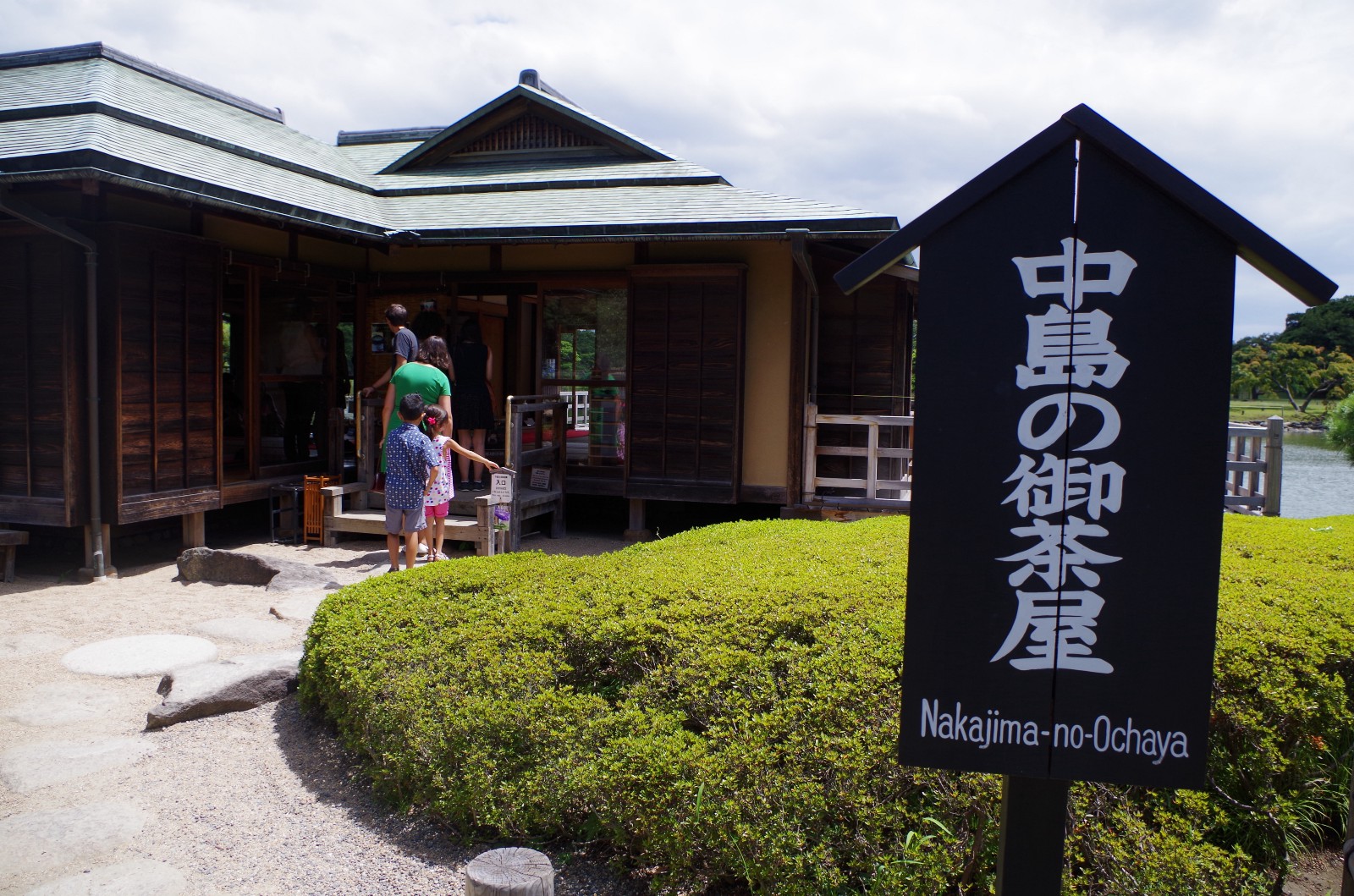
Nakajima-no-ochaya is the main teahouse built on the central pond. Reachable by crossing the 118-meter cypress-wood Otsutai-bashi bridge, Nakajima-no-ochaya appears to float directly on Shioiri-no-ike. This is the only teahouse offering daily tea service to visitors. Guests can relax on straw tatami mats inside or sit on the covered veranda overlooking the tidal waters.
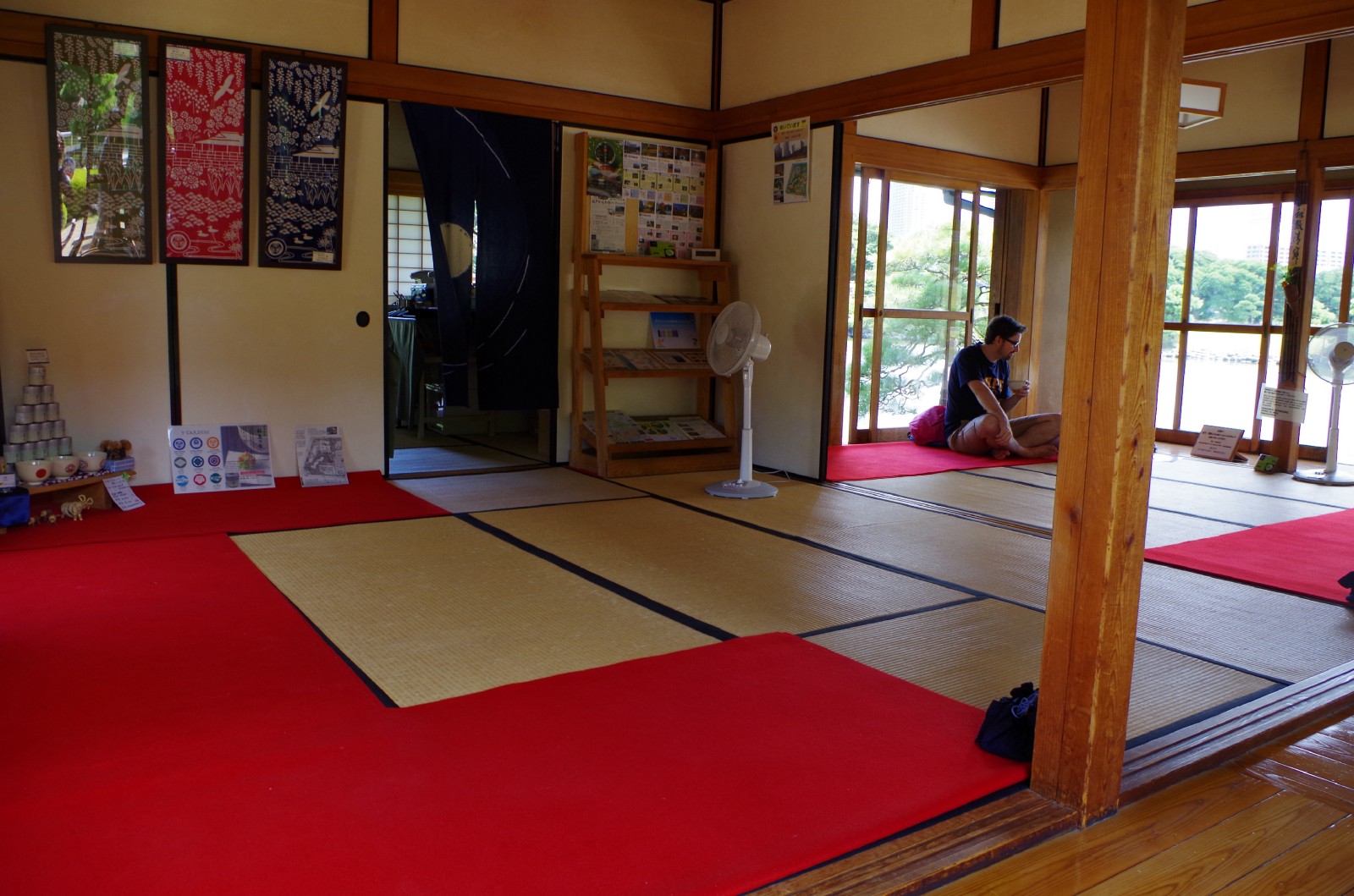
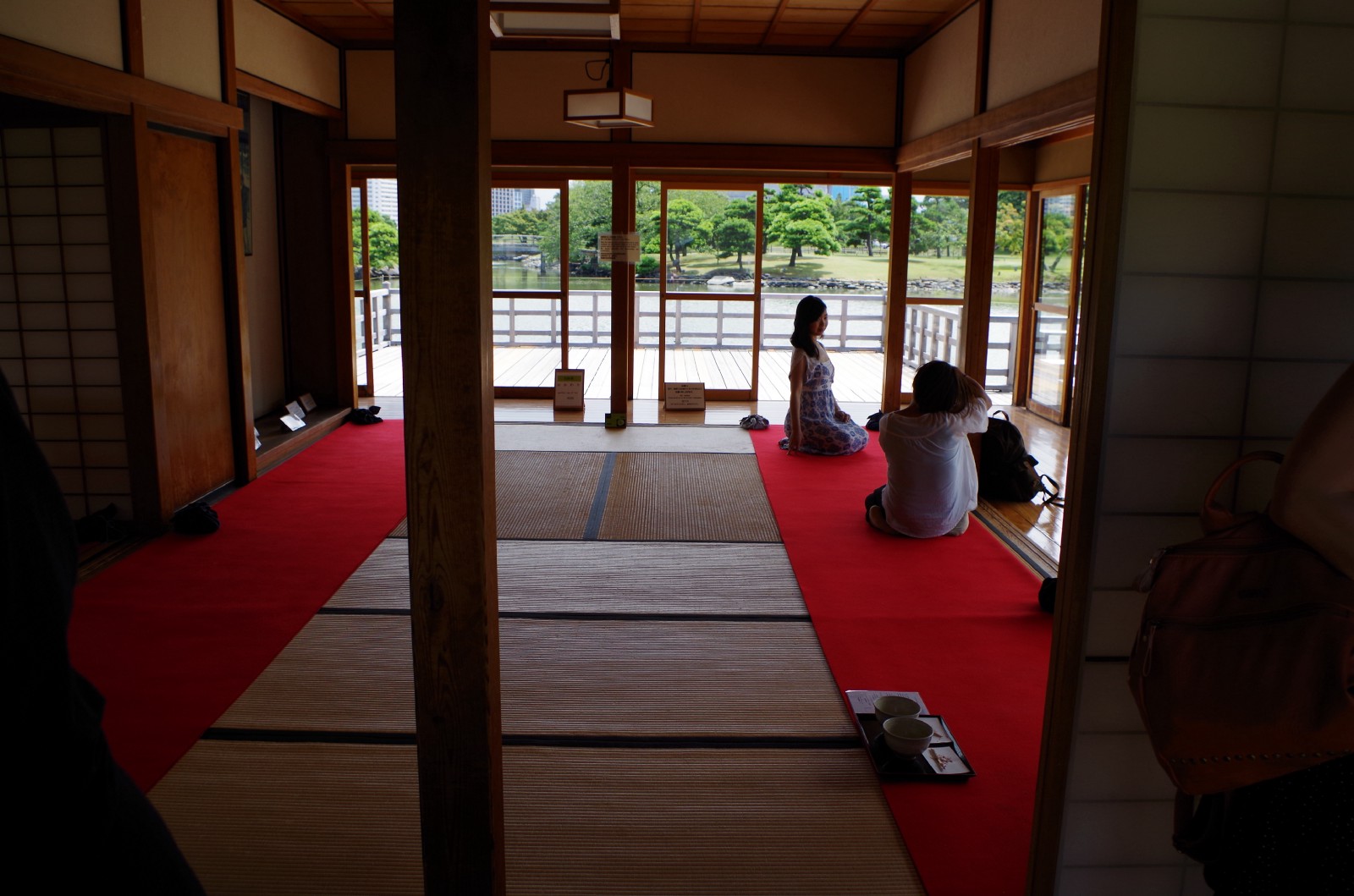
The teahouse serves a set featuring a bowl of warm, freshly whisked matcha green tea paired with a seasonal wagashi (traditional Japanese confection).
- Price: ¥850 – ¥1,000 per set (admission fee to the garden is separate).
- Hours: 9:00 AM – 4:45 PM (last order at 4:30 PM).
Exploring the Other Teahouses: Historically, the Shogun used these pavilions for hosting VIP guests and taking breaks during falconry outings. While Matsu, Tsubame, and Taka do not run daily cafe services, their interiors are sometimes opened to the public during special events or free weekend guided tours.
Historic Duck Hunting Sites
Hamarikyu Gardens houses two preserved Edo-period duck hunting sites (Kamoba): Koshin-do Kamoba (built in 1778) and Shinsenza Kamoba (built in 1791). During the Tokugawa Shogunate, falconry and net-based duck hunting were exclusive sports reserved for the Shogun, imperial family, and high-ranking feudal lords.
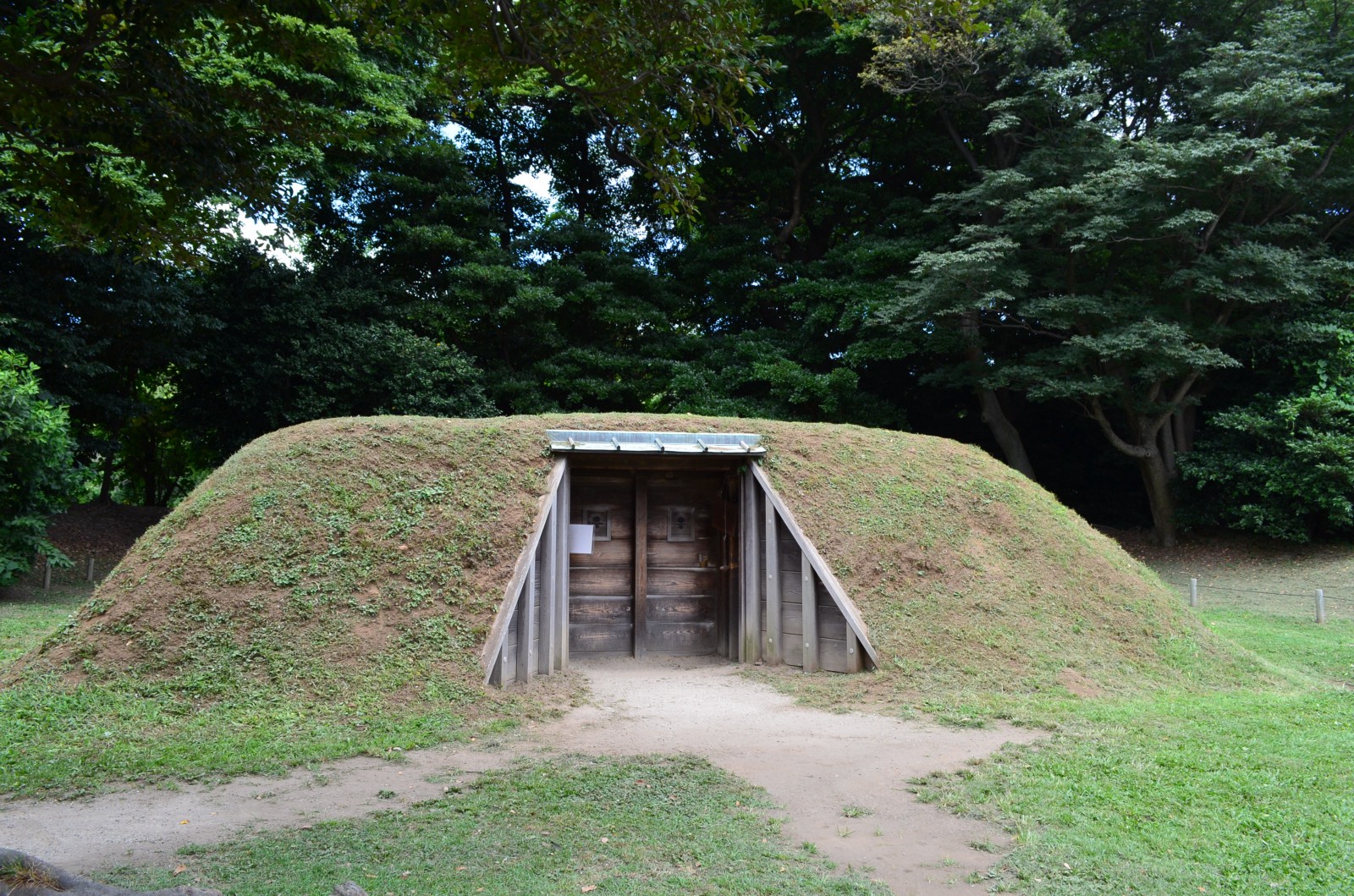
Unlike Western duck hunting, guns were prohibited to maintain tranquility. Instead, hunters built narrow channels (hikibori) branching off the ponds, planted dense bamboo hedges to conceal themselves, and used tamed decoy ducks alongside grain feed to lure wild ducks into the narrow ditches. Hunters then trapped the birds using handheld bamboo nets or trained hunting hawks (taka).
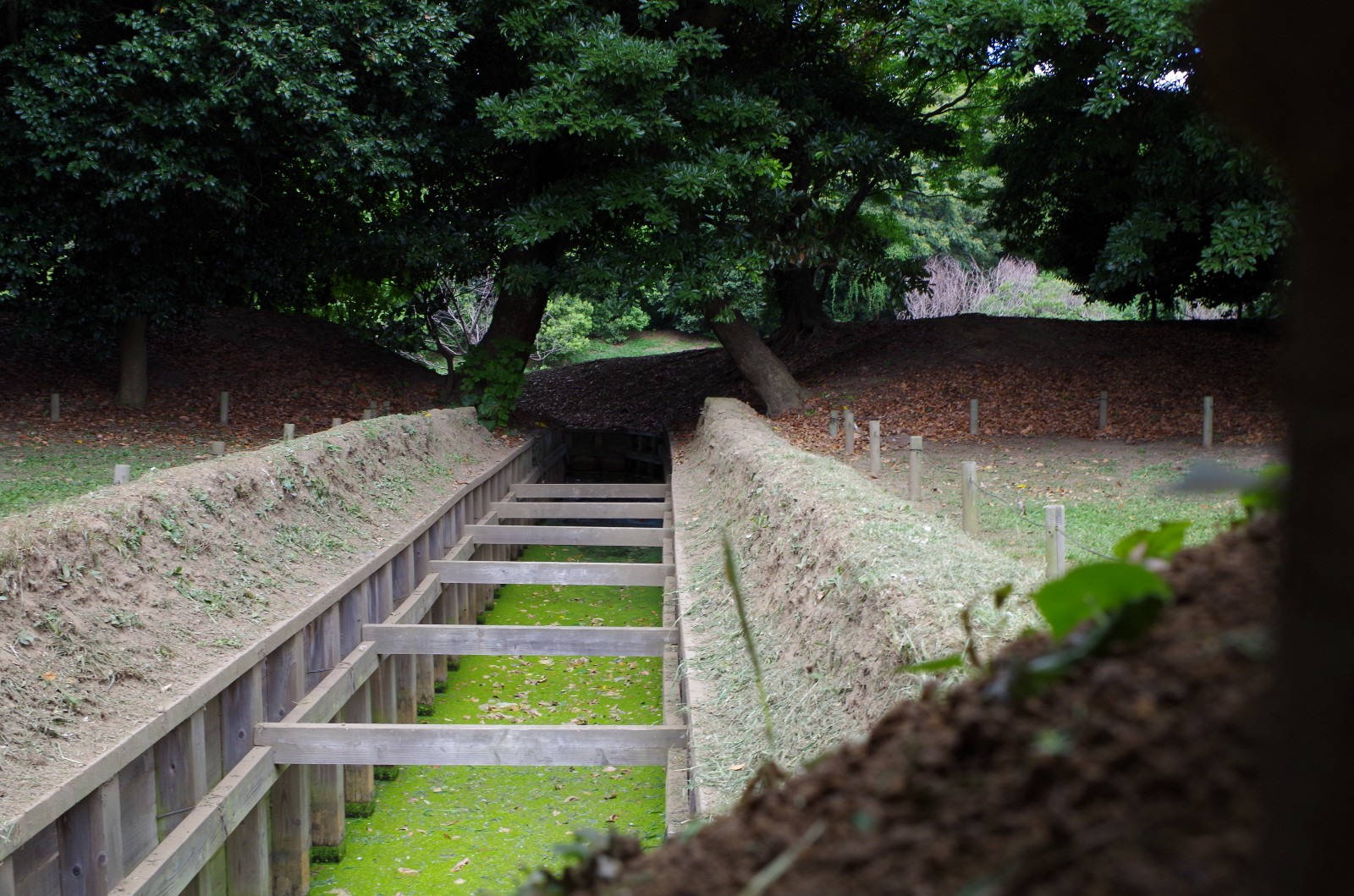
Visitors can walk along the paths surrounding the hunting grounds to see the original earth embankments and small wooden peeking blinds where attendants watched the ducks through narrow slits without spooking them. Also, located near the Shinsenza hunting ground, look for a stone monument erected in 1935 called the Kamozuka. It was built long after active hunting ceased as a memorial to appease the spirits of the thousands of wild ducks hunted on the grounds over the centuries.
300-Year Pine right at the Entrance of Hamarikyu Gardens
Located just inside the Otemon Gate (the main entrance to the garden), the 300-Year-Old Pine Tree (Sanryu-no-matsu) is one of the grandest black pine trees in Tokyo and a magnificent welcome for arriving visitors. It was planted around 1709 by Tokugawa Ienobu, the 6th Tokugawa Shogun, to mark the extensive renovations of the garden grounds. Since then, this majestic tree has survived over three centuries of typhoons, fires, and urban development.
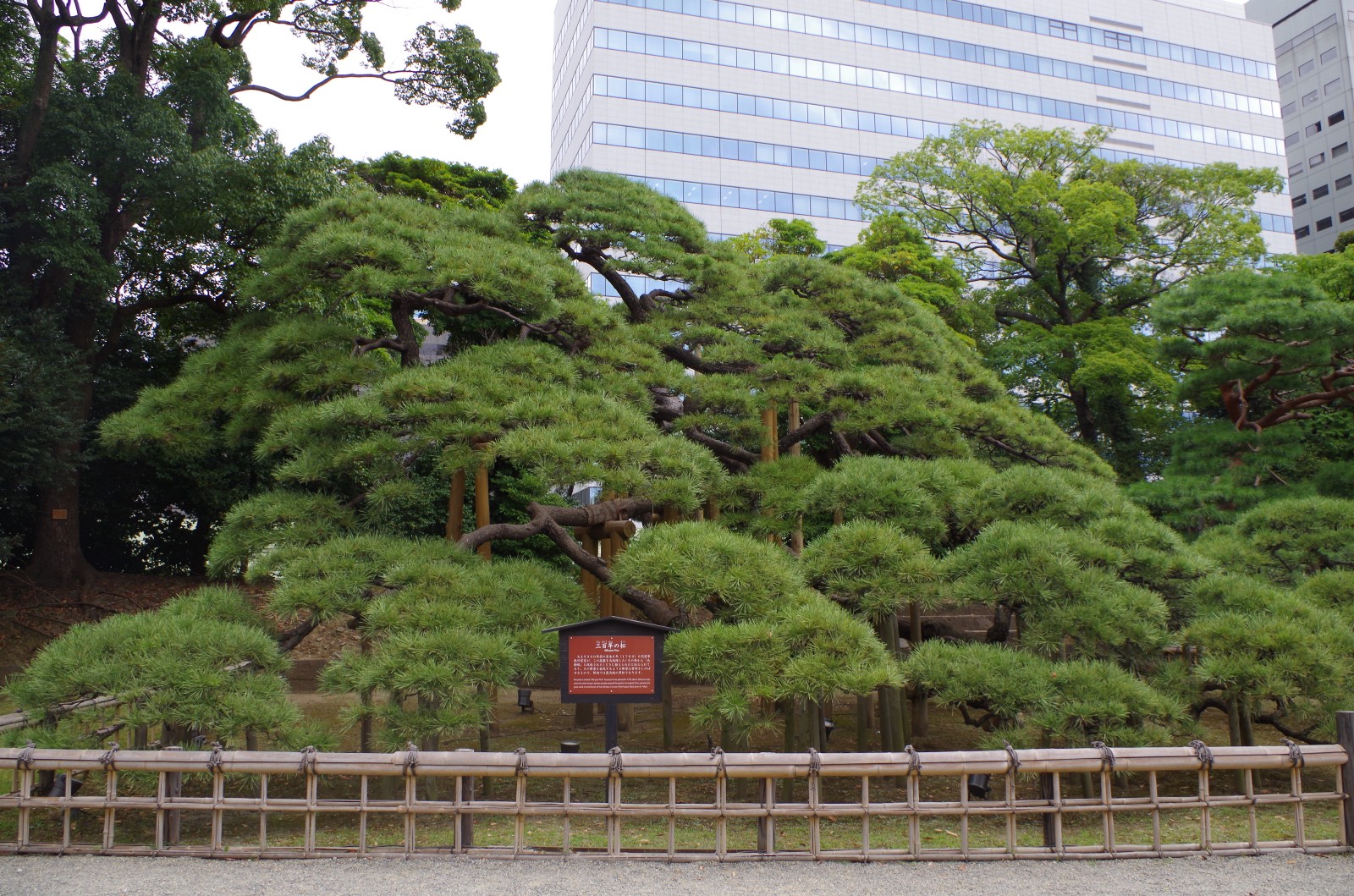
Its name Sanryu-no-matsu translates to “Three-Dragon Pine,” inspired by how the thick, twisting low-hanging branches resemble three dragons surging across the earth. It’s been meticulously pruned and cared for by generations of master gardeners, and the tree’s wide, sprawling horizontal branches stretch far out across the surrounding lawn. Supported by a complex lattice of wooden props to sustain its weight, it resembles an immense bonsai tree.
How to get to Hamarikyu Gardens
Hamarikyu Gardens is conveniently located in central Tokyo near the Shiodome skyscraper district and Tsukiji, making it easy to reach by train, subway, or water bus.
By Train/Subway (Nearest Stations)
The garden has two entrance gates: Otemon Gate (Main Entrance, north side) and Naka-no-gomon Gate (west side).
- Shiodome Station (Toei Oedo Line & Yurikamome): 5-minute walk to Ote-mon Gate (Exit 9 or Exit 10).
- Tsukijishijo Station (Toei Oedo Line): 7-minute walk to Ote-mon Gate (Exit A2).
- Shimbashi Station (JR Lines, Tokyo Metro Ginza Line, Toei Asakusa Line): 10 to 12-minute walk to Ote-mon Gate.
- Hamamatsucho Station (JR Yamanote/Keihin-Tohoku Line, Tokyo Monorail): 15-minute walk to Naka-no-gomon Gate.
By Water Bus (Tokyo Cruise from Asakusa)
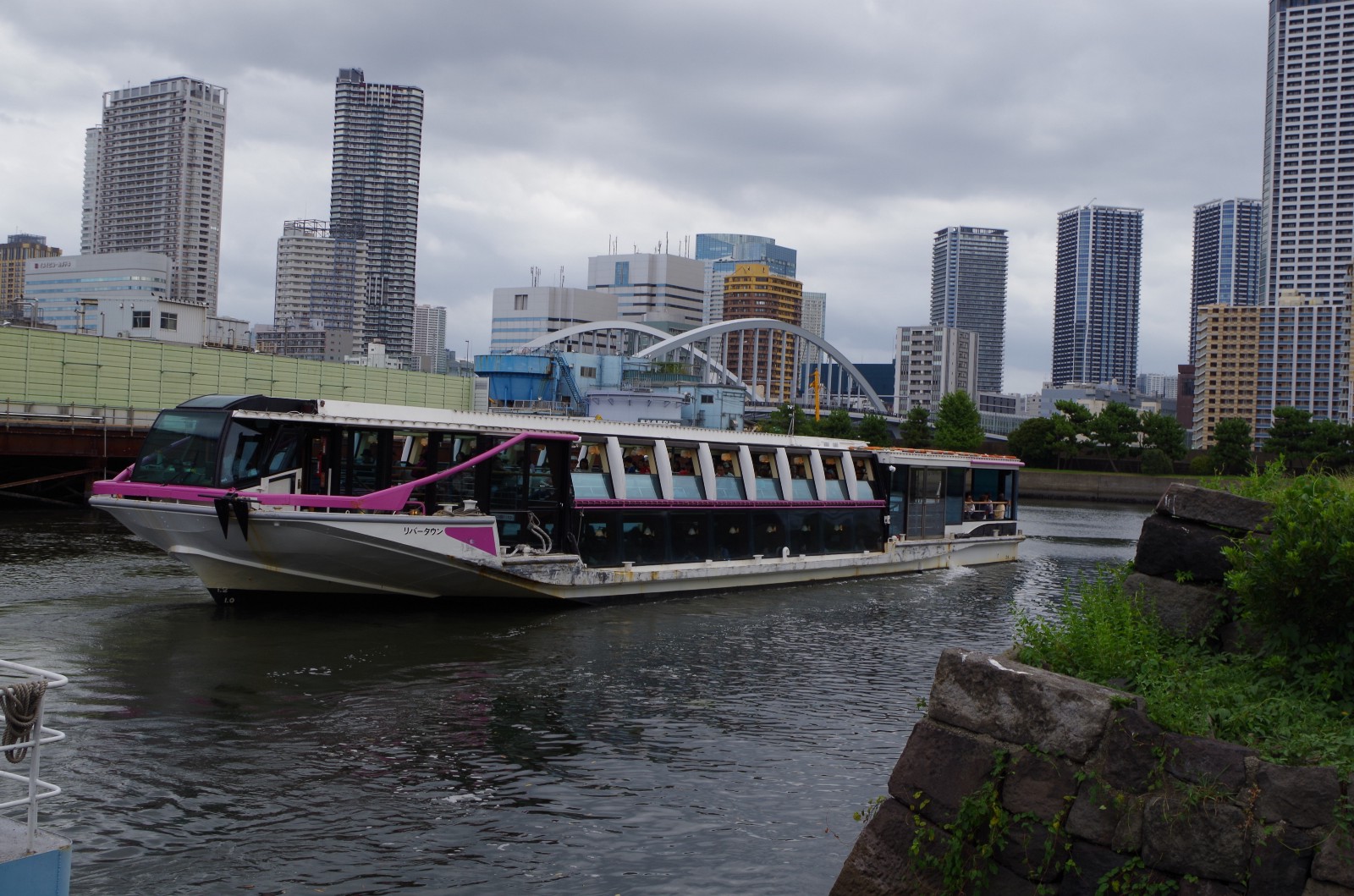
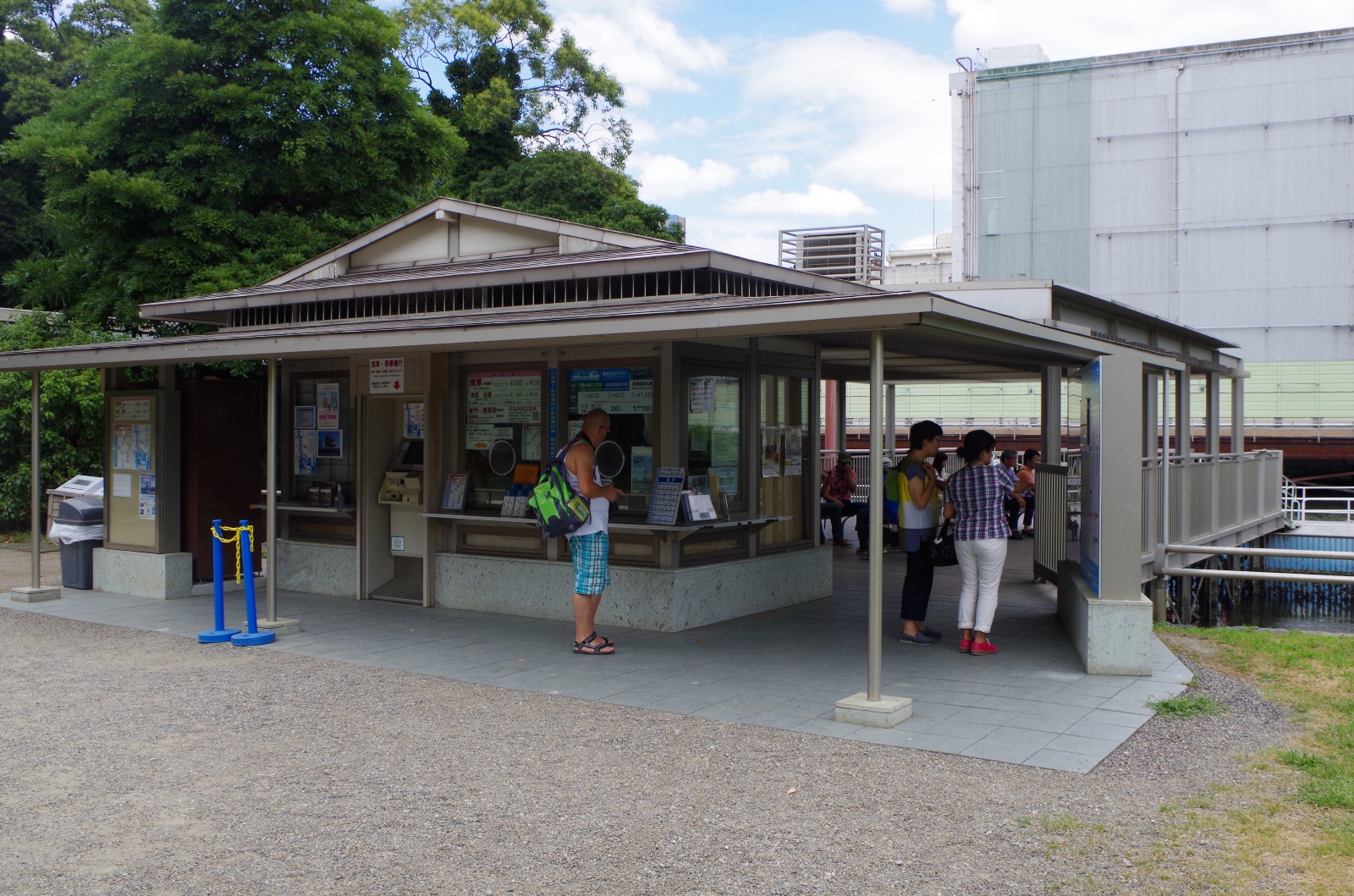
For a unique arrival, take the Tokyo Cruise water bus down the Sumida River directly into the garden’s internal pier. Garden admission is paid at the water bus terminal or upon landing before entering the park grounds.
Important Note: Water bus services at Hamarikyu currently operate as one-way arrivals only. You can arrive at the garden via boat from Asakusa, but you cannot purchase tickets or board boats from the Hamarikyu pier to leave. You must plan to exit the garden on foot through Ote-mon or Naka-no-gomon Gate after your visit.
- Route: Boats depart from Asakusa Pier (near Asakusa Station) and dock directly at the Hamarikyu Water Bus Landing inside the park. The cruise takes approximately 35–40 minutes and offers picturesque views of Tokyo’s bridges and skyline.
For real-time sailing timetables, route updates, and ticket reservations, visit the official portals for TOKYO CRUISE and the Tokyo Mizube Line.
Practical Information for Visiting Hamarikyu Gardens
- Closed Days: December 29 through January 1.
- Free Admission Days: May 4 (Greenery Day), October 1 (Tokyo Citizens’ Day)
- Garden Size & Estimated Duration: Covering approximately 250,000 m² (62 acres), plan for a 1.5 to 2.5-hour visit to walk the perimeter, visit the teahouses, and take photos.
- Free Guided Tours: English Tours: Complimentary volunteer-guided tours in English are typically available on Saturdays and Sundays, as well as the second and fourth Monday of each month, starting at 11:00 AM near the Ote-mon Service Center.
- Teahouse Interior Access: Thursday guided tours often include exclusive access inside the historical Matsu-no-ochaya and Tsubame-no-ochaya teahouses.
- Facilities & Amenities:
- Audio Guides: Free multi-language audio guide app downloadable via QR code at the entrance (English, Japanese, Chinese, Korean).
- Accessibility: Wheelchair-accessible paved routes, accessible restrooms, coin lockers, and a gift shop near the Ote-mon Gate.
 Address Address |
1–1, Hama Rikyu-teien, Chuo-ku, Tokyo 104–0046 |
|---|---|
 Business Hours Business Hours |
9:00–17:00 (every day except Dec 29th-Jan 1st) |
 Price Price |
General Admission (Ages 16-64): ¥300; Seniors (Ages 65 and older): ¥150; Children (Ages 12 and under): Free; Junior High School Students residing or studying in Tokyo: Free |
 Official Website Official Website |
https://www.tokyo-park.or.jp/park/hama-rikyu/ |
Tourist Reviews of Hamarikyu Gardens
Hamarikyu Gardens enjoys an excellent reputation among visitors, reflected in its impressive ratings and glowing reviews across different platforms. On Tripadvisor, the gardens have earned an average rating of around 4.3/5, based on 1,993 reviews at the time of writing this article. Many travelers highlight its tranquil atmosphere and picturesque landscapes, making it a popular destination for relaxation and sightseeing. Meanwhile, on JapanTravel, it is rated 3.8/5, appreciated for its traditional beauty but noted by some as less remarkable compared to other famous Japanese gardens.
Visitors often praise the gardens for their blend of historical charm and serene environment. One Tripadvisor user wrote :
“Pretty gardens! I love all the butterflies! Other than that, it’s a nice place to chill out and spend a couple hours. There is a small entrance fee.”
– from Tripadvisor
This highlights the peaceful appeal of the gardens and the joy of encountering wildlife amidst the greenery.
Another reviewer on JapanTravel shared their thoughts, stating :
“I’ve now visited Hamarikyu Gardens twice. It’s a great example of a traditional Japanese strolling garden and an awesome juxtaposition of ancient and modern.”
– from JapanTravel
This perspective emphasizes the unique experience of walking through the meticulously designed garden while observing the striking contrast between its timeless elegance and the modern urban skyline surrounding it.
These reviews collectively showcase Hamarikyu Gardens as a destination where visitors can unwind, appreciate traditional Japanese landscaping, and enjoy a harmonious blend of nature and culture.
Tourist Attractions near Hamarikyu Gardens
The location of Hamarikyu Gardens makes it an easy addition to a sightseeing itinerary, combined with these top nearby destinations:
Tsukiji Outer Market
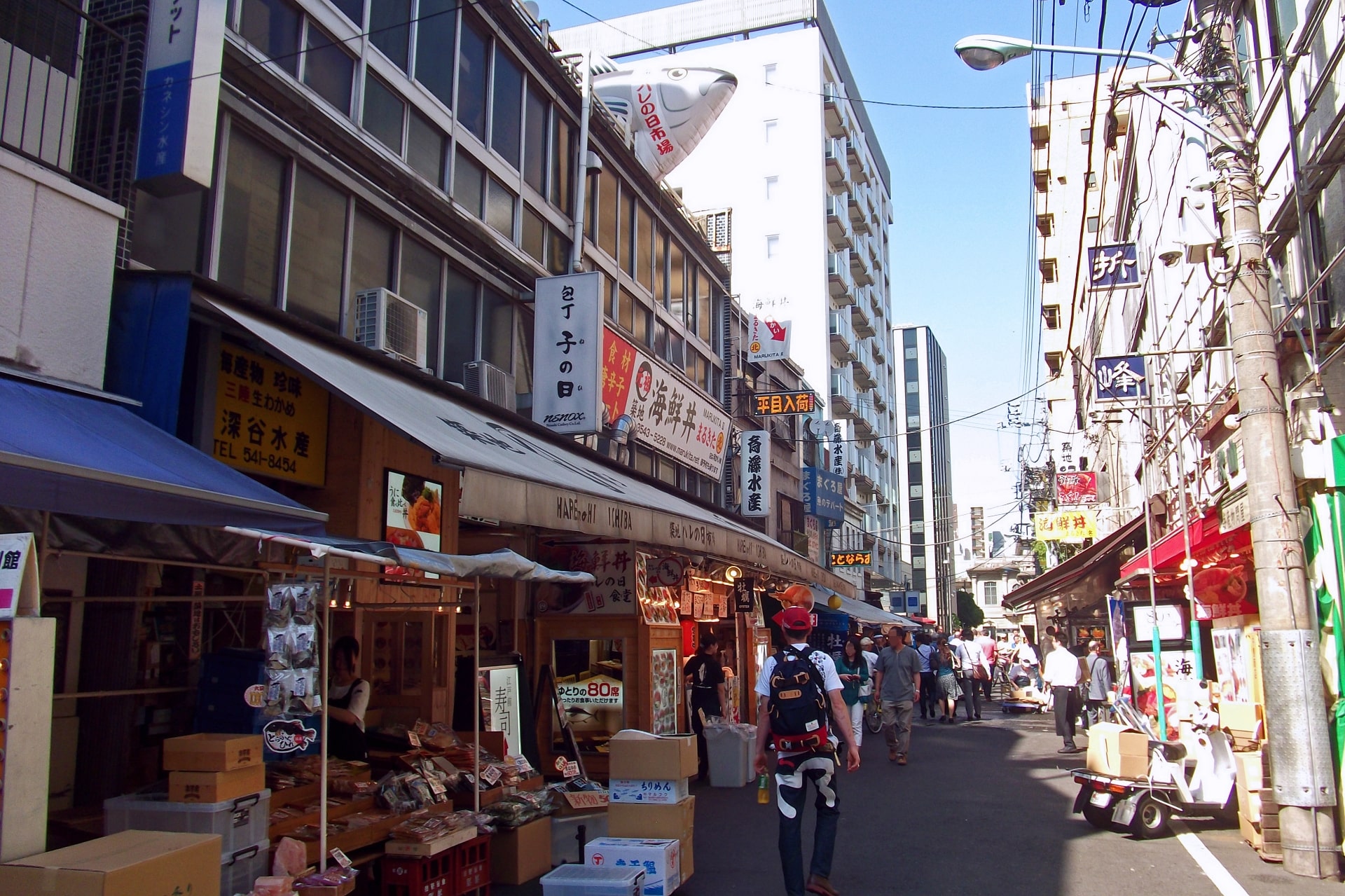
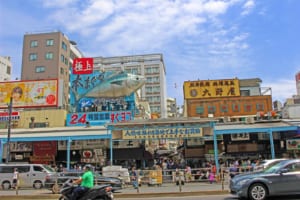
Although the wholesale inner market moved to Toyosu, the Tsukiji Outer Market remains Tokyo’s premier destination for fresh seafood, sushi, street food, and chef-quality kitchenware.
Tip: Visit Tsukiji early in the morning for fresh seafood or street food, then walk over to Hamarikyu Gardens right as it opens at 9:00 AM.
More info: Tsukiji Outer Market: Tokyo’s Historic Fish Market
Tokyo Tower
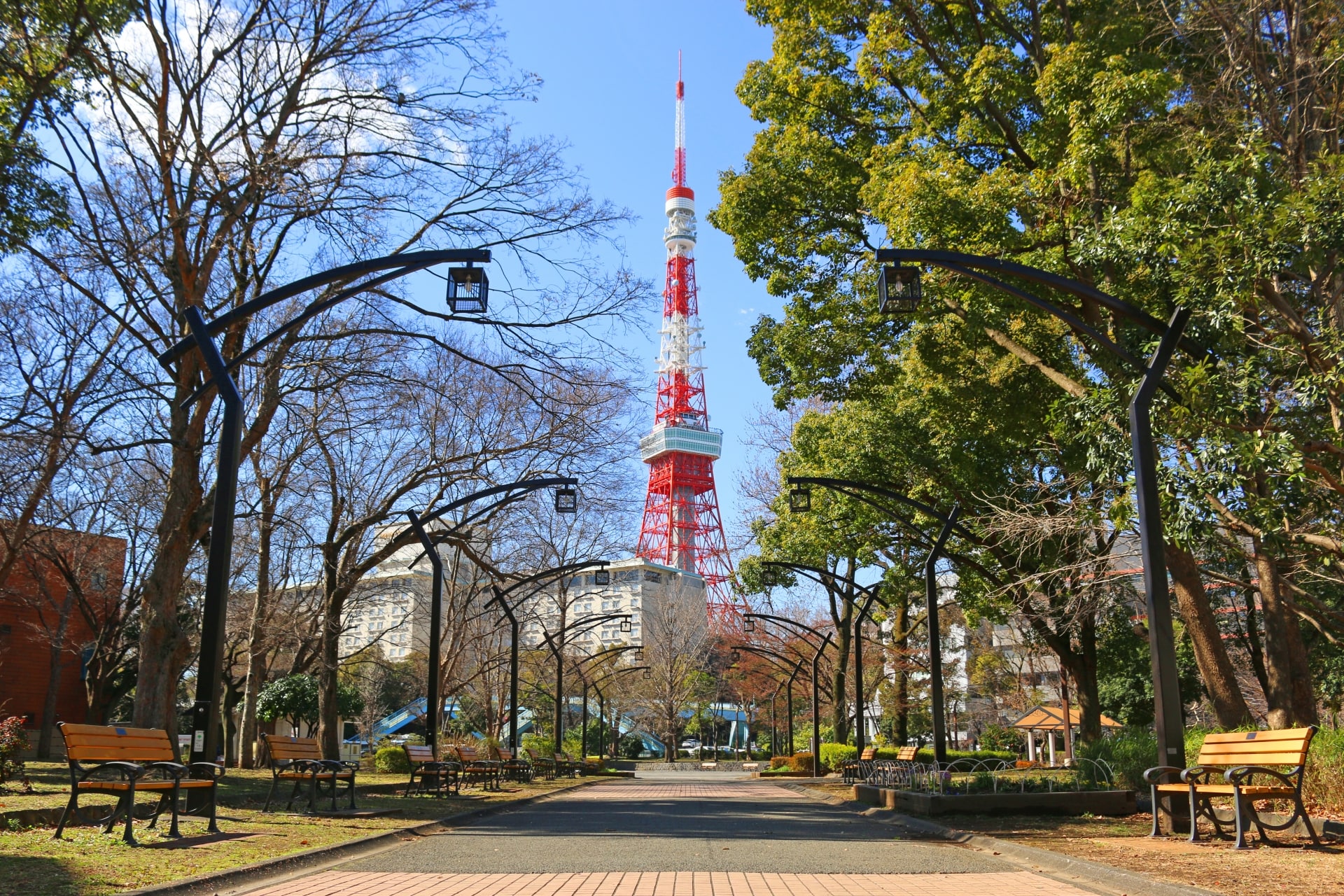
Standing at 333 meters, Tokyo Tower is an iconic symbol of Japan’s post-war rebirth. Visitors can enjoy panoramic views of the city from its observation decks and explore nearby attractions such as Zojoji Temple and Shiba Park.
More info: Tokyo Tower: The Symbol of Japan’s Capital City
Odaiba District
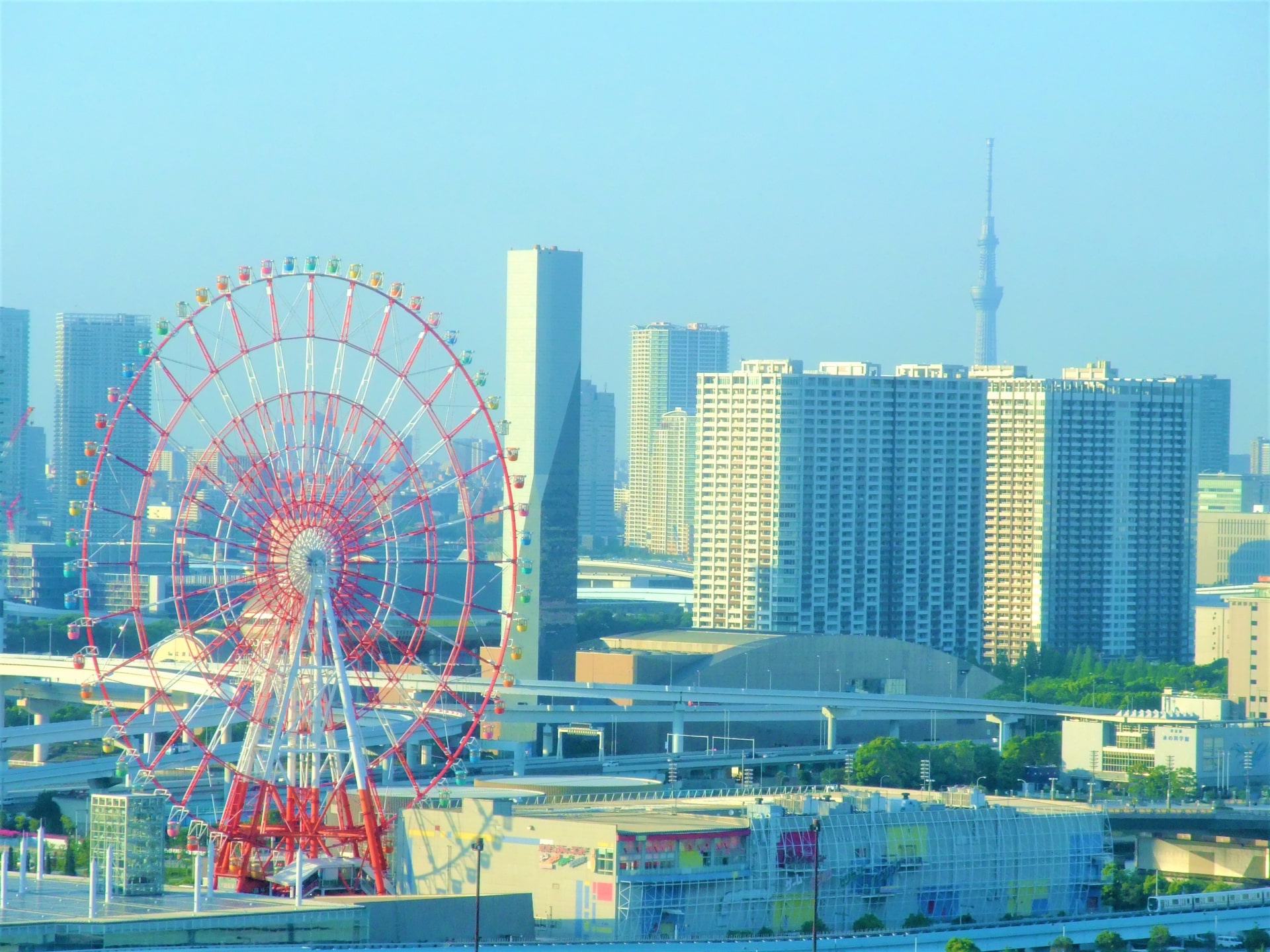
Odaiba is a futuristic entertainment hub situated on a man-made island in Tokyo Bay. The area boasts attractions like the teamLab Borderless digital art museum, shopping centers, and a replica of the Statue of Liberty, making it a popular destination for both locals and tourists.
More info: 18 Best Things to Do in Odaiba
For more information about parks, gardens, and nearby attractions, check the articles below!
Written by
Photographer, journalist, and avid urban cyclist, making sense of Japan since 2017. I was born in Caracas and lived for 14 years in Barcelona before moving to Tokyo. Currently working towards my goal of visiting every prefecture in Japan, I hope to share with readers the everlasting joy of discovery and the neverending urge to keep exploring.
- +0 0
-
-