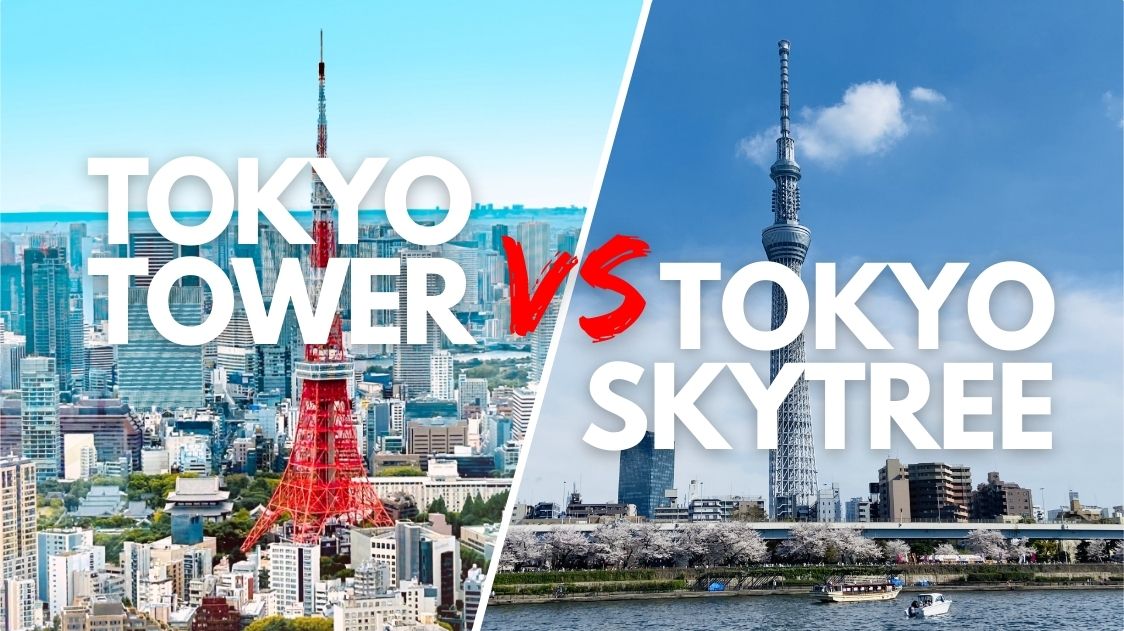
Tokyo Tower vs Tokyo Skytree
Tokyo Tower vs Tokyo Skytree: Price, Views & Which to Visit

- +0 23
-

-


Tokyo’s skyline boasts two towering giants that define the city in distinct ways: Tokyo Tower and Tokyo Skytree. These iconic structures aren’t just about height—they represent different eras, attitudes, and visions of Tokyo. Built in 1958, Tokyo Tower evokes nostalgia with its striking red-and-white lattice design, reminiscent of post-war optimism and recovery. Fast forward to 2012, and the futuristic Tokyo Skytree rises to double its predecessor’s height, symbolizing Japan’s embrace of cutting-edge technology and digital media.
But beyond their obvious differences, there’s a playful rivalry between the two. Are you drawn to the retro charm of Tokyo Tower or the sleek innovation of Tokyo Skytree? Both towers have their unique appeal, so which one should you visit? Full disclosure: I am totally partial to Tokyo Tower. For me, Skytree is still kind of new, and Tokyo Tower feels irreplaceable as the symbol of Tokyo. It even has its own emoji! (🗼)
But in the spirit of a fair comparison, let’s pit these two against each other in a showdown of Tokyo’s tallest stars!
*Please note that this article contains affiliate links.
Tokyo Tower vs Tokyo Skytree at a Glance
| Feature / Criteria | Tokyo Tower | Tokyo Skytree |
| Total Structure Height | 332.9 meters (1,092 ft) | 634 meters (2,080 ft) — Tallest in Japan |
| Lower Deck Height | 150m (Main Deck) | 350m (Tembo Deck) |
| Upper Deck Height | 250m (Top Deck) | 450m (Tembo Galleria) |
| Main Deck Adult Price | 1,500 yen (Fixed flat rate) | 1,800 – 3,200 yen (Advance) / 2,300 – 3,700 yen (Same-day) |
| Full Experience / Combo Price | 3,300 yen (Advance) / 3,500 yen (Counter) | 3,000 – 4,400 yen (Advance) / 3,500 – 4,900 yen (Counter) |
| Children’s Rates (Ages 6–14) | 900 yen (Main) / 2,100 yen (Top Deck Tour) | 900 – 1,600 yen (Deck) / 1,500 – 2,200 yen (Combo) |
| Under 4 Years Old | Free | Free (Free under 6 years old) |
| Vibe & Aesthetic | Nostalgic, romantic retro 1950s Eiffel-inspired icon | Ultra-modern, sleek futuristic titan |
| View Characteristics | Close-up city grid, intimate perspective of Roppongi & Tokyo Bay | Panoramic, horizon-expanding aerial view across the entire Kanto plain |
| Key Base Attractions | FootTown, RED° TOKYO TOWER (e-sports arcade), Zojo-ji Temple nearby | Tokyo Solamachi Mall (300+ shops), Sumida Aquarium, Planetarium |
| Best For… | Budget travelers, nostalgia lovers, romantic nighttime photo ops | First-time visitors seeking maximum height, families wanting shopping/dining |
Ticket Prices & Best Value: Which Tower Offers More for Your Yen?
When it comes to base admission, Tokyo Tower is the clear winner for budget-conscious travelers with a straightforward 1,500 yen flat-rate ticket for its Main Deck, nearly half the cost of Tokyo Skytree’s peak same-day entry (up to 3,700 yen). If you choose Skytree, be aware that it utilizes dynamic pricing on weekends and peak travel seasons, making online advance booking essential to dodge long lines and save 500 yen per person in ticket fees for purchases on site.
However, if you plan to upgrade to the highest decks, Tokyo Tower delivers much stronger value: its Top Deck Tour (3,300 yen online) feels like an exclusive VIP experience complete with priority elevator access, a complimentary drink, a multilingual audio guide, and a commemorative photo card. By contrast, Skytree’s Tembo Galleria add-on simply gives you access to a higher skywalk without the guided perks.
A Tale of Two Towers: A Quick History
Undoubtedly, Tokyo Tower and Tokyo Skytree are two of the most distinctive landmarks in the city’s architectural landscape, each reflecting the spirit of their respective eras.
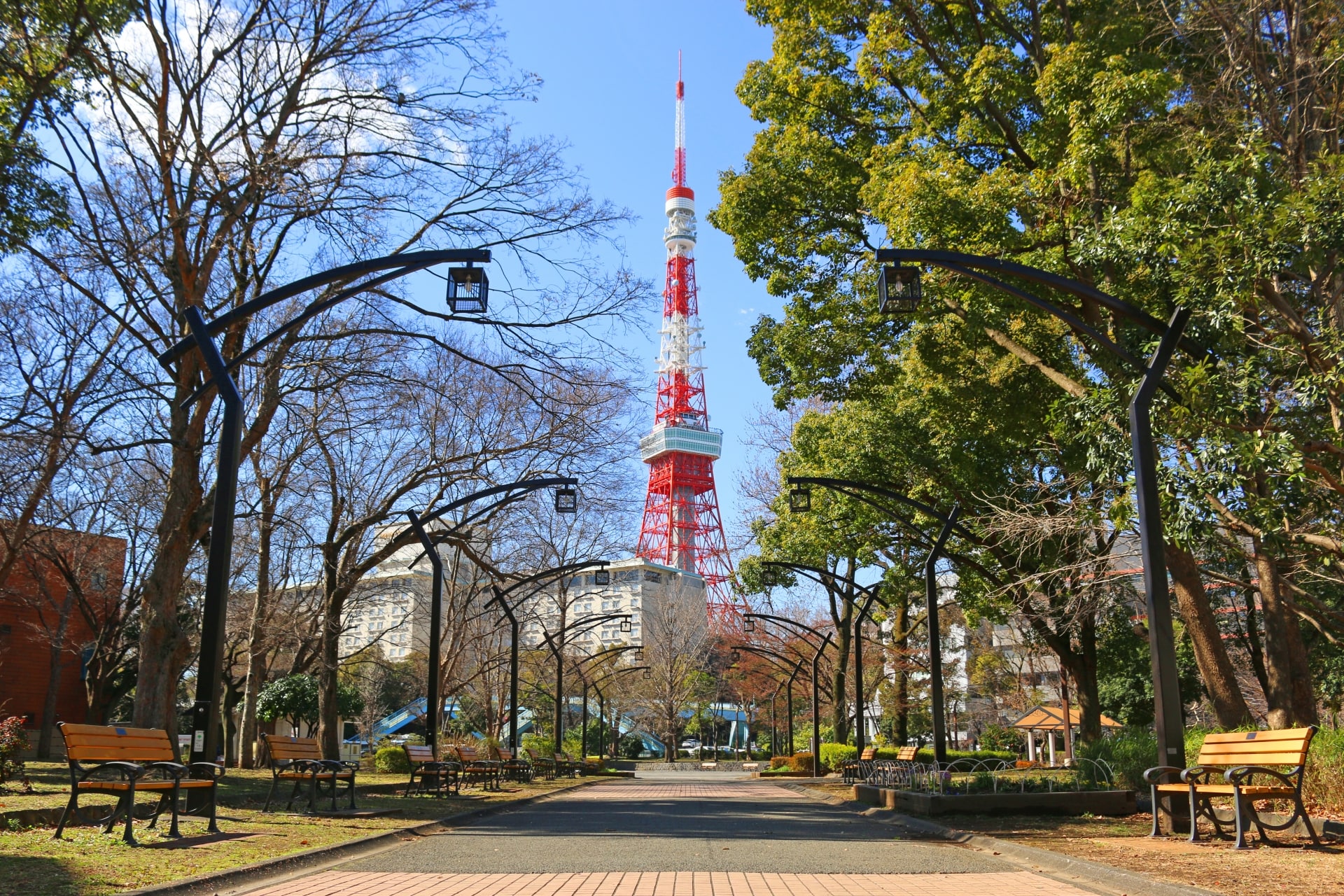
Tokyo Tower (東京タワー) was completed in 1958, a time when Japan was rebuilding itself post-World War II. Inspired by the Eiffel Tower in Paris, it was designed to symbolize Japan’s revival and growing influence. Standing at 333 meters tall, it was once the tallest structure in Japan. The tower served an important role as a broadcast antenna and was a symbol of the nation’s newfound confidence and ambition. Over the years, it became a beloved symbol, representing the older, classic Tokyo.
▶ Get your Tokyo Tower tickets here!
 Access Access |
8-min walk from Onarimon Station or 9-min walk from Kamiyacho Station |
|---|---|
 Business Hours Business Hours |
9 AM–11 PM |
 Price Price |
From 1,500 yen |
 Official Website Official Website |
https://www.tokyotower.co.jp/ |
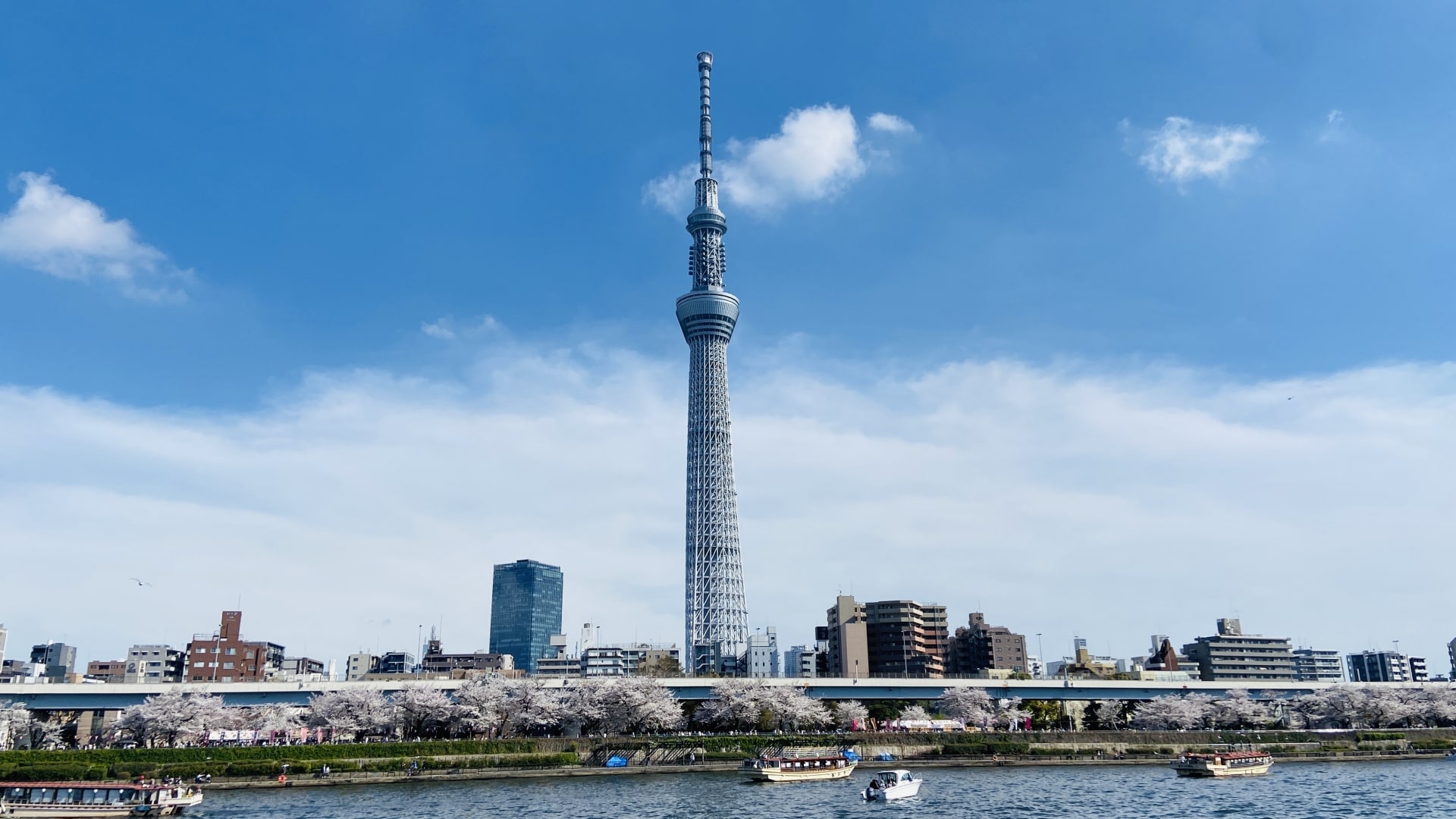 Tokyo Skytree (東京スカイツリー), on the other hand, came into being in 2012, over five decades later. By then, Tokyo had become a global powerhouse, and the Skytree was a symbol of the city’s high-tech future. Soaring to a jaw-dropping 634 meters, it quickly claimed the title of the tallest structure in Japan—and the world’s tallest tower at the time of construction. Besides being a broadcast antenna, it’s also a major attraction in a digital age, incorporating cutting-edge technology and design.
▶ Get your Tokyo Skytree tickets here!
| Access |
Tokyo Skytree Station or Oshiage Station |
|---|---|
| Price |
From 1,800 yen |
| Official Website |
https://www.tokyo-skytree.jp/ |
Size Matters – Height and Views
When it comes to size, with height and location the type of views will vary.
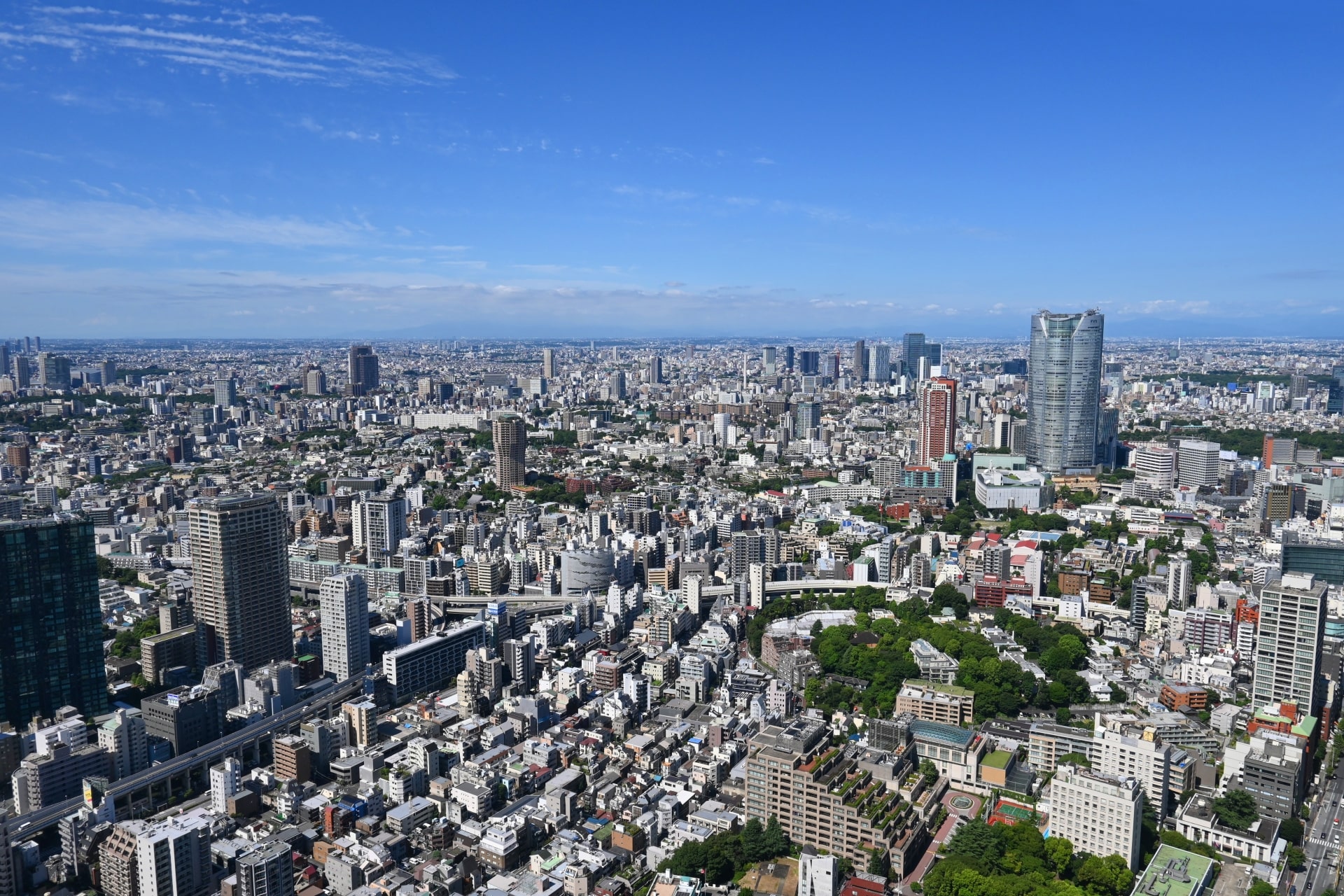
Tokyo Tower stands at a respectable 333 meters, making it a significant part of Tokyo’s skyline, even after all these years. Its Main Observatory, located 150 meters up, and its Special Observatory at 250 meters, offer a classic view of the city. From here, you can spot famous landmarks like Roppongi Hills and the Rainbow Bridge. The closer, more intimate perspectives let you enjoy the heart of Tokyo’s urban jungle. It may not reach the heavens but it offers a cozy familiarity and a panorama that has inspired generations.
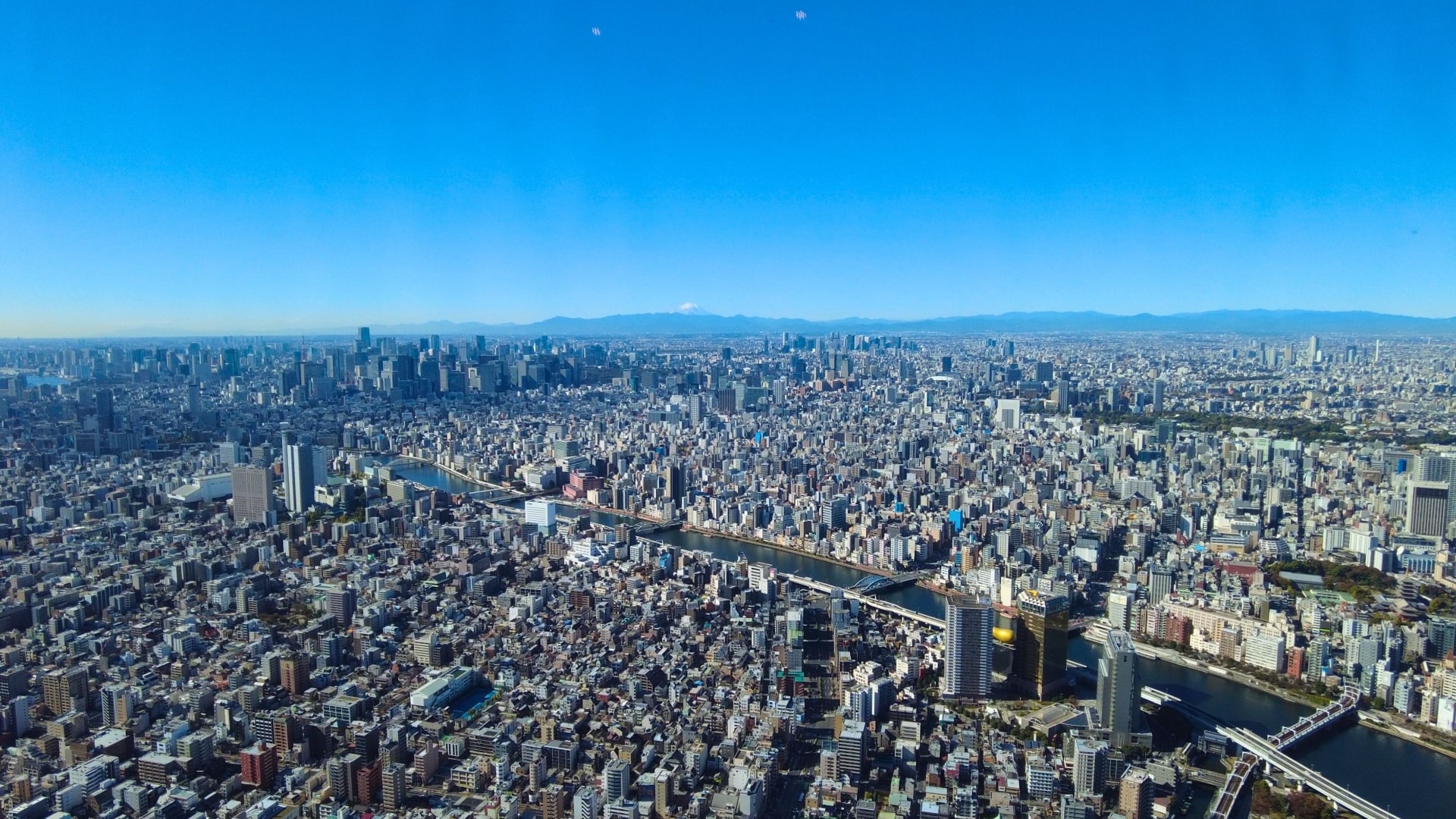
Tokyo Skytree, however, dwarfs Tokyo Tower with its sky-piercing height of 634 meters. The Tembo Deck, located 350 meters up, offers a view that makes you feel like you’re floating above the entire metropolis. For those who want to take it even higher, the Tembo Galleria at 450 meters provides a thrilling experience as you look down on Tokyo from what feels like the edge of space. On clear days, you might even be able to catch a glimpse of Mt. Fuji in the distance, giving you a truly panoramic view that extends beyond the city’s borders.
Design Showdown
Design-wise, Tokyo Tower and Tokyo Skytree couldn’t be more different. Each tower embodies the architectural style and aesthetic priorities of its time.
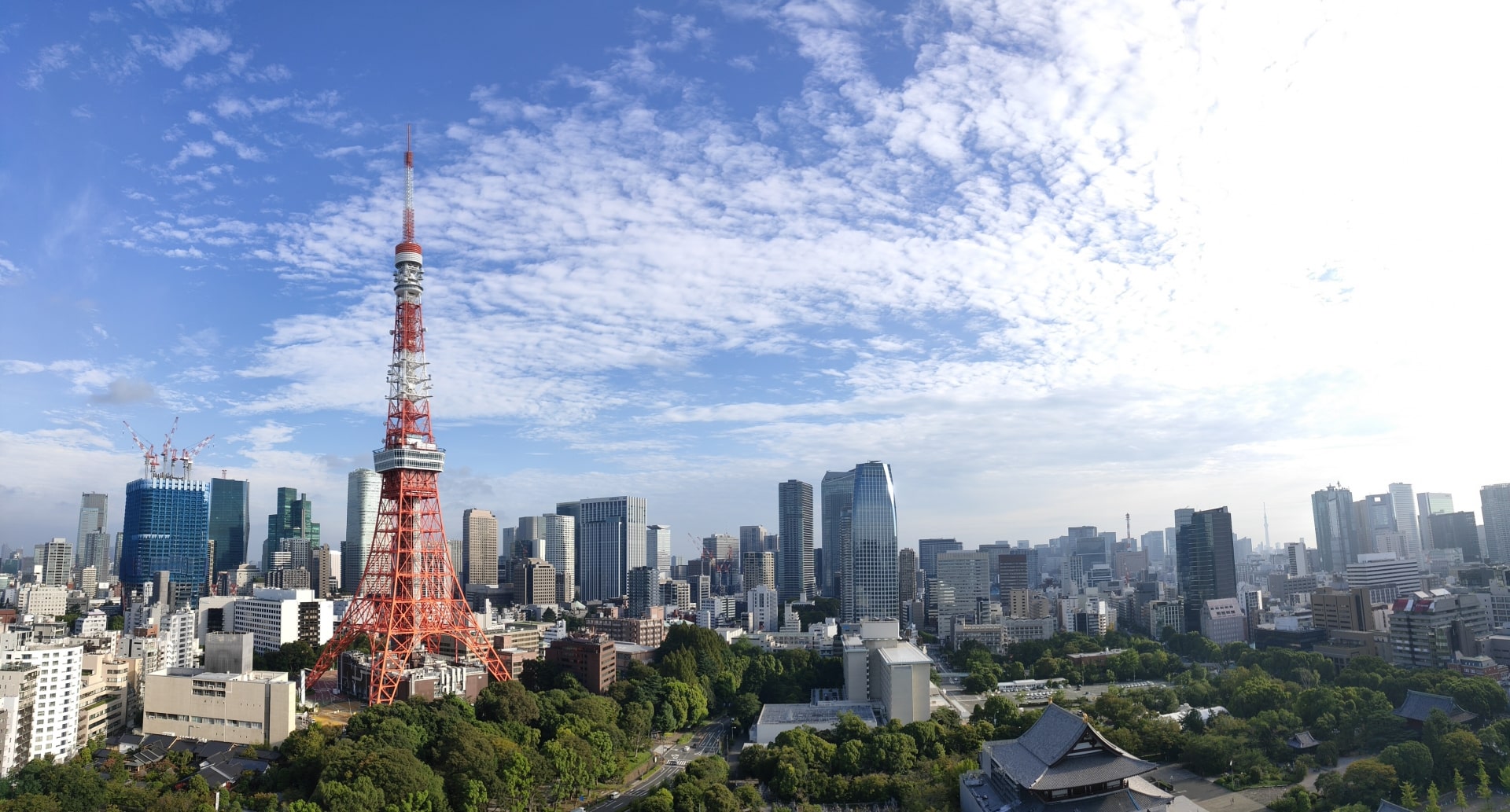
Tokyo Tower was designed after the Eiffel Tower, with its elegant, lattice structure and instantly recognizable red-and-white paint. A retro design that was influenced by the need to adhere to aviation safety regulations, hence the bold color scheme. The simplicity and charm of the structure are a callback to an era when Tokyo was emerging from the shadows of World War II, using its newfound identity to create something that would symbolize progress and ambition. There’s a sense of nostalgia in its design, with the tower’s straight lines and sturdy frame reflecting the no-nonsense attitude of the time.
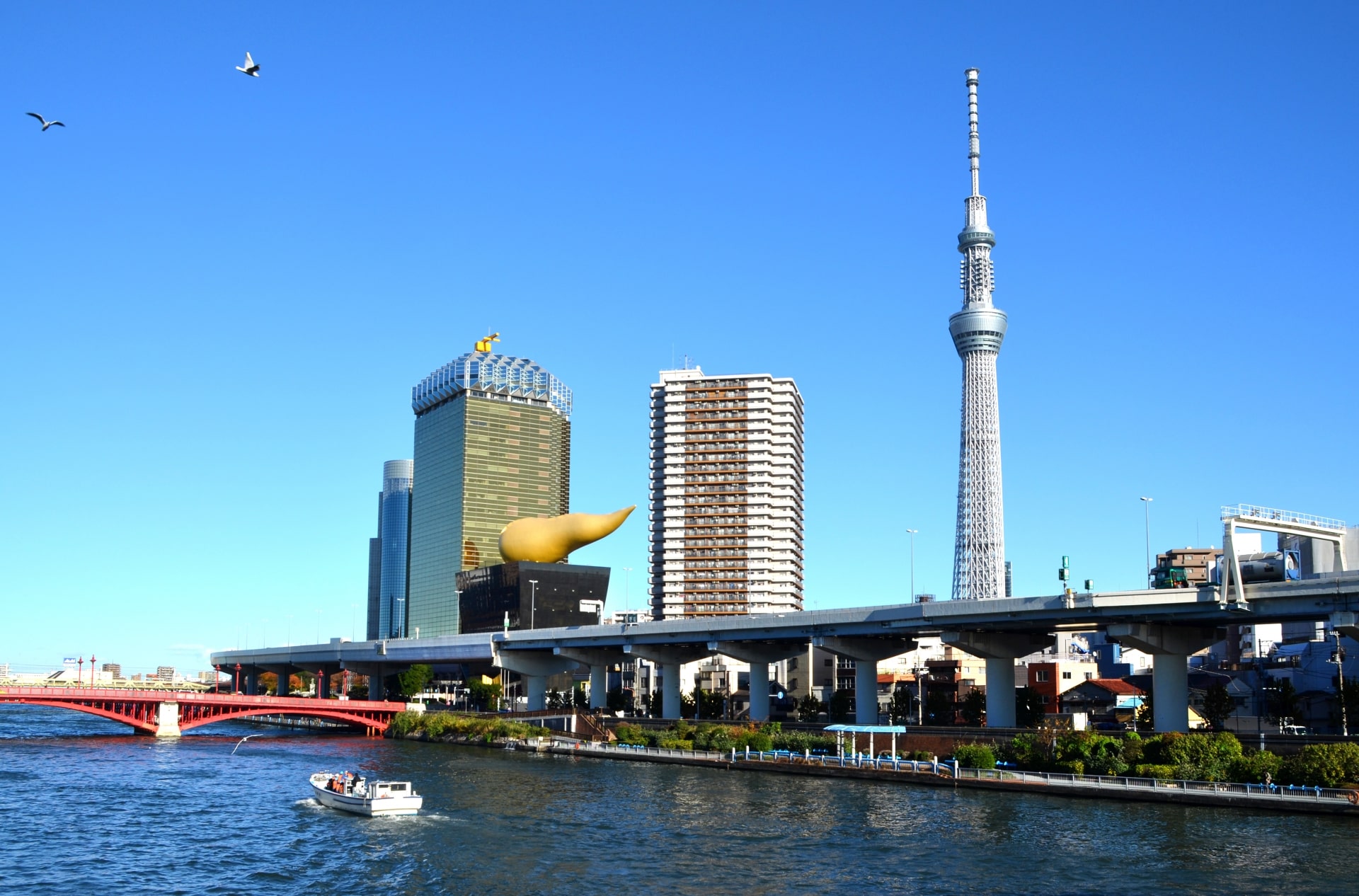
Tokyo Skytree, on the other hand, is the epitome of modernity. Its sleek, streamlined design is futuristic yet grounded in tradition: its structure was inspired by traditional Japanese craftsmanship, like the pagodas of ancient temples. But it’s not all about the past—Skytree’s design also incorporates cutting-edge technology, making it resistant to earthquakes and other natural disasters. The tower’s pale bluish color and spiraling form create a sense of flow and fluidity, as though it is constantly evolving with the city it watches over.
What’s Inside? Experiences and Attractions
Both Tokyo Tower and Tokyo Skytree offer visitors a range of experiences that go far beyond just breathtaking views.
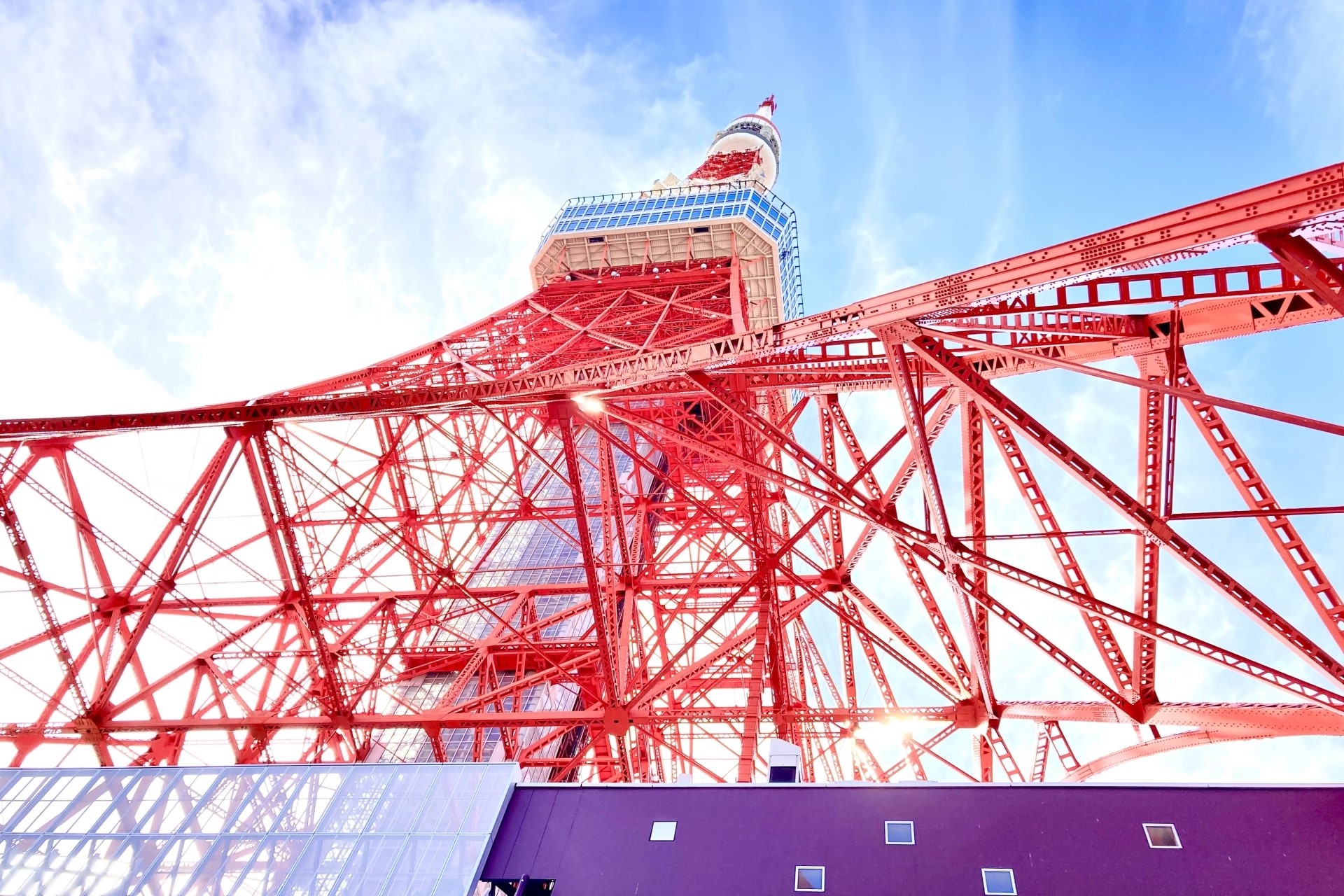
Tokyo Tower may be a classic, but it certainly hasn’t remained static over the years. Beyond the views, Tokyo Tower used to host the Tokyo One Piece Tower, a massive indoor theme park dedicated to the beloved anime series until its closure in 2020. Today, FootTown, the multi-story complex located at the tower’s base, has filled that void with RED° TOKYO TOWER, Japan’s largest indoor esports and VR gaming park. Alongside this high-tech attraction, FootTown still offers a full range of souvenir shops, cafes, and restaurants to explore before or after heading up to the observatories.
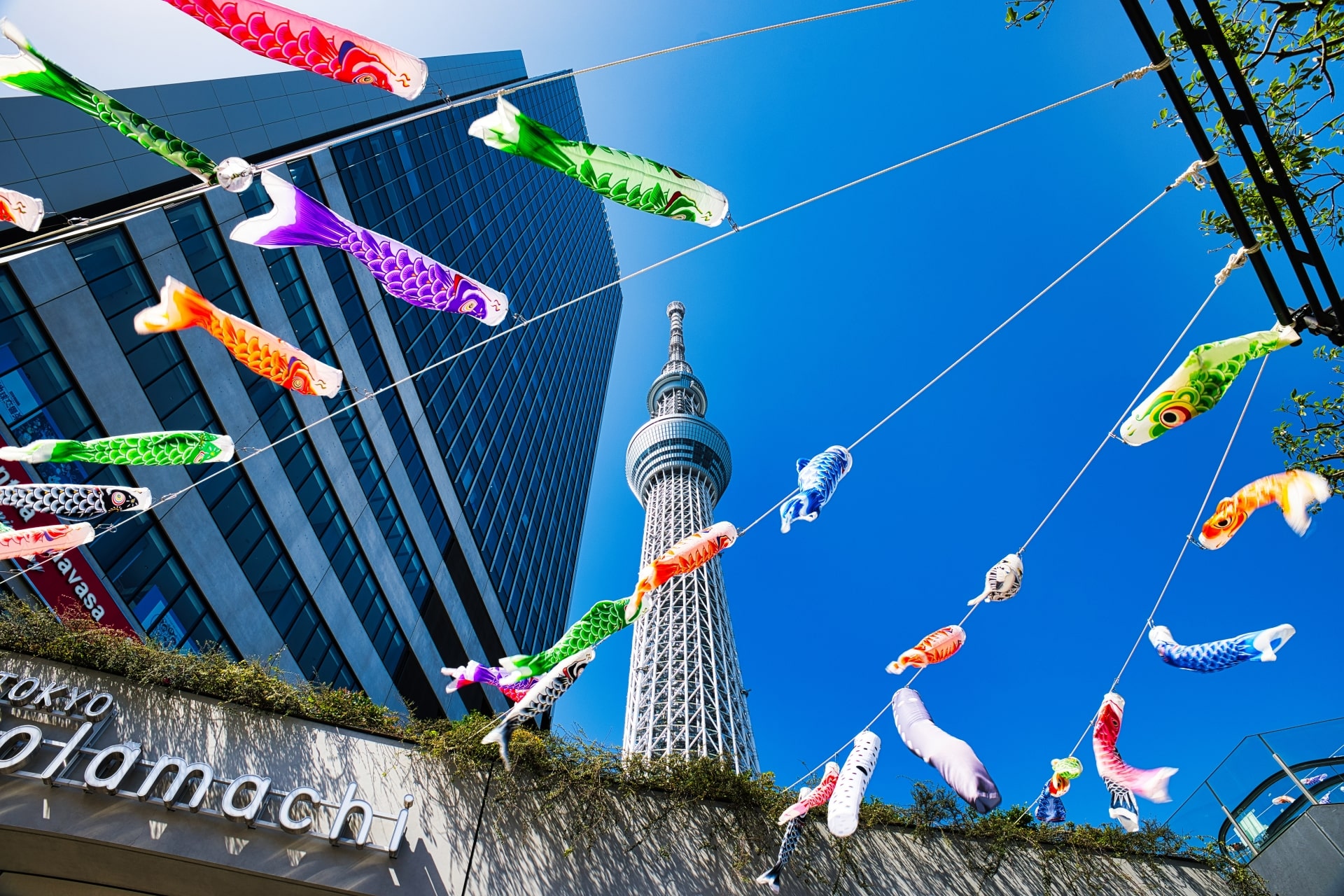
Tokyo Skytree, on the other hand, goes all-in on the modern entertainment experience. The tower’s observatories—Tembo Deck and Tembo Galleria—are ultra-modern spaces where you can even enjoy a café meal while floating hundreds of meters above the ground. Skytree’s base is connected to Tokyo Solamachi, a massive shopping and entertainment complex. Solamachi includes over 300 shops, restaurants, and unique attractions like the Sumida Aquarium and the Tenku Planetarium.
Nighttime Spectacle – Illuminations
When the sun sets over Tokyo, both Tokyo Tower and Tokyo Skytree transform into glowing icons, with nighttime illuminations that have become a major draw for visitors.
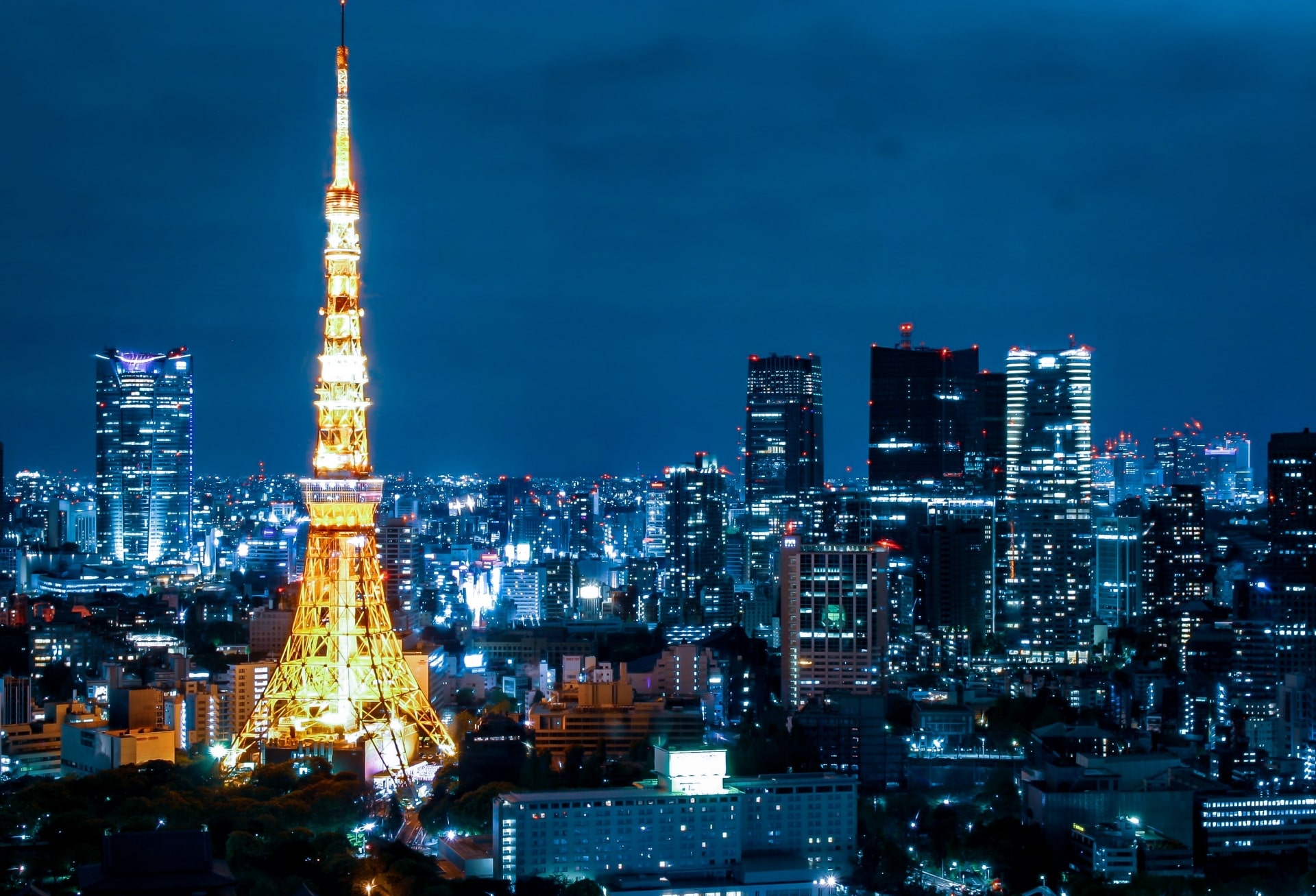
Tokyo Tower is all about warmth and charm after dark. The tower is usually bathed in soft, warm orange light, giving it a cozy, inviting glow that’s hard to miss. During the warmer months, it has a slightly cooler shade. The simplicity of the lighting suits its retro aesthetic, exuding a classic Tokyo vibe that feels almost nostalgic. Special occasions, however, bring unique lighting displays—during holidays or campaigns, the tower switches to a rainbow of colors, or even patterns that reflect various causes, such as pink for Breast Cancer Awareness or blue for World Autism Awareness Day.
See also: Where is the Best Place to See Tokyo Tower??
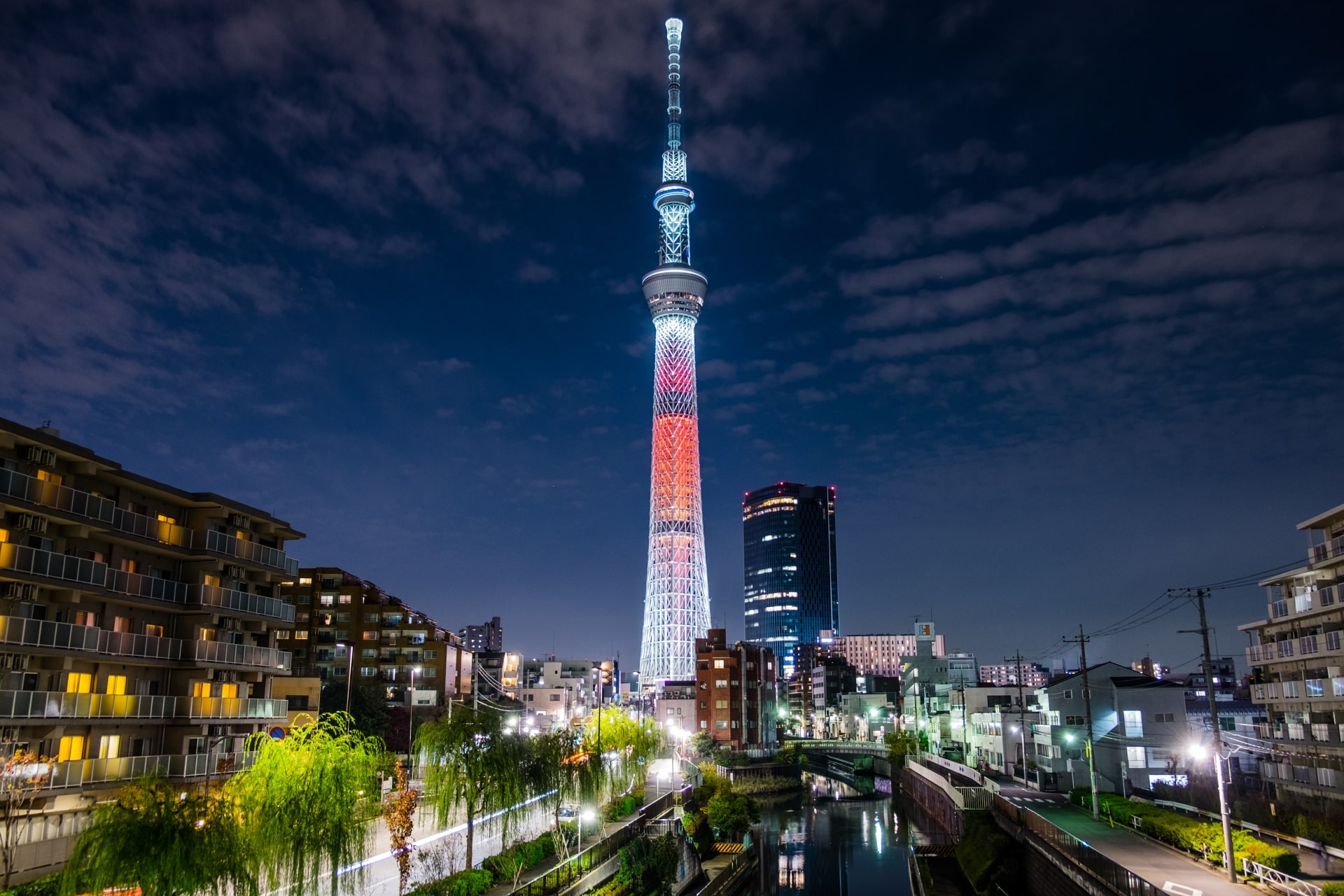
Tokyo Skytree, by contrast, takes nighttime illumination to another level. Its lighting is far more dynamic, often changing based on the season, event, or even daily mood. It has two regular lighting patterns—Iki (粋), which features a soft blue, and Miyabi (雅), which casts a violet hue. For special events like Christmas or Tokyo’s famous cherry blossom season, the tower lights up in vibrant, colorful displays that shift and change, creating a more interactive spectacle. The use of advanced LED technology allows Skytree to put on dazzling light shows.
Ease of Access and Surrounding Areas
Getting there and exploring the surrounding neighborhoods adds to the overall experience. Both Tokyo Tower and Tokyo Skytree are conveniently located, but their neighborhoods offer entirely different vibes.
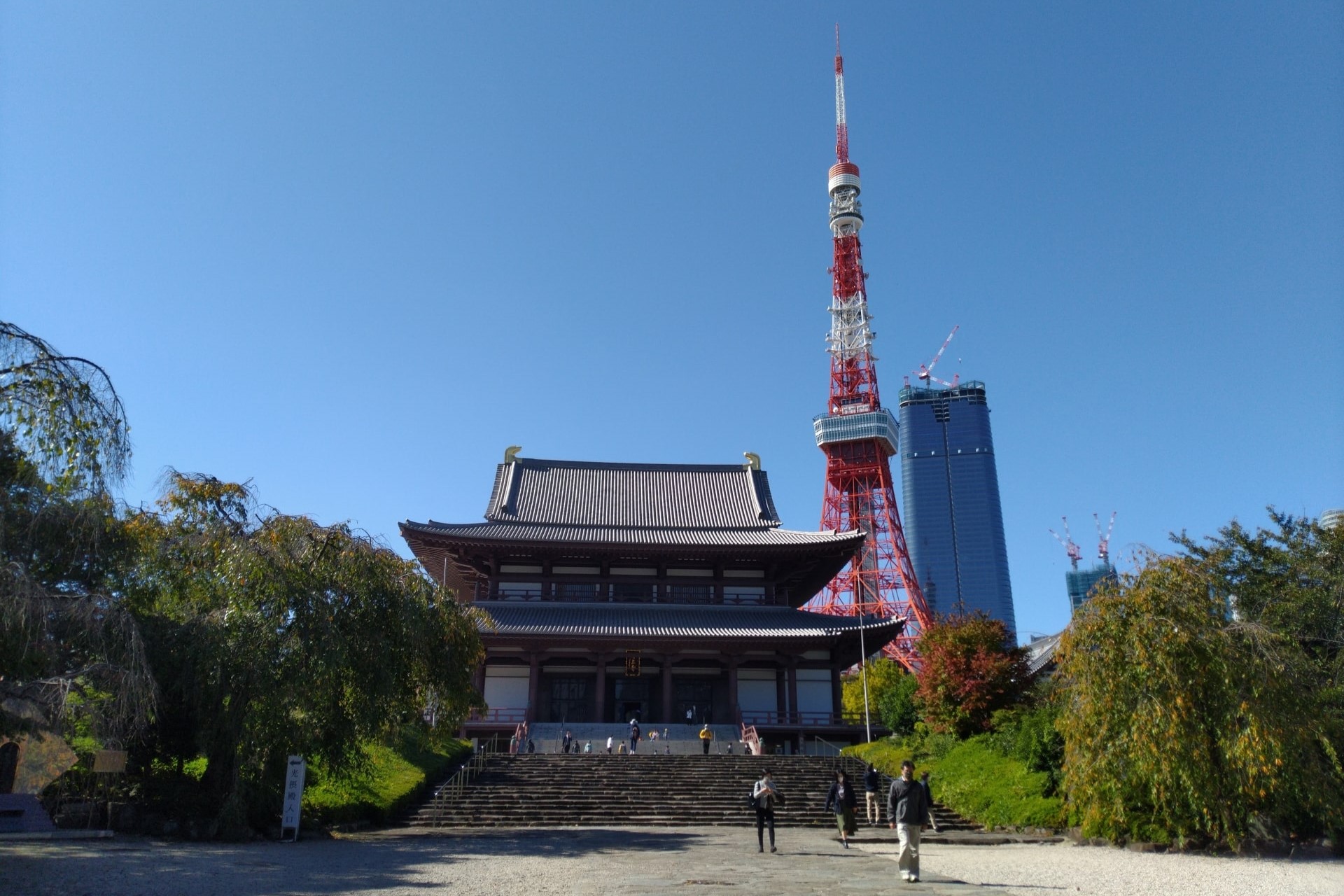
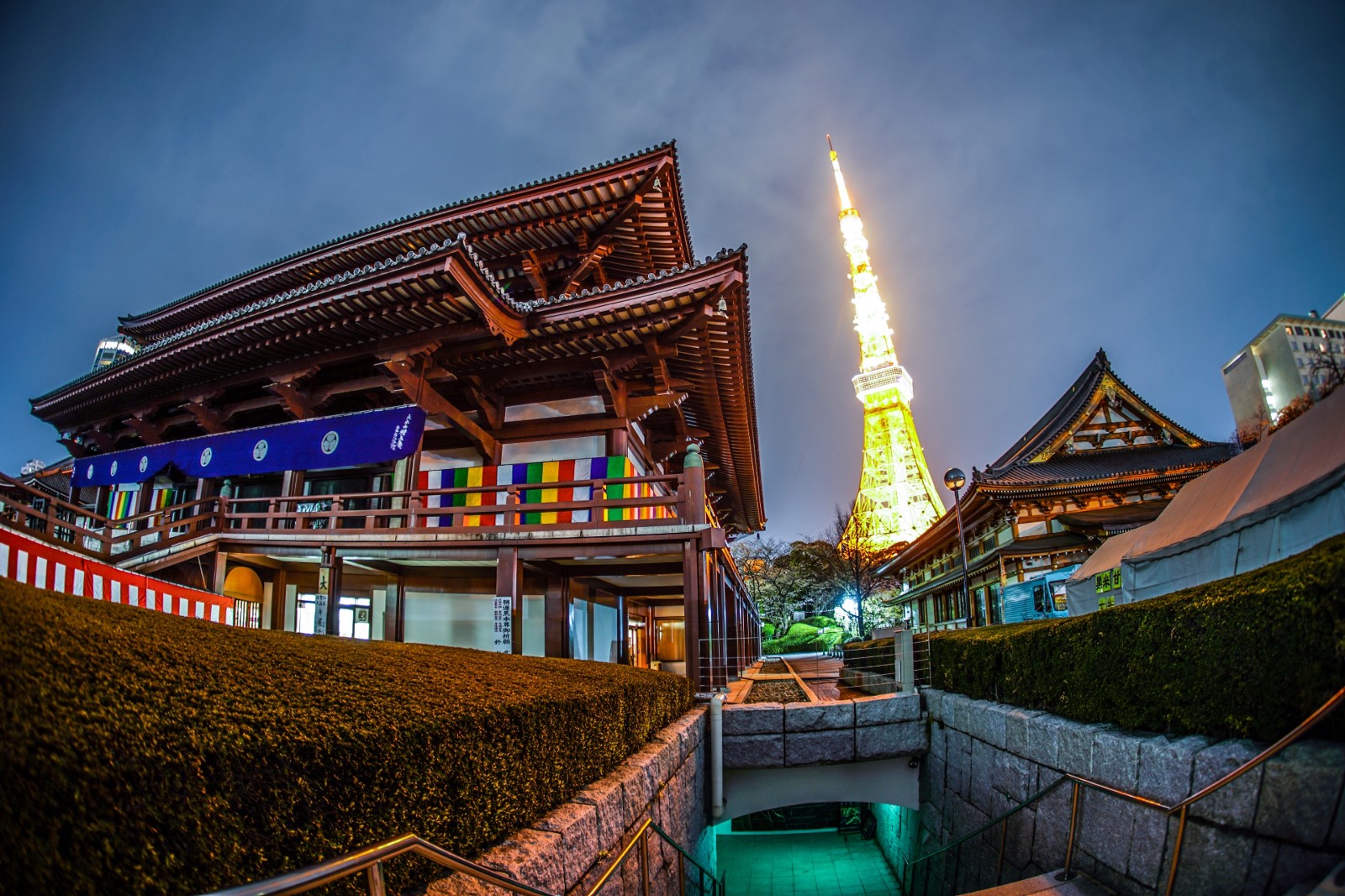
Tokyo Tower is located in the heart of Minato Ward, a central location that puts you close to a variety of Tokyo’s most famous spots. Just a short walk away is Zojoji (増上寺), a historic Buddhist temple with stunning views of Tokyo Tower looming behind it. The bustling neighborhood of Roppongi is also nearby, offering nightlife, dining, and art galleries.
Despite being in the middle of a busy area, the surrounding parks, including Shiba Park, provide some peaceful green space for a relaxing break. Getting to Tokyo Tower is easy via several train stations, including Onarimon and Akabanebashi Stations on the Toei Subway Line, or Kamiyacho on the Hibiya Line.
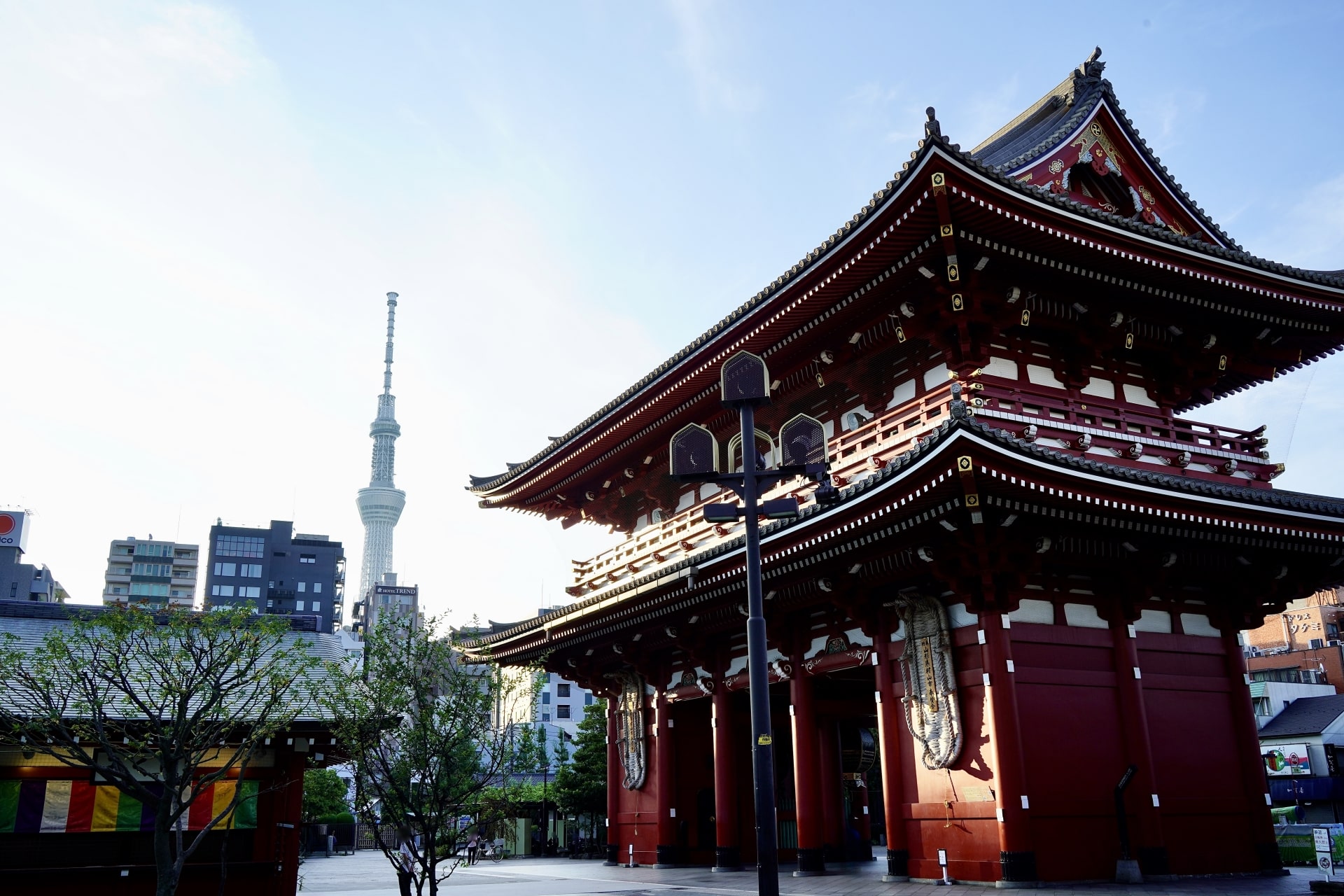
Tokyo Skytree rises up in Sumida Ward, a more traditional and laid-back area compared to the glitzier Minato Ward. Just a stone’s throw away is the famous Asakusa (浅草) district, home to Sensoji (浅草寺), the oldest Buddhist temple in Tokyo.
You can also stroll along the Sumida River, where you’ll find the Sumida Aquarium and plenty of river cruises offering unique views of the city. Skytree’s connectivity is excellent as well, with Oshiage Station and Tokyo Skytree Station making it easy to reach via the Tobu Skytree Line, Hanzomon Line, or Asakusa Line.
Practical Visiting Tips: Weather, Crowds & Timing
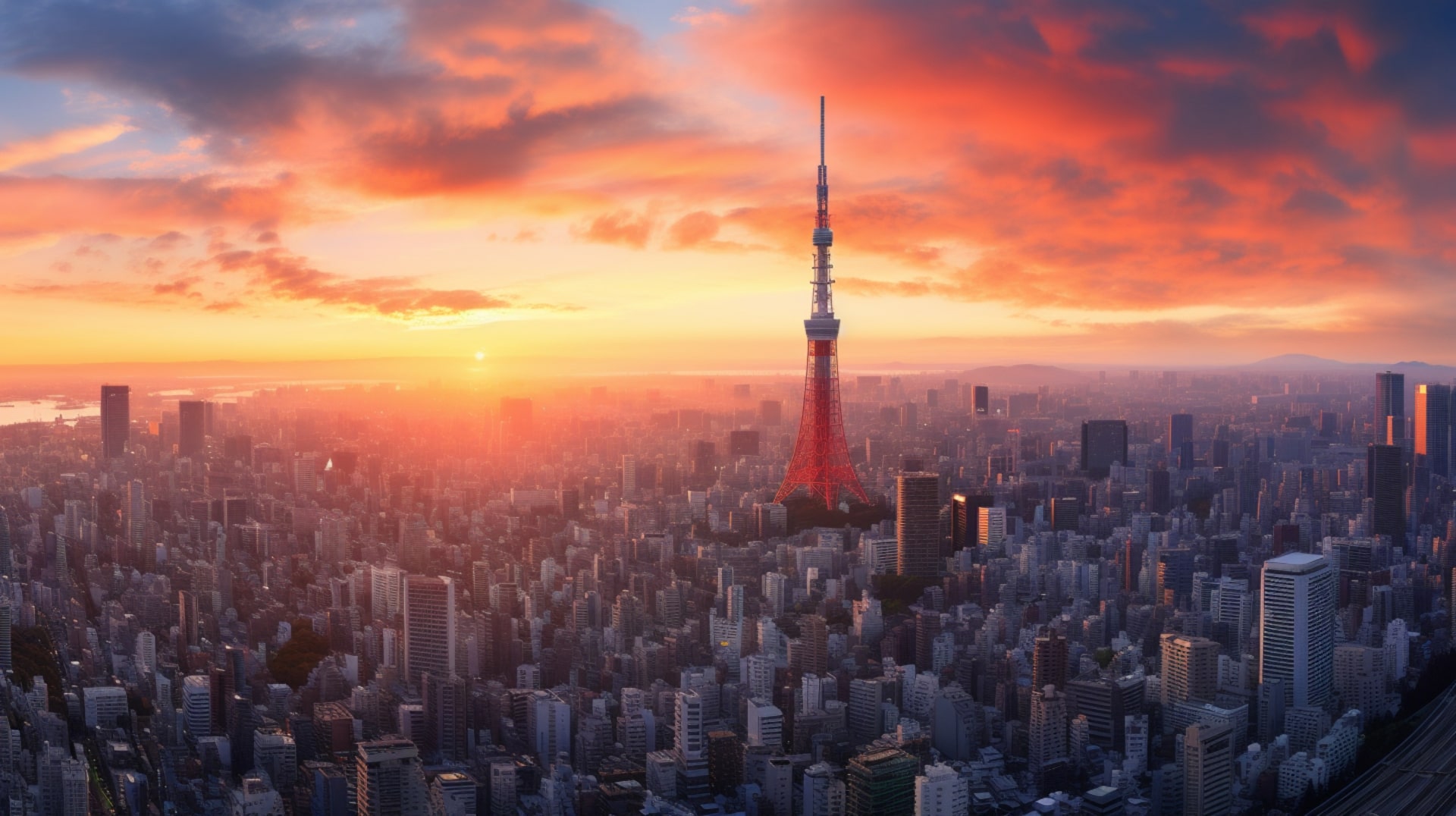
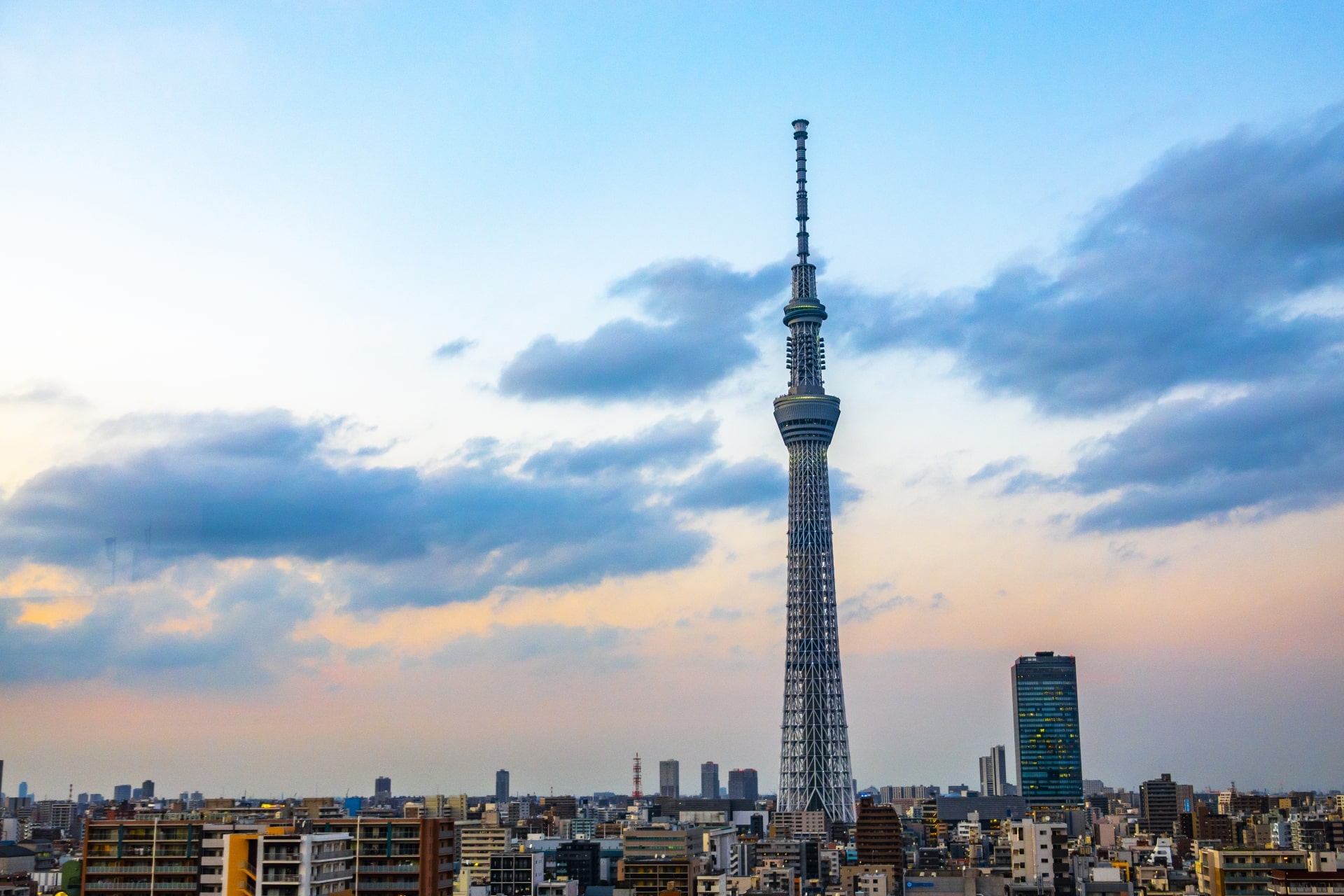
A great observatory visit often comes down to timing and planning. To get the most out of your ticket for either tower, keep these practical travel tips in mind:
- The Golden Hour Trick: Try to book your timed ticket or plan your arrival for 45 to 60 minutes before sunset. This allows you to watch the city in daylight, capture the golden glow over the Tokyo skyline as the sun dips, and stick around to watch the lights flick on across the city at night—giving you three distinct views for the price of a single entry.
- Watch Out for Low Cloud Cover: Because Tokyo Skytree’s Tembo Deck sits so high at 350m (and 450m for the Galleria), overcast or stormy days can cause the observation decks to be completely engulfed in fog or low clouds, severely cutting into visibility. In contrast, Tokyo Tower’s Main Deck sits at 150m beneath most low cloud ceilings, making it a much safer bet on days with questionable weather.
- Mount Fuji Sightings: If catching a glimpse of Mt. Fuji is on your bucket list, plan your visit during the cold, crisp winter months (December to February) on an early morning slot. Clear air before afternoon haze builds up gives you the highest chance of seeing the iconic snow-capped peak from either tower.
- Crowds & Pre-Booking: Tokyo Skytree relies heavily on timed-entry booking, and peak sunset or weekend slots regularly sell out days in advance. You should always buy your Skytree tickets online ahead of time. Tokyo Tower is much more forgiving for spontaneous travelers; while its Top Deck Tour requires pre-booking, standard Main Deck tickets can almost always be purchased on the spot with minimal waiting time.
- If you want to visit both in one day: Take the Toei Asakusa Line directly between Daimon Station (near Tokyo Tower) and Oshiage Station (directly underneath Skytree). The direct train takes only about 20 minutes.
The Final Verdict – Which Tower is Right for You?
Look, I’m not changing my mind ok? I’m still Tokyo Tower team all the way! But personal bias aside, choosing which Tokyo observation deck is the best between Tokyo Tower and Tokyo Skytree comes down to what kind of experience, perspective, and travel style you’re looking for:
- For First-Timers & Scale Seekers: Go with Tokyo Skytree. At 634 meters, nothing beats the sheer thrill of floating above the entire Kanto plain, especially on a crisp morning you can catch sweeping panoramic views stretching out to Mt. Fuji.
- For Families & Shoppers: Tokyo Skytree wins hands down. With the massive Tokyo Solamachi complex at its base, featuring over 300 shops, dining options, the Sumida Aquarium, and a planetarium, it turns a simple deck visit into an easy, stroller-friendly, half-day outing.
- For Couples & Nostalgia Lovers: Choose Tokyo Tower. Its warm orange glow at night, iconic Showa-era charm, and romantic surrounding strolls near Zojo-ji Temple and Shiba Park offer a cozy, timeless atmosphere you won’t find anywhere else.
- For Photographers & View Quality: Tokyo Tower frequently yields better skyline photos. Because its 150m Main Deck puts you right among surrounding skyscrapers, your shots have real depth and city context rather than making Tokyo look like a flat, distant toy model. Furthermore, Tokyo Tower lets you shoot right against the window glass to eliminate indoor reflection, whereas Skytree’s bright interior lighting creates heavy glass glare and reflection issues at night.
- For Budget Travelers: Tokyo Tower keeps entry simple and affordable with its flat-rate ¥1,500 Main Deck ticket, whereas Skytree’s dynamic peak pricing can push walk-up tickets past ¥3,000 per person.
Frequently Asked Questions (FAQs) About Tokyo Tower and Tokyo Skytree
Which tower is better for a first-time visitor to Tokyo?
If you want maximum height and a modern, high-tech experience, Tokyo Skytree is hard to beat. However, if you prefer retro charm, iconic photography spots, and a more affordable base price, Tokyo Tower is the classic choice. Many first-timers prefer Skytree during the day for sweeping views and shopping, and Tokyo Tower at night for its romantic orange glow and cozy atmosphere.
Can you see Mount Fuji from both Tokyo Tower and Tokyo Skytree?
Yes, on clear days, you can spot Mount Fuji from the observation decks of both structures. However, visibility depends heavily on the season. Your best chance to see Fuji is during the cold, crisp winter months (December to February) early in the morning before atmospheric haze builds up. During humid summer months, Mount Fuji is rarely visible from either tower.
How do you travel between Tokyo Tower and Tokyo Skytree?
Traveling between the two towers is easy and direct via the subway. Simply walk to Daimon Station near Tokyo Tower and take the Toei Asakusa Line straight to Oshiage (Skytree) Station. The direct train ride takes about 20 minutes.
Which tower is cheaper to visit?
Tokyo Tower is significantly cheaper for base admission. Standard entry to Tokyo Tower’s Main Deck is a flat rate of ¥1,500 for adults, whereas Tokyo Skytree uses dynamic pricing where same-day tickets can cost between ¥2,100 and ¥3,200 for the lower deck depending on the day and time.
Do I need to buy tickets in advance?
For Tokyo Skytree, pre-booking tickets online is highly recommended because timed-entry slots frequently sell out, and online tickets save you roughly ¥300 to ¥500 off same-day walk-up counter prices. For Tokyo Tower, you can almost always buy standard Main Deck tickets at the counter on the spot without long delays, though booking the exclusive Top Deck Tour in advance is recommended.
In the end, it’s not about picking the “better” tower; it’s about choosing the right experience for your Tokyo adventure. You can’t go wrong with either, so why not visit both and see Tokyo from two very different perspectives?
For more information about traveling in Tokyo, check these articles below, too!
Written by
Photographer, journalist, and avid urban cyclist, making sense of Japan since 2017. I was born in Caracas and lived for 14 years in Barcelona before moving to Tokyo. Currently working towards my goal of visiting every prefecture in Japan, I hope to share with readers the everlasting joy of discovery and the neverending urge to keep exploring.
- +0 23
-
-