Sumida River Fireworks Festival (Sumidagawa Hanabi) 2026: The Complete Guide
Guide to Tokyo's Largest Fireworks Festival

- +2 2
-

-


The Sumidagawa or Sumida River Fireworks Festival is probably Tokyo’s most anticipated summer event, judging by the insane crowds that it draws every year. It’s easy to see why: hanabi (as fireworks are called in Japanese) events are a staple of the Japanese summer, and in this case, it’s a dazzling display of pyrotechnics over the iconic Sumida River that has captivated both locals and visitors for centuries. A breathtaking show that can be seen from miles away
Fun fact: The Sumida River Fireworks Festival was originally started in 1733 as a way to lift the spirits of the people suffering from famine and disease. Today, it continues to bring joy and wonder to millions, making it a must-see event for anyone visiting Tokyo in the summer.
In this guide, we’ll cover everything you need to know to enjoy the festival to the fullest.
See also: Best Fireworks in Tokyo in Summer & Best Fireworks in Japan in Summer
* Please note that this article contains affiliated links.
What is the Sumida River Fireworks Festival?
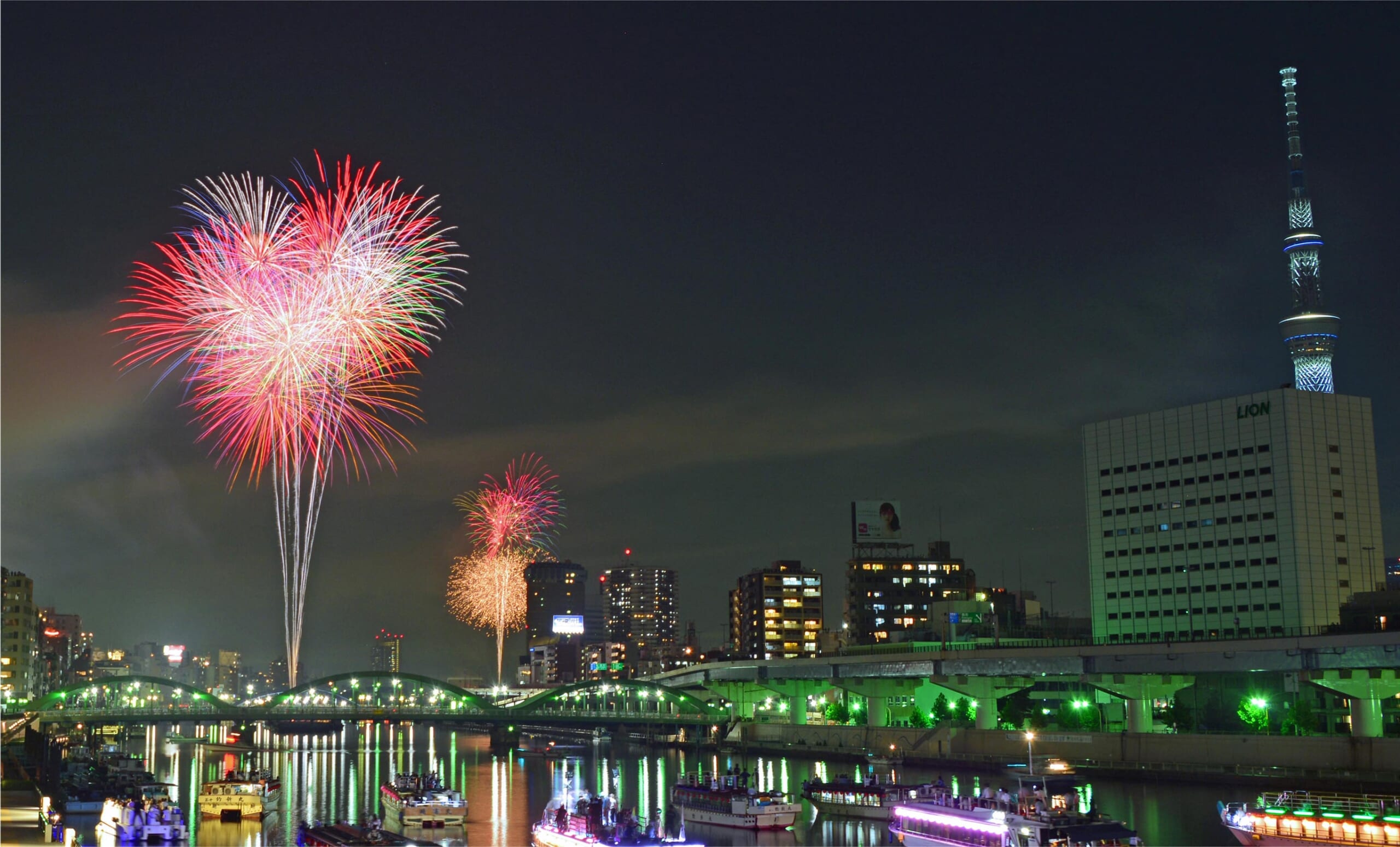
The Sumida River Fireworks Festival (隅田川花火大会), known in Japanese as Sumidagawa Hanabi Taikai, is a major fireworks display held annually in Tokyo. We’re talking about over 20,000 fireworks launched over the span of 90 minutes, a stunning visual experience that lights up the summer night sky. Its history dating back to the Edo period makes it one of Japan’s oldest fireworks festivals.
After the famine in 1732, the Ryogoku River Fireworks Festival was held in 1733 as the first direct predecessor. However, since then, the festival was suspended multiple times (during wartime and due to river pollution) and officially renamed the Sumida River Fireworks Festival in 1978 when it became an annual event.
The festival is renowned for its competitive nature. Two rival pyrotechnic groups vie to outdo each other with their most elaborate and creative fireworks designs, a tradition that has been maintained since the early 19th century. This friendly competition results in a breathtaking array of fireworks, ranging from traditional chrysanthemums and peonies to more modern and intricate shapes like hearts and characters.
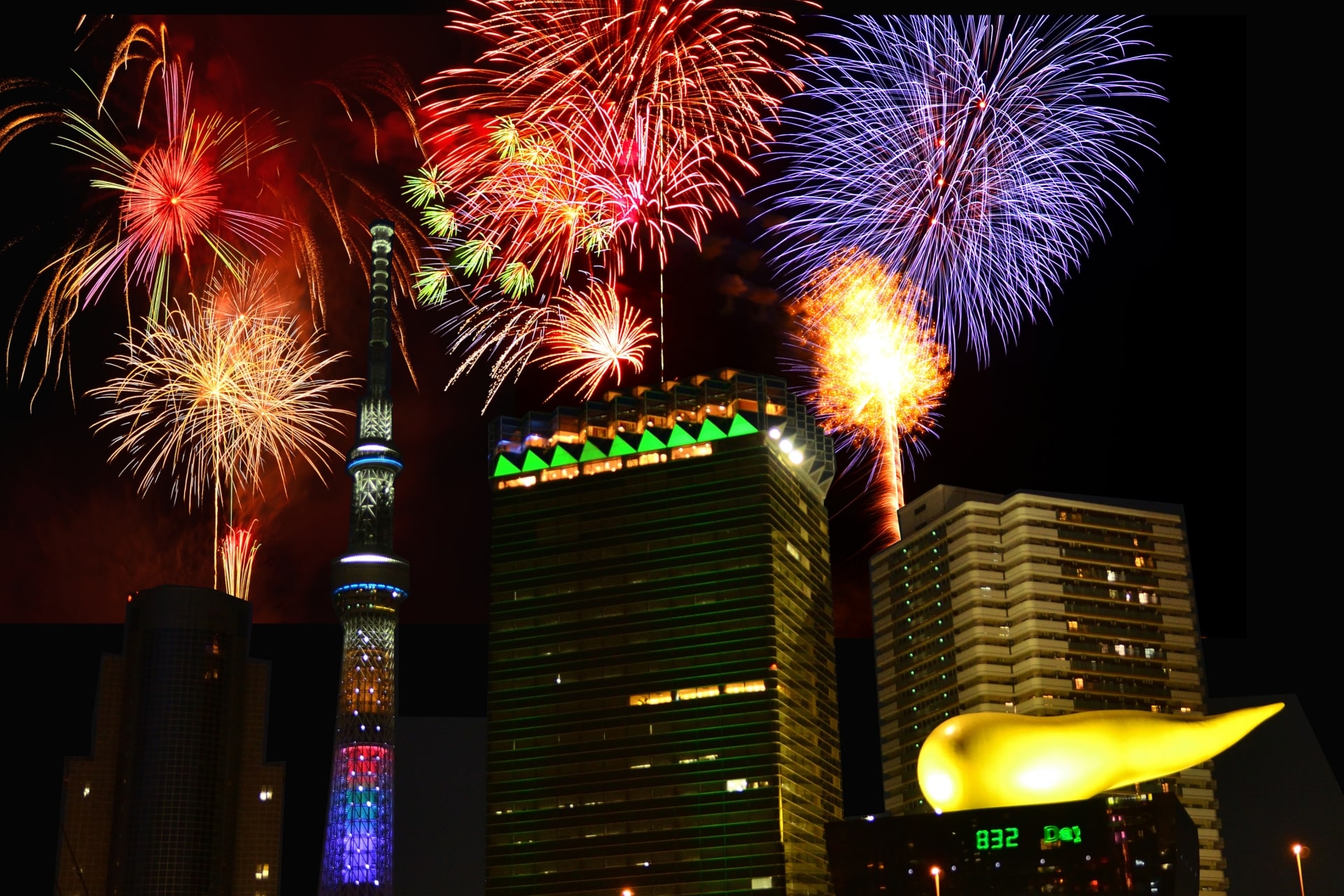
Beyond the fireworks themselves, the festival is a cultural celebration. One of the highlights of going to see the fireworks is the chance to dress in a yukata, a traditional summer kimono, adding to the festive atmosphere. Food stalls line the streets, filled with delicious street foods such as yakitori, takoyaki, and kakigori, timeless summer staples. If you are in Tokyo in the summer, this is one of the things that you cannot miss.
2026 Date, Time, and Fireworks Schedule
The Sumida River Fireworks Festival is traditionally held on the last Saturday of July, so the 2026 date is set for Saturday, July 25. The event typically starts in the evening at 7 PM and finishes around 8:30 PM. But it’s advisable to arrive early to secure a good viewing spot, as the area gets extremely crowded with spectators.
Note: the festival is generally held rain-or-shine, but may be cancelled or postponed in the event of a typhoon or extreme weather. Check the official website for day-of announcements.
Where is the Sumida River Fireworks Festival held?
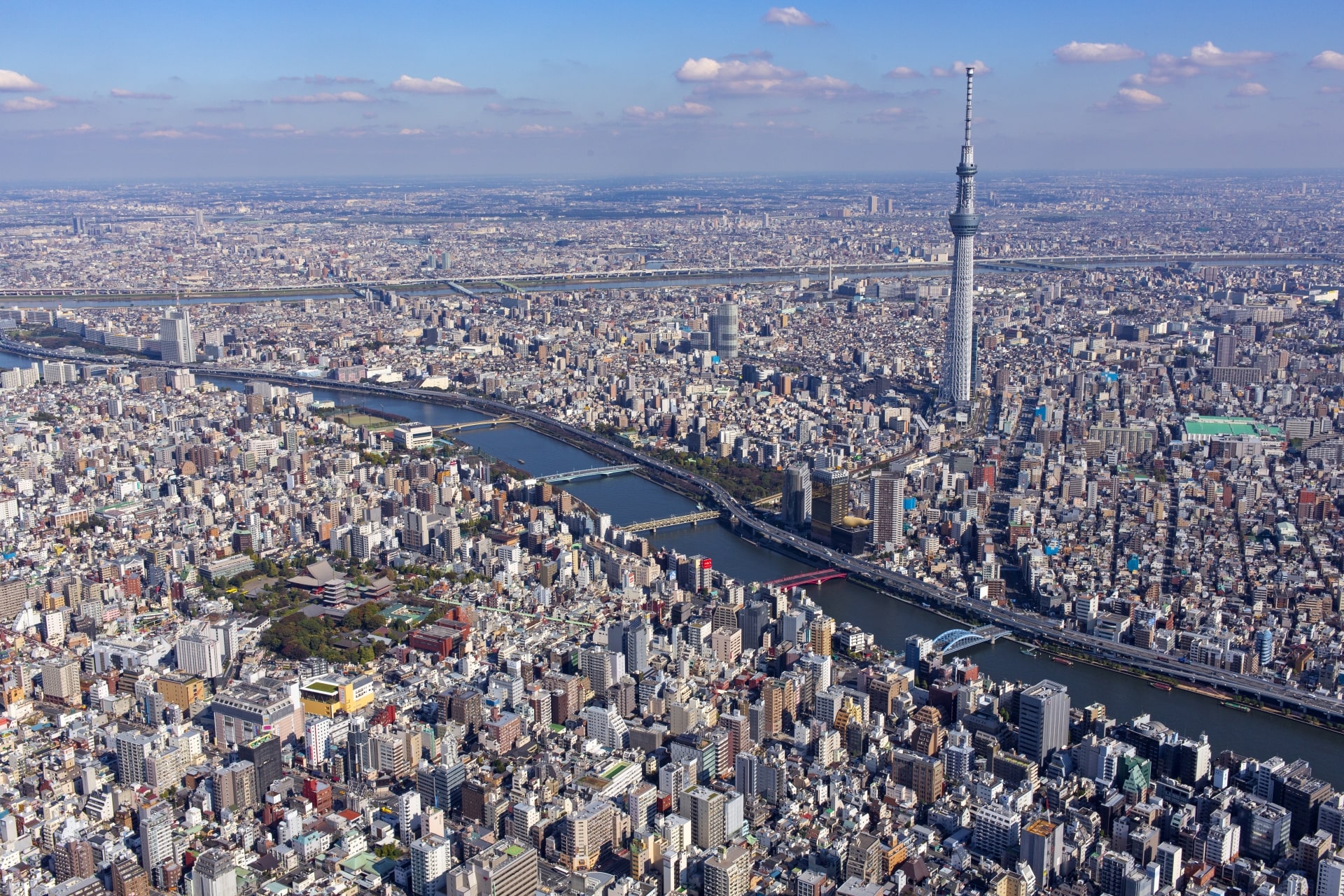
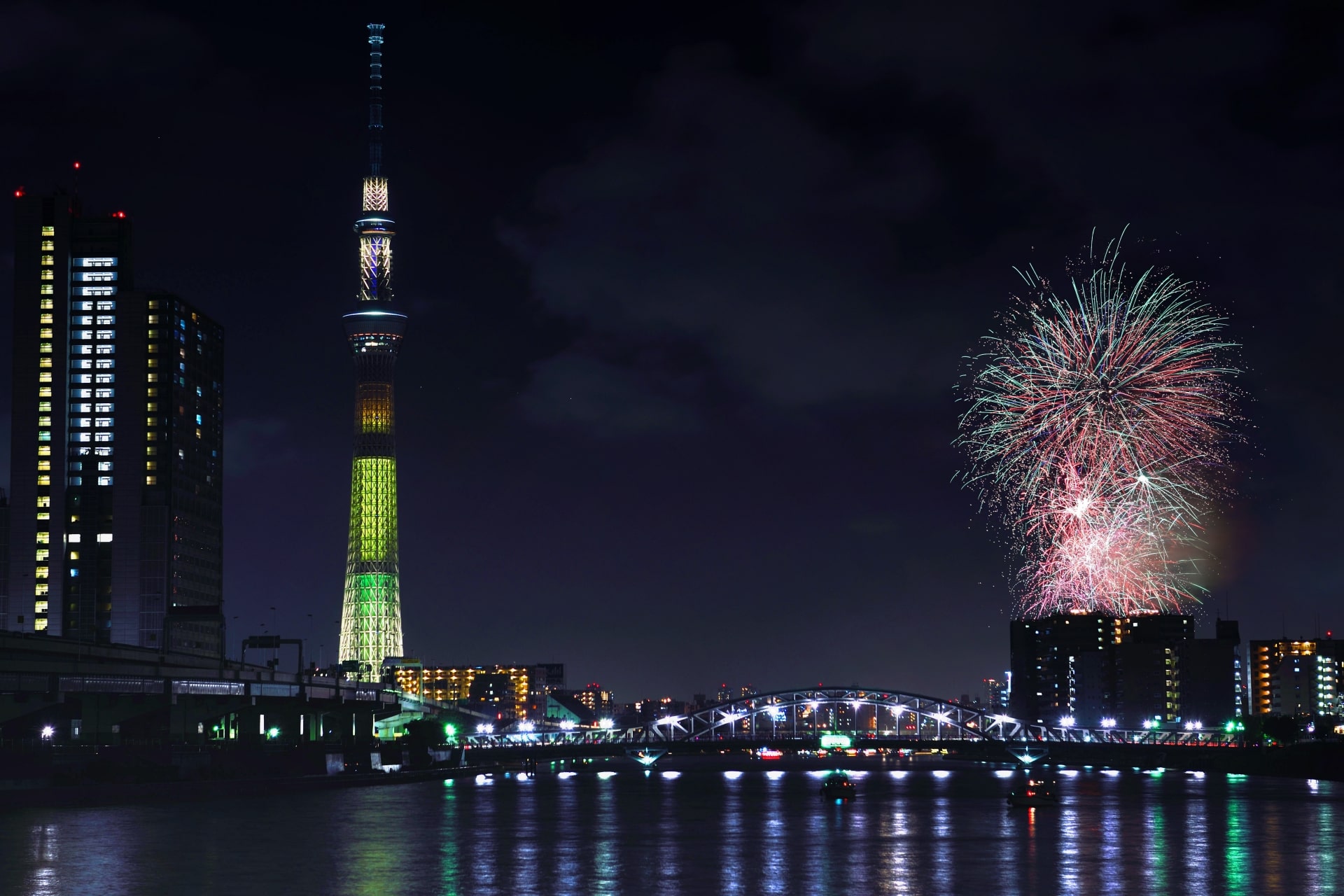
The festival takes place along the Sumida River, with the main viewing areas located between the Asakusa and Ryogoku areas.
There are two main launch sites:
- Near Sakurabashi Bridge (first venue, with approximately 9,350 fireworks).
- Between Umaya and Komagata Bridge (second venue, with approximately 10,650 fireworks).
You can see more details on the Sumida River Fireworks Festival’s official website.
Where to Watch the Sumidagawa Fireworks Festival
Both sides of the river near these sections and near Sumida Park provide good vantage points for enjoying the fireworks display. Unfortunately, in recent years, the festival organizers have adopted an overzealous approach so the Sumida Park area itself is completely closed to pedestrians. Walking corridors are enabled near these sections instead, where visitors can enjoy the festival as long as they do not stop walking. Plenty of volunteers will remind to keep walking to those stopping for photos along the way.
But don’t fret, as there are also plenty of areas that still allow visitors to sit and enjoy a nice evening picnic to watch the show.
Free Viewing Spots
Shiori Park near Minamisenju Station or Oyokogawa Water Park near Honjo-azumabashi Station are also good options that will not be as crowded. Shirahige Bridge and Higashi-Shirahige Park, as well as Dozobori Park, are other less crowded options that you can consider. Also, the perimeter will be closed to cars between 6:00 and 9:30 PM, so that means you can also walk freely around many streets in Asakusa while enjoying the festival.
Paid Viewing Options
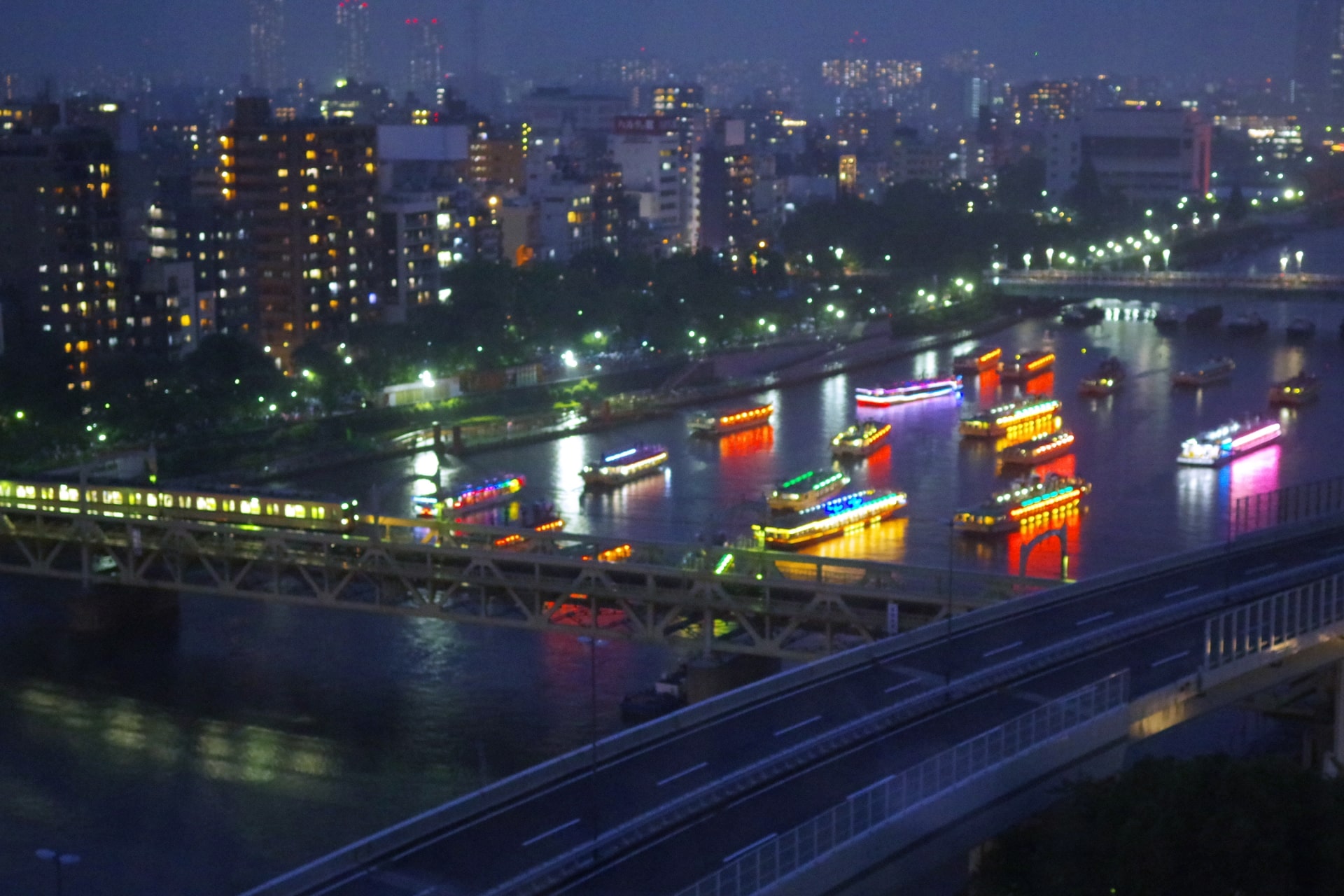
There is no single large-scale “official paid seating zone” comparable to some regional fireworks festivals, but that doesn’t mean that surrounding businesses won’t make the best of the opportunity. Bear in mind that these usually need to be booked well in advance and often sell out quickly.
Tokyo Skytree Special Fireworks Viewing
One of the most popular premium options is the special viewing event at Tokyo Skytree. Tickets are typically distributed through an advance lottery system announced in June, and reservations are required. The special plan usually includes access to both observation decks and extended nighttime operating hours during the festival. Check details and lottery announcements on the official Tokyo Skytree fireworks event page.
Sumida River Fireworks Cruises
Several cruise companies like Tokyo Cruise or Amitatsu operate special fireworks cruises during the festival. These boats usually travel along the Sumida River or nearby Tokyo Bay areas and include reserved seating, food, and drinks. You can also book the experience at sites like Klook. Plans are popular with couples and groups looking for a less crowded experience, but reservations often open weeks or even months in advance. Prices and routes vary depending on the operator and package type.
Hotel Rooftop and Restaurant Packages
Hotels and restaurants around Asakusa, Ryogoku, and the Tokyo Skytree area often release limited fireworks-viewing packages each summer. These may include rooftop terrace access, special dinner courses, or overnight accommodation plans with fireworks views. Availability changes every year, but bookings usually begin between late spring and early summer. Popular plans can sell out quickly, especially at hotels with direct river or Skytree views.
Getting to Sumida River Fireworks Festival
 The fireworks area is near several stations:
- Asakusa Station: Tokyo Metro Ginza Line, Toei Asakusa Line, and Tobu Skytree Line.
- Honjo-azumabashi Station: Toei Asakusa Line.
- Kuramae Station: Toei Asakusa Line and Toei Oedo Line.
- Ryogoku Station: JR Sobu Line and Toei Oedo Line.
Crowds are expected to be quite large so it’s best to stick with public transportation instead of driving. Roads in the area will be blocked from 3 pm onwards.

Tips for Getting the Most of Your Experience
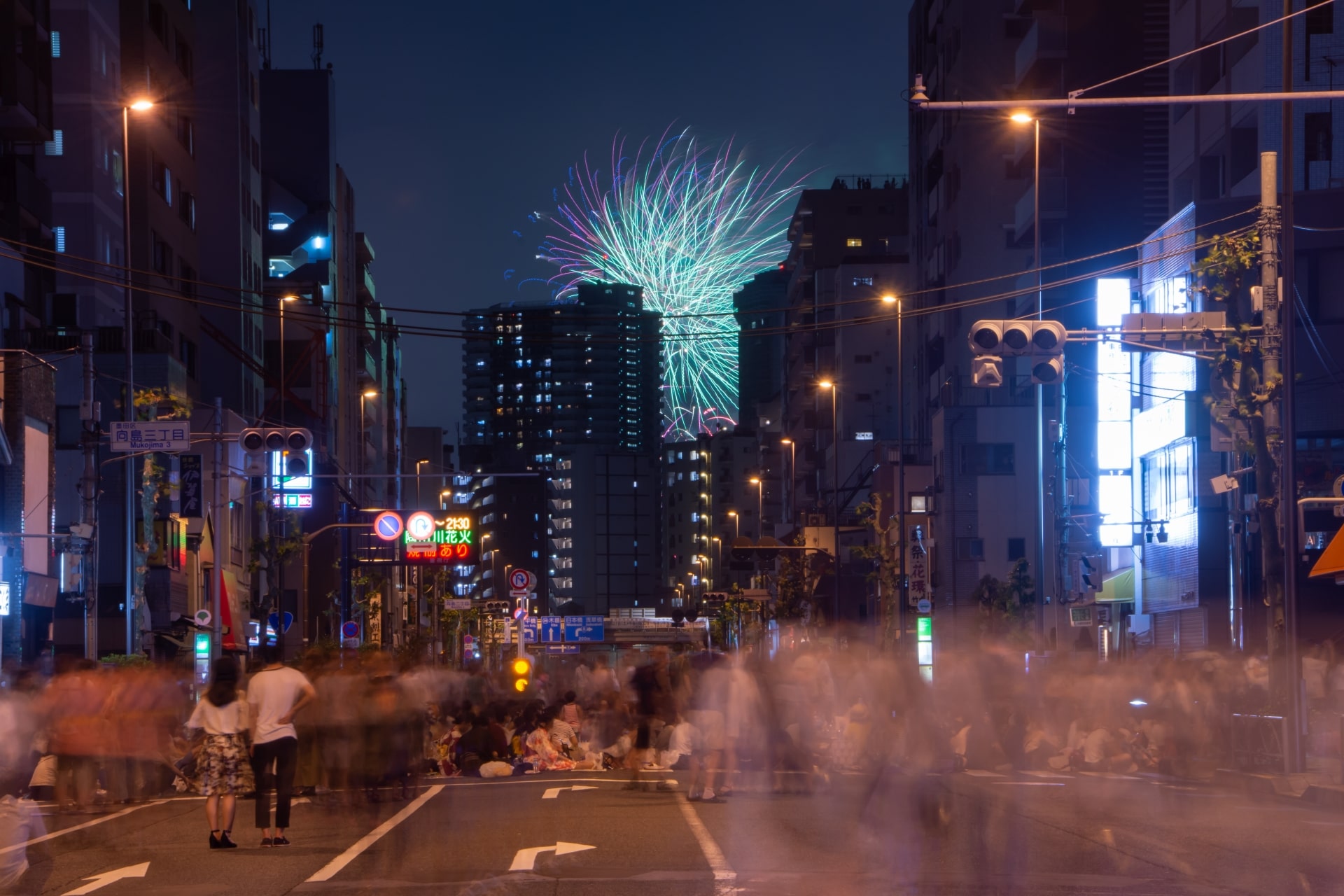
- If going with a group of friends, coordinate spots and download offline maps in advance. Trust me on this. This event draws crowds so huge that your mobile networks will likely crash from time to time, or completely from around 6 PM onwards. That means you will struggle with maps and messaging your friends if you’re not together from the beginning. Plan for things like time, meeting spots, or where to go in case you get separated, etc.
- Be early. People will start saving spots in the best areas from the morning, so if you plan to watch the festival with a large crowd of family and friends, you’d better go at least around noon to make sure you grab a nice place. If you’re on your own or with a few friends, there will be more flexibility, and you’ll probably be ok if you get to the area between 3 and 4 pm.
- Pay attention to konbini locations. If you want to buy something from convenience stores, do not count on the ones closer to the main viewing areas, as those will be packed with long queues. Better buy your snacks and drinks further away.
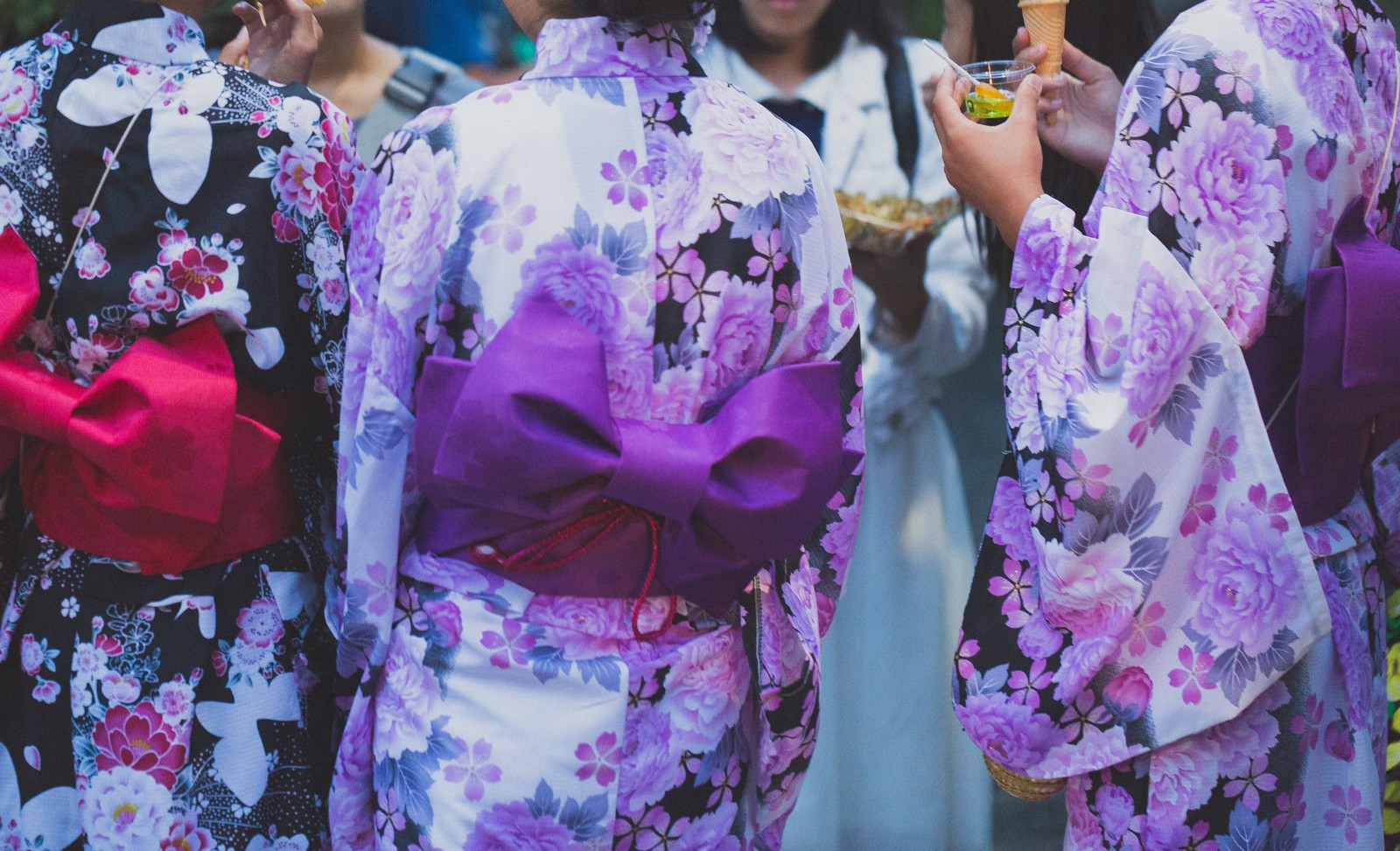
- Wear light clothing and adequate accessories. Late July in Tokyo is brutally hot and humid, even after sunset. Light clothing is essential, and many visitors wear a traditional summer yukata to the festival. A few things you will absolutely want to bring:
- A picnic sheet or small tarp for sitting on the ground
- Plenty of water or sports drinks
- A portable fan
- Bug spray
- Wet wipes or a small towel
- Portable battery pack for your phone
- Comfortable shoes for long walks
- Turn off the flash on your cameras. No, seriously, I’m tired of seeing people every year trying to snap photos with their cameras and phones, firing a flash to the firmament and then wondering why their photos are so underwhelming.
- Don’t be in a hurry to leave. Once the fireworks are done, huge crowds will be headed to the nearest stations and riding the trains will be a hassle. Imagine rush hour crowds on the train but this time at least half the passengers are drunk or at least a little tipsy. If you’re not in a hurry to go back home, you better relax for a while and take your sweet time before heading to the stations. Calculate around 45–60 minutes before heading to the station, and think about getting some dinner in the meantime. Or maybe walk to a less crowded station farther from the river.
Tourist attractions near the Sumida River Fireworks Festival
To make the most of your day, you can also spend the morning in one of these interesting attractions:
1. Asakusa and Sensoji Temple
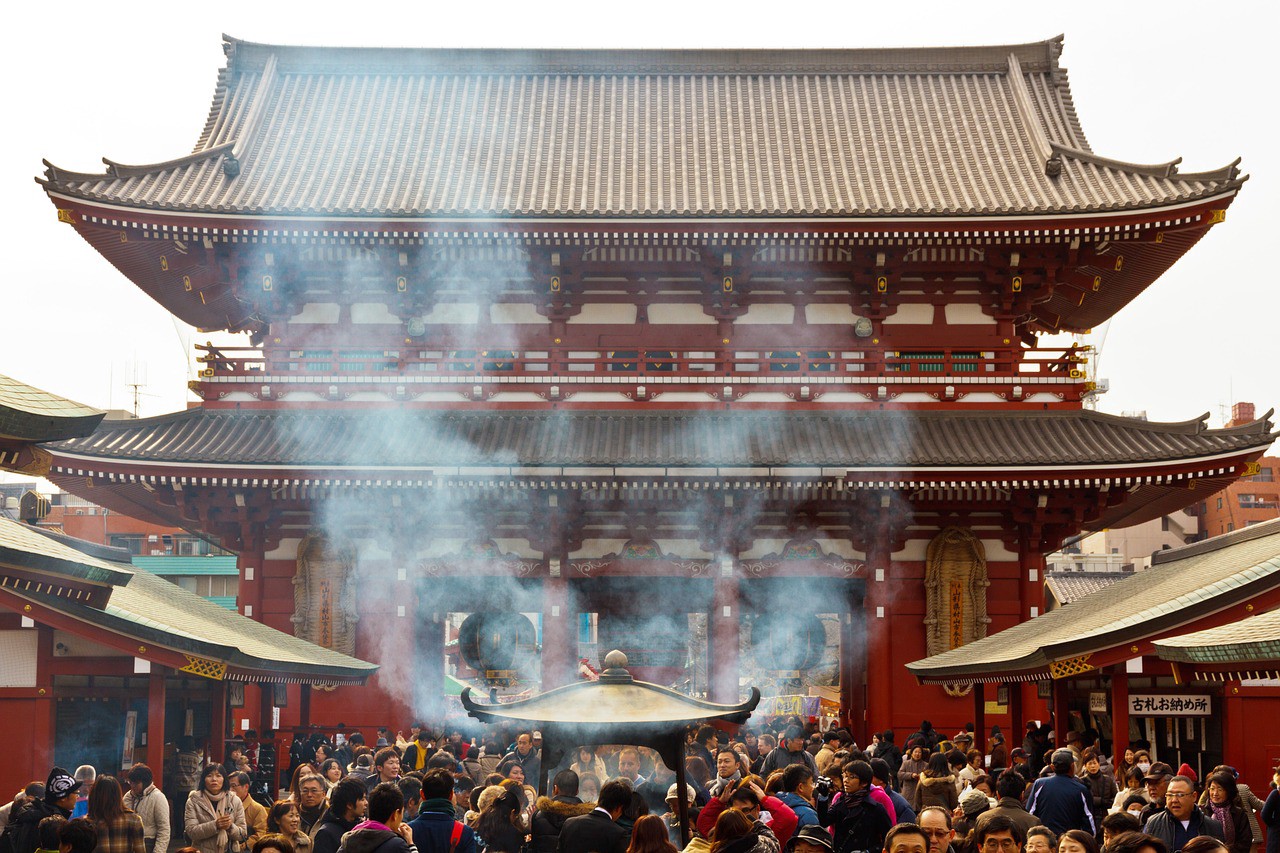 Asakusa is one of Tokyo’s most famous districts, known for the historic Sensoji Temple (浅草寺) . This iconic Buddhist temple is Tokyo’s oldest and is one of the most cherished historical tourist attractions. The bustling Nakamise Street, leading to the temple, is lined with shops selling traditional snacks, souvenirs, and crafts.
More info: Sensoji Temple in Asakusa Tokyo
2. Tokyo Skytree
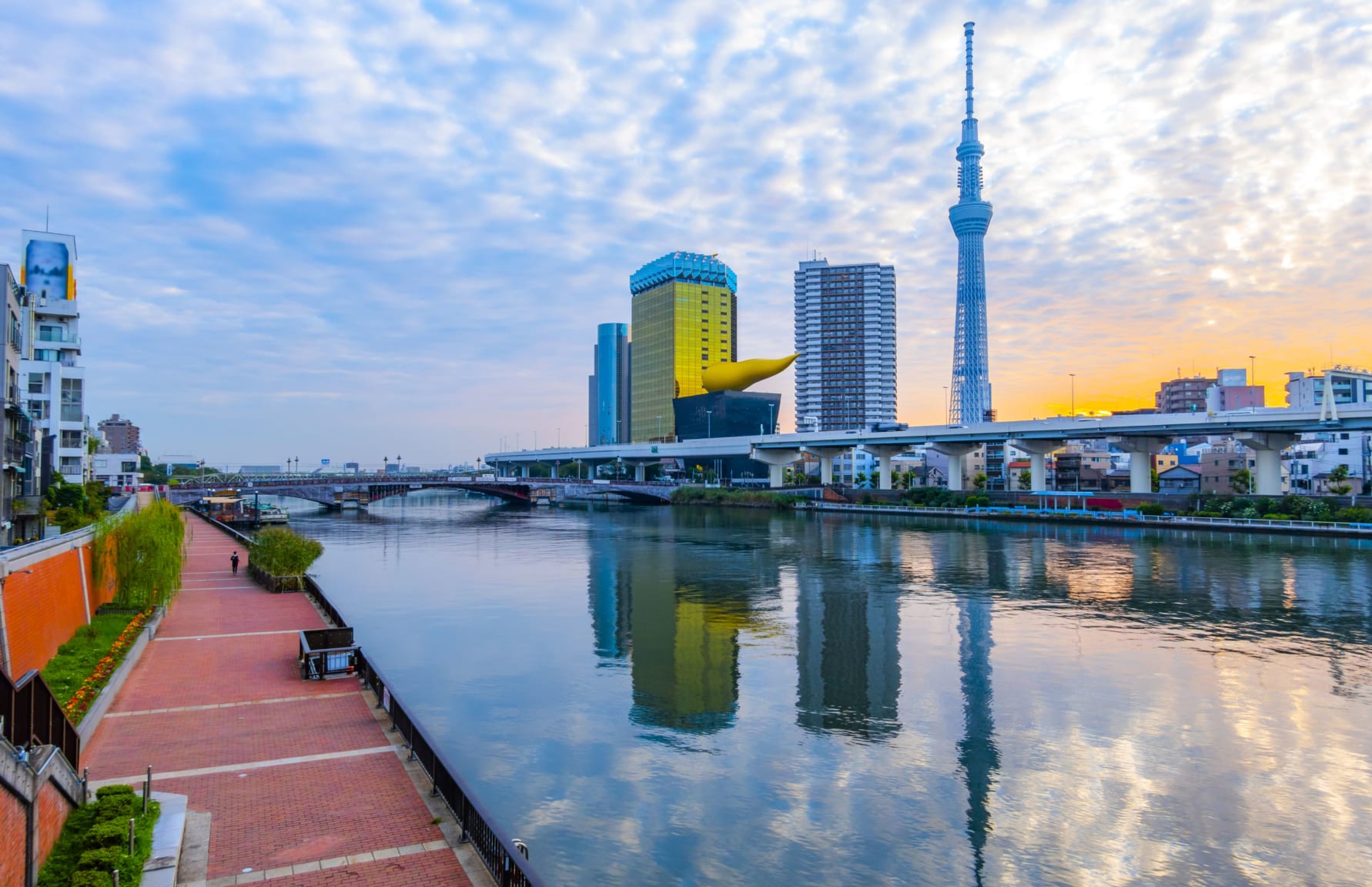 Located nearby in the Sumida area, Tokyo Skytree (東京スカイツリー) is the tallest structure in Japan, with breathtaking panoramic views of the city. The Skytree complex also features an aquarium, planetarium, shopping mall, and various dining options, making it a great spot to visit before the fireworks festival.
More info: Tokyo Skytree: The New Symbol of Modern Tokyo
3. Edo-Tokyo Museum
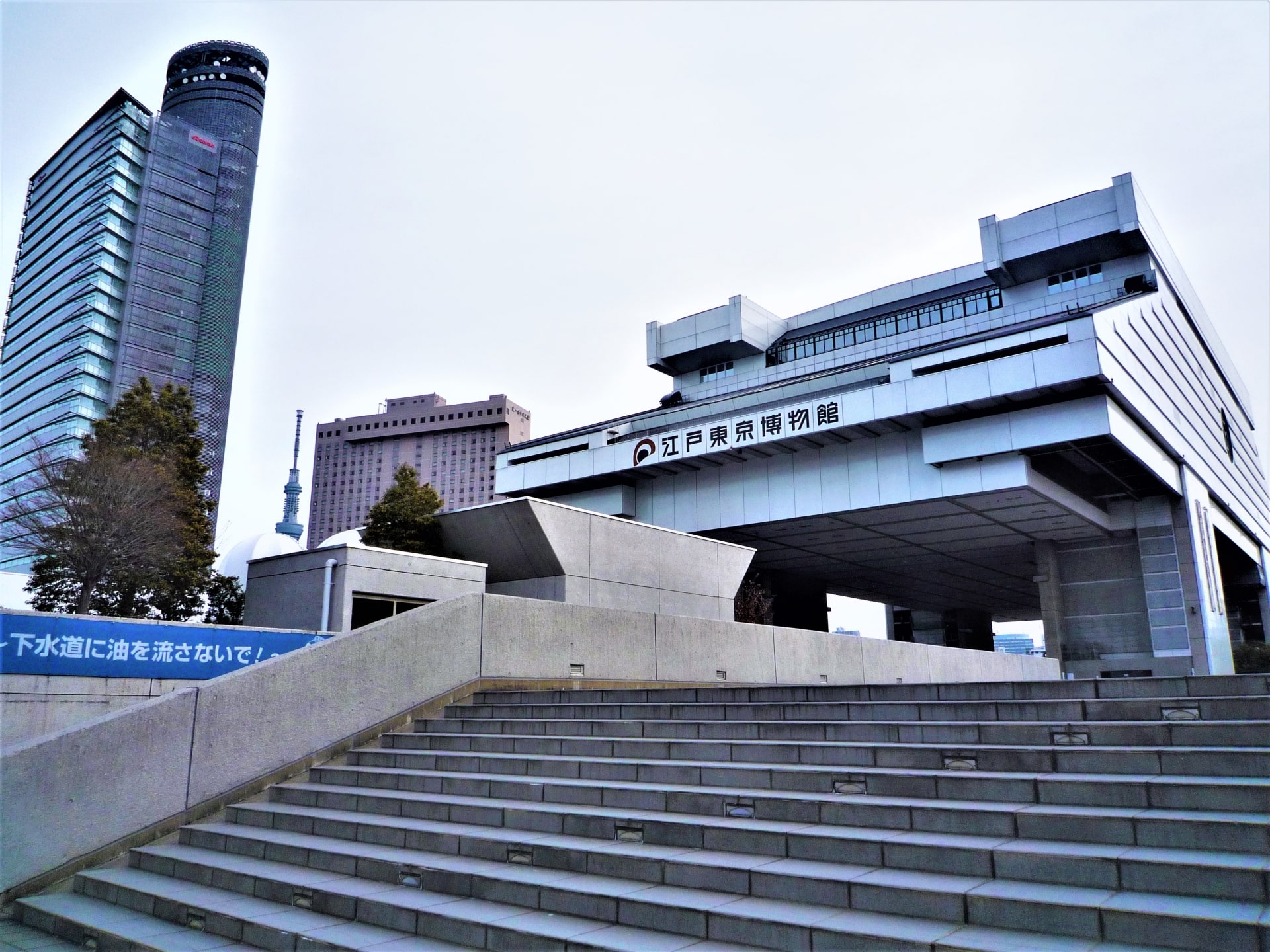
Located in the Ryogoku district, the Edo-Tokyo Museum (江戸東京博物館) has an in-depth look at Tokyo’s history from the Edo period to modern times. The museum’s exhibits include life-sized replicas, interactive displays, and a wealth of historical artifacts. It’s an educational and fascinating destination for history enthusiasts.
More info: Edo-Tokyo Museum: Experience the Great History of Tokyo!
The Sumida River Fireworks Festival is a highlight of Tokyo’s summer season, with one of the most spectacular displays of fireworks you will ever see. Despite the crowds, you won’t regret this fun experience if you are in the city during late July. Plan your visit carefully, arrive early, and enjoy one of Japan’s most celebrated summer traditions!
For more information about seasonal events and traveling in Japan, check these articles below, too!
Written by
Photographer, journalist, and avid urban cyclist, making sense of Japan since 2017. I was born in Caracas and lived for 14 years in Barcelona before moving to Tokyo. Currently working towards my goal of visiting every prefecture in Japan, I hope to share with readers the everlasting joy of discovery and the neverending urge to keep exploring.
- +2 2
-
-