Hachiko Memorial Statue in Shibuya: The Complete Visitor’s Guide
The complete guide to Hachiko's story, the memorial statue, and visiting Shibuya's most iconic landmark

- +11 38
-

-


For nearly ten years after his owner’s sudden death, a dog named Hachi returned to Shibuya Station every day and waited. He was passed between relatives, frequently mistaken for a stray, and nearly lost during Japan’s 1930 economic crisis, before a chance encounter on a Tokyo street gave his story to the world.
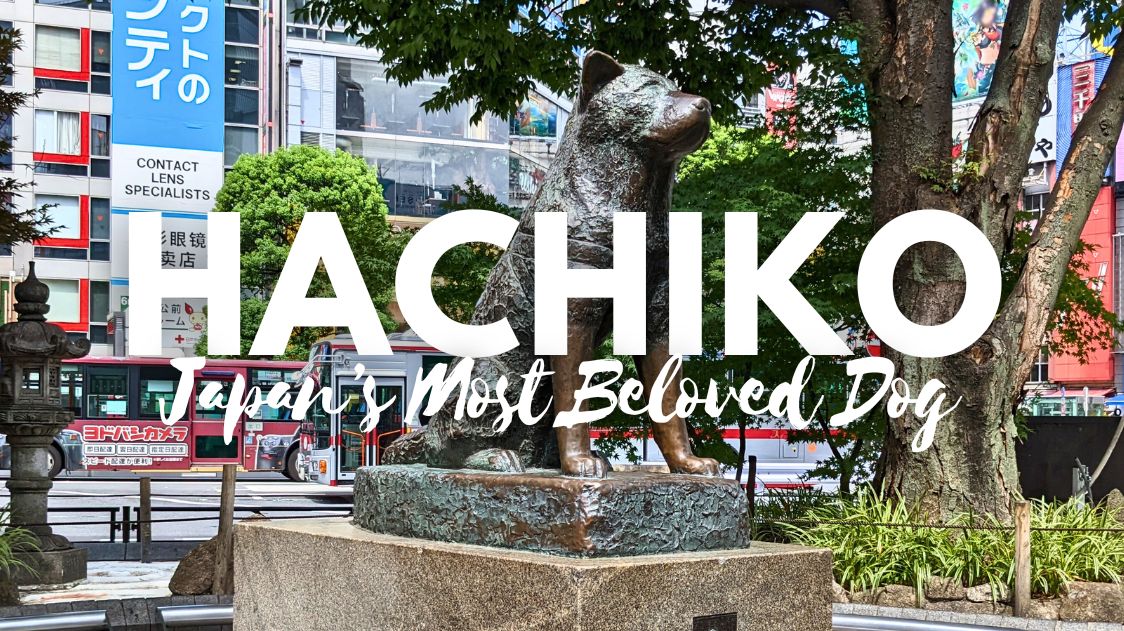
Today, the Hachiko Memorial Statue, next to Shibuya Station, commemorates this touching tale, making the statue a popular meeting spot and a must-visit landmark for tourists. Visitors from everywhere come to Shibuya, nowadays one of the most dynamic districts in Tokyo, to pay their respects and reflect on the remarkable dedication of this beloved dog, whose story continues to inspire and move people of all ages.
This article covers everything you need to know about the memorial and the history behind it.
If you need a general overview of the Shibuya area, don’t miss our All-in-One Guide to Shibuya!
What is the Hachiko Memorial Statue?
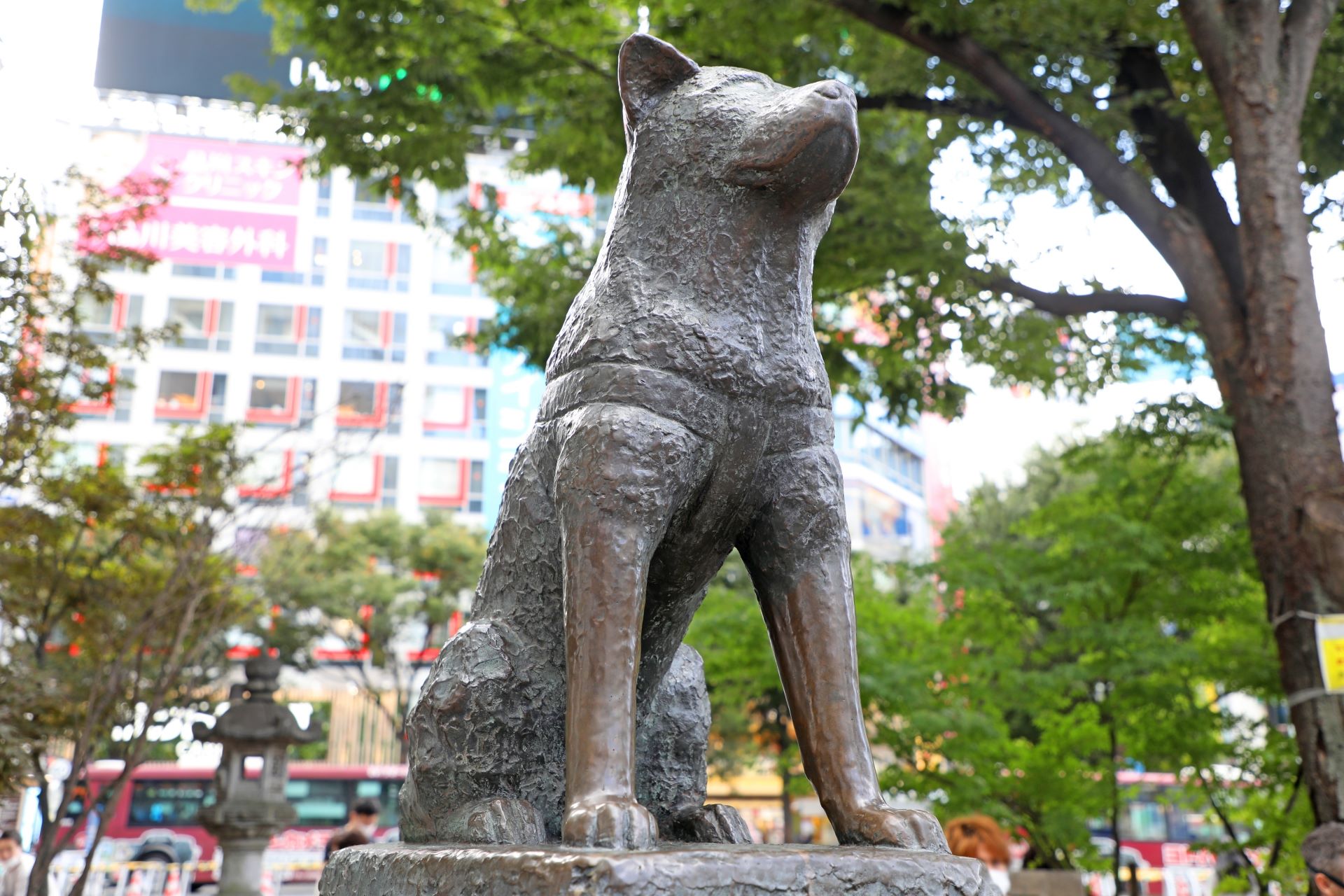
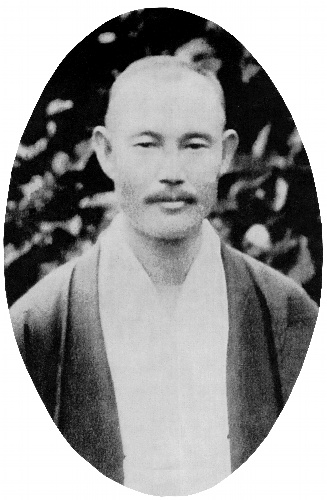
The Hachiko Memorial Statue (忠犬ハチ公像) is a bronze statue located at one of the exits of Shibuya Station. It commemorates Hachiko (ハチ公), an Akita dog famous for his remarkable loyalty to his owner, Professor Hidesaburo Ueno (上野 英三郎). After Ueno’s sudden death in 1925, Hachiko never forgot his loving master and often returned to wait at the station for nearly ten years, hoping for his master’s return.
His story became a national sensation in 1932, and a statue was erected in 1934, a year before the dog’s passing, and since then has become a symbol of devotion and fidelity. Because of its location in Shibuya, one of the prime entertainment districts in Tokyo, it is a popular meeting spot and tourist attraction.
The True Story of Hachiko: From Akita to the World
In January 1924, a two-month-old Akita puppy left his rural home at a specialized breeder in Odate City, Akita Prefecture, for Tokyo. This puppy, soon to be known as Hachi, was a gift from Chiyomatsu Yomase (世間瀬千代松), a former student of Ueno who was working at the Akita Prefectural Office. Dr. Ueno, a very prominent professor at the Agriculture department of Tokyo Imperial University (Tokyo University nowadays), was a great dog lover and had specifically requested an Akita puppy as a gesture of thanks for his guidance.
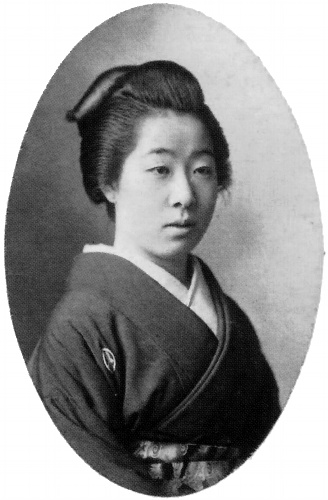
The train trip, meant to deliver him to his new owner, was prolonged to 20 hours due to frequent stops caused by aftershocks from the Great Kanto Earthquake, which happened a few months prior. Arriving in the midst of winter, the puppy was frail and very sick, so Ueno took it upon himself, along with his wife, to nurse the puppy back to health.
Hachiko and Professor Ueno: A Happy Lifestyle Cut Short
He fed him very carefully and cared for him like a child and even let him sleep on the same bed, developing a profound bond. It is said that he was named “Hachi” as a playful reference to the way his legs looked then standing, like the kanji for the number eight (八).
Hachiko quickly became a part of their family, especially significant for Dr. Ueno, who had previously struggled to raise Akita dogs successfully. Reportedly, four previous Akita dogs didn’t make it to 1 year, much to his dismay, so this time, Ueno wanted to make sure he would pour all his resources for the wellbeing of the newcomer. Unlike his other dogs (the family also had two pointer dogs), Hachi was given a special place near the veranda of Ueno’s room and was a constant companion during family events.
Every day, Hachiko would accompany Dr. Ueno during his walks to the Komaba Campus of Tokyo Imperial University or to Shibuya Station as the professor often traveled for work, and then would greet him again upon his return. This routine continued until May 21, 1925, only 1 year and 4 months after Hachi’s adoption, when tragedy struck. Dr. Ueno collapsed at work and died suddenly after a cerebral hemorrhage.
What Happened After Ueno’s Death and How Hachiko Survived in Shibuya
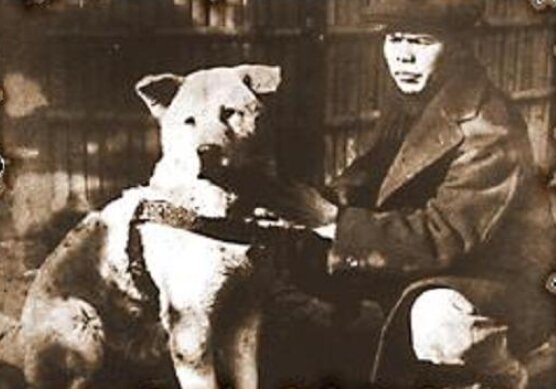
After Dr. Ueno’s death, his widow Yaeko had to move and leave their home, unable to keep Hachiko and the pointer dogs. Hachiko was passed from one relative to another, none of whom could provide the same level of care this large and energetic breed needed. The first relatives had a kimono shop in Nihonbashi and the dog would cause problems trying to play with the customers as the owners didn’t have time to look after him.
Then he wound up with other relatives in Asakusa, who tried to look after him, but taking proper care of him was still challenging. For a while after this, Yaeko could take care of Hachi again when she was able to relocate to a farmhouse in Setagaya, but the playful dog would often run into trouble getting into the neighbors’ farmlands and sometimes running away to the Shibuya Station area.
Heartbroken by the dog’s deep yearning, she made the difficult decision to entrust him to their former gardener in Shibuya, Kikusaburo Kobayashi, who had been close to Hachiko since his puppy days. But the struggles didn’t end there, as Hachi’s persistent presence at the station would often lead to misunderstandings, with him being frequently mistaken for a stray and captured or mistreated.
How Hachiko’s Story Became National News: The Article That Sparked It All
His story took a turn in June 1928, 3 years after Ueno’s death, when Hirokichi Saito, founder and chairman of the Japanese Dog Preservation Society, found Hachi by chance in the street and became aware of the sad story after following him home and interviewing Kobayashi. He started tracking Hachi’s whole history and became deeply interested in the dog’s plight.
Hachi’s health began to decline in the following years, and his harness was being constantly stolen when he was by himself around the station, which is why he was often mistaken for a stray. The severe crisis of 1930 led to an increase in abandoned pets, and some of those would end up being killed.
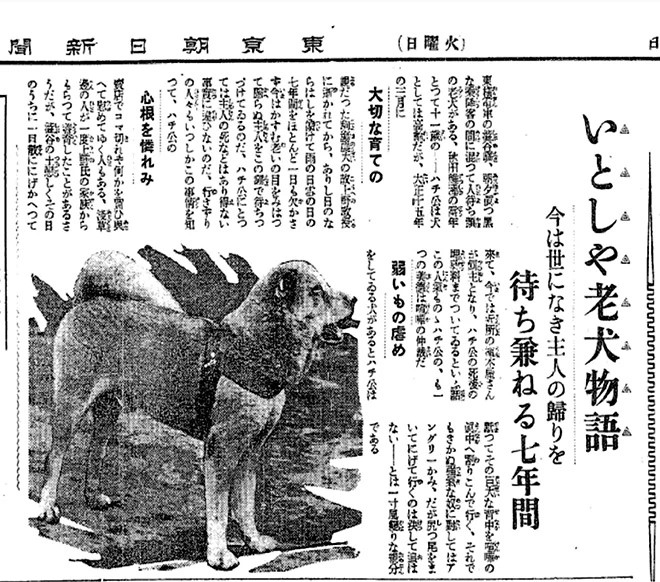
Fearing for the dog’s safety, Saito eventually sent a letter with Hachi’s story to the Tokyo Asahi Shimbun and an article was finally published in October 1932, bringing national fame and an outpouring of support to Hachi, who would then on start to be known as Hachiko as the story kept being amplified nationwide the following year, cherished as a symbol of loyalty.
Below is the translation of the original article:
An Old Dog’s Tale: Seven Years of Waiting for His Master’s Return
At Shibuya Station on the Toyoko Line, there is an old dog, an Akita mongrel*, eleven years old since the time of his birth, waiting among the engrossed passengers in the morning and evening since March of Taisho 15 (1926), after his beloved master, the late Professor Ueno of Komaba Agricultural Campus, passed away. He has been waiting at the station for his master, who has not returned home, with eyes blurred by old age, almost without missing a single day in seven years of rainy and snowy days. Some passersby, having come to know Hachiko’s story, sympathized with his loyal heart and buy him treats from station vendors to comfort him. A man from Asakusa once took Hachiko in his care from Ueno’s family, but he missed the soil of Shibuya so much that he ran away that day, and now a neighborhood gardener is his owner, and even paid for Hachiko’s burial after his death. Hachiko’s other virtue was his ability to break up fights. Whenever there was a dog that was bullying a weaker dog, Hachiko would silently put his huge back into the middle of the fight, and if the dog was still stubborn enough to resist, he would give a firm bite, but would never chase those who run away with their tails between their legs. –He is indeed a unique boss.
(October 4, 1932, Tokyo Asahi Shimbun, page 8)
*Asahi Shimbun issued an apology and correction a few days later, stating that the dog was actually a purebred Akita.
Rise in Popularity and Memorial Statue Unveiling
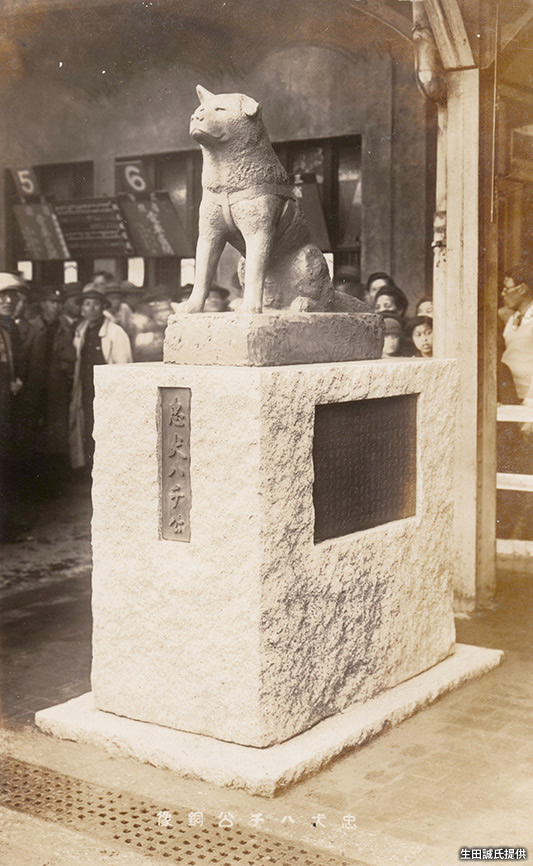
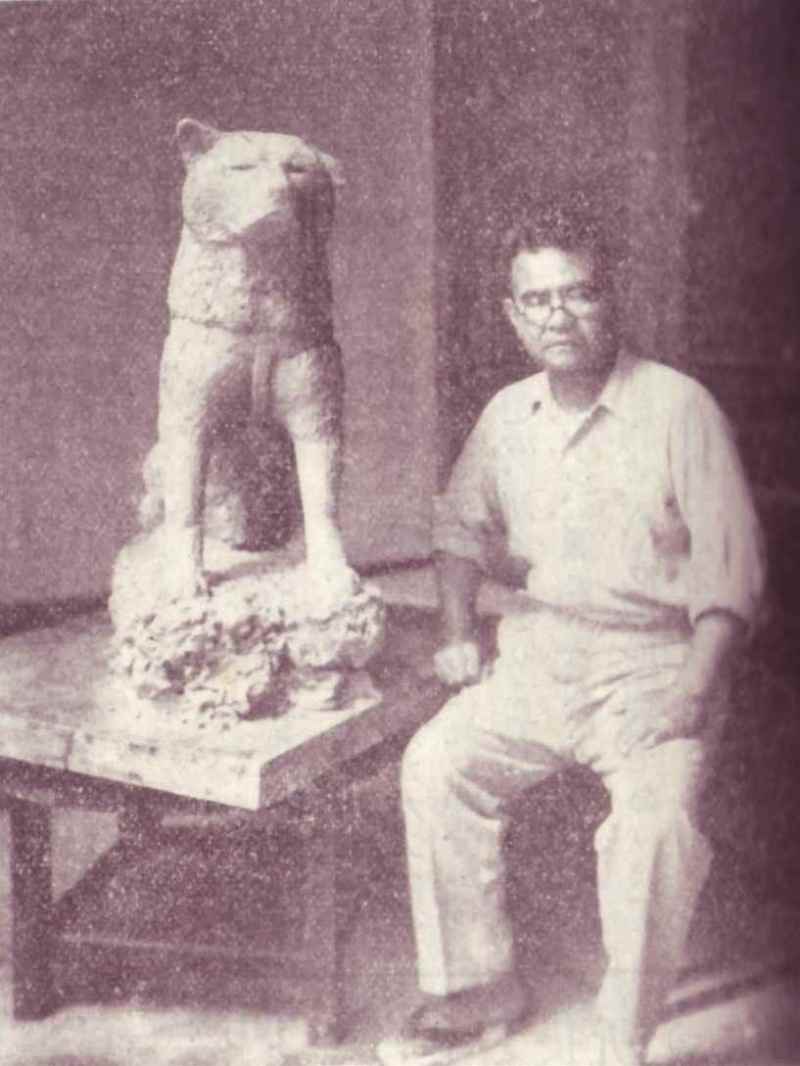

Once the story was published, raising awareness about Hachiko, his situation slowly improved, with even the station personnel helping to look after the dog. Teru Ando, a sculptor and a longtime acquaintance of Saito, knew about the dog’s history and eagerly accepted a request from the Japanese Dog Preservation Society, of which he was also a member, to make a bronze statue in 1934.
After a successful donation drive that involved the general public and other railroad agencies, the bronze statue in front of Shibuya Station, 162cm tall with a total height of 180cm, was unveiled on April 21st of the same year. It was a grand ceremony filled with hundreds of people, including the organizers, Ueno’s widow, as well as officials from the Ministry of Education and the Ministry of Railways, besides Hachiko himself.
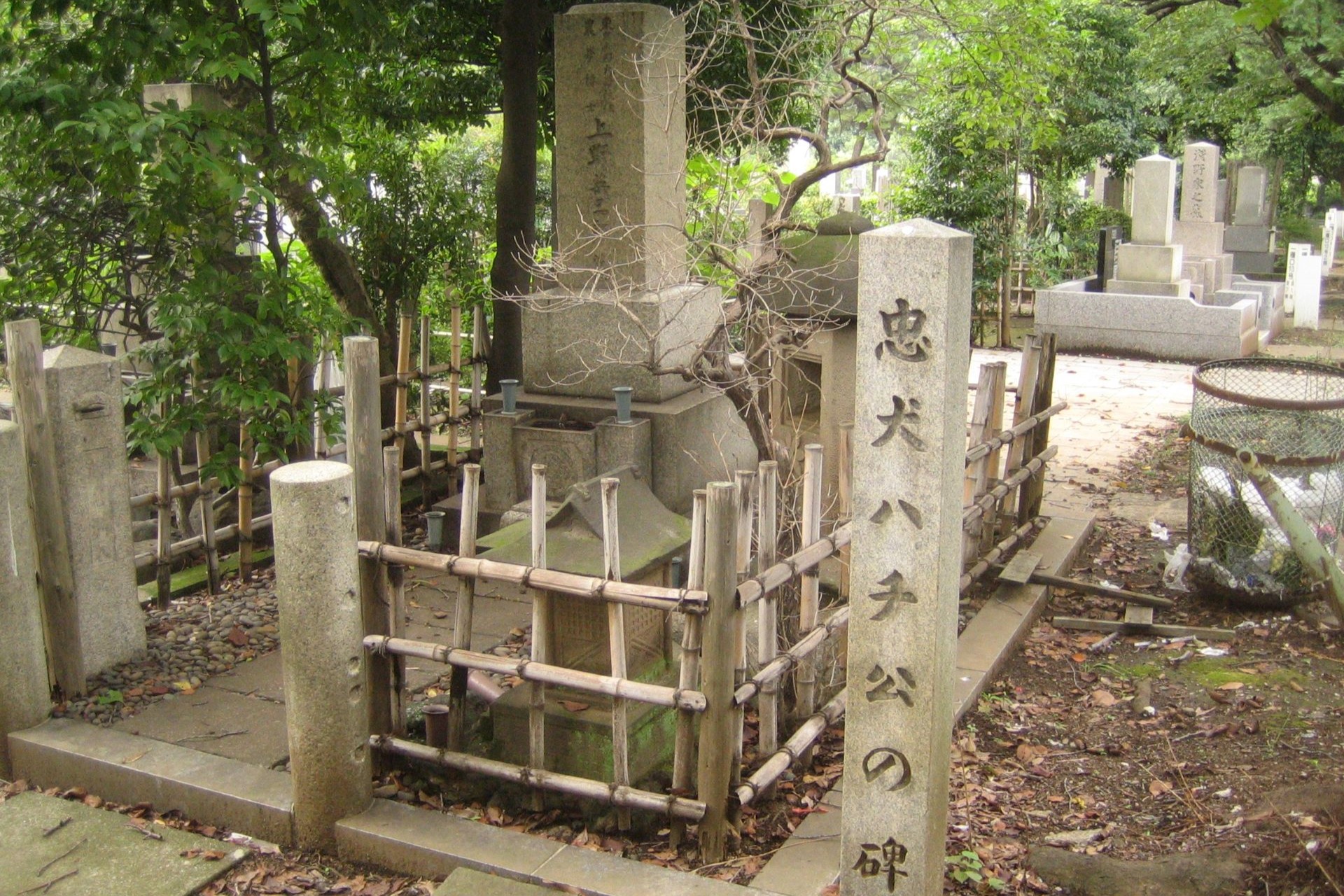
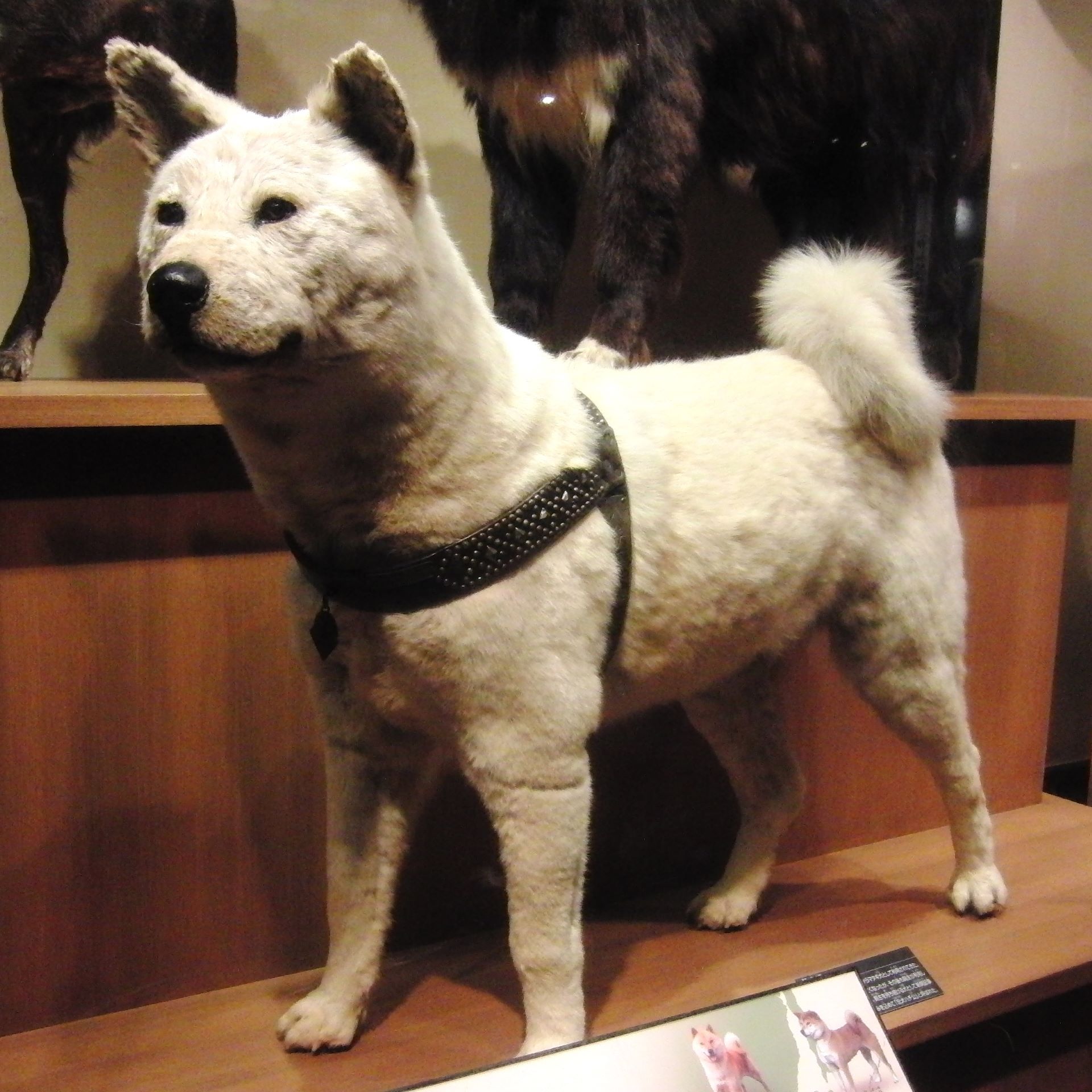
Nearly one year later, on March 8, 1935, Hachi was found dead near Shibuya Station, at 11 years old. His passing made headlines the following day and a funeral was held a couple of days later. His remains were buried next to his master’s tomb in Aoyama Cemetery and his skin was made into a stuffed animal currently on display at the National Museum of Nature and Science in Ueno.
However, during World War II, Japan faced severe metal shortages. Like many public monuments at the time, the original Hachiko statue was destroyed in 1944 to be melted down to support the war effort. The current statue dates to 1948, when a new version was created by Takeshi Ando, the son of the original sculptor. Placed again in front of Shibuya Station, it restored the landmark to its original role until the present day.
How to Get to the Hachiko Memorial Statue in Shibuya
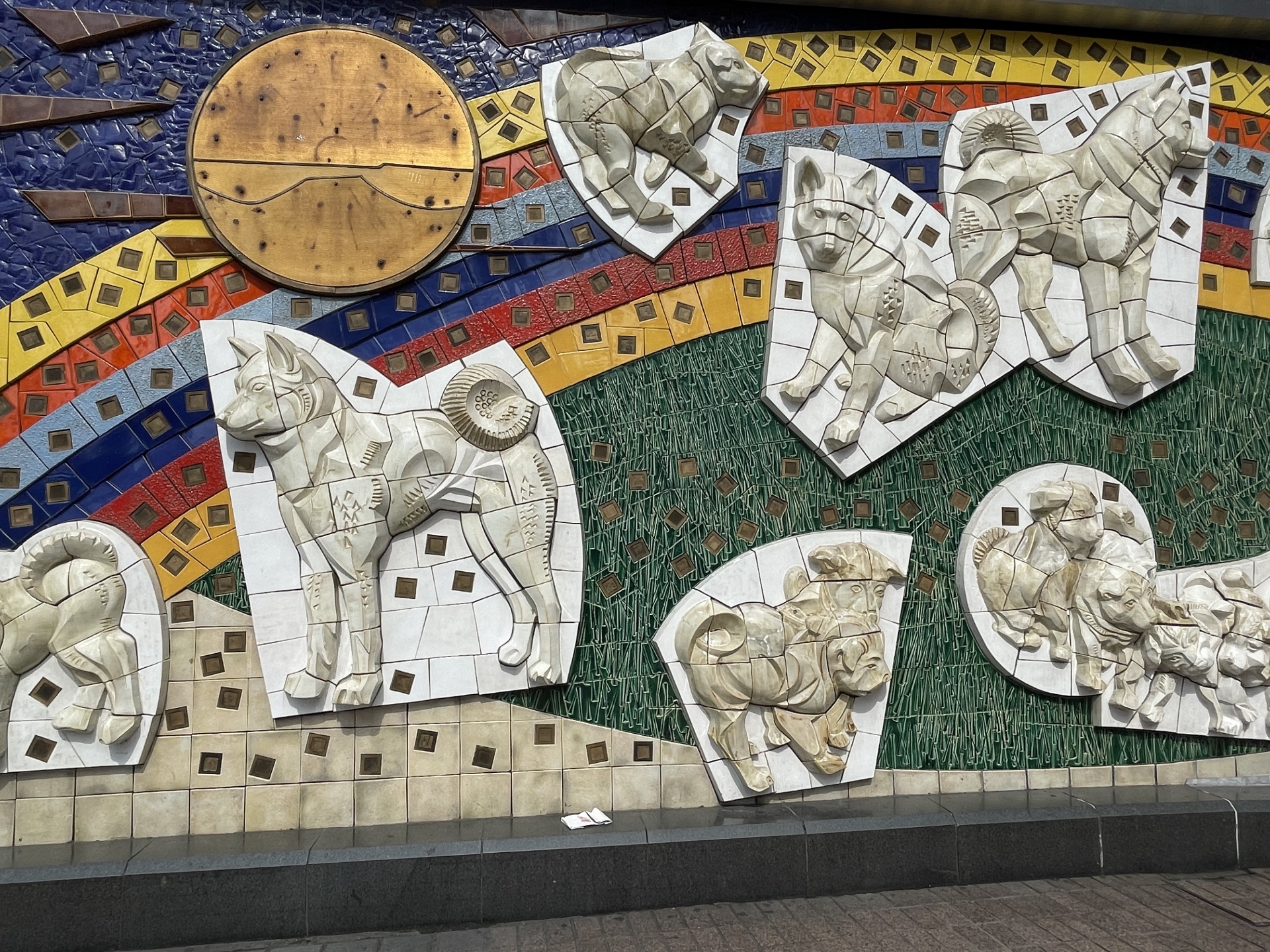
If you’re wondering where the Hachiko Memorial Statue is in Shibuya Station, the easiest way is:
- JR Yamanote Line and follow the signs to exit via the Hachiko Gate, you’ll find the statue right outside.
- Tokyo Metro Fukutoshin Line or Tokyu lines (Toyoko Line or Den-en-toshi Line) via the A8 exit.
The iconic meeting spot is easily accessible and well-signposted and always surrounded by people lining up to snap a pic, so it’s impossible to miss.
 Access Access |
JR Shibuya Station Hachiko Gate |
|---|---|
 Business Hours Business Hours |
24h |
 Price Price |
Free |
Best Time to Visit the Hachiko Statue
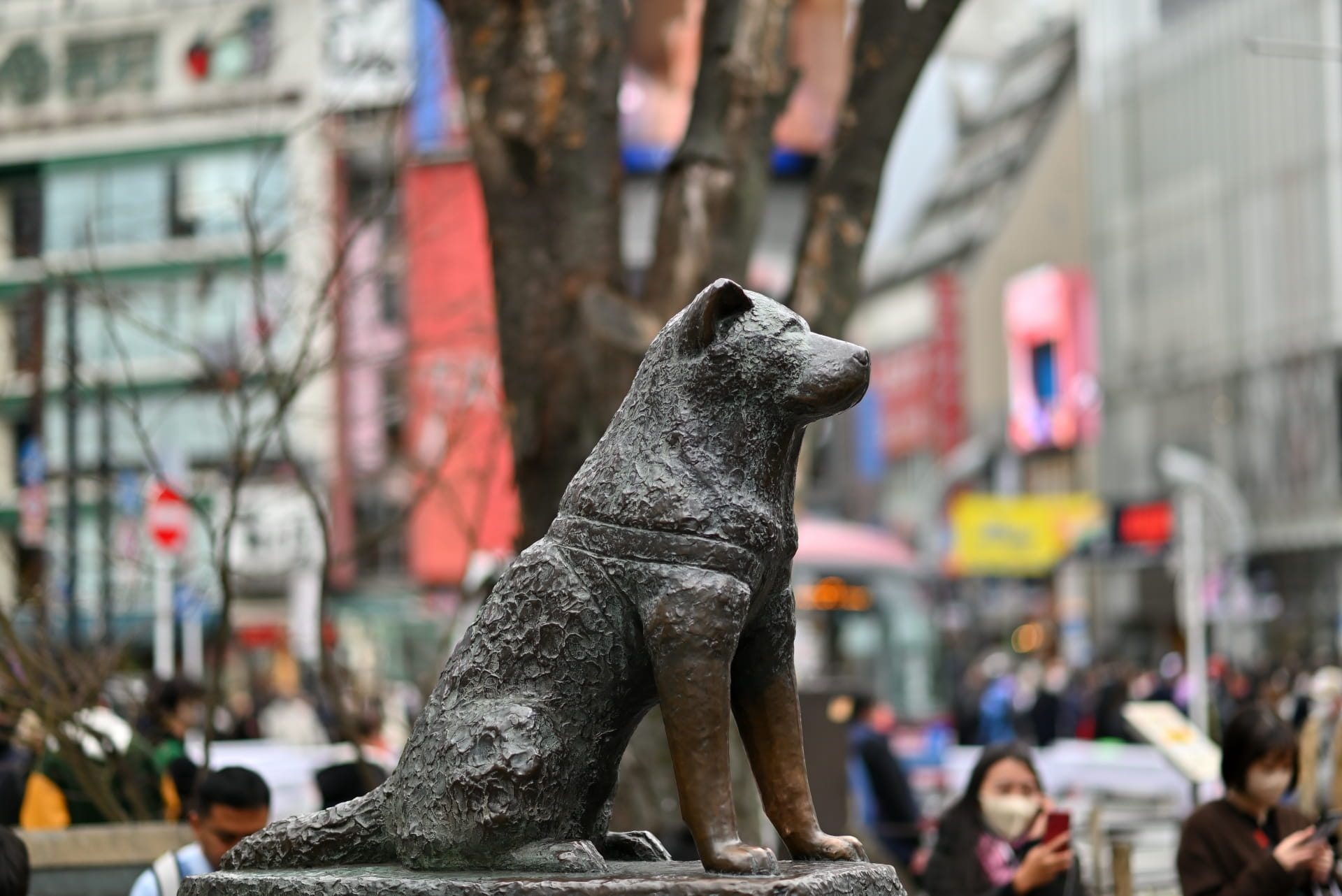
Standing just outside Shibuya Station, the Hachiko Memorial Statue sits next to one of the busiest pedestrian zones in the world, so timing your visit might help to make a noticeable difference.
Crowd patterns
Foot traffic builds steadily from late morning and peaks in the afternoon through early evening, when the surrounding area fills with shoppers, commuters, and tourists moving through the famous Shibuya Crossing. Weekends amplify this pattern, with dense crowds forming around the statue for photos and meetups.
Late evening remains busy but slightly more fluid, as the commuter rush fades and the crowd shifts toward nightlife. The statue is rarely empty, but the intensity fluctuates throughout the day.
Time-of-day advice
- Early morning (before 9:00 AM): The most practical window for a clear view and unobstructed photos. The plaza is active but manageable.
- Midday to sunset: Expect constant queues for photos and limited space. This is the liveliest time, but also the most congested.
- Late evening (after 9:00 PM): Still active, though easier to navigate. Good for a more relaxed visit without the daytime rush, but without natural light.
What to Expect When Visiting
As already mentioned, keep in mind that the Hachiko Memorial Statue functions as both a landmark and a social hub, so typically, a small crowd forms a loose ring around the statue. If you pay close attention, you’ll notice the worn out bronze patina on the legs, a clear mark of its countless visitors throughout the years. In the vicinity, there’s always a steady flow of friends greeting each other, tour groups assembling or people waiting for others. The flow is informal yet orderly as visitors tend to take turns without any official system. The sequence usually goes like this:
- Take a quick solo shot beside the statue
- Ask others nearby to help with group photos
- Wait briefly for a clear frame before stepping in
People cycle in and out quickly, but there is almost always a short wait to step forward for a photo.
Other Hachiko Memorials
In Tokyo
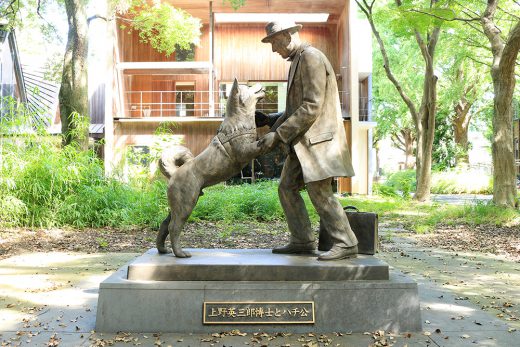
In 2015, a bronze statue was erected at the University of Tokyo’s Agriculture Department by sculptor Tsutomu Ueda, depicting Hachiko joyfully reunited with Dr. Ueno, and in this way celebrating their deep bond. Not as popular as the Shibuya Memorial, but quite a few visitors also stop by to pay tribute here.
In Akita and Mie Prefectures
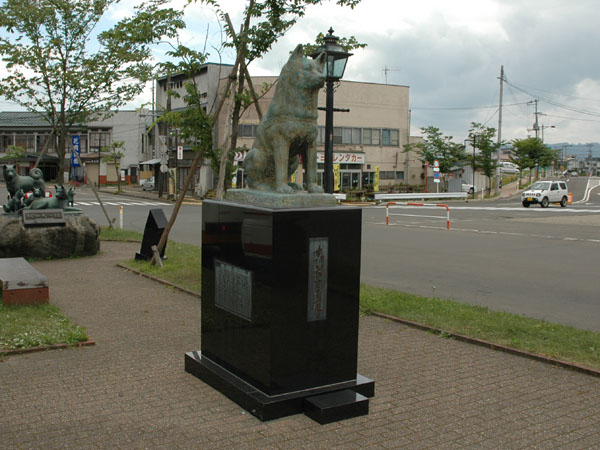
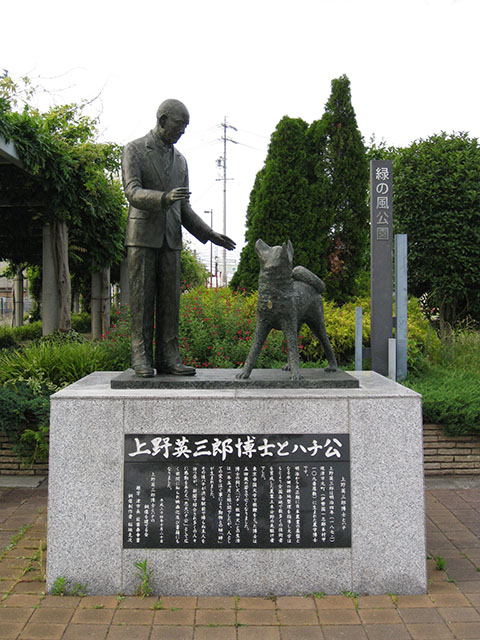
Several statues are dedicated to Hachiko in his birthplace, Odate City in Akita Prefecture. These include a statue at Odate Station and another at the Akita Dog Museum, celebrating his legacy in his hometown. A statue of Hachiko is also located at Tsu Station in Mie Prefecture, symbolizing the widespread admiration for his loyalty across Japan.
Hachiko Day (April 8): Annual Memorial Ceremony in Shibuya
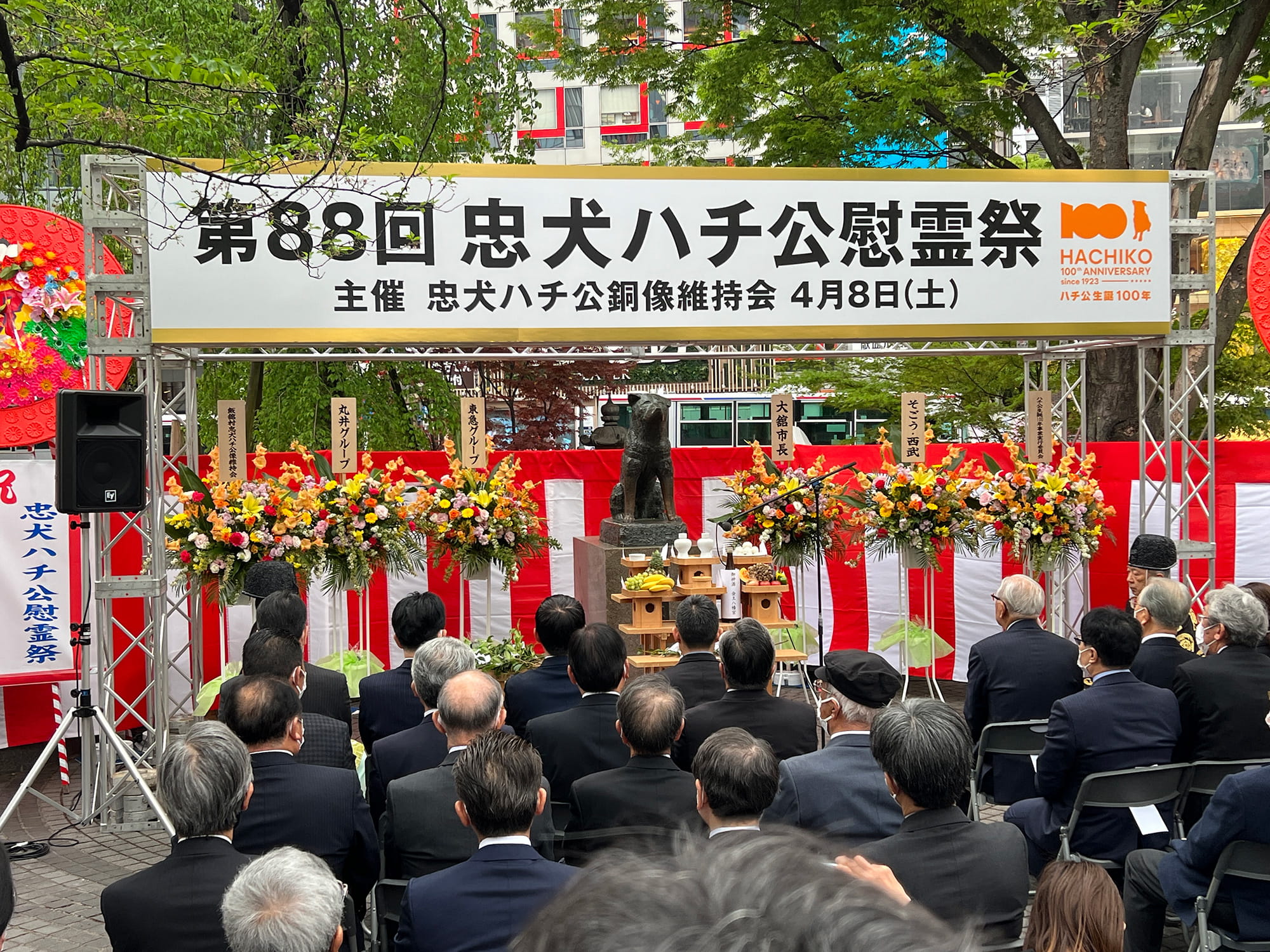
Each year on April 8, a memorial ceremony is held at the Hachiko Memorial Statue to mark the anniversary of Hachiko’s death in 1935. Although Hachi died on March 8th, the date was chosen to include the remembrance of the original statue, which had been erected in April. Known as “Hachiko Day,” the event is organized by local groups, including representatives connected to Shibuya City, along with animal welfare organizations and local residents. It typically includes a brief formal memorial service, speeches honoring Hachiko’s story, and the offering of flowers at the statue.
Should you visit on April 8?
If you want to pay your respects on said day, bear in mind that Hachiko Day is not a large-scale festival. There are no parades or major road closures, and the event blends into the normal rhythm of Shibuya. That said, it draws lots of local attendees familiar with the story, dog lovers and animal welfare advocates, as well as curious visitors who happen to be in the area. So if your visit to Shibuya Station happens to fall on April 8, it’s worth stopping by, whether you catch the actual ceremony or not.
The Real Life vs the Hollywood Movie
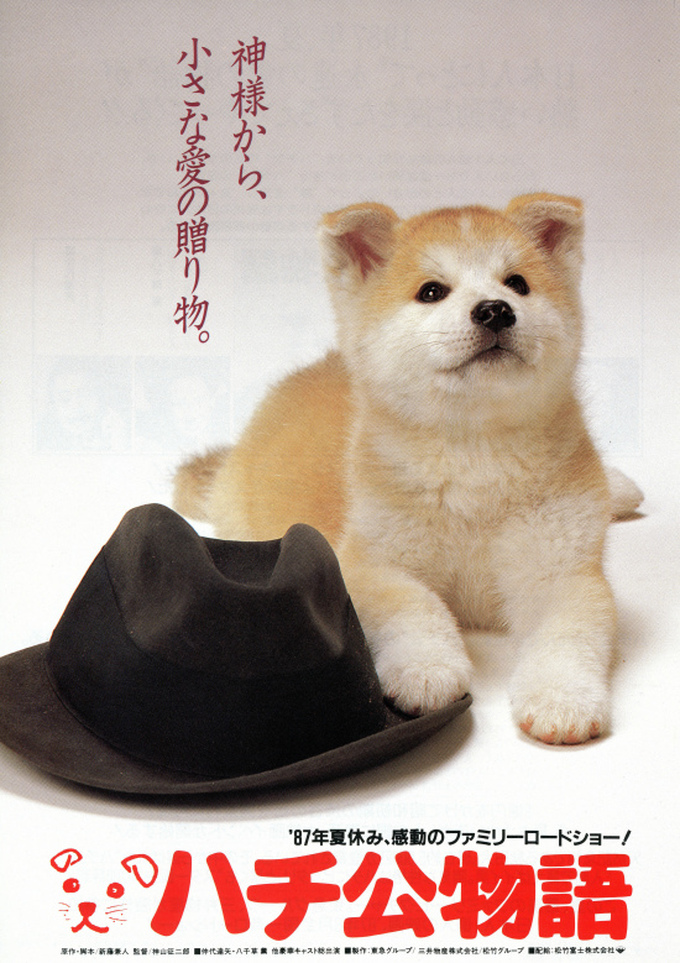

In 2009, an American remake of the 1987 movie Hachiko Monogatari was released. Besides the obvious differences in setting, as the movie “Hachi: A Dog’s Tale” takes place in a small American Town, the depiction of events has very little to do with the real-life story, and several plot points are just made up or severely distorted just for the sake of entertainment:
- The movie depicts the puppy being found by chance abandoned at a train station, while the real-life Hachi was a specific request from his owner.
- The movie version shows the wife is against keeping the dog, when the actual wife, as per all the records, cared as much as her husband about the puppy from day one, according to the accounts of the time.
- Movie Hachi gets to spend several years with the family. Real-life Hachi only spends 1 year and 4 months with Ueno.
- An important plot point of the movie revolves around the ridiculous idea that Akita dogs are untrainable. While Akita dogs are highly intelligent and thus more challenging to train, this statement is nonsense.
- The real Hachi didn’t behave any differently the day Ueno died.
Other Hachiko Movies and Adaptations
If you can’t have enough of Hachi’s story, you can also check the original movie Hachiko Monogatari (1987), directed by Seijiro Koyama. This film tries to stay close to the real events in Tokyo, including Hachi’s life around Shibuya Station and the historical context of 1920s–1930s Japan. It was a major box office success domestically and remains the most accurate cinematic retelling.
More recently, the story was adapted in China as Hachiko (2023), directed by Xu Ang. This version relocates the story to Chongqing, replacing Tokyo’s train station with a local transit setting and featuring a native Chinese dog breed. While the details differ, the central narrative of a dog continuing to wait for its owner over many years, remains unchanged.
Frequently Asked Questions About the Hachiko Statue
What exit is the Hachiko Statue?
The Hachiko Memorial Statue is located directly outside the Hachiko Exit of Shibuya Station. Follow station signs for “ハチ公口 (Hachiko Exit),” and you will arrive straight at the statue plaza.
What is the best time to visit the Hachiko Statue?
Early morning, before 9:00 AM, is the easiest time to visit with fewer crowds and better photo conditions. Midday and late afternoon are the busiest, especially near Shibuya Crossing, when foot traffic is at its peak.
Is the Hachiko Statue free to visit?
Yes. The Hachiko Memorial Statue is in a public space and can be visited at any time without an entrance fee.
How long did Hachiko wait at Shibuya Station?
A common misconception in popular culture is that Hachiko waited every single day at Shibuya Station since his owner, Hidesaburo Ueno, died in 1925. While he often returned to the station, it is more likely that his daily visits started after he began living near the station under Kobayashi’s care, until his own death in 1935.
Was the original Hachiko statue destroyed?
Yes. The original statue, unveiled in 1934, was melted down during World War II due to metal shortages. The current statue was installed in 1948 as a replacement.
Is the Hachiko Statue a good meeting point?
Yes, it is one of Tokyo’s most well-known meeting spots. Locals commonly use the Hachiko Memorial Statue as a reference point when arranging to meet in Shibuya.
How much time do you need to visit the Hachiko Statue?
Most visits take 5 to 10 minutes, enough for photos and a quick look. If you plan to explore the surrounding area, including Shibuya Crossing, you may want to allow more time.
Tourist Attractions Near Hachiko Memorial Statue
1. Shibuya Crossing
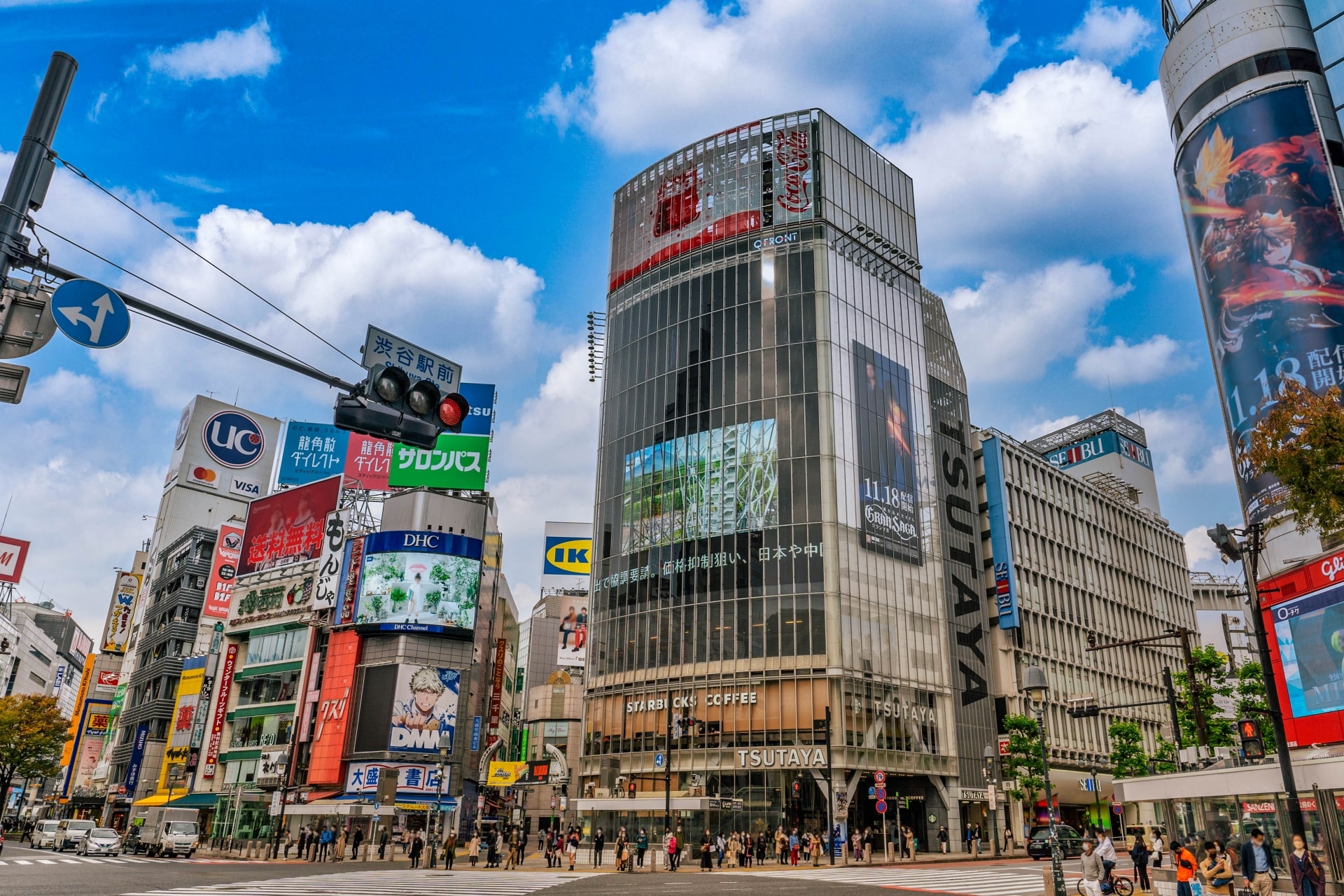 Shibuya Crossing (渋谷スクランブル交差点), also known as the “Scramble Crossing,” is one of the busiest pedestrian intersections in the world. Located just a few steps from the Hachiko Statue, it’s a must-see for its iconic view of hundreds of people crossing from all directions at once. The surrounding area is filled with large screens and advertisements, creating a vibrant and dynamic atmosphere, especially at night.
More info: Shibuya Crossing, the Most Famous Crossing in the World!
2. Shibuya Tsutaya
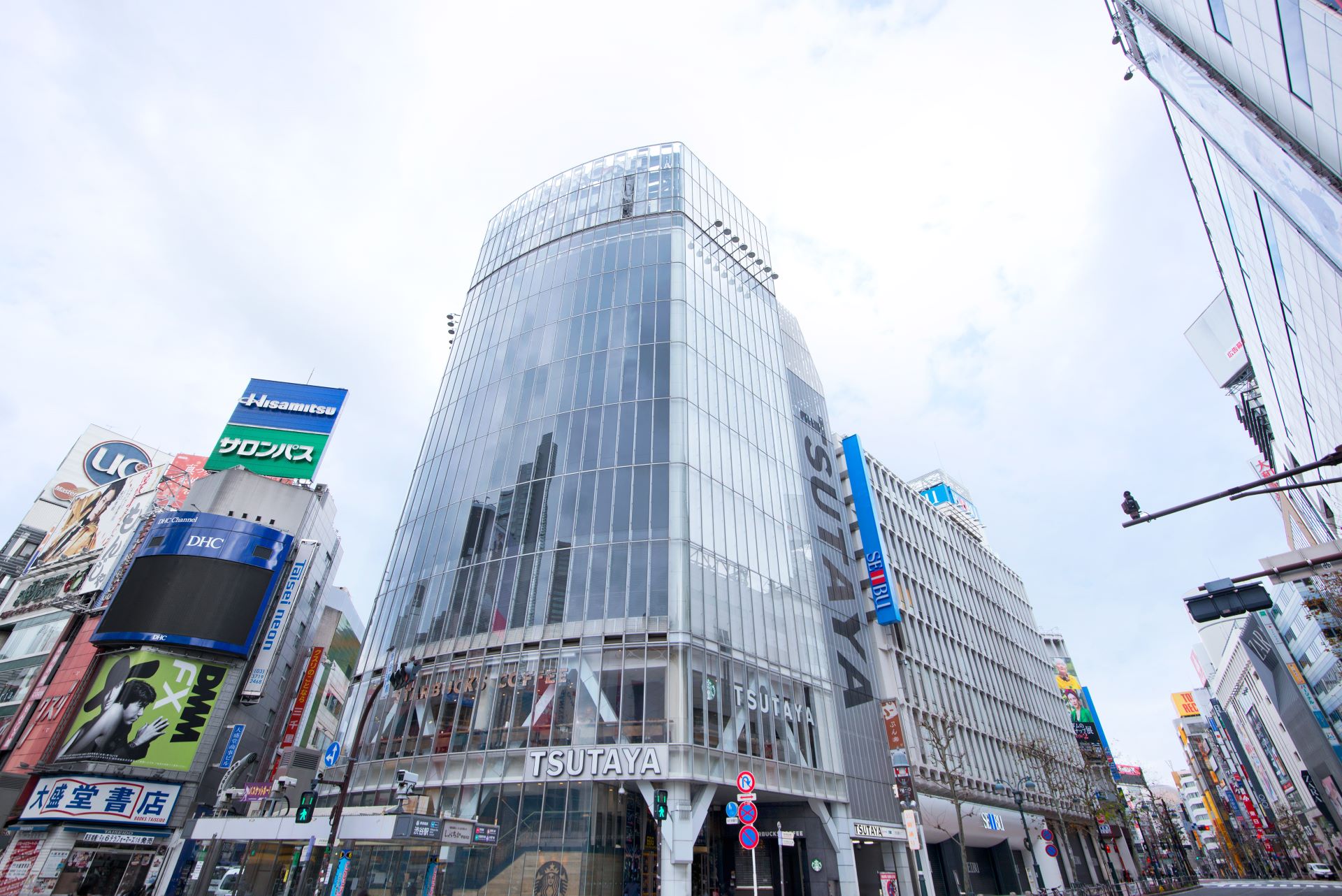 Shibuya Tsutaya, located right at the Shibuya Crossing, is a multi-story bookstore and entertainment hub. It’s famous for its extensive collection of books, music, and movies, as well as its Starbucks on the second floor, which offers a perfect vantage point for watching the bustling crossing below. It’s a great place to relax, read, and enjoy the urban scenery.
More info: Shibuya Tsutaya: A New Era for an Iconic Landmark
3. Shibuya Center Gai
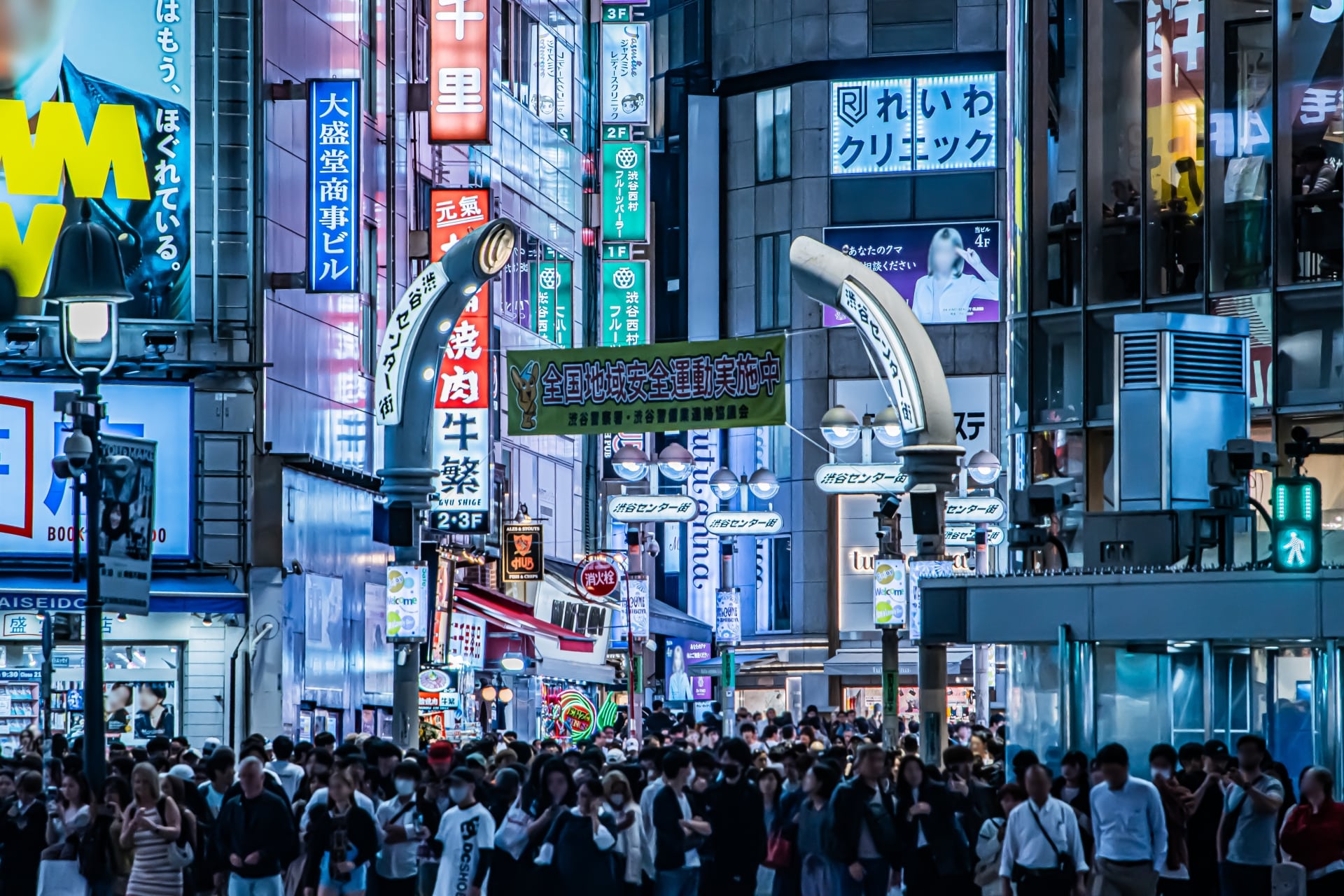 Shibuya Center Gai (渋谷センター街) is a lively street located near the Hachiko Statue, known for its trendy shops, restaurants, and entertainment options. It’s a hotspot for youth culture and fashion, offering a plethora of shopping and dining experiences. The vibrant energy of Center Gai makes it a perfect spot for visitors to soak in the modern and eclectic atmosphere of Shibuya.
More info: Shibuya Center Gai: Best Things to Do
The Hachiko Memorial Statue is a powerful symbol of loyalty and devotion. It commemorates the bond between Hachiko and his owner, Dr. Ueno, touching the hearts of many visitors and honoring Hachiko’s remarkable story. But it also serves as a reminder of the deep connections we can develop with our pets, who will give us their unconditional love, which is an experience that transcends cultures. Few tourist attractions get us to reflect on themes of love and loyalty like this one, which is one of the most powerful aspects of Hachiko’s legacy.
For more information about traveling in Japan, check these articles below, too!



Written by
Photographer, journalist, and avid urban cyclist, making sense of Japan since 2017. I was born in Caracas and lived for 14 years in Barcelona before moving to Tokyo. Currently working towards my goal of visiting every prefecture in Japan, I hope to share with readers the everlasting joy of discovery and the neverending urge to keep exploring.
- +11 38
-
-