Best Time to Visit Japan: The Ultimate Seasonal Guide
Find the Best Time to Visit Japan with Our Month by Month Japan Guide
- +83 112
-

-


Are you planning to visit Japan but not sure in which month or season?
There are four seasons in Japan, and besides the popular tourists attractions that most of visitors go throughout the year, the country offers a plenty of seasonal attractions that can be enjoyed only for a limited time of the year.
In this article, I’d like to share the best things to do in Japan in each month and season, so you can find out when the best time to visit Japan is for you! Check out our travel guide in Japan by season with the best attractions in Japan and travel tips in each month.
When is the best time to visit Japan?
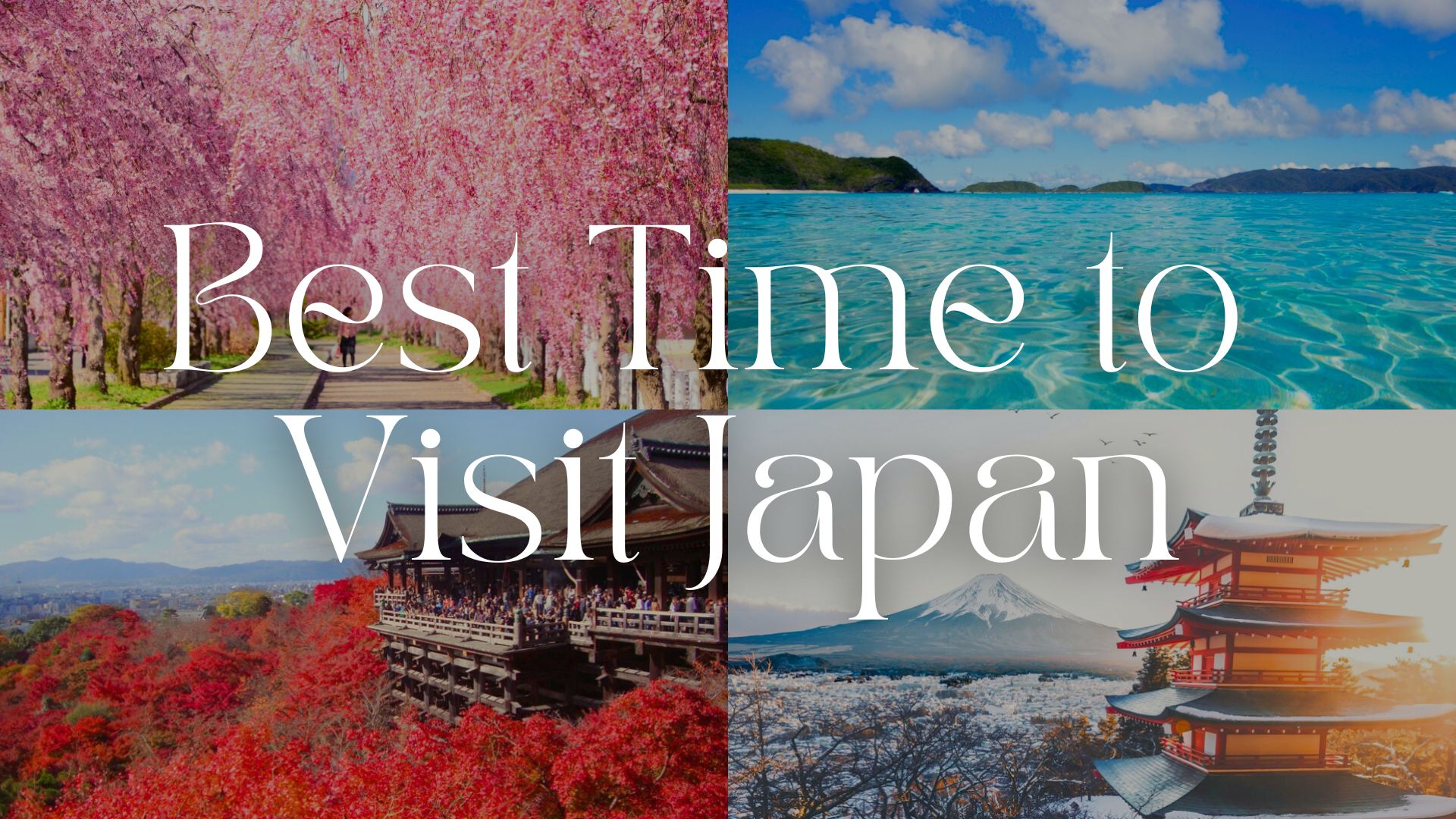
When is the best time to visit Japan? The short answer is: it depends on what you want to experience! While Spring (Cherry Blossoms) and Autumn (Fall Foliage) are the most popular, every season in Japan offers something unique.
To help you plan the perfect trip, we have broken down the weather, crowds, and highlights by season, interest, and region.
Quick Verdict: At A Glance
If you are looking for the perfect balance of weather and scenery, or trying to save money, here is the quick summary:
| Category | Best Months | Why |
| Best Overall | March-May & Oct-Nov | Perfect weather, Cherry Blossoms (Spring), and Autumn Leaves (Autumn). |
| Least Crowded | Mid Jan-Feb, June & Sept | Fewer tourists after holidays; quieter during rainy/typhoon seasons. |
| Cheapest | Mid Jan-Feb | Post-New Year lull means cheaper flights and hotels. |
| Best for Skiing | Jan-Feb | Peak powder snow (Japow) in Hokkaido and Nagano. |
| Best for Beach | July-Aug | Okinawa and coastal areas are at their prime. |
When to Avoid Japan (Or Be Careful)
While Japan is great year-round, there are specific times that can be difficult for travellers due to extreme crowds or weather.
-
Golden Week (Late April – Early May): This is Japan’s biggest holiday week. Trains are booked out, hotels are expensive, and sightseeing spots are packed.
-
Obon Week (Mid-August): Another major holiday period where locals travel to visit family. Expect heavy traffic and crowds.
-
New Year’s (Dec 29 – Jan 3): Many businesses, restaurants, and museums close for the holidays.
-
Typhoon Season (Late Aug – Sept): Heavy rain and strong winds can occasionally cancel flights or trains.
Spring in Japan (March, April, May): Cherry Blossoms, Fresh Greenery, and New Beginnings
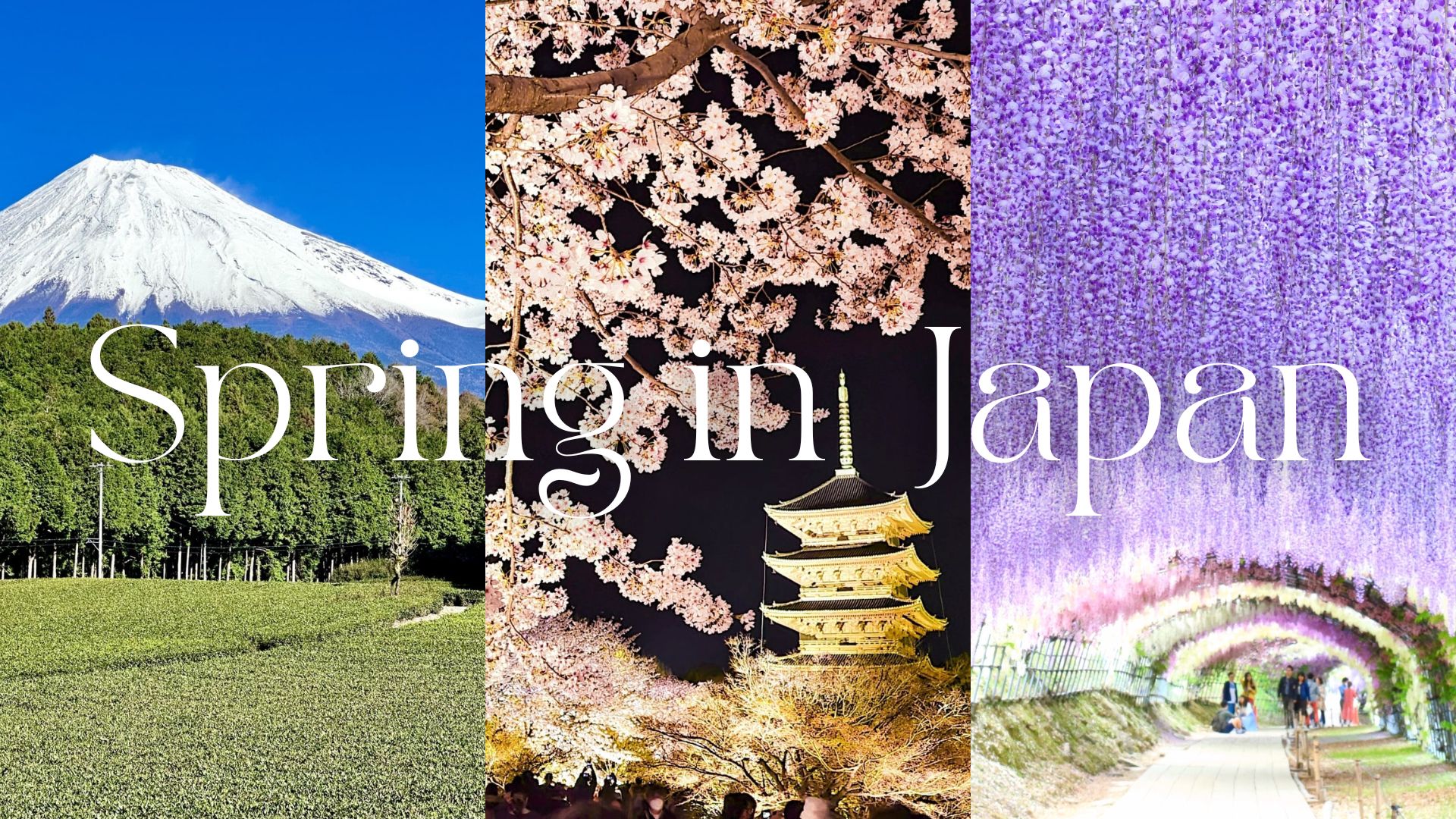
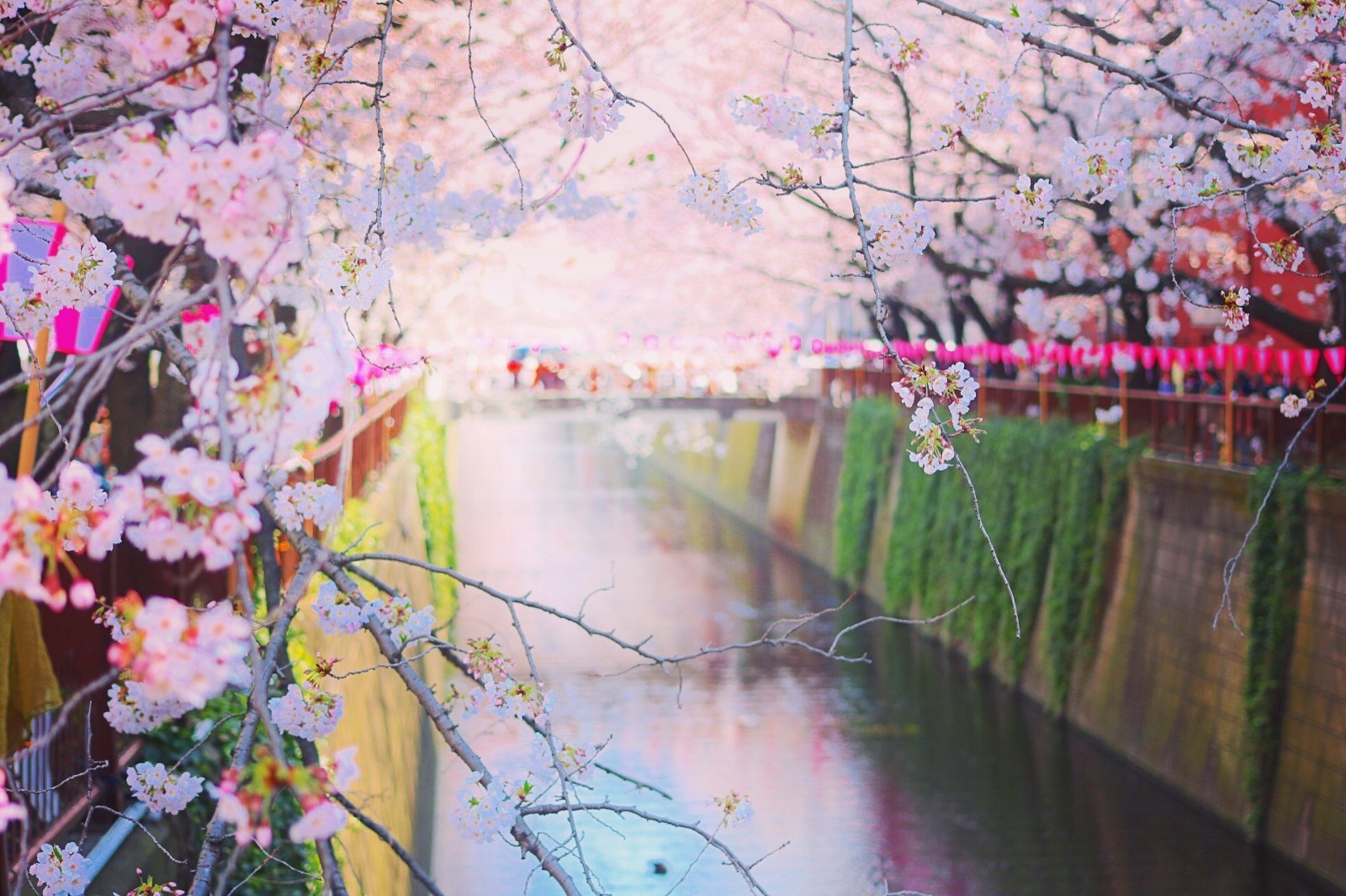
Spring is synonymous with Japan. It is the season of cherry blossoms (Sakura), colourful flower festivals, and pleasant weather. It is also a time of new life, as the Japanese school and business year begins in April.
While the scenery is breathtaking, it is also the most popular time to visit. To help you plan, here is the essential data for Spring in Tokyo:
Spring at a Glance
| Month | Avg Temp (Tokyo) | Weather | Crowd Level |
| March | 13°C (55°F) | Chilly to Cool | High (Late March) |
| April | 19°C (66°F) | Warm & Sunny | Very High |
| May | 23°C (73°F) | Comfortable | High (Early) / Low (Late) |
Important Warning: Golden Week
Dates: Late April – Early May
Golden Week is a collection of four national holidays. Along with New Year’s and Obon, this is one of Japan’s busiest travel seasons.
-
What to expect: Sightseeing spots are packed, and accommodation prices spike.
-
Strategy: If you want to avoid peak crowds and prices, aim for early March or mid-to-late May.
Here are brief introductions for each month in Japan in spring.
March: Sakura Begins & Last Skiing
March marks the transition from winter to spring. While the beginning of the month is still chilly, temperatures gradually warm up.
-
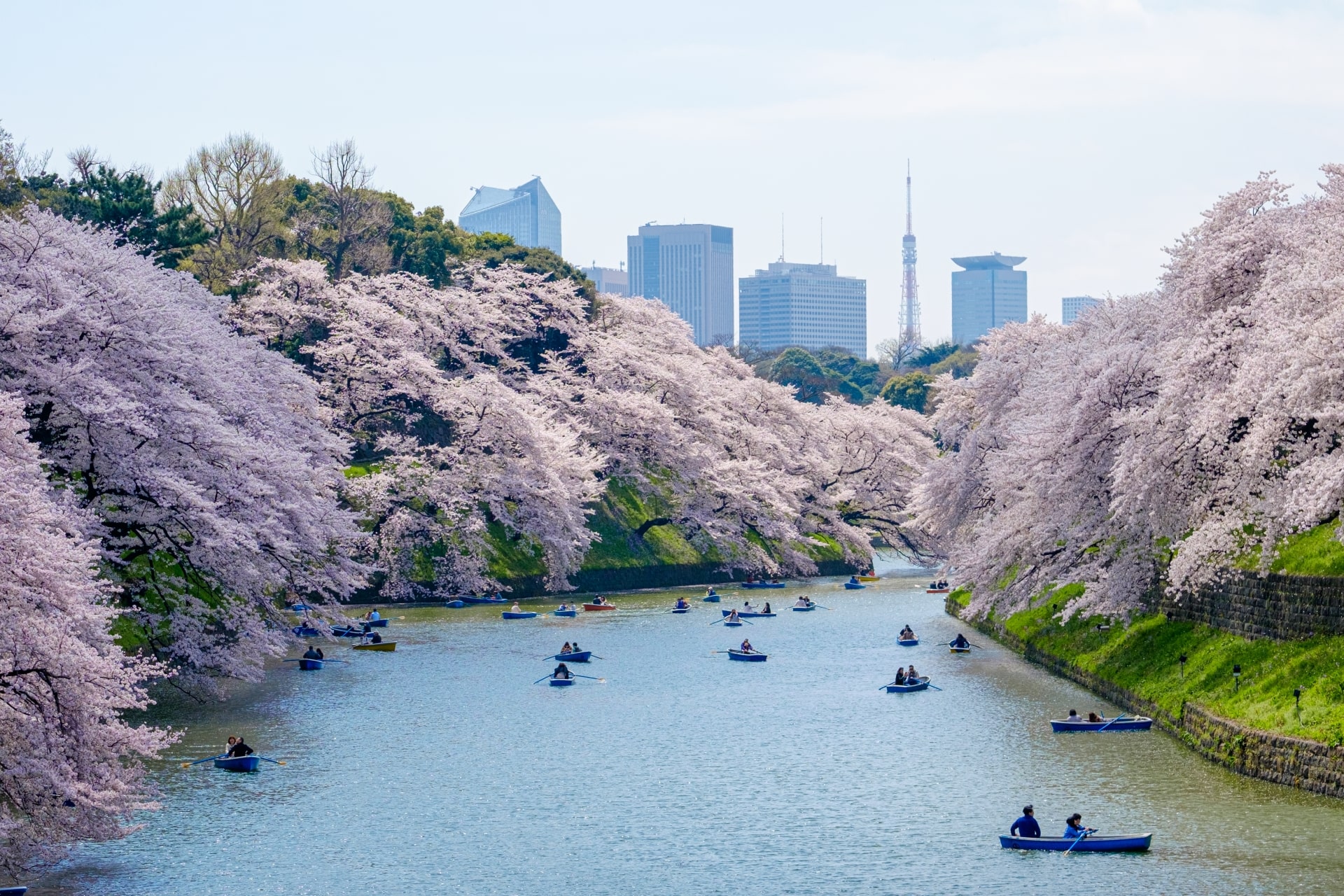
Cherry Blossoms: The season typically begins in late March. Famous spots like Chidorigafuchi in Tokyo offer stunning boat rides under pastel pink tunnels.
-
Winter Sports: It is the last chance to enjoy skiing and snowboarding. Resorts in northern areas (Hokkaido) and the Japanese Alps remain open with good snow conditions.
-
Festivals: Sakura Matsuri (festivals) begin, featuring food stalls and evening light-ups. You will also find Sakura-themed Starbucks drinks and sweets everywhere!
What to Wear:
It is still cold, especially in the mornings and evenings. Bring a winter coat or a warm down jacket.
Read More:
April: Peak Sakura & Perfect Weather
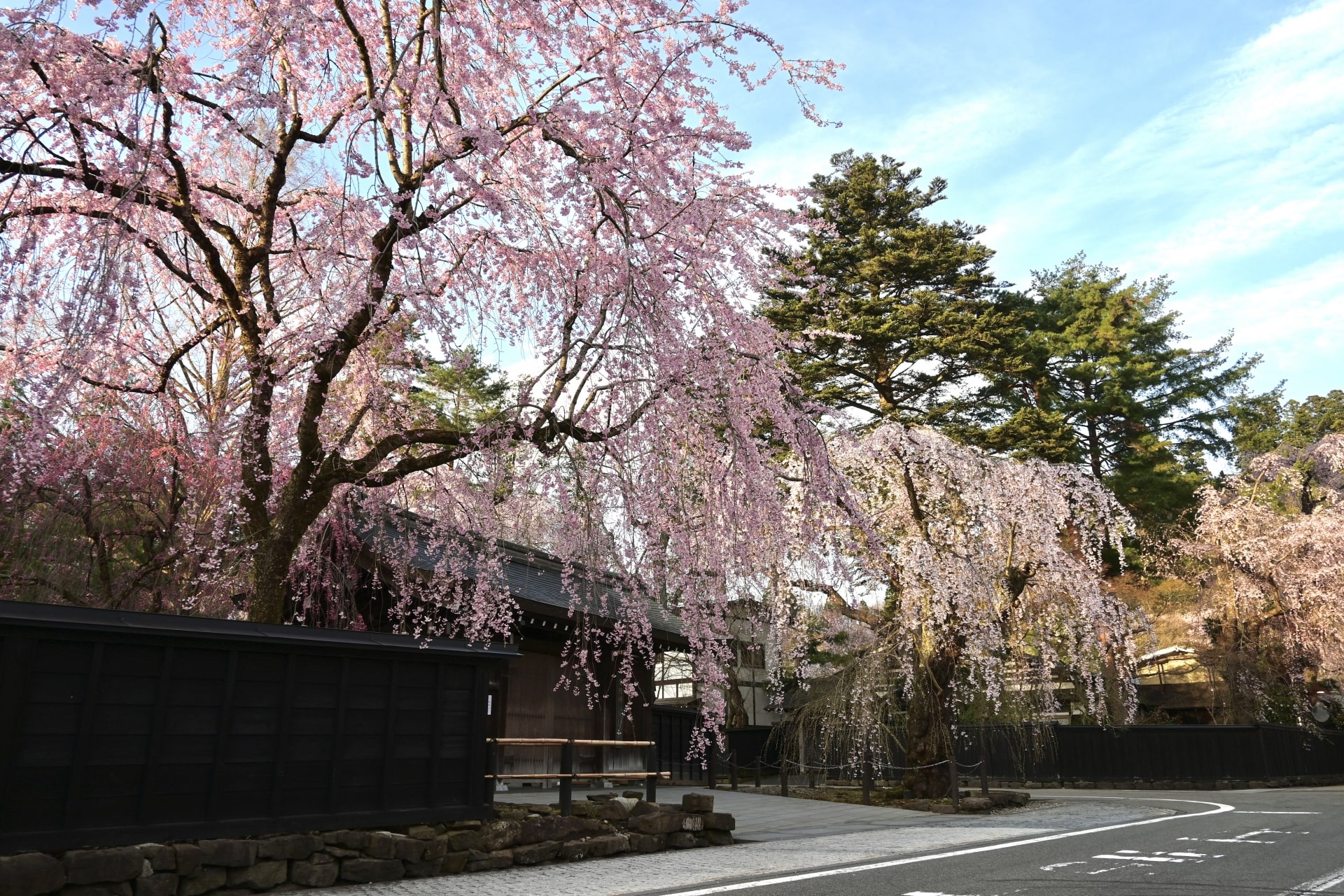
April is often considered the best month to visit Japan due to its crisp, sunny weather.
-
Peak Sakura: Early April is the best time for Hanami (flower viewing) in Tokyo and Kyoto. If you miss the blooms in the main cities, head north! In Kakunodate (Akita Prefecture), the weeping cherry trees on the samurai street are spectacular in late April.
-
Flower Fields: Beyond cherry blossoms, tulips and other colourful flowers begin to bloom in gardens across the country.
-
Beach Season: In the tropical south, Okinawa opens its beaches for the season earlier than the rest of Japan.
What to Wear:
Days are warm, but nights can be windy and cool. A trench coat, denim jacket, or windbreaker is essential.
Read More:
May: Flowers, Greenery & Matcha
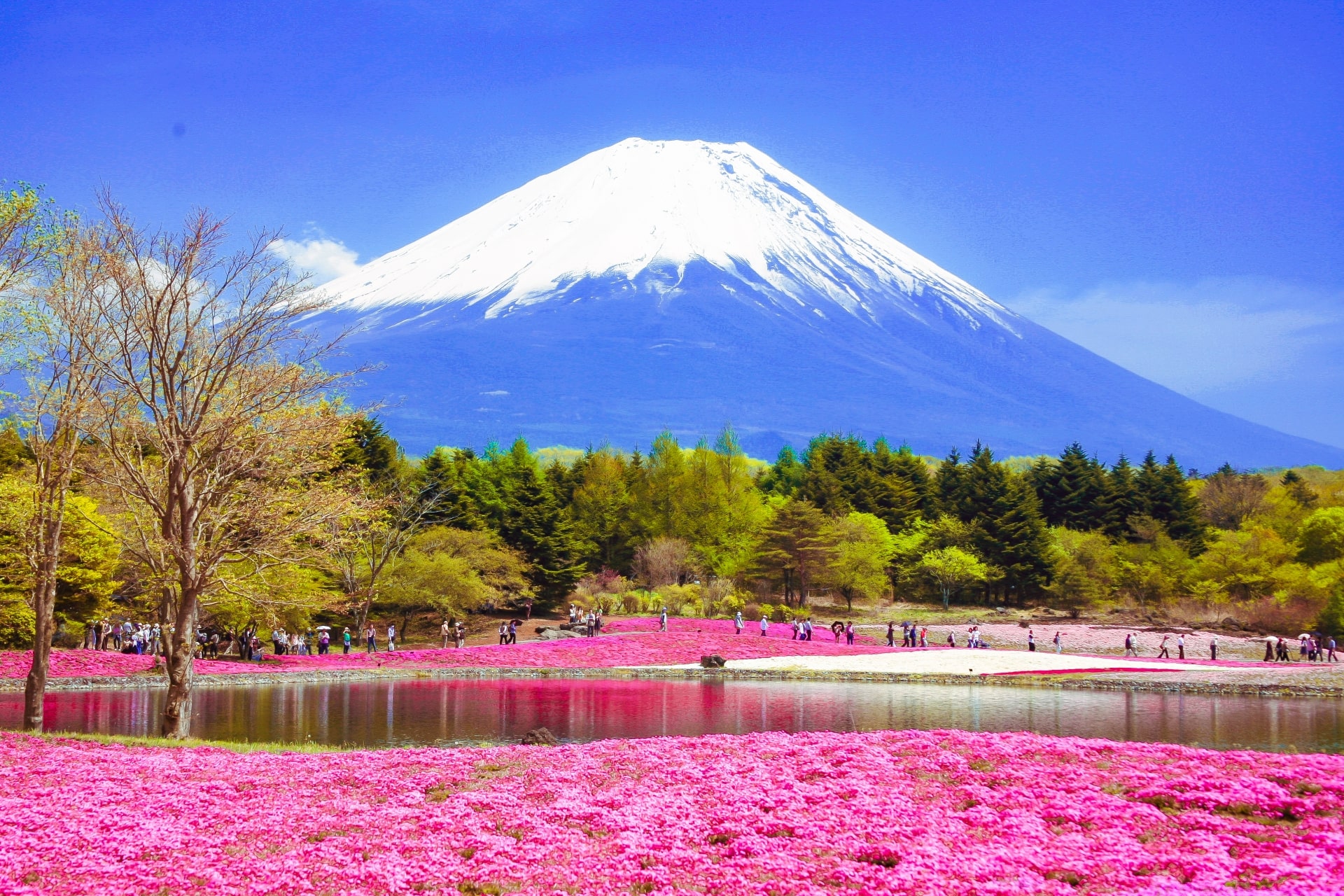
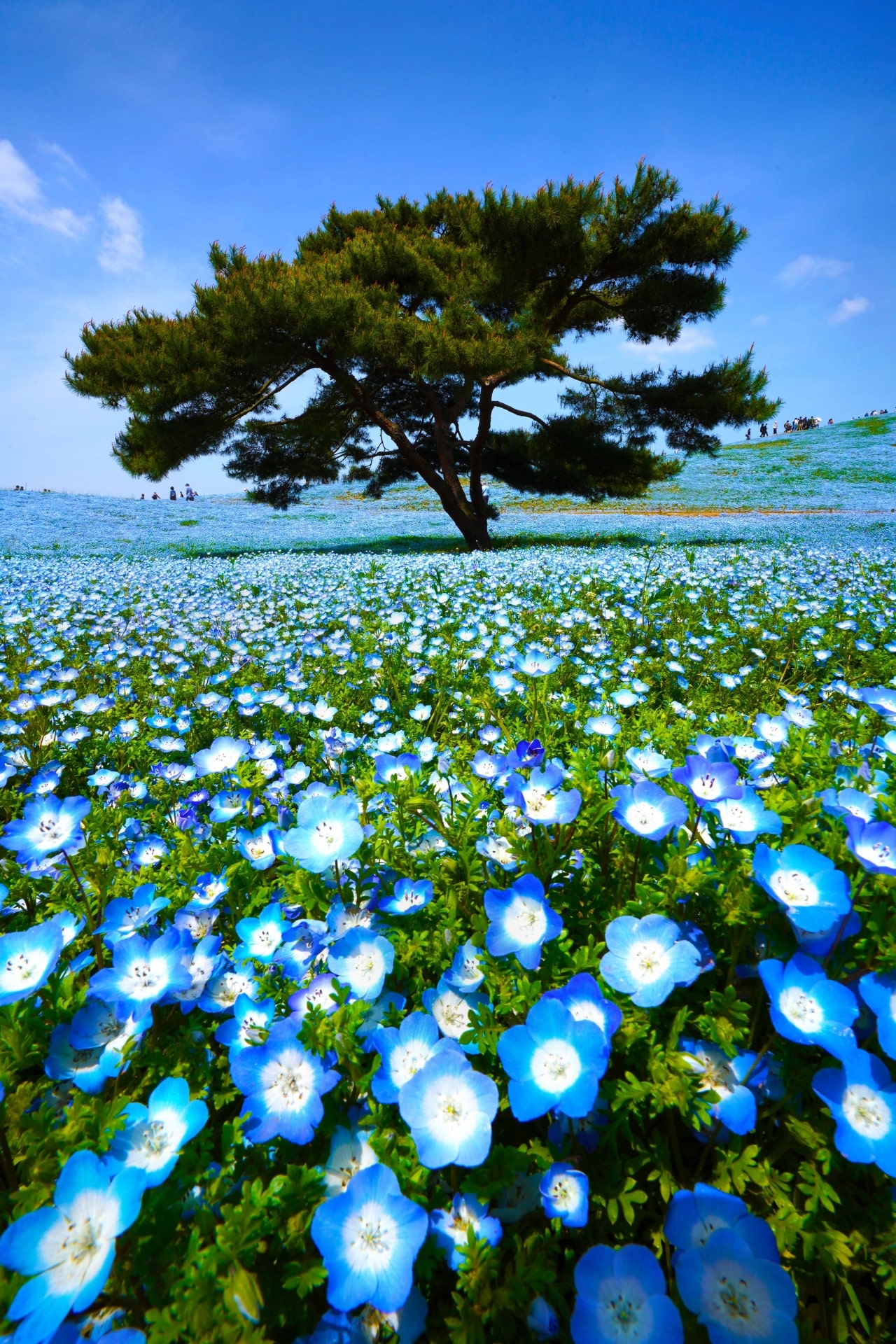
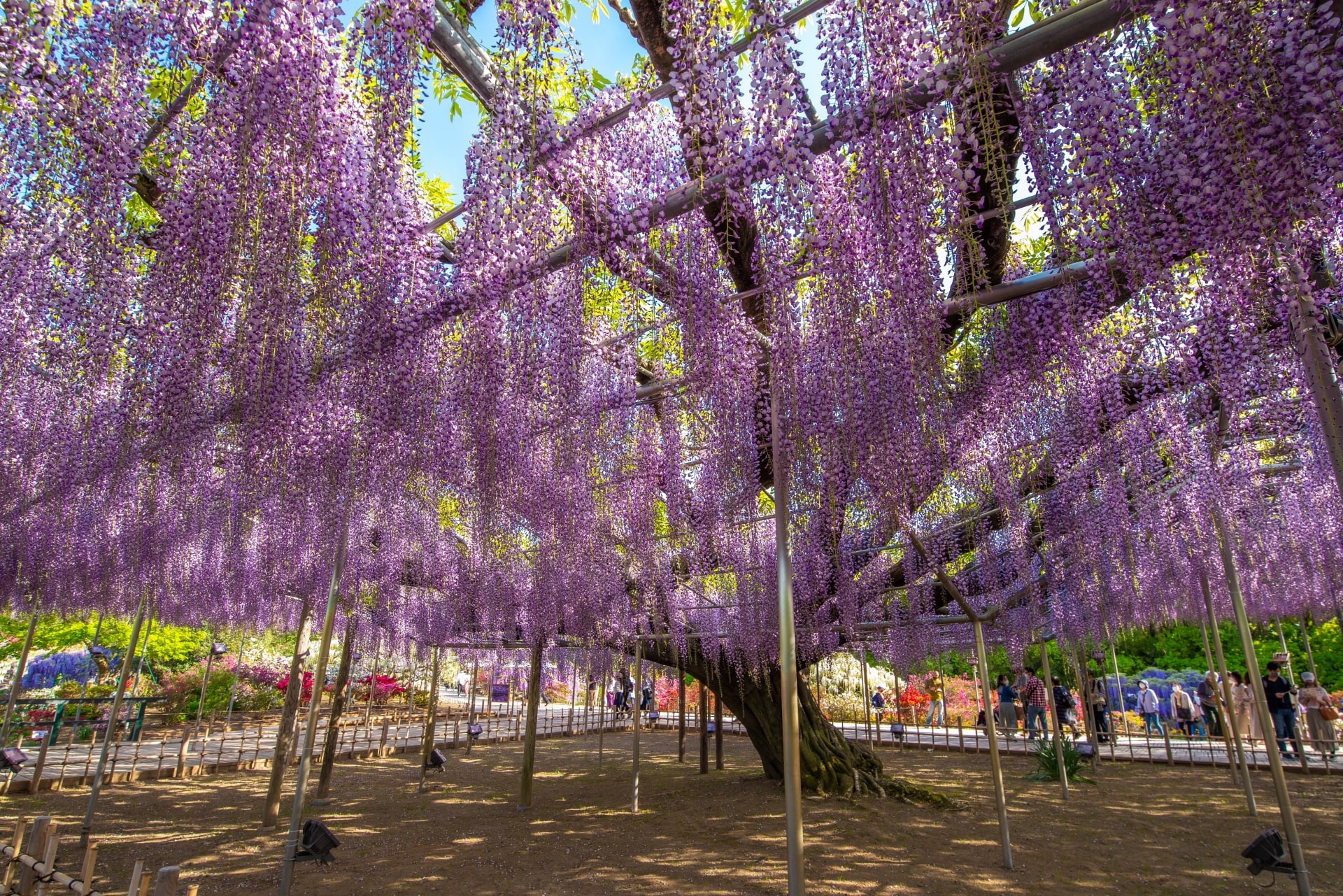
May is a “hidden gem” month. Once Golden Week ends (around May 6th), the crowds disperse, but the weather remains warm and sunny before the rainy season hits in June.
-
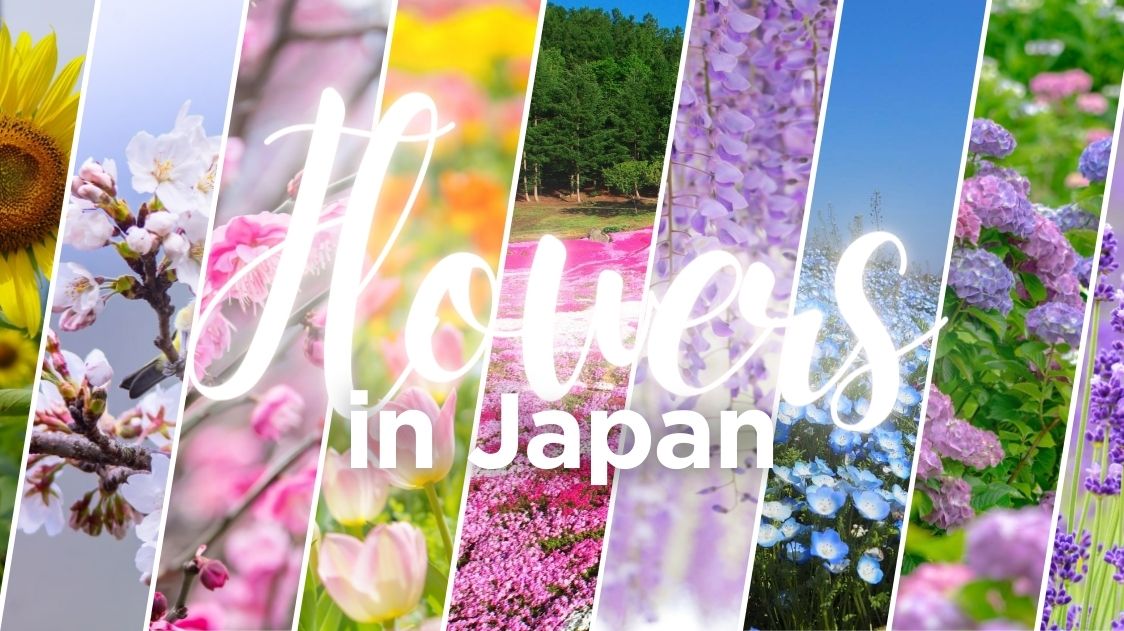
Flower Festivals: Some of Japan’s most viral scenery happens in May:
-
Pink Moss: Fuji Shibazakura Festival (with Mt. Fuji views).
-
Blue Nemophila: Hitachi Seaside Park.
-
Wisteria: Ashikaga Flower Park.
-
-
Matcha Season: May is the harvest season for green tea. Look for fresh matcha sweets, dessert buffets, and afternoon teas. You can even visit tea plantations near Mt. Fuji.
-
The Snow Wall: The Tateyama Kurobe Alpine Route is open, allowing you to walk between massive walls of snow (“Yuki no Otani”) before they melt.
What to Wear:
Comfortable and light. Long-sleeved shirts or light cardigans are best. On sunny afternoons, a T-shirt is often enough.
Read More:
Summer in Japan (June, July, August): Festivals, Fireworks, and Intense Heat
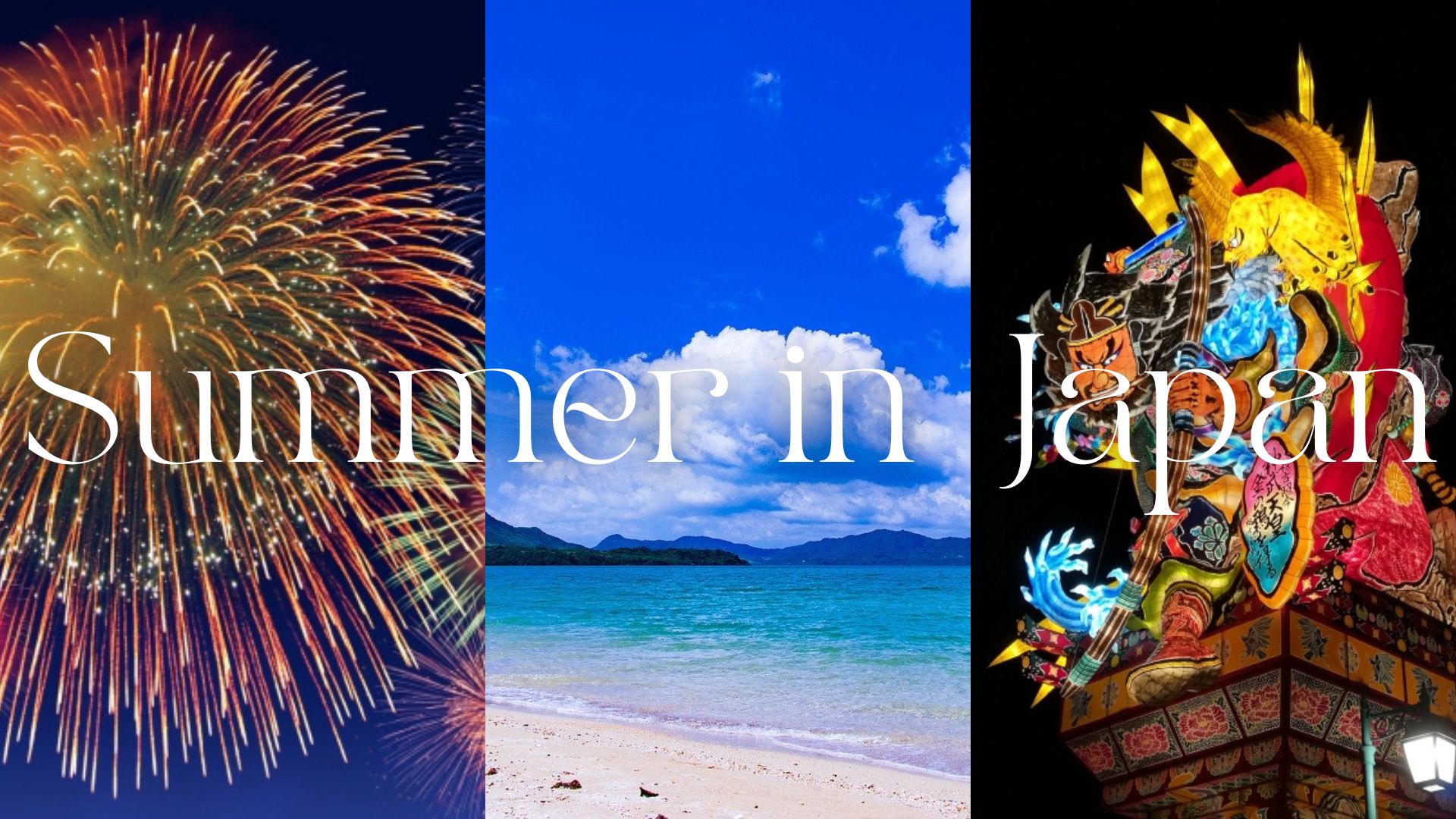
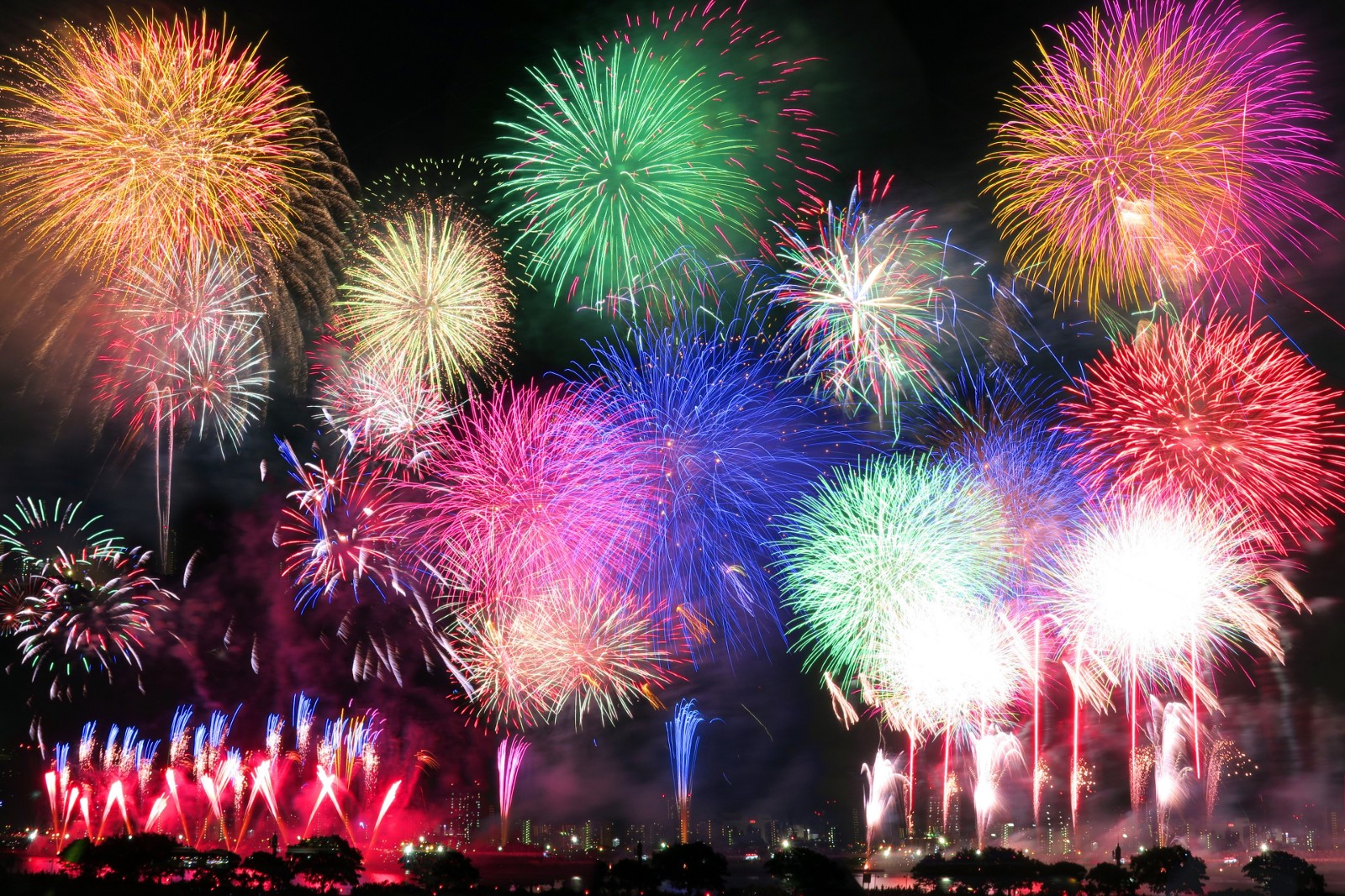
Summer in Japan is a season of high energy. The country gets into a festive mood with massive fireworks displays, traditional Matsuri (festivals), and music events. However, it is also known for its intense heat and humidity.
While the atmosphere is exciting, travelers must be prepared for the weather. Here is the essential data for Summer in Tokyo:
Summer at a Glance
| Month | Avg Temp (Tokyo) | Weather | Crowd Level |
| June | 22°C (71°F) | Rainy Season (Humid) | Low |
| July | 29°C (84°F) | Hot & Humid | High |
| August | 31°C+ (88°F+) | Extreme Heat | Peak |
Important Warnings
-
Heatstroke Risk: The combination of heat and humidity can be dangerous. Stay hydrated, use convenience stores to cool down, and avoid strenuous outdoor activities during midday.
-
The Obon Holiday (Mid-August): Along with Golden Week and New Year’s, this is a peak travel season. Locals return to their hometowns to honor ancestors. Expect traffic jams, crowded Shinkansen, and fully booked hotels.
Here are brief introductions for each month in Japan in summer.
June: Hydrangeas & The Rainy Season
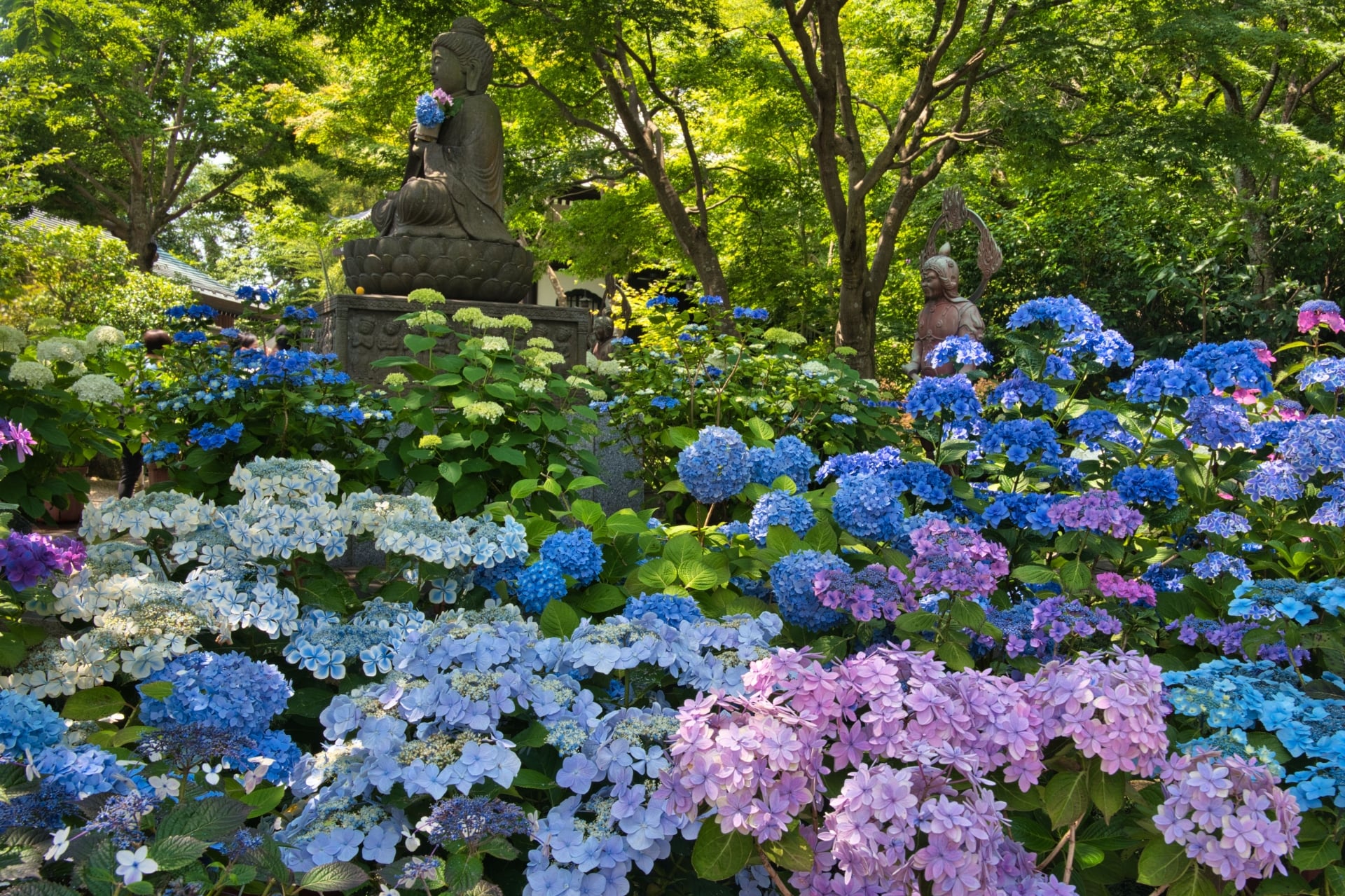
June marks the start of the Rainy Season (Tsuyu). While it doesn’t rain every day, it is generally overcast and humid. However, this is the low season for tourism, making it a great time to save money on flights and hotels.
-
Hydrangeas (Ajisai): These flowers are the symbol of the rainy season. Kamakura is the most famous spot, where temples are surrounded by blue and purple blooms.
-
Indoor Escapes: If it rains, explore world-class indoor attractions like teamLab’s digital art museums or the Harry Potter Studio Tour Tokyo.
-
Where to Go:
-
Hokkaido: The northern island does not have a rainy season. It is cool, dry, and comfortable.
-
Okinawa: The rainy season here ends early (around early June), making it the perfect time for an early beach trip.
-
What to Wear:
Breathable fabrics are key. Bring a compact umbrella (essential for sudden showers) and water-resistant shoes.
Read More:
July: Festivals & Mt. Fuji Opens
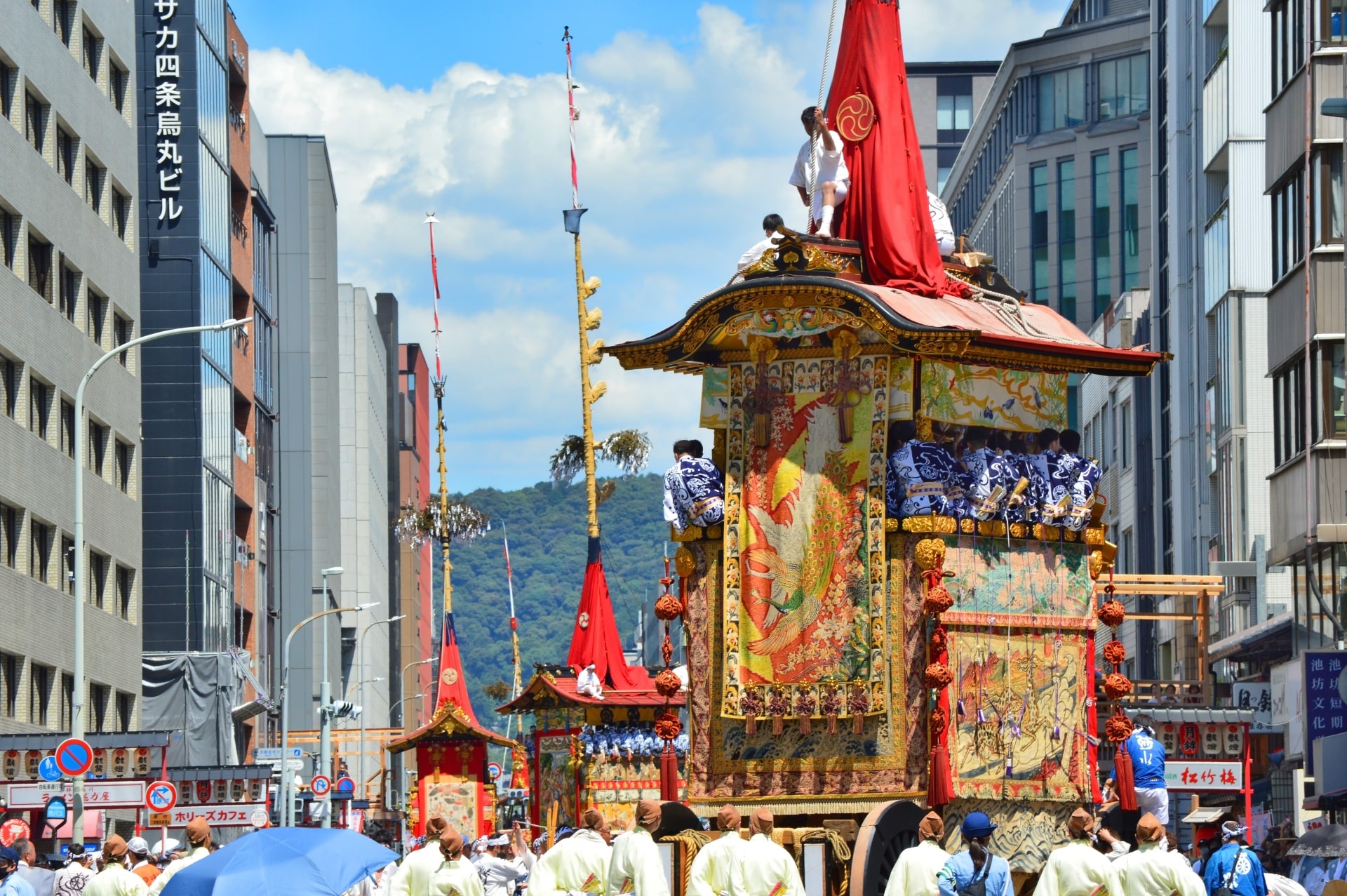
The rainy season usually ends in early July, kicking off the “real” Japanese summer. The beach season officially begins, and the festival spirit takes over.
-
Major Festivals: July hosts some of Japan’s biggest events:
-
Gion Matsuri (Kyoto): A massive traditional festival lasting the whole month.
-
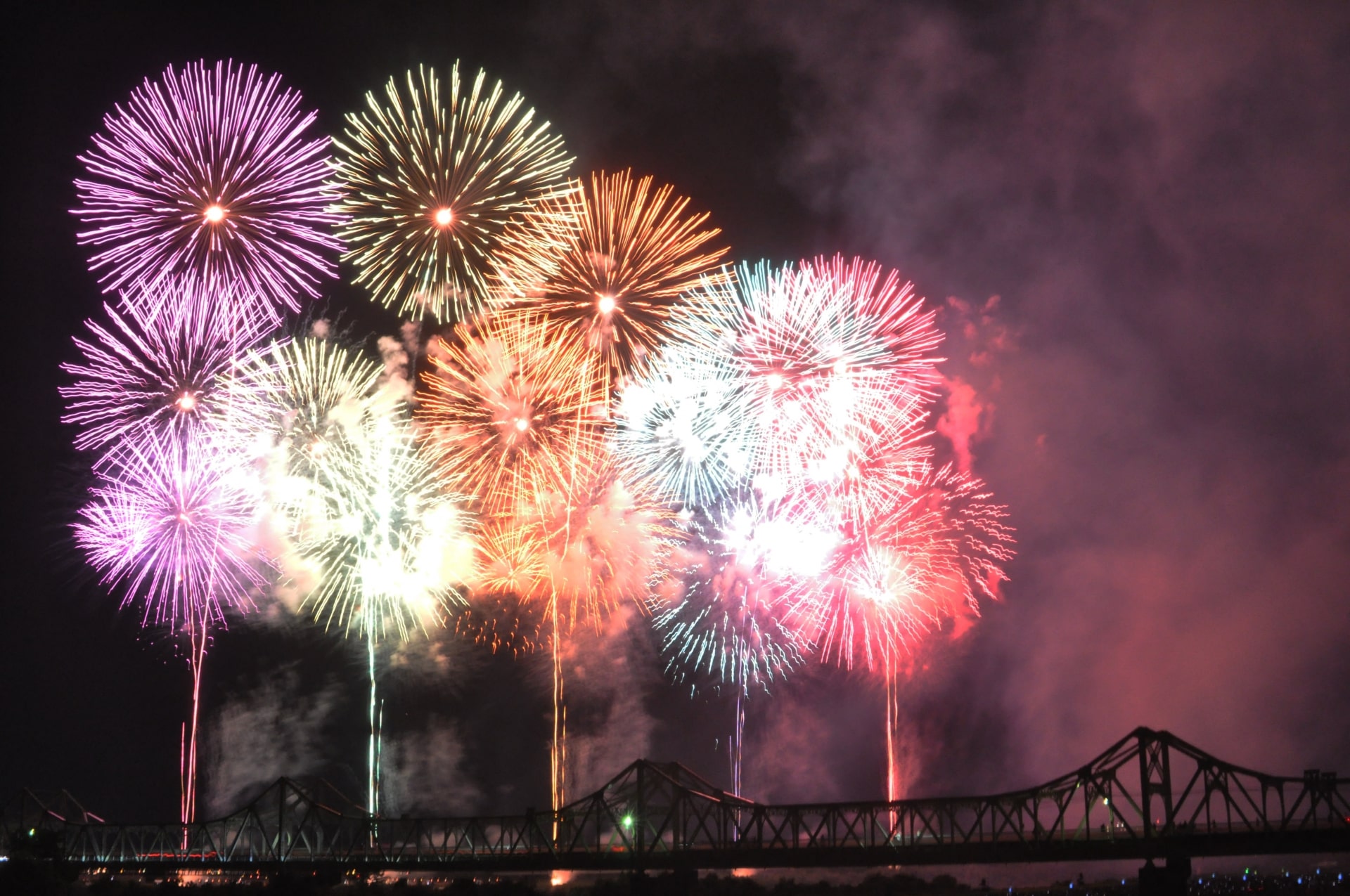
Sumida River Fireworks (Tokyo): One of the most famous firework displays.
-
Fuji Rock Festival: Japan’s largest outdoor music event.
-
-
Mt. Fuji: The official climbing season begins on July 1st.
-
Beach Season: Head to the Shonan area (near Tokyo), the Izu Peninsula, or fly down to Okinawa for crystal clear waters.
What to Wear:
Light, loose clothing (T-shirts, shorts). Sunglasses and a hat are mandatory to protect against strong UV rays.
Read More:
August: Peak Heat & Obon
August is the hottest month of the year. Temperatures often exceed 35°C (95°F). It is best to plan activities for the morning or evening to avoid the midday sun.
-
Summer Traditions: The festive mood continues with the Nebuta Matsuri (Aomori) and the energetic Awa Odori dance festival (Tokushima).
-
Night Activities: Since days are hot, enjoy the nightlife! Visit Beer Gardens, observation decks, or “Night Pools” (swimming pools open at night with music/lights).
-
Cool Escapes: If the heat is too much, visit aquariums, museums, or head to the mountains in Kamikochi (Nagano) for cooler air.
What to Wear:
Minimal clothing. Carry a portable fan, cooling body wipes (sold at convenience stores), and a handkerchief for sweat.
Read More:
Autumn in Japan (September, October, November): Autumn Leaves, Delicious Food, and Perfect Weather
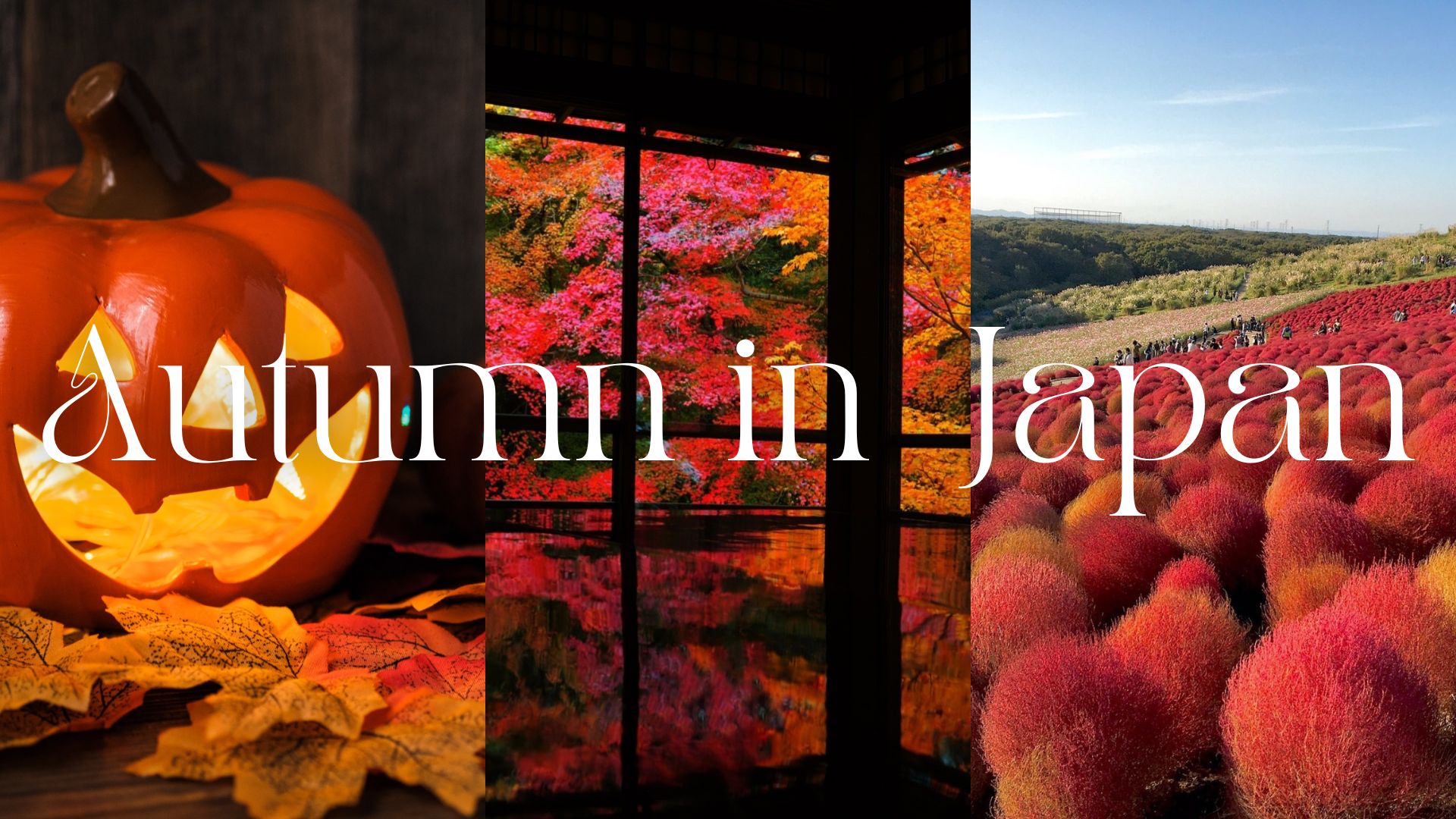
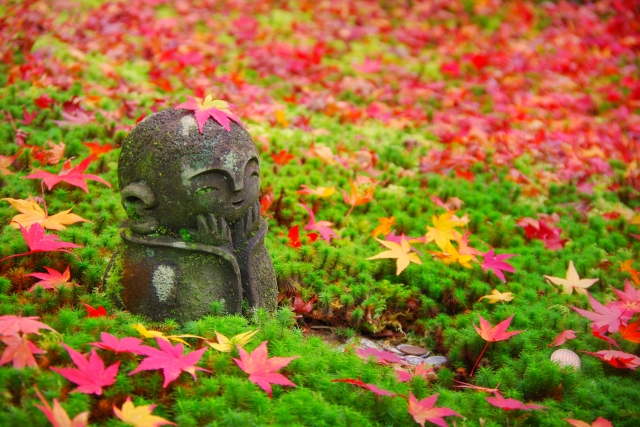
Autumn is the second most popular season to visit Japan, rivaling spring. The humidity drops, the air becomes crisp, and the country turns into a stunning palette of red, orange, and yellow.
Unlike cherry blossoms, which only last a week, Autumn Leaves (Koyo) can be enjoyed for several weeks, making it much easier to plan your trip. It is also known as the season of “Autumn Appetite,” with incredible seasonal food events happening everywhere.
Autumn at a Glance
| Month | Avg Temp (Tokyo) | Weather | Crowd Level |
| September | 23°C (73°F) | Humid / Typhoons | Medium |
| October | 18°C (64°F) | Dry & Pleasant | High |
| November | 12°C (53°F) | Cool & Crisp | Very High (Kyoto) |
Important Warnings
-
Typhoon Season (September): September is the second rainiest month after June. Typhoons can cause flight cancellations and train delays. Always check the forecast.
-
Silver Week (Mid-September): A collection of national holidays. Like Golden Week, this period sees high domestic travel, leading to traffic jams and higher hotel prices.
-
Kyoto Crowds (November): November is the absolute peak season for Kyoto. Temples are incredibly crowded. Book accommodation months in advance.
Here are brief introductions for each month in Japan in autumn.
September: The Transition & Typhoons
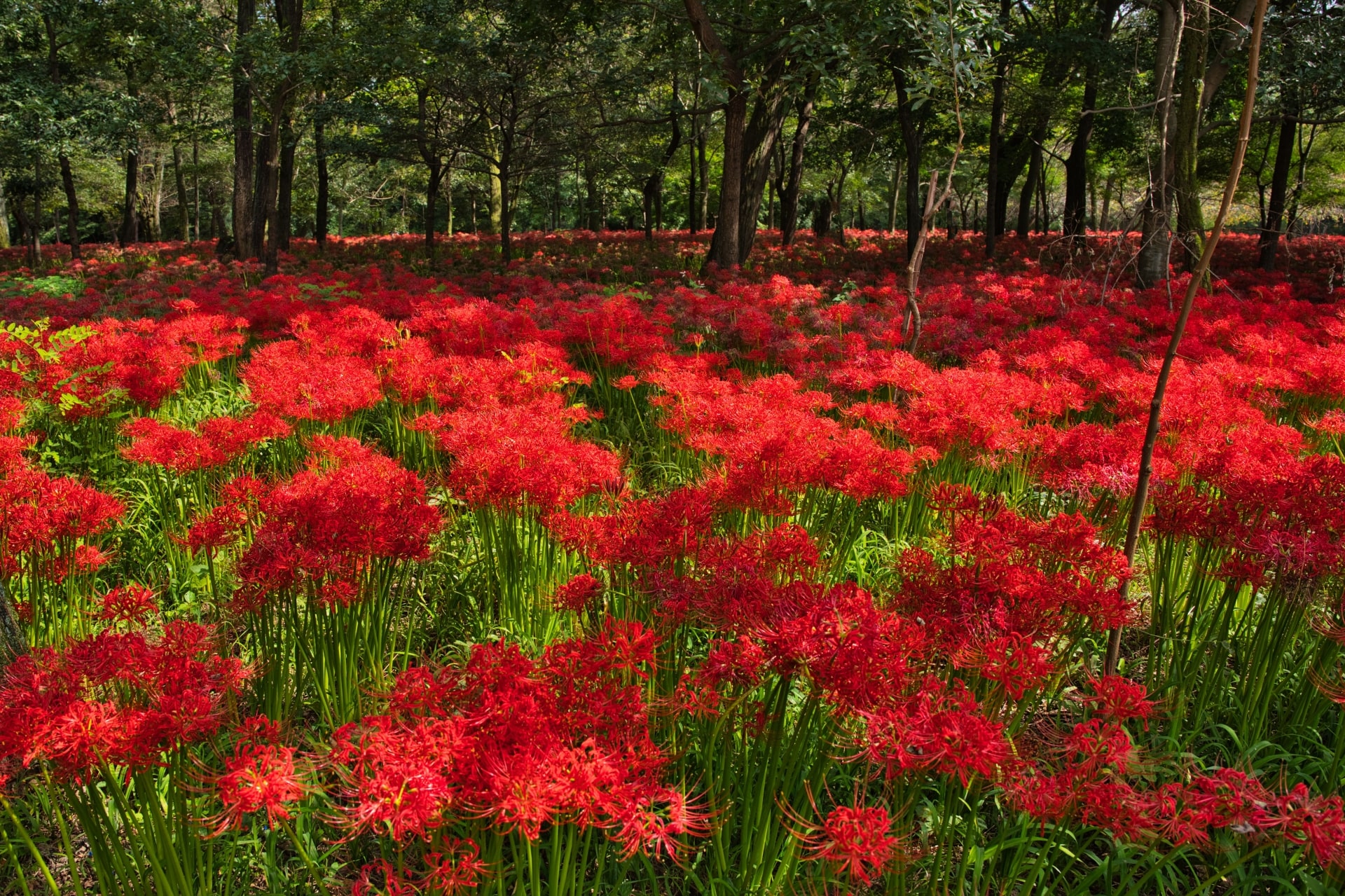
September is a mix of summer and autumn. Early in the month, you can still enjoy beaches in Okinawa, while leaves are already starting to turn in Hokkaido.
-
Weather: The summer heat lingers in early September, but temperatures drop by the end of the month. Be prepared for rain.
-
Flowers: It’s not just about leaves! The Red Spider Lily Festival (Kinchakuda, Saitama) creates a carpet of fiery red flowers.
-
Events:
-
Halloween: Events start early at Universal Studios Japan and Tokyo Disney Resort.
-
Tokyo Game Show: One of the world’s biggest gaming conventions held in mid-September.
-
Kishiwada Danjiri Matsuri: A wild and fast-paced traditional festival in Osaka.
-
What to Wear:
Short sleeves are fine for the day, but bring a light jacket for the evening. Carry a sturdy umbrella.
Read More:
October: The Best Weather of the Year
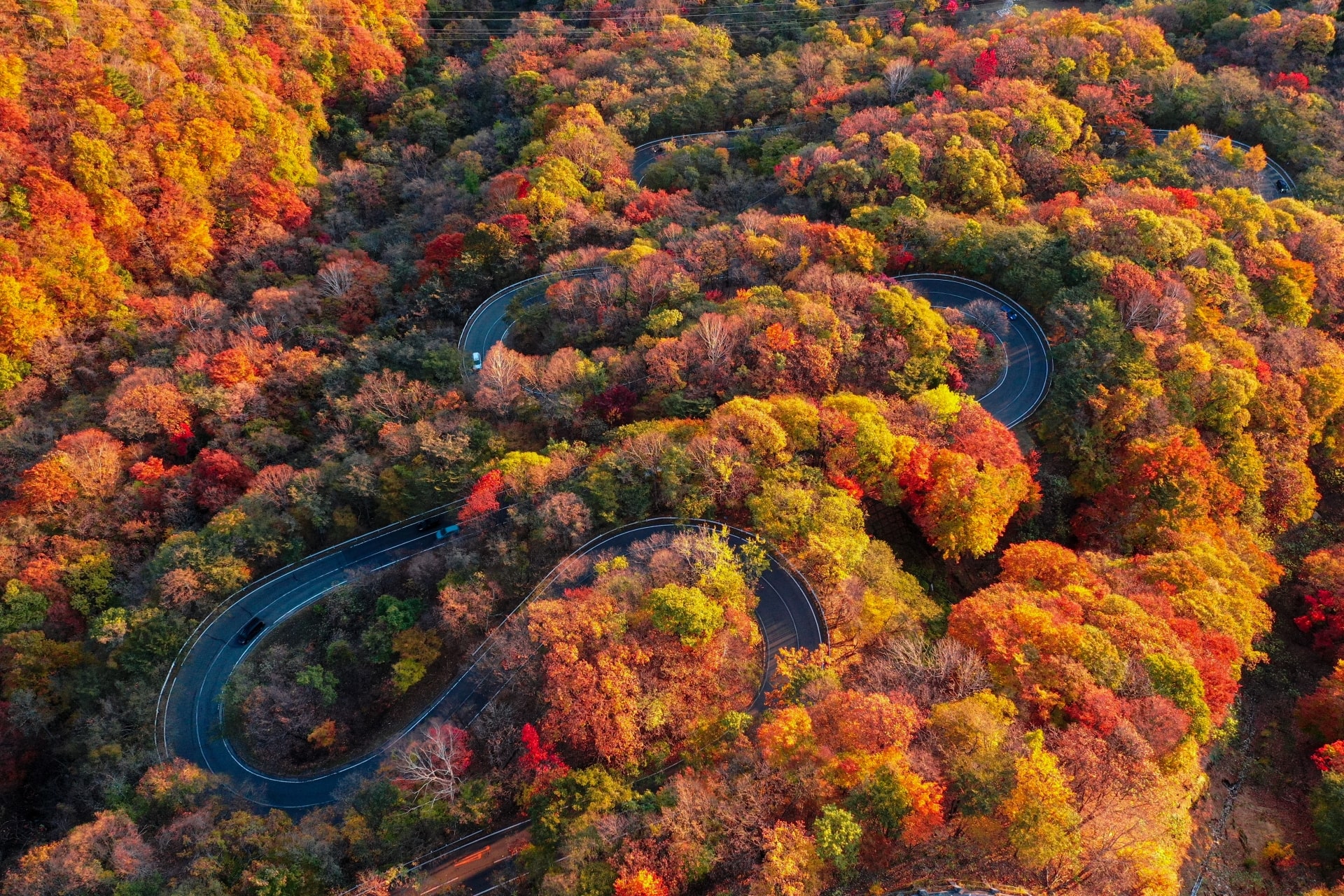
October is arguably the most comfortable month to travel. The air is dry, warm, and sunny.
-
Mountain Foliage: This is the best time to see autumn leaves in mountainous areas like Nikko, Hakone, and the Tohoku region.
-
Nature:
-
Kochia Carnival: See the fluffy red bushes at Hitachi Seaside Park.
-
Sengokuhara: Walk through fields of golden pampas grass in Hakone.
-
-
Autumn Appetite: Food festivals are everywhere! Don’t miss the Tokyo Ramen Festa or various Oktoberfest events.
-
Halloween Peak: The chaotic but fun street parties in Shibuya and Osaka peak on October 31st.
What to Wear:
Layers are your best friend. A long-sleeved shirt with a light jacket or cardigan is perfect.
Read More:
November: Peak Koyo & Illuminations
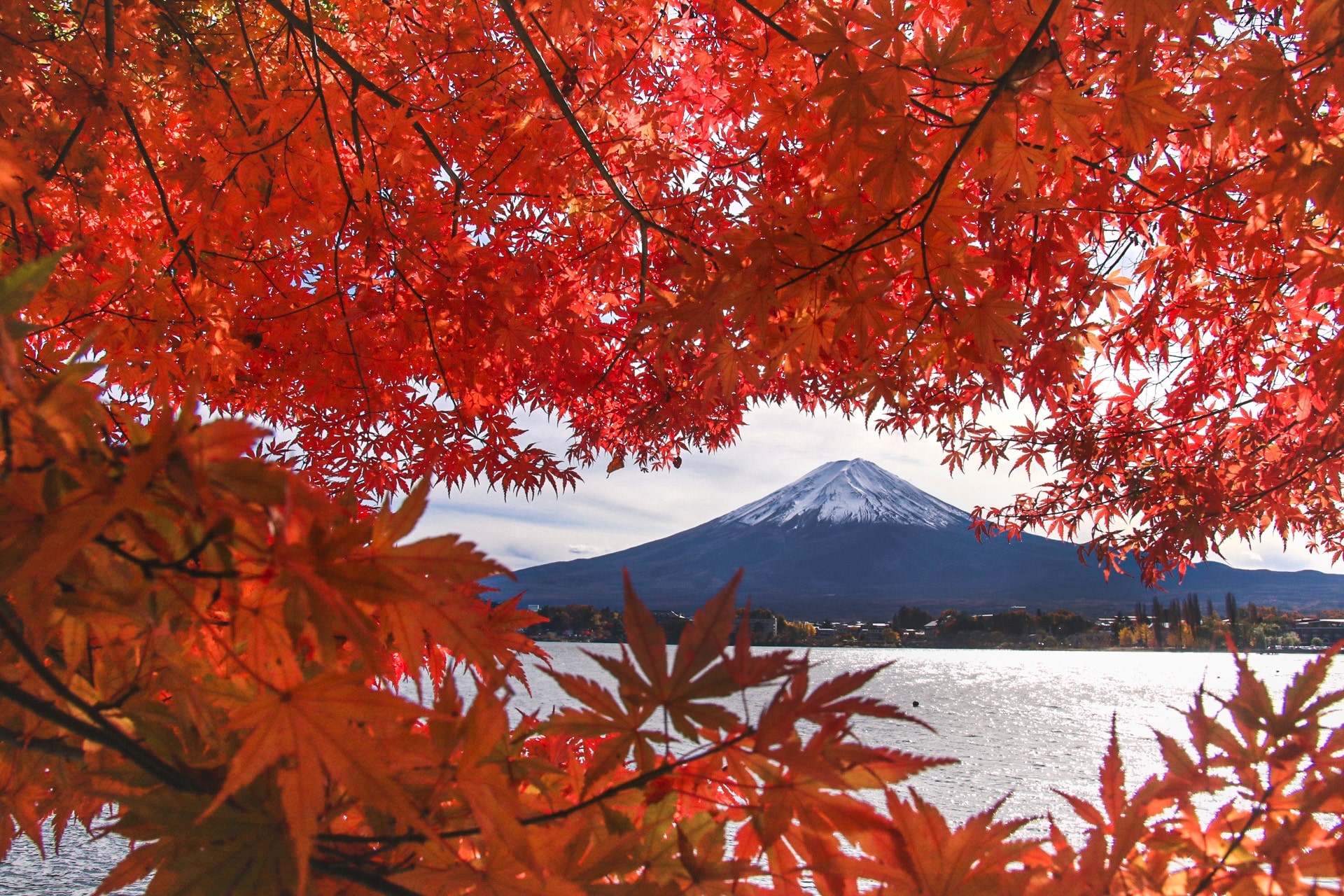
As autumn draws to a close, the colours reach the cities. November is visually stunning but can get chilly.
-
City Foliage: This is the peak time for autumn leaves in Tokyo and Kyoto.
-
Kyoto: The combination of red maple leaves and historic temples is breathtaking. Many temples offer night illuminations.
-
Mt. Fuji: The Fuji Kawaguchiko Autumn Leaves Festival offers iconic views of the mountain framed by red leaves.
-
-
Winter Illuminations: Believe it or not, winter light displays start in November! Check out Ashikaga Flower Park or Nabana no Sato for massive LED displays.
What to Wear:
It gets cold (avg 12°C). You will need a proper jacket or coat, especially for night illuminations.
Read More:
Winter in Japan (December, January, February): Snow, Skiing, and Winter Illuminations
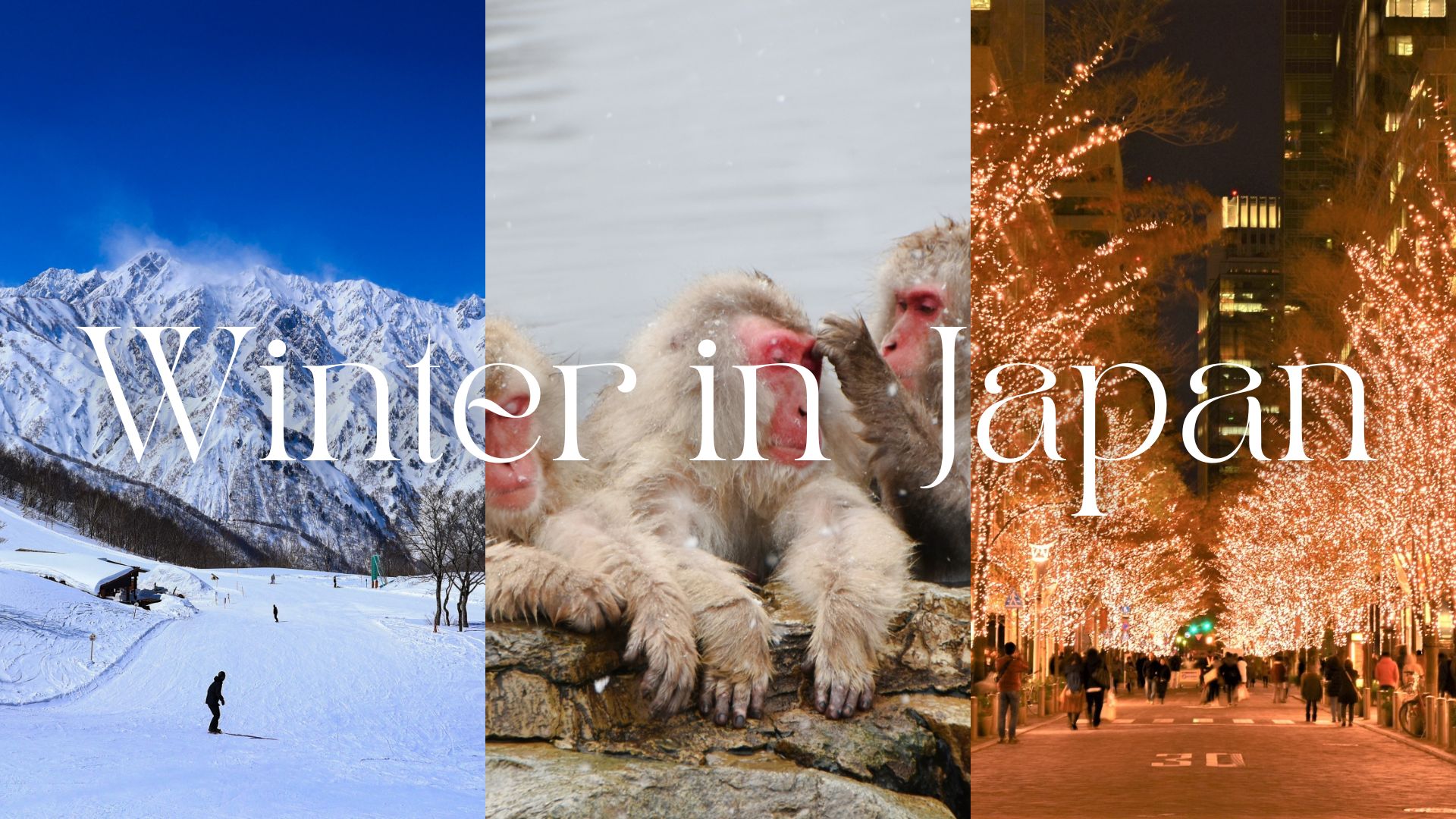
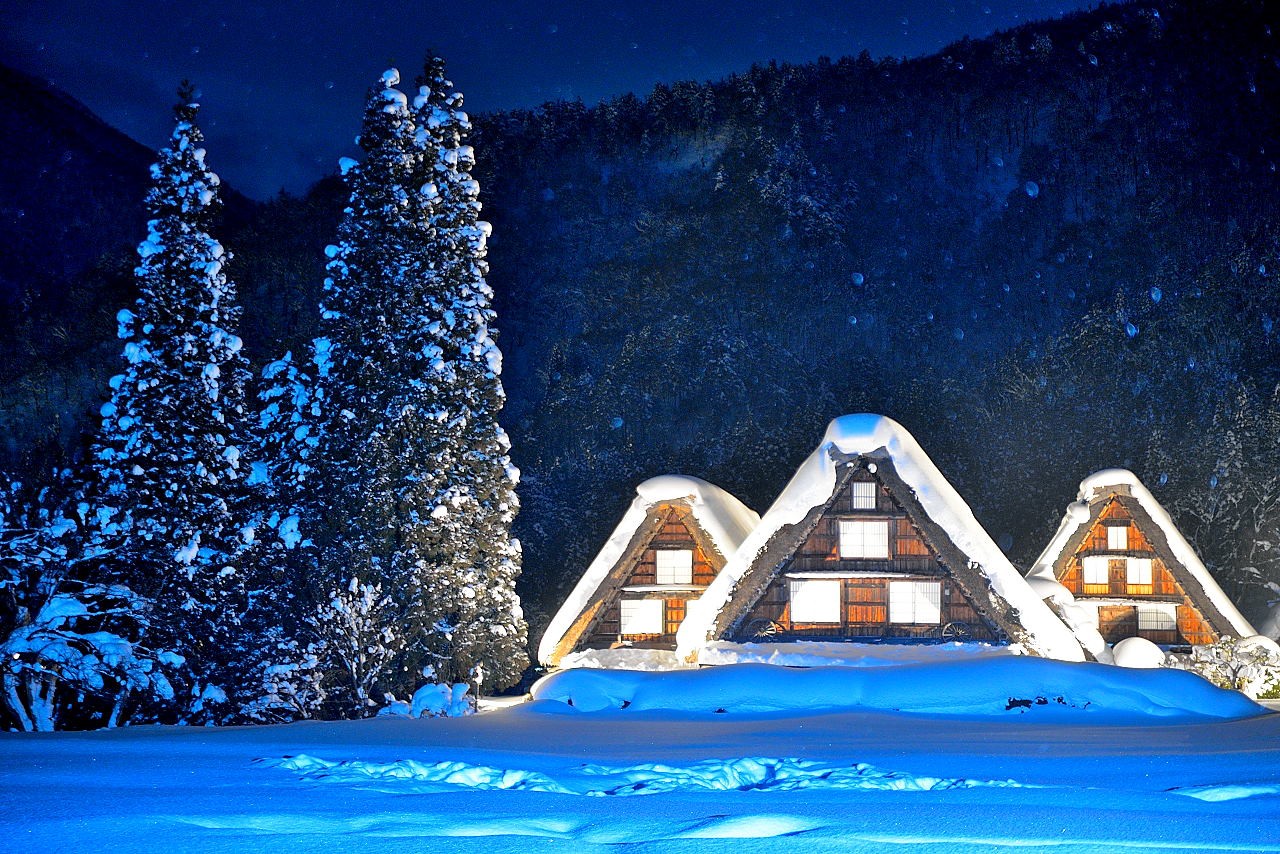
Winter in Japan is the complete opposite of the hot, humid summer. It is cold, dry, and crisp. While the cities light up with romantic illuminations, the northern regions turn into a winter wonderland, attracting skiers and snowboarders from all over the world.
It is also the perfect season to experience Japanese culture, from soaking in a hot Onsen (hot spring) to experiencing the traditional New Year’s holidays.
Winter at a Glance
| Month | Avg Temp (Tokyo) | Weather | Crowd Level |
| December | 8°C (46°F) | Cool to Cold | High (Late Dec) |
| January | 5°C (41°F) | Coldest Month | Low (Mid-Jan) |
| February | 6°C (43°F) | Cold & Dry | Medium |
Important Warning: The New Year’s Holiday
Dates: Dec 29 – Jan 3
Unlike Western countries, Japan does not have a Christmas holiday. Instead, the New Year (Oshogatsu) is the most important family holiday.
-
Closures: Many museums, shops, and restaurants close for 2–3 days.
-
Crowds: Trains and flights are fully booked as locals travel to visit family.
-
Price: Accommodation prices spike significantly.
Here are brief introductions for each month in Japan in winter.
December: Illuminations & Holiday Vibes
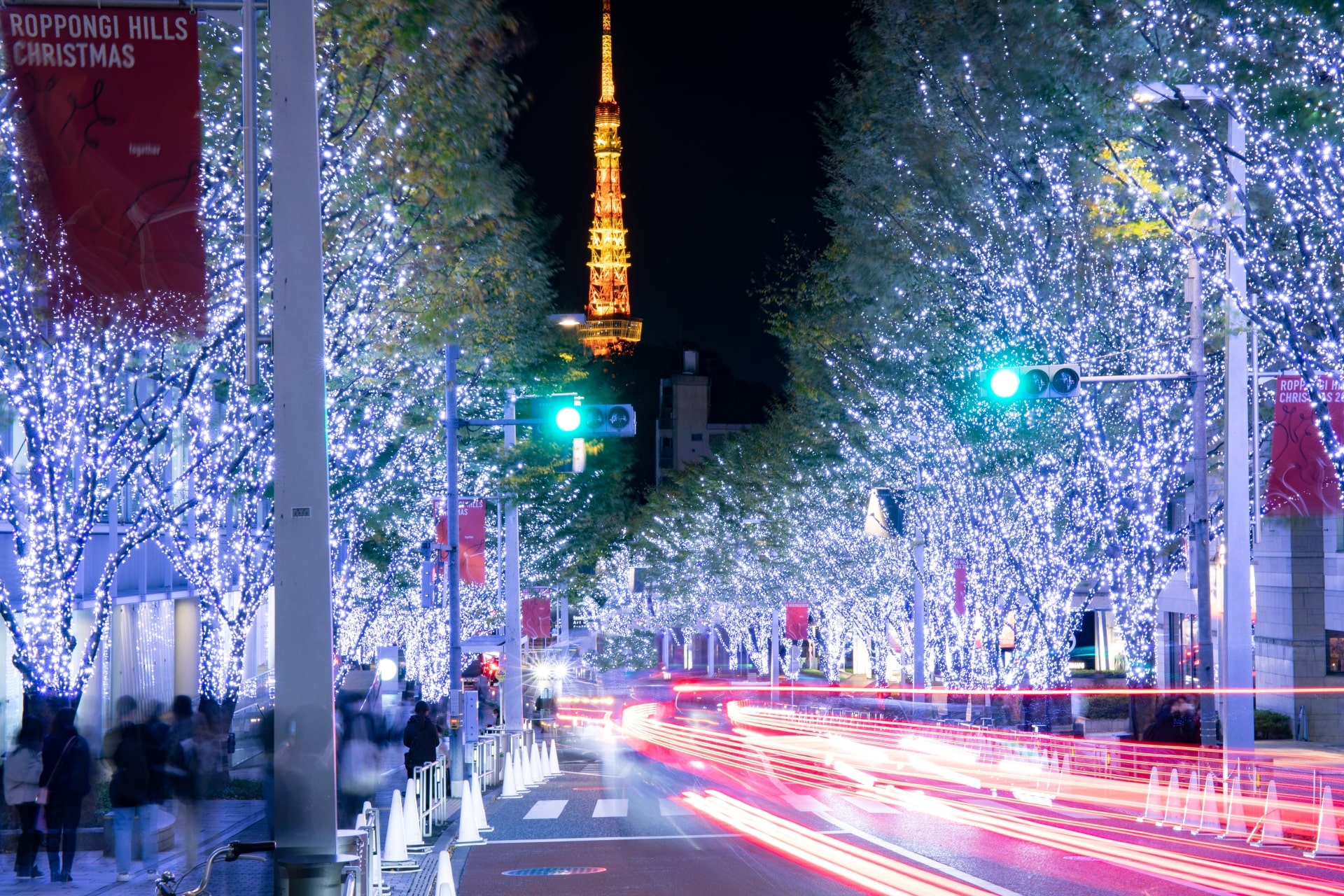
Winter arrives in December. While you might still catch late autumn leaves in early December, the ski resorts in Hokkaido and Nagano officially open their doors.
-
Winter Illuminations: Tokyo turns into a city of lights. Famous spots include Roppongi Hills, Tokyo Midtown, and the Shibuya Blue Cave.
-
Christmas: In Japan, Christmas is a romantic holiday for couples rather than a family one. Enjoy Christmas markets and special dinner courses.
-
Countdown: On New Year’s Eve (Omisoka), countdown events happen at Universal Studios Japan and Tokyo Bay, while temples ring their bells 108 times at midnight.
What to Wear:
A warm coat and scarf are necessary. If you are going to Disney or being outdoors at night, bring gloves.
Read More:
January: The Coldest Month & Snow Activities
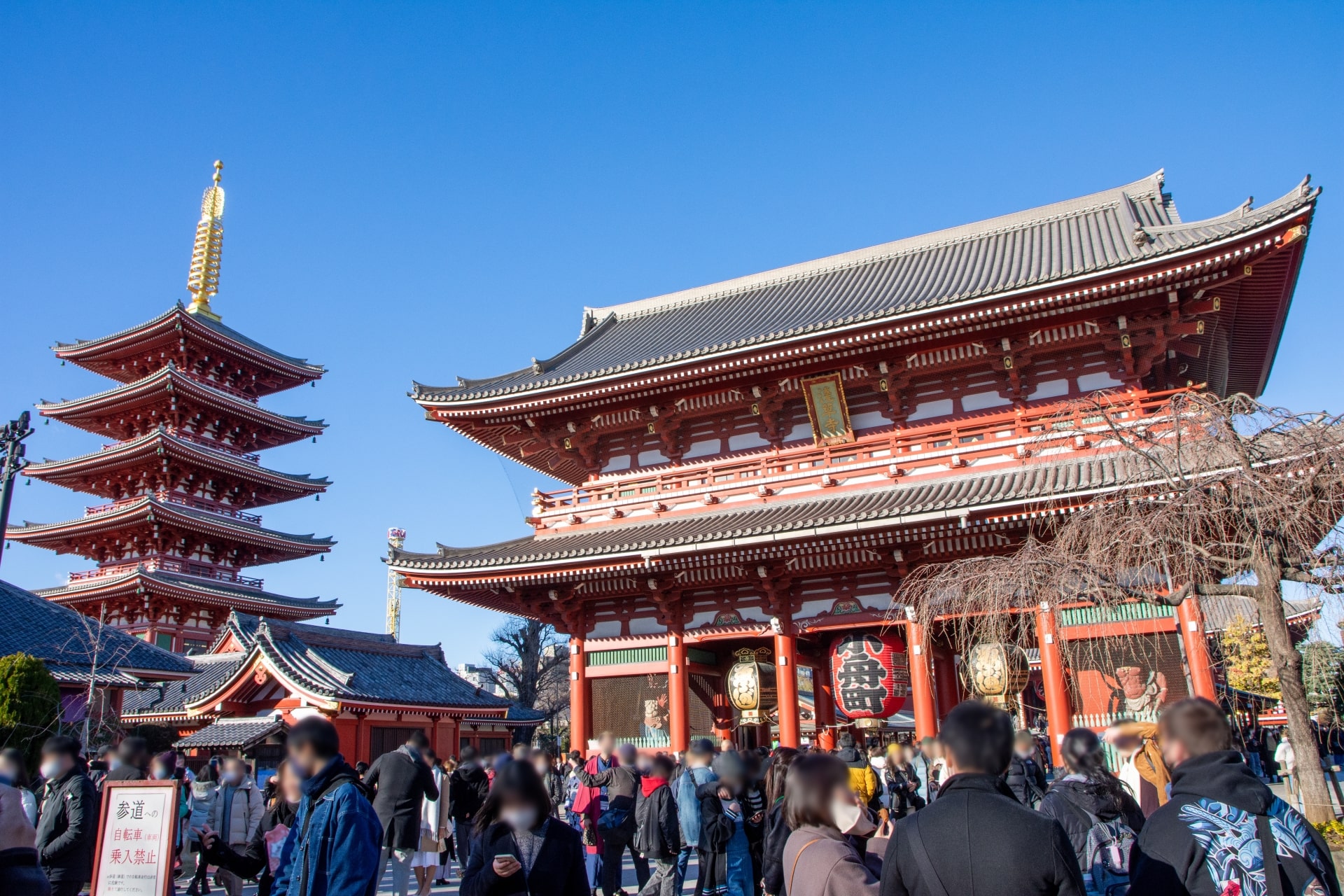
January is the coldest month of the year, but the skies are usually clear and blue.
-
Hatsumode: The tradition of the first shrine visit of the year. Sensoji Temple (Asakusa) and Meiji Shrine (Harajuku) are packed with locals praying for good luck.
-
New Year Sales: If you love shopping, this is your month. From Jan 1st–3rd, stores offer massive discounts and sell Fukubukuro (lucky mystery bags).
-
Peak Skiing: The snow quality is at its best. Resorts in Niseko and Hakuba are in full swing.
-
Snow Monkeys: Visit Jigokudani Monkey Park in Nagano to see wild macaques bathing in hot springs to stay warm.
What to Wear:
This is peak winter. Down jackets, thermal underwear (like Uniqlo Heattech), and warm boots are highly recommended.
Read More:
February: Snow Festivals & Early Spring
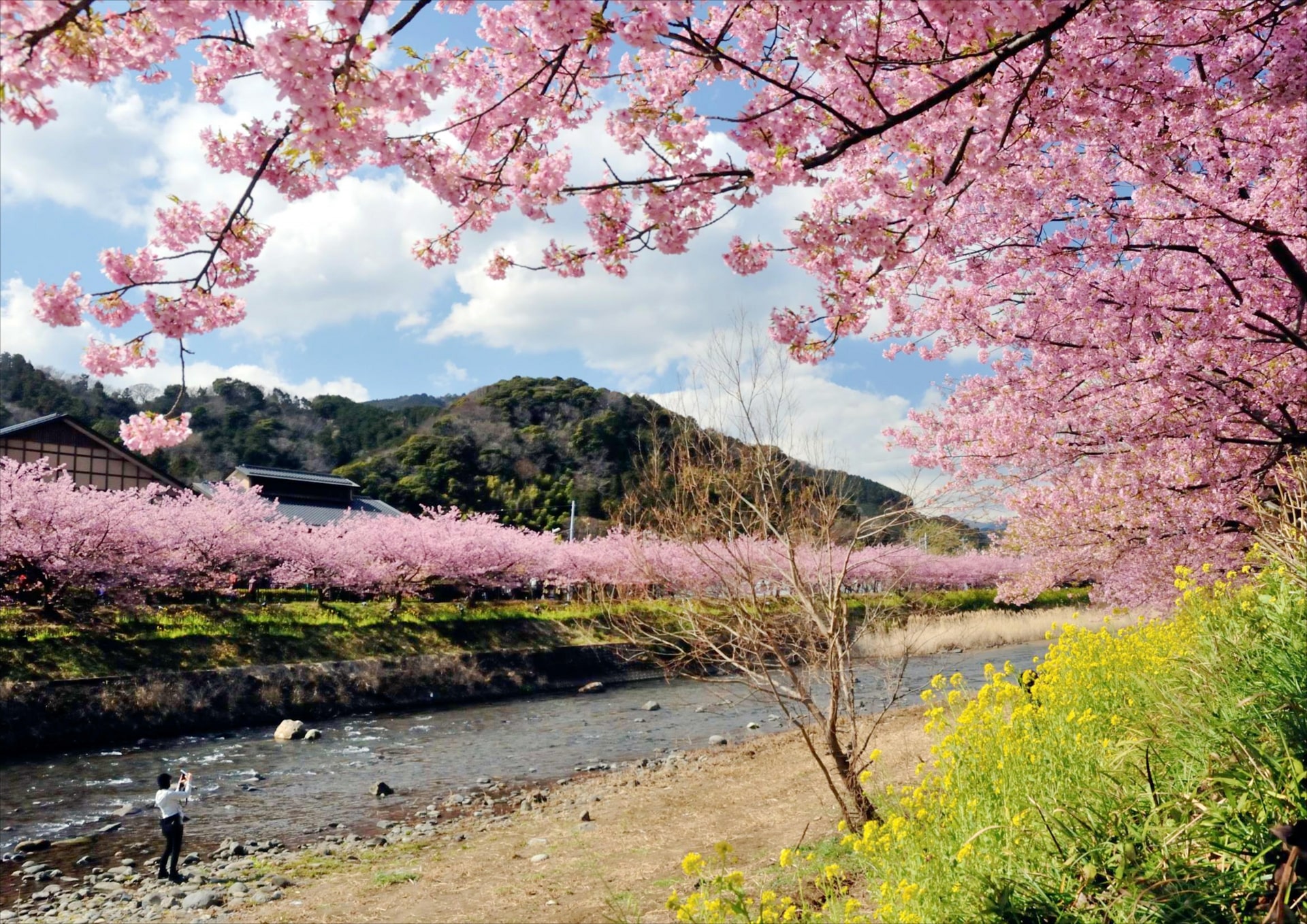
February is cold and dry, but it offers some of the most unique experiences in Japan.
-
Snow Festivals: The massive Sapporo Snow Festival (Hokkaido) features giant ice sculptures. Other festivals include the Kamakura Snow Festival (Akita) and the Juhyo “Snow Monster” Light-up (Yamagata).
-
Strawberry Season: Japanese strawberries are famous for being sweet and huge. Enjoy strawberry buffets at luxury hotels or go fruit picking at a farm.
-
Early Spring: Can’t wait for April? You can see early-blooming cherry blossoms (Kawazu Sakura) in Shizuoka, or beautiful Plum Blossoms in Suzuka Forest Garden.
What to Wear:
It is still very cold, especially in the north. Keep your winter gear on, but layers are good for sunny afternoons in Tokyo.
Read More:
Regional Weather Guide
Japan is long and narrow, so the weather varies greatly depending on where you go:
-
Hokkaido (North): Cool summers (perfect for escaping the heat) and very snowy, freezing winters.
-
Tokyo / Kyoto / Osaka (Central): Hot/humid summers, mild springs/autumns, and cold winters with little snow.
-
Okinawa (South): Subtropical climate. Warm winters (15°C+) and hot summers. Best for beaches from April to October.
What is the best time of year to visit Japan (weather wise)?
The most pleasant season to travel Japan is spring and autumn. The weather is sunny and dry in many days with the temperature around 20°C, unlike the extremes of summer and winter. On top of the pleasant weather, both seasons offer some of Japan’s best attractions: cherry blossoms and autumn leaves.
To find out which season is for you, check out our comparison of spring and autumn here ▶ Japan Spring vs Autumn
Which season do you think is the best to visit Japan? Each season has its own unique scenery and attractions, so if you’re traveling to Japan, be sure to check them out in advance and plan your trip accordingly! For more information about each season in Japan, please check following articles!
▽ Related Articles ▽
Written by
"The world is my oyster." As a dedicated globetrotter and hammock enthusiast, I’ve spent years chasing new experiences, collecting stories, and discovering the world’s most incredible destinations. Born and raised in Japan, I’ve always had a deep connection to my roots, but my love for adventure has led me to spend over a decade exploring countries across the globe—from culture-rich cities to remote hideaways.
Travel isn't just a hobby for me; it's a lifestyle. I'm constantly searching for new ways to fuel my wanderlust. Over the years, I’ve developed a wealth of knowledge and a treasure trove of tips that make traveling more enjoyable, practical, and meaningful.
Through my experiences, I've come to appreciate not only the beauty of travel but also the importance of understanding diverse cultures, embracing the unfamiliar, and stepping out of my comfort zone. My travels have shaped who I am today, and I’m excited to share those lessons with others.
With Japan Web Magazine, I aim to offer practical advice, insider tips, and firsthand stories that help travelers navigate their journeys to Japan or setting off on a global adventure. From hidden gems in Japan to travel hacks that make any trip smoother, I hope my insights inspire you to embark on your own adventures and make the most of every moment. Let’s explore the world together!
You can also find my stories here ▶ https://medium.com/@nahobm
- +83 112
-
-