Best Things to Do in Kanagawa: Yokohama, Kamakura, Hakone and Hidden Gems
Ultimate Kanagawa Travel Guide: Where to Go, What to Eat & Travel Tips
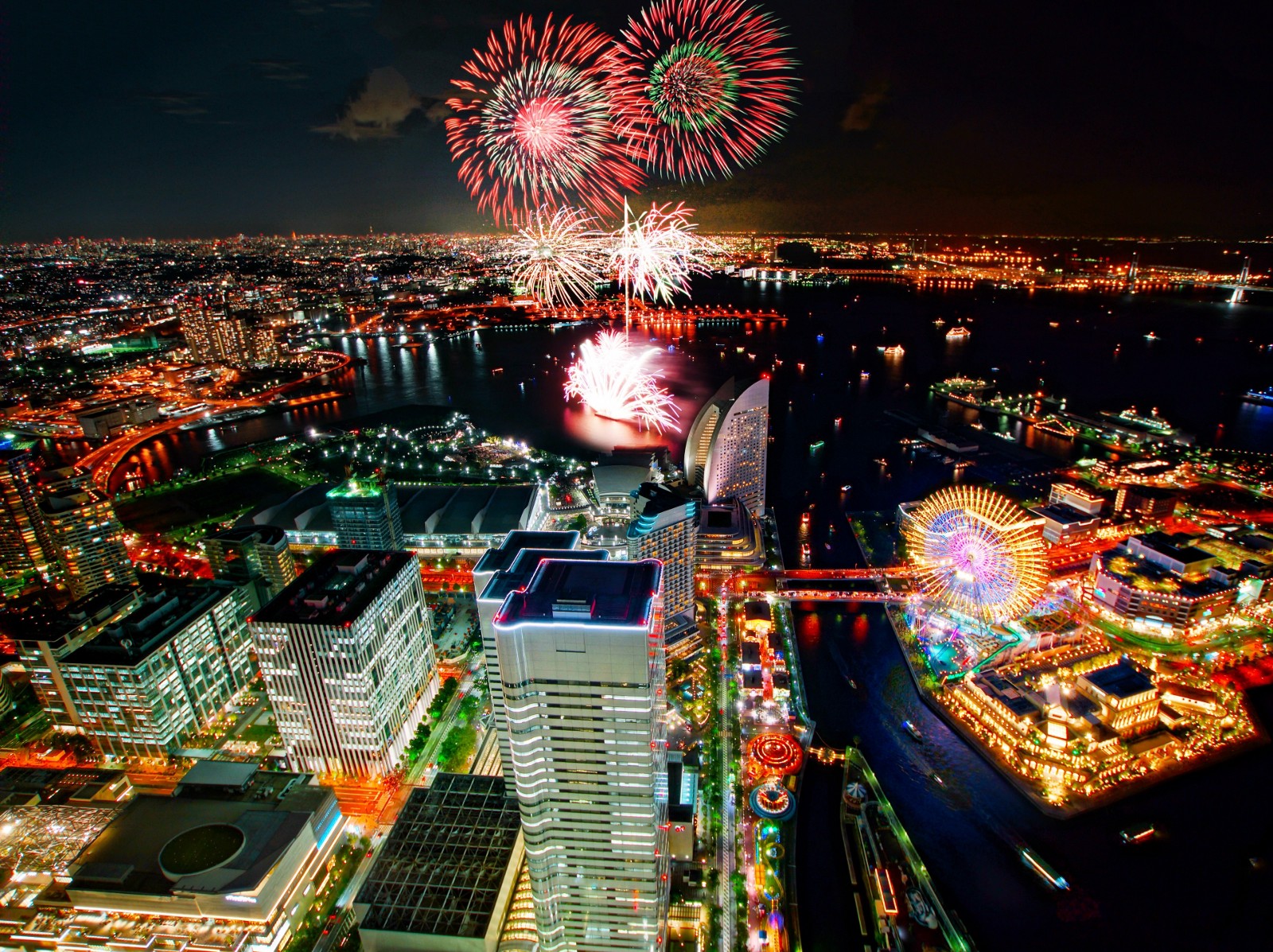

- +0 0
-

-


Just south of Tokyo, Kanagawa Prefecture packs together some of Japan’s most famous day-trip destinations alongside coastal towns, historic temple districts, mountain hot springs, and local food scenes that many international visitors completely overlook. Most travelers already know the big names — Yokohama, Kamakura, and Hakone — but the prefecture stretches far beyond the usual Tokyo side-trip checklist.
One of the reasons Kanagawa works so well for travelers is the variety packed into a relatively compact area. You can spend the morning exploring waterfront shopping districts and futuristic skylines in Yokohama, ride local trains past surfing beaches along the Shonan coast, visit centuries-old temples in Kamakura, and soak in an open-air onsen surrounded by volcanic mountains in Hakone. Head farther south and the atmosphere changes again around the Miura Peninsula and Yokosuka, where naval history, tuna markets, and a strong American influence give the area a very different character from the rest of the prefecture.
Kanagawa also works for very different types of trips. First-time visitors usually focus on the classics: the Great Buddha of Kamakura, Minato Mirai’s night views, Enoshima sunsets, and Hakone hot springs with views of Mount Fuji. Repeat visitors often end up enjoying the smaller details even more, with places like Sankeien Garden in Yokohama, fresh maguro around Misaki Port, Hayama’s quieter beaches, or retro food streets tucked around local train stations.
However, Kanagawa may look compact on a map, but its main sightseeing areas spread across very different transport corridors. Yokohama, Kamakura/Enoshima, and Hakone are not realistic to combine into a rushed single-day itinerary from Tokyo. Planning by region makes the trip far more enjoyable, especially if you stay overnight in Hakone or build separate coastal and city-focused day trips.
This guide covers both the headline attractions and the places that tend to get skipped in shorter itineraries, from Yokohama’s waterfront and Kamakura’s temples to Hakone’s volcanic landscapes, Yokosuka’s naval heritage, and local food specialties found across the prefecture.
Explore Yokohama’s Waterfront and Food Scene
As Japan’s second-largest city, Yokohama integrates modern waterfront redevelopment, historic port districts, large-scale shopping complexes, and one of the country’s strongest food scenes. It is also one of the easiest destinations to visit, just about 25–30 minutes from central Tokyo, making it a popular first stop for travelers exploring Kanagawa.
Enjoy the Night Views at Minato Mirai 21
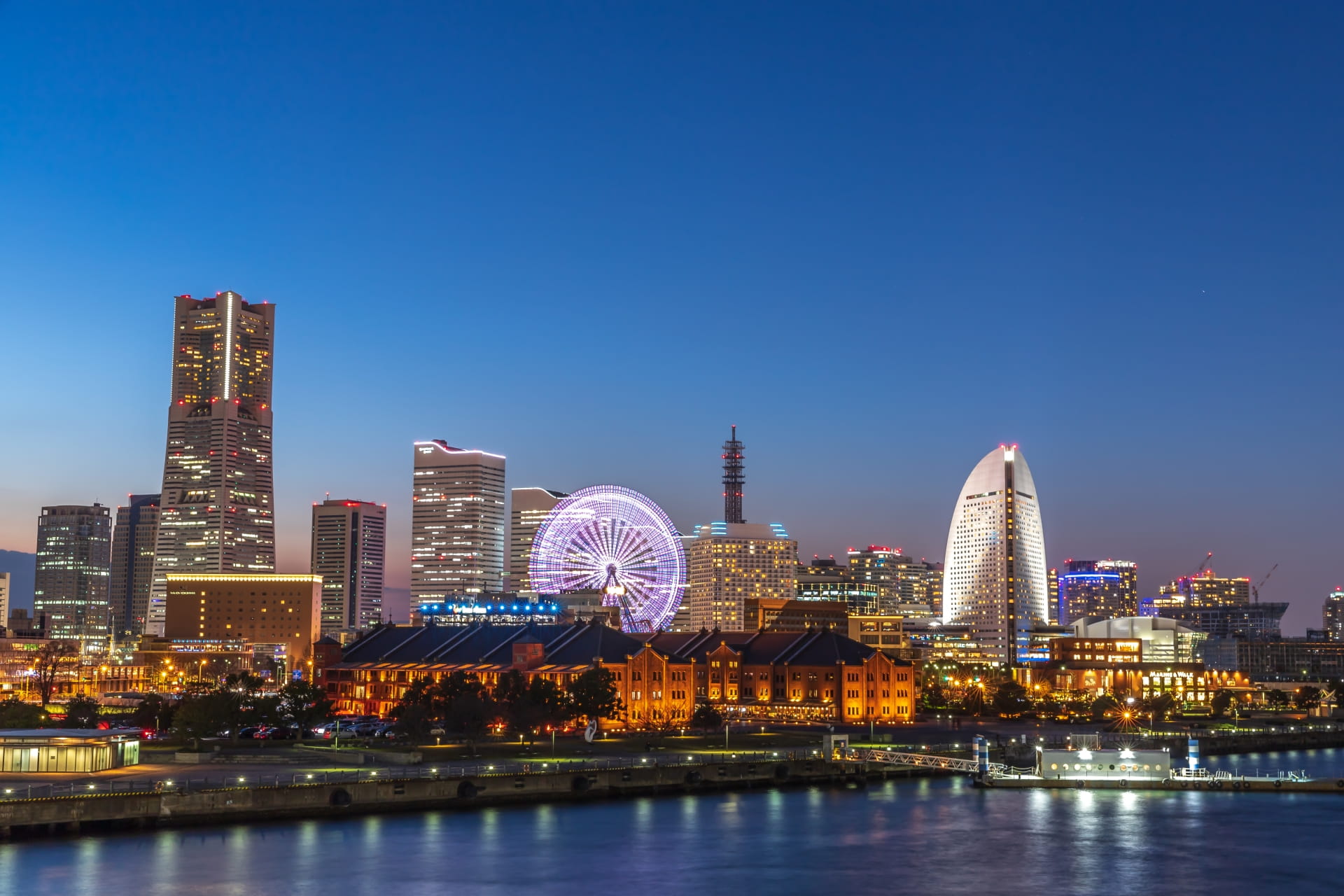
Minato Mirai 21 is the part of Yokohama most visitors picture immediately: futuristic towers facing the bay, giant ferris wheels glowing at night, waterfront promenades, shopping complexes, and some of the best urban skyline views anywhere in Japan. The area was redeveloped from former shipyards and freight rail land in the late 20th century, and today it functions as Yokohama’s modern entertainment and tourism center.
The skyline becomes especially impressive after sunset, when the harbor lights reflect across the water and the illuminated ferris wheel of Cosmo Clock 21 starts dominating the skyline. Compared to Tokyo’s denser cityscape, Minato Mirai feels noticeably more open and relaxed. The waterfront pathways around Kishamichi Promenade and Osanbashi Pier are particularly popular for evening walks, date nights, and photography.
One of the best panoramic views comes from the Sky Garden observatory inside Yokohama Landmark Tower. At 273 meters tall, the tower remains one of Japan’s tallest buildings, and the observation deck on the 69th floor gives wide views across Yokohama Bay, central Tokyo, and, on especially clear winter days, even Mount Fuji in the distance. Sunset is usually the ideal timing because you can watch the city transition from daylight into full illumination.
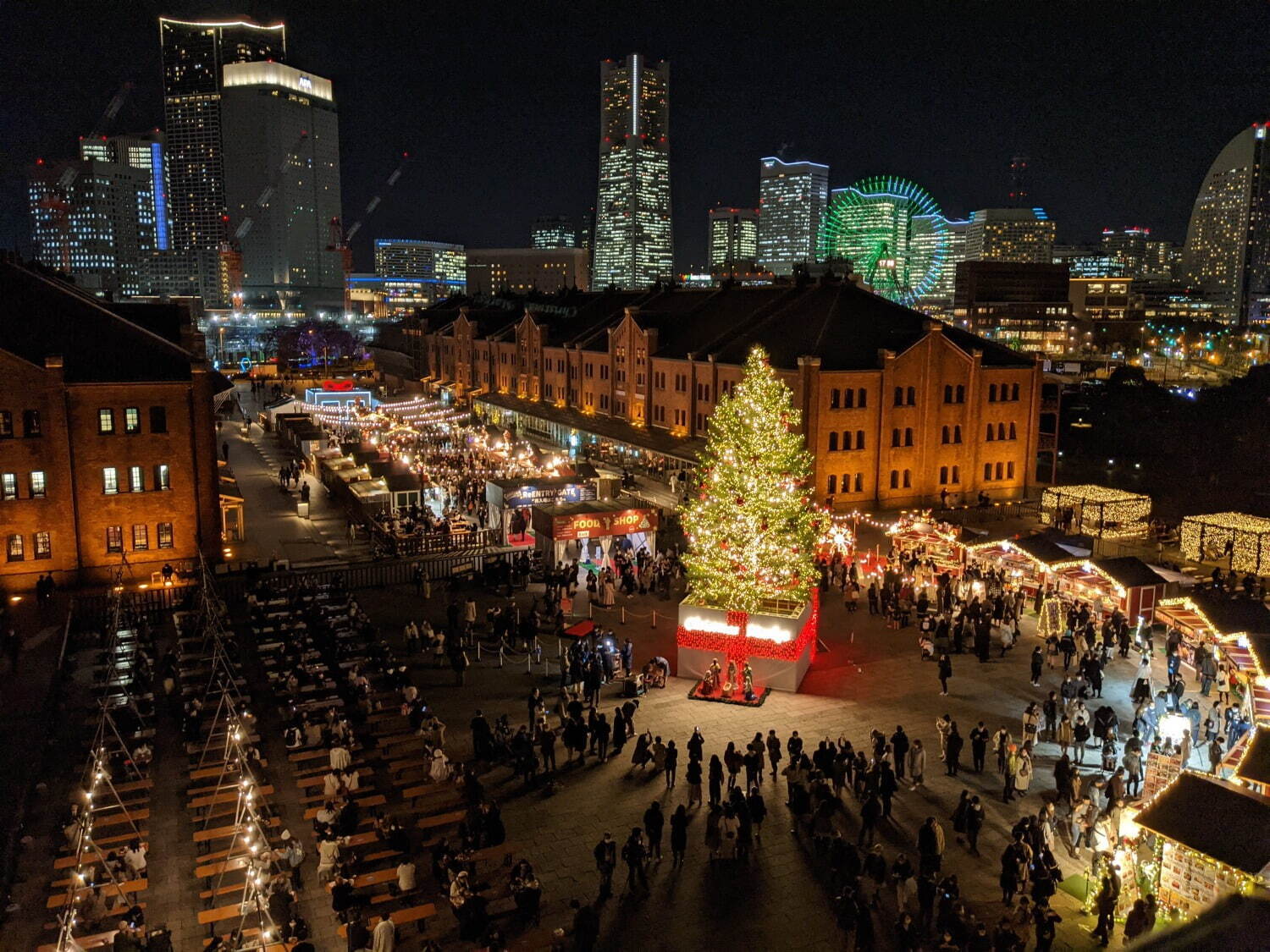
The district also packs together several major attractions within walking distance of each other. Yokohama Red Brick Warehouse combines historic port architecture with cafes, seasonal events, and shopping, while the Cup Noodles Museum Yokohama remains one of the city’s most entertaining museum experiences, especially for families and casual visitors. During winter, the Red Brick Warehouse area hosts one of the region’s best Christmas markets, while spring brings cherry blossoms along the waterfront near Sakuragicho Station.
Minato Mirai is also much larger than many first-time visitors expect. Although it looks compact on maps, it is easy to spend an entire afternoon and evening here moving between observation decks, shopping centers, waterfront parks, and restaurants. A common mistake is trying to combine Minato Mirai with Kamakura and Hakone in the same day, which usually turns the entire trip into train transfers and rushed sightseeing. Yokohama works best either as its own day trip from Tokyo or paired with nearby areas like Chinatown or Kawasaki.
Eat Your Way Through Yokohama Chinatown
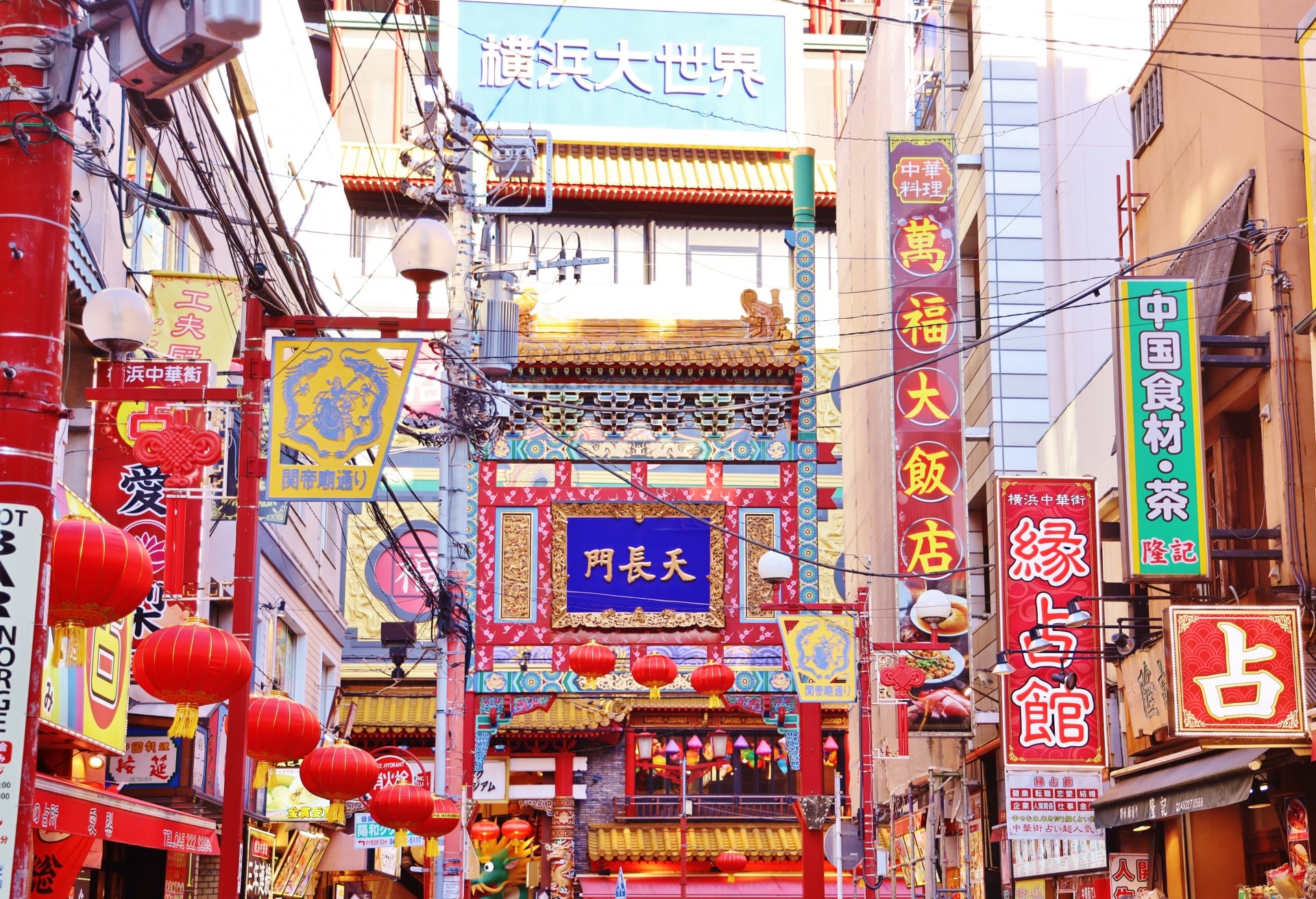
Yokohama Chinatown is the largest Chinatown in Japan and one of the biggest in Asia, packed with hundreds of restaurants, food stalls, dessert shops, and brightly colored gates spread across several dense city blocks near the Yokohama waterfront. Even people who are not especially interested in Chinese cuisine usually end up enjoying the atmosphere here because the district feels busy almost from the moment you arrive. Steam rises from food stalls, restaurant staff call out menu specials in the streets, and long queues start forming surprisingly early on weekends.
The area traces its origins back to the late 19th century after Yokohama Port opened to foreign trade, and today it remains one of the city’s biggest tourist draws. The neighborhood becomes especially lively during Lunar New Year celebrations, when lion dances, performances, lantern decorations, and festival crowds transform the streets into one of the largest Chinese New Year events in Japan. Hotels in Yokohama also tend to fill quickly during this period, particularly around Minato Mirai and the bay area.
Street Food Recommendations
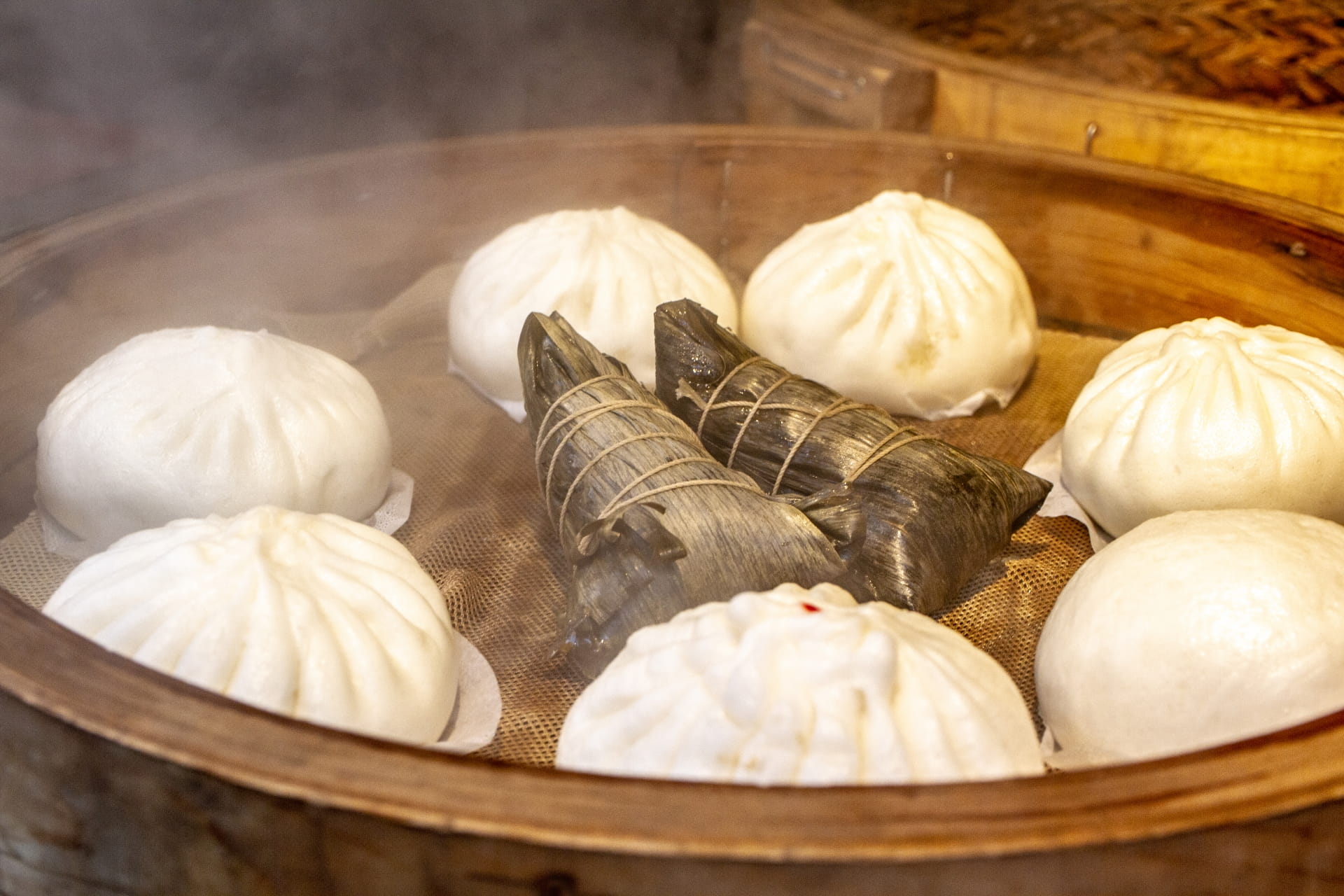
Food is the main reason most people come, and street snacks are part of the experience.
- Large steamed nikuman buns filled with pork are probably the district’s most recognizable specialty, especially during colder months when people walk around carrying paper-wrapped buns between shops.
- Xiaolongbao soup dumplings are another staple, though the better shops usually develop long lines by midday.
- Sweet options are everywhere too, including black sesame dumplings, sesame balls, almond desserts, and panda-shaped buns clearly designed for social media photos.
Visitor Tips
One thing first-time visitors often underestimate is how crowded Yokohama Chinatown becomes on weekends and holidays. The main streets can get heavily congested between late morning and early evening, particularly during spring travel periods, Golden Week, and festival weekends. Visiting around weekday lunchtime or later in the evening usually feels much more comfortable. Some restaurants also operate all-you-can-eat ordering systems, which can be a good option for groups, but the quality varies considerably between establishments.
The neighborhood pairs very naturally with nearby Yamashita Park, located only a short walk away along the waterfront. After the intensity and crowds of Chinatown, the open harbor views and quieter atmosphere around the park create a nice contrast. Many visitors continue onward toward Osanbashi Pier or Minato Mirai from here, turning the entire day into an easy waterfront walking route through Yokohama.
For travelers mainly interested in food, Yokohama Chinatown is worth visiting even if you have already explored Chinatowns in other countries. The combination of Japanese organization, regional Chinese influences, and Yokohama’s port-city history gives the district a very different atmosphere from similar neighborhoods elsewhere in Asia.
 Access Access |
Next to Motomachi-Chukagai Station or 7-min walk from JR Lines Ishikawacho Station |
|---|---|
 Official Website Official Website |
http://www.chinatown.or.jp/ |
Walk Through Sankeien Garden
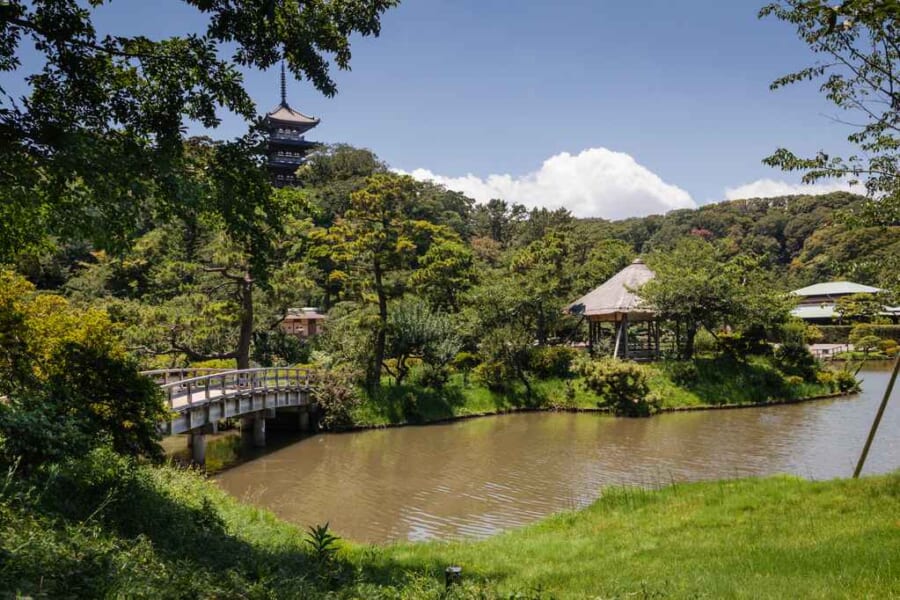
Sankeien Garden is one of the most surprising places in Yokohama because almost nothing about it feels connected to the modern skyline most travelers associate with the city. After spending time around Minato Mirai’s shopping complexes and waterfront towers, arriving at Sankeien suddenly feels like stepping several centuries backward into a quieter version of Japan built around ponds, wooden architecture, seasonal flowers, and walking paths.
The garden was created in the early 20th century by wealthy silk trader Tomitaro Hara, who used the large property to preserve and display historic Japanese buildings relocated from across the country. Several of these structures are designated Important Cultural Properties, including old farmhouses, temple buildings, tea houses, and a three-story pagoda originally built in Kyoto during the 15th century. Unlike many gardens where architecture acts mainly as decoration, the historic structures here are a major part of the experience.
One reason Sankeien stands out is the amount of space. The garden covers a surprisingly large area, with ponds, wooded paths, bridges, bamboo groves, and elevated viewpoints spread throughout the grounds. Compared to Tokyo’s famous gardens like Shinjuku Gyoen or Rikugien, Sankeien generally feels less crowded and slower-paced, especially on weekdays. It attracts photographers, local families, and seasonal flower visitors, but it rarely reaches the level of congestion seen at Tokyo’s headline parks.
Seasonal Highlights
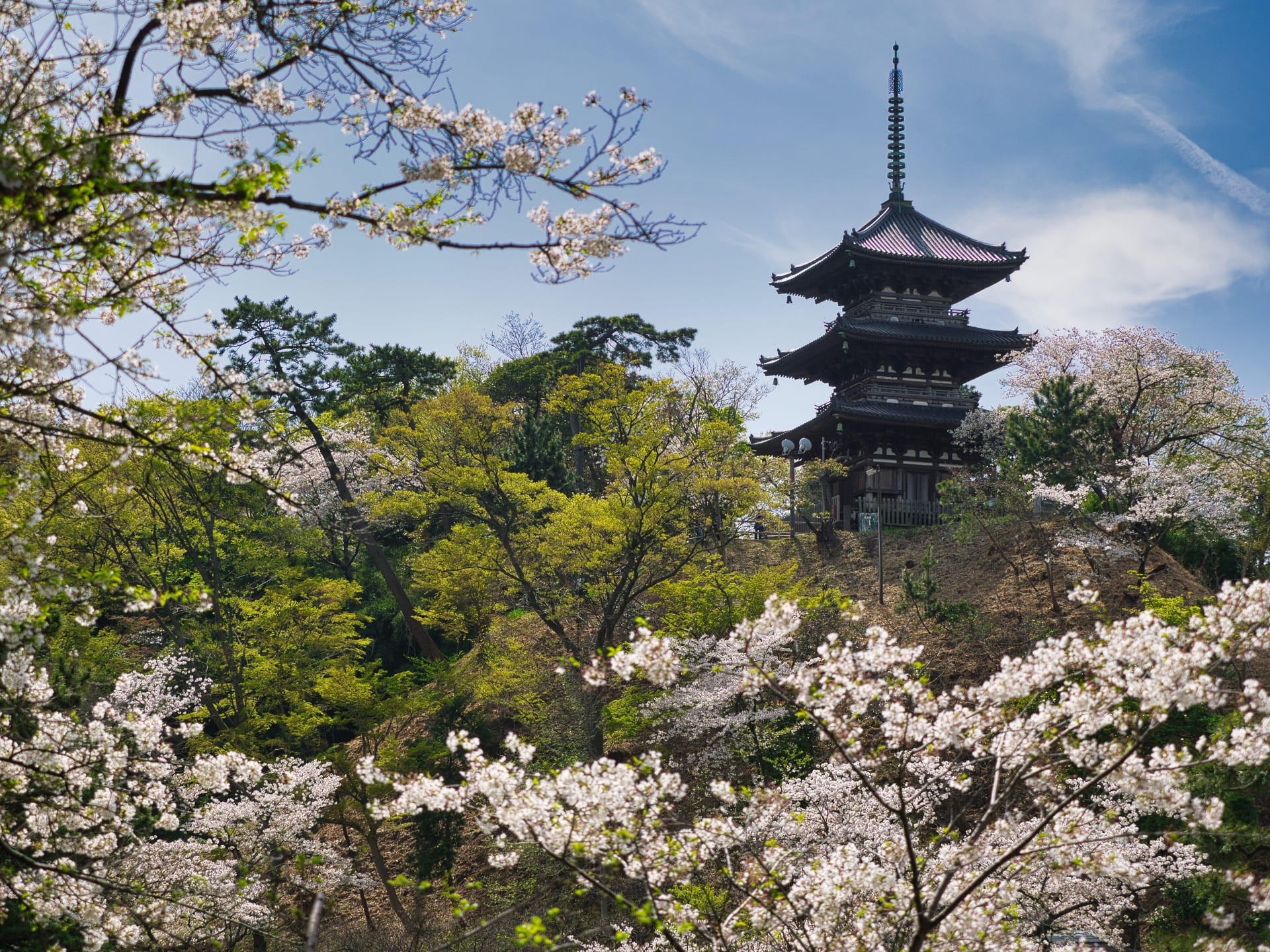
The scenery changes dramatically across the year. Plum blossoms usually begin appearing in late winter, followed by cherry blossoms in spring around the ponds and historic buildings. Early summer brings fresh greenery and iris blooms, while autumn transforms the garden with deep red maple foliage that reflects across the water. The combination of traditional wooden structures and seasonal colors makes this one of Yokohama’s strongest photography spots during both the sakura and autumn foliage seasons.
Sankeien also feels distinctly more local than many of Yokohama’s major tourist areas. Some international visitors certainly come here, but the atmosphere is quieter and less commercial than Minato Mirai or Chinatown. Many residents visit simply to walk, sketch, photograph flowers, or sit in the teahouses overlooking the gardens.
Most visitors spend between 1.5 and 3 hours exploring the grounds, depending on the season. The garden is located slightly away from central Yokohama, so reaching it usually requires a bus ride from Yokohama Station, Negishi Station, or Sakuragicho Station. Although the extra transport step discourages some tourists, it is also one reason the garden avoids the overwhelming crowds common at better-known sightseeing areas.
| Access |
7 or 10-min bus (depending on the line) from Negishi Station |
|---|---|
 Business Hours Business Hours |
9 AM–5 PM |
 Price Price |
¥900 |
| Official Website |
http://www.sankeien.or.jp/ |
Yokohama’s Signature Dish: Iekei Ramen
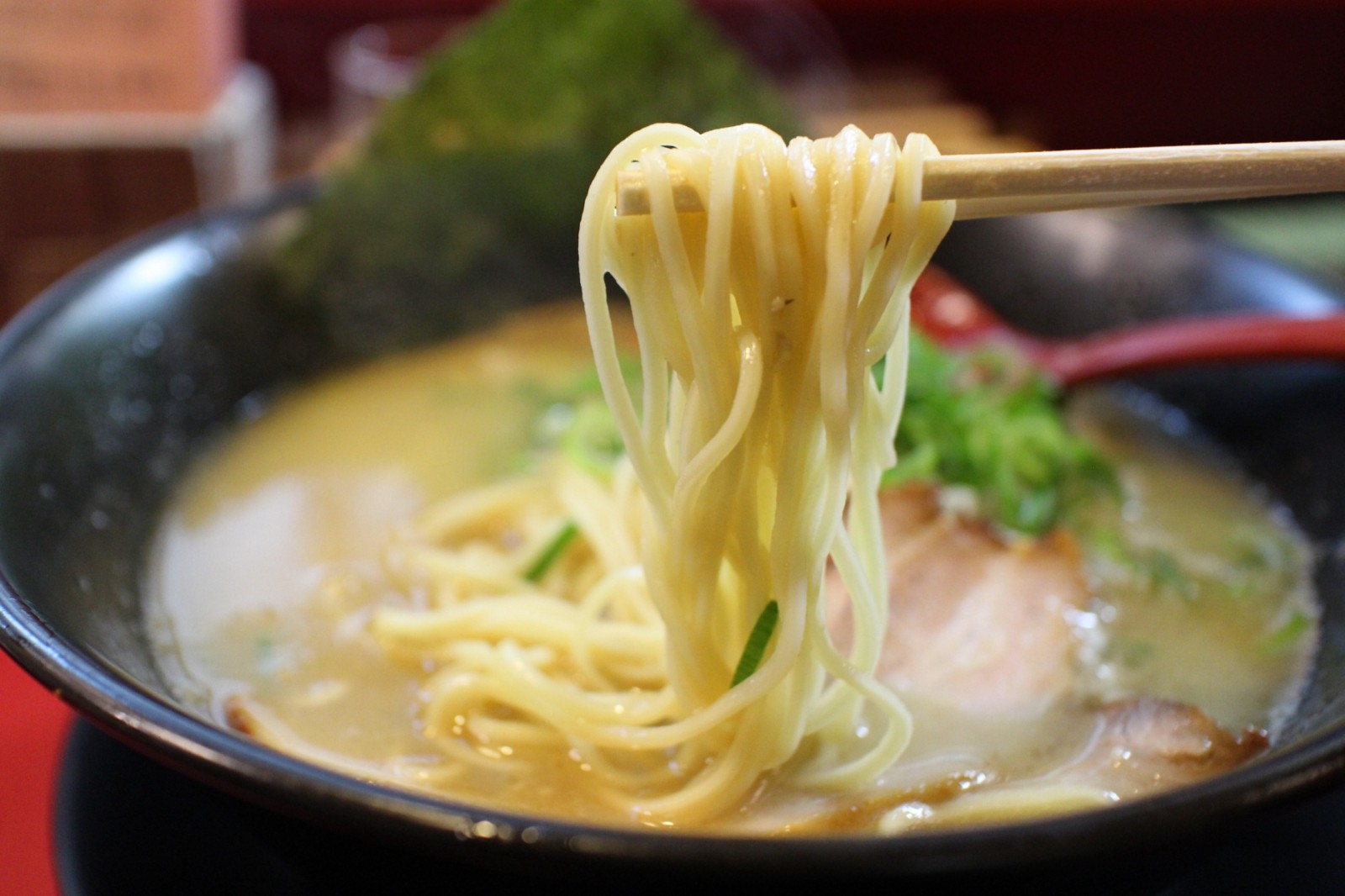
One of Kanagawa’s most influential local dishes is Iekei ramen, a style that originated in Yokohama during the 1970s at the famous Yoshimuraya ramen shop. The name “Iekei” comes from the “-ya” character often found at the end of participating shop names, eventually becoming shorthand for this specific Yokohama-born style.
Iekei’s broth is heavier, richer, and designed to feel deeply satisfying after a long day. It combines pork bone tonkotsu richness with soy sauce seasoning, creating a thick, salty soup that pairs with medium-thick noodles. Standard toppings usually include slices of chashu pork, spinach, nori seaweed, and soft-boiled eggs.
One thing visitors quickly notice is the rice culture surrounding Iekei ramen. In many shops, customers order bowls of white rice alongside ramen and use the seaweed and broth together with the rice almost like side dishes. It is a very filling style of meal and reflects Yokohama’s working-class ramen culture more than delicate fine dining.
Discover Kamakura and the Shonan Coast
South of Yokohama, the atmosphere changes quickly from urban waterfronts to temple towns, small beaches, surfing culture, and coastal railway lines. This part of Kanagawa is one of the most popular day-trip regions from Tokyo, but it still rewards travelers who slow down and explore beyond the most photographed landmarks.
See the Great Buddha and Temples of Kamakura
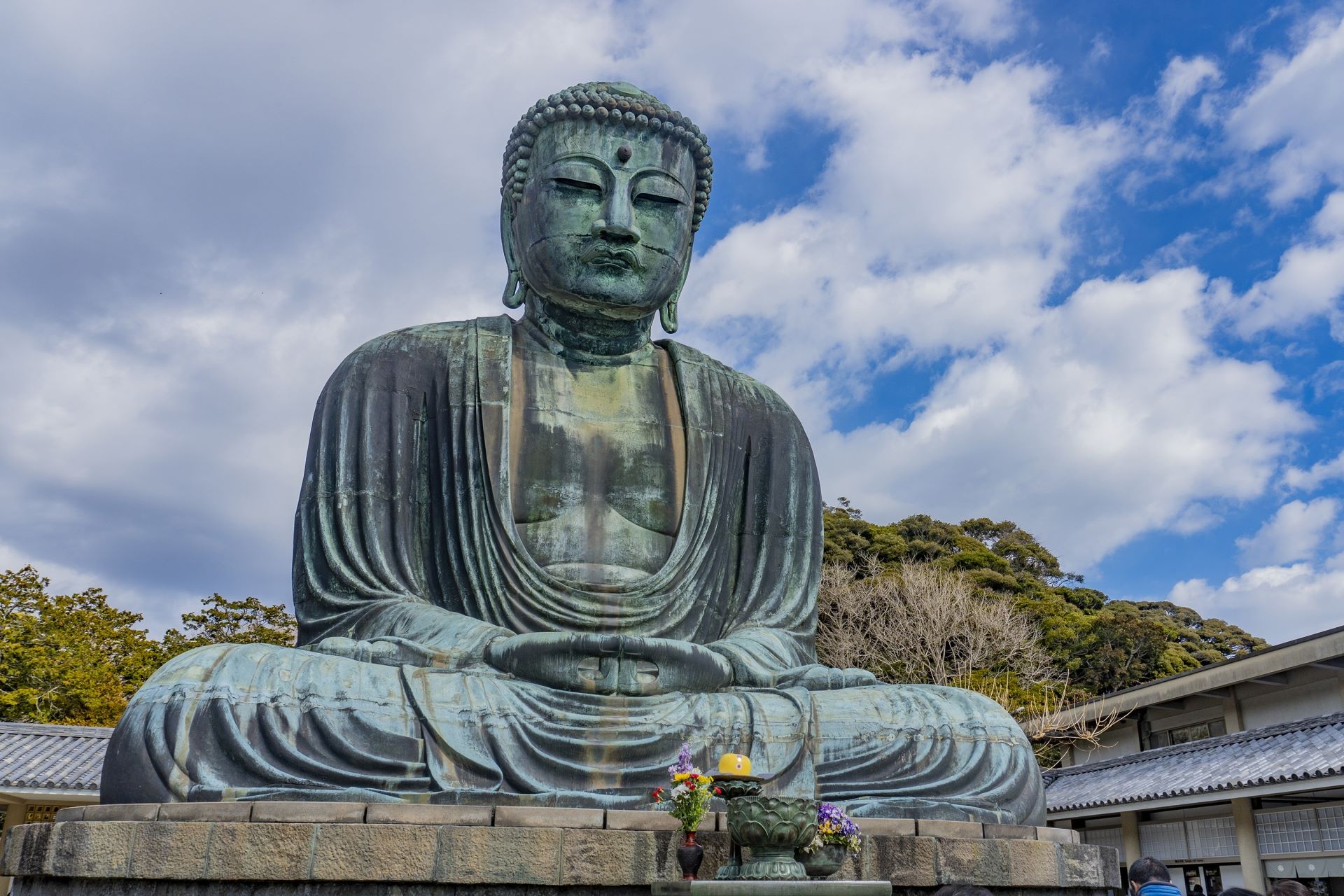
Kamakura is often described as a smaller, coastal version of Kyoto, though the city has a very different personality in practice. Kamakura feels less formal, more compact, and more intertwined with everyday local life. Temples sit between residential neighborhoods, hiking trails connect historic districts, and small cafes and snack shops spill into narrow streets crowded with both tourists and local students.
The city became Japan’s political center during the Kamakura shogunate in the late 12th century, and many of its most important historical sites date back to that era. The most famous landmark is the bronze Great Buddha at Kotoku-in, one of the country’s most recognizable Buddhist statues. The Daibutsu stands over 11 meters tall and has remained outdoors since the 15th century after earlier temple structures were destroyed by storms and tsunamis. Admission to the temple grounds is relatively inexpensive at around ¥300, and visitors can also pay a small additional fee to enter the interior of the statue itself.
Another major stop is Tsurugaoka Hachimangu, Kamakura’s most important Shinto shrine. The broad approach leading toward the main hall cuts through the center of the city and becomes especially crowded during New Year celebrations and cherry blossom season.
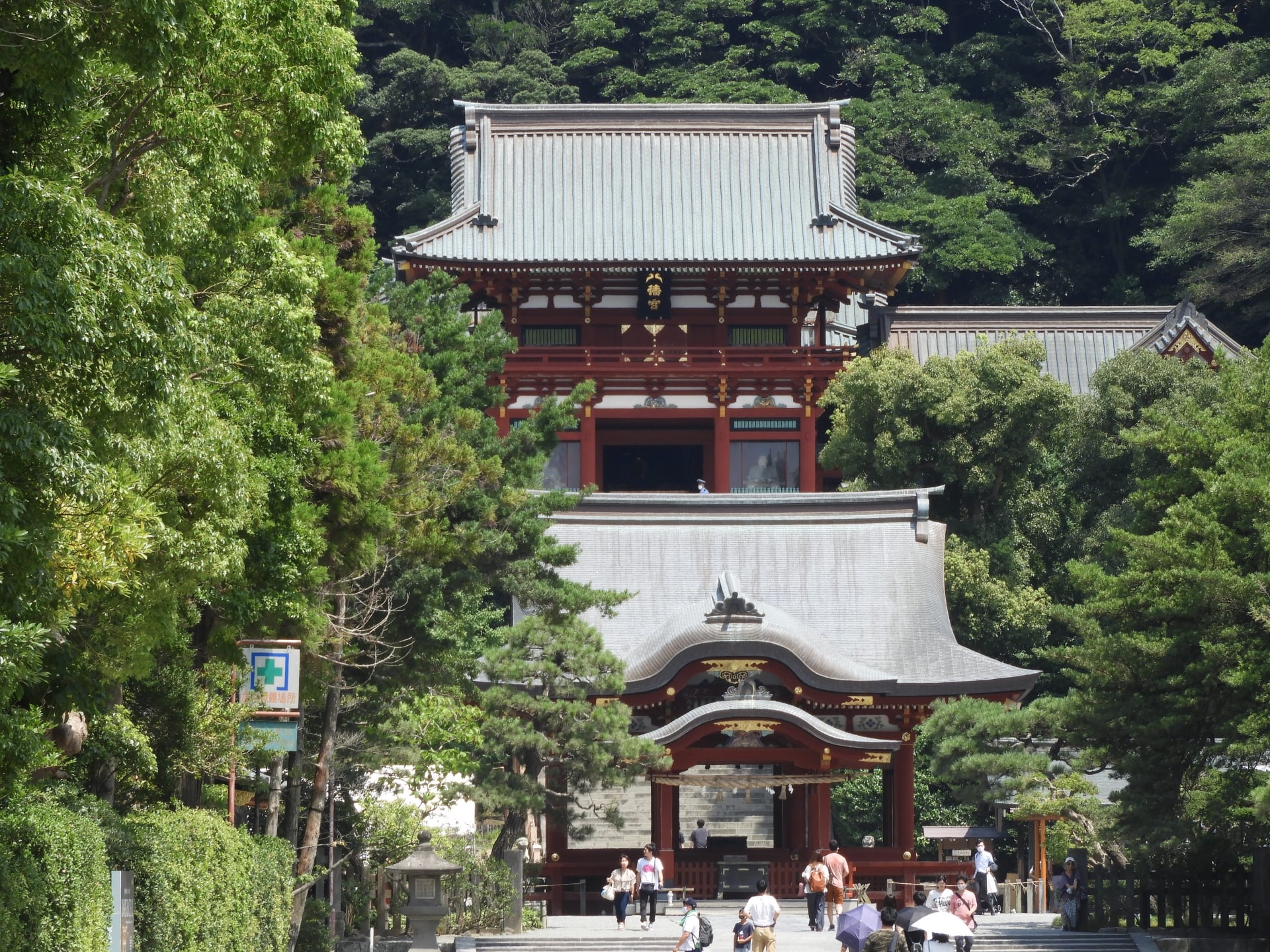
Between these larger sights, many visitors spend time exploring Komachi Street near Kamakura Station. The narrow shopping street is packed with snack stalls, souvenir shops, matcha desserts, croquettes, rice crackers, and seasonal sweets aimed heavily at day-trippers. Some shops become extremely crowded around lunchtime, particularly on weekends and during autumn foliage season. Trying small snacks while moving between temples is honestly part of the Kamakura experience at this point.
See also: What to Buy in Kamakura & 7 Best Souvenirs from Kamakura
Travelers with more time should also consider Hokokuji Temple, famous for its bamboo grove and quieter atmosphere compared to Kamakura’s busiest temple districts. Although much smaller than Kyoto’s Arashiyama bamboo forest, Hokokuji feels calmer and more intimate, especially during weekday mornings. The temple’s teahouse overlooking the bamboo grove is one of the more relaxing breaks in the city after navigating the heavier crowds around Komachi Street and the Great Buddha.
Visitor Tips in Kamakura
One thing visitors regularly underestimate is how tiring Kamakura can become during peak tourism periods. On paper, the city looks compact and easy to cover quickly. In reality, temple visits involve substantial walking, station areas become heavily congested, and lines form at popular food stalls throughout the day. Trying to rush Kamakura together with Yokohama or Hakone often turns the experience into constant train transfers and crowd navigation.
A much better approach is to treat Kamakura as a full-day destination. A practical route usually starts at Kamakura Station and Tsurugaoka Hachimangu in the morning, continues through Komachi Street for snacks and shopping, then moves toward the Great Buddha and Hase area in the afternoon. Travelers with extra energy can add Hokokuji Temple or continue onward to Enoshima before sunset.
From Tokyo Station, the JR Yokosuka Line reaches Kamakura in roughly one hour without transfers. The Shonan-Shinjuku Line also connects directly from Shinjuku. Arriving early matters here more than in many other destinations around Tokyo because both the trains and the city center become noticeably more crowded by late morning, especially on weekends and during cherry blossom or autumn foliage season.
If you feel like going the extra mile in Kamakura, see also: Kita-Kamakura Temple Guide
Explore Enoshima Island
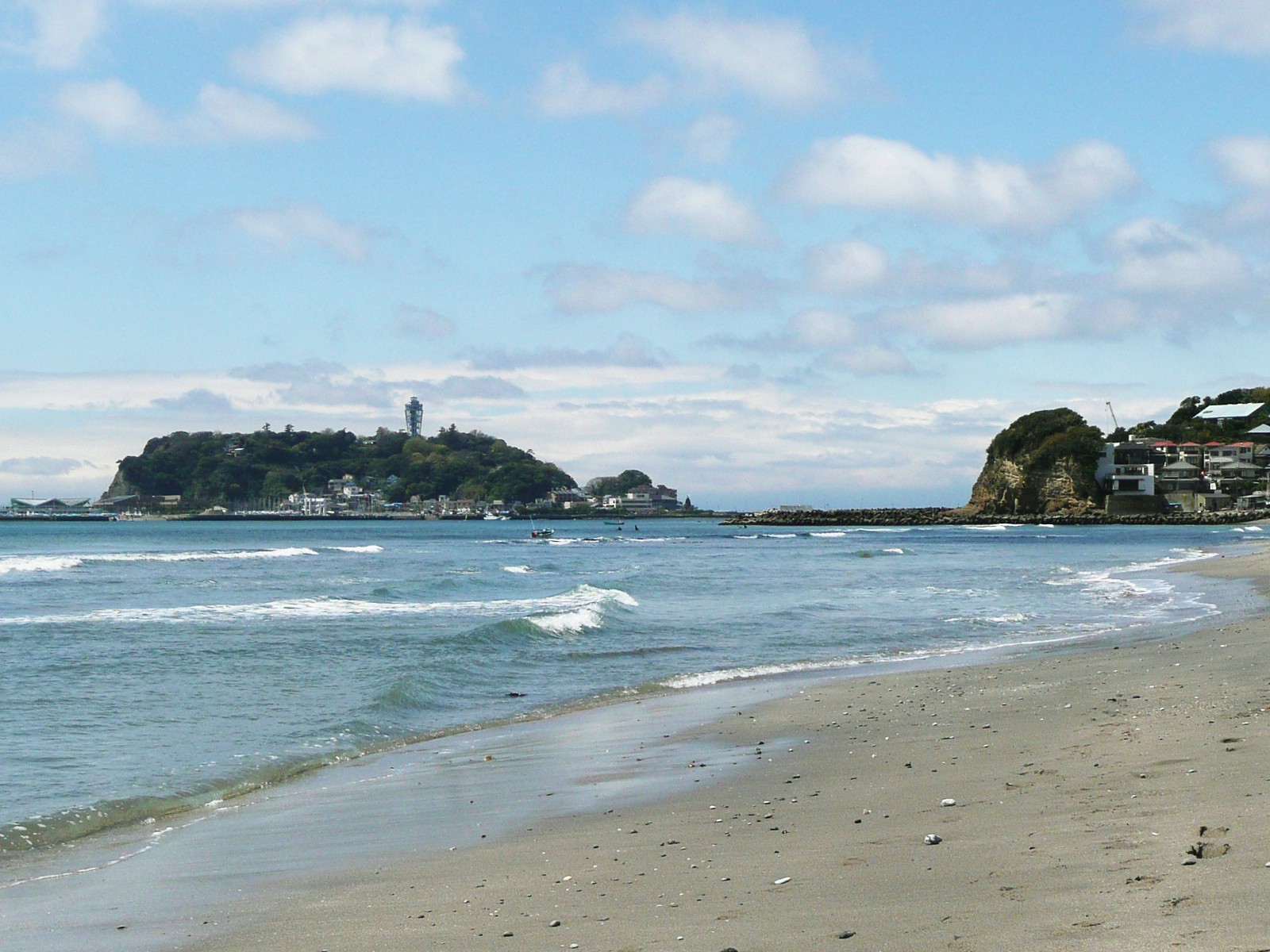
Connected to the mainland by a bridge along the Shonan coast, Enoshima feels very different from nearby Kamakura despite being only a short train ride away. Kamakura is built around temples and historical districts, while Enoshima mixes coastal scenery, seafood restaurants, shrine pathways, observation decks, rocky sea cliffs, and a relaxed beach-town atmosphere that becomes especially popular during weekends and summer evenings.
Most visitors enter the island through the busy shopping street leading uphill toward Enoshima Shrine. The shrine complex is dedicated to Benzaiten, a deity associated with music, water, and fortune, and its buildings are spread across several sections of the island connected by stairways and narrow paths. The climb can feel surprisingly steep in places, especially during humid summer weather, though escalators are available for part of the route through the paid Enoshima Escar system.
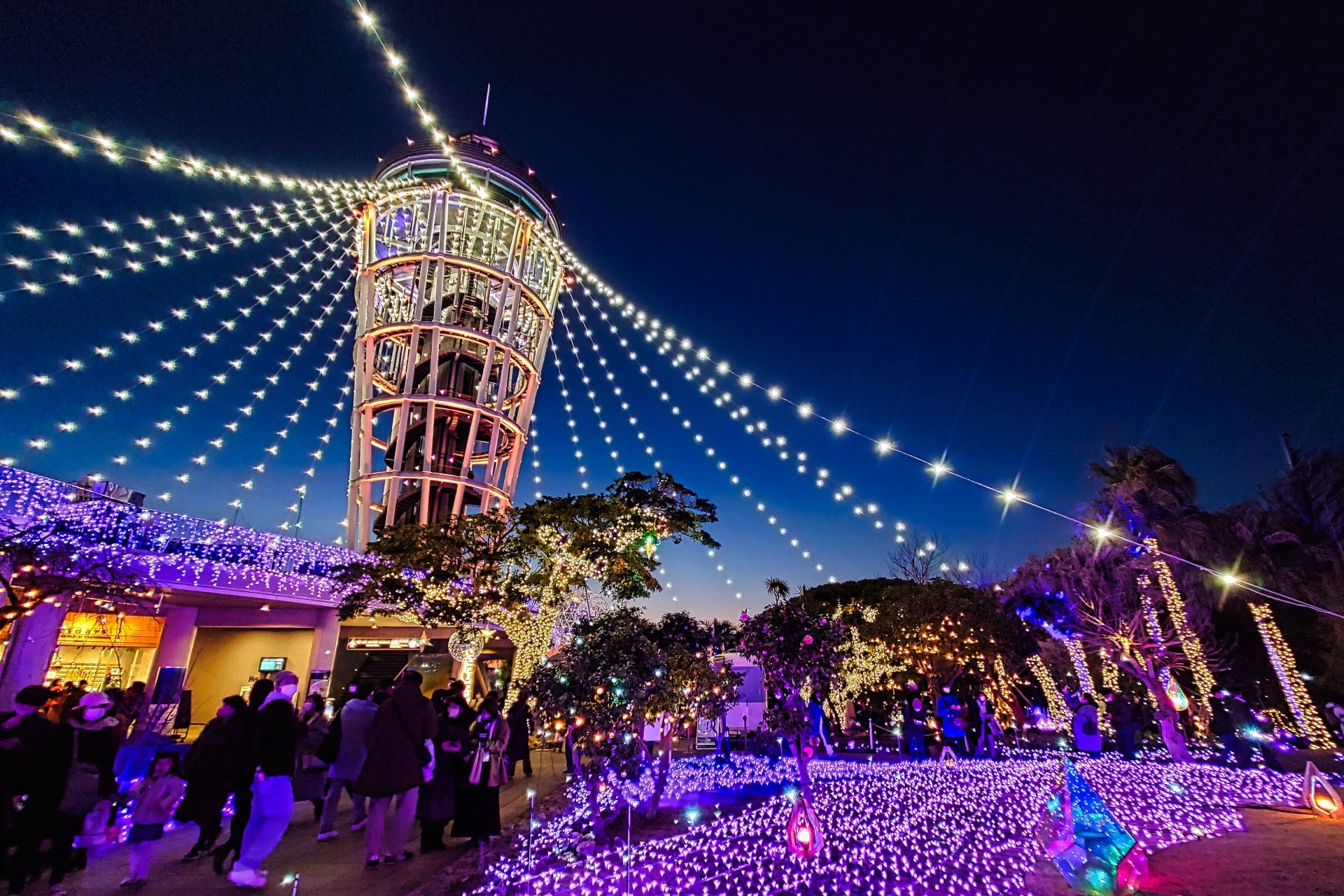
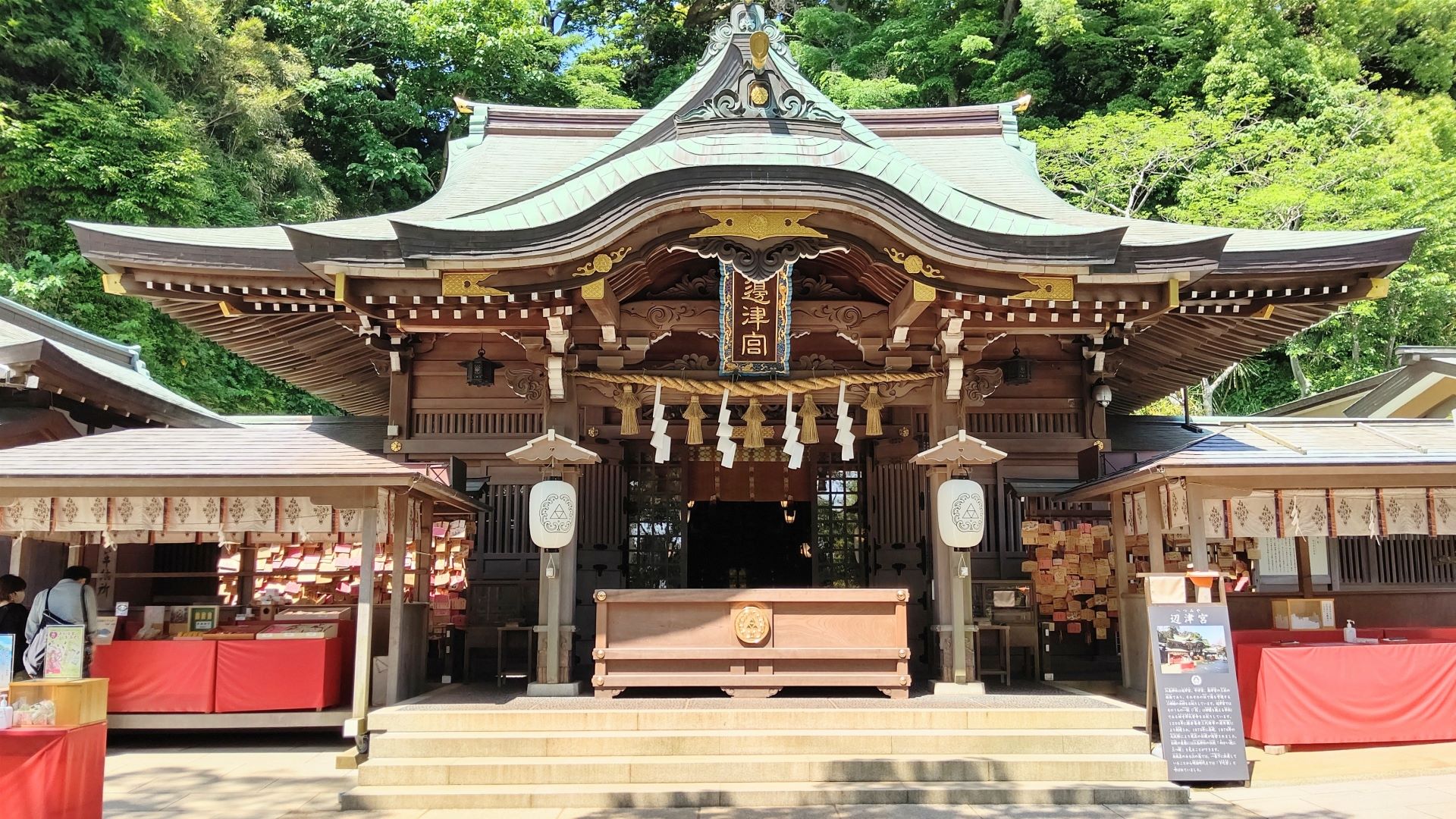
Near the island’s summit stands the Enoshima Sea Candle observation tower inside Samuel Cocking Garden. On clear days, the tower provides wide views over Sagami Bay, the Shonan coastline, and even Mount Fuji in the distance during winter. Late afternoon is generally the best timing because the lighting becomes softer over the ocean and the coastline starts shifting into sunset colors. The garden also becomes tremendously popular during winter thanks to its large-scale illumination event. The lights transform the island into one of the more popular seasonal date spots around the Tokyo region, especially on clear evenings when the ocean remains visible behind the installations.
At the far end of the island, the Enoshima Iwaya Cave area gives Enoshima a more rugged character. The caves were shaped by marine erosion and have long been connected to local legends and religious history. Reaching them involves walking down toward the rocky coastline, where waves crash against the cliffs below. The scenery around this section of the island becomes particularly dramatic near sunset, when the ocean reflects orange light across the rocks and the crowds begin thinning out.
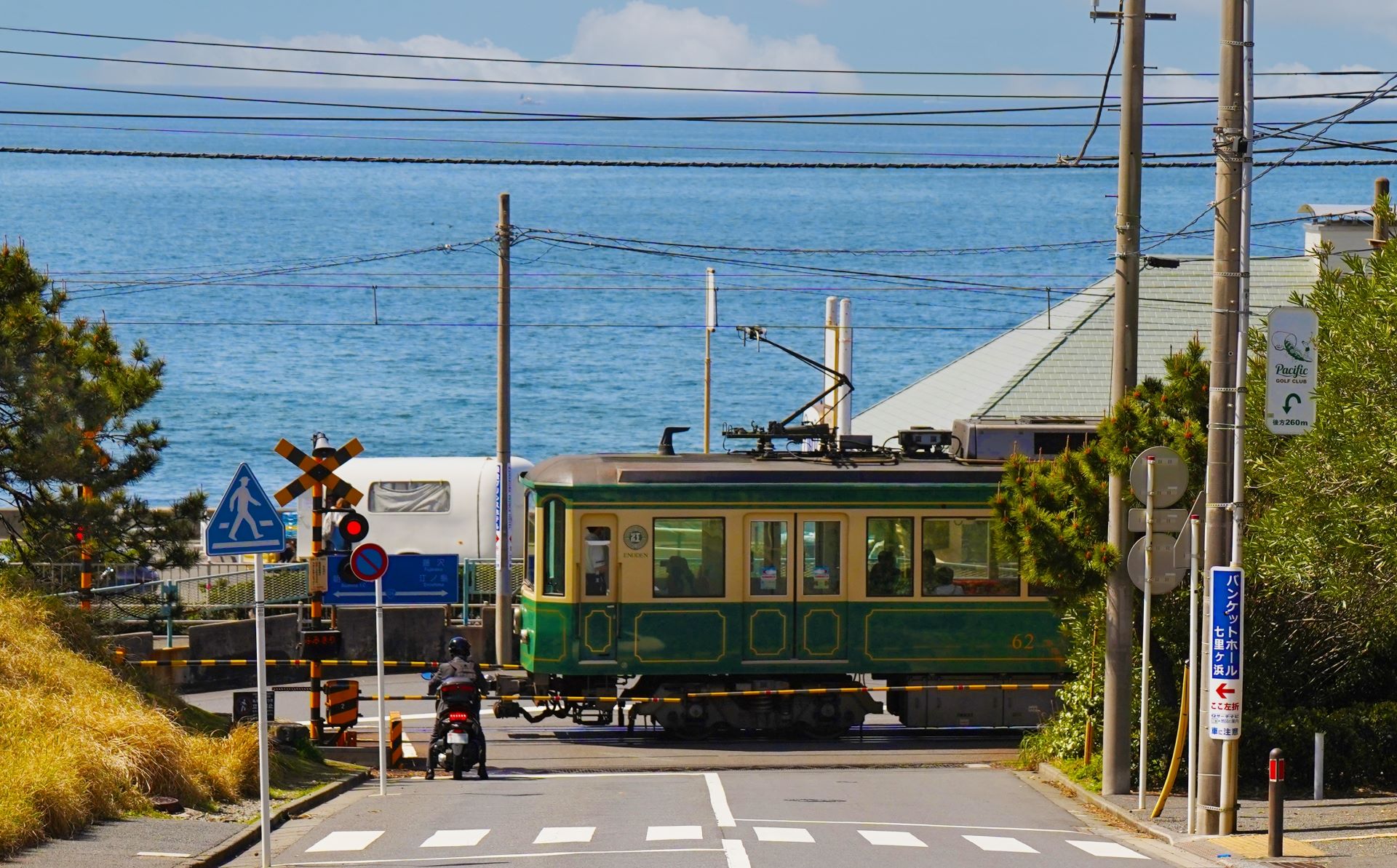
Enoshima pairs naturally with Kamakura because the two areas are connected by the scenic Enoshima Electric Railway, usually called the Enoden. The small local train runs directly along residential neighborhoods and sections of coastline that have appeared in countless anime, films, and travel photos. Many travelers spend the morning in Kamakura before continuing toward Enoshima for sunset and dinner by the coast.
More info: Enoshima: Guide to a Seaside Paradise
Relax at the Beaches of Shonan
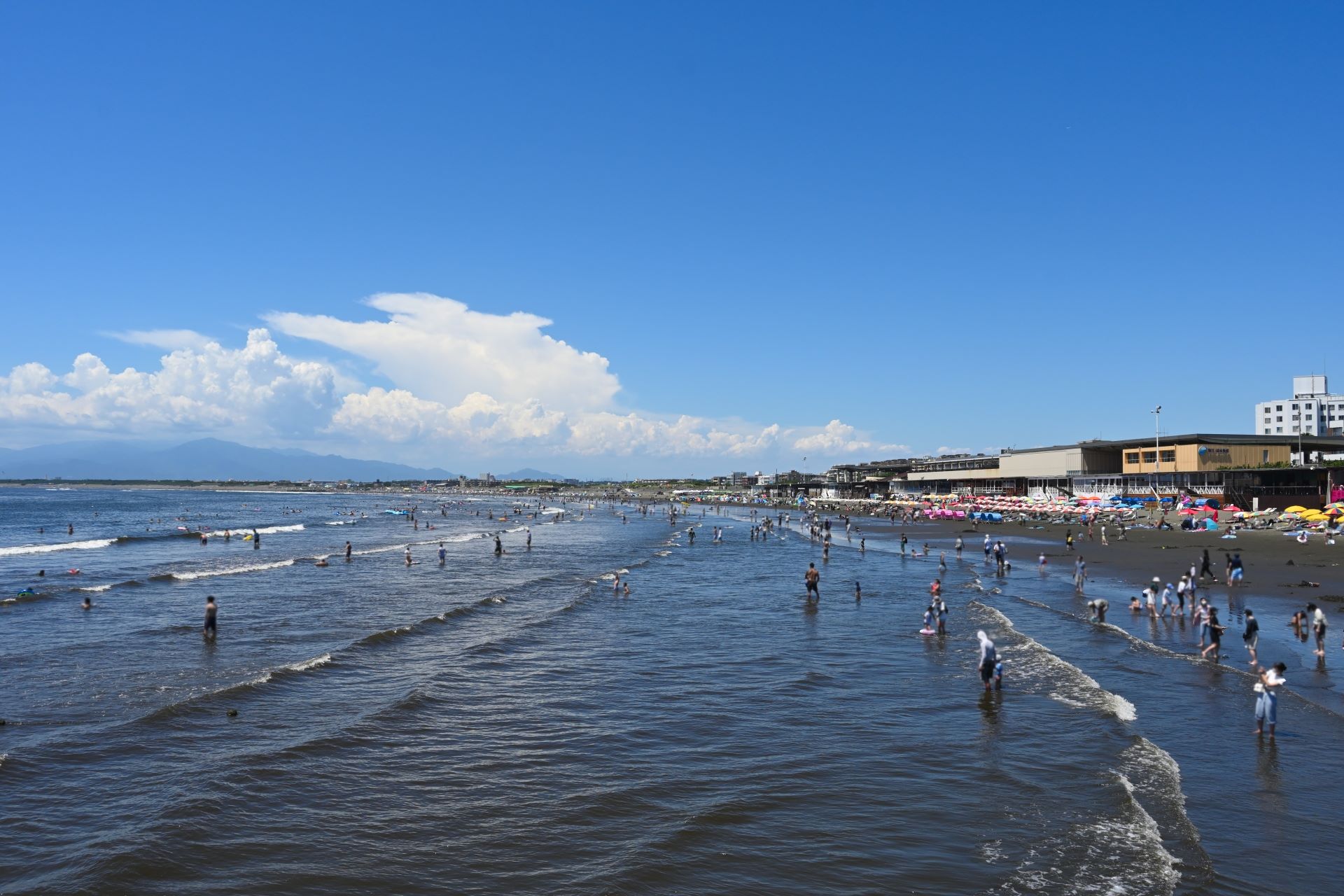
The Shonan coast stretches along southern Kanagawa between Fujisawa and Hayama, and during summer it becomes one of the Tokyo region’s biggest escapes for beaches, surfing, seaside cafes, and sunset views. Compared to Japan’s tropical beach destinations like Okinawa, Shonan’s coastline is smaller and more urban, but that accessibility is exactly what makes it so popular. You can leave central Tokyo in the morning and be walking along the ocean before lunchtime.
Shonan is also deeply tied to Japanese surf culture. Surf shops, old beach cafés, and coastal roads lined with motorcycles and convertibles all contribute to the area’s identity. The atmosphere becomes especially active around weekends, when local surfers head into the water early in the morning before the beaches fully crowd up. Even visitors who never touch a surfboard usually notice how different the pace feels compared to Tokyo.
Recommended Beaches
The most famous beach area is probably Katase Nishihama Beach near Enoshima. This is the classic Shonan summer scene: beach houses playing music, surfers carrying boards through the station area, students gathering after school, and crowds filling the sand during July and August. Mount Fuji sometimes appears offshore on clear evenings, particularly outside the humid peak of summer. The beach is quite energetic, so people often come here as much for the atmosphere as for swimming itself. Further west along the same stretch of sand, Chigasaki Beach is a quieter option if crowds and noise is too much during the peak Summer season.
Travelers looking for a calmer experience usually prefer Zushi Beach, farther south. Zushi still attracts summer visitors, but the atmosphere is noticeably more relaxed and family-oriented compared to the busier Enoshima area. The beach is also popular for stand-up paddleboarding and shorter seaside day trips from Tokyo because access from the city is relatively easy. Around sunset, the coastline here often feels quieter and less commercial than Katase Nishihama.
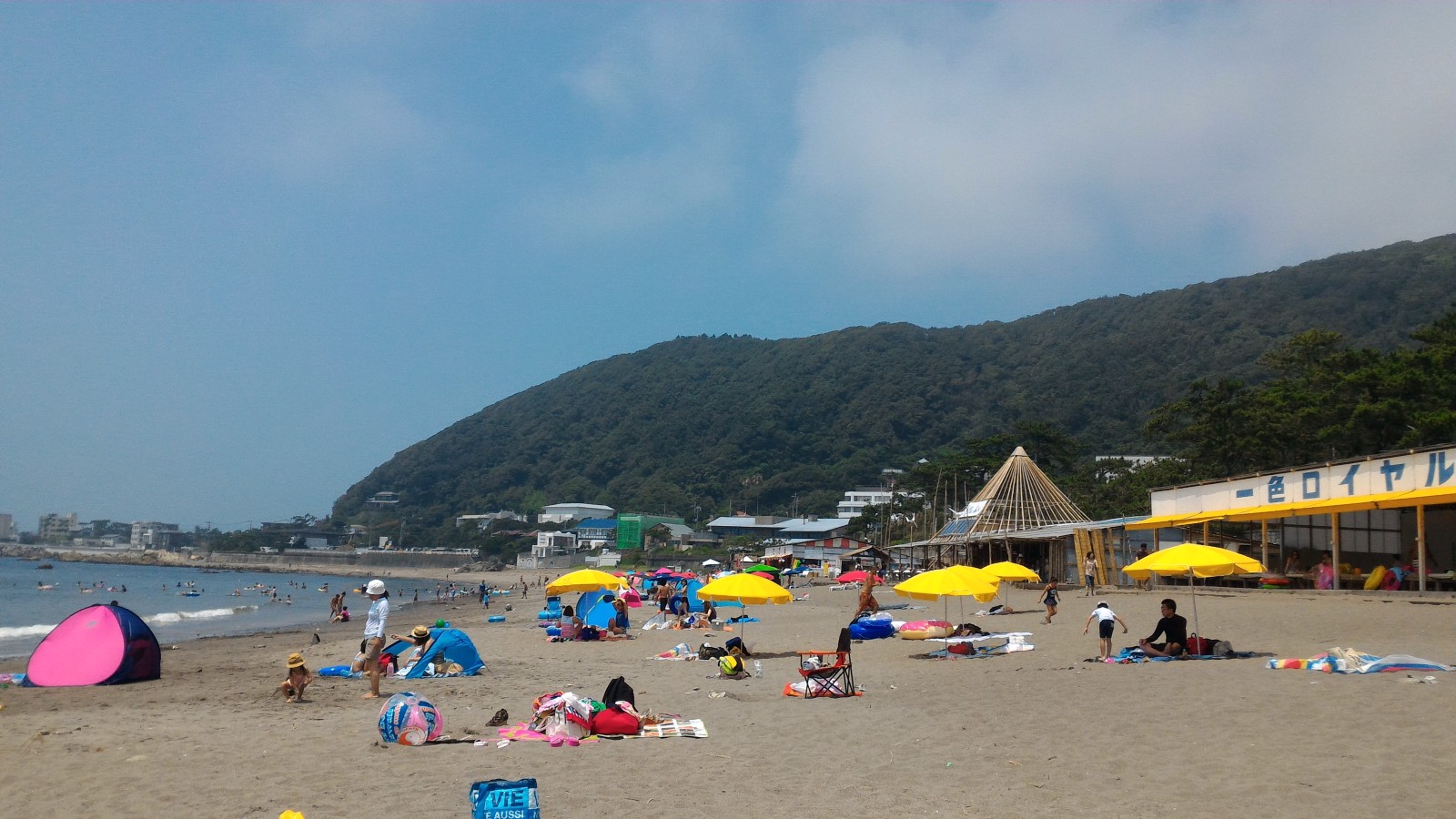
An even more laid-back option is Isshiki Beach in Hayama, an area long associated with villas, marinas, and a slower coastal lifestyle. Isshiki is smaller and less tourist-heavy than the main Shonan beaches, surrounded by greener scenery and calmer residential neighborhoods. Repeat visitors to Japan often end up preferring places like Hayama because the atmosphere feels more local and less built around day-trip crowds. During clear evenings, the sunset views from the beach become particularly impressive.
Summer weekends can become extremely crowded across the entire coastline, especially during beach season from July through August, when beach houses line up the coast with temporary bars and restaurants. For those who don’t really mind the beach houses, visiting slightly outside peak summer often creates a much better experience overall. September, in particular, still offers warm temperatures while avoiding some of the heaviest crowds.
If surfing is your thing, don’t miss our article about the Best Places to Surf Near Tokyo!
Shonan Gastronomical Must: Shirasu Seafood
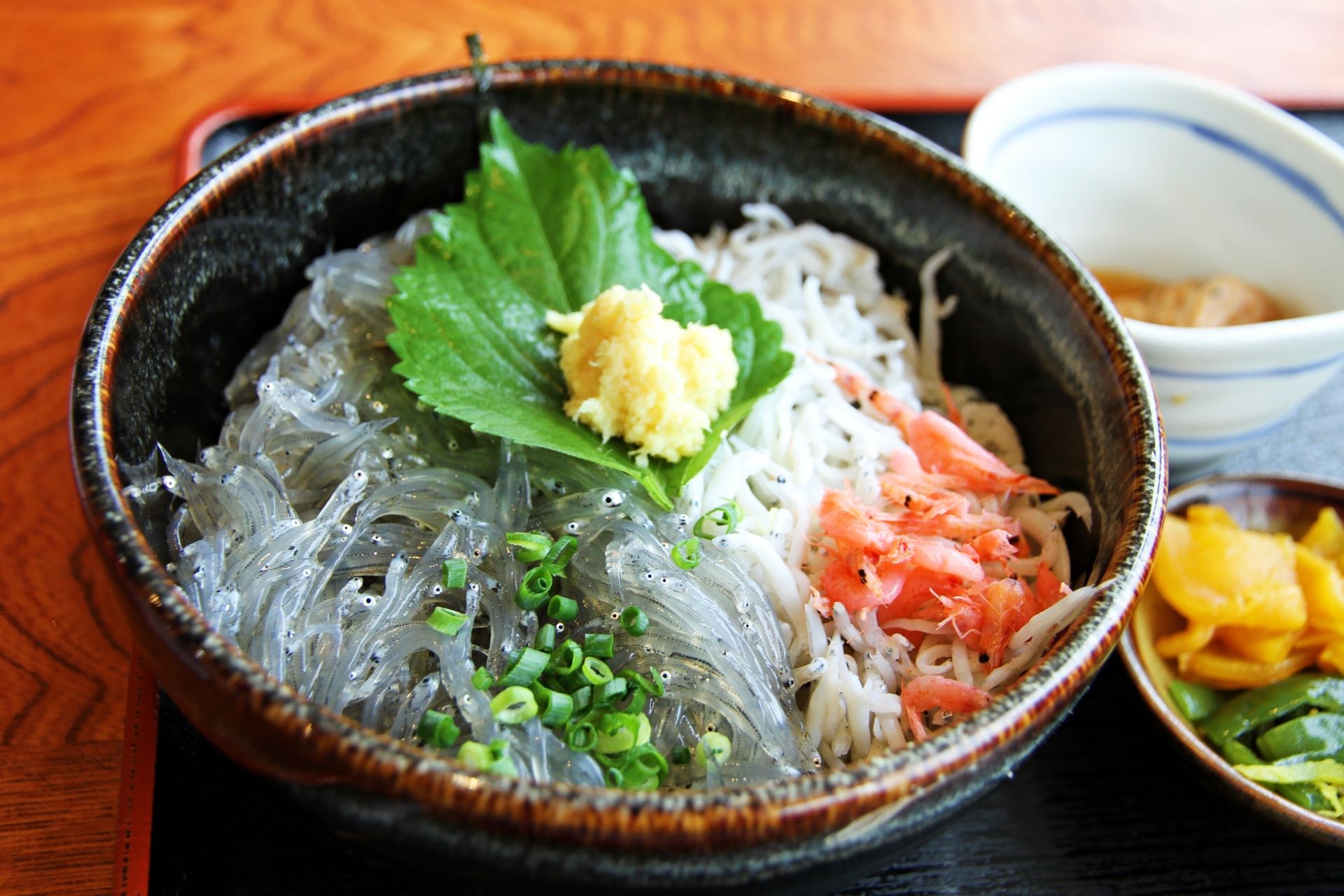
Around Enoshima and the Shonan coast, shirasu is one of the region’s defining seafood specialties. Shirasu refers to tiny juvenile sardines or anchovies, commonly translated as whitebait in English. Although the fish are extremely small, they play a major role in local cuisine and appear on menus across coastal Kanagawa.
The two most common versions are kamaage shirasu, which is lightly boiled, and nama shirasu, served raw. Boiled shirasu has a soft texture and mild salty flavor that works well over rice bowls, while raw shirasu tastes fresher and more delicate but can be an acquired texture for some visitors.
Raw shirasu availability depends heavily on season and fishing conditions. Restaurants frequently advertise when fresh catches arrive, but poor weather or rough seas can interrupt supply completely. Travelers specifically hoping to try nama shirasu should understand that availability is never guaranteed even during the main season.
Along Enoshima’s approach streets and nearby coastal towns, shirasu often appears alongside other seafood dishes such as grilled shellfish, seafood donburi, and dried fish snacks sold near the waterfront.
Experience Hakone’s Onsen and Mountain Landscapes
While Yokohama and Kamakura are usually visited as day trips, Hakone is the part of Kanagawa where slowing down and staying overnight makes the biggest difference.
Stay in a Hakone Onsen Ryokan
Hakone has been one of Japan’s best-known hot spring destinations for centuries, attracting travelers with mountain scenery, volcanic landscapes, traditional inns, and views toward Mount Fuji across Lake Ashi. Despite its popularity, many first-time visitors still underestimate how spread out the area actually is. Hakone is not a single town but a collection of small districts connected by mountain railways, buses, ropeways, and winding roads.
Because of that geography, there is a huge difference between visiting Hakone as a rushed day trip and spending the night in a ryokan. Day-trippers can certainly enjoy major sights like Lake Ashi, Owakudani, or the ropeway system, but overnight visitors experience the slower side of Hakone that makes the area famous in the first place: soaking in hot springs after dark, eating elaborate kaiseki dinners, and waking up to mountain air instead of catching crowded evening trains back to Tokyo.
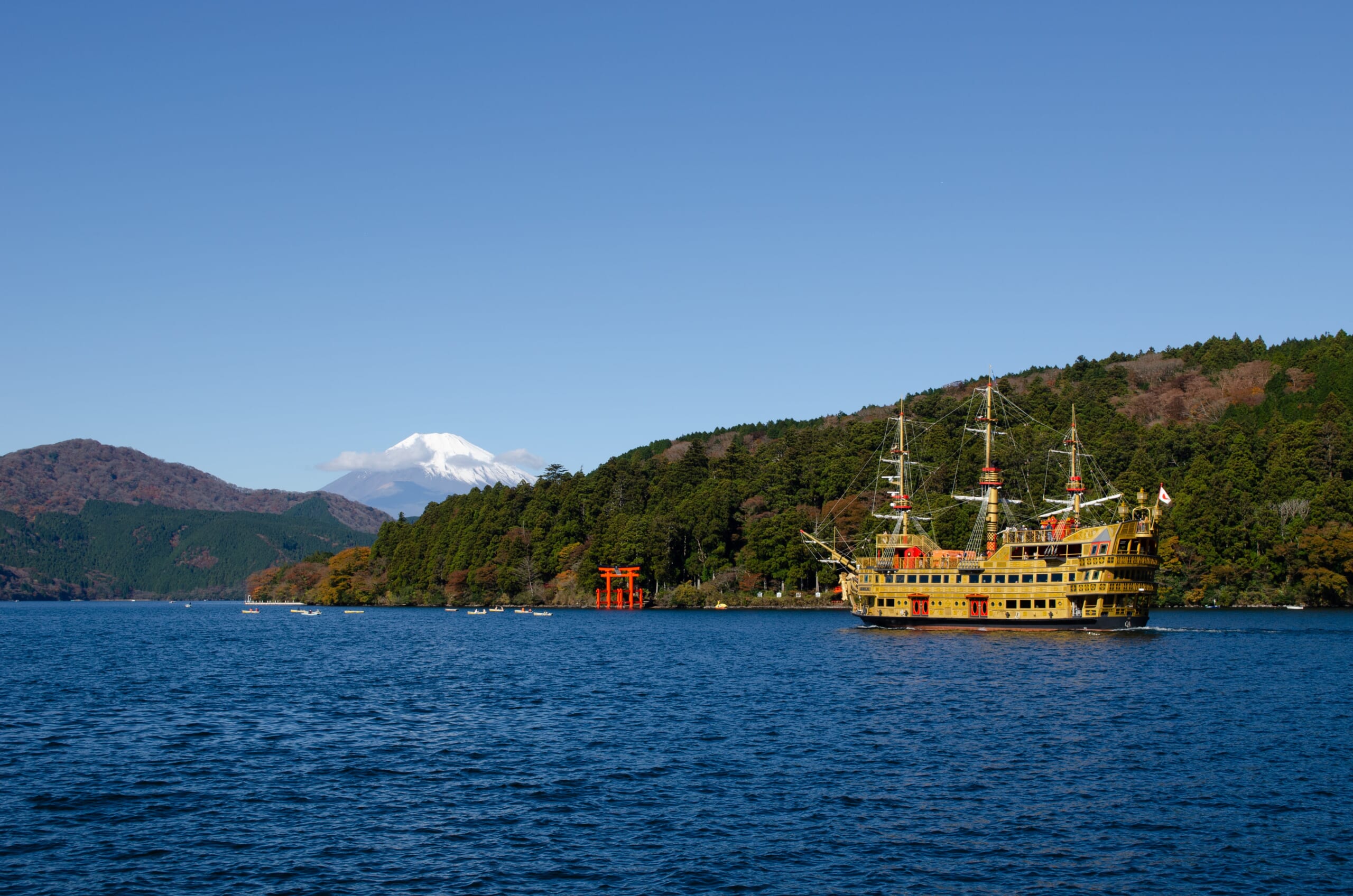
Staying at a traditional ryokan is a major part of the Hakone experience. Many inns feature tatami rooms, futon bedding, multi-course seasonal dinners, and indoor or outdoor onsen baths fed by natural hot spring water. Open-air baths, known as rotenburo, are especially popular because they allow guests to soak while surrounded by forests, mountains, or river scenery. During colder months, sitting in steaming outdoor water while cold air moves through the trees becomes one of the area’s most memorable experiences.
The meals are often just as important as the baths themselves. Ryokan dinners in Hakone typically focus on seasonal ingredients and carefully arranged small dishes rather than a single large meal. Depending on the accommodation, dinners may include sashimi, grilled fish, wagyu beef, mountain vegetables, tofu dishes, and regional specialties served course by course. For many international visitors, this becomes their first experience with traditional kaiseki-style dining.


Hakone changes dramatically depending on the season. Autumn is particularly famous for colorful foliage around the mountains and railways, while winter offers the clearest Mount Fuji visibility. Spring brings cherry blossoms and fresh greenery, and summer attracts visitors escaping Tokyo’s heat. The one reality many travelers discover too late is that Mount Fuji is not constantly visible from Hakone despite how travel photos often present the area. Visibility depends heavily on weather conditions, cloud cover, and humidity. Clear winter mornings offer the highest chances, while summer visibility can be surprisingly poor.
The Lake Ashi area is one of the classic Fuji viewpoints, especially around Moto-Hakone and from sightseeing boats crossing the lake. When conditions align, the combination of calm water, mountain scenery, and Mount Fuji in the distance easily explains why Hakone became such an iconic Japanese landscape. On cloudy days, however, the mountain may disappear entirely. Planning Hakone purely around Fuji expectations can sometimes lead to disappointment, so it is better to treat the mountain as a bonus rather than the sole reason for visiting.
Hakone also becomes crowded very quickly on weekends, holidays, and autumn foliage periods. Ropeways, buses, and sightseeing boats regularly develop long lines by late morning. Arriving early and staying overnight generally creates a much calmer experience than attempting to rush through the area in a single packed itinerary from Tokyo.
Visit the Hakone Open-Air Museum
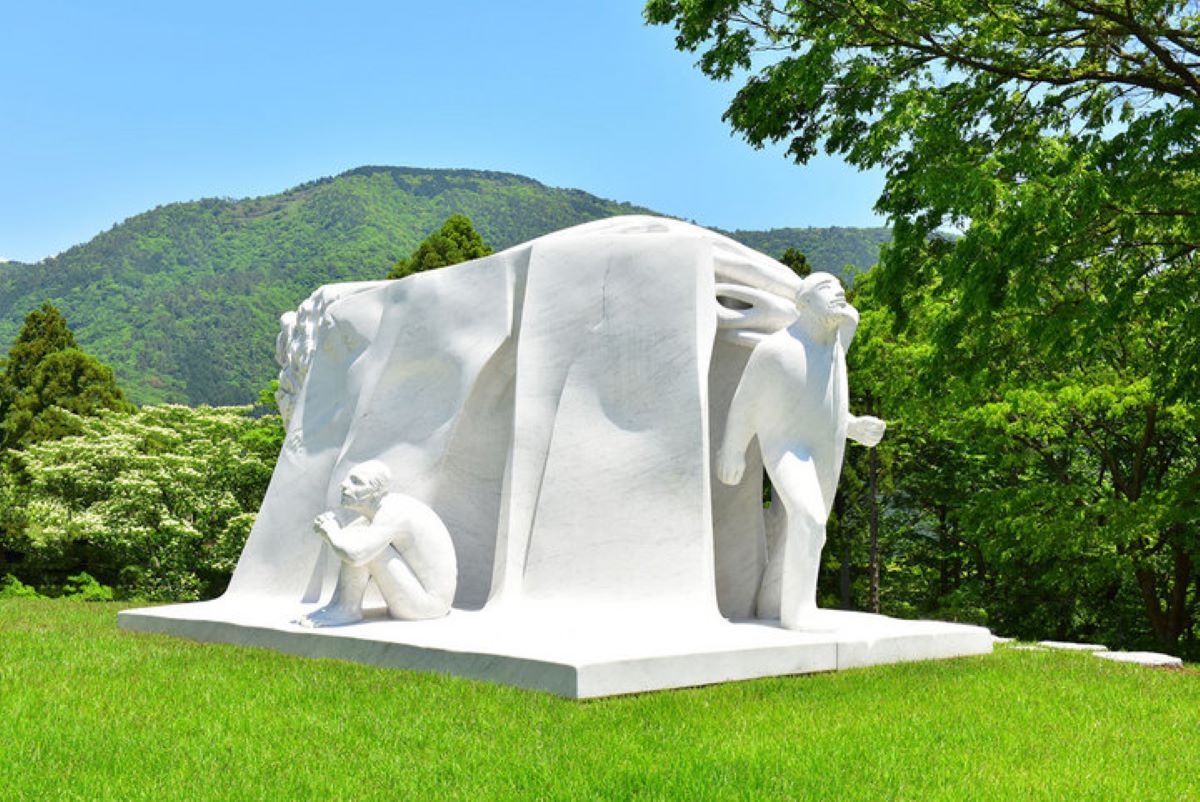
The Hakone Open-Air Museum is one of the most distinctive museums in Japan because the landscape is just as important as the artwork itself. Instead of placing visitors inside a conventional indoor gallery, the museum spreads large-scale sculptures across open lawns surrounded by mountains, forests, and changing seasonal scenery. Even travelers who normally do not prioritize art museums often end up enjoying this place because it feels relaxed, spacious, and easy to explore at your own pace.
Opened in 1969 as Japan’s first open-air art museum, the complex combines outdoor installations with several indoor exhibition spaces. Massive sculptures are positioned across the hillsides and gardens, allowing visitors to walk directly around and between the works rather than viewing them from a distance. The mountain backdrop changes the atmosphere throughout the year, from fresh greenery in spring and summer to autumn foliage and occasional winter snow.
One of the museum’s biggest attractions is the Picasso Pavilion, which houses one of the largest collections of Pablo Picasso works in Japan. The pavilion includes paintings, ceramics, prints, and photographs connected to different periods of the artist’s life.
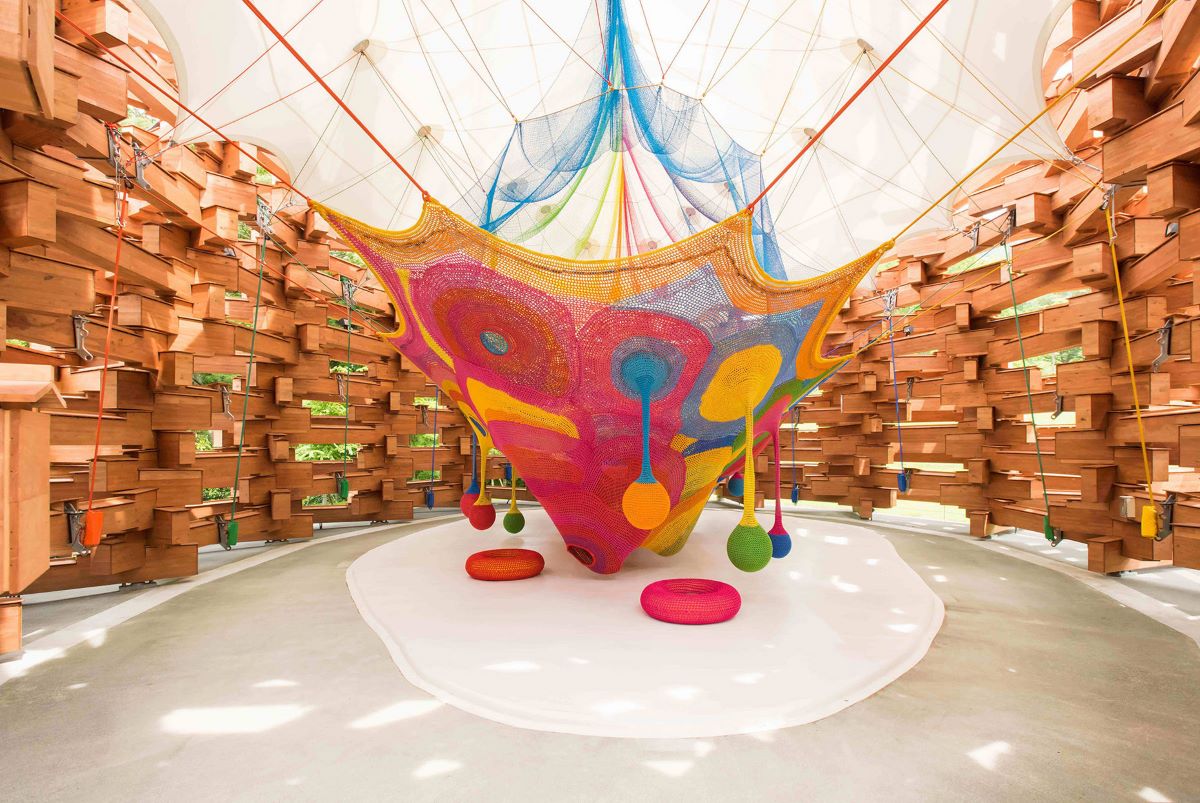
The museum is also unusually family-friendly compared to many traditional art institutions. Children can physically interact with some installations, climb through structures, and move freely around the large grounds without the rigid atmosphere associated with quieter indoor galleries. The colorful Symphonic Sculpture tower, with its stained-glass spiral staircase, has become one of the museum’s most photographed features and is especially popular with families and photographers.
Photography is a major part of the experience here. The combination of contemporary artwork and Hakone’s mountain scenery creates constantly changing compositions depending on weather, lighting, and season. Misty days can actually make the sculptures feel more dramatic, while sunny afternoons highlight the contrast between bright green lawns and abstract installations. Autumn is particularly photogenic when foliage colors begin surrounding the artworks.
Arriving earlier in the day is usually the best strategy, especially during weekends and autumn foliage season, when tour groups become more common later in the morning. Many visitors underestimate how large the property is and end up spending two to three hours here without difficulty.
| Access |
2-min walk from Chokokunomori Station on the Hakonetozan Line |
|---|---|
| Business Hours |
9 AM–5 PM |
| Price |
¥1,800 |
| Official Website |
https://www.hakone-oam.or.jp/ |
Try Hakone Yunessun’s Themed Baths


For travelers curious about Japanese hot springs but nervous about traditional onsen etiquette, Hakone Kowakien Yunessun is easily one of the most approachable introductions in the country. Instead of focusing purely on quiet bathing culture, Yunessun combines hot springs with waterpark-style attractions, themed baths, and swimsuit-friendly areas that make the experience feel much less intimidating for first-time visitors.
The biggest difference is the dress code. Unlike traditional onsen, the main themed bath zone at Yunessun allows swimwear, meaning couples, families, and mixed groups can enter together. That alone removes one of the biggest barriers many international visitors feel when approaching Japanese hot springs for the first time. People who are uncomfortable with fully nude communal bathing often find Yunessun far less stressful and easier to enjoy casually.
The facility became famous for its unusual themed baths, particularly the wine bath and coffee bath areas, where staff occasionally pour additional wine or coffee into the pools during scheduled performances. Other baths have included green tea, sake, and seasonal themes depending on the time of year. The atmosphere is intentionally playful rather than traditional, which makes Yunessun feel very different from the quiet ryokan baths typically associated with Hakone. Bringing your own swimsuit is recommended, though rentals are available onsite. Towels and other bathing items can also be rented if needed.
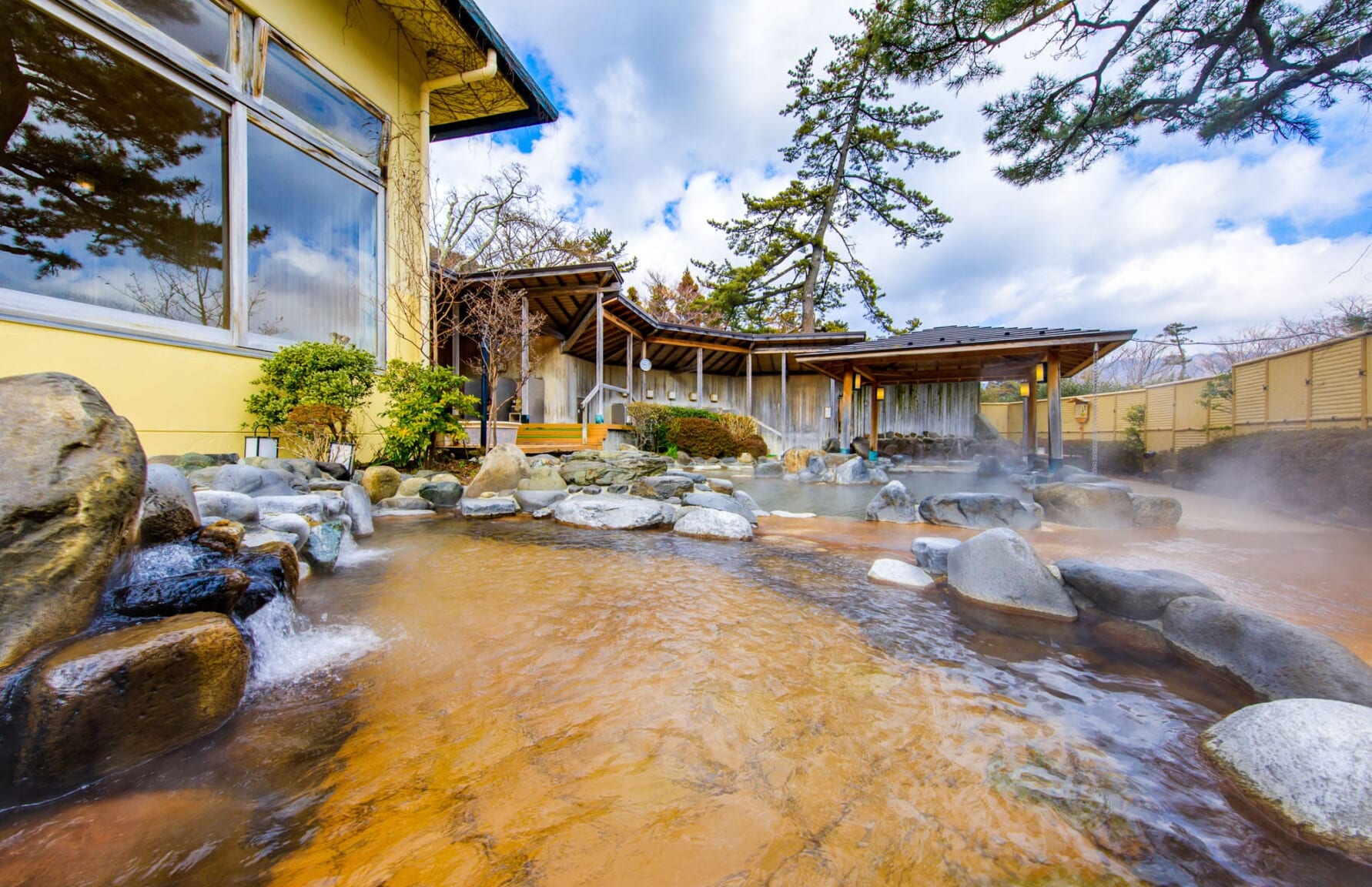
In fact, many Japanese visitors come here specifically because it feels relaxed and different from traditional hot spring resorts. At the same time, the complex is not purely a gimmick attraction. Yunessun still uses genuine hot spring water from Hakone, and there are also more conventional bathing areas available for visitors who want a quieter experience after exploring the themed sections. The attached Mori no Yu area functions more like a standard Japanese onsen with indoor and outdoor baths separated by gender.
For visitors seeking the classic quiet ryokan atmosphere, Yunessun will probably feel too commercial. But for travelers who might otherwise skip onsen culture entirely due to uncertainty about etiquette, it is a fun and accessible option in Hakone.
| Access |
5-min bus or 20-min walk from Kowakidani Station |
|---|---|
| Business Hours |
Bathing suit area: weekdays 10:00-18:00, weekends 9:00-19:00 / Onsen (no clothes) area: 11:00-20:00 everyday. |
| Price |
Between ¥1,500 and ¥4,000 depending on season and access area. Check official website for details. |
| Official Website |
https://www.yunessun.com/ |
See the Volcanic Landscape of Owakudani
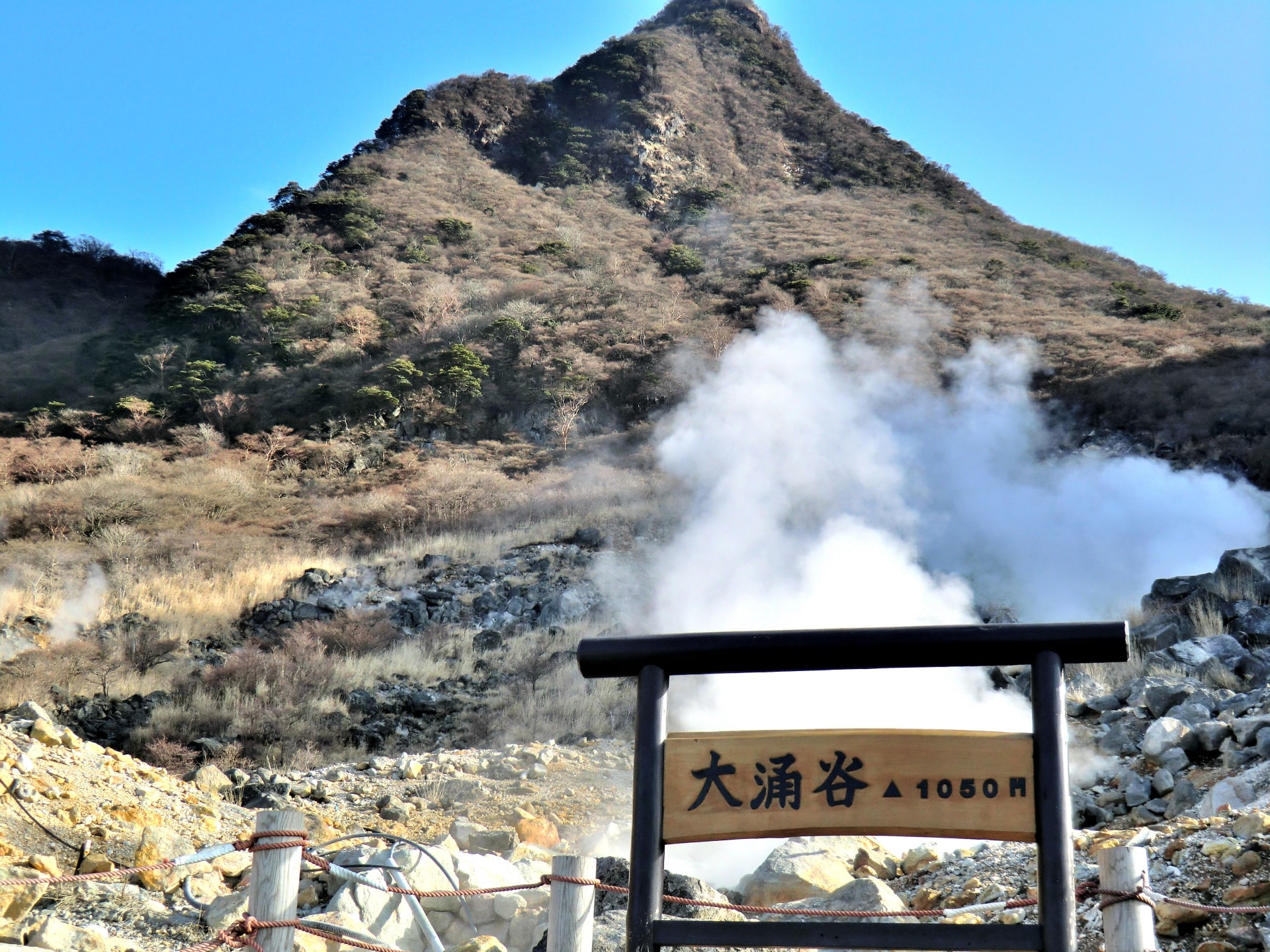
Owakudani‘s landscape is dramatically different from the calmer lake views and traditional ryokan districts elsewhere in the area. Steam rises directly from the mountainside, the air smells strongly of sulfur, and rocky terrain cuts across the valley in a way that almost feels unnatural compared to the forests surrounding it.
Most visitors reach Owakudani via the Hakone Ropeway, which is honestly part of the attraction itself. The ropeway glides over volcanic slopes, active steam vents, and rugged terrain while opening wide views across the mountains. On clear days, Mount Fuji appears prominently in the distance, creating one of Hakone’s classic sightseeing panoramas. The contrast between volcanic activity in the foreground and Fuji beyond is exactly the image many people associate with the region.
The reality, however, is that visibility here changes constantly depending on weather and season. Fog, clouds, rain, or volcanic gas conditions can completely obscure the landscape. Summer humidity especially tends to reduce Fuji visibility, while winter mornings usually provide the clearest conditions. Travelers expecting guaranteed postcard views sometimes leave disappointed if they arrive during poor weather.
Once at Owakudani Station, visitors can walk designated paths overlooking the active sulfur vents and geothermal activity below. The valley was created around 3,000 years ago during the last eruption of Mount Hakone, and the entire area still remains volcanically active today. The smell of sulfur is extremely strong in some sections, and the ground visibly vents steam through the rocky slopes.
Hakone’s Famous “Black Eggs”
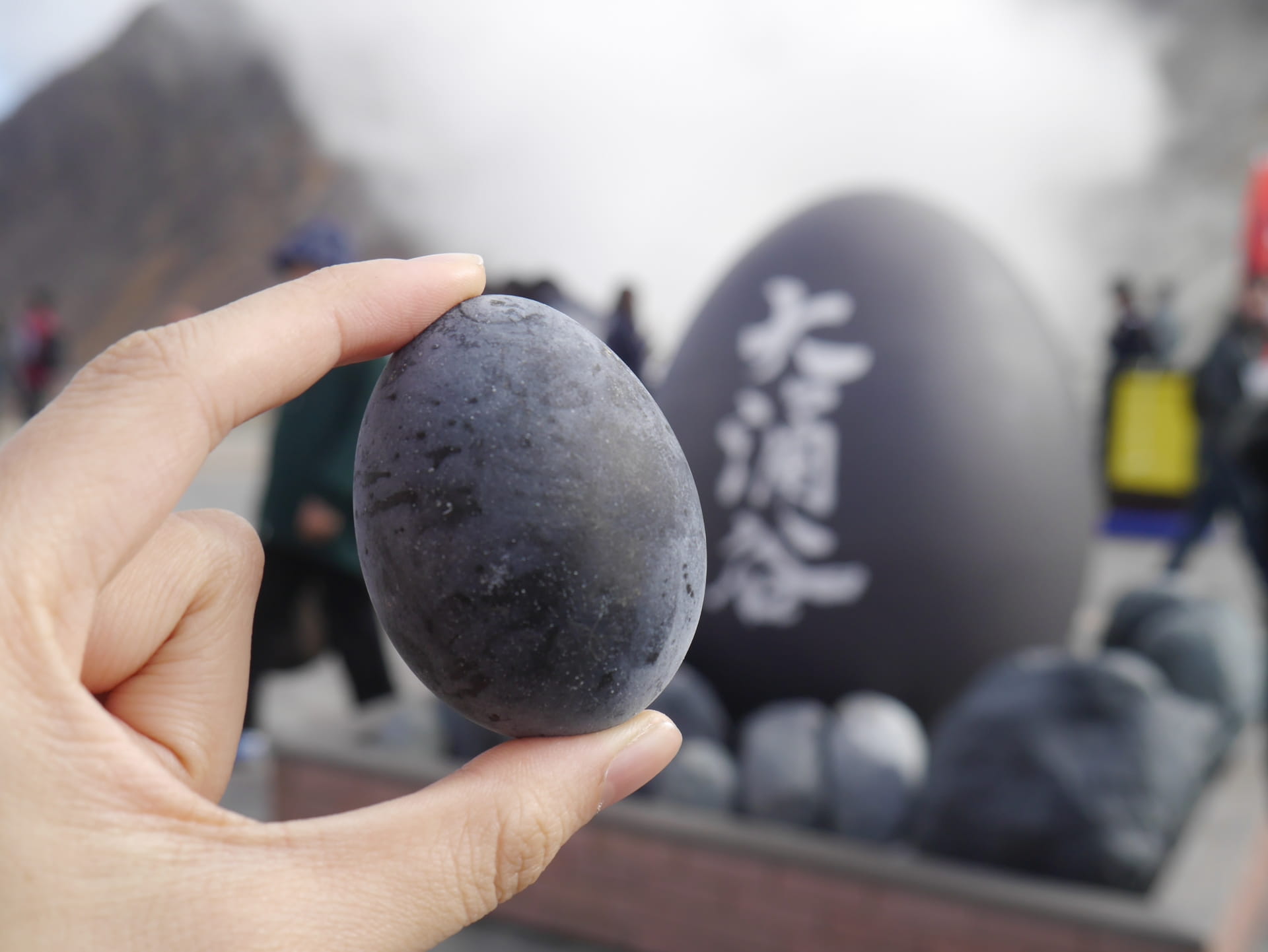
The area is also famous for kuro tamago, or “black eggs,” boiled in naturally heated sulfur water. According to local legend, eating one supposedly adds seven years to your life. The shells turn black through a chemical reaction with the volcanic water, while the inside tastes essentially like a regular hard-boiled egg, albeit with a slightly smoky taste. Some may feel put off by the black color, but that’s a mistake. It’s genuinely delicious. So a bag of black eggs has become one of Hakone’s most recognizable souvenirs. For those who may not be fans of eggs to begin with, but would like a local souvenir, there are fake sweet versions that are quite popular as well.
One thing travelers should understand before visiting is that Owakudani occasionally faces operational disruptions due to volcanic activity or weather conditions. Ropeway service can be suspended during strong winds, maintenance periods, or elevated volcanic gas levels. Walking routes may also close temporarily depending on safety conditions. Checking current operations before heading into Hakone is genuinely important because transport interruptions can affect the entire sightseeing loop around the area.
Visitors with respiratory conditions or strong sensitivity to sulfur smells may also find parts of Owakudani uncomfortable, particularly near active vent zones. Most people tolerate the conditions without issue, but the volcanic gases here are very real and not simply part of a themed attraction.
Visit Kawasaki and Odawara
Many travelers pass through these cities on the way to Yokohama or Hakone without realizing they contain some of Kanagawa’s most interesting museums, historic districts, and local cultural spots.
Explore Kawasaki Beyond the Transit Reputation
Kawasaki is probably one of the most underrated cities in the Tokyo metropolitan area. For many visitors, the name only appears on train maps between Tokyo and Yokohama, giving the impression that Kawasaki is primarily an industrial or commuter city. While parts of the city absolutely developed around factories and heavy industry, Kawasaki also contains major temples, excellent museums, retro shopping streets, and some surprisingly distinctive local attractions.
One of the city’s most important historical sites is Kawasaki Daishi, officially known as Heiken-ji Temple. Founded in the 12th century, the temple is one of the most significant Buddhist sites in the Kanto region and especially famous for hatsumode, the first shrine and temple visits of the New Year. During early January, enormous crowds gather here for prayers, food stalls, and festival-like celebrations. Outside holiday periods, however, the grounds feel much calmer and provide a good contrast to the dense urban surroundings nearby.
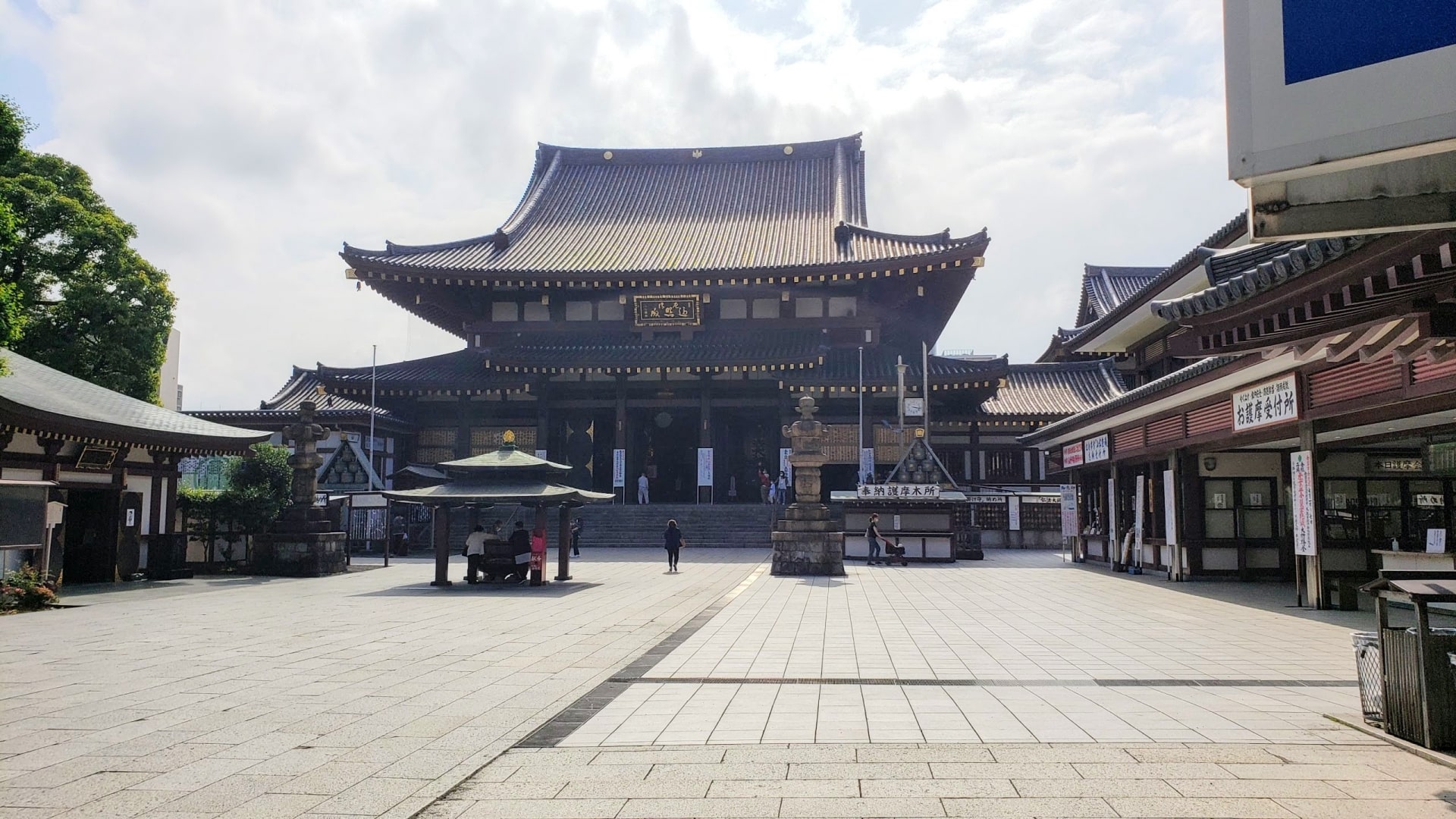
The approach road leading to the temple is lined with traditional snack shops and souvenir stores selling items like kuzumochi, a local sweet made from fermented wheat starch. The area still preserves part of the atmosphere of an older temple town despite Kawasaki’s rapid urban development around it.
Also, if you happen to be in the area on the first Sunday of April, Kanayama Shrine nearby is a small and unassuming Shinto shrine that hosts the Kanamara Matsuri, one of the most unique festivals in all of Japan, centered around fertility and sexual health, and that has repeatedly gone viral for its phallic mikoshi processions.
Completely different in tone is the Fujiko F. Fujio Museum, dedicated to the creator of Doraemon and several other hugely influential manga series. The museum integrates original artwork, recreated studio spaces, interactive exhibits, and themed cafés in a way that appeals both to children and adults who grew up with Japanese anime culture. Tickets usually require advance reservations, and timed entry systems are commonly used because of the museum’s popularity.
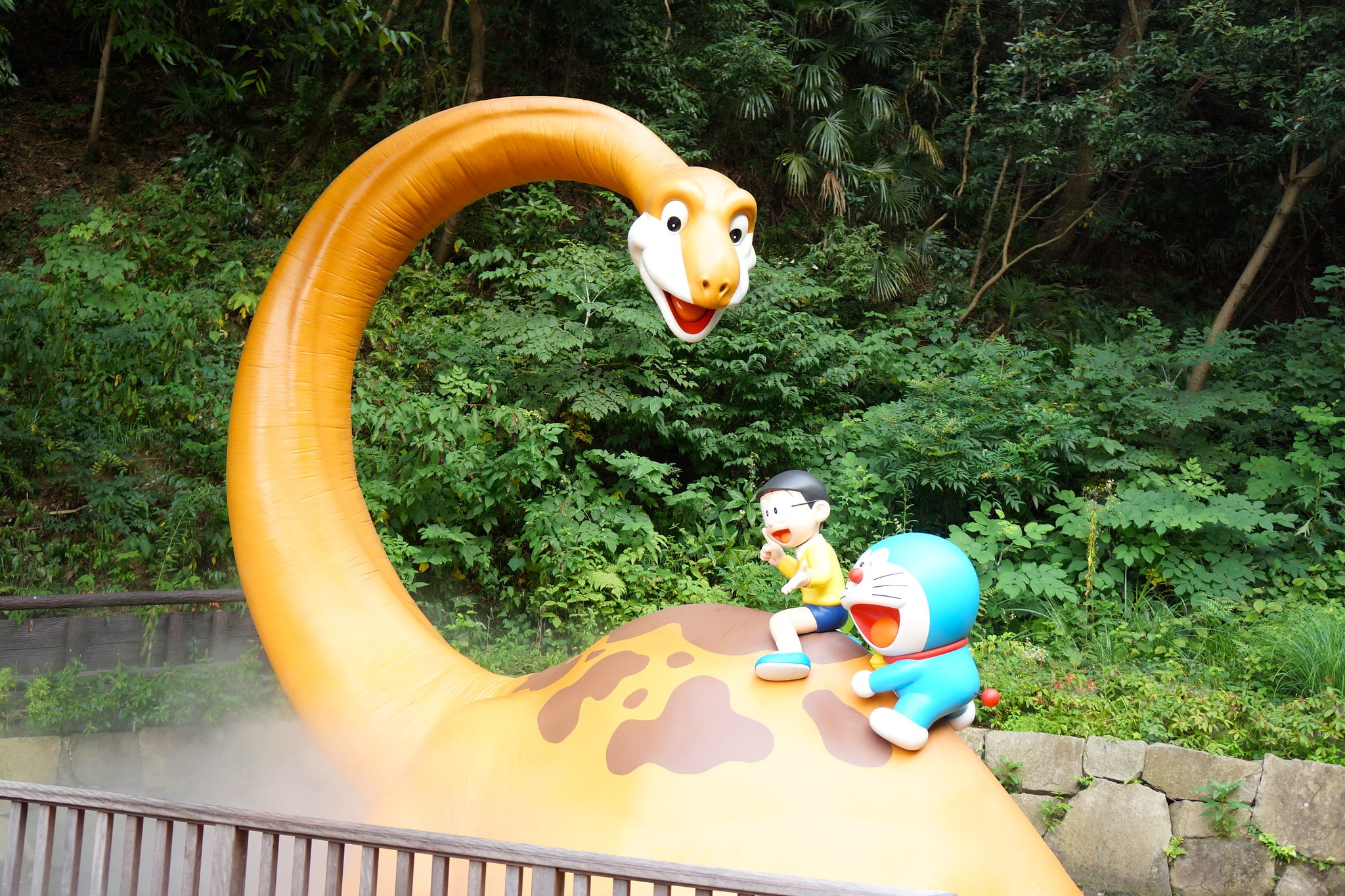
Another standout attraction is the Nihon Minka-en, an open-air museum preserving historic Japanese farmhouses relocated from across the country. The grounds contain traditional thatched-roof homes, merchant residences, watermills, and rural architecture that many travelers never get to see elsewhere around Tokyo. Compared to heavily touristed historical districts, Nihon Minka-en feels quieter and more educational without becoming overly formal.
Kawasaki is also extremely easy to access. From Tokyo Station, Kawasaki Station is roughly 20 minutes away via the JR Tokaido or Keihin-Tohoku lines, while Yokohama can be reached in under 10 minutes. Because of those connections, Kawasaki works very well as either a short stop between Tokyo and Yokohama or a half-day destination combined with nearby areas.
Travelers looking for famous postcard scenery may still prioritize Kamakura or Hakone first, but Kawasaki is a great fit for people interested in seeing a broader and less tourist-focused side of urban Kanagawa.
More info: Best Things to Do in Kawasaki
Visit Odawara Castle and the Gateway to Hakone
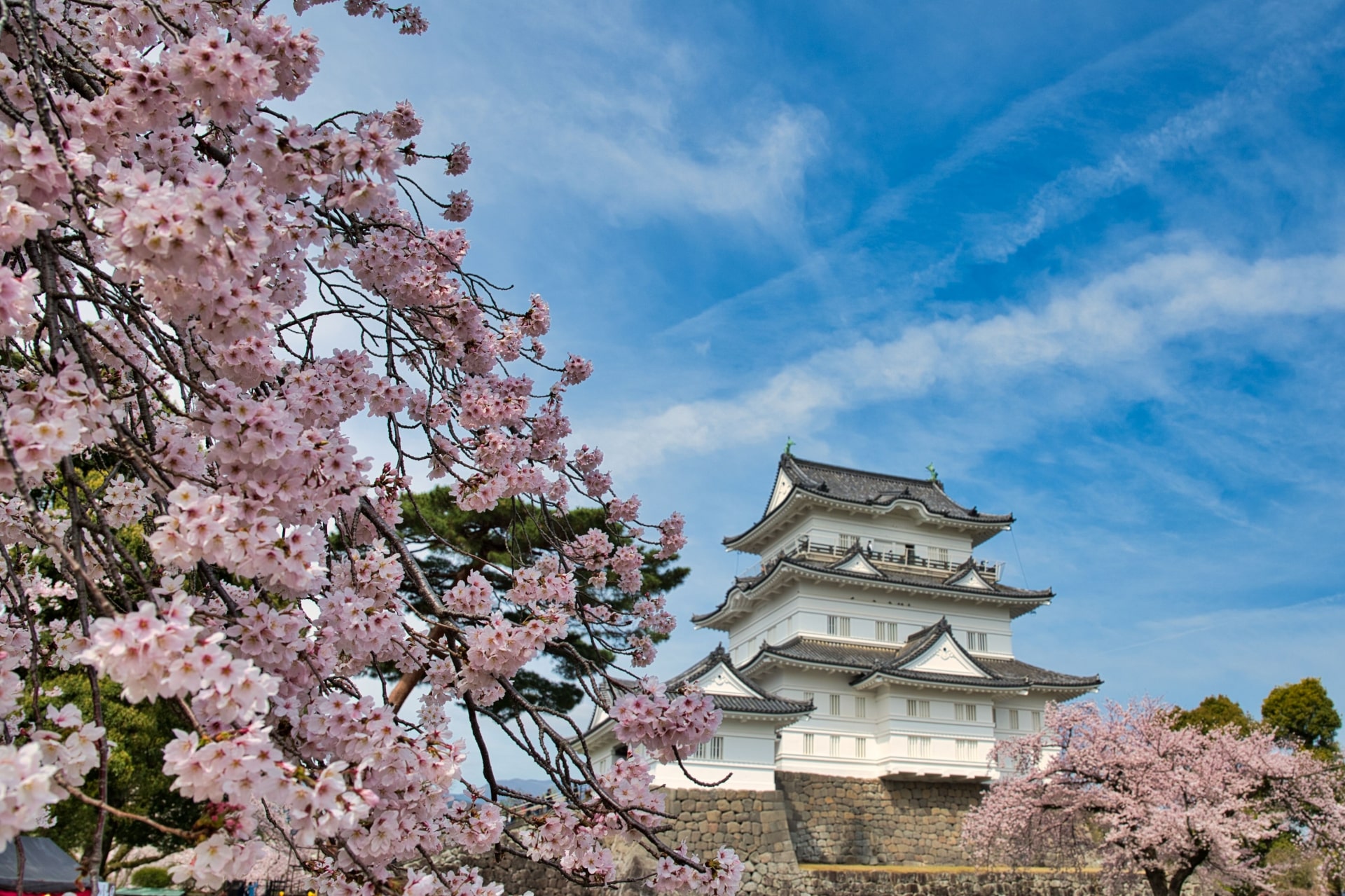
For many travelers, Odawara is simply the transfer point before continuing toward Hakone. Shinkansen passengers pass through the station, switch to local transport, and continue into the mountains without stopping. While understandable, the city is worth reconsidering your schedule if time allows it, because Odawara works surprisingly well as a short historical stop with one of the region’s most accessible castles and a strong local food culture tied to the nearby coast.
The city’s centerpiece is Odawara Castle, originally built during the 15th century and closely associated with the powerful Hojo clan, which once controlled much of the Kanto region. The castle became famous for its seemingly impregnable defenses during Japan’s Warring States period, though it ultimately fell to Toyotomi Hideyoshi in 1590 after one of the most significant sieges in samurai-era history.
Like many Japanese castles, the current main keep is a reconstructed structure rather than the original building, but the site still retains stone walls, gates, moats, and defensive layouts that help visitors understand its historical importance. Compared to larger castles like Himeji or Osaka, Odawara Castle is more manageable for a short visit, especially for travelers already heading toward Hakone.
Inside the castle tower, the museum floors cover regional samurai history, armor, swords, historical documents, and the rise and fall of the Hojo clan. The upper observation level gives wide views across the city, Sagami Bay, and the surrounding mountains. While the museum is not enormous, it provides enough historical context to make the site feel more substantial than simply a quick photo stop.
One reason Odawara fits well in a Kanagawa itinerary is convenience. The castle grounds are quite close on foot from Odawara Station, making it very easy to incorporate before or after continuing into Hakone. Travelers using the Shinkansen from Tokyo can reach Odawara in about 35 minutes for roughly 3,800 yen, while local JR lines take about 1 hour and 20 minutes for 1,600 yen. The Odakyu Line from Shinjuku Station is also an affordable option at 900 yen, taking about 1 hour and 30 minutes.
| Access |
5-min walk from Odawara Station |
|---|---|
| Business Hours |
9 AM–5 PM |
| Price |
¥1,000 |
| Official Website |
https://odawaracastle.com/ |
Odawara’s Regional Specialty: Kamaboko


In Odawara, one of the best-known regional specialties is kamaboko, a traditional fish cake made by steaming processed white fish paste into firm loaf-shaped blocks. While fish cakes exist across Japan, Odawara became particularly famous for high-quality production thanks to its long coastal fishing history and access to fresh seafood.
Kamaboko has a clean, slightly sweet flavor and a springy texture that can seem deceptively simple at first. In practice, however, the quality differences between mass-produced versions and freshly made local kamaboko are surprisingly noticeable.
Shops around Odawara Station sell a huge range of styles, including flavored varieties containing cheese, vegetables, herbs, or seafood fillings aimed at modern tourists. Some specialty stores also offer hands-on workshops where visitors can shape and grill their own fish cakes.
Because kamaboko travels relatively well, it became one of Odawara’s most popular edible souvenirs. Many travelers heading back toward Tokyo stop briefly near the station specifically to buy boxed assortments before boarding trains.
Discover Yokosuka and the Miura Peninsula
Southern Kanagawa has a bit of a different atmosphere from Yokohama, Kamakura, or Hakone, thanks to its naval history, fishing towns, rugged coastline scenery, and a noticeable American cultural influence tied to the region’s military presence.
Experience Yokosuka’s Naval Heritage
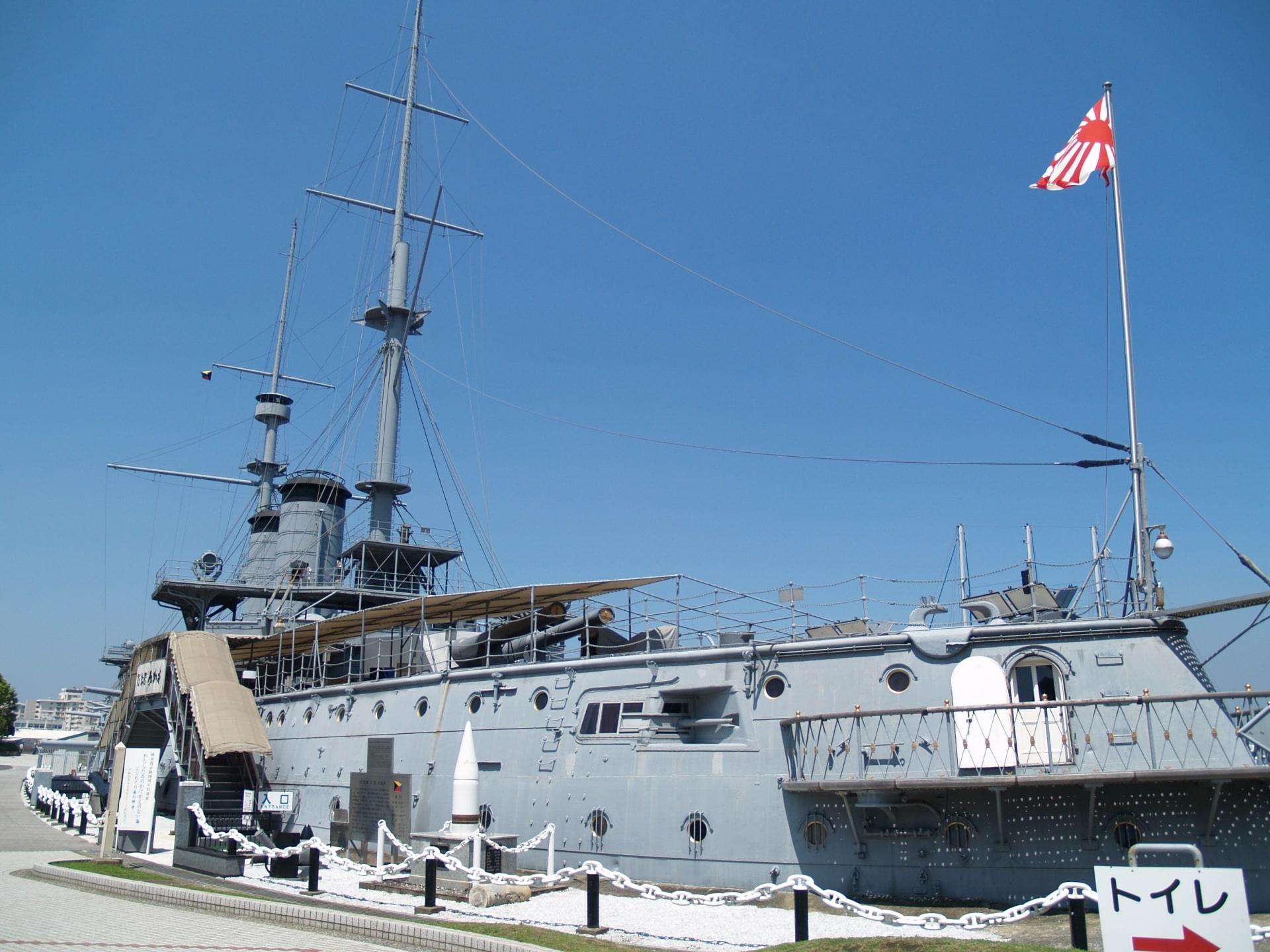
Located on the Miura Peninsula south of Yokohama, the city developed around one of Japan’s most important naval ports and still hosts both the Japan Maritime Self-Defense Force and a major United States Navy base. That military history shaped everything from the local food scene to the streetscape, giving Yokosuka a distinctly international atmosphere that stands apart from the rest of Kanagawa.
One of the city’s best-known landmarks is Mikasa Memorial Warship, a preserved pre-dreadnought battleship that played a major role during the Russo-Japanese War in the early 20th century. Today the ship functions as a museum where visitors can walk through restored decks, command areas, historical exhibits, and military displays explaining Japan’s naval modernization. Even travelers with limited interest in military history often find the scale of the ship and its historical context surprisingly engaging.
Another popular activity is the Yokosuka Naval Port Cruise, which gives close views of military vessels docked around the harbor. Depending on operational conditions, visitors may see submarines, destroyers, or American naval ships during the tour. The experience feels very different from standard sightseeing cruises because the scenery revolves around active naval infrastructure rather than purely recreational waterfront views.
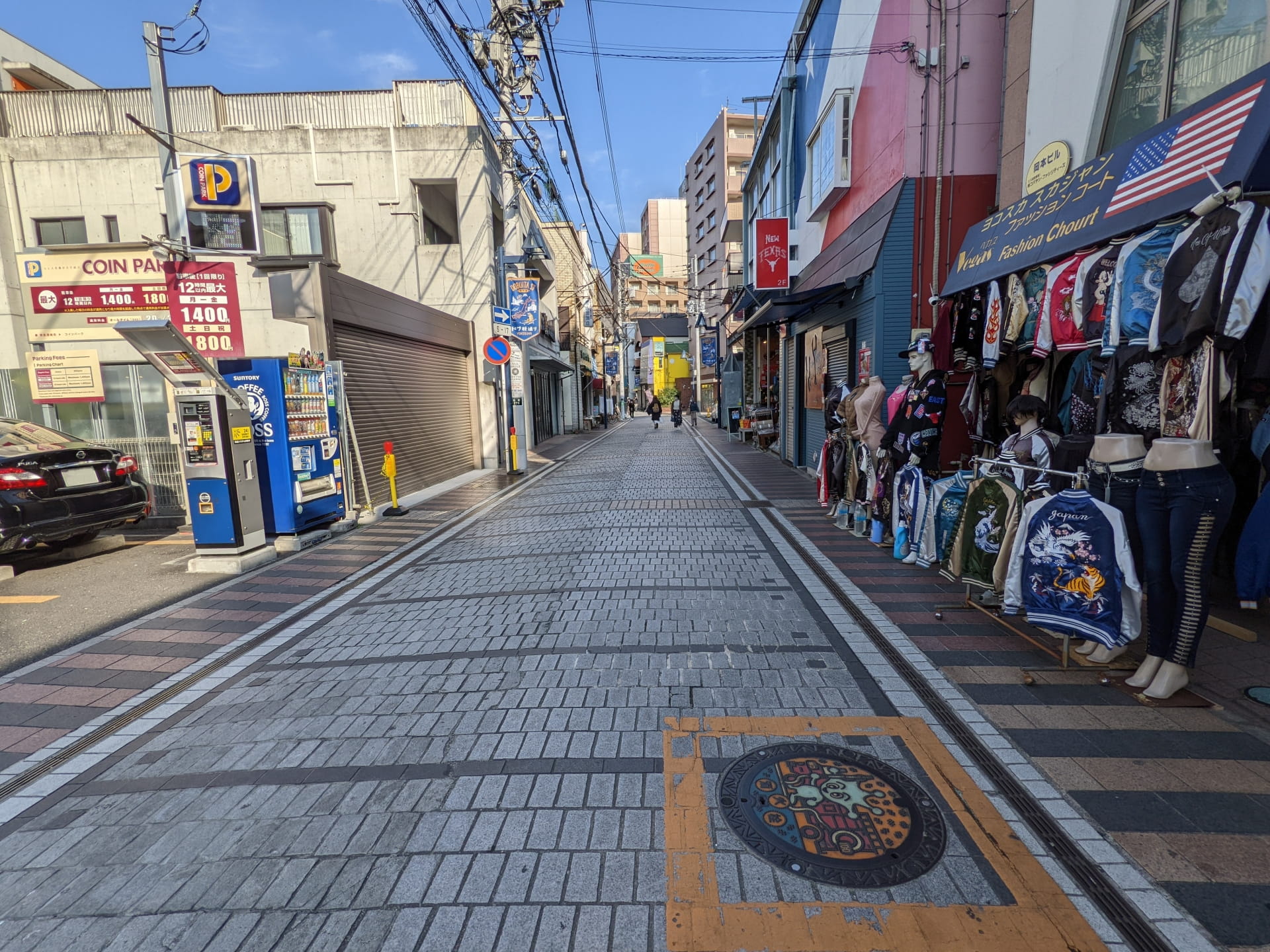
The city’s most famous street is probably Dobuita Street, a commercial district long associated with American military personnel stationed nearby. Walking through the area, the mix of influences becomes obvious immediately: American-style bars, burger restaurants, vintage clothing shops, military surplus stores, and bilingual signage all sit alongside more typical Japanese businesses. The atmosphere can feel strangely similar to parts of Okinawa at times, though with a colder-weather port-city character instead of a tropical one.
Part of what makes Yokosuka memorable is that the city never feels fully polished for tourism. Rather, it feels more functional, more local, and more tied to everyday port life. Military personnel, sailors, students, commuters, and tourists all move through the same streets, creating an atmosphere that feels less curated and more unpredictable than many other sightseeing destinations around Tokyo.
Access is relatively straightforward from central Tokyo via the JR Tokaido or Yokosuka Line and then switching to the Keikyu Line, trains reaching Yokosuka-Chuo Station in roughly 70 to 90 minutes depending on departure point, for less than 1,000 yen. Because the city sits farther south than Yokohama or Kamakura, day trips require slightly more planning, but that extra distance is also one reason Yokosuka receives fewer international tourists.
Yokosuka’s Very Own Specialty: Yokosuka Navy Curry
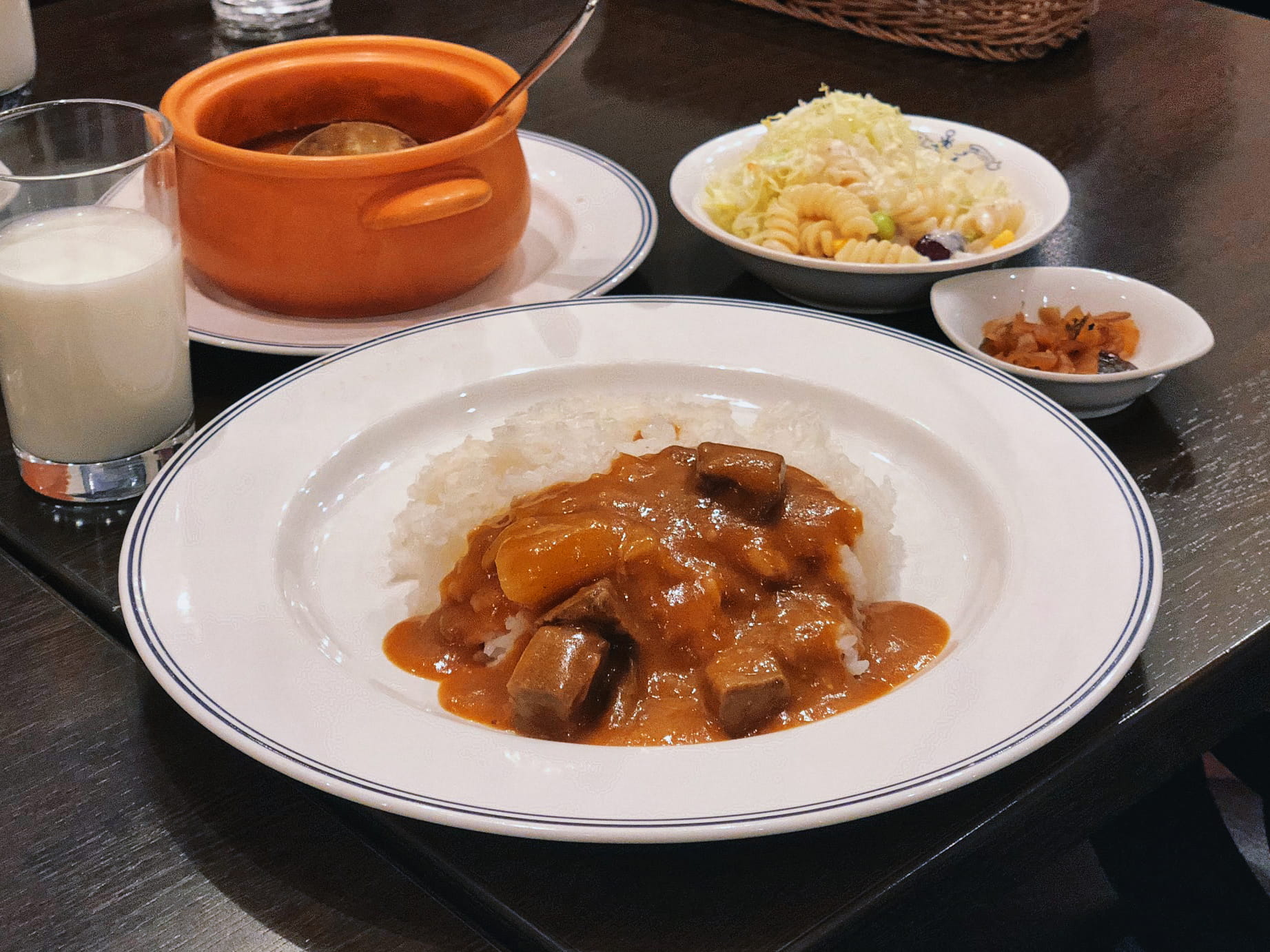
That mix of cultures also shaped Yokosuka’s best-known local dish: Yokosuka Navy Curry. The curry traces its origins to naval meals introduced during the Meiji era, when the Japanese navy adopted curry as a practical way to provide balanced nutrition aboard ships, inspired partly by British naval influence.
Yokosuka Navy Curry is generally thicker and slightly sweeter than some modern Japanese curries, usually served with rice, salad, and milk in tribute to the original naval meal format. The dish is intentionally comforting rather than overly spicy.
Eat Fresh Tuna Around Misaki Port
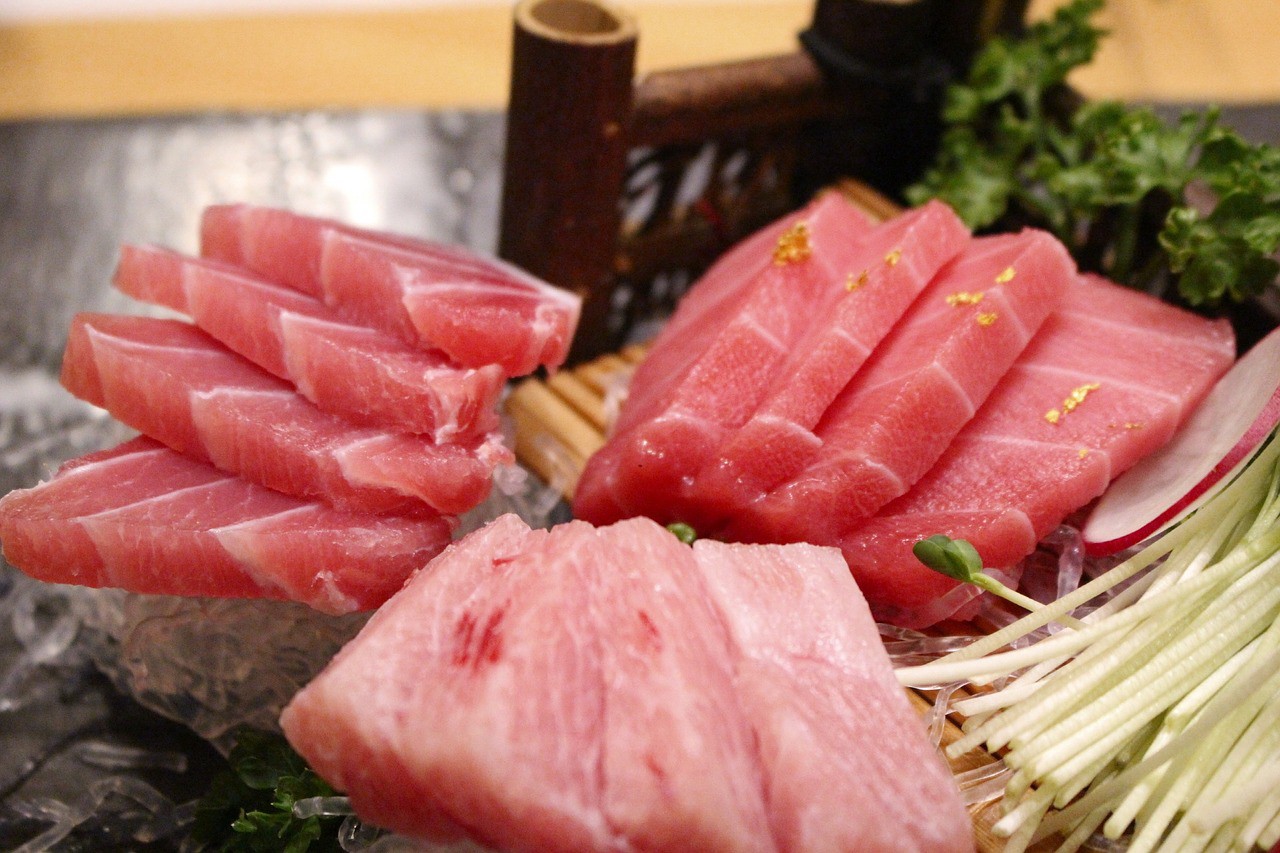
At the southern edge of the Miura Peninsula, Misaki Port is one of Kanagawa’s best destinations for seafood lovers and one of the prefecture’s most overlooked day trips from Tokyo. The port is nationally famous for maguro tuna, being the 2nd port in volume of tuna fishing, and the area still maintains a strong reputation for high-quality tuna restaurants and seafood markets. While Tokyo’s sushi districts often focus on luxury omakase experiences, Misaki’s appeal is more casual and port-oriented: local diners, seafood counters, family-run restaurants, and generous tuna bowls piled with different cuts of sashimi.
Menus around the port usually separate several grades and sections of tuna, including lean akami, medium-fatty chutoro, and rich otoro cuts. Some restaurants also serve grilled tuna collar, tuna cutlets, cheek meat, or rare seasonal preparations that many visitors never encounter in ordinary sushi restaurants.
Tuna auctions historically played a major role in Misaki’s identity, though modern operations are smaller and less tourism-focused than places like Tokyo’s Toyosu Market. Even without formal auction tourism, the port atmosphere still feels active and authentic, especially during the morning when fishing activity and restaurant preparations begin.
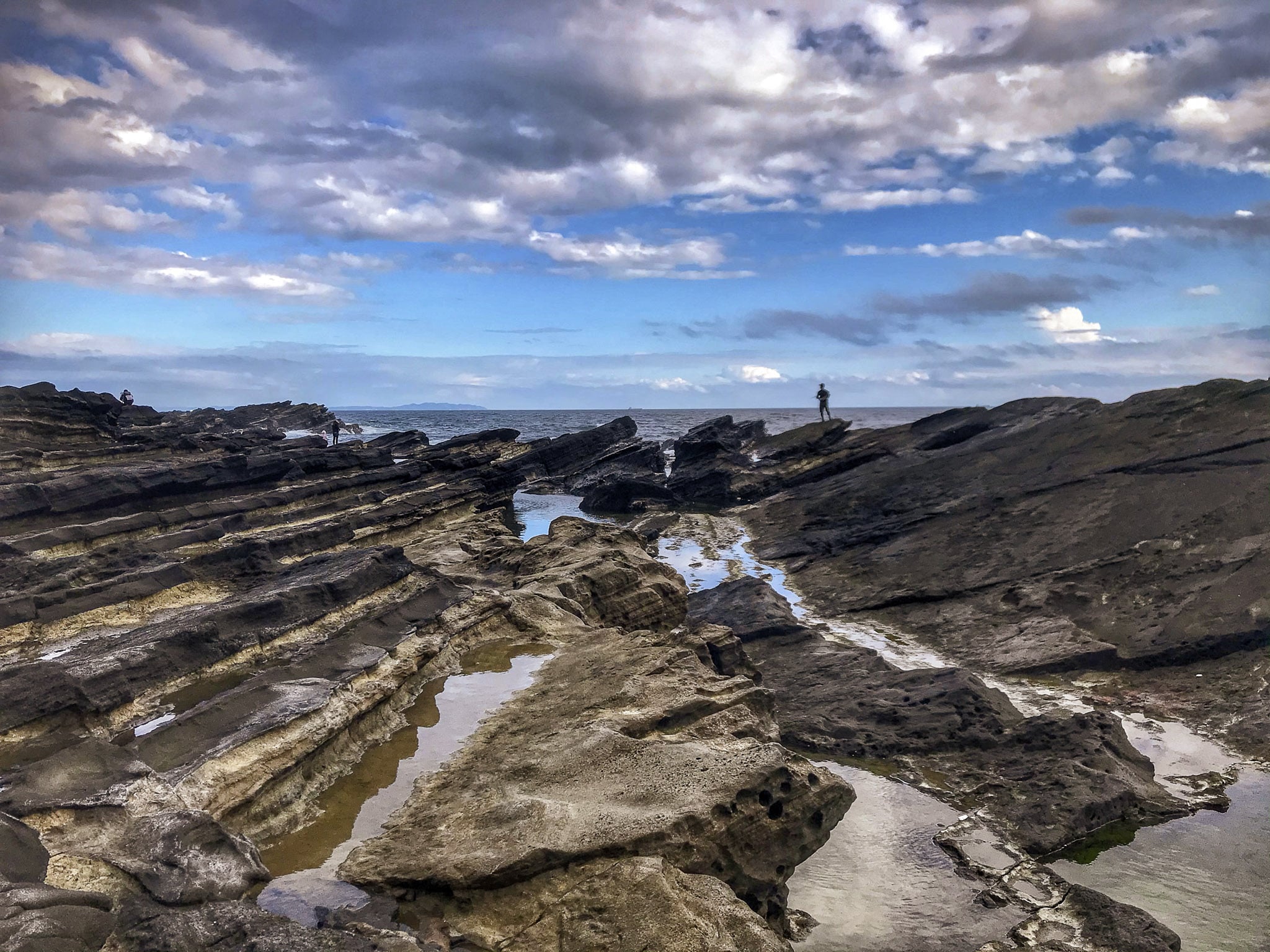
And an absolute must when visiting Misaki is nearby Jogashima, a small island connected to the mainland by bridge. Jogashima offers rocky coastal scenery, walking trails, ocean viewpoints, lighthouses, and sunsets that feel dramatically different from the more urbanized Shonan coastline farther north. The area is especially popular with photographers during clear evenings.
Winter is often considered one of the best seasons for tuna because colder waters help produce fattier cuts with richer flavor. At the same time, the cooler months also improve visibility across the coastline, and Mount Fuji occasionally becomes visible in the distance during especially clear days around the peninsula.
Despite feeling relatively remote compared to Yokohama or Kamakura, Misaki is still realistic as a day trip from Tokyo. From Shinagawa Station, Keikyu Line trains reach Misakiguchi Station in roughly 70 to 90 minutes depending on service type for 740 yen, followed by a bus connection toward Misaki Port (15-20 min. for 370 yen) or Jogashima (30 min for 470 yen). The extra transport step discourages some tourists, which honestly helps preserve the area’s quieter atmosphere.
The peninsula works particularly well for repeat visitors to Japan who want something less predictable than the standard Tokyo side-trip circuit. There are no giant landmark attractions or famous temple complexes here. Instead, the appeal comes from seafood culture, coastal scenery, local restaurants, fishing-town atmosphere, and a slower pace that feels increasingly rare around the Tokyo metropolitan region.
| Access |
15-min bus from Misakiguchi Station |
|---|---|
| Official Website |
https://misaki-marinecenter.subaru-kougyou.jp/ |
Go Hiking in Mount Oyama and Surrounding Nature Areas
Beyond the coastline and major cities, Kanagawa also contains forested mountain regions, hiking trails, waterfalls, and volcanic landscapes that attract outdoor enthusiasts throughout the year.
Mount Oyama is one of the most accessible mountain hikes from Tokyo, combining forest trails, shrine culture, panoramic viewpoints, and seasonal scenery within a relatively manageable day trip. Part of the Tanzawa-Oyama Quasi-National Park, the mountain has long been considered a sacred site and pilgrimage destination, attracting worshippers and hikers for centuries.
Travelers looking for a lighter experience can use the Oyama Cable Car to skip part of the steep lower ascent, while more experienced hikers can walk the entire route from the base. The cable car itself climbs sharply through forested slopes and already provides good views during autumn foliage season.
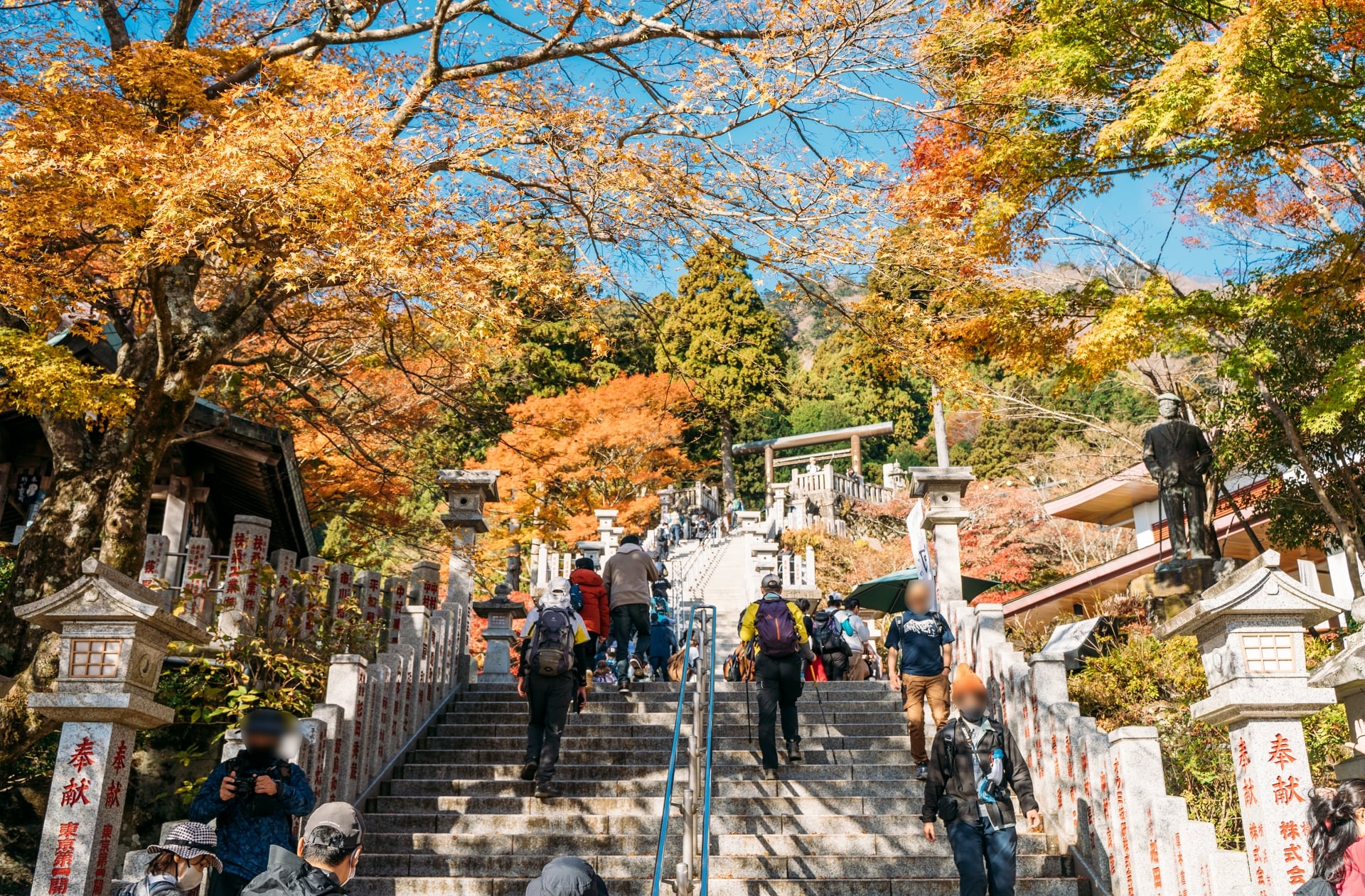
Near the upper cable car station sits Oyama Afuri Shrine, one of Kanagawa’s most scenic mountain shrines. The shrine terraces overlook the surrounding landscape, and on clear days visitors can see across the Kanto Plain toward central Tokyo and even parts of Sagami Bay. The location becomes especially photogenic in autumn when red and orange leaves begin covering the mountainside.
Many casual visitors stop at Afuri Shrine and return afterward, which already makes for a worthwhile half-day excursion. Continuing to the summit, however, requires a more demanding climb involving uneven stone staircases, steeper forest trails, and sections that become slippery after rain. The full hike from the shrine to the top usually takes around 90 minutes to two hours, depending on pace and trail conditions.
If the schedule allows it, the cable car’s midpoint station takes visitors to Oyamadera, known for being one of the great temples dedicated to the Buddhist deity Fudo-Myoo. The temple grounds are a bit more enclosed within the mountain, giving a greater sense of being surrounded by nature.
Compared to Japan’s major alpine hiking regions, Mount Oyama is relatively approachable, but visitors should still come prepared with proper shoes, water, and realistic expectations about the climb. Summer humidity can make the ascent feel much harder than expected, while winter conditions occasionally bring ice or snow near the summit.
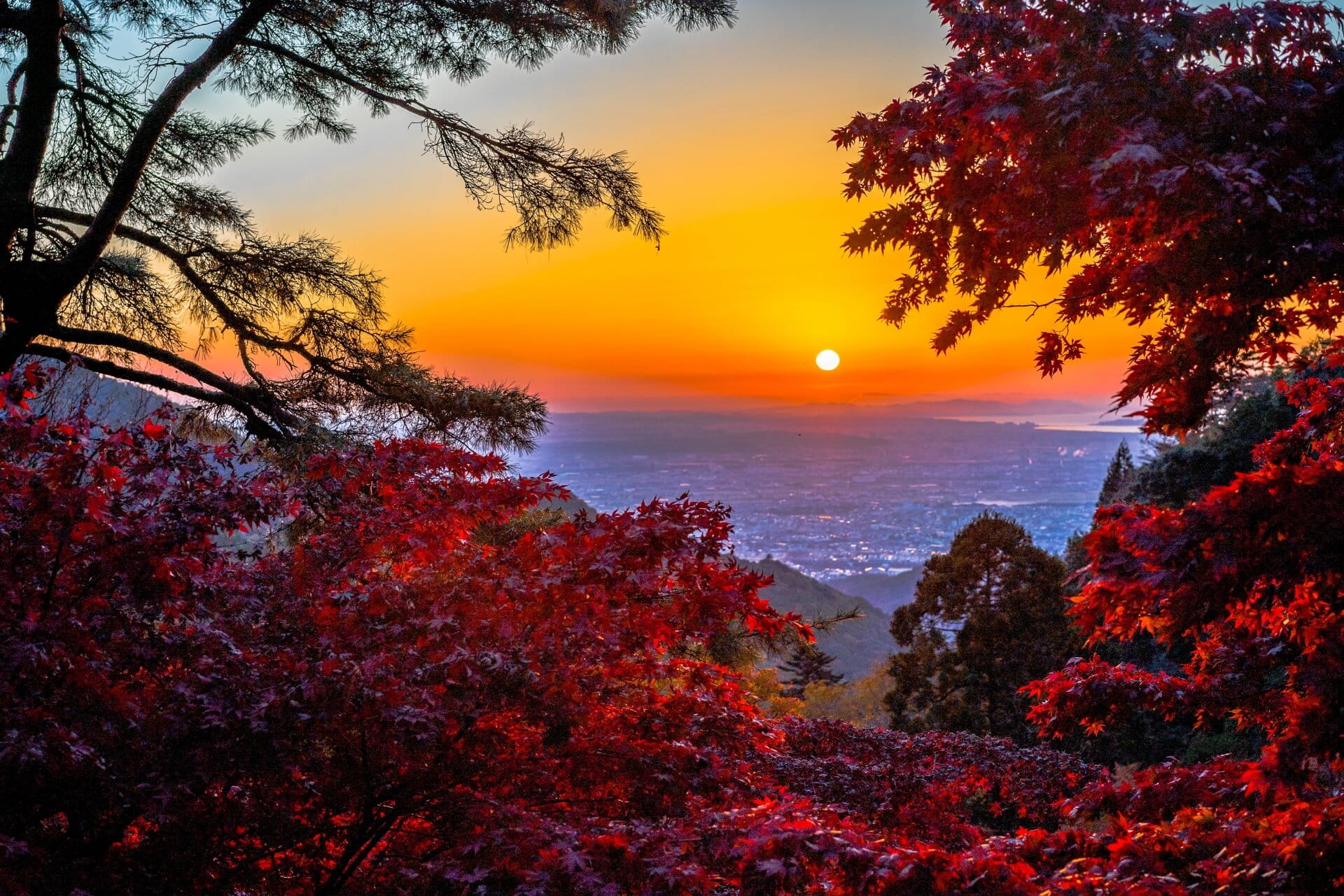
Autumn is one of the busiest and most popular seasons because the mountain becomes covered in foliage colors, attracting hikers, photographers, and day-trippers from Tokyo. Koma Sando Street, the temple approach areas at the base of the mountain, also develop a lively seasonal atmosphere with food stalls, local tofu restaurants, and souvenir shops serving hikers before or after the climb.
Another reason Mount Oyama stands out is how easy it is to access without a car. From Shinjuku Station, travelers can reach the area via the Odakyu Line to Isehara Station in about 1h for roughly 600 yen, before transferring to local buses heading toward the cable car station in 40 min for 410 yen. Depending on connections, the journey usually takes around 90 minutes to two hours from central Tokyo.
Where to See Mount Fuji in Kanagawa
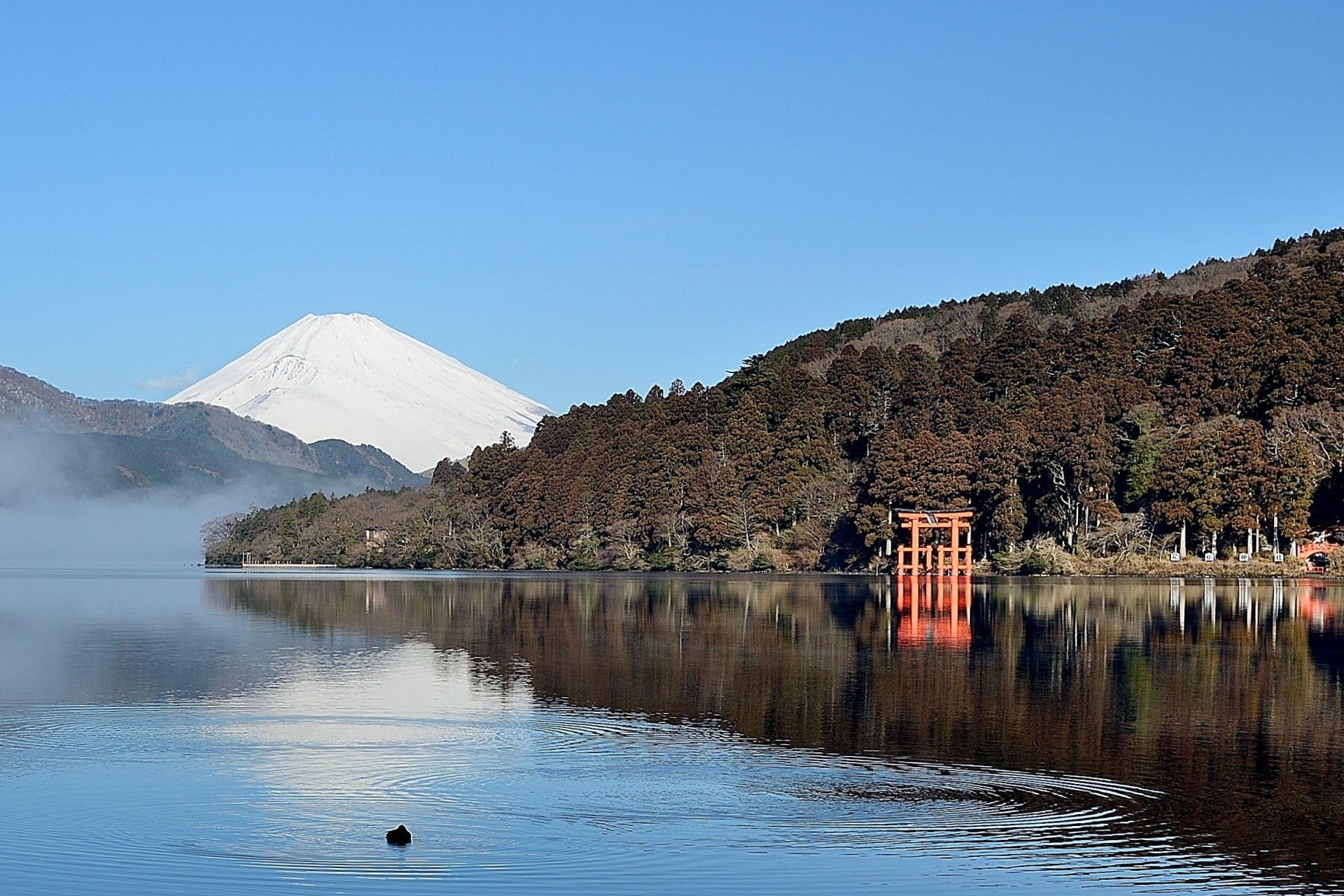
One of the reasons many travelers visit Kanagawa is the possibility of seeing Mount Fuji without traveling far from Tokyo. On clear days, the mountain appears surprisingly often across the prefecture, framed behind coastlines, lakes, city skylines, and volcanic landscapes. At the same time, it is important to set realistic expectations: Fuji visibility is highly dependent on weather, cloud cover, humidity, and season, and there are many days when the mountain disappears completely behind haze. With that being clear, your best bet lies with the following spots:
- Lake Ashi in Hakone. The most famous Fuji viewpoint in Kanagawa. When conditions are clear, the sight of Mount Fuji rising behind the lake and surrounding mountains creates one of Japan’s classic landscapes. The views are particularly good from Moto-Hakone, sightseeing boats crossing the lake, and parts of the Hakone Ropeway route. Winter mornings usually provide the highest visibility because colder air reduces haze and humidity.
- Enoshima Sea Candle observation tower. Another excellent viewing spot is on Enoshima. The perspective here feels completely different from Hakone because Fuji appears beyond the ocean and coastline rather than behind mountain valleys. Sunset on clear winter evenings can produce especially dramatic scenery, with the mountain silhouetted against orange skies across Sagami Bay.
- The broader Shonan coastline also offers several underrated Fuji viewpoints. Beaches around Katase Nishihama, Zushi, and Hayama occasionally produce beautiful views during colder months, particularly shortly before sunset. Also, along coastal roads and train lines, Mount Fuji suddenly appears between buildings or beyond the ocean.
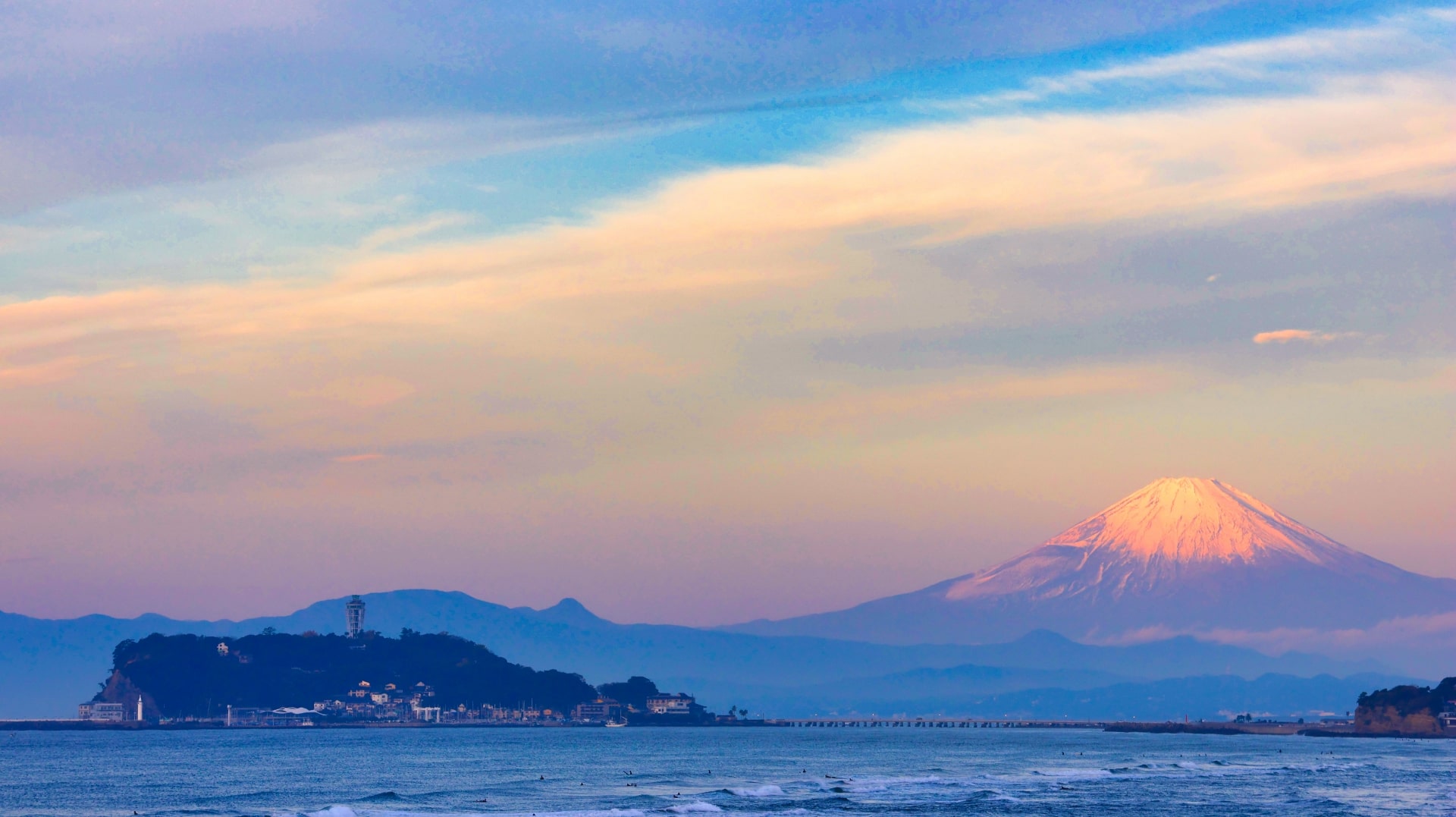
The key factor most travel guides fail to emphasize strongly enough is seasonality. Summer is actually one of the worst times for Fuji visibility despite being peak tourism season. Humidity and atmospheric haze often obscure the mountain almost entirely, especially during afternoons. The clearest conditions usually arrive between late autumn and winter, particularly during cold mornings after rain has cleared the air.
During the day, timing also needs to be taken into consideration. Early mornings generally offer the best visibility before haze gradually builds later on. Travelers who sleep late and arrive at viewpoints during mid-afternoon sometimes miss views that were perfectly clear earlier in the morning.
This unpredictability is part of the Mount Fuji chasing experience. Unlike a guaranteed attraction, Fuji feels conditional and atmospheric. Some visitors catch spectacular postcard-perfect views from multiple locations, while others spend days under clouds without seeing the mountain once. Approaching Fuji as a possible bonus rather than a guaranteed sight usually leads to a much better experience overall.
Best Time to Visit Kanagawa
Kanagawa is a year-round destination, but the experience changes significantly depending on season, weather, and which part of the prefecture you plan to visit. Coastal areas, mountain regions, temple districts, and urban waterfronts all peak at different times of year.
Spring
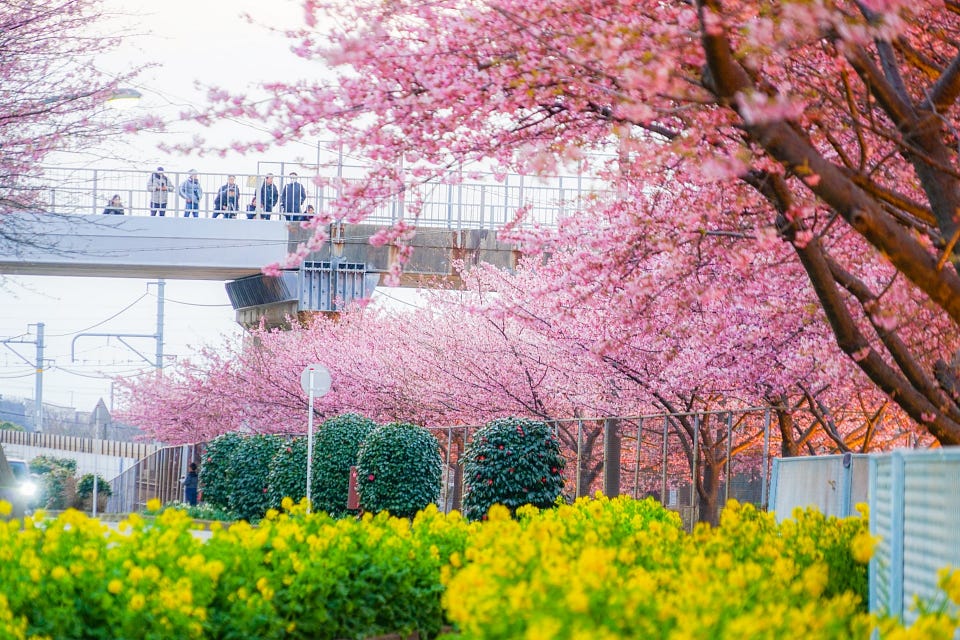
Spring is one of the busiest and most visually impressive seasons across Kanagawa Prefecture, especially from late February through early April as cherry blossoms gradually move across the region.
One of the earliest sakura spots near Tokyo is the Miura Kaigan Cherry Blossom Festival on the Miura Peninsula. The bright pink kawazu-zakura cherry trees usually bloom weeks before standard cherry blossom season, often reaching peak condition around February. The contrast between the blossoms and passing red Keikyu trains has turned the area into a popular photography location.
In Kamakura, spring transforms temple grounds, shrine approaches, and residential streets with cherry blossoms. Areas around Tsurugaoka Hachimangu become particularly crowded during peak bloom, while smaller temples and side streets often provide calmer viewing spots. Spring weekends in Kamakura can become extremely congested, especially once both domestic and international tourism peak simultaneously.
Odawara Castle is another major sakura destination in Kanagawa. Cherry trees surrounding the castle grounds and moat areas create some of the prefecture’s best historical spring scenery. Seasonal food stalls and evening illuminations sometimes accompany the bloom period depending on the year.
Spring also brings mild temperatures ideal for walking itineraries around Yokohama, Enoshima, and the Shonan coast before summer humidity arrives.
Summer
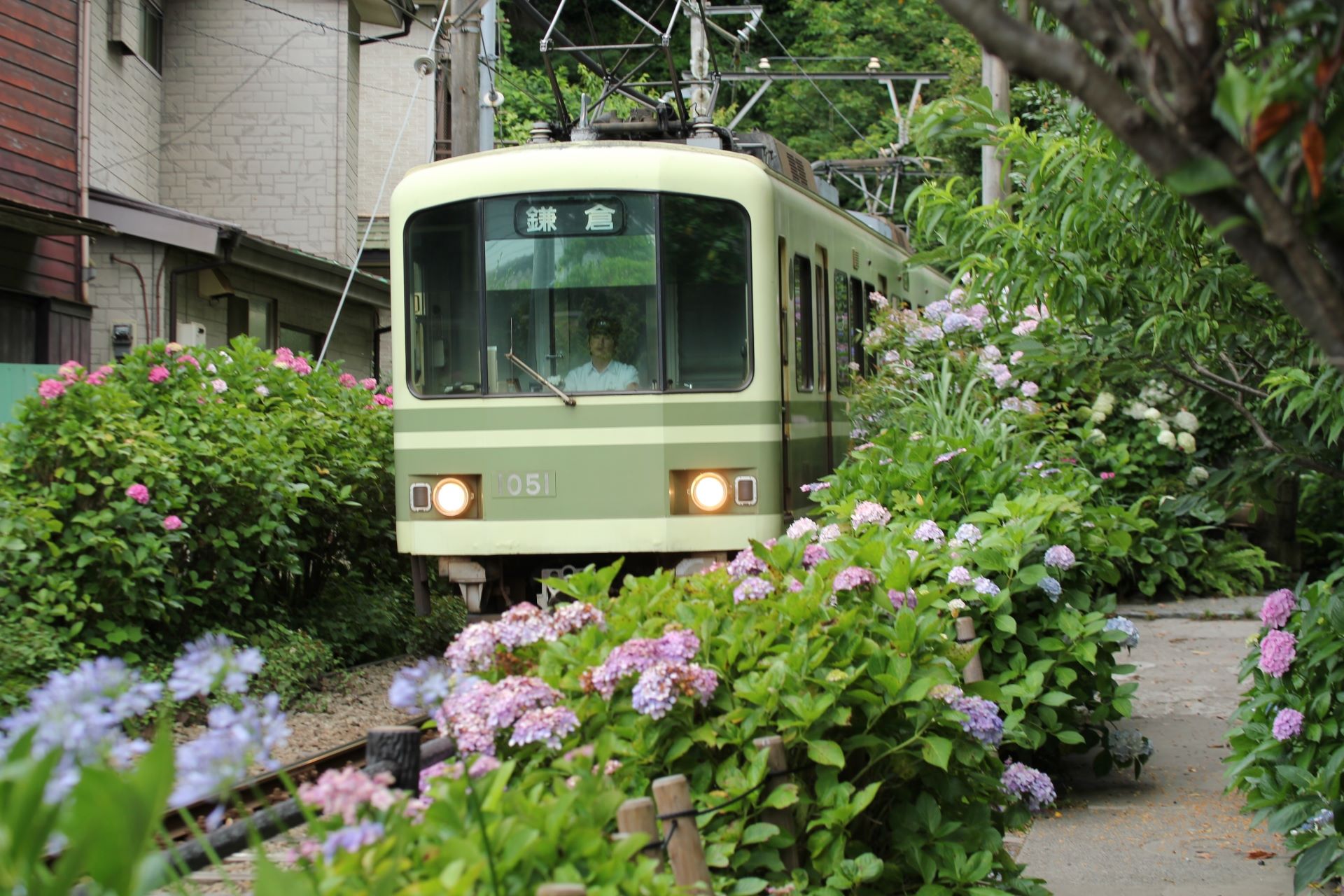
Summer in Kanagawa revolves heavily around the coastline. Beaches along the Shonan area fill with swimmers, surfers, students, and day-trippers escaping Tokyo’s heat, especially around Katase Nishihama Beach and Zushi Beach.
Enoshima becomes especially lively during summer with fireworks, beach houses, evening crowds, and seasonal events along the coast. The island’s atmosphere shifts noticeably after sunset, when restaurants, cafés, and coastal walkways remain active much later than during colder seasons.
At the same time, summer is also one of the most humid and crowded periods in Kanagawa. Coastal train lines become packed on weekends, and sightseeing areas around Kamakura and Enoshima can feel overwhelming by midday. Hydrangea season drives many enthusiasts as well.
For travelers wanting relief from the heat, Hakone works as a cooler mountain escape. Temperatures are generally lower than central Tokyo, and forested areas around Lake Ashi and the Hakone ropeway feel noticeably more comfortable during summer mornings and evenings. The hydrangea season around Hakone’s mountain railways is also particularly popular during the rainy season.
As already stated, a kind reminder that summer is not ideal for Mount Fuji visibility. Haze and humidity frequently obscure the mountain even on otherwise sunny days.
Autumn
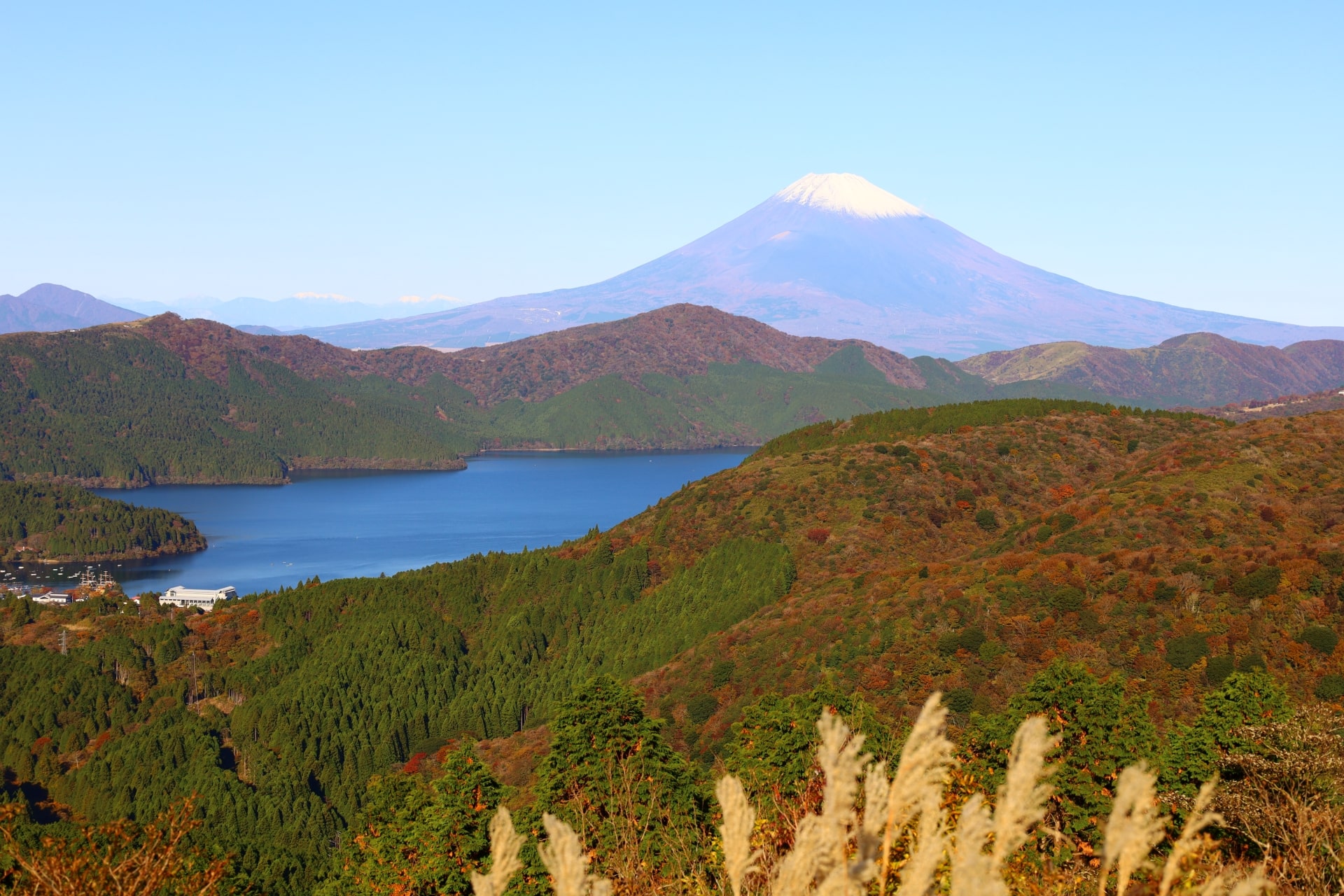
Autumn is arguably the most balanced season for exploring Kanagawa because temperatures become cooler, skies clearer, and mountain scenery dramatically more colorful.
Hakone is one of the region’s biggest autumn destinations thanks to foliage around the mountains, railways, and hot spring districts. Areas along the Hakone Tozan Railway become especially popular as trains pass through tunnels of red and orange leaves. Traffic and accommodation demand increase heavily during peak foliage periods, particularly in November.
In Kamakura, temple gardens and wooded hiking trails take on a completely different atmosphere during autumn. Many become major foliage viewing spots, though weekends can become extremely crowded once the leaves reach peak color.
Autumn is also one of the best hiking seasons across Kanagawa’s mountain regions. Trails around Mount Oyama and the Tanzawa area benefit from cooler temperatures and clearer visibility compared to humid summer conditions.
More info: 5 Best Autumn Leaves Spots in Kanagawa
Winter
Winter in Kanagawa is often underrated, especially for travelers who assume coastal regions near Tokyo become less appealing during colder months. In reality, the season brings some of the clearest weather and best nighttime atmosphere of the year.
Minato Mirai 21 becomes particularly attractive during winter thanks to large-scale illuminations across the waterfront district. Reflections from the skyline and ferris wheel lighting create some of the Tokyo region’s best urban night scenery. Also, when it comes to illuminations, Enoshima’s Sea Candle spectacular illumination event is particularly hard to beat.
The seasonal event at Yokohama Red Brick Warehouse also hosts one of the country’s most popular Christmas markets, combining German-style decorations, food stalls, seasonal drinks, and illumination displays along the harbor.
As previously stated, winter is also the best season for seeing Mount Fuji from Kanagawa. Cold air and reduced humidity dramatically improve visibility from Hakone, Enoshima, and the Shonan coastline. Clear winter mornings often produce the sharpest Fuji views of the entire year.
At the same time, winter evenings around Hakone become especially appealing for onsen stays. Sitting in open-air baths surrounded by cold mountain air is one of the classic seasonal experiences in the region, particularly after a day of sightseeing.
FAQs About Kanagawa Prefecture
Is Kanagawa the same as Yokohama?
No. Kanagawa Prefecture is the prefecture, while Yokohama is its capital and largest city. Yokohama is the most famous urban destination in Kanagawa, but the prefecture also includes places like Kamakura, Hakone, Yokosuka, Enoshima, Odawara, and the Shonan coast.
How many days do you need in Kanagawa?
For a quick introduction, 2 to 3 days is usually enough to cover Yokohama, Kamakura, and either Hakone or Enoshima. Travelers wanting a slower pace or an overnight onsen experience in Hakone should ideally spend 4 to 5 days exploring different parts of the prefecture.
Many visitors also split Kanagawa into separate Tokyo day trips rather than trying to cover everything consecutively.
What is Kanagawa famous for?
Kanagawa is famous for several very different attractions:
- Yokohama’s waterfront skyline and Chinatown
- Kamakura’s Great Buddha and temples
- Hakone’s hot springs and Mount Fuji views
- Enoshima and the Shonan beaches
- Yokosuka’s naval heritage
- Local specialties like Iekei ramen, shirasu seafood, and Yokosuka Navy Curry
The prefecture is also known for offering a strong mix of urban sightseeing, coastal scenery, historical sites, and nature close to Tokyo, which makes Kanagawa absolutely worth visiting.
Can you do Hakone as a day trip from Tokyo?
Yes, Hakone works as a day trip from Tokyo, especially using the Romancecar or Shinkansen connections. However, Hakone is much larger and more spread out than many travelers expect.
A day trip is enough for highlights like Lake Ashi, Owakudani, and the Hakone Open-Air Museum, but an overnight stay creates a far more relaxed experience and allows time to enjoy ryokan dinners and onsen baths properly.
What is the best area to stay in Kanagawa?
The best base depends on your travel style.
- Yokohama is ideal for nightlife, shopping, waterfront scenery, and easy Tokyo access.
- Kamakura works well for temple-focused and coastal trips.
- Hakone is the best choice for onsen stays, ryokan experiences, and mountain scenery.
For first-time visitors, many travelers combine Yokohama with a separate overnight stay in Hakone.
When is the best time to visit Kamakura and Enoshima?
Spring and autumn are usually the best seasons for visiting Kamakura and Enoshima.
Spring brings cherry blossoms around temples and shrine paths, while autumn offers cooler weather and colorful foliage. Summer creates a lively beach atmosphere along the Shonan coast but also brings heavier crowds, humidity, and packed trains on weekends.
Winter can actually be an excellent time for clearer Mount Fuji views and quieter sightseeing.
Is Hakone worth staying overnight?
Yes, probably more than almost anywhere else near Tokyo.
While Hakone can be visited in a single day, the area is best experienced slowly. Staying overnight allows visitors to enjoy open-air hot springs, traditional ryokan dinners, quieter mornings before tour groups arrive, and better chances of seeing Mount Fuji early in the day.
Travelers who rush Hakone as a quick checklist destination often spend most of their time navigating transport rather than enjoying the mountain atmosphere itself.
Can You Visit Yokohama, Kamakura, and Hakone in One Trip?
Technically yes. Comfortably? Usually not.
Trying to visit all three areas in a single day is almost guaranteed to feel rushed. Even combining Yokohama and Kamakura properly within one day already creates a fairly full itinerary, especially during weekends or peak tourism seasons.
A much more realistic approach is splitting the prefecture into separate experiences. Yokohama and Kamakura work relatively well together, particularly with an overnight stay somewhere along the coast or in Yokohama itself. The combination balances urban sightseeing, temples, waterfront scenery, and local food without excessive transport fatigue.
Approximate Combined Trip Costs
For readers trying to estimate budgets:
- Tokyo → Yokohama → Kamakura day trip:
- usually around ¥2,000–¥3,500 total transport cost
- Tokyo → Hakone overnight using Romancecar + Free Pass:
usually around ¥8,000–¥11,000 total transport cost excluding accommodation and attraction tickets
More ideas to explore near Tokyo!
Written by
Photographer, journalist, and avid urban cyclist, making sense of Japan since 2017. I was born in Caracas and lived for 14 years in Barcelona before moving to Tokyo. Currently working towards my goal of visiting every prefecture in Japan, I hope to share with readers the everlasting joy of discovery and the neverending urge to keep exploring.
- +0 0
-
-