What to Eat in Tokyo 2026: The Ultimate Insider Food Guide
Beyond the Hype: How to Eat Well in the World’s Greatest Food City

- +0 0
-

-


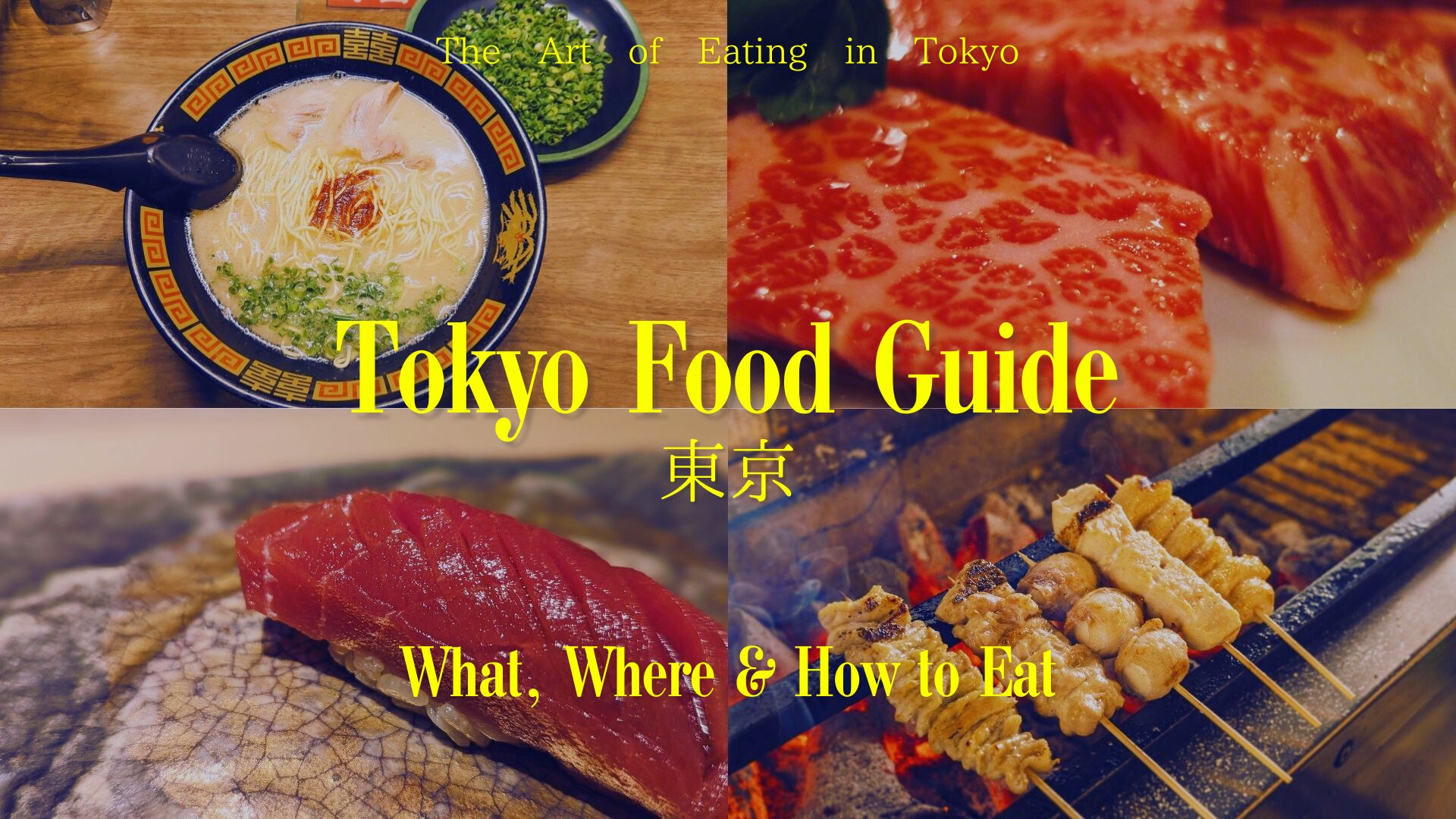
Tokyo offers the best dining scene in the world, but its greatest meals are surprisingly easy to miss without a clear strategy. With more than 130,000 restaurants and more Michelin stars than any other city, choice alone can be overwhelming. Access, etiquette, and timing matter just as much as taste.
This comprehensive Tokyo food guide goes beyond surface-level “must-eat” lists to explain what to eat, where to eat it, and most importantly how to eat in Tokyo. From securing hard-to-get reservations to understanding local dining culture, it provides an insider’s playbook for navigating the city’s vibrant food scene with confidence.
Inside, you’ll find a deep dive into Tokyo’s essential cuisines from Michelin-starred sushi counters and refined tempura to ramen, wagyu, and overlooked local specialties like monja-yaki alongside a practical reservation strategy, neighborhood-by-neighborhood guidance, and essential advice on dietary restrictions, tipping, and payments. Whether you’re planning one unforgettable splurge meal or eating your way through the city like a local, this guide is designed to help you experience Tokyo’s extraordinary food culture at its very best.
The Essential Tastes of Tokyo: Must-Try Cuisines
While the options are endless, your culinary journey should start with these essential pillars of Tokyo’s food scene.
1. Sushi: The Soul of Edomae
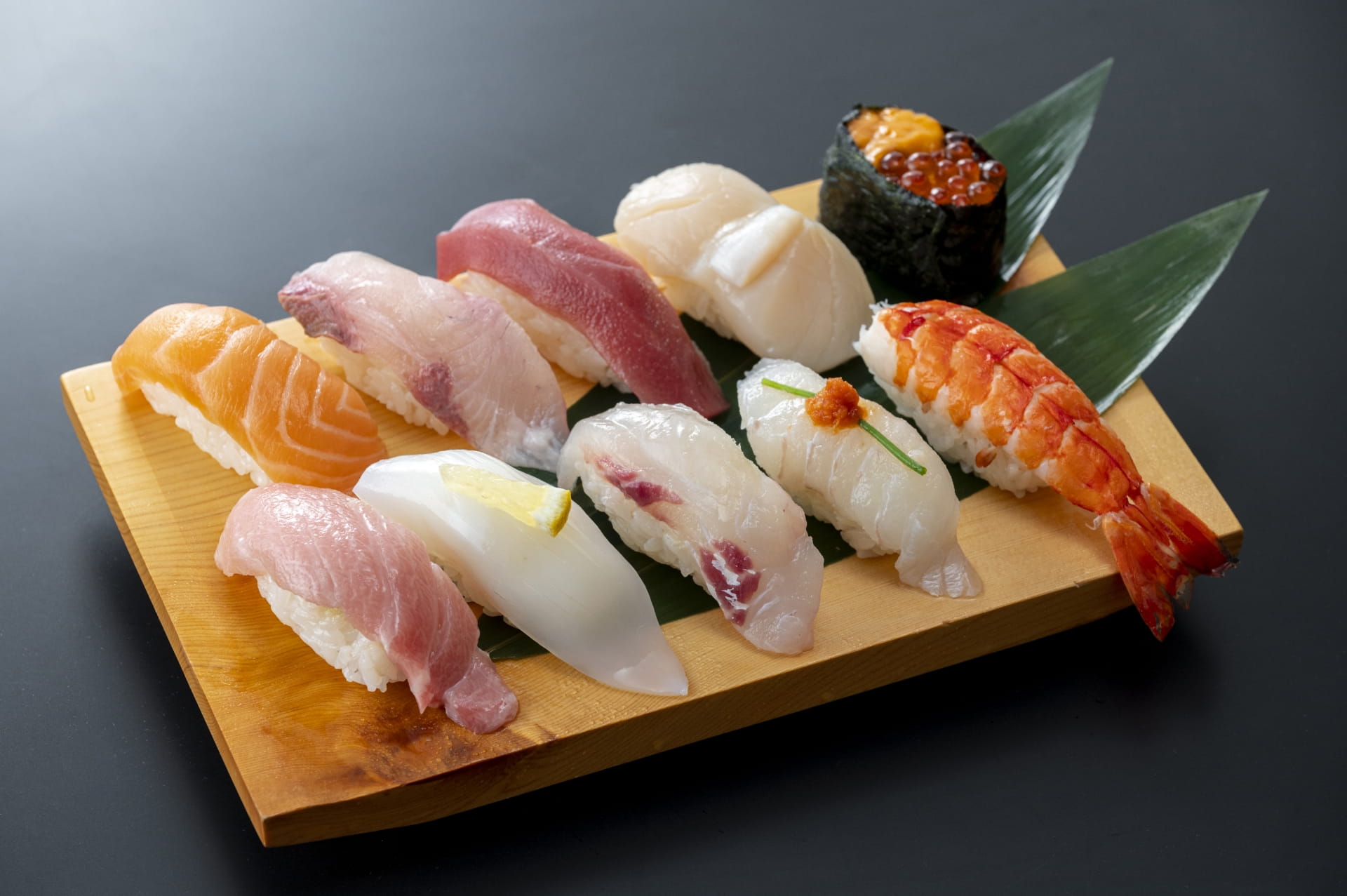
Tokyo sushi is defined by “Edomae”, a style born in the 1800s before refrigeration. It’s not just about fresh fish, it’s about craftsmanship that deepens flavour through techniques like curing, simmering, and marinating. For a top-tier experience, Ginza is unparalleled, home to legendary counters like Kyubey or the notoriously exclusive Sushi Saito. For a more casual but incredibly fresh option, brave the morning queues at a famous spot like Sushi Dai in Toyosu Market, or try a ‘tachigui’ (standing) sushi bar for a quick, high-quality meal.
-
Types to Try: Nigiri (hand-pressed), Maki (rolls), and Chirashi (scattered over rice).
-
For Non-Raw Fish Lovers: Cooked options like unagi (freshwater eel) and anago (saltwater eel) are flavorful alternatives.
Related article: Top-Rated Sushi Restaurants in Tokyo
2. Tempura: An Art Form of Perfection
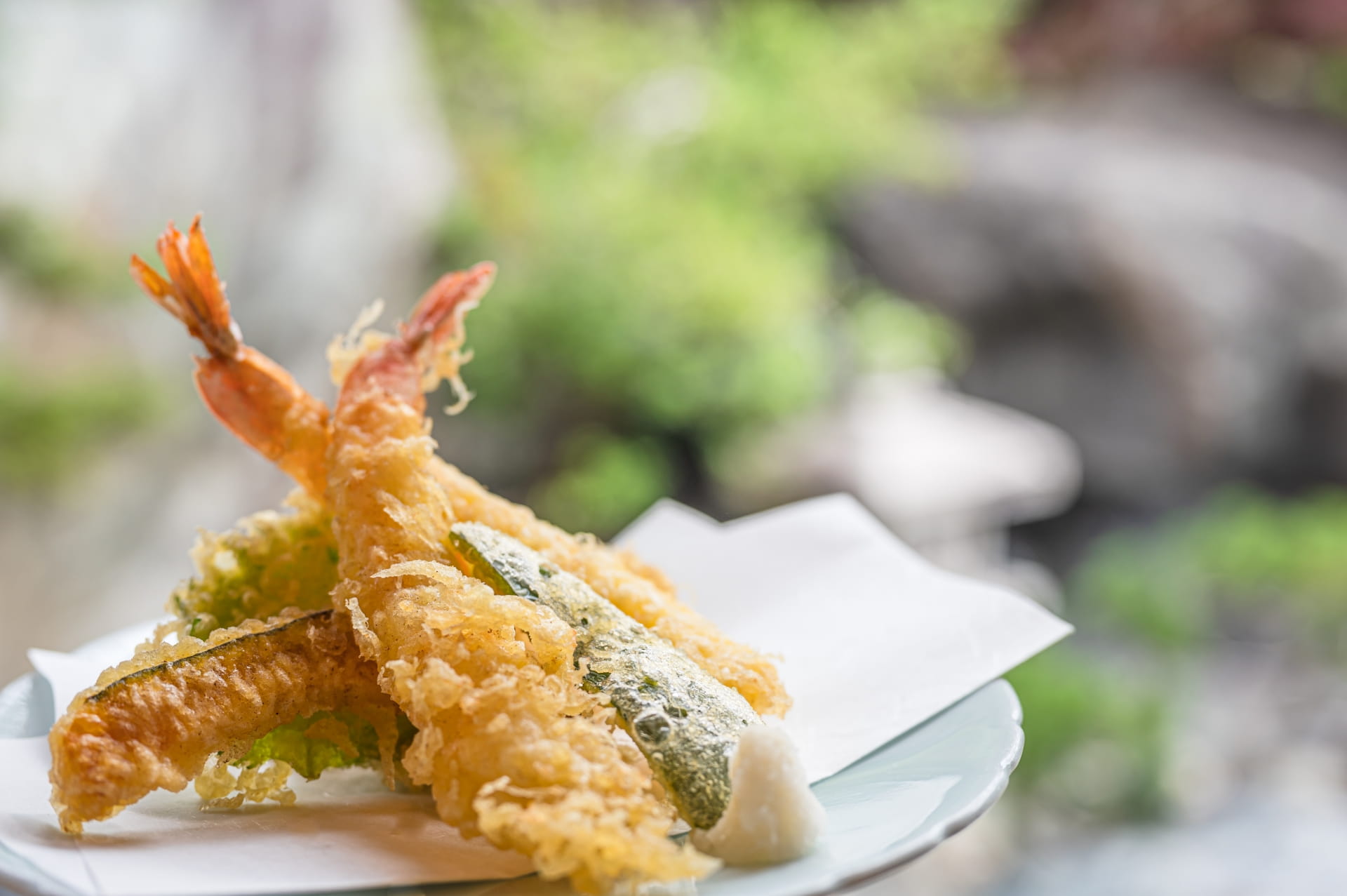
Tempura is a perfect reflection of Japanese perfectionism. This deceptively simple dish of battered and fried seafood and vegetables becomes an art form when it achieves a light, crisp, and non-greasy texture. You can experience its entire spectrum in Tokyo, from century-old institutions like Tsunahachi in Shinjuku to modern interpretations at innovative restaurants like Tempura Motoyoshi in Minami Aoyama.
Related article: Best Tempura in Tokyo
3. Noodles: Ramen, Tsukemen, and Soba
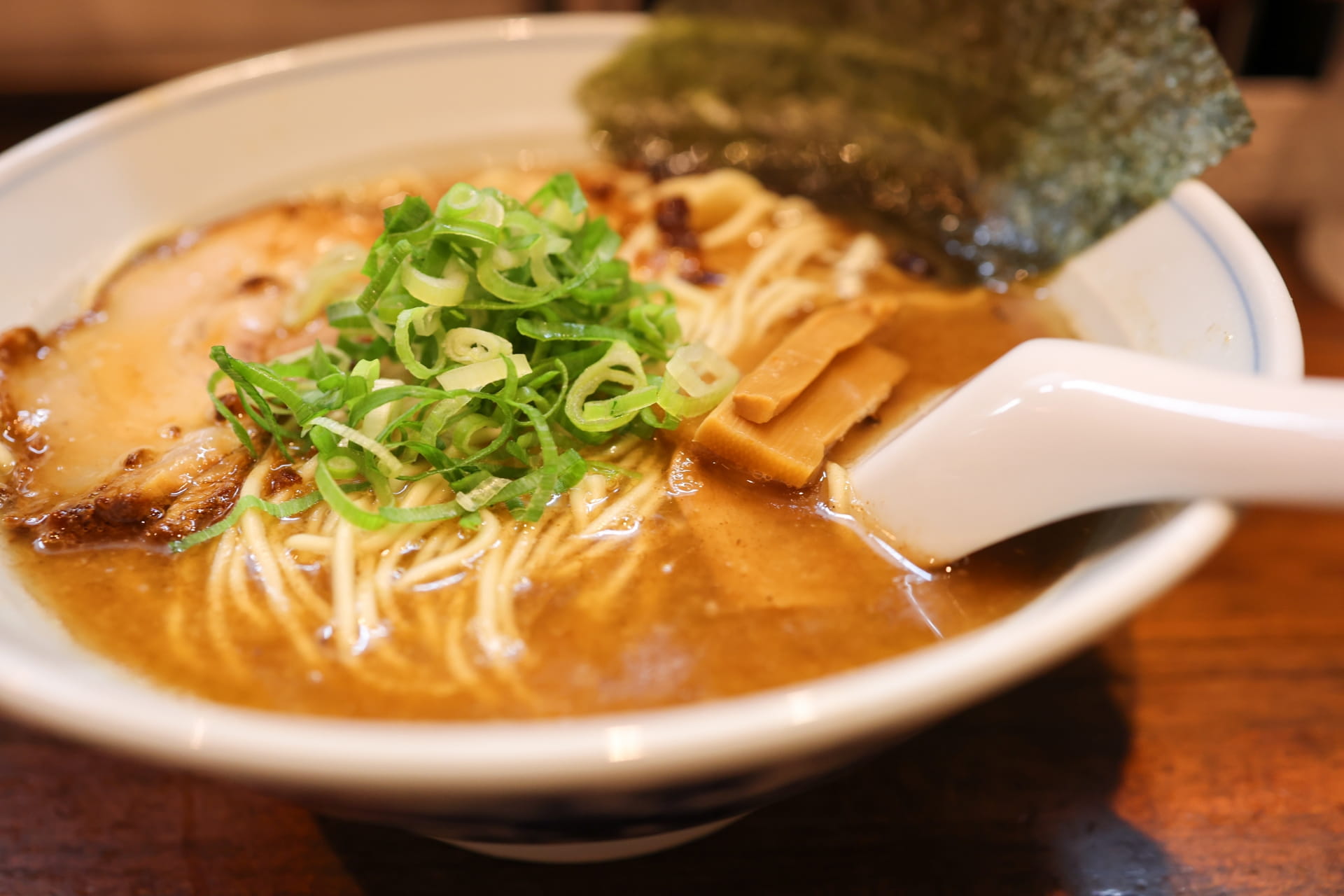
Tokyo is a paradise for noodle lovers as the city boasts thousands of noodle shops from classic tonkotsu ramen to century-old soba establishments.
- Ramen: Explore the diverse broths, including shoyu (soy), shio (salt), miso, and tonkotsu (pork bone). Famous shops like Ichiran offer solo dining booths, while others like Ramen Break Beats have earned a Bib Gourmand for their complex broths.
- Tsukemen: Try these thick, chewy noodles served alongside an intense dipping broth. Rokurinsha, with several locations including Haneda Airport, is a famous and convenient choice.
- Soba: These buckwheat noodles are served either hot or cold and are a quick, healthy staple often found near train stations.
4. Wagyu & Grilled Meats: A Carnivore’s Paradise
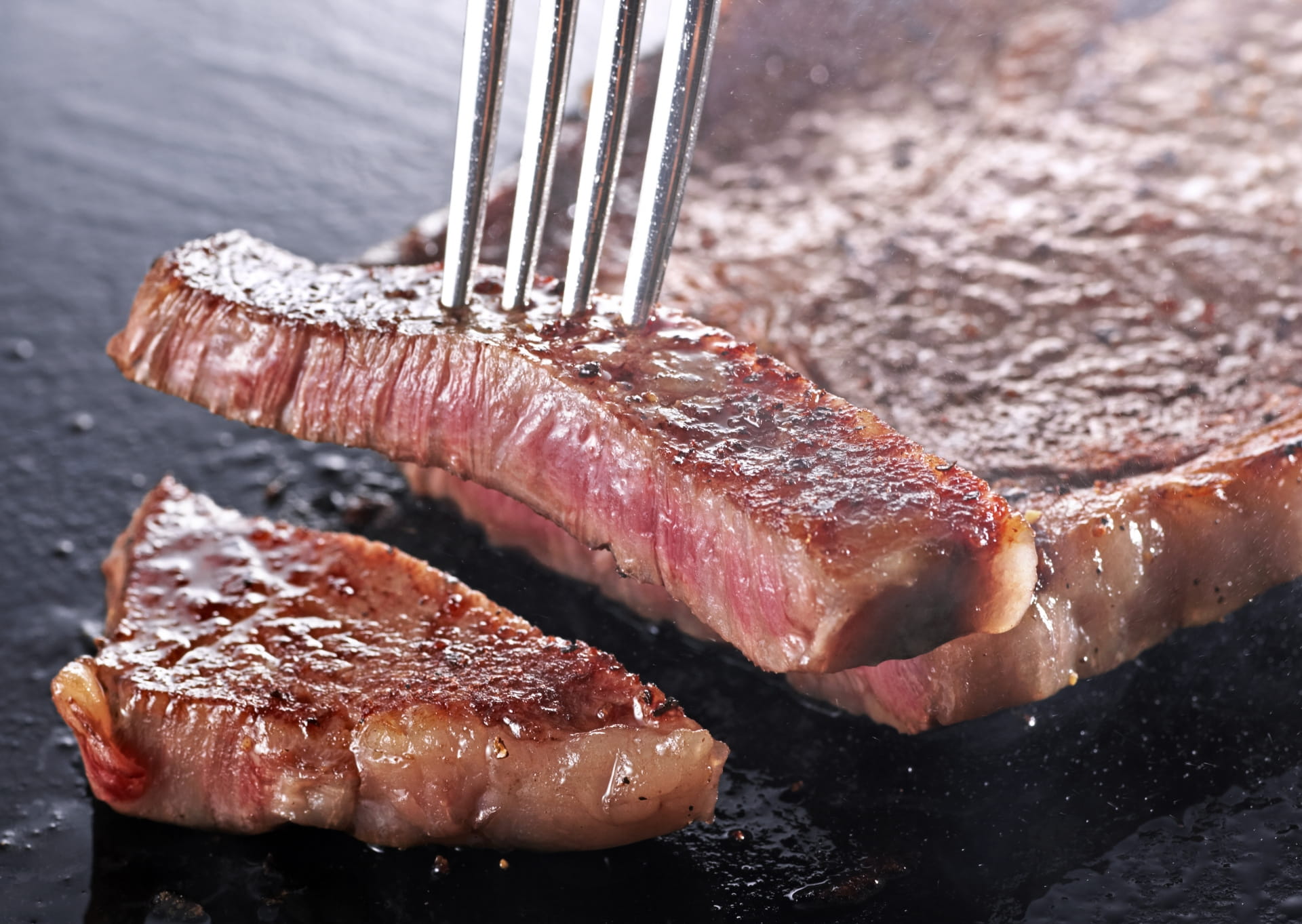
From theatrical teppanyaki to smoky yakiniku, meat lovers will find paradise in Tokyo. Premium Japanese wagyu, such as Kobe and Matsusaka Beef, can be enjoyed in various forms.
- Teppanyaki: Chefs cook dishes on an iron griddle in front of you, offering a multi-sensory experience. For a theatrical teppanyaki show, consider a restaurant by Iron Chef Morimoto, like atelier Morimoto XEX.
- Yakiniku: A Japanese BBQ style where diners grill their own meat at the table.
- Sukiyaki & Shabu Shabu: Hot pot dishes featuring thinly sliced meats and vegetables. For traditional sukiyaki featuring A5 wagyu, a historic restaurant like the 150-year-old Iseju is an unforgettable experience.
Related article: Best Wagyu Beef Restaurants in Tokyo from Kobe Beef to Matsusaka Beef
5. Local Soul Food: Monja-yaki & Yoshoku
- Monja-yaki: To connect with Tokyo’s “shitamachi” (old downtown) culture, you must try Monja-yaki. This savory, pan-fried batter dish is mixed with ingredients like seafood and vegetables and cooked by diners on a griddle. The spiritual home of Monja-yaki is the Tsukishima district, offering a fun, interactive, and delicious experience that many tourists miss.
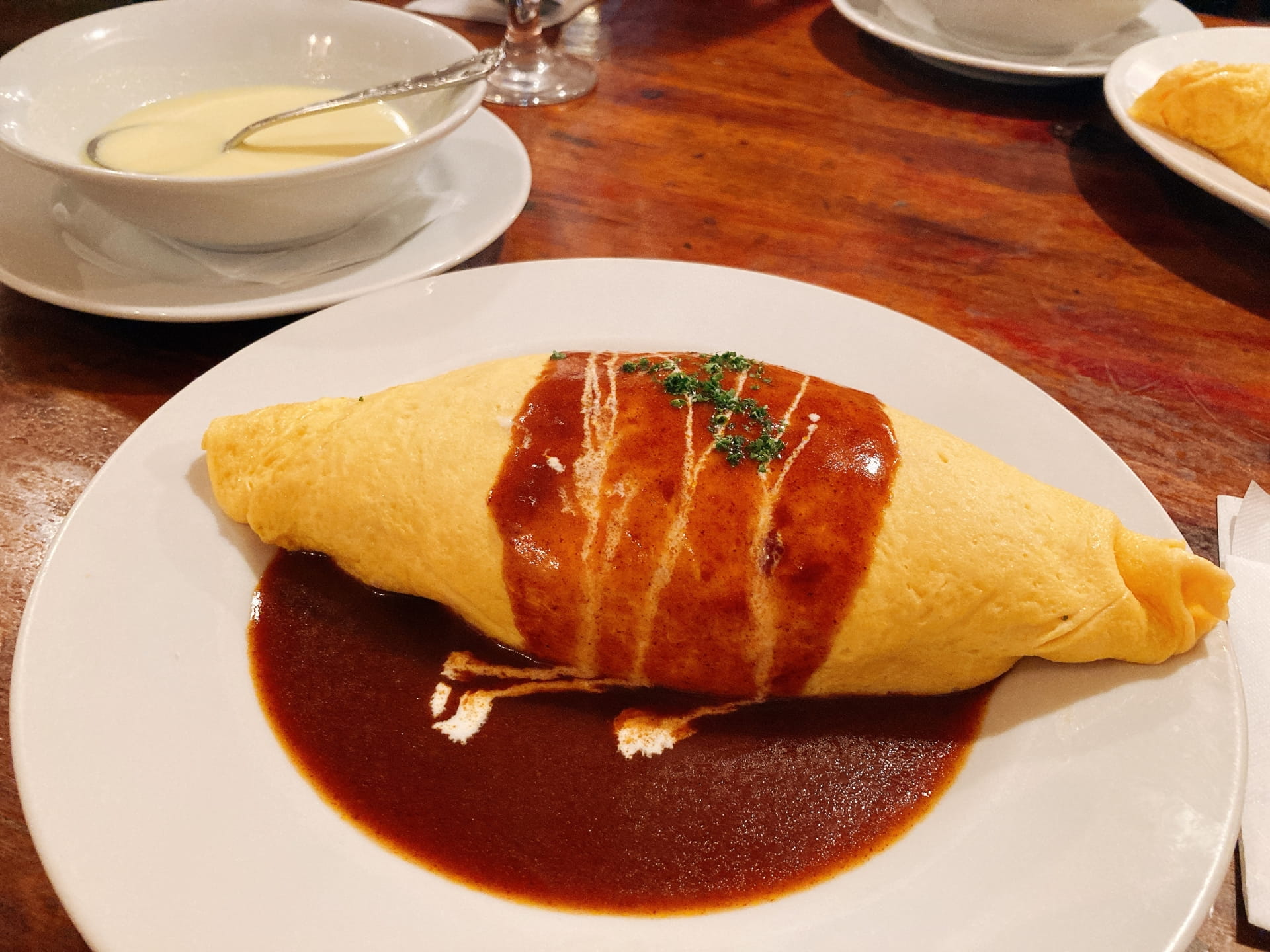
- Yoshoku: This refers to Western-influenced Japanese dishes that emerged in the late 1800s. A classic example is “Omurice” a fluffy omelet served over ketchup-fried rice, which you can try at the legendary restaurant Taimeiken in Nihonbashi.
Other Casual Bites
- Tonkatsu & Gyukatsu: Panko-breaded deep-fried pork and beef cutlets.
- Yakitori: Grilled chiken skewers are an Izakaya staple.
- Tamagoyaki: Sweet rolled omelet often found in sushi shops and markets like Tsukiji.
- Onigiri: Rice balls with various fillings, found in every convenience store.
Dining Styles and Experiences
Tokyo offers a vast spectrum of dining experiences that go far beyond the traditional restaurant. Here’s what to look for:
Fine Dining & Omakase
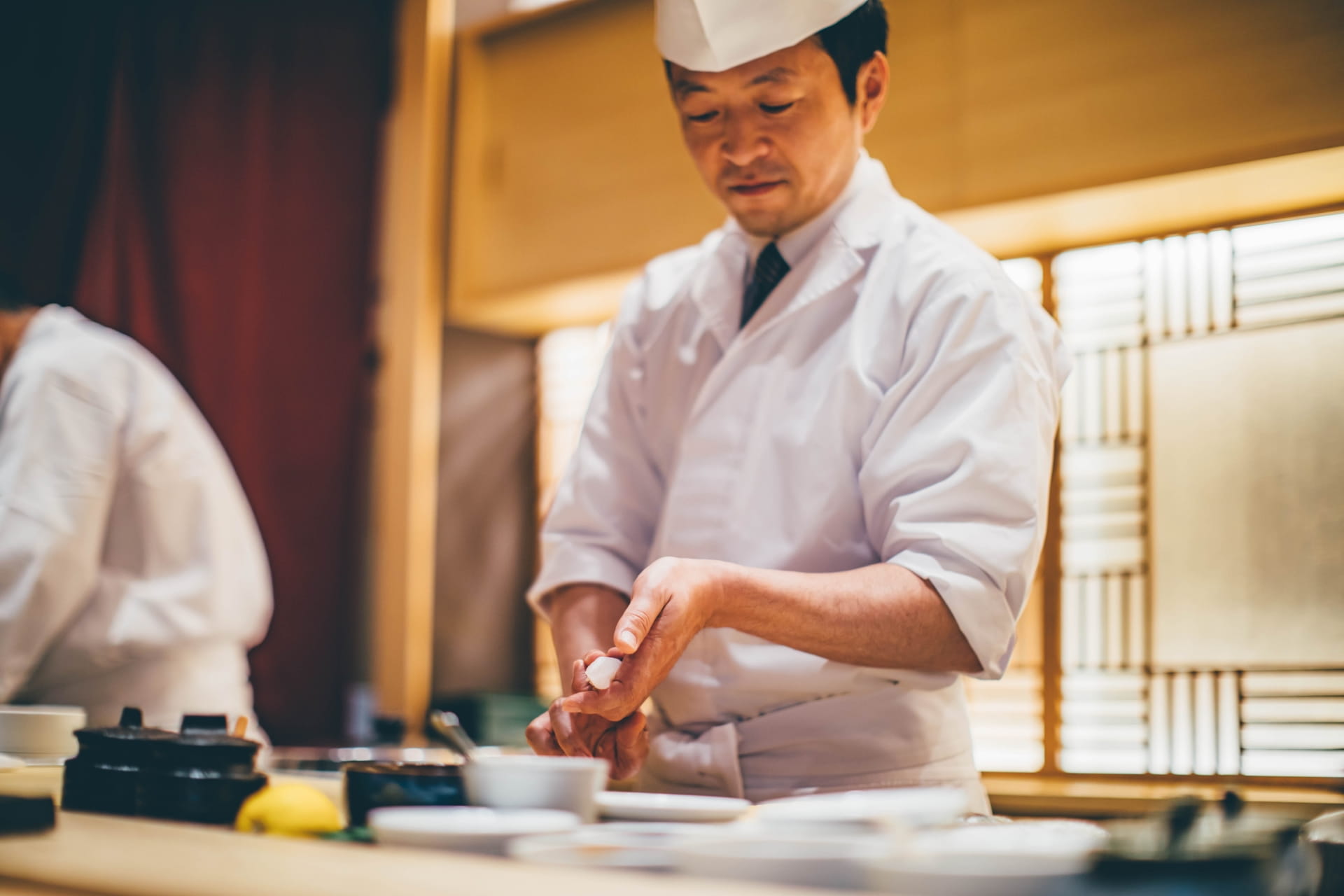
Tokyo is the world’s Michelin capital for a reason. Experience the pinnacle of Japanese cuisine through a multi-course Kaiseki meal, a refined art form balancing taste, texture, and appearance. Or, put your trust in a master chef at an Omakase sushi counter like the world-renowned Sushi Saito, where they serve a personalized sequence of the day’s best offerings.
Related article: Best Michelin Star Restaurants in Tokyo
Casual & Local
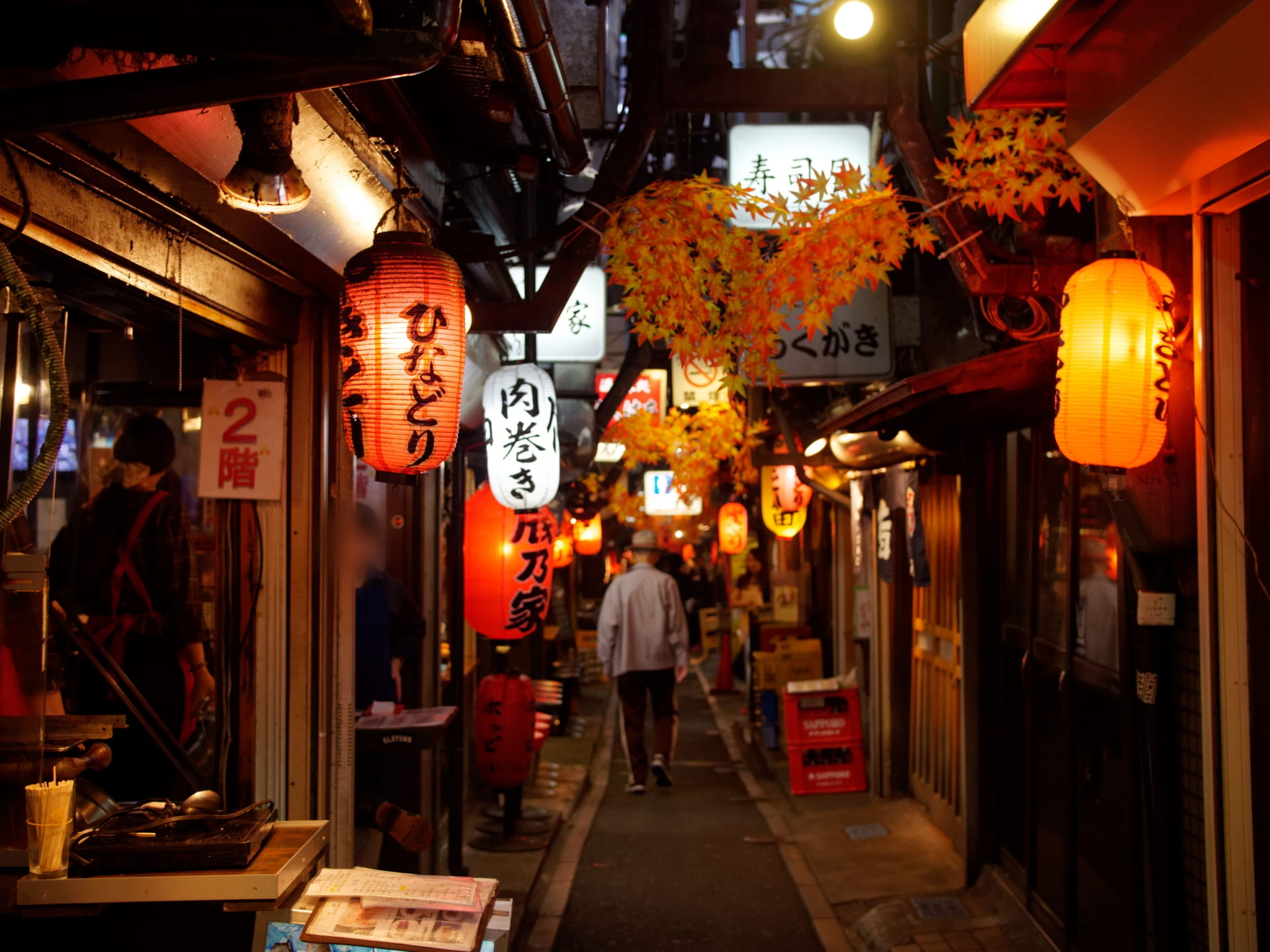
For a more relaxed atmosphere, dive into an Izakaya in an atmospheric alley like Shinjuku’s Golden Gai or Omoide Yokocho, a Japanese gastropub perfect for sharing small plates and drinks. In bustling areas, you’ll find Tachigui (standing bars) for a quick bowl of soba or sushi. Don’t miss the experience of a dedicated Ramen shop, where you might order from a vending machine and eat at a counter.
Related article: Best Izakaya Alleys in Tokyo
Interactive Meals
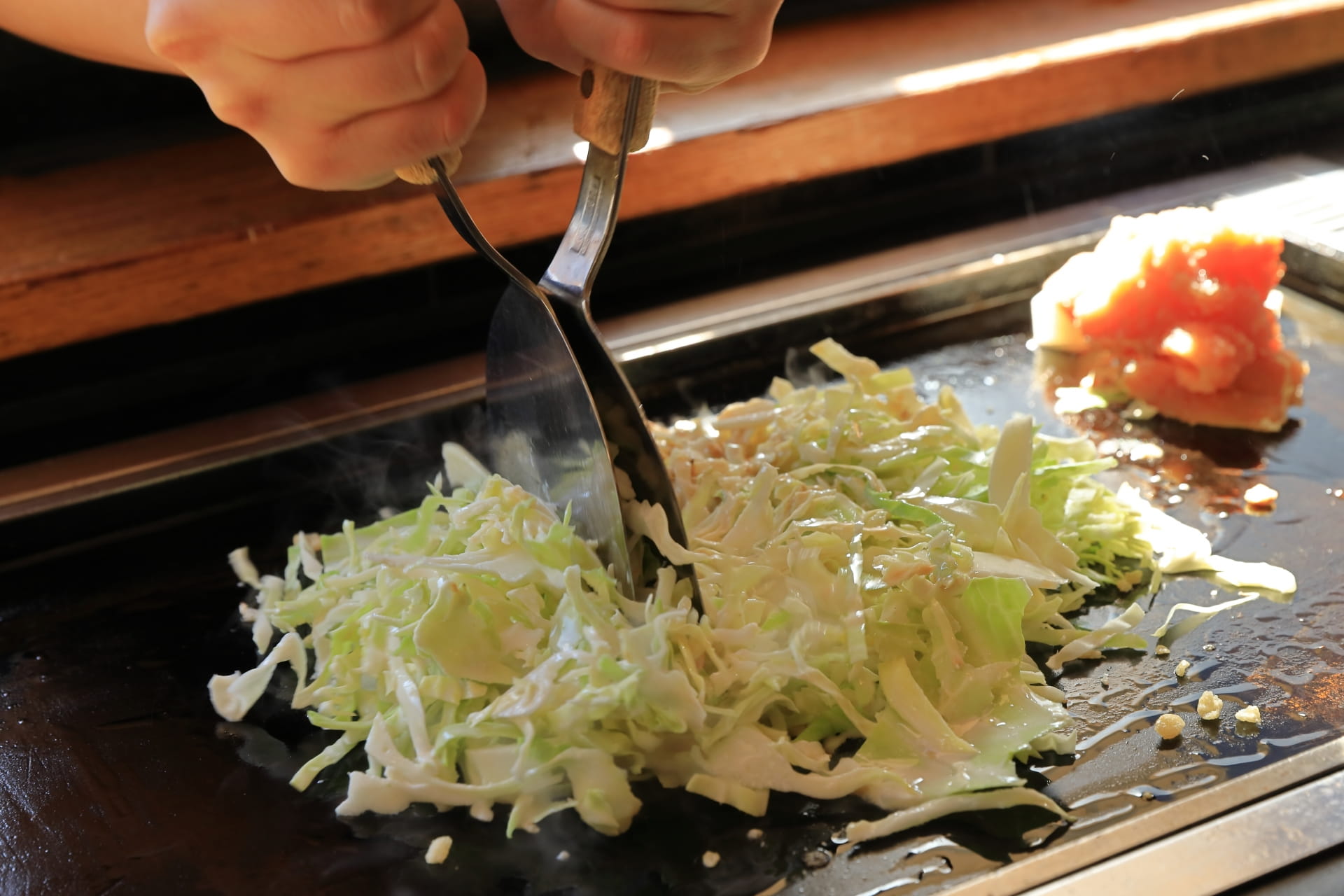
Some of the most memorable meals are the ones you help create. At a Yakiniku restaurant, you’ll grill your own premium cuts of wagyu at your table. In Tsukishima, you can try your hand at cooking Monja-yaki on a tabletop griddle.
Unique Culinary Destinations
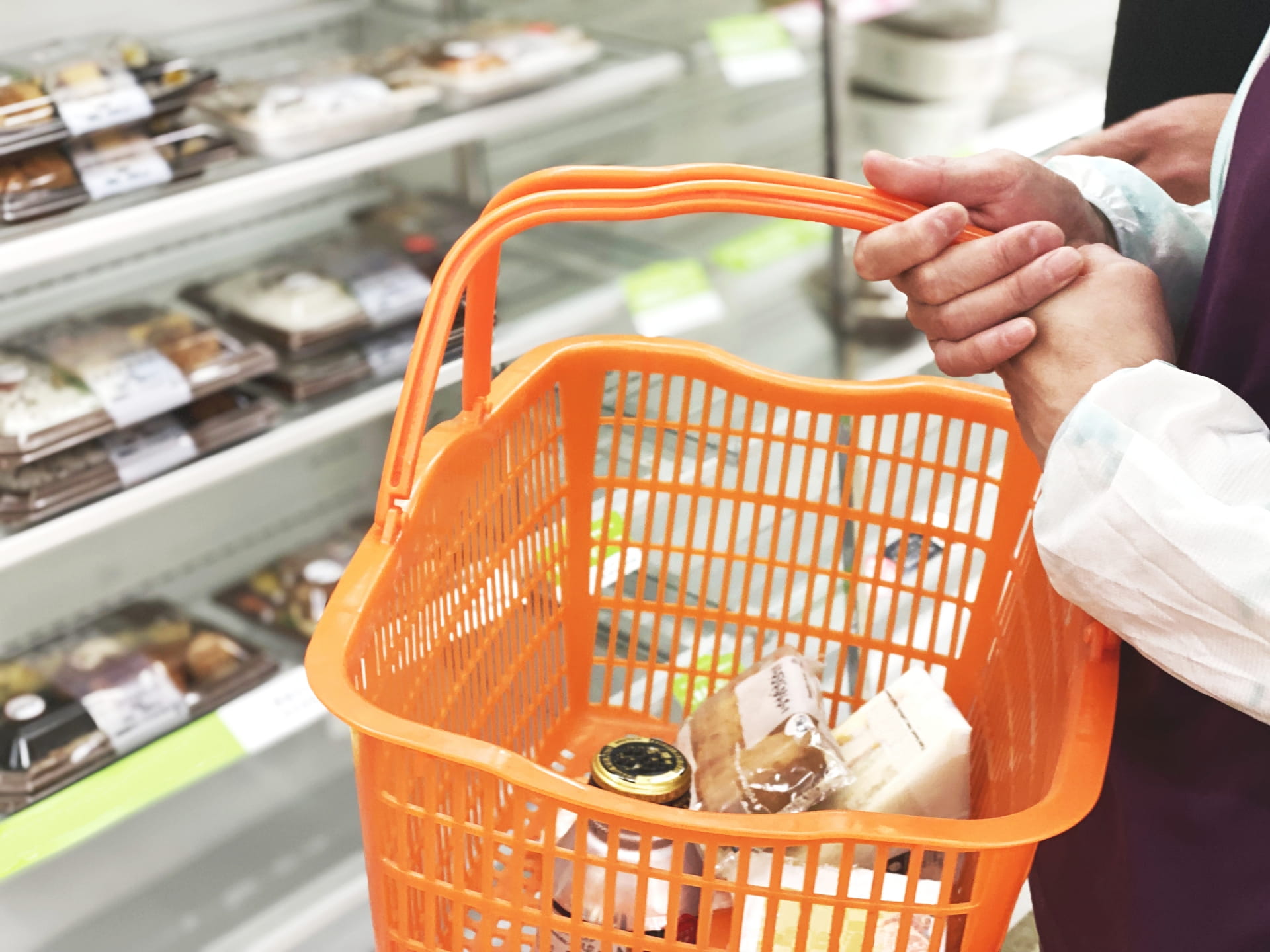
Tokyo’s food culture extends beyond restaurants. Explore the dazzling Depachika (basement food halls in department stores) for everything from gourmet bento boxes to exquisite desserts. For a fun and quirky meal, visit one of the city’s many Themed Cafes. And for a surprisingly delicious and budget-friendly option, the local Konbini (convenience store) offers high-quality onigiri, sandwiches, and hot snacks.
Enriching Food Experiences
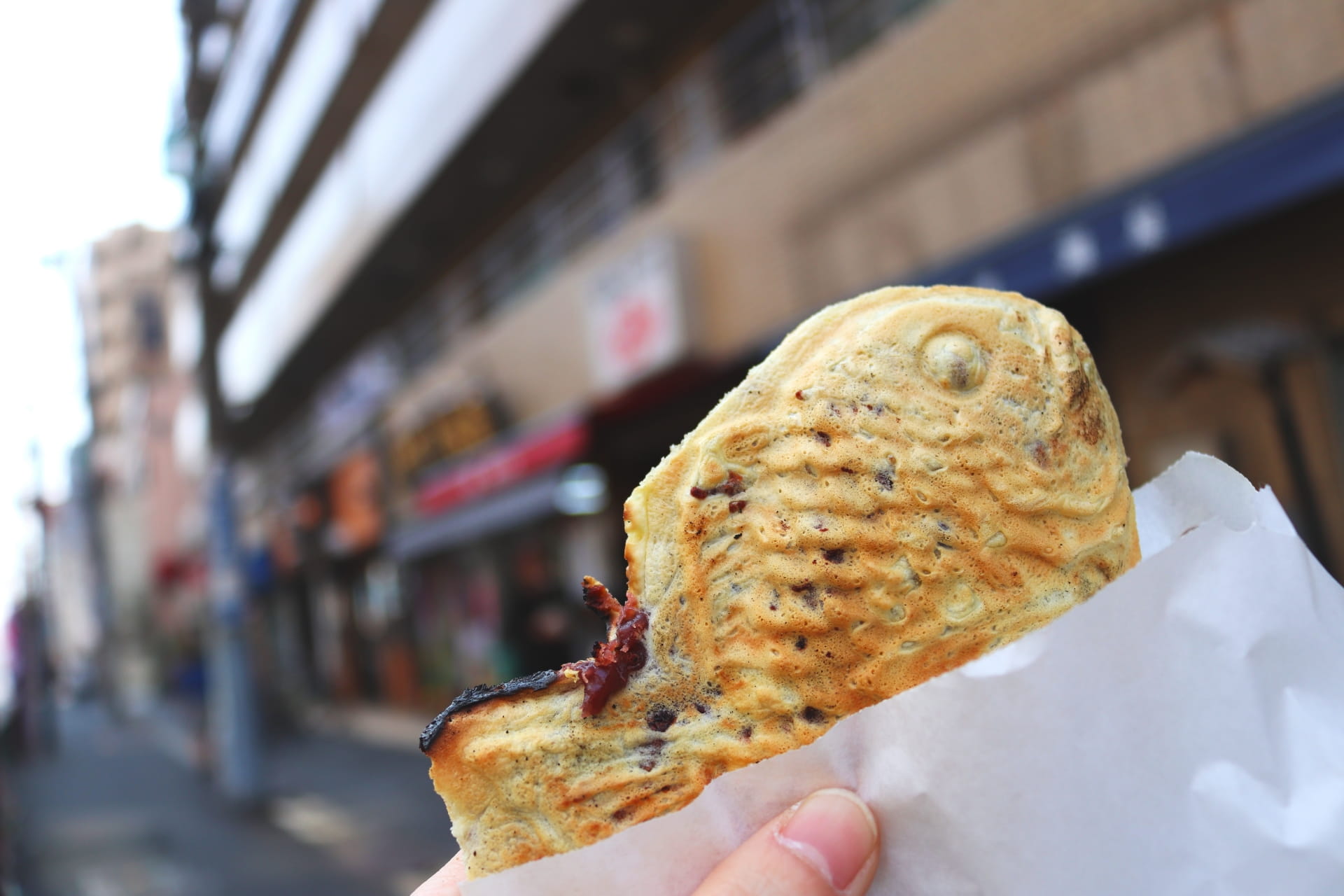
To fully immerse yourself in Tokyo’s culinary world, consider going beyond just eating and actively participating in the culture.
- Food Tours: Join a guided tour to navigate bustling areas with an expert. Popular options include exploring the historic Tsukiji Outer Market, bar hopping through the narrow alleys of Shinjuku’s Golden Gai, or discovering street food in vibrant neighborhoods. A tour can provide local context and help you find hidden gems you might otherwise miss.
- Cooking Classes: Take your love for Japanese food home with you by joining a cooking class. Many workshops are available for travelers, offering hands-on lessons in making everything from sushi and ramen to delicate wagashi (traditional Japanese sweets) and bento boxes. It’s a delicious and memorable way to connect with the cuisine on a deeper level.
Best Food Areas in Tokyo
Discover Tokyo’s food scene by exploring its local districts:
- Ginza: Upscale dining, high-end sushi, luxury kaiseki, and gourmet depachika (department store food halls)
- Nihonbashi: Home to traditional restaurants and Edo-era dishes; don’t miss antenna shops and the historic atmosphere
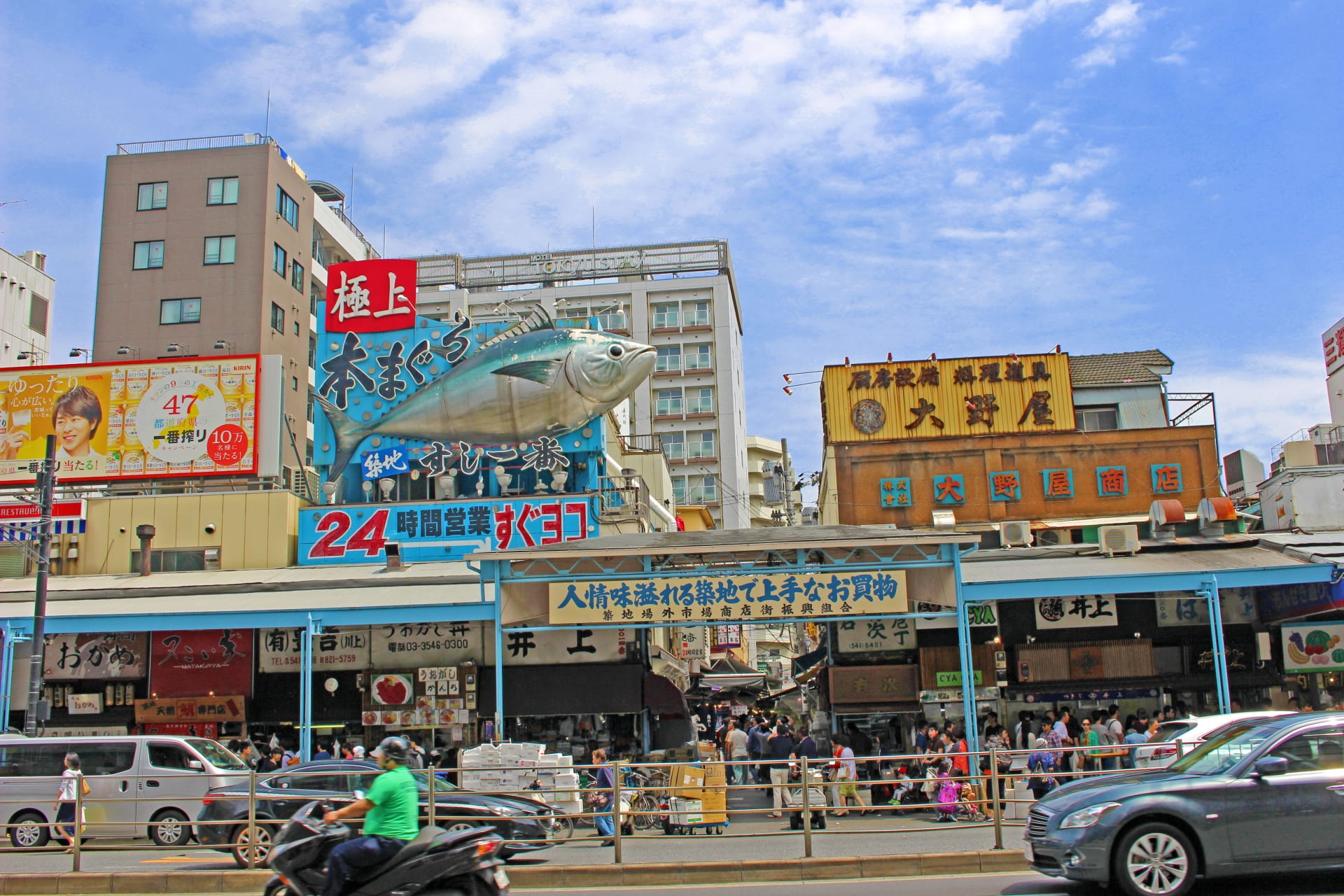
- Tsukiji Outer Market: Though the inner wholesale market moved, the outer market remains a vibrant destination for street food, fresh seafood, and kitchenware.
- Asakusa: Street snacks, tempura, and sweet treats in a temple town setting
- Tsukishima: Monjayaki central. Try it DIY-style at a local shop.
- Ryogoku: Famous for Chanko-nabe, the hearty stew eaten by sumo wrestlers
- Major Station Hubs (Shinjuku/Shibuya/Yurakucho): Great for izakayas, yakitori alleys, and ramen spots
How to Book Tokyo’s Best Restaurants
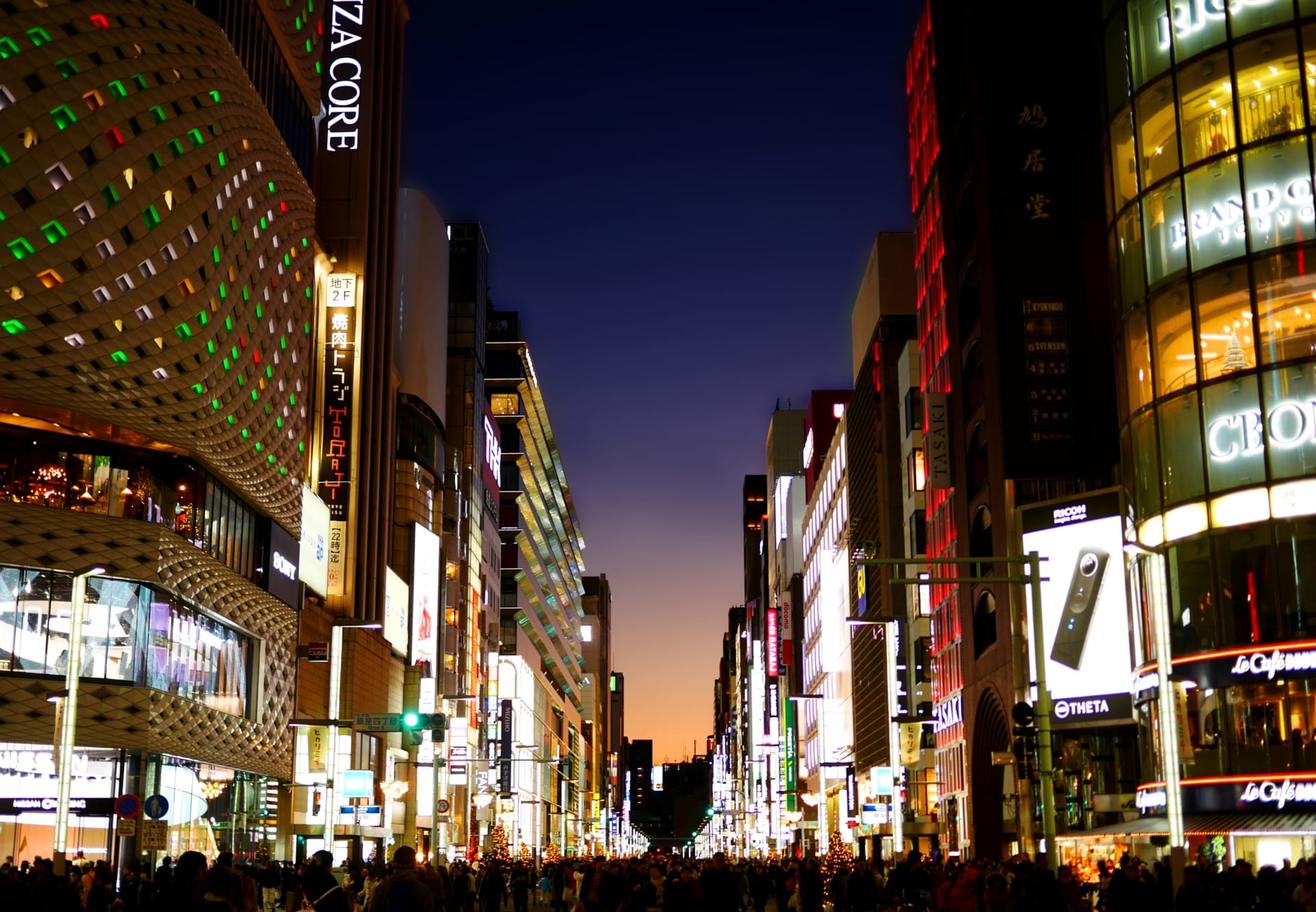
Securing a table at top Tokyo restaurants requires advance planning. This section provides a step-by-step guide to mastering the reservation system.
Plan 2–3 Months Ahead
Tokyo is not a city where you can casually walk into a top-tier restaurant due to intense demand from both locals and travellers. According to a recent survey, an incredible 52.7% of travellers wish to revisit the country, with its legendary food being a primary motivator. This creates a constant, intense demand for a limited number of seats, making advance planning an absolute necessity, not just a suggestion. Top-tier restaurants are often booked out 2-3 months in advance.
The Hotel Concierge
For the most sought-after restaurants, your hotel’s concierge is your most powerful ally. Many elite restaurants prioritize bookings from trusted hotel partners, giving you access that’s nearly impossible to get on your own. Email them 1–2 months in advance with a list of 3–4 restaurant choices, several possible dates, your budget, and any dietary restrictions.
DIY Booking Platforms & How to Use Them
If you’re booking on your own, forget generic international apps. The key platforms in Japan are Tabelog, Pocket Concierge, and TableCheck. While Tabelog is the most comprehensive review site, Pocket Concierge specializes in high-end, often Michelin-starred, restaurants and requires pre-payment. TableCheck is another excellent, foreigner-friendly option. But the most important thing to understand is how to interpret the ratings.
- Pro Tip on Ratings: Don’t filter out restaurants on Tabelog with a 3.3 or 3.4 score. In the hyper-critical world of Japanese reviews, this often indicates a fantastic local spot, while a score above 3.5 is reserved for truly exceptional meals.
A Traveller’s Guide to Dining Etiquette, Dietary Needs & Payments
Dietary Restrictions: A Guide for Vegan, Vegetarian & Allergic Diners in Tokyo
Navigating dietary restrictions in Japan can be challenging because dashi (a fish-based broth) is a fundamental component of many dishes and sauces. While showing a translation card is helpful, it may not prevent cross-contamination or exposure to hidden ingredients.
- Pro Tip: For severe allergies, it is safer to seek out certified vegan or allergy-friendly restaurants rather than trying to customize a dish at a traditional spot. Customization requests can sometimes be seen as a breach of etiquette, and cross-contamination is a risk.
- Vegan-Friendly Options: Look for Shojin Ryori (Buddhist temple cuisine) or dedicated vegan cafes. For convenience store snacks, onigiri with fillings like umeboshi (pickled plum) or kombu (seaweed) are good choices.
Tipping and Payments
- Tipping: Tipping is not required or expected in Japan, as excellent service is considered standard. Attempting to tip can cause confusion.
- Cash vs. Card: While Japan is embracing cashless payments, cash is still king in many smaller establishments like ramen shops and street food stalls. Always carry a sufficient amount of yen. Major credit cards and mobile payments are widely accepted in larger restaurants, hotels, and department stores. Mobile payments like Apple Pay and Google Pay are also becoming more common.
Recommended Payment Strategy by Venue Type
| Venue Type | Recommended Payment Method(s) | Essential Preparation |
|---|---|---|
| High-End Restaurants & Luxury Hotels | Credit card (Visa/Mastercard), contactless mobile payments (Apple Pay, Google Pay) | Carry some physical cash for cultural nuances, such as ryokan gratuities or politely declining change at ultra-high-end venues. |
| Mid-Range Urban Restaurants & Convenience Stores | Credit cards, mobile payments, IC cards (Suica, Pasmo) | Cash is always accepted; Alipay and WeChat Pay are common in major tourist areas. |
| Small Local Shops, Street Vendors & Rural Areas | Cash (Japanese yen) | Prepare sufficient cash—assuming card acceptance outside major urban areas can be risky. |
Dining in Tokyo FAQ
Quick, direct answers to common traveller questions about food in Tokyo, from budget-friendly options to must-try desserts and convenience store snacks.
Q. What is a realistic daily food budget for Tokyo?
A. A realistic budget can vary widely, but a good estimate for a mid-range traveller is ¥5,000 to ¥7,000 per day. This would cover a convenience store breakfast (¥500), a bowl of ramen for lunch (¥1,000-¥1,500), and a casual izakaya dinner (¥3,000-¥5,000). This does not include high-end dining experiences, which can easily exceed ¥20,000 per person.
Q. What are the must-try desserts in Tokyo?
A. Tokyo is a paradise for sweets lovers. Don’t miss out on fluffy Japanese souffle pancakes, which are a viral sensation for a reason. Also, explore the world of traditional “wagashi” (Japanese sweets), often served with matcha green tea. For something truly unique, visit a “depachika” (department store food hall) and marvel at the exquisitely crafted cakes and parfaits.
Q. What are the best things to eat from a Japanese convenience store?
A. Japanese convenience stores (“konbini”) are a culinary destination in their own right. You must try the “tamago sando” (egg salad sandwich), which is famously creamy and delicious. Other favourites include “karaage” (fried chicken), onigiri (rice balls with various fillings), and a wide variety of high-quality noodle bowls and baked goods. It’s the best budget-friendly, high-quality food you’ll find.
Q. What’s the best way to experience Tsukiji Market now that the main market has moved?
A. While the inner wholesale tuna auction moved to the new Toyosu Market in 2018, the Tsukiji Outer Market remains a vibrant and essential destination for food lovers. It’s a bustling maze of stalls selling street food, fresh seafood, high-quality knives, and dried goods. The best way to experience it is to arrive mid-morning, wander freely, and sample whatever catches your eye, from fresh oysters to sweet tamagoyaki (rolled omelet).
Eating Well in Tokyo: A Final Word on What Truly Matters
Tokyo’s dining scene is a thrilling, multi-layered world that rewards the prepared traveller. By moving beyond simple lists of “what to eat” and focusing on a “how to eat” strategy, you unlock a deeper, more authentic experience. Remember the core principles: plan your key reservations far in advance, use your concierge as your secret weapon, and don’t be afraid to step off the beaten path to a 3.4-rated gem on Tabelog or a bustling standing soba shop. This is how you transform a great meal into an unforgettable memory.
Prepare for the culinary adventure of a lifetime. Itadakimasu!
For more information about food in Tokyo, please check out following articles!


Written by
"The world is my oyster." As a dedicated globetrotter and hammock enthusiast, I’ve spent years chasing new experiences, collecting stories, and discovering the world’s most incredible destinations. Born and raised in Japan, I’ve always had a deep connection to my roots, but my love for adventure has led me to spend over a decade exploring countries across the globe—from culture-rich cities to remote hideaways.
Travel isn't just a hobby for me; it's a lifestyle. I'm constantly searching for new ways to fuel my wanderlust. Over the years, I’ve developed a wealth of knowledge and a treasure trove of tips that make traveling more enjoyable, practical, and meaningful.
Through my experiences, I've come to appreciate not only the beauty of travel but also the importance of understanding diverse cultures, embracing the unfamiliar, and stepping out of my comfort zone. My travels have shaped who I am today, and I’m excited to share those lessons with others.
With Japan Web Magazine, I aim to offer practical advice, insider tips, and firsthand stories that help travelers navigate their journeys to Japan or setting off on a global adventure. From hidden gems in Japan to travel hacks that make any trip smoother, I hope my insights inspire you to embark on your own adventures and make the most of every moment. Let’s explore the world together!
You can also find my stories here ▶ https://medium.com/@nahobm
- +0 0
-
-