Warm Places in Japan in Winter: A Practical Guide
Warm Winter Getaways in Japan: Okinawa, Kagoshima & Miyazaki with Solaseed Air

- +0 0
-

-


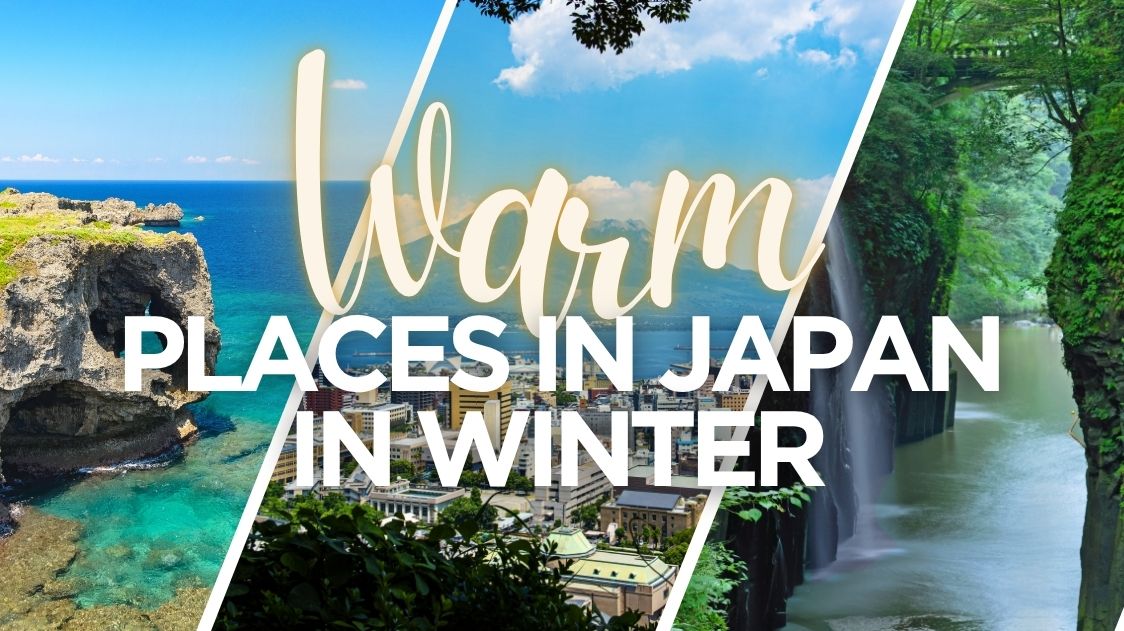
Winter in Japan doesn’t have to mean shivering through grey days in Tokyo. Just a short flight south takes you to places where palm trees still sway, locals enjoy lunch outdoors, and coats stay in the suitcase. With Solaseed Air connecting Tokyo to Okinawa, Kagoshima, and Miyazaki, you can swap cold commutes for seaside walks, hot springs, and local food that tastes better under mild sunshine. This guide compares these three easy winter escapes, helps you choose the one that fits your travel style, and shows how to make the most of a long weekend, all without leaving Japan!
Quick Comparison: Which Warm Escape Suits You?
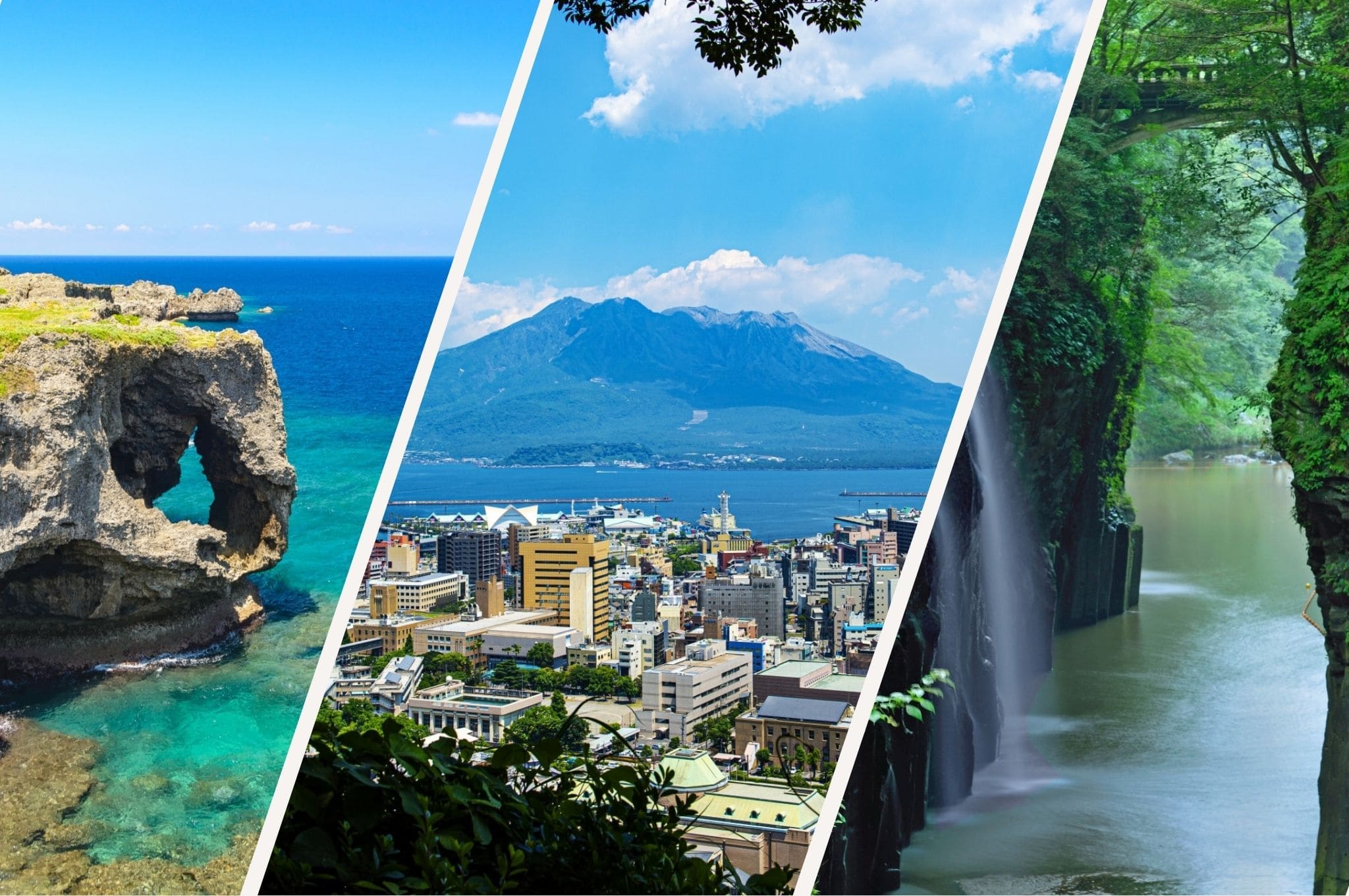
Each destination has its own rhythm: Okinawa feels like a mini holiday abroad, Kagoshima offers dramatic landscapes and steaming onsen views, while Miyazaki moves at a slower, sun-drenched pace. Winter in southern Japan isn’t beach season in the tropical sense, but it’s comfortably warm, less crowded, and ideal for short, easy escapes when the rest of the country is bundled in coats.
| Destination | Flight Time (from Tokyo) | Average Temp (Jan) | Vibe | Best For |
| Okinawa (Main Island) | Around 2h 40m | 17–18°C | Tropical island, beaches, coral reefs | Beach lovers, families, and anyone craving true warmth |
| Kagoshima | Around 2h | 10–14°C | Volcanic landscapes, onsen towns, great food | Hot spring fans, foodies, and scenic travelers |
| Miyazaki | Around 1h 45m | 12–15°C | Coastal charm, surf culture, relaxed pace | Nature seekers and couples who like quiet escapes |
Okinawa: Japan’s Winter Shortcut to Summer
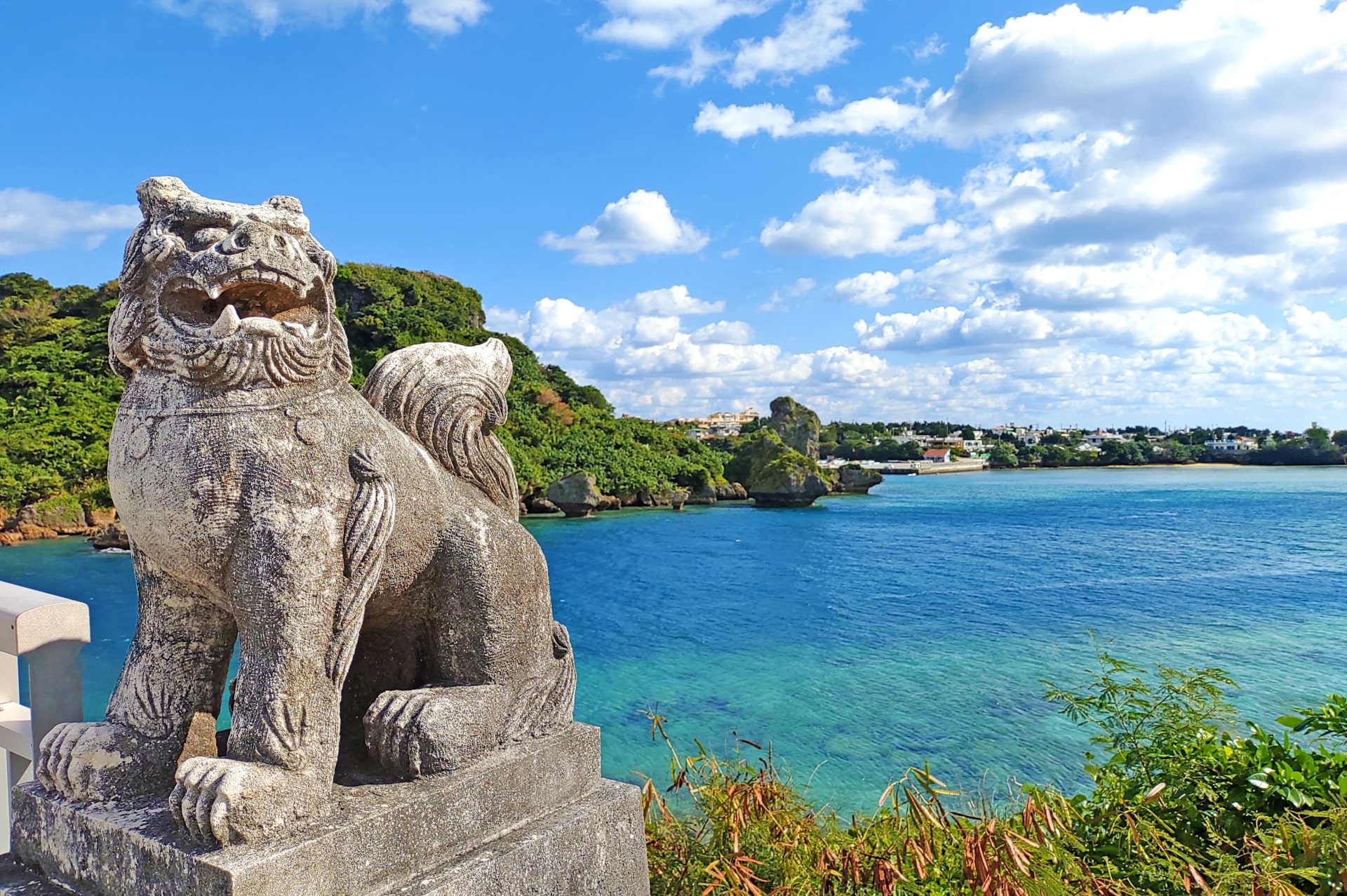
Okinawa is the easiest way to pretend winter never happened. While Tokyo or Osaka hide under scarves, locals here sip iced coffee in T-shirts and debate which beach looks bluer today. The islands trade snow for coral reefs, soba noodles for tropical fruit, and the mainland’s hurry for something closer to island time.
Why Choose Okinawa?
Japan’s southernmost prefecture stretches across a chain of islands that once formed the independent Ryukyu Kingdom, a crossroads of Japanese, Chinese, and Southeast Asian cultures. That mix still defines the place: vivid colors, relaxed manners, and a cuisine built on seaweed, pork, and longevity. Winter is comfortably warm, with daytime highs near 20°C, making it one of the few regions in Japan where swimming and snorkeling are still realistic options.
Add coral reefs, glassy blue bays, and ancient stone paths leading to wooden houses with tiled roofs and lion guardians, and it’s easy to see why Okinawa sits high on every traveler’s winter shortlist.
See also: 25 Best Things to Do in Okinawa
How to Get to Okinawa & Getting Around
Okinawa’s main gateway is Naha Airport, located on the island’s southwest coast. Daily flights connect it with Tokyo, Osaka, Fukuoka, and other major Japanese cities, making it one of the easiest subtropical escapes in the country. The flight from Tokyo takes about 2 hours and 40 minutes, short enough to trade morning frost for a warm afternoon breeze.
Solaseed Air operates regular routes from Tokyo (Haneda) and regional airports across Kyushu. The airline’s schedules are practical for both weekend getaways and longer stays, and its smaller hub system makes check-in and boarding surprisingly painless.
Find flights to Okinawa
Okinawa offers a mild, subtropical climate even in winter, making it one of Japan’s best warm-weather escapes. Flights on popular routes and travel dates can fill up quickly, so searching in advance helps you secure better schedules and fares.
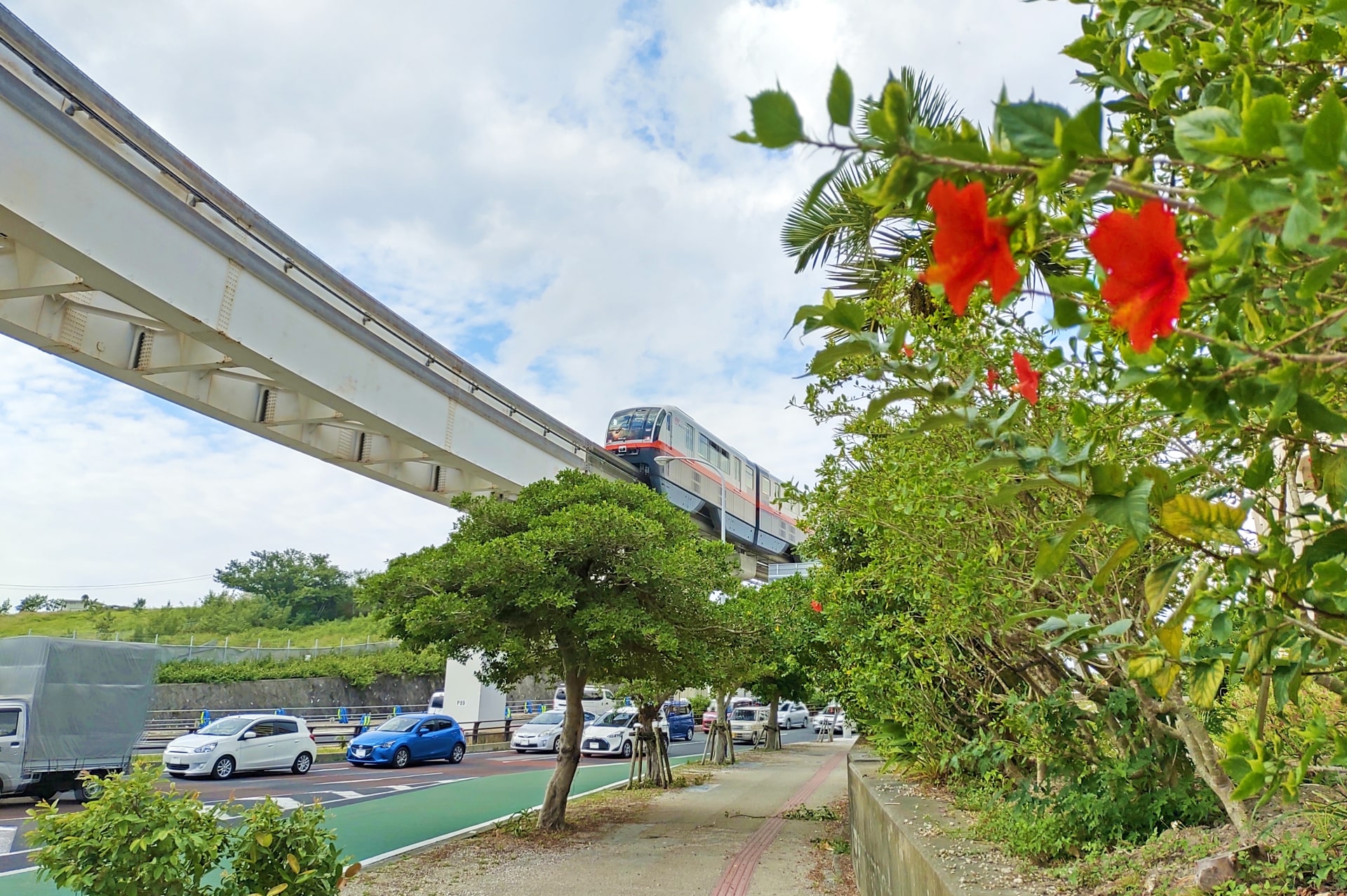
Once you arrive, the airport sits just 5 km from central Naha. The Yui Rail monorail connects directly to downtown in around 15 minutes, or you can rent a car at the terminal for island-wide travel. The same monorail also covers some key spots in the city, while public buses reach most sightseeing areas, but they’re slow outside Naha. For beach hopping or exploring with ease, renting a car is the smartest move. Drivers from abroad can use an International Driving Permit (IDP).
Sample 3-Day Itinerary & Budget in Okinawa
Okinawa’s attraction is its warm weather and stunning beaches, along with a variety of interesting options in the main city.
Day 1: Naha & Local Flavors
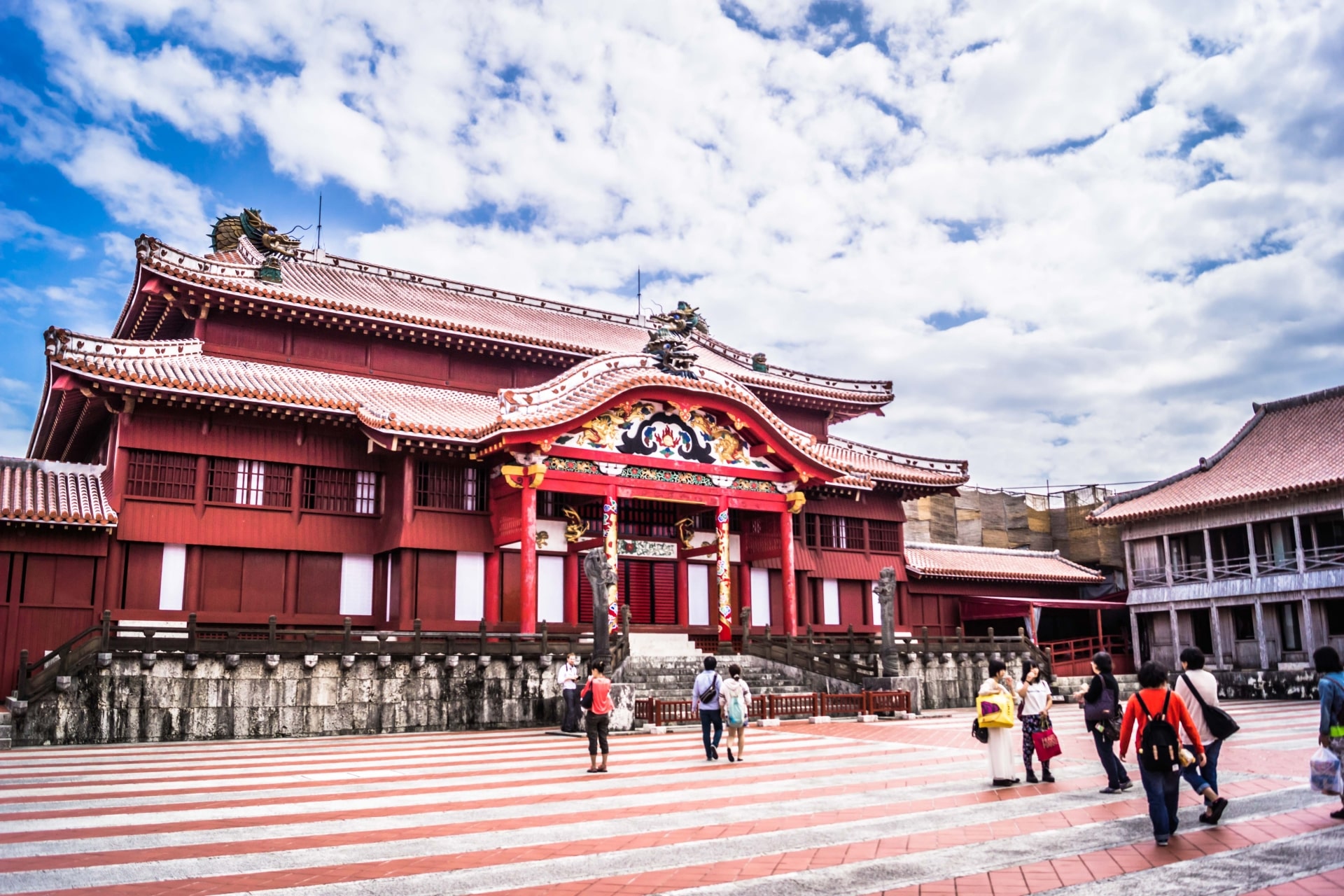
Arrive in Naha before noon and start with Shuri Castle, the seat of the Ryukyu Kingdom. If you’re not renting a car straightaway, the castle is conveniently reachable on monorail directly from the airport. The vermilion gates, stone paths, and sweeping city views make a solid first stop to understand Okinawa’s distinct past.
From there, return to the downtown area and make your way towards Makishi Public Market to get your fix of local crafts and local specialties such as soki soba or rafute pork belly.
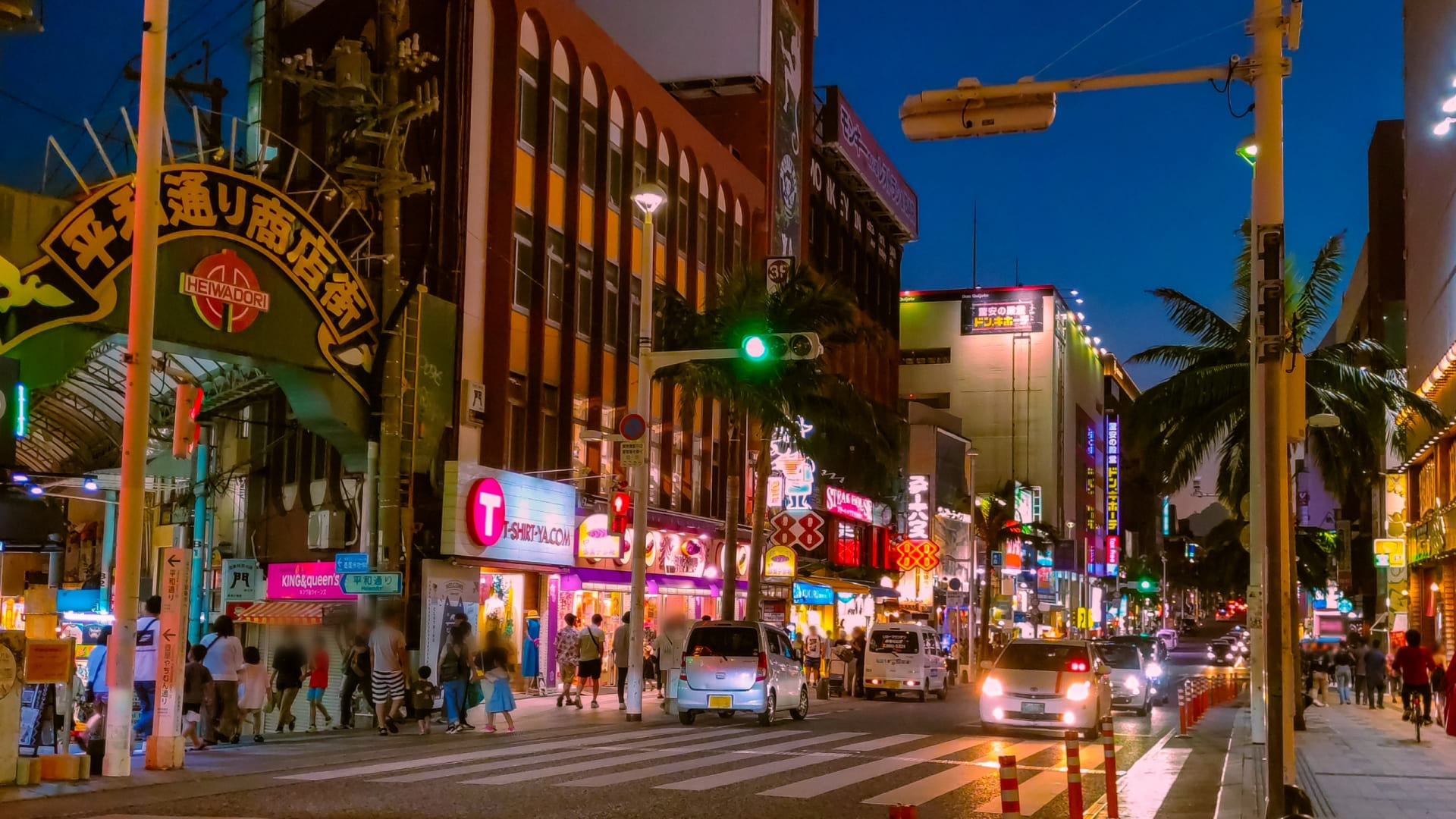
By late afternoon, wander around Kokusai-dori, the main strip, where souvenir stores mix with bars serving local awamori and live sanshin music. Stay overnight nearby to enjoy Naha’s nightlife without rushing.
Day 2: Northern Highlights
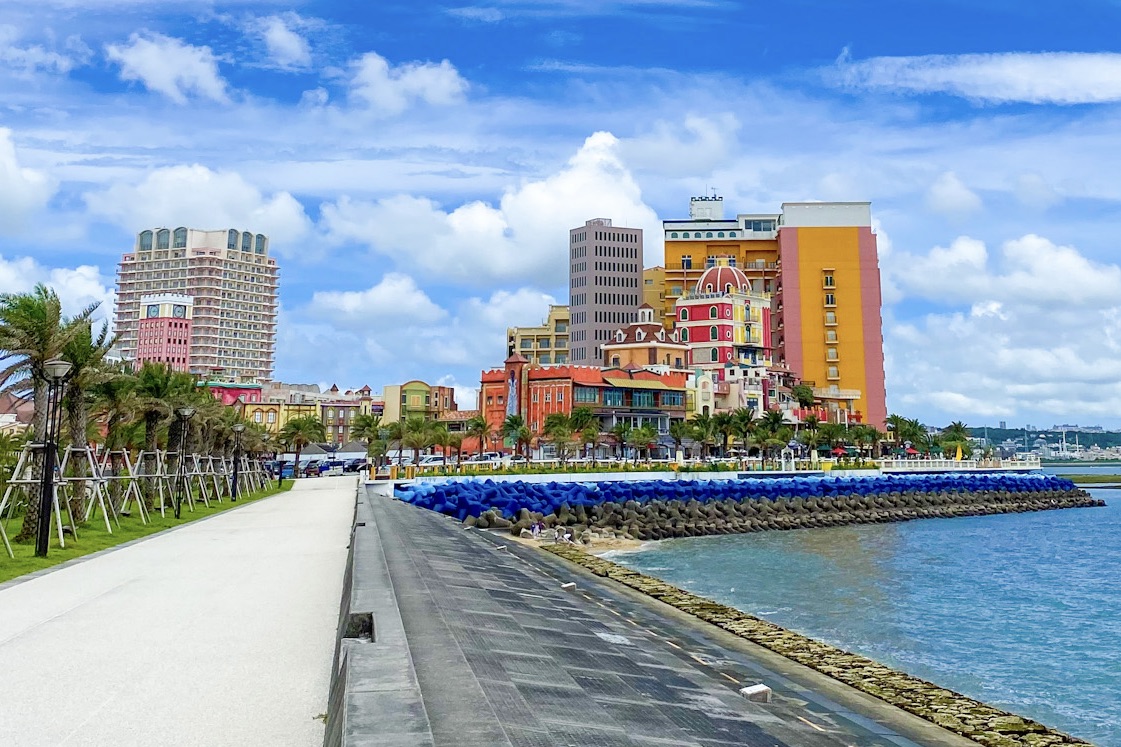
For your second day, a rental car is recommended, so you can follow Route 58 north. Head to American Village in Chatan to enjoy this quirky outdoor mall, themed like a colorful pseudo-American-inspired seaside town. Or just continue further north to reach Cape Manzamo, a scenic viewpoint shaped like an elephant’s trunk.
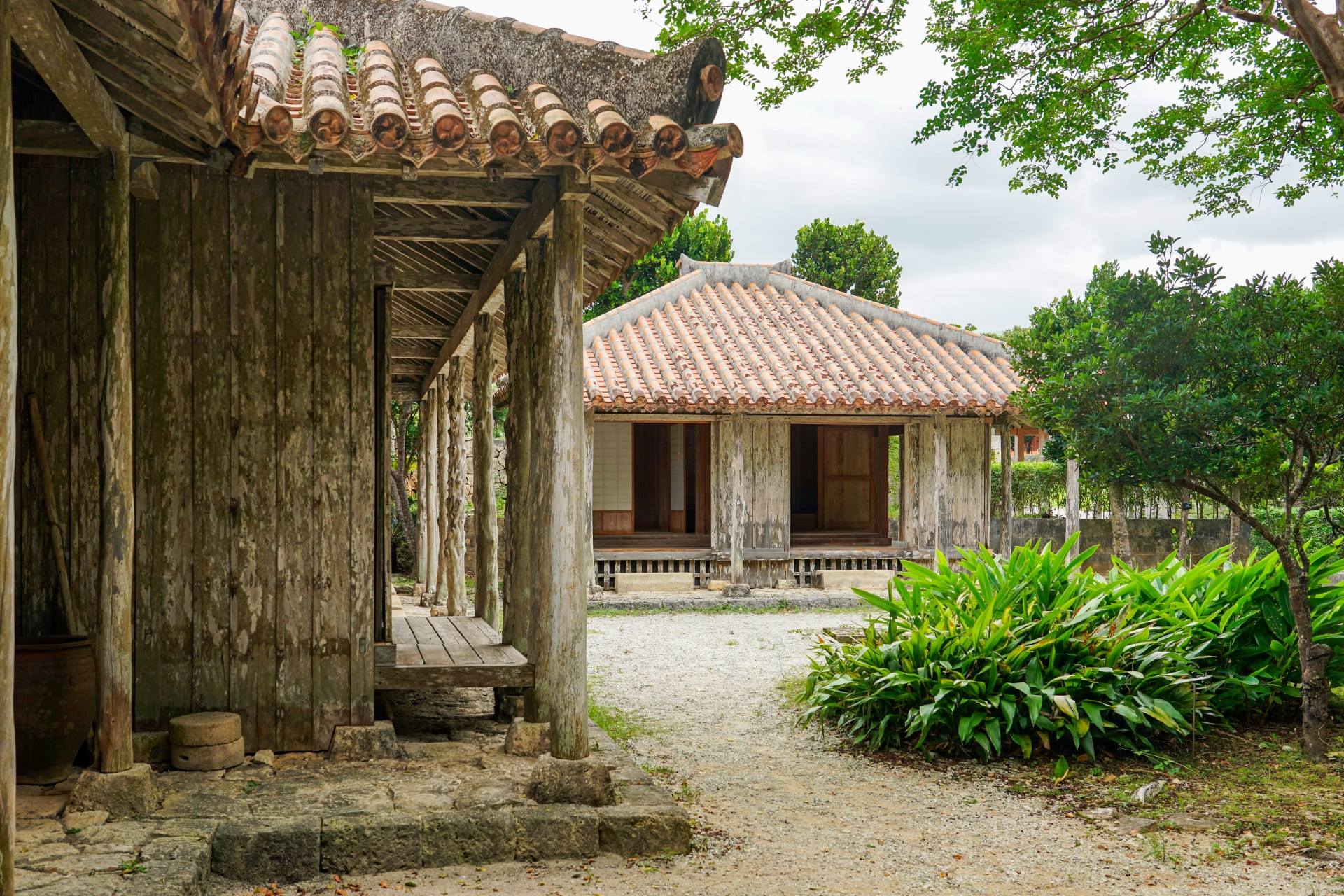
Depending on your schedule, you could also head to the Okinawa Churaumi Aquarium, widely regarded as one of the best in Japan and famous for its Kuroshio Sea tank and manta rays. If you prefer a more traditional-oriented visit, the Okinawa Village nearby will be a great choice to learn about local history and to see what a traditional Ryukyu village looks like.
Before sunset, head to Bisezaki Lighthouse or stroll around Emerald Beach to enjoy the last rays of light of the day.
Day 3: Island Time
Prepare to get up early on your third day, to be on time at Naha’s Tomari Port to get on a ferry to Tokashiki, part of the Kerama Islands National Park. The express ferry Marine Liner departs at 9:00 and takes about 40min, while the regular ferry departs at 10:00 and takes about 1hr10min, so the former is strongly advised to make the best of your day. It’s also advisable to reserve online in advance, so you don’t have to worry about arriving early enough, since there may be queues at the ticket counters.
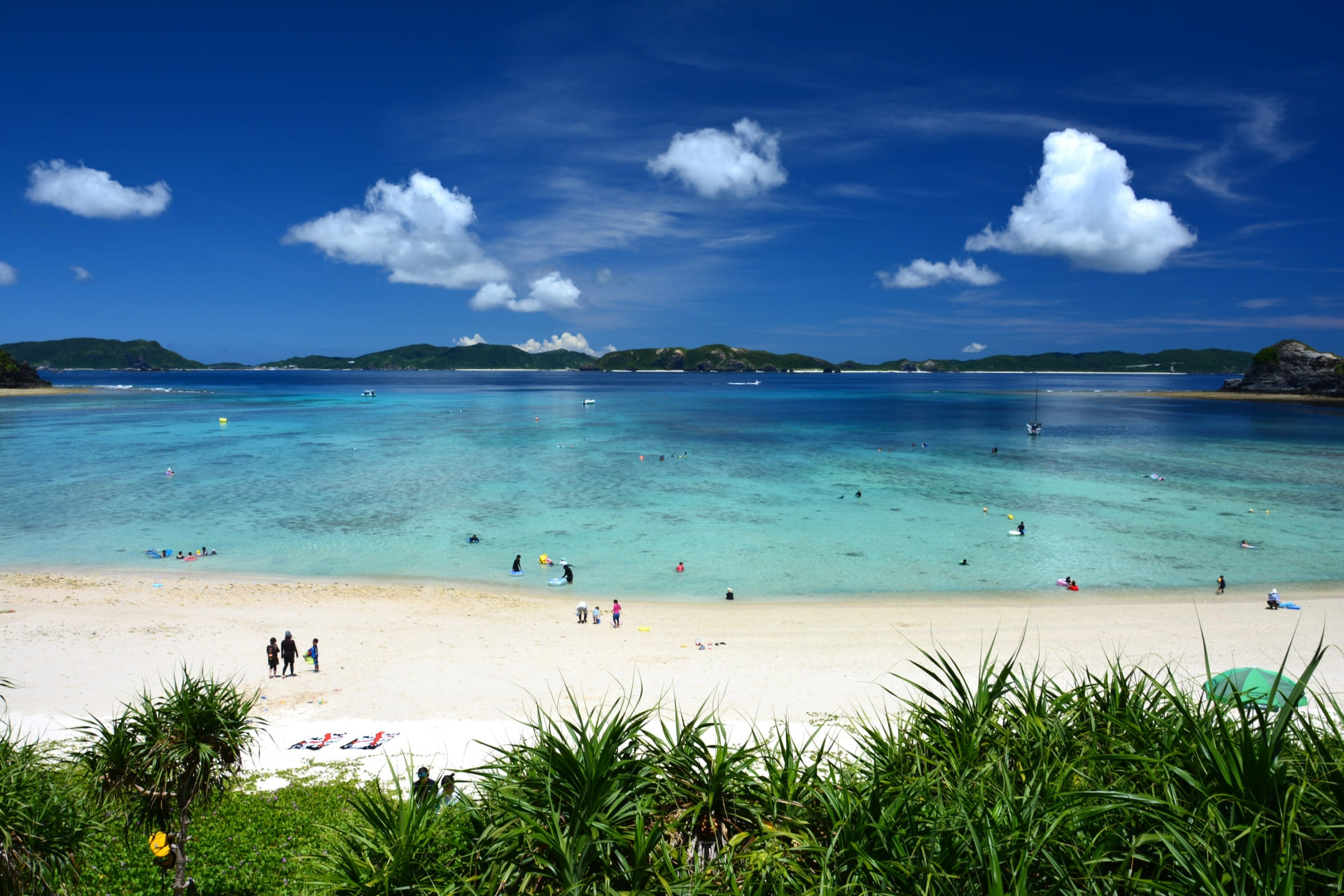
Spend a day relaxing at the island beaches, famous for its stunning “Kerama Blue” or do some snorkeling if you feel like it. Tokashiku Beach is a local favorite to spot sea turtles, and winter is a great time to see Humpback whales that migrate to the area during colder months. Go nearby to the Kerama Strait Observation Deck for beautiful panoramic views of the surroundings.
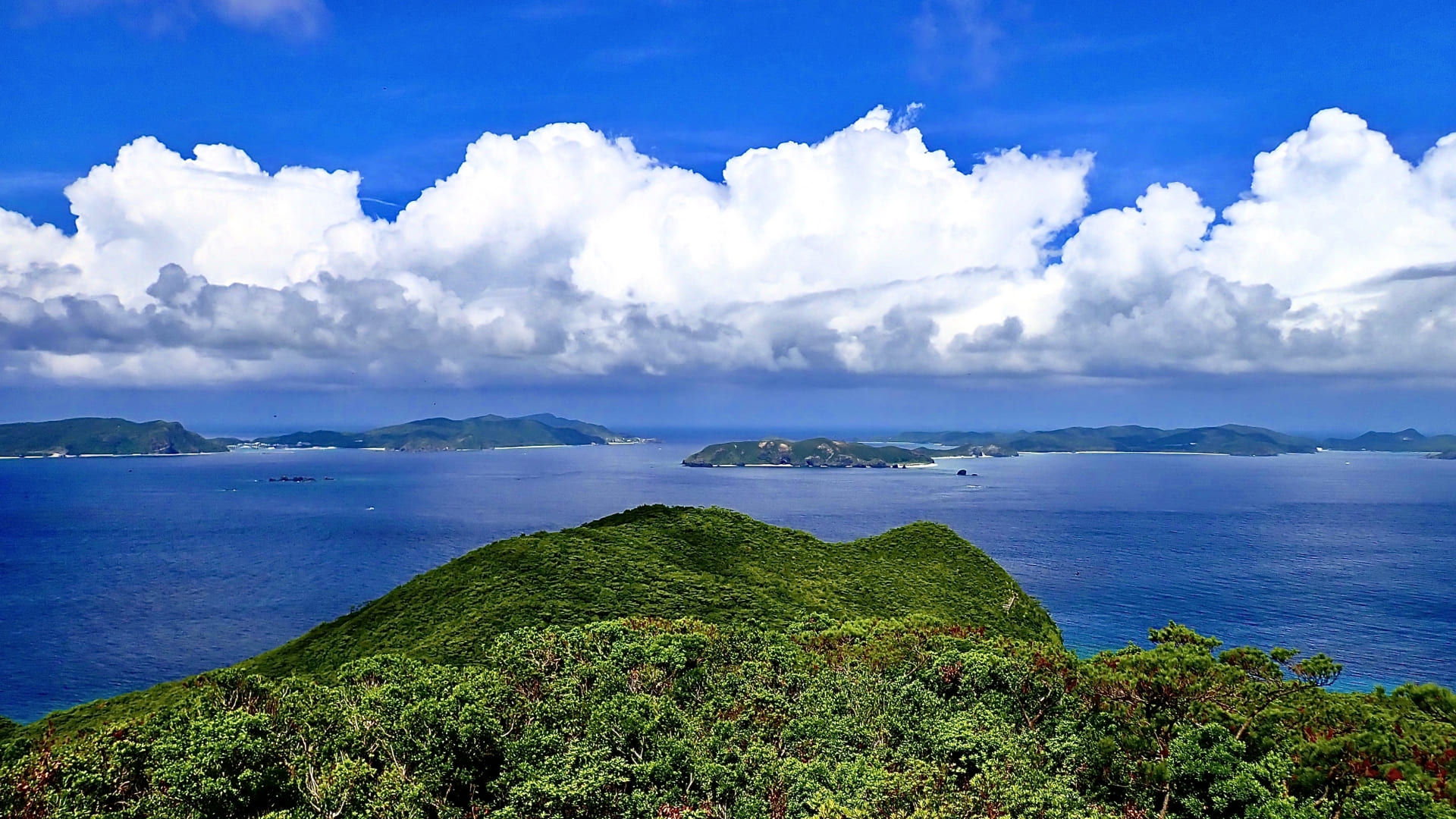
For your return, the regular ferry and express ferry depart at 15:30 and 17:00 respectively. Solaseed’s return flight to Tokyo at 8:40 PM allows you enough time to take the later ferry back to Naha and still have plenty of time to pick up souvenirs at Naha Airport before boarding.
Approximate Budget
| Category | Approx. Cost (JPY) | Notes |
| Flight (round-trip from Tokyo) | 25,000–35,000 | Solaseed Air fares vary by season |
| Accommodation (2 nights) | 12,000–18,000 | Mid-range hotel or guesthouse |
| Transport | 8,000–10,000 | 3-day car rental + fuel |
| Food | 6,000–8,000 | Mix of local diners and cafés |
| Activities | 3,000–5,000 | Aquarium entry, ferry, small attractions |
| Total | 55,000–75,000 JPY | Rough estimate; prices fluctuate seasonally |
Kagoshima: Volcanoes, Onsen & Southern Charm
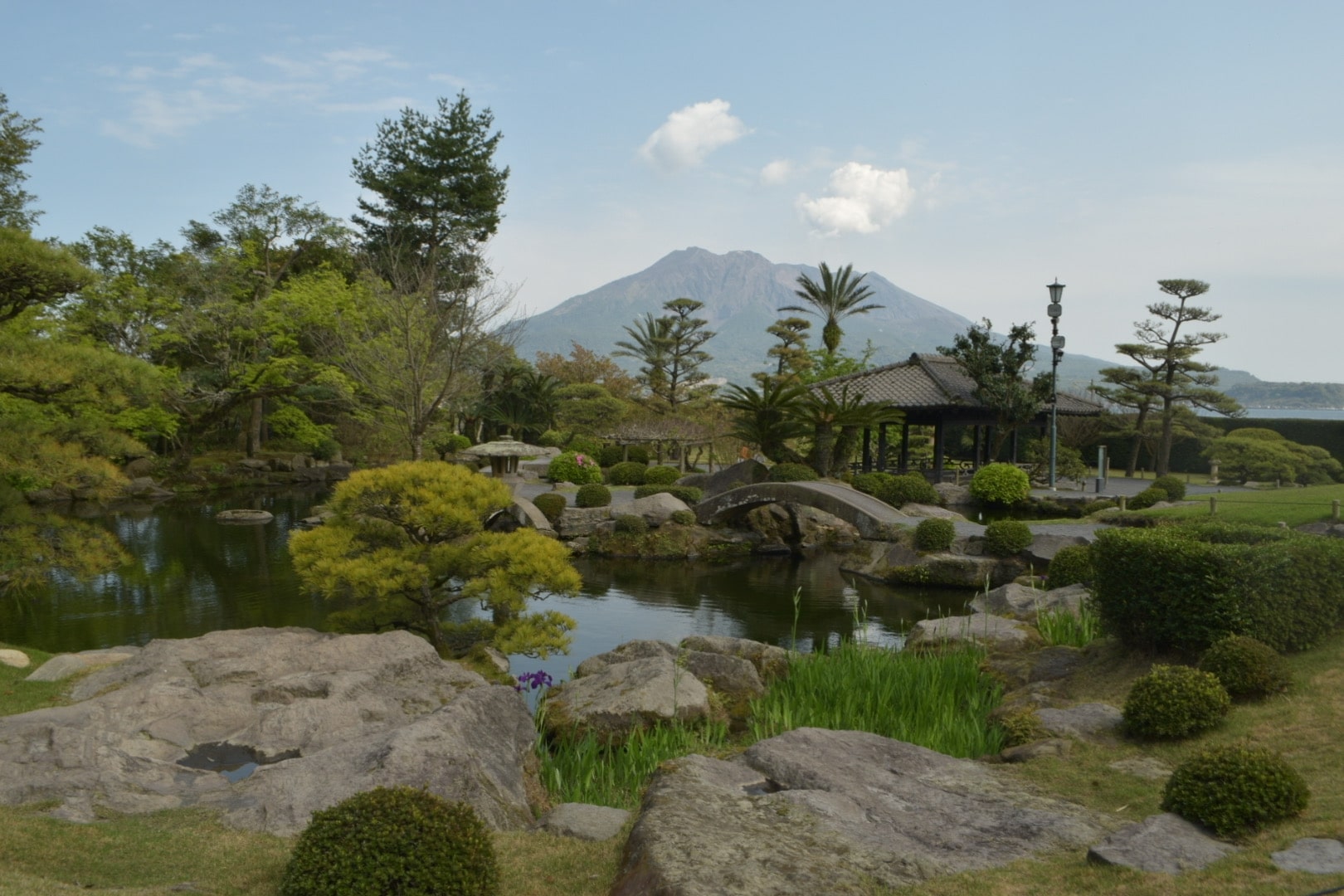
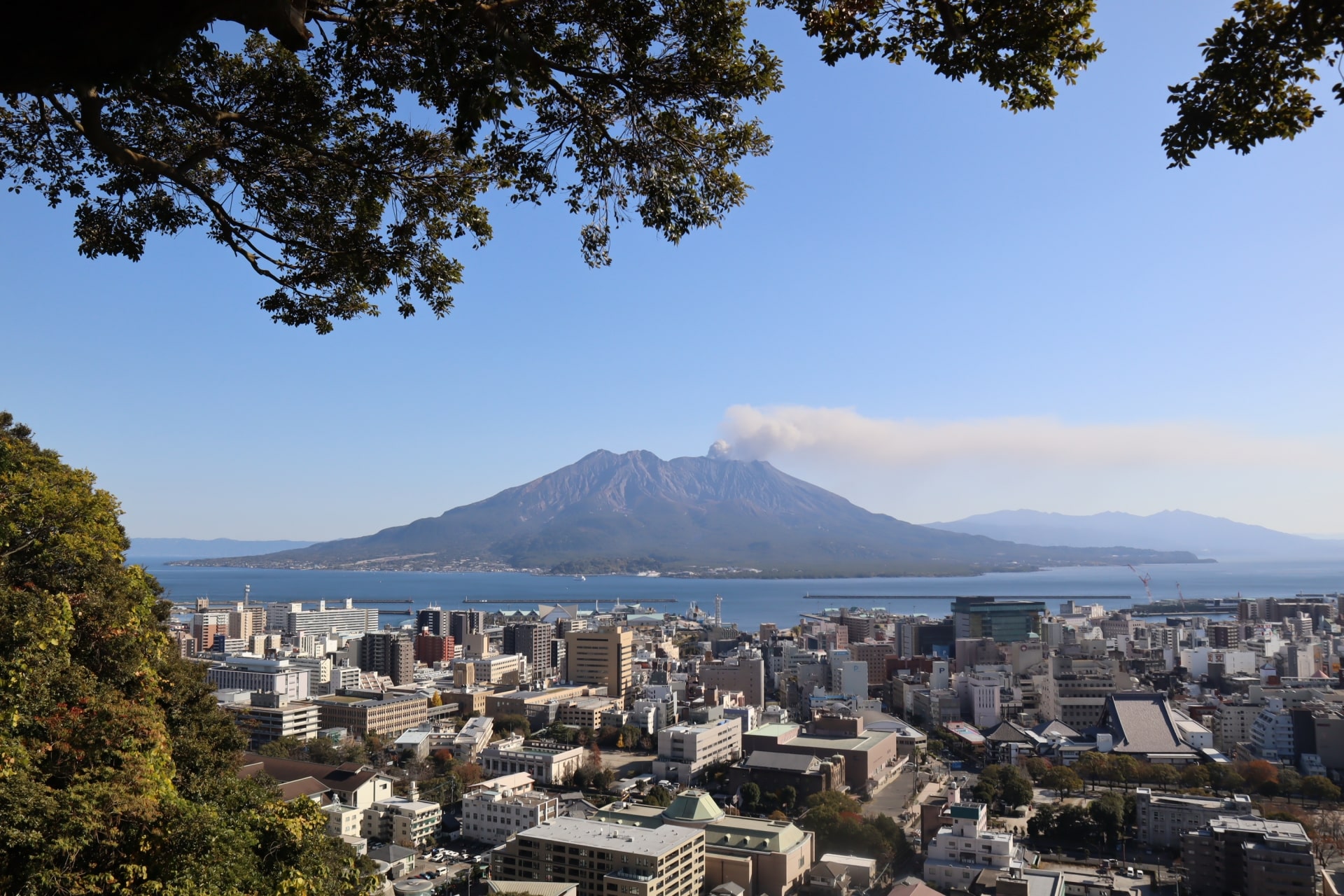
Kagoshima is where Japan’s dramatic landscapes meet restorative hot springs. The city is dominated by Sakurajima, an active volcano that constantly reminds you that nature still has the final say. Alongside volcanic vistas, Kagoshima offers historic streets, subtropical parks, and local cuisine built around fresh seafood and Kagoshima black pork. Winter here is mild compared with Tokyo, perfect for exploring without the crowds or the freezing temperatures of northern Japan.
Why Choose Kagoshima?
Kagoshima balances natural spectacle with cultural depth. Ferry across Kagoshima Bay to see Sakurajima’s plumes up close, or relax in Ibusuki’s unique sand steam baths, where volcanic heat warms the body while you lie on the beach. The city’s history as the gateway to the Satsuma domain adds museums, gardens, and samurai-era sites to your itinerary. Winter temperatures average 10–14°C, cool but comfortable for sightseeing, onsen visits, and riverside walks.
See also: 10 Best Things to Do in Kagoshima
How to Get to Kagoshima & Getting Around
Kagoshima Airport connects directly to Tokyo (Haneda) and several Kyushu cities. Flights take roughly 1 hour 50 minutes from Tokyo. For those who enjoy scenic rail travel, the Shinkansen is an option: about 7 hours from Tokyo via a transfer at Shin-Osaka, letting you watch Japan’s countryside gradually soften into southern subtropical landscapes.
Solaseed Air operates several of the daily flights, particularly from Tokyo and other Kyushu airports, providing flexible timing for weekend or midweek trips. Once on the ground, the airport is about 40 minutes from central Kagoshima by shuttle bus or rental car, making it simple to get straight to the main sights.
Find flights to Kagoshima
Kagoshima is one of Japan’s warmest winter destinations, and flying is often the fastest and most convenient way to get there. Seats on popular routes and travel dates can sell out quickly, so searching in advance helps you secure better schedules and fares.
Kagoshima city itself is compact, with a reliable tram network connecting downtown, shopping districts, and the ferry terminal to Sakurajima. For excursions to Ibusuki, Sengan-en Garden, or Shiroyama Observatory, renting a car or joining local day tours is highly recommended. Roads are easy to navigate, and most signage includes English.
Public buses exist for many tourist routes, but they are slower and less frequent than a car or guided tour, so planning is essential if you skip a rental.
Sample 3-Day Itinerary & Budget in Kagoshima
Winter days are comfortable for sightseeing, but mornings can be chilly. Layering is key, and a light scarf will help during early ferry crossings or on mountaintop viewpoints.
See also: 10 Best Things to Do in Kagoshima
Day 1: City & Volcano Views
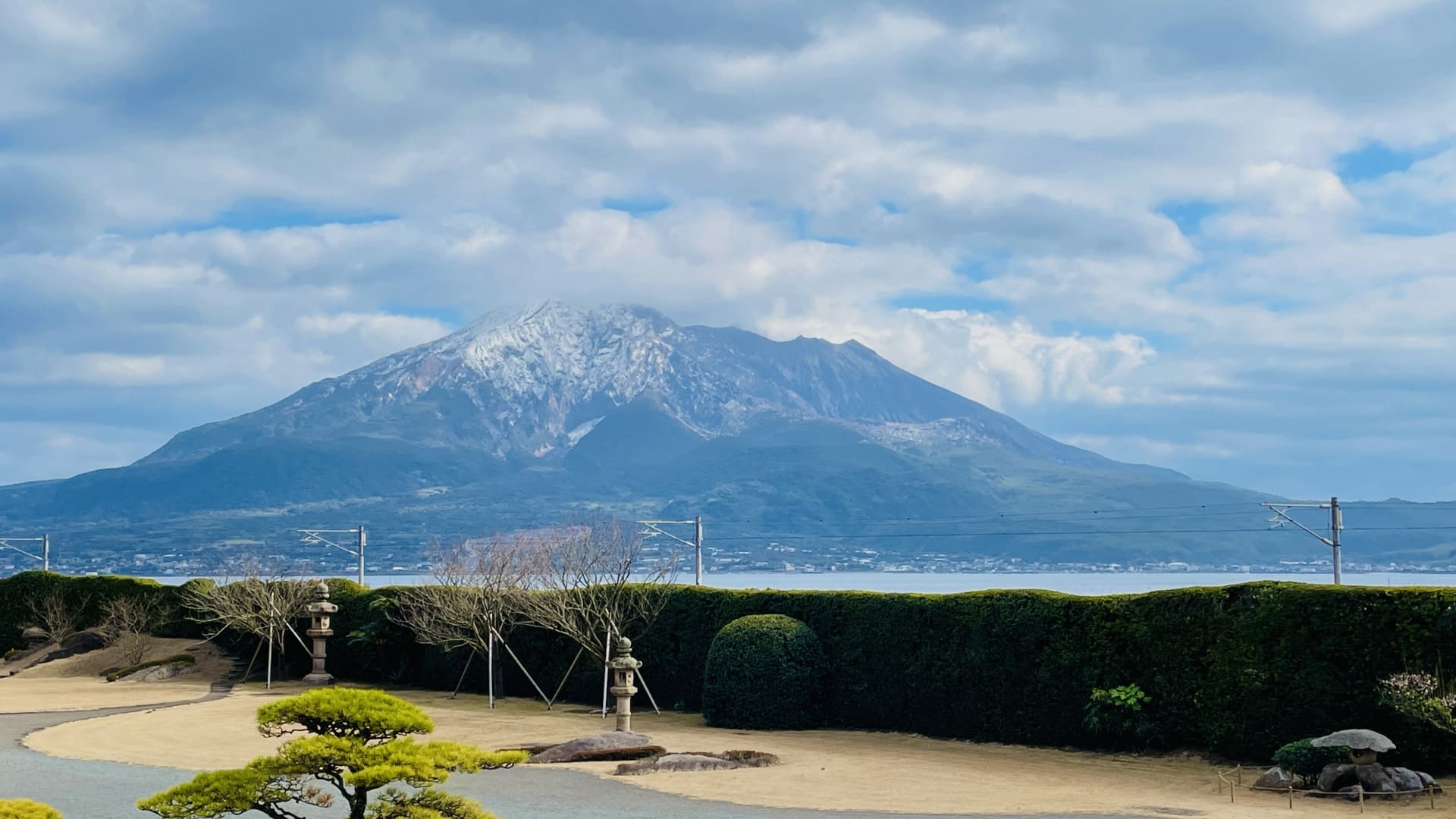
With a morning flight with Solaseed, you can land at Kagoshima Airport at 9:30. Head into the city by airport bus (about 40 minutes) and then take the Nippo Main Line to Sengan-en Station to explore Senganen, a stately garden and former Shimazu residence overlooking the bay, with the impressive Sakurajima as part of its backdrop, covered in snow during winter.
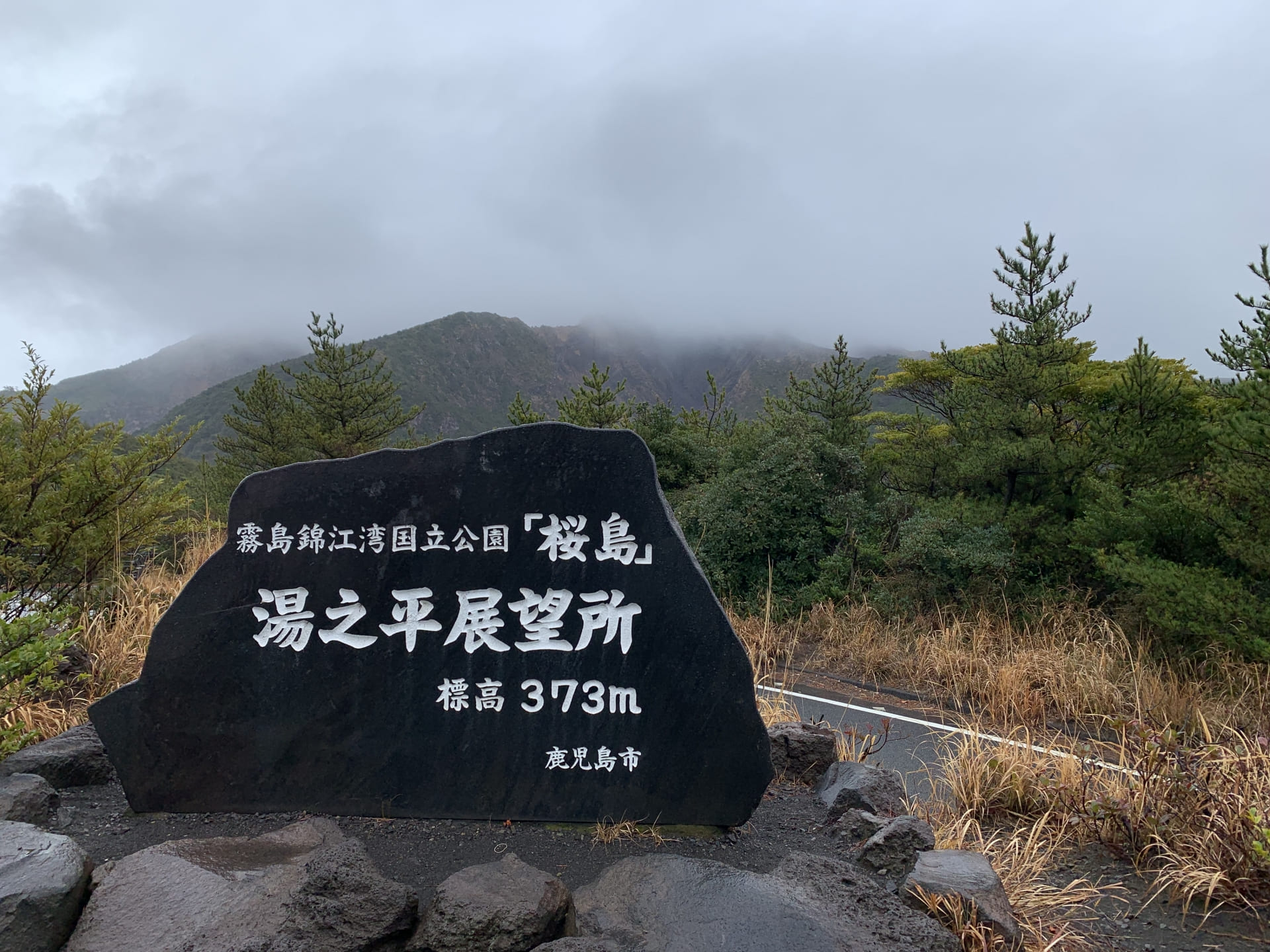
Return to the city and head to the Kagoshima Port Sakurajima Ferry Terminal to take the 15-minute ferry ride to Sakurajima. There’s a ferry departing every 20 minutes, so don’t worry too much about your timing. From there, ride a bus for about 30 minutes up to the Yunohira Observatory for sweeping views of the smoking crater. Depending on your timing, I won’t blame you if you’re tempted to stay for the sunset, just bear in mind you won’t have a bus to return to the port after 5:10 PM, so you may need to call a taxi.
Back in the city for the evening, try local signature dishes such as black pork shabu-shabu or Kurobuta tonkatsu in Kagoshima’s Tenmonkan district, the main downtown area of restaurants and bars.
Day 2: Ibusuki & Onsen
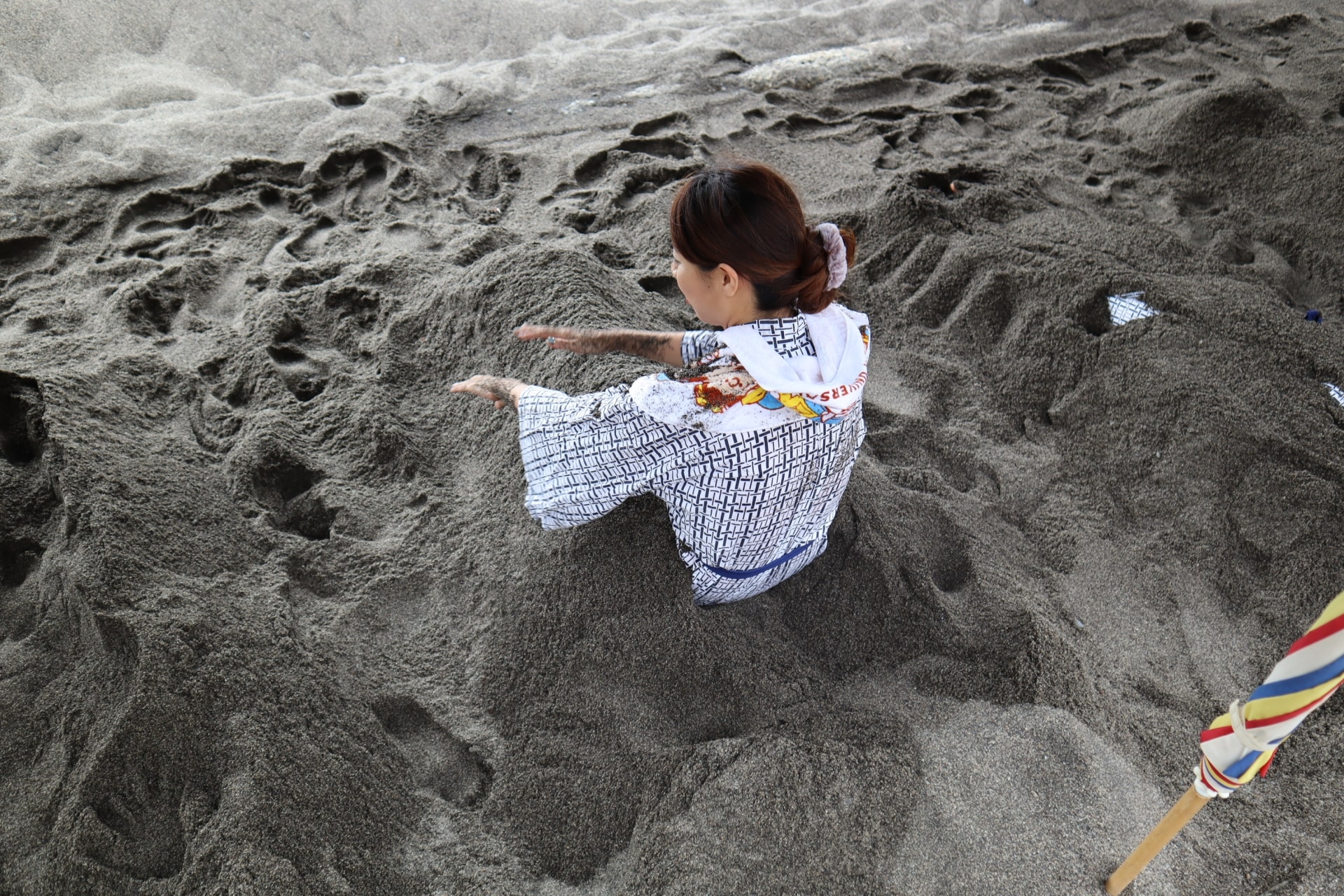
Take the morning train or drive down to Ibusuki, about 80 minutes south either way. This seaside resort is famous for its sunamushi onsen, where attendants bury you in naturally heated sand, a rare and oddly relaxing experience. You may choose to spend the day pampering yourself or do some more exploration after enjoying the onsen.
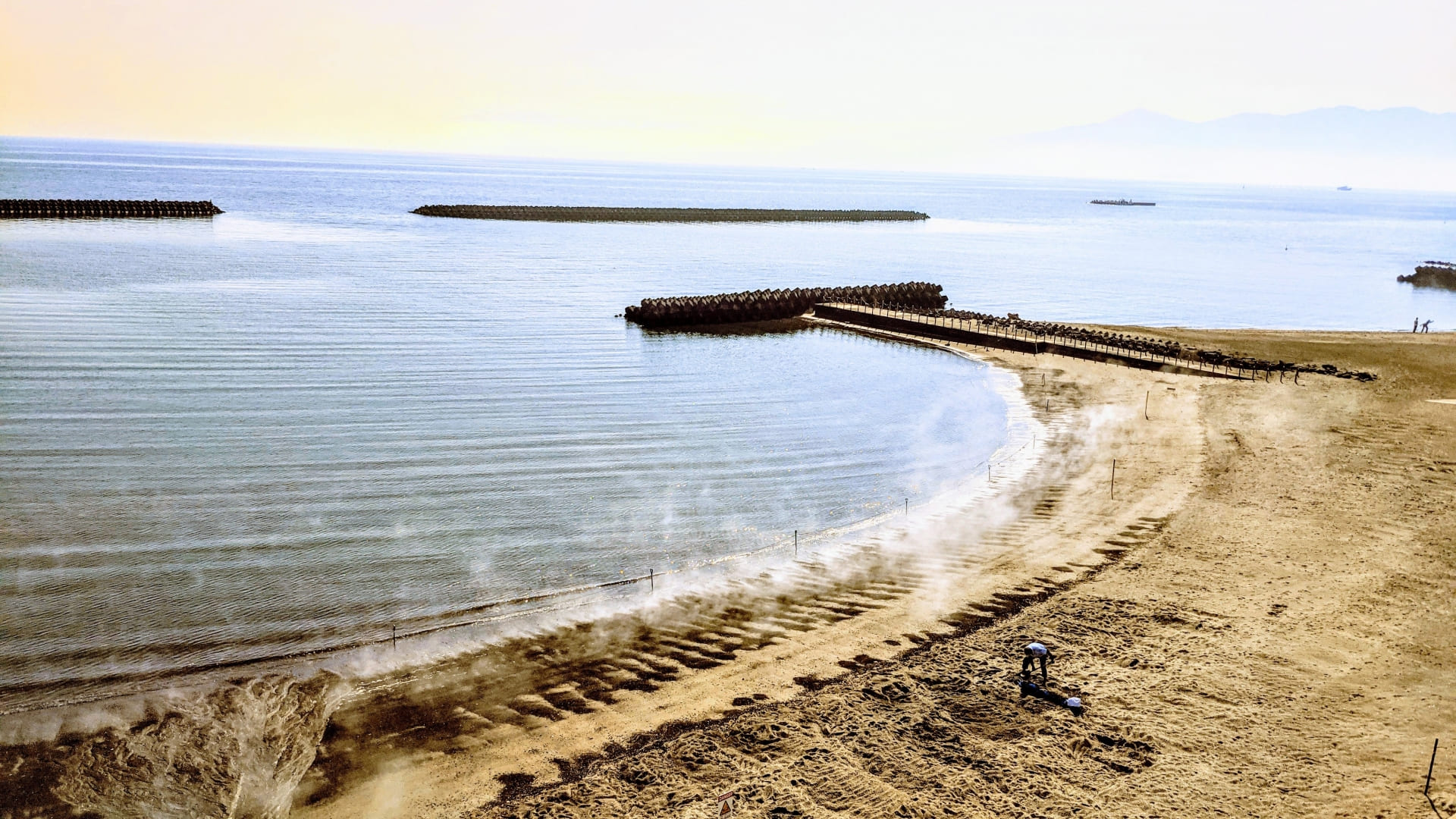
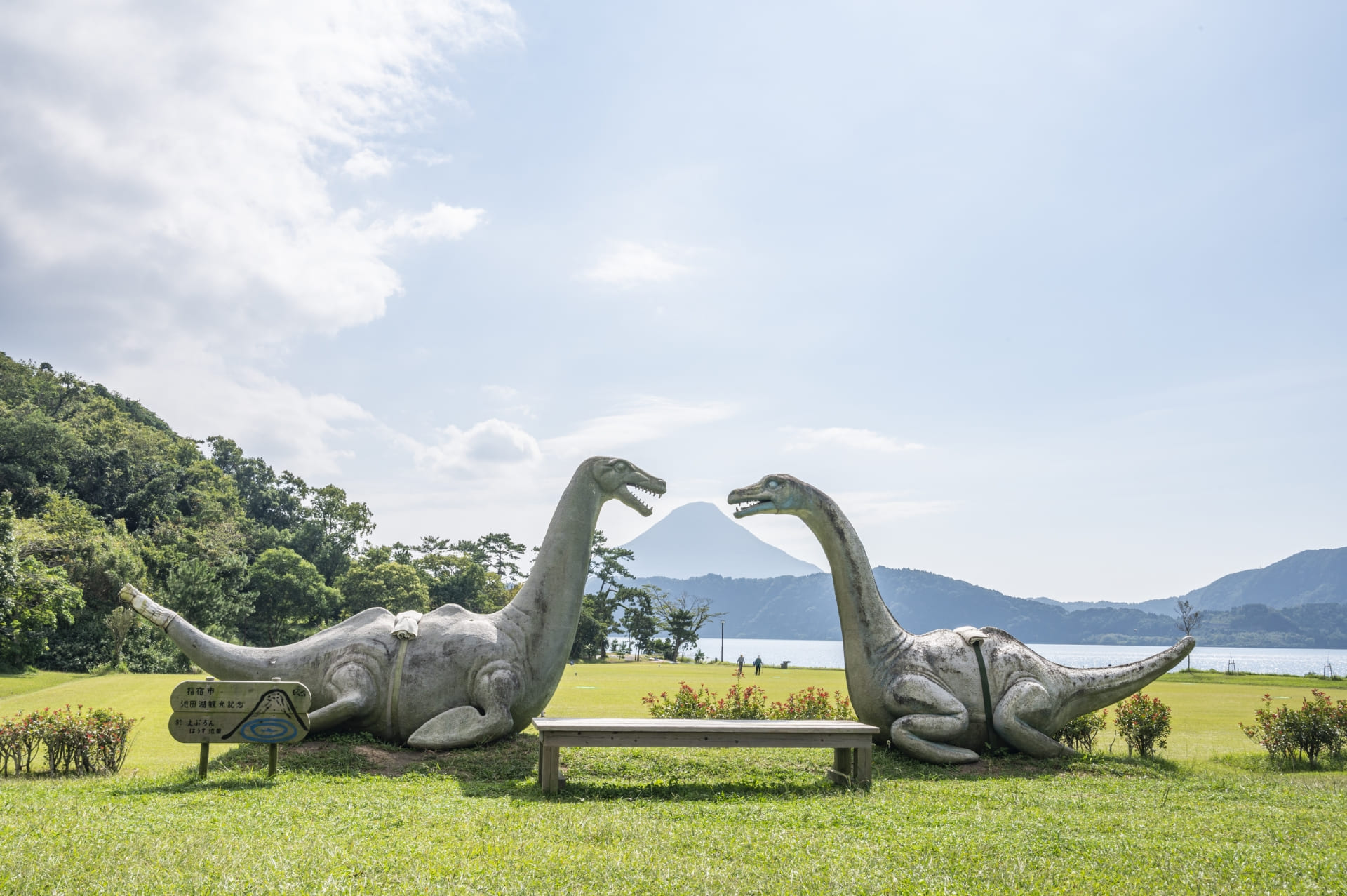
If you choose the latter, drive to Cape Nagasakibana, known for its lighthouse and views of Mount Kaimon, the “Fuji of Satsuma.” On the way back, stop at Lake Ikeda, where legends say a giant eel named Issie lives, a bit of local folklore that adds charm to the landscape.
Day 3: Local History that Shapes a Country
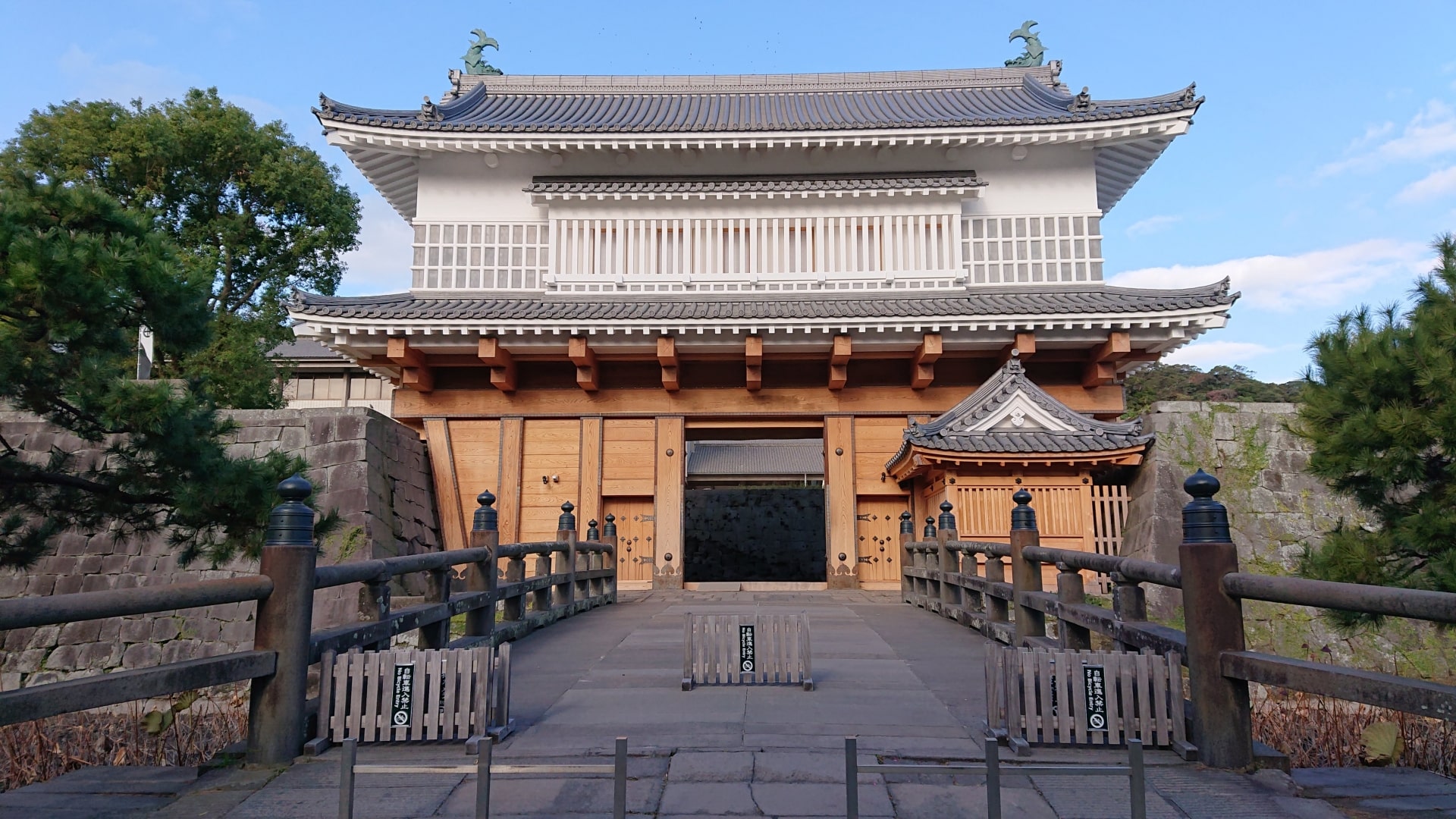
Take a relaxed stroll around Tsurumaru Castle Ruins, admire the Main Gate, and enjoy the surrounding gardens. If you’re so inclined, stop by the Reimeikan to learn about local folk history and crafts.
Continue strolling to Mount Shiroyama and stop by Shiroyama Park Observation Deck to get the best panoramic views of the city. On the way down, there are many interesting cultural landmarks, so you can walk around taking your time. Lastly, head to the Museum of the Meiji Restoration to learn about one of the most pivotal historical moments that set the foundations of modern Japan.
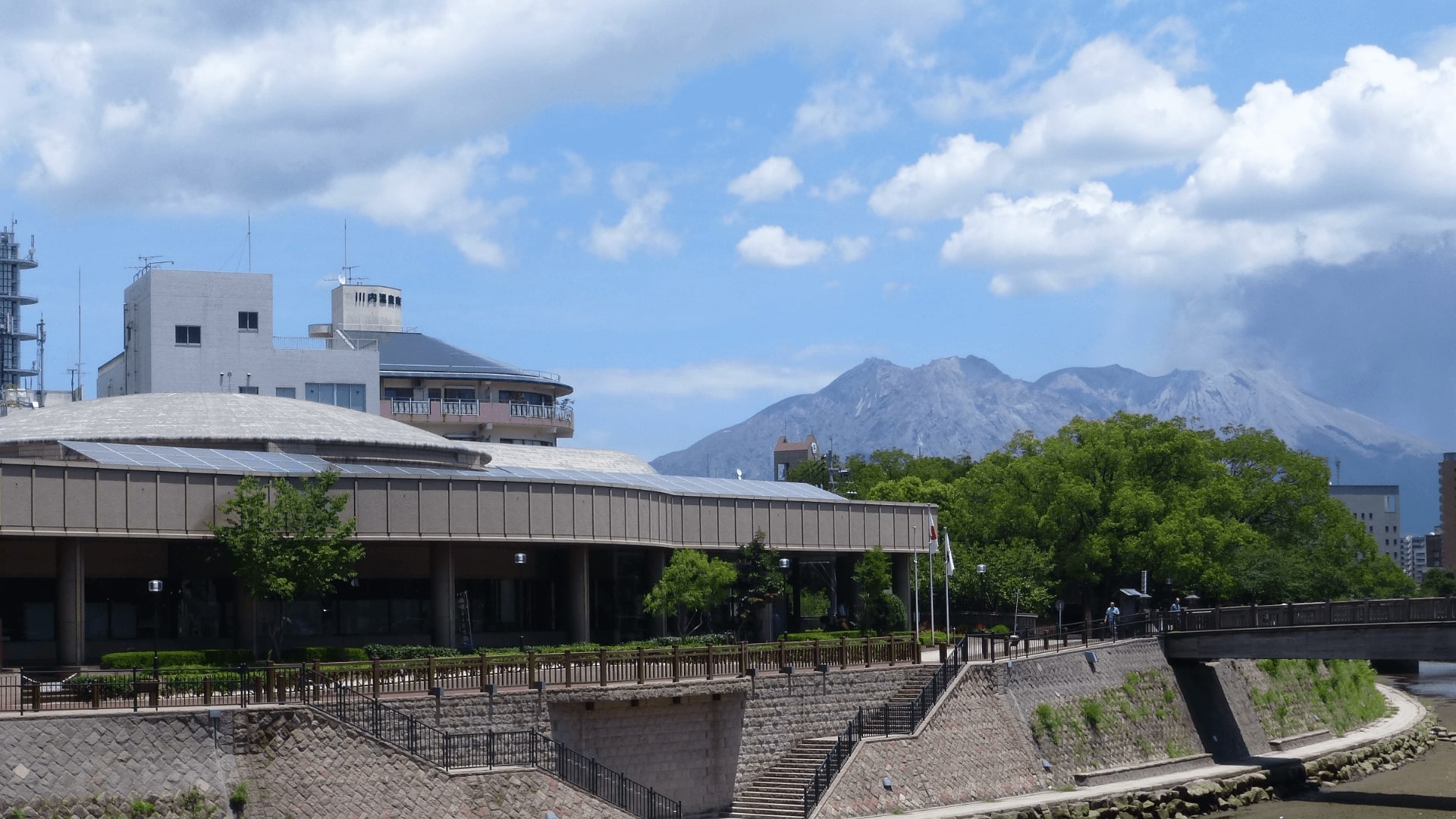
Spend the rest of the afternoon at your own pace before heading back to the airport. Solaseed’s return flight at 8:20 PM allows you plenty of time to enjoy your day until your departure time.
| Category | Approx. Cost (JPY) | Notes |
| Flight (round-trip from Tokyo) | 18,000–28,000 | Solaseed air fares vary by season |
| Accommodation (2 nights) | 10,000–16,000 | Mid-range hotels or ryokan |
| Transport | 6,000–9,000 | Rental car for day trips or tram fares in city |
| Food | 6,000–8,000 | Local restaurants, café meals |
| Activities | 3,000–5,000 | Ferry, Sengan-en Garden, sand baths |
| Total | 43,000–66,000 JPY | Approximate, subject to seasonal variation |
Miyazaki: Surf, Myths, and Sun-Kissed Coastlines
Miyazaki offers a slower, sun-soaked alternative to crowded tourist hubs. Winter temperatures here are relatively mild, reaching about 12–13°C, and the coastline gets plenty of daylight. Visitors can wander along quiet beaches, explore cliffside shrines, and even catch a wave at one of Japan’s most famous surf spots. The prefecture’s mix of natural beauty, mythology, and relaxed pace makes it ideal for travelers seeking a more intimate southern Japan experience.
Why Choose Miyazaki?
Miyazaki is for travelers who want to combine outdoor adventure with cultural discovery. Its shrines and mythological sites — like Udo Jingu, built inside a cliff cave overlooking the ocean — tell stories of Japan’s creation myths. Coastal rock formations, including the “Devil’s Washboard” at Aoshima Island, are perfect for photography or short walks. Surfing, cycling, and hiking are popular, and the area rarely feels crowded, even in peak winter. Compared with Okinawa, Miyazaki is quieter and more budget-friendly, though having a car is strongly recommended for flexibility.
See also: 10 Best Things to Do in Miyazaki
How to Get to Miyazaki & Getting Around
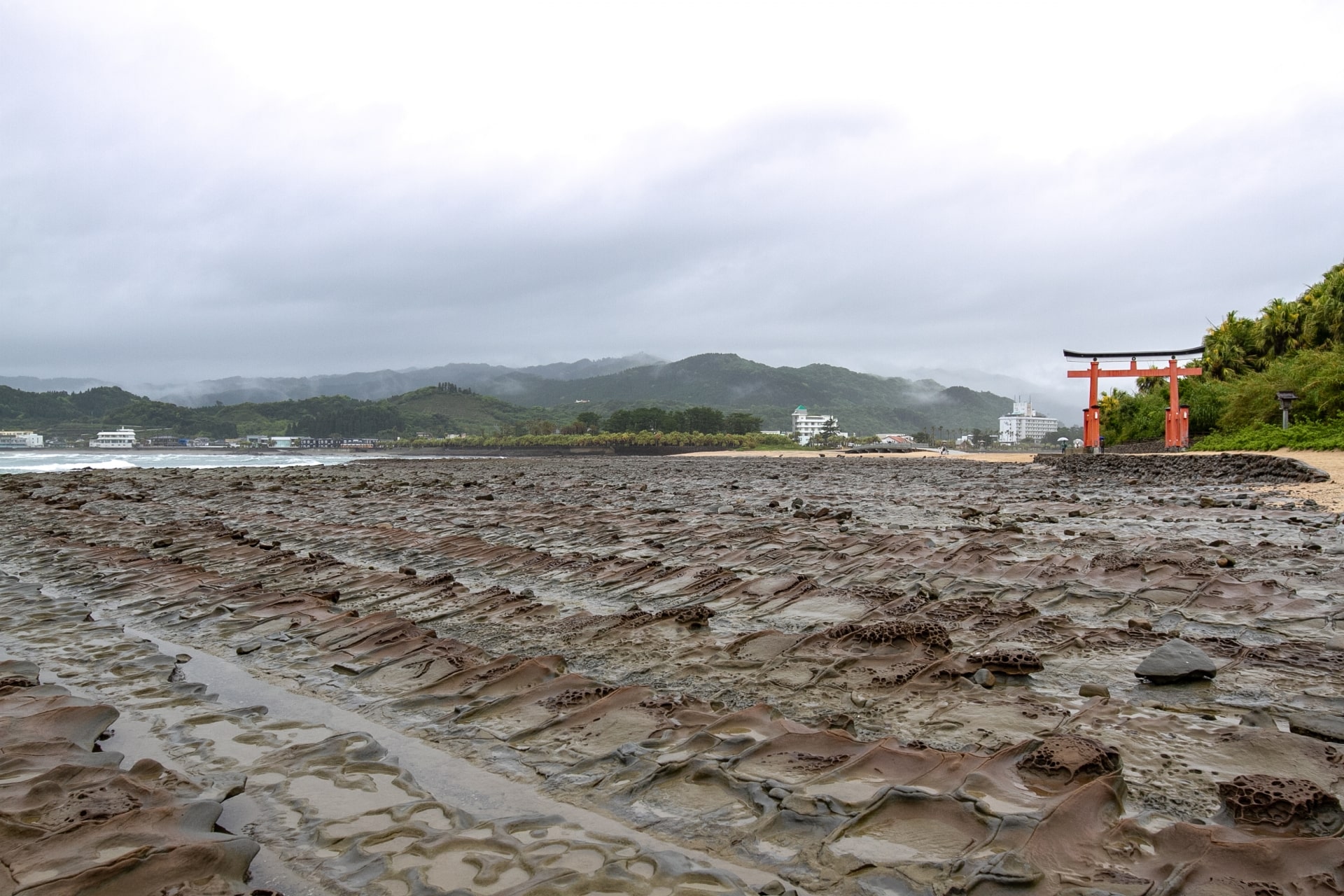
The main entry point is Miyazaki Bougainvillea Airport, about 1.5 hours by flight from Tokyo (Haneda). There are also connecting flights from Osaka and other regional hubs.
Solaseed Air offers several daily flights from Tokyo and select Kyushu airports, making it an easy choice for short winter getaways. For those who prefer trains, Miyazaki is reachable by JR lines from Fukuoka, though travel times are longer and connections less frequent.
Once in Miyazaki, the airport is roughly 10–15 minutes from the city center by taxi or shuttle. Renting a car is strongly recommended to access coastal highlights, inland valleys, and sites like Takachiho Gorge, which is a two-hour drive from Miyazaki city.
Find flights to Miyazaki
Miyazaki enjoys a mild, sunny climate throughout winter, making it a relaxed alternative to Japan’s colder regions. Flights on popular routes and travel dates can fill up quickly, so searching in advance helps you secure better schedules and fares.
City sightseeing is manageable with buses or taxis, but most highlights are scattered along the coast or inland. A rental car is the simplest way to explore multiple sites in a single day. Roads are straightforward, English signage is present on main routes, and parking is generally plentiful.
Public buses exist for longer trips but are infrequent, so car rental or day tours make the schedule much more efficient.
Sample 3-Day Itinerary & Budget in Miyazaki
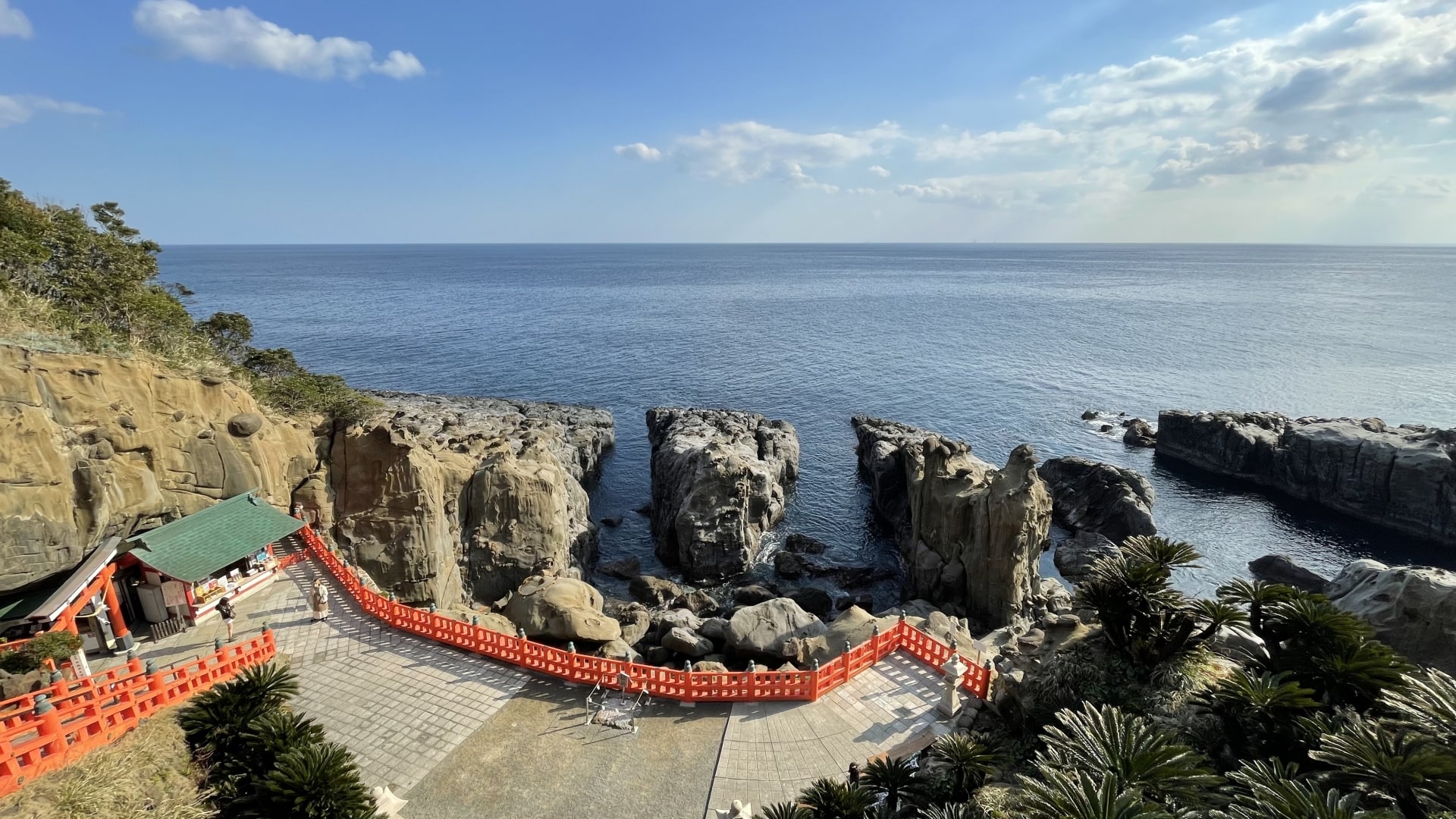
Coastal winds can be surprisingly strong in winter. A light windbreaker is recommended, especially for cliffside walks and boat rides.
See also: 10 Best Things to Do in Miyazaki
Day 1: Aoshima & Miyazaki City
Arrive at Miyazaki Airport in the morning, and start with a walk along Aoshima Beach, just about 30min away on the Airport Bus. Cross the narrow bridge to Aoshima Island, where subtropical forest surrounds the small Aoshima Shrine, famous for its matchmaking charms.
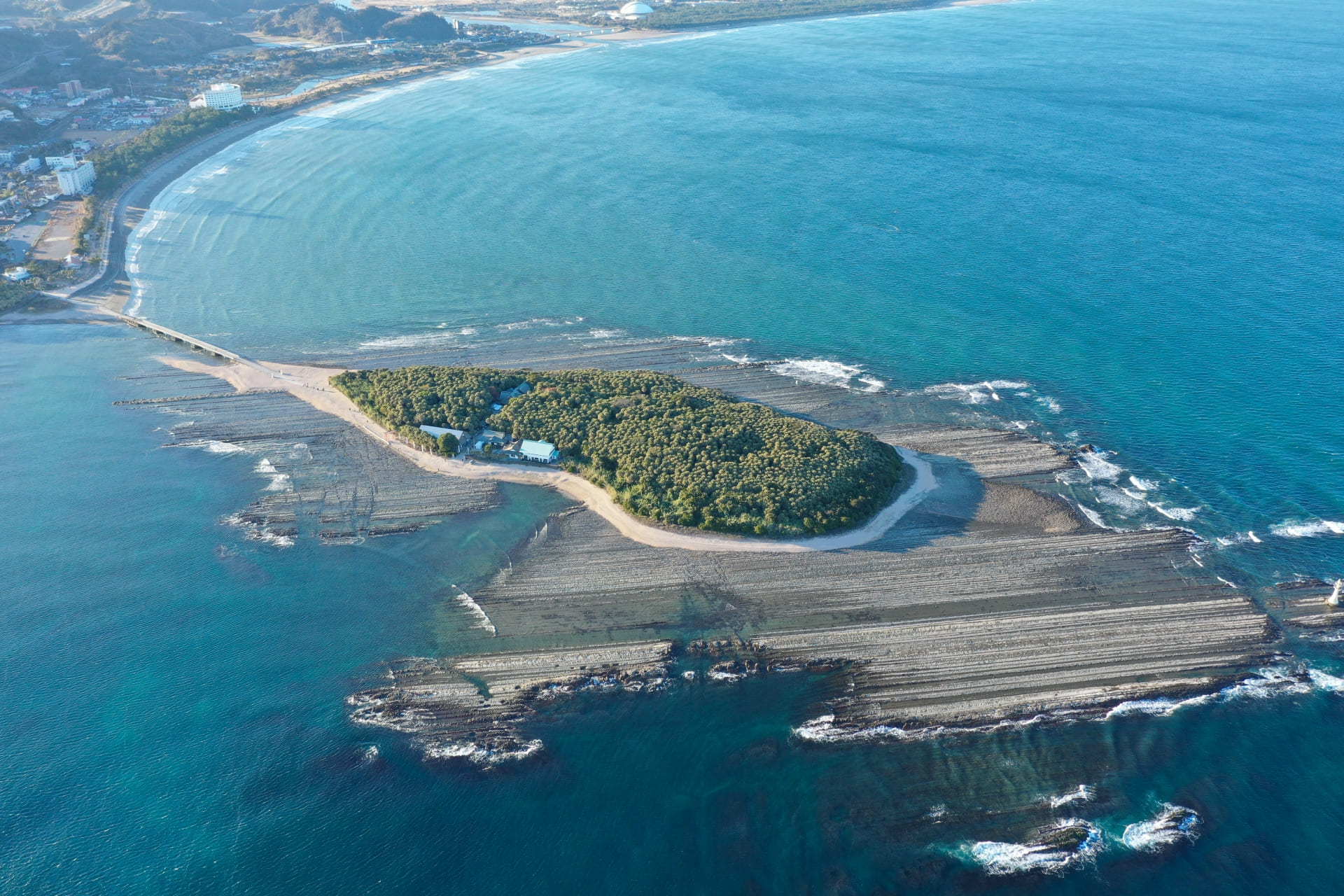
The island’s striking rock formations, called the “Devil’s Washboard,” make a great photo stop.
Have lunch at one of the casual seaside cafés, then ride the train to Miyazaki Station and spend the rest of the afternoon strolling around Tachibana Street, the main commercial road of the city.
Day 2: Takachiho Gorge
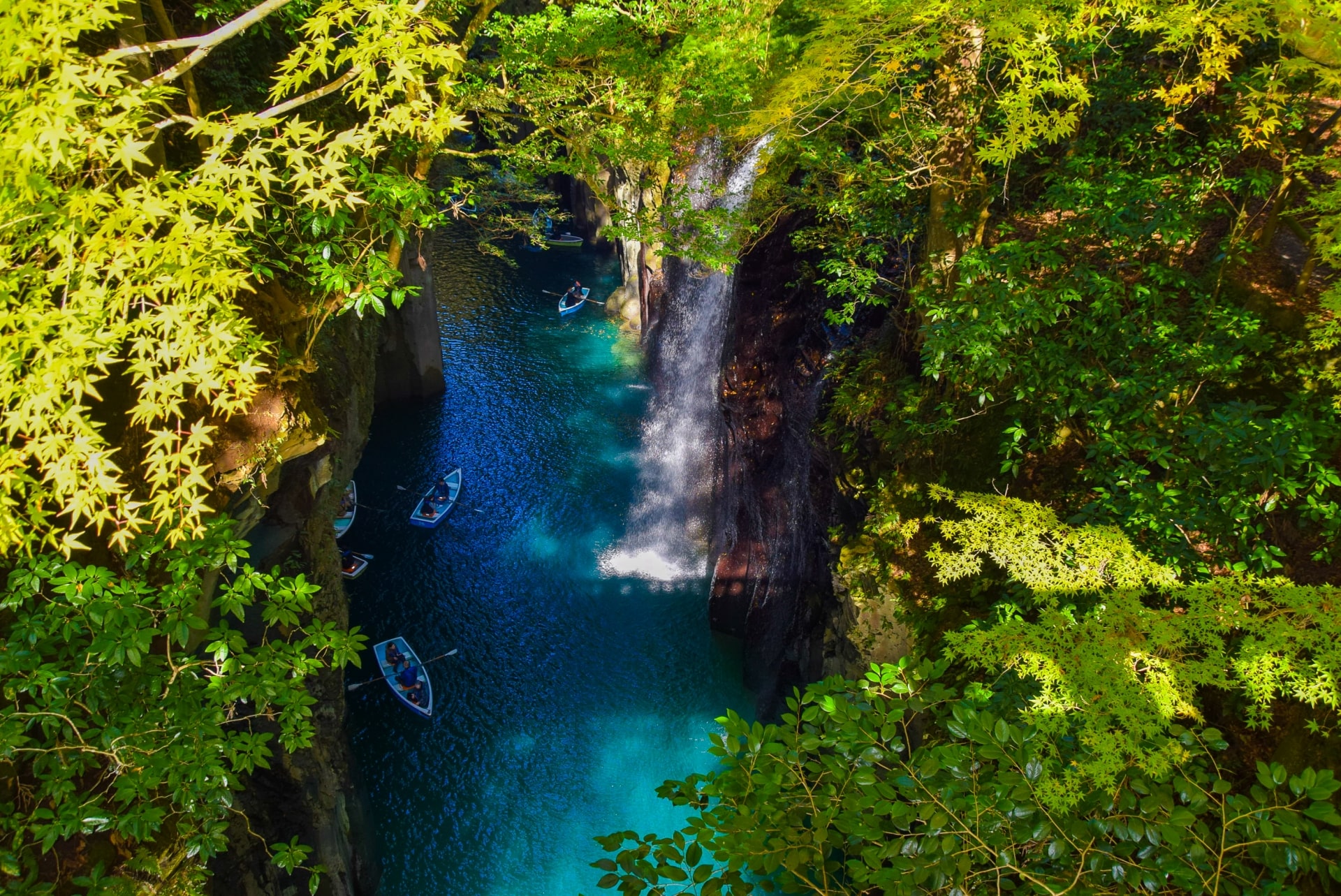
Pick up a rental car and drive about two hours north to Takachiho, a lush mountain town tied to Japanese mythology. Walk the riverside path through Takachiho Gorge, where cliffs rise sharply beside emerald water.
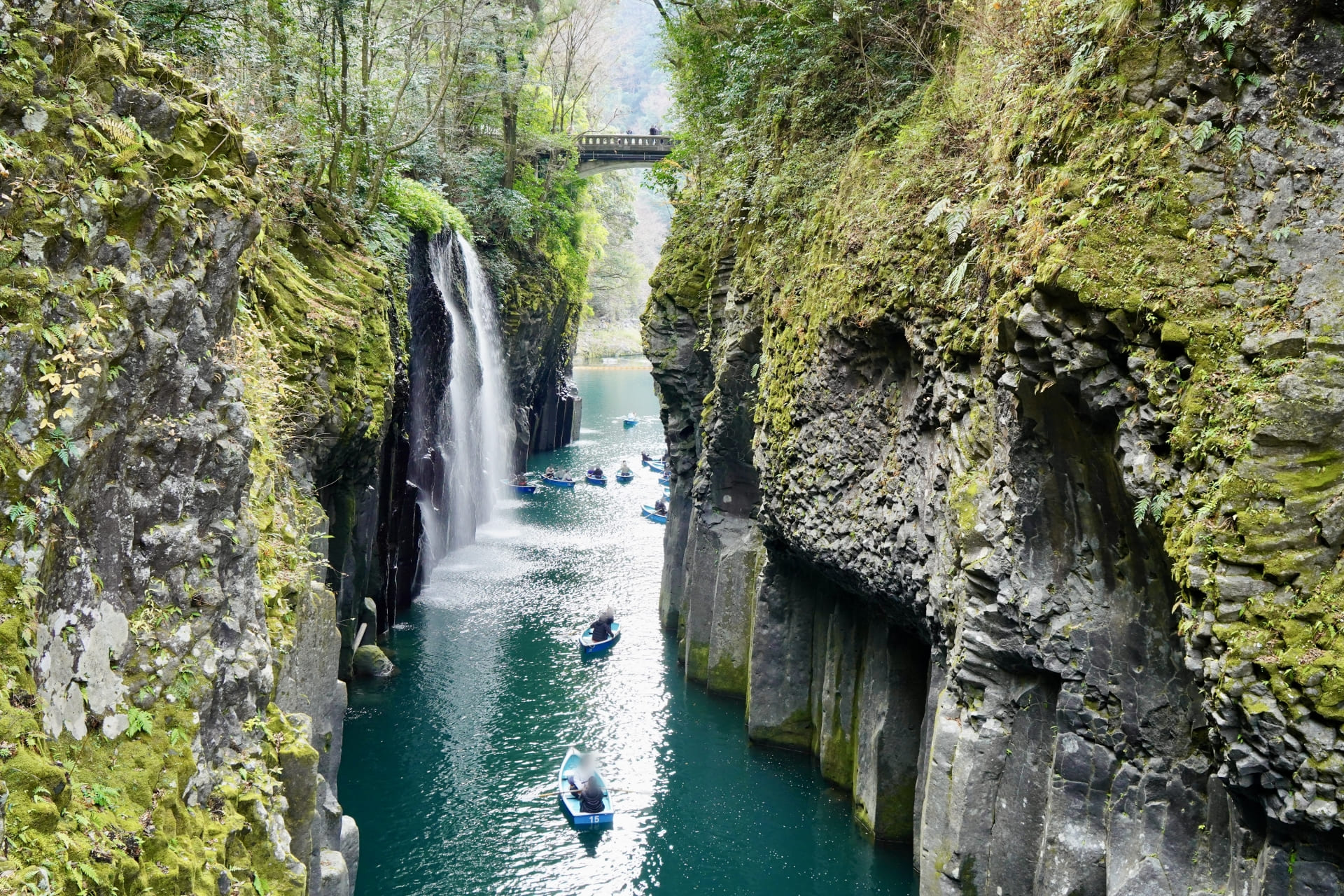 Relatively close by, you can find Amanoiwato Shrine, built near the Amanoyasukawara cave where the sun goddess Amaterasu is said to have hidden, plunging the world into darkness. On the way back, make your way to the coast to stop at Cape Hyuga Observation Deck and The Sea Cross for dramatic ocean views before returning to Miyazaki City.
Day 3: Coastal Views & Udo Shrine
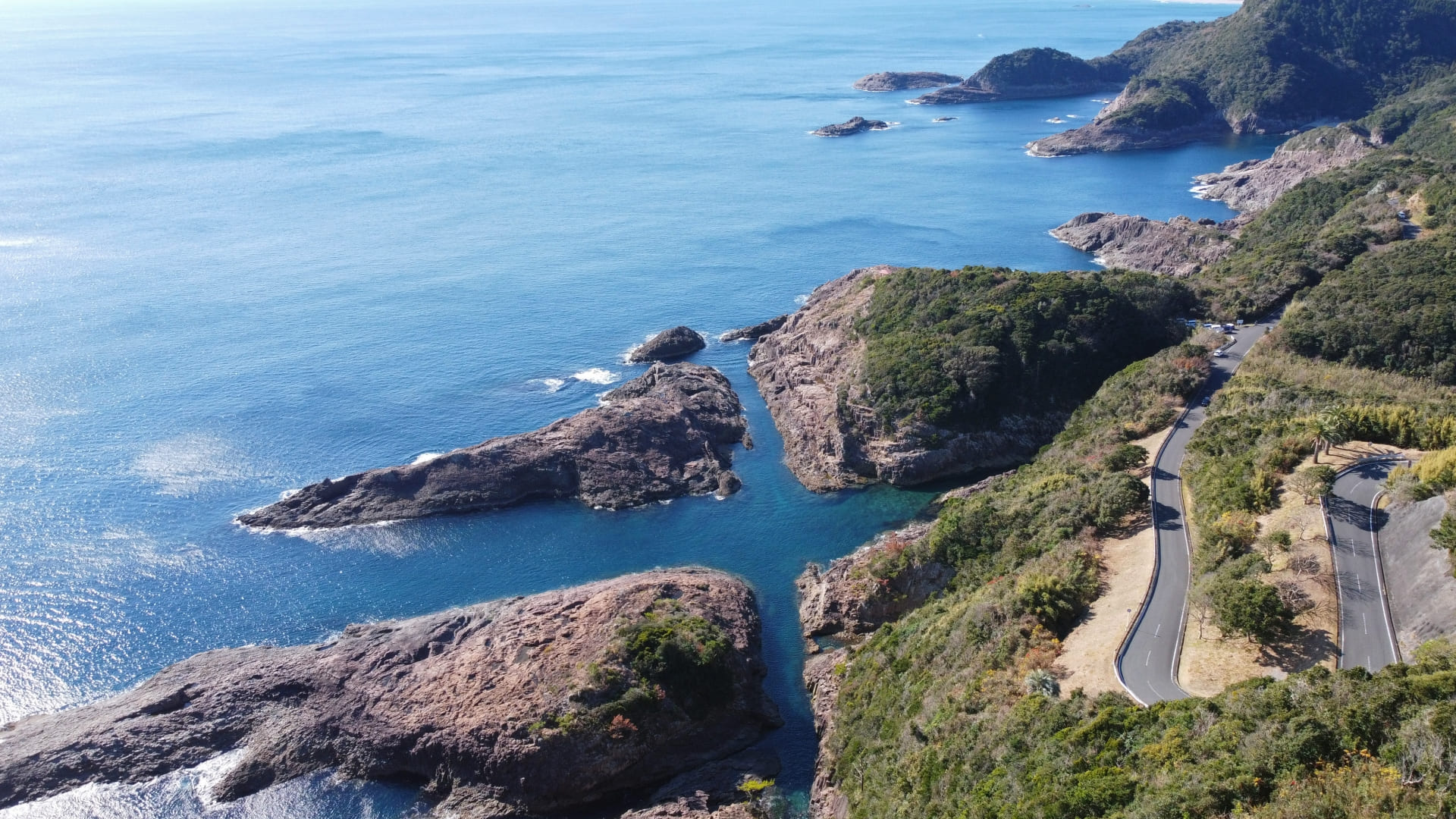
Spend your final day heading south along the Nichinan Coast. The drive itself is part of the charm, with its wide ocean views, roadside stands selling citrus, and photo stops at Horikiri Pass. Visit Udo Shrine, dramatically built into seaside cliffs, where visitors toss small clay balls for good luck.
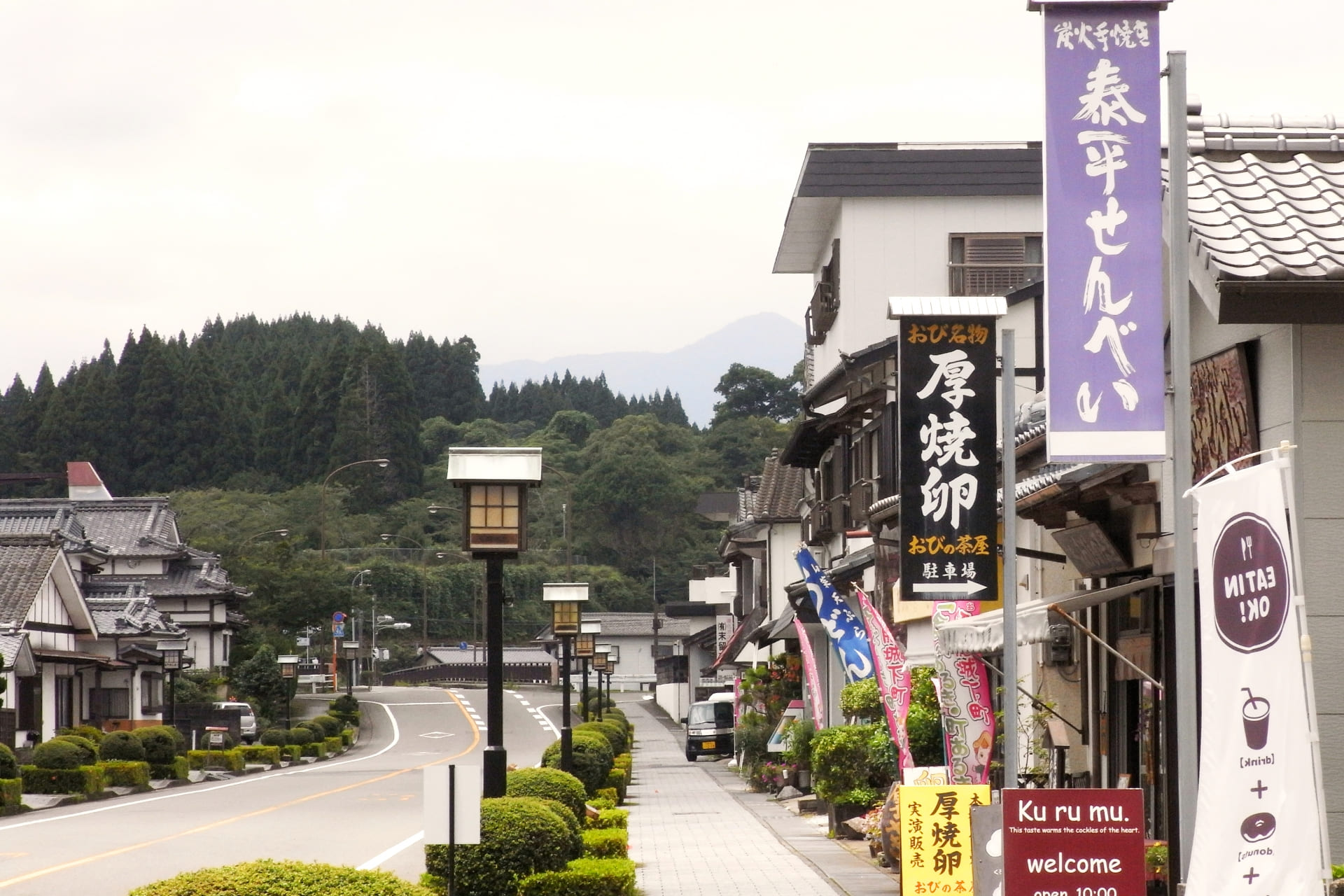
Have a leisurely lunch in Nichinan or Obi, a quiet castle town with preserved samurai homes and a gentle, time-worn atmosphere. Return to Miyazaki Airport in the late afternoon for your evening flight.
| Category | Approx. Cost (JPY) | Notes |
| Flight (round-trip from Tokyo) | 15,000–25,000 | Solaseed Air fares vary by season |
| Accommodation (2 nights) | 10,000–15,000 | Mid-range hotel or guesthouse |
| Transport | 8,000–12,000 | Rental car for 2–3 days |
| Food | 5,000–7,000 | Local restaurants, cafés, casual dining |
| Activities | 2,000–4,000 | Shrine entry, boat rides, sightseeing |
| Total | 40,000–63,000 JPY | Approximate, seasonal variation |
FAQ & Planning Tips for a Southern Japan Winter Escape
- What should I pack for a warm-ish winter trip in Japan?
Even in Okinawa, Kagoshima, or Miyazaki, winter is mild but not tropical. Bring layers: t-shirts, long-sleeved shirts, a light sweater, and a windbreaker. Comfortable walking shoes are essential. Sunscreen is recommended for coastal days, and a compact umbrella can help with occasional rain.
- Can I swim in the ocean?
Okinawa and Miyazaki waters average 20–22°C in winter. Brave swimmers can enjoy a quick dip, but a wetsuit is recommended. Kagoshima beaches are cooler; swimming is generally not practical. Walking along the shore and beachcombing are safer and more comfortable alternatives.
- Is a Japan Rail Pass worth it?
For these specific destinations, a JR Pass is usually not necessary. Flights are faster, and local exploration often requires a rental car. If you’re combining a southern escape with longer mainland travel, then a JR Pass might make sense for Shinkansen connections.
- What about winter surf conditions?
Miyazaki is the most surf-friendly winter destination. Waves are consistent, and fewer crowds make it ideal for intermediate surfers. Water temperatures are cooler than in summer; a wetsuit is essential. For Okinawa, waves are smaller and surfing is less common in January–February.
- Onsen etiquette tips
Kagoshima’s onsens are unforgettable, but remember local rules: shower before entering, keep towels out of the bath, and avoid loud conversations. Many facilities provide instructions in English. For more details, check our dedicated article Japanese Onsen Etiquette: Dos and Don’ts
Your Next Step: Choosing Your Winter Escape
Whether it’s beaches, volcanoes, or sunlit surf, southern Japan has a winter escape that fits every traveler.
With Solaseed Air, reaching these destinations is fast, simple, and convenient. Flights from Tokyo or regional Kyushu airports get you there in a couple of hours, leaving more time for sightseeing, relaxing, and enjoying the milder weather.
Start planning your winter getaway
Compare flight options to southern Japan and find the route and schedule that best fits your travel plans. Booking ahead gives you more flexibility and helps you make the most of your winter escape.
Take off this winter, skip the chill, and explore Japan’s subtropical south to make the best of what it has to offer, with each destination promising a unique experience. Your perfect southern getaway is just a flight away.
▽Related Articles▽

Written by
Photographer, journalist, and avid urban cyclist, making sense of Japan since 2017. I was born in Caracas and lived for 14 years in Barcelona before moving to Tokyo. Currently working towards my goal of visiting every prefecture in Japan, I hope to share with readers the everlasting joy of discovery and the neverending urge to keep exploring.
- +0 0
-
-