Tokyo to Nagoya Shinkansen Guide: Best Train, Ticket Tips and Travel Costs 2026
A simple guide to choosing the fastest train, understanding fares, and booking your Tokyo to Nagoya trip with confidence.
- +6 6
-

-


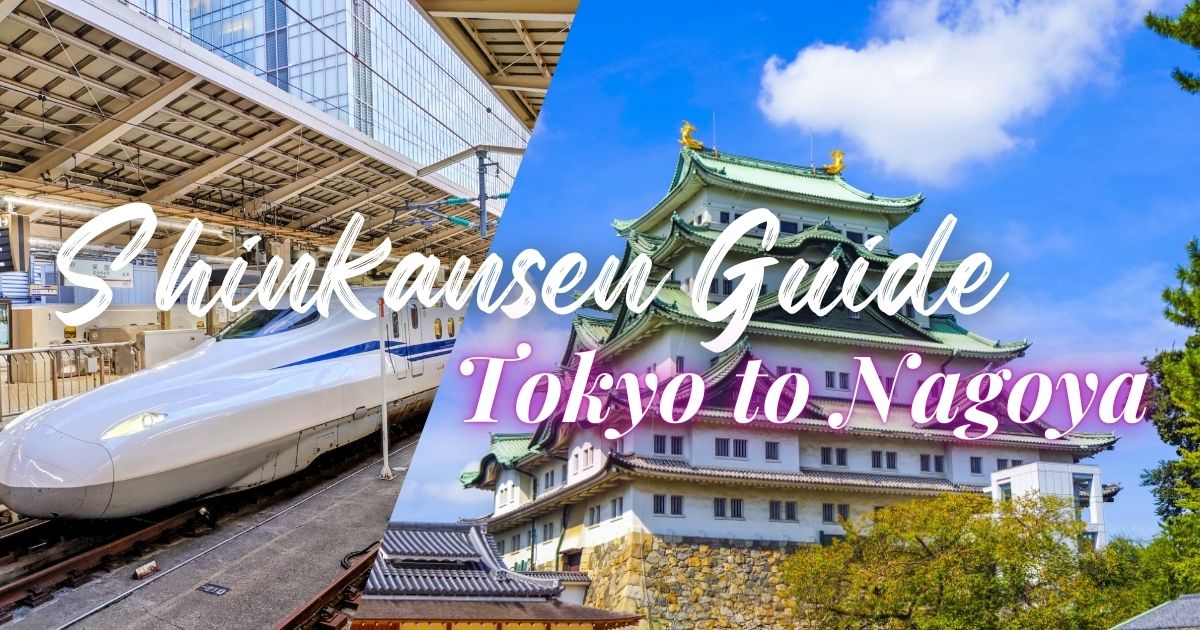
Covering roughly 350 km, the journey from Tokyo to Nagoya is one of the most iconic long-distance trips in Japan. While several transportation options exist, including highway buses and domestic flights, the Shinkansen remains the most reliable choice thanks to its speed, punctuality, and exceptional comfort.
Still, showing up at the station without preparation can feel overwhelming. Ticket types, price differences, luggage rules, and payment systems can easily confuse first-time travelers. In this guide, we compare the Shinkansen with other major travel options so you can choose what fits your trip best, and we highlight the key points to help you avoid common pitfalls and enjoy a smooth, stress-free ride.
Tokyo to Nagoya by Shinkansen: What to Know First
– The Best Shinkansen: The “Nozomi” is the fastest option, reaching Nagoya in about 94 minutes.
– The Cost: A reserved seat typically costs around ¥11,300. (Even if you choose an unreserved seat, the price only drops to ¥10,560, so booking a reserved seat is recommended for a more comfortable and stress-free journey.)
– The Hack: Avoid card errors on the official app by using an English-friendly booking website.
Time & Cost Guide: Tokyo to Nagoya Shinkansen Fare & Duration
The journey from Tokyo to Nagoya takes about 1 hour and 34 minutes on the fastest train. A standard reserved seat typically costs around ¥11,300.
Before getting into the booking steps, here is a simple overview of how long the trip takes and what you can expect to pay. Travel time and fares may vary slightly depending on the train type.
Shinkansen Fare & Time Table (One-Way)
| Train Type | Travel Time | Reserved Seat | Unreserved Seat | Green Car (First Class) |
|---|---|---|---|---|
| Nozomi (Fastest) | ~1 hr 34 min | ¥11,300 | ¥10,560 | ¥14,960 |
| Hikari (JR Pass OK) | ~1 hr 50 min | ¥11,090 | ¥10,560 | ¥14,750 |
| Kodama (Slowest) | ~2 hrs 40 min | ¥11,090 | ¥10,560 | ¥14,750 |
Note: Fares are approximate and can vary by a few hundred yen depending on peak or off-peak seasons.
Child Fare (Ages 6–11): About 50 percent of the adult fare.
Infants (0–5): Free if seated on an adult’s lap.
Which Ticket Should You Choose?
For Speed: Paying a little more for the Nozomi is worth it. It is the fastest and most frequent option.
For Savings: The Unreserved Seat is the cheapest choice, but trains can be crowded and you may end up standing. For a longer trip with luggage, a Reserved Seat is strongly recommended for a more comfortable and stress-free ride.
Choosing Your Train: Key Rules and the Oversized Luggage Trap
After deciding your budget, the next step is understanding the rules and differences between each train type. You may have already looked at the comparison chart above, but this section will walk you through the details of the Nozomi, Hikari, and Kodama so you can choose the one that fits your trip best.
One of the most important points to keep in mind is the luggage rule. If you are traveling with a large suitcase, you must reserve a designated seat to avoid additional fees.
Nozomi vs Hikari vs Kodama
As the comparison chart above shows, travel time varies depending on the train. Here is a simple guide to help you choose the right one:
Nozomi (Recommended):
The fastest service on the Tokaido Shinkansen. It reaches Nagoya in about 94 minutes, stopping only at Shin-Yokohama before continuing to Nagoya. It is also the most frequent train, with departures every few minutes.
Note: Japan Rail Pass holders must purchase an Upgrade Ticket to ride the Nozomi.
Hikari:
A balanced choice that makes a few additional stops, with a total travel time of around 110 minutes. This is the quickest train fully covered by the standard Japan Rail Pass without any extra fees.
Kodama:
The slowest option, stopping at every station along the route. It takes close to 3 hours, yet the fare is nearly the same as the faster services.
Unless you have a specific reason, such as using the Platt Kodama discount ticket, the Kodama is generally not recommended for travelers on a set schedule.
WARNING: The Oversized Baggage Rule (Luggage 160cm+)
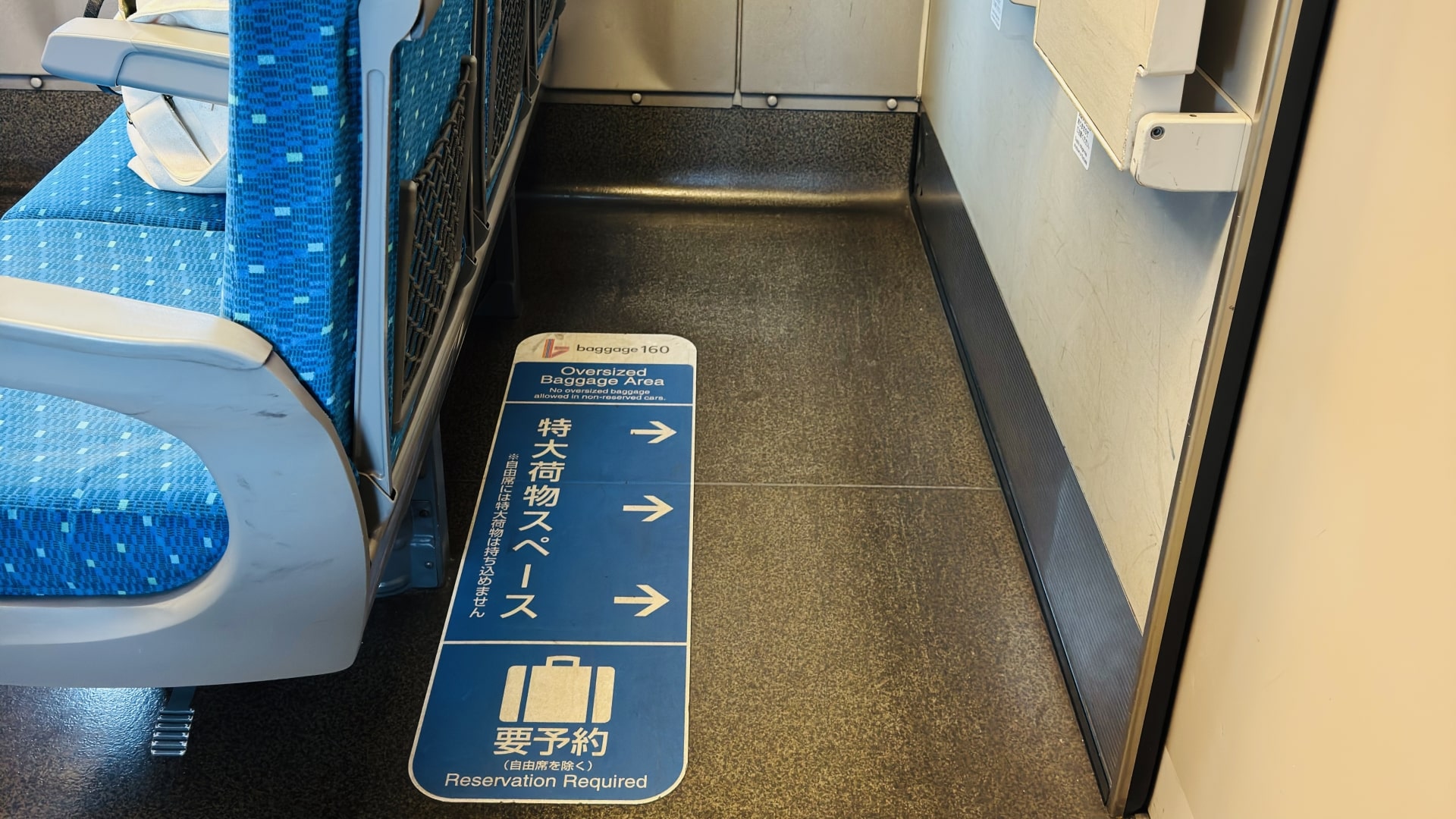
Since 2020, the Tokaido Shinkansen has enforced strict rules for large luggage. If the total dimensions of your suitcase (length + width + height) fall between 160 cm and 250 cm, you must reserve a seat with an Oversized Baggage Area, which is usually located in the last row of the car.
According to JR Central, passengers who bring oversized luggage without a reservation may be charged a ¥1,000 carry-on fee and could be asked to move to a designated car.
If you are unsure whether your suitcase qualifies as oversized, it is safest to reserve a seat with a baggage area in advance. It does not cost extra and ensures you have enough space for your belongings.
Pro Tip: Book Seat “E” for Mt. Fuji Views
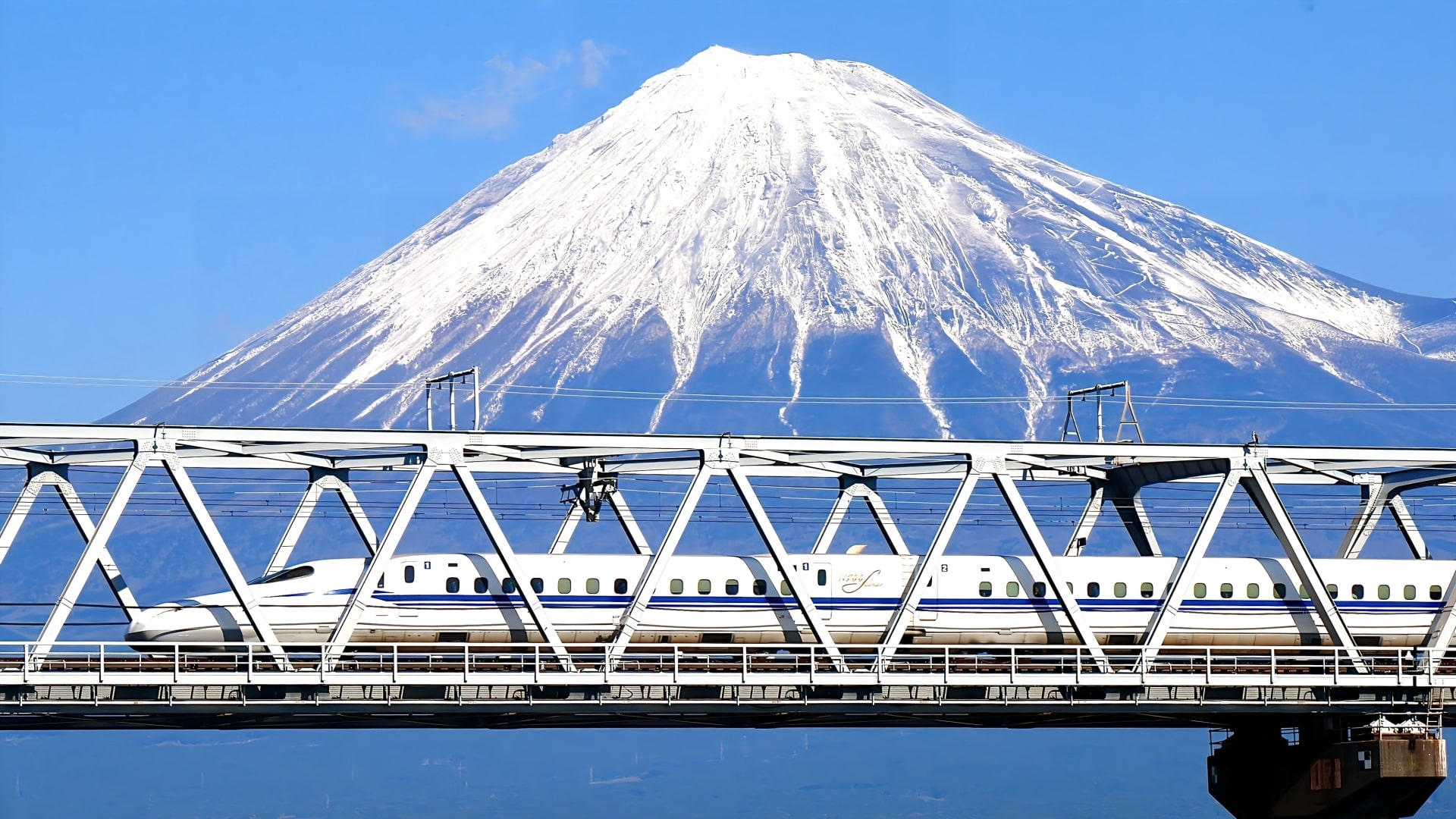
The journey from Tokyo to Nagoya offers one of the most memorable sights in Japan. Seat “E” in the Ordinary Car is on the Mt. Fuji side, giving you the best chance to enjoy the view. On a clear day, you will see the mountain approximately 45 minutes after departing Tokyo, just past Shin-Fuji Station.
Buying Tickets: Overcoming Payment Stress
You can buy Shinkansen tickets at any major station counter, and there are several online booking options as well. Still, being able to reserve your seats in advance online, in English, is the most convenient and stress-free way to prepare for your trip. In addition to the official platforms, there are also JR-authorized ticket agents that offer smooth, traveler-friendly services for international users.
The official SmartEX app often rejects international credit cards, which can make booking difficult for visitors. To secure your tickets reliably, including seats with luggage space or Mt. Fuji views, using an English-friendly service such as Japan Bullet Train is one of the best options.
The Common Problem with the Official App: SmartEX
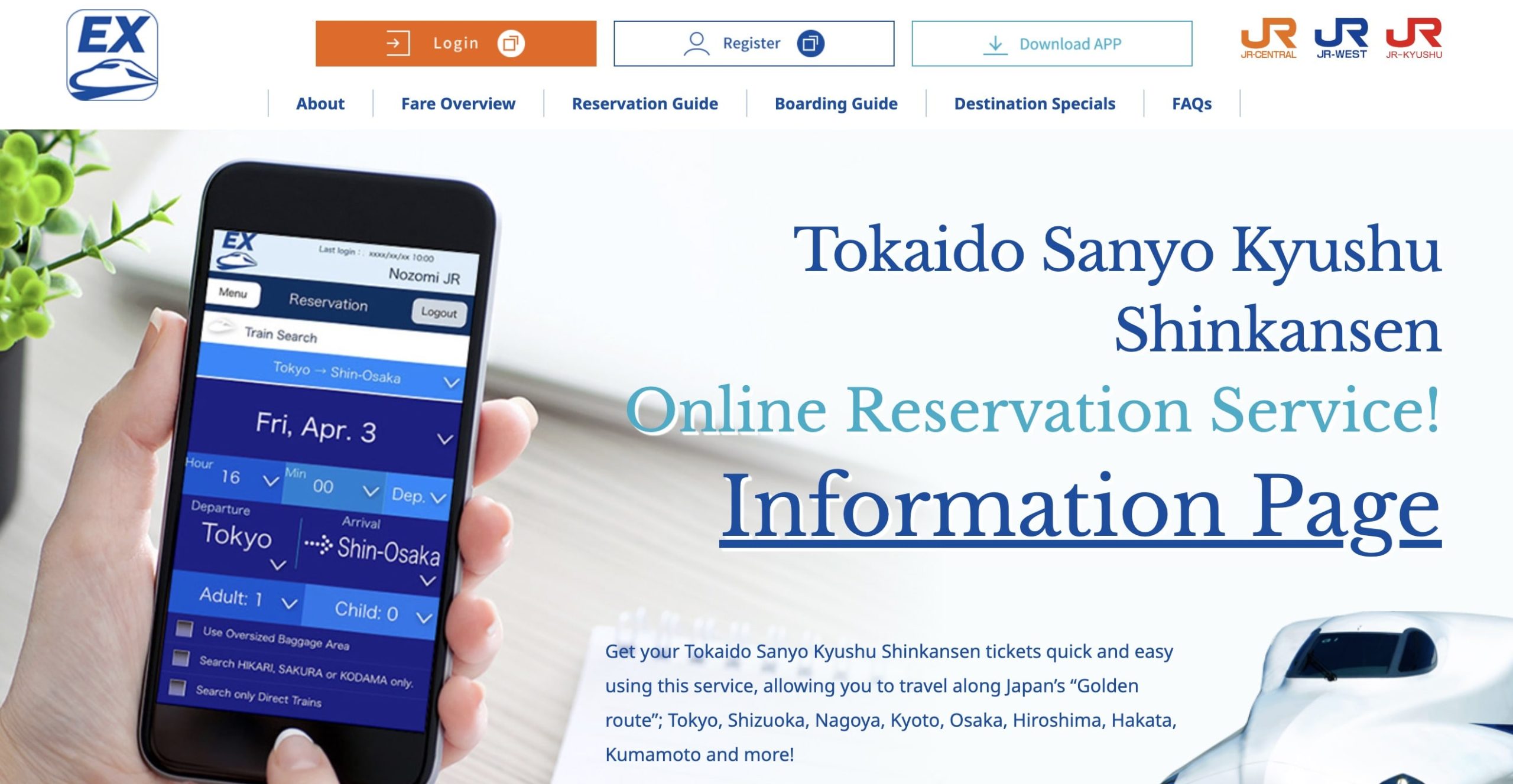
Many international travelers try booking through the official SmartEX app, but the process can be unexpectedly frustrating. The system frequently declines non-Japanese VISA and Mastercard payments due to strict 3D Secure requirements, which leads to repeated error messages.
If the app fails even once, it is best not to spend your time troubleshooting. Switching to a booking website that accepts international cards from the start will save you unnecessary stress.
The Solution: Japan Bullet Train (Stress-Free Booking)
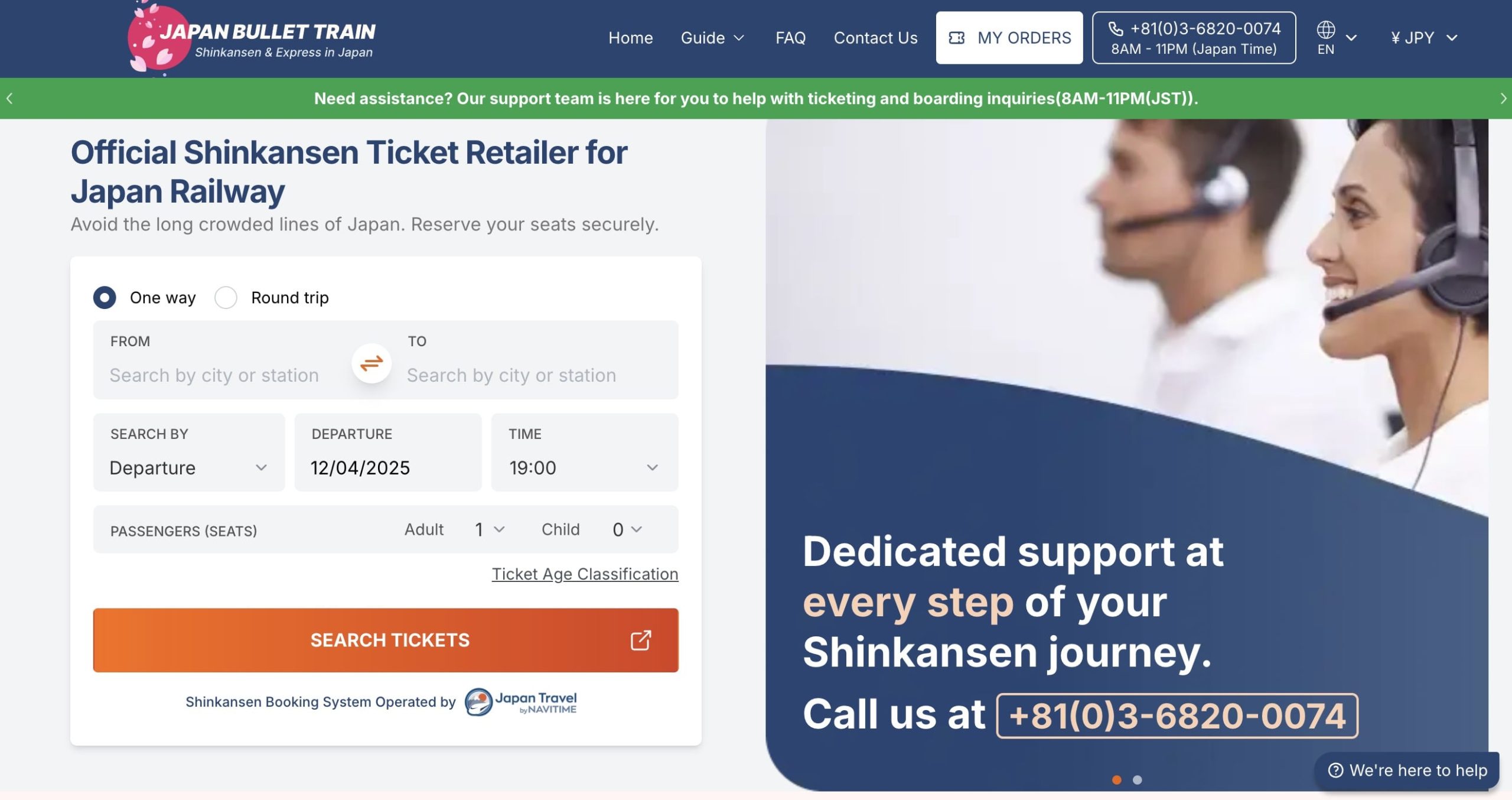
For international travelers who want a smooth and reliable booking experience, Japan Bullet Train is one of the best options available. A small handling fee applies, but it avoids the technical issues often encountered on the official app and provides a more user-friendly process from start to finish.
Why Use It:
Unlike the SmartEX app, this service is optimized for overseas credit cards, allowing you to bypass the payment errors that many visitors run into.
English-Friendly Interface:
The entire booking process is available in English and other languages, and the layout is intuitive, making it easy to navigate even for first-time users.
Seat Requests:
During booking, you can choose between a window seat or an aisle seat.
Advance Peace of Mind:
Best of all, you can secure your tickets before you arrive in Japan, ensuring that your travel plans are confirmed well in advance.
Alternative: Ticket Machines and Midori no Madoguchi Counters
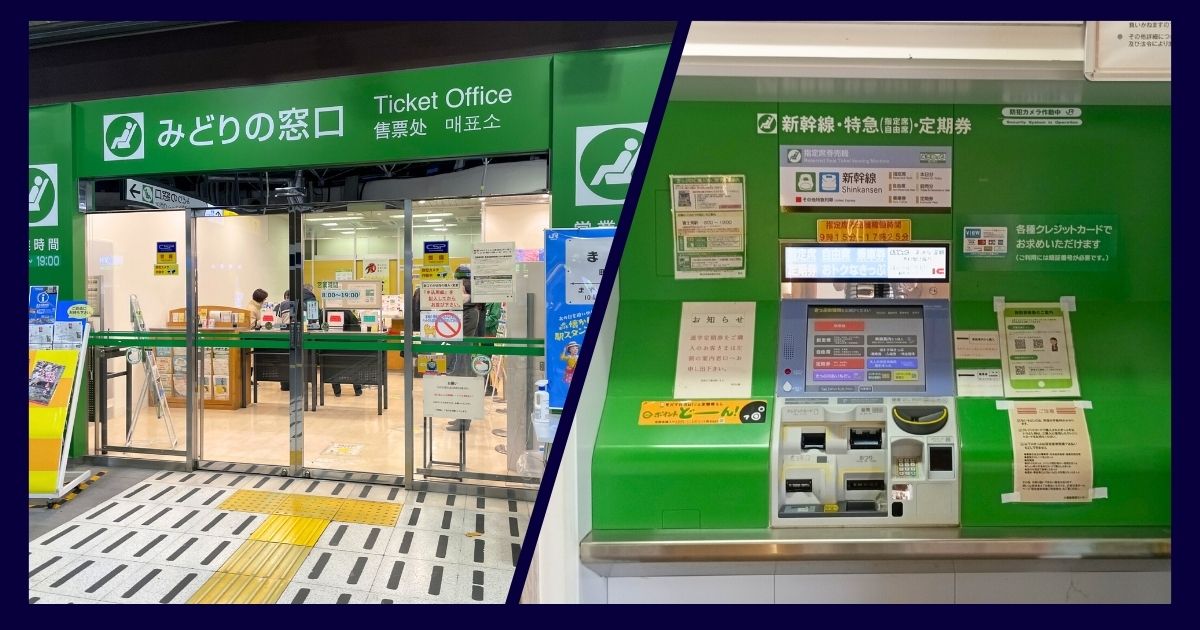
If you prefer to buy your tickets on the day of travel, you can use either the ticket machines or the Midori no Madoguchi staffed counters at major stations. Both options allow you to purchase Shinkansen tickets, and the machines also offer an English-language interface.
Crucial Step:
If you are traveling with a large suitcase, be sure to select “Seat with Oversized Baggage Area” when using the ticket machine, or clearly request this seat when speaking with the staff at the counter. This ensures you have enough space for your luggage and prevents additional fees.
Comparison: Tokyo to Nagoya, and Why the Shinkansen Is Better Than the Bus or Flight
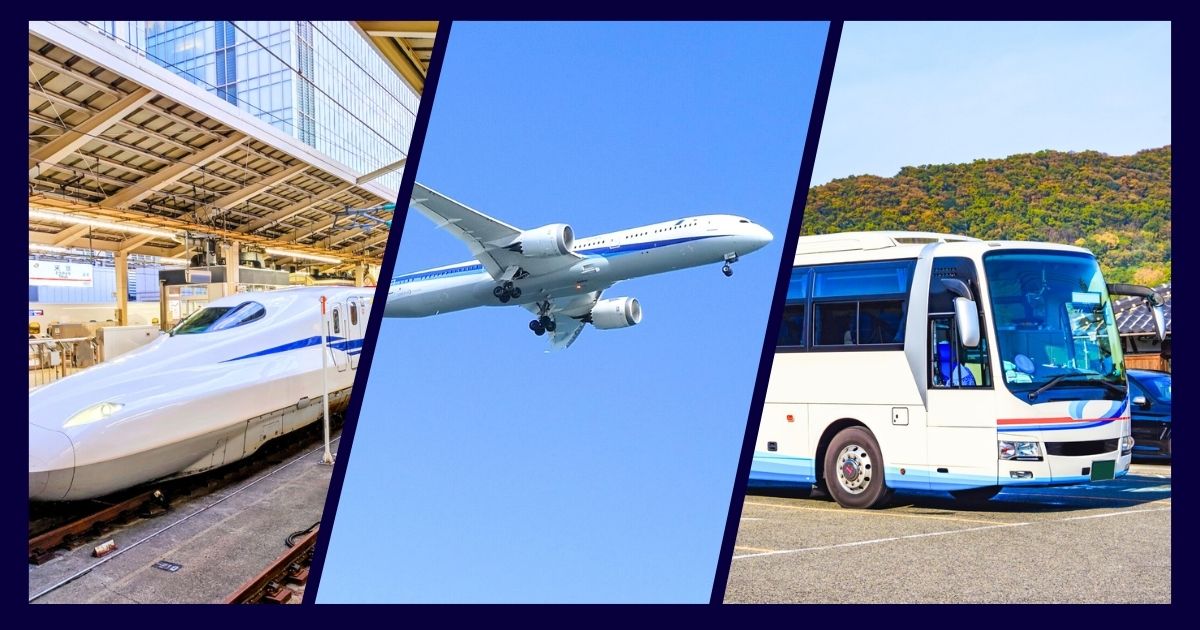
The Shinkansen is generally the best overall choice thanks to its balance of speed, comfort, and convenience. Still, if keeping costs as low as possible is your top priority, highway buses can be an alternative. That said, when traveling abroad, the value of your time can be just as important as the cost. How you weigh the price difference between the Shinkansen and the bus ultimately depends on your travel priorities.
If you are still deciding which option suits your trip best, the comparison below shows how the Shinkansen stacks up against other major modes of transportation.
Shinkansen vs Highway Bus vs Plane: Travel Comparison
| Feature | Shinkansen (Nozomi) | Highway Bus | Plane (Haneda → Chubu) |
|---|---|---|---|
| Time | 1 hr 34 min | 5 to 7 hours | 3 hours (total) |
| Cost | ¥11,300 | ¥2,500 – ¥5,000 | Varies (often higher) |
| Comfort | High | Low to Medium | Low (Transfers required) |
The Highway Bus (Budget Option)
If saving around ¥8,000 matters more to you than travel time, highway bus services such as Willer Express are a reliable option.
Pros:
Very affordable, and overnight buses can even reduce accommodation costs.
Cons:
Travel takes three to four times longer than the Shinkansen, which can make the journey feel much longer, especially with luggage.
The Plane (Not Recommended)
Flying from Haneda Airport (HND) to Chubu Centrair Airport (NGO) may seem fast with a flight time of about one hour. However, after including travel to and from the airports, check-in, and security procedures, the total journey often ends up taking longer than the Shinkansen. For this route, flying is generally not the most efficient choice.
FAQ: Tokyo to Nagoya Travel
Always check the timetable for the last train of the day, and be sure to pick up an Ekiben (bento) at the station before boarding.
Q1: Can I use my JR Pass on the Nozomi train?
Generally, no. The standard Japan Rail Pass does not cover the Nozomi. You will need to take the Hikari instead, unless you purchase the supplemental Nozomi Upgrade Ticket.
Q2: Does the Shinkansen run 24 hours?
No. According to the official timetable, the first trains leave Tokyo around 6:00 AM, and the last Nozomi bound for Nagoya typically departs around 10:00 PM. If you miss the final service, you will need to wait until the following morning.
Summary: Tokyo to Nagoya by Shinkansen
For most travelers, the Nozomi Shinkansen is the best way to travel between Tokyo and Nagoya. With a journey time of about 94 minutes and a reserved seat costing around ¥11,300, it offers the quickest and most comfortable option for this route. Choosing the Nozomi allows you to maximize your time exploring Japan instead of spending it in transit.
Final Reminders for a Smooth Ride
- If you are traveling with a large suitcase, remember to select a seat with oversized baggage space.
- For those hoping to see Mt. Fuji, choose Seat E for the best view.
- To avoid payment errors on the official app, book through a service that accepts international credit cards for a smoother reservation process.
When you are ready to plan your journey, you can check the schedule and reserve your Shinkansen tickets easily through Japan Bullet Train.

What to Do in Nagoya
Once you arrive in Nagoya, the city offers a wide range of attractions that combine history, culture, and modern urban life. Whether you are stopping by for a day or planning a longer stay, here are some highlights to help you make the most of your visit.
Nagoya Castle
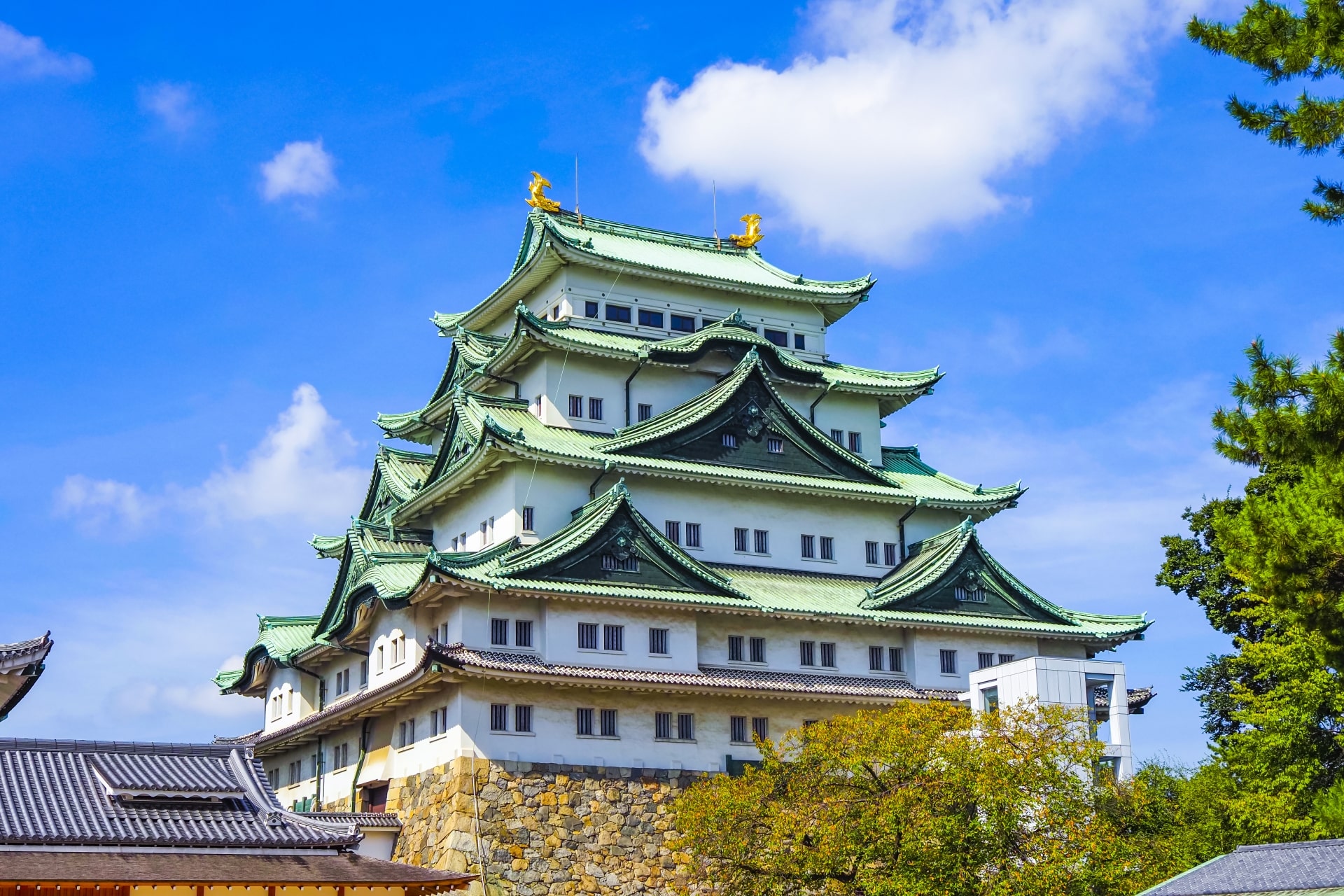
One of the city’s most iconic landmarks, known for its impressive architecture and the golden shachihoko ornaments on its roof. The spacious grounds are also ideal for a relaxing stroll.
Sakae Area
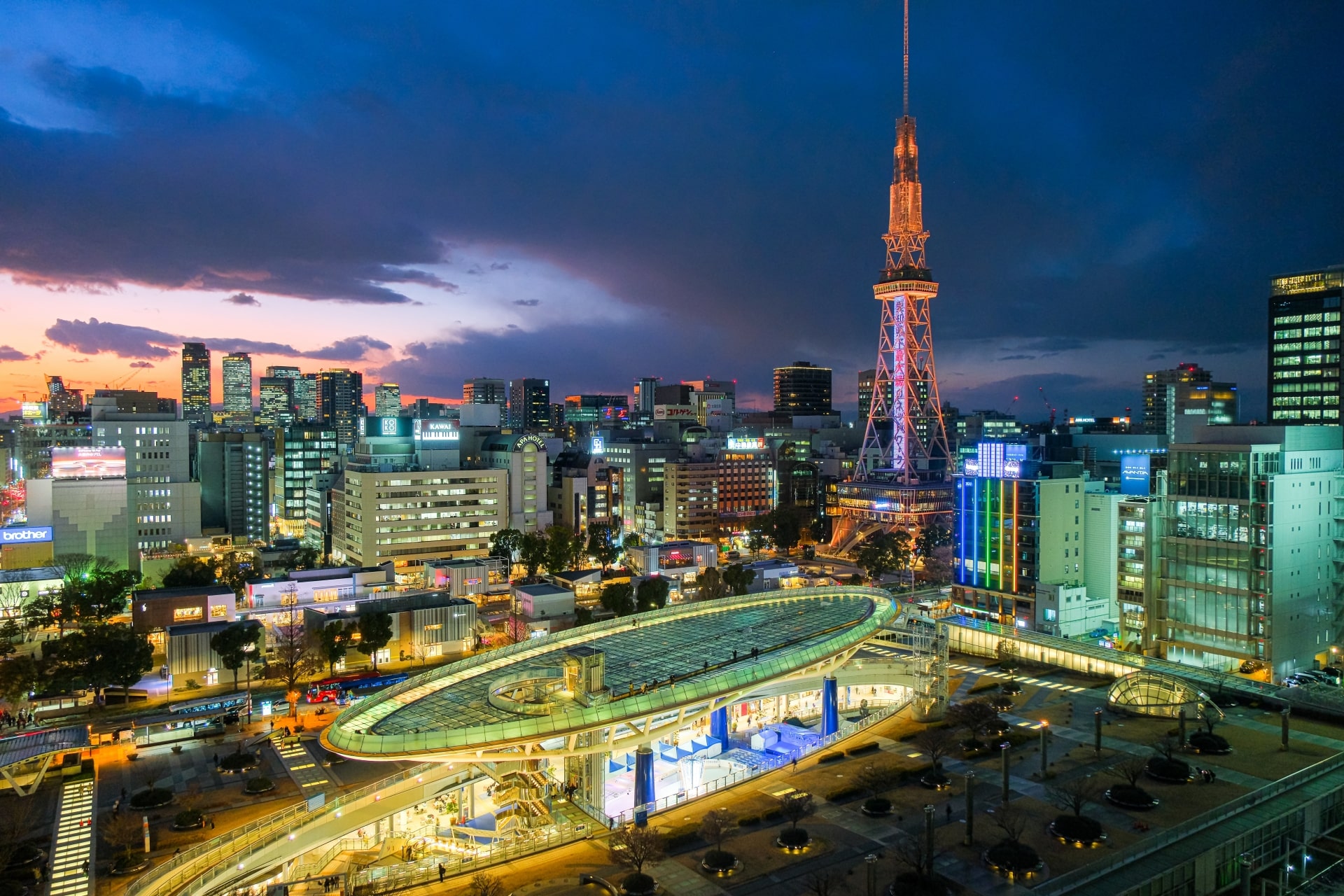
Nagoya’s downtown district, offering shopping complexes, department stores, restaurants, and entertainment. The skyline view from the nearby TV Tower is especially popular.
Nagoya Food: Local Dishes You Should Try
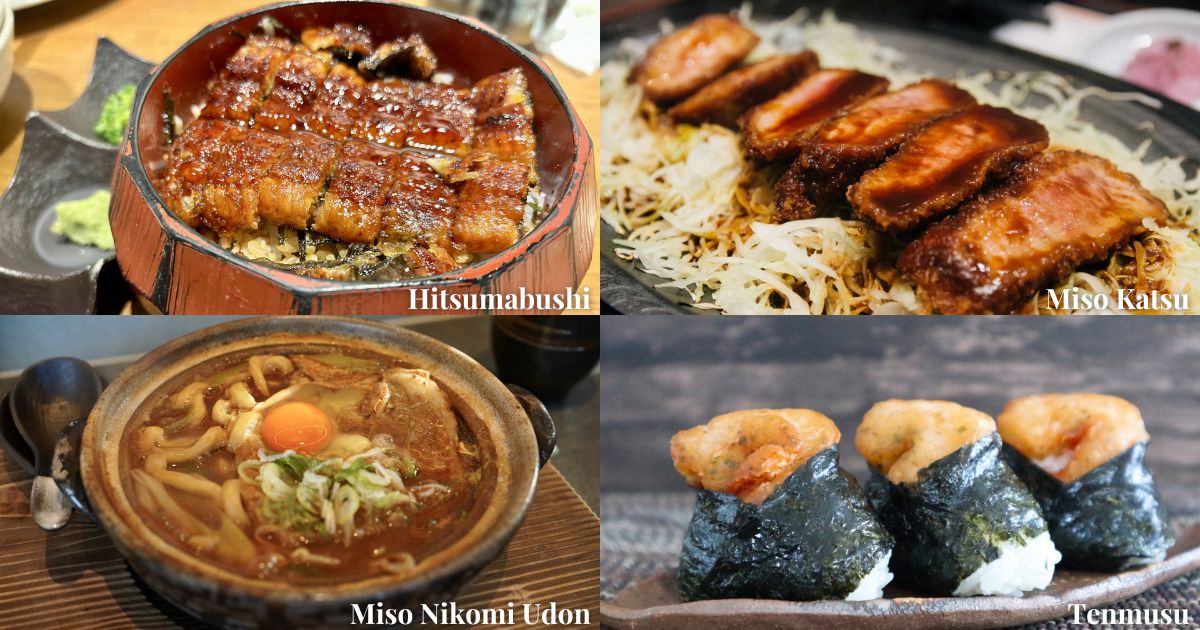
Nagoya is well known for its unique food culture, often called Nagoya Meshi. One of the most famous dishes is Hitsumabushi, finely cut grilled eel served over rice. It is traditionally enjoyed in three different ways, allowing you to appreciate several flavors in a single meal.
Another local favorite is Miso Katsu, a pork cutlet topped with a rich red miso sauce that gives the dish a deeper and slightly sweet flavor compared to regular tonkatsu.
For something warm and comforting, Miso Nikomi Udon offers thick udon noodles simmered in a bold red miso broth, creating a hearty and satisfying dish.
A lighter option is Tenmusu, small rice balls filled with shrimp tempura and wrapped in nori. They are easy to carry and ideal for a quick bite while exploring the city.
▽Related Articles▽


Written by
Japan Bullet Train is an official JR Shinkansen ticket agent, providing reliable services to travelers visiting Japan from around the world. Our mission is to offer clear, accurate, and up-to-date transportation information so that every visitor can navigate Japan with confidence. From the latest Shinkansen schedules connecting major cities such as Tokyo, Kyoto, and Osaka, to seat class differences, route features, booking methods, luggage rules, and common traveler pitfalls, we explain everything based on real usage data and on-site experience. Leveraging our deep expertise in Japanese transportation, we share practical insights that help international travelers enjoy a smooth and stress-free journey across the country. Japan Bullet Train: https://www.japan-bullettrain.com/
- +6 6
-
-