How to Get from Tokyo to Kyoto by Shinkansen: Time, Price and Ticket Guide
From Tokyo to Kyoto by Shinkansen including travel time, fares, luggage rules, and how to buy tickets

- +5 5
-

-


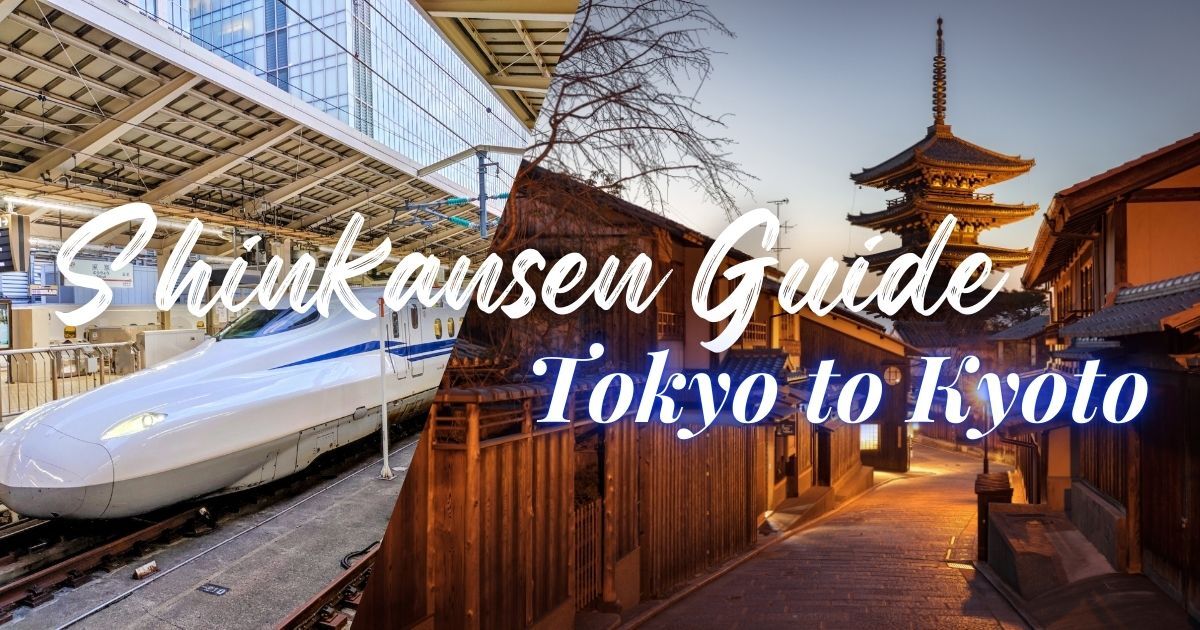
Kyoto, the cultural heart of Japan, and Tokyo, its modern capital, are the two essential stops for almost every visitor. While there are several ways to travel the 450 kilometers between them, one mode of transport stands above the rest: the Shinkansen (Bullet Train).
Fast, punctual, and incredibly comfortable, the Shinkansen turns a travel day into a highlight of your trip. This guide will help you navigate the train types, choose the right ticket option for your itinerary, and avoid common pitfalls like luggage restrictions and payment errors.
Tokyo to Kyoto Shinkansen Travel Time: Nozomi vs Hikari vs Kodama
Not all bullet trains are created equal. On the Tokaido Shinkansen line connecting Tokyo and Kyoto, you will encounter three main types of trains. They all look similar, but their speed and stopping patterns differ significantly.
Shinkansen Service Comparison
| Feature | Nozomi (The Fastest) | Hikari (The Balanced) | Kodama (The Local) |
|---|---|---|---|
| Travel Time | ~2 hrs 15 min | ~2 hrs 45 min | ~3 hrs 40 min |
| Stops | Major stations only (Shinagawa, Shin-Yokohama, Nagoya, Kyoto) |
Stops at a few more intermediate cities | Stops at every single station |
| Frequency | Every 3–15 minutes | Every 30 minutes | Every 60 minutes |
| JR Pass | Not covered (Requires ~¥4,960 surcharge) |
Fully covered | Fully covered |
| Best For | Speed & convenience | JR Pass holders | Budget travelers (via “Platt Kodama” deals) |
Tokyo to Kyoto Shinkansen Fare: Ticket Prices & Seat Classes
The standard one-way Shinkansen ticket between Tokyo and Kyoto includes both the base fare and the limited express surcharge. Total prices vary slightly by season and seat class, but the overall difference between seat types is smaller than many travelers expect.
Typical Prices (One-Way)
| Seat Type | Price Range |
|---|---|
| Standard Seat (Reserved / Ordinary Car) |
¥13,800 – ¥14,500 |
| Green Car (First Class) |
¥18,500 – ¥20,000 |
| Non-Reserved Seat | Roughly ¥11,000 – ¥13,000 |
*Non-Reserved Seat prices vary more due to base fare + surcharge structure and seasonal adjustments.
Seasonal price adjustments apply:
- Regular season: Most of the year
- Peak season: Cherry blossom period, autumn foliage season, weekends, and national holidays
- Off-peak season: Quieter travel periods with minor fare reductions
Seat Classes Explained
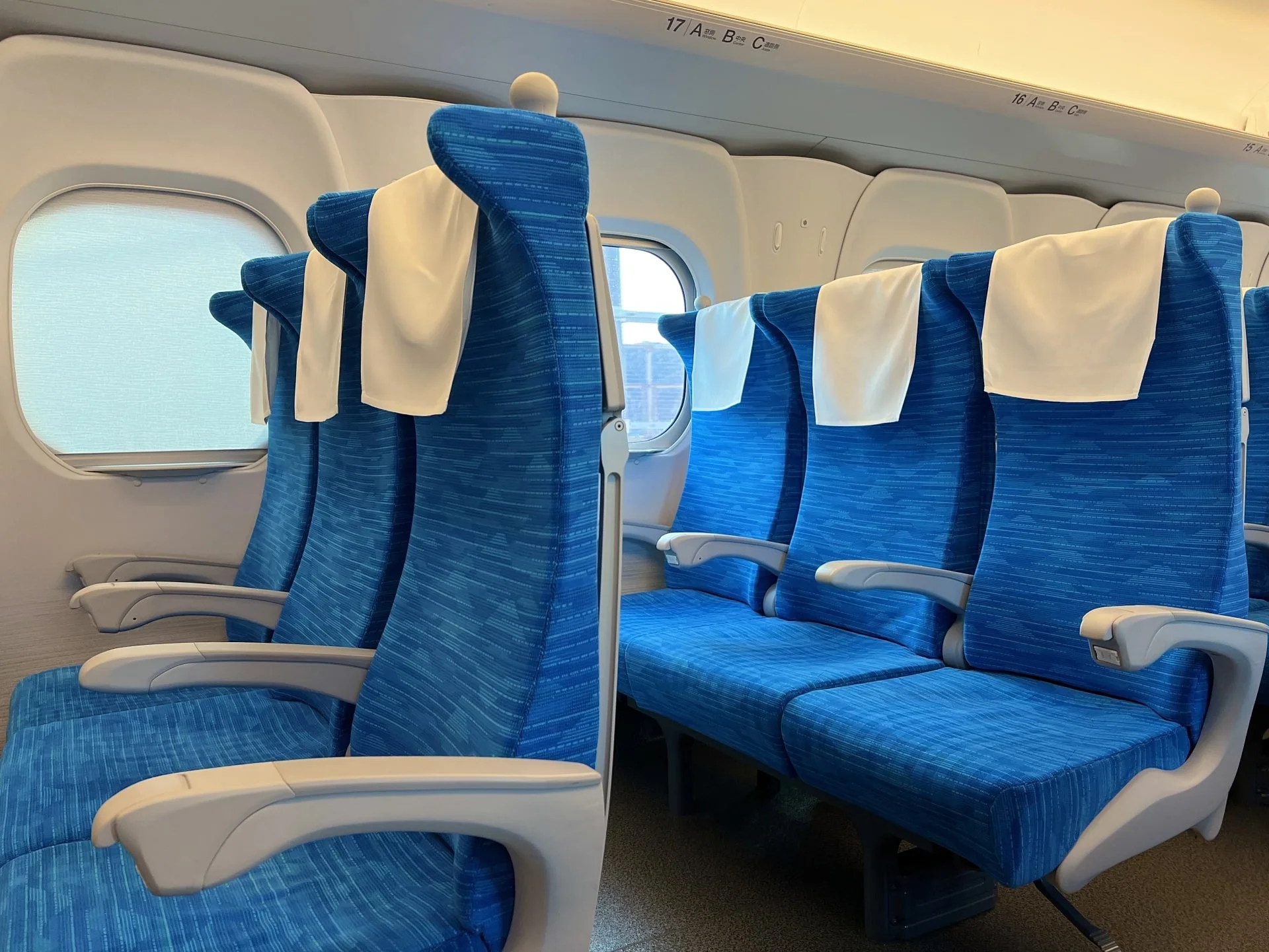
Standard Seat (Reserved / Ordinary Car)
The most popular and recommended option. Comfortable reclining seats with ample legroom and overhead luggage storage — ideal for the 2-hour journey. Your seat is reserved in advance, so you can arrive shortly before departure and board stress-free.
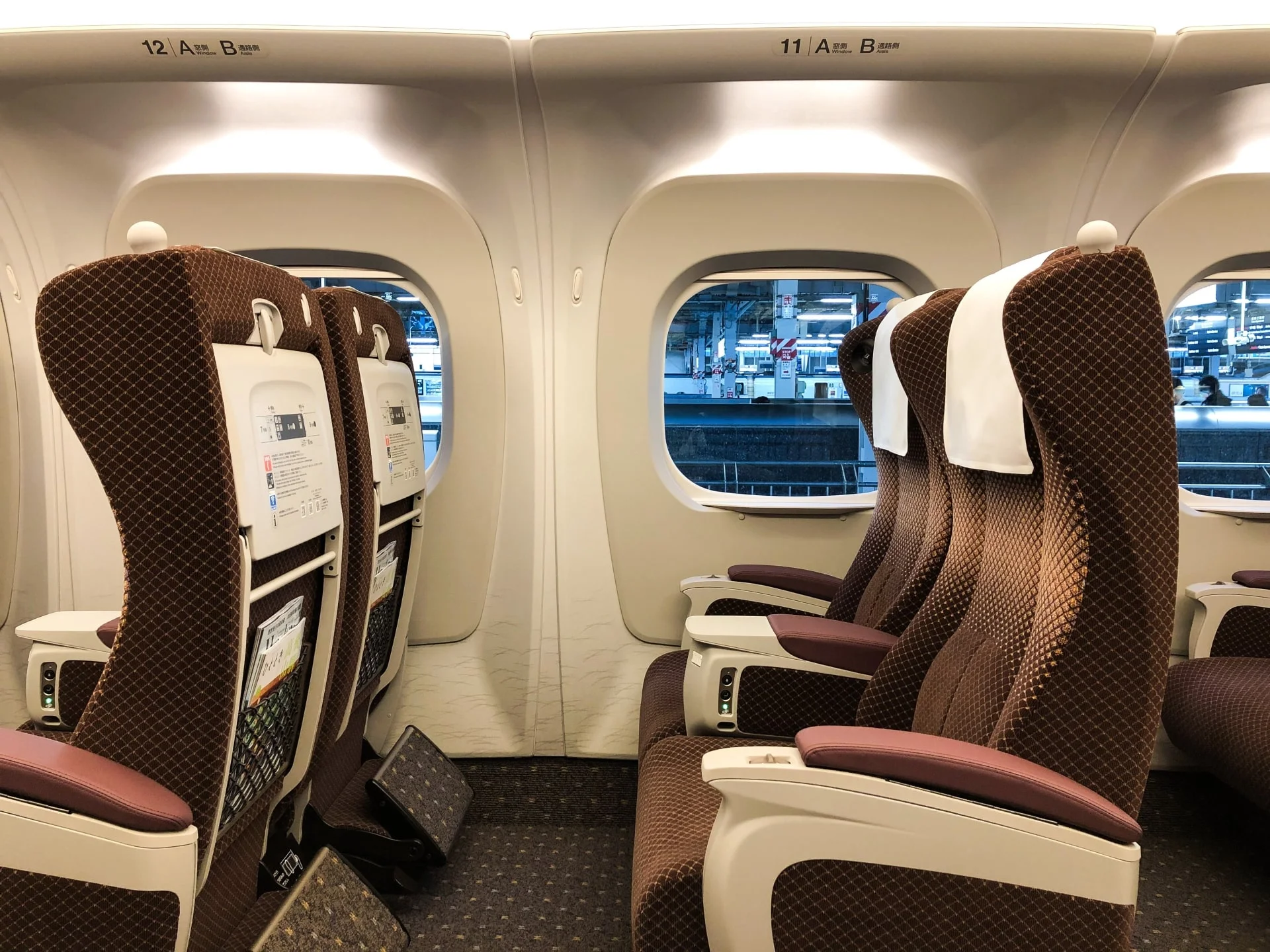
Green Car (First Class)
Offers wider seats, additional legroom, quieter cabins, and a more relaxed atmosphere. A great choice if you value extra comfort or are traveling with larger bags.
Non-Reserved Seats
A seat without a reservation that costs only slightly less than the Standard Seat — often just a small saving. However, availability is never guaranteed, especially on the Nozomi trains.
Quick Tip:
Travelers choosing non-reserved seating may need to arrive well before boarding time to line up for entry — sometimes 20–30 minutes early — and even then there is no guarantee of actually getting a seat if the train fills up. On busy travel days, you may end up standing for the entire journey.
Because the price difference is minimal and the time savings can be significant, we strongly recommend booking at least a Standard reserved seat instead — particularly on the popular Tokyo → Kyoto Nozomi route, where reserved cars routinely sell out faster than slower train types.
With a reserved seat, you can simply arrive at the platform shortly before departure, board calmly, and begin your journey without stress or uncertainty.
Important Fare Notes
- JR Pass & Nozomi surcharge: JR Pass holders must pay an additional fee (approx. ¥4,960 one way) to board Nozomi trains — often canceling out much of the pass’s value for this trip.
- Children’s fares: Half-price tickets for ages 6–11.
- Oversized luggage reservations: Free when booked in advance; ¥1,000 penalty if you board without reserving designated baggage space.
Our Fare Booking Recommendation
Given the minimal price gap between seat types and the inconvenience of non-reserved travel, pre-booking a reserved Standard Seat offers the best balance of comfort, convenience, and value for most international visitors.
Secure your seats easily and in English with Japan Bullet Train — the simplest way to book your Tokyo to Kyoto Shinkansen journey in advance.
How to Buy Tokyo to Kyoto Shinkansen Tickets
There are three practical ways to purchase a Shinkansen ticket for the Tokyo–Kyoto route. Each option suits a different type of traveler, depending on comfort with technology, payment compatibility, and desire for convenience.
Option A: SmartEX App (Official JR App)
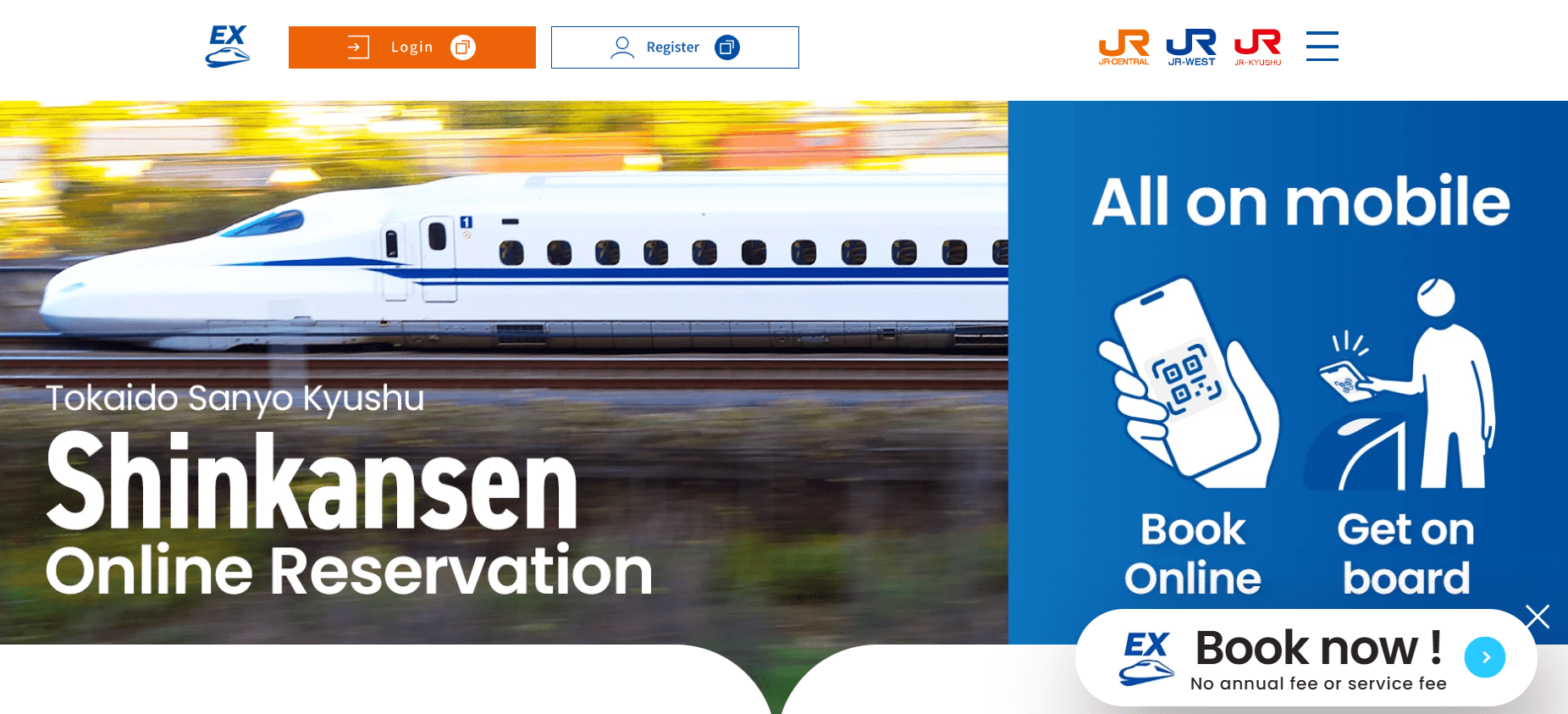
Best For: Travelers who prefer official JR tools and have credit cards that support 3D Secure authentication.
The official digital booking platform for the Tokaido Shinkansen. Offers standard fares and seat map selection, but many foreign credit cards fail 3D Secure validation, making payment difficult for some international travelers.
Pros:
- Official JR platform
- Standard fares
- Seat map selection
- Ticketless boarding via IC card
Cons:
- International credit cards have fail 3D Secure verification
- Interface can be confusing for first-time users
- No English support for troubleshooting payment issues
Option B: Japan Bullet Train (Recommended for International Travelers)
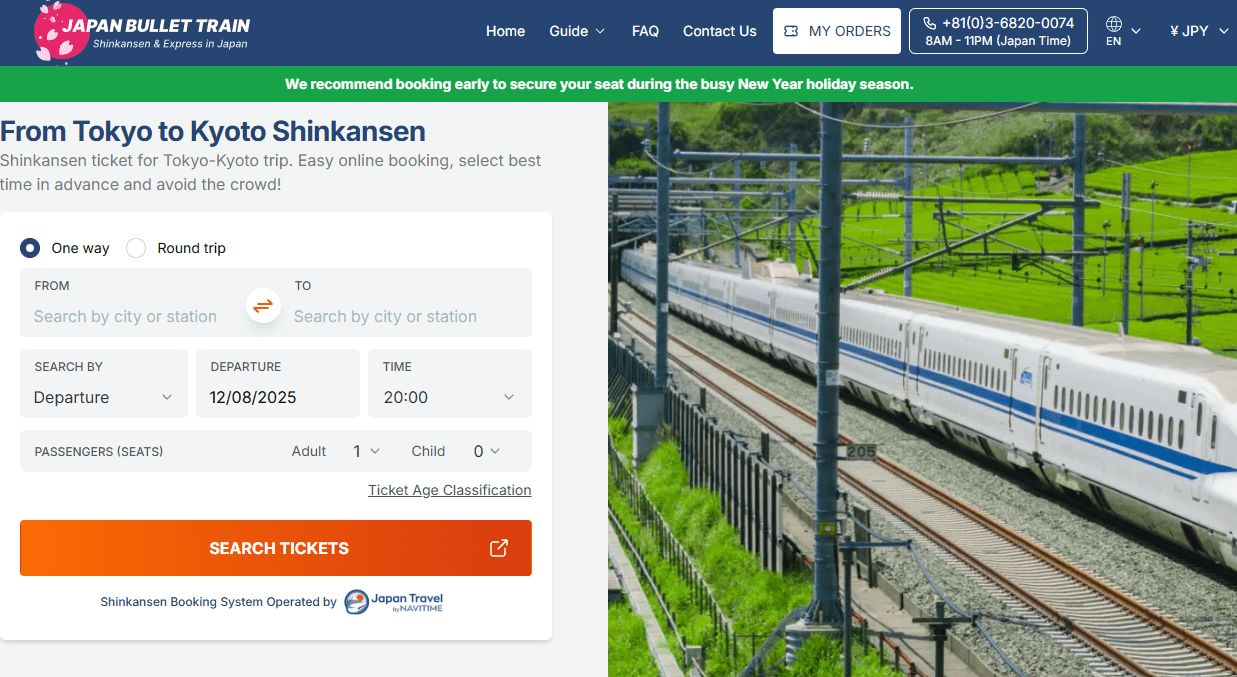
Best For: Travelers who want a smooth, secure, and English-friendly booking experience without payment failures or long station lines.
Unlike the official SmartEX app, Japan Bullet Train avoids the common issue of international payment rejection, which causes significant stress for many travelers. It simplifies the process: choose your train, pay securely, receive a QR code, and pick up your tickets in minutes — no long lines, no guesswork, no Japanese required.
It’s the most reliable option for visitors seeking a hassle-free booking experience.
Pros:
- Accepts most international credit cards, Apple Pay & Google Pay
- Clear English interface
- Easy QR-code ticket pickup at station machines
- Email confirmation & customer support in English
- Ideal for booking reserved seats (Standard or Green Car)
Cons:
- Slightly higher service fee compared to booking directly
Book your Shinkansen tickets hassle-free with Japan Bullet Train.
Option C: Station Ticket Office (“Midori-no-madoguchi”)
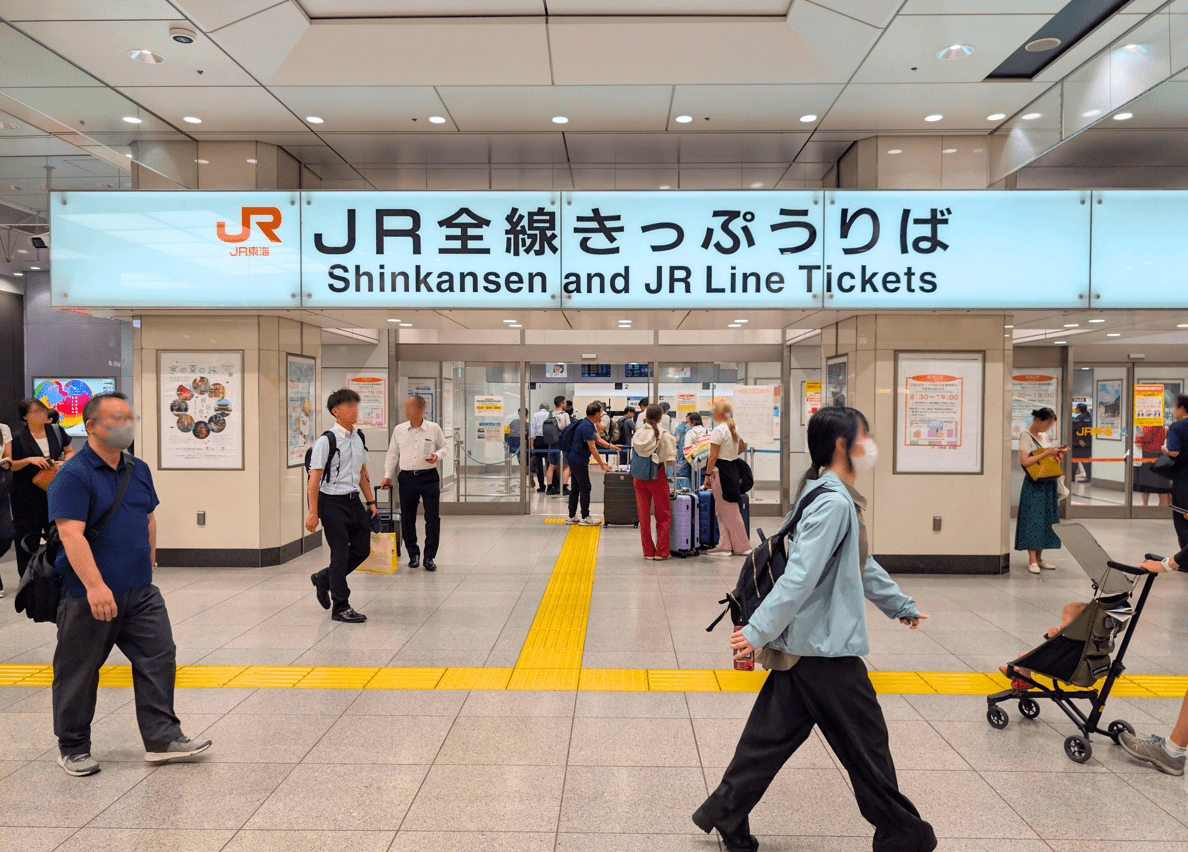
Best For: Travelers paying in cash or those who prefer face-to-face assistance.
The classic over-the-counter method. Accepts cash payments and offers staff assistance, but Tokyo Station often has long lines (30–60 minutes) during busy hours.
Pros:
- Cash payment accepted
- Staff can help with seating requests (Fuji-side seats, oversized luggage seats)
Cons:
- Long lines, especially at Tokyo Station (easily last 30 minutes or more)
- Limited English ability, depending on staff
- Slowest and least predictable method during peak seasons
The Japan Rail Pass (JR Pass)
The JR Pass is not a ticket-buying method, but a nationwide rail pass designed for travelers visiting multiple cities across Japan. It can offer excellent value — but only for certain types of itineraries.
Who the JR Pass Is Good For
The JR Pass becomes cost-effective when you plan significant long-distance travel, such as:
- Tokyo → Kyoto → Osaka → Hiroshima → Tokyo
- Tokyo → Kanazawa → Kyoto → Tokyo
- Multi-stop rail-heavy itineraries within a 7-, 14-, or 21-day period
In these cases, the ability to take multiple long-distance rides makes the pass worthwhile.
Why the JR Pass Is Not Ideal for Many Travelers
For most travelers making a simple Tokyo → Kyoto → Tokyo round trip, the JR Pass is not recommended.
Here’s why:
- A 7-day JR Pass costs around ¥50,000+
- A round trip Tokyo–Kyoto costs only ~¥28,000 total
- The pass does not cover the Nozomi (the fastest train) without paying a separate surcharge (~¥4,960 each way)
- The added cost often outweighs the benefits unless you are traveling far beyond Kyoto
This is why, within the “How to Buy Tickets” section, the JR Pass does not appear as an option: It is not a purchase method for a single Shinkansen ticket — it is a completely different travel product.
Bottom Line on the JR Pass
- Excellent value for multi-city travel across Japan.
- Not cost-effective for travelers doing only the Tokyo–Kyoto route.
- Should not be used purely for this single journey unless part of a larger itinerary.
<<Japan Rail Pass Official site>>
Tokyo to Kyoto Shinkansen Luggage Rules & Kyoto Empty-Hands Policy
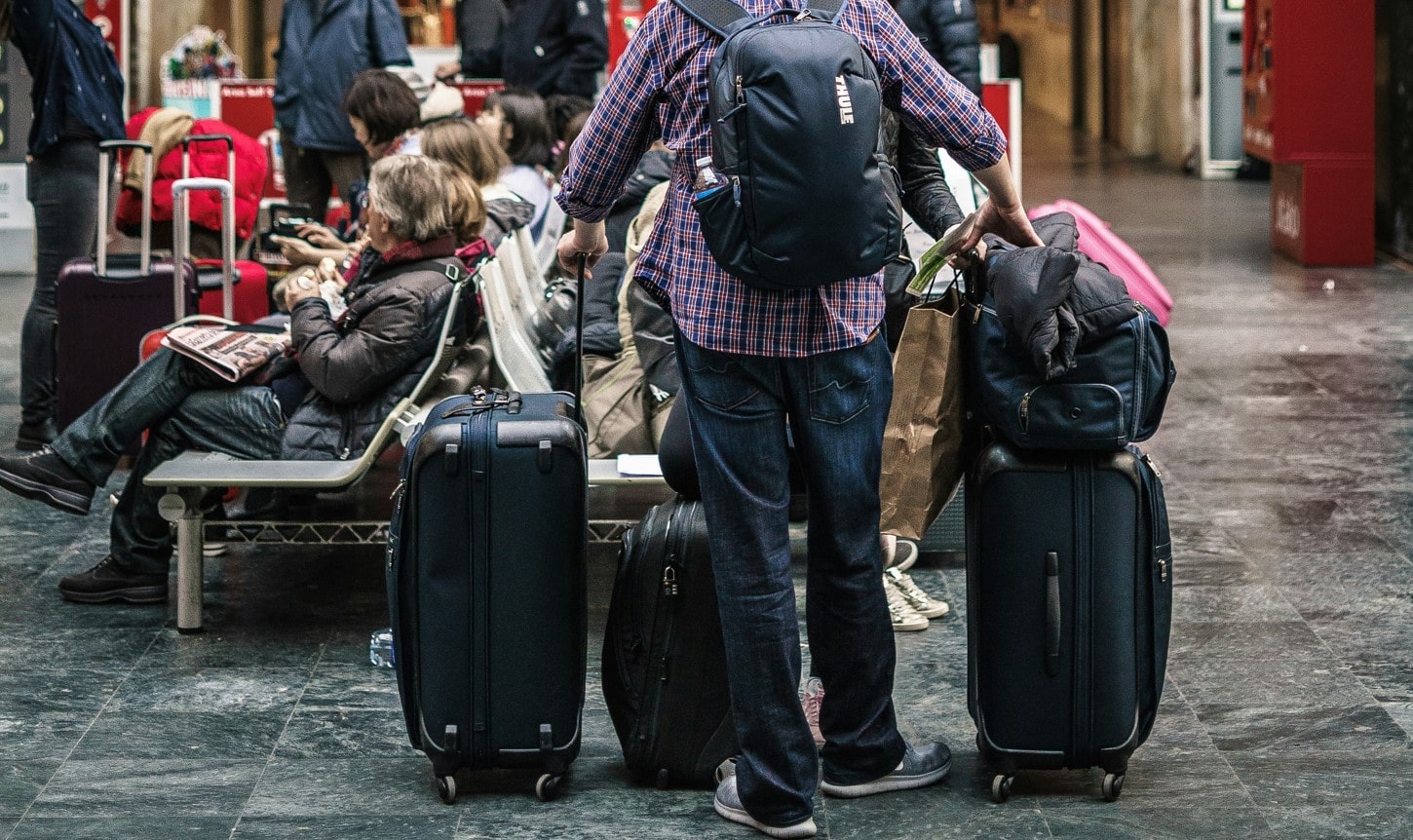
Regardless of how you buy your ticket, you must know the luggage rules to avoid fines and stress.
The “Oversized Baggage” Rule
If your luggage has total dimensions (Length + Width + Height) between 160cm and 250cm, you must reserve a seat with an “Oversized Baggage Area”.
-
If you reserve, the luggage space behind your seat is free.
-
If you forget: You will be charged a ¥1,000 fee on the train and may be forced to move to a different car.
*Luggage with a total dimension of 250cm cannot be taken aboard the Shinkansen.
Kyoto’s “Empty Hands” Policy
Be aware that Kyoto City strongly discourages tourists from bringing large suitcases onto city buses due to overcrowding. Drivers may even refuse boarding if your bags are too big.
-
The Solution: We strongly recommend using a Takuhaibin (luggage delivery service) to send your big bags from your Tokyo hotel directly to your Kyoto hotel. This allows you to travel light, respect local etiquette, and start sightseeing immediately upon arrival.
Tokyo to Kyoto Transportation Comparison: Shinkansen vs Bus vs Flight
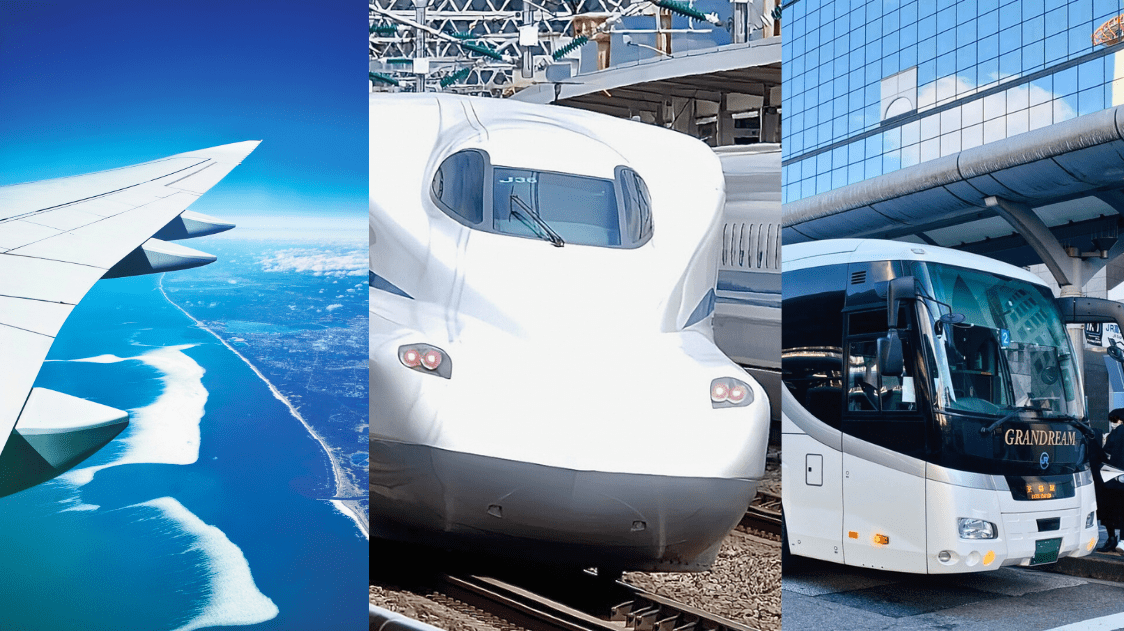
While the Shinkansen is our top choice, here is how it compares to other options so you can make an informed decision.
Transportation Comparison: Shinkansen vs Bus vs Flight
| Feature | Shinkansen (Nozomi) | Highway Bus | Flight (LCC) |
|---|---|---|---|
| Total Time (City-to-City) | ~2 hrs 10 min (Fastest) |
~7 – 9 hours | ~4 – 5 hours* |
| Approx. Cost | ¥14,000 – ¥19,000 | ¥4,000 – ¥10,000 | ¥10,000 – ¥30,000 |
| Comfort | High (Legroom, smooth) |
Low / Medium (Cramped seating) |
Medium (Airport stress) |
| Pros | Punctual, city-center arrival, frequent departures | Cheapest option, saves hotel cost | Good for long distances (e.g., Hokkaido) |
| Cons | More expensive than bus | Tiring, overnight travel | Inefficient due to airport access & security* |
*Note on Flights: While the flight itself is only about 90 minutes, adding travel time to Haneda/Narita and from Kansai/Itami to Kyoto makes it significantly slower than the train.
Tokyo to Kyoto Shinkansen FAQ
Q: Can I eat on the Shinkansen?
A: Yes — and it’s one of the most enjoyable parts of the journey.
Many Japanese travelers look forward to buying an “Ekiben”, a specially prepared bento box sold at major stations and designed to be eaten on the train. These meals highlight local ingredients and regional flavors, turning the ride itself into part of the travel experience.
If you happen to board the Shinkansen around breakfast or lunchtime, we strongly recommend checking out the Ekiben shops at Tokyo Station before departure. Even if you don’t plan to buy one, browsing the vast selection is an experience in itself.
Grabbing an Ekiben and enjoying it as the landscapes roll by is a classic Japanese way to travel — and a small moment that often becomes a favorite memory of the trip.
Q: Which side should I sit on to see Mt. Fuji (and other sights) on the Shinkansen
A: If you travel from Tokyo to Kyoto on the Tokaido Shinkansen, pick a window seat on the right-hand side — that’s seat E in ordinary cars (or D in Green Car) — for the best chance to see Mt. Fuji.
Mt. Fuji becomes visible around the area between Shizuoka and Shin-Fuji (about 40–45 minutes after departure from Tokyo) if the weather is clear.
But that’s not all: the Shinkansen ride offers a small “sightseeing tour on rails.” On the left side (seat A), you can sometimes catch beautiful views of the ocean, coastal plains, rivers, or — depending on season — rolling tea-field landscapes, especially around Shizuoka.
So if you care most about Mt. Fuji, go for E (or D). If you’re curious about sea views, rivers, or countryside — or you want a backup in case the mountain is clouded — A seat has its charm too.
In short: booking a window seat on the right (E / D) gives you the best shot for Mt. Fuji — but don’t neglect the “scenic backup” potential of the left side.
Things to Do After Taking the Tokyo to Kyoto Shinkansen
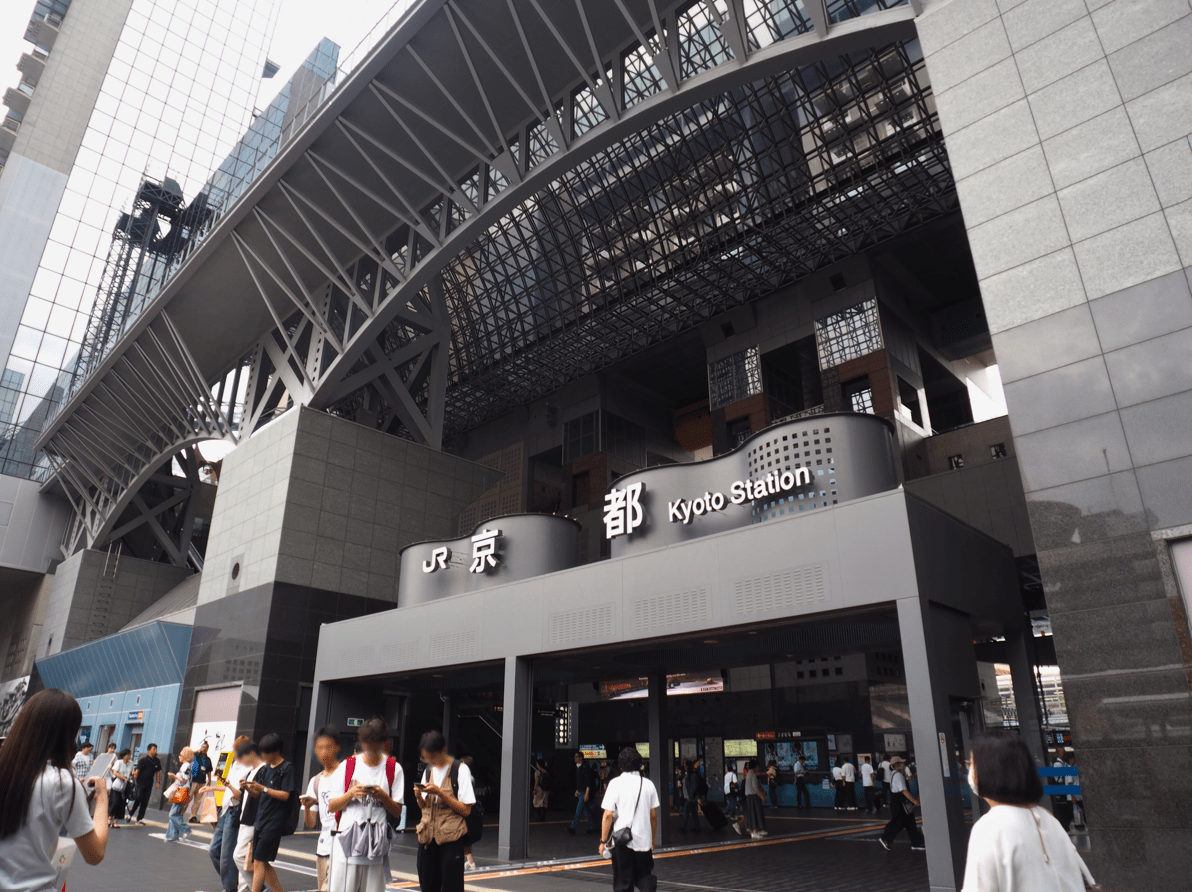
Once you step off the Shinkansen at Kyoto Station, sightseeing can begin immediately. If this is your first visit and time is limited, these classic spots and food experiences are ideal for a smooth introduction to the city.
Must-See Sights in Kyoto
1. Fushimi Inari Taisha
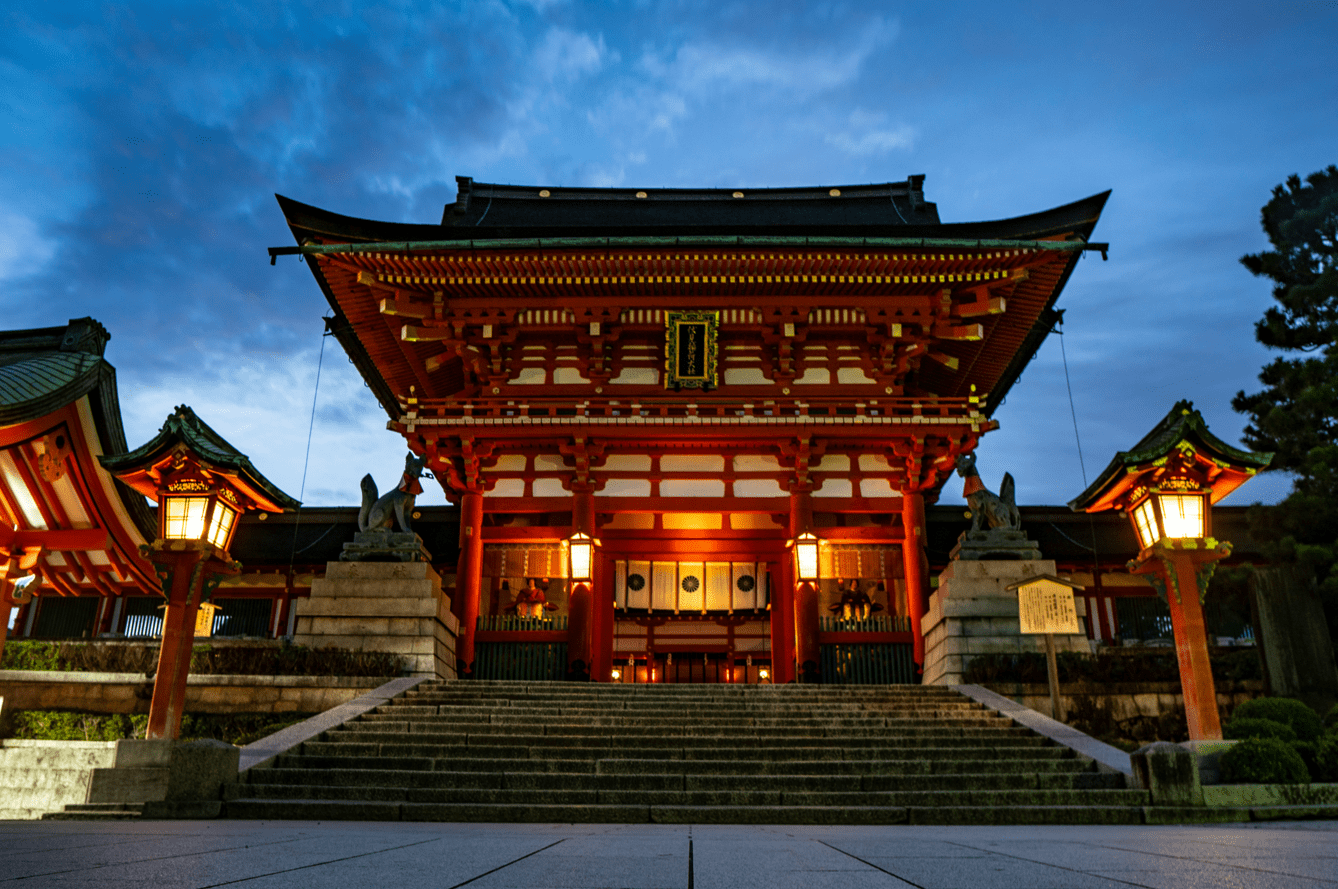
Access: 5 minutes from Kyoto Station via JR train
Walk through thousands of vermilion torii gates leading up Mt. Inari. Open 24 hours and perfect for quick visits before or after other sightseeing.
2. Kiyomizu-dera & Ninenzaka Streets
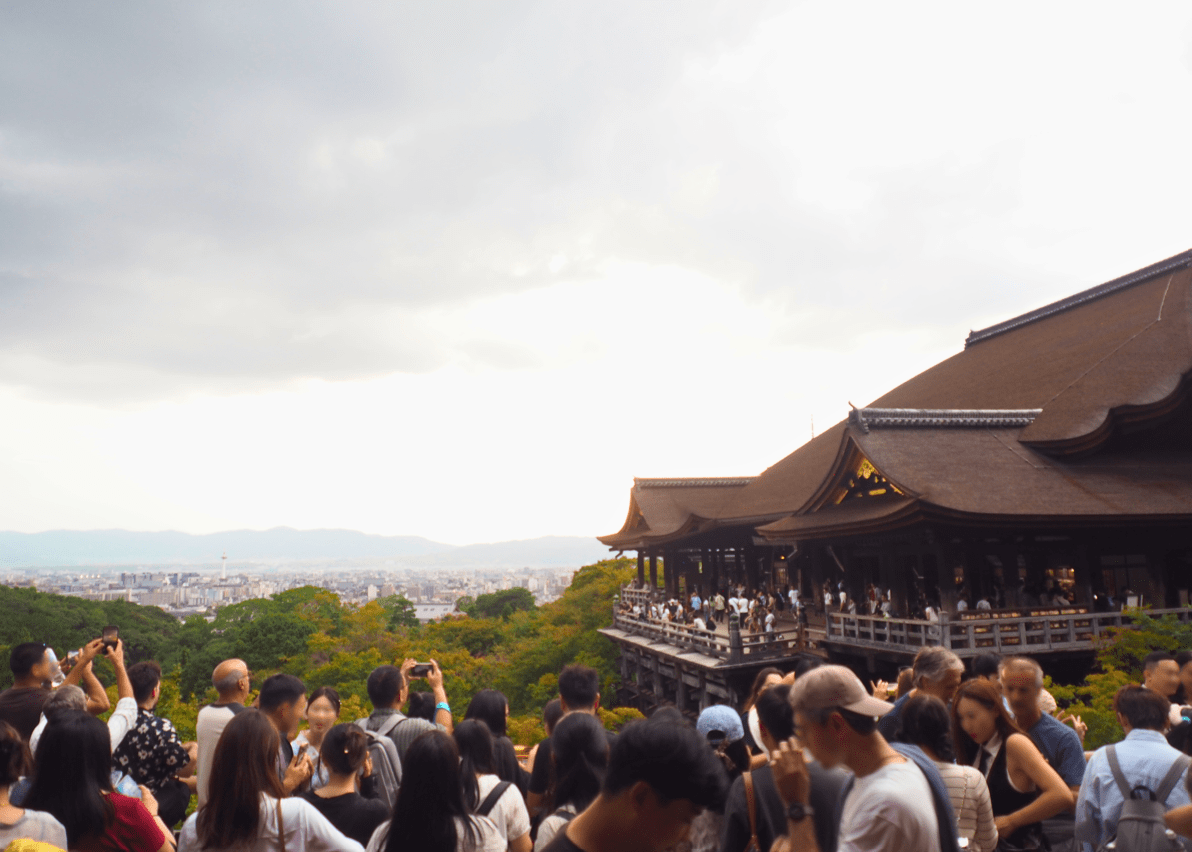
Access: 15 minutes by bus from Kyoto Station
Kyoto’s famous wooden temple paired with preserved old streets full of souvenir shops and sweets—the classic “postcard Kyoto” experience.
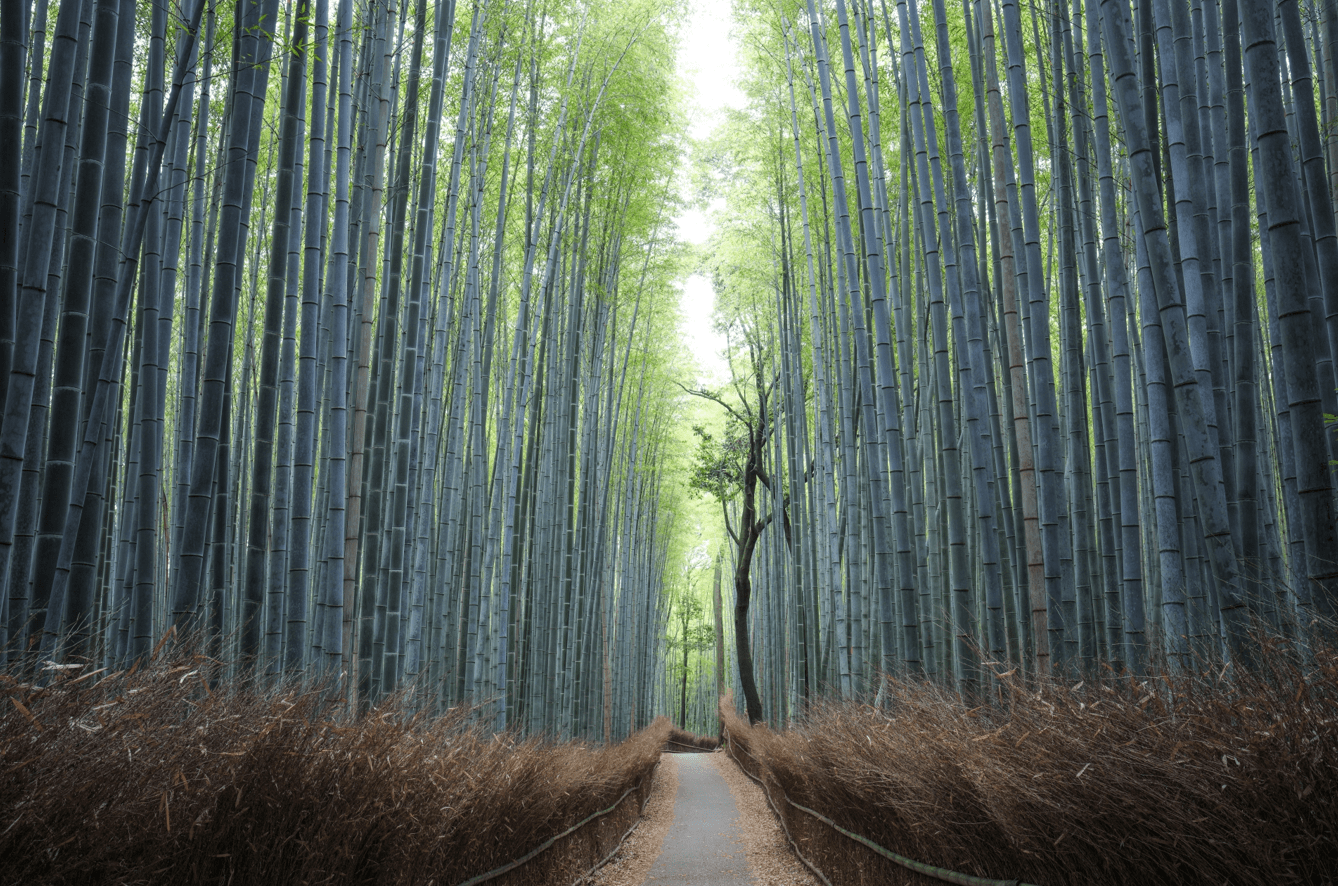
Access: About 25 minutes by train
A relaxing stroll through towering bamboo forests near the Togetsukyo Bridge, offering a peaceful contrast to busy temple districts.
Kyoto Food Experiences to Try
1. Kaiseki Cuisine
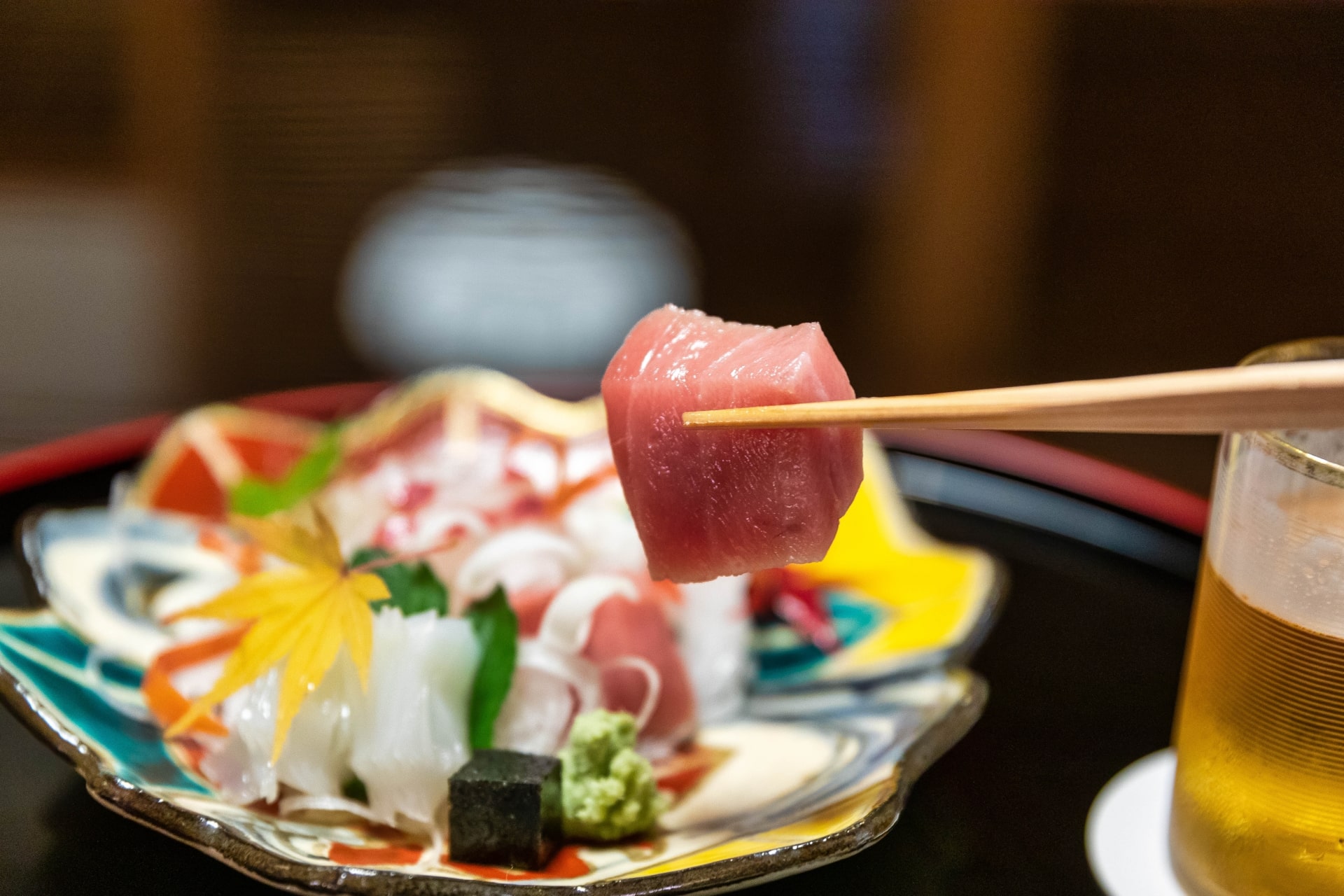
Where: Gion, Pontocho, or around Kyoto Station
Kyoto’s elegant multi-course dining style built around seasonal ingredients—accessible lunch sets make it easy for first-timers.
2. Nishiki Market Street Food
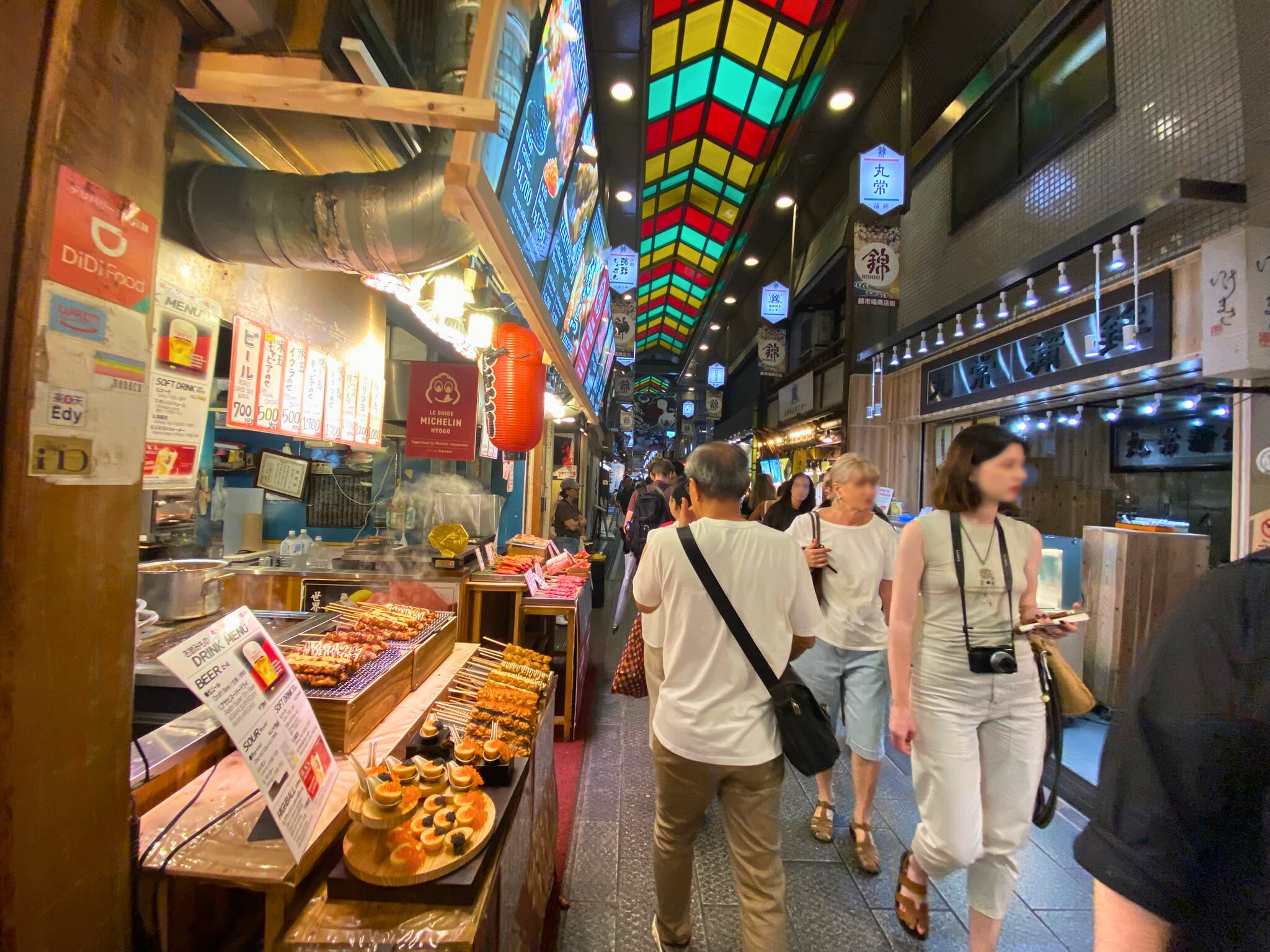
Where: Downtown Kyoto
Sample local snacks like yuba croquettes, soy milk donuts, grilled seafood, and pickles while strolling through Kyoto’s lively food arcade.
3. Yudofu (Tofu Hot Pot)
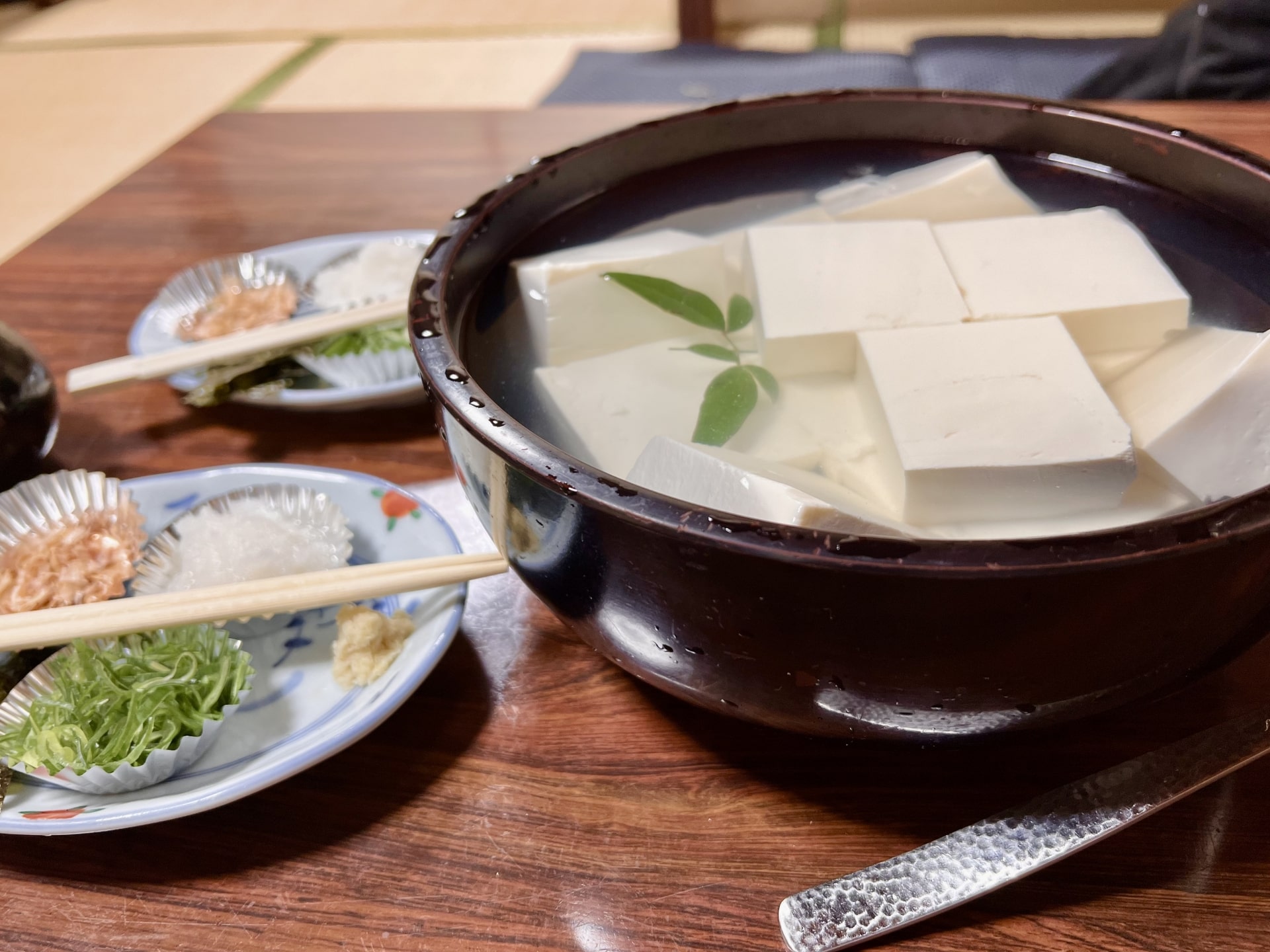
Where: Nanzen-ji or Arashiyama areas
A minimalist Kyoto specialty of gently simmered tofu served with simple sauces and seasonal sides—light, comforting, and distinctly local.
Pro Tip
As I previously mentioned, with oversized luggage discouraged on Kyoto buses, travelers using takuhaibin luggage delivery can head straight to sightseeing and dining without carrying bags around the city.
Final Thoughts
Traveling from Tokyo to Kyoto by Shinkansen is more than simply moving between cities — it’s part of the Japan experience itself. With fast journey times, comfortable seating, iconic views of Mt. Fuji, and even the chance to enjoy an ekiben onboard, the ride becomes a memorable moment rather than just transit.
By understanding ticket options, fare differences, luggage rules, and smart booking strategies, you can avoid unnecessary stress and focus on what matters most: enjoying Kyoto from the moment you arrive. Plan ahead, reserve your seat, and let the Shinkansen deliver you smoothly into Japan’s ancient capital.
Ready to book?
For the smoothest experience with guaranteed payment acceptance and English support, we recommend securing your seats in advance.
Book your Shinkansen tickets now with Japan Bullet Train!

▽Related Articles▽

Written by
Japan Bullet Train is an official JR Shinkansen ticket agent, providing reliable services to travelers visiting Japan from around the world. Our mission is to offer clear, accurate, and up-to-date transportation information so that every visitor can navigate Japan with confidence. From the latest Shinkansen schedules connecting major cities such as Tokyo, Kyoto, and Osaka, to seat class differences, route features, booking methods, luggage rules, and common traveler pitfalls, we explain everything based on real usage data and on-site experience. Leveraging our deep expertise in Japanese transportation, we share practical insights that help international travelers enjoy a smooth and stress-free journey across the country. Japan Bullet Train: https://www.japan-bullettrain.com/
- +5 5
-
-