Tokyo to Kumamoto: Fly or Take the Bullet Train? A Real 2026 Time, Comfort and Cost Breakdown
Central Kyushu's castle city is one of the few destinations where flying and the bullet train are both compelling options — here's the honest comparison.

- +0 0
-

-


Kumamoto is the kind of Japanese city that quietly does everything well. It has one of the country’s three great castles — a black-walled fortress that became a national symbol of resilience after the 2016 earthquakes. It is the gateway to Mount Aso, whose caldera is among the largest in the world and still steams at its center. An hour north, the lantern-lit ryokan town of Kurokawa Onsen draws bathers who have outgrown the bigger, brasher hot-spring resorts. And the food — basashi, garlicky tonkotsu ramen, and mustard-stuffed lotus root — has a confidence that comes from never having needed to impress anyone.
Kumamoto Prefecture sits in the center of Kyushu, the southernmost of Japan’s four main islands, on the island’s western side. That position matters for one practical reason most travel guides skip past: unlike many destinations in southern Kyushu, Kumamoto sits directly on Japan’s high-speed rail network. At the same time, Solaseed Air operates direct flights between Haneda and Kumamoto, giving travelers another convenient way to reach central Kyushu.
For travelers starting in Tokyo, the question is no longer simply how to get there but which option best uses your time. Is flying worth it when the bullet train reaches the city center? Or does rail offer enough convenience to offset the longer journey?
We compared the three realistic options — air, rail, and bus — on the metrics that actually determine whether a Kumamoto trip feels like a holiday or a logistics exercise.
The Three Options at a Glance
Tokyo to Kumamoto Travel Options
| Mode | Travel Time (central Tokyo to a central Kumamoto hotel) | Transfers | Arrival Condition | Relative Cost | Best For |
|---|---|---|---|---|---|
| Air (Haneda → Kumamoto direct) | About 4.5–5 hours, including airport access, check-in, and the airport bus | 0 flight transfers; one airport bus into the city | Fresh, ready for the same day | Mid | Most travelers, Mount Aso trips, families, short stays |
| Rail (bullet train, one transfer) | About 6.5–7 hours | 1 bullet train transfer at Shin-Osaka or Hakata | Comfortable; arrives in the city center | Higher on standalone tickets; lower with some regional transportation passes | City-center arrival; Kansai or Hiroshima stopovers; rail enthusiasts |
| Bus (overnight with transfer) | About 16.5–18 hours, including transfer time | At least 1 transfer (typically via Hakata) | Extremely tiring; recovery time needed | Lowest | Budget travelers with high flexibility |
Both air and rail figures are measured the same way — from central Tokyo to a central Kumamoto hotel — making the comparison directly comparable rather than contrasting airline block time with a complete rail journey.
In short: flying from Haneda to Kumamoto remains the fastest option overall, taking roughly 4.5 to 5 hours door-to-door. The bullet train requires about 6.5 to 7 hours but delivers travelers directly into the city center without an airport transfer, making it a genuinely competitive alternative. Overnight bus travel is the cheapest option, but currently requires at least one transfer and takes well over sixteen hours, making it the most demanding by a considerable margin.
Two columns in this table deserve a closer look before we go deeper.
The Travel Time column reflects realistic door-to-door travel rather than headline airline or rail schedules. For Kumamoto, that distinction matters because the airport sits well outside the city center, while the bullet train arrives directly downtown. The second is Arrival Condition. A Kumamoto trip is rarely just about Kumamoto itself — it often includes Mount Aso, Kurokawa Onsen, or the surrounding countryside. How much energy you have left after the journey can shape how much of your first day you actually enjoy.
By Air — The Direct Line into Central Kyushu

Haneda to Kumamoto at a Glance
Solaseed Air operates direct service between Haneda Airport (HND) and Aso Kumamoto Airport (KMJ). The route operates multiple daily departures, with a typical scheduled flight time of about 1 hour and 50 minutes.
The flight itself is only part of the journey. Add the trip to Haneda, the recommended airport arrival time before departure, and the airport bus to Kumamoto city, and the realistic door-to-door travel time from central Tokyo to a central Kumamoto hotel is around 4.5 to 5 hours.
That remains faster than traveling by rail, although Kumamoto’s airport sits farther from the city center than many regional airports in Japan. The result is a comparison that is closer than the flight time alone might suggest—and one that depends on how you plan to spend your time once you arrive.
Why Solaseed Air Is Worth Knowing
Solaseed Air is a carrier that many international visitors may not be familiar with, yet it has become an increasingly attractive option for travel between Tokyo and southern Japan. Rather than operating as a low-cost airline, it focuses on comfortable domestic service across a network linking Haneda with destinations throughout Kyushu and Okinawa.
Three things stand out for travelers:
- A convenient direct route. The direct Haneda–Kumamoto service offers more daily departure options, making it easier to fit flights into sightseeing plans and shorter itineraries.
- Comfort-focused domestic travel. Solaseed operates a single-class economy cabin designed for domestic routes, offering comfortable legroom and a relaxed onboard experience. For families, travelers carrying luggage, or visitors planning to head directly toward Mount Aso, the simplicity of a nonstop flight is often its biggest advantage.
- Straightforward travel planning. With multiple departures spread across the morning, midday, and evening, travelers have greater flexibility to choose a schedule that maximizes their time in Kumamoto rather than their time in transit.
For travelers prioritizing convenience and making the most of a short trip, flying remains one of the most efficient ways to reach central Kyushu from Tokyo.
The Airport Question — Getting from the Airport into Kumamoto
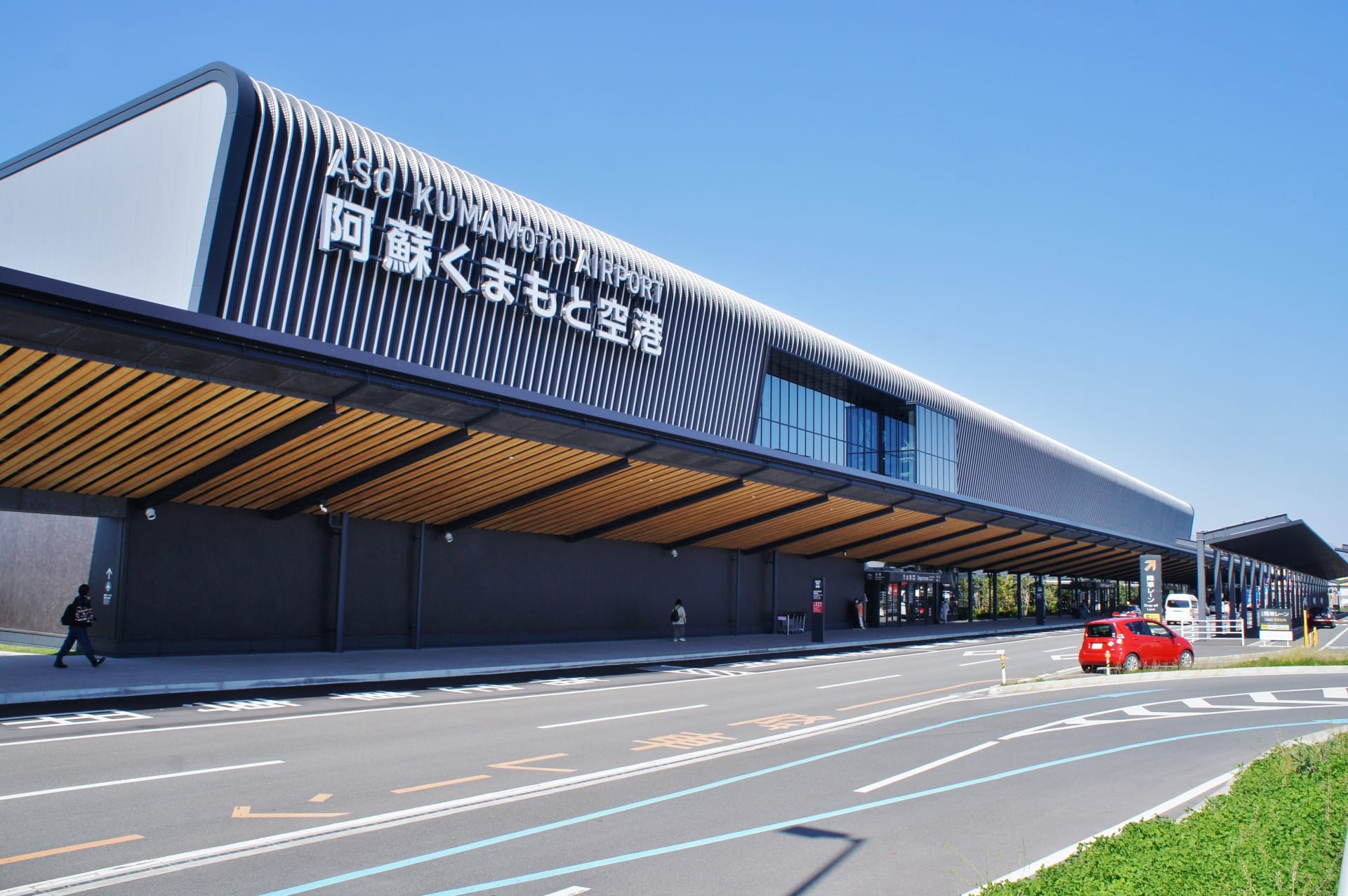
Here is the part many “just fly” guides skip, and it deserves honest discussion: Kumamoto’s advantage in the air is partly offset by its airport transfer.
Aso Kumamoto Airport is located about 20 kilometers east of the city, closer to the Aso highlands than to downtown Kumamoto. Unlike Miyazaki Airport, there is currently no direct railway connection from the terminal into the city.
Most visitors use the airport limousine bus, which operates in coordination with arriving flights. The journey takes roughly 35 to 40 minutes to downtown Kumamoto around Sakuramachi and Toricho, and approximately 65 minutes to Kumamoto Station, the city’s bullet train hub.
The airport itself has improved considerably in recent years, with a new passenger terminal opening in 2023, followed by an expanded outdoor commercial and green space in 2024, creating a much more pleasant arrival experience than many travelers expect.
There is also a free Airport Liner shuttle connecting the terminal with nearby Higo-Ozu Station in around 15 minutes, providing access to local rail services. This is most useful for travelers heading toward the Aso region rather than central Kumamoto, where the airport bus remains the simplest option.
An airport railway connection has been proposed as part of the region’s long-term transportation planning, but no such line is currently in service.
The practical takeaway is straightforward: Kumamoto’s airport transfer takes a little longer than at some regional airports in Japan. Even so, flying remains an attractive option for many itineraries. For travelers heading toward Mount Aso, Kurokawa Onsen, or the eastern side of the prefecture, arriving by air places you closer to your final destination than arriving at Kumamoto Station. A morning departure from Haneda can still have you exploring central Kumamoto before lunch or driving toward the caldera with much of the afternoon ahead of you.
Find the best flights from Tokyo to Kumamoto
Fly from Tokyo to Aso Kumamoto Airport and reach the gateway to central Kyushu with easy access to Kumamoto Castle, Mount Aso, and the region’s famous onsen towns — making it an ideal starting point for your adventure.
By Rail — Yes, There Is a Bullet Train to Kumamoto
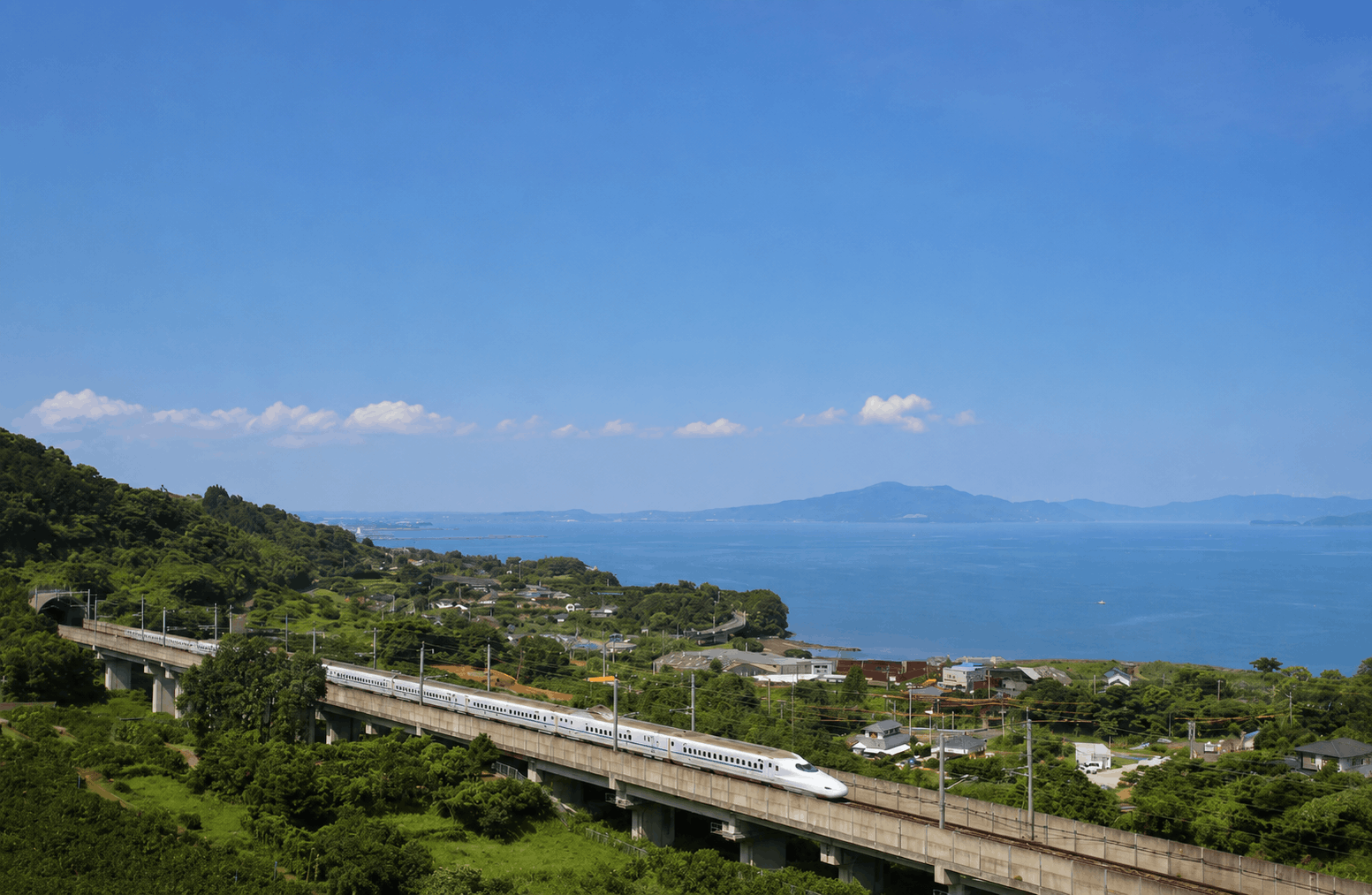
Kumamoto is one of the few destinations in Kyushu where traveling by bullet train is a genuinely competitive alternative to flying. Because the city sits directly on Japan’s high-speed rail network, rail offers a comfortable and convenient way to reach the heart of the city without an airport transfer.
The Bullet Train Reaches Kumamoto Station
The Kyushu bullet train runs down the western side of the island from Hakata to Kagoshima-Chuo, with Kumamoto as one of its major stops. Unlike flying, taking the train delivers passengers directly to Kumamoto Station, putting them within easy reach of the city center by tram, taxi, or local bus.
For travelers who prefer to avoid airport procedures and additional transfers, arriving downtown is one of the rail’s biggest advantages.
The Route from Tokyo
There is no direct one-seat journey from Tokyo to Kumamoto, but the route requires only a single transfer.
The two most common itineraries are:
- Via Shin-Osaka. Travel by bullet train from Tokyo to Shin-Osaka before transferring to a service bound for Kumamoto. Depending on the timetable, some trains continue directly beyond Shin-Osaka, making the connection relatively simple.
- Via Hakata. Continue to Hakata before taking the short bullet train ride south to Kumamoto, a journey of roughly 40 to 50 minutes.
Either route typically takes around 6.5 to 7 hours from central Tokyo, including transfer time and a reasonable buffer for changing trains. While significantly longer than flying, the journey is comfortable and uninterrupted, with spacious seating, power outlets, and room to move around.
When Regional Transportation Passes Make Sense
Many overseas visitors wonder whether a regional transportation pass makes rail travel to Kumamoto worthwhile. The answer depends largely on the rest of your itinerary.
Three practical considerations are worth keeping in mind:
- Time remains the biggest trade-off. Even with transportation costs reduced by a travel pass, traveling by rail between Tokyo and Kumamoto still takes most of a day.
- Seat reservations are recommended. During holiday periods and busy travel seasons, reserved seats on long-distance services can fill quickly, so booking ahead is advisable.
- Large luggage requires planning. Oversized baggage on Japan’s high-speed rail network requires advance reservation for designated storage areas, making a little preparation worthwhile for travelers with larger suitcases.
For travelers exploring several cities across western Japan or Kyushu, a regional transportation pass can add considerable value and make Kumamoto an easy addition to a wider itinerary. For a shorter Tokyo-based trip focused primarily on Kumamoto, however, the time saved by flying remains a compelling advantage.
By Bus — The Longest Route by Far
The Multi-Leg Overnight Bus Route
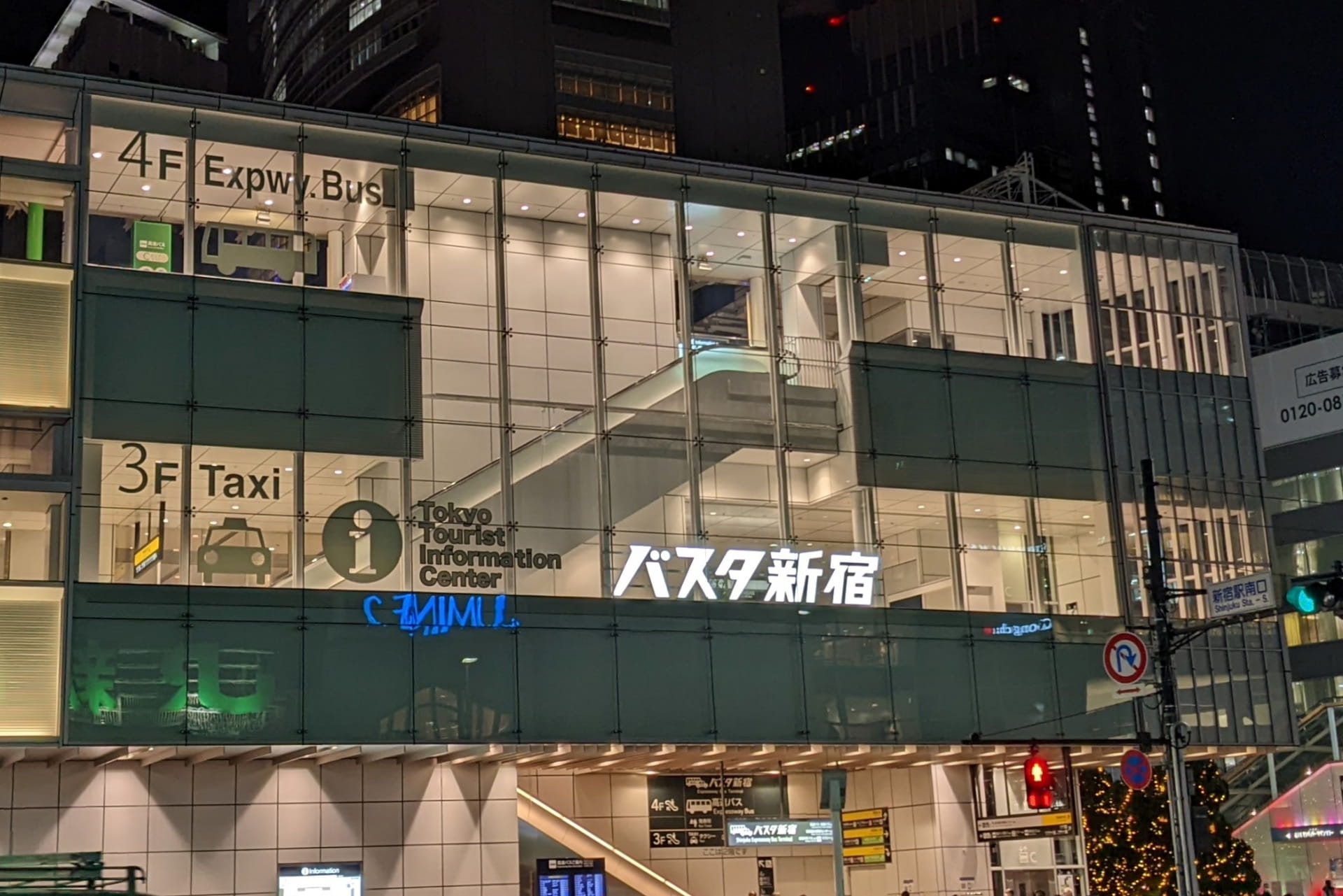
Unlike air or rail, there is currently no direct overnight highway bus connecting Tokyo and Kumamoto. Instead, most bus itineraries require at least one transfer — typically in Hakata (Fukuoka) — making the journey considerably longer and more complicated than many travelers expect.
A typical route involves boarding an overnight highway bus from Tokyo in the evening, arriving in Fukuoka the following morning, and then continuing to Kumamoto by either high-speed bus or bullet train. Including transfer time, the total journey generally takes around 16.5 to 18 hours, depending on schedules and waiting times.
The obvious advantage is cost. Combined bus fares are often significantly cheaper than flying, particularly during peak travel periods when airfares rise. For travelers with flexible schedules, it can also eliminate the need for one night’s accommodation.
Comfort, however, depends on the operators and connections involved. Some overnight buses offer spacious three-row reclining seats designed for long-distance travel, while others use more conventional layouts. Transfer conditions and waiting times can also vary, particularly if arriving early in the morning before onward connections begin.
When the Bus Makes Sense
The overnight bus is a realistic option for a specific type of traveler: someone who prioritizes the lowest possible transportation cost and is comfortable spending long hours on the road.
For experienced backpackers or budget-conscious travelers with flexible itineraries, traveling overnight to Fukuoka before continuing south can be a practical way to reduce overall expenses. The overnight segment also replaces one hotel stay, partially offsetting the long travel time.
When It Does Not Work for International Visitors
For most overseas visitors, however, the drawbacks quickly outweigh the savings.
- Transfers. The journey requires changing transportation in Fukuoka, adding complexity after an overnight trip with limited rest.
- Language. Bus terminal announcements and transfer guidance are often primarily in Japanese, making connections more stressful for first-time visitors.
- Luggage. Managing large suitcases through multiple terminals and onward connections can be cumbersome, particularly during busy travel periods.
- Arrival condition. After nearly seventeen hours of travel, most visitors arrive needing a shower, a meal, and a break before sightseeing. The first half of the day is often spent recovering rather than exploring Kumamoto Castle or heading toward Mount Aso.
For travelers with ample time and prior experience with Japan’s highway bus network, the route remains a viable budget option. For shorter trips from Tokyo, however, the combination of transfers and extremely long travel times makes flying, or the bullet train, considerably more practical.
The Real Cost — Time, City-Center Arrival, and the Days You Keep
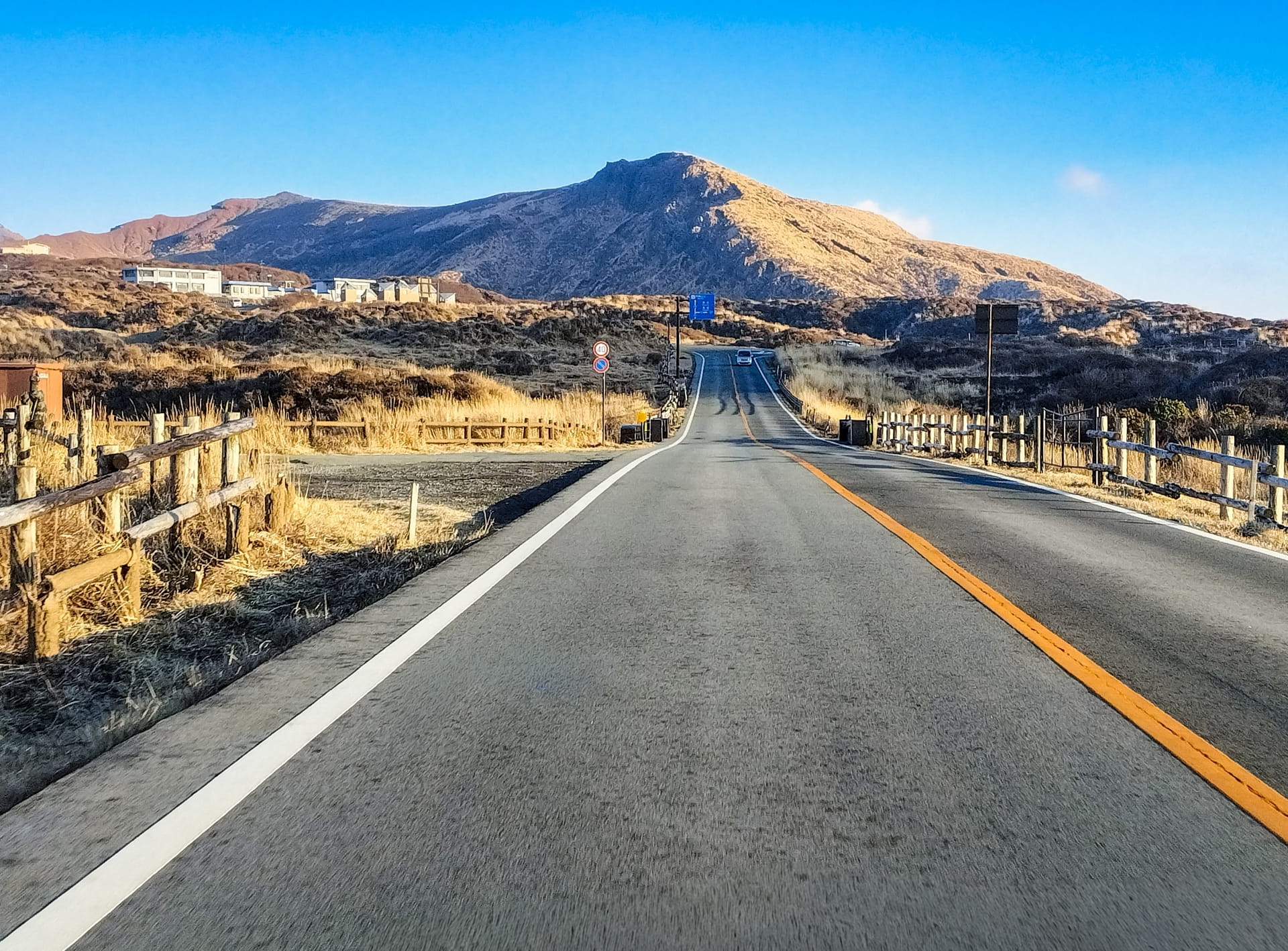
This is where the comparison stops being about ticket prices — and where Kumamoto becomes one of the most interesting transportation choices in Kyushu.
Consider a typical four-day trip from Tokyo. Most travelers can spare part of the first and last days for transit, leaving roughly two and a half to three full days to explore.
- Fly. Leave Tokyo in the morning and, after the flight and airport bus, arrive in Kumamoto around lunchtime or early afternoon. You still have much of your first day to explore the city or head toward Mount Aso. On your final day, an afternoon departure allows you to enjoy the morning before returning to Tokyo.
- Rail. Leave Tokyo early and arrive at Kumamoto Station in the afternoon, directly in the city center with no additional airport transfer required. The journey takes longer than flying, but it is comfortable throughout and delivers you exactly where most visitors begin their stay. Travelers continuing on to Kansai or Hiroshima can also naturally incorporate stopovers into the trip.
- Bus. Leave Tokyo the evening before, transfer in Fukuoka the following morning, and arrive in Kumamoto after nearly a full day of travel. While the fare may be lower, the journey consumes valuable sightseeing time and is by far the most physically demanding option.
The numbers point toward a fairly balanced conclusion.
For a short trip focused on Kumamoto, Mount Aso, or the surrounding onsen towns, flying remains the most practical choice, preserving the most time on the ground. The airport transfer adds some travel time, but the overall journey is still significantly shorter than the alternatives.
The bullet train, however, is a genuinely competitive option. It trades a couple of extra hours for a direct city-center arrival, a relaxed onboard experience, and the flexibility to include destinations such as Osaka, Hiroshima, or Fukuoka as part of a longer itinerary.
The bus remains the lowest-cost option, but its required transfer and exceptionally long travel time make it a niche choice best suited to travelers with highly flexible schedules.
Ultimately, the best option depends on what you value most. If maximizing sightseeing time is your priority, flying is difficult to beat. If the journey itself is part of the experience and your itinerary already includes western Japan, the bullet train offers one of the most enjoyable long-distance rail journeys in the country.
Who Should Choose What
The Castle-and-City Traveler
Both flying and rail work well—it simply depends on the style of trip you prefer. If you value arriving directly in the city center and stepping almost immediately into Kumamoto’s tram network, the bullet train is an excellent choice. If your itinerary is short and every hour counts, flying gives you more time on the ground.
The Aso and Onsen Seeker
Fly. Aso Kumamoto Airport sits on the eastern side of the city, making it a convenient gateway to Mount Aso, Kurokawa Onsen and the surrounding highlands. The shorter overall travel time also means you can begin exploring sooner rather than spending much of the day in transit.
The Family with Kids
For families traveling with young children, a direct flight is often the simpler and less tiring option. The shorter journey, straightforward boarding process, and ability to reach Kumamoto by lunchtime make it easier to keep younger travelers comfortable throughout the day.
Travelers Using Regional Transportation Passes or Exploring Kyushu
Rail becomes particularly attractive when Kumamoto is one stop on a broader western Japan or Kyushu itinerary. Travelers using a regional transportation pass can often reduce transportation costs while enjoying a comfortable journey between major cities, making Kumamoto an easy addition to a longer trip through the region.
The Budget Backpacker
The overnight bus remains a possible choice for travelers with flexible schedules and tight budgets, but the lack of direct service makes it a niche option rather than a practical default. Most routes require a transfer in Fukuoka, extending the total journey to well over sixteen hours. Before committing to the bus, it is worth comparing off-peak airfares and rail options, which may offer significantly greater comfort for a relatively modest cost difference.
Beyond the Airport — What Awaits in Kumamoto
Once you are on the ground, the case for the trip itself sells out the journey.
Kumamoto Castle — A Symbol of Recovery
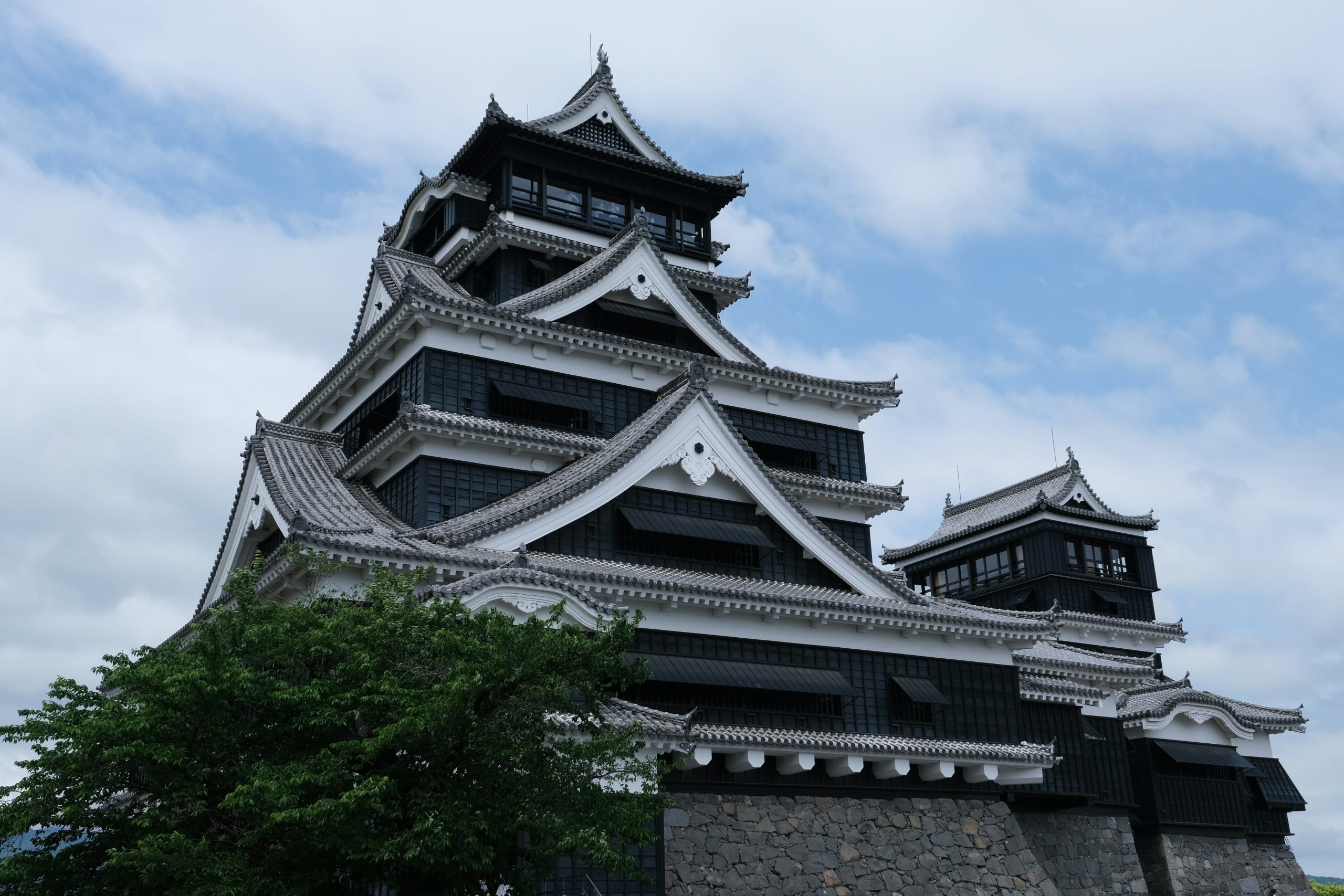
Kumamoto Castle is one of Japan’s three premier castles, a sweeping complex of black-boarded keeps and curved “musha-gaeshi” stone walls built in the early 1600s. The 2016 Kumamoto earthquakes badly damaged it, and its restoration became a story the whole country followed. An elevated 350-meter viewing corridor opened in 2020 to let visitors walk above the still-healing stone walls and see the repair work up close, and the main keep — rebuilt with a hidden modern earthquake-resistant structure — reopened to visitors in 2021. The broader restoration is a decades-long project expected to continue well into the future, making a visit now a chance to witness a national landmark in the midst of recovery.
Mount Aso — Inside a Living Caldera
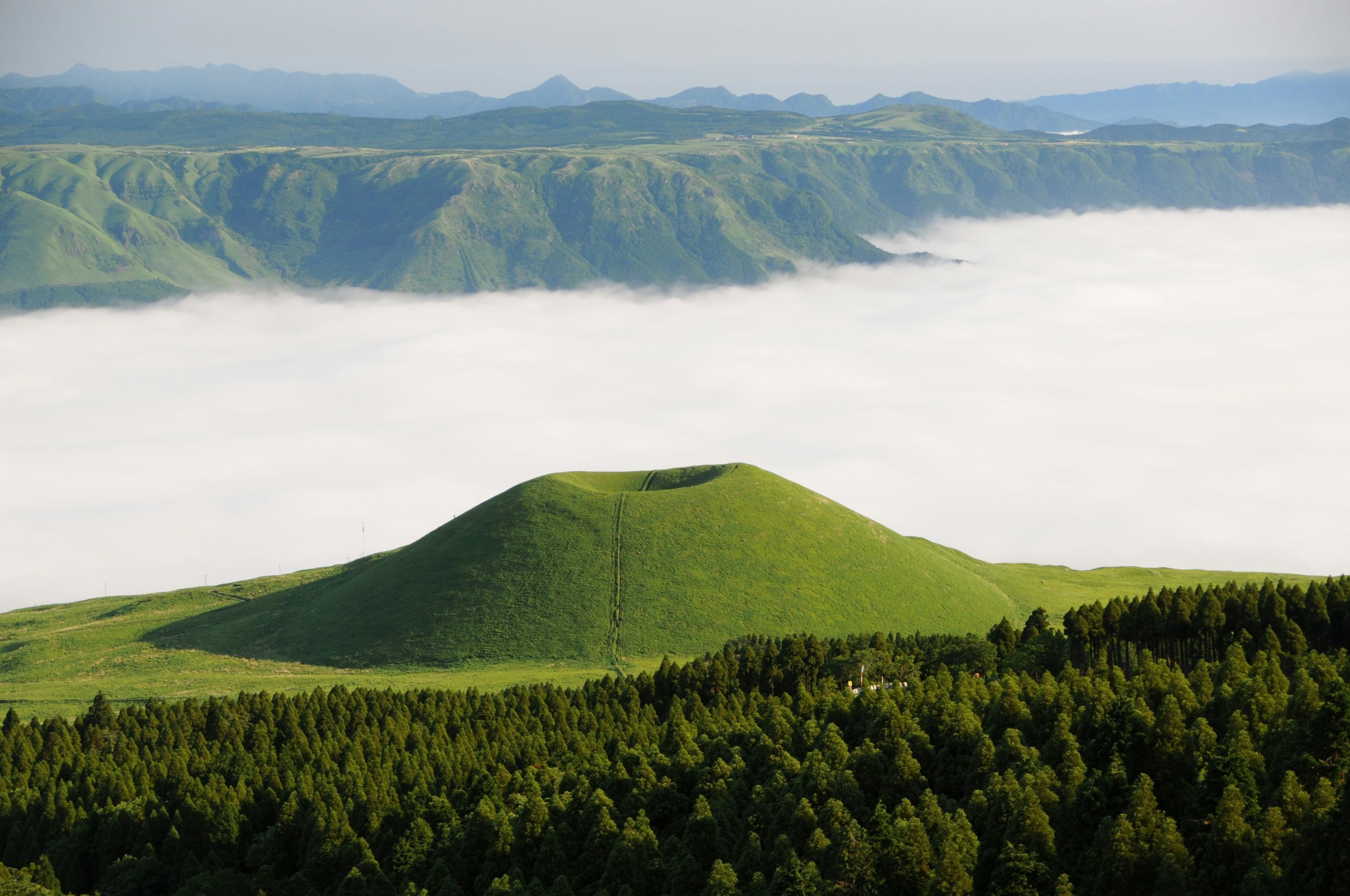
Ninety minutes east of the city, Mount Aso sits within one of the world’s largest inhabited volcanic calderas — a vast collapsed crater measuring roughly 25 kilometers north to south and 18 east to west, with whole towns, farms, and railway lines inside it. At its center, Nakadake still smokes and periodically restricts access depending on volcanic activity, so check current conditions before you go. The grassland plateau of Kusasenri, where horses graze beneath the smoking peaks, is one of the most quietly cinematic landscapes in Japan.
Suizenji Garden — A Miniature Japan
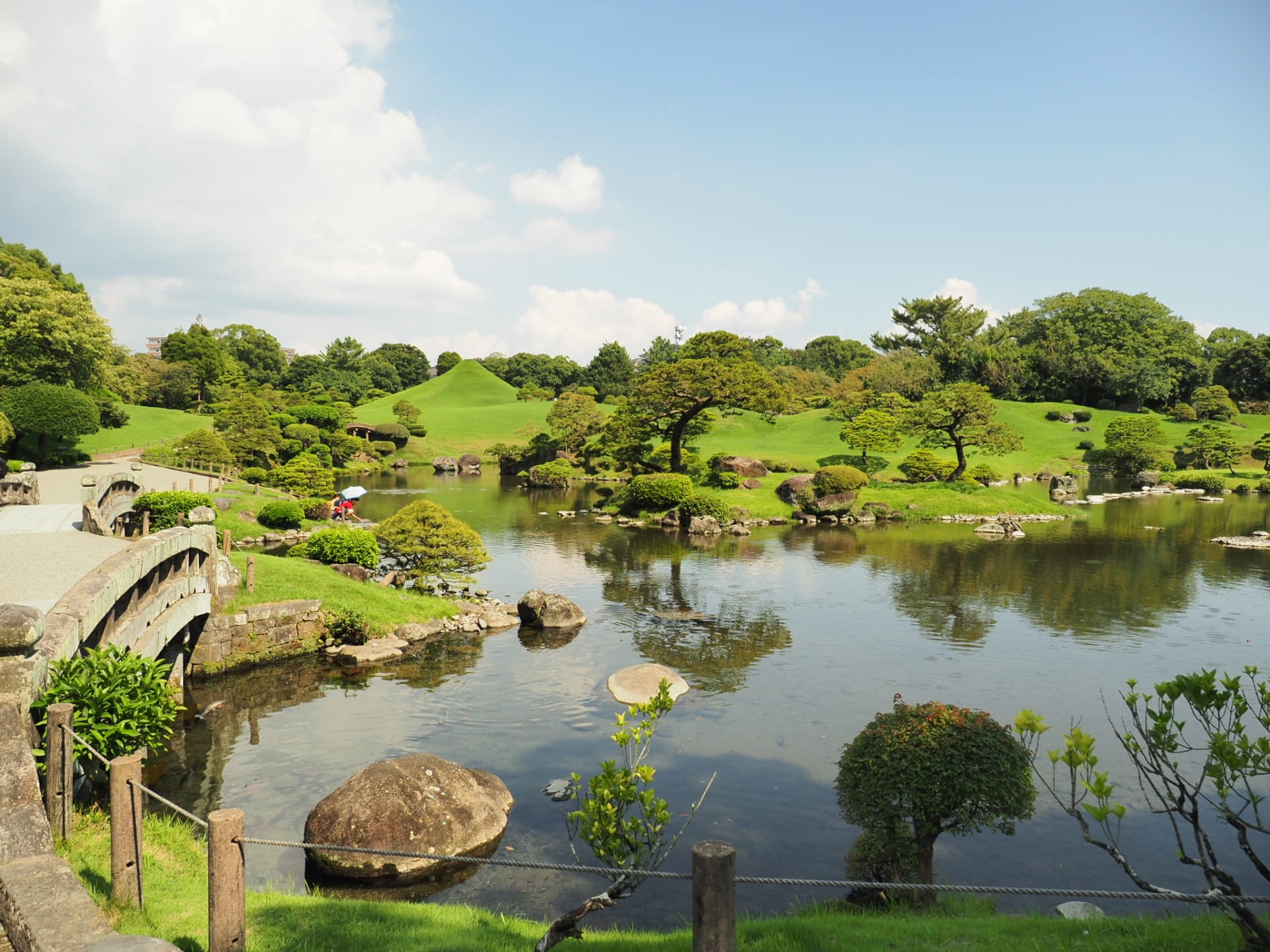
In the city itself, Suizenji Jojuen is a strolling garden laid out by the Hosokawa lords and fed by spring water drawn from underground flows originating in the Aso volcanic system. Its genius is in miniature: the landscape compresses the old Tokaido road between Kyoto and Edo, complete with a small grassy cone standing in for Mount Fuji. An hour here, ideally with a bowl of matcha at the teahouse, is the gentlest possible counterpoint to the castle.
Kurokawa Onsen — The Connoisseur’s Hot-Spring Town
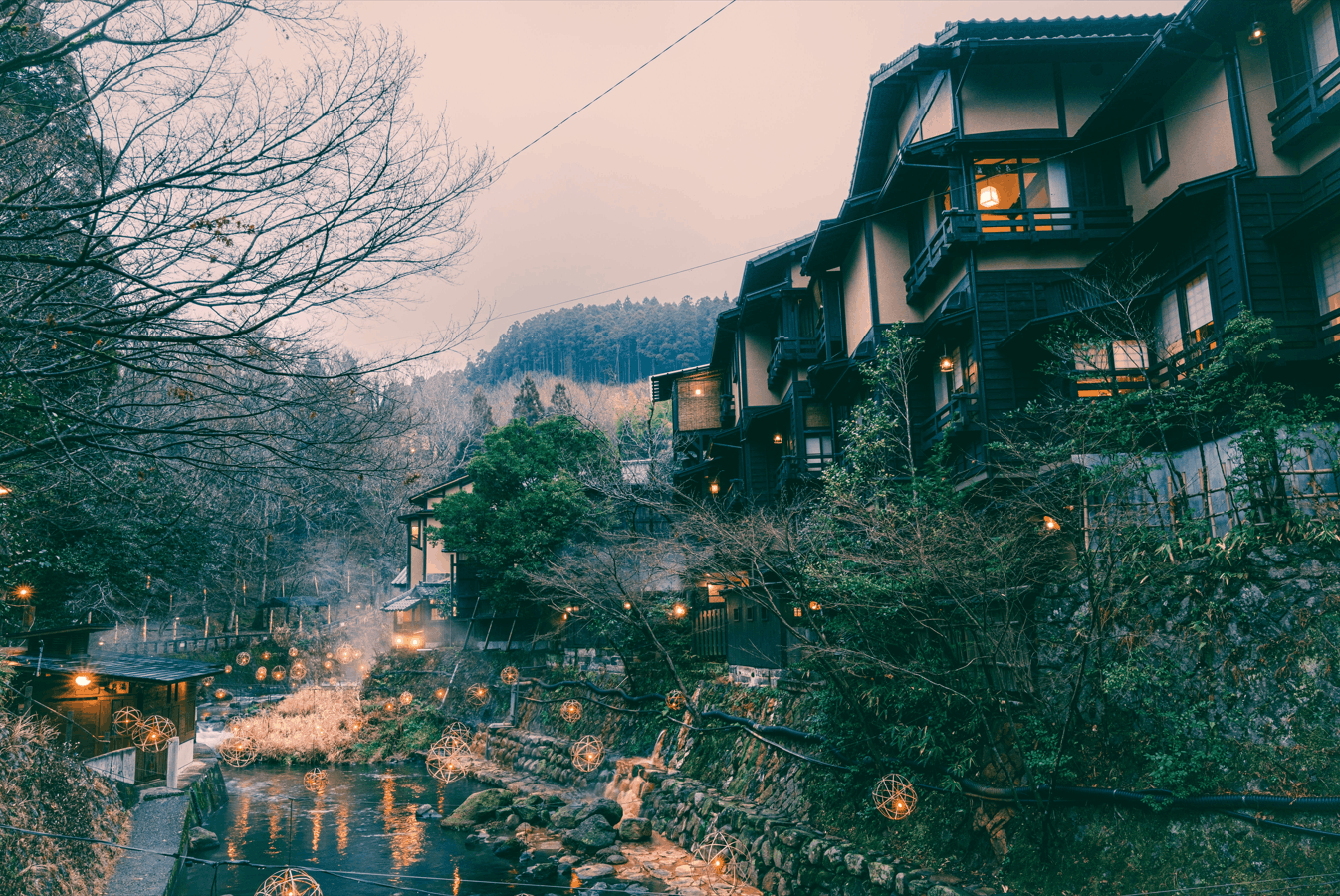
In the northern highlands toward Aso, Kurokawa Onsen is the hot-spring town that hospitality insiders quietly recommend — a cluster of riverside ryokan that resisted neon and chain development to keep a lantern-lit, walkable charm. A wooden tegata pass lets you hop between several open-air baths across different inns, making it a perfect overnight detour for travelers who want the onsen experience without the resort scale.
What to Eat — Basashi, Ramen, and Aso Beef
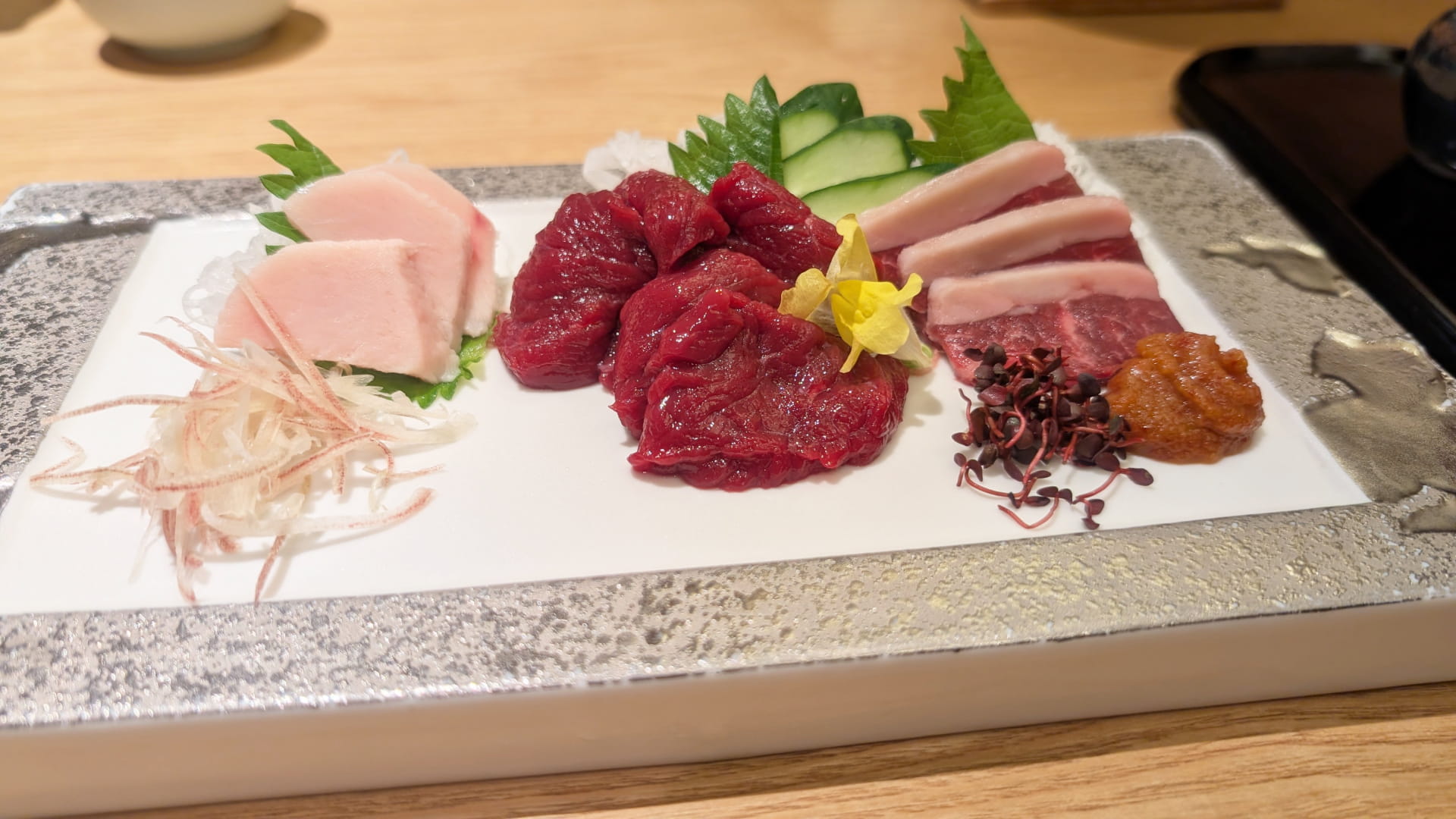
Kumamoto’s food is built for the curious. Basashi — horse sashimi, served lean and clean with soy, ginger, and garlic — is the prefecture’s signature, and traveler-friendly specialist restaurants make it an easy first try. Kumamoto ramen is a tonkotsu bowl distinguished by mayu, an aromatic burnt-garlic oil. Karashi renkon, lotus root stuffed with mustard miso and deep-fried, is the local snack that surprises people. And up in the highlands, Aso akaushi — lean red Wagyu raised on the caldera grasslands — is the region’s prized beef.
Kumamon and the City’s Easy Charm
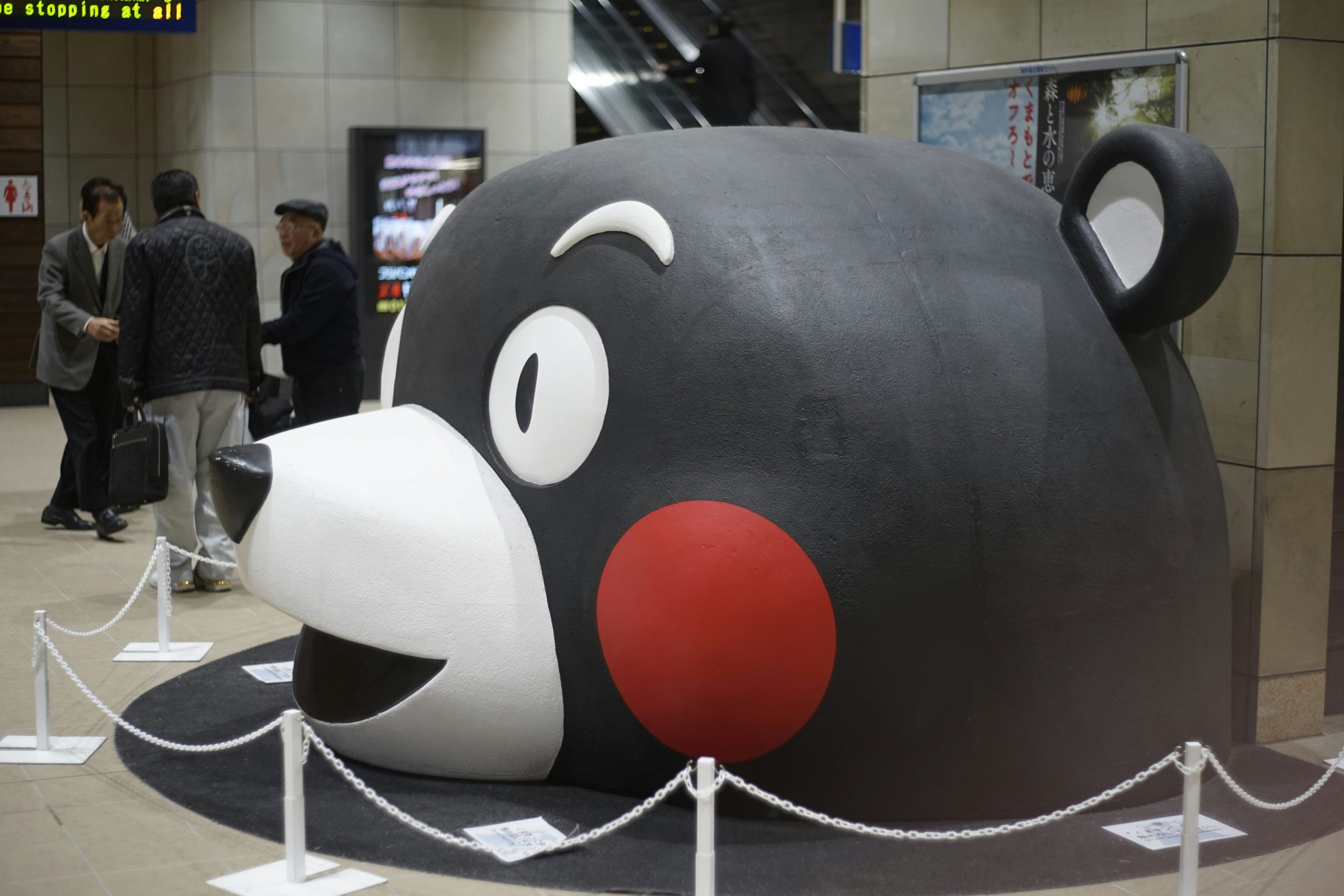
You will meet Kumamon before you meet anyone else — the rosy-cheeked black bear mascot that turned Kumamoto into a household name across Asia and far beyond. Beyond the merchandise, the city is simply easy: compact, tram-served, ringed by arcades, and friendlier to a slow wander than its bigger Kyushu neighbors.
Frequently Asked Questions (FAQ)
Q. How long does it take to get from Tokyo to Kumamoto by plane?
A. A direct Haneda–Kumamoto flight takes around 1 hour and 50 minutes in the air. Including travel to Haneda Airport, check-in procedures, and the airport bus to Kumamoto city, most travelers should plan on roughly 4.5 to 5 hours from central Tokyo to a central Kumamoto hotel.
Q. Is there a bullet train to Kumamoto?
A. Yes. Kumamoto is served by Japan’s high-speed rail network, with trains stopping at Kumamoto Station in the city center. Travelers from Tokyo typically make one transfer, either at Shin-Osaka or Hakata, for a total journey of approximately 6.5 to 7 hours.
Q. Which is better from Tokyo to Kumamoto: plane or bullet train?
A. Flying is the faster option overall and is particularly convenient for shorter trips or itineraries focused on Mount Aso and the surrounding countryside. The bullet train takes longer but offers a comfortable journey and arrives directly in the city center, making it an attractive choice for travelers continuing through western Japan or Kyushu.
Q. Which airline flies direct from Tokyo (Haneda) to Kumamoto?
A. Solaseed Air operates multiple daily direct flights between Haneda Airport and Aso Kumamoto Airport using Boeing 737-800 aircraft, providing a convenient nonstop connection between Tokyo and central Kyushu.
Q. How far is Kumamoto Airport from the city?
A. Aso Kumamoto Airport is located about 20 kilometers east of central Kumamoto. Airport limousine buses connect the terminal with downtown Kumamoto in roughly 35 to 40 minutes, while the journey to Kumamoto Station takes approximately 65 minutes. There is currently no direct railway connection to the airport.
Q. Can I use regional transportation passes to travel to Kumamoto?
A. Yes. A regional transportation pass can be used for travel to Kumamoto, making the city a convenient stop on a longer journey through western Japan or Kyushu. Whether they offer good value depends on the rest of your itinerary and how extensively you plan to travel by rail.
Q. Is there a direct overnight bus from Tokyo to Kumamoto?
A. No. There is currently no direct overnight highway bus between Tokyo and Kumamoto. Most bus itineraries require a transfer in Fukuoka (Hakata), with total travel times generally ranging from 16.5 to 18 hours depending on schedules and connection times.
Q. Is Kumamoto good for a short trip from Tokyo?
A. Yes. With direct flights from Haneda and efficient transportation around the city, Kumamoto works well as a three-night getaway. It also provides easy access to destinations such as Mount Aso and Kurokawa Onsen, making it an excellent base for exploring central Kyushu.
Plan Your Kumamoto Trip
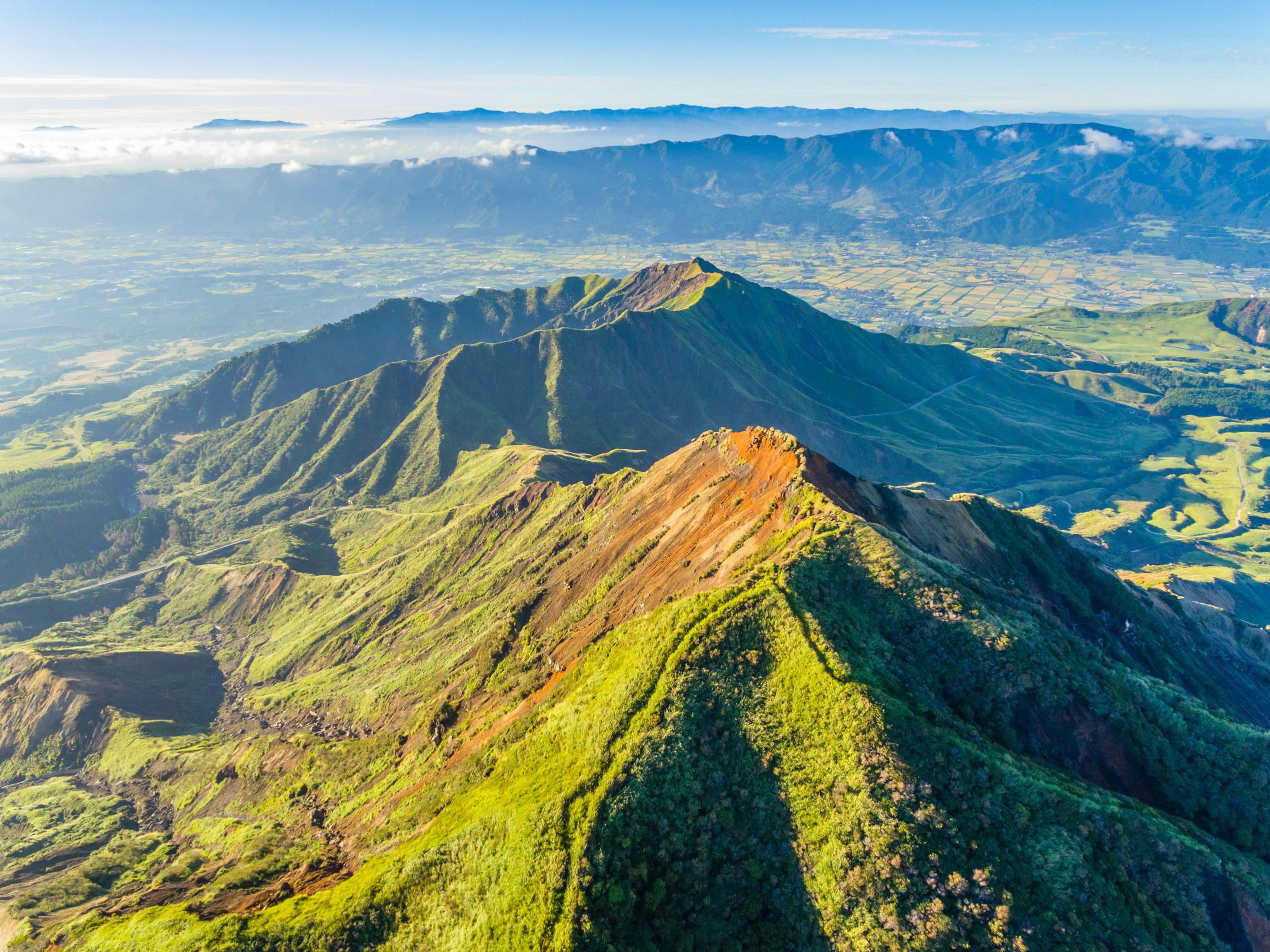
Kumamoto rewards travelers who give it time — castle enthusiasts, volcano chasers, onsen lovers, and anyone eager to discover a quieter side of Kyushu. The best way to get there depends on the kind of trip you want: fly if you’re making the most of a short itinerary or heading to Mount Aso, or take the bullet train if you prefer a city-center arrival or are exploring multiple destinations across western Japan.
Either way, the goal is the same: spend less time worrying about the journey and more time enjoying everything Kumamoto has to offer.
Find the best flights from Tokyo to Kumamoto
Fly from Tokyo to Aso Kumamoto Airport and reach the gateway to central Kyushu with easy access to Kumamoto Castle, Mount Aso, and the region’s famous onsen towns — making it an ideal starting point for your adventure.
▽Related Articles▽


Written by
Born and raised in Costa Rica, I started living in Tokyo from college. I love traveling within Japan & around the world. Since I wasn’t born in Japan, I know the cultural impact that you can get when visiting Japan for the first time and what you might be worried about before your trip. And I’ve lived long enough to somewhat understand the nuances of the Japanese culture that make this country such an attractive place to visit. Hopefully I can provide to you both the information you’re looking for and the information you didn’t know you needed to know.
- +0 0
-
-