How to Get from Tokyo to Kanazawa by Shinkansen
Essential Tips for Tickets, Luggage, and Sightseeing
- +0 0
-

-


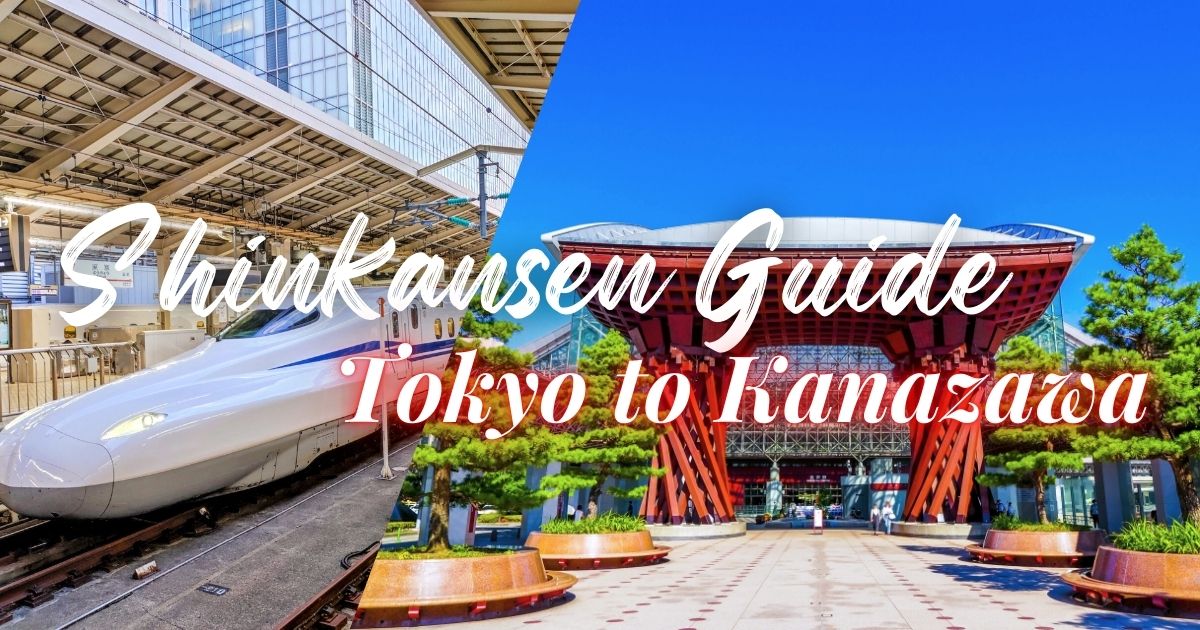
The journey from Tokyo to Kanazawa has become one of the most popular routes for travelers seeking the “real Japan.” Crossing from the Pacific coast through the Japanese Alps to the Sea of Japan, this route—often called the “New Golden Route”—offers a stunning contrast to the urban sprawl of Tokyo.
While the destination is incredible, the logistics can be slightly complex due to the variety of train types and booking platforms available. This guide will walk you through the train options, compare the different ways to purchase tickets, and help you decide which method fits your travel style best.
Which Train Should you take from Tokyo to Kanazawa?: “Kagayaki” vs. “Hakutaka”
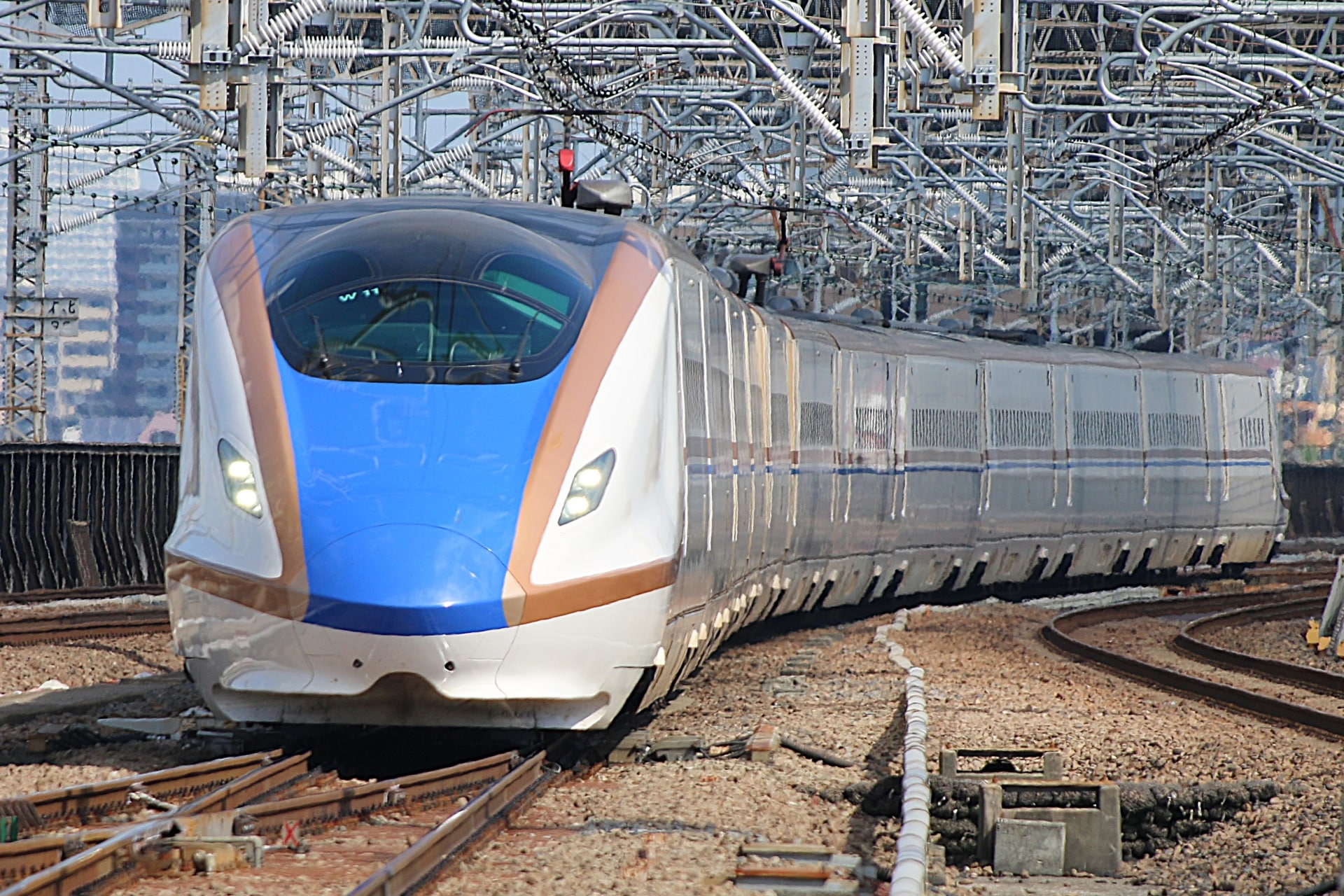
When booking your Shinkansen ticket, you will generally see two main train names. Understanding the difference is vital for a smooth trip.
1. Kagayaki (The Express)
- Speed: The fastest option (~2 hours 25 minutes).
- Stops: Limited stops (Omiya, Nagano, Toyama, Kanazawa).
- Key Rule: Reserved Seats Only. There are no non-reserved cars on this train. You must purchase a specific seat ticket before boarding.
2. Hakutaka (The Multi-Stop)
- Speed: Slightly slower (~2 hours 50 minutes to 3 hours 15 minutes).
- Stops: Stops at more local stations along the route.
- Key Rule: Includes Non-Reserved Cars (usually Cars 1-4). This offers flexibility if you haven’t booked a seat, though you risk standing during peak times.
A Pro Tip From Your Japan Travel Expert
If you are traveling with a Japan Rail Pass on the “Kagayaki,” you still need to purchase a seat ticket at a machine or at a station office. The pass alone does not guarantee a seat on this specific train type.
Seat Classes & Prices for Shinkansen to Kanazawa


The Hokuriku Shinkansen offers three distinct classes of service. Whether you want to save money or experience luxury, here is what you can expect.
1. Ordinary Car (Standard)
- Layout: 3 seats | Aisle | 2 seats.
- Comfort: Surprisingly spacious compared to economy flights. On the E7/W7 series trains used on this route, all seats have power outlets.
- Best For: Most travelers and families.
2. Green Car (Business Class)
- Layout: 2 seats | Aisle | 2 seats.
- Comfort: Wider seats with more legroom, deeper recline, footrests, and reading lights. The atmosphere is quieter and more business-oriented.
- Best For: Travelers seeking a quiet environment or extra personal space.
3. Gran Class (First Class)
- Layout: 1 seat | Aisle | 2 seats.
- Comfort: The pinnacle of Shinkansen luxury. Features plush leather shell seats that recline 45 degrees. On “Kagayaki” trains, a dedicated attendant serves a light meal and unlimited drinks (alcohol included).
- Best For: A truly special, luxury experience.
Shinkansen Price Comparison (Tokyo → Kanazawa, One-Way)
| Class | Approx. Price | Features |
|---|---|---|
| Ordinary Car | ~¥15,000 | Standard comfort, power outlets |
| Green Car | ~¥20,000 | Extra legroom, quiet car |
| Gran Class | ~¥30,000 | Luxury shell seats, meal service* |
Shinkansen Ticket Booking Options to Kanazawa
There are several ways to purchase tickets for the Hokuriku Shinkansen. Below, we compare the most common methods so you can choose the one that balances cost, convenience, and ease of use.
1. Station Ticket Office (Midori-no-madoguchi)
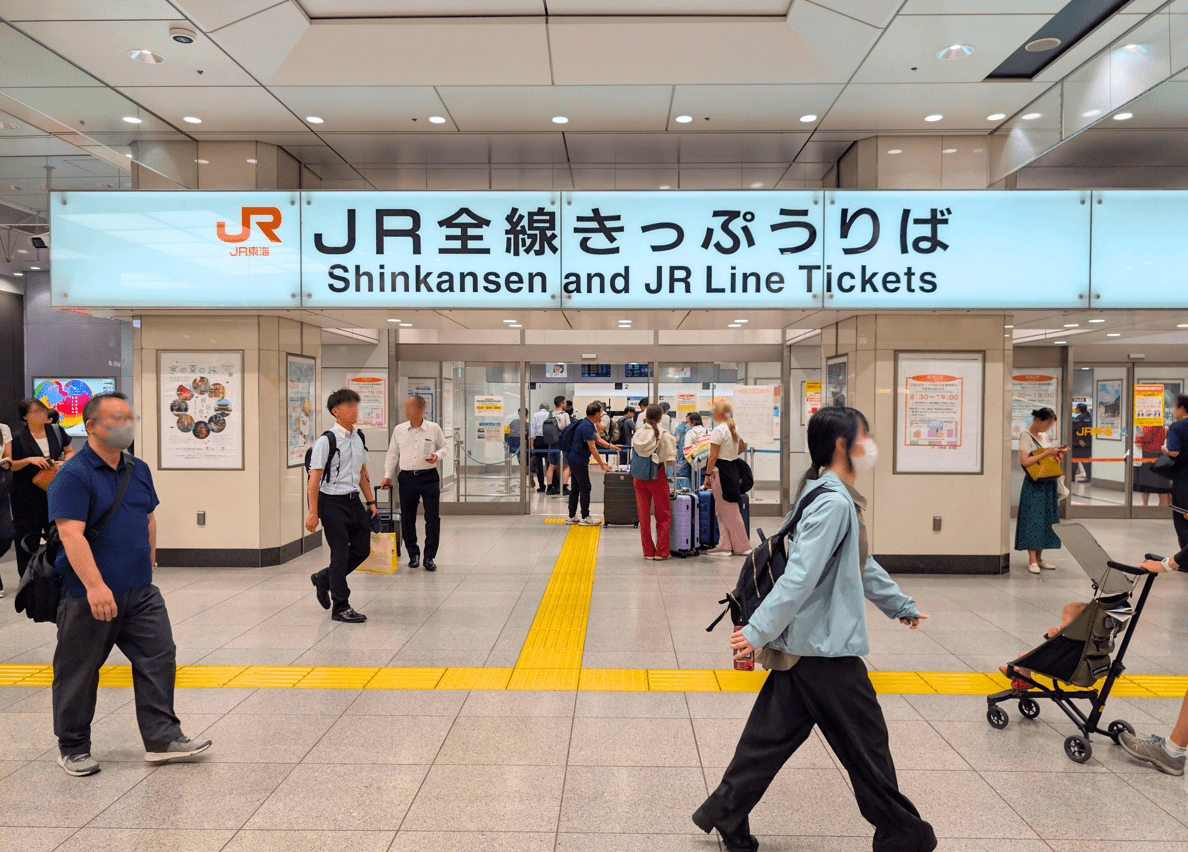
This is the traditional method: you go to a physical counter at a JR station (such as Tokyo Station) and buy a ticket from a staff member.
- Pros: You can speak to staff directly and ask questions; no handling fees.
- Cons: Lines at major stations can be incredibly long (over 30 minutes); language barriers can occur; there is a risk of trains being sold out if you wait to book until you arrive in Japan.
2. Official Railway Sites (EkiNet / SmartEX)
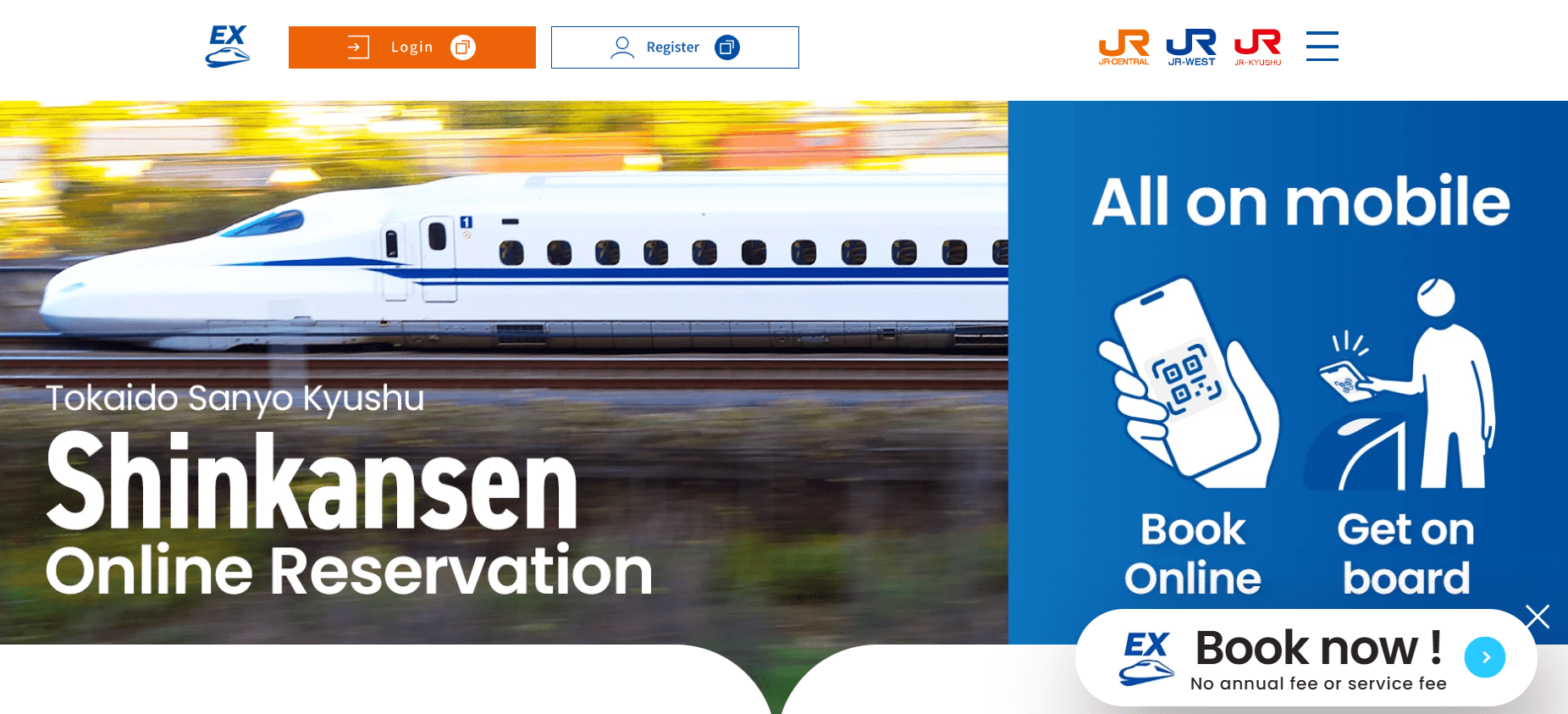
These are the direct booking websites operated by the Japan Railways (JR) companies. For the Tokyo-Kanazawa route, “EkiNet” (JR East) is the primary system, while “SmartEX” (JR Central) has limited compatibility for this specific northbound line.
- Pros: No markup fees; allows seat map selection.
- Cons: The user interface can be complex and difficult to navigate for first-time visitors; strict credit card security often rejects international cards; requires account registration.
3. Rail Passes (JR Pass / Hokuriku Arch Pass)
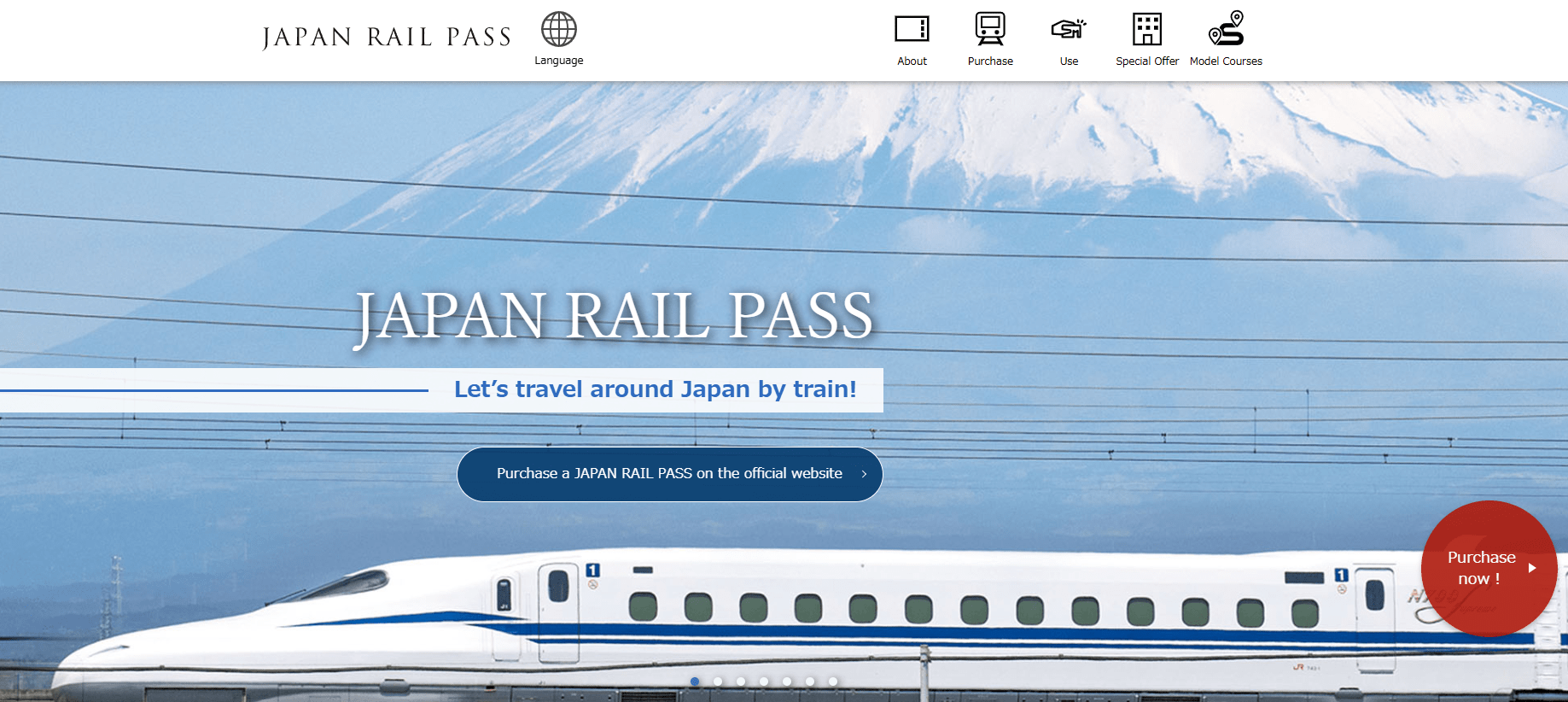
These are “all-you-can-ride” passes designed for tourists. The Japan Rail Pass covers the whole country, while the Hokuriku Arch Pass is a cheaper regional option (¥30,000) perfect for the Tokyo-Kanazawa-Kyoto route.
- Pros: Great value if you plan to travel long distances to multiple cities (e.g., Tokyo -> Kanazawa -> Kyoto -> Osaka).
- Cons: High upfront cost (expensive if you travel one-way); you still need to book seat reservations for the Kagayaki train.
<<Japan Rail Pass Official site>>
4. Japan Bullet Train (Recommended)
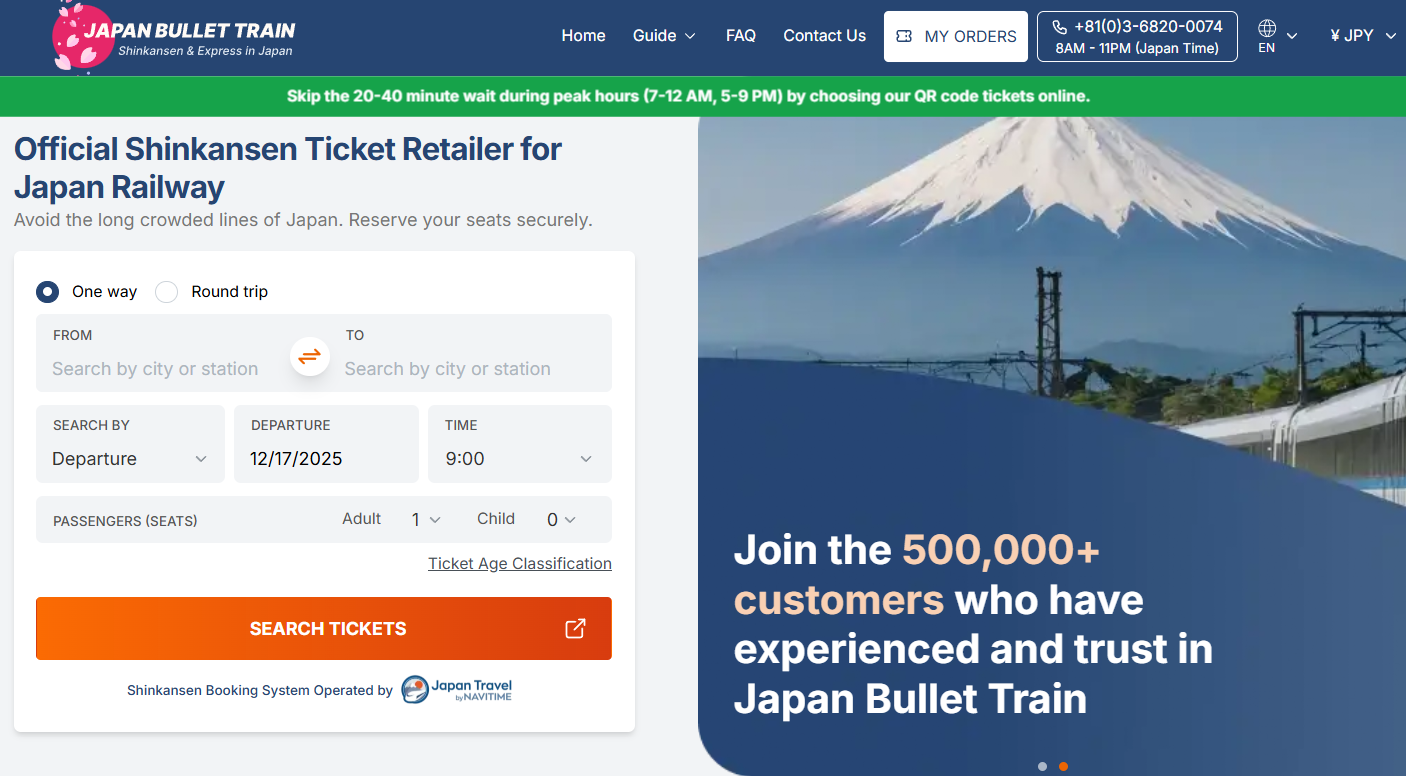
For international travelers who want to avoid the long lines at the station and the complex registration of official sites, Japan Bullet Train offers a streamlined solution. It acts as a concierge service, allowing you to order tickets in English before you even leave home. It effectively solves the “Cons” of the other options by removing language barriers and credit card issues.
- Pros: Extremely user-friendly interface; accepts international credit cards seamlessly; allows you to book tickets (including luggage seats) in advance; English-language customer support.
- Cons: A small handling fee applies.
Search for Tokyo to Kanazawa tickets on Japan Bullet Train!
Summary: Which Ticket Booking Option Is Right for You?
| Feature | Station Ticket Office | Official Sites (EkiNet) | Rail Passes | Japan Bullet Train |
|---|---|---|---|---|
| Ease of Use | Low (often long lines) |
Medium (UI can feel complex) |
Medium (requires pass exchange/activation) |
High (simple English) |
| Intl. Credit Cards | Accepted | Often rejected | Accepted | Accepted |
| Advance Booking | No (Must be in Japan) |
Yes | Yes | Yes |
| Cost | Standard fare | Standard fare | High upfront cost | Standard fare + fee |
| Best For | Last-minute travelers | Budget travelers tech-savvy with Japanese systems |
Multi-city, long-haul trips | Stress-free planning in English |
Luggage Rules in Shinkansen to Kanazawa: What You Need to Know

Traveling with large suitcases on the Hokuriku Shinkansen is different from the route to Kyoto. Here is the accurate situation for 2025.
No Mandatory “Oversized Baggage Reservation”
Unlike the Tokaido Shinkansen (to Kyoto/Osaka), the Hokuriku Shinkansen does not have a mandatory reservation system for large luggage. You do not need to book a specific “Oversized Baggage Seat.”
Where to Store Your Bags
Since there are no reserved luggage spots, storage is first-come, first-served.
- Overhead Racks: These are surprisingly deep and can fit most medium-sized suitcases (up to ~26 inches or 160cm total dimensions).
- Designated Luggage Racks: The E7/W7 series trains on this route have dedicated luggage racks at the ends of designated cars (often even-numbered cars). These are free to use, but fill up quickly.
- Space Behind the Last Row: While you cannot “reserve” this space officially, travelers sitting in the last row generally use the space behind their seats.
A Pro Tip From Your Japan Travel Expert
The Takeaway: Since you cannot reserve a luggage spot, queue up early on the platform.
If you have a large suitcase (over 28 inches), please reserve a seat in the last row of the car. While it’s not an official “luggage seat” booking, being physically close to the space behind you gives you the best chance to use it. Alternatively, use a “Takkyubin” (luggage forwarding) service to send your big bags directly to your hotel in Kanazawa—it makes the trip much more enjoyable.
Transport Comparison to Kanazawa: Shinkansen vs. Plane vs. Bus
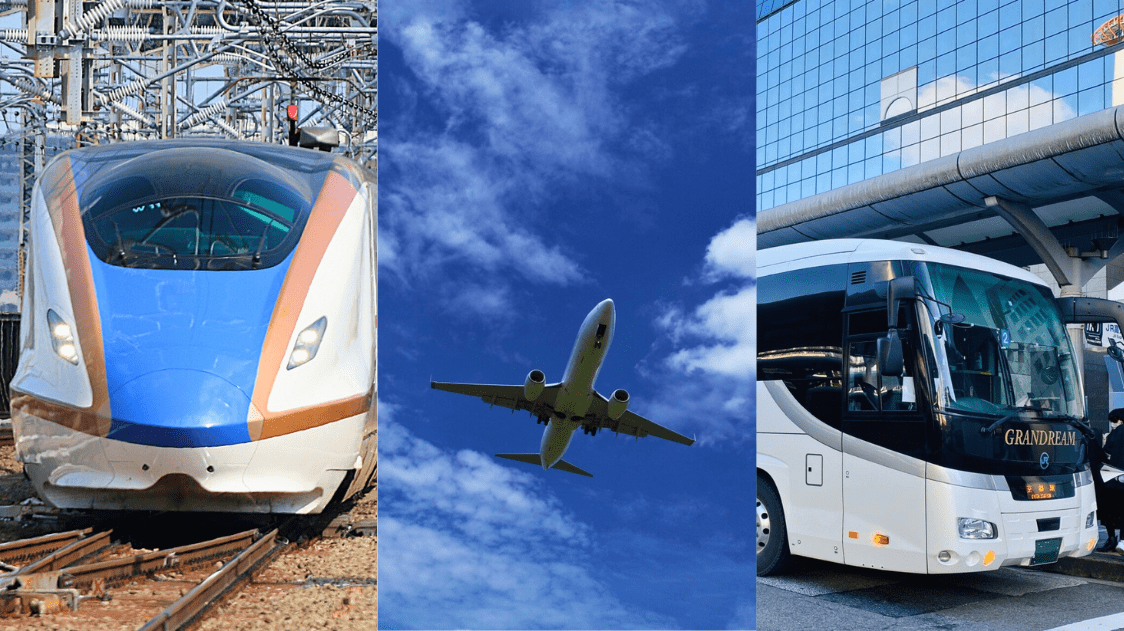
While the Shinkansen is widely considered the best option for this route, it helps to know your alternatives. The table below compares the Shinkansen against flying (via Komatsu Airport) and taking a highway bus.
Tokyo to Kanazawa: Transportation Options Comparison
| Mode | Approx. Time (City to City) | Approx. Cost (One Way) | Pros | Cons |
|---|---|---|---|---|
| Hokuriku Shinkansen | ~2.5 hours | ~¥15,000 | Fastest city-to-city, scenic mountain views, most comfortable | More expensive than the bus |
| Airplane (Haneda → Komatsu) |
~3.5 hours* | ¥15,000 – ¥25,000 | Short flight time (about 1 hour), convenient if connecting from international flights | Includes airport transfers; Komatsu Airport is about 40 minutes from Kanazawa* |
| Highway Bus | ~8 – 10 hours | ¥4,000 – ¥10,000 | Cheapest option, overnight buses can save on accommodation | Very long travel time, less comfortable, possible traffic delays |
The Verdict: Unless you are on an extremely tight budget (Bus) or connecting directly from an international flight at Haneda (Plane), the Shinkansen offers the best balance of speed and comfort.
Tokyo to Kanazawa Shinkansen FAQ

Here are answers to the most common questions travelers have about this specific route.
Q: Can I see Mt. Fuji from the Hokuriku Shinkansen?
A: No. This route travels northwest through the Japanese Alps. If seeing Mt. Fuji from the train is a priority, you need to take the Tokaido Shinkansen towards Kyoto/Osaka. However, the mountain views on the Hokuriku line (especially around Tateyama) are spectacular in their own right.
Q: Is the Japan Rail Pass (National) valid?
A: Yes, the nationwide JR Pass is valid on both Kagayaki and Hakutaka trains. However, remember the golden rule: you must book a seat. You can do this for free at ticket machines or online via the official site.
Q: Is there food sold on the train?
A: There is no food cart service on most trains anymore. We strongly recommend purchasing an “Ekiben” (station bento box) at Tokyo Station before passing through the ticket gates.
Q: Should I fly instead?
A: Generally, no. While the flight from Haneda to Komatsu Airport is short (1 hour), adding the time for airport transfers and security checks makes the total travel time longer than the Shinkansen (2.5 hours city-to-city). The train is far more convenient and scenic.
What to See & Eat in Kanazawa
Once you arrive, you will find a city that rivals Kyoto in culture but with a more relaxed atmosphere. Here are a few must-dos to get you started.
Top 3 Tourist Spots
Kenrokuen Garden:
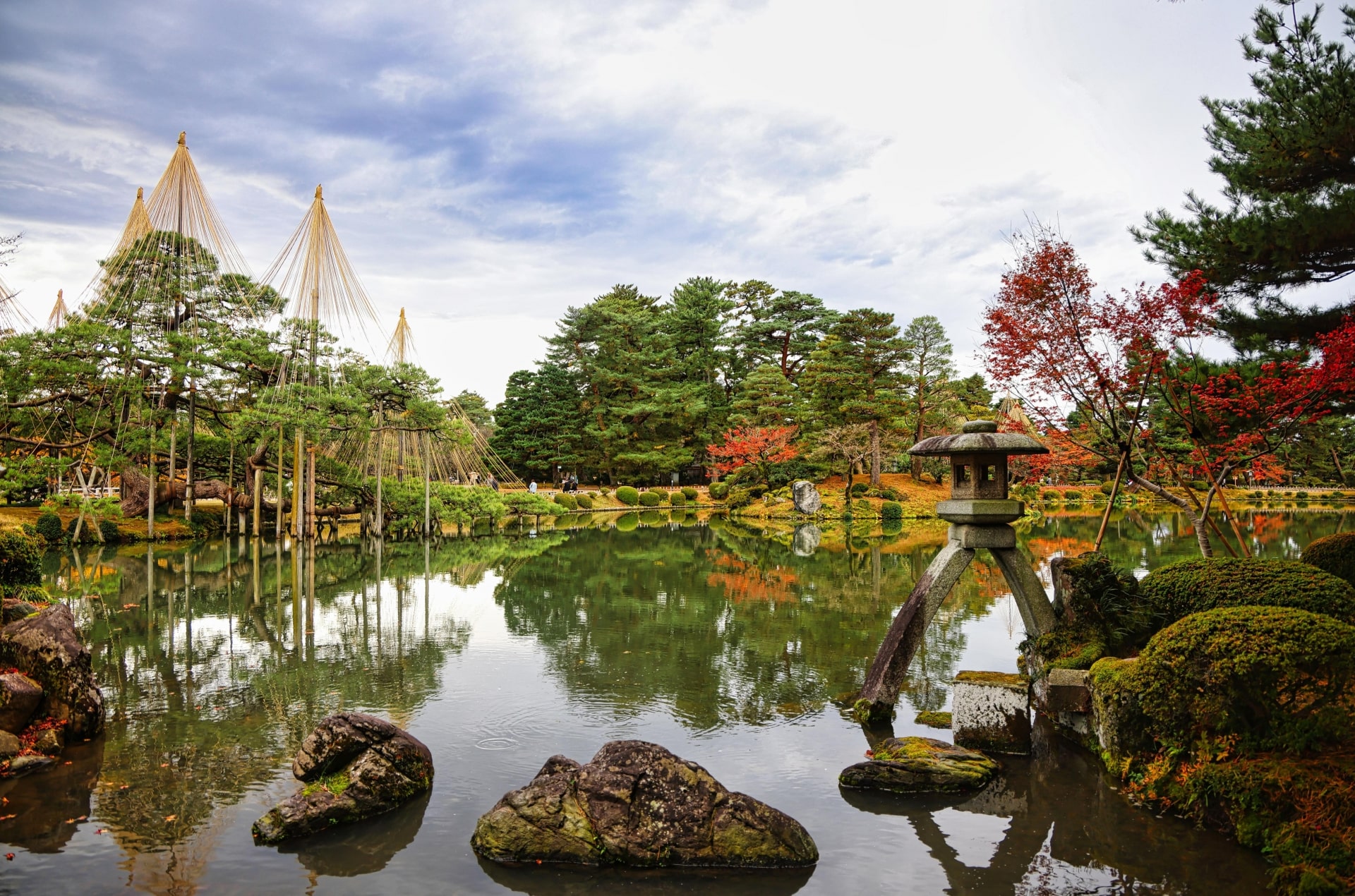
- What is it: Ranked as one of the “Three Great Gardens of Japan.” Famous for its yukitsuri (snow ropes) in winter.
- Access: ~15-20 minutes by bus (Kanazawa Loop Bus) from Kanazawa Station.
Higashi Chaya District:
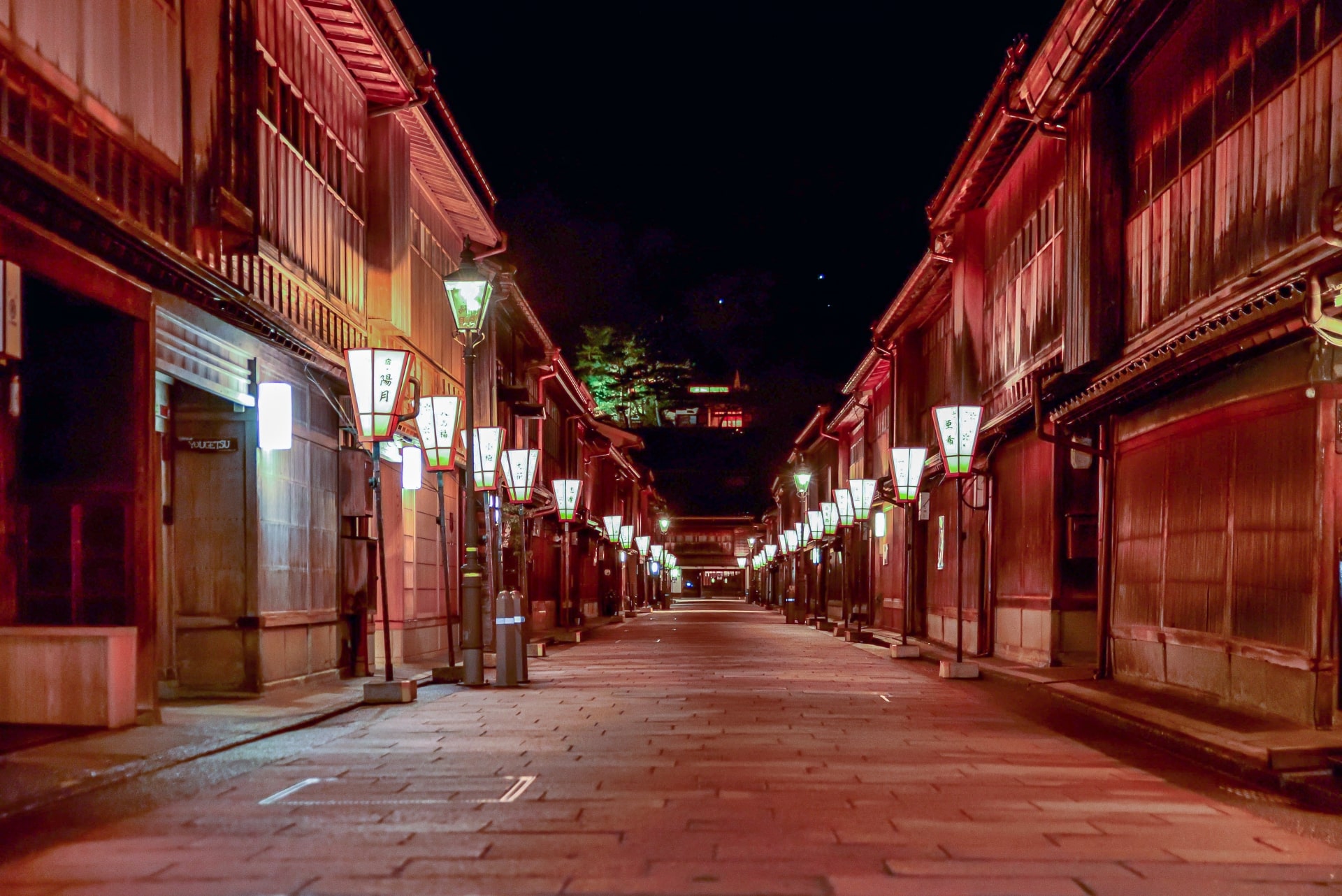
- What is it: A beautifully preserved geisha district with wooden teahouses and gold leaf craft shops.
- Access: ~15-20 minutes by bus from Kanazawa Station (or a 10-minute walk from Kenrokuen).
21st Century Museum of Contemporary Art:
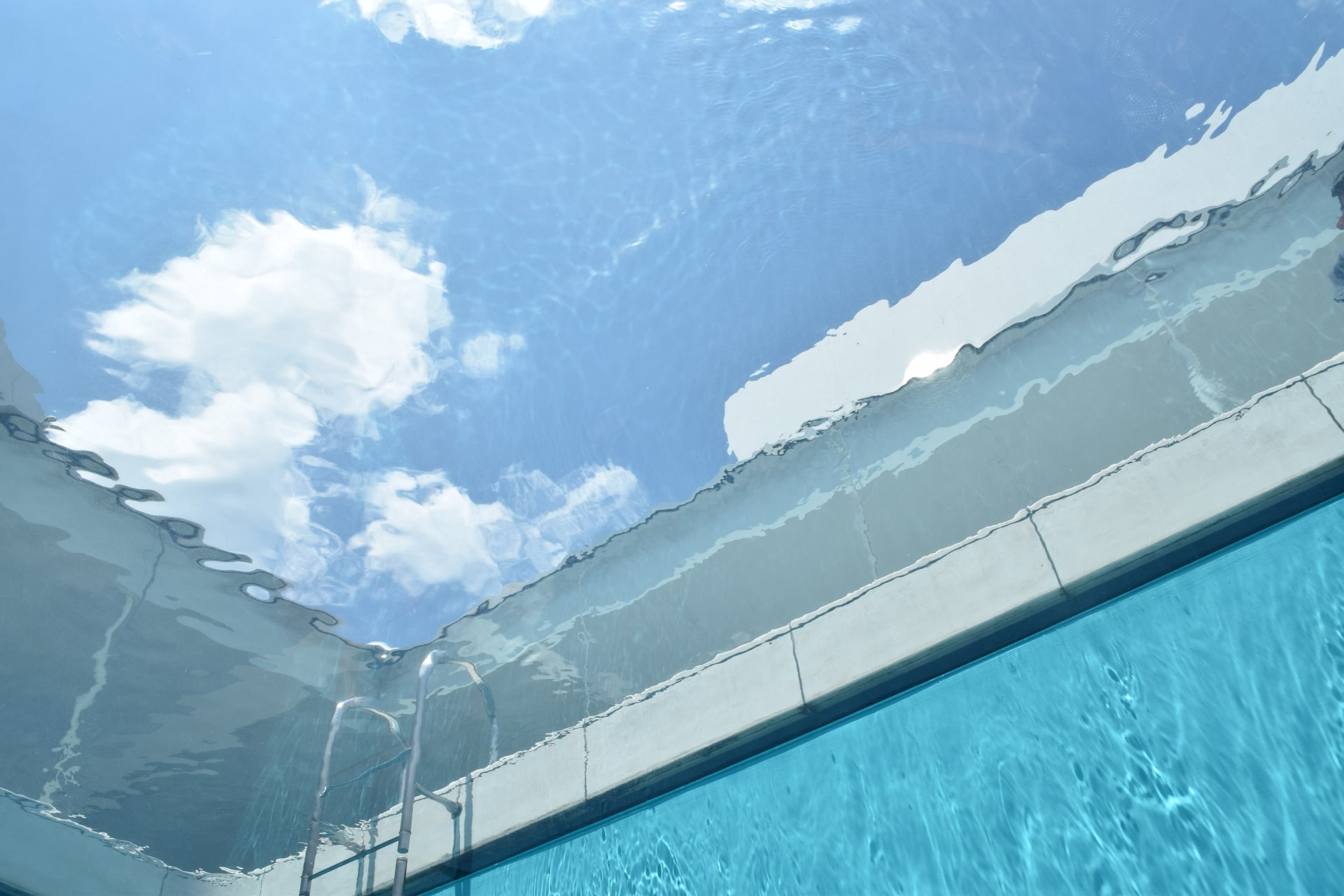
- What is it: A modern, circular glass museum famous for its “Swimming Pool” installation.
- Access: ~10-15 minutes by bus from Kanazawa Station.
Top 3 Local Foods
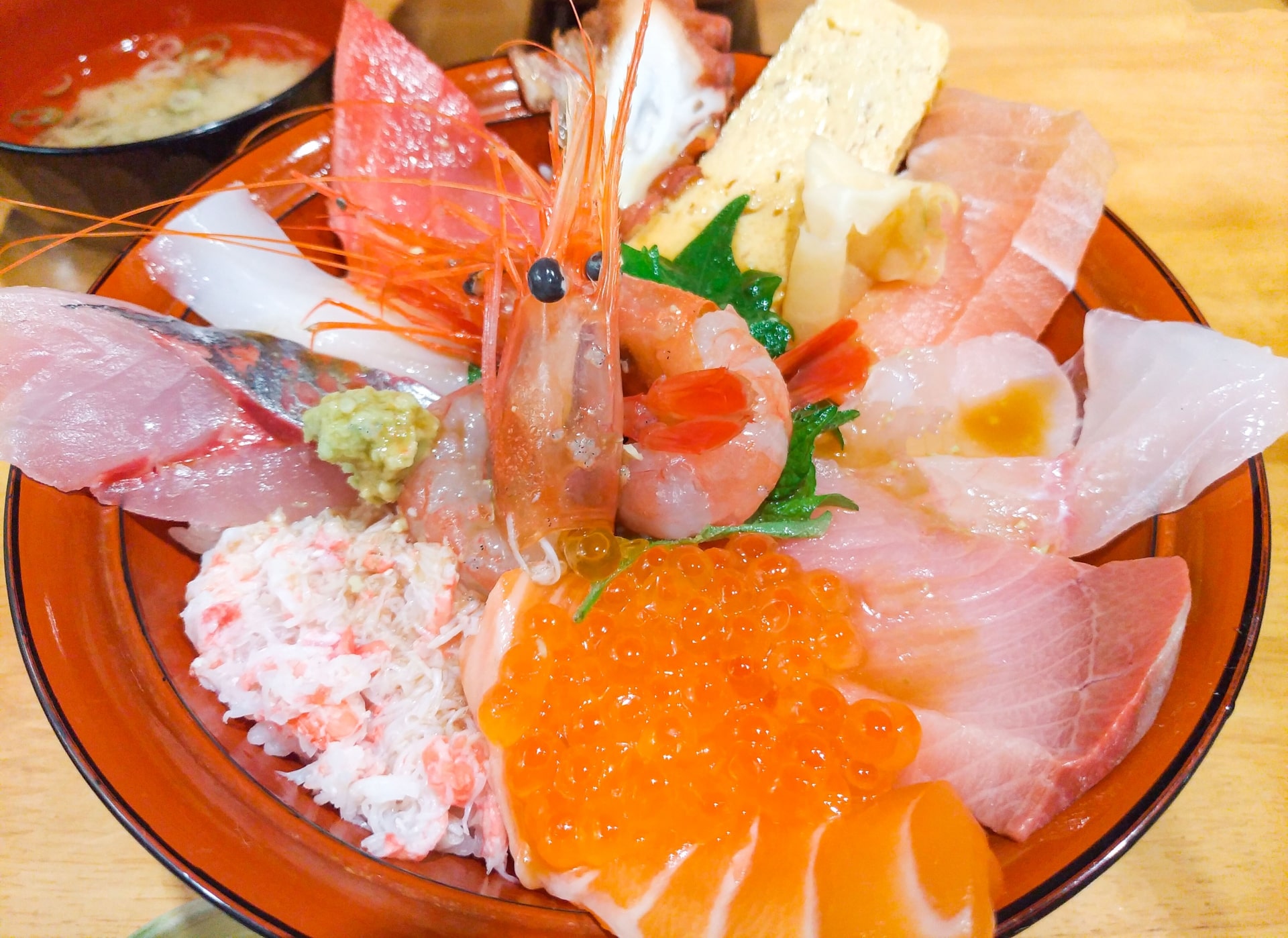
Kaisendon (Seafood Bowl): Head to Omicho Market for fresh seafood over rice. The crab and shrimp from the Sea of Japan are exceptionally sweet.
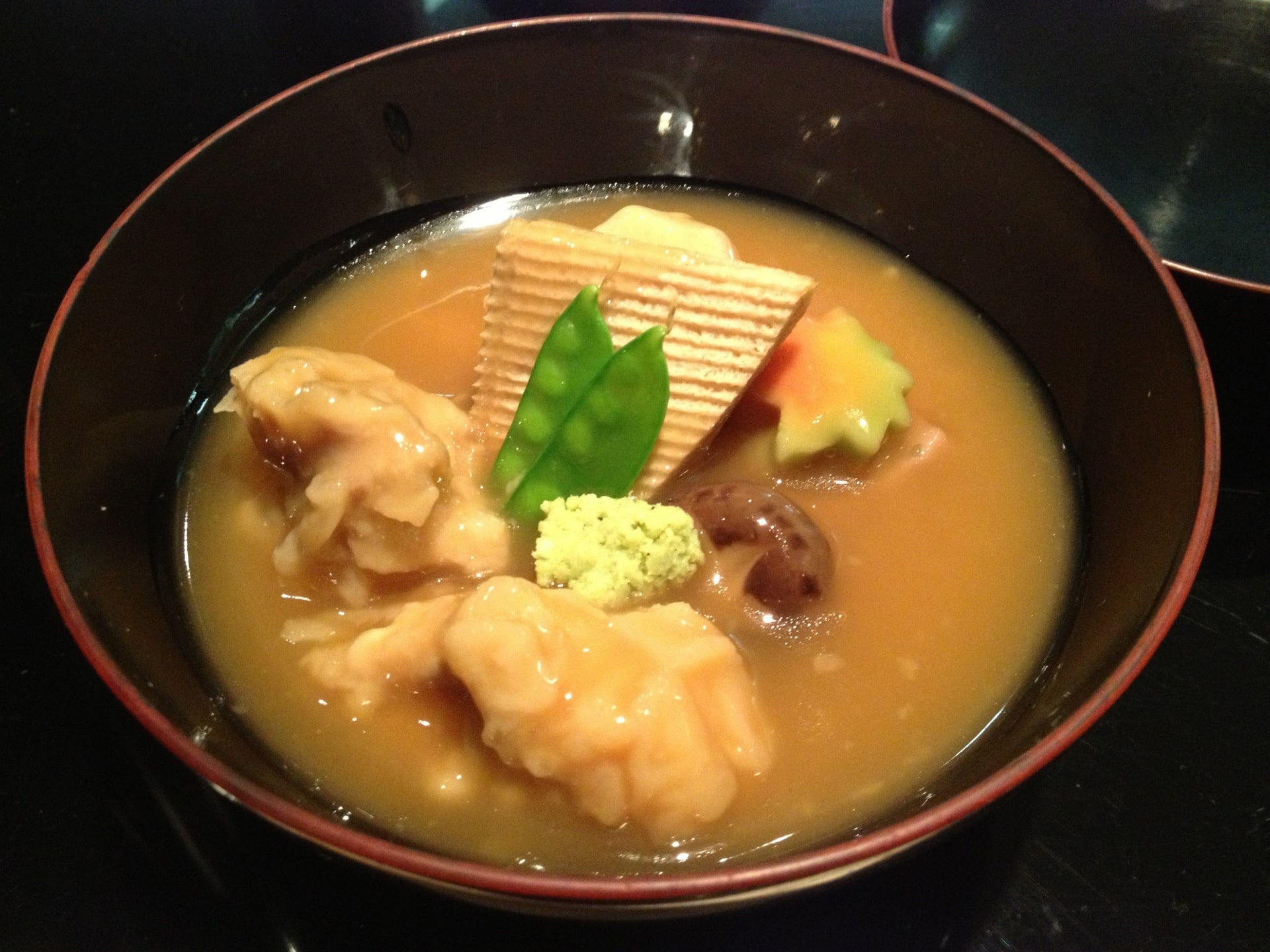
Jibu-ni: A traditional Kaga dish. It is a stew made with duck (or chicken) coated in flour, vegetables, and wheat gluten, simmered in a thick broth.
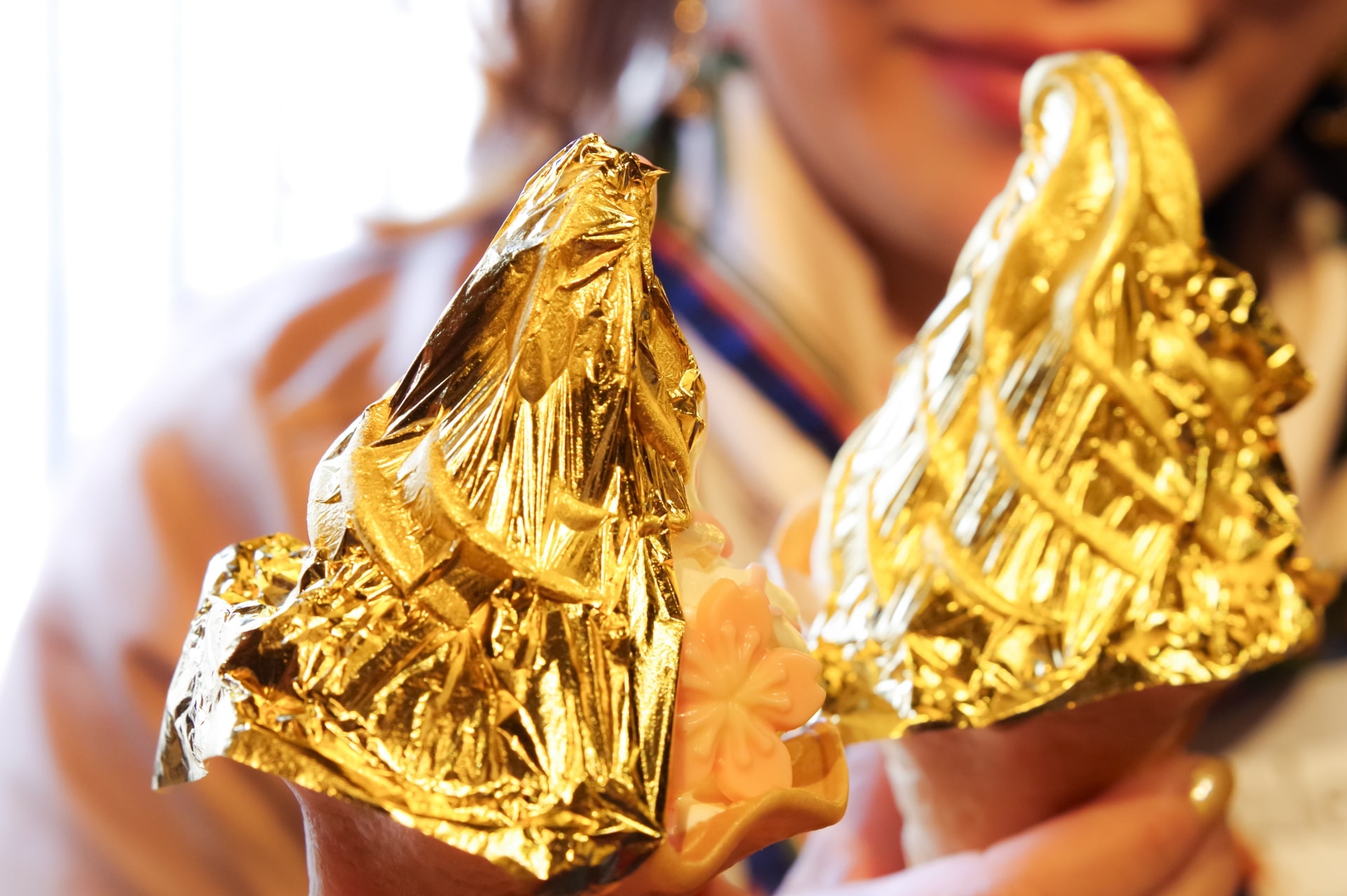
Gold Leaf Ice Cream: Kanazawa produces 99% of Japan’s gold leaf. You will see soft-serve ice cream wrapped in a full sheet of edible gold—a perfect photo opportunity!
Practical Tips for a Smooth Journey to Kanazawa
1. Accommodation Tax
Be aware that Kanazawa City charges a small accommodation tax (usually ¥200–¥500 per person, per night). This is often collected in cash at hotel check-in, even if you prepaid for the room online. Keep some coins handy.
2. Booking Window
Shinkansen tickets generally go on sale one month before the travel date. During peak seasons (Cherry Blossoms in April, Golden Week in May, New Year), the Kagayaki trains sell out very quickly.
3. The “New Golden Route” Connection
If you are continuing to Kyoto after Kanazawa, you will take the Shinkansen to Tsuruga, then transfer to the Thunderbird Express. It is a seamless connection that lets you see both the mountains and the ocean.
Summary
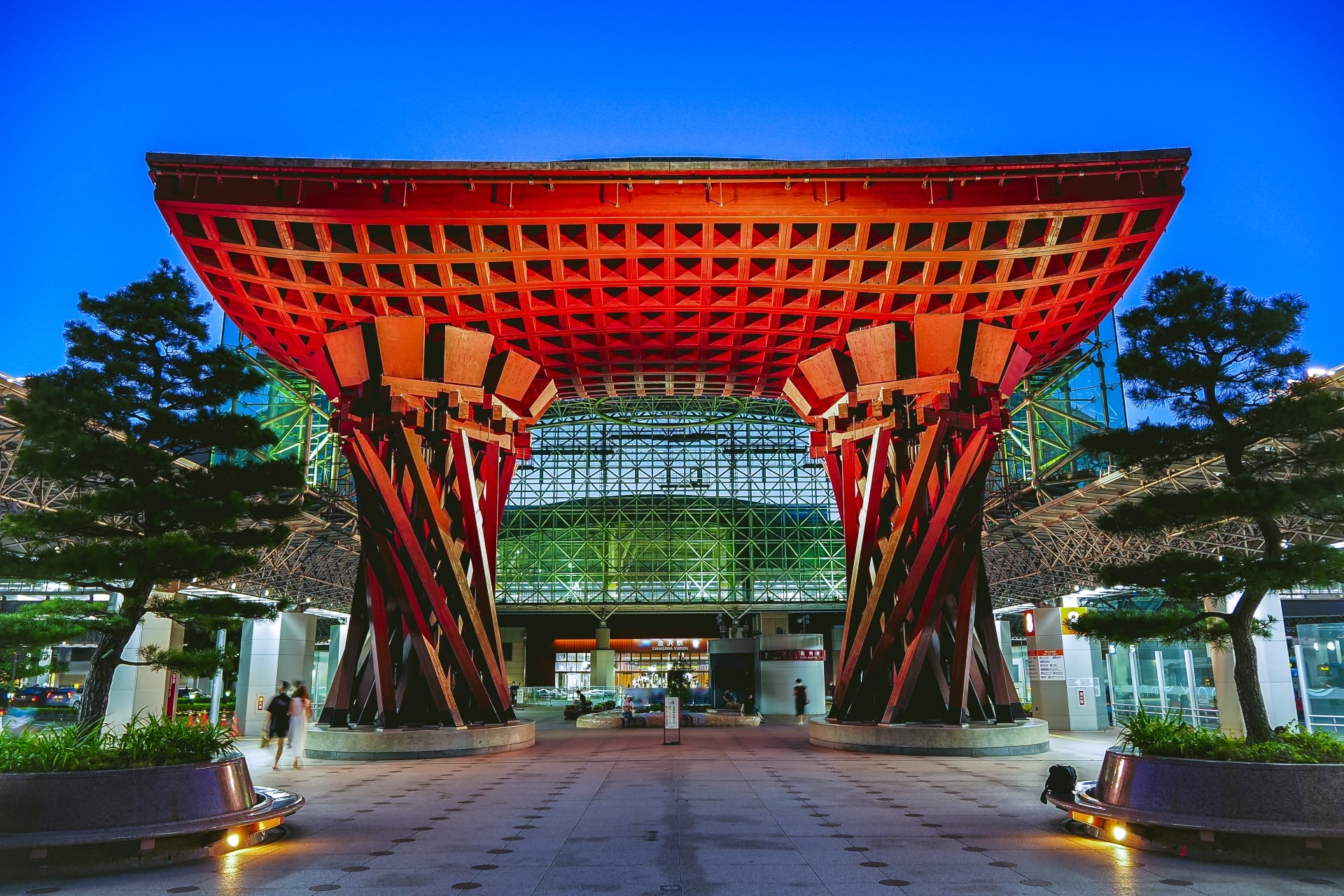
Traveling to Kanazawa is the perfect way to experience the depth of Japanese culture. By choosing the Shinkansen, you ensure a fast and comfortable journey through the Japanese Alps.
To avoid the stress of sold-out trains, language barriers at the station, or navigating complex registration forms, we recommend organizing your tickets in advance with a service designed for international travelers.
Plan your trip and book your Shinkansen tickets with Japan Bullet Train!

(Disclaimer: Rules, prices, and schedules are subject to change. Always check the official information before you travel.)
▽Related Articles▽
Written by
Japan Bullet Train is an official JR Shinkansen ticket agent, providing reliable services to travelers visiting Japan from around the world. Our mission is to offer clear, accurate, and up-to-date transportation information so that every visitor can navigate Japan with confidence. From the latest Shinkansen schedules connecting major cities such as Tokyo, Kyoto, and Osaka, to seat class differences, route features, booking methods, luggage rules, and common traveler pitfalls, we explain everything based on real usage data and on-site experience. Leveraging our deep expertise in Japanese transportation, we share practical insights that help international travelers enjoy a smooth and stress-free journey across the country. Japan Bullet Train: https://www.japan-bullettrain.com/
- +0 0
-
-