Tokyo to Jigokudani Snow Monkey Park: Train, Bus & Walking Guide
How to Get to Jigokudani Snow Monkey Park from Tokyo (Day Trip or Overnight Guide)


- +0 0
-

-


Jigokudani Snow Monkey Park is one of those places that looks deceptively simple on a map. A quick search suggests it sits neatly in Nagano Prefecture, just a few hours from Tokyo, surrounded by mountains and hot springs. In practice, getting there is less about distance and more about understanding how Japan’s long-distance trains, regional railways, buses, and a final forest walk fit together.
This guide breaks down every step of the journey from Tokyo to Jigokudani, from choosing the right Shinkansen service to navigating the last stretch on foot, often in snow. It also addresses the question many travelers ask after a closer look at the timetable: Is this realistically a day trip, or does it make more sense to stay overnight in Nagano or the onsen towns nearby?
By laying out the options side by side, this article aims to help you plan the trip that fits your schedule, energy level, and travel style, without guesswork, rushed transfers, or unpleasant surprises at the end of the day.
Where Is Jigokudani Snow Monkey Park?
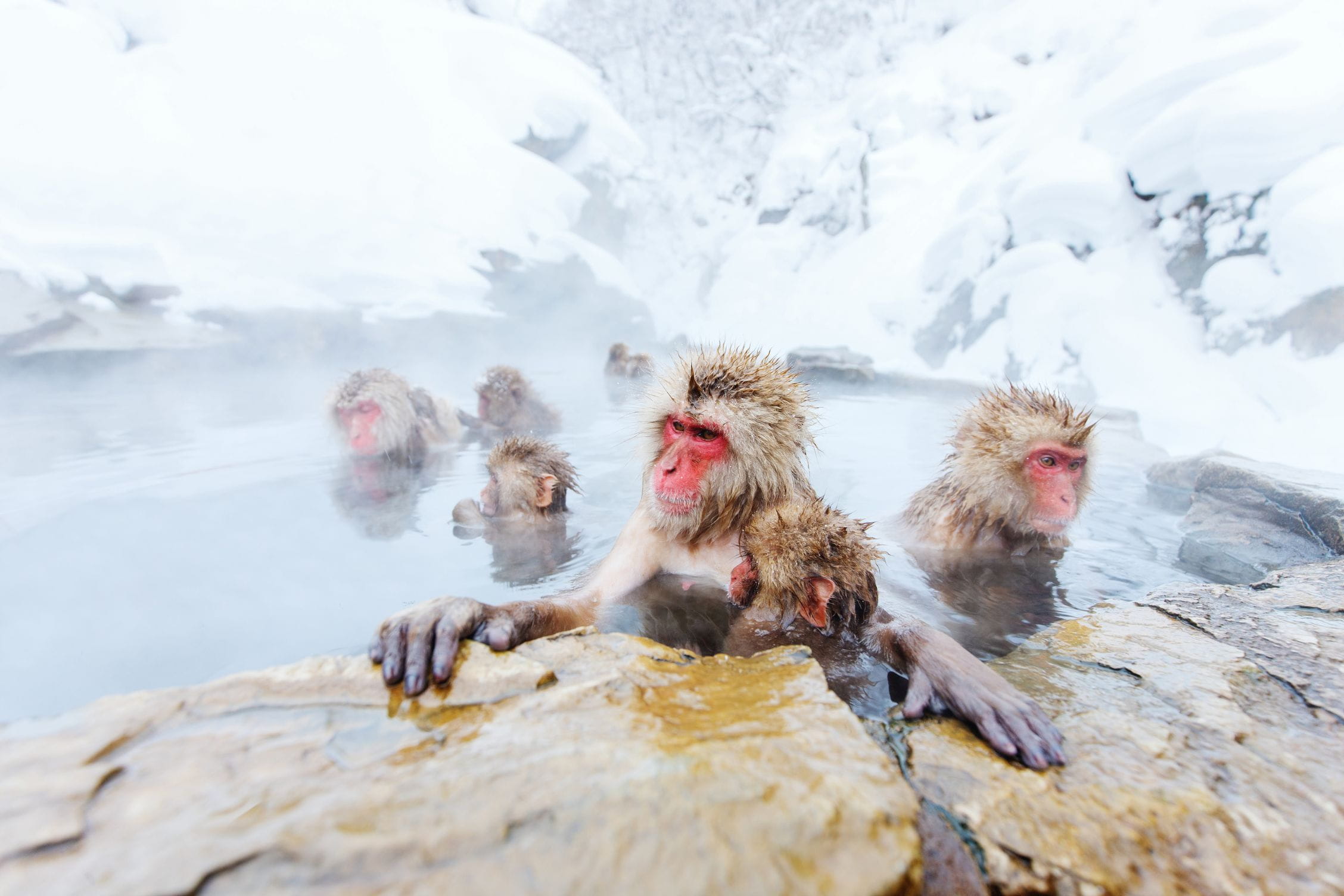
Jigokudani Snow Monkey Park (地獄谷野猿公苑) sits in the mountains of northern Nagano Prefecture, inside the Joshinetsu Kogen National Park. On paper, it is not especially far from Tokyo. In reality, the park is removed from Japan’s main transport arteries, and that separation is exactly what makes the journey feel more complex than the distance suggests.
The closest major city is Nagano, a Shinkansen hub with fast, direct access from Tokyo. From there, the route narrows quickly. Travelers must switch to a regional private railway or a local bus, then finish on foot along a forest trail that is often snow-covered in winter. Each segment works well on its own, but together they demand careful timing, especially for those attempting the round trip in one day.
Location overview and regional context
The park lies above the onsen towns of Yudanaka and Shibu Onsen, both of which developed long before modern rail access. This is why the final approach has never been fully motorized and still requires a walk through the valley.
So a typical trip will consist of these sections:
- Tokyo → Nagano: High-speed, straightforward, and frequent
- Nagano → Yudanaka area: Slower regional transport with fewer departures
- Yudanaka → Snow Monkey Park: Bus or taxi to the trailhead, followed by a walk
Why the “last mile” matters more than the long-distance train
The Shinkansen leg from Tokyo to Nagano is rarely the problem. Trains run often, delays are uncommon, and travel time is predictable. The challenge begins after Nagano Station, where services run less frequently and weather plays a larger role.
In winter, daylight hours are short, buses can fill up, and walking conditions change daily. Missing one connection may not ruin the trip, but it can force long waits or an early return. This is the key reason Jigokudani works better with a clear plan than with improvisation.
Overview of All Routes From Tokyo to Jigokudani
Getting from Tokyo to Jigokudani Snow Monkey Park is a multi-stage journey. It begins with a major city connection (usually Nagano), transitions onto regional transport, and finishes with a short but essential walk through mountain forest to reach the park itself. Planning each segment well helps avoid mid-trip surprises, especially in winter, when schedules and trail conditions may change.
What the journey involves
Key access facts:
- Final approach: The park is located in Kanbayashi Onsen, near the towns of Yudanaka and Shibu Onsen, deep in Nagano’s mountains, and accessed by public transport year-round.
- Forested walk: From the nearest bus stops or parking areas, visitors must walk about 1.6 km (25–40 min) along a forest trail to reach the park entrance, a gentle but unpaved path that can be slippery in winter.
- Heart of the trip: While the Shinkansen leg from Tokyo to Nagano is fast and convenient, it’s the regional segment and final walk that define the true logistics of the trip.
Major route options at a glance
Here’s a practical comparison to help visualize the main alternatives from Tokyo:
| Route | Key Transport Modes | Typical Time (one way) | Transfers | Notes |
| Shinkansen + Express Bus | Tokyo → Nagano (Shinkansen) → Nagano → Kanbayashi Onsen (bus) | ~1.5 h + 45 min | Low | Simplest public transport route; good for day planners |
| Shinkansen + Train + Local Bus | Tokyo → Nagano (Shinkansen) → Yudanaka (Nagano Dentetsu) → Bus to trail | ~1.5 h + ~1 h | Moderate | Slightly more scenic route; connects onsen towns |
| Highway Bus (Tokyo → Nagano) | Highway bus to Nagano → regional bus | ~4 h + 45 min | Low | Cheaper but slower main link alternative |
Important: Shinkansen to Nagano is the most common first leg, but JR passes do not cover regional buses or Nagano Dentetsu trains on the last parts of the journey because these are operated by non-JR companies.
Compare Shinkansen options and secure your preferred seats for Tokyo → Nagano!
Tokyo to Nagano by Shinkansen (Fastest and Most Predictable)
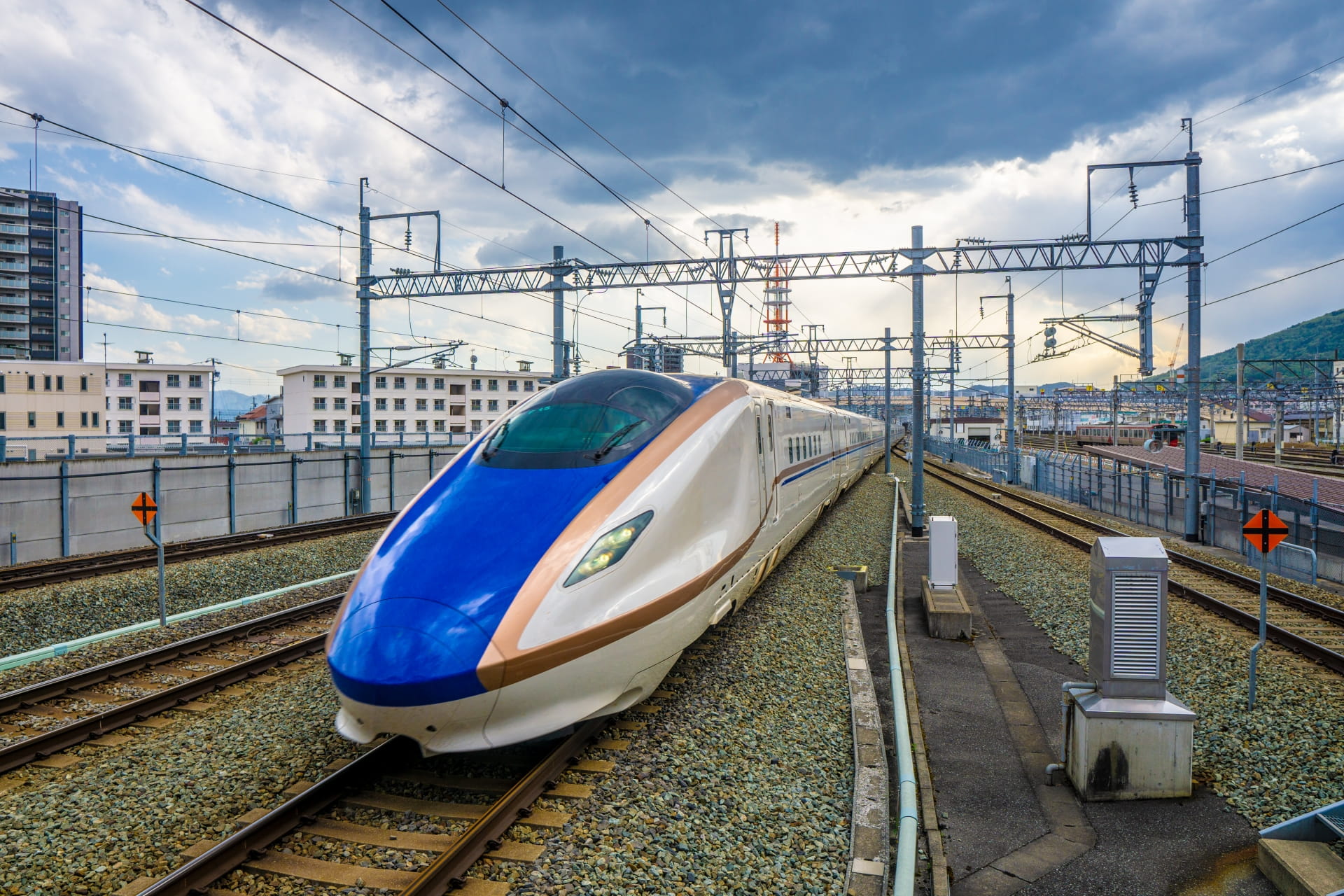
The first major leg of any route to Jigokudani begins with the Hokuriku Shinkansen from Tokyo to Nagano Station. This stretch is straightforward, frequent, reliable in winter, and runs deep into Nagano Prefecture. Understanding the options and what they mean for cost and travel time will help you plan effectively.
See also: Tokyo to Nagano Shinkansen: Best Trains, Prices and How to Book Online 2026
Which Shinkansen Services Run Between Tokyo and Nagano
Japan Rail’s Hokuriku Shinkansen connects Tokyo with Nagano multiple times per day. Trains leave from Tokyo Station and also stop at Ueno Station and Omiya Station before heading northward.
There are three main service types on this line that are relevant for this route:
- Kagayaki: Fastest service with fewer stops, typically the quickest trip Tokyo → Nagano.
- Hakutaka: A slightly slower service with more intermediate stops but still direct to Nagano.
- Asama: A local version with more stops (less commonly used by long-distance travelers but still available).
All three services run through to Nagano, so you don’t need to transfer.
Typical Travel Times
- Fastest option: Around 80 minutes on a Kagayaki train.
- Common travel range: Approximately 90–100 minutes for most trains.
Trains depart roughly every 30–60 minutes throughout the day, with the earliest services starting around 06:15 AM and the last direct trains departing in the early evening.
Cost Breakdown and Seat Options
Fares vary based on how much comfort or certainty you want:
| Seat Type | Approx. One-Way Fare | Notes |
| Non-Reserved Seat | ~¥7,800 | Cheapest, but seats are not guaranteed; risky when trains are busy. |
| Reserved Seat | ~¥8,300 | Most travelers choose this for peace of mind. |
| Green Car (Premium) | ~¥12,000+ | More space and comfort for longer rides. |
| Gran Class | ~¥14,000–¥16,000+ | Highest tier — very comfortable with service; great for weary travelers, but pricey. |
Reservation Tips
- Reserved seats are recommended during winter weekends and holiday seasons because demand rises and trains can sell out.
- Shinkansen travel between Tokyo and Nagano is included on the Japan Rail Pass and effectively covered by other JR multi-day passes that include this line.
Quick decision rule: If your schedule is tight or you’re traveling with luggage, a reserved seat adds certainty without much extra cost.
Departure Stations in Tokyo


- Tokyo Station: The main hub with full facilities for luggage and boarding.
- Ueno Station: Smaller and less crowded, perfect if you’re staying in northeastern Tokyo neighborhoods.
Both stations are served by the same Hokuriku Shinkansen line, and trains to Nagano stop at either depending on the schedule.
Nagano to Jigokudani Area: Local Trains and Buses Explained
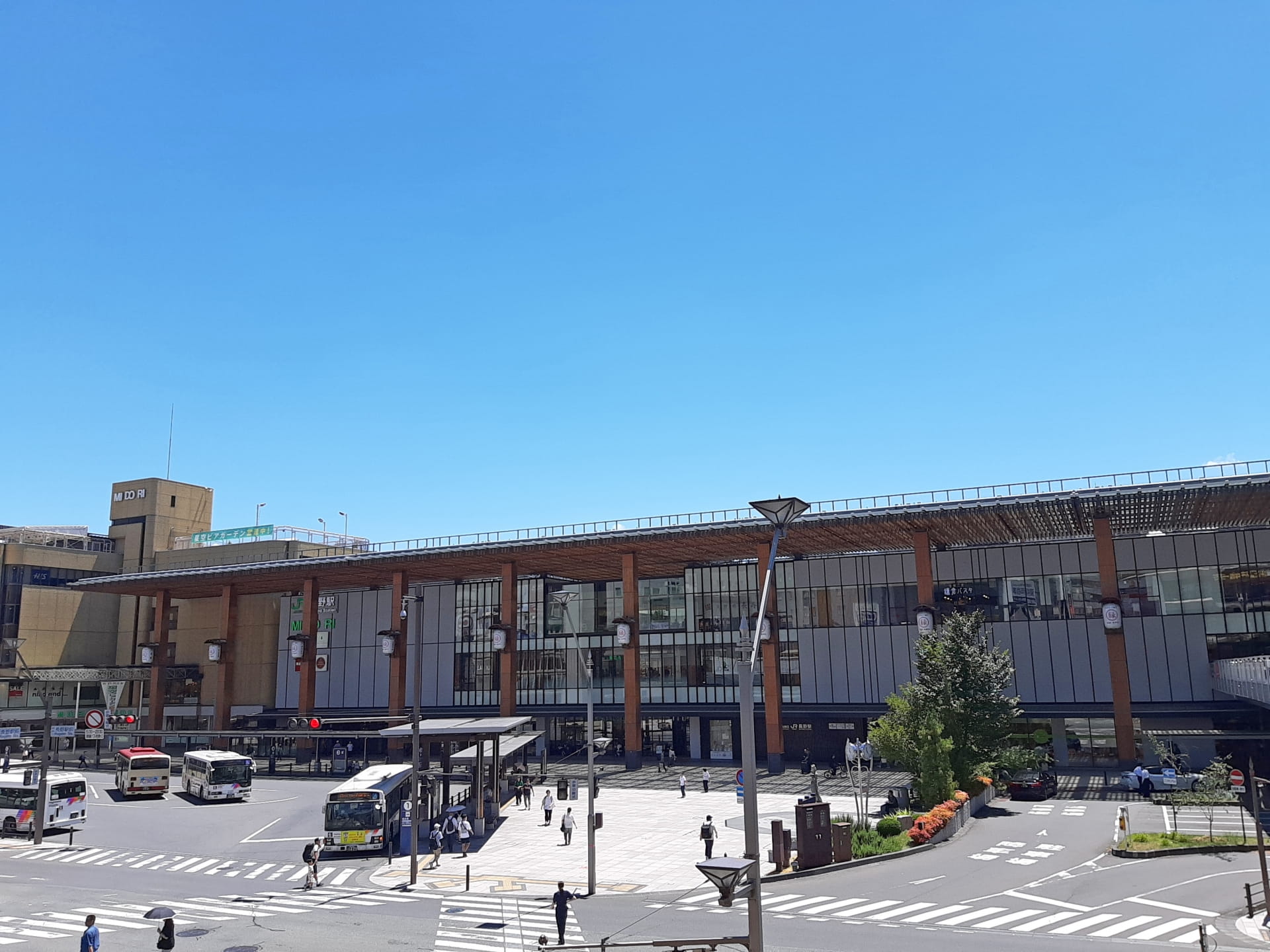
Once you arrive at Nagano Station on the Hokuriku Shinkansen from Tokyo, you’ve completed the long-distance leg. Next, the last 45–60 minutes of this journey are handled by regional transport operated chiefly by Nagano Dentetsu (Nagaden): a mix of trains and buses that link Nagano with the onsen towns near the park and ultimately drop you off near the park’s trailhead.
There are two principal ways to cover this middle section:
- Direct bus from Nagano to Kanbayashi Onsen / Snow Monkey Park Bus Stop (closest to the park)
- Train to Yudanaka Station + local bus to the park area
Both lead to the general Kanbayashi Onsen / Snow Monkey Park bus stop, from where you start the final walk through forest to the trail entrance.
Nagano Station → Kanbayashi Onsen (Snow Monkey Park Bus Stop): Express Bus
The Nagaden Snow Monkey Express Bus runs year-round between Nagano Station (East Exit) and the Snow Monkey Park / Kanbayashi Onsen bus stop. It’s the most straightforward public transport option because it requires no transfers between modes.
- Departure point: Nagano Station East Exit (bus stop near Platforms 23/24)
- Typical journey time: ~40–50 minutes to Kanbayashi Onsen (bus stop near the park access)
- Frequency: Several departures spread across the day; buses tend to run less often in shoulder seasons than in peak winter.
- Where to buy tickets: Purchase onboard from the driver (cash) or use a regional pass if available.
- Best for: Travelers who want a direct, transfer-free route from Nagano to the park access point.
Nagano Station → Yudanaka Station: Nagano Dentetsu Train
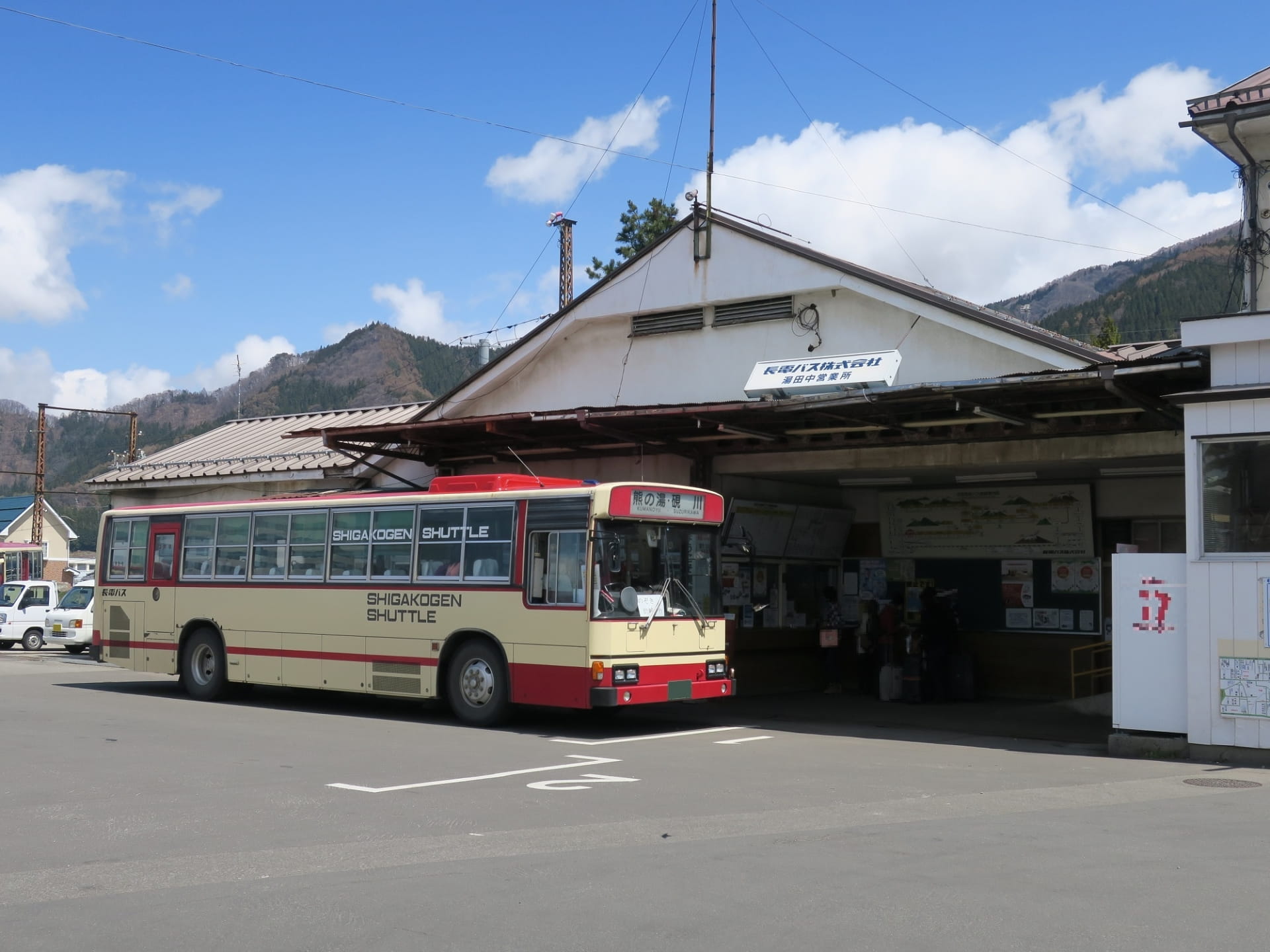
Alternately, you can take the Nagano Dentetsu (Nagaden) Line from Nagano Station to Yudanaka Station, which serves the larger onsen town adjacent to the snow monkey area.
- Journey time:
- Limited Express train: ~45 minutes from Nagano to Yudanaka.
- Local train: Slightly longer, with transfers, up to ~70–85 minutes overall.
- Fare: ~¥2,000 on the express; ~¥1,600 on a local train.
- Boarding: Follow local signs at Nagano Station to the Nagano Dentetsu platform — typically in a lower level of the station complex.
- Best for: Travelers who want to combine the snow monkeys with stops at Yudanaka or Shibu Onsen, and those who prefer a scenic regional rail leg into the mountains.
Yudanaka → Snow Monkey Park: Local Buses
After arriving at Yudanaka Station, you still need to get closer to the park access point. Nagaden operates two local bus lines that serve the Snow Monkey Park area:
- Kanbayashi Line — Runs toward the area nearest the park trailhead
- Shiga Kogen Line — Serves both the park area and ski areas beyond, continuing toward Shiga Kogen destinations.
Local bus facts:
- Travel time: Around 8–15 minutes from Yudanaka to the stop used for park access.
- Fare: Around ¥390 adult / ¥200 child one way.
- Timetable: Several departures throughout the day, with specific timing varying by season.
- Notes: Return times from the park back to Yudanaka are generally slightly longer due to routing and stops.
Practical traveler tip: Because buses can be relatively infrequent, check the latest local timetable before committing to a train arrival time if you plan to connect tightly.
Train vs. Bus: Which Should You Choose?
| Option | Transfers | Typical Time (Nagano → Park Access) | Best For |
| Express Bus (Nagano → Kanbayashi Onsen) | None | ~40–50 min | Direct access; easiest for most day trips |
| Train + Local Bus | ~1 | ~55–70 min (train+bus) | Scenic route; preference for rail lovers & onsen stops |
Comparison notes:
- The express bus is usually the simplest for direct park access.
- The train + local bus combo is slightly slower but allows flexibility if you plan to explore Yudanaka or Shibu Onsen.
- Both options ultimately put you near the trailhead bus stops, from which a short walk leads into the forest path toward the monkeys.
The Final Walk to Jigokudani Snow Monkey Park
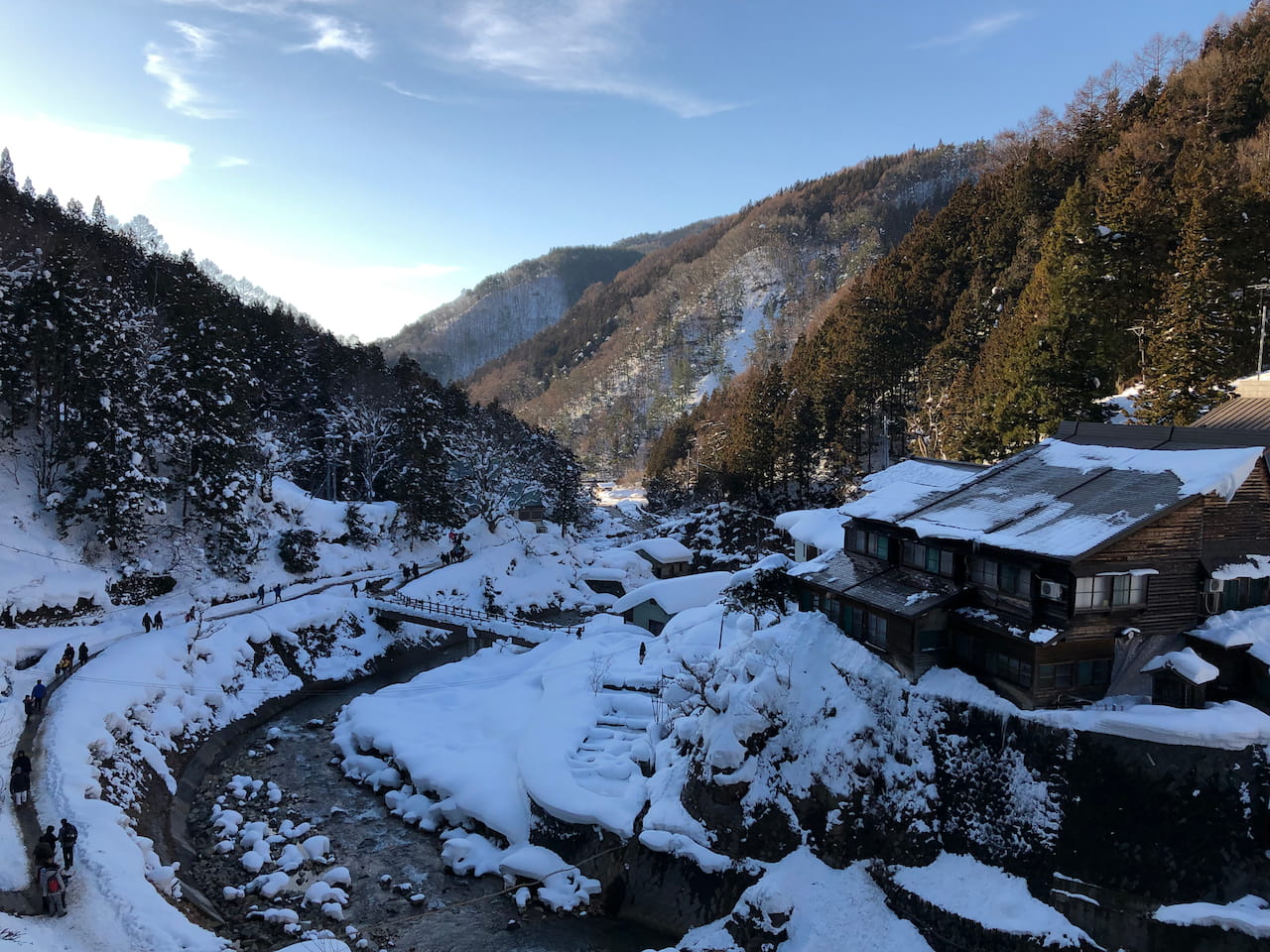
After completing the train and/or bus segments, you’ll arrive near Kanbayashi Onsen or a nearby stop often labeled Snow Monkey Park on local signage. From there, the real physical leg of the journey begins: a forest trail leading to the park entrance where wild Japanese macaques roam and soak in natural hot springs.
Distance, Time, and Trail Characteristics
- Trail length: approximately 1.6 km (about 1 mile) from the bus stop or parking area to the park entrance. This is the standard access route used by virtually all visitors arriving by public transport.
- Typical walking time: about 25–40 minutes one way at a moderate pace.
- Terrain: the path, often called the Yumichi trail, is unsealed and forested, with mostly level ground but small inclines and a short staircase near the park entrance.
- Trail start: a short, steeper step at the very beginning gives way to a fairly level forest track, making this accessible to most reasonably mobile visitors.
Seasonal Conditions and What to Expect
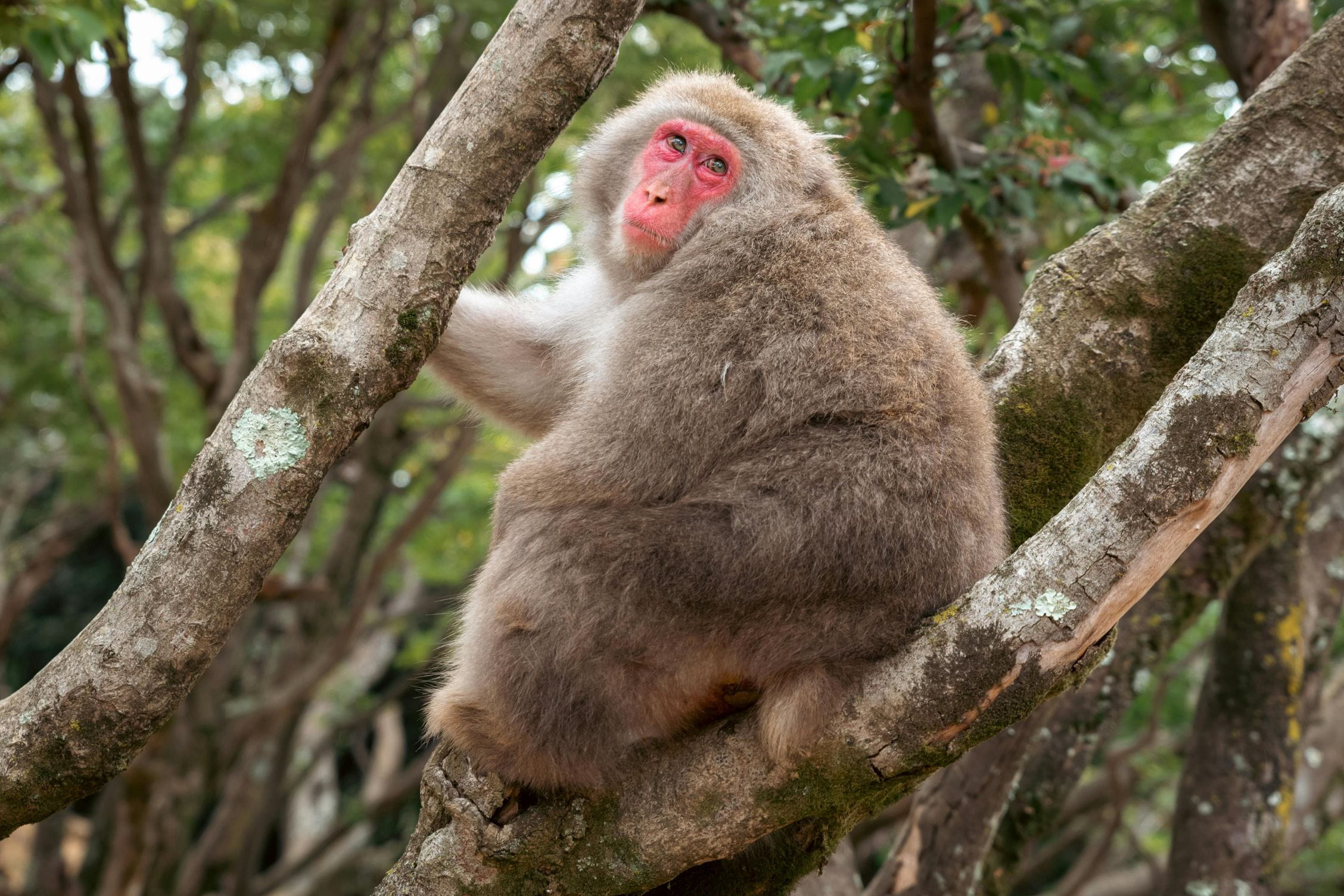
The walk is part of the attraction, as it includes crossing mountain stream vistas and forest slopes. The experience of this walk changes significantly with the season:
- Spring to autumn (April–November): the trail is generally easy and dry, though rain can make it muddy. In the warmer months, you’ll enjoy a pleasant forest walk with signs of wildlife and a quiet woodland ambiance.
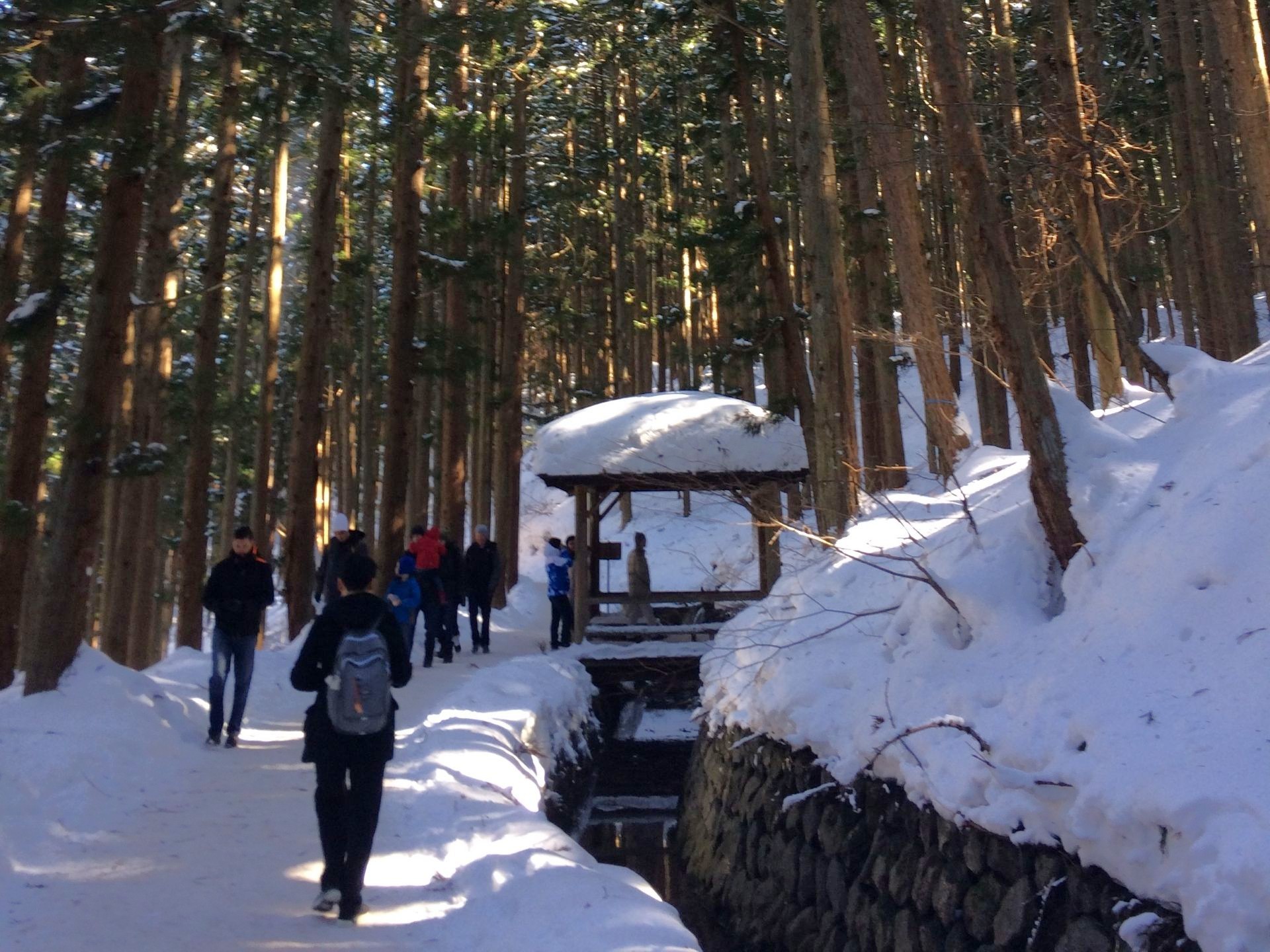
- Winter (December–early March): snow and ice frequently cover the path, making the walk slower and occasionally slippery. Allow extra time in winter, as it may take 30–40 minutes or more each way in deep snow.
- Footwear and gear: proper, slip-resistant shoes are essential. In winter, waterproof boots or traction devices (crampons/ice cleats) offer a significant safety advantage on icy patches.
- Rest stops: there’s very limited seating along the trail (often just a single gazebo or bench), so be prepared to walk the distance without frequent breaks.
As the total time may depend on the road status and/or each person’s walking speed, it’s advisable to build in a buffer when planning arrival and departure times so you’re not rushing it on return transit.
Accessibility Notes
- Wheelchairs and strollers: the unpaved route, occasional stairs, and winter conditions make this route not suitable for wheelchairs or standard strollers.
- Mobility considerations: visitors who have difficulty walking longer distances or navigating icy surfaces should plan accordingly; in winter this trail can be challenging even for experienced walkers.
Quick Practical Tips
- Start early to avoid peak crowds on the narrow trail and to give yourself plenty of daylight for the walk back.
- Prepare for winter conditions — even if it’s sunny, shaded forest sections can remain icy long into spring.
- Hydrate and warm up before you start — there are limited facilities once you leave the bus stop or parking areas.
Can You Do Jigokudani as a Day Trip From Tokyo?
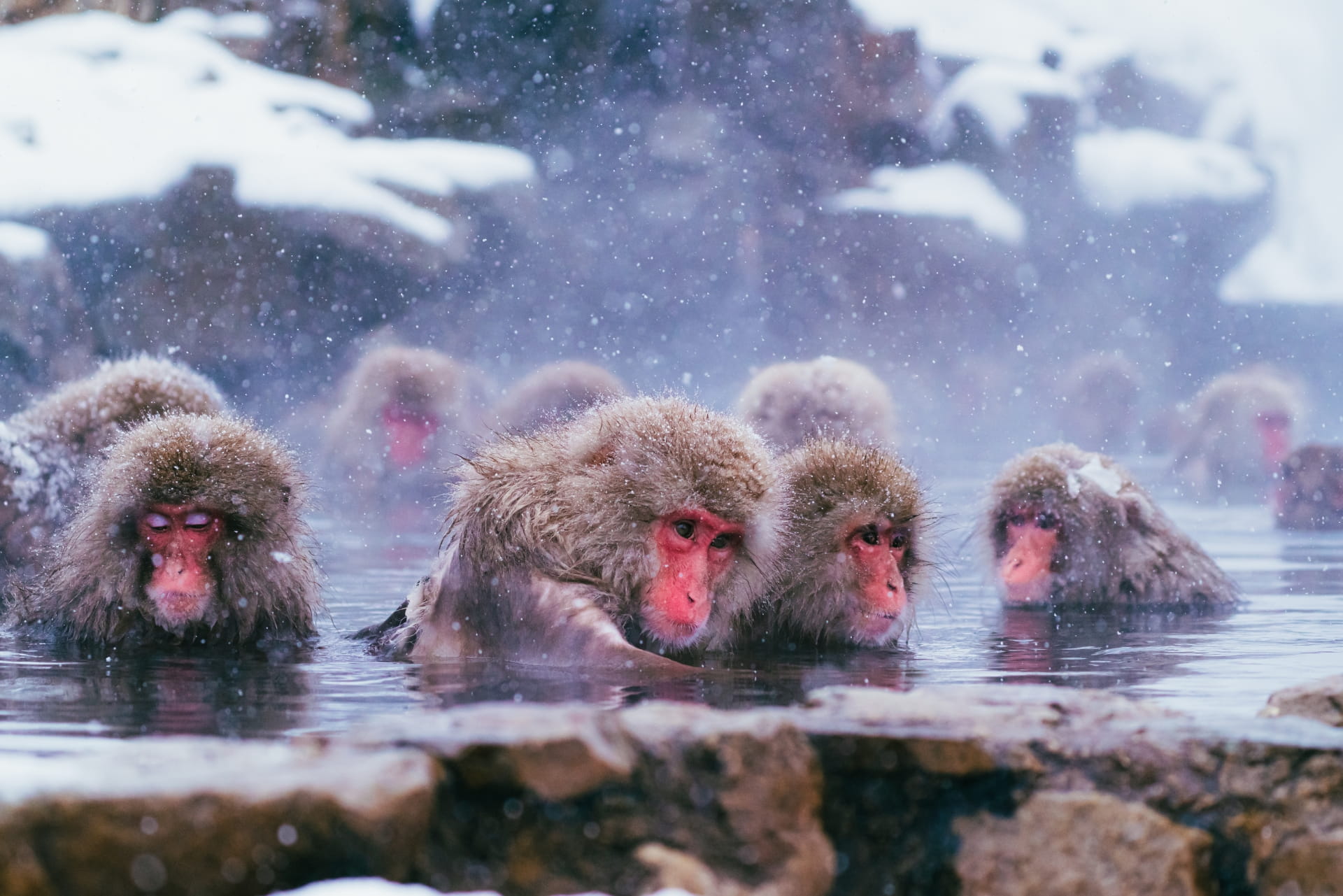
Travelers often ask the key question: Is it realistic to visit Jigokudani Snow Monkey Park from Tokyo in a single day? The short answer is yes, it’s possible — but it requires careful timing and early departures. Here’s a realistic look at the logistics and trade-offs you should weigh.
Total Time Budget: Realistic Expectations
The journey from central Tokyo to the trailhead near Jigokudani usually takes about 2.5–3 hours each way on public transport, assuming smooth connections and no long waits. This includes:
- Shinkansen Tokyo → Nagano: ~1.5 hours
- Regional transit Nagano → Kanbayashi Onsen or Yudanaka bus stop: ~45–60 minutes
- Walk from bus stop to park entrance: ~25–40 minutes
Once you arrive near the park entrance, most visitors spend 45–90 minutes exploring before heading back.
Estimated round-trip transit + visit time:
Roughly 6.5–8 hours — and that’s without significant delays or long meal breaks.
What Makes a Day Trip Work
If you do plan this as a day trip from Tokyo, here are the key factors that make it possible:
- Early morning departure: The first Shinkansen out of Tokyo (~06:00–07:00) gives you the best timing to arrive in Nagano and connect with onward buses/trains before midday crowds.
- Tight scheduling: Later departures can make it hard to get to the park with enough daylight and still catch a return train at a reasonable hour.
- Minimal buffer time: You’ll need to accept shorter breaks for lunch and limited exploration in Nagano or nearby onsen towns.
Bear in mind that also, train and bus frequencies beyond peak morning hours drop a little, making the return logistics trickier if your schedule slips even slightly.
Real Experiences: What Travelers Say
A cursory search for first-hand traveler feedback echoes the same theme:
- Some visitors say they have done the day trip and it was doable but long, especially with early starts.
- Others suggest it’s “burning about 3 hours each way” with the return walk and transfers adding up, particularly in winter when snow and ice slow every segment.
- A few resort to guided tours or private transport because the strict public-transport schedule makes time tight.
Seasonal Considerations that Tighten the Timeline
Two seasonal factors also affect whether a day trip is realistic:
- Shorter daylight in winter: The park often opens later (e.g., 09:00) and closes earlier (e.g., ~16:00) in colder months, giving you a narrower window to visit.
- Snow and ice on the trail: In peak winter months, the forest path may be slippery and slow going, adding time to both inbound and outbound walks.
Who a Day Trip Is Best For
A day trip can make sense if you:
- Are comfortable with long travel days
- Don’t mind minimal time in the park itself (the park area where visitors are allowed is small anyway, you’ll spend most of your time just waiting for the monkeys to appear or simply observing them as they bathe and play around the hot spring)
- Have tight transit connections (good planning and pre-booked transport)
- Are okay with limited sightseeing beyond the monkeys
Who Should Consider Staying Overnight Instead
If your goal is to enjoy the trip without rushing — and maybe explore Nagano City, Yudanaka, Shibu Onsen, or nearby attractions — spending at least one night locally reduces stress and opens up more flexible timing. This is especially valuable in winter or on crowded holiday dates.
Bottom line: Yes, you can visit Jigokudani as a day trip from Tokyo, but it demands early starts, tight timing, and acceptance of a very full day of travel. If your schedule or energy is limited, or you want a more relaxed visit, staying overnight near Nagano or Yudanaka is the more balanced choice.
Why Staying Overnight in Nagano or Yudanaka Makes More Sense
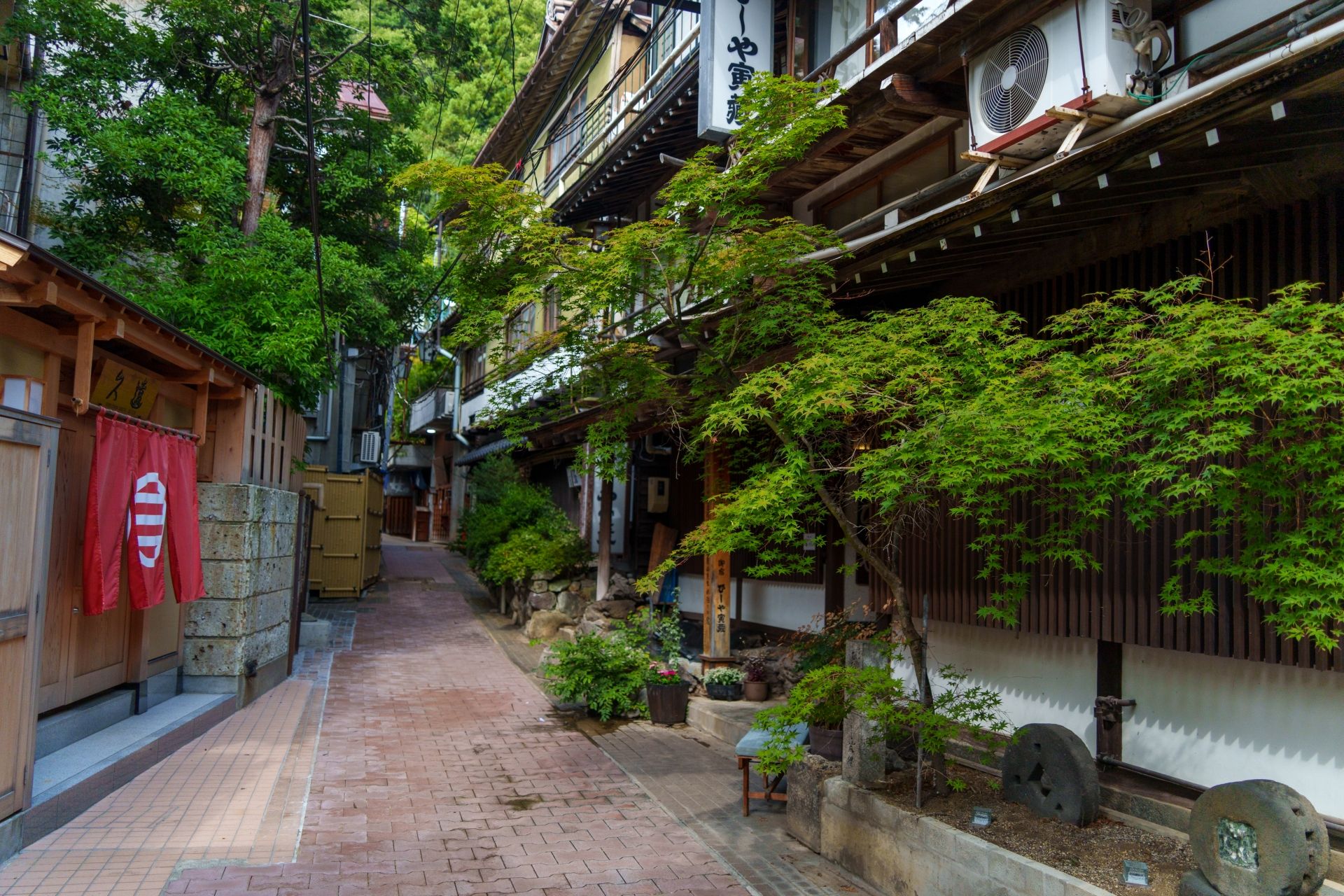
For travelers who want to make the most of a visit to Jigokudani Snow Monkey Park — especially when starting from Tokyo — staying overnight near the park area offers significant advantages over tackling the whole trip in a single day. This section explains those benefits with concrete reasons and practical options.
Time, Comfort, and Stress Reduction
A day trip to Jigokudani can feel like a half travel day and half sightseeing day because of the cumulative transit and walking time involved. Staying overnight provides a bit of balance.
Key practical improvements:
- More daylight for connections: Overnight stays allow you to travel to the park early in the morning without needing to leave Tokyo before dawn. This improves reliability and reduces stress about missing buses or trains.
- Better pace for exploration: Instead of rushing back after a short visit, you can enjoy the snow monkeys at a comfortable pace and take your time on the forest walk without checking the clock.
- Buffer for delays or weather: Especially in winter, buses and trains can run slower due to snow. An overnight plan gives you breathing room so a late bus doesn’t wreck your return trip.
Easy Access to Onsen and Local Highlights
Staying near the snow monkeys opens up nearby experiences that are hard to fit into a tight day trip.
Yudanaka and Shibu Onsen:
These neighboring hot spring towns are well-known for traditional ryokan, public bathhouses, and atmospheric alleys lined with wood-fired inns — experiences that feel out of place in a rushed day schedule.
- Onsen baths: Perfect for warming up after the cold morning hike to and from the park.
- Classic ryokan stays: A chance to rest deeply before returning to Tokyo.
- Local food and culture: Relaxed dinners and morning strolls in old towns that don’t fit well into a long day trip.
Where to stay strategically
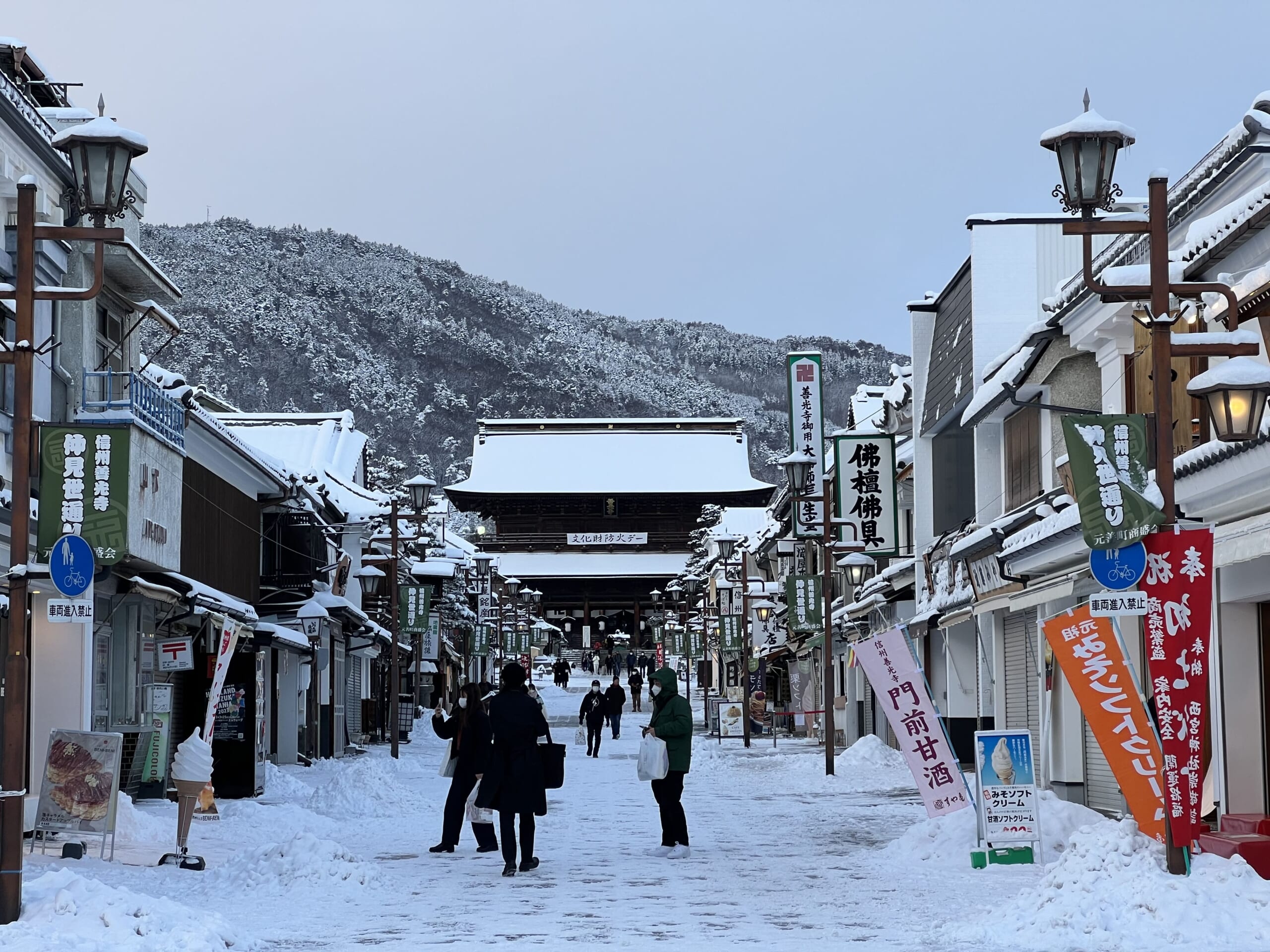
Here are sensible overnight bases with pros and cons:
| Area | Proximity to Park | Train/Bus Access | Best For |
| Yudanaka | ~10–15 min bus to park trailhead | From Nagano via Nagaden | Traditional hot springs, local charm |
| Shibu Onsen | ~10–15 min bus | Same as Yudanaka | More atmospheric streets & historic baths |
| Nagano City | ~45–60 min bus/train | Direct from Tokyo via Shinkansen | Larger city with more hotel choices |
Yudanaka and Shibu Onsen are the closest to the park and ideal for a low-stress visit, while Nagano City is a practical choice if you prefer more hotel options or plan to see Zenko-ji Temple or other city attractions.
Extended Itineraries: Beyond the Snow Monkeys
Spending a night also lets you build a richer regional itinerary. Here are common add-ons:
- Zenko-ji Temple (Nagano City): A major pilgrimage site with a history spanning over a millennium.
- Togakushi: Forested mountains northwest of Nagano City known for shrines and soba noodles.
- Shiga Kogen Ski Resort: One of Japan’s largest ski areas, reachable from the same regional network.
Sample Itineraries Based on Travel Style
Now that you’ve seen each travel segment in detail, here are realistic example itineraries that show how the route plays out in practice — one for a long day trip from Tokyo and one for a more relaxed 1-night stay near the Jigokudani area. All timings are based on current transport timings and typical seasonal patterns so you get a concrete sense of what’s involved. Suggestions below assume public transport and normal winter schedules, with adjustments for walk times and buffer time between transfers.
Long day trip from Tokyo
This itinerary works best in winter or off-peak shoulder seasons when shinetsu express buses and trains are running regularly, and you’re willing to start early and accept a packed day.
Typical day
| Time | Activity |
| 06:15 | Depart Tokyo Station on Hokuriku Shinkansen to Nagano (approx. 80–90 min) |
| 07:45 | Arrive Nagano Station (East Exit) — quick transfer to bus stop #23. |
| 08:00 | Board Nagaden Snow Monkey Express Bus to Kanbayashi Onsen area (40–45 min). |
| 08:50 | Walk from bus stop to trailhead (10 min) then forest trail (~30–40 min). |
| 09:30–10:00 | Arrive at Jigokudani Snow Monkey Park; explore for 60–90 min. |
| 11:30–12:00 | Head back to trailhead & bus stop (~45–60 min). |
| 12:30 | Return Nagaden Express Bus to Nagano (40–55 min). |
| 13:30 | Quick lunch near Nagano Station. |
| 14:30 | Board Shinkansen back to Tokyo (80–90 min). |
| 16:00–16:30 | Arrive Tokyo (approx.). |
Key considerations
- You’re on the move for almost the entire day; there’s limited downtime for lunch or sightseeing in Nagano.
- Missing a connection early (train or bus) can cause cascading delays because bus frequency isn’t extremely high outside peak times.
- The forest walk is unavoidable — even taxis drop you only at the start of the trail.
When this makes sense
- You must be back the same day
- You can start early and are OK with a full, transport-focused day
- You’re comfortable with tight connections and minimal flexibility
1-night Nagano stay
This itinerary is ideal if you’d like to experience the park without rushing, enjoy a hot spring town, and still return to Tokyo with a good night’s sleep in-between.
Day 1 – Tokyo → Nagano → Yudanaka/Shibu Onsen
| Time | Activity |
| Morning – ~10:00 | Hokuriku Shinkansen from Tokyo to Nagano (~90 min). |
| 11:45 | Transfer to Nagano Dentetsu Train to Yudanaka Station (~45 min). |
| 12:30 | Lunch & explore Yudanaka/Shibu Onsen (onsen, snack stops, ryokan check-in). |
| Afternoon/Evening | Spend time strolling historic lanes, onsen soak, early dinner. |
| Night | Stay in a traditional ryokan or hotel in Yudanaka/Shibu Onsen. |
Day 2 – Snow Monkeys → Return to Tokyo
| Time | Activity |
| 08:00 | Nagaden local bus to Snow Monkey Park (from Yudanaka Station). |
| 08:15–08:30 | Walk to trailhead (~40 min). |
| 09:15–11:00 | Explore Snow Monkey Park. |
| 11:15 | Return to bus stop & ride back to Yudanaka Station (~15 min). |
| 12:00 | Lunch in Yudanaka or spa coffee/brunch in town. |
| 14:00 | Nagano Dentetsu train back to Nagano Station. |
| 15:30 | Shinkansen back to Tokyo (~90 min). |
| 17:00–17:30 | Arrive Tokyo. |
Benefits of this style
- You avoid early morning rush and tight connections.
- You can enjoy onsen culture, local dining, and the town ambiance without pressure.
- Weather or bus schedules slipping doesn’t jeopardize your return trip.
Common Mistakes and Practical Tips First-Time Visitors Miss
Planning a visit to Jigokudani Snow Monkey Park isn’t just about trains and buses — a surprising number of first-timers overlook small logistics and on-site realities that can significantly affect the experience. Below are the most frequent missteps and useful tips backed by up-to-date travel info.
Mistake: Underestimating the Trail Conditions
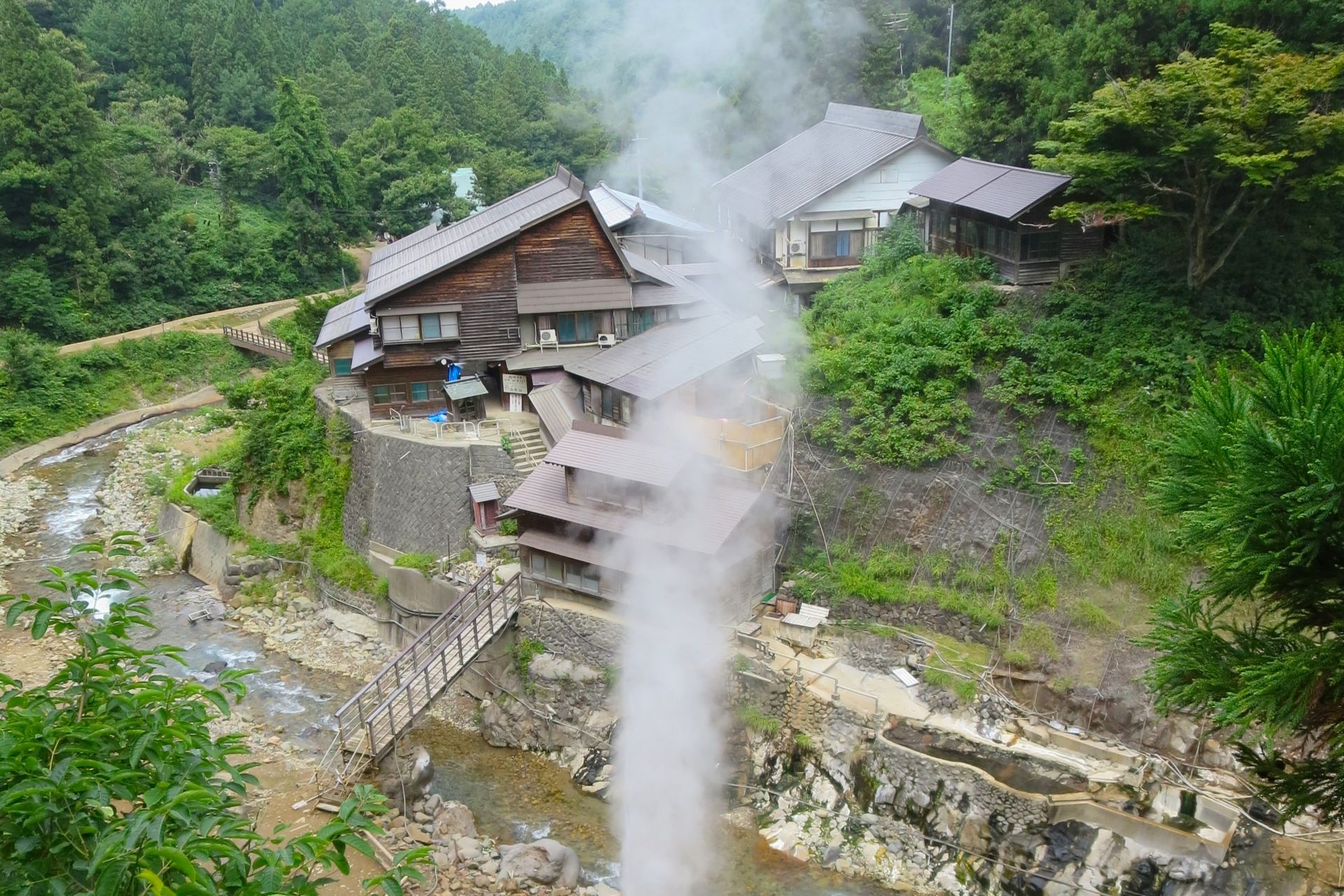
Many visitors treat the forest trail as a mild stroll, but conditions can be tougher than expected — especially in winter:
- The 1.6 km trail from the bus stop to the park entrance is forested, unpaved, and can be muddy, snowy, or icy. In winter it typically takes 30–40 minutes each way, not a quick 10-minute hop.
- Standard sneakers offer less traction in snow and ice; slip-resistant boots or footwear with good tread are strongly recommended.
- In winter the path can be slick and requires extra attention — crampons or ice cleats can make the walk safer and more comfortable.
Tip: Check weather forecasts before you go and adjust your footwear accordingly.
Mistake: Misjudging Transport Timing
Public transport in the Jigokudani area is reliable but not constant:
- The express bus from Nagano Station to the park area runs frequently but is first-come, first-served, and can fill up in peak seasons — seating is not reserved.
- Connecting from the Nagano Dentetsu train to local buses at Yudanaka requires awareness of schedules; missing one bus can mean a longer wait.
- In winter or shoulder seasons, off-peak departures are less frequent than midday services.
Tip: Build extra buffer time between your Shinkansen arrival and the onward bus or train.
Mistake: Expecting to See Monkeys All Day
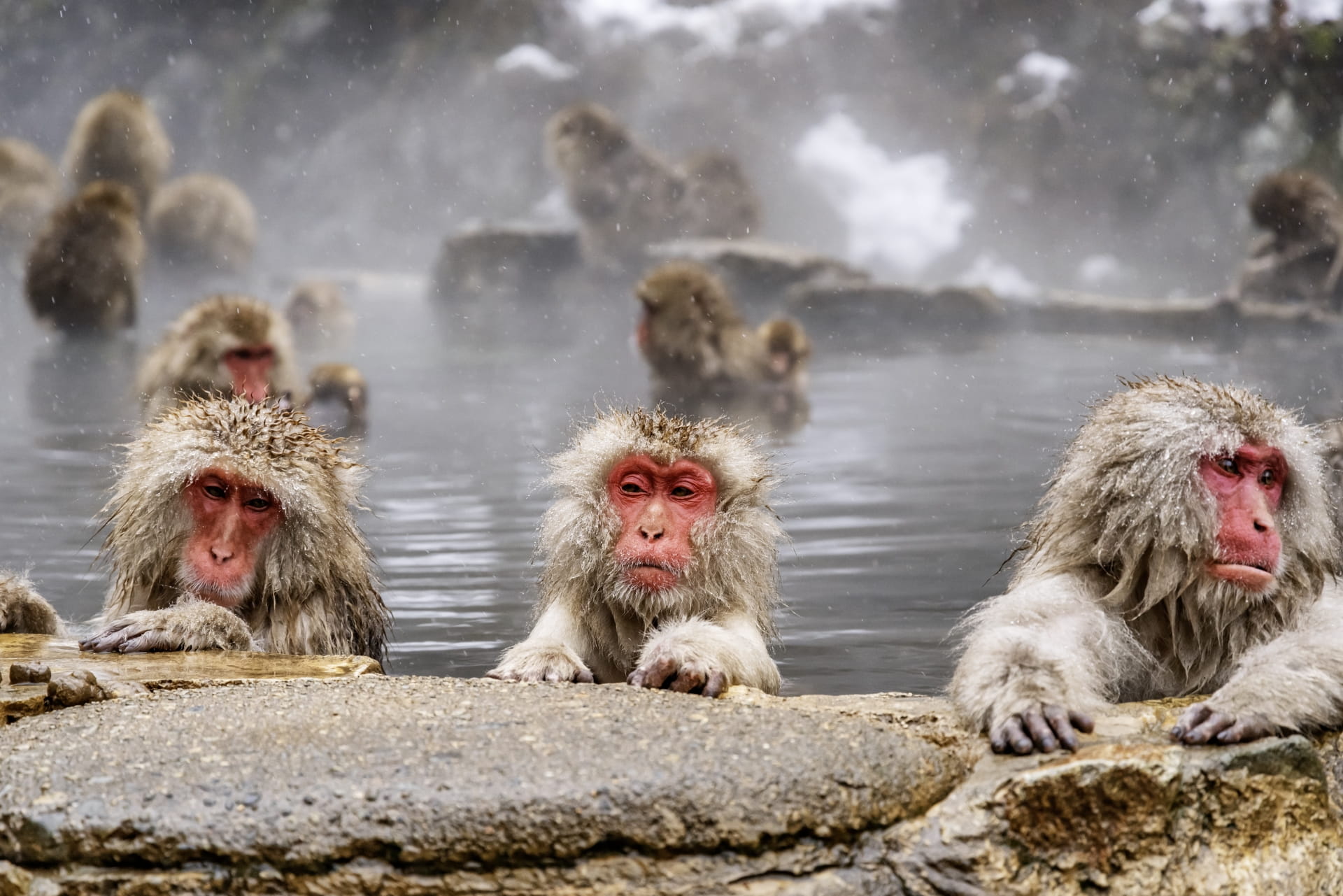
It’s a common assumption that the monkeys are always in the hot spring pool — but that’s not guaranteed:
- The iconic bathing in snow behavior is a winter phenomenon, most common from December through March, and monkeys may not visit the pool every day or at regular hours.
- During spring, summer, and autumn they may spend more time foraging away from the springs.
Tip: Check the park’s live webcam or social feeds on your travel date to confirm monkey activity before you leave Nagano.
Mistake: Ignoring Park Etiquette
Jigokudani’s monkeys are wild animals, and common wildlife-related errors can put visitors at risk:
- Do not feed or touch the monkeys — it’s both unsafe and prohibited.
- Keep a respectful distance (1–2 m); sudden moves, loud noises, or aggressive postures can stress the animals.
- Selfie sticks and flash photography are banned because they can startle the monkeys.
Tip: Treat the monkeys as you would any wild animals: observe quietly and from a distance.
Mistake: Expecting Full Accessibility
The walk to the park and the park’s terrain do not cater to everyone:
- Wheelchairs and strollers are not practical on the forest trail and near the park entrance because of uneven paths and stairs.
- In winter, icy sections make navigation harder even for experienced walkers.
Tip: If mobility is a concern, consider nearby onsen towns for scenic alternatives, or plan an overnight stay for a more measured pace.
Practical Tips for First-Timers
Go early: Monkeys are often most active in the morning, and crowds are smaller before tour buses arrive.
Pack cash & batteries: Many local buses and small shops prefer cash. Cold weather also drains batteries faster, so it’s advisable to bring spares.
Dress for changing weather: Even in shoulder seasons, shaded forest areas can be significantly cooler than Nagano City.
Know where facilities are: Restrooms are typically available at the trailhead, not on the forest path.
Final Verdict: Is Jigokudani Worth It, and How Should You Plan It?
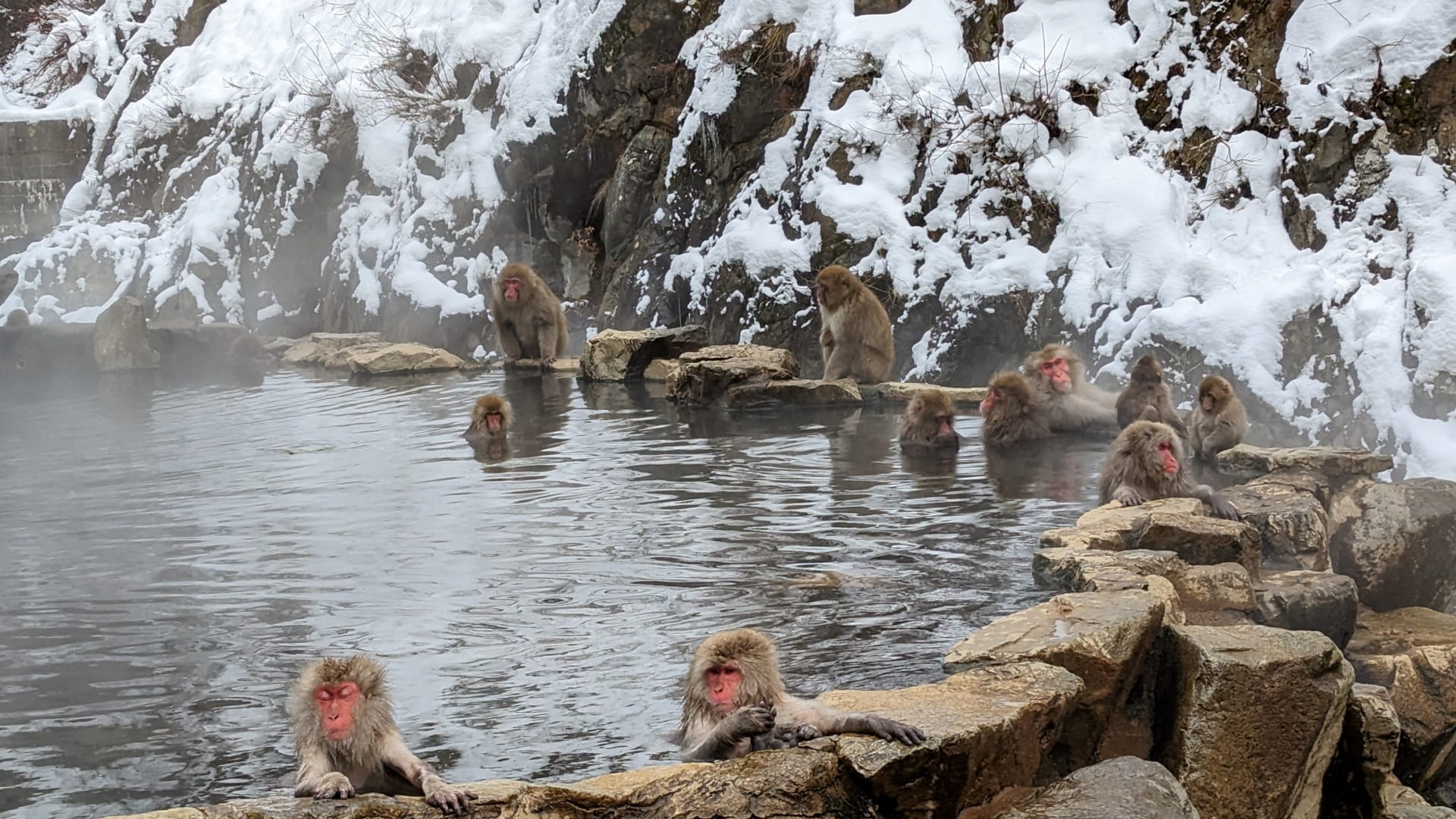
Jigokudani Snow Monkey Park remains one of Japan’s most distinctive wildlife experiences, but it rewards good planning more than spontaneity. The park itself is not difficult to reach, yet the combination of long-distance travel, regional transport, and a mandatory forest walk means the experience can feel very different depending on how you structure your trip.
The Clear Takeaway
- A Tokyo day trip is feasible but logistically demanding. Expect a long travel day, early departures, tight connections, and limited margin for error. It works best for travelers who are short on time and comfortable prioritizing efficiency over flexibility.
- An overnight stay in Nagano, Yudanaka, or Shibu Onsen delivers better value for many visitors. It reduces time pressure, improves your chances of seeing the monkeys at their most active, and allows room for weather or transport delays, especially important in winter.
How to Decide What’s Right for You
Ask yourself three simple questions:
- How early are you willing to start your day? If pre-7 a.m. departures sound unappealing, a day trip will feel rushed from the outset.
- How important is flexibility? If you want buffer time for weather, crowds, or lingering longer at the park, staying locally is the safer option.
- Do you want just the monkeys — or the wider area? Jigokudani works best when paired with onsen towns or Nagano City rather than treated in isolation.
Booking and Planning Priorities
To keep the trip smooth:
- Secure Shinkansen tickets in advance during peak seasons.
- Check local bus timetables close to your travel date, particularly in winter.
- Choose accommodation strategically if staying overnight — proximity to Nagano Dentetsu stations or onsen towns reduces friction.
At this stage of planning, this is where readers are most likely to convert:
- Train tickets (Tokyo ↔ Nagano)
- Regional bus tickets
- Accommodation in Nagano, Yudanaka, or Shibu Onsen
These decisions lock in timing and determine whether the visit feels stressful or well-paced.
Bottom Line
Jigokudani is absolutely worth visiting, but not at the expense of enjoyment. But we understand that sometimes certain experiences are totally a must despite long hours and tight schedules, and making the best of your trip is what we’re here to help you with. This is why this detailed guide aims to provide you with all the information necessary to determine what works best for your needs and expectations.
Book your Shinkansen tickets in advance
Want to avoid ticket machine confusion and sold-out trains? Reserve online in just a few minutes and travel with peace of mind.
Looking for more Winter ideas? Check these articles below!
Written by
Japan Bullet Train is an official JR Shinkansen ticket agent, providing reliable services to travelers visiting Japan from around the world. Our mission is to offer clear, accurate, and up-to-date transportation information so that every visitor can navigate Japan with confidence. From the latest Shinkansen schedules connecting major cities such as Tokyo, Kyoto, and Osaka, to seat class differences, route features, booking methods, luggage rules, and common traveler pitfalls, we explain everything based on real usage data and on-site experience. Leveraging our deep expertise in Japanese transportation, we share practical insights that help international travelers enjoy a smooth and stress-free journey across the country. Japan Bullet Train: https://www.japan-bullettrain.com/
- +0 0
-
-