Tokyo to Hiroshima Shinkansen Guide: Time, Cost and How to Book
Tokyo to Hiroshima by Shinkansen: The Expert Logistics Guide for Smart Travellers, including Travel Time, Tickets and Luggage Rules

- +3 3
-

-


The 800-kilometer journey from Tokyo to Hiroshima is the most consequential transport decision on Japan’s Golden Route. While flying may appear faster on paper, the Shinkansen, specifically the Nozomi service, is the smarter choice, delivering a seamless, city-center to city-center journey in under four hours and beating flights once transfers and waiting time are factored in.
However, a smooth trip depends on mastering key logistics: recognizing the train’s door-to-door advantage over flying, navigating the “Nozomi” restriction for JR Pass holders, and booking early to comply with the mandatory 160cm luggage rule.
This guide explains these key logistics in detail, enabling travellers to plan the journey efficiently and avoid common and costly mistakes. Master these essentials, and your Tokyo–Hiroshima journey will be as efficient as the Shinkansen itself.
Shinkansen vs. Plane: Which One is Better?
| Metric | Shinkansen (Nozomi) | Flight (HND to HIJ) | Winner |
| Door-to-Door Time | Approx. 4 hours (Direct) | Approx. 4.5 hours (With Transfers) | Train |
| Standard Fare | Approx. $130 (¥19,760) | Varies, but final cost similar after transfers. | Train (Lower hassle) |
| Key Advantage | No check-in, no security, direct station-to-station. | Eliminates airport friction and expensive ground transfers. |
While flight time is shorter, the Shinkansen is faster door-to-door (approx. 4 hours vs. 4.5 hours) and often cheaper when factoring in expensive airport transfers.
Many travellers look at the flight time from Haneda (HND) to Hiroshima (HIJ) (a mere 80 minutes) and assume it’s the fastest option. This is a classic “air time illusion”. As a logistics consultant, I urge you to look at the total “door-to-door” timeline.
Flying requires significant overhead: getting to Haneda Airport (30–40 mins), arriving 60–90 minutes before departure for security, the flight itself, and finally, the long transfer from Hiroshima Airport. Hiroshima Airport is located far from the city center, requiring a limousine bus ride that takes about 50 minutes and costs ¥1,500.
In contrast, the Shinkansen connects Tokyo Station directly to Hiroshima Station in the city center. There is no check-in queue, no liquid restriction, and no baggage claim wait. You simply walk on and walk off.
When you factor in the value of your time and comfort, the rail option is the clear winner for productivity. Don’t be lured by “cheap” airfare without calculating the ground transfer costs and time buffers!
Book your Tokyo–Hiroshima Shinkansen tickets in advance
The Tokaido and Sanyo Shinkansen route from Tokyo to Hiroshima is one of Japan’s most in-demand long-distance rail journeys. If you are travelling on weekends, holidays, or during peak seasons, reserved seats can fill up faster than you expect. Booking ahead helps you lock in your preferred departure time, sit together as a group, and avoid last-minute stress at Tokyo Station.
How to Book Your Shinkansen Tickets: 3 Ways to Secure Your Seat
Getting your ticket is the final logistical hurdle. Depending on your tech comfort level and whether your credit card works with Japanese systems, choose one of these three methods:
Option 1: Smart-Ex App (The Official Method)
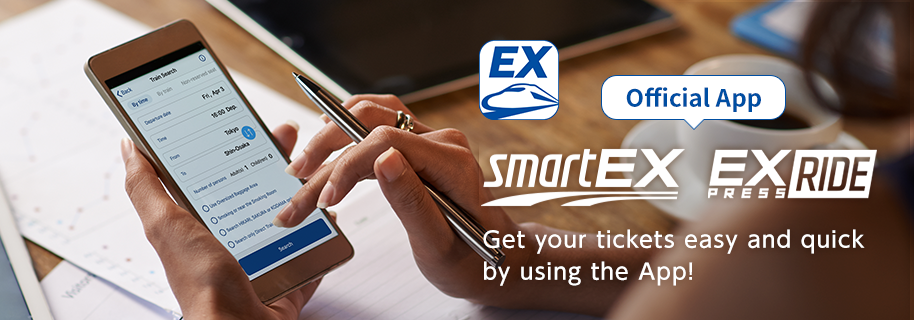
- Best For: Tech-savvy travellers who want the lowest price and instant QR code access.
- The Lowdown: This is the official booking platform for the Tokaido-Sanyo Shinkansen. It links to your credit card and IC card (Suica/Pasmo), allowing you to tap through the gate without a paper ticket.
- Pros: No booking fees; interactive seat map (choose your Mt. Fuji view); change reservations freely up to 4 minutes before departure.
- Cons: The app interface can be utilitarian, and some international credit cards may be rejected due to strict 3D Secure protocols.
Option 2: Japan Bullet Train / OTAs (Recommended for International Travellers)
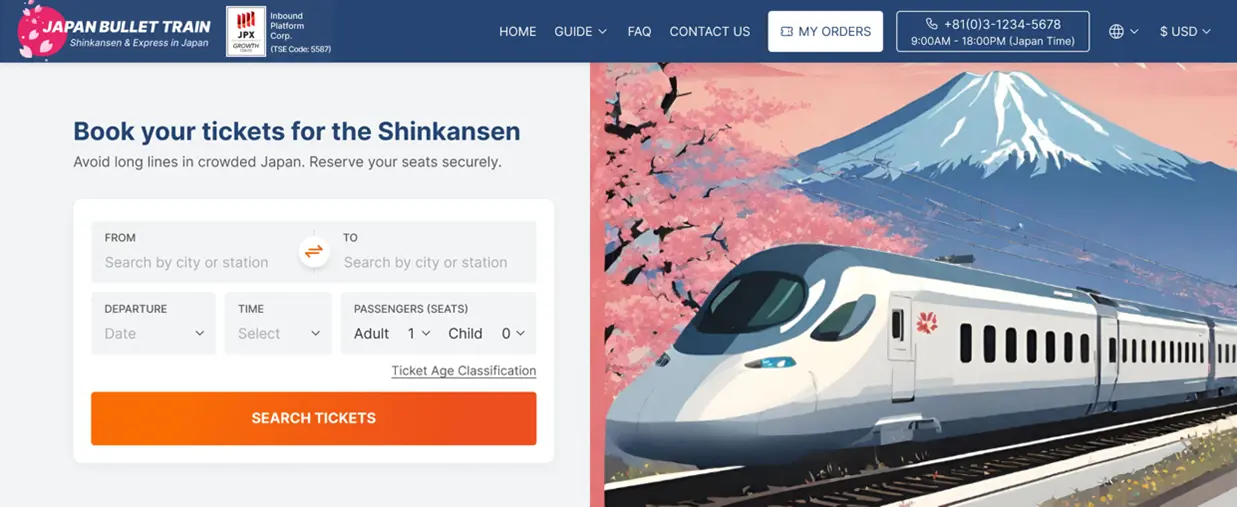
- Best For: Travellers who want a guaranteed, stress-free booking experience in English.
- The Lowdown: Dedicated booking platforms (such as Japan Bullet Train, Klook, or Rakuten Travel) are designed specifically for international visitors. They bridge the gap between complex Japanese systems and foreign tourists.
- Pros: Highly user-friendly English interfaces; accepts almost all international credit cards (solving the Smart-Ex rejection issue); often allows booking further in advance than the standard 1-month window.
- Cons: Tickets typically include a small service fee or markup compared to the official base fare.
Search your Shinkansen tickets with Japan Bullet Train!
Option 3: Station Ticket Office (“Midori-no-madoguchi”)
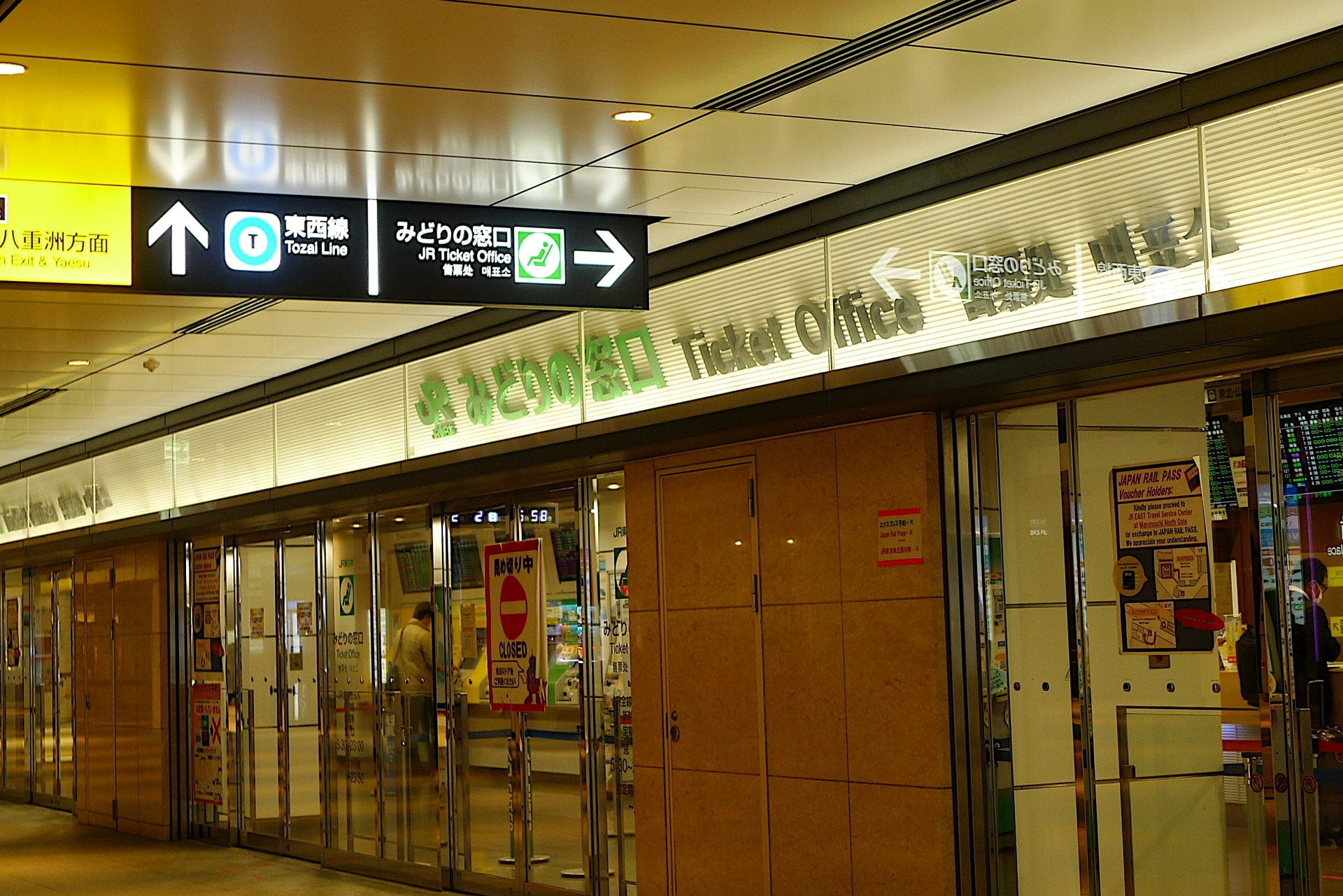
- Best For: Travellers with complex itineraries or those who prefer human interaction.
- The Lowdown: The traditional “Green Window” counters found at major JR stations. You speak directly to a staff member to buy tickets.
- Pros: Staff can handle complicated requests (e.g., activating a JR Pass and booking a “Nozomi” upgrade simultaneously).
- Cons: The Queues. At Tokyo Station, wait times can easily exceed 30–60 minutes. This is the least efficient option for a simple point-to-point trip.
For JR Pass Holders
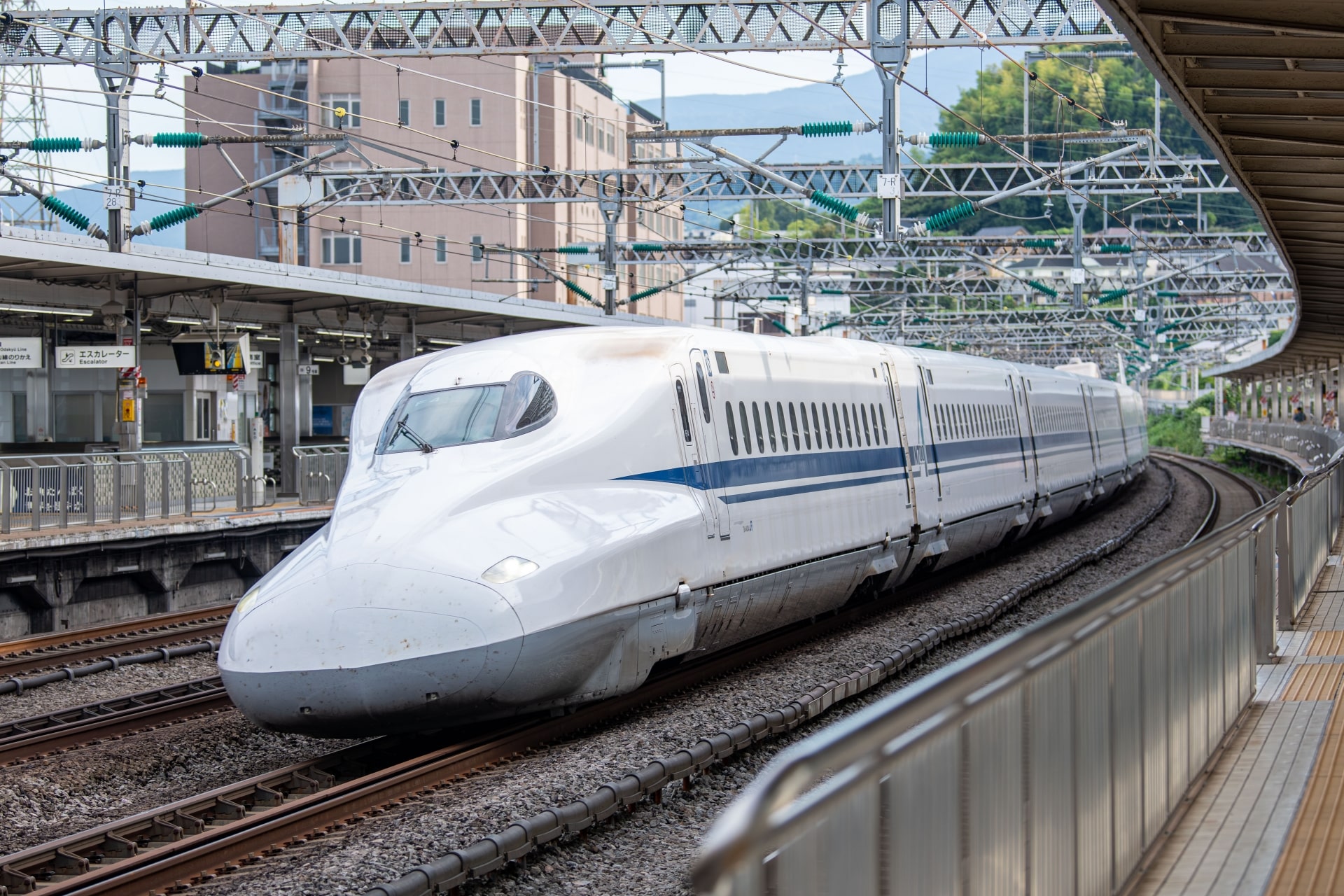
Standard JR Passes do not cover the fastest “Nozomi” trains. Holders must choose between the slower “Hikari” (5h+) or purchasing the “Nozomi MIZUHO Ticket” add-on.
If you are travelling with a Japan Rail Pass (JRP), you face a critical decision. The standard JRP is valid only for the Hikari and Kodama services. On the Tokyo-Hiroshima route, taking a Hikari train usually requires a transfer at Shin-Osaka and extends your travel time to over 5 hours.
For years, pass holders were stuck with this slower option. However, JR recently introduced a game-changer: the “Nozomi MIZUHO Ticket”. This supplemental ticket allows JRP holders to ride the fastest Nozomi trains for an additional fee. This surcharge is approximately ¥4,960 to ¥6,500 depending on the season and class.
Here is my decision matrix for you:
- Choose Hikari if: You are on a strict budget, have plenty of time, and don’t mind a transfer.
- Choose the Nozomi Upgrade if: Your itinerary is tight. By paying the supplement, you save roughly 60 to 90 minutes. Ask yourself: is an extra hour and a half of sightseeing in Hiroshima worth ~$45 USD? For most short-term visitors, the answer is a resounding yes.
Mandatory Luggage Logistics (The 160cm Rule)
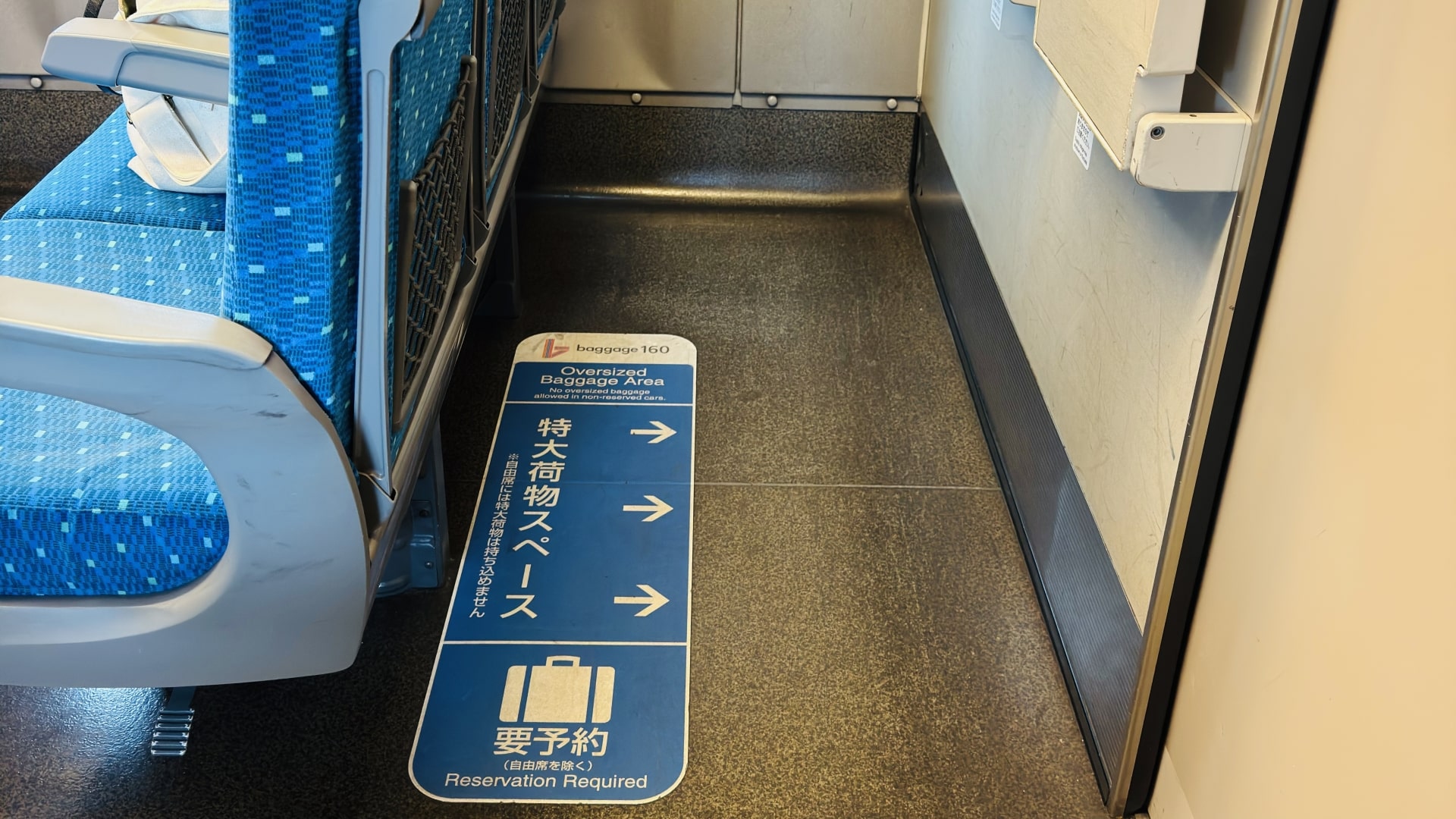
Travellers with luggage where L+W+H exceeds 160cm must reserve specific “Seats with Oversized Baggage Area.” Failure to do so results in a ¥1,000 fee and potential boarding denial.
This is the single most common failure point for international travellers on the Tokaido-Sanyo Shinkansen. The rule is strict: if the total dimensions (Length + Width + Height) of your luggage are between 160cm and 250cm, it is classified as “Oversized Baggage” and you must reserve a seat designated with an “Oversized Baggage Area” (the space behind the last row of seats) or an “Oversized Baggage Compartment” (a lockable area on the deck).
This is not a suggestion; it is a mandate to ensure the train’s punctuality. If you bring oversized luggage without a reservation, you will be charged a ¥1,000 carry-on fee, and the conductor will be forced to move your bag to a designated area — if one is available.
Onboard Experience: Etiquette & “Ekiben” Culture
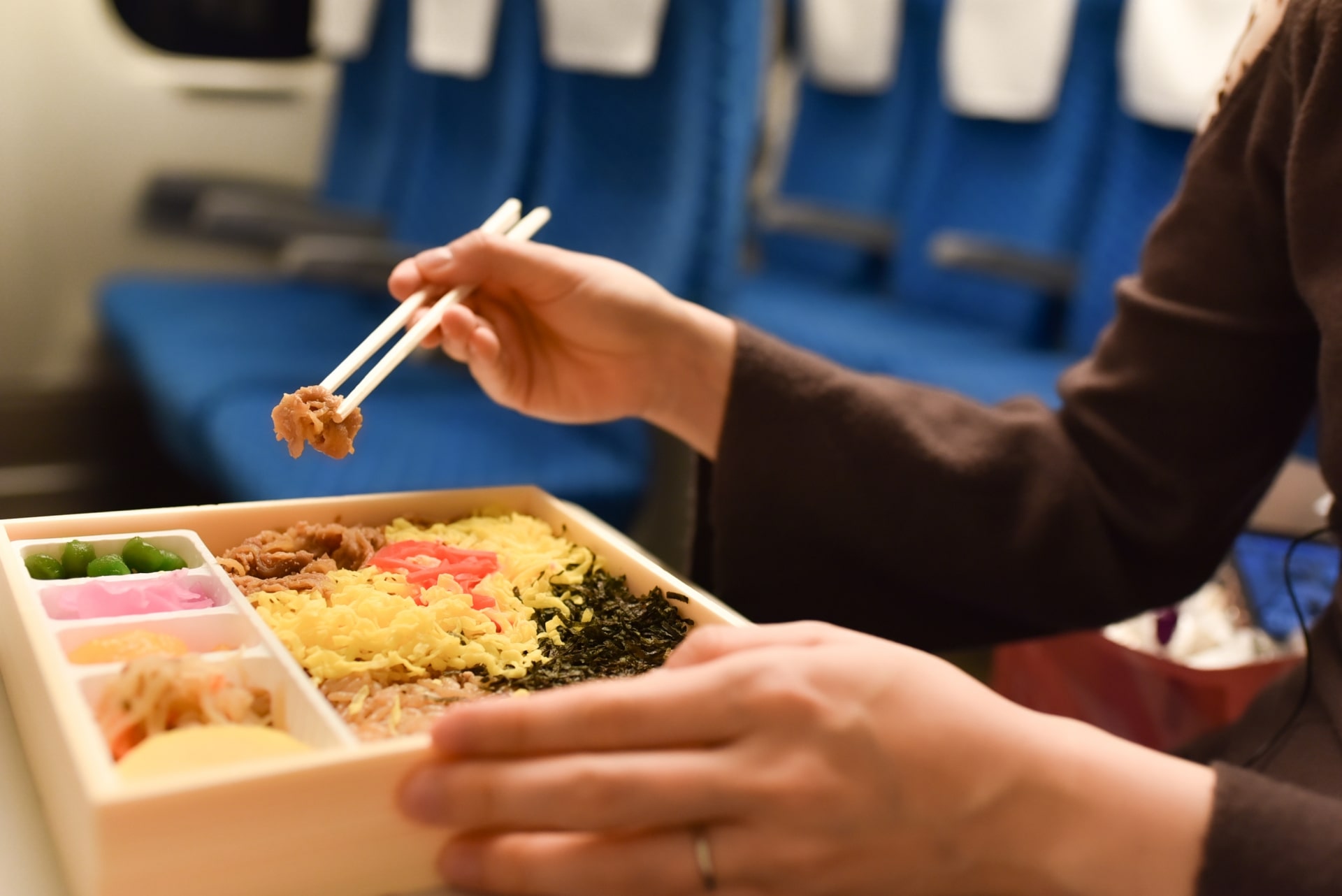
The Shinkansen experience is defined by quiet comfort. It is culturally expected that you keep your mobile phone on silent and refrain from loud conversations. If you need to take a call, move to the deck area between cars.
Dining is a major highlight. Before boarding at Tokyo Station, visit the “Gransta” area or the platform kiosks to buy an Ekiben (station bento). Make sure to dispose of trash at station bins or deck bins.
Recommendation: Since bento boxes are not heated, choose foods that taste excellent at room temperature, such as Gyutan (beef tongue) or Sushi.
You may also notice the conductor performing strange gestures, pointing at doors and signals and calling out checks. This is Shisa Kanko (Pointing and Calling). This occupational safety method reduces human error and is a key reason why the Shinkansen has maintained a zero-passenger-fatality record for decades. It’s not just a quirk; it’s the backbone of your safety.
After Arriving Hiroshima: What to Do in Hiroshima
Top Highlights in Hiroshima
1. The Atomic Bomb Dome & Peace Memorial Park
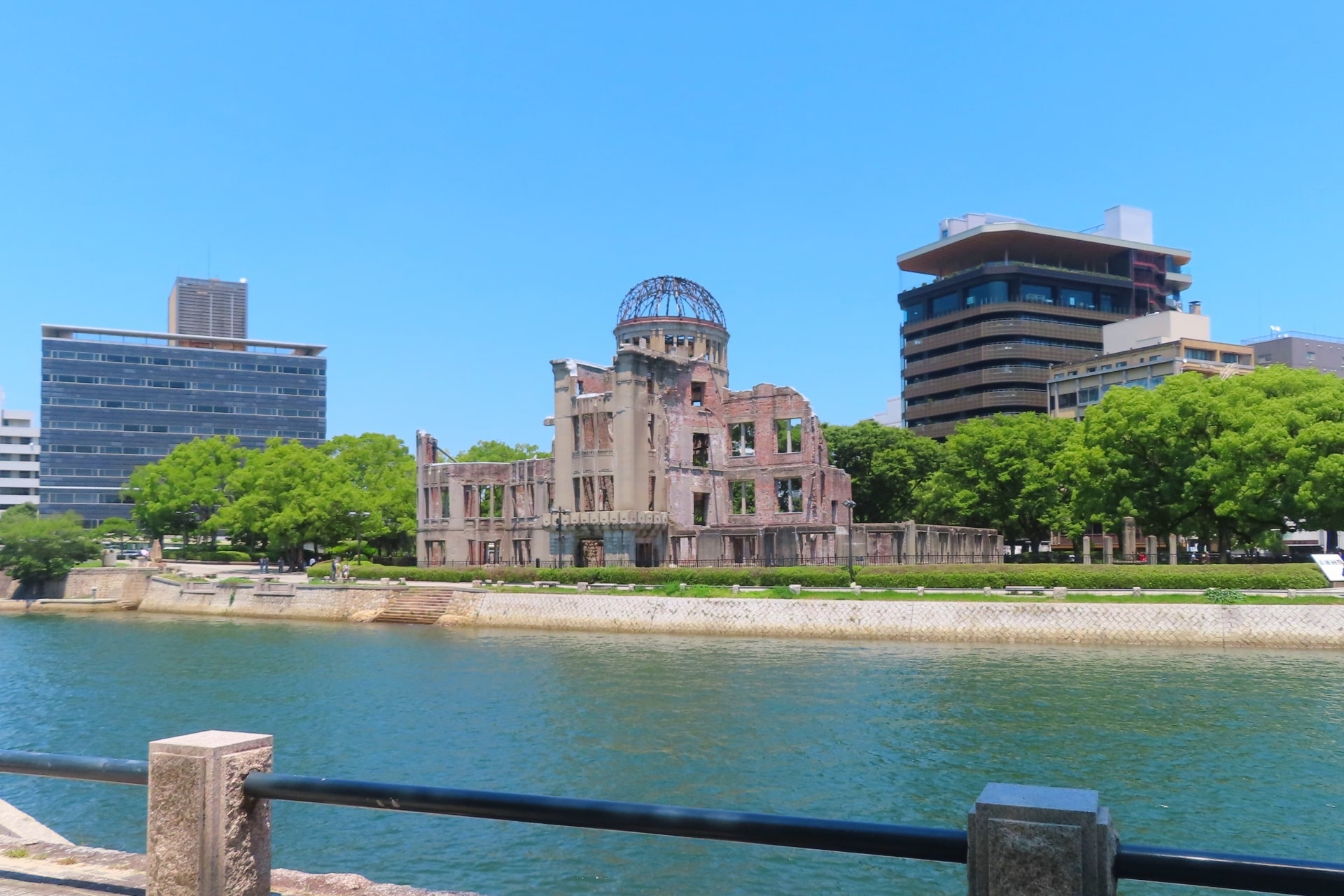
- Time Allocation: 90–120 minutes.
- The Logistics: From Hiroshima Station, take the Streetcar (Tram) Line 2 or 6 to Genbaku-Domu Mae (approx. 15 mins).
- The Experience: Start at the Atomic Bomb Dome, the skeletal remains of the Industrial Promotion Hall. Walk through the park to the Cenotaph for the A-bomb Victims, framing the Dome in the distance. Finally, visit the Peace Memorial Museum.
- Warning: The museum is emotionally heavy and can be crowded. Pre-booking tickets online is highly recommended to skip the queue.
2. Miyajima & Itsukushima Shrine
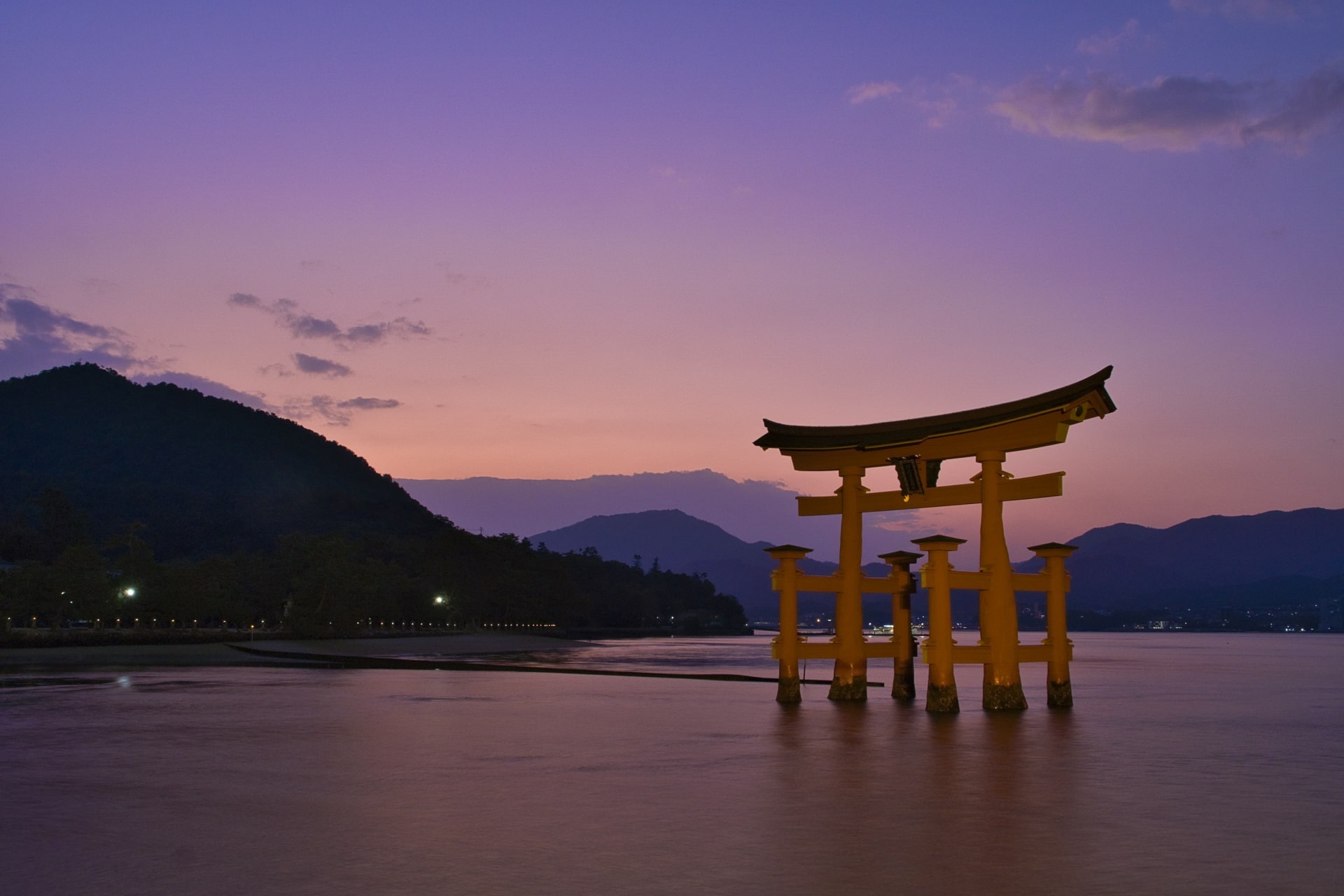
- Time Allocation: 3–4 hours.
- The Logistics: As mentioned in the “Arrival Logistics” section, the fastest link from the Peace Park is the Aqua Net “World Heritage Sea Route” ferry. It departs directly from the river near the Dome.
- The Experience:
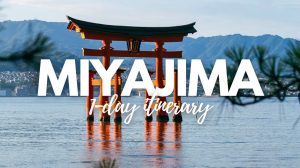
Itsukushima Shrine: Famous for its “floating” Torii gate. The shrine is built over water and appears to float at high tide.
The Great Torii Gate: Recently renovated. Check the tide tables; at low tide, you can walk out to the gate’s base.
Wild Deer: You will be greeted by wild deer roaming the island. Unlike Nara deer, they are generally docile (but will still eat your map if you aren’t careful!). - Tips: Check the Tide Tables for Miyajima before you go.
The experience of Itsukushima Shrine changes completely with the tides.
High Tide: The shrine and gate appear to float on the sea (best for photos).
Low Tide: You can walk on the sand right up to the Torii gate.
I recommend aiming for High Tide for that iconic “floating” view. You can check the daily tide schedule on the Miyajima Tourism Association website.
3. The Culinary Mandatory: Hiroshima-Style Okonomiyaki
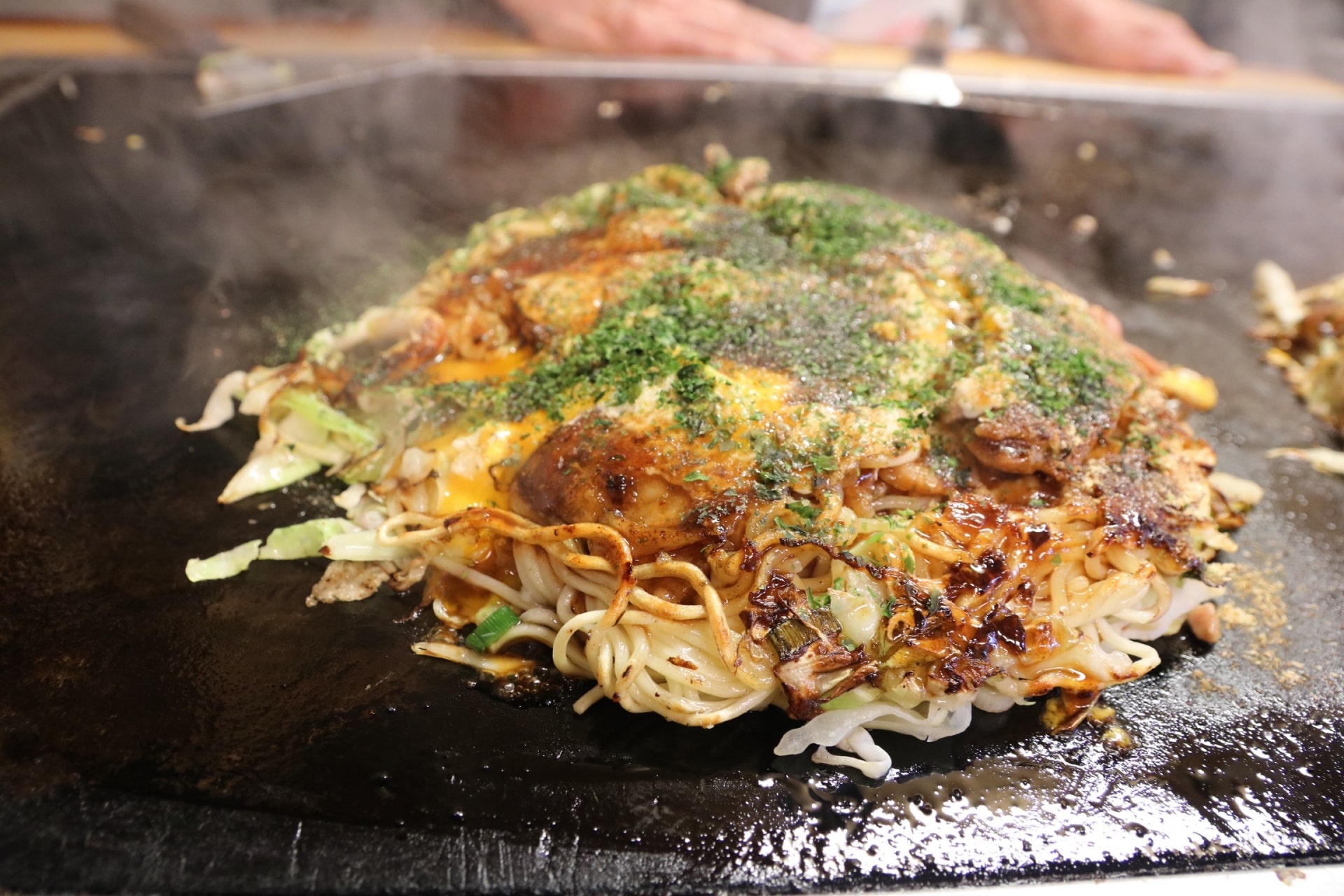
- Time Allocation: 60 minutes (Dinner).
- The Experience: Unlike the Osaka style (mixed batter), Hiroshima-style Okonomiyaki is layered. It involves batter, a mountain of cabbage, pork, and crucially yakisoba noodles, all topped with a fried egg and savory sauce.
- Where to go: Visit Okonomimura (Okonomiyaki Village) in the city center, a building packed with over 20 stalls, or check out the “Ekie” dining precinct inside Hiroshima Station if you are rushing for your return Shinkansen.
Travelling from Hiroshima Station to Miyajima
From Hiroshima Station, choose the JR Train + Ferry route (free for JRP) or the direct Aqua Net Ferry from Peace Park (faster/scenic) depending on your itinerary.
Once you arrive at Hiroshima Station, your next move depends on your final destination. Many travellers head straight to the sacred island of Miyajima. You have two main strategic options:
Option A: The Cost-Saver (Best for JR Pass Holders)
Take the JR Sanyo Line from Hiroshima Station to Miyajimaguchi Station (approx. 28 mins), then walk to the pier and take the JR Miyajima Ferry.
- Pros: The entire route is covered by the Japan Rail Pass.
- Cons: Requires a train transfer and a short walk.
Option B: The Time-Saver (Best for Efficiency)
If you plan to visit the Atomic Bomb Dome first, consider the “World Heritage Sea Route” (Aqua Net Ferry). This boat departs directly from the Peace Memorial Park and takes you to Miyajima in about 45 minutes.
- Pros: Direct link between the two major sights; scenic river cruise; no train transfers.
- Cons: Cost is approx. ¥2,400 one-way (not covered by JRP).
Frequently Asked Questions on Tokyo-Hiroshima Travel
Q: Is there a sleeper train to Hiroshima?
A: No. The famous Sunrise Seto/Izumo sleeper train goes to Okayama or Takamatsu. To get to Hiroshima, you would need to transfer at Okayama to a Shinkansen. For most travellers, the direct Nozomi Shinkansen is far more efficient.
Q: Can I see Mt. Fuji on this route?
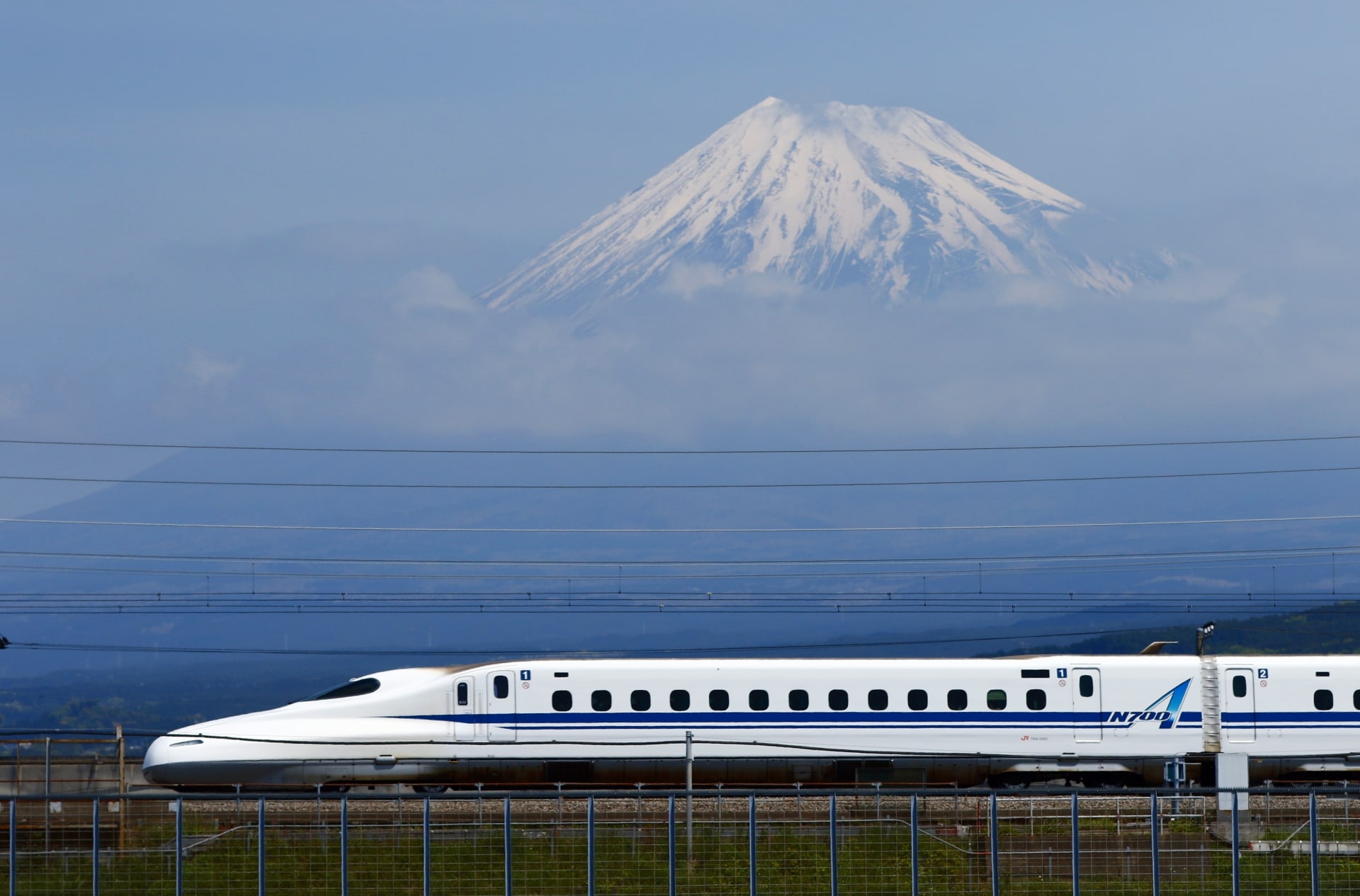
A: Yes! When travelling from Tokyo to Hiroshima, sit on the right side (Seat E). The mountain is best viewed around Shin-Fuji Station, approximately 40–45 minutes after departure.
Q: Is the Green Car worth it?
A: For a 4-hour trip, the Green Car (First Class) offers significantly more legroom, a footrest, and a quieter atmosphere. If you are travelling as a couple or need to work, the upgrade (approx. +¥7,000) can be a worthwhile investment for the added comfort.
Q: Can I bring food on the train?
A: Absolutely. Eating and drinking (including alcohol) is permitted and is a beloved part of the travel culture. Just be mindful of strong smells and dispose of your trash in the bins on the deck or at the station upon arrival.
Q: Is there cancellation fee?
A: Shinkansen cancellation fees depend on how you book. Paper tickets incur a small fee if cancelled early but jump to a 30% penalty the day before or day of travel. Smart-Ex charges a flat ¥320 and allows free changes. JR Pass seat reservations can be cancelled for free.
The journey from Tokyo to Hiroshima exemplifies Japan’s reputation for efficient, long-distance travel. By choosing the Nozomi Shinkansen, travellers benefit from a direct, city-center to city-center connection that air travel cannot realistically match.
That said, the quality of the experience depends largely on preparation. Seats, particularly those with designated oversized baggage space, should be reserved in advance to avoid penalties or inconvenience. Japan Rail Pass holders should also consider the value of their time, as the Nozomi upgrade may prove to be a worthwhile investment, effectively exchanging a modest surcharge for an additional hour to explore Hiroshima, such as enjoying sunset views at Itsukushima Shrine.
[Disclaimer]
Prices and timetables are based on data as of 2026. Always check official JR channels for real-time updates.
Ready to book your Tokyo–Hiroshima trip?
Don’t risk sold-out seats or long queues at Tokyo Station. Secure your Tokyo to Hiroshima tickets online today in English.
- Instant Confirmation
- Oversized Baggage Seat Reservation
- International Credit Cards Accepted
🚄 Travelling between Osaka and Hiroshima?
👉 [Book Your Shinkansen Tickets (Osaka to Hiroshima) Here]
For more information about travelling Hiroshima, please check out following articles.
Written by
Japan Bullet Train is an official JR Shinkansen ticket agent, providing reliable services to travelers visiting Japan from around the world. Our mission is to offer clear, accurate, and up-to-date transportation information so that every visitor can navigate Japan with confidence. From the latest Shinkansen schedules connecting major cities such as Tokyo, Kyoto, and Osaka, to seat class differences, route features, booking methods, luggage rules, and common traveler pitfalls, we explain everything based on real usage data and on-site experience. Leveraging our deep expertise in Japanese transportation, we share practical insights that help international travelers enjoy a smooth and stress-free journey across the country. Japan Bullet Train: https://www.japan-bullettrain.com/
- +3 3
-
-