Tokyo to Gala Yuzawa: Direct Shinkansen Ski Guide
Gala Yuzawa Ski Resort: What to Expect on a Tokyo Day Trip


- +0 0
-

-


Skiing from Tokyo usually comes with a catch. An early alarm, a bus transfer that feels longer than advertised, or a night spent planning around weather and traffic instead of snow. Gala Yuzawa ignores most of that. You take a Shinkansen, get off at the station, and the ski resort is already there.
Gala Yuzawa sits on the Joetsu Shinkansen line in Niigata Prefecture, about 75 minutes from central Tokyo. No highway buses. No rental cars. No icy mountain roads. The station itself is part of the resort, which makes it one of the most straightforward ski trips you can do in Japan, especially if you live in Tokyo and want snow without turning your weekend into a logistical puzzle.
This guide is for anyone who wants that simplicity, including those who are still testing how far the rail network can actually take them. It breaks down which trains stop at Gala Yuzawa, when crowds quietly become a problem, how ski gear fits into the Shinkansen experience, and what a realistic day trip looks like.
Where Is Gala Yuzawa and Why the Train Matters
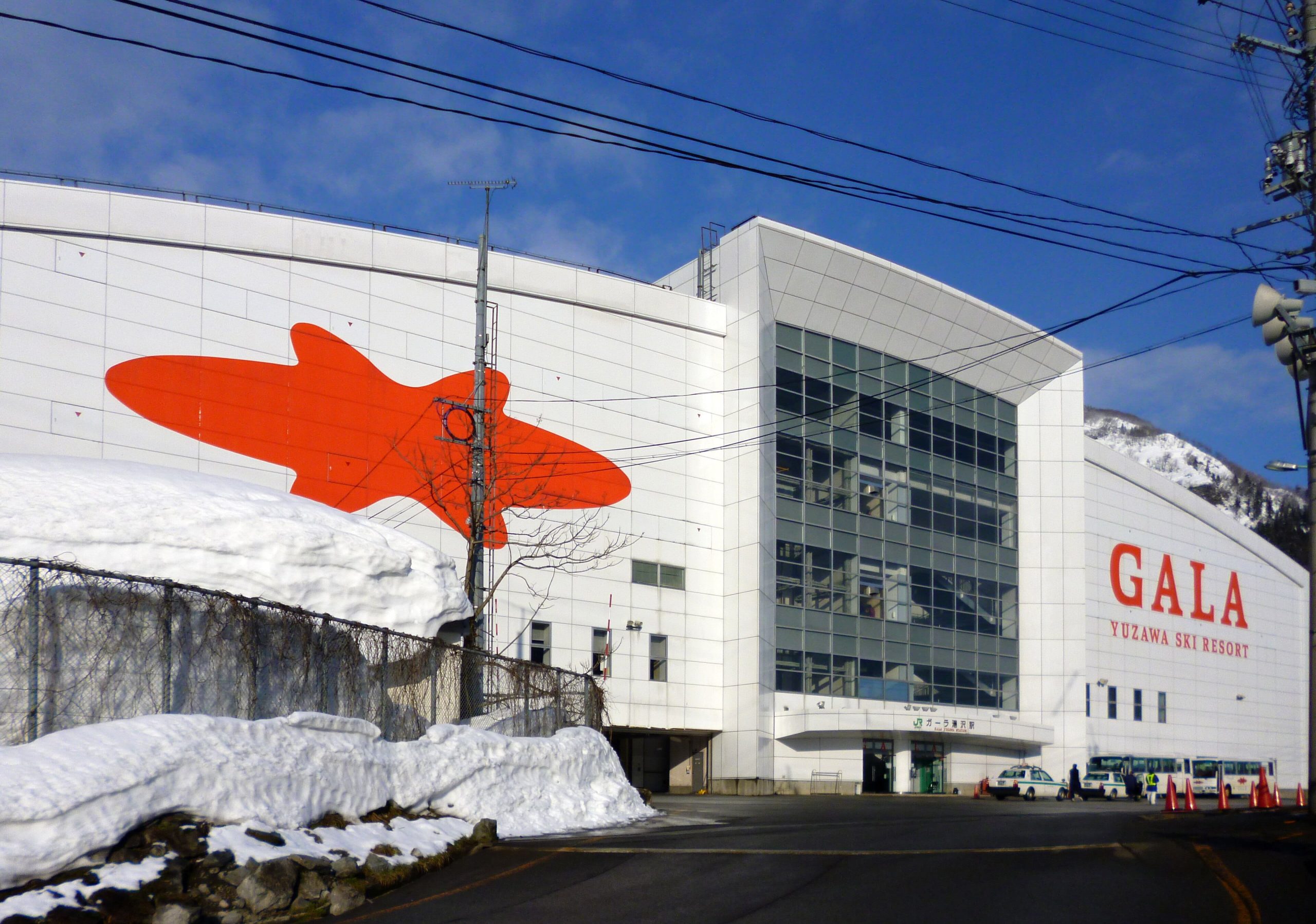
Gala Yuzawa (ガーラ湯沢スキー場) is located in Yuzawa Town, Niigata Prefecture, an area long associated with heavy snowfall and hot springs. On a map, it sits roughly due north of Tokyo, tucked into the mountains along the Joetsu Shinkansen line. What makes it unusual is not the snow (Niigata has plenty of that) but how directly the resort is connected to Tokyo by rail.
Most ski resorts marketed as “easy access” still involve a final transfer: a local train, a shuttle bus, or a winding drive through mountain roads that become unpredictable in winter. Gala Yuzawa skips that last step entirely. The Shinkansen stops at Gala Yuzawa Station itself, a seasonal station that exists almost exclusively to serve skiers and snowboarders.
This setup is not an accident. Gala Yuzawa was developed by JR East during the bubble-era push to create leisure destinations directly tied to rail infrastructure. The idea was simple and ambitious: turn the Shinkansen into a weekend ski lift for Tokyo. While many bubble-era projects struggled to age gracefully, this one worked, largely because the core promise remains solid. Fast trains are still fast, and snow in Yuzawa is still reliable.
The train matters here because it removes the most fragile part of winter travel: the final approach. Snowstorms that shut down highways often have little effect on the Shinkansen. For Tokyo residents planning a day trip, that reliability is the difference between “worth trying” and “not worth the risk.”
The Big Advantage: A Ski Resort Built Into a Shinkansen Station
Not every ski resort starts with a station. Gala Yuzawa’s story does. You get off the train and the rest of the trip — gear, tickets, gondola — unfolds with ease because it was designed with this purpose. The reason this works is tied to a pretty unusual bit of rail history.
The resort and its seasonal station opened on December 20, 1990, as part of a bold experiment by JR East to turn train infrastructure into direct leisure access. At that time, JR East was newly formed after the privatization of Japanese National Railways and was actively seeking ways to grow beyond simply moving people. A group of seven track maintenance workers, regular skiers themselves, suggested a wild idea: extend part of the rail depot access track directly to a mountain base, build a ski resort there, and send Shinkansen trains straight to it. The company took that idea and ran with it — literally and figuratively.
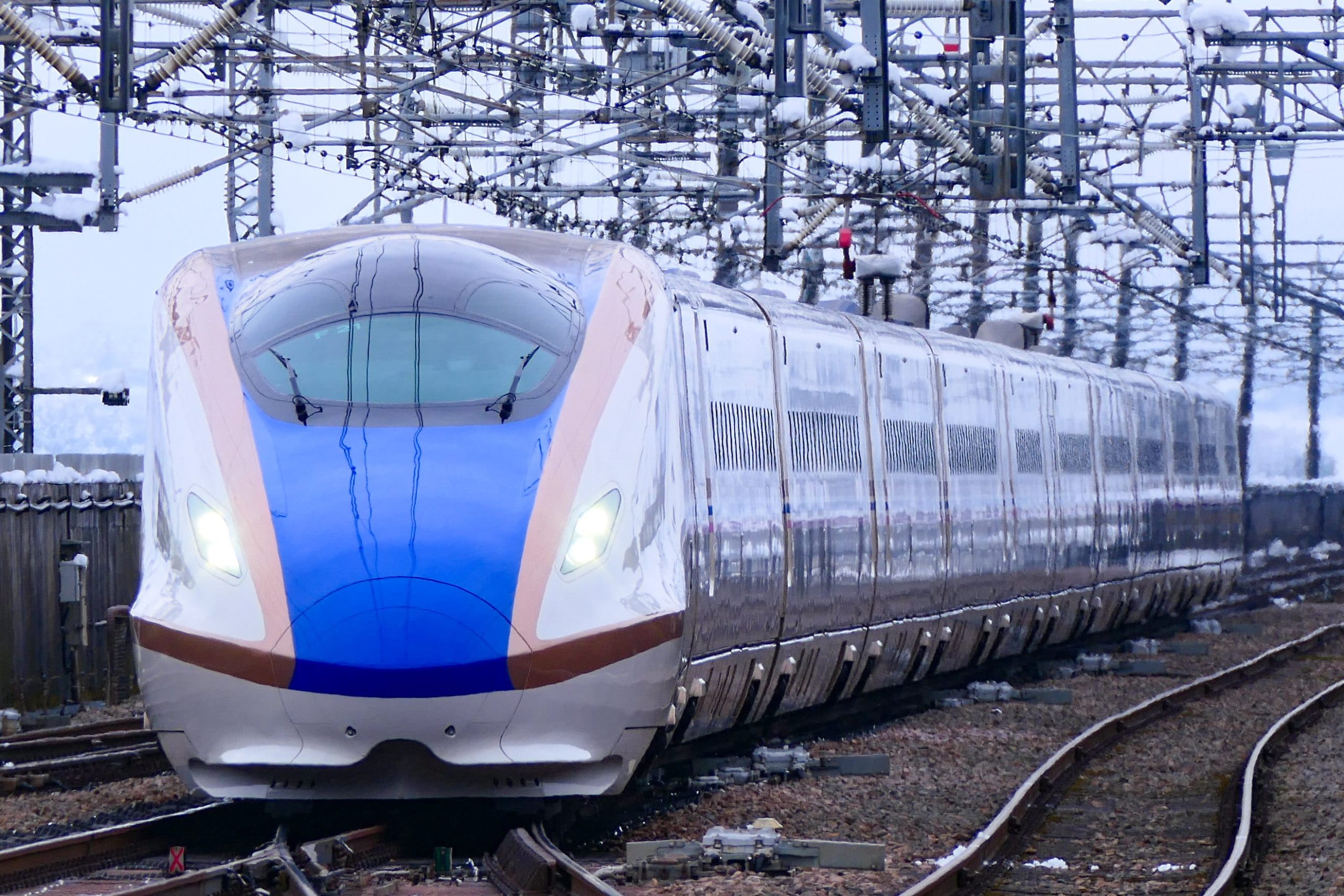
Today, Gala Yuzawa Station still operates on that principle. It’s a seasonal JR East station on the Gala-Yuzawa Line, a 1.8 km branch off Echigo-Yuzawa Station on the Joetsu Shinkansen. During the ski season (typically mid-December through early May), Tanigawa Shinkansen services extend onto this branch, bringing ski-bound passengers directly onto the platform. Outside of winter, the station closes completely, and the tracks revert to depot use.
What’s unusual here isn’t just that it’s winter-only — plenty of places have seasonal services — but that bullet train equipment stops here, then disappears again with the snow. That makes Gala Yuzawa one of the few places on earth where high-speed rail links literally to adventure sports without any dead time.
So why does this matter for you?
- Zero transfers: Your Shinkansen from Tokyo drops you right at the base of the resort. There’s no shuttle bus, no taxi, no fiddly last leg — you walk from the platform straight into the ski center.
- Integrated facilities: The station building merges seamlessly with the ski resort complex, housing rental counters, lockers, ticket offices, and even dining and onsen (hot spring) facilities.
- Reliable timing: Because operations pause between morning arrivals and afternoon departures, the system feels engineered for a single day of slopes, with return trains that match the natural rhythm of a ski outing.
Tokyo to Gala Yuzawa by Shinkansen: The Basics
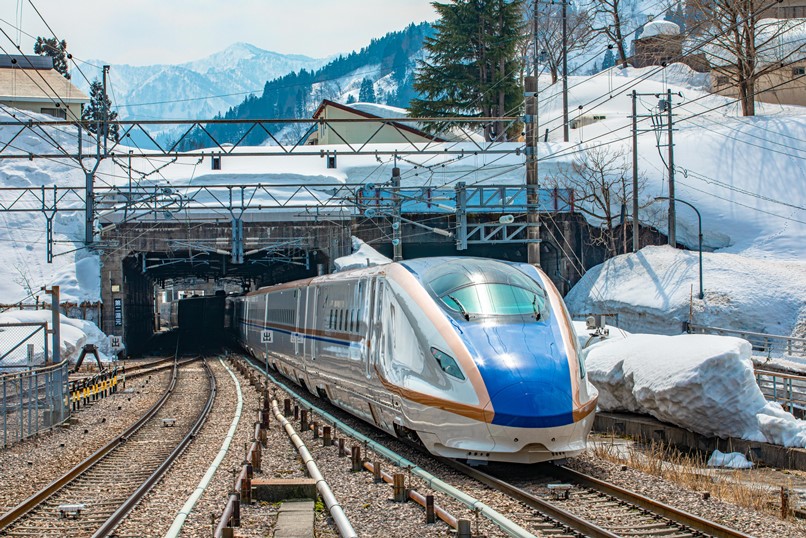
Gala Yuzawa is on your radar because it promises a fast, stress-free winter getaway from Tokyo. Check here how long it takes, where to catch the train, and what your options actually mean in practice:
The Core Route: Tokyo → Gala Yuzawa
- Departure points: JR Tokyo Station is the main embarkation point for most travelers heading to Gala Yuzawa. Some Shinkansen services also accept boarding from Ueno and Omiya.
- Line used: The journey runs entirely on the Joetsu Shinkansen, the high-speed line linking Tokyo with Niigata Prefecture.
- Typical travel time: Most direct services take about 75–90 minutes from Tokyo to Gala Yuzawa Station.
- Seasonal operation: Gala Yuzawa Station is a winter-only stop on the Shinkansen, generally open from mid-December until early May. Outside ski season, trains do not serve this station.
Think of this leg as swapping the idea of driving through winter traffic for settling into a comfortable bullet train seat and watching the landscape change from urban sprawl to snowy fields. It’s consistent, predictable, and far faster than driving the same distance in peak winter conditions.
How Often Trains Run
During ski season, JR operates around 10–13 Shinkansen services per day that actually stop at Gala Yuzawa Station, mostly on weekends and peak dates. This means you won’t find as many departures as Tokyo–Nagoya or Tokyo–Kyoto, but the timetable is still generous compared with bus-only options.
What You’ll Pay
Fares vary slightly by booking method and seat class, but a one-way Shinkansen ticket from Tokyo to Gala Yuzawa typically runs in the ballpark of ¥7,000 one way without discounts.
Prices and exact times can shift based on season, how early you book, and seat type (reserved vs non-reserved), so checking timetables ahead of your trip is highly recommended.
Not All Trains Are Equal
One subtle point that surprises first-timers: not every Joetsu Shinkansen service stops at Gala Yuzawa. Some skip the seasonal station and terminate at Echigo-Yuzawa, the larger regional hub. In that case, your options are:
- Get off at Echigo-Yuzawa and take a free shuttle bus to Gala Yuzawa (about 10 minutes).
- Some years, short local trains also run between the two stations during ski season, though bus is usually the more consistent option.
For many travelers — especially those who want the absolute shortest walk from train to slopes — this makes checking the specific train’s final stop a worthwhile step when booking tickets.
| Departure Station | Approx Journey Time | Stop at Gala Yuzawa | Notes |
| Tokyo Station → Gala Yuzawa | ~75–90 min | Yes (seasonal) | Most direct option |
| Tokyo Station → Echigo-Yuzawa | ~75 min | No | Free shuttle bus to resort |
| Ueno/Omiya → Gala Yuzawa | ~varies | Some services | Good alternative boarding points |
Which Shinkansen to Take: Tanigawa vs Toki
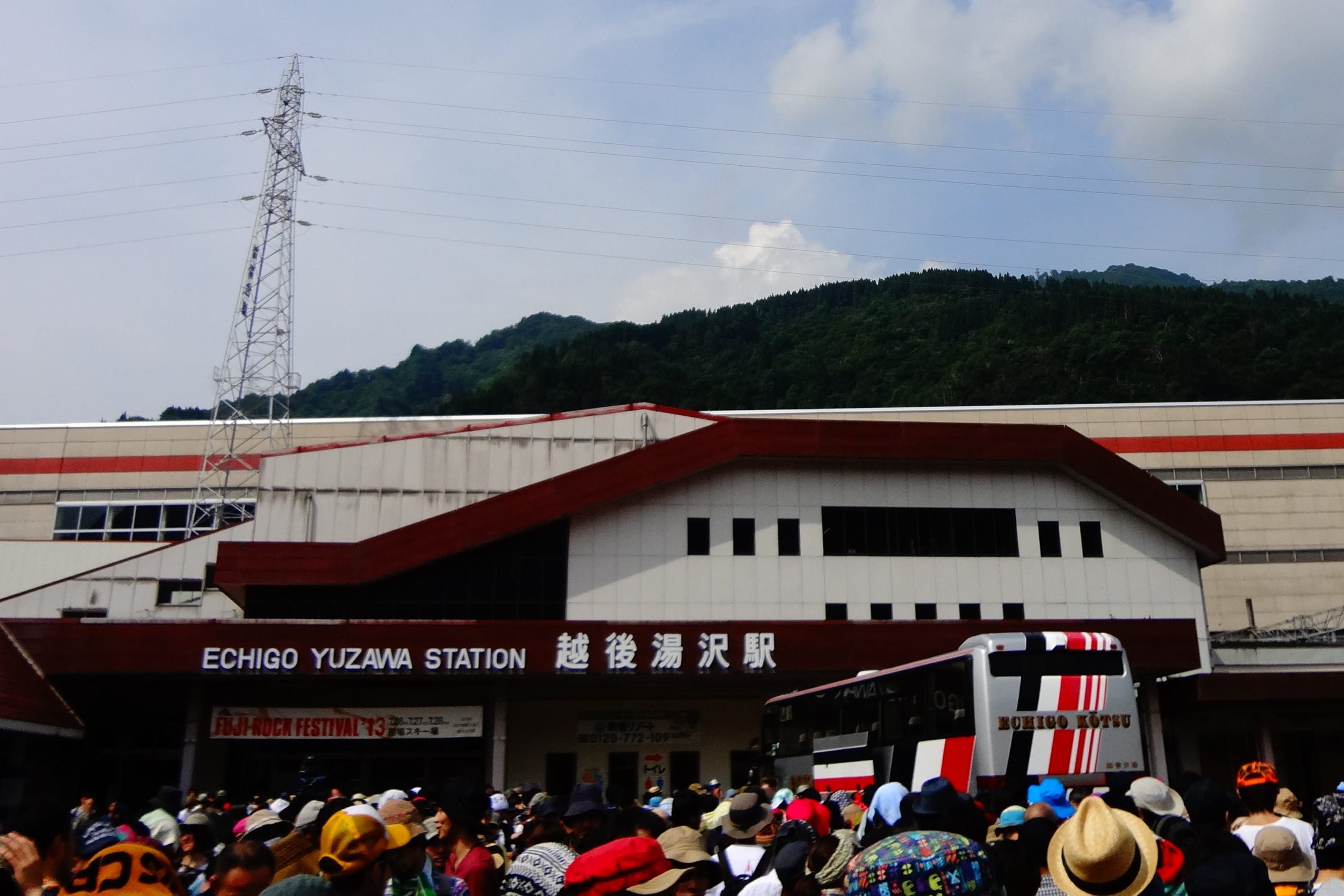
Not every Joetsu Shinkansen service stops at Gala Yuzawa — in fact, the difference between the right and wrong train can make or break your day. Two main service types are relevant for ski travelers: Tanigawa and Toki.
Tanigawa Services
- Stops at Gala Yuzawa: Yes, many seasonal Tanigawa trains serve the resort directly.
- Speed & Stops: Slower than Toki, with more local stops along the way. Typical Tokyo → Gala Yuzawa journey is about 75–90 minutes.
- Crowd Levels: Usually higher, as many skiers target these trains. Weekends and peak season mornings are busiest.
- Advantages: Direct access to Gala Yuzawa Station; easier for day trips; less chance of missing a shuttle.
Toki Services
- Stops at Gala Yuzawa: Rare; most Toki trains skip the seasonal stop, terminating at Echigo-Yuzawa instead.
- Speed & Stops: Faster and more express, ideal if you plan to reach Echigo-Yuzawa and connect to other resorts.
- Crowd Levels: Lower for skiers, as many passengers are traveling Niigata‑bound for business or tourism.
- Advantages: Slightly shorter travel time; generally more comfortable during off-peak hours.
Key Takeaways for Travelers
- Check the final stop: Even if your ticket is Tokyo → Gala Yuzawa, some trains labeled “Joetsu Shinkansen” may not stop at the resort station. Verify on the timetable or booking site.
- Morning departures: Peak ski mornings fill fast. Booking reserved seats early, especially on Tanigawa trains, reduces stress.
- Non-reserved seating risk: On busy days, standing with ski gear is a real possibility. Toki trains have more open cars but usually skip the Gala stop.
- Shuttle backup: If you accidentally board a Toki that ends at Echigo‑Yuzawa, a free shuttle bus or short local train connects to the resort — but it adds 10–15 minutes.
| Train Service | Stops at Gala Yuzawa | Typical Travel Time | Best for | Peak Crowds |
| Tanigawa | Yes (seasonal) | 75–90 min | Day trippers | High |
| Toki | Usually No | 70–80 min | Experienced travelers / alternate resorts | Low |
By understanding the difference between Tanigawa and Toki, travelers can avoid wasted time, reduce stress, and maximize slope time. For repeat visitors, knowing which service to pick can turn a rushed trip into a smooth, almost commuter‑like ski day.
About Seat Selection, Crowds, and Ski Gear
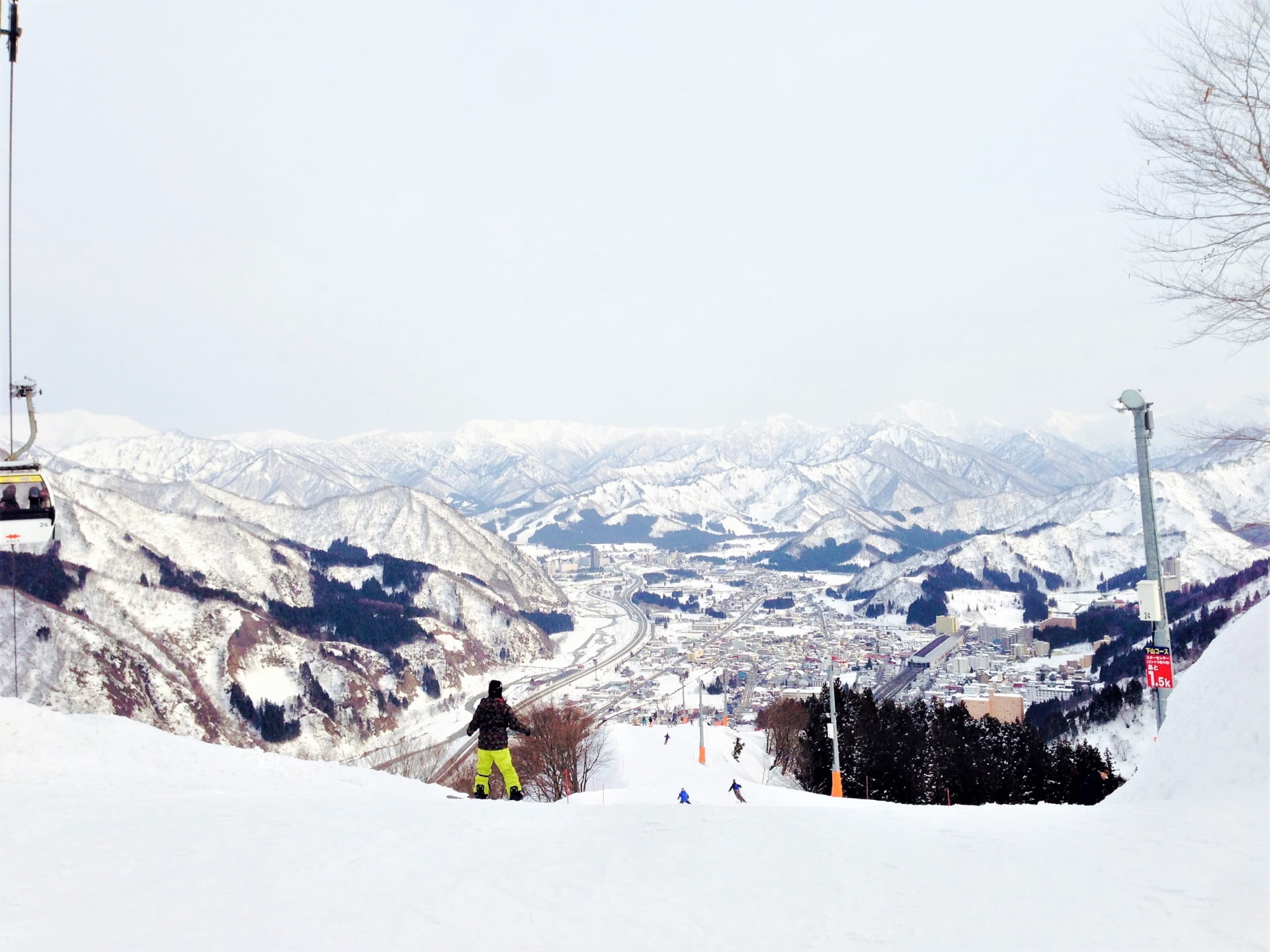
Even with a direct Shinkansen, a day at Gala Yuzawa can be derailed by two things travelers often overlook: crowds and ski gear management. Knowing how to handle both can save you time, stress, and sore shoulders.
Reserved vs. Non-Reserved Seats
- Reserved Seats: Guarantee a spot, which is critical during weekends, national holidays, and peak ski season (late December to February). On Tanigawa trains, early morning reserved cars fill up quickly.
- Non-Reserved Seats: Flexible if your schedule is loose, but during peak season, you may end up standing with ski bags.
- Recommendation: Book reserved seats at least a few days ahead if traveling Saturday–Sunday.
Car Position Matters
- Boarding the first or last cars can make a big difference for skiers:
- Last cars: Closer to escalators at Gala Yuzawa Station; easier exit with bulky ski equipment.
- Front cars: Convenient if you’re connecting via Echigo-Yuzawa shuttle.
- For repeat visitors, car choice can reduce boarding congestion and shaving minutes off your arrival-to-slopes time.
Handling Ski Gear
- Oversized luggage: Ski and snowboard bags are allowed on the Shinkansen, but storing them in overhead racks is tricky.
- Options:
- Onboard luggage areas at the end of each car.
- Delivery services: Some travelers send gear ahead to the resort via Takkyubin (courier service).
- Station lockers: Gala Yuzawa has lockers, but they are limited in peak season; first-come, first-served.
- Tip: Bring a smaller backpack with essentials while keeping skis/snowboard in a bag that fits the dedicated space at the car end.
Peak Crowd Patterns
- Morning arrivals (7:30–9:30 a.m.): Most crowded; aim for early reserved seats to avoid standing.
- Midday (11:00 a.m.–1:00 p.m.): Fewer passengers as many day-trippers are already on the slopes.
- Afternoon return trains (3:30–5:30 p.m.): Extremely busy; non-reserved seating is rare.
| Item | Recommendation | Notes |
| Reserved Seat | Always book for weekend/peak | Guarantees a seat with ski gear |
| Car choice | Rear cars for direct station exit | Front cars if connecting at Echigo-Yuzawa |
| Ski/snowboard bags | Use onboard luggage area or delivery service | Avoid overhead racks for large bags |
| Return timing | Avoid 3:30–5:30 p.m. | Can get crowded; book reserved seat if possible |
By paying attention to which car you ride, whether your seat is reserved, and how your gear fits, you can shave 10–15 minutes off arrival and avoid the frustration that turns a 75-minute bullet train ride into a stressful start to your ski day.
Tickets, Passes, and Cost Control
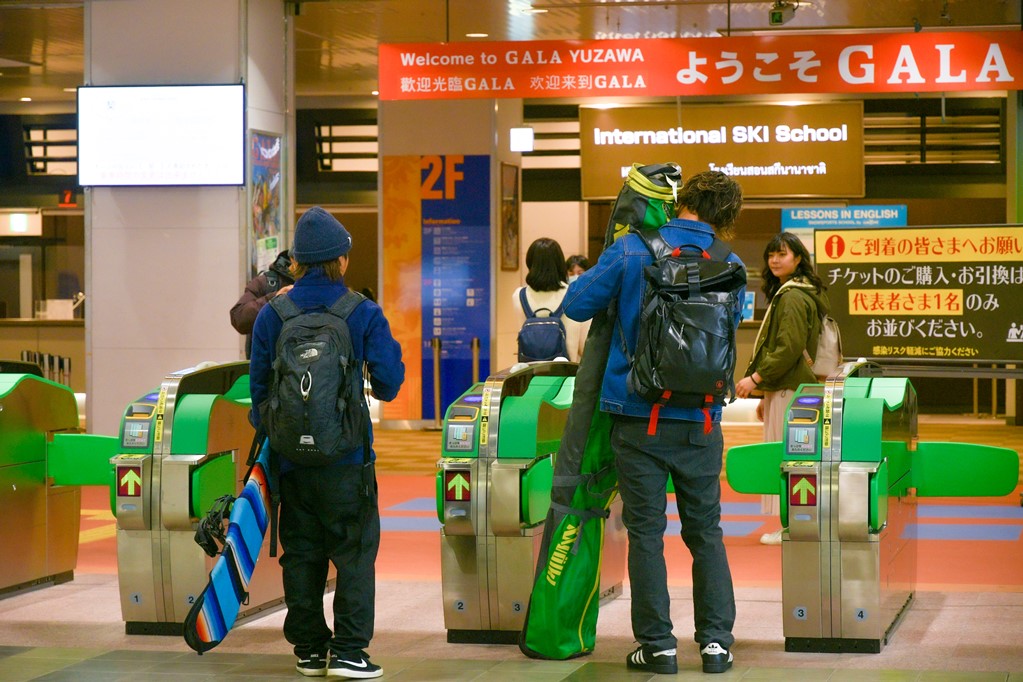
For many travelers, especially repeat visitors or residents planning a weekend ski trip, the choice between regular fare tickets and rail passes can make a big difference in cost and flexibility.
This section compares the most relevant options for this route and highlights where passes — especially the JR TOKYO Wide Pass — can save you cash.
Regular Shinkansen Fares: Baseline Costs
A one-way Shinkansen ticket from Tokyo to Gala Yuzawa typically runs in the range of roughly ¥7,000—¥8,000 for a reserved seat in an ordinary car if purchased individually.
Put simply:
- Round trip (regular fare) → around ¥14,000–¥16,000
This includes the basic fare plus the express (Shinkansen) surcharge — without any rail pass. It varies slightly by service and seat type.
If all you plan is one weekend ski trip with only the bullet train tickets, that baseline is what you’ll most often pay without a pass.
JR TOKYO Wide Pass: A Smart Weekend Option
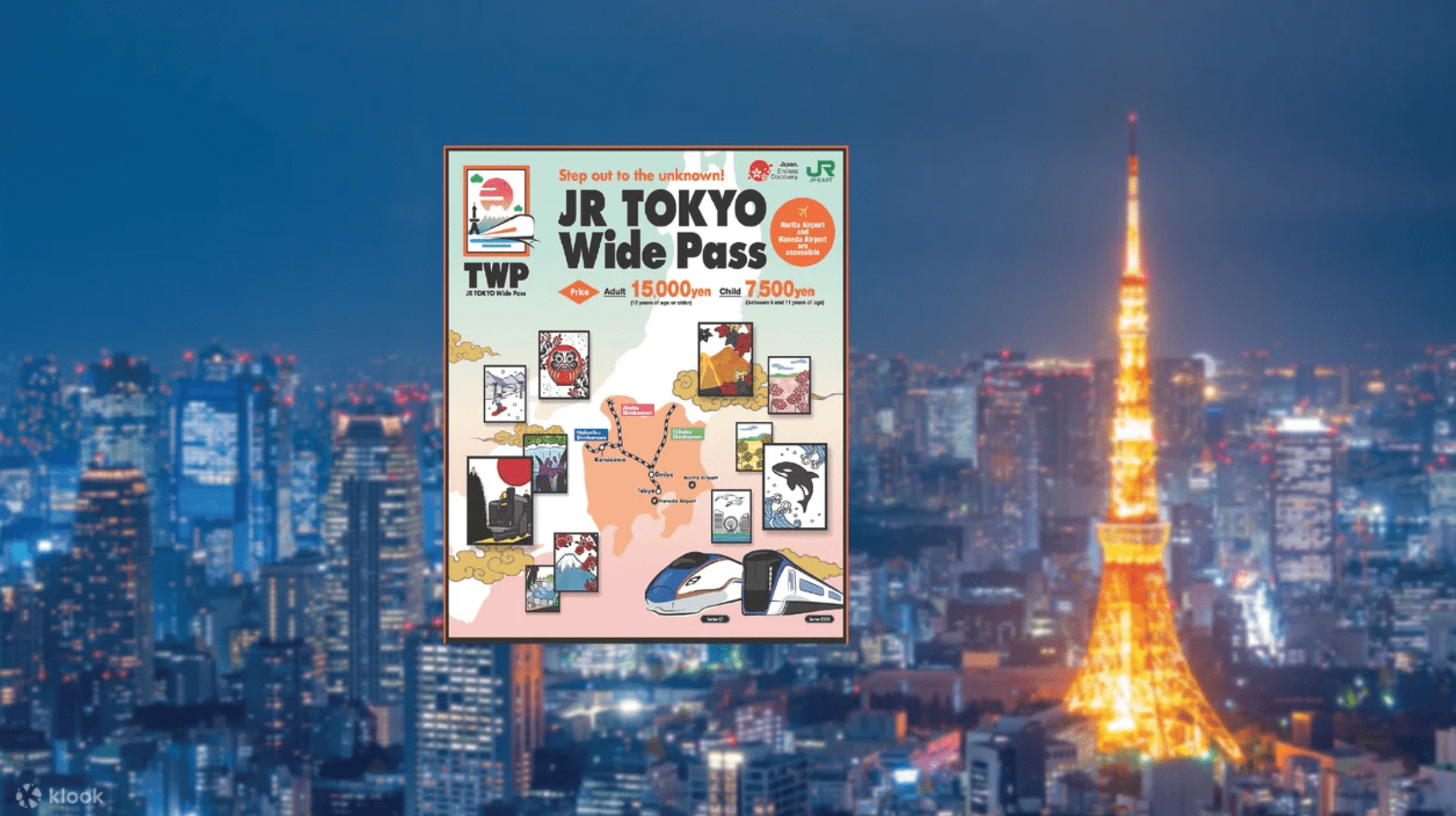
The JR TOKYO Wide Pass is a three-day unlimited travel pass offered by JR East that covers the Joetsu Shinkansen to Gala Yuzawa and many other JR lines within its designated area.
Key features:
- Price: ¥15,000 for adults (¥7,500 for children 6–11).
- Validity: 3 consecutive days from first use.
- Eligibility: Non-Japanese passport holders, including foreign residents in Japan.
- Includes: Shinkansen (e.g., Tokyo → Gala Yuzawa), local and rapid JR East trains, and some limited express services within the coverage area.
Why it makes sense for a ski weekend:
- A round-trip ticket alone to Gala Yuzawa can already be close to ¥14,000–¥16,000. With the Wide Pass at ¥15,000 total, you immediately see where value emerges if you also make additional journeys during your pass period.
- The pass lets you reserve Shinkansen seats at no extra cost (for covered services) — a big benefit during peak ski travel times.
- You can sandwich in other winter or sightseeing side trips (e.g., Nikko, Karuizawa) within the same three days without paying extra — often making the pass much cheaper than buying all separate tickets.
Example scenario:
A weekend plan like
- Day 1: Tokyo → Gala Yuzawa (ski)
- Day 2: Local sightseeing (e.g., Nikko or Kusatsu)
- Day 3: Return/slower trip back to Tokyo
…can easily exceed the ¥15,000 cost of the pass just in standalone ticket value. That’s where the pass becomes an economic win.
Bonus perks: Some seasonal discounts on resort services — lift tickets, rental packages, and gondola access — are occasionally offered to pass holders upon presentation at the resort (availability varies by year and promotion).
JR EAST PASS Options: Larger but Less Relevant for Quick Trips
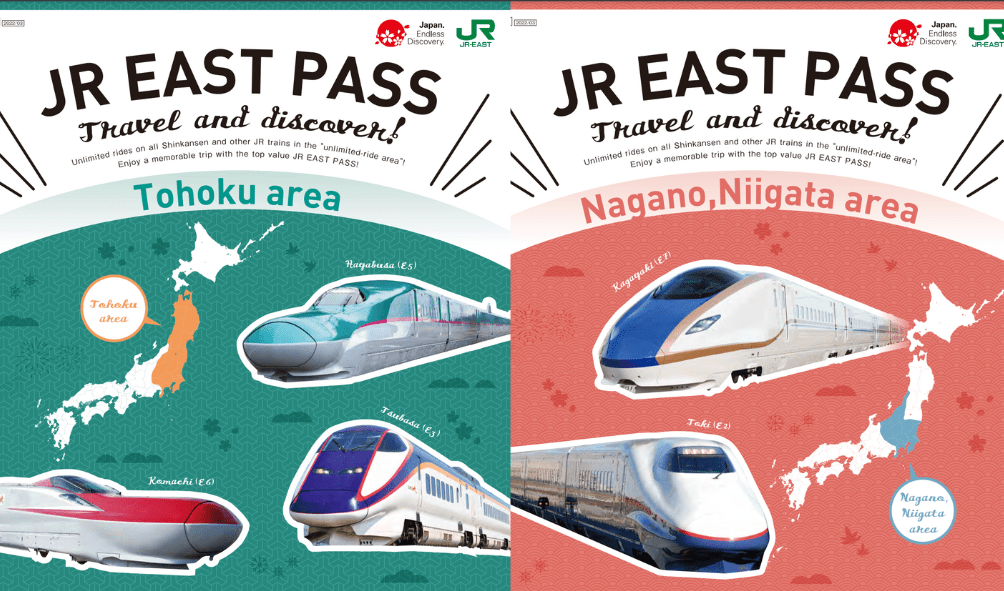
JR East also offers broader multi-day passes, including:
- JR EAST PASS (Nagano/Niigata Area) — ~¥27,000 for 5 days
- JR EAST PASS (Tohoku Area) — ~¥30,000 for 5 days
These cover long-distance travel across broader parts of eastern Japan, including deeper travels into Nagano or Tohoku. They’re great if you’re planning a long multi-stop itinerary over several days.
But for a focused Tokyo → Gala Yuzawa weekend ski trip, they usually don’t make financial sense because:
- They cost significantly more than the Tokyo Wide Pass.
- You’d need to take several long journeys within the coverage area to break even on cost.
Quick Comparison — Pass vs. Regular Fare
| Option | Validity | Coverage | Approx Cost | Best Use Case |
| Regular Tickets | N/A | Tokyo → Gala Yuzawa only | ~¥14,000–¥16,000 round trip | Single-day ski trip without side travel |
| JR Tokyo Wide Pass | 3 days | Unlimited JR East within coverage | ¥15,000 | Ski weekend + a couple of side trips |
| JR East Pass (Nagano/Niigata) | 5 days | Unlimited JR East wide | ~¥27,000 | Extended trip across multiple regions |
| JR East Pass (Tohoku) | 5 days | Unlimited JR East + Tohoku | ~¥30,000 | Multi-region tour including Tohoku |
Practical Takeaways
- For most Tokyo-area residents planning a winter weekend ski outing, the Tokyo Wide Pass is often the sweet spot: it starts to pay off even with a single Gala Yuzawa round trip, and its 3-day window lets you fill the itinerary with extra smaller trips.
- Buying regular tickets makes sense if the only travel you’re doing in a few days is Gala Yuzawa and you don’t plan other excursions.
- Larger JR East passes are powerful for longer explorations, but they’re usually overkill — and rather pricey — for a straight Tokyo → ski weekend.
Booking Smart: When to Use a Pass, When to Lock in a Ticket
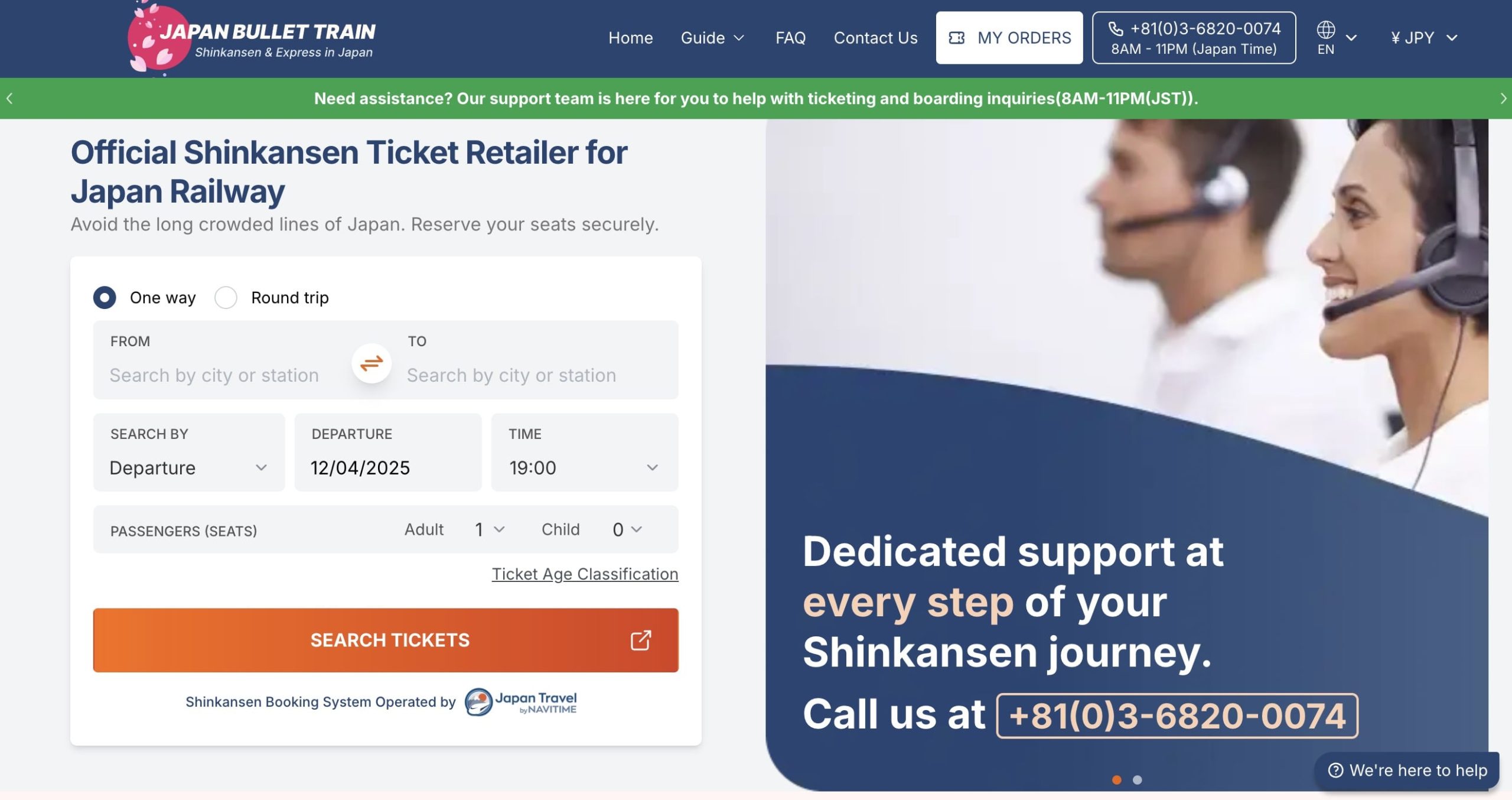
Once you’ve decided between regular tickets and a rail pass, the next question is how to book — especially if you don’t want to wrestle with Japanese-language interfaces or last-minute seat shortages during ski season.
For travelers buying individual Shinkansen tickets, advance booking becomes important on weekends and peak snow days. Tanigawa services that stop at Gala Yuzawa are limited in number, and reserved seats often sell out days ahead. Booking online in advance allows you to secure a reserved seat, avoid standing with ski gear, and plan your return train before exhaustion sets in.
This is where using a dedicated English-language booking service makes sense. Platforms like Japan Bullet Train let you:
- Reserve Shinkansen seats in advance
- Choose travel dates and times clearly
- Avoid same-day ticket counter queues at Tokyo Station
For readers opting for the JR Tokyo Wide Pass, the strategy shifts slightly. The pass itself must be purchased in advance, but seat reservations can then be made for covered Shinkansen services at no extra cost once the pass is active. This gives you flexibility across the three-day validity window, while still protecting you from peak-hour crowding on ski routes.
In short:
- Single ski trip, fixed schedule: Book individual Shinkansen tickets early and lock in seats
- Weekend ski trip with extra travel: The Tokyo Wide Pass offers better value and flexibility, especially when paired with advance seat reservations
Handled correctly, tickets stop being an afterthought and become part of the efficiency that makes Gala Yuzawa work so well from Tokyo.
Book your Shinkansen tickets in advance
Want to avoid ticket machine confusion and sold-out trains? Reserve online in just a few minutes and travel with peace of mind.
Day Trip or Overnight? What Realistically Works
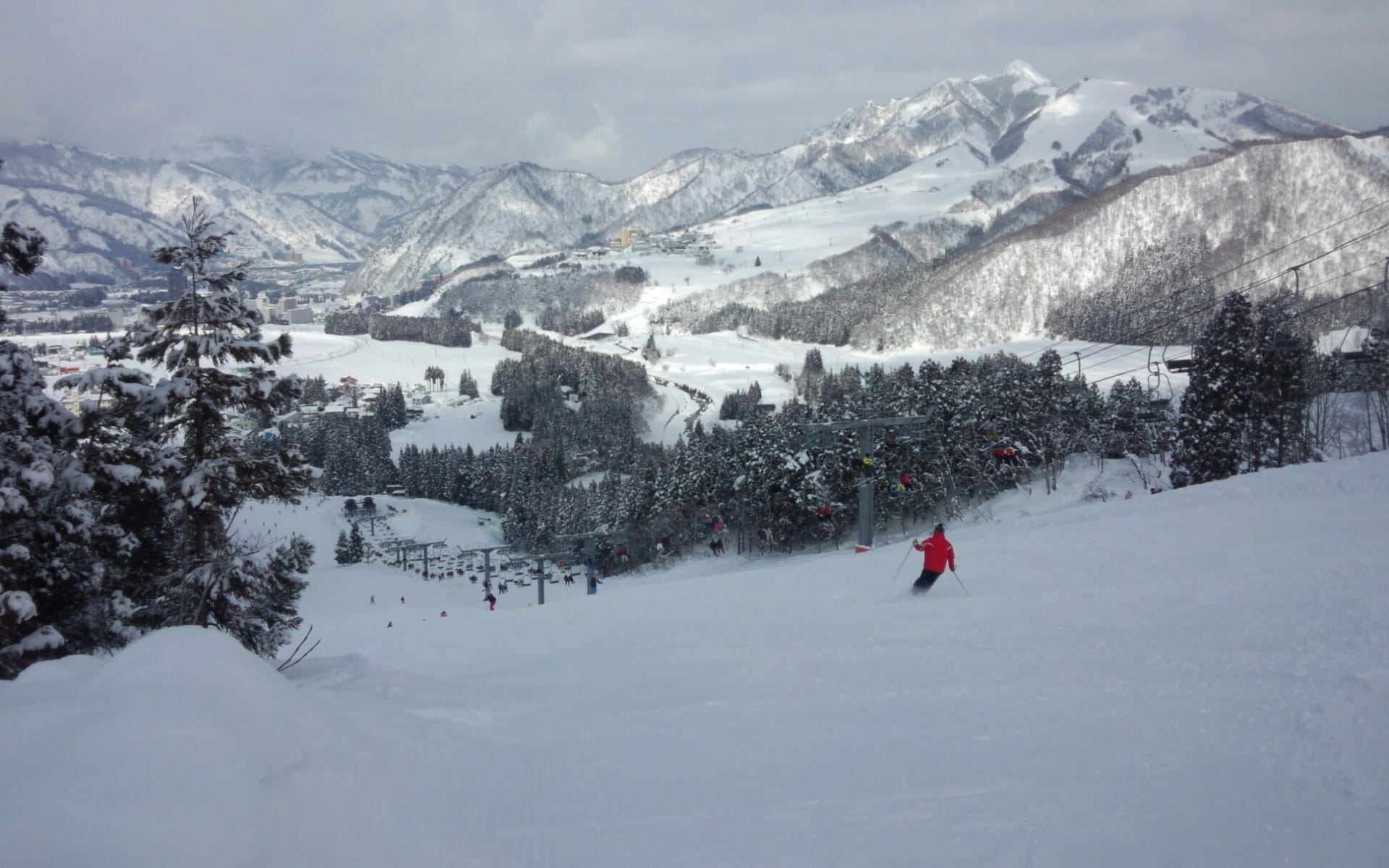
Gala Yuzawa is often marketed as the ultimate Tokyo day trip ski resort — and technically, that claim holds up. You can leave Tokyo in the morning, ski for several hours, and be back in the city by evening. The real question is not can you do it, but when does it actually make sense.
The Case for a Day Trip
For many people living in Tokyo, a day trip is the entire appeal.
A typical, well-planned schedule looks like this:
- 07:00–08:00: Depart Tokyo on a Tanigawa Shinkansen
- 09:00–09:30: Arrive at Gala Yuzawa, rent gear, change
- 10:00–15:00: Ski or snowboard
- 16:00–17:30: Return Shinkansen to Tokyo
This works best if:
- You are comfortable waking up early
- You already know your ski level
- You are fine with a focused, efficient day on the slopes rather than a relaxed pace
For casual skiers or snowboarders who want snow exposure without committing a full weekend, this setup is hard to beat. The absence of buses and cars keeps fatigue low, which matters more than most people expect.
Where Day Trips Start to Crack
The weak point of the day-trip plan is not the morning — it’s the return.
Afternoon Shinkansen departures between 15:30 and 17:30 are heavily congested during peak season. Miss your planned train, and you may find yourself waiting longer than expected, especially if you didn’t reserve a seat. After several hours on the slopes, standing on a crowded platform with ski gear loses its charm very quickly.
Day trips also compress your ski time more than first-timers anticipate. Rental queues, locker congestion, and lunch crowds eat into slope hours. On busy weekends, four solid hours of skiing is a realistic outcome — not six or seven.
When Staying Overnight Makes Sense
An overnight stay becomes appealing in three situations:
- Late starts — if you don’t want to leave Tokyo before 8 a.m.
- Consecutive ski days — especially if legs matter more than bragging rights
- Weather buffers — heavy snowfall can slow operations, even if trains keep running
Staying in Yuzawa town also spreads the trip across two calmer travel windows: an evening arrival and a late-morning departure the next day. That alone reduces stress.
It’s worth noting that staying overnight does not require staying at Gala Yuzawa itself. Many travelers base themselves near Echigo-Yuzawa Station, which opens up access to multiple ski areas and dining options, while still keeping the Shinkansen ride short and predictable.
Returning to Tokyo: What to Expect After the Slopes
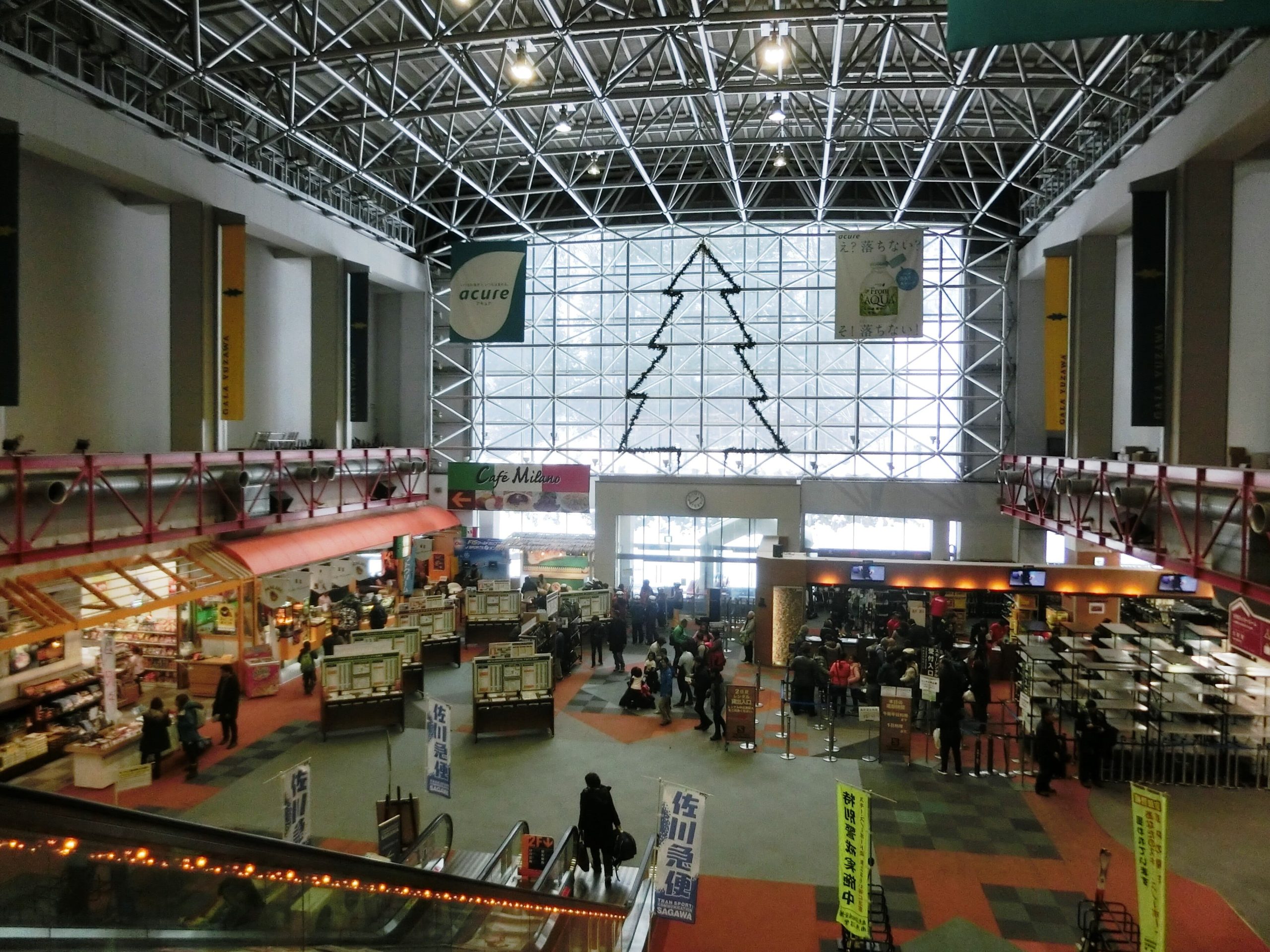
The return journey concentrates thousands of tired skiers into a narrow time window, all aiming for the same few Shinkansen services. If you plan this leg poorly, the final memory of your ski day may involve standing on a platform in wet boots, watching fully booked trains roll past.
The Peak Return Window
The danger zone is 15:30 to 17:30, especially on:
- Saturdays and Sundays
- Public holidays
- Bluebird days after heavy snowfall
These trains are packed with:
- Day trippers leaving at the same time
- Families trying to beat evening fatigue
- Groups with bulky ski gear slowing boarding
Non-reserved cars fill first. Once they do, you either stand for 75–90 minutes or wait for the next train — which may not be much better.
Reserved Seats Are Not Optional Here
On the return trip, reserved seats shift from “nice to have” to self-preservation.
If you booked a reserved seat in the morning but didn’t secure one for the return, you’ve only solved half the problem. Many first-timers underestimate how competitive afternoon reservations become during ski season.
The safest approach:
- Reserve both outbound and return seats in advance
- Or leave either earlier than 15:00 or after 18:00, when crowds thin noticeably
Yes, leaving early cuts ski time. Staying late means dinner in Yuzawa. Both options are still better than standing the entire way back to Tokyo.
Missed Trains Happen — Have a Backup
Ski days rarely run on schedule. Lift lines stretch. Legs give out. Lunch takes longer than planned.
If you miss your intended train:
- Head straight to the ticket office or seat reservation machines
- Check the next two departures, not just the immediate one
- Be flexible about boarding from Echigo-Yuzawa if Gala Yuzawa departures are fully booked
A 10-minute shuttle ride to Echigo-Yuzawa can open more seating options and reduce wait time.
Usual Crowds by Time Slot
| Return Time | Crowd Level | Risk | Recommendation |
| 14:00–15:00 | Moderate | Low | Best early exit |
| 15:30–17:30 | Very High | High | Avoid without reservation |
| 18:00–19:30 | Lower | Medium | Good if staying late |
| After 20:00 | Low | Low | Calm but long day |
Alternatives to the Shinkansen
Even though the Shinkansen route from Tokyo to Gala Yuzawa is the headline feature of this trip, there are other ways to get there or to similar ski areas. In this section we break down the realistic alternatives — and why most seasoned travelers still lean toward the bullet train.
Highway Buses from Tokyo
What they are: Long-distance buses that depart from Tokyo terminals (often Shinjuku or Tokyo Station) and ride highways up toward Niigata and the Yuzawa region.
Pros
- Often cheaper than Shinkansen tickets, especially in advance
- Can operate overnight, which saves a night’s accommodation
- Boards from familiar city hubs
Cons
- Much longer travel time: Expect around 4.5–5 hours one way depending on traffic, significantly more than the 75–90 minutes on the Shinkansen.
- Traffic variability in winter — especially on holidays and snow days — can turn a long ride into an unpredictable one
- Buses aren’t connected to the resort: you still need local transport if they don’t drop you right near Gala Yuzawa
Who it might work for: Budget-conscious travelers who don’t mind the extended ride and want to maximize slope time by arriving super early or leaving late, or those arriving late at night and planning a long day afterward.
In practice, for most readers based in Tokyo, the bus is a fallback, not a first choice, because the time cost relative to the bullet train is steep.
When Buses Actually Make Sense
If your priority is cost over speed, or if your ski plans span multiple days with flexible arrival and departure times, long-distance buses can still be a sensible choice, especially for budget-conscious travelers and overnight planners.
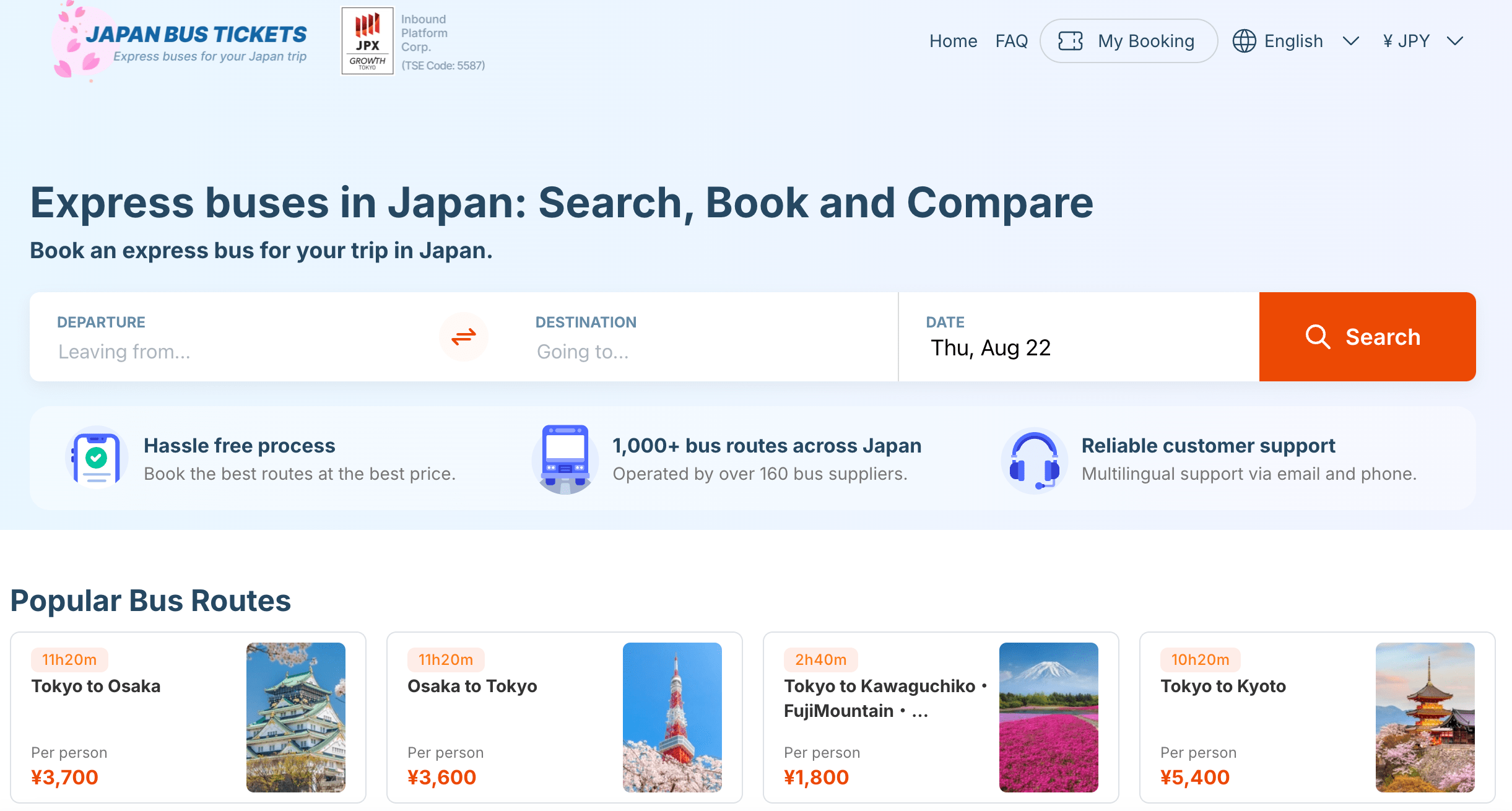
That’s where services like Japan Bus Tickets come in. They provide easy English-language bus ticket booking from major Tokyo terminals (e.g., Shinjuku or Tokyo Station) toward the Niigata/Yuzawa region. Buses tend to be cheaper than Shinkansen tickets and run overnight options, which means you can save on both transport and one night of accommodation.
A few real-world reasons to consider this alternative:
- Overnight buses let you sleep en route and arrive first thing in the morning without taking a day off.
- Group travel or flexible skiing, where you’re not tied to specific late-afternoon return trains.
- Budget trips, especially if you’re okay trading travel time for lower cost.
For many readers who place cost and schedule flexibility at the top of their planning checklist, using a dedicated service can turn a long bus ride into a friction-free component of a broader winter weekend. It’s not the fastest route, but it can be the smartest for certain trip types.
Driving Yourself
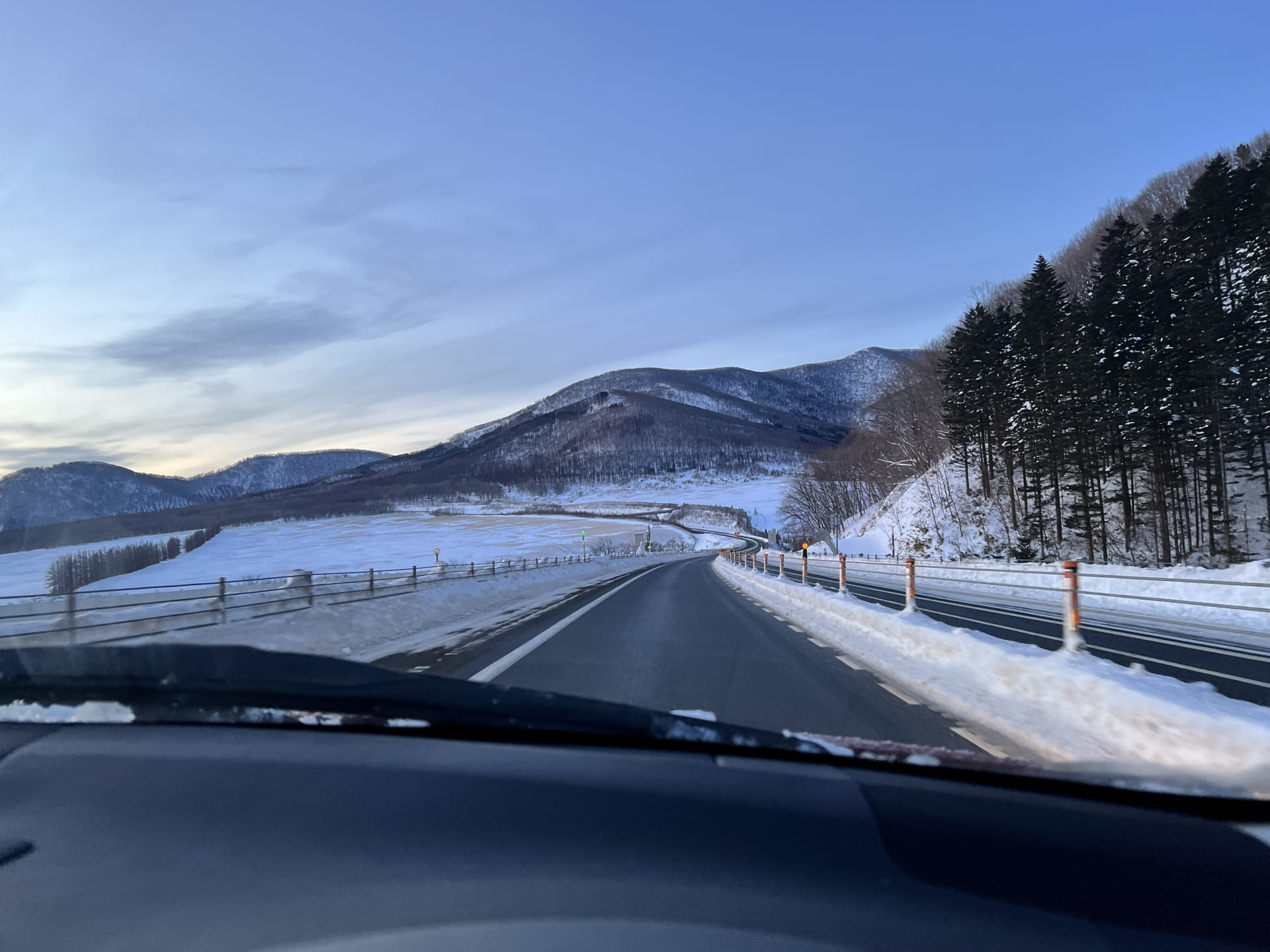
What it is: Renting a car and driving from Tokyo (or the airport) to Gala Yuzawa via expressways.
Pros
- Total control over your schedule
- Works well in large groups or with lots of gear
- Can stop for onsen, dinner, or other ski towns
Cons
- Winter roads absolutely require snow tires and often chains, even on well-maintained expressways, and driving on snowy mountainous roads is a real skill set.
- Traffic bottlenecks around holiday windows can cost hours
- Parking at ski resorts in peak season is limited and often paid
Who it might work for: Drivers comfortable with snow conditions and highway winter driving, or small groups splitting fuel and rental costs. It’s often a better option if you plan to base yourself in multiple resorts or village accommodations over several days.
For a single day ski trip, however, the added fatigue and uncertainty of conditions usually make driving less attractive than rail travel — especially for people new to Japan’s winter roads.
Shinkansen + Local Shuttle Buses
This is technically still rail-based, but it’s worth breaking out because it applies if the Shinkansen you board doesn’t stop at Gala Yuzawa Station.
Many Tanigawa services do stop directly at Gala Yuzawa — that’s the default we’ve been discussing. But some Shinkansen services (especially Toki trains) stop only at Echigo-Yuzawa Station.
From there you can take a free shuttle bus that runs between Echigo-Yuzawa Station and the Gala Yuzawa resort area. It’s short (about 5–10 minutes) and frequent during ski season.
Why this matters:
- If your planned Shinkansen is a Toki that skips Gala Yuzawa, this shuttle gives you a near-equivalent alternative without switching to another transport mode entirely.
- It’s still better than buses or driving because it uses high-speed rail for the longest leg of the journey and avoids highway uncertainty.
Quick Comparison: Alternatives at a Glance
| Option | Travel Time (Tokyo → Yuzawa) | Cost | Convenience | Notes |
| Shinkansen (direct) | ~75–90 min | Moderate | Very High | Best overall |
| Highway bus | ~4.5–5 hrs | Lower | Moderate | Good budget choice |
| Driving | ~3–4 hrs* | Variable | Moderate | Requires snow experience |
| Shinkansen + local shuttle | ~80–100 min | Moderate | High | Works when direct trains don’t stop |
*Travel times vary heavily with weather and traffic.
Ski Rentals, Lockers, and Changing Facilities at Gala Yuzawa
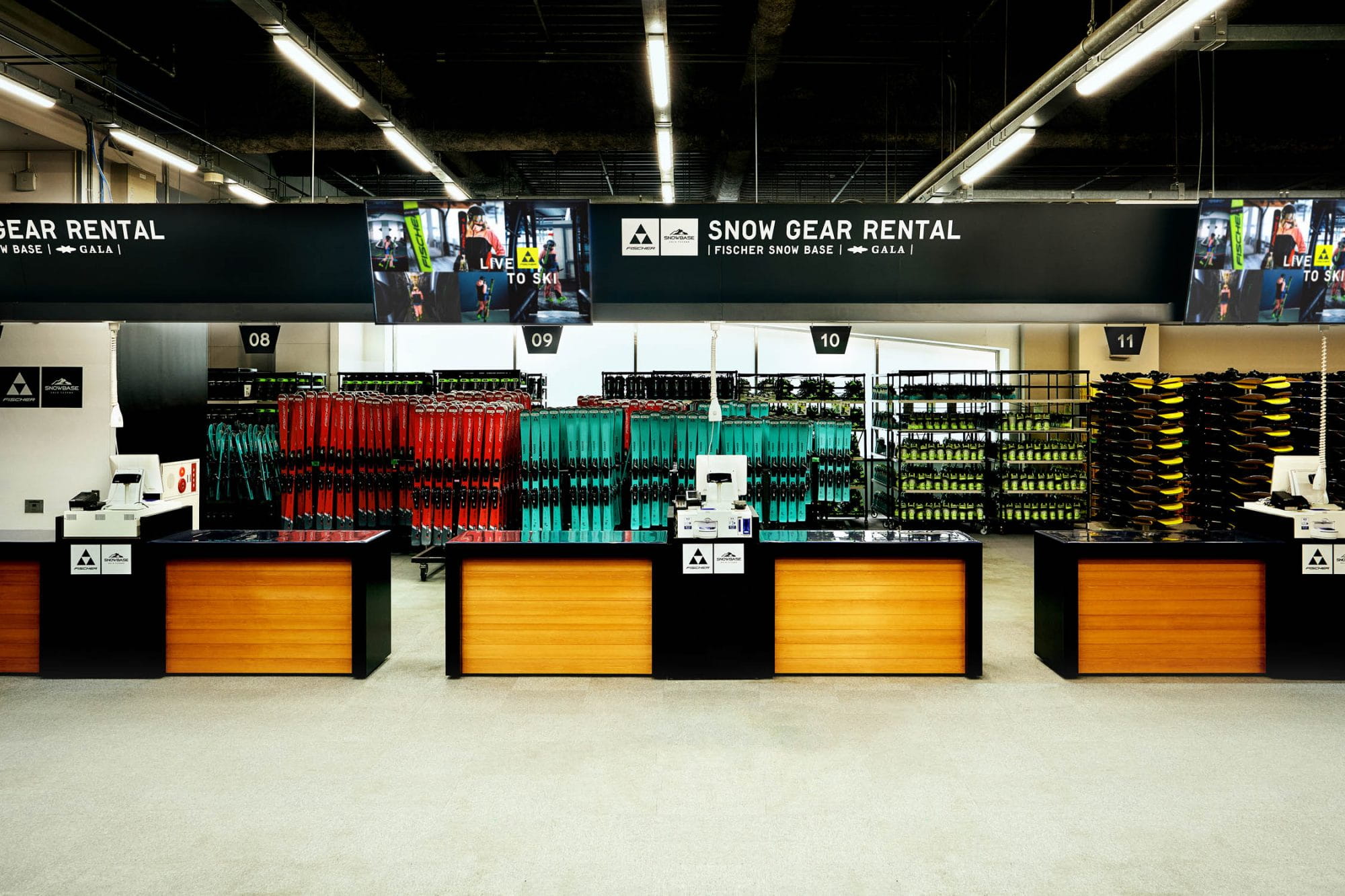
One of Gala Yuzawa’s biggest advantages — beyond the direct Shinkansen — is how well it supports visitors who don’t own gear or want to travel light. From rental equipment to storage and changing options, the resort’s base facilities are built for convenience.
Ski & Snowboard Rentals — What’s Available
Gala Yuzawa offers full ski and snowboard rental services at the base before you hit the slopes. The official rental provider is FISCHER SNOW BASE GALA YUZAWA, which stocks a wide range of equipment from skis and snowboards to boots, helmets, and accessories. It’s one of the largest resort rental inventories in Japan and aims to suit beginners through intermediate riders. You can even switch between skiing and snowboarding mid-day for a small change fee.
Key points:
- Gear available: skis, snowboards, boots, helmets, goggles, gloves, etc.
- Web pre-booking (highly recommended): Using the online option lets you book gear before arrival and avoid long queues.
- PICK UP BOX service: For a small extra fee, your reserved gear can be placed in a dedicated pickup box so you get it immediately when you arrive.
- Change service: If you want to try skiing and snowboarding in one day, a gear change is available for about ¥1,000.
Lockers and Changing Rooms
Gala’s base facilities are designed to help you transition from commuter to skier with minimal friction. There are multiple locker and changing room options right in the main Ski Center, Cowabunga, which is directly connected to the Shinkansen station — making it possible to arrive, change, and store items within minutes.
Locker facilities include:
- Men’s and women’s locker rooms on the 2nd floor, with large lockers and curtained changing spaces.
- Unisex/family lockers on the 3rd floor — helpful if you’re going with a group and want a single shared space.
- Coin lockers at multiple locations (including near the Cheers rest house at the gondola summit) for small personal items.
- Large luggage lockers for suitcases or travel bags, with Suica and cash payment options.
Pricing and access (guideline):
- Large day lockers (one-time use): roughly ¥300–¥2,000, depending on size.
- Ski/snowboard/boot storage — if not using a locker — is handled in the delivery corner; pricing varies by size and duration.
- Full-day locker access (unlimited in/out): around ¥1,000.
All these facilities are open from early morning — generally around when the first trains arrive — through late afternoon, aligning well with typical day-trip schedules.
Delivery & Luggage Storage — Travel Light
If you’re coming from Tokyo with backpacks, luggage, or ski bags that don’t fit comfortably in lockers, Gala also provides luggage storage and delivery services. Larger items can be held on the 3rd floor delivery corner (after you empty them into a locker).
This is especially useful for:
- Travelers flying into Japan with full bags
- People staying elsewhere before/after the trip
- Those who want to set up overnight ski travel without dragging suitcases with them on the Shinkansen
Après Ski & Rest Options
After a full day on the slopes, relaxing is easier than you might expect:
- Spa Gala no Yu: A hot spring and pool facility inside the Cowabunga center. Soaking in warm water with snow visible outside is a classic Japanese winter ritual and a gentle way to wind down before boarding your train.
- Free rest area (Zashiki): A traditional tatami rest space for stretching out or warming up before your ride home.
- Dining options: From cafeteria style food to casual snacks, there are places to eat both at the base and at the summit rest house, Cheers.
What This Means for Your Trip
For day trips, the ease of rental plus locker access is a game-changer:
- Rent on arrival: You don’t need to own winter gear; everything (gear + storage + changing) is under the same roof.
- Avoid overloaded trains: Drop bags and travel light between Tokyo and Gala Yuzawa.
- Quick turnaround: Efficient rental pickup (especially with PICK UP BOX) and locker use mean more time on snow and less time fussing with logistics.
If you’re planning overnight or multi-day stays, the luggage storage pricing scales reasonably, and shuttle services from larger lockers to train platforms makes the transition simpler compared with many other resorts.
Best Time to Go: Seasonality, Snow Quality, and Crowd Patterns
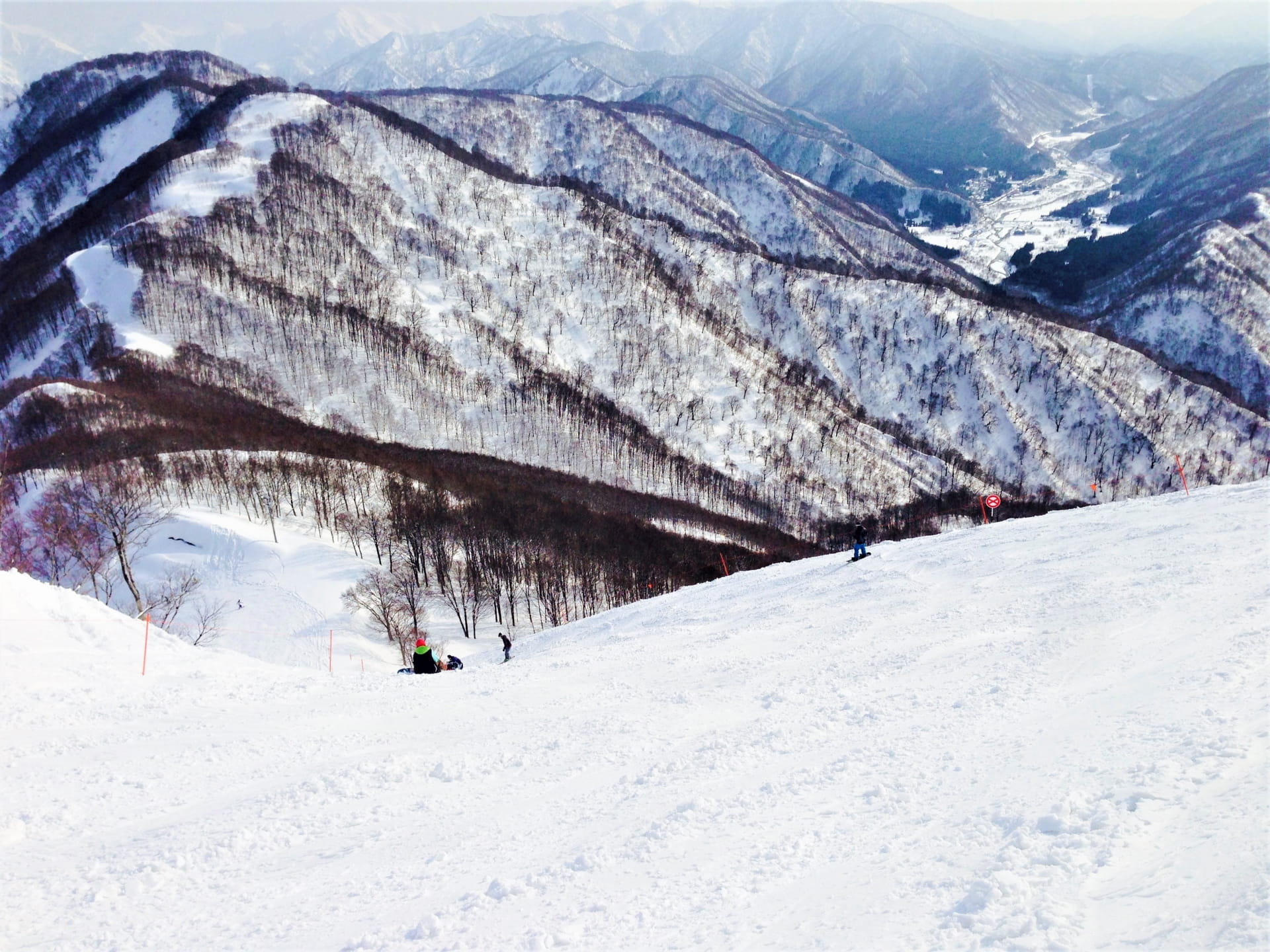
Timing your trip to Gala Yuzawa is crucial. Snow quality, crowd density, and train availability all fluctuate throughout the winter season, and choosing wisely can make the difference between a smooth, enjoyable day and a stressful, rushed experience.
Peak Season: Late December – Early January & February
Pros
- Guaranteed snow coverage, especially mid‑January through February (gala.co.jp)
- All lifts, gondolas, and trails fully operational
- Festivals and events sometimes coincide with weekends
Cons
- Extremely crowded: trains, rentals, lockers, and lifts all see peak demand (japan-guide.com)
- Prices for accommodation (if staying overnight) spike
- Early Shinkansen reservations are mandatory to secure seats
Tip: Book Shinkansen seats and rental gear weeks in advance to avoid standing or waiting in line.
Shoulder Season: Late January – Early March
Pros
- Snow still reliable at Gala Yuzawa’s altitude (around 800–1,000 m base, 1,100 m summit)
- Fewer crowds on weekdays
- Rental queues shorter, lockers easier to get
Cons
- Snow depth may be thinner on lower slopes
- Weekend crowds still noticeable, though less severe than peak New Year period
Sweet spot: Weekdays in late January and early February offer the ideal combination of snow quality and crowd management, especially for Tokyo residents making a day trip.
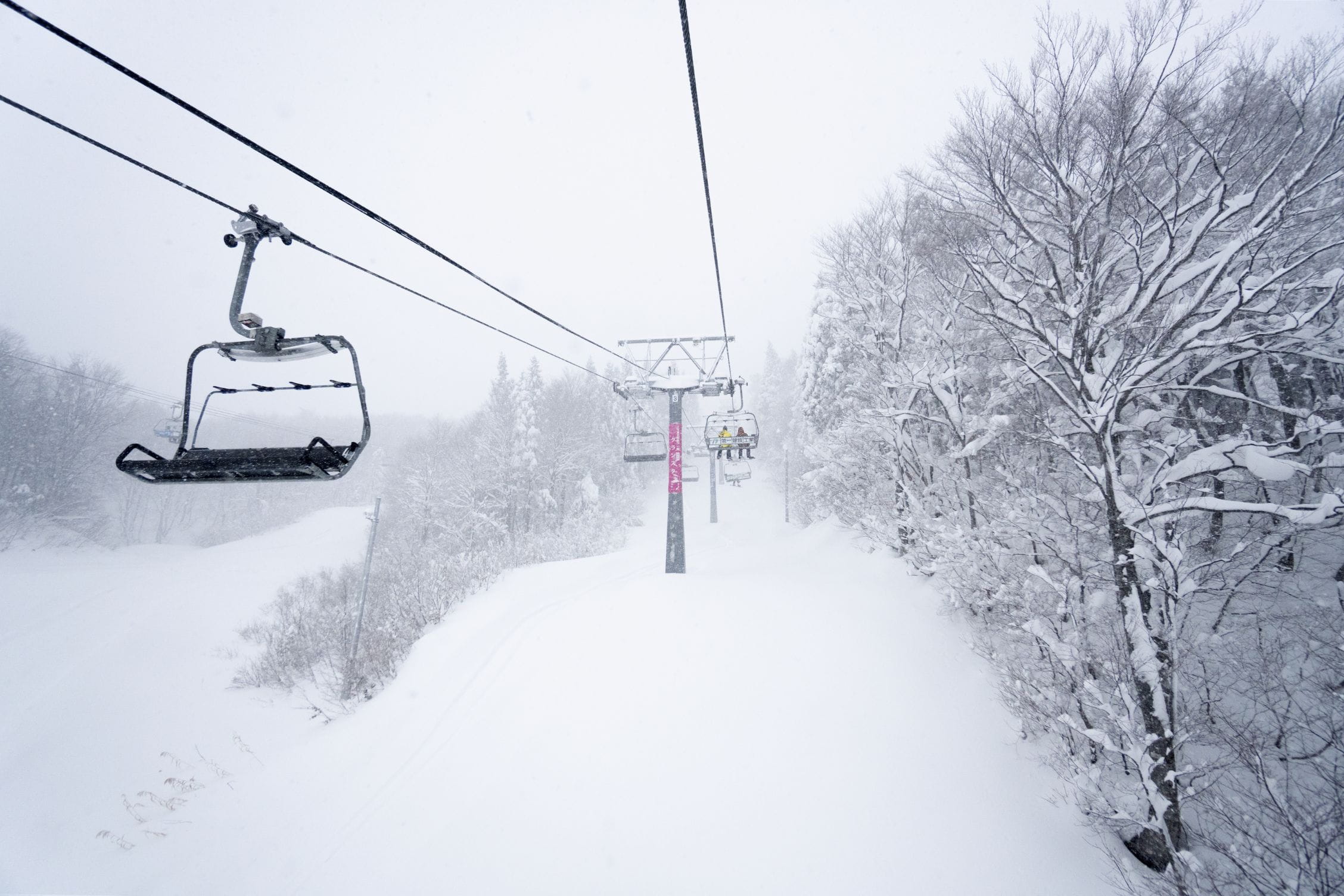
Late Season: March – Early April
Pros
- Crowds minimal, travel is relaxed
- Mild weather; skiing is more comfortable for beginners (gala.co.jp)
- Longer daylight hours make it easier to maximize slope time
Cons
- Snow quality deteriorates, particularly on southern‑facing slopes
- Base area can become slushy in warm afternoons
- Limited winter services; some lifts may close earlier in the day
Recommendation: Late March is better for light snow play, beginners, or families who prioritize leisure over perfect powder conditions.
Weekly Timing Considerations
- Weekdays: Best for avoiding crowds. Shinkansen and rental facilities are less busy.
- Weekends: Expect peak congestion on both trains and slopes; early departures and reserved seats are mandatory.
- Holidays: Golden Week is irrelevant for snow, but New Year’s and school winter breaks create extreme demand. Avoid if possible unless booking months ahead. (japan-guide.com)
Practical Takeaways
- First-time day-trippers from Tokyo: Late January weekday is ideal — snow, empty slopes, and Shinkansen seats available.
- Experienced skiers seeking powder: Peak February is worth the crowd if you’re chasing snow quality.
- Families or beginners prioritizing comfort: Late March works; just check lift closures and sun exposure.
- Shinkansen logistics: Always consider train seat availability alongside slope conditions — a smooth trip starts before you hit Gala.
| Time Period | Snow Quality | Crowd Level | Best For | Notes |
| Late Dec – Early Jan | Excellent | Very High | Experienced skiers, holiday travelers | Peak season; book Shinkansen & rentals well in advance |
| Mid Jan – Early Feb | Excellent | Moderate | Tokyo weekday day-trippers, first-timers | Ideal combination of snow & fewer crowds |
| Mid Feb – Late Feb | Excellent | High | Powder seekers | Weekend congestion likely; reserved seats recommended |
| March – Early Apr | Fair | Low | Beginners, families, leisure skiers | Snow softer, base slopes slushy; check lift closures |
| Weekdays (any winter) | Varies | Low | Anyone seeking calm experience | Easier to get reserved Shinkansen seats & rentals |
| Weekends (any winter) | Varies | High | Experienced day-trippers | Morning departure & reserved seats essential |
| Peak Holidays (New Year, school breaks) | Excellent | Very High | Only if schedule fixed | Extremely crowded; advanced booking mandatory |
Common Mistakes First-Timers Still Make
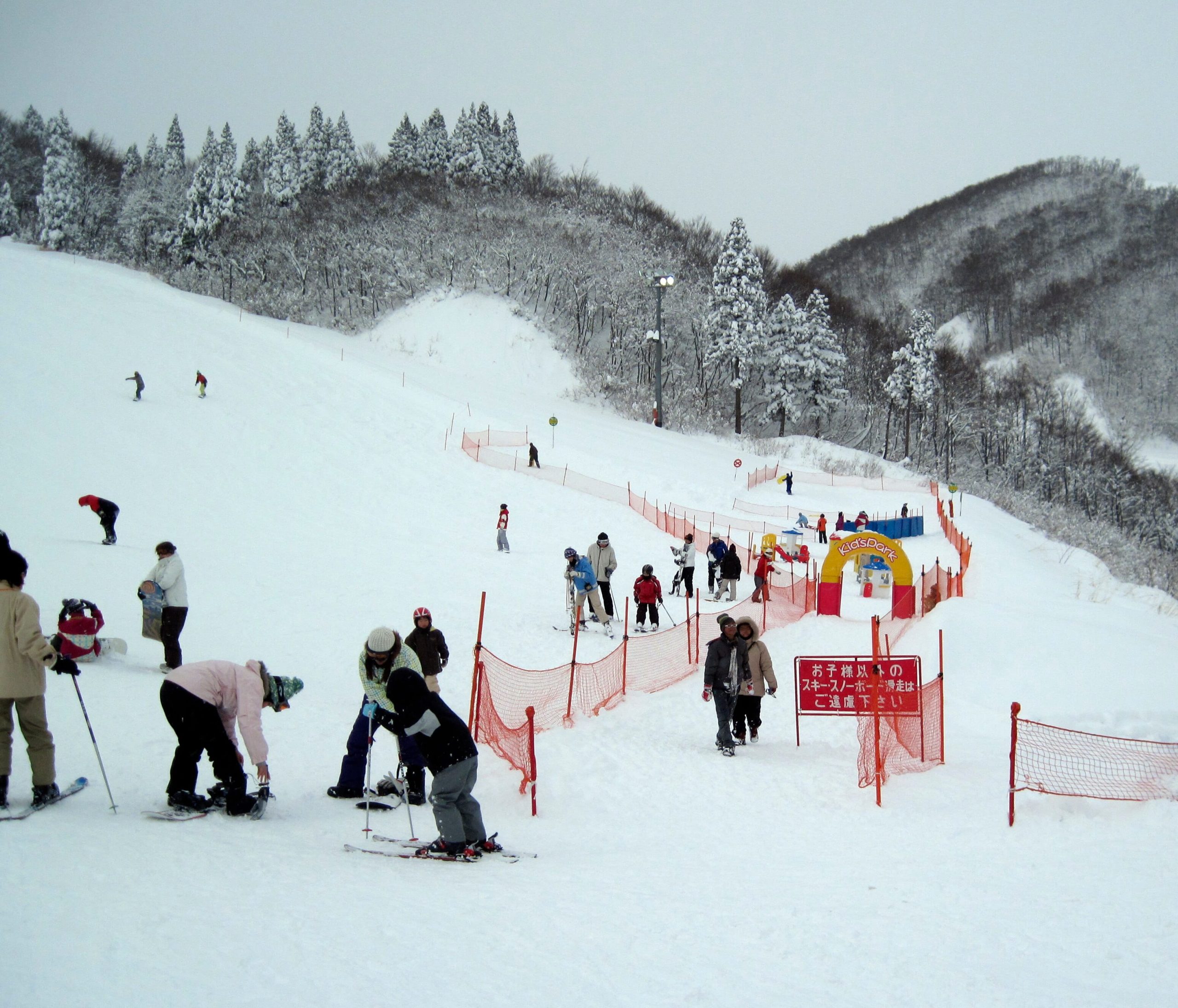
Even seasoned Tokyo residents can slip up when planning a day trip to Gala Yuzawa. Knowing these common errors ahead of time can save hours of frustration, money, and energy.
1. Arriving Too Late in the Morning
Gala Yuzawa is famous for its direct Shinkansen access, but the slopes fill fast. Many first-timers assume they can casually leave Tokyo after 9 a.m. and still enjoy a full day of skiing.
Reality check:
- The first few hours after the lifts open are often the quietest and snowiest.
- Delayed arrival means crowded rental counters, full lockers, and limited slope choice.
- The Tanigawa Shinkansen service timetable is a key factor — trains after 10 a.m. are already busier, especially on weekends.
Pro tip: Aim for a train departing before 8 a.m., even if it means waking up earlier. The extra slope time is worth it.
2. Underestimating Return Congestion
The day trip works because of the convenient Shinkansen, but the return journey is the hidden bottleneck. First-time visitors often misjudge the volume of skiers leaving between 15:30–17:30.
Consequences of underestimating:
- Standing on the platform with heavy gear
- Missing your preferred reserved car
- Extra stress after a long day on the slopes
How to avoid it:
- Book both outbound and return seats in advance.
- Consider leaving slightly earlier or later than the peak return window.
- Factor in a short stop at Echigo-Yuzawa Station if trains from Gala are full — the free shuttle can save time.
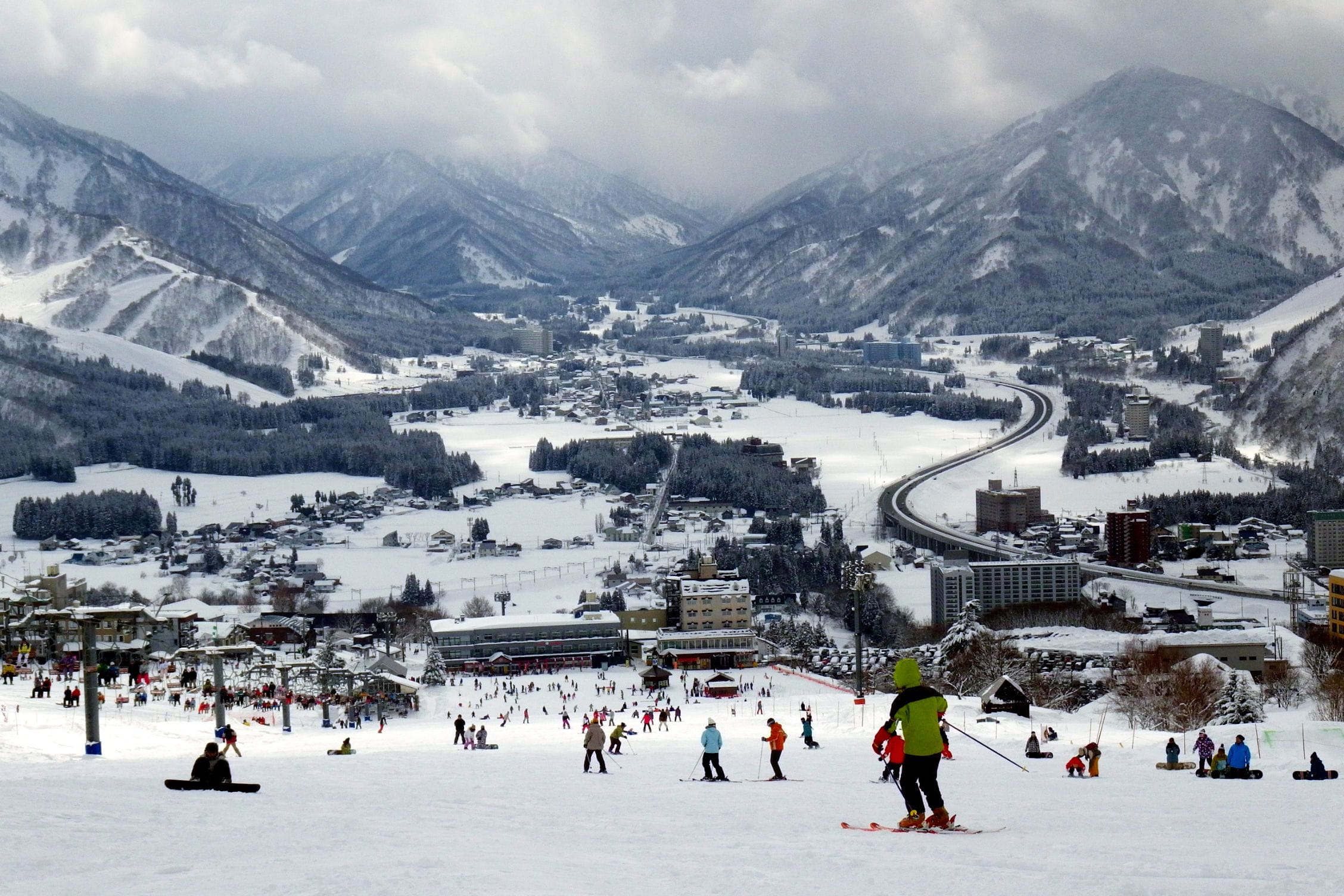
3. Assuming Ski Gear Storage Is Unlimited
Many visitors arrive thinking that lockers and storage facilities can accommodate everyone with large luggage or ski bags at any time.
Reality check:
- Large lockers and delivery services exist, but they fill up fast during weekends and holidays.
- Standing in line for a locker after arriving late can cost 20–30 minutes or more.
Pro tip:
- Pre-book rental gear online whenever possible.
- Use the pickup box system or large luggage lockers to store bags efficiently.
- Avoid assuming you can stash personal items anywhere in the facility — plan ahead.
4. Treating Gala Yuzawa Like a “Normal” Mountain Resort
Unlike smaller, self-contained ski hills, Gala Yuzawa is designed as a train-accessible, high-volume day-trip resort. First-timers often try to approach it like a local mountain, forgetting the unique logistics.
Key differences:
- You are literally arriving inside the resort building from the Shinkansen — not parking in a lot.
- Lifts and gondolas are engineered for efficiency, not leisure strolling.
- Rental, changing, and storage facilities are centralized to minimize transit time, not scattered across the mountain.
Pro tip: Treat Gala as a fast-paced, time-optimized destination rather than a casual, sprawling resort. Plan movement from train → rental → locker → gondola → slopes carefully to maximize your experience.
Bottom Line
First-time mistakes are almost always logistical, not technical. Skiing itself is straightforward once you’re on the slopes. Planning train times, arrivals, gear, and storage efficiently separates a smooth, enjoyable day from a stressful one. The patterns above come from repeated experience with day-tripping Tokyo residents and first-time visitors alike — and noticing these ahead of time will save hours of unnecessary frustration.
Gala Yuzawa stands out for its convenience, reliability, and efficiency. For Tokyo residents or anyone with limited time, it offers a straightforward way to enjoy a day on the slopes without the usual travel hassle.
Approaching the trip with a bit of planning makes all the difference. Booking Shinkansen tickets in advance, checking lift operations ahead of time, and arriving early helps keep the day efficient. Treated less like a spontaneous getaway and more like a well-timed operation, Gala Yuzawa delivers one of the most reliable snow experiences available from Tokyo.
Book your Shinkansen tickets in advance
Want to avoid ticket machine confusion and sold-out trains? Reserve online in just a few minutes and travel with peace of mind.
For more transportation guides and winter activities, check the articles below too!



Written by
Japan Bullet Train is an official JR Shinkansen ticket agent, providing reliable services to travelers visiting Japan from around the world. Our mission is to offer clear, accurate, and up-to-date transportation information so that every visitor can navigate Japan with confidence. From the latest Shinkansen schedules connecting major cities such as Tokyo, Kyoto, and Osaka, to seat class differences, route features, booking methods, luggage rules, and common traveler pitfalls, we explain everything based on real usage data and on-site experience. Leveraging our deep expertise in Japanese transportation, we share practical insights that help international travelers enjoy a smooth and stress-free journey across the country. Japan Bullet Train: https://www.japan-bullettrain.com/
- +0 0
-
-