Tokyo Rickshaw Asakusa: Complete Guide, Prices & How to Book (2026)
Everything You Need for an Asakusa Rickshaw Ride
- +0 0
-

-


Asakusa is widely considered Tokyo’s most historically rich neighbourhood. It is home to Senso-ji, the city’s oldest Buddhist temple, the bustling Nakamise shopping street, and a street layout that still echoes the Edo period. Every year, millions of visitors come here in search of “traditional Tokyo.”
Yet many travellers leave with a familiar feeling: they saw the highlights, but somehow missed the deeper story.
Walking through Asakusa can be overwhelming. Crowds concentrate around the same landmarks, streets feel congested, and it’s easy to move quickly from photo spot to photo spot without understanding the area. As a result, Asakusa is often visited but not fully experienced.
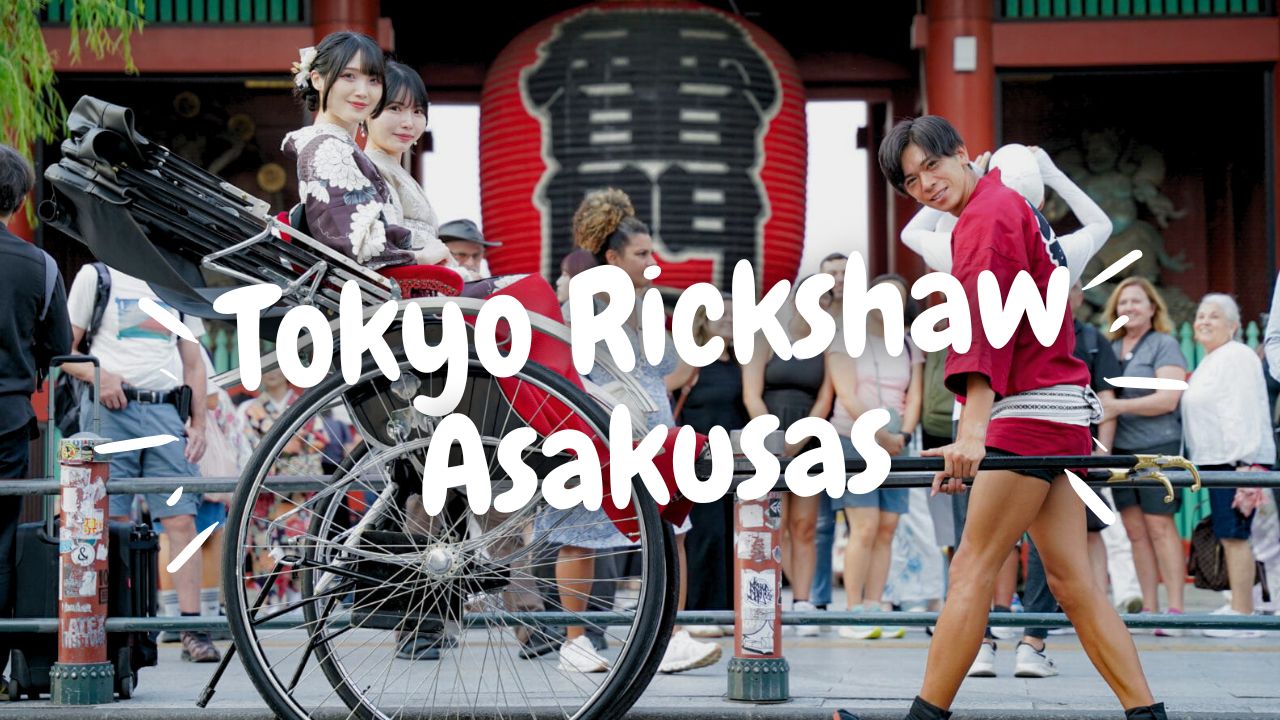
Rickshaw tours offer an alternative. Rather than rushing through the district, they slow things down. They provide context, narration, and perspective, allowing visitors to engage with Asakusa in a way that reflects how people once moved through it: guided by local knowledge.
This guide explores rickshaw tours in Asakusa through both a cultural and practical lens, with a particular focus on Tokyo Rickshaw Asakusa, one of the most established operators in the area.
What Is Tokyo Rickshaw Asakusa?

Tokyo Rickshaw Asakusa is a professional rickshaw tour company based in Asakusa. Rather than treating rickshaws as a novelty attraction, the company approaches them as a form of cultural interpretation, combining transportation, historical storytelling, and personal interaction.
Drivers are licensed professionals who undergo months of training. This includes physical conditioning, road safety, hospitality, and in-depth study of Asakusa’s history, religious sites, festivals, and urban development. Many drivers speak fluent English, and several speak additional languages such as Mandarin, Korean, or French.
Tours follow thoughtfully designed routes that balance famous landmarks with quieter side streets and lesser-known spots. At the same time, flexibility is central to the experience: routes and explanations are adapted to the interests, pace, and needs of each passenger.
The company has been operating since the early 2000s and over the years, Tokyo Rickshaw Asakusa has become closely associated with high-quality rickshaw experiences and is frequently mentioned in travel guides, documentaries, and first-hand traveler recommendations.

Why Choose a Rickshaw Tour in Asakusa?

1. Skip the Crowds Without Missing the Sights
Asakusa attracts over 30 million visitors annually, making it one of Tokyo’s most crowded tourist areas. Rickshaws offer a practical advantage in this environment. Drivers are skilled at navigating both main streets and quieter back roads, allowing passengers to move efficiently without missing important sights.
Sitting higher than street level also provides clearer views of gates, rooftops, and street layouts, details that are often obscured when walking through dense crowds.
2. Learn Stories That Google Can’t Tell You
Rickshaw tours are guided experiences in which drivers explain not only what you are looking at, but also why it matters. Their insights commonly includes topics such as the religious significance of Senso-ji and its rituals, the symbolism behind Kaminarimon’s giant lantern, Asakusa’s development as an entertainment and pilgrimage district during the Edo period, and the cultural role of major events such as the Sanja Matsuri. This helps link the landmarks into a single story rather than isolated photo stops.
3. Photography as an Integrated Part of the Tour
One often overlooked benefit is that your rickshaw driver also acts as a skilled photographer. They know the best photo-spots, including hidden gems that aren’t in guidebooks and how lighting changes throughout the day. They also know how to frame photos with you in the rickshaw itself, creating shots that feel natural and well composed.
For many travellers, the photos from their rickshaw tour end up being some of their favourite memories from their entire trip to Japan.

4. A Flexible and Personal Experience
Rickshaws typically carry one or two passengers, allowing for a level of personalisation that large group tours cannot match. Want to:
- Focus on historical temples and shrines? Your driver can adjust the route.
- Spend extra time at photography spots? Just ask.
- Get restaurant recommendations for after the tour? Drivers know the best local spots.
- Learn about Japanese architecture, festivals, or specific cultural practices? They’re experts.
This personalisation makes every tour unique.
5. Comfort Without Losing Street-Level Immersion
Asakusa involves extensive walking, often in hot, humid summers or during crowded festival seasons. Rickshaws provide shade, rain protection, and seating, while still keeping passengers fully immersed in the street environment.
This makes them suitable for families, elderly travellers, and anyone who wants to explore comfortably without disconnecting from the surroundings.
6. Authentic Cultural Experience
Rickshaws (人力車, jinrikisha) have existed in Japan since the 1870s. By riding one, you’re participating in a living tradition that dates back over 150 years. It’s not just transportation, it’s cultural immersion.
7. Excellent Value for Money
While rickshaw tours may seem more expensive than walking or bus tours, they offer value through personalisation and efficiency. Even a short ride can provide orientation and insight that would otherwise take hours of unguided exploration.

Tokyo Rickshaw Asakusa Prices (2026)
Tokyo Rickshaw Asakusa offers several tour options based on duration. Pricing is per rickshaw (not per person), and each rickshaw comfortably seats one or two passengers.
Note: Prices are typical estimates and may vary depending on route, season, or time of day. Always confirm when booking.
| Duration | Price (2 pax) | USD | Price (1 pax) | USD | Best For |
| 10 min | ¥5,000 | ~$33 | ¥4,000 | ~$26 | Quick taste of rickshaw experience |
| 20 min | ¥8,000 | ~$52 | ¥7,000 | ~$46 | Tight schedule travelers |
| 30 min | ¥10,000 | ~$65 | ¥9,000 | ~$59 | First-timers, couples, balanced tour |
| 45 min | ¥15,000 | ~$98 | ¥13,000 | ~$85 | More in-depth exploration |
| 60 min | ¥20,000 | ~$130 | ¥16,000 | ~$105 | Photography enthusiasts, detailed tours |
| 90 min | ¥29,000 | ~$190 | ¥23,500 | ~$154 | Comprehensive cultural immersion |
| 120 min | ¥38,000 | ~$248 | ¥31,000 | ~$203 | Ultimate Asakusa experience, special occasions |
How to Book Tokyo Rickshaw Asakusa
-
Booking Online in Advance (Recommended)
Website: tokyo-rickshaw.tokyo
Booking online is the most reliable option. You choose in advance your date, time, and tour length, receive confirmation by email, and meet your driver near Kaminarimon Gate. This guarantees availability, lets you request language-specific drivers, avoids waiting on-site, and allows route customization in advance.
The main downside is the need to plan ahead, especially during busy seasons. This option suits travelers with fixed schedules, groups, and anyone who wants peace of mind.
Best for: fixed itineraries, peak seasons, and traveler who want guaranteed availability.
-
Booking On-Site in Asakusa
Drivers wait near Kaminarimon Gate throughout the day. You can approach them directly, discuss tour length and preferences, agree on the price, and start immediately. This works well for spontaneous travellers and offers flexible timing and the chance to choose a driver on the spot.
However, drivers may be busy during peak hours, English fluency is not guaranteed, and prices can vary. This method is best for flexible or off-peak visitors.
Best for: spontaneous travellers and off-peak periods.

-
Booking Through Your Hotel Concierge
Many mid-range and luxury hotels can arrange a Tokyo Rickshaw tour through their concierge. This option is convenient and removes language barriers, but may involve a small fee and less control over driver selection. It’s ideal for luxury travellers or anyone who prefers having arrangements handled for them.
Best for: travellers who prefer having logistics handled for them.

What to Expect During a Rickshaw Tour
Before the ride: Meet & Greet
- Your driver greets you and introduces themselves.
- They explain the route and ask about your interests (history, shopping, photography, etc.)
- They help you board the rickshaw and ensure you’re comfortable
- Blankets and canopies are provided if needed.
During the ride: Sightseeing & Storytelling
- Your driver pulls the rickshaw at a comfortable pace.
- They narrates as you move through Asakusa, stopping frequently for explanations and photos (they’ll take photos of you with your phone/camera)
- Questions are always welcome.
- Typical route includes: Kaminarimon Gate, Nakamise Street, Senso-ji Temple grounds, Sumida River area, traditional neighbourhoods.
After the ride: Recommendations & Tips
- You can be dropped off at your preferred location (doesn’t have to be the starting point)
- Drivers often share local restaurant recommendations or tips for continuing your visit.
- Payment is typically cash. Some drivers accept credit cards, but you have to confirm in advance
- Tipping is not expected in Japan, but appreciated if you felt the service was exceptional

Best Time to Take a Rickshaw Tour
Timing can significantly affect your rickshaw experience. Here’s what to consider:
Time of Day
Early Morning (8:00-10:00 AM) – BEST
- Fewest crowds at major sites
- Cooler temperatures (summer)
- Better photo lighting
- More driver availability
Midday (11:00 AM – 3:00 PM) – BUSIEST
- Most crowded period
- Drivers may be booked (especially weekends)
- Harsh overhead sunlight for photos
- Hot in summer months
Late Afternoon/Evening (4:00-6:00 PM) – GOOD
- Beautiful golden hour lighting
- Crowds thinning out
- Asakusa illuminated at dusk (stunning for photos)
- Cooler temperatures
Season
Spring (March-May) – PEAK SEASON
- Cherry blossom season (late March – early April) is magical but extremely crowded
- Book well in advance
- Ideal weather for outdoor touring
Summer (June-August) – HOT but VIBRANT
- Very hot and humid, early morning or evening tours recommended
- Summer festivals (especially Sanja Matsuri in May, Sumida River Fireworks in July)
- Rickshaw canopy provides shade
Autumn (September-November) – Best Weather
- Comfortable temperatures
- Beautiful autumn foliage (late November)
- Clear skies, excellent visibility
Winter (December-February) – QUIETEST
- Fewest tourists
- Cold but dry, blankets provided
- New Year’s period (Jan 1-3) sees massive crowds at Senso-ji Temple
Tokyo Rickshaw vs Other Asakusa Tours: Side-by-Side Comparison
How does a rickshaw tour compare to other ways of exploring Asakusa? Here’s an objective breakdown:
| Tour Type | Price | Duration | Personalisation | Best For |
| Tokyo Rickshaw | ¥10,000-38,000 | 30-120 min | Highly customisable | Couples, families |
| Guided Walking Tour | ¥8,000-10,000 | 2-3 hours | Fixed route | Budget travelers, history buffs |
| Self-Guided (Free) | Free | Flexible | Full control | Independent travelers |
| Hop-On Hop-Off Bus | ¥3,500-5,000 | Full day | Fixed stops | Multiple Tokyo areas |
| Private Guide | ¥20,000-40,000 | 4-8 hours | Fully customizable | Luxury travelers, large groups |
Tips for First-Time Rickshaw Riders (12 Insider Secrets)
- Wear comfortable clothing: No strict dress code, but avoid short skirts (you’re sitting in an open rickshaw).
- Bring your camera: Drivers will take countless photos for you, so make sure your phone/camera is charged.
- Ask questions: Drivers love sharing knowledge, don’t hesitate to ask about anything!
- Request specific photo spots: If there’s a particular landmark you want photos at, just ask.
- Confirm language needs: When booking online, specify your preferred language (English, Mandarin, Korean, etc.).
- Tipping culture: Not required in Japan, but a small tip (¥1,000-2,000) is appreciated.
- Weather protection: Don’t cancel due to light rain, rickshaws have canopies and blankets.
- Group tours: If you’re a group of 4+, book multiple rickshaws and they’ll stay together.
- Route customisation: Tell your driver if there are specific places you want to see or skip.
- Restaurant recommendations: Ask your driver for local restaurant suggestions, they know the best spots.
- Physical limitations: Inform your driver of any mobility issues, they’ll adjust the tour accordingly.
- Cash payment: Bring enough yen.

Tokyo Rickshaw FAQ (Q&A)
Do I need to book in advance?
Not required, but recommended during busy seasons. Online booking guarantees availability and English-speaking drivers.
Do drivers speak English?
Yes. Most speak English, and some also speak Mandarin, Korean, or French.
How many people fit in one rickshaw?
1–2 adults. Larger groups can book multiple rickshaws.
Can I ride in the rain?
Yes, in light rain. Canopies and blankets are provided; tours may cancel in severe weather.
What’s included in the price?
The ride, guided narration, photo service, and weather protection.
Where do tours start and end?
Usually near Kaminarimon Gate, with flexible drop-off within Asakusa.
Is the rickshaw ride safe?
Yes. Drivers are professionally trained and rickshaws are well maintained.
Can children join the ride?
Yes. No car seats are available, so adult supervision is required.
Final Thoughts: Is Tokyo Rickshaw Asakusa Worth It?
A rickshaw tour is not just transportation. It is a way of seeing Asakusa through narrative, movement, and local insight.
For travellers who value:
- Cultural context over rushed sightseeing
- Comfort without disconnection
- Personal stories and human-scale exploration
Tokyo Rickshaw Asakusa offers one of the most rewarding ways to experience old Tokyo.
In a city defined by speed and efficiency, the rickshaw reminds you that sometimes, the best way to understand a place is to slow down and let it explain itself.
Written by
From Barcelona to Tokyo. Coffee and Adventure lover. I started to like Japan because of the anime, music and dramas, but after my first trip to the country I found what I love the most: traveling around, the culture and history. I have travelled a lot in Japan, but I still have many places to discover that I want to share with you. Let’s discover Japan together! Also, as a foreigner living in Japan for over 6 years I understand what kind of things are difficult when you move here and I want to help other people in the same situation that I have in the past.
- +0 0
-
-