Inside the Birthplace of Modern Manga: Tokiwaso Manga Museum
Tokiwaso Manga Museum Guide: Exploring the Legendary Home of Manga Creators

- +0 0
-

-


For anyone with even a passing interest in Japanese comics, there are plenty of places in Tokyo with symbolic importance. And then there is Tokiwaso Manga Museum, an absolute must-visit for any enthusiast wishing to get a better understanding of how manga in Japan came to be as we know it today. Just imagine it: a faithful recreation of the legendary apartment where a generation of young artists lived, worked, and reshaped the future of manga. The moment I found out about its existence, I knew I had to visit it.
The journey leads to Minami-Nagasaki, a residential corner of Tokyo that feels far removed from the intensity of districts like Ikebukuro or Shinjuku. Narrow streets, small neighborhood shops, and low-rise homes create an atmosphere that is almost disarmingly calm. Walking through the area, it’s easy to imagine how different the city must have looked in the 1950s, when aspiring artists rented tiny rooms here and spent their days racing to finish pages before magazine deadlines.
Then the building comes into view. The museum stands as a carefully reconstructed two-story wooden apartment, modest in scale and almost ordinary at first glance. That simplicity is part of the point. The original Tokiwaso, built in 1952, was never intended to become the groundbreaking cultural landmark that it eventually became. It was simply cheap housing. Exactly the kind of place struggling young creators could afford in postwar Tokyo.
Yet the list of residents reads like a roll call of manga history. Among them were figures who would go on to define entire genres and influence generations of artists, including Osamu Tezuka, often called the “God of Manga,” the creative duo behind Doraemon represented by Fujiko Fujio, and prolific storyteller Shotaro Ishinomori. Inside those cramped rooms, they exchanged ideas, competed, collaborated, and pushed one another forward during a formative moment for the medium.
The Historical Tokiwaso: Why This Apartment Changed Manga
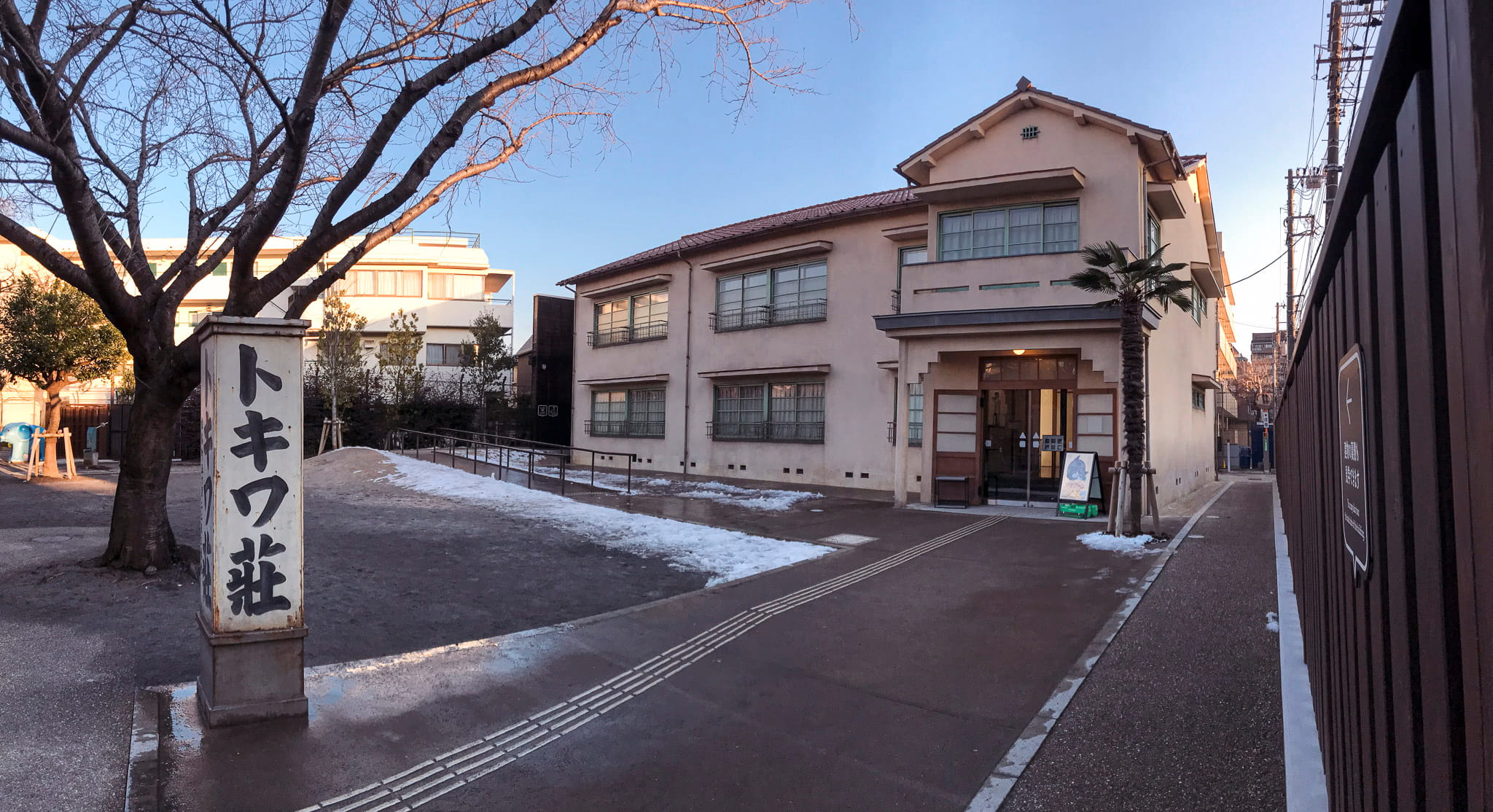
Standing outside the reconstructed building, it is difficult not to feel a quiet sense of anticipation. The place looks humble, almost unremarkable. Completely ordinary. But behind those wooden walls, the foundations of modern manga were being laid.
Tokiwaso (トキワ荘) was a small two-story wooden apartment building completed on December 6, 1952, in what is now Minami-Nagasaki in Tokyo’s Toshima ward. The structure was modest and utilitarian, typical of the kind of inexpensive housing that appeared across the city during the early postwar years. Inside, conditions were basic: there were shared toilets and a communal kitchen, but no bath facilities, meaning residents often relied on nearby public bathhouses instead.
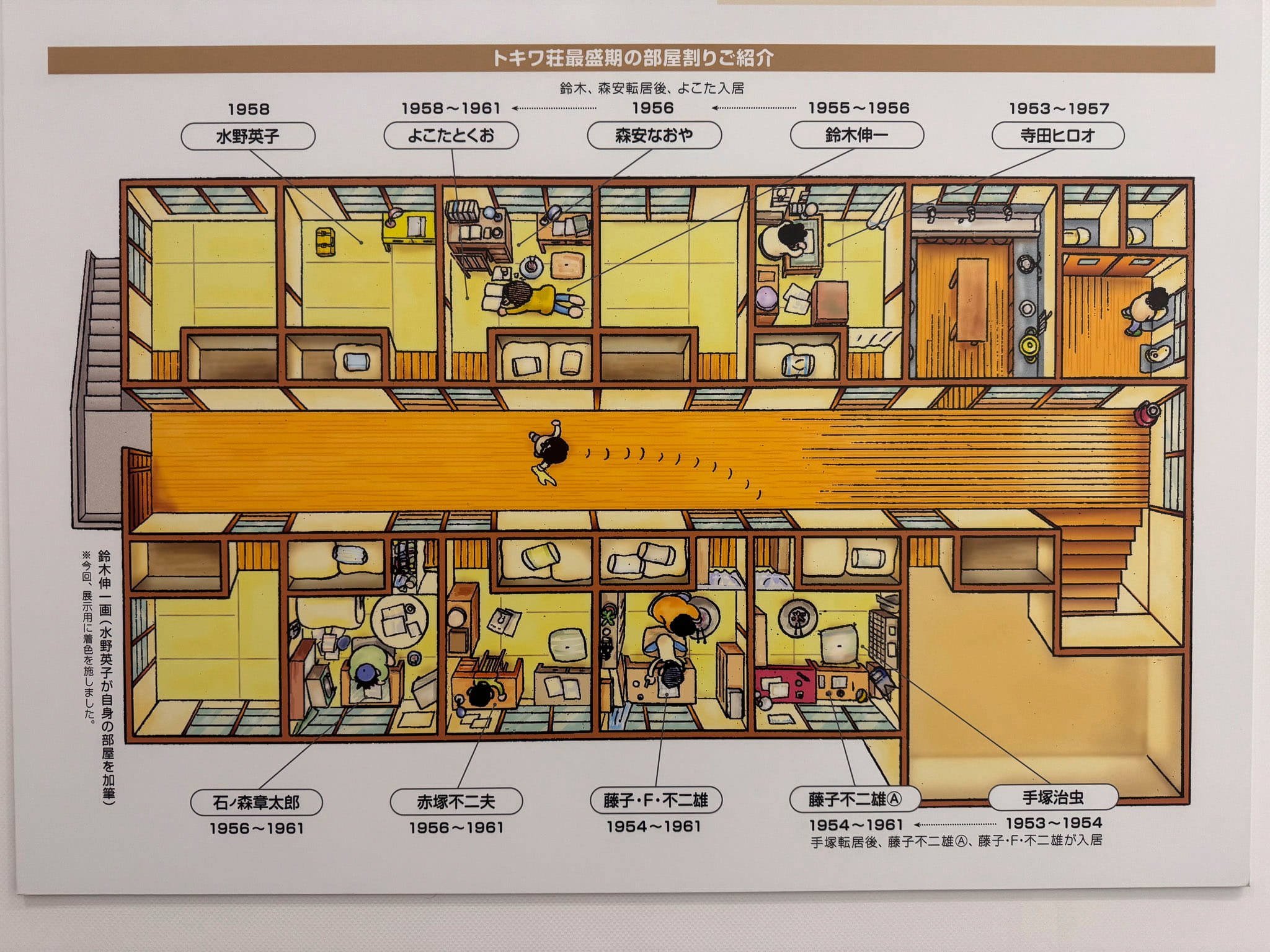
What made the building special was not its design but the people who passed through it. During the 1950s and early 1960s, a remarkable number of young manga artists moved into its tiny rooms. Osamu Tezuka was the first of them, living for about a year between 1953 and 1954, and then offering his vacant room to Fujiko Fujio A, who would move along Fujiko F Fujio on the neighboring room, both staying until 1961. The Fujiko Fujio duo replicated the gesture, inviting promising rookies to the house as soon as a room was made available, and the rest is history.
The appeal of the building was simple: the rent was cheap, around 3,000 yen per month, making it accessible to aspiring artists trying to break into the manga industry. At the time, Japan was still emerging from the economic and social aftermath of World War II, and many young creators arrived in Tokyo with little money but enormous ambition.


Living in such close quarters created an unusual creative environment. Artists worked long hours on deadlines for manga magazines, frequently helping each other with backgrounds, layouts, and ideas. The atmosphere brought together the best of cooperation with friendly rivalry, pushing everyone to improve their craft. In many ways, the collaborative production style that later became standard in the manga industry can trace its roots back to these interactions inside Tokiwaso.
The building itself survived for three decades before finally being demolished in November 1982 due to age and deterioration. Yet by then its reputation was already firmly established. Fans and local residents increasingly referred to the site as a kind of sacred ground for manga history. A pilgrimage site.

That reputation eventually led Toshima City to pursue an ambitious preservation project. After years of planning and research, including interviews with former residents to reconstruct the interior, the ward built a faithful replica of the original apartment as a museum. The Tokiwaso Manga Museum (トキワ荘マンガミュージアム) opened to the public on July 7, 2020, allowing visitors to experience the atmosphere of the place where so many influential creators once lived and worked.
 Access Access |
7-min walk from Ochiai-minami-nagasaki Station |
|---|---|
 Business Hours Business Hours |
10 AM–6 PM |
 Closed Closed |
Monday |
 Price Price |
500 yen |
 Reservation Reservation |
Not required but recommended |
 Official Website Official Website |
https://www.tokiwasomm.jp/ |
Entering the Building – Shoes Off, Time Travel On
Visitors have to remove their shoes and place them in lockers and walk through the building in socks or indoor slippers, just as the original residents would have done in the 1950s. The rule is practical, preserving the reconstructed interior, but it also helps to enhance the feeling of visiting someone’s home. Pay attention to the creaking sound of the stairs, as you’re instructed to start the visit on the 2nd floor. Far from being a structural wear-and-tear issue, the materials were carefully chosen to recreate the sound, which was often a giveaway for the tenants that an editor was going upstairs to chase them to comply with deadlines or to give even more work.
That detail alone tells you how remarkably detailed everything is. The second floor replicates the original apartment layout based on photographs, testimony from former residents, and historical records gathered during the museum’s planning phase, because blueprints were not available. Narrow corridors connect a series of tiny rooms, and the wooden staircase leading upstairs feels steep and compact, typical of inexpensive postwar housing.
What struck me most was the scale. Each room is only about 4.5 tatami mats, roughly seven square meters. Standing inside one, it becomes obvious how little personal space these artists actually had. A desk, a few shelves, maybe a futon on the floor, and that was essentially the entire living and working environment.
Because of the attention to detail, with aged wood textures, period furniture, handwritten notes and drawing tools, the reconstruction feels uncannily convincing. For a moment it becomes easy to imagine a young artist hunched over a manuscript page late at night, racing to finish another chapter before the morning deadline.
Daily Life at Tokiwaso – Poverty, Camaraderie, and Chaos


Life at the original Tokiwaso was anything but glamorous. Yet those cramped conditions created an unusual creative environment. Many residents were young manga artists just starting their careers, juggling tight deadlines for weekly or monthly magazines. They worked through the night, often helping one another with backgrounds or finishing details when a deadline was approaching.
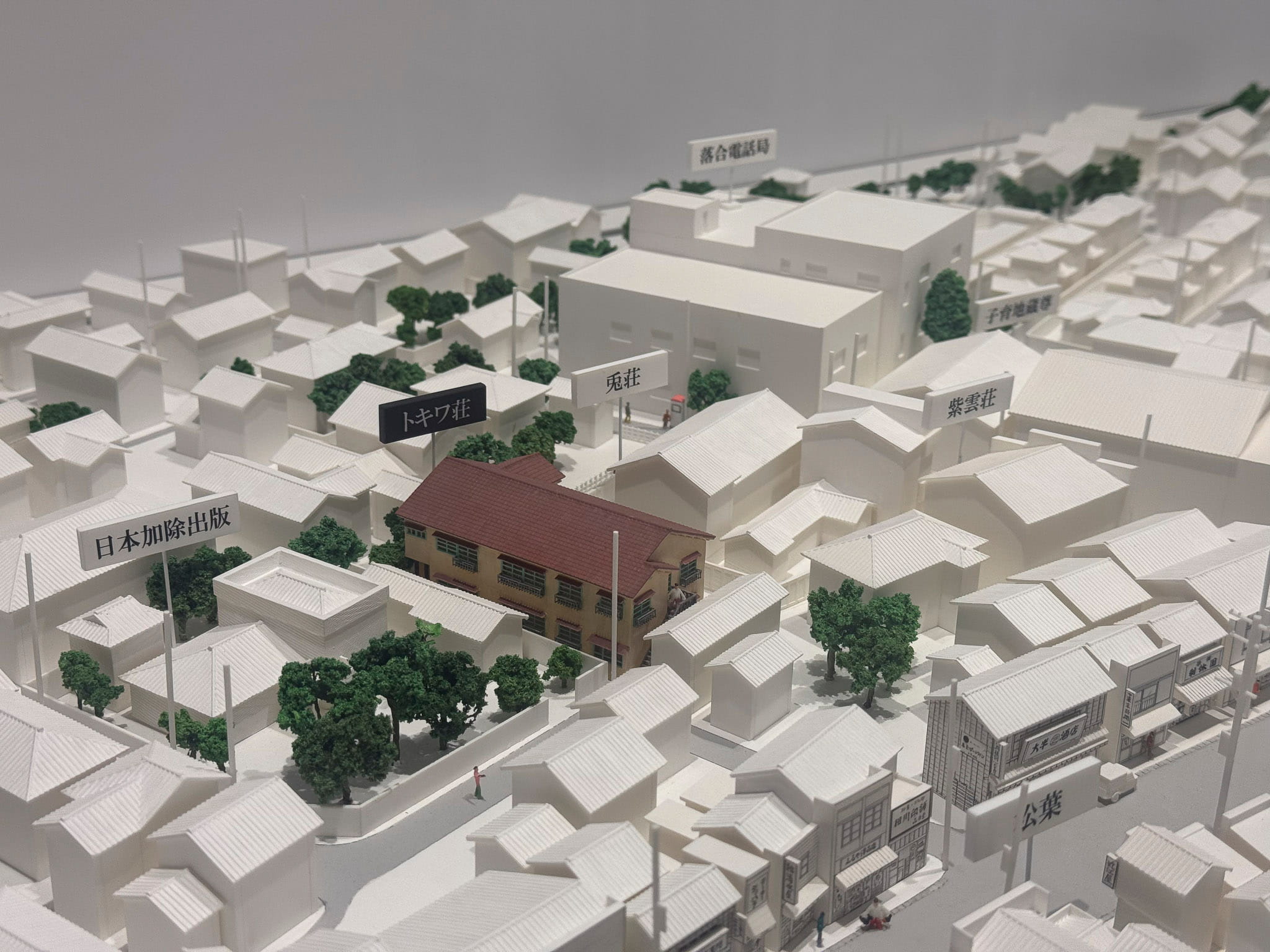
Former residents have also recalled a lighter side to the atmosphere. Stories circulate about late-night gatherings or practical jokes among neighbors. A miniature model replica of the building on the 1st floor even pokes fun at the fact that Akatsuka and Ishinomori often bathed at night in the kitchen sink. Living so close together meant that ideas moved quickly through the building. Artists compared techniques, discussed story ideas, and quietly competed to improve their work. Many historians point to this environment as a key reason why so many influential creators emerged from the same address.
The Artists’ Rooms – Standing Where Legends Worked
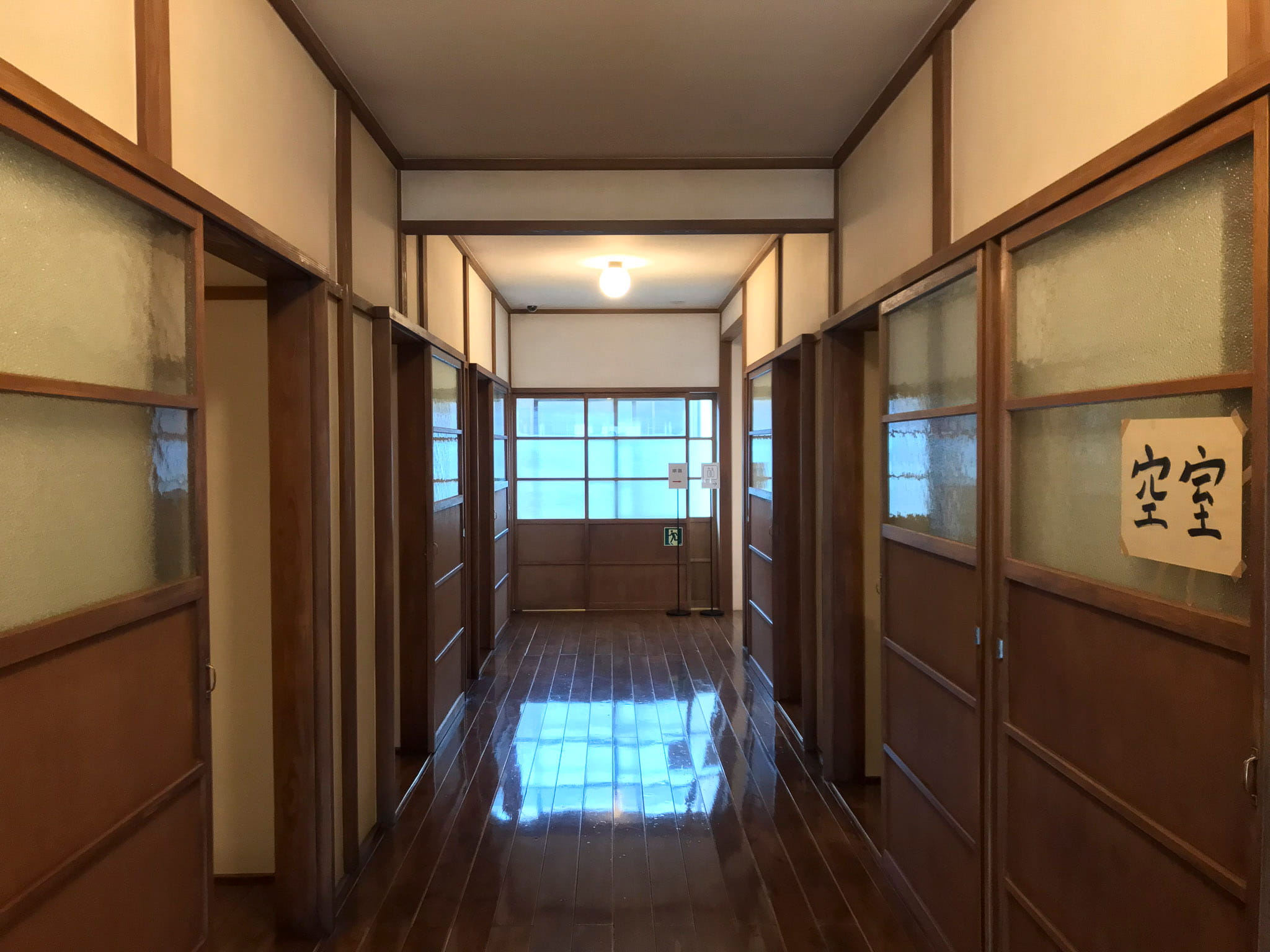
Walking along the second-floor corridor of the Tokiwaso Manga Museum, most rooms are presented as interpretive displays representing the broader community of artists who once lived here. Only three rooms, however, are reconstructed as historically faithful recreations tied to specific residents. These spaces were rebuilt using archival materials and testimony from former artists to reproduce the layout and working environment of the late 1950s and early 1960s.
Room 18 — Yamauchi Joji (1960–1962)


Room 18 belonged to Yamauchi Joji, who lived at Tokiwaso from 1960 to 1962. Yamauchi worked primarily on humorous and youth-oriented manga during a period when the medium was rapidly expanding into different genres and audiences.
The recreated room shows two drawing desks placed near the window for natural light, as well as all his drawing and coloring utensils, along with tea cups and finished ramen bowls. He was an avid media collector, with a lot of books, magazines and film reels taking up space in his room. Discussing films and media together was also one of the tenants’ pastimes.
Room 19 — Mizuno Hideko (1958)


Room 19 is historically significant because it belonged to Mizuno Hideko, who stayed at Tokiwaso for about seven months in 1958. She is widely recognized as one of the pioneers of shojo manga, helping shape early manga aimed at girls.
Her presence in the building was unusual as she was the only female artist to live there during its most famous period. Mizuno later became known for influential works such as Fire! and Star Red, which expanded narrative themes and visual style within girls’ manga.
The reconstructed room shows several panel sheets scattered and highlights the small suitcase she used to move to Tokyo from her native Yamaguchi. She explains in an interview that she spent most of her time working as an assistant at Ishinomori’s room, which might explain why her room does not look as cluttered as the other rooms.
Room 20 — Yokota Tokuo (1958–1961)


Room 20 recreates the workspace of Yokota Tokuo, who lived at Tokiwaso from 1958 to 1961. Yokota built his career producing gag manga and children’s comics during the period when weekly manga magazines were becoming increasingly popular.
The museum presents the room as a working environment typical of the time: manuscripts in progress on a foldable table, drawing tools arranged around a low desk, and storage space optimized for the room’s size. A TV and a record player, as well as some hung shirts on the wall, complement the aesthetic to drive home the most authentic feeling of looking at a room that’s currently in use.
The Exhibition Space (1st Floor) – Context Beyond Nostalgia
After exploring the recreated living quarters upstairs, the visit continues on the first floor of the Tokiwaso Manga Museum. This level functions as the main exhibition area, designed to provide historical context and connect the Tokiwaso story to the broader evolution of manga. There’s an interesting corner with a small model reproduction of the building, filled with amusing figures of its former residents going about their daily lives. There’s also a screen showcasing short interviews with Shinichi Suzuki, Hideko Mizuno, Yokuo Yokota and Joji Yamauchi, sharing their funny, candid, and heartwarming impressions of their time at Tokiwaso. Although the museum contents are almost exclusively in Japanese, the interviews are subtitled in English and it takes about 30 minutes to see them all, so it’s really worth it to sit back for a little while and watch them. These interviews are featured almost on a permanent basis, but there may be some changes at any given time.
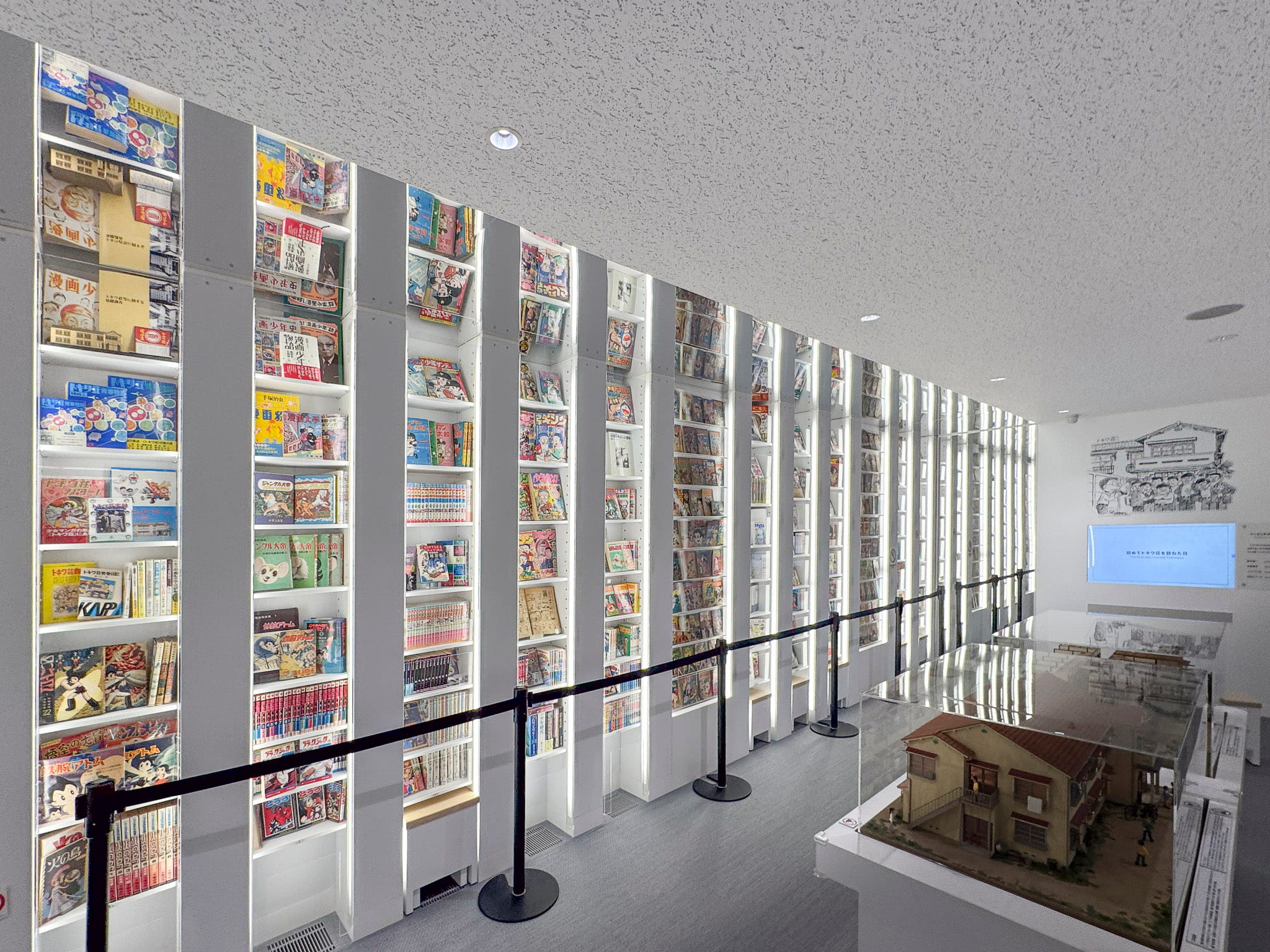
One of the key components is the special exhibition room, which hosts rotating exhibitions dedicated to manga and anime. These temporary displays change several times a year and often focus on specific artists, themes, or historical aspects of the medium. For example, past exhibitions have featured collaborations and thematic showcases such as Capcom vs. Osamu Tezuka Characters, as well as displays of original manuscripts and illustrations tied to Tezuka’s work.
These exhibitions frequently present original artwork, handwritten manuscript pages, and archival materials, allowing visitors to see the physical craft behind manga production, something rarely visible when reading printed volumes.
The first floor also contains a small but fascinating artifact from the original apartment: a section of ceiling board bearing drawings by Osamu Tezuka, created shortly before the building was demolished in 1982 (photos were not allowed, unfortunately), a fragment that serves as a tangible link between the reconstructed museum and the actual structure that once stood nearby.
The Surrounding Neighborhood – Manga Legacy in Toshima
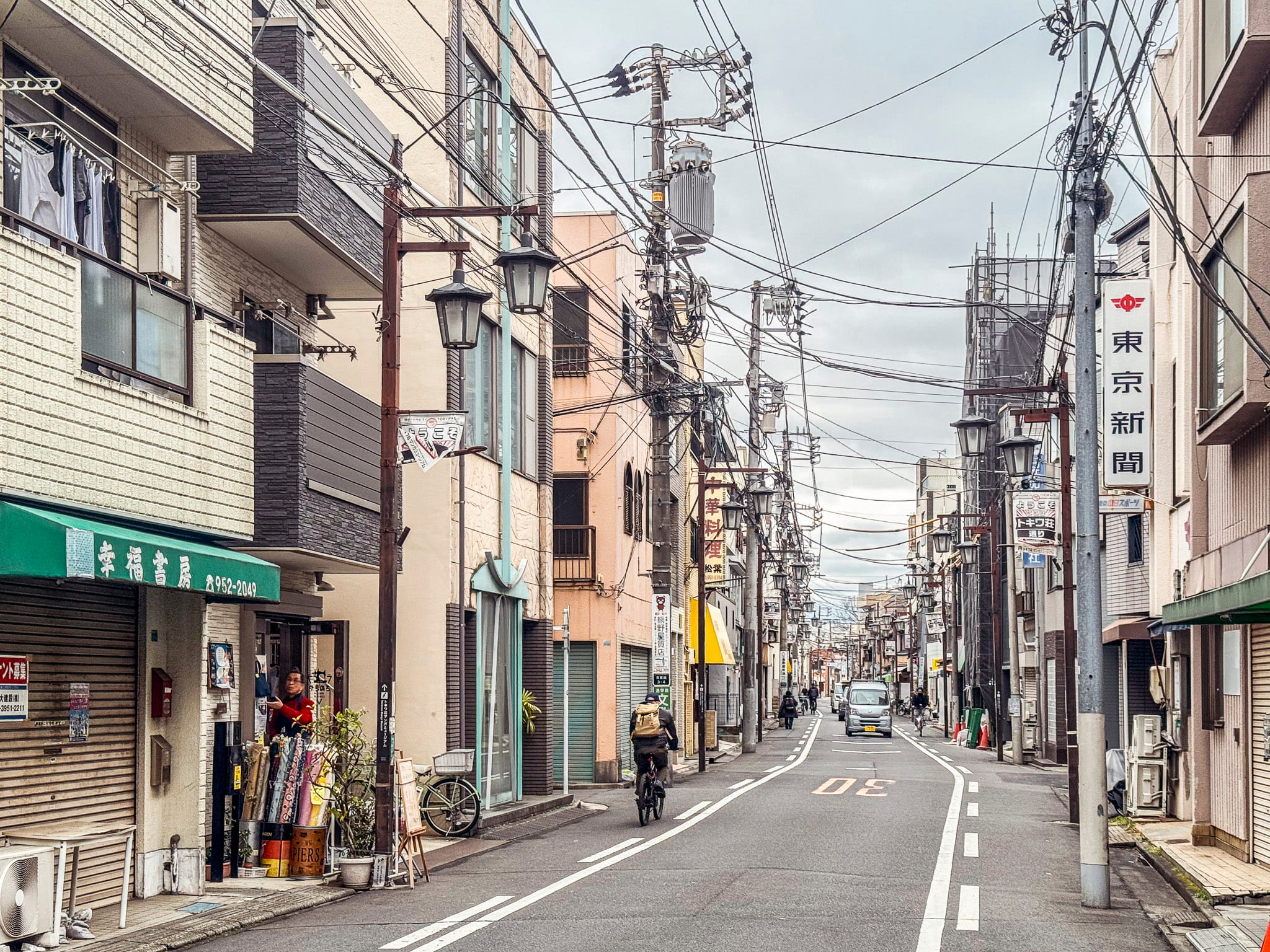
The Area as a Living Manga Heritage Zone
Your experience is far from finished once you step back outside the Tokiwaso Manga Museum. The surrounding streets of Minami-Nagasaki have been intentionally developed by Toshima City Government as a small cultural district centered on the legacy of Tokiwaso, and I promise your time will be well spent if you dedicate at least one extra hour to visit the surrounding venues.
The main axis is Tokiwaso-dori (トキワ荘通り), a neighborhood street where several facilities and monuments connected to manga history are clustered within walking distance. The area is designed to be explored on foot, allowing visitors to move easily between the museum and nearby cultural spots.
Tokiwaso-dori Showa Retro Museum
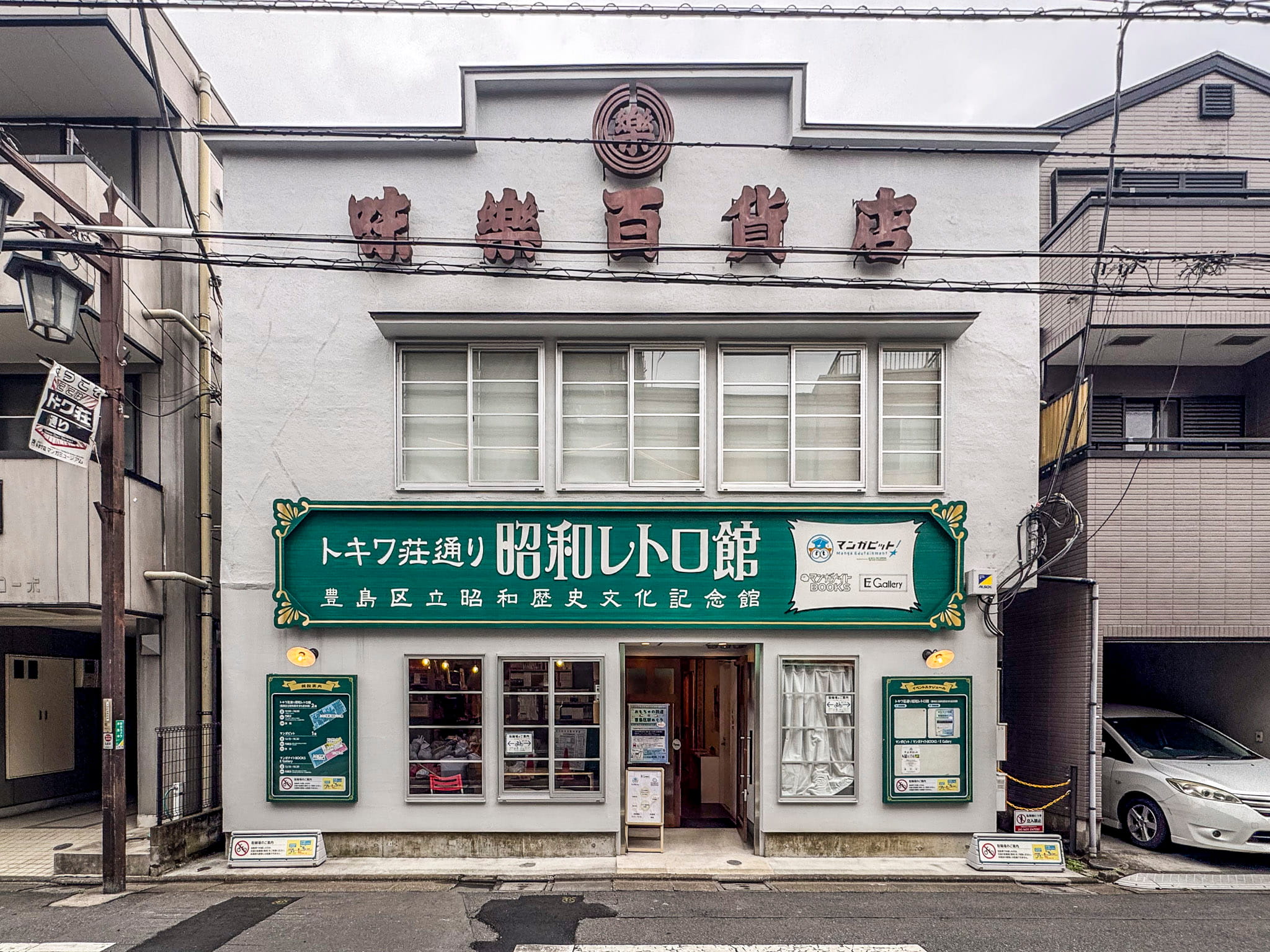
A short walk from the museum stands the Tokiwaso-dori Showa Retro Museum (トキワ荘通り昭和レトロ館), a facility operated by Toshima City that focuses on everyday life during the Showa 30s era (late 1950s)—the exact period when many manga artists lived at Tokiwaso.
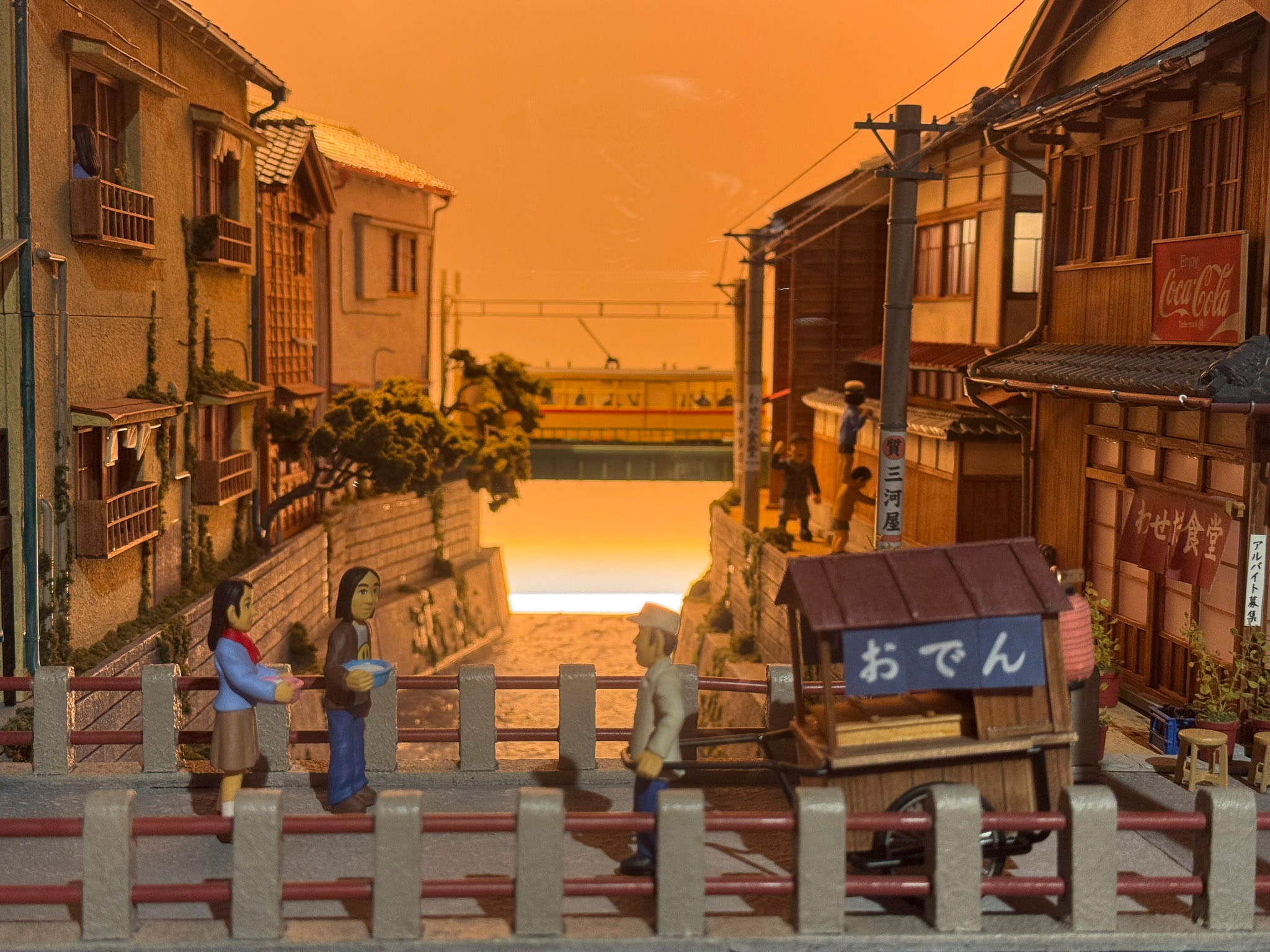

Rather than concentrating on manga itself, the museum reconstructs aspects of ordinary postwar life. Exhibits include a shop and a manga reading corner, as well as recreated household interiors, displays of period appliances, furniture, advertising signs, and daily objects typical of the time. The goal is to help visitors understand the social environment in which young artists were working during Japan’s early postwar recovery.


In practical terms, it acts as a companion to the Manga Museum: one focuses on the artists, the other on the broader world they lived in.
| Access |
10-min walk from Ochiai-minami-nagasaki Station |
|---|---|
| Business Hours |
10 AM–6 PM |
| Closed |
Monday |
| Price |
Free |
Tokiwaso-dori Rest Spot


Further along the street is the Tokiwaso-dori Rest Spot (トキワ荘通りお休み処), a small visitor facility run by the local cultural organization Toshima Mirai Cultural Foundation, reinforcing the idea that the neighborhood itself participates in preserving the history of Tokiwaso.
Inside, visitors will find neighborhood maps, information panels about Tokiwaso and its residents, and small displays connected to the area’s manga heritage. The space also functions as a rest stop with seating where visitors can pause during their walk through the district.
Tokiwaso Manga Station


Nearby, the Tokiwaso Manga Station (トキワ荘マンガステーション) serves a slightly different role. Also managed within Toshima’s cultural programming, this space supports ongoing manga activities such as exhibitions, workshops, and community events.
The facility highlights the work of artists connected to the Tokiwa-sō legacy and provides educational programming aimed at younger generations interested in manga creation. In that sense, it connects the historical narrative of the apartment with contemporary manga culture in the district.
The Tokiwaso Memorial Plaque
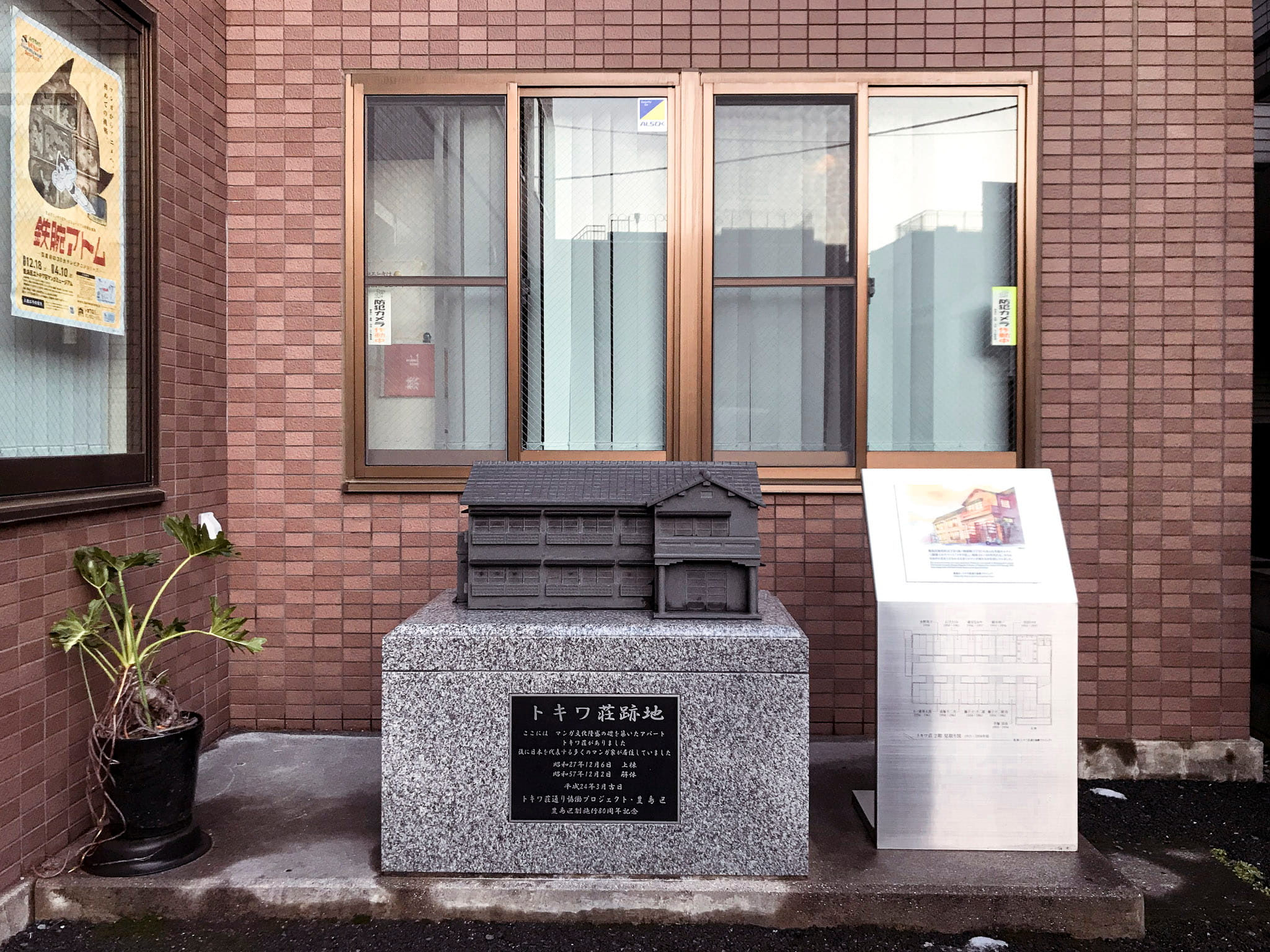
A short distance away stands the Tokiwaso Memorial Monument (トキワ荘跡地モニュメント), marking the actual location where the original Tokiwa-sō apartment once stood.
The building itself was demolished in 1982 due to age and structural deterioration, long before the idea of reconstructing it as a museum emerged. Today the site is marked by a stone monument and plaque commemorating the apartment and the artists who lived there.
Optional Visit: Matsuba
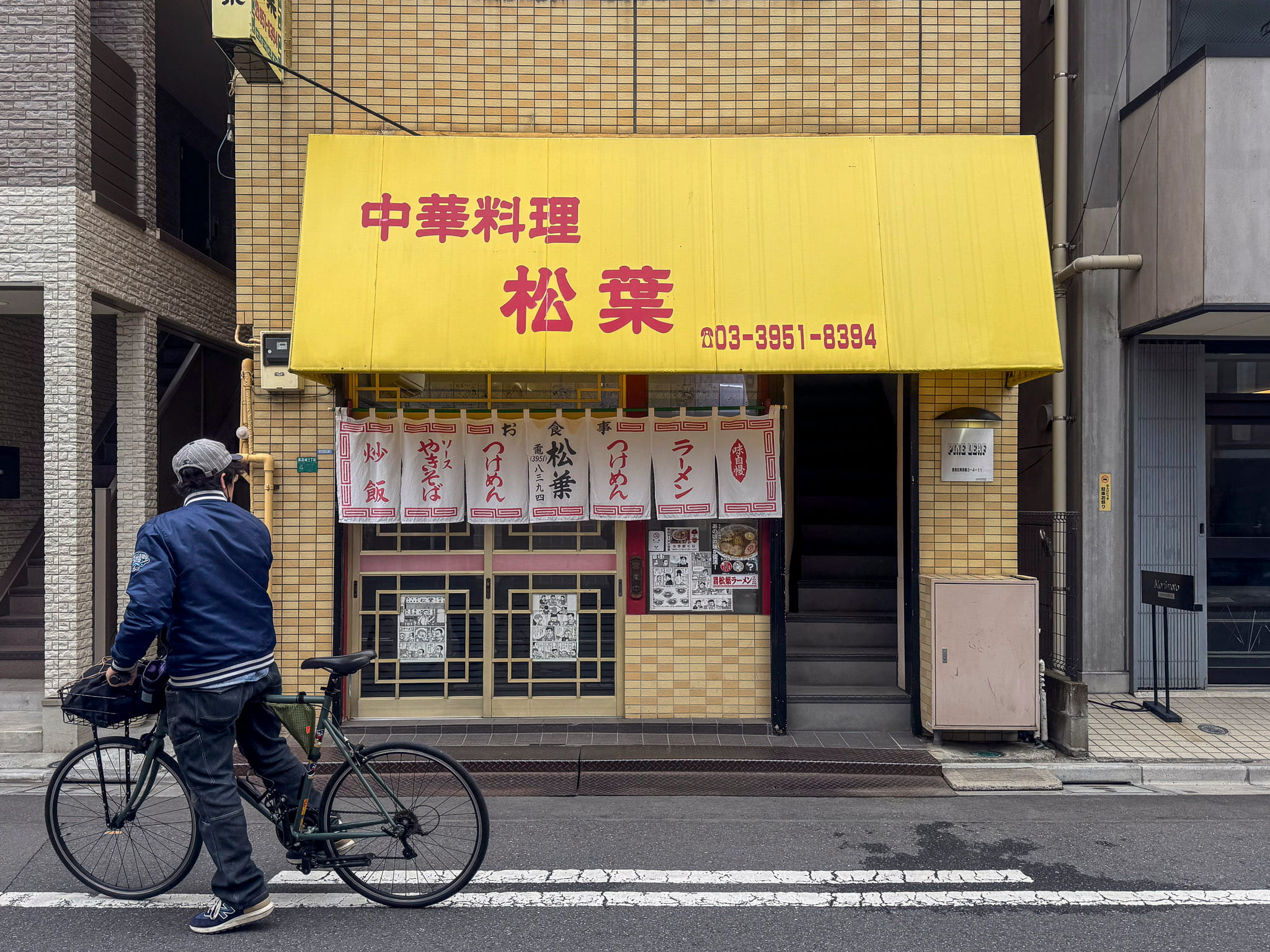
I didn’t have a chance to try it, but I have to mention it here because this small and apparently unassuming Chinese restaurant also has strong ties to the Tokiwaso legacy, as a frequent and affordable spot where tenants would eat or order takeout for ramen and other dishes. This is a wonderful opportunity for a simple, no-frills meal just like the ones enjoyed by legendary masters. I’m definitely returning here to try its famous Matsuba ramen.
| Access |
10-min walk from Ochiai-minami-nagasaki Station |
|---|---|
| Business Hours |
11 AM–3 PM / 5–8 PM |
| Closed |
Monday |
Practical Visiting Tips
A visit to the Tokiwaso Manga Museum does not require much planning, but a few practical details make the experience smoother.
The museum is typically open 10:00–18:00 (last entry around 17:30) and is closed on Mondays, with occasional additional closures during exhibition changes. Checking the official schedule before visiting is recommended since special exhibitions occasionally alter the calendar. The entrance fee is 500 yen.
Reservations are not always mandatory, but the museum encourages advance reservations on their official website, especially on weekends or during special exhibitions, to manage visitor numbers inside the relatively small building.
Because the reconstructed apartment is compact, visiting during weekday mornings tends to be the most comfortable time. With fewer visitors moving through the narrow corridors, it becomes easier to slow down and absorb the atmosphere of the rooms.
In terms of timing, the museum itself is not large. A relaxed visit usually takes about 60 to 90 minutes, depending on how long you spend reading exhibition materials on the first floor and exploring the surrounding neighborhood afterward.
Why This Museum Feels Different
Many museums dedicated to popular culture rely on spectacle: large screens, interactive displays, and elaborate installations. The Tokiwaso Manga Museum takes a very different approach. The museum focuses on something far simpler: faithfully reconstructing the physical environment where a generation of young artists once lived and worked, which makes the experience particularly memorable.
Walking through the narrow corridors and small tatami rooms brings a surprising realization: many of the creators who shaped modern manga began their careers in spaces barely larger than a student dormitory room. So it’s a little amusing to think that the global manga industry that exists today traces part of its origin to a modest wooden apartment where a handful of ambitious young artists shared cramped rooms, tight deadlines, and an uncertain future.
Check out more guides for manga and anime lovers!



Written by
Photographer, journalist, and avid urban cyclist, making sense of Japan since 2017. I was born in Caracas and lived for 14 years in Barcelona before moving to Tokyo. Currently working towards my goal of visiting every prefecture in Japan, I hope to share with readers the everlasting joy of discovery and the neverending urge to keep exploring.
- +0 0
-
-