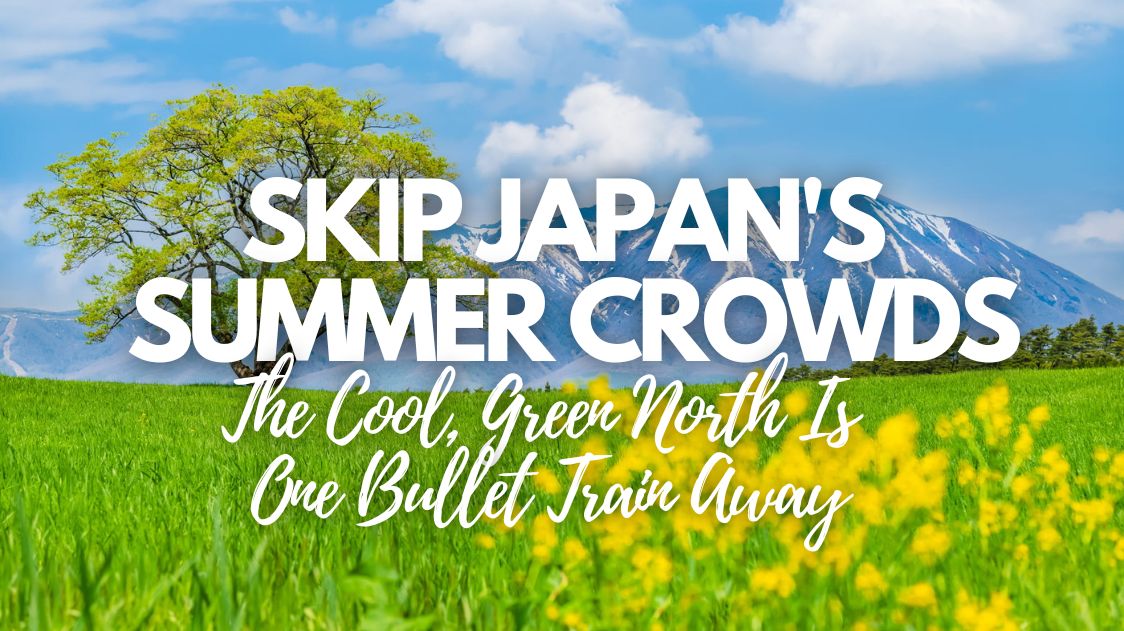
Tohoku: Skip Japan’s Summer Crowds
The Cool, Green North Is One Bullet Train Away

- +0 0
-

-


While Kyoto bakes and Fuji’s trails overflow, a whole region of Japan stays green, breezy, and almost empty — under three hours north by Shinkansen.
Here’s what experienced Japan travelers tend not to advertise: while Kyoto sits at 35°C and Mt. Fuji’s trails are three people deep, there’s a whole region to the north that stays cool, green, and largely to itself. It’s called Tohoku: the northern third of Honshu — and the fast train from Tokyo puts you in the middle of it in under three hours.
No bucket-list crush. No waiting 40 minutes for a photo. Just deep forest gorges, cobalt crater lakes, and mountain onsen with the windows open. If your idea of a good summer is fewer people and cooler air, this is the trip.
The whole region runs along the Shinkansen north out of Tokyo. You don’t rent a car. You pick a train, get off, breathe.
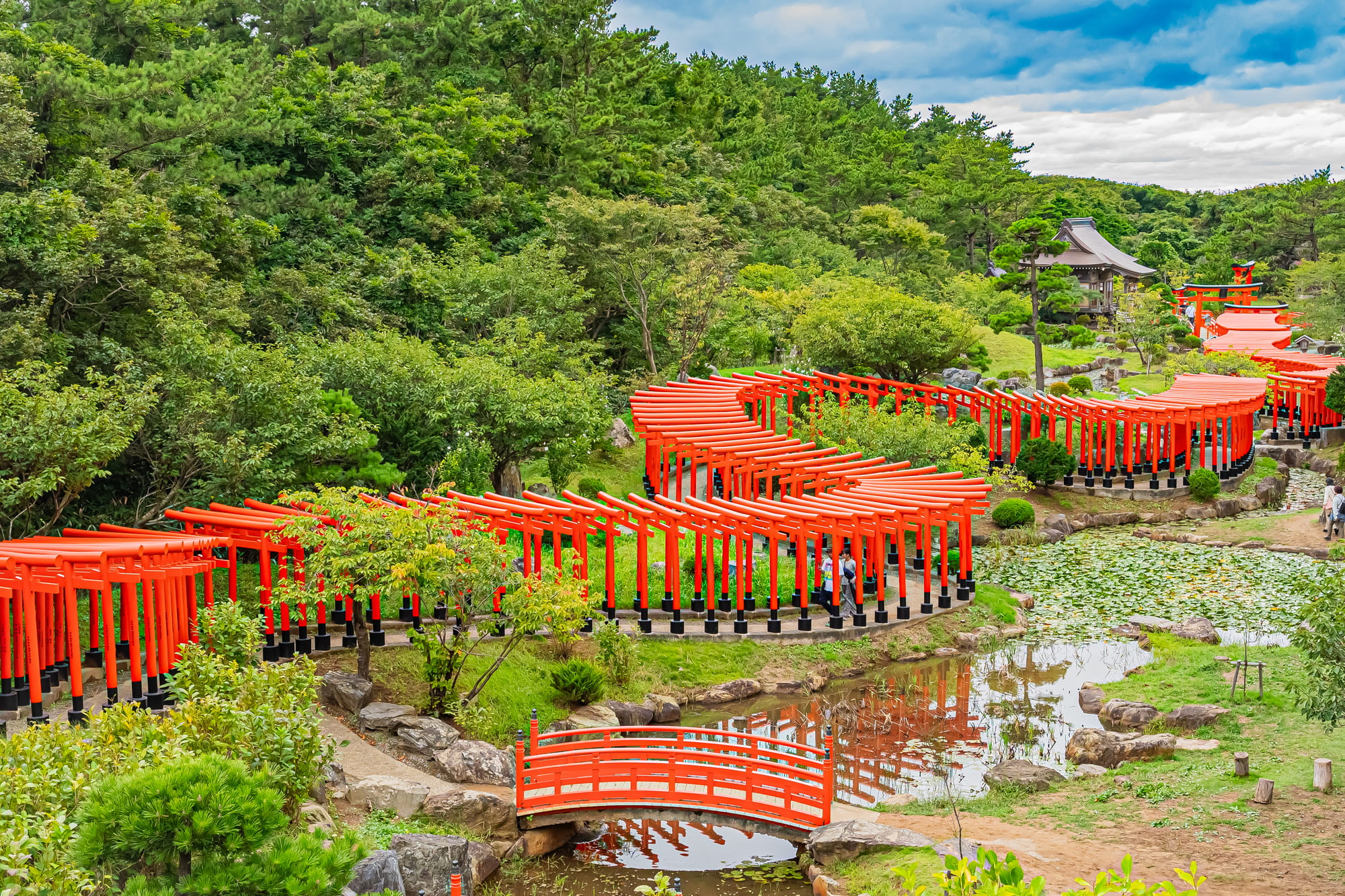
Why Tohoku in Summer (and not Kyoto)
-
It’s cooler. The northern latitude and mountain elevation make summer days noticeably milder than Honshu’s south. Nights are genuinely comfortable rather than oppressive.
-
It’s empty. Tohoku sees a fraction of the foreign visitors that Kyoto, Tokyo, and Osaka do. You get the Japan you imagined — without the queue.
-
It’s at its greenest now. Summer is when the gorges and highlands are most lush — the same scenery that draws crowds in autumn, but in July and August it’s a wall of green that almost no one photographs.
The 5 nature stops worth the trip
1. Oirase Gorge (奥入瀬渓流): the walk you’ll remember
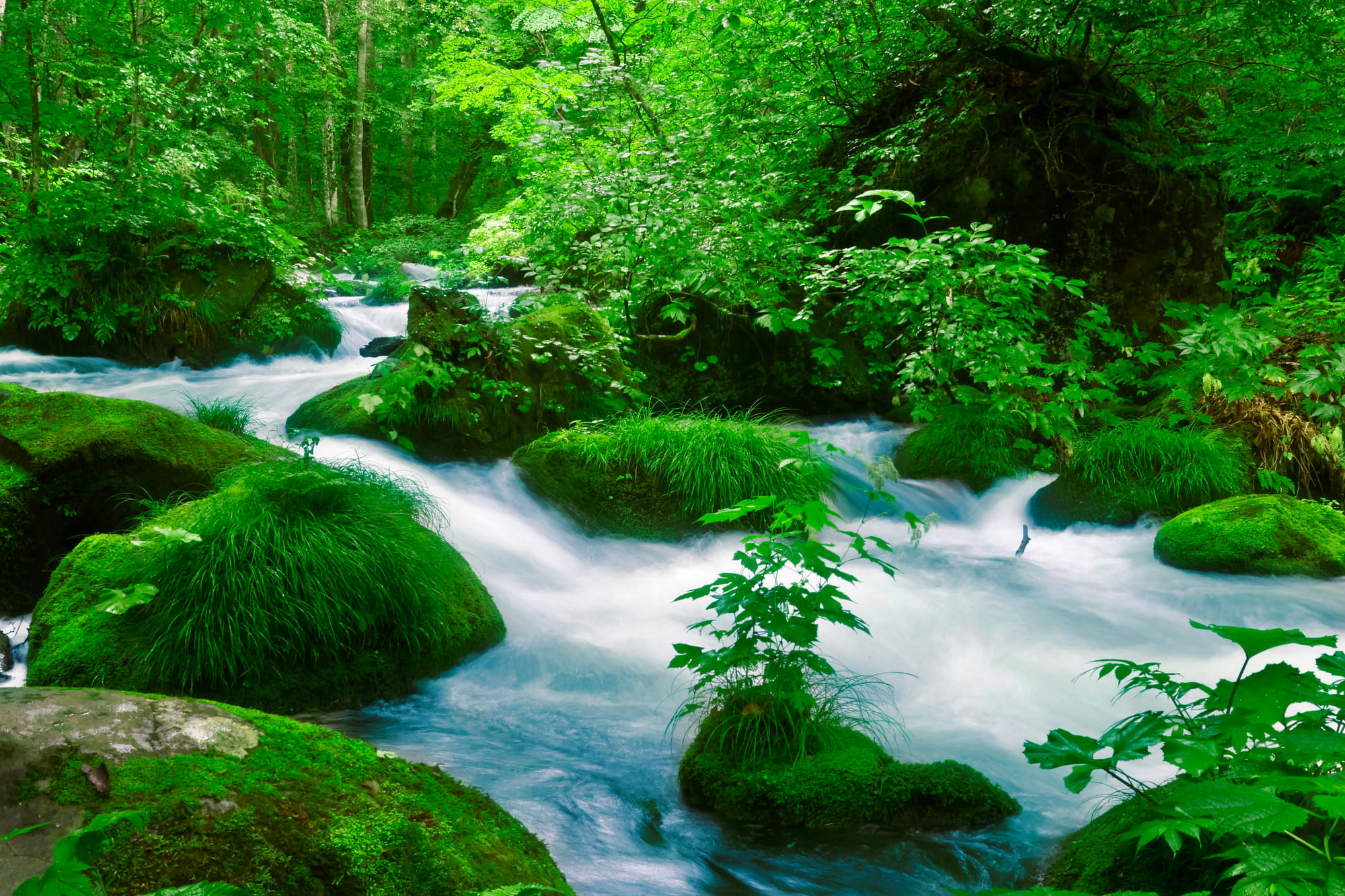
A flat, shaded stream-side trail where the water moves over mossy rocks under a green canopy for 14 kilometres. One of the most beautiful easy walks in Japan: cool, misty, and alive in summer. No hiking experience needed — the path runs alongside a road the entire way, with bus stops at intervals if you want to do half and ride the rest.
Nearest hub: Hachinohe or Shin-Aomori on the Tohoku Shinkansen, then roughly 90 minutes by JR bus to the gorge entrance. Bus service is infrequent: check schedules before going.
2. Lake Towada (十和田湖): the caldera lake
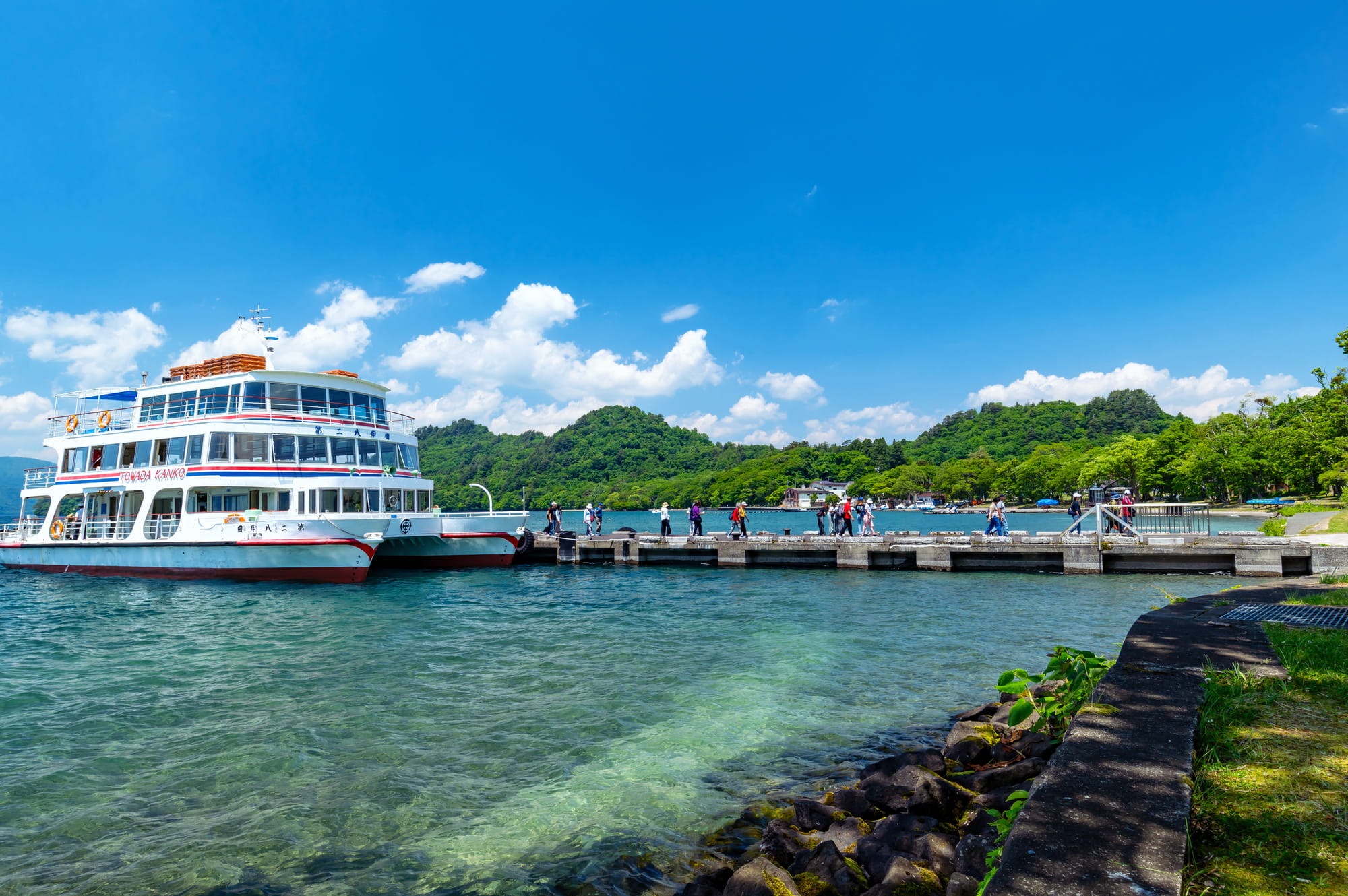
A vast, still crater lake at the top of the gorge, where the Oirase Stream begins. Rent a kayak, take a sightseeing boat, or just sit on the shore. Pairs naturally with Oirase: most people do both in the same day.
Nearest hub: Hachinohe or Shin-Aomori, same bus as Oirase continuing to Towada-ko.
3. Lake Tazawa (田沢湖): Japan’s deepest, and its bluest
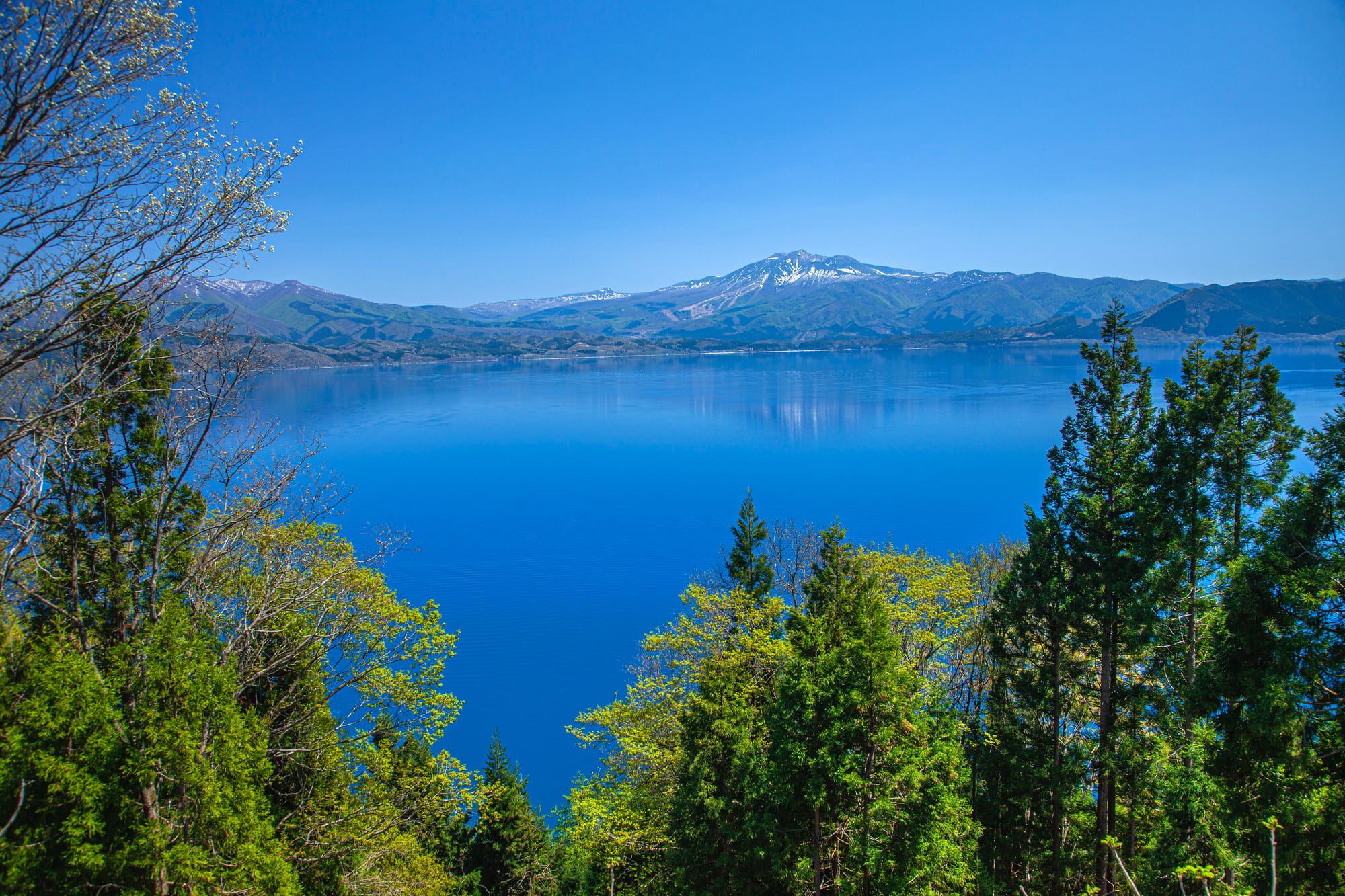
A near-perfect circle of deep blue water ringed by mountains. Cycle the shore, swim, or just stare at the colour and try to explain it to someone later. Nearest hub: Tazawako Station (Akita Shinkansen Komachi, about 3 hours from Tokyo).
4. Hachimantai (八幡平): the sky road
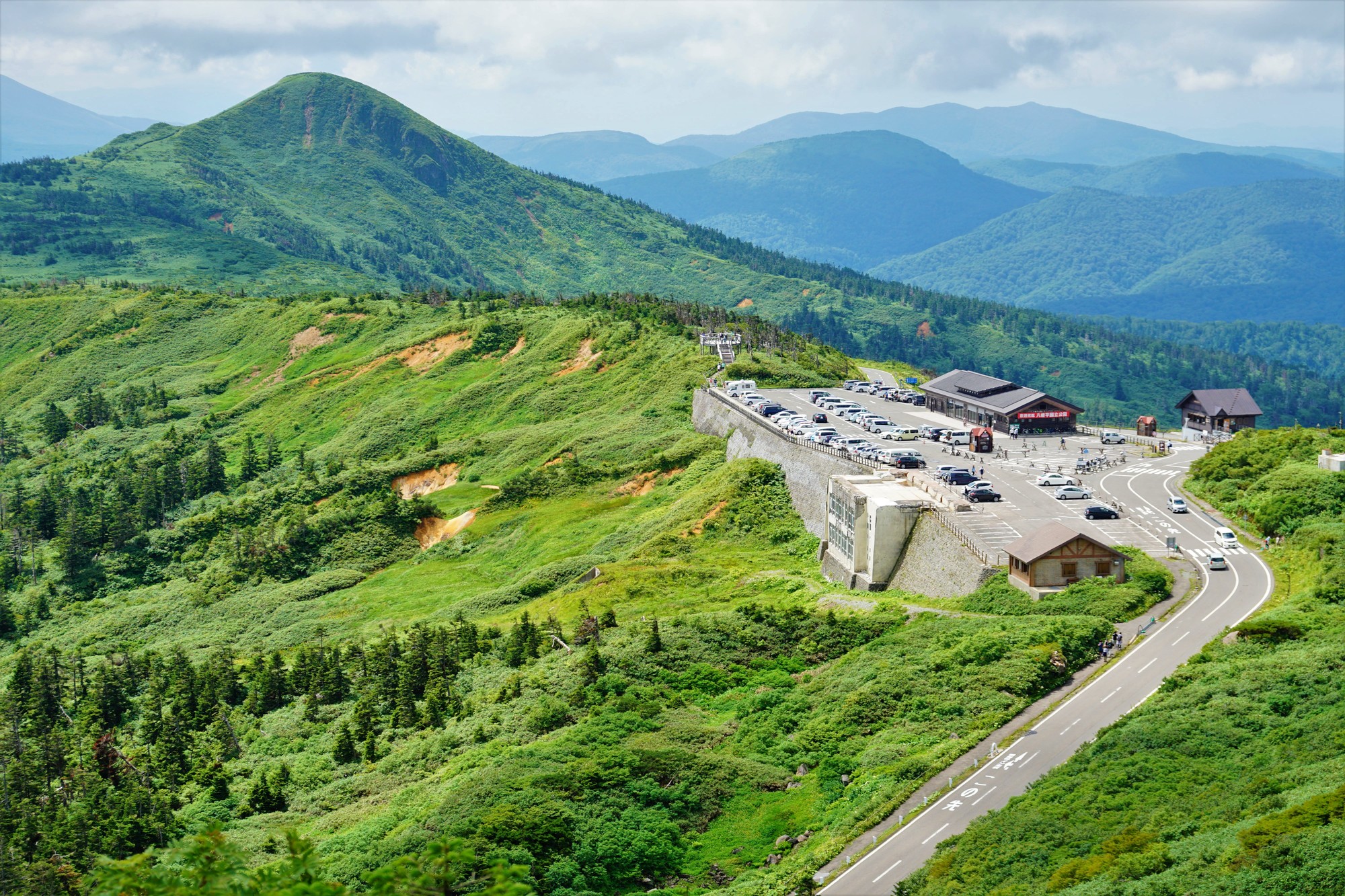
A highland plateau of alpine marshes, mirror ponds, and a drivable ridge road — the Aspite Line — with open views in every direction. Cool even in August. Nearest hub: Morioka, then bus or car to the plateau.
5. Zao (蔵王): the summer crater
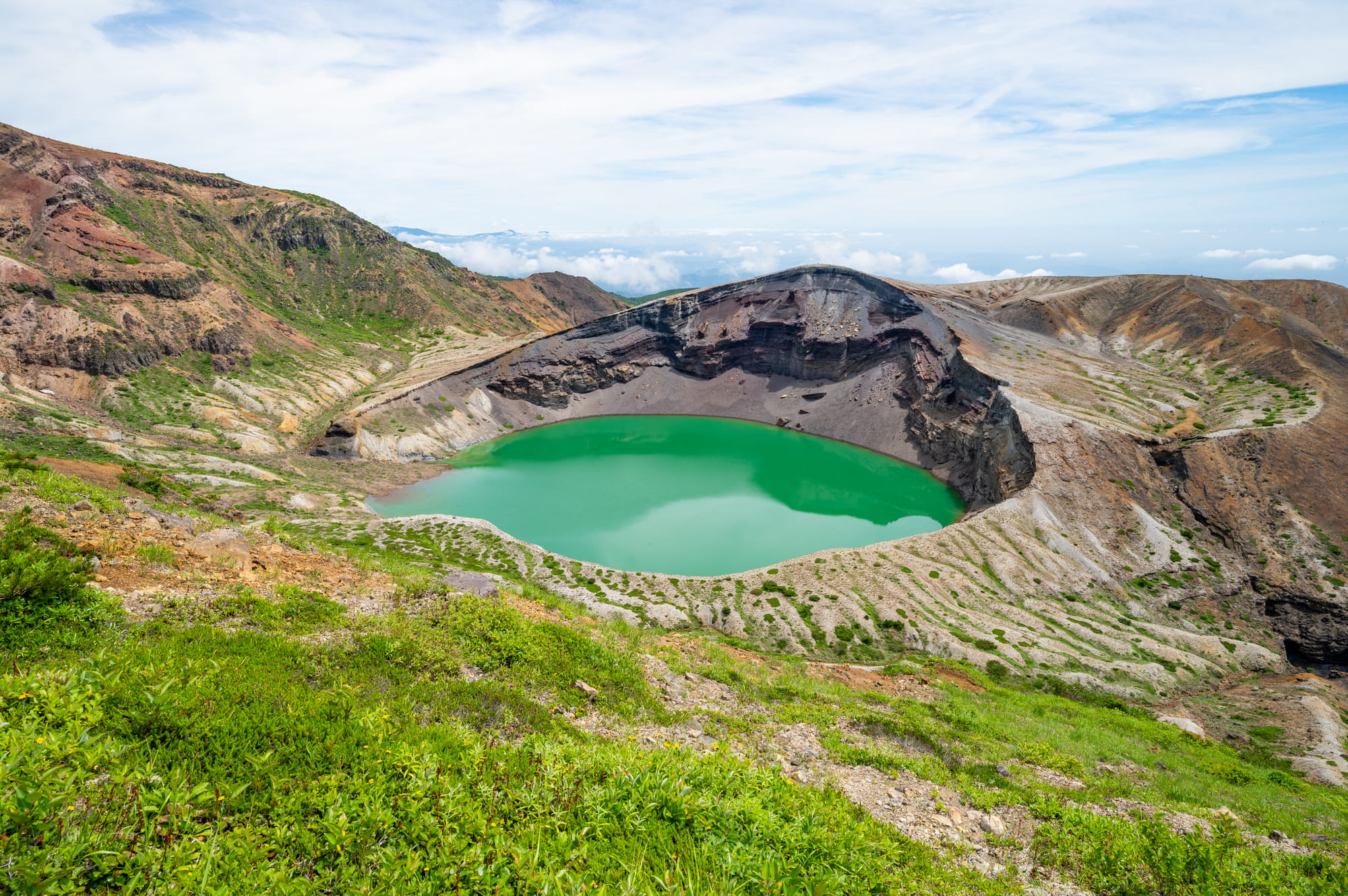
Famous for winter snow monsters, but in summer the Okama crater lake glows emerald-green between the peaks. The colour is genuinely strange and worth the trip on its own. Nearest hub: Yamagata or Sendai.
The route that ties them together
The Tohoku Shinkansen runs north from Tokyo through Sendai and Morioka. At Morioka, the Akita Shinkansen branches west toward Tazawako and Akita. Every stop above is reachable from this spine: Tokyo → Sendai → Morioka → (branch to) Akita.
| Leg | Train | Approx. time |
|---|---|---|
| Tokyo → Sendai | Tohoku Shinkansen | ~1 hr 30 min |
| Tokyo → Morioka | Tohoku Shinkansen Hayabusa | ~2 hr 10 min |
| Tokyo → Tazawako | Akita Shinkansen Komachi | ~3 hr |
You don’t need a flexible rail pass for this kind of trip. You need guaranteed reserved seats on specific trains, which is exactly what individual tickets give you, and the only thing that works when trains fill up in summer.
Two ready-made itineraries
3-Day “Cool Green” (Sendai base)
Day 1: Tokyo → Sendai, evening in the city.
Day 2: Day trip to Zao Okama crater.
Day 3: Yamagata countryside, back to Tokyo.
5-Day “North Spine” (one-way north)
Day 1: Tokyo → Tazawako (Lake Tazawa).
Day 2: Nyuto Onsen mountain hot springs.
Day 3: → Morioka → Hachimantai plateau.
Day 4: → Hachinohe → Oirase Gorge and Lake Towada.
Day 5: Ride home.
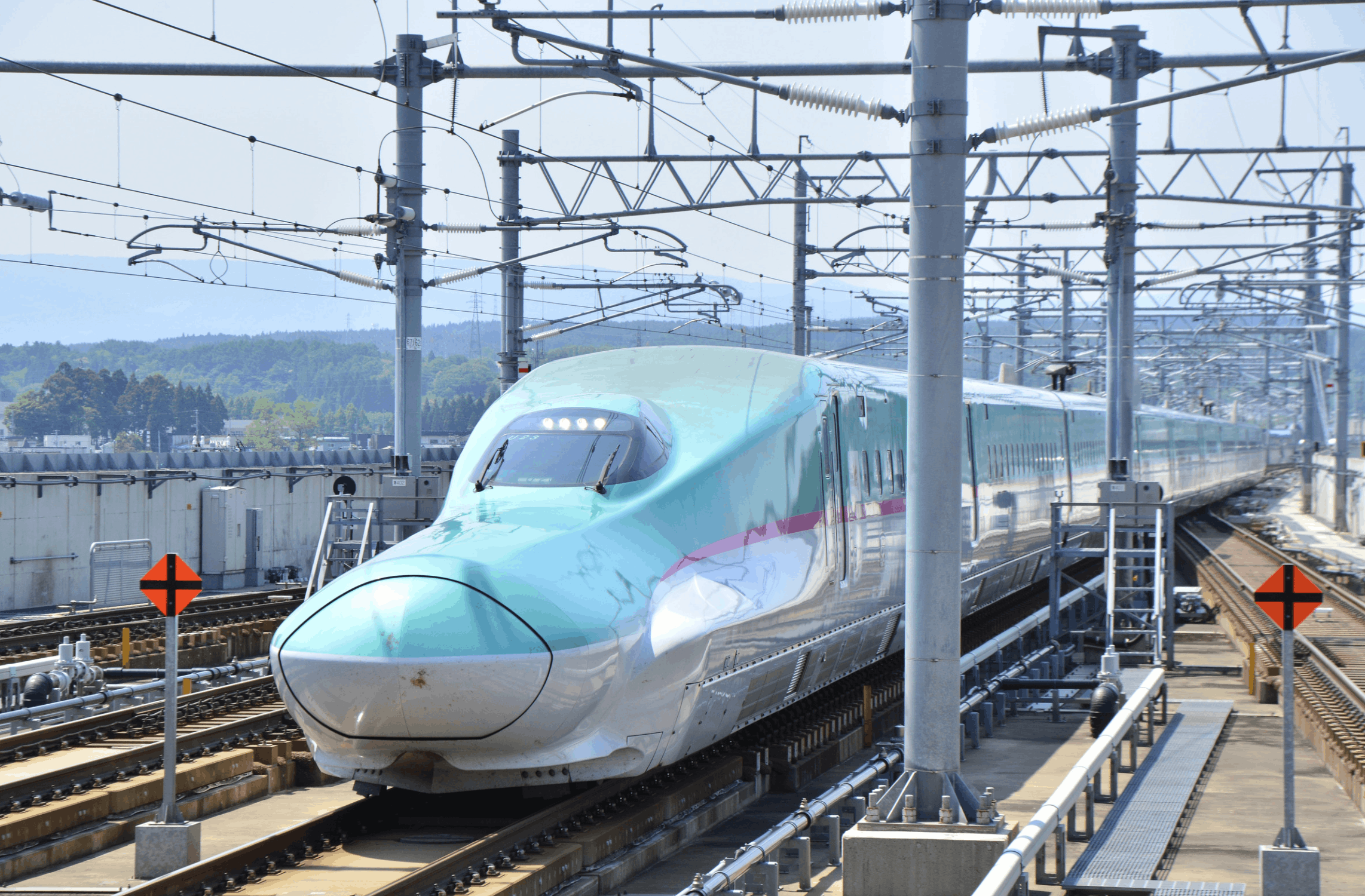
How to travel it (and why individual tickets)
A rail pass is built for people who zig-zag unpredictably. A Tohoku nature trip is the opposite: a clean line north with a few specific trains you want guaranteed seats on, especially in summer. Buying individual Shinkansen tickets means every leg is locked, reserved, and in English, with no pass math.
Plan your Tohoku travel route
Plan your legs and reserve each bullet-train seat on japan-bullettrain.com — Tokyo to Sendai, Morioka, Akita and back, booked in minutes.
When to go and what to pack
Best window: late June to August. Pack layers (the highlands cool off fast after sunset), plus walking shoes for the gorge and a swimsuit for the lakes and onsen. A light rain jacket is useful: the gorge mist is part of the experience but occasionally comes with actual rain.
For more information about traveling to Tohoku, check out the following articles!
Written by
Established in 2016, Japan Web Magazine is a long-running online media platform dedicated to sharing the beauty and uniqueness of Japan with a global audience. Our team is made up of passionate Japan lovers—both Japanese and international writers—who bring a diverse and authentic perspective to every article. We cover everything from must-visit travel destinations across Japan, to local food recommendations, shopping guides, and practical travel tips. In addition to tourism content, we also delve into Japan’s rich cultural tapestry, introducing readers to traditional customs, festivals, and the latest trends in modern Japanese pop culture, including anime and entertainment. Driven by a genuine love for Japan, our mission is to connect readers around the world with the wonders of this incredible country.
- +0 0
-
-