Things to Do in Tsukiji & Tsukishima: Tokyo’s Waterfront Food & Culture Walk
A Food Walk Through Tokyo’s Historic Market District, Monja Street, and a Hands-On Ramen Cooking Experience

- +0 0
-

-


The neighborhoods of Tsukiji and Tsukishima, located along the Sumida River near Tokyo Bay, offer one of the most enjoyable food walks in central Tokyo. Within a relatively compact area, you can explore a historic market district, visit an architecturally unique temple, stroll along a scenic riverside promenade, and experience Tokyo’s beloved local dish, monjayaki.
For visitors interested in going one step further, the area is also home to a popular ramen cooking experience, where travelers can learn how to prepare one of Japan’s most famous dishes themselves.
Here is how to spend a rewarding half-day to full day exploring this waterfront corner of Tokyo.
Things to Do in Tsukiji & Tsukishima
1. Tsukiji Outer Market
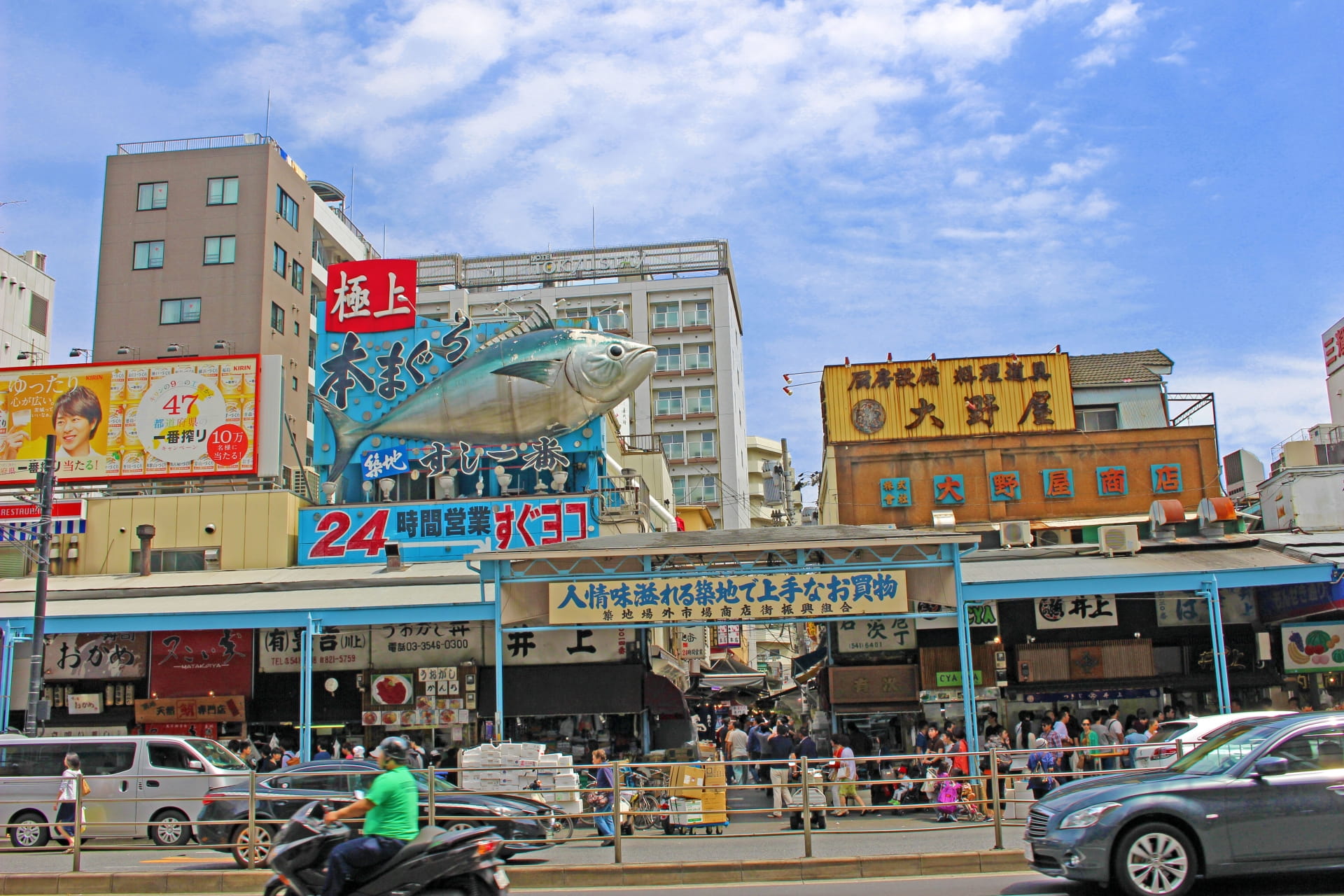
Although Tokyo’s wholesale fish market relocated to Toyosu in 2018, Tsukiji Outer Market (築地場外市場) continues to thrive as one of the city’s most exciting places for food lovers.
The narrow streets surrounding the market are filled with hundreds of food stalls, specialty shops, and small restaurants selling everything from fresh seafood to Japanese kitchen tools. Visitors can sample grilled scallops, tuna sashimi bowls, tamagoyaki (rolled omelet), and seasonal street snacks while browsing the lively market atmosphere.
The best time to visit is in the morning, ideally between 9:00 AM and 11:00 AM, when most shops are open and popular items are still available.
Access:
- Tsukijishijo Station (Toei Oedo Line) – 5 min walk
- Higashi-Ginza Station (Tokyo Metro Hibiya Line) – 10 min walk
2. Tsukiji Hongwanji Temple
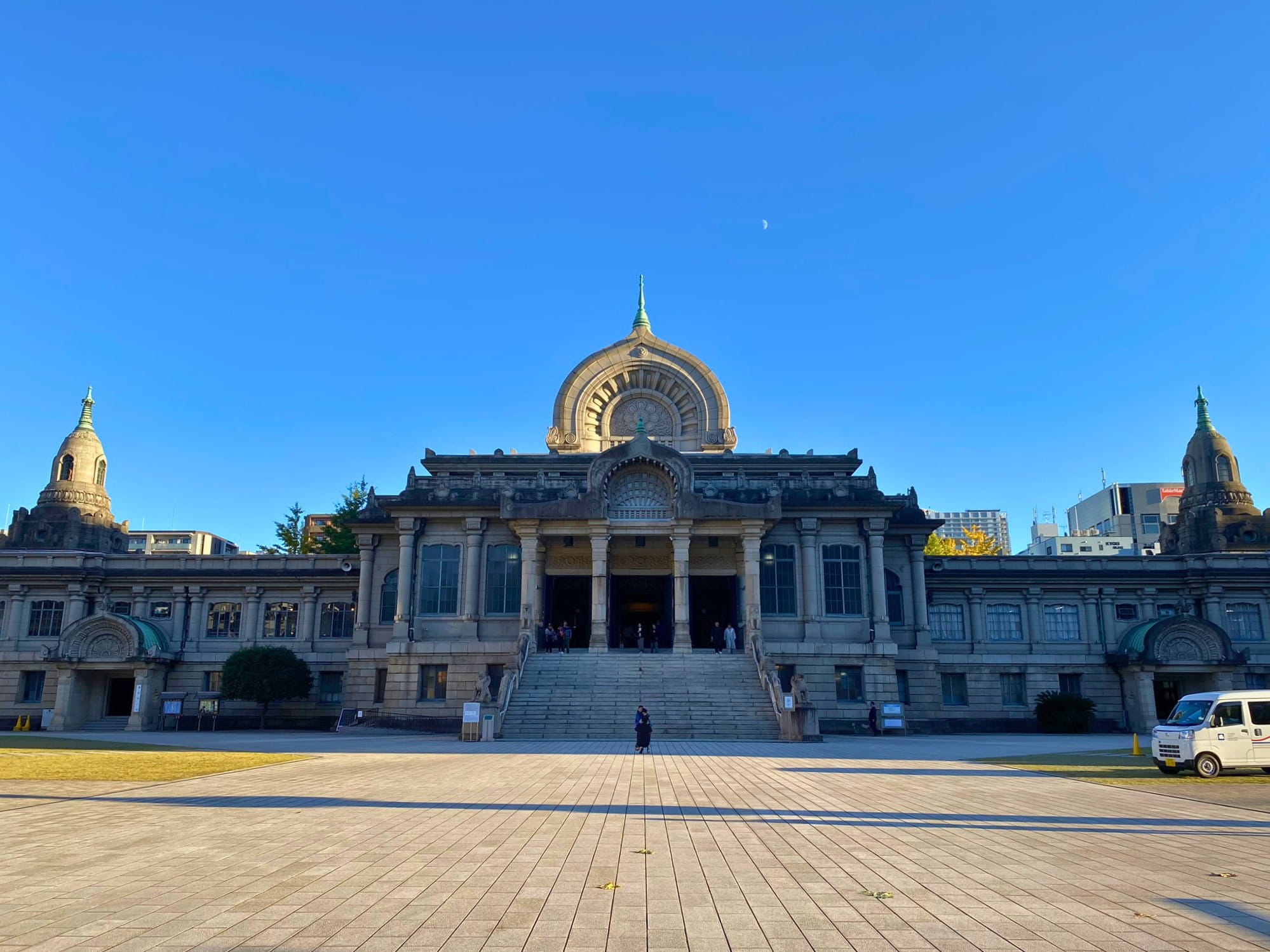
Just a short walk from the market stands Tsukiji Hongwanji (築地本願寺), one of Tokyo’s most distinctive Buddhist temples.
Completed in 1934 and designed by architect Ito Chuta, the temple features architectural influences from ancient Indian Buddhist temples, giving it a striking appearance that differs from traditional Japanese temple design. The interior combines carved wood, gold accents, and atmospheric lighting, creating a peaceful space for reflection.
Visitors are free to enter the grounds, which remain calm even during busy weekdays. A café inside the temple complex offers a place to relax after exploring the market.
During spring, cherry blossoms around the plaza create a particularly beautiful setting.
Access:
- Tsukiji Station (Tokyo Metro Hibiya Line) – 1 min walk
- Tsukijishijo Station (Toei Oedo Line) – 5 min walk
3. Kachidoki Bridge
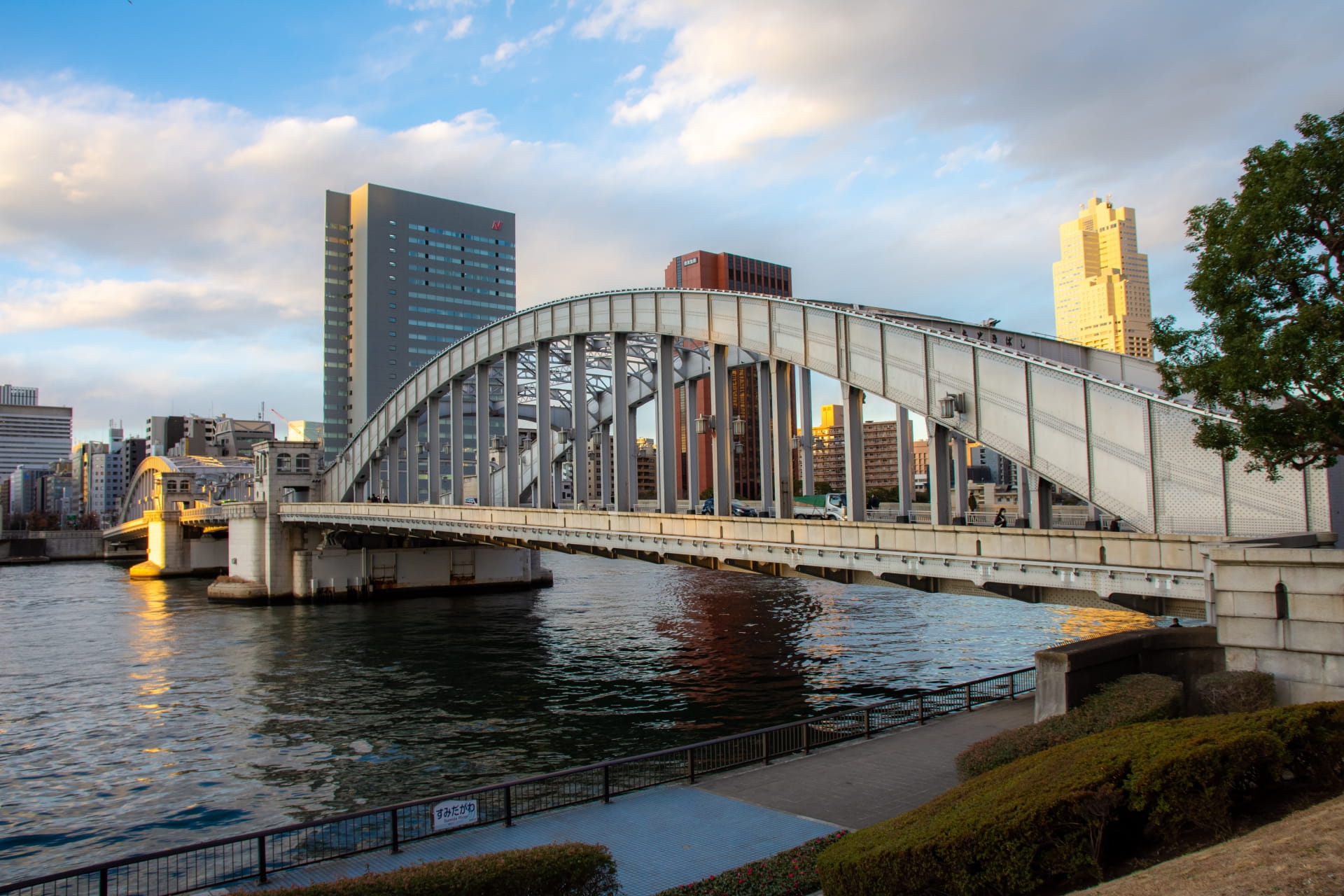
Walking south from Tsukiji along the waterfront brings you to Kachidoki Bridge (勝鬨橋), an elegant steel bridge completed in 1940.
Originally built as a drawbridge, it once opened to allow ships to pass along the Sumida River. Although the bridge has not opened since 1970, it remains an impressive example of early 20th-century engineering.
A small museum beneath the bridge introduces its mechanical history and the technology used to operate the lifting structure. The bridge also provides excellent views of the Sumida River and Tokyo skyline, making it a pleasant stop during a walking route between Tsukiji and Tsukishima.
Access:
- Kachidoki Station (Toei Oedo Line) – about 5 min walk
- Tsukiji Outer Market – about 10 min walk
4. Sumida River Terrace
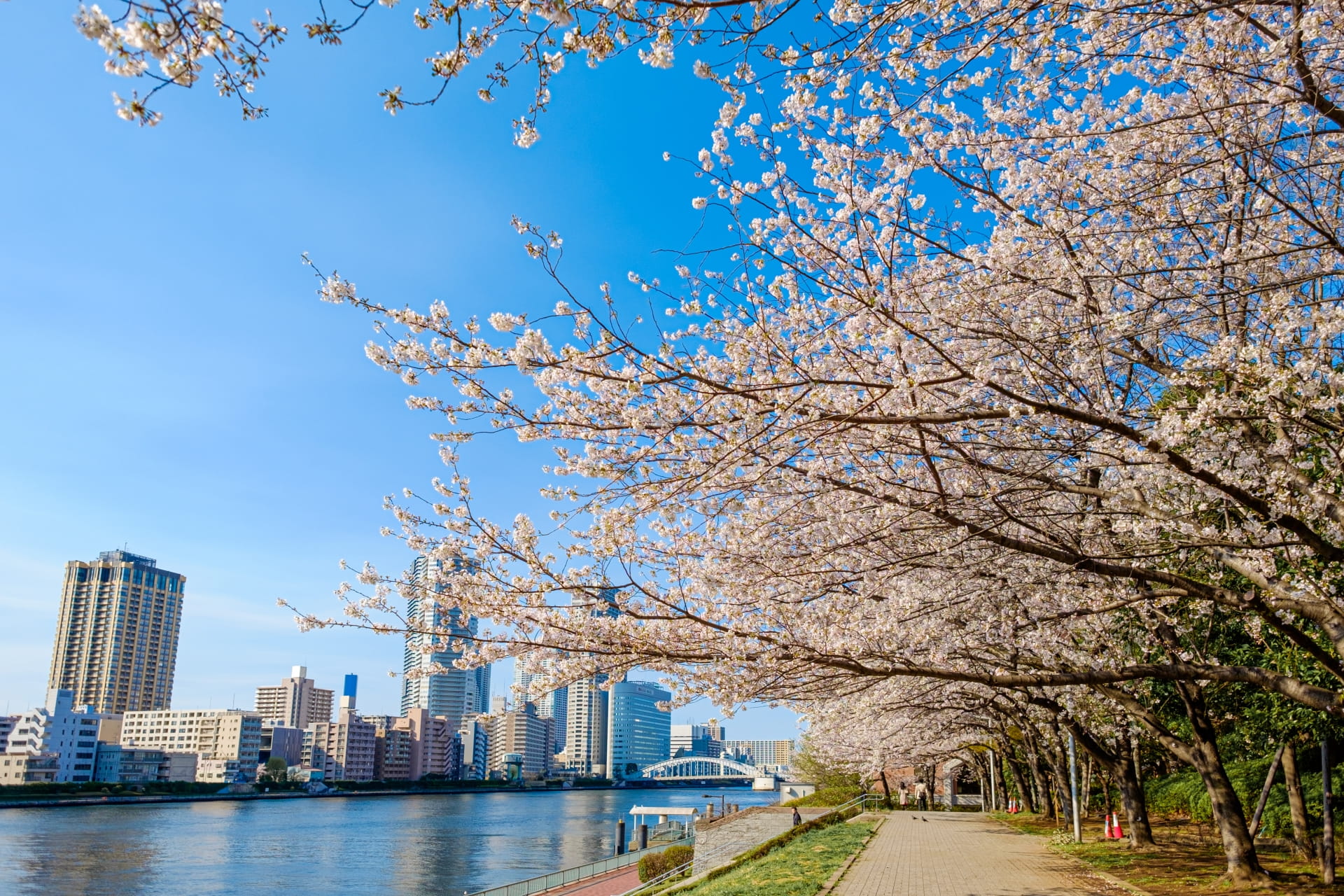
Continuing north along the river leads to the Sumida River Terrace (隅田川テラス), a long riverside promenade stretching through central Tokyo.
The section around Tsukishima and Tsukuda is particularly pleasant, with wide walking paths, benches, and open views across the water. Locals use the area for jogging, walking dogs, or relaxing beside the river.
The nearby neighborhood of Tsukuda Island, one of the oldest fishing communities in Tokyo, still retains a quiet atmosphere that contrasts with the surrounding modern skyline.
Access:
- Tsukishima Station (Tokyo Metro Yurakucho Line / Toei Oedo Line) – about 5 min walk
- Kachidoki Bridge – about 5 min walk
5. Tsukishima Monja Street
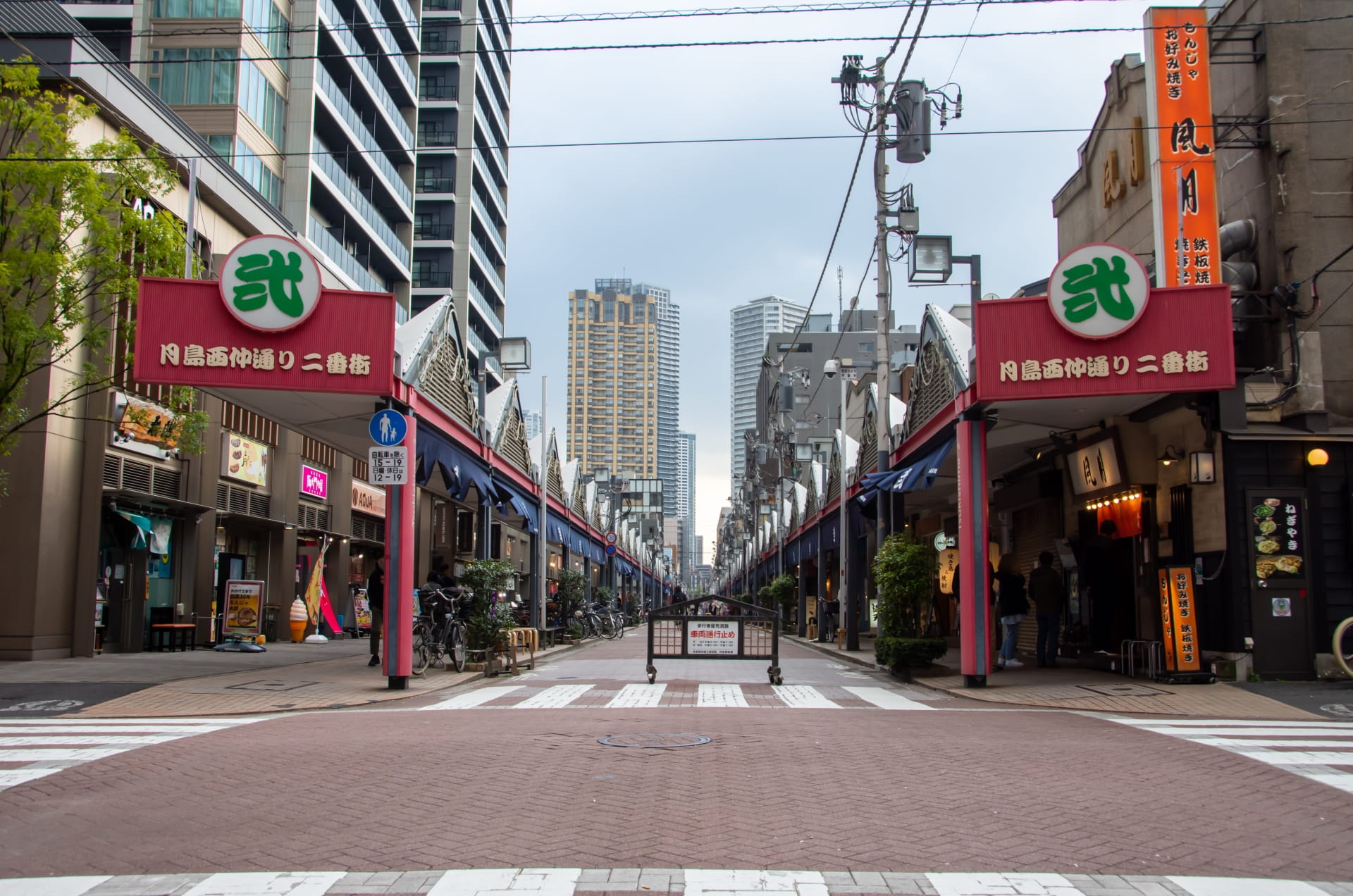
Crossing Aioi Bridge brings you to Tsukishima, widely known as the birthplace of monjayaki, Tokyo’s traditional savory pancake.
Along Tsukishima Monja Street (月島もんじゃストリート), visitors will find dozens of long-running restaurants serving this local specialty. Monjayaki is cooked directly on a hot teppan griddle at the table. The batter is spread into a thin layer and scraped into bite-sized pieces using small metal spatulas.
A typical monjayaki dish costs around 1,000 yen – 1,200 yen, and many visitors enjoy pairing it with a cold drink while cooking at the table.
Trying monjayaki here is one of the most authentic culinary experiences in Tokyo.
Access:
- Tsukishima Station (Tokyo Metro Yurakucho Line / Toei Oedo Line) – about 3 min walk
6. Learn to Make Ramen in Tokyo: Cooking Experience in Tsukishima
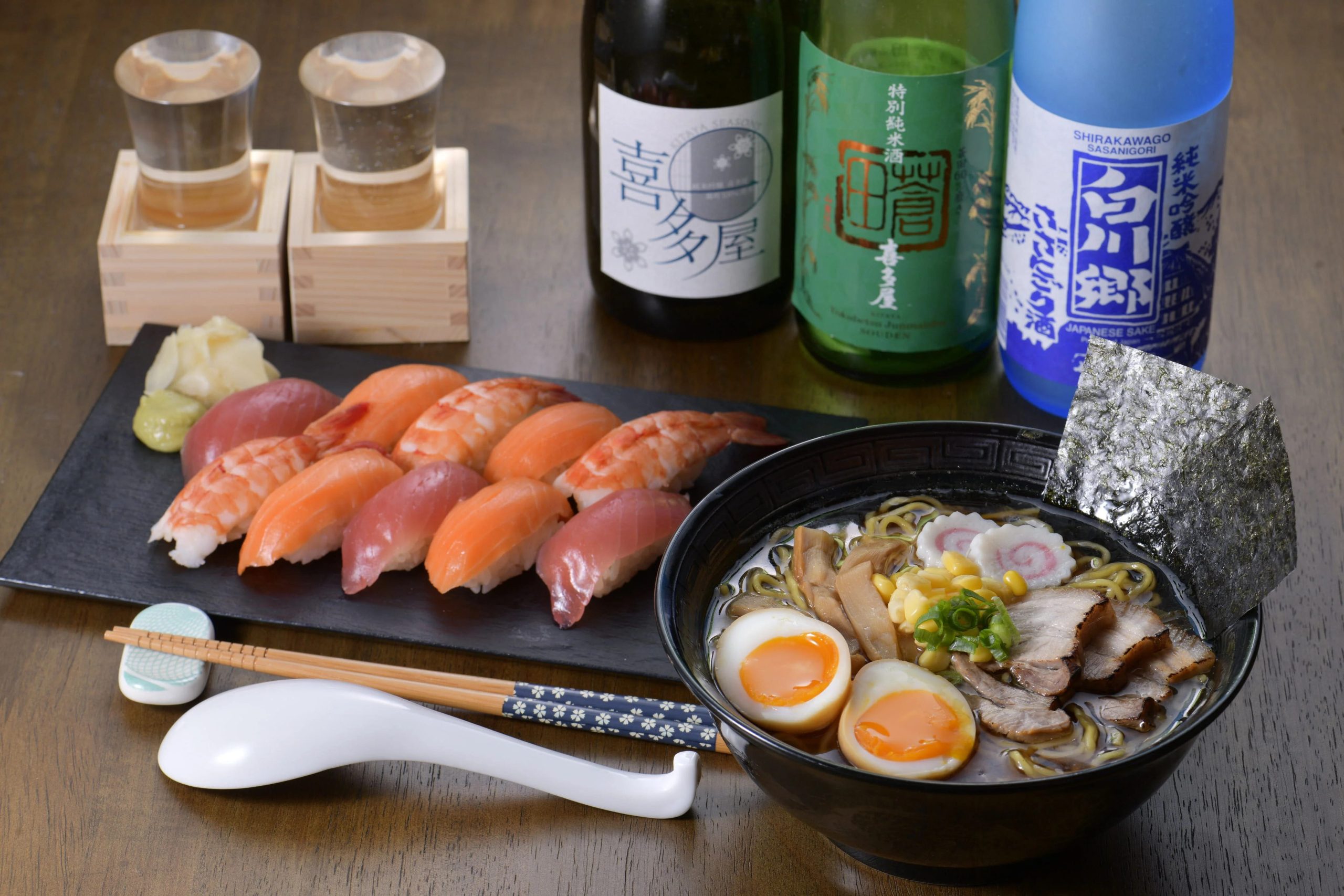
After exploring the food culture of the area, visitors who want a deeper experience can take part in a ramen cooking class in the Tsukishima area.
The class, offered by Ramen Cooking Tokyo, allows participants to learn how one of Japan’s most famous dishes is prepared while also gaining insight into Japanese food culture.
What You’ll Experience
During the 2.5–3 hour class, participants learn how to prepare key elements of ramen, including noodles, broth, and toppings. The class also introduces basic sushi preparation, giving guests the chance to experience two iconic Japanese dishes in a single session.
The program is conducted entirely in English, making it accessible for international travelers with no prior cooking experience.
Ingredients, tools, and step-by-step guidance are provided, allowing beginners to comfortably follow the process. At the end of the class, participants sit down together to enjoy the dishes they prepared.
Some sessions may also include a guided sake tasting, featuring several varieties selected to complement the food. Japanese beer and soft drinks are also available during the class.
Access:
- Tsukishima Station (Tokyo Metro Yurakucho Line / Toei Oedo Line) – about 5 min walk
Class Details
| Item | Details |
|---|---|
| Price | ¥20,000 per person |
| Duration | 2.5–3 hours |
| Group Size | Maximum 8 participants |
| Language | English |
| Suitable For | Beginners and families (children age 5+) |
| Schedule | Morning: 10:00–13:00 / Afternoon: 14:00–17:00 |
Check availability and book here:

Suggested Itinerary: Tsukiji to Tsukishima Food Walk
The Tsukiji–Tsukishima area is compact and easy to explore on foot, making it ideal for a relaxed half-day or full-day itinerary. A typical visit might begin with a morning food walk in Tsukiji, followed by a scenic stroll along the river before finishing with lunch or a cooking experience in Tsukishima.
The following sample itinerary shows how the highlights of the area can be combined into a smooth walking route.
| Time | Location | Highlights |
|---|---|---|
| Morning | Tsukiji Outer Market | Street food, seafood bowls, tamagoyaki |
| Late Morning | Tsukiji Hongwanji Temple | Unique architecture and peaceful grounds |
| Midday | Kachidoki Bridge & Sumida River Terrace | Scenic walk along the waterfront |
| Lunch | Tsukishima Monja Street | Try Tokyo’s famous monjayaki |
| Afternoon | Ramen Cooking Class | Learn to make ramen and sushi |
This route requires very little backtracking and allows visitors to experience both the historic food culture of Tsukiji and the local neighborhood atmosphere of Tsukishima in a single outing.
Practical Information: Tsukiji & Tsukishima
Getting There


Tsukiji Outer Market
- Tsukijishijo Station (Toei Oedo Line)
- Higashi-Ginza Station (Tokyo Metro Hibiya Line)
Tsukishima
- Tsukishima Station (Tokyo Metro Yurakucho Line / Toei Oedo Line)
Getting Around
The entire area is very walkable. The distance between Tsukiji and Tsukishima is approximately 15–20 minutes on foot, and walking across Kachidoki Bridge provides scenic views of the Sumida River.
Best Time to Visit
The area can be enjoyed year-round, but several seasons are particularly pleasant.
Spring (late March–early April) offers cherry blossoms around Tsukiji Hongwanji and nearby riverbanks.
Autumn (October–November) tends to bring clear skies and comfortable walking temperatures.
Nearby Attractions
- Ginza – about 10 min walk from Tsukiji
- teamLab Planets TOKYO – about 10 min by train from Tsukishima
- Hamarikyu Gardens – about 15 min walk from Tsukiji
Frequently Asked Questions
Q. Is Tsukiji Market still worth visiting now that the wholesale market moved?
A. Yes. While the wholesale market relocated to Toyosu in 2018, the Tsukiji Outer Market remains active and continues to be one of Tokyo’s most popular places for street food and seafood.
Q. Do I need to book the ramen cooking class in advance?
A. Advance booking is recommended. Class sizes are limited and popular time slots can fill up quickly, especially during peak travel seasons.
Q. Can children join the cooking class?
A. Yes. Children aged 5 and above are welcome, and the class is designed to be accessible for families as well as beginners.
Q. Is the cooking class suitable for beginners?
A. Yes. No previous cooking experience is required. Most participants are first-time visitors to a Japanese cooking class.
Q. How long should I plan to spend in the Tsukiji and Tsukishima area?
A. A half-day visit is enough to explore the main highlights. However, a full-day itinerary allows you to enjoy the food culture, riverside walk, and cooking experience at a relaxed pace.
Q. Is monjayaki worth trying if I’ve already had okonomiyaki?
A. Yes. While the two dishes are related, monjayaki has a softer texture and a different cooking style, making it a unique part of Tokyo’s local cuisine.
While Tokyo is often associated with its busy districts like Shibuya and Shinjuku, the Tsukiji and Tsukishima waterfront area offers a different side of the city.
From historic markets and temples to riverside walks and local street food, the neighborhood combines culture and cuisine in a way that rewards slow exploration.
And for travelers who want to take a piece of Japan home with them, learning to cook ramen themselves may become one of the most memorable experiences of their visit.
For more things to do in nearby areas, be sure to check out the following articles!


Written by
Born and raised in Costa Rica, I started living in Tokyo from college. I love traveling within Japan & around the world. Since I wasn’t born in Japan, I know the cultural impact that you can get when visiting Japan for the first time and what you might be worried about before your trip. And I’ve lived long enough to somewhat understand the nuances of the Japanese culture that make this country such an attractive place to visit. Hopefully I can provide to you both the information you’re looking for and the information you didn’t know you needed to know.
- +0 0
-
-