The Ultimate Kyushu Onsen Guide: Kurokawa vs. Yufuin vs. Beppu
Kyushu’s Best Onsen Escapes: How to Reach Kurokawa, Yufuin & Beppu from Tokyo

- +0 0
-

-


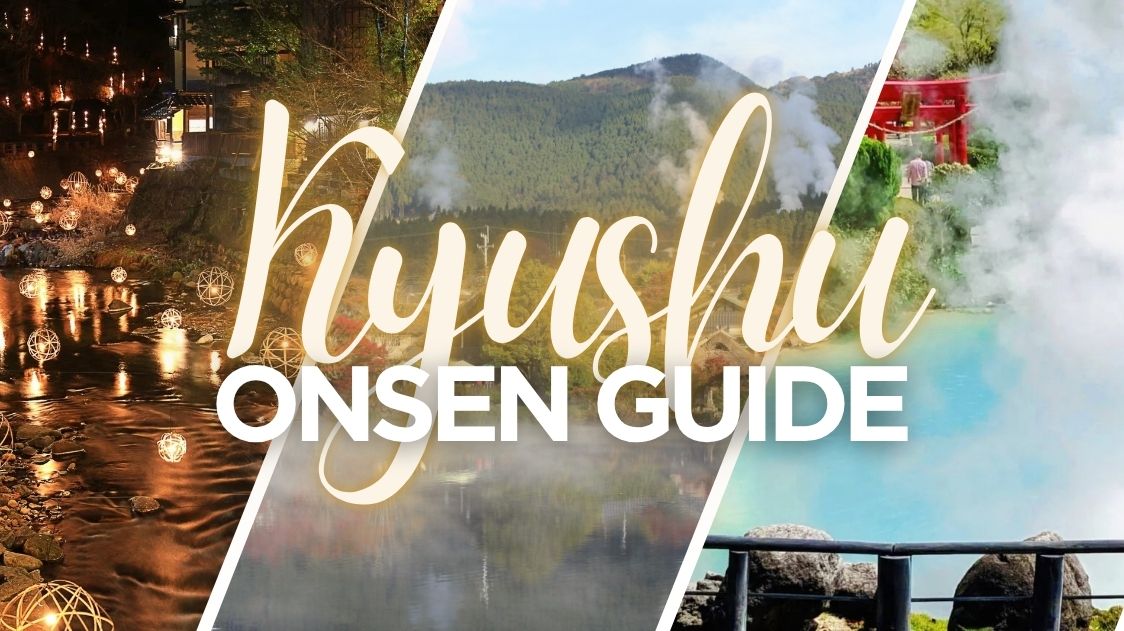
Steaming mountain baths, quiet ryokan towns, and crisp winter air, Kyushu captures everything that makes Japan’s onsen culture unforgettable. From the misty valleys of Kurokawa Onsen to the art-filled streets of Yufuin and the lively hot-spring city of Beppu, each destination offers a completely different experience.
This guide helps you find the onsen town that fits your travel style best, with clear comparisons, local highlights, and easy access from Tokyo to Kyushu. For those flying in, Solaseed Air, one of the main airlines connecting Tokyo and Kyushu, offers convenient routes to reach these relaxing hot-spring havens. Whether you are drawn to peaceful forests, boutique cafés, or vast geothermal landscapes, here is how to choose the perfect place to unwind and how to get there effortlessly.
See also: 8 Best Onsen in Kyushu
Which Onsen Vibe Fits You Best?
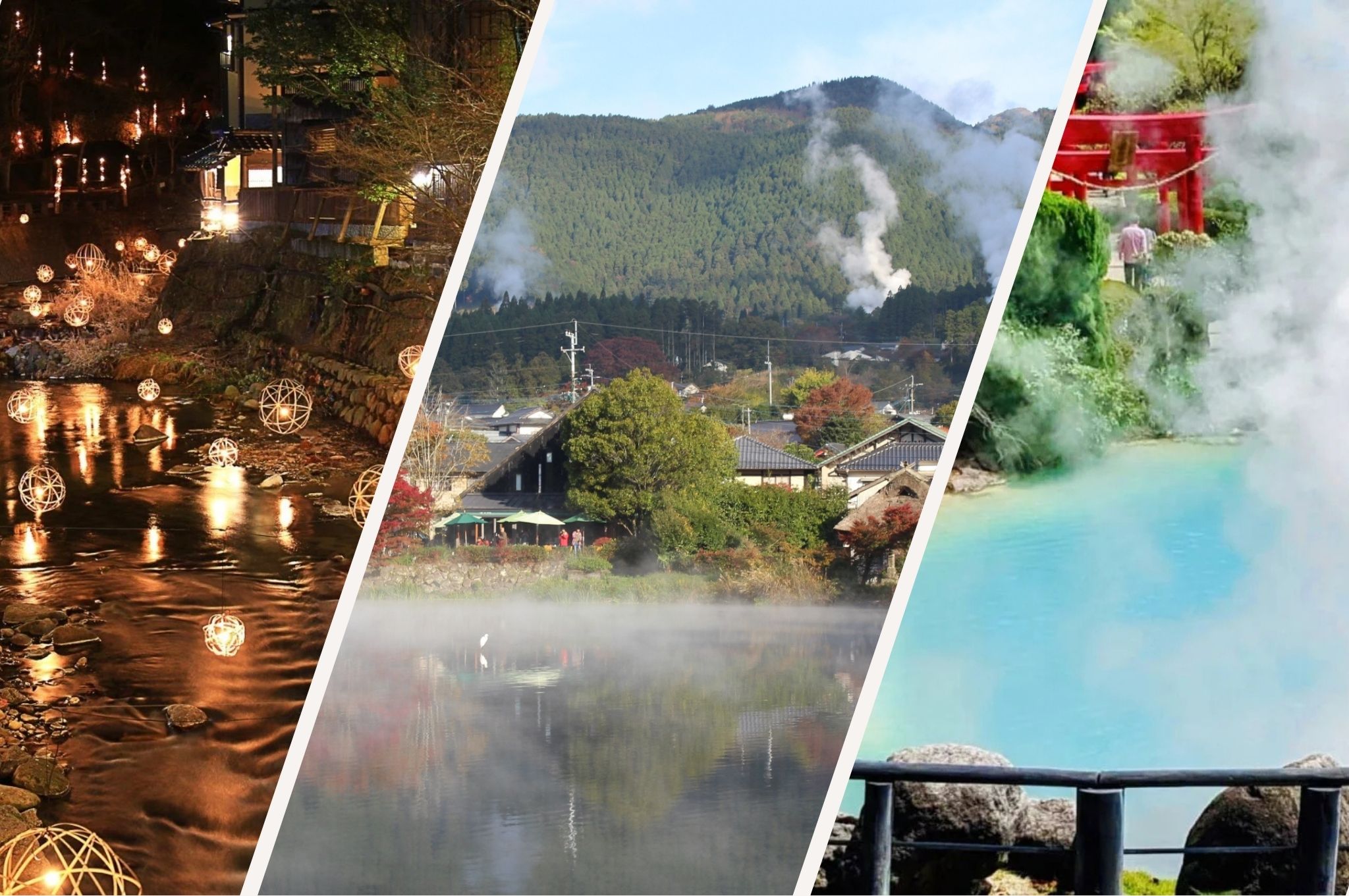
If you’re choosing between Kyushu’s top onsen towns, this quick comparison will help you match your travel style to the right destination.
| Feature | Kurokawa Onsen | Yufuin | Beppu |
| The Vibe | Rustic, traditional, and nestled in nature | Chic, relaxed, and artistic | Lively, diverse, and a bit touristy |
| Best For… | Nature lovers, avid onsen bathers | Couples, art lovers, foodies | Families, first-timers, variety seekers |
| Access from Tokyo | Tokyo → Kumamoto (2h) → bus 2 hrs to Kurokawa | Tokyo → Oita (1h45m) → bus 55 min to Yufuin | Tokyo → Oita (1h45m) → onward to Beppu (50 min–2 hrs) |
| Price Point | Mid-Range to High | Mid-Range to Luxury | Budget to High |
Now you can see the three very different styles side by side. If you’re drawn to a quiet forested soak and a true ryokan stay, go with Kurokawa. If you want something intimate, stylish, and relaxed, Yufuin is your pick. And if you prefer energy, choice, and big-scale fun, then Beppu delivers.
The Top 3 Kyushu Onsen Towns: A Deeper Dive
Each of Kyushu’s famous hot-spring towns offers a different kind of escape. Here’s what makes each destination unique, and how to reach it easily from Tokyo:
Kurokawa Onsen: For Nature Lovers & the Authentic Ryokan Experience
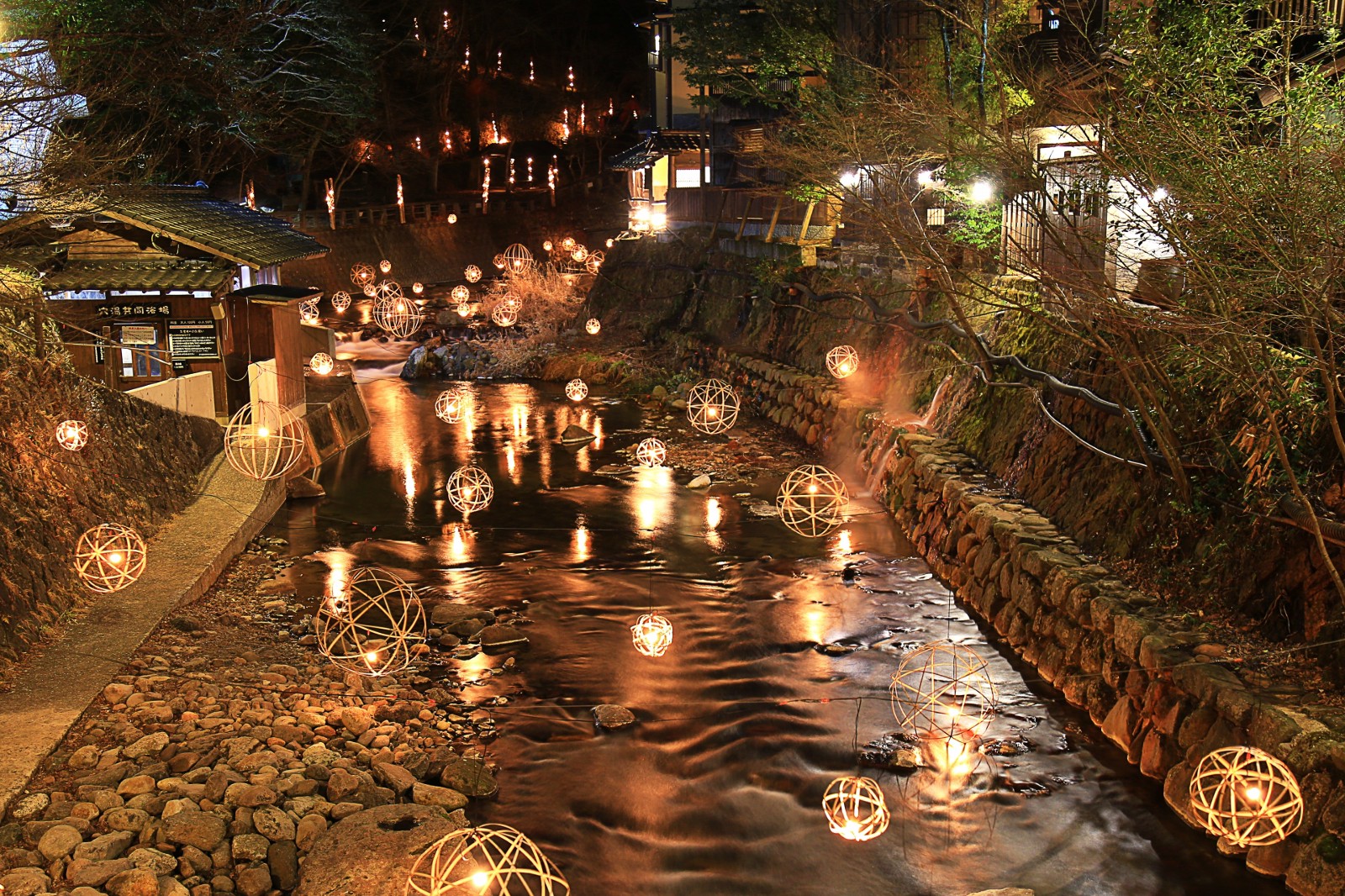
Tucked into a forested valley north of Mount Aso in Kumamoto Prefecture, Kurokawa Onsen has resisted large-scale commercial hotel blocks. Instead, you’ll find traditional ryokan, wooden bridges, a meandering river, and a timeless feel.
What makes it special:
- The town actively maintains a traditional aesthetic: no neon signs, large hotels or loud resort visuals, making the experience feel more intimate and authentic.
- The onsen-hopping pass (known as the nyuto tegata) allows visitors to use the baths of three different ryokan for one affordable fee of 1,300 yen.
- Surrounded by nature: the valley setting, forest cover and clear river give this destination a strong natural-soak atmosphere, ideal for slowing down.
Suggested nearby experiences:
- Explore the lanes and bridges of the town clad in yukata or geta sandals.
- Make the short drive or bus ride to Mount Aso’s viewpoints for volcanic scenery.
- Visit one or two different open-air baths (rotenburo) with varying character (river-side, forested, cave-like).
Yufuin: For Couples, Art Lovers & Boutique Stays
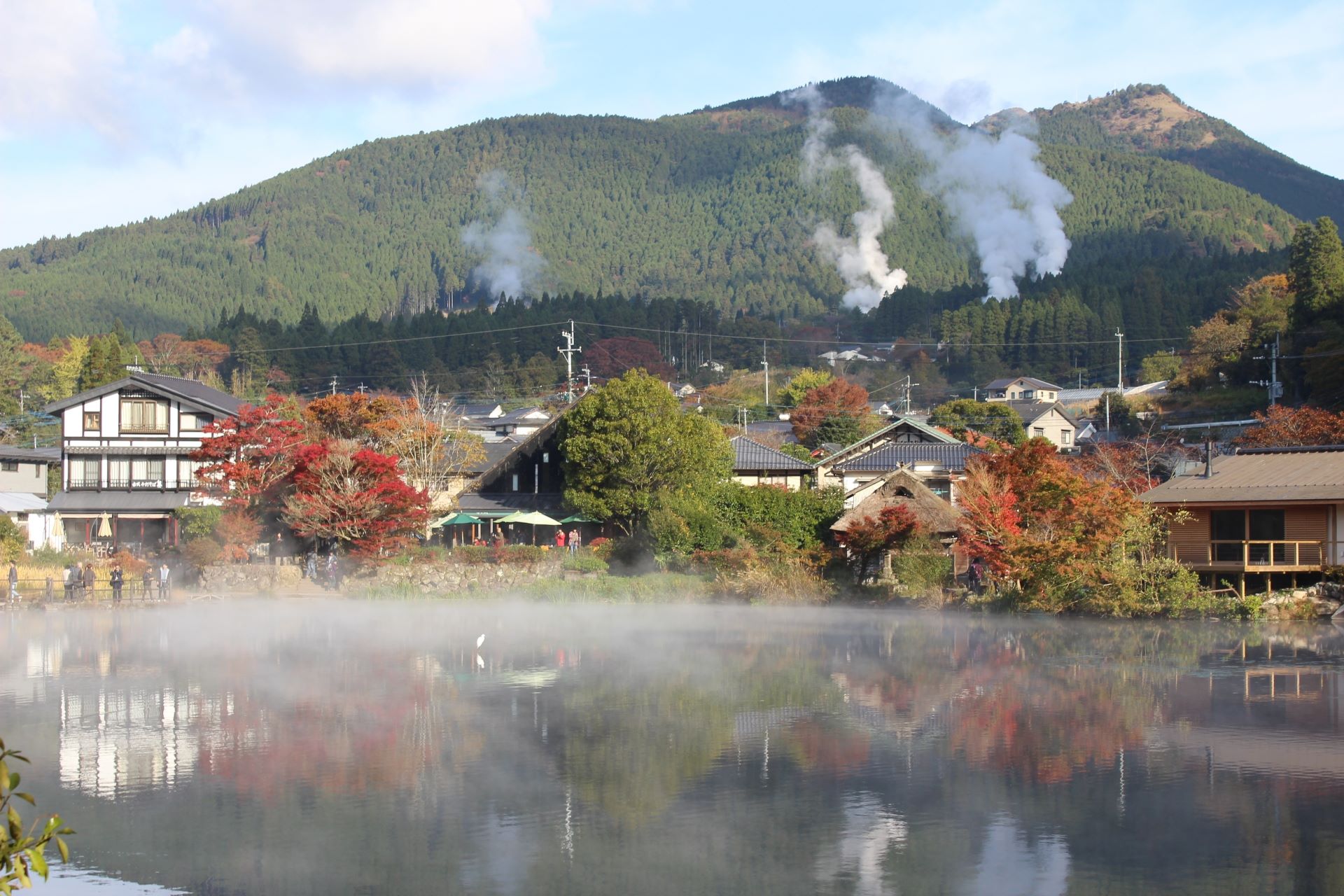
Set against the dramatic backdrop of Mount Yufu, Yufuin offers a refined and relaxed atmosphere that brings together the best of natural onsen charm with a refined, walkable streetscape of cafés, boutiques, and art galleries.
What makes it special:
- A scenic main street (Yunotsubo Kaido) lined with independent cafés, craft shops and art galleries makes this destination ideal for couples or travellers who enjoy exploring on foot.
- Boutique ryokan options often come with private baths (kashikiri-buro), delivering a “just-the-two-of-us” feel.
- The onsen waters are mostly gentle alkaline springs, popular for skin-beautifying effects.
Suggested nearby experiences:
- Take an early morning stroll around Lake Kinrin to see mist rising off the water, especially magical in autumn or winter.
- For active travelers, a half-day hike to Mount Yufu offers panoramic views of the Yufuin Basin.
- When strolling Yunotsubo Kaido, don’t miss Yufuin Floral Village and its souvenir shops, crafts, and quaint cafés, ideal for casual exploration.
Beppu: For Variety Seekers & the Unique “Hell Tours”
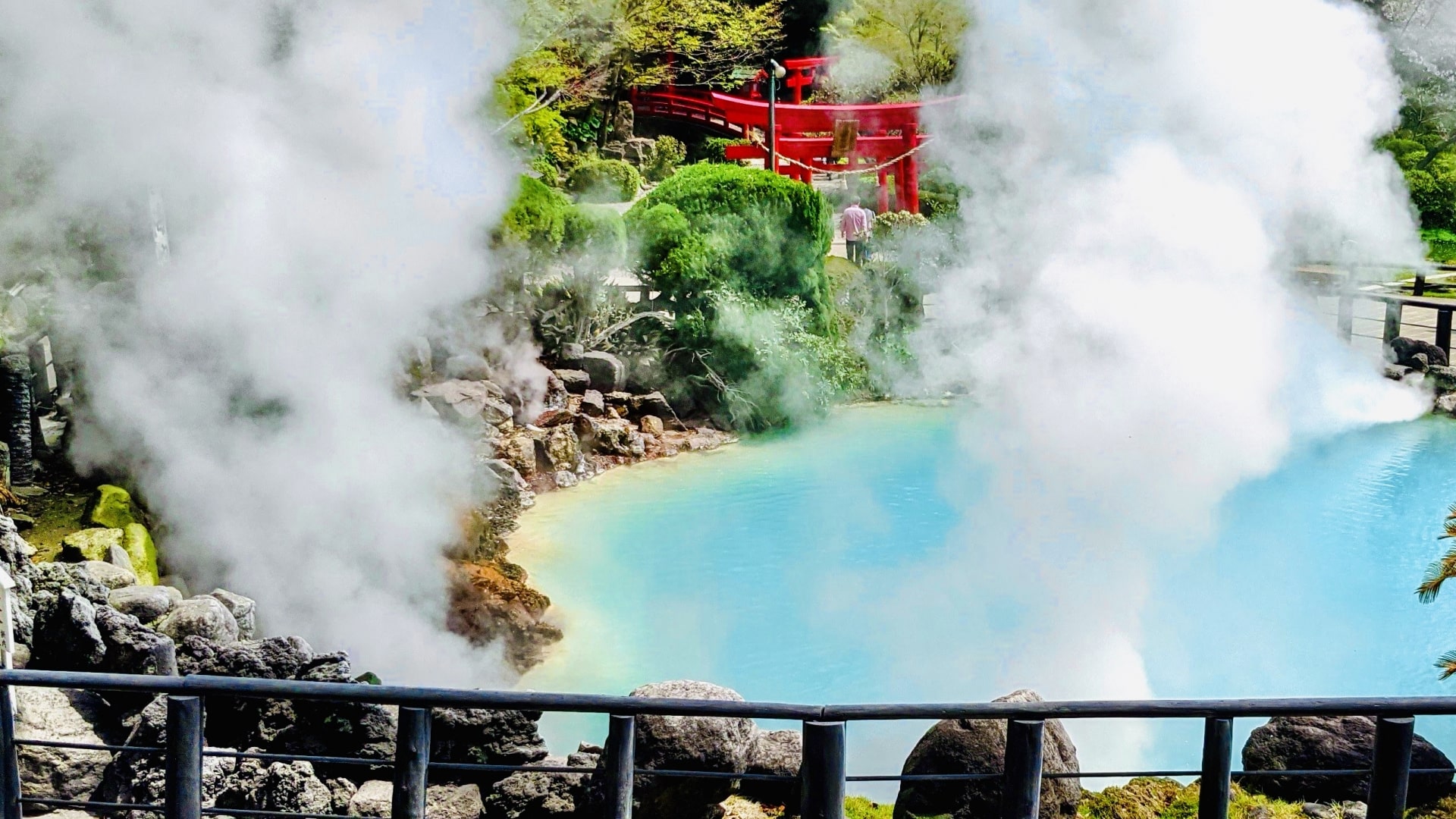
Beppu is Kyushu’s hot-spring powerhouse. With eight distinct onsen districts, steam vents and quirky “Hell Tour” attractions, it’s perfect if you want a mix of serious soaking, sightseeing and flexibility.
What makes it special:
- The city encompasses eight distinct onsen areas (Beppu Hatto), each with different water types and atmospheres.
- The Jigoku Meguri (Hell Tour) features several visually striking hot springs for sightseeing, not bathing.
- Offers a mix of family-friendly activities, traditional baths, and unconventional experiences like sand baths heated by natural steam.
Suggested nearby experiences:
- Explore several onsen districts to experience variety, from public baths to private sand or steam baths.
- Combine a morning of “hell” sightseeing with an afternoon relaxing in a conventional onsen.
- Enjoy local food and nightlife after a full day of onsen hopping.
How to Get There from Tokyo
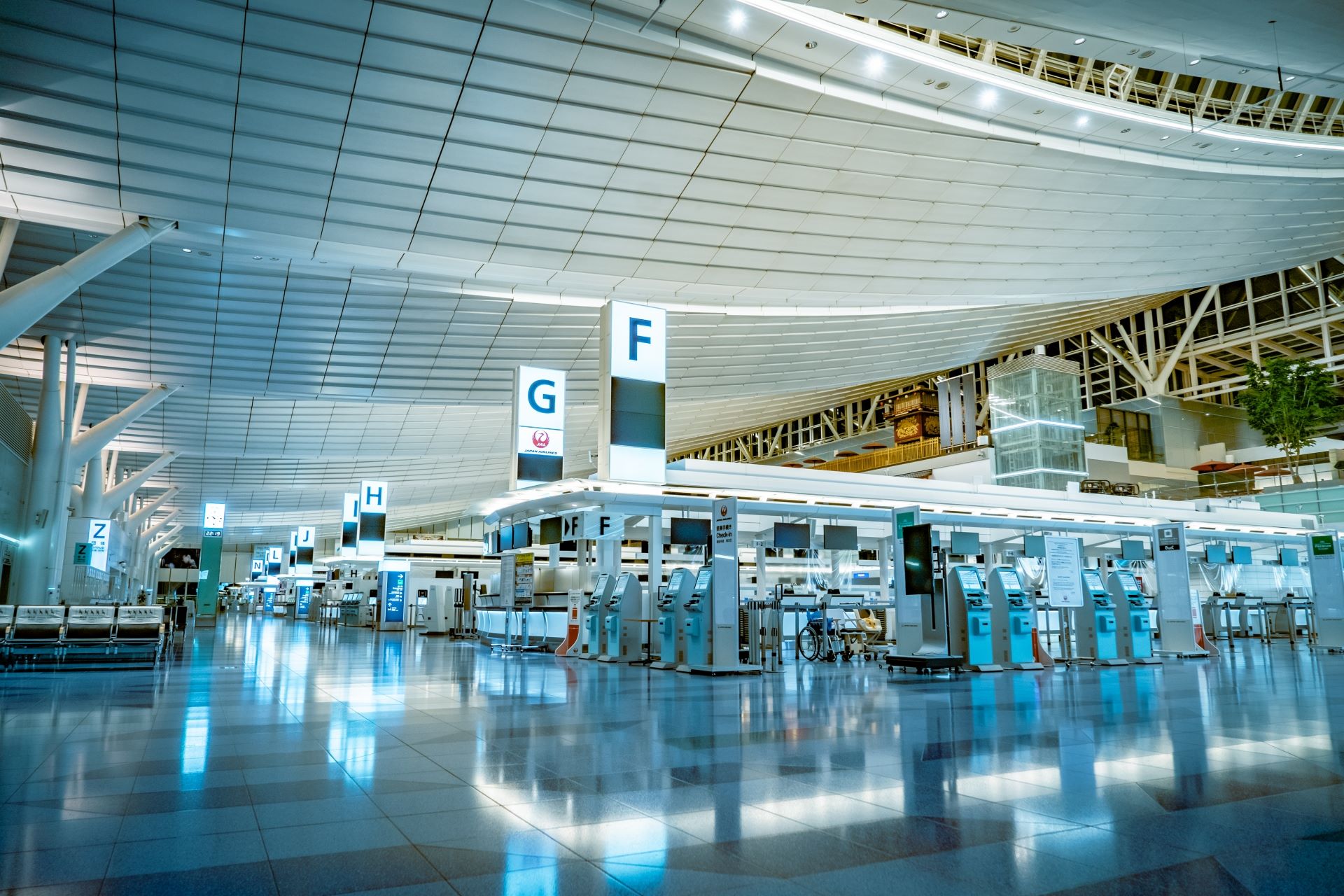
Traveling from Tokyo to Kyushu’s top onsen towns is easier than it seems. The fastest and most convenient way is by air, and from each regional airport, buses or trains complete the journey to your onsen destination. Here’s a clear, step-by-step guide.
Choosing the Right Airport
| Onsen Town | Recommended Airport | Flight Time from Tokyo (Haneda) | Typical Fare (One Way) |
| Kurokawa Onsen | Kumamoto Airport (KMJ) | Around 2 hr | From around 10,000–20,000 JPY |
| Yufuin | Oita Airport (OIT) | Around 1 hr 45 min | From around 10,000–20,000 JPY |
| Beppu | Oita Airport (OIT) | Around 1 hr 45 min | From around 10,000–20,000 JPY |
Find flights to Kyushu’s top onsen destinations
Flying is one of the fastest and most convenient ways to reach Kyushu’s most popular onsen towns. Kumamoto Airport is the main gateway to Kurokawa Onsen, while Oita Airport offers easy access to both Yufuin and Beppu. Searching flights in advance helps you secure better schedules and smoother onward connections.
Transfers from the Airport
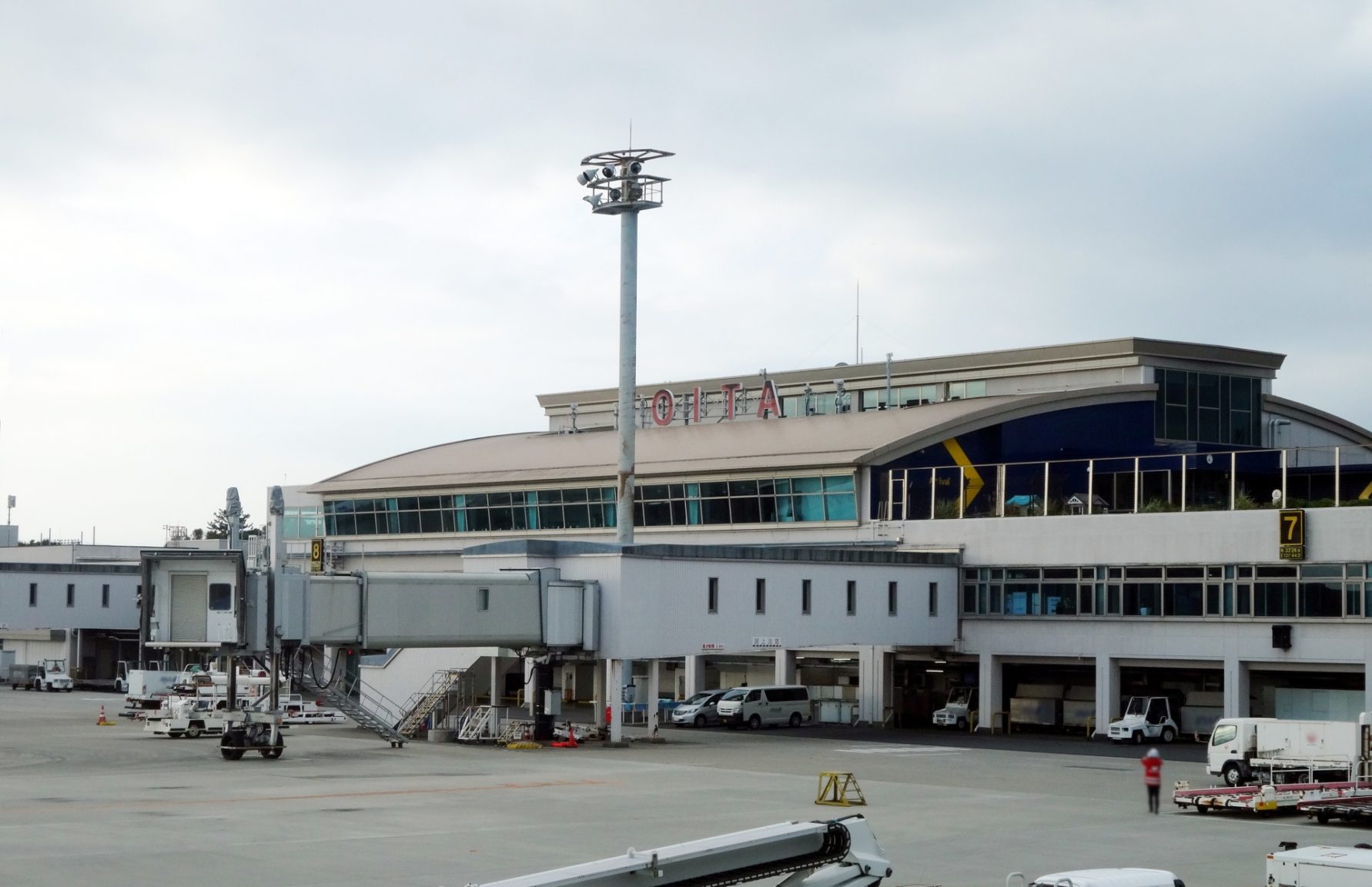
To Kurokawa Onsen (via Kumamoto Airport)
- From Kumamoto Airport, take the Kyushu Odan Bus and get off at the Kurokawa Onsen stop.
- Travel time and fare: Approx. 2 hours / About 2,500–3,000 yen.
- Tickets can be purchased at the airport counter or online in advance.
To Yufuin (via Oita Airport)
- From Oita Airport, take the Airport Express Bus to Yufuin.
- Travel time and fare: Approx. 55 minutes / About 1,600 yen.
- Alternatively, rent a car at the airport for a flexible day-trip base to explore Yufuin and Beppu.
To Beppu (via Oita Airport)
- From Oita Airport, take the Airport Limousine Bus to Beppu Station.
- Travel time and fare: Approx. 50 minutes / About 1,500 yen
Travel Tips
- Book Early: Airfares fluctuate with demand; early reservations typically secure the best rates.
- Check Airline Deals: Solaseed Air sometimes may have special fares between 6,000–9,000 JPY.
<Flights with Solaseed Air offer direct service on these routes, often with early-bird specials. Book in advance and save!>
Essential Onsen Etiquette & Tips
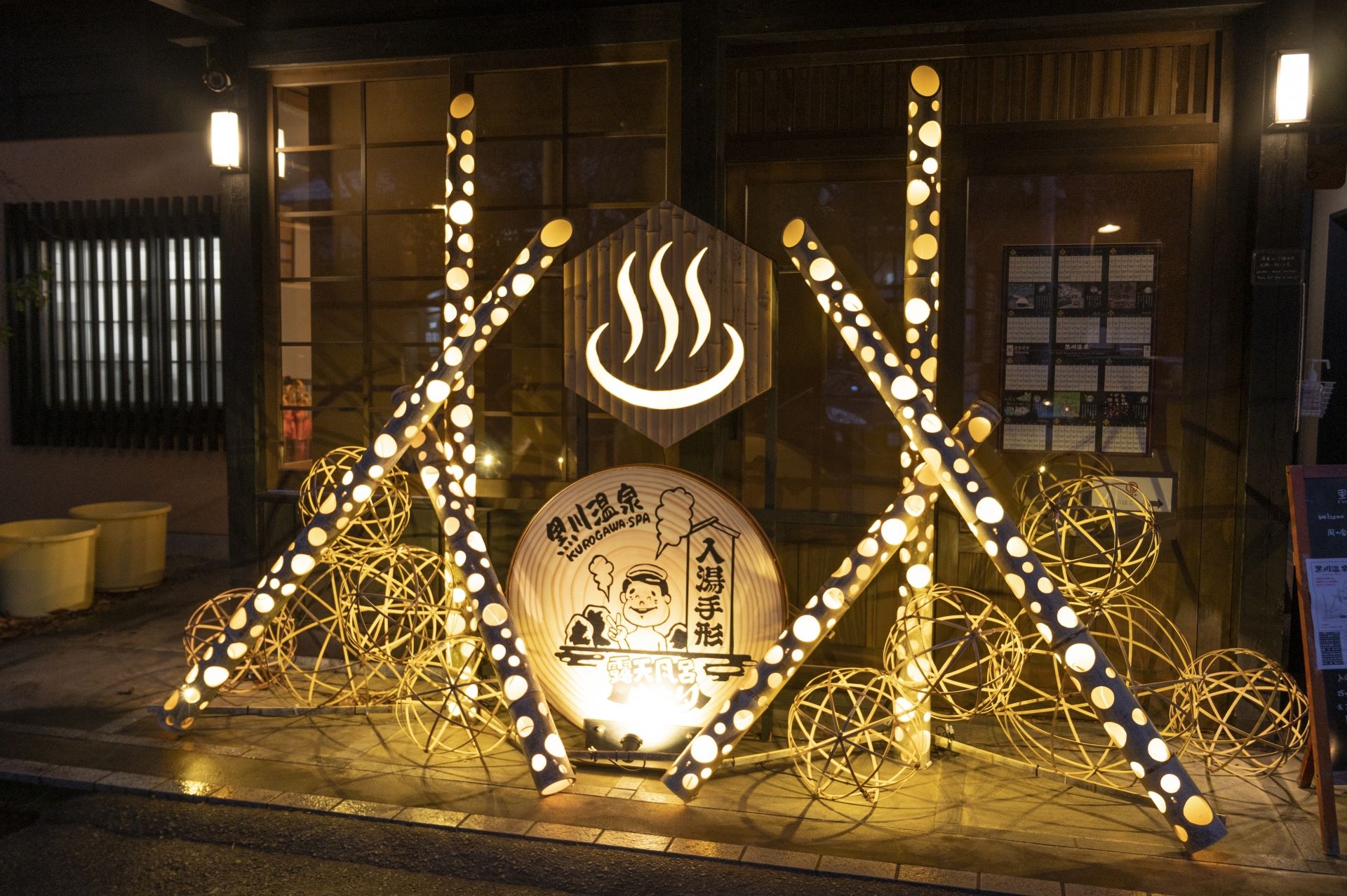
If this is your first onsen trip, don’t stress, it’s easier than it looks. A few simple rules will help you enjoy a relaxing, respectful experience in Kyushu’s hot springs.
See also: Japanese Onsen Etiquette: Dos and Don’ts
Basic Onsen Etiquette
- Wash thoroughly before entering: Use the shower stations or taps to rinse your body. Soaking without washing first is considered impolite.
- Towels: Large bath towels are for drying after your soak. Small towels can be used to cover yourself modestly outside the water or rest on your head while bathing — just don’t let them touch the water.
- No swimsuits: Onsen are meant to be enjoyed nude. Gender-segregated baths are standard; mixed-gender baths exist but are less common.
- Quiet and considerate: Keep conversation low, avoid splashing, and respect others’ space.
- Hair care: Tie up long hair to prevent it from touching the water.
Tattoos & Private Onsen (Kashikiri-buro)
Traditionally, tattoos have been associated with organized crime, and some public baths may restrict access. However, many ryokan and onsen now offer private baths that can be reserved for a small fee.
Tips for booking a private bath:
- Ask the front desk upon check-in; fees typically range from 2,000–3,000 JPY per hour.
- Ideal for couples, travelers with tattoos, or anyone wanting a more intimate experience.
- Many private baths are beautiful outdoor spaces (rotenburo) with scenic views, offering a full onsen experience without crowds.
FAQ about Kyushu Onsen
Is Kyushu really that famous for onsen?
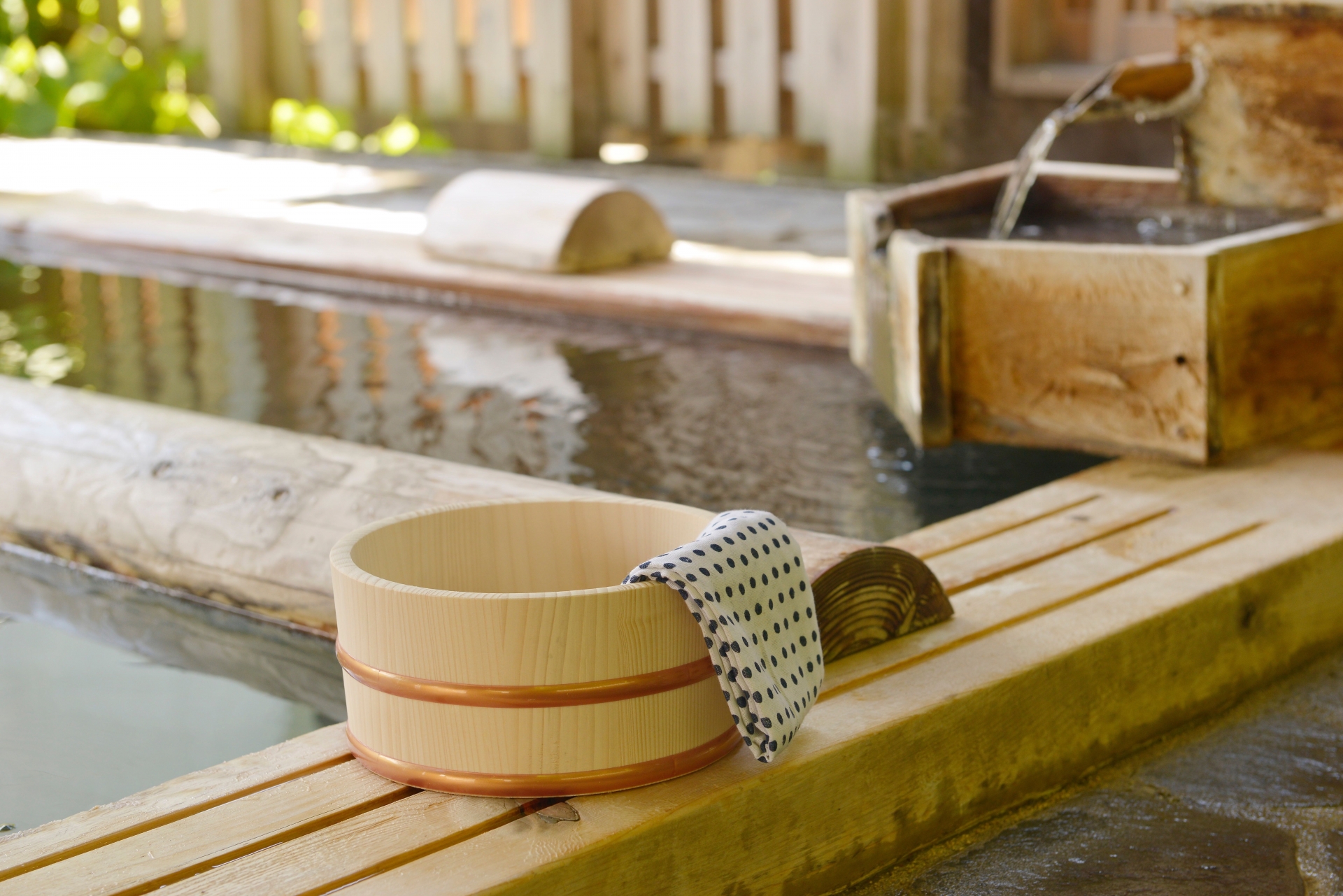
Absolutely. Kyushu is often called “Japan’s Onsen Island” because of its abundant geothermal activity. Beppu alone has the largest volume of hot spring water in the country, and towns like Yufuin and Kurokawa showcase the more intimate, traditional onsen experience.
When’s the best season to visit?
Onsen are enjoyable year-round, but autumn (October–November) and winter (December–February) are particularly magical. Crisp air, autumn foliage, or a light dusting of snow enhances the experience of soaking in outdoor baths. Spring brings mild weather and cherry blossoms, while summer offers lush greenery and more outdoor activity options.
Do I need to bring towels or soap?
You can bring your own if you want, but you don’t need to. If you stay at a ryokan, towels and toiletries are provided. For day visits, most onsen include a small towel or offer rentals for a few hundred yen.
Can I visit all three towns in one trip?
Yes, with proper planning. A typical itinerary might include:
- Yufuin: 2 nights
- Beppu: 1–2 nights
- Kurokawa Onsen: 1 night
Travel between these towns is feasible by bus or train, though renting a car can offer more flexibility and scenic routes.
Can I visit an onsen if I don’t speak Japanese?
While Japanese is the primary language, many onsen staff understand basic English. It’s helpful to learn a few key phrases or carry a translation app. Additionally, some onsen have multilingual signage and information.
Ready to Relax? Book Your Flight to Kyushu
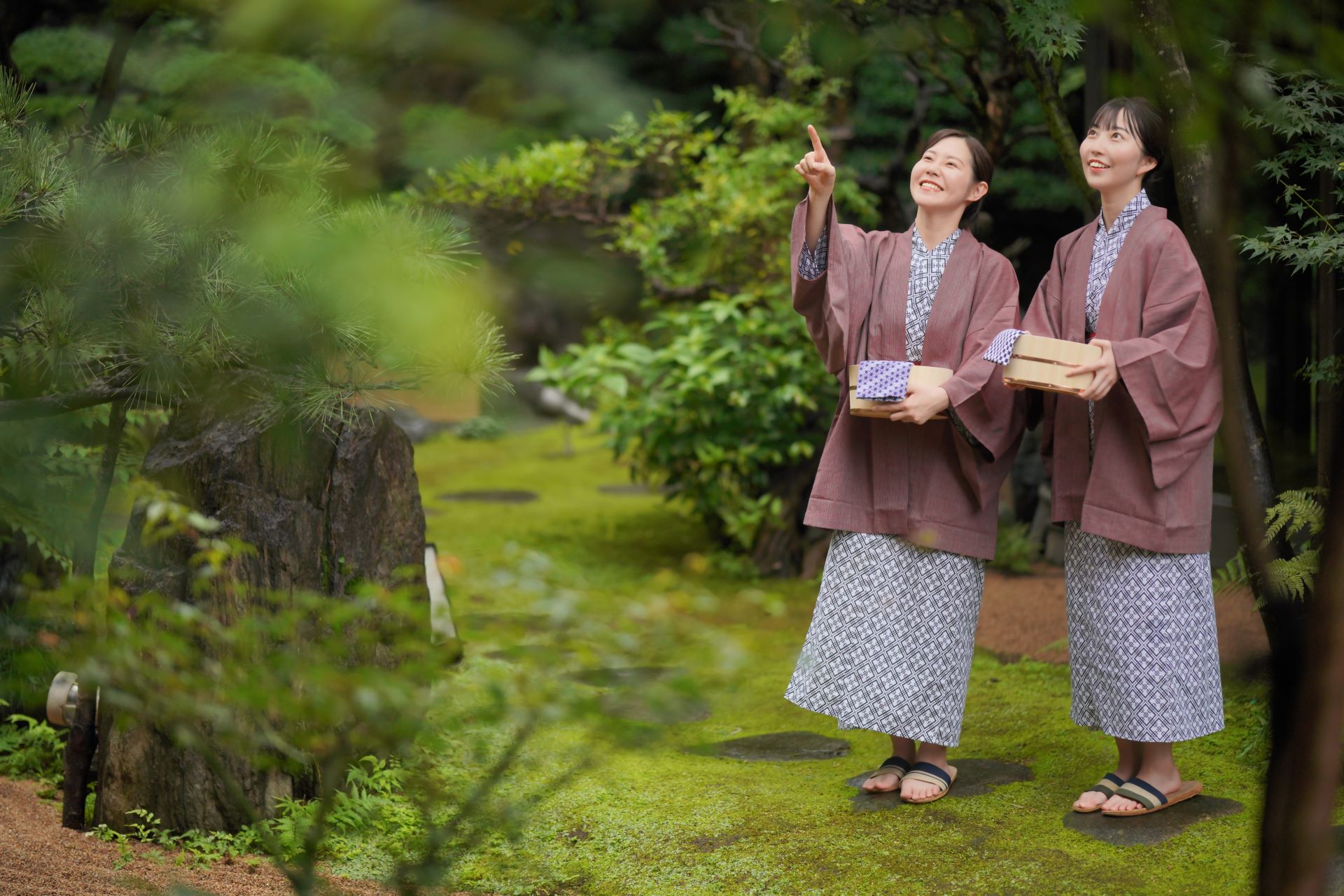
Kyushu has a way of slowing you down. Steam rising from valley towns, the faint scent of cedar smoke, and the sound of running water around old ryokan streets. Everything here moves at a quieter pace. Each onsen town shows a different side of that calm: Kurokawa’s hidden riverside baths, Yufuin’s mountain light and gallery cafés, Beppu’s otherworldly plumes that turn the city into a living landscape.
And getting there is far easier than it feels. Solaseed Air connects Tokyo (Haneda) directly with Oita and Kumamoto, placing these onsen regions just a short flight away. Within a few hours, you can trade the city’s neon for a misty bath surrounded by forest or sea.
However you picture your ideal escape — romantic, rustic, or full of discovery — Kyushu’s hot springs invite you to slow down and stay awhile.
Find your route, book your Solaseed Air flight, and start your onsen journey where Japan’s warmth truly begins.
Find flights to Kyushu’s top onsen destinations
Flying is one of the fastest and most convenient ways to reach Kyushu’s most popular onsen towns. Kumamoto Airport is the main gateway to Kurokawa Onsen, while Oita Airport offers easy access to both Yufuin and Beppu. Searching flights in advance helps you secure better schedules and smoother onward connections.
For more onsen guides, check these articles too!

Written by
Photographer, journalist, and avid urban cyclist, making sense of Japan since 2017. I was born in Caracas and lived for 14 years in Barcelona before moving to Tokyo. Currently working towards my goal of visiting every prefecture in Japan, I hope to share with readers the everlasting joy of discovery and the neverending urge to keep exploring.
- +0 0
-
-