The Art of Kintsugi: Finding Beauty in Broken Things
How Japan’s philosophy of repair is redefining sustainability—and how ANYTSUGI brings it to the world

- +2 10
-

-


In a world shaped by speed and convenience, broken objects are often treated as disposable. A chipped cup, a cracked plate—small imperfections quickly become reasons to replace rather than repair. But in Japan, there exists a philosophy that challenges this mindset entirely.
Through the art of kintsugi, what is broken is not hidden—it is revealed, emphasized, and transformed into something more meaningful. Cracks are not flaws, but part of an object’s story.
Today, as global interest in sustainability, craftsmanship, and mindful living continues to grow, kintsugi is capturing attention far beyond Japan. More than just a repair technique, it offers a new way of seeing value—one that resonates deeply in modern life.
1. What is Kintsugi?
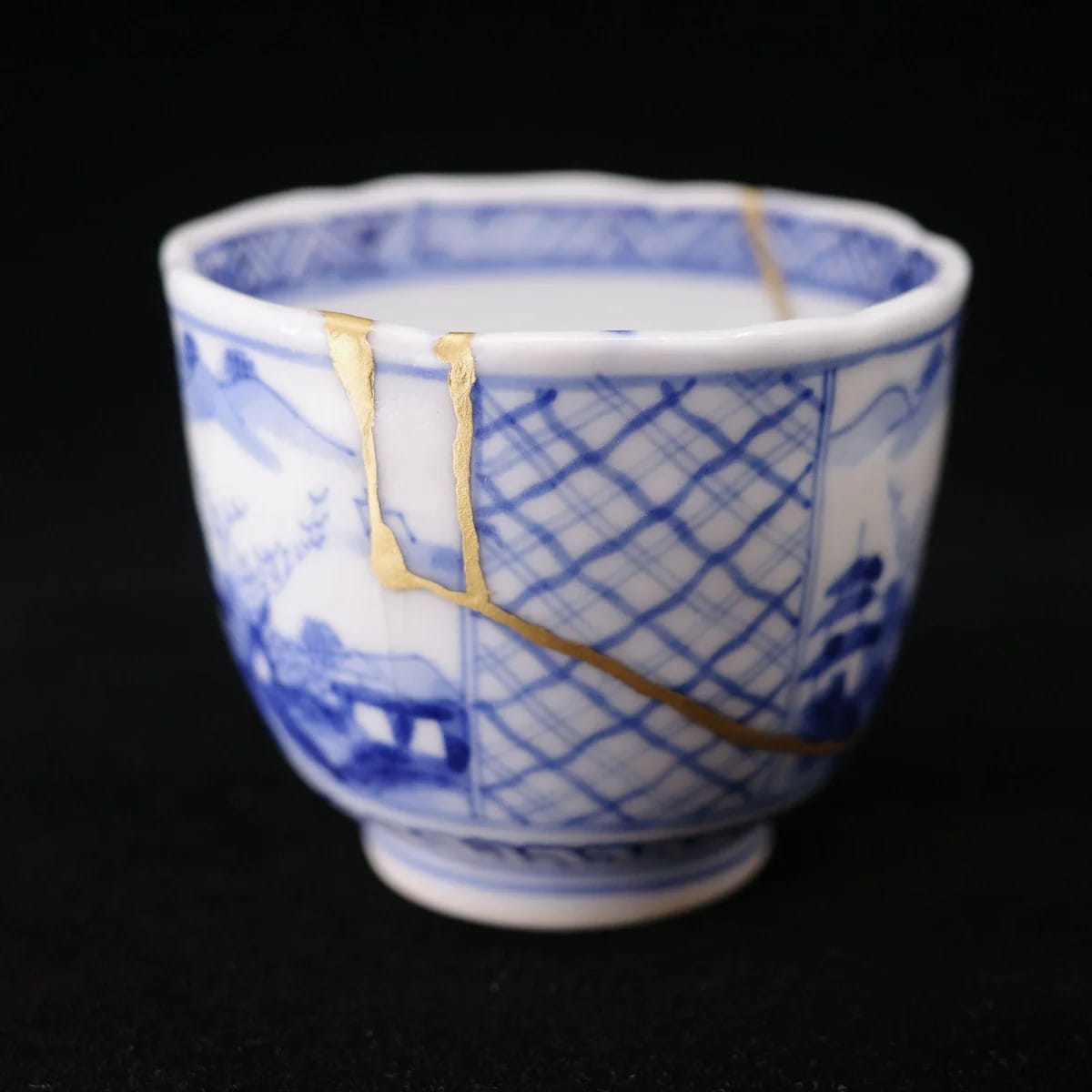
Kintsugi (金継ぎ), meaning “golden joinery,” is a traditional Japanese technique used to repair broken ceramics using natural lacquer (urushi) and finishing the seams with gold powder. Rather than disguising cracks, the method highlights them—turning damage into decoration.
The origins of kintsugi are often traced back to the late 15th century. According to popular accounts, a Japanese shogun sent a damaged tea bowl to China for repair, only for it to be returned with unsightly metal staples. Dissatisfied, Japanese craftsmen developed a more refined method—one that restored the object while enhancing its beauty.
This approach transformed repair into art. Instead of returning an object to its original state, kintsugi gives it a new identity—one shaped by its history.
Over time, kintsugi became closely associated with the Japanese tea ceremony (chanoyu), where utensils were not only functional but deeply symbolic. A repaired bowl, marked by golden veins, came to embody resilience, transformation, and quiet elegance.
2. The Philosophy Behind Kintsugi
Wabi-Sabi: The Beauty of Imperfection
At the heart of kintsugi lies the philosophy of wabi-sabi—a uniquely Japanese aesthetic that values imperfection, impermanence, and simplicity.
Unlike Western ideals that often pursue symmetry, polish, and perfection, wabi-sabi embraces irregularity and incompleteness. A crack, a fade in color, or an uneven surface is not something to fix—it is something to appreciate.
In this context, kintsugi becomes more than a repair technique. It is a physical expression of wabi-sabi. The golden seams do not attempt to hide the past—they illuminate it.
Mottainai: Respect for Objects
Another concept deeply connected to kintsugi is mottainai—a sense of regret over waste, and a respect for the intrinsic value of objects.
Rather than discarding something once it breaks, kintsugi encourages us to preserve and care for it. The process reflects a broader cultural attitude: objects are not disposable—they carry meaning, memory, and effort.
From Repair to Re-Creation
In modern interpretations, kintsugi is often described not simply as “repair,” but as re-creation. A broken object does not return to what it was—it becomes something new.
This idea has found resonance far beyond ceramics. Many people see kintsugi as a metaphor for life itself: that damage, loss, or imperfection can be transformed into strength and beauty.
3. Why Kintsugi Matters Today
In today’s global culture—where efficiency often outweighs reflection—kintsugi offers a powerful counterpoint.
- Sustainability: Instead of discarding broken items, kintsugi promotes reuse and longevity
- Emotional value: Objects tied to memories can be preserved rather than replaced
- Mindfulness: The slow, careful process encourages focus and intention
As sustainability becomes a global concern, kintsugi aligns naturally with eco-conscious values. But beyond environmental impact, it also speaks to emotional sustainability—the idea of valuing what we already have.
For many, practicing kintsugi becomes a meditative experience. It requires patience, attention, and acceptance—qualities that are often missing in fast-paced modern life.

4. How Kintsugi Was Traditionally Practiced
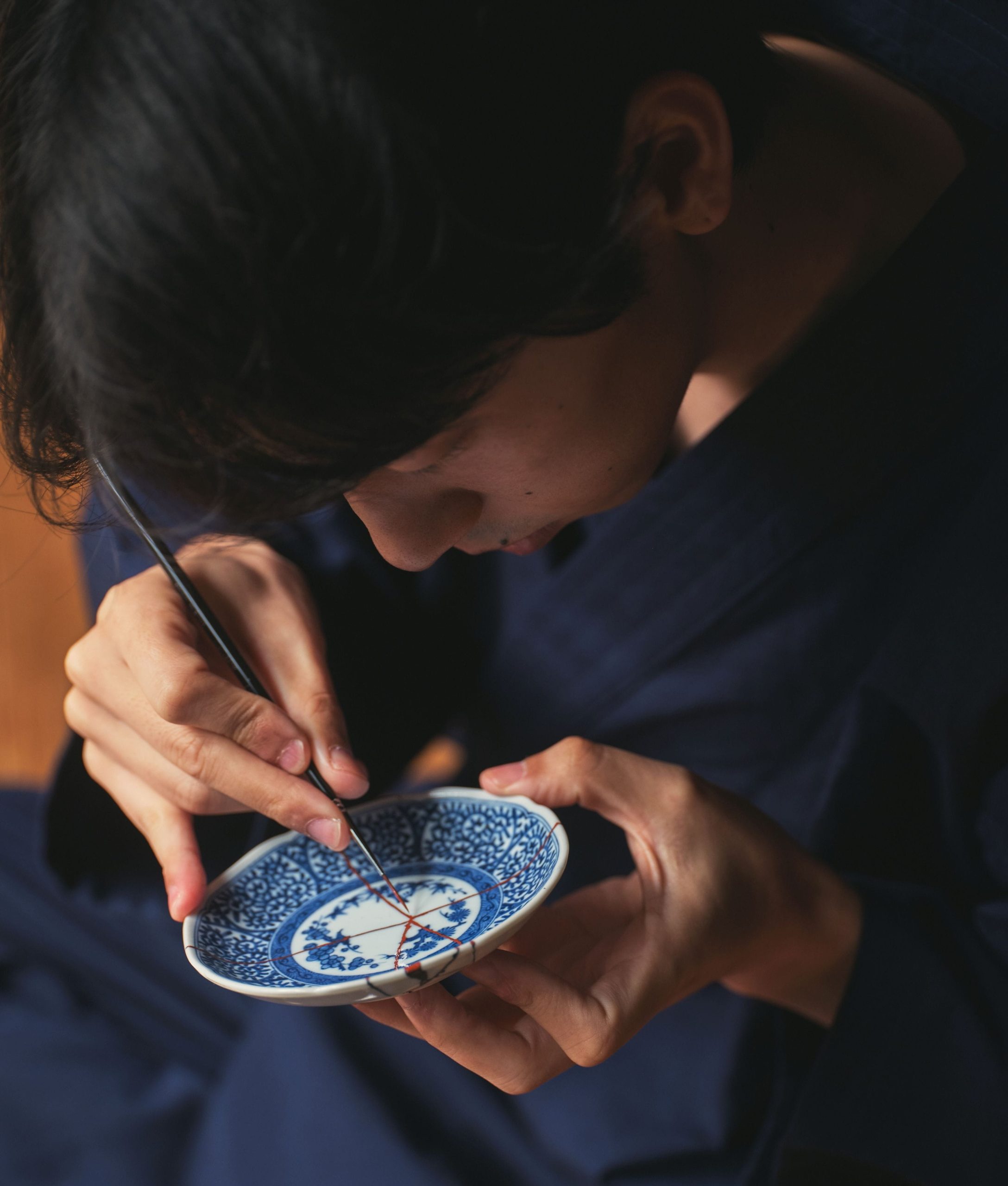
Traditional kintsugi is a time-intensive process that requires both skill and patience.
The process typically involves:
- Rejoining broken pieces using urushi lacquer
- Allowing the lacquer to cure in a controlled environment
- Filling gaps and smoothing surfaces
- Applying gold or silver powder along the repaired seams
Natural urushi lacquer is derived from tree sap and requires careful handling. The curing process alone can take days or even weeks, depending on conditions.
Because of these complexities, kintsugi has historically been practiced by trained artisans. This has made it difficult for beginners or international audiences to experience authentic kintsugi firsthand.
In recent years, simplified kits have become available—but many rely on synthetic adhesives rather than traditional materials, losing part of the craft’s authenticity.
5. Bringing Kintsugi to the World: ANYTSUGI

As global interest in kintsugi continues to grow, ANYTSUGI has emerged as a new brand dedicated to making this traditional craft accessible—without compromising its authenticity.
Launched by Tokyo-based Nyle Inc. in collaboration with kintsugi artist Sho Takeshita, ANYTSUGI aims to bridge tradition and modern accessibility.
The brand is built around a simple yet powerful idea: connecting people through restoration, and sharing the philosophy of kintsugi with the world.
What Makes ANYTSUGI Unique
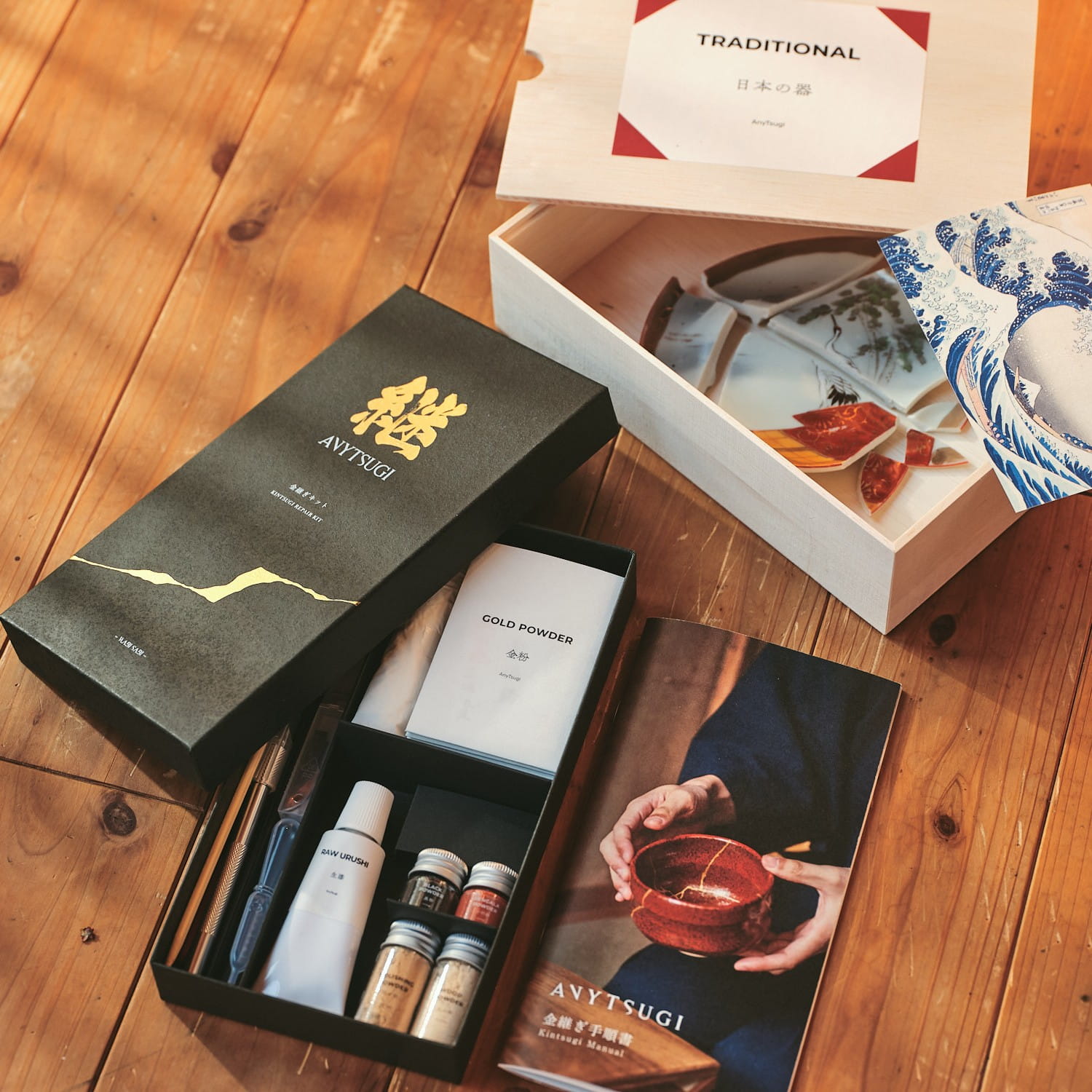
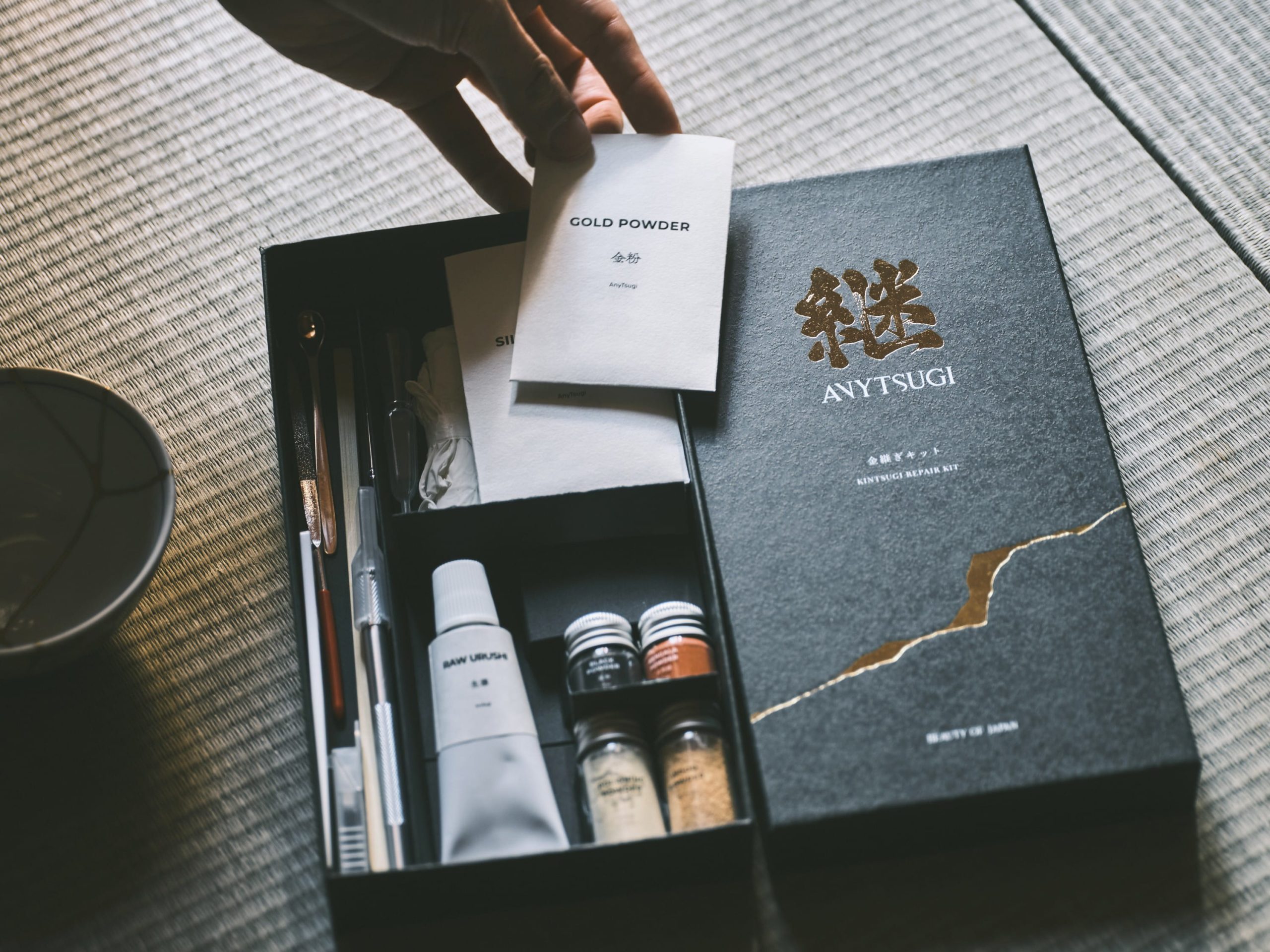
- Authentic Materials
ANYTSUGI uses natural urushi lacquer and real gold powder, rather than synthetic alternatives commonly found in other kits. This ensures that restored items are food-safe and usable in daily life. - Designed for Beginners
Each kit includes a 20+ page full-color instruction guide, carefully supervised by Sho Takeshita. The guide walks users through each step, making the process approachable even for first-timers. - Sustainability at Its Core
Every tool included in the kit is designed for long-term use. Nothing is disposable—reflecting the same philosophy behind kintsugi itself. - Global Accessibility
With full English-language instructions, video support, and international shipping, ANYTSUGI brings kintsugi beyond Japan to a global audience. - A Deeper Cultural Experience
Premium kits include antique Japanese ceramics, allowing users to restore objects that already carry decades—or even over a century—of history.
6. The Artist Behind ANYTSUGI: Sho Takeshita
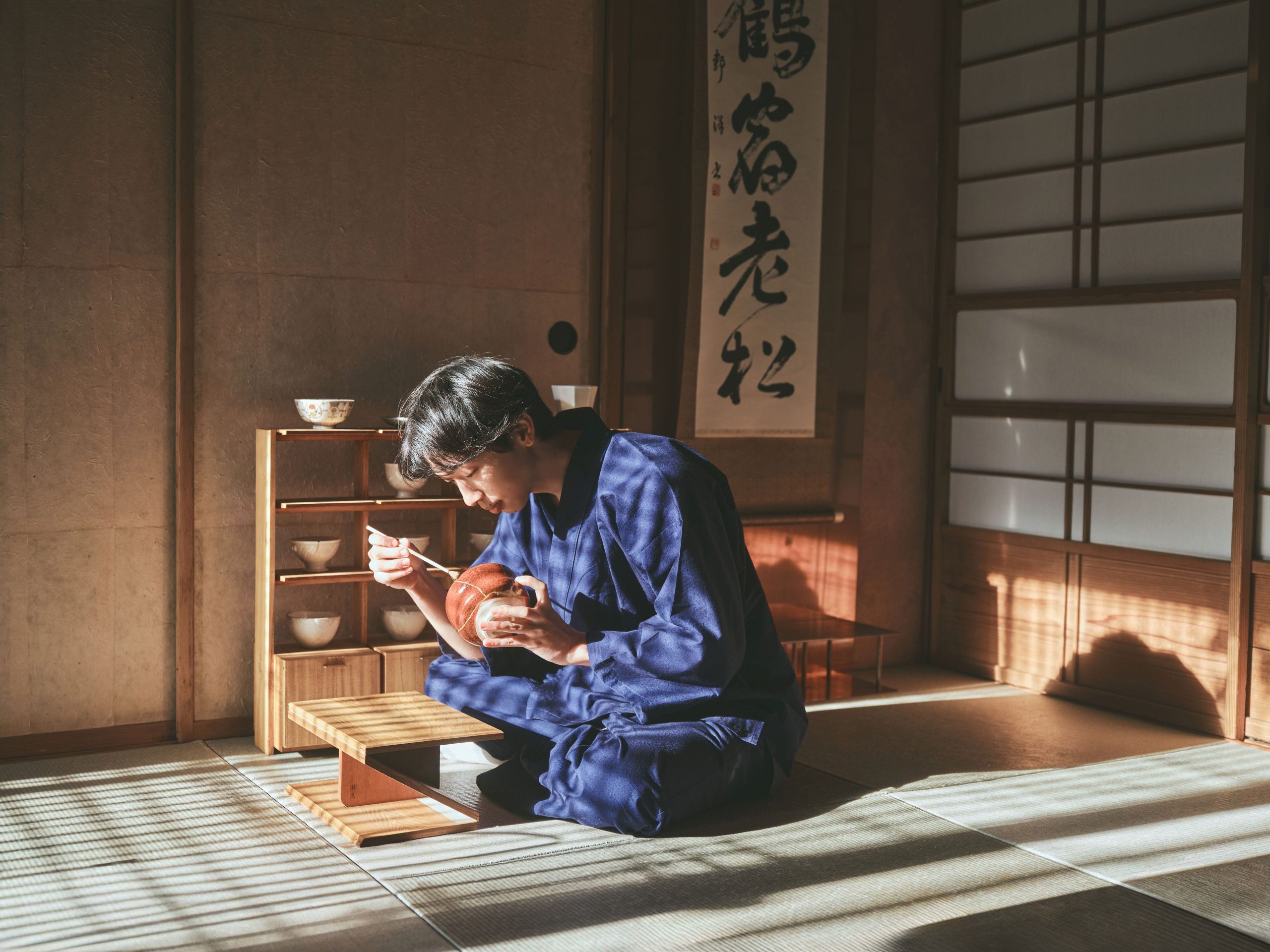
At the center of ANYTSUGI is Sho Takeshita, a Tokyo-based kintsugi artist whose work bridges tradition and contemporary expression.
His journey into kintsugi began with a deeply personal moment—a tea bowl inherited from his grandmother was broken. Rather than discarding it, he sought to restore it, leading him to train at a kintsugi studio in Tokyo.
Since then, Takeshita has developed a practice that combines traditional techniques with a modern sensibility. His work is not only about restoring objects, but about reinterpreting them—allowing each piece to carry both its past and its present.
Through social media, his restoration videos have reached over 2.4 million views, introducing kintsugi to a global audience and inspiring people to engage with the craft themselves.
His approach reflects a broader shift: kintsugi is no longer confined to workshops and studios—it is becoming part of everyday creative life.
“Kintsugi is not only for craftspeople. The quiet moments spent mending ceramics with lacquer and layering gold can become a rare pause in the rush of everyday life — a time to reconnect with yourself. ANYTSUGI is here to share that moment with you.”
7. Why This Matters: A New Way to See Value

Kintsugi asks a simple but profound question: what if broken things are not less valuable—but more?
In highlighting cracks rather than hiding them, kintsugi transforms damage into meaning. It challenges the idea that perfection is the goal, and instead suggests that history, change, and imperfection are what make something truly beautiful.
In today’s world—where both objects and experiences are often consumed quickly—this philosophy feels especially relevant.
Through brands like ANYTSUGI, kintsugi is no longer limited to Japan or to trained artisans. It is becoming a global practice—one that invites people everywhere to slow down, repair, and reconnect.
And in doing so, it offers something rare: a reminder that beauty does not come from perfection, but from the stories we choose to preserve.
Explore kintsugi and begin your own restoration journey:
I hope this article was helpful. Be sure to check out the following articles for related information!


Written by
Born and raised in Costa Rica, I started living in Tokyo from college. I love traveling within Japan & around the world. Since I wasn’t born in Japan, I know the cultural impact that you can get when visiting Japan for the first time and what you might be worried about before your trip. And I’ve lived long enough to somewhat understand the nuances of the Japanese culture that make this country such an attractive place to visit. Hopefully I can provide to you both the information you’re looking for and the information you didn’t know you needed to know.
- +2 10
-
-