Tohoku is Japan’s Fireworks Heartland: 5 Summer Festivals for 2026
And the One That Tops Them All!


- +0 0
-

-


Forget Tokyo’s crowded riverbanks. Japan’s greatest summer fireworks happen up north, in Tohoku: wide rivers, big dark skies, and a competition culture that pushes pyrotechnicians to do their boldest work. Across August, a string of festivals lights up the region, each reachable by bullet train from Tokyo, building to the one the fireworks makers themselves call the best.
Five to plan a summer around, and one rule before you do: on festival nights the trains north fill up and reserved seats sell out. Book the bullet train early. For the big one, that means months ahead.
1. Sendai Tanabata Fireworks Festival: the easy opener
📅 August 5, 2026 📍 Sendai, Miyagi 🚄 ~1 hr 30 min from Tokyo
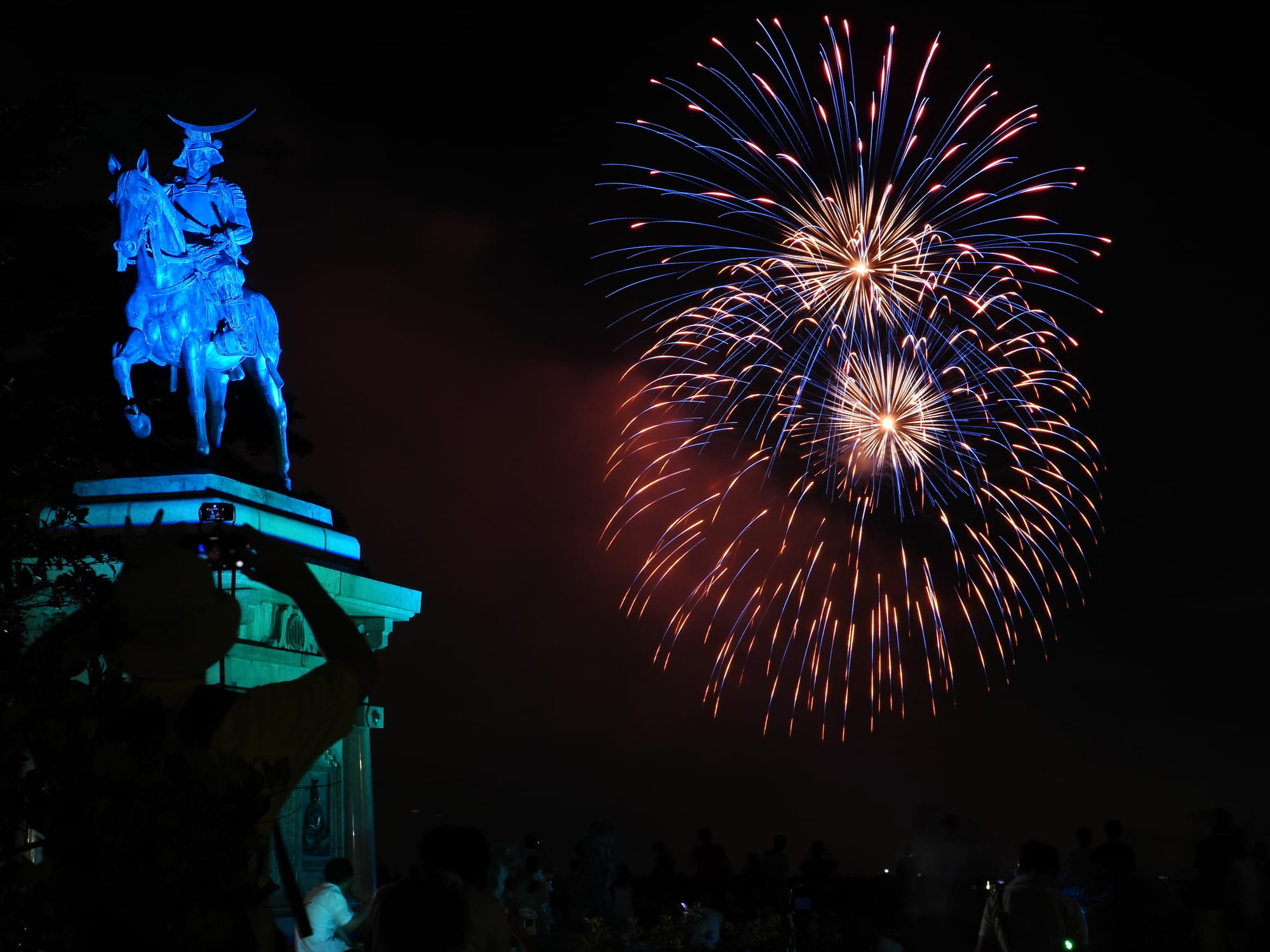
The night before Sendai’s famous Tanabata star festival, roughly 16,000 fireworks go up over the Hirose River to open the celebration. It is the most accessible big fireworks night in Tohoku, barely 90 minutes from Tokyo by bullet train, so if you only have one free evening in August, this is the one to slot in. Pair it with the daytime Tanabata streamers the following days and you have a solid 24 hours up north.
2. Sanriku / Ofunato Summer Festival Fireworks: fireworks over the sea
📅 August 1, 2026 📍 Ofunato, Iwate 🚄 Ichinoseki + local line (~2 hr+ from Tokyo)
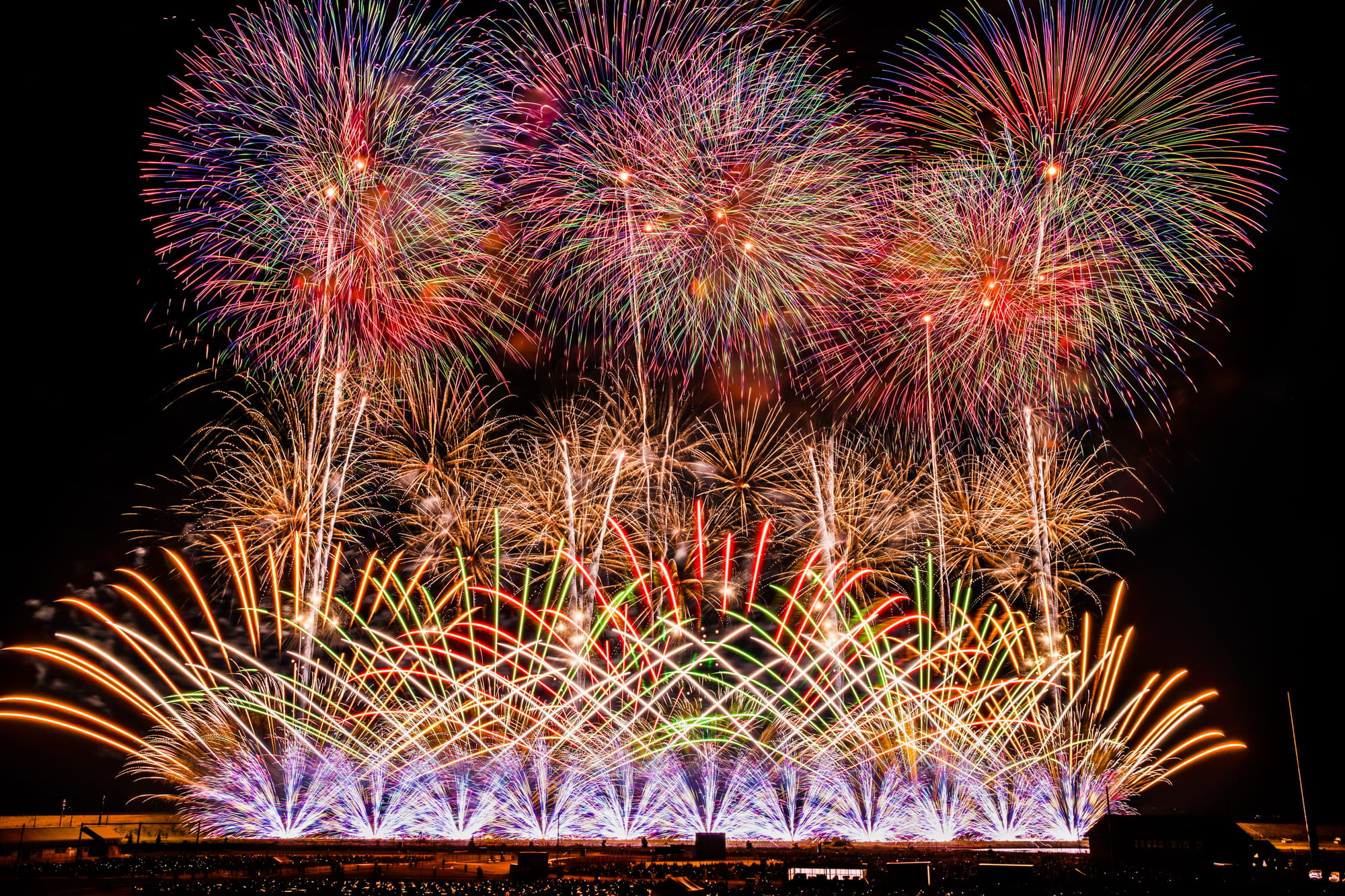
Most Japanese fireworks burst over a river. At Ofunato, on the Sanriku coast, they bloom over the Pacific. The sea-side setting is rarer and quietly moving, this is a coast that rebuilt itself after 2011, and the festival carries that spirit. Worth the extra hop for something most visitors never see.
3. Akagawa Fireworks Festival: the connoisseur’s choice
📅 August 15, 2026 📍 Tsuruoka, Yamagata 🚄 via Niigata or Yamagata (~4 hr)
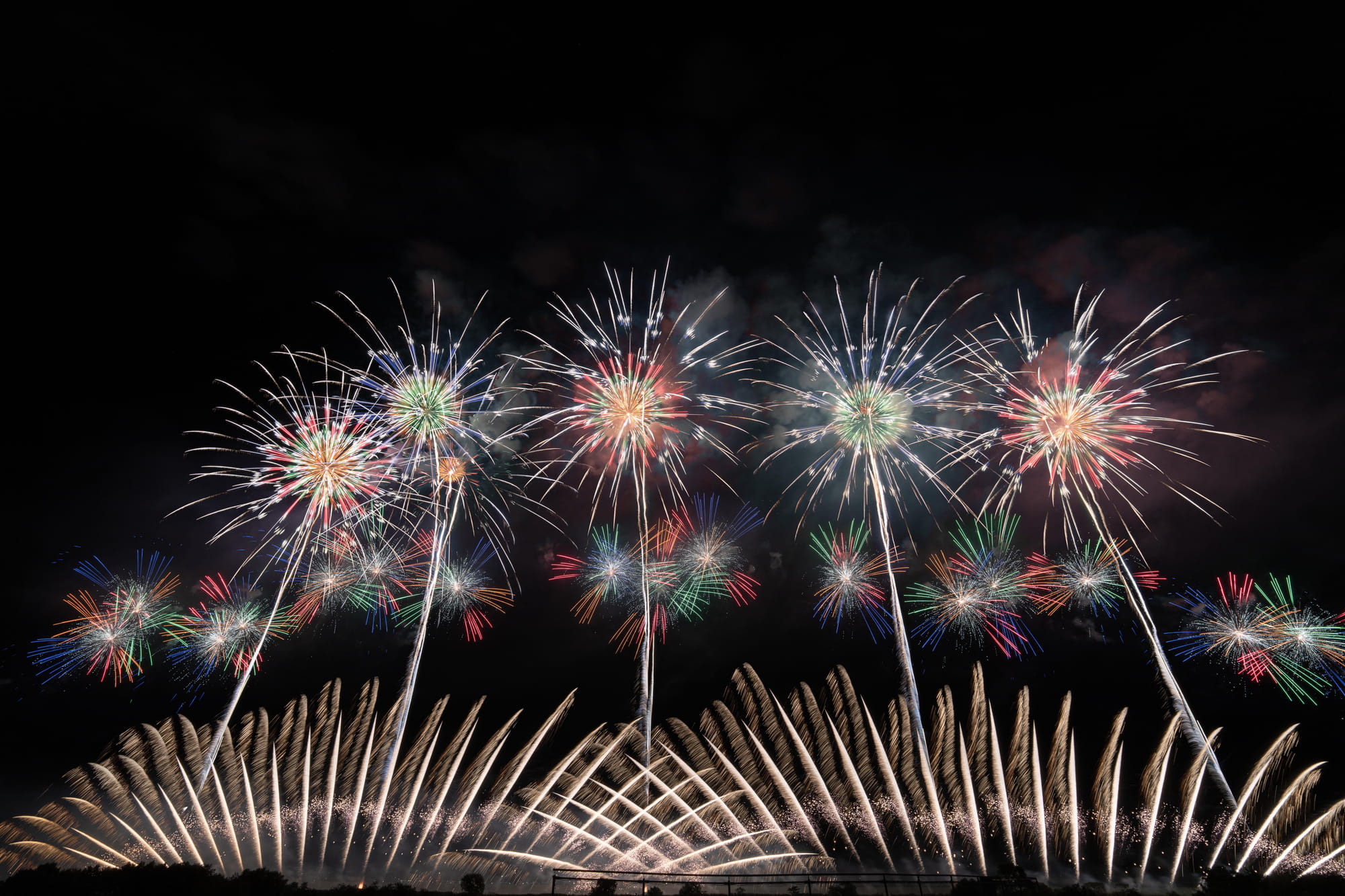
Around 12,000 shells, but the count is not the point. Akagawa is famous for music-synchronized sequences, choreographed displays built by some of Japan’s most awarded pyrotechnicians, stretching up to 700 metres across the riverbed. Many fans rank it the most artistic show in the country. It sits a little off the Shinkansen main line, which keeps the crowd refreshingly local. The deep cut for fireworks people.
4. Yamagata Grand Fireworks: mid-summer in cherry country
📅 Mid-August 2026 (verify date) 📍 Yamagata City 🚄 Yamagata (Tsubasa, ~2 hr 40 min)
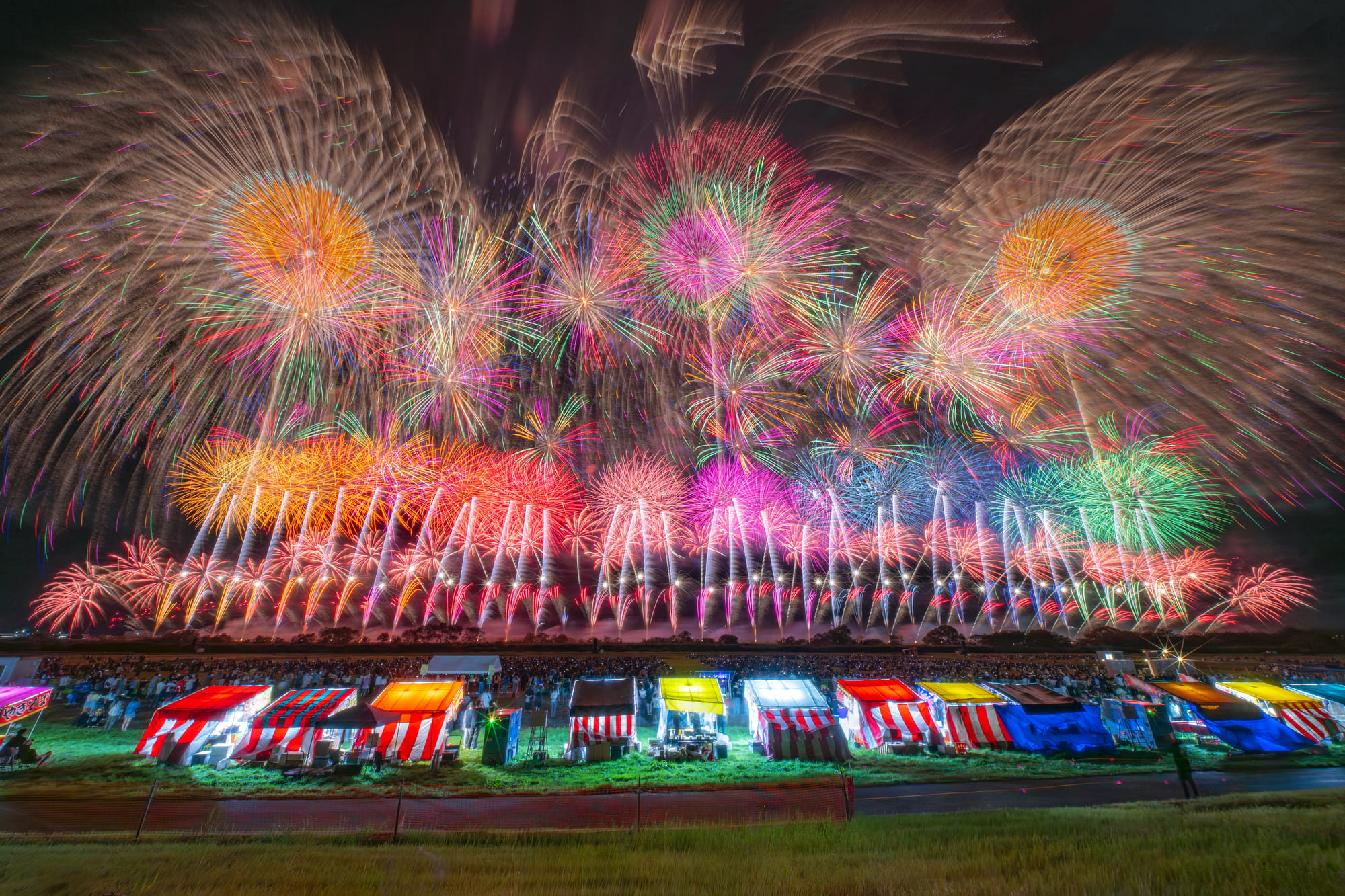
Yamagata City’s big night, easy to pair with the region’s cherry orchards and the Zao crater. A natural anchor if you are building a Yamagata food-and-nature loop around it.
5. Omagari National Fireworks Competition: the one that matters 🎆
📅 August 29, 2026 📍 Daisen, Akita 🚄 Omagari (Komachi, ~3 hr 20 min)
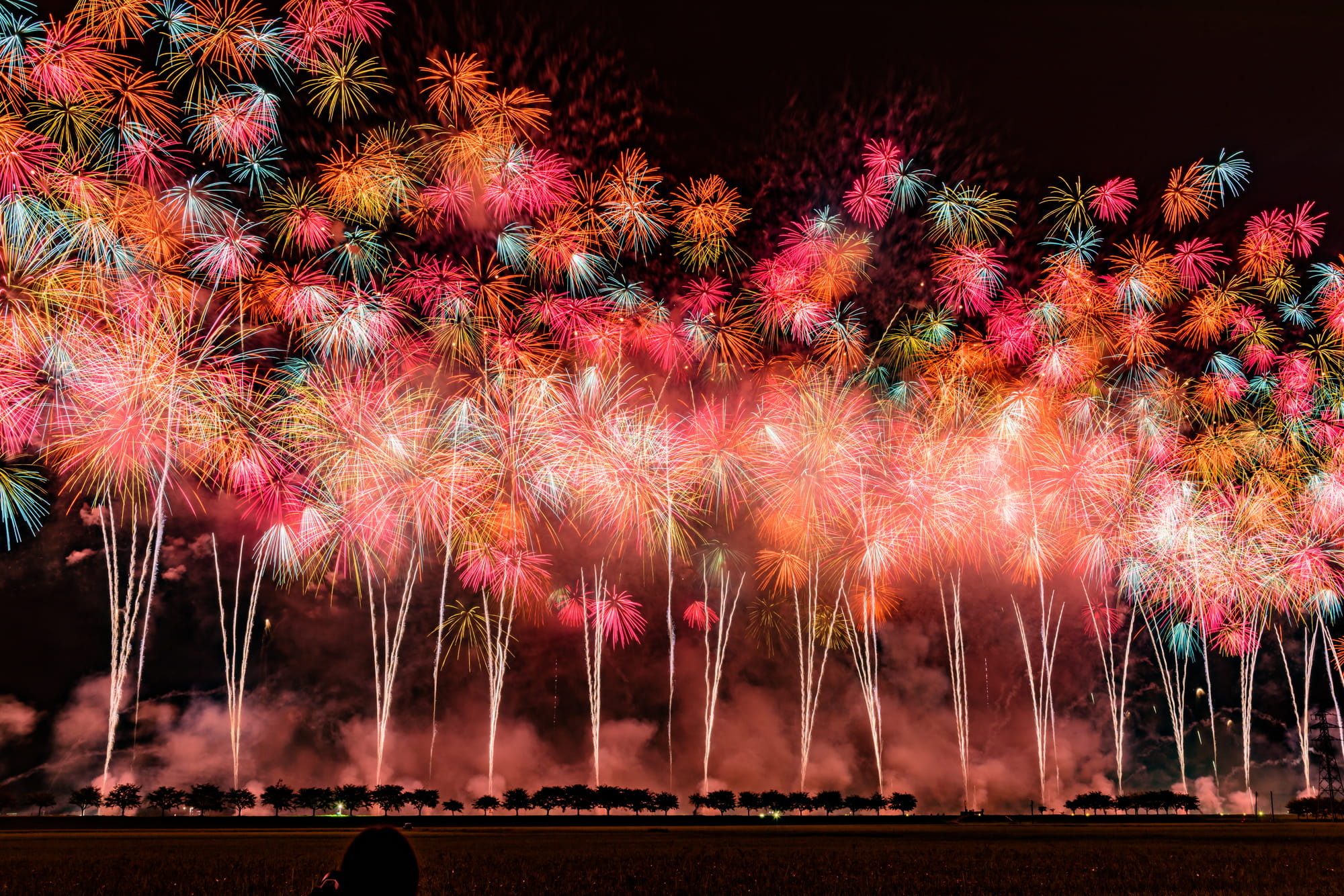
At the very end of August, on the banks of the Omono River, comes the one everyone in the fireworks world points to. The Omagari National Fireworks Competition is not a show: it is a competition. First held in 1910, it brings together Japan’s elite pyrotechnicians to fire around 18,000 shells, judged one by one, with the Prime Minister’s Award on the line. Around 700,000 people travel here for it.
Two things make it worth the trip specifically:
Daytime fireworks: almost unique to Omagari. Before sunset, competitors fire shells that burst into coloured smoke against the open sky. Most visitors don’t know to arrive early for this. It starts at 17:10.
The competitive night programme: original sequences set to music, Japan’s best pyrotechnicians trying to out-imagine each other, ending in a riverbank-wide finale. The kind of thing that’s hard to describe accurately and easy to remember.
If you see one fireworks festival in your life, the people who make fireworks would tell you it should be this one.
The catch: Daisen is a small city, and on competition night those 700,000 people rely largely on a single rail line. Every Shinkansen seat is reserved, hotels in and around Daisen book out months ahead, and the festival itself suggests locking transport around 150 days out. The fireworks are free to watch from public areas. Getting there is what sells out.
So which one should you go to?
- Only one evening, easiest access: Sendai Tanabata.
- Something rare that few visitors see: Sanriku fireworks over the sea.
- For fireworks connoisseurs: Akagawa.
- Plan your whole trip around it: Omagari. (Yes, it’s the big one. It earns it.)
Getting there by bullet train
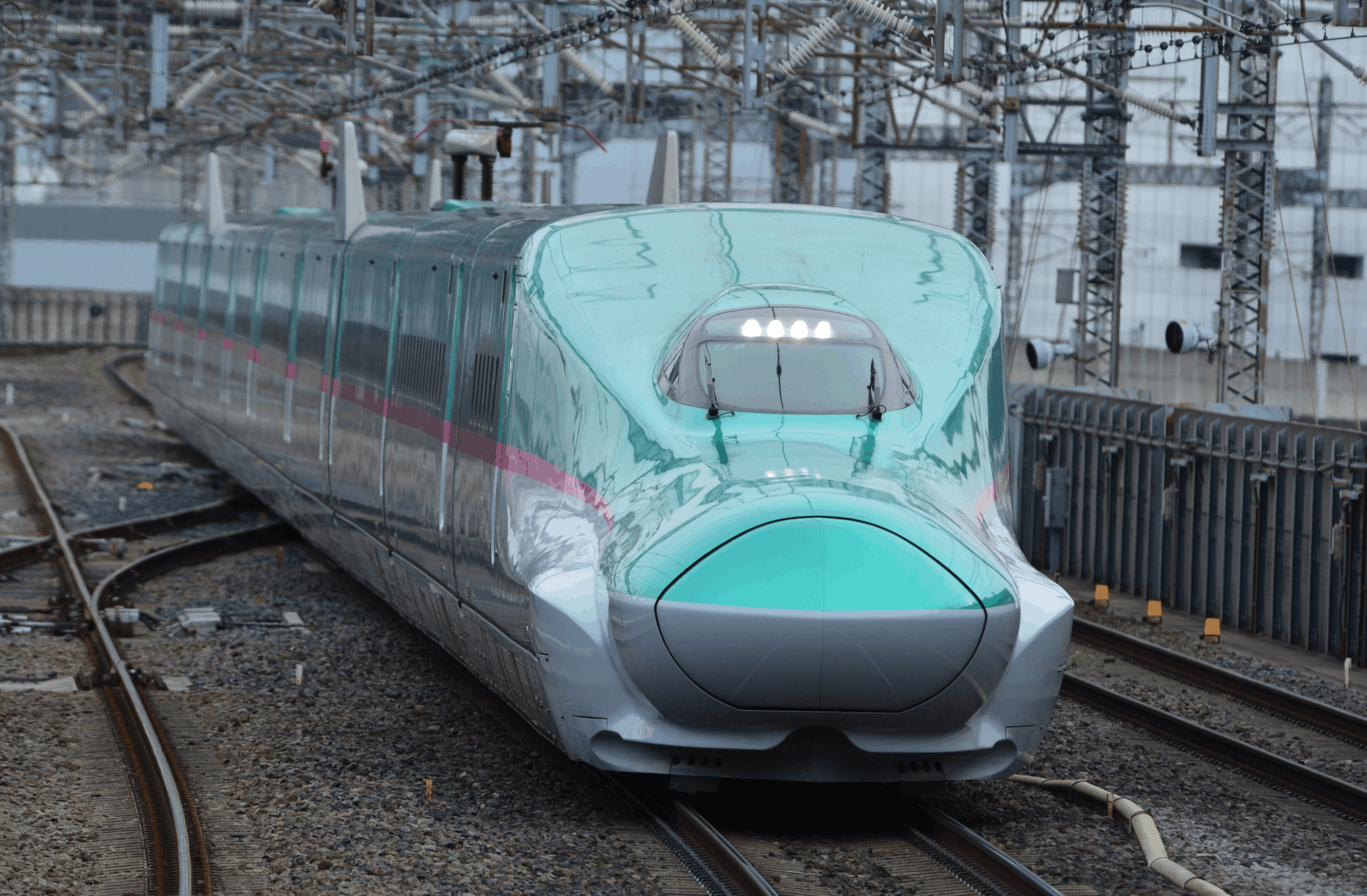
Every festival above hangs off the Shinkansen spine north from Tokyo. You don’t need a flexible pass, you need a guaranteed reserved seat on a specific train, which is exactly what an individual ticket gives you (and the only thing that works on a sold-out festival night).
| Festival | 2026 | Nearest hub | Tokyo → hub |
|---|---|---|---|
| Sanriku / Ofunato | Aug 1 | Ichinoseki (+local) | ~2 hr+ |
| Sendai Tanabata | Aug 5 | Sendai | ~1 hr 30 |
| Akagawa / Tsuruoka | Aug 15 | via Niigata / Yamagata | ~4 hr |
| Yamagata | mid-Aug | Yamagata | ~2 hr 40 |
| Omagari | Aug 29 | Omagari | ~3 hr 20 |
Plan your Fireworks Tourism route
Pick your festival and reserve your bullet-train seats on japan-bullettrain.com — individual tickets, in English, no pass required. For Omagari, book ~150 days ahead.
Make Omagari a 3-day trip
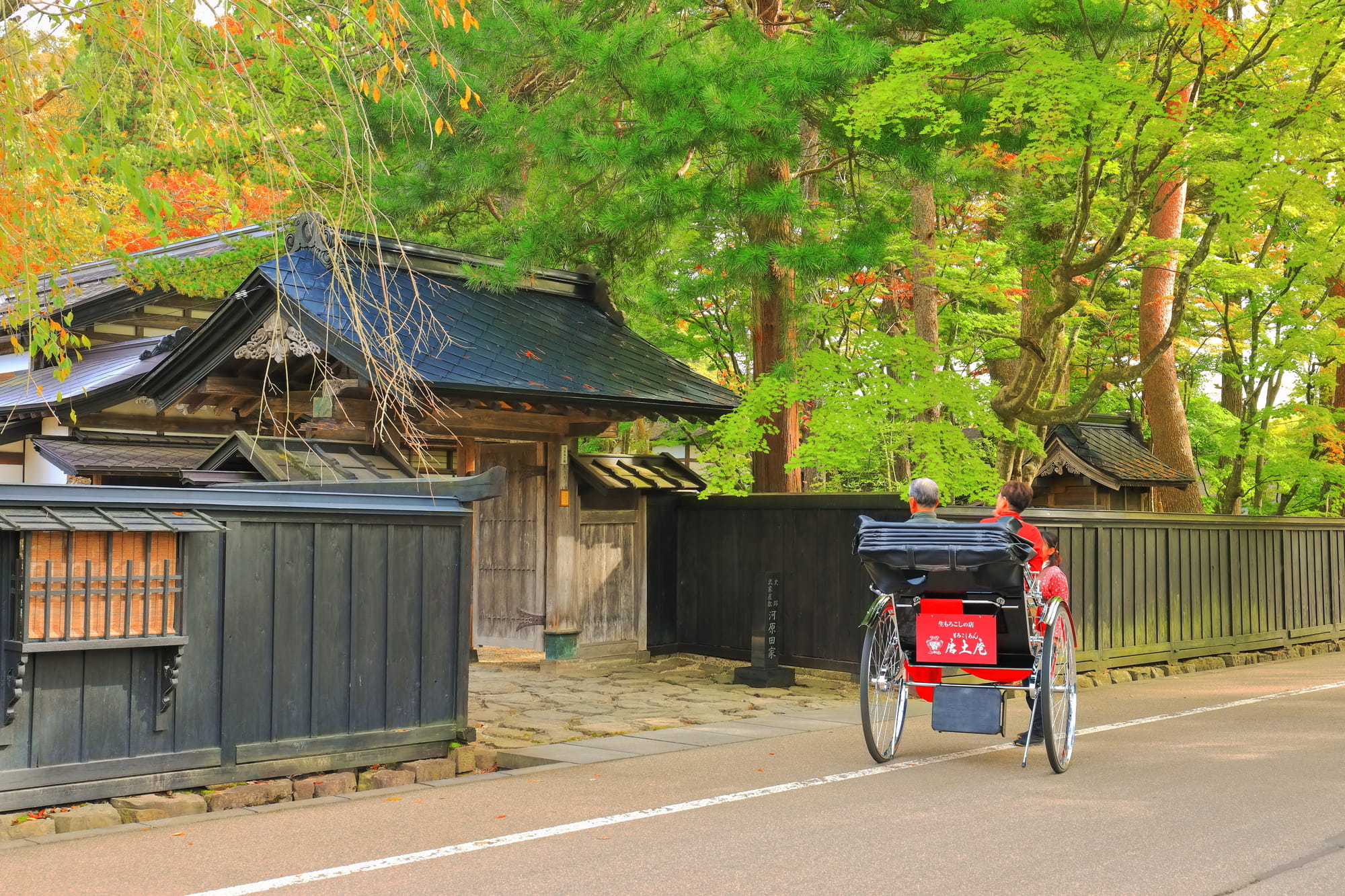
- Day 1 — Tokyo → Kakunodate: the “little Kyoto of the north,” one stop from Omagari on the Shinkansen.
- Day 2 — Festival day: arrive by early afternoon for the daytime fireworks (17:10); night programme runs until around 21:30.
- Day 3 — Lake Tazawa and Nyuto Onsen: Japan’s deepest lake, then mountain hot springs, then the ride home.
Know before you go

Bring a mat, water, cash, and a fan — riverbanks cool after dark but the wait is long. Free viewing from public areas is possible; paid reserved seats release in advance and go quickly. And whichever festival you choose: book the bullet train before you book anything else.
Plan your Fireworks Tourism route
Build your Fireworks Tourism route and reserve each bullet-train seat on japan-bullettrain.com — individual tickets, in English, for exactly the days your fruit is ripe.
For more information about traveling to Tohoku, check out the following articles!

▽Related articles▽


Written by
Established in 2016, Japan Web Magazine is a long-running online media platform dedicated to sharing the beauty and uniqueness of Japan with a global audience. Our team is made up of passionate Japan lovers—both Japanese and international writers—who bring a diverse and authentic perspective to every article. We cover everything from must-visit travel destinations across Japan, to local food recommendations, shopping guides, and practical travel tips. In addition to tourism content, we also delve into Japan’s rich cultural tapestry, introducing readers to traditional customs, festivals, and the latest trends in modern Japanese pop culture, including anime and entertainment. Driven by a genuine love for Japan, our mission is to connect readers around the world with the wonders of this incredible country.
- +0 0
-
-