SEMBU: Passing on Classical Japanese Dance and Spirit to the Modern Era
Dance, Connect, Colour the World.
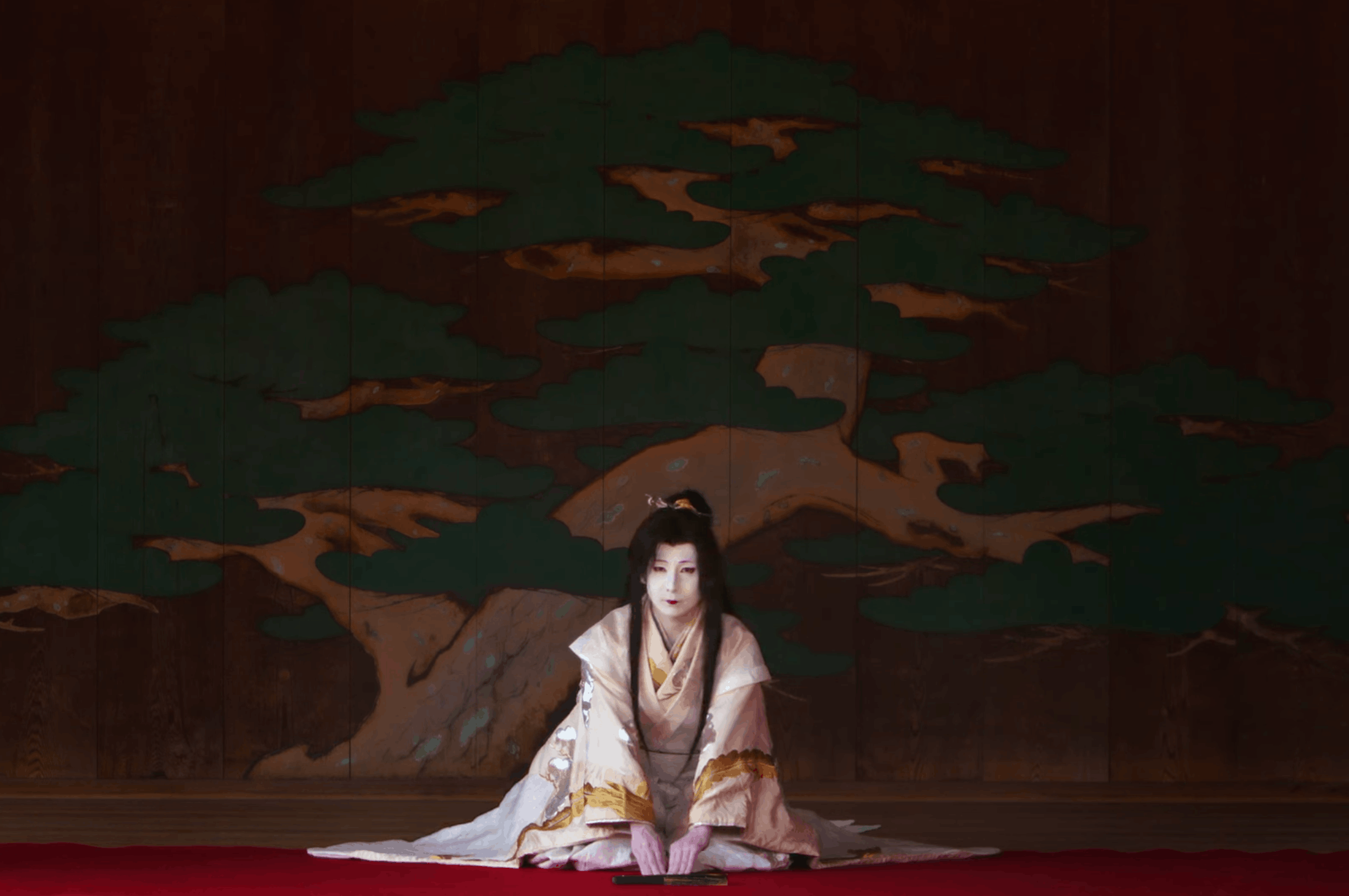

- +12 12
-

-


Across cultures and eras, dance has been a way to carry memory, sensation, and time within the body. In Japan, this relationship between movement and stillness has evolved into a refined language—one in which what is held back speaks as strongly as what is shown. SEMBU emerges from this lineage, engaging tradition not as a fixed inheritance, but as a living field of inquiry shaped by contemporary bodies and perspectives.
The Power Hidden Within Stillness
“舞い、結び、世を染める。”
Dance, Connect, Colour the World.
Within stillness lies a profound intensity. An element of physical expression embodied in Japan’s classical dance traditions. Passed down for centuries, these performing arts are not relics of the past. By engaging with contemporary bodies and sensibilities, they are being reborn as new forms of expressions.
SEMBU (染舞) is a project that places the spiritual essence of traditional Japanese dance at its core, layering it with the theatrical dynamism of Kabuki and the vitality of street dance. In doing so, it seeks to explore
“dance that wears the present moment.”
It is not an attempt to disregard tradition, nor to preserve it. Rather, it is a balancing act between tradition and motion, to reimagine the future of dance.
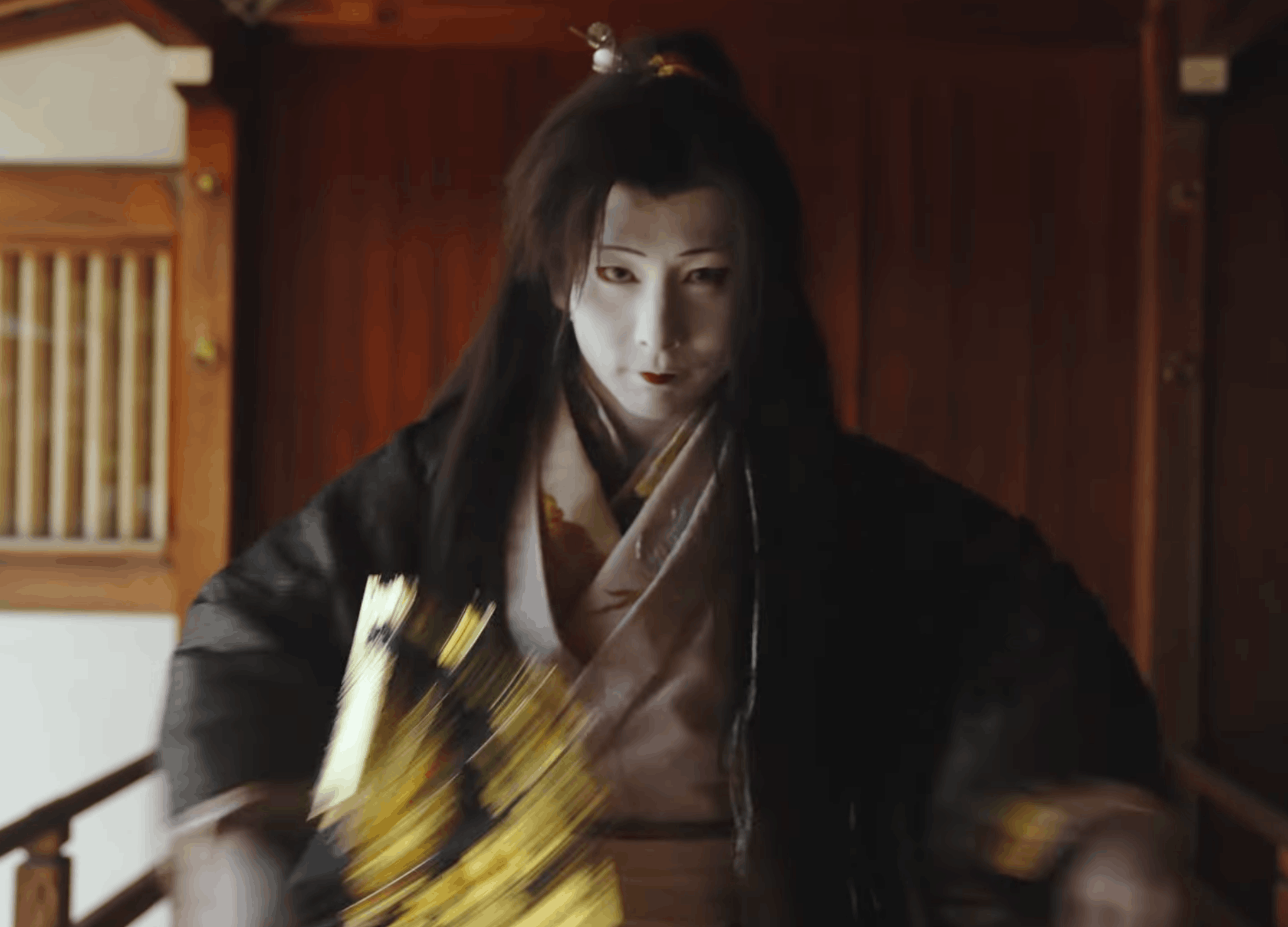
Dancing Presence, Not Movement
Japanese classical dance is an art that does not exaggerate emotion. Rather than dancing through overt movement, it dances the invisible — ma (the space between), breath, and presence. Clothed in stillness, Japanese dance expresses not motion itself, but the subtle forces that exist around it.
The silence before a single step forward, the brief suspension before a fan unfolds, the angle of a lowered gaze, the tension held in the fingertips. Every element carries meaning. On stage, the body speaks — without words — of joy and sorrow, of seasons passing, of the shifting currents of life.
What Silence and Pause Reveal
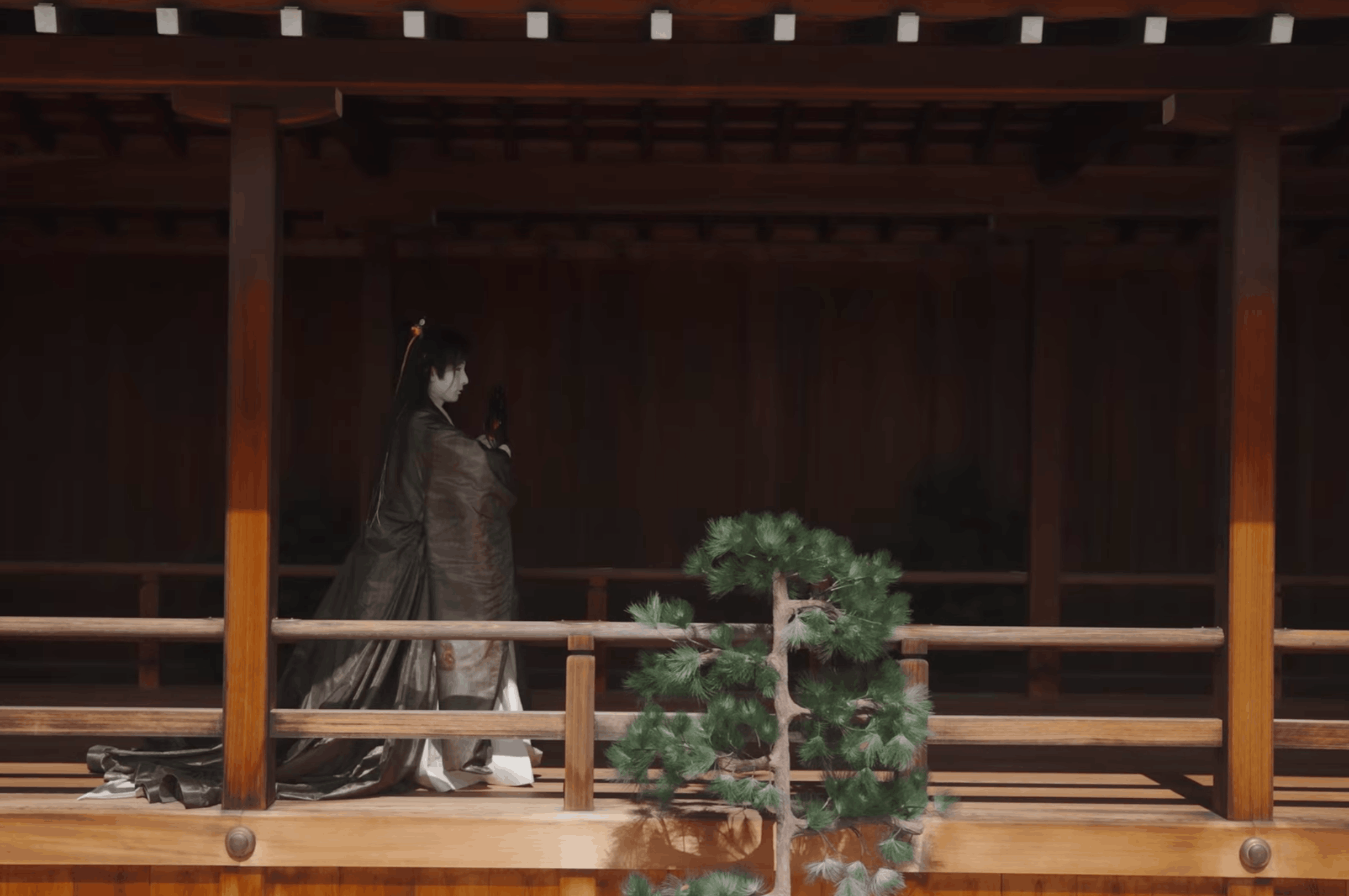
The beauty of Japan’s ancient aesthetic lies in subtraction. Rather than adding movement, emotion is sharpened by what is removed.
Dance imbued with Japanese aesthetics holds both honed motion and open space. The viewer is not told what to feel, but given room to sense and imagine. It is an art completed within the heart of each audience member.
Time Remembered Through the Body
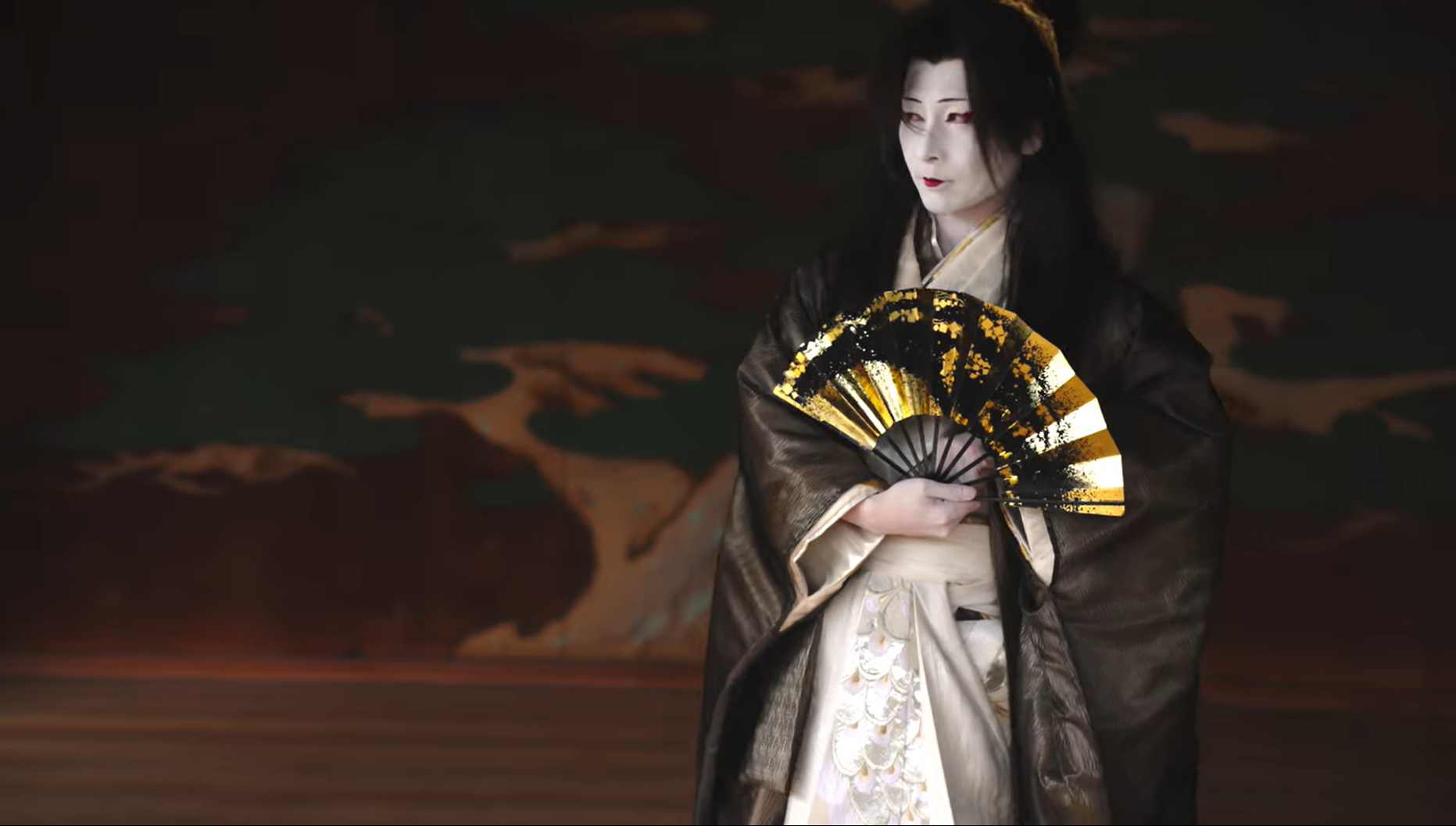
Japanese classical dance is deeply intertwined with traditional performing arts, such as Kabuki and refined over centuries. Its forms are not mere structures, but accumulations of wisdom and sensibility, etched into the body by generations past.
By embodying posture, balance, and connection to the floor, the dancer becomes a vessel of time itself, beyond individual identity. Though the body may appear still, flow and tension are constantly at work. It is this invisible movement that has long sustained dance imbued with Japan’s aesthetic spirit.
Connecting, Not Dividing, Opposites
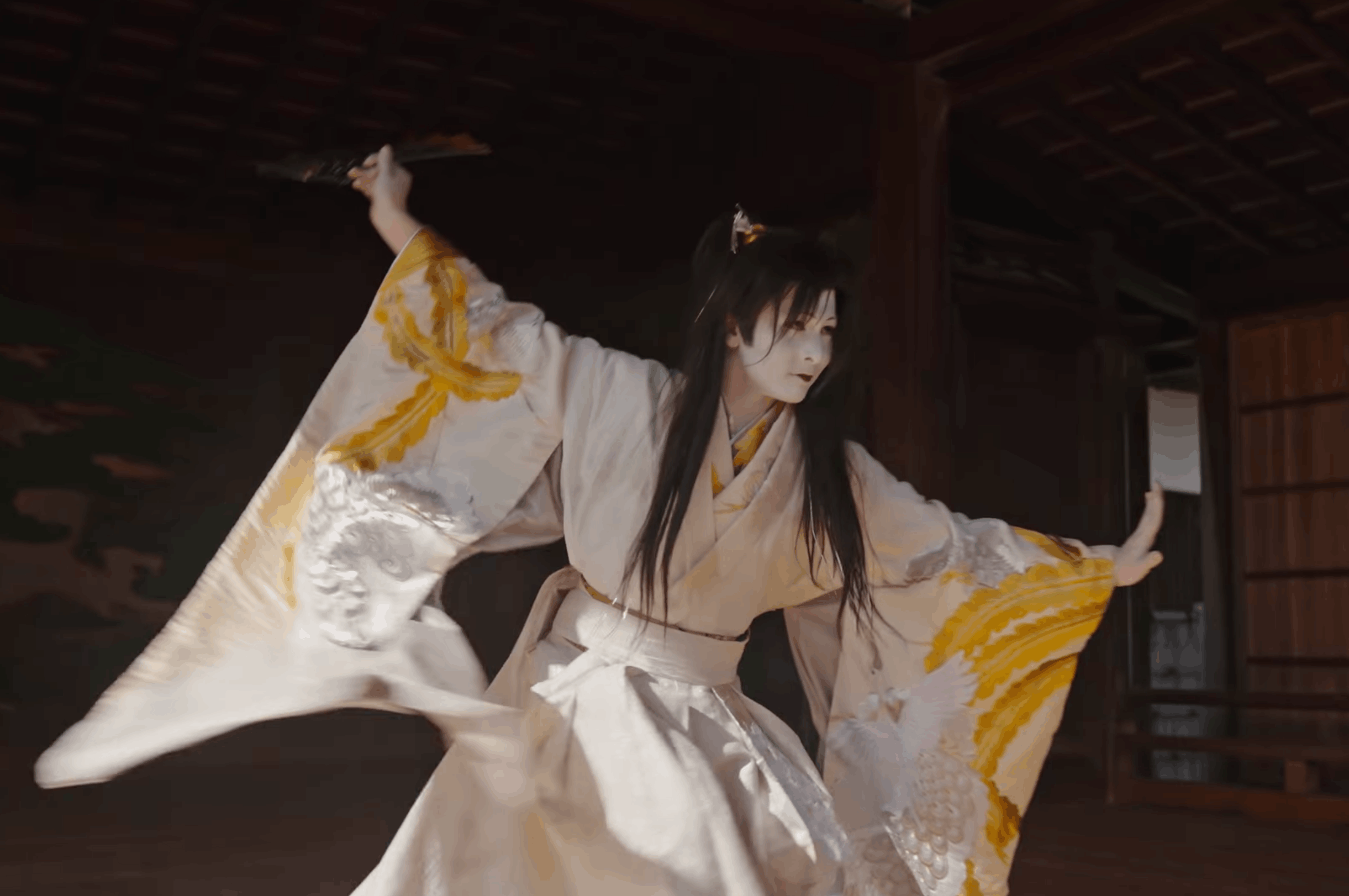
Black and white. Stillness and motion. Past and future.
SEMBU challenges itself to connect these opposing forces long embedded within Japanese dance — not to divide them, but to let them meet.
Rooted in the presence and open space of tradition, and the weight of time inscribed in the body, SEMBU layers Kabuki’s theatricality with the immediacy of street dance. This creates not a revival of the past, but a new dance for this era.
Not a Genre, but an Experience
SEMBU’s dance stirs the senses, connects people, and permeates the space itself. It is not a genre, nor is it a style.
It is dance as an experience — imbued with the aesthetics of Japan.
Tradition does not live by being preserved, it lives by being used, renewed, and carried forward into the next era.
Between tradition and motion, SEMBU continues to question the future of dance.
Kabuki: Theatricality, Gesture, and Time
To fully understand SEMBU’s artistic depth, it is essential to consider Kabuki, one of Japan’s most influential performing arts. Emerging in the early 17th century, Kabuki is a highly stylised theatrical form that combines dance, drama, and music. Its name has been interpreted as “eccentric” or “unconventional art,” and since its origins, Kabuki has been a space of bold aesthetic experimentation.
Kabuki is defined by its codified gestures, elaborate costumes, expressive makeup (kumadori), and a distinctive relationship with time on stage. Movement is often slow and deliberate, allowing the audience to absorb each detail. One of its most iconic elements, the mie, a powerful frozen pose held at a dramatic peak, encapsulates the idea that stillness can communicate more than motion.
From Kabuki, SEMBU inherits a heightened awareness of the body as a symbolic and narrative instrument. Theatricality here is not excess, but precision. Gesture becomes a site of concentration, where emotion, history, and intention converge. By layering this sensibility with contemporary movement languages, SEMBU opens new expressive possibilities while remaining firmly rooted in tradition.
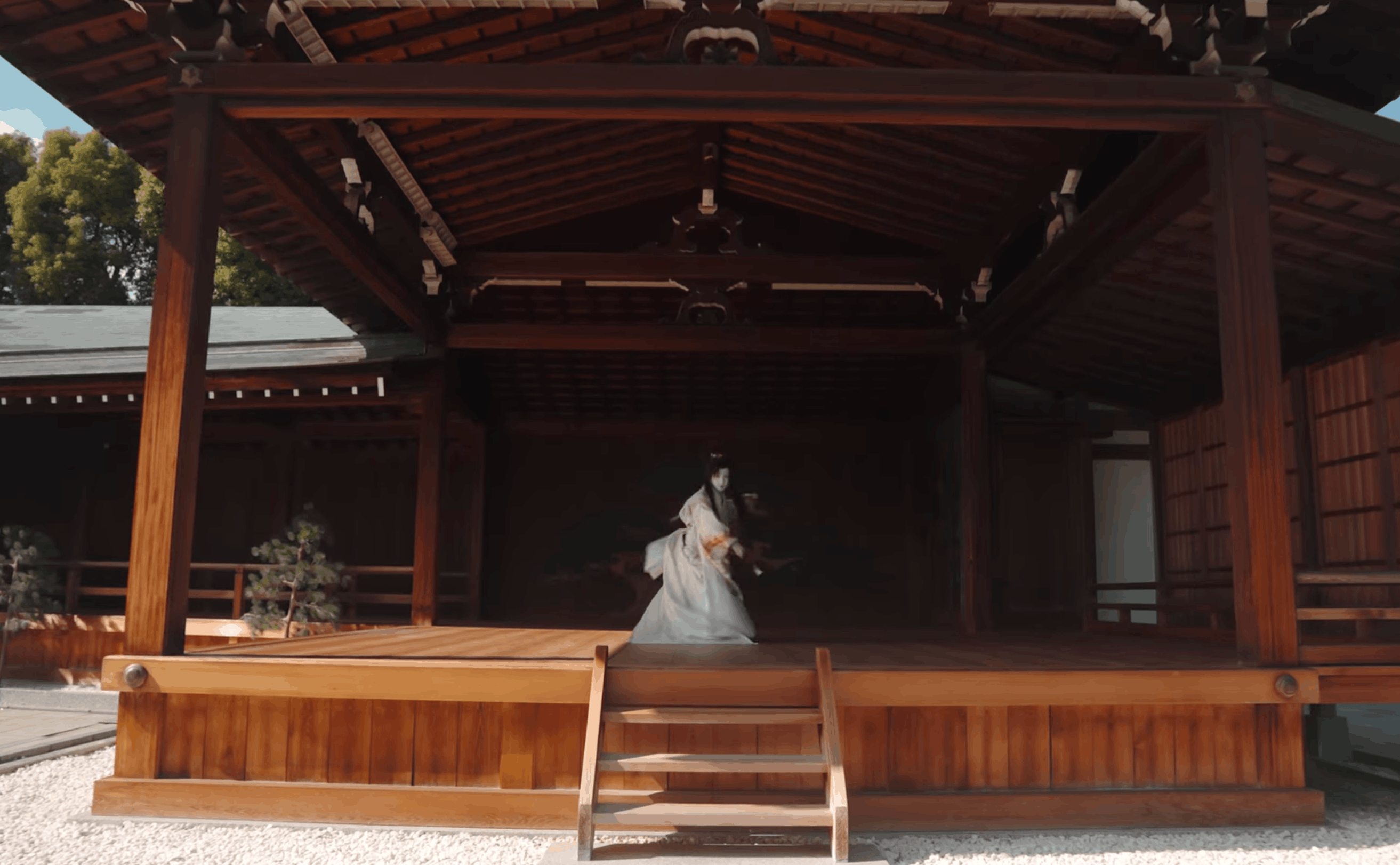
SEMBU is currently in preparation for its upcoming performances, ready to dance and colour the world.
If you wish to invite SEMBU to perform in your country, or if you would like to experience their work when visiting Japan, we invite you to get in touch through the contact page below.
👉 https://www.sembu.co/en/contact
Written by
From Barcelona to Tokyo. Coffee and Adventure lover. I started to like Japan because of the anime, music and dramas, but after my first trip to the country I found what I love the most: traveling around, the culture and history. I have travelled a lot in Japan, but I still have many places to discover that I want to share with you. Let’s discover Japan together! Also, as a foreigner living in Japan for over 6 years I understand what kind of things are difficult when you move here and I want to help other people in the same situation that I have in the past.
- +12 12
-
-