Nagasaki in 2026: World Heritage, NYT Pick & Hidden Gems — Your Complete Guide
A complete guide to Nagasaki’s top sights, food, and easy access from Tokyo

- +1 1
-

-


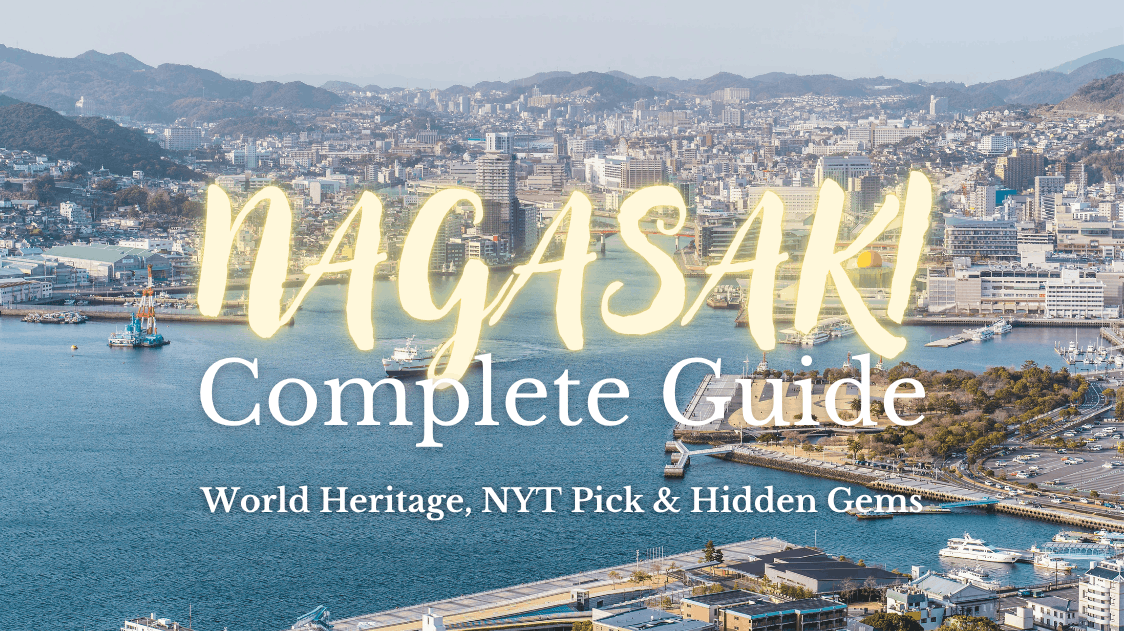
Nagasaki has just been named one of the New York Times’ “52 Places to Go in 2026” — and it’s easy to see why. This port city on Japan’s western edge blends 400 years of cross-cultural history, two UNESCO World Heritage designations, a food scene unlike anywhere else in the country, and a rich cultural identity shaped by centuries of international exchange.
Best of all? You can fly from Tokyo Haneda to Nagasaki in about 2 hours with Solaseed Air — a full-service carrier with fares starting from ¥13,700 (This price as of 24th April) . No bullet train transfer, no layover. Just a smooth morning flight and you’re exploring cobblestone streets by lunchtime.
Here’s everything you need to know to plan the perfect Nagasaki trip in 2026.
Why Nagasaki in 2026? The NYT Pick Explained
The New York Times ranked Nagasaki #17 on its prestigious “52 Places to Go” list for 2026 — one of only two Japanese destinations selected (the other being Okinawa at #46).
The Times highlighted Nagasaki’s exciting urban renewal — including the recently opened Nagasaki Stadium City (2024), featuring sports facilities, a stadium-view hotel, and commercial attractions — as well as its unmatched cultural depth: a city shaped by four centuries of Portuguese, Chinese, and Dutch exchange that feels unlike anywhere else in Japan.
Other highlights the NYT singled out:
- An 800-year-old camphor tree at Daitoku-ji Temple
- Fukusaya, a confectionery selling castella cakes since 1624
- Coffee Fujio, a retro café famous for its signature milkshakes
- Glover Garden with sweeping harbor views
In short: Nagasaki in 2026 is a city where centuries of history meet modern transformation — and the world is finally paying attention.
How to Get from Tokyo to Nagasaki with Solaseed Air
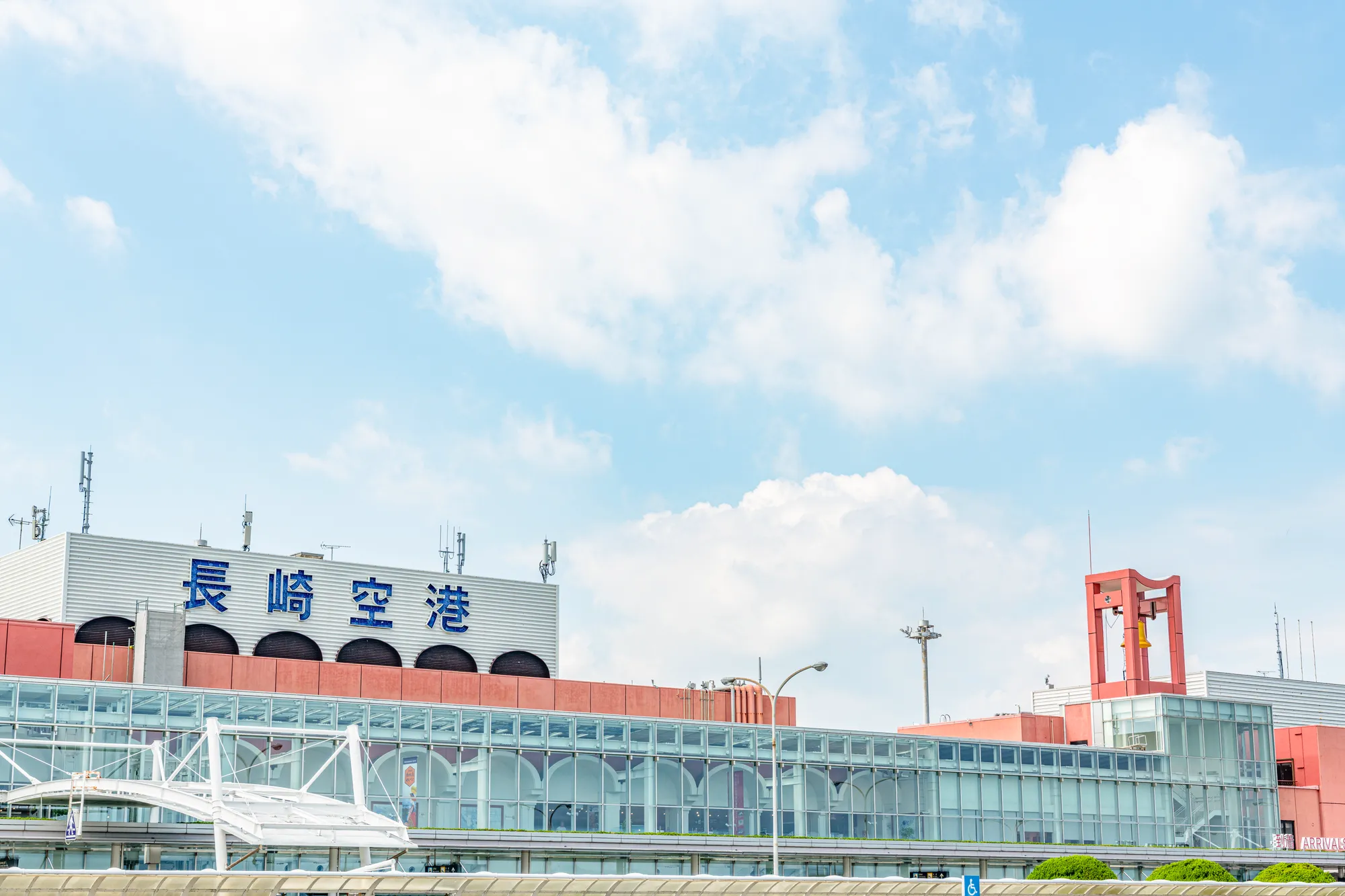
Forget the 6+ hour Shinkansen-plus-transfer journey. Solaseed Air flies direct from Tokyo Haneda (HND) to Nagasaki (NGS) multiple times daily, making it one of the most convenient ways to reach Nagasaki.
Flight Details at a Glance
| Detail | Info |
|---|---|
| Route | Tokyo Haneda (HND) → Nagasaki (NGS) |
| Flight Time | Approx. 2 hours |
| Fares From | ¥13,700 (Bargain fare, book 14+ days ahead) *This price as of 24th April |
| Checked Baggage (New rule applies on or after May 19, 2026) ) |
Up to 2 bags (up to 23 kg/ bag) free |
| Carry-on (New rule applies on or after May 19, 2026) ) |
Up to 1 baggage and 1 personal belonging per person (up to 10 kg/ person) ((lenght + width + heigth) must not exceed 158 cm) |
Why Choose Solaseed Air?
- Full-service comfort at LCC prices: Unlike budget carriers, Solaseed Air offers a full in-flight service experience — no hidden fees for basics like seat selection or baggage
- Haneda convenience: Departs from Haneda Airport, which is far more accessible from central Tokyo than Narita (just 20 minutes by monorail from Hamamatsucho)
- Book early, save more: Bargain 75 fares (booked 75 days ahead) offer the deepest discounts
Pro Tip: Combine with Other Kyushu Destinations
Solaseed Air also flies Haneda to Kumamoto, Kagoshima, Miyazaki, Oita, and Okinawa. Consider a multi-city Kyushu trip: fly into Nagasaki, explore for 2-3 days, then take the Shinkansen to Kumamoto or Kagoshima before flying back from a different airport. One-way domestic flights make this easy and affordable.
Find flights to Nagasaki
Nagasaki offers a unique blend of history, culture, and scenic beauty, making it one of Japan’s most rewarding destinations year-round. Flights on popular routes and travel dates can fill up quickly, so searching in advance helps you secure better schedules and fares.
Nagasaki’s Two UNESCO World Heritage Sites
Nagasaki is one of the few cities where elements of two separate UNESCO World Heritage designations can be explored within walking distance of the harbor, offering a unique glimpse into its spiritual and industrial past.
1. Hidden Christian Sites in the Nagasaki Region (2018)
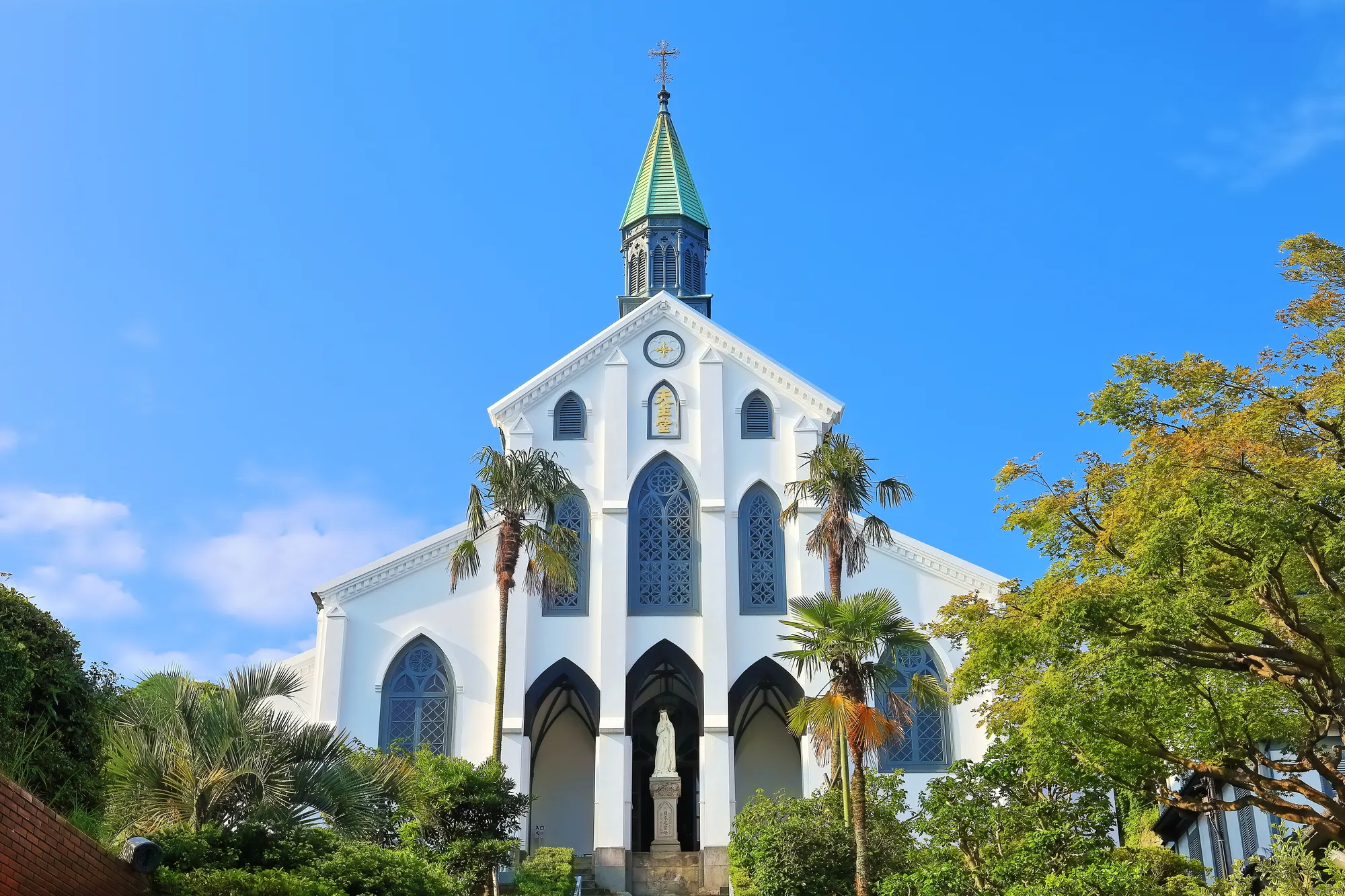
For over 250 years, Christianity was banned in Japan. Yet in the Nagasaki region, communities of “hidden Christians” (kakure kirishitan) secretly preserved their faith through generations.
When French missionaries completed Oura Cathedral in 1864, a group of local Japanese approached them and whispered: “We have the same heart as you.”
What to see:
- Oura Cathedral — Japan’s oldest surviving church and a National Treasure. The stained-glass windows catch the morning light beautifully.
- Sotome district — The rural coastal villages where hidden Christians lived. A literary tour following Shusaku Endo’s novel Silence is available.
- Goto Islands churches — For a deeper dive, take a ferry to the Goto archipelago to see remote churches built by communities that emerged from hiding.
2. Sites of Japan’s Meiji Industrial Revolution (2015)
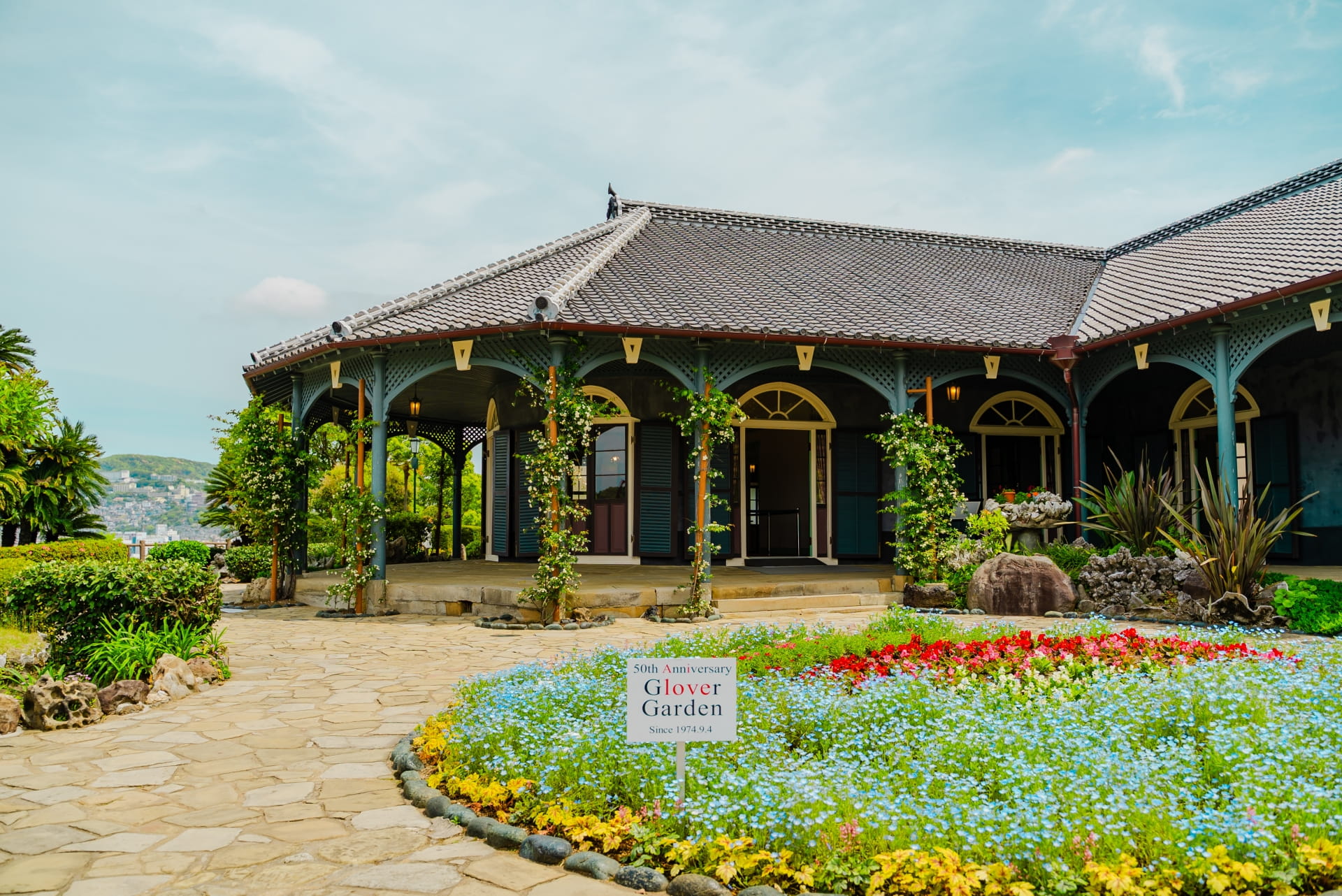
Nagasaki was at the forefront of Japan’s rapid industrialization in the 19th century. The harbor area preserves remarkable evidence of this transformation.
What to see:
- Glover Garden — The former residence of Thomas Glover, a Scottish merchant who helped modernize Japan. The hilltop location offers panoramic harbor views. Don’t miss the heart-shaped cobblestone hidden in the grounds — finding it is said to bring luck in love.
- Mitsubishi Shipyard — Still operational, with parts of its history accessible through museum facilities and guided tours. The giant cantilever crane (1909) still stands today.
- Kosuge Dock — Japan’s first steam-powered ship repair dock (1869), built with the help of Thomas Glover. A remarkable piece of industrial archaeology tucked away along the waterfront.
Dejima: Japan’s Window to the World
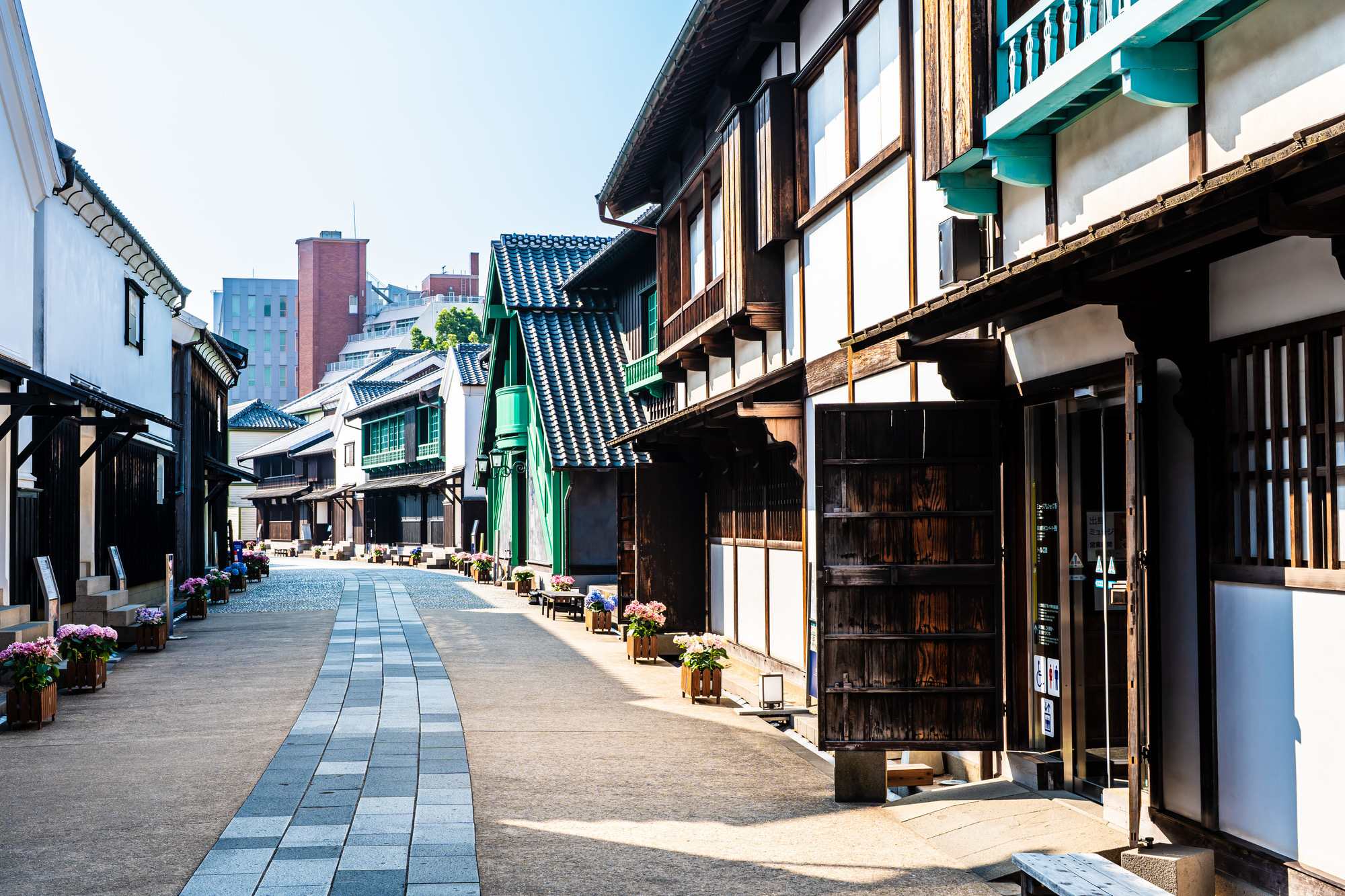 For over 200 years (1641–1859), Japan was almost entirely closed to the outside world. The exception? Dejima — a tiny, fan-shaped artificial island in Nagasaki harbor where Dutch traders were permitted to live and conduct business.
Through this small gateway, Western science, medicine, and technology quietly flowed into Japan.
What to see today:
- Reconstructed trading post buildings — Over 25 structures have been meticulously restored, including warehouses, the Chief Factor’s residence, and a sea gate. Walk across the original stone bridge to step onto the island.
- Interactive exhibits — Hands-on displays let you explore what daily life was like for the handful of Dutch traders who lived here — from their meals (remarkably detailed records survive) to their scientific instruments.
- Dejima Wharf — The modern waterfront dining area adjacent to historical Dejima, perfect for an evening stroll along the harbor.
Practical info: ¥520 admission. Allow 60–90 minutes. A 5-minute walk from Dejima tram stop.
The recent reconstruction efforts have transformed Dejima from scattered ruins into one of Nagasaki’s most immersive historical experiences. It’s a place that makes you realize how much the modern world owes to this improbable little island.
Hidden Gems: Nagasaki Beyond the Guidebooks


Step off the main tourist circuit, and Nagasaki reveals quiet shrines, hilltop viewpoints, and narrow lanes that reward curious travelers.
Mount Inasa Night View
Often promoted as one of Japan’s “top three night views,” alongside well-known cityscapes like Hong Kong and Monaco. The Nagasaki Ropeway takes you to the summit where the city’s lights shimmer across the harbor in a bowl-shaped panorama. Go at sunset for the full experience.
Megane Bridge (Spectacles Bridge)
One of Japan’s oldest stone arch bridges was built in 1634 by a Chinese monk. When the water is calm, the two arches and their reflections form a perfect pair of spectacles — hence the name. Located minutes from the busy Hamanomachi shopping arcade, yet most visitors walk right past it.
Minami-Yamate District
A free alternative to Glover Garden, this hillside neighborhood is filled with Western-style colonial buildings, quiet gardens, and stunning views. The Dutch Slope (Oranda-zaka), a cobblestone lane lined with old wooden houses, is particularly atmospheric.
The Great Camphor Tree of Daitoku-ji
Tucked in the Maruyama entertainment district, this tree, estimated to be over 800 years old with a root circumference of over 23 meters is a natural monument. The NYT specifically mentioned it — and standing beneath its canopy, you’ll understand why.
Nagasaki Food Guide: A Fusion Kitchen 400 Years in the Making


Nagasaki’s food is unlike anything else in Japan. Centuries of trade with China, Portugal, and the Netherlands created a cuisine that’s a delicious collision of East and West.
Must-Try Dishes
- Champon (ちゃんぽん): Nagasaki’s signature noodle dish — thick noodles in a rich pork-and-chicken broth loaded with seafood, vegetables, and sometimes kamaboko (fish cake). Invented by a Chinese restaurant owner to feed students cheaply. Try it at Shikairō, the restaurant where it was born.
- Sara Udon (皿うどん): Champon’s crispy cousin. The same toppings served over thin, deep-fried noodles that shatter satisfyingly. Pour Worcestershire sauce on top for the local touch.
- Castella (カステラ): A golden sponge cake brought by Portuguese missionaries in the 16th century, refined over 400 years into something uniquely Japanese. Fukusaya (since 1624) is the undisputed king — their flagship store near Oura Cathedral is a pilgrimage.
- Turkish Rice (トルコライス): Nagasaki’s beloved “lunch plate” combining spaghetti, rice pilaf, and a breaded pork cutlet on one plate. It’s glorious comfort food with zero Turkish connection.
- Kakuni Manju (角煮まんじゅう): Braised pork belly tucked inside a soft steamed bun. The Chinese-Japanese fusion at its most delicious. Perfect street food from Iwasaki Honpo.
- Milkshake (ミルクセーキ): In Nagasaki, a “milkshake” is actually a semi-frozen dessert made with milk, egg, and sugar, creating a texture closer to a chilled custard than a drink. Coffee Fujio, the retro café the NYT highlighted, is the place to try it.
Where to Eat
The Shianbashi and Hamanomachi areas are the heart of Nagasaki’s dining scene. For street food, explore the covered arcades. For a special dinner, try a shippoku ryori (卓袱料理) — Nagasaki’s unique multi-course banquet blending Japanese, Chinese, and Western dishes served on a round table. It’s the city’s cultural identity on a plate.
Seasonal Events & Festivals
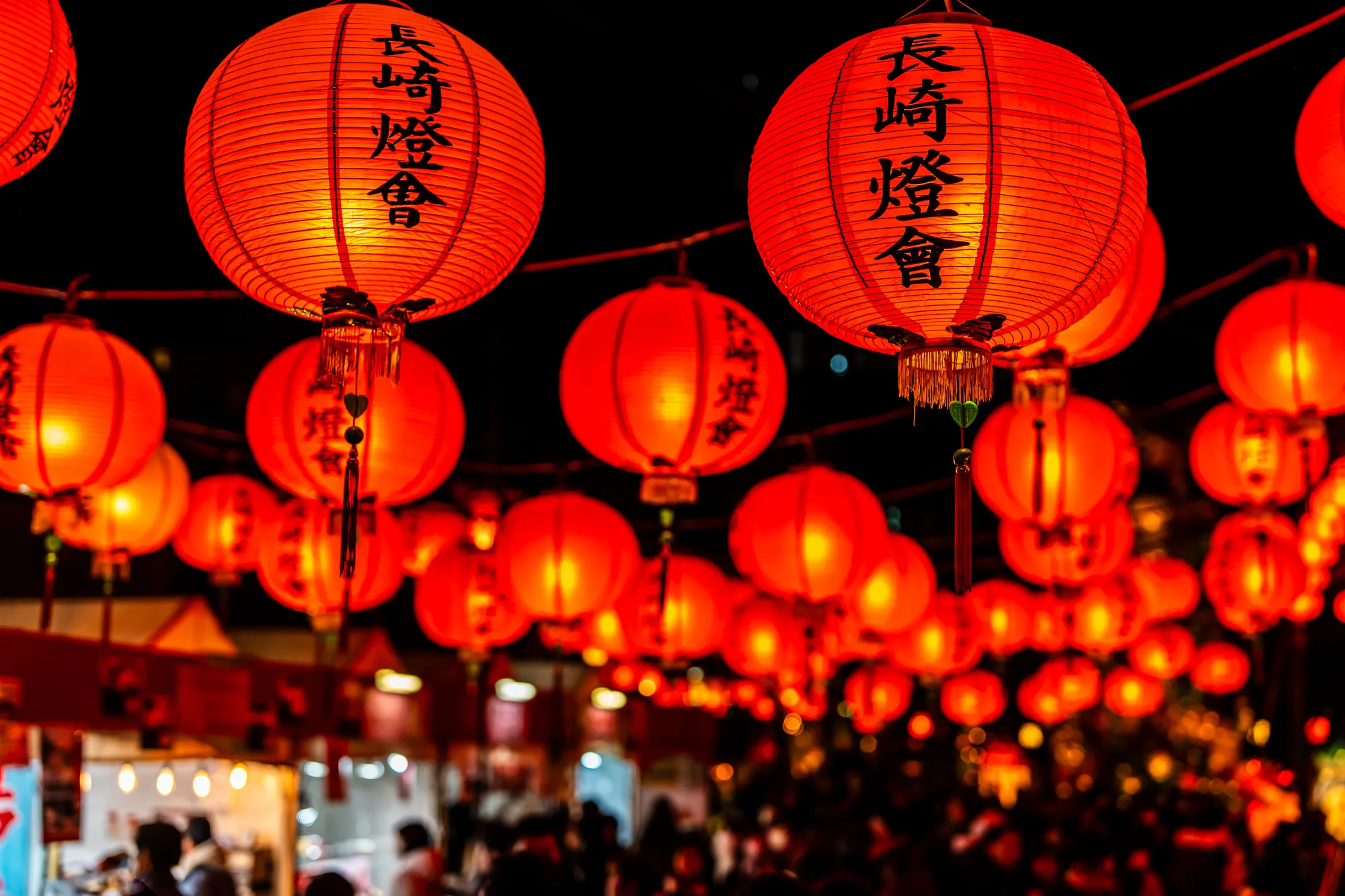
Nagasaki Lantern Festival (February)
Every winter, over 15,000 colorful lanterns transform Nagasaki into a glowing wonderland. The festival runs for approximately two weeks (February 6-23 in 2026) and is rooted in Chinese New Year celebrations. Venues span from Chinatown to Megane Bridge, with dragon dances, acrobatic performances, and lantern-lit parades every evening. The lighting ceremony at 18:00 on opening night is magical.
Nagasaki Kunchi Festival (October 7-9)
One of Japan’s most dynamic festivals, held since 1634. Five to seven groups from different city districts perform elaborate dances featuring dragon dances, boat-shaped floats, and Chinese-influenced performances that reflect Nagasaki’s multicultural DNA. Main venues include Suwa Shrine, Chuo Park, and Otabisho. Book tickets early — popular seats sell out weeks ahead.
Shoro Nagashi — Lantern Boat Procession (August 15)
One of Nagasaki’s most distinctive summer traditions, Shōrō Nagashi sees families carry decorated spirit boats (shōrō-bune) through the streets toward the harbor to honor departed loved ones. Lanterns, bells, chanting, and bursts of firecrackers create an atmosphere that is both lively and reflective, making it unlike any other festival in Japan.
Your 3-Day Nagasaki Itinerary
Day 1: Fly In & Explore the Harbor District
- Morning: Catch the Solaseed Air flight from Haneda. Arrive at Nagasaki Airport. Airport bus to Nagasaki Station (approx. 45 min, ¥1,400).
- Late Morning: Drop bags at hotel. Then head to the Hamanomachi shopping arcade to get a feel for the city’s atmosphere.
- Lunch: Champon at Shikairō, the restaurant where the dish originated.
- Afternoon: Walk to Glover Garden (find the heart-shaped stone!) → Oura Cathedral (just 150m away). Pick up castella at Fukusaya.
- Evening: Take the Nagasaki Ropeway to Mount Inasa for sunset → dinner in the Shianbashi district. Try shippoku ryori for a special first-night feast.
Day 2: Island Heritage, Shrines & Hidden Gems
- Morning: Explore Dejima and discover how this tiny Dutch trading post connected Japan to the world for more than 200 years. Then head uphill to Suwa Shrine, home of the famous Kunchi Festival, where the long stone stairway and elevated setting offer sweeping city views.
- Lunch: Turkey Rice at a local kissaten (retro café) — try Tsuruchan near Hamanomachi.
- Afternoon: Visit the Great Camphor Tree at Daitoku-ji in the Maruyama district, then stroll through the Megane Bridge area. If the water is calm, you may catch the bridge’s famous “spectacles” reflection.
- Evening: Stop by Coffee Fujio for Nagasaki’s signature frozen milkshake, then explore the backstreets of Shianbashi for a local izakaya dinner.
Day 3: Deep Dive & Departure
- Morning: Explore the Dutch Slope and Minami-Yamate district at your own pace. Visit Sofuku-ji, a stunning Chinese Buddhist temple built in 1629.
- Late Morning: Nagasaki Chinatown for kakuni manju and last-minute omiyage (souvenir) shopping.
- Lunch: Sara Udon — the crispy noodle version of champon. A perfect farewell meal.
- Afternoon: Airport bus to Nagasaki Airport → Solaseed Air evening flight back to Haneda.
Practical Information
Getting Around Nagasaki
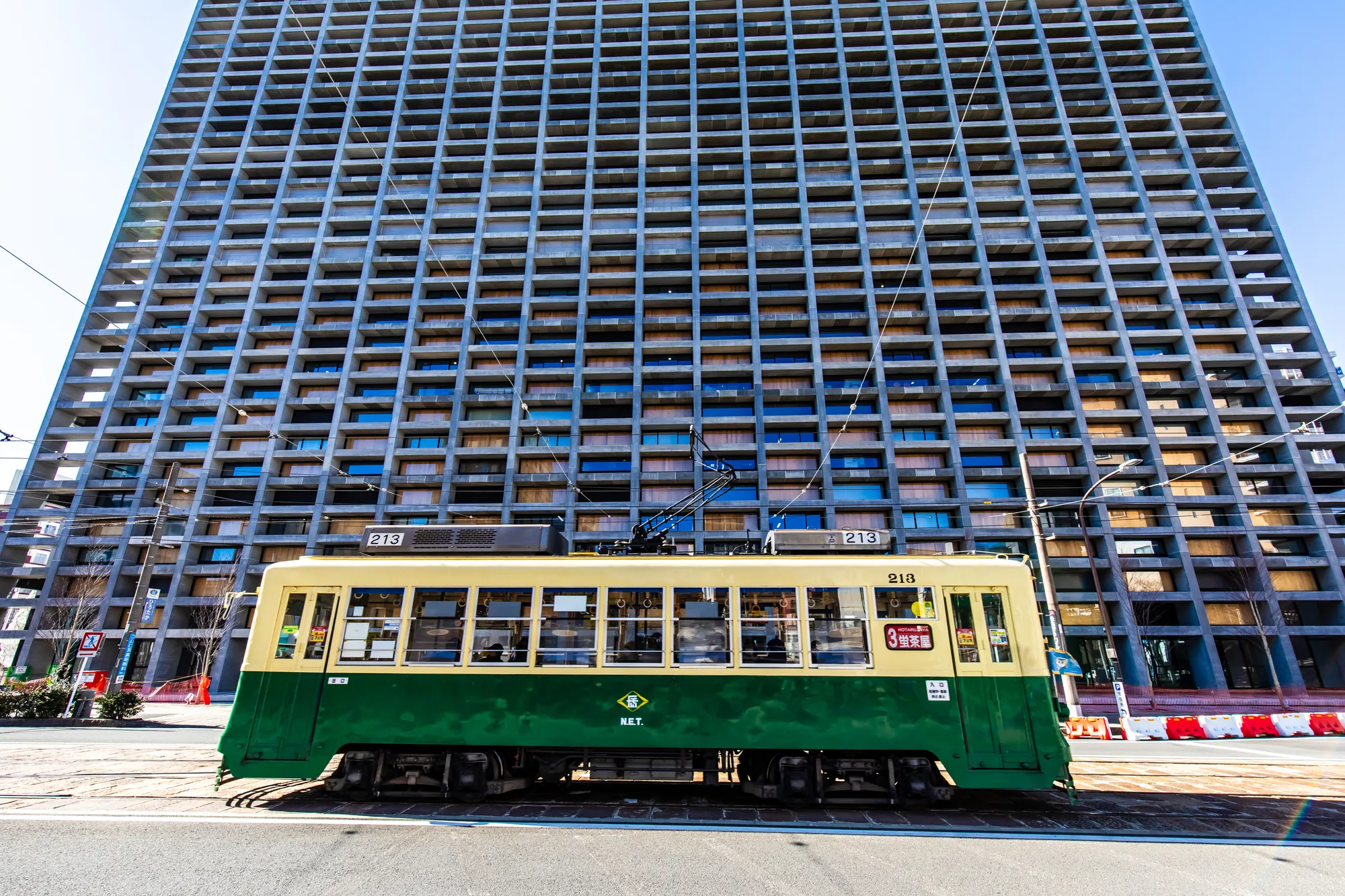
Nagasaki’s streetcar (tram) network is the easiest way to get around. Four lines connect all major sights.
- Single ride: ¥150 (flat fare, pay when you exit)
- Day pass: ¥600 (unlimited rides — pays for itself after 4 rides)
The city is also very walkable, especially the compact harbor district. Just be prepared for hills — Nagasaki is built on slopes, and some neighborhoods require serious stair-climbing.
Best Time to Visit
| Season | Highlights | Notes |
|---|---|---|
| Spring (Mar-May) | Cherry blossoms, mild weather | Best overall season. 15-22°C. |
| Summer (Jun-Aug) | Peace Memorial, festivals | Hot & humid. Rainy season in June. |
| Autumn (Sep-Nov) | Kunchi Festival, fall colors | Pleasant temperatures. Oct is ideal. |
| Winter (Dec-Feb) | Lantern Festival, fewer crowds | Mild (5-10°C). Festival in Feb is a must. |
Budget Estimate (3 Days / 2 Nights)
| Item | Budget | Mid-Range |
|---|---|---|
| Solaseed Air round trip | ¥27,400 (This price as of 24th April) | ¥40,000(This price as of 24th April) |
| Hotel (2 nights) | ¥20,000 | ¥40,000 |
| Meals (3 days) | ¥12,000 | ¥25,000 |
| Transport & entries | ¥5,000 | ¥10,000 |
| Total | ~¥64,400 | ~¥115,000 |
Extend Your Trip: Nagasaki + Kyushu


Nagasaki works perfectly as part of a longer Kyushu adventure. Here are three natural extensions:
- Nagasaki → Kumamoto (2h by Train): Visit Kumamoto Castle, explore Aso volcano, and soak in Kurokawa Onsen.
- Nagasaki → Fukuoka (2h by Train): Dive into Japan’s ramen capital, explore canal city, and eat at yatai street food stalls.
- Nagasaki → Goto Islands (Ferry): Extend your World Heritage journey to the remote island churches where hidden Christians preserved their faith for centuries.
With Solaseed Air’s flexible one-way fares, you can fly into Nagasaki and out of another Kyushu city (or vice versa) — making multi-city trips effortless.
Nagasaki is a city that stays with you. Its layers of history — Portuguese missionaries, Dutch traders, Chinese merchants, and four centuries of cultural fusion — create a depth that’s rare in any travel destination. In 2026, the world is finally turning its attention here. Don’t miss your moment.
Find flights to Nagasaki
Nagasaki offers a unique blend of history, culture, and scenic beauty, making it one of Japan’s most rewarding destinations year-round. Flights on popular routes and travel dates can fill up quickly, so searching in advance helps you secure better schedules and fares.
▽Related Articles▽


Written by
Born and raised in Costa Rica, I started living in Tokyo from college. I love traveling within Japan & around the world. Since I wasn’t born in Japan, I know the cultural impact that you can get when visiting Japan for the first time and what you might be worried about before your trip. And I’ve lived long enough to somewhat understand the nuances of the Japanese culture that make this country such an attractive place to visit. Hopefully I can provide to you both the information you’re looking for and the information you didn’t know you needed to know.
- +1 1
-
-