Meet the Brewers Behind CRAFT SAKE WEEK 2026: A Journey into Craftsmanship and Philosophy
Explore the philosophies and techniques behind two Tochigi breweries featured at Japan’s premier sake event

- +18 18
-

-


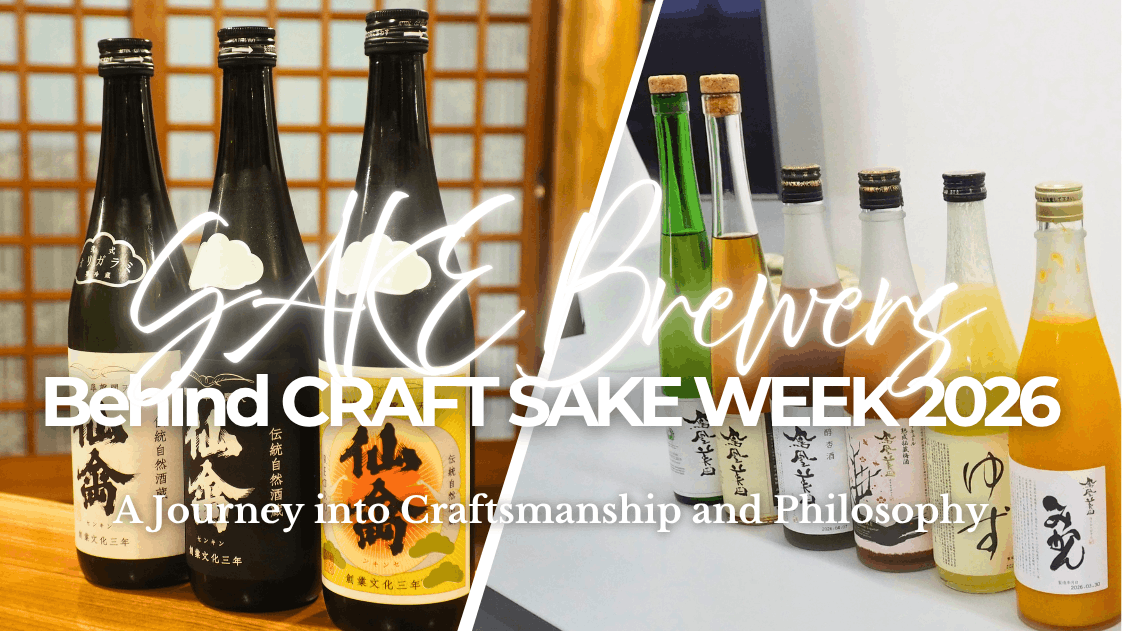
At CRAFT SAKE WEEK 2026 with OMAKASE byGMO at ROPPONGI HILLS, one of Tokyo’s premier sake events, visitors are invited to taste some of Japan’s finest sake, carefully selected from breweries across the country. But beyond the lineup of labels and tasting notes lies a deeper story—one rooted in philosophy, craftsmanship, and the people behind each bottle.
To better understand what makes this event truly special, we joined a media tour to visit two of the participating breweries—Kobayashi Shuzo and Senkin—both of which will be featured at the event in Tokyo.
If you’d like a complete guide to the event, including dates, pricing, and daily themes, check out our full overview here:
▶ CRAFT SAKE WEEK 2026: Japan’s Ultimate Sake & Food Festival Returns to Roppongi Hills
What Does “Craft Sake” Really Mean?
The term “craft sake” is often associated with small-scale production or artisanal methods. However, the brewers we met offered a more nuanced perspective.
Rather than focusing solely on size or technique, craft sake is defined by intentionality—how each decision, from rice selection to fermentation, is guided by a clear vision. It is also deeply human in nature. The brewer’s personality, philosophy, and even the brewery’s atmosphere can subtly shape the final product.
In this sense, craft sake is not just something you drink—it is something you experience.
Inside Kobayashi Shuzo: Crafting Balance and Elegance
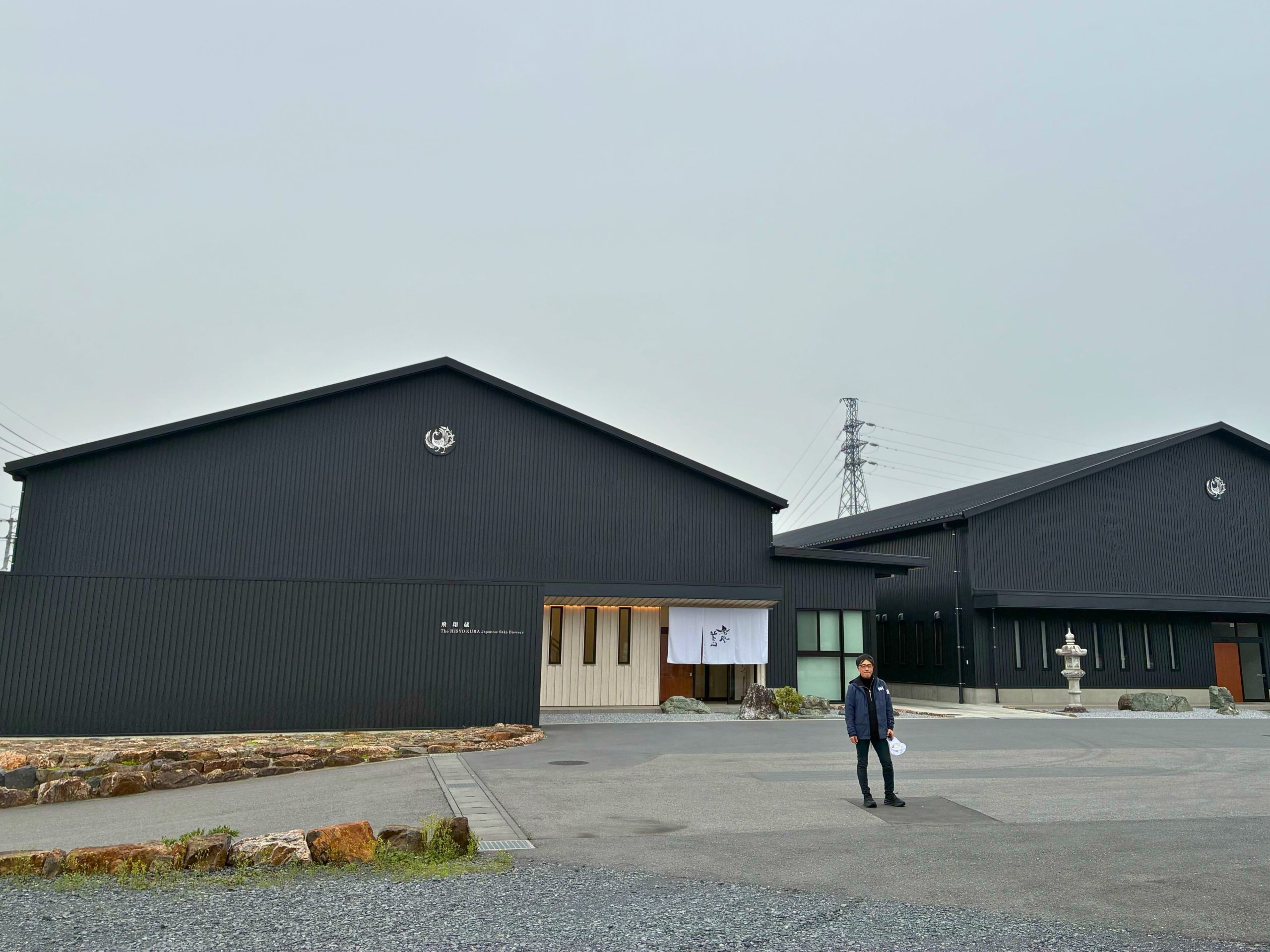
Located in Tochigi Prefecture, Kobayashi Shuzo is a long-established brewery known for its sake brand Hououbiden (鳳凰美田). The brewery is recognized for producing elegant and aromatic sake that reflects a careful balance between tradition and modern sensibilities.
At Kobayashi Brewery, the brewing process is guided by a balance between control and creativity.
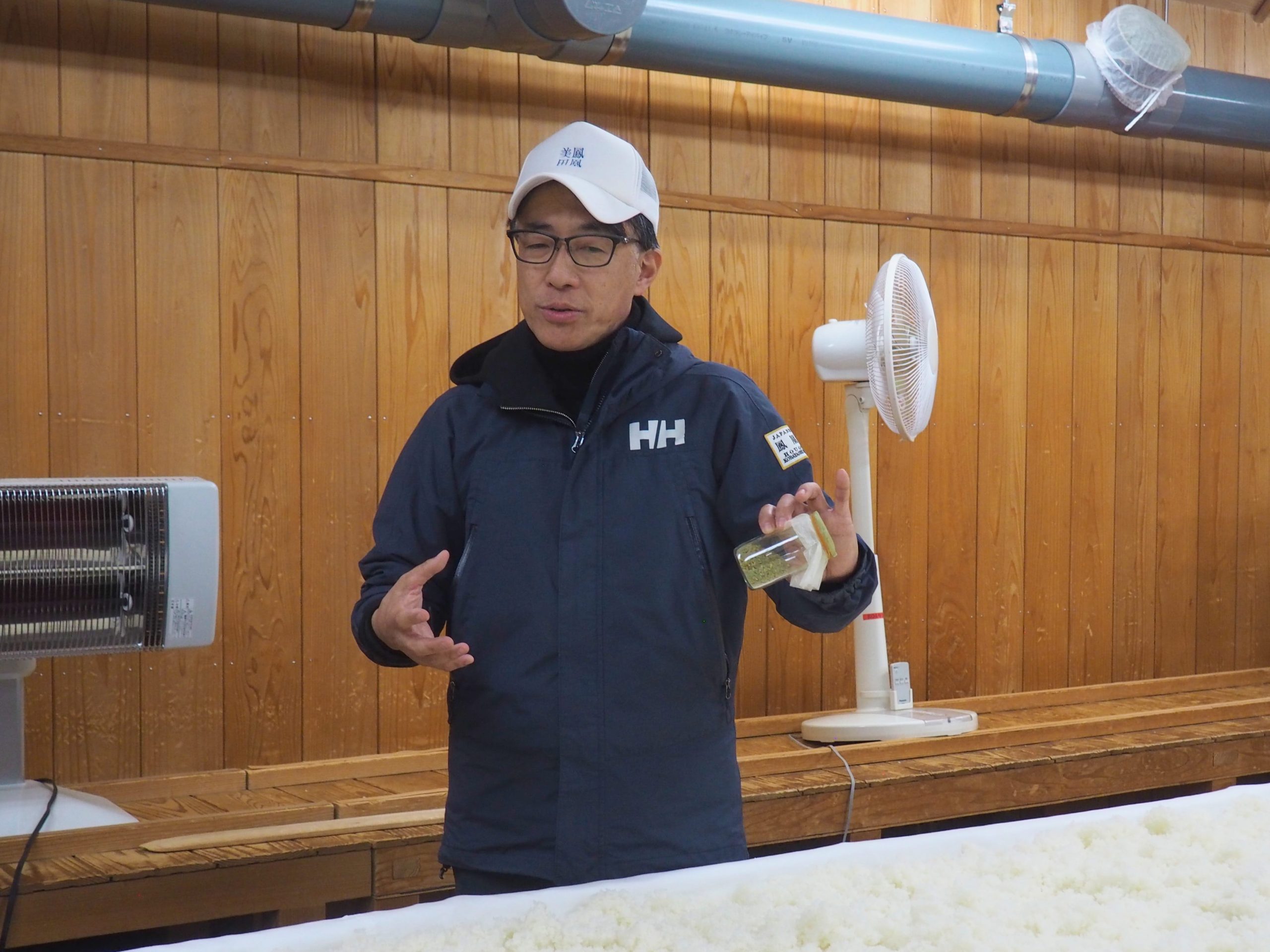
Modern equipment is used to maintain consistency and hygiene, but automation is never allowed to dominate the process. Instead, it supports the brewers, who remain deeply involved at every stage. This approach ensures that the sake retains its character while meeting high standards of quality.
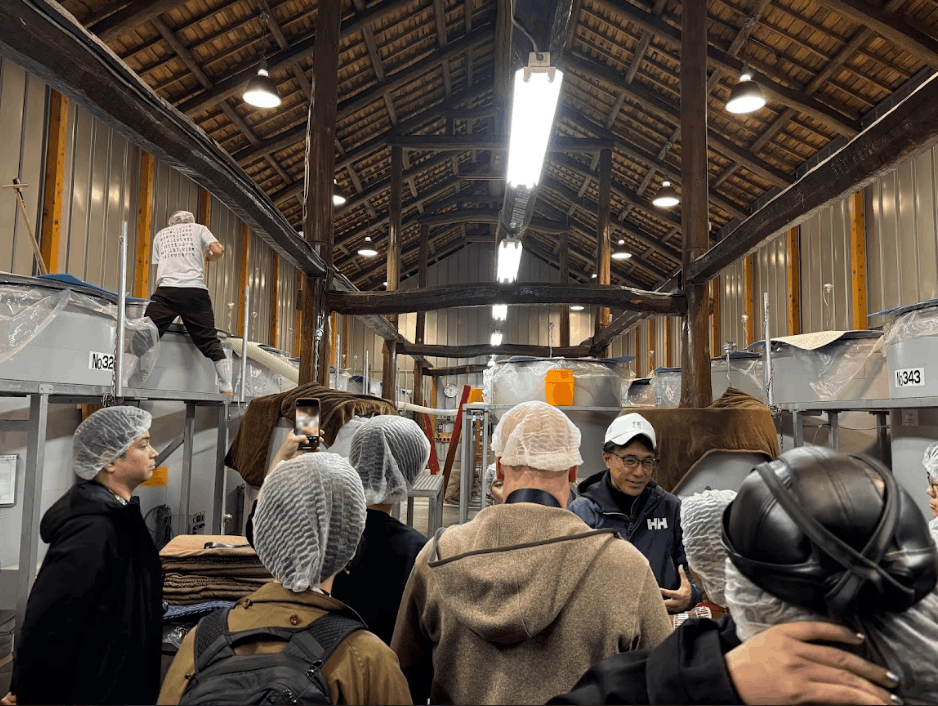
A key focus here is balance. Rather than aiming for bold sweetness or intense aromas, the goal is to create a sake that feels harmonious and easy to enjoy over time. By carefully adjusting elements such as acidity, subtle sweetness, and texture, the brewery produces sake that pairs naturally with food and encourages continued drinking.
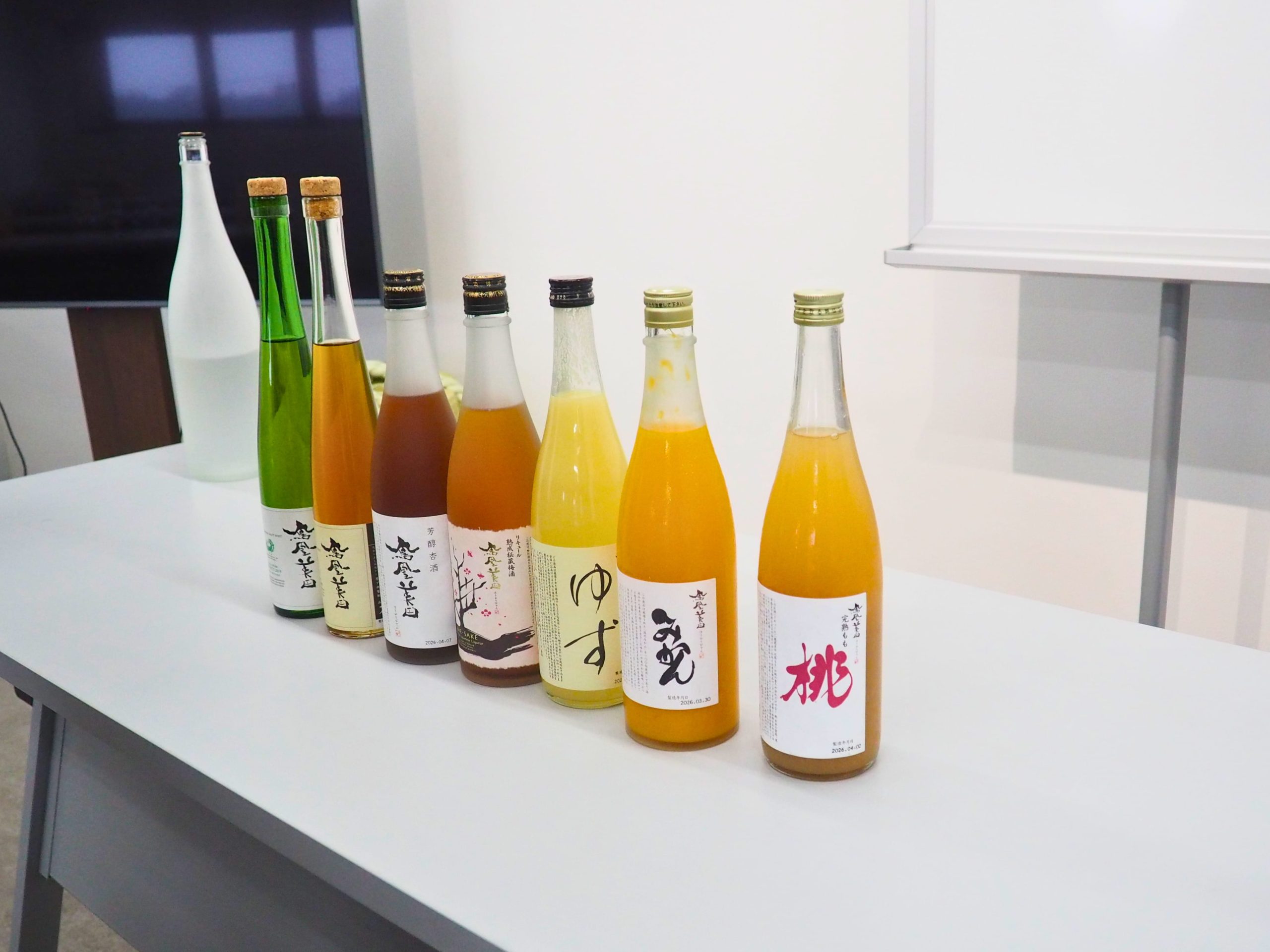
Visitors to the event will be able to experience Kobayashi Shuzo’s sake on April 29 (Final Day)—a fitting moment that highlights some of the most notable selections of the festival.
▶ Hououbiden Official website: https://hououbiden.jp/
Inside Senkin: Letting Nature Lead
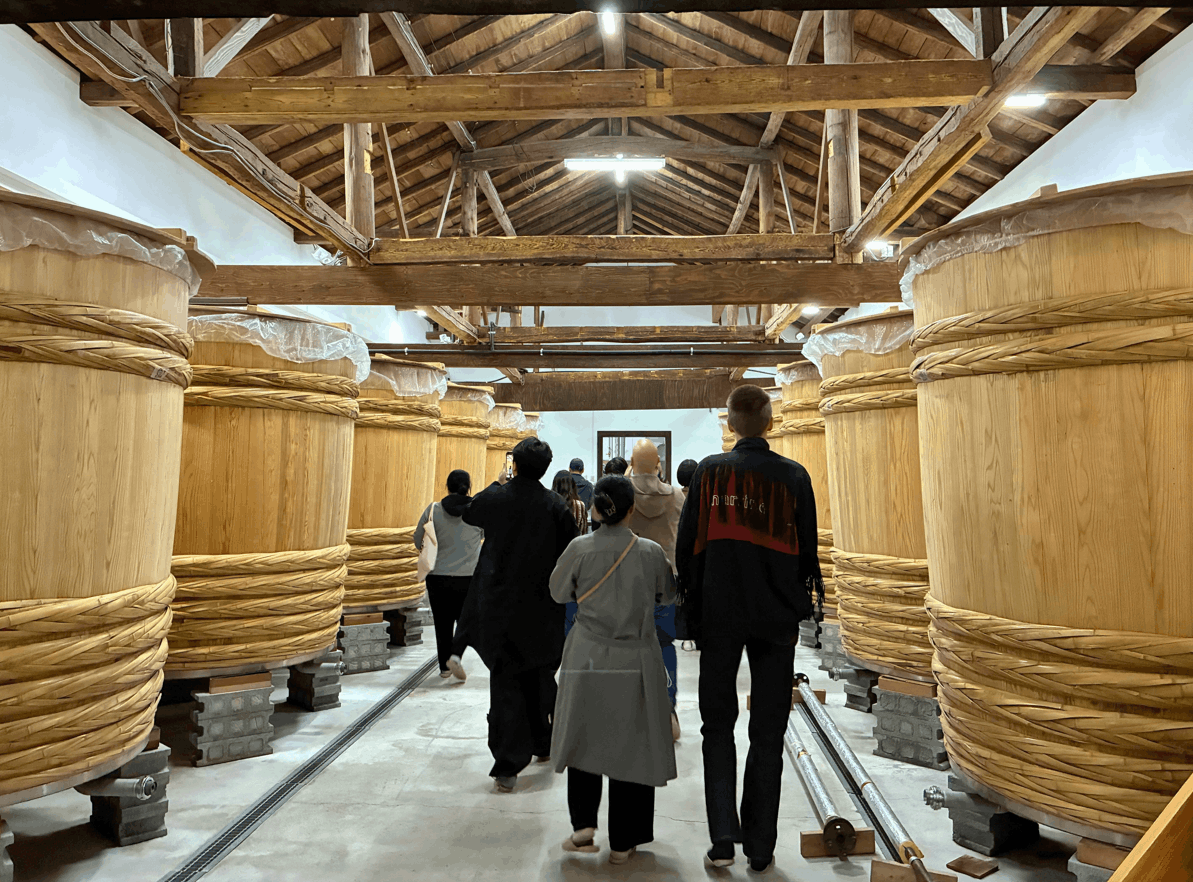
Also based in Tochigi, Senkin Brewery is known for its distinctive philosophy centered on expressing the natural characteristics of its environment. The brewery places strong emphasis on minimal intervention, aiming to create sake that reflects both the raw ingredients and the conditions in which it is made.
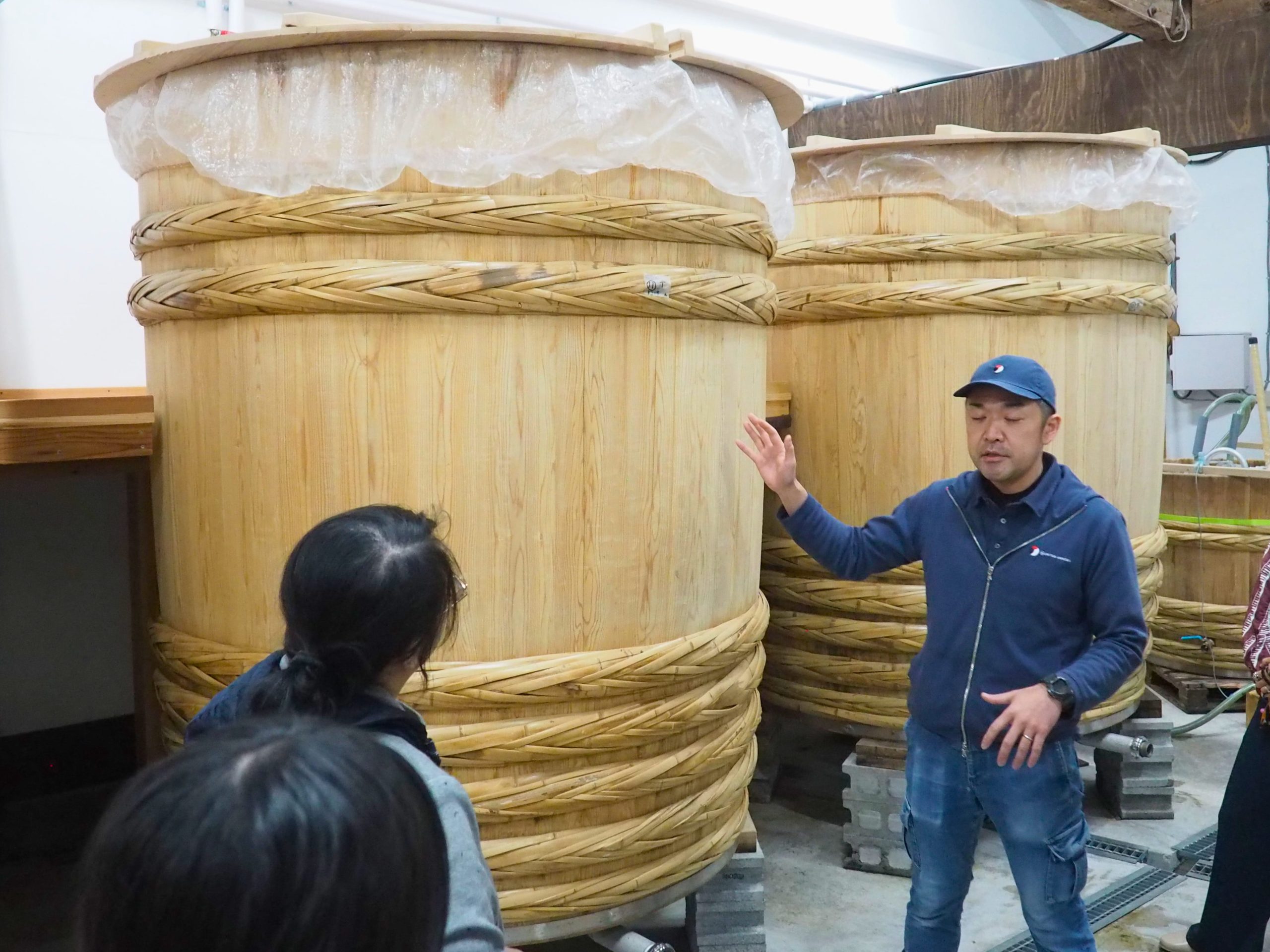
In contrast to more controlled brewing styles, Senkin takes a more nature-driven approach.
One of the most distinctive aspects of their philosophy is the use of lower rice-polishing ratios than in typical ginjo-style sake, allowing more of the grain’s original character to remain. While this introduces additional challenges in brewing, it also results in a deeper expression of the raw ingredient.
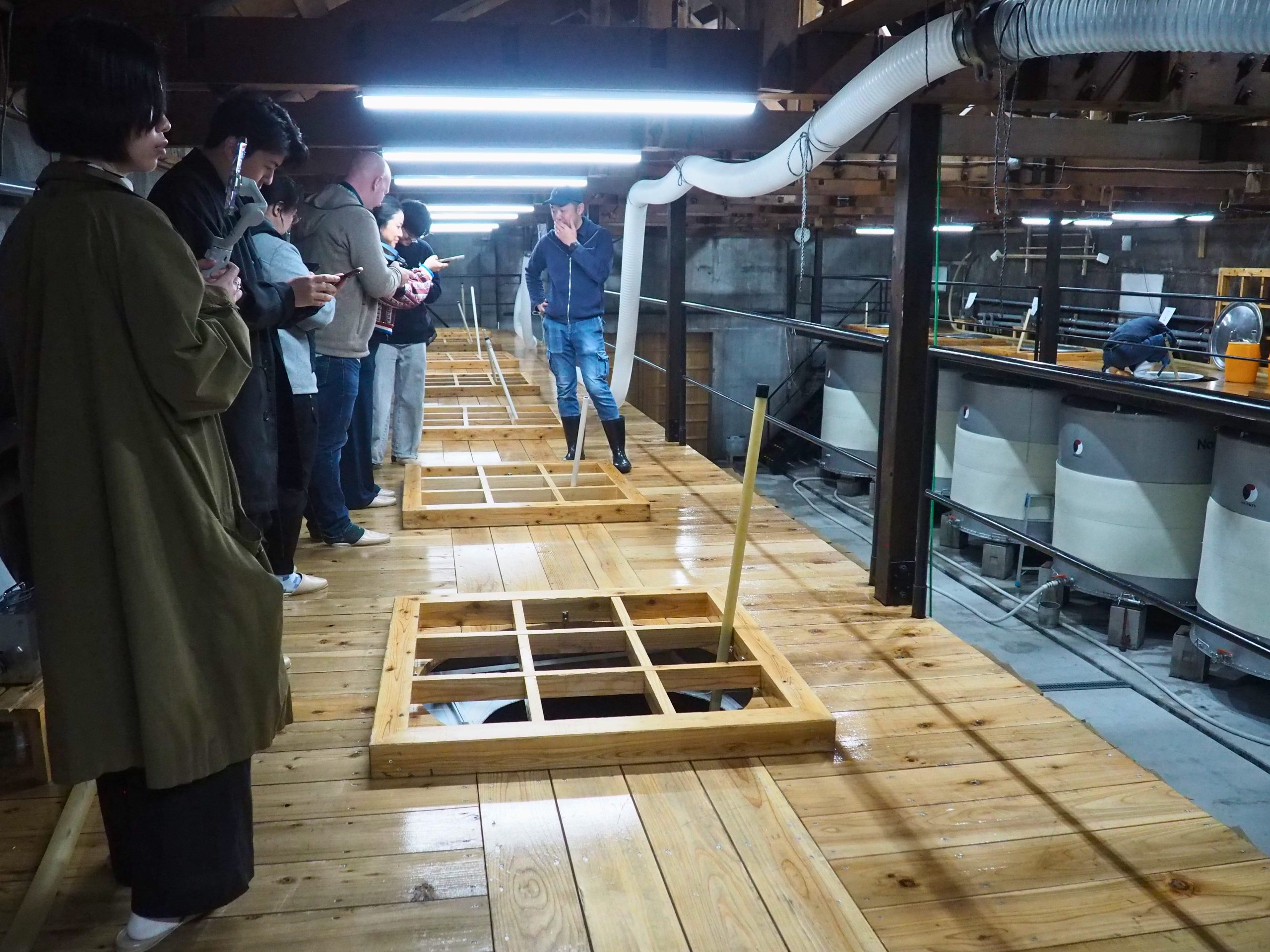
Fermentation at Senkin can also take longer than typical modern methods. By extending this process, the brewery allows flavors to develop gradually, embracing natural variation as part of the brewing process.
Rather than controlling every variable, Senkin’s approach is about working with nature rather than against it—resulting in sake with individuality and a strong sense of identity.
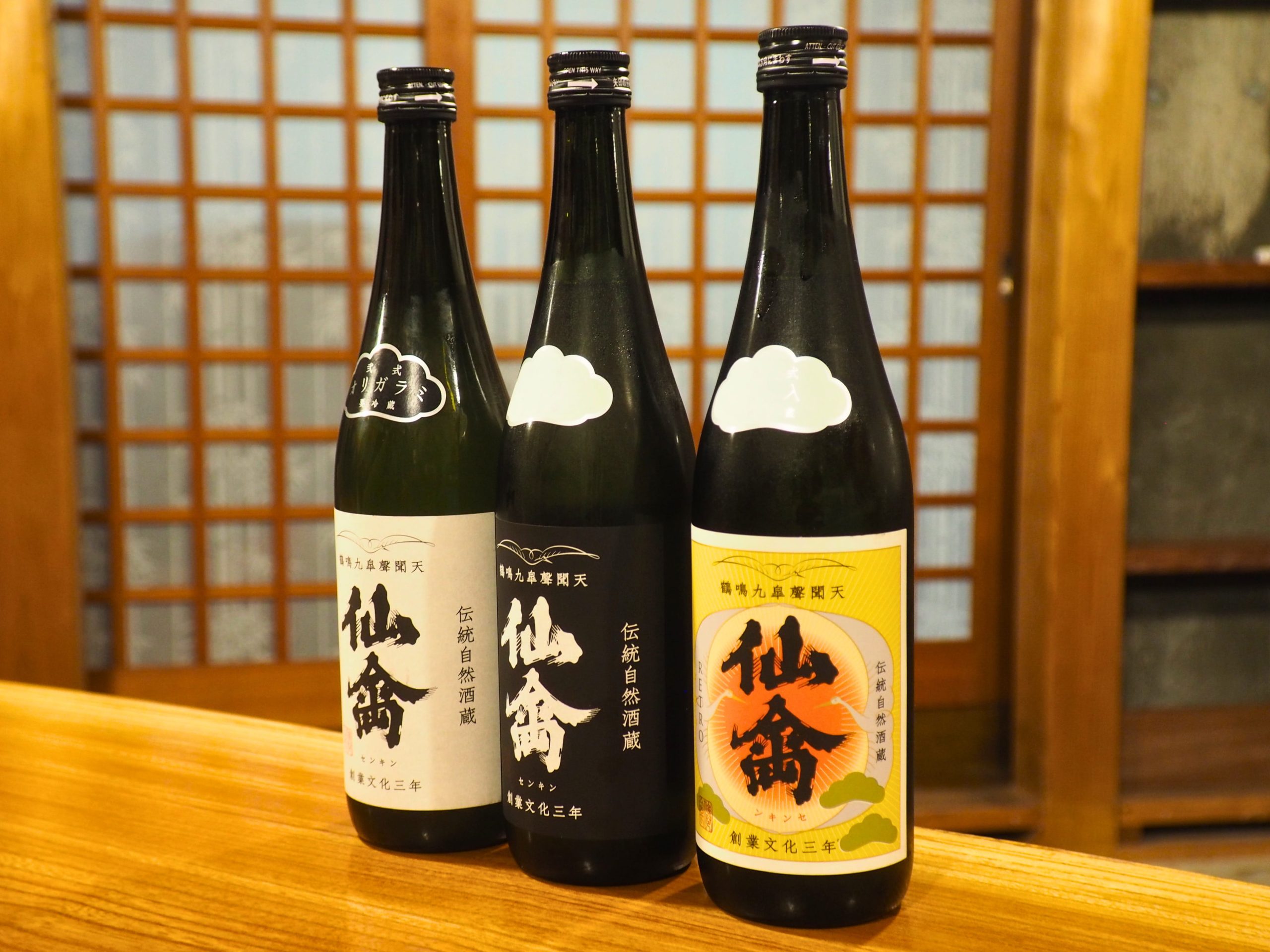
Senkin will be featured at the event on April 26 (Day 10), making it an ideal day for those interested in exploring more natural and expressive styles of sake.
▶ Senkin Official website: https://senkin.co.jp/
The Art of Sake Brewing: What We Learned
During the tour, we were guided through the fundamentals of sake production—from rice preparation to fermentation and pressing—while also observing how these processes take place in real brewery settings.
While the overall steps of sake brewing are consistent across most breweries, what became clear is that the details within each step can significantly influence the final flavor. Small adjustments in timing, temperature, or technique can result in noticeable differences in aroma, texture, and balance. Each brewery is highly particular about how they approach these processes, reflecting their own philosophy and goals.
The Role of Koji: The Heart of Sake
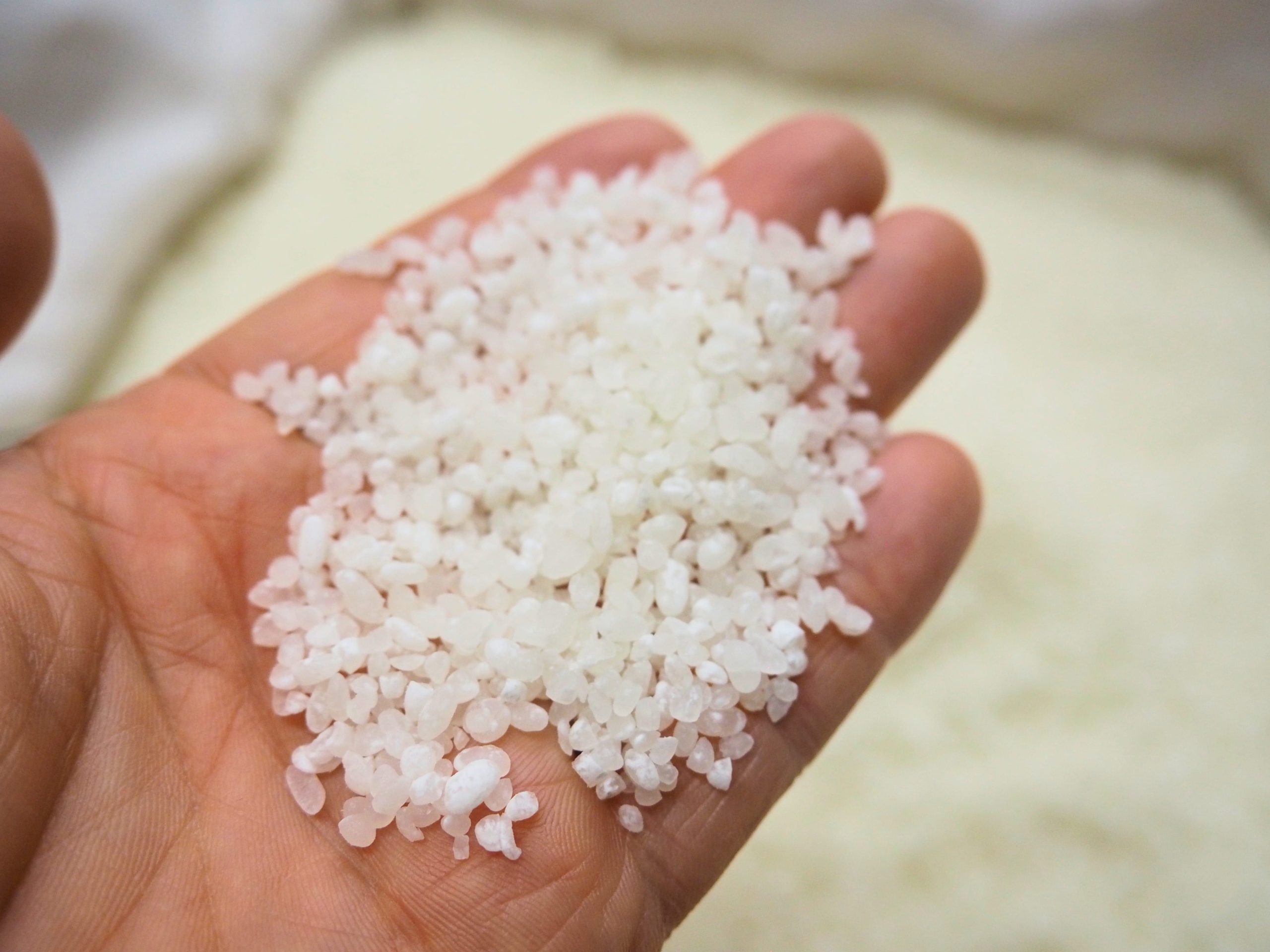
One of the most important elements in sake production is koji, a type of mold that converts rice starch into fermentable sugars.
The process of cultivating koji takes around three days and requires careful attention. By managing factors such as moisture and temperature, brewers guide the development of the mold, which plays a central role in shaping the final product.
Despite advances in technology, this stage still relies heavily on human judgment—making it one of the most delicate and essential parts of sake brewing.
Balance Over Power
A recurring theme across both breweries was the importance of balance.
While it may be tempting to associate quality with strong flavors or pronounced aromas, many brewers aim for a more balanced profile. A sake where sweetness, acidity, and subtle aromatic notes are in harmony is often more enjoyable over the course of a meal.
This approach not only enhances drinkability but also allows sake to complement a wide range of dishes.
The Human Element
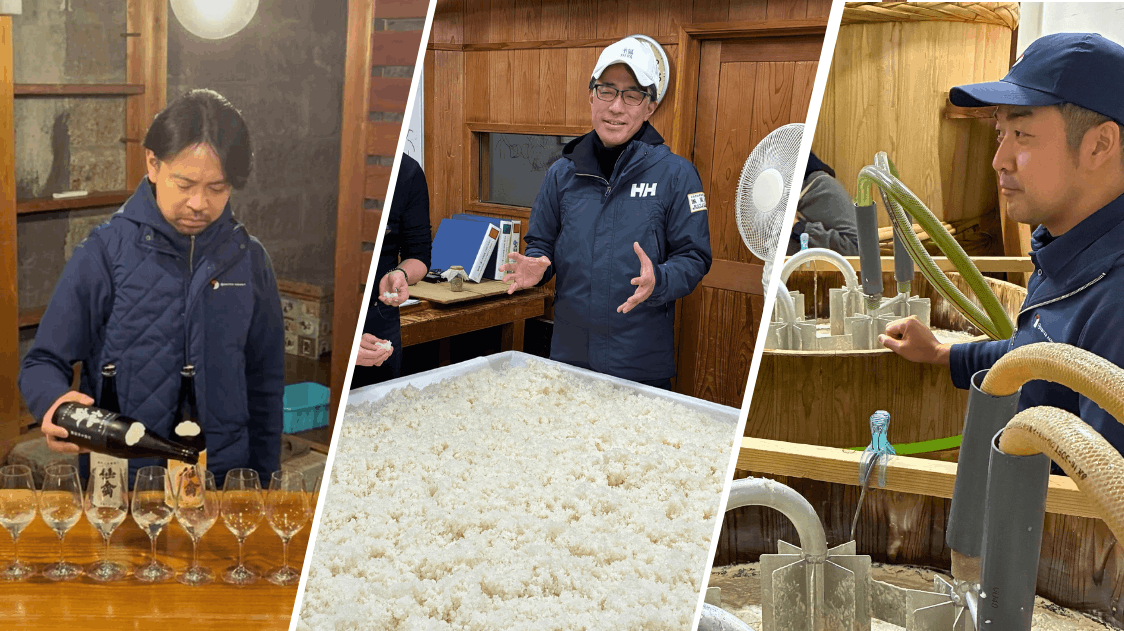
Perhaps the most striking insight was how deeply human factors influence the brewing process.
Sake is often described as a reflection of its maker. Differences in approach, attention to detail, and overall philosophy can all influence the outcome. Even the environment within the brewery can play a role in shaping fermentation.
This reinforces the idea that sake is not only a product of ingredients and technique, but also of people and process.
Why This Matters at CRAFT SAKE WEEK 2026

Understanding these philosophies adds a new dimension to the experience of CRAFT SAKE WEEK.
Many of the participating breweries aim to present their sake in optimal condition. In some cases, this means offering sake relatively soon after pressing, allowing visitors to experience it closer to the state intended by the brewer.
More importantly, the event provides an opportunity to connect with the stories behind each bottle. By learning about the people, processes, and philosophies involved, each sip becomes more meaningful.
More Than a Drink
From the precision of Kobayashi Shuzo to the natural approach of Senkin, each brewery offers a unique interpretation of what sake can be. Together, they demonstrate that behind every glass lies a careful balance of technique, tradition, and human creativity.
If you’re planning your visit, don’t miss our complete event guide here:

And once you understand the stories behind the breweries, sake becomes more than just a drink—it becomes a cultural experience worth exploring.
If you love Japanese Sake, here are other articles you may be interested in checking out!


Written by
Born and raised in Costa Rica, I started living in Tokyo from college. I love traveling within Japan & around the world. Since I wasn’t born in Japan, I know the cultural impact that you can get when visiting Japan for the first time and what you might be worried about before your trip. And I’ve lived long enough to somewhat understand the nuances of the Japanese culture that make this country such an attractive place to visit. Hopefully I can provide to you both the information you’re looking for and the information you didn’t know you needed to know.
- +18 18
-
-