Kagurazaka Walking Route: Explore 16 Stylish Local Shops from Iidabashi to Yaraicho
One of Tokyo's Best Walking Routes — sweet shops, zakka stores, and two shrines you won't want to skip!

- +0 0
-

-


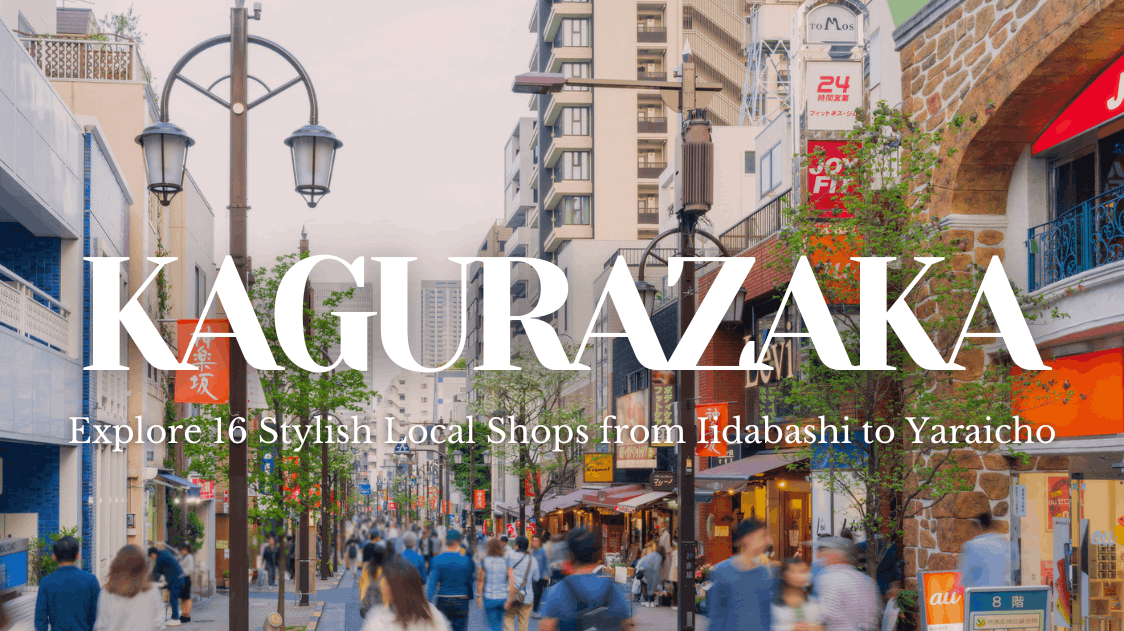
If you search for Kagurazaka, labels like “Tokyo’s little Paris” will quickly pop up, often described online as one of the world’s most beautiful streets. But more than these pretty titles, what I love are the old shops lining the slope, the teahouses tucked into narrow alleys, and the endless confectionery shops and zakka stores (lifestyle goods shops) you can never quite finish exploring. And what makes it all the more charming is the atmosphere of real, everyday Tokyo life.
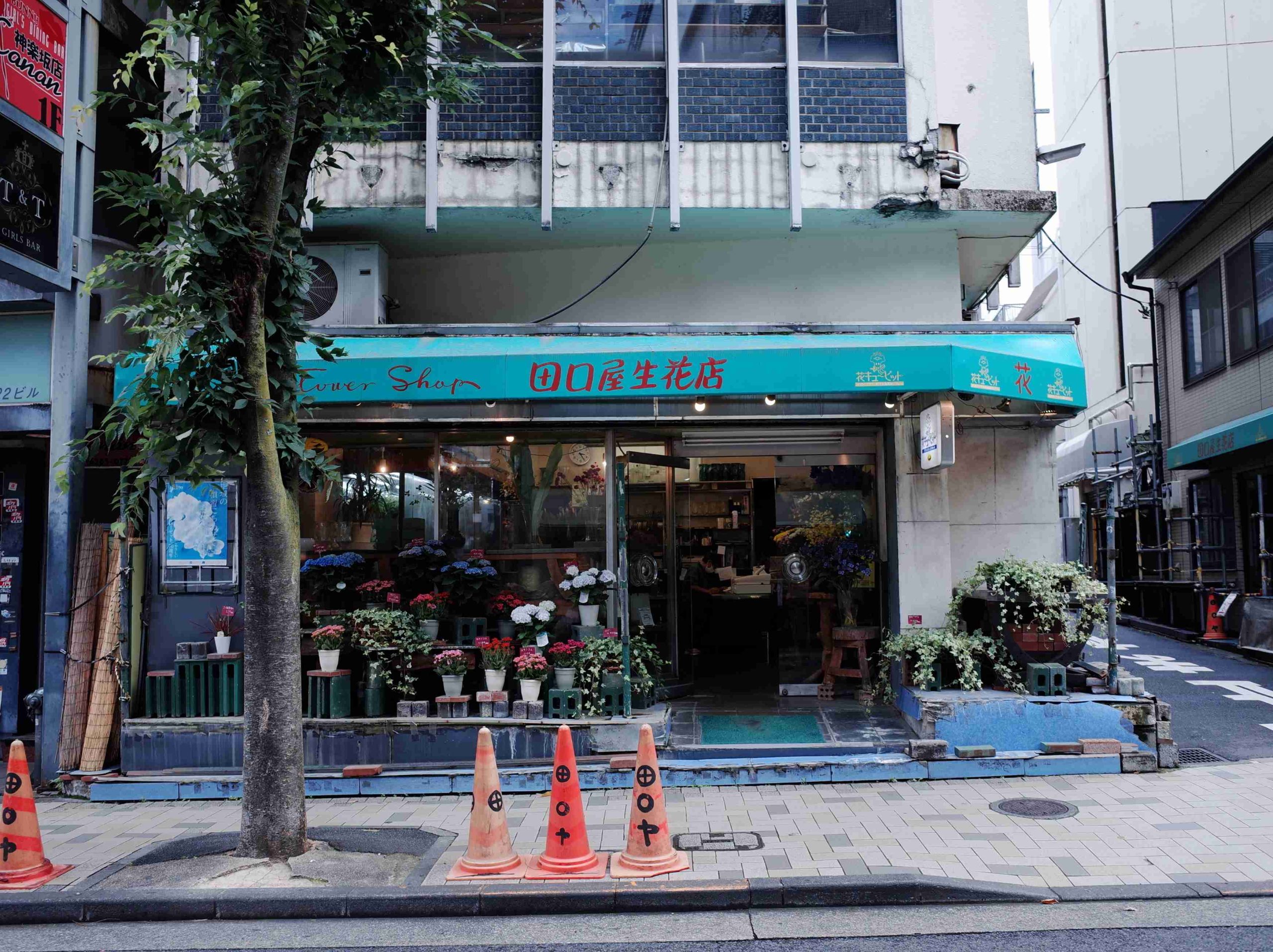
For this Kagurazaka walk, we’ll start from Iidabashi Station and make our way to Yaraicho, stopping at 16 places I’ve personally walked through, photographed, and shopped at along the way — long-established shops, hidden alleys, pottery and craft shops, and a few good spots to rest your feet over a cup of tea. Ready? Let’s go.
Access
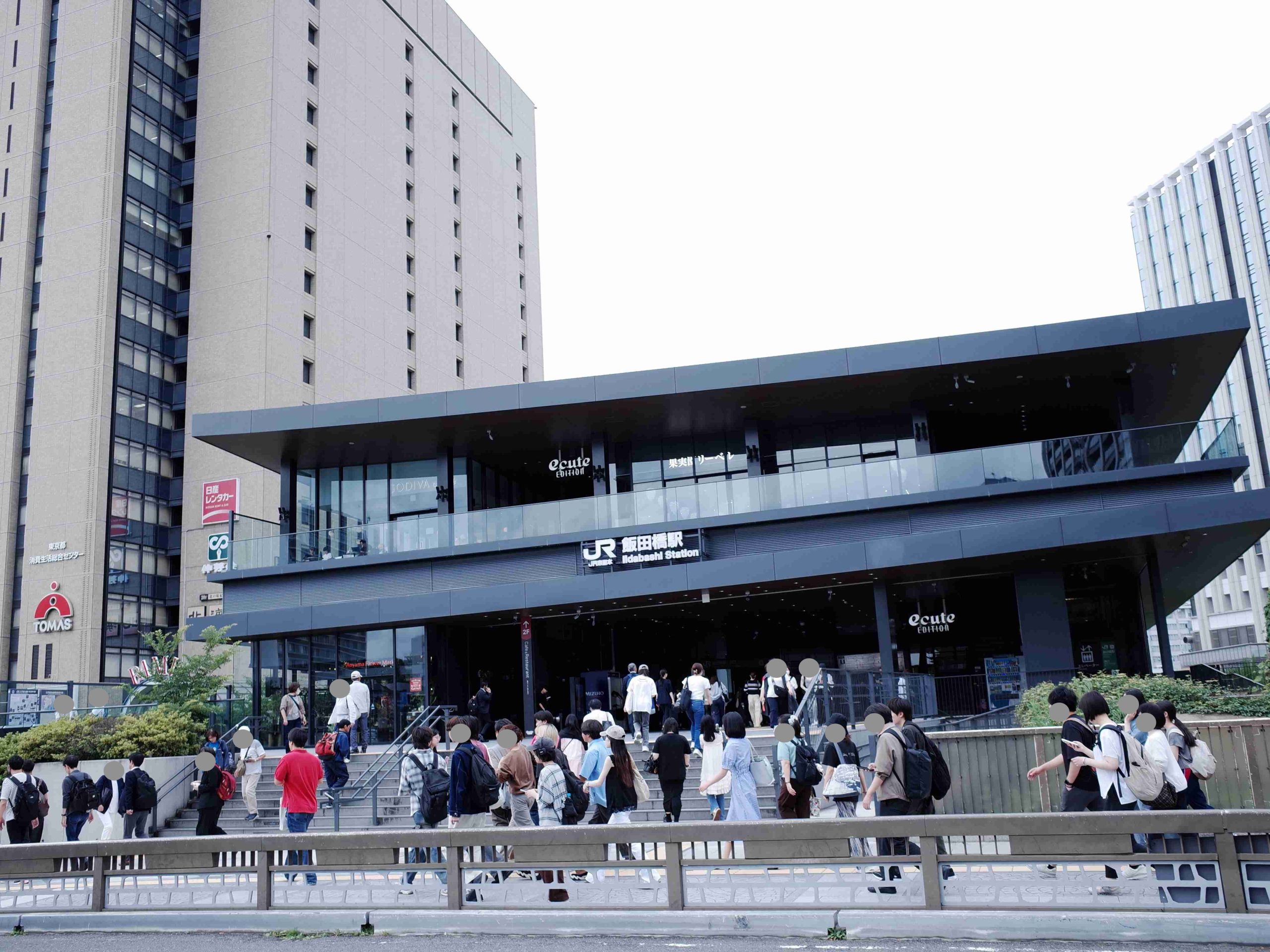
The Kagurazaka walking route runs mainly between Iidabashi Station and Kagurazaka Station, so you can start from either end. If you set off from Iidabashi, you’ll be walking mostly uphill.
If you plan to browse the shops, stop for lunch or a café break, and explore at a relaxed pace, allow around 5–6 hours for the walk. If you’d rather combine Kagurazaka with other sightseeing, it’s easy to enjoy the highlights in just 1–2 hours before heading elsewhere. Iidabashi Station offers direct train access to major areas such as the Imperial Palace area, Shinjuku, and Akihabara, all of which can be reached in roughly 10–15 minutes.
This time, we’ll start from Iidabashi and walk toward Kagurazaka Station.
Around Iidabashi Station
1. Tokyo Daijingu Shrine
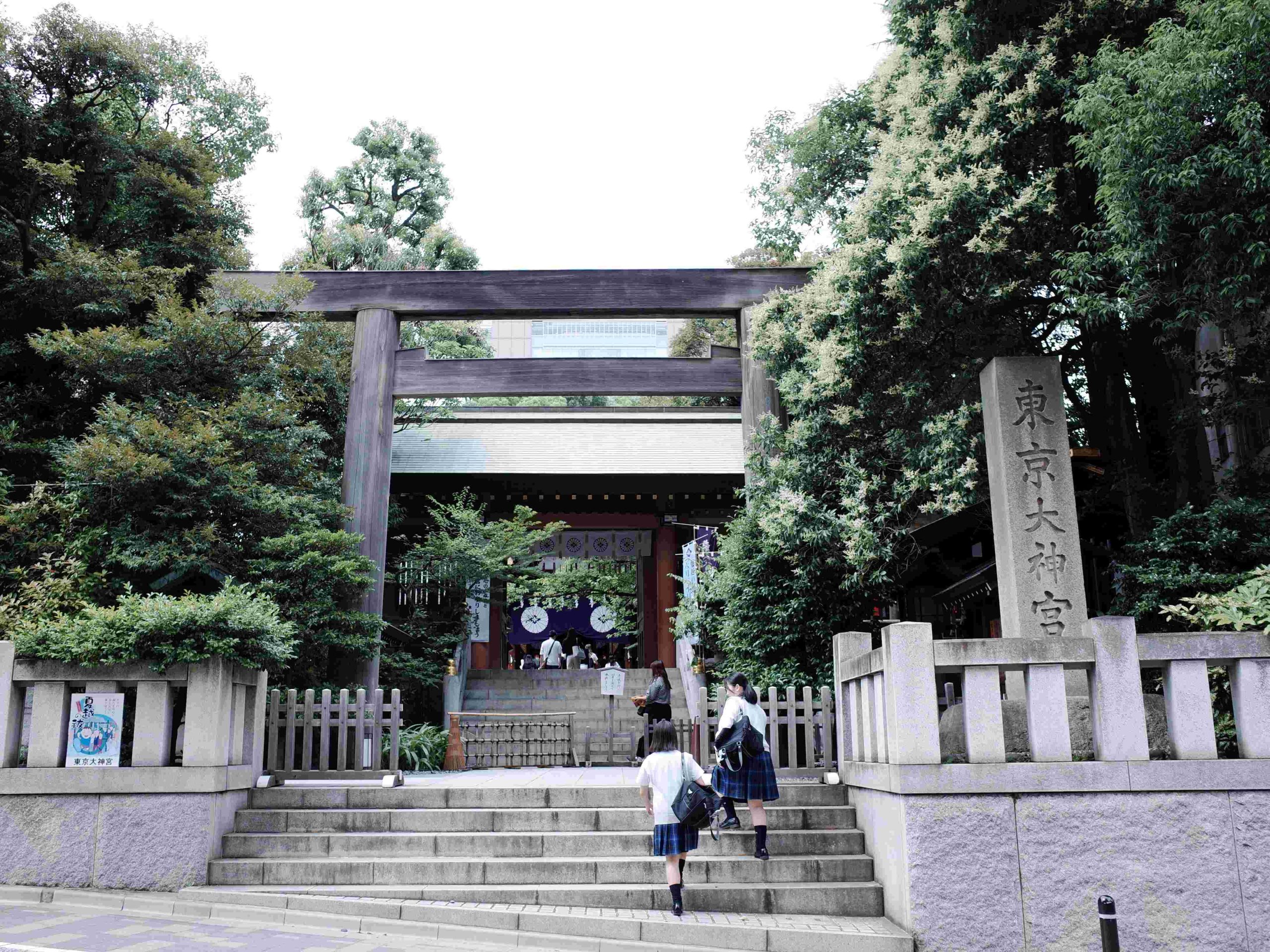
Step out of Iidabashi Station, and you’re greeted by the waterside view of the outer moat; from there, it’s just a few minutes’ walk to Tokyo Daijingu. Known as one of Tokyo’s most famous “love shrines” — and often called the Ise Jingu of Tokyo — it enshrines the three deities of creation, believed to govern matchmaking and relationships. Many visitors come here specifically to pray for good luck in love.
The lily-of-the-valley engimusubi charm is especially popular — if you have someone special in mind, don’t forget to bring one home.
 Access Access |
5 minute walk from JR Iidabashi Station |
|---|---|
 Address Address |
2 Chome-4-1 Fujimi, Chiyoda City, Tokyo 102-0071 |
 Business Hours Business Hours |
6:00 - 21:00 |
 Official Website Official Website |
https://www.tokyodaijingu.or.jp/english/ |
2. Canal Cafe
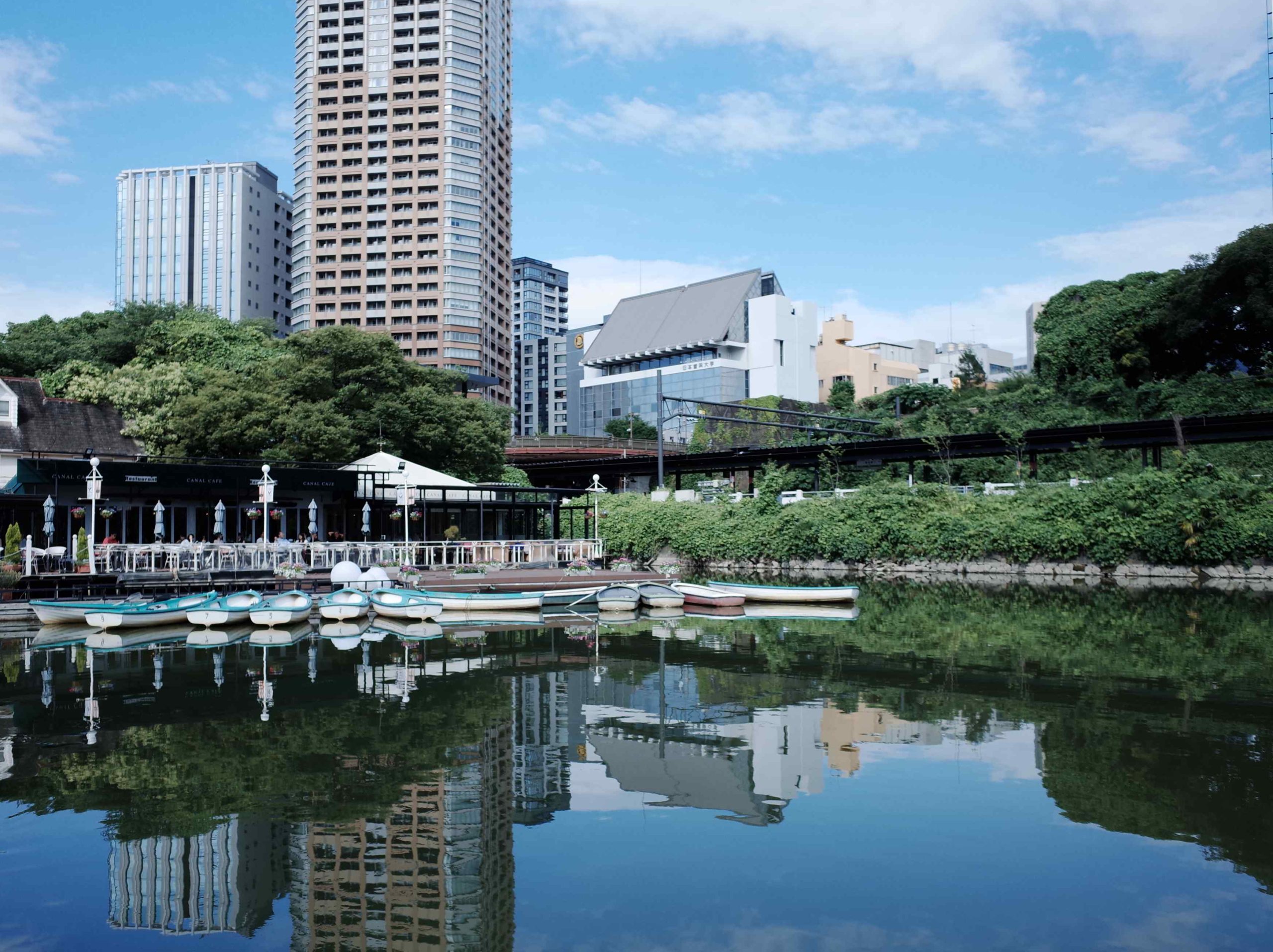
Walking back from Tokyo Daijingu toward Iidabashi Station, you’ll pass Canal Cafe. With its romantic Parisian riverside atmosphere, it can attract long lines during busy periods at the entrance.
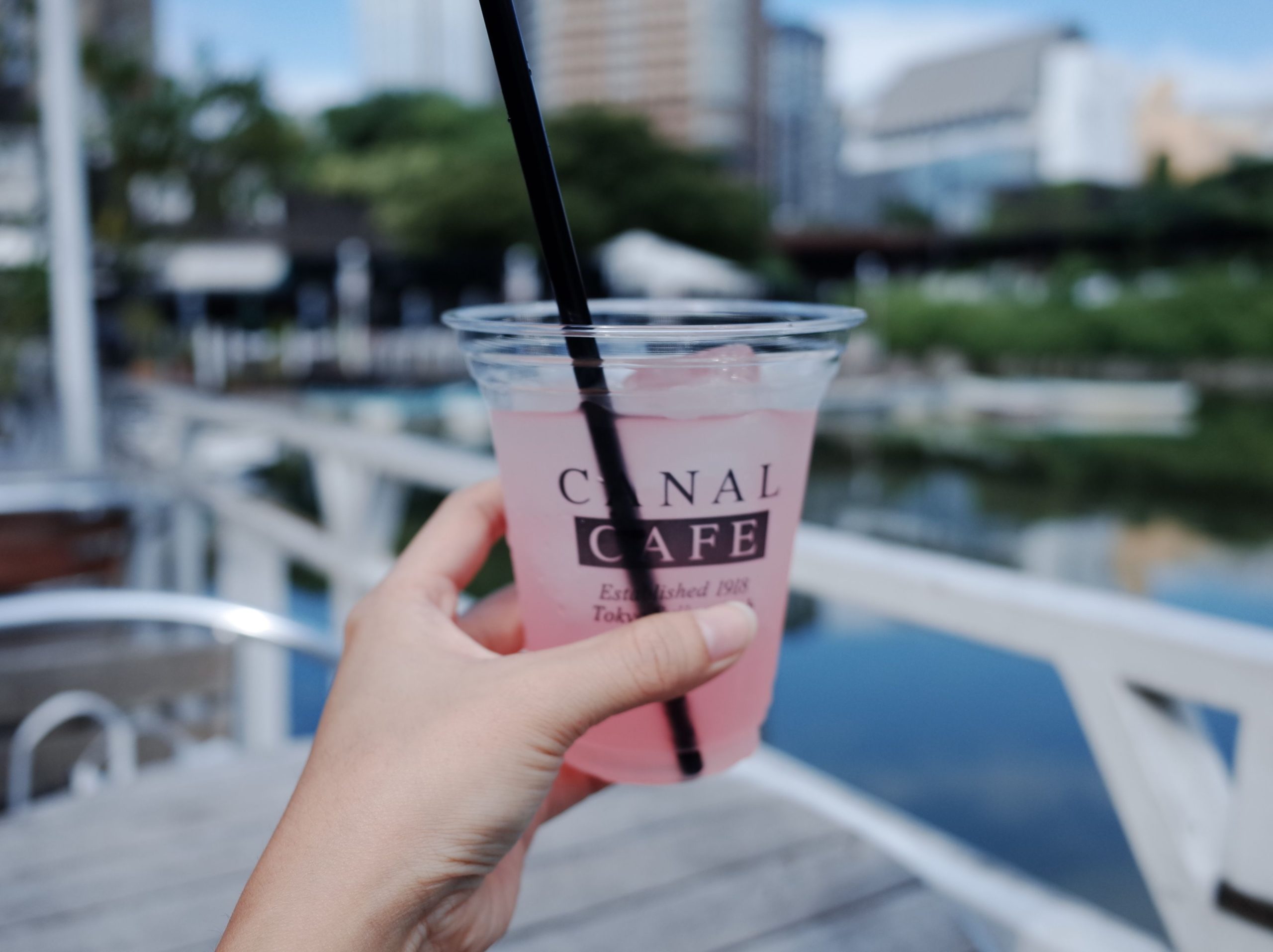
Step inside, make your way past the lush greenery and flowers, order a drink, and settle in on the waterside terrace — watching trains glide slowly across the moat, you’ll feel like you’re on vacation in an instant. It’s a perfect spot to rest with a friend after all that walking; the tiredness just melts away.
| Access |
1 minute walk from JR Iidabashi Station (B2a Exit) |
|---|---|
| Address |
1 Chome-9 Kagurazaka, Shinjuku City, Tokyo 162-0825 |
| Business Hours |
11:30 - 22:00 |
| Official Website |
https://www.canalcafe.jp/ |
Heading Uphill: Kagurazaka-dori 1-chome to 4-chome
3. Fujiya Iidabashi Kagurazaka | Japan’s Only Peko-chan Ningyo-yaki
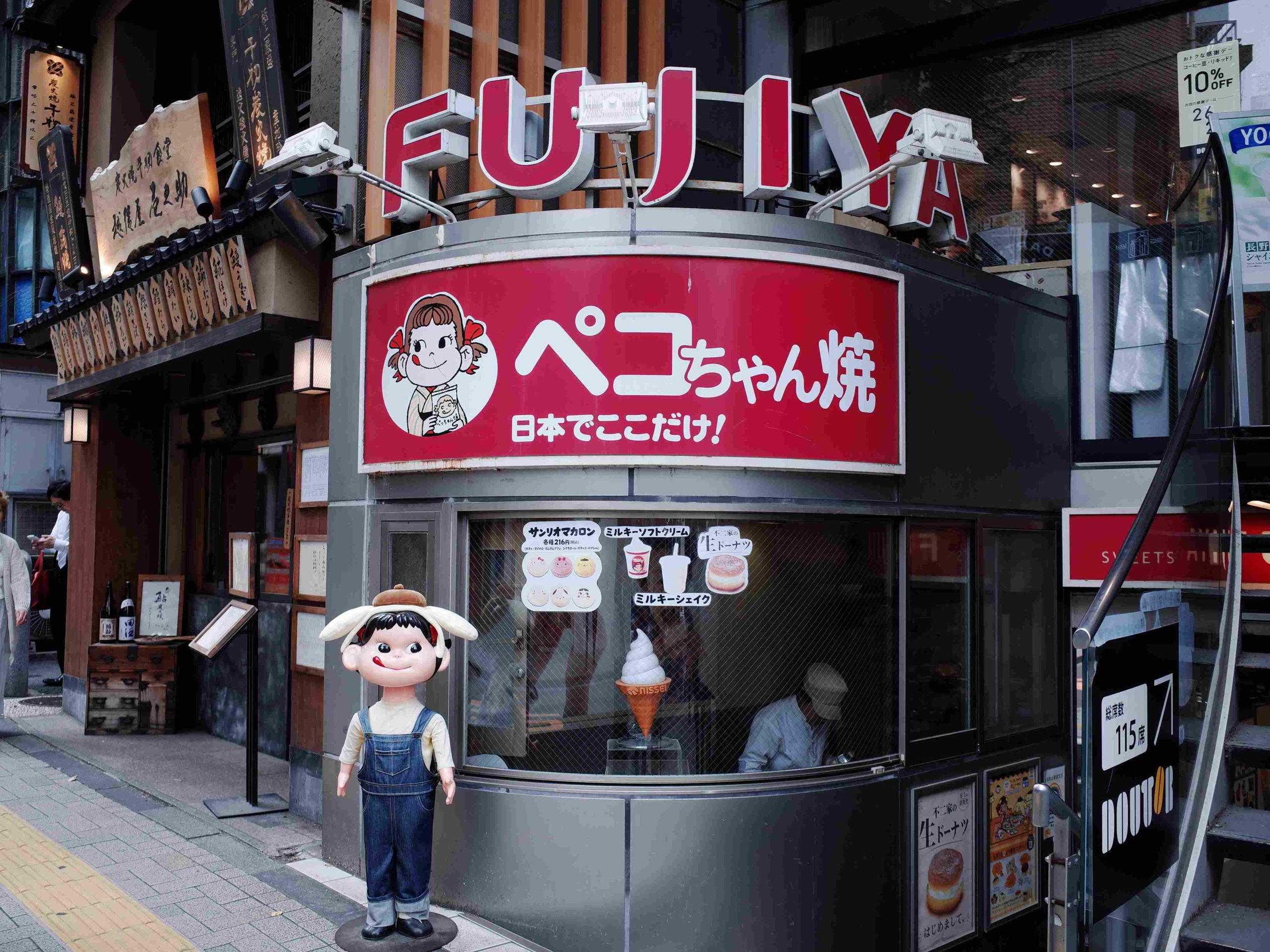
Fujiya’s Iidabashi Kagurazaka branch sits right at the entrance to Kagurazaka-dori — you can’t miss the eye-catching figure of Peko-chan, Fujiya’s beloved mascot, out front. This is also the only Fujiya branch in all of Japan that still sells Peko-chan ningyo-yaki.
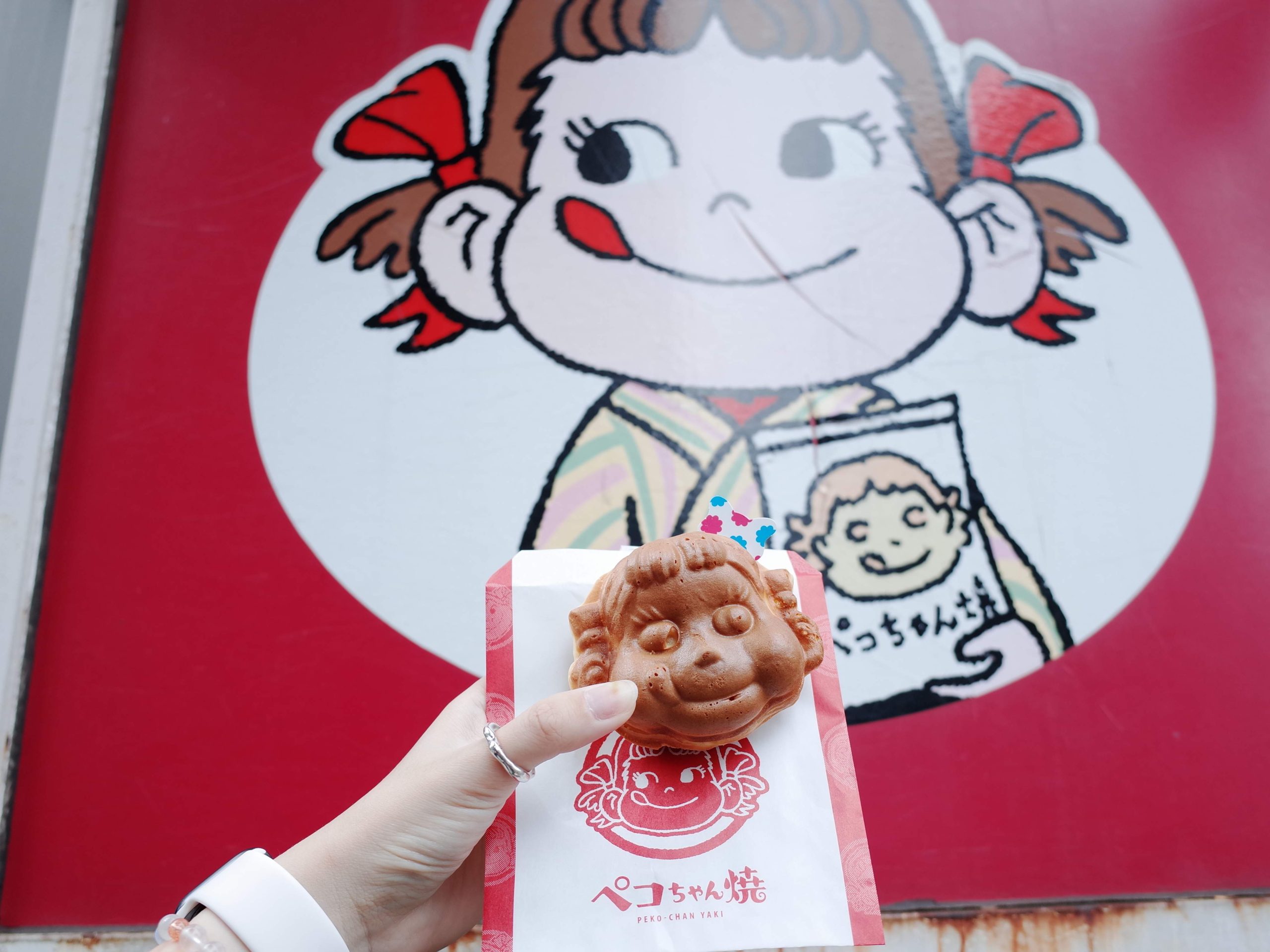
These adorable Peko-chan ningyo-yaki come in a variety of fillings and have become something of a Kagurazaka signature sweet. If you have a sweet tooth, they’re well worth a try — I went for the custard cream filling, which was moderately sweet with a cream that wasn’t heavy at all. Highly recommended.
| Access |
2 minute walk from JR Iidabashi Station (A3 Exit) |
|---|---|
| Address |
〒162-0825 Tokyo, Shinjuku City, Kagurazaka, 1 Chome−12 |
| Business Hours |
10:00 - 20:00 |
| Official Website |
http://pekochanyaki.jp/ |
4. Toushien | A Pottery Shop Full of Great Finds
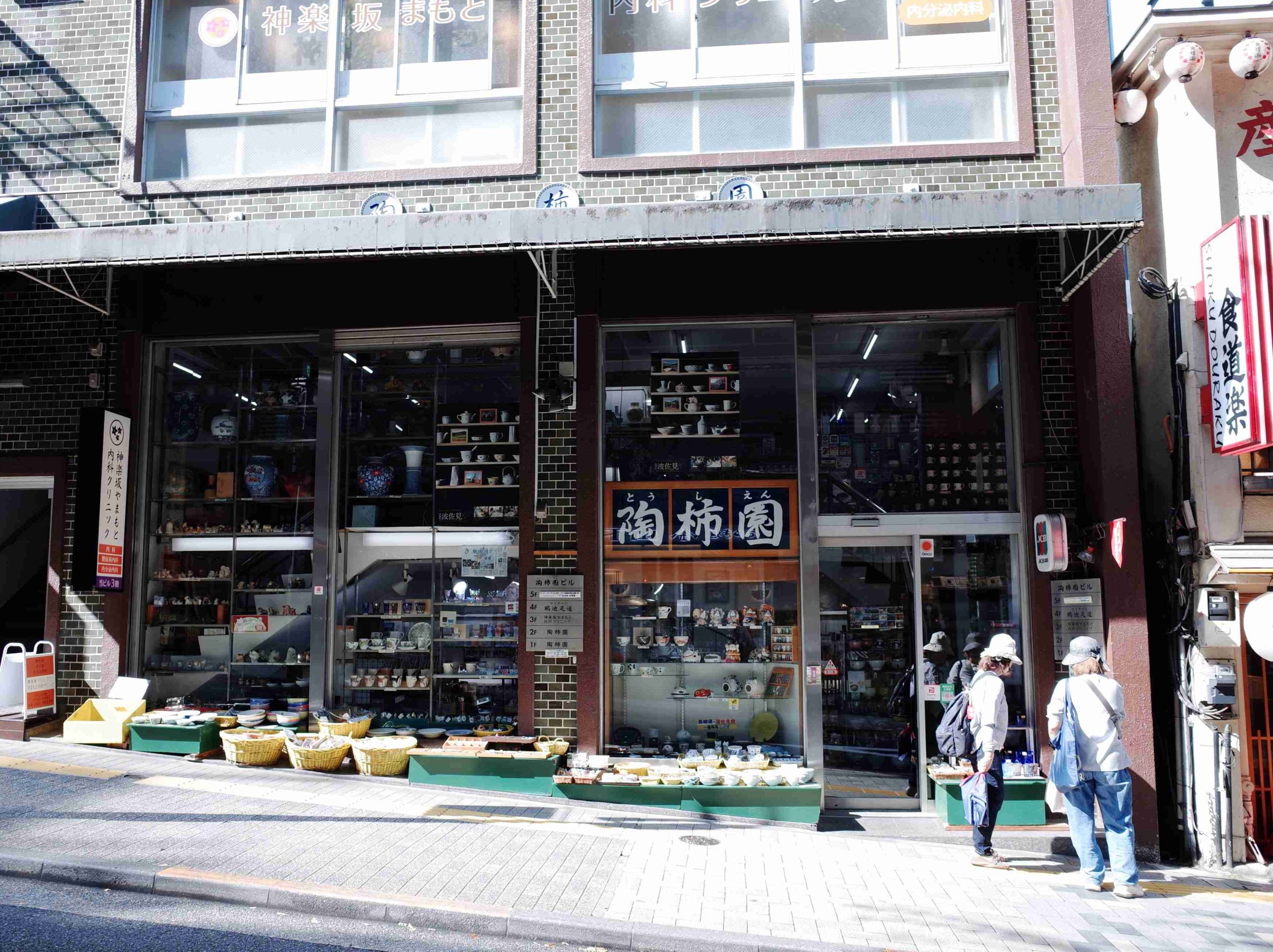
If you love Japanese ceramics or glassware, this shop is not to be missed. The shelves are lined with a dazzling array of tea bowls and small plates, and head up to the second floor for a full range of tea ware. My tip: check out the bargain section by the entrance — prices are very reasonable, and you can often find beautiful Edo Kiriko glassware cut glass along with some charming little kitchen goods.
| Access |
2 minute walk from JR Iidabashi Station (B3 Exit) |
|---|---|
| Address |
〒162-0825 Tokyo, Shinjuku City, Kagurazaka, 2 Chome−12 |
| Business Hours |
11:00 - 19:00 |
| Official Website |
https://toushien.net/ |
5. Maruoka Toen | A Kagurazaka Pottery Institution with Over 130 Years of History
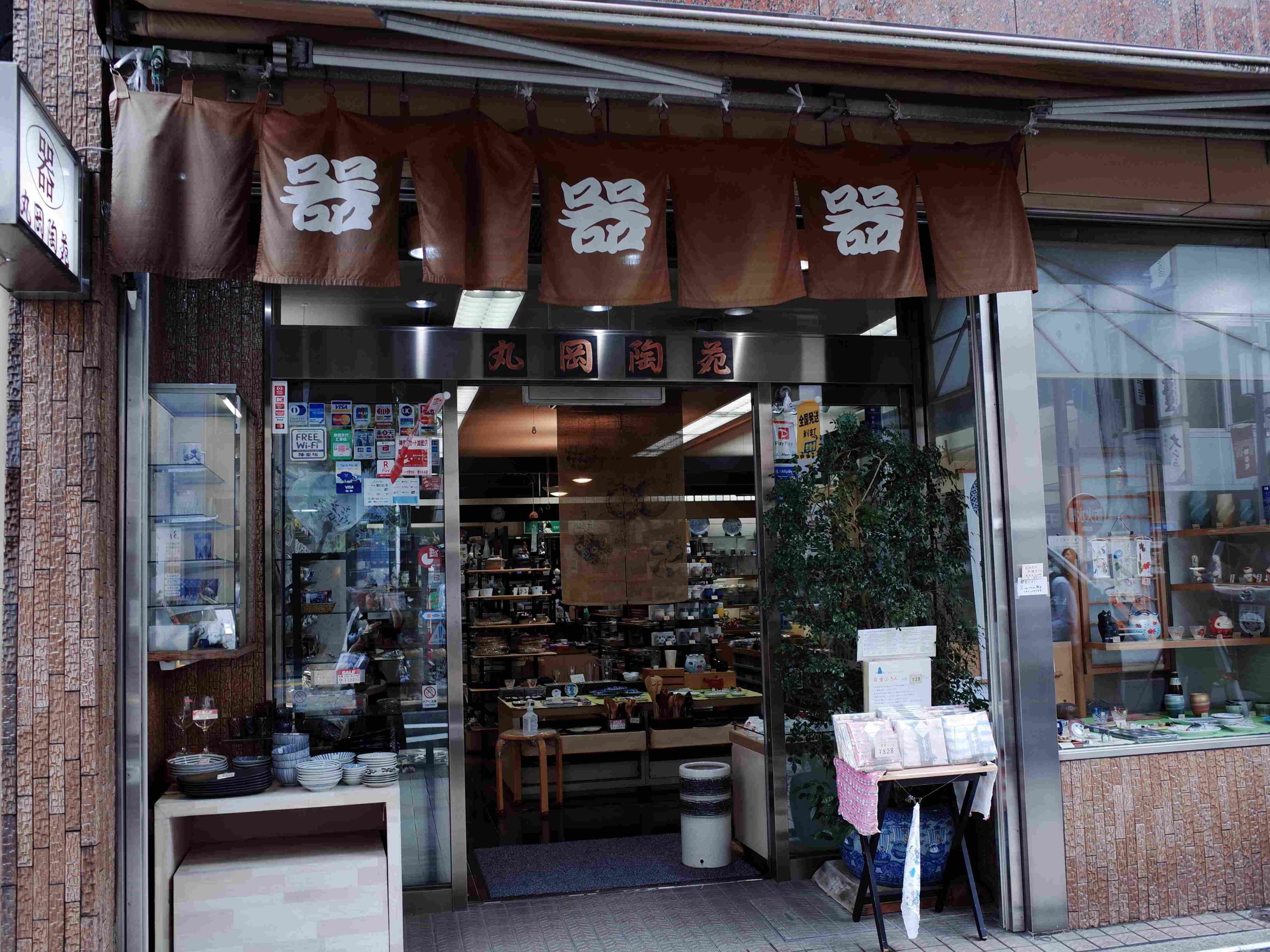
Continuing on from Toushien, you’ll pass another long-standing ceramics shop. Its storefront sign is easy to overlook, but this shop has been in business in Kagurazaka for over 130 years — the kind of hidden gem people walk right past without realizing it’s worth stopping for. The shop specializes in traditional Japanese tableware, including Kiyomizu ware, Arita ware, and Edo Kiriko cut glass. If you’re a pottery lover, it’s worth taking your time to browse slowly. Compared with Toushien, the atmosphere here feels more classic and understated.
| Access |
3 minute walk from JR Iidabashi Station (B3 Exit) |
|---|---|
| Address |
〒162-0825 Tokyo, Shinjuku City, Kagurazaka, 3 Chome−6 |
| Business Hours |
Irregular hours |
 Closed Closed |
Mondays |
| Official Website |
https://www5b.biglobe.ne.jp/~maru-oka/ |
6. Kakurenbo Yokocho (隱れんぼ橫丁)|Kagurazaka’s Most Nostalgic Stone-Paved Lane
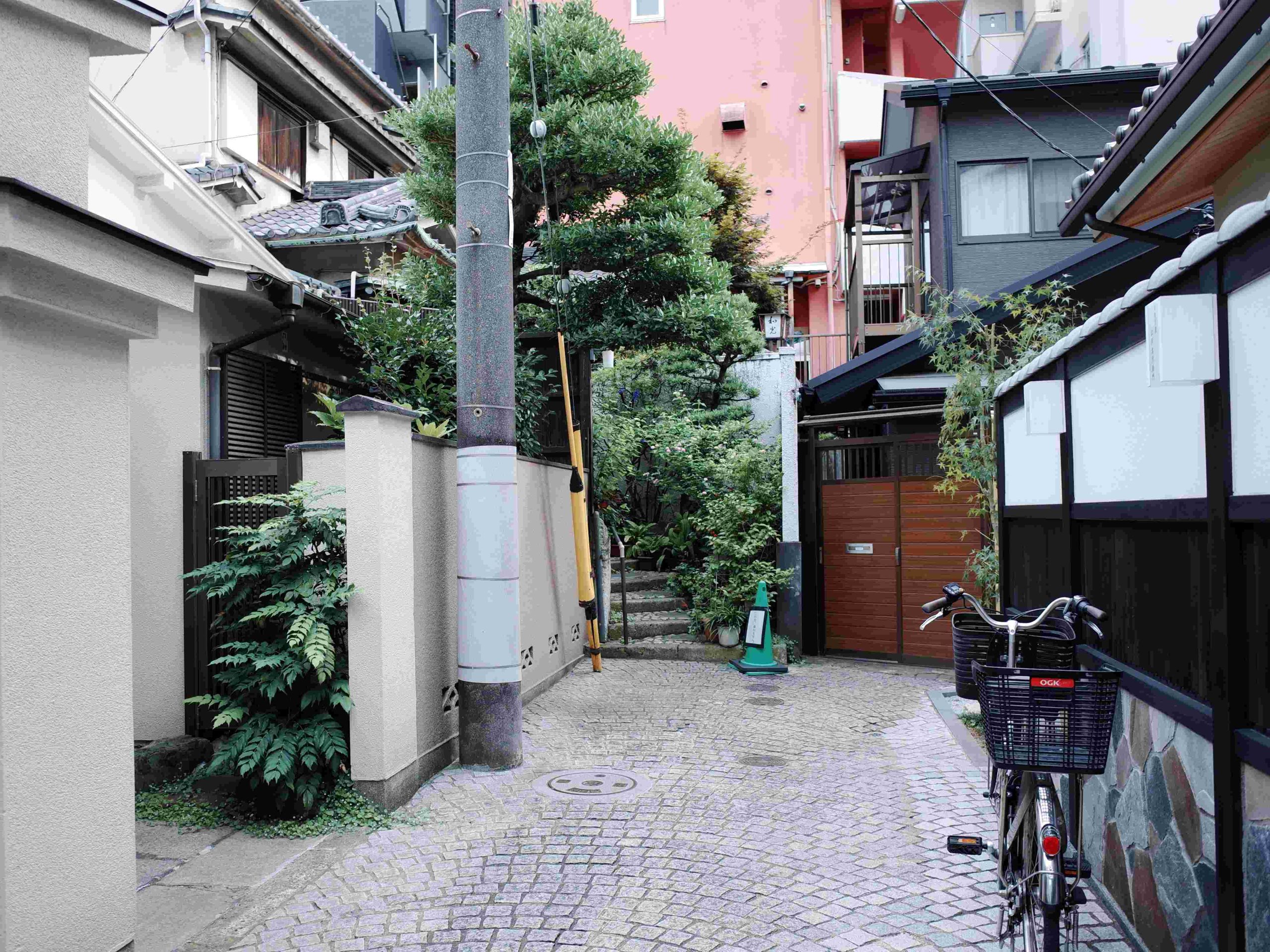
The next stop is Kagurazaka Saryo, but on the way, you’ll pass through Kakurenbo Yokocho — “Hide-and-Seek Alley” — one of the lanes that best captures Kagurazaka’s charm. The alleys here twist and wind so intricately that a person can turn a corner and simply “disappear,” which is exactly how the lane got its name. If you enjoy photography, this is a wonderful spot to capture a few shots.
| Access |
3 minute walk from JR Iidabashi Station (B4b Exit) |
|---|---|
| Address |
3 Chome Kagurazaka, Shinjuku City, Tokyo 162-0825 |
7. Kagurazaka Saryo (神楽坂 茶寮)
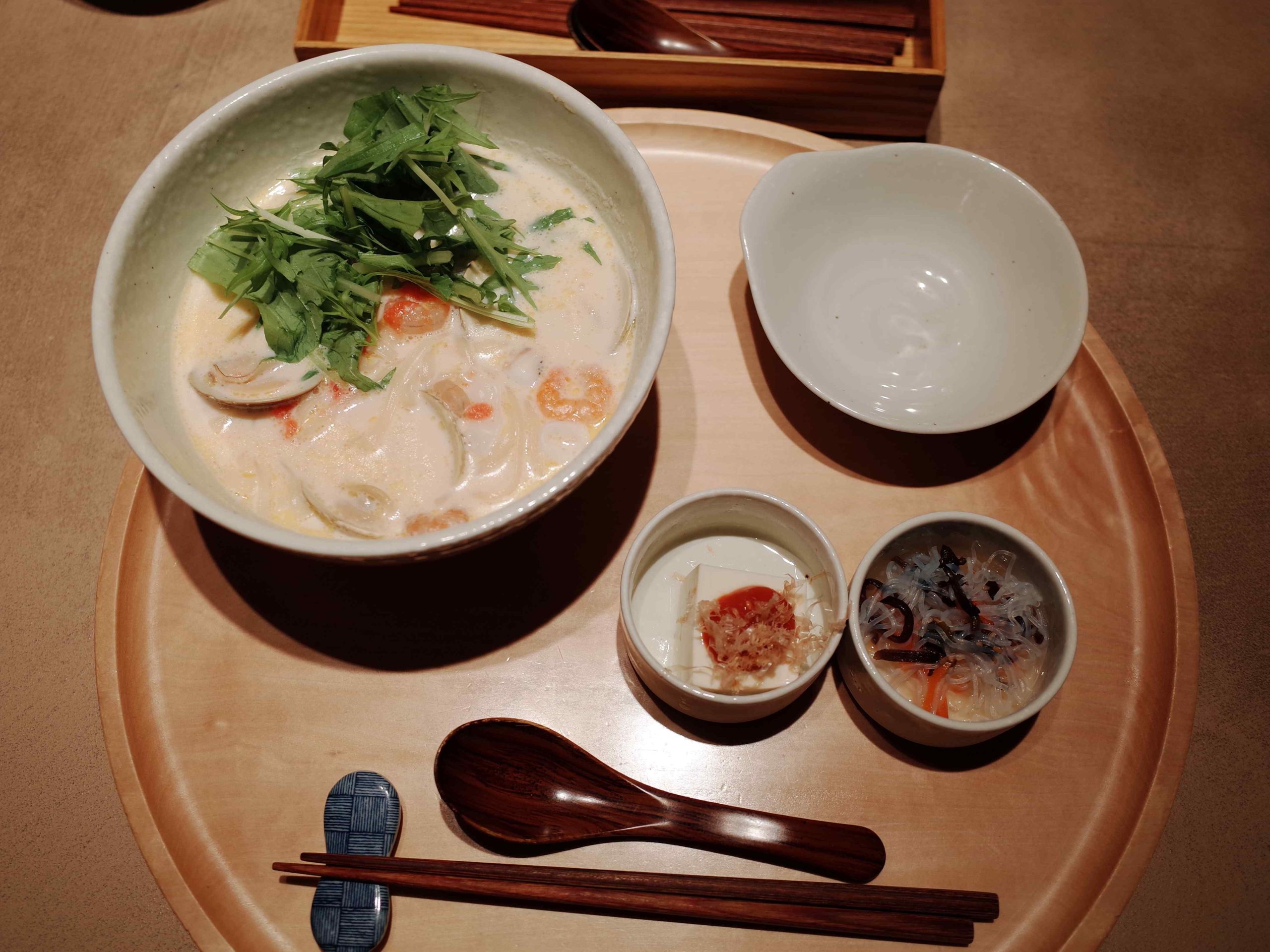
Pass through Kakurenbo Yokocho, and you’ll arrive at Kagurazaka Saryo, a Japanese-style cafe housed in a renovated kominka (traditional folk house). Both inside and out, it retains the warm, mellow character of an traditional wooden townhouse. The first floor has counter seats and tables with garden views through the windows, while the second floor — with its skylights and greenery — feels even more open and airy.
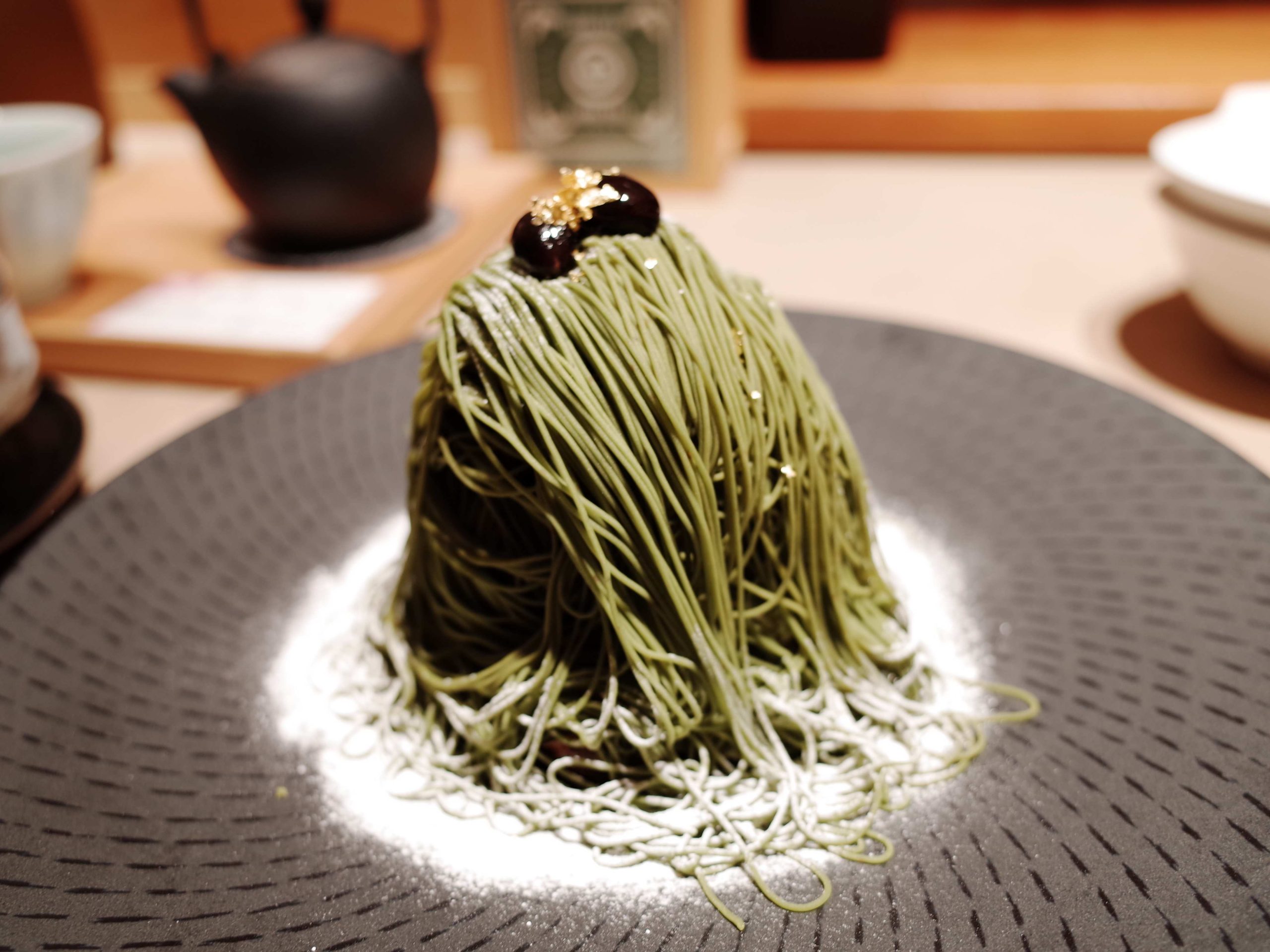
Both the lunch menu and the matcha desserts here have earned a solid reputation, making it a great choice whether you’re after a proper meal or just a place to rest your feet. The star of the menu is the matcha Mont Blanc, made with Kyoto matcha — fine strands of matcha cream cascade down over it like a waterfall, a treat for the eyes before you even take a bite. The matcha flavor is wonderfully rich and perfectly balances the sweetness of the filling. If you’re a matcha lover, this is the must-order item!
| Access |
3 minute walk from JR Iidabashi Station (B4b Exit) |
|---|---|
| Address |
〒162-0825 Tokyo, Shinjuku City, Kagurazaka, 3 Chome−1 |
| Business Hours |
11:30 - 22:00 |
| Official Website |
https://saryo.jp/ |
8. Ganso Gojuban | Kagurazaka’s Famous Nikuman
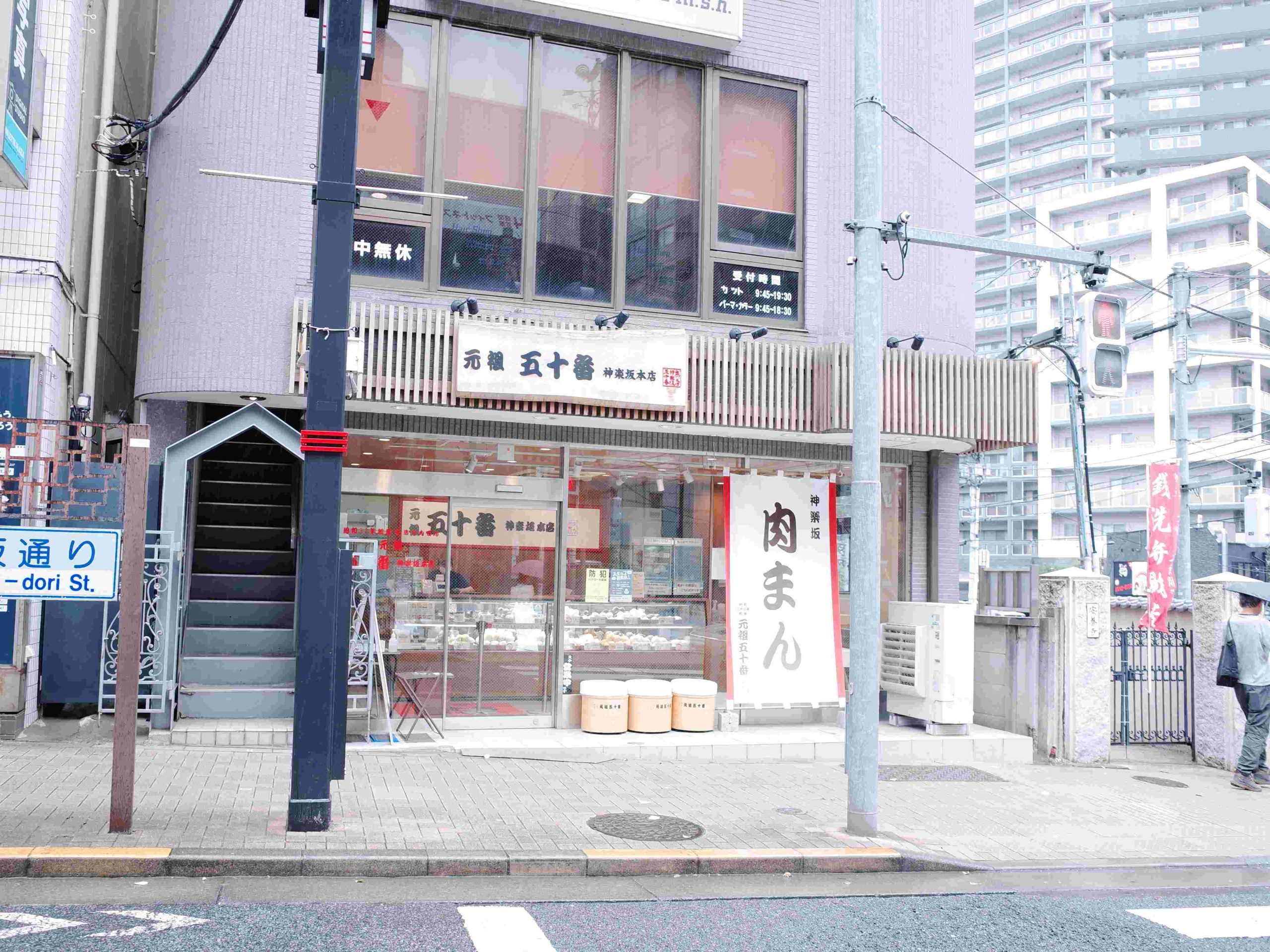
Back on the main street of Kagurazaka, continue on, and you’ll come across Ganso Gojuban. This steamed bun shop has been serving the neighborhood for over 60 years and remains a local favorite. Be sure to try their wildly popular “Ganso Nikuman” — a Chinese-style steamed pork bun with a pillowy-soft outer layer and a savory, juicy filling!
| Access |
5 minute walk from Kagurazaka Station |
|---|---|
| Address |
6 Chome-4 Kagurazaka, Shinjuku City, Tokyo 162-0825 |
| Business Hours |
10:00 - 20:00 |
| Official Website |
https://50ban-shop.com/ |
9. Kagurazaka Meicha Rakuzan | Bring the Aroma of Kagurazaka Tea Home
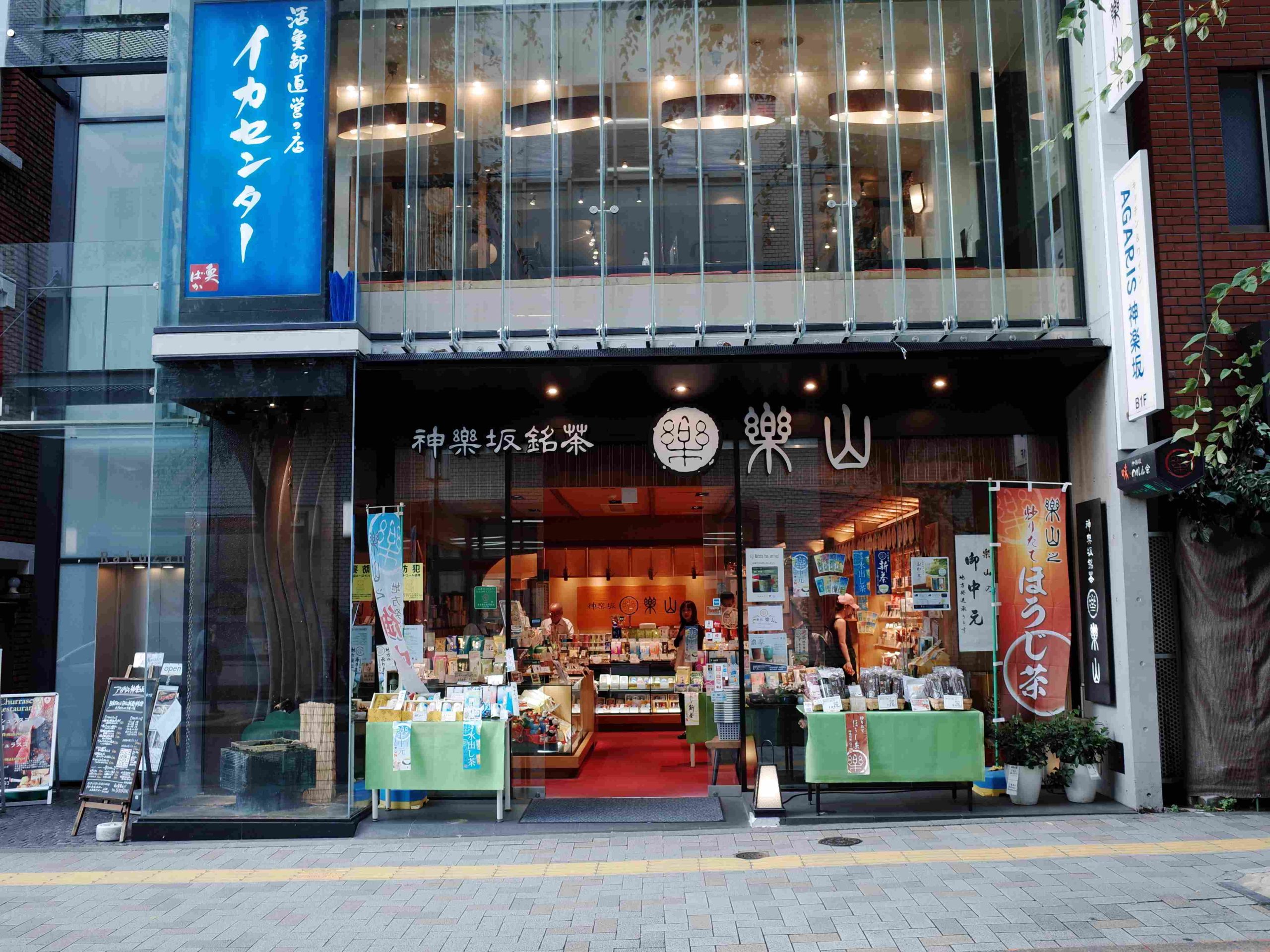
If you’re a Japanese tea lover, the aroma alone will draw you in as you walk past. The moment we stepped inside, the friendly owner offered us freshly brewed tea to taste — a green tea so rich and deep in flavor that it left a real impression. Rakuzan specializes in sencha from Kakegawa in Shizuoka Prefecture, alongside hojicha, genmaicha, matcha, and gyokuro sourced from across Japan. Matcha fans can also pick up small tea utensils here, which make lovely souvenirs. I went home with the Kakegawa sencha — Shizuoka truly lives up to its name as Japan’s green tea heartland.
| Access |
5 minute walk from JR Iidabashi Station (B3 Exit) |
|---|---|
| Address |
〒162-0825 Tokyo, Shinjuku City, Kagurazaka, 4 Chome−3 Rakuzan, 1F |
| Business Hours |
Weekdays 9:00 - 19:30 / Weekends, Holidays 10:00 - 18:00 |
| Official Website |
https://www.rakuzan.co.jp/ |
10. WeLoveDonut Kagurazaka | The Viral “Nama” Donuts Everyone’s Talking About
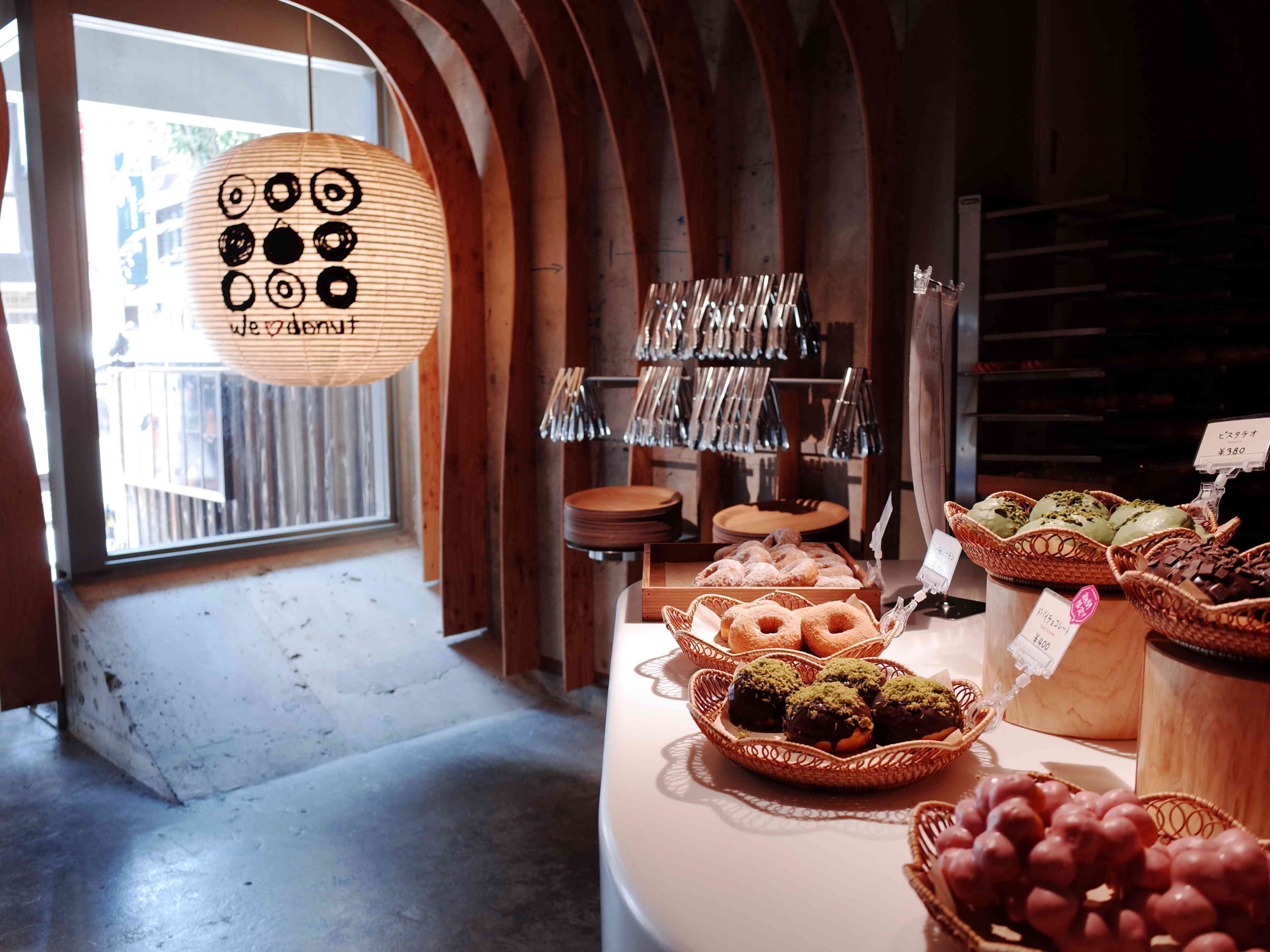
Turn right as you leave Rakuzan, and you’ll pass a small donut shop. Opened just in 2025, it specializes in nama donuts (生ドーナツ) — made with 100% domestic Japanese wheat and prepared entirely in-house, starting from kneading the dough, in pursuit of that signature soft, moist, and fluffy texture. Seasonal limited-edition flavors rotate throughout the year. If you’re a donut fan, it’s worth popping in — both dine-in and takeout are available.
| Access |
5 minute walk from JR Iidabashi Station (B3 Exit) |
|---|---|
| Address |
〒162-0825 Tokyo, Shinjuku City, Kagurazaka, 5 Chome−1−2 |
| Business Hours |
10:00 - 20:00 |
| Closed |
Irregular holidays |
| Official Website |
https://welovedonut.com/ |
11. Baikatei | A Wagashi Shop Founded in 1935
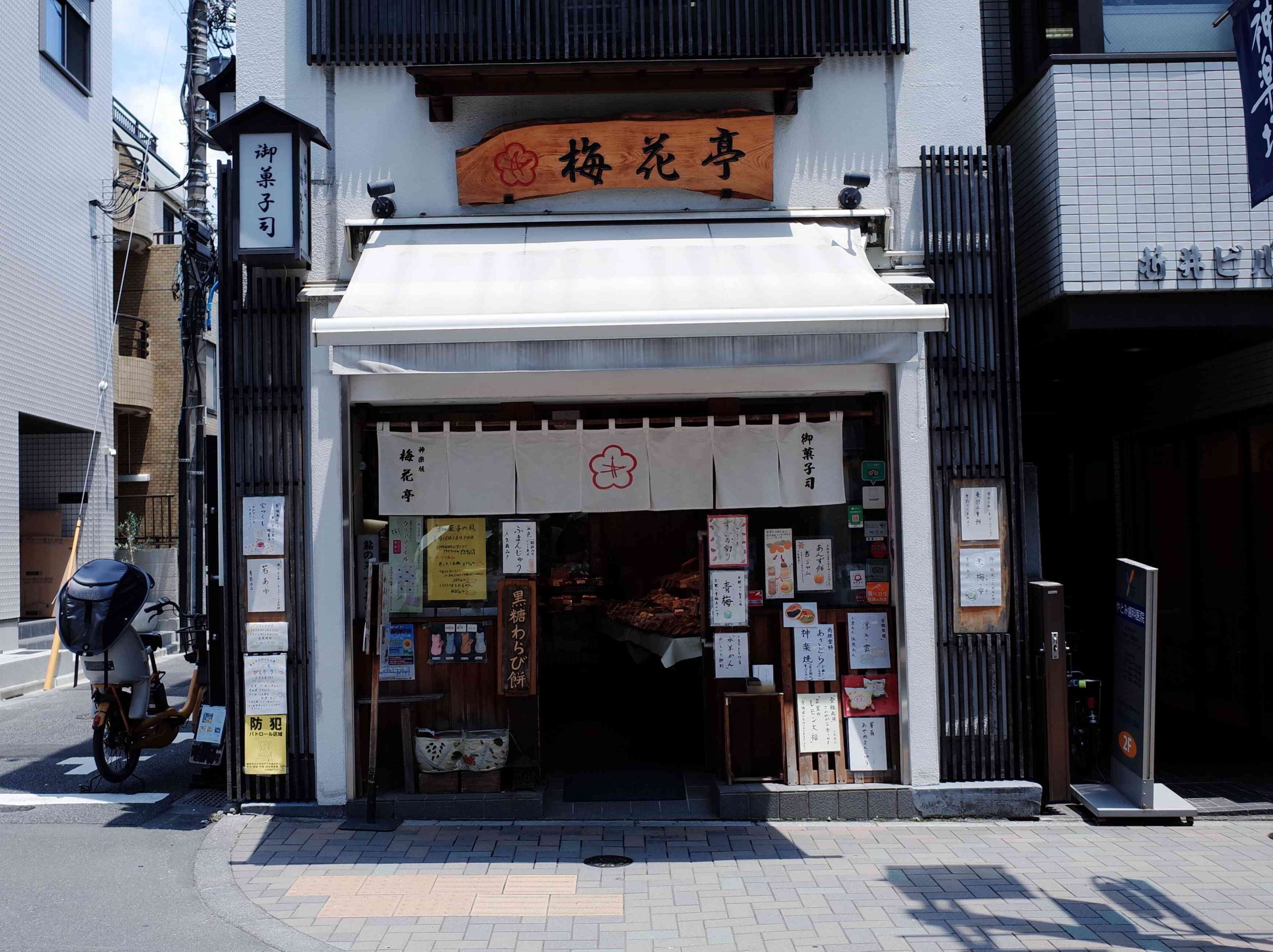
Baikatei’s main shop sits on the upper stretch of the Kagurazaka slope, and one look at its storefront tells you this is a shop devoted to traditional wagashi. Step inside and you’ll find an entire wall covered with award certificates, while through a glass window you can watch the artisans at work in the back kitchen, crafting Japanese sweets by hand.
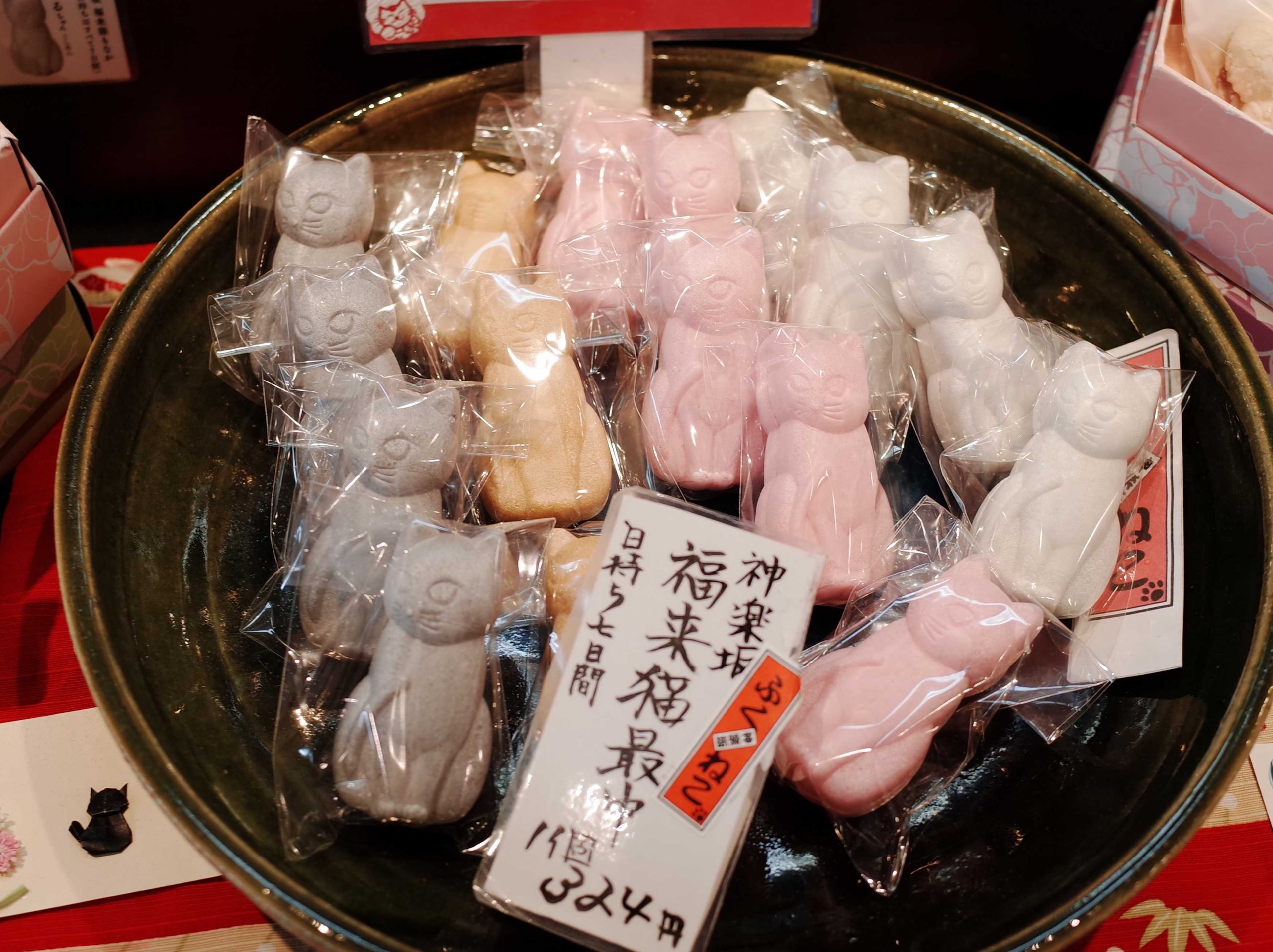
While the sweets here are rooted in tradition, there’s plenty of creative flair on top — playful, adorable touches worked into classic wagashi. The most popular item is the Kagurazaka lucky cat monaka, which comes in four colors, along with traditional candies shaped like shiba inu dogs. Bring some home as gifts and whoever receives them is sure to find them equal parts adorable and one-of-a-kind!
| Access |
2 minute walk from Kagurazaka Station (1a Exit) |
|---|---|
| Address |
〒162-0825 Tokyo, Shinjuku City, Kagurazaka, 6 Chome−15 |
| Business Hours |
10:00 - 19:00 |
| Closed |
Wednesdays |
| Official Website |
https://www.baikatei.co.jp/ |
Around Kagurazaka Station
12. Akagi Jinja (赤城神社)
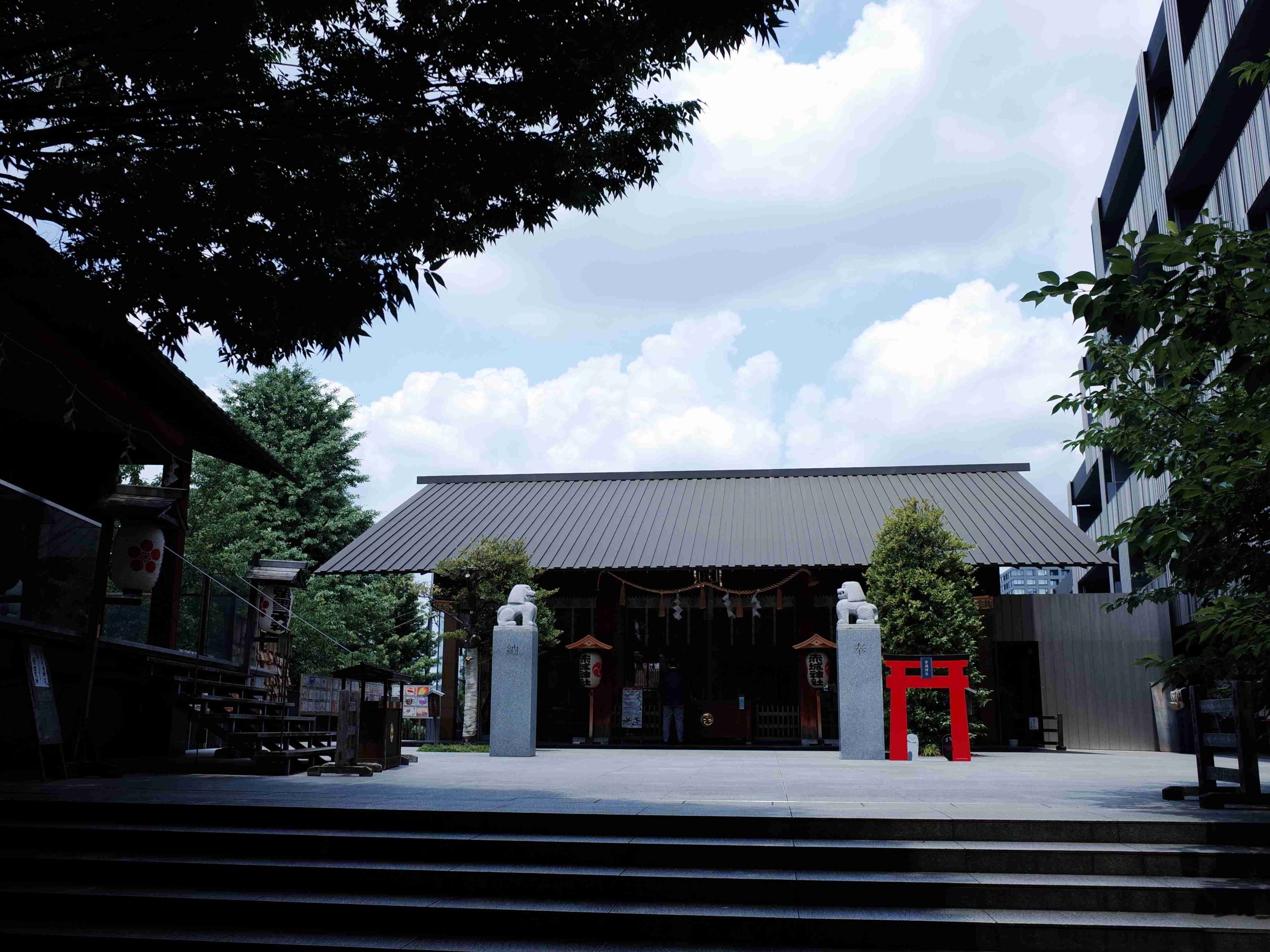
Once you reach the area around Kagurazaka Station, Akagi Shrine is worth visiting. It looks nothing like a traditional Japanese shrine — the redesign was led by Kengo Kuma and Associates, the renowned architecture firm. Where traditional shrines tend toward solemn, hushed grandeur, Akagi Shrine feels open, airy, and full of light — a strikingly modern piece of architecture.
| Access |
1 minute walk from Kagurazaka Station (1b Exit) |
|---|---|
| Address |
1-10 Akagi Motomachi, Shinjuku City, Tokyo 162-0817 |
| Business Hours |
9:00 - 16:00 (or 17:00, depending on the season) |
| Official Website |
https://www.akagi-jinja.jp/ |
13. A Shop Called Cat Post Office (ねこの郵便局というなまえのお店)
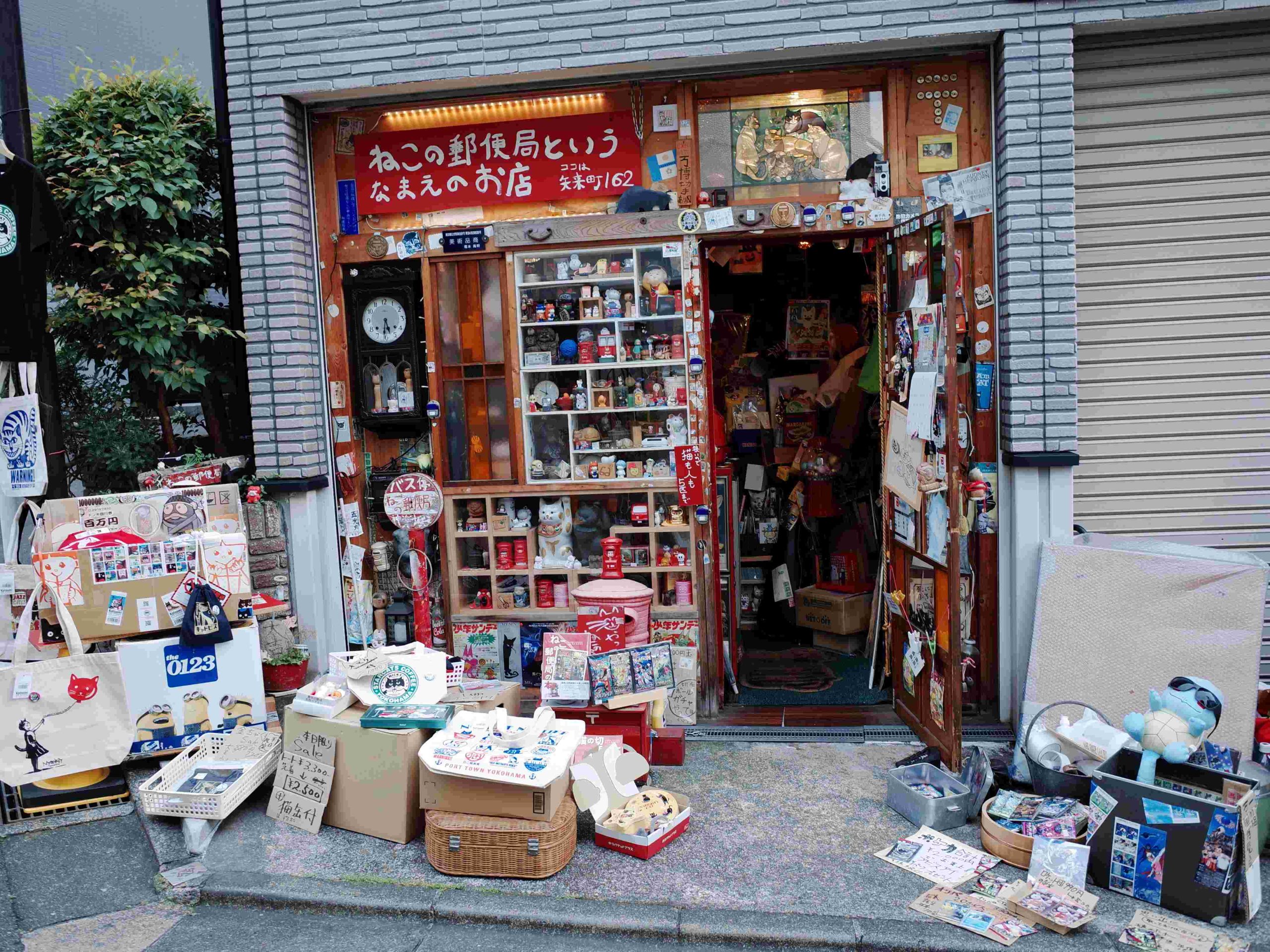
About a two-minute walk from Akagi Shrine, you’ll come across a shop that’s as special as it is adorable. As the name suggests, everything here revolves around cats — the shelves are filled with all kinds of cat-themed zakka and artwork. If you’re a cat person, this place is practically a mandatory stop.
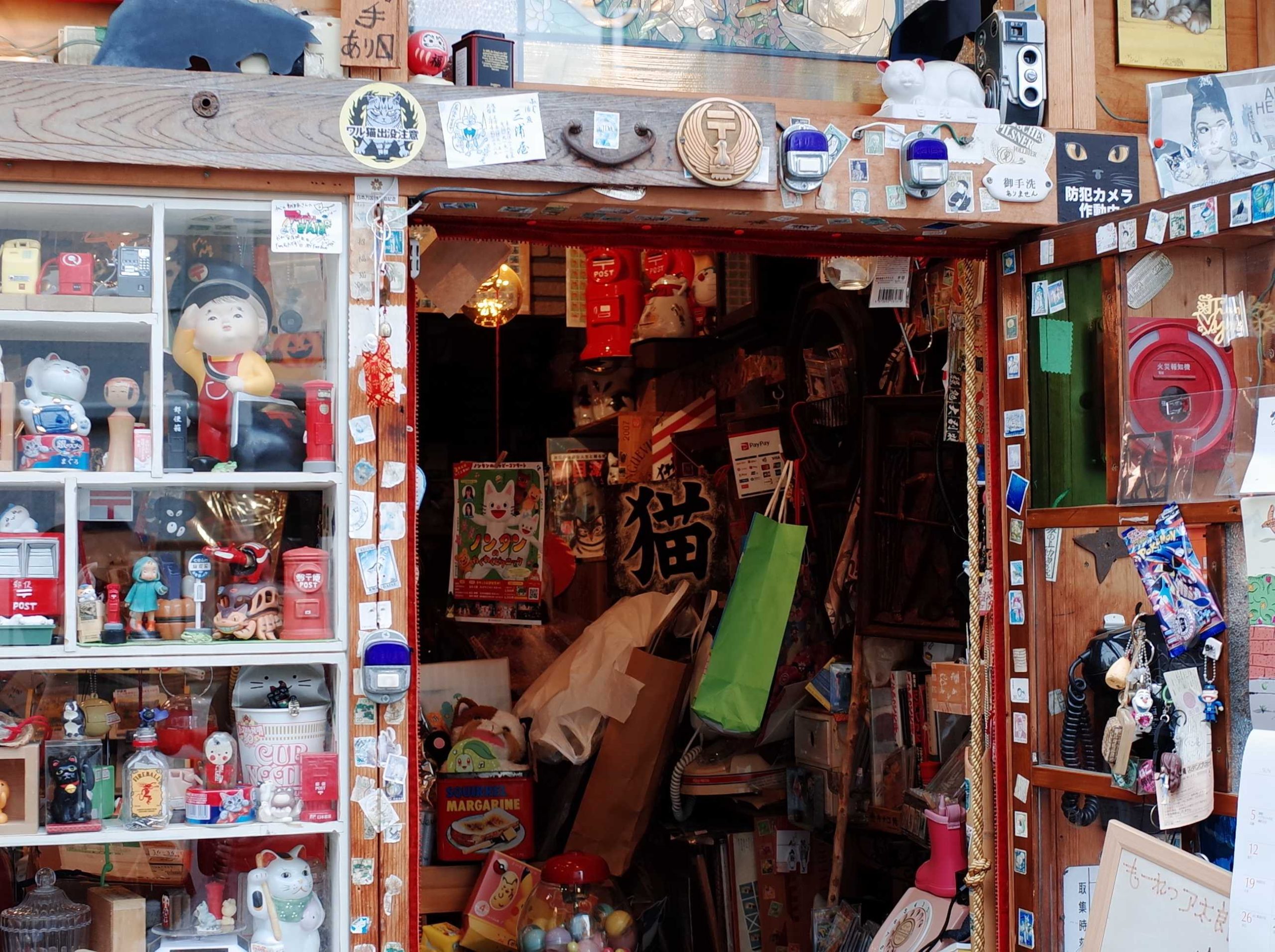
The shop itself is tiny — the sign at the entrance even reads, “Maximum capacity: 5, whether human or cat.” In reality, just two people inside are enough to fill the whole space! And yet, amid the charmingly cluttered shelves, you’ll even spot hand-signed pieces by popular Japanese illustrators. Stamps, postcards, and zakka of every kind are packed into every corner — if you have time, come treasure-hunting here!
| Access |
1 minute walk from Kagurazaka Station (1b Exit) |
|---|---|
| Address |
162 Yaraicho, Shinjuku City, Tokyo 162-0805 |
| Business Hours |
Open primarily in the afternoon. Hours vary by day. |
| Closed |
Irregular schedule. May close in the event of rain. |
| Official Website |
https://subsaku.com/kagurazakanekonoyubinkyoku/ |
14. Aux Merveilleux de Fred
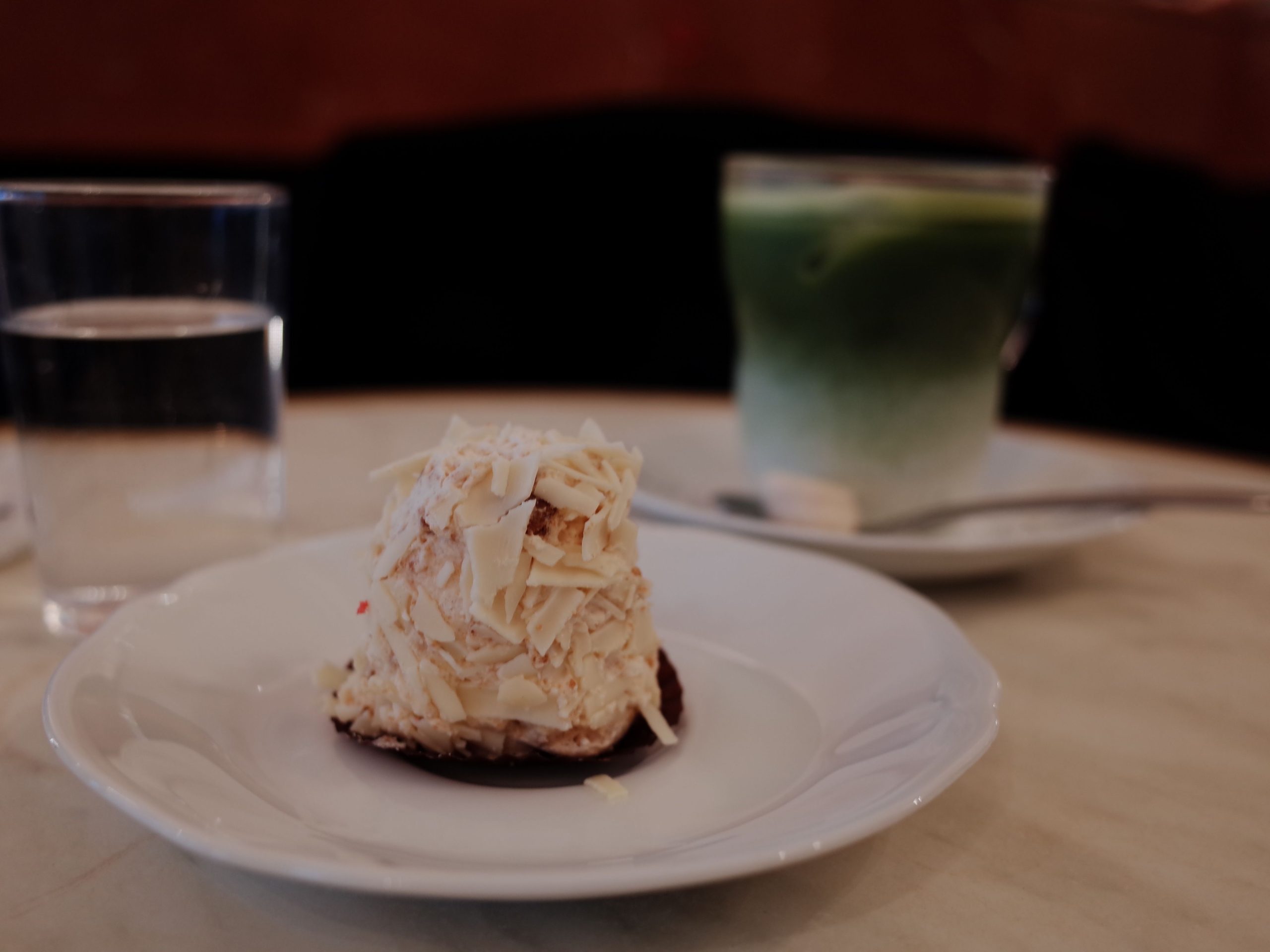
Leaving the cat shop and returning to Kagurazaka’s main street, another side of the neighborhood’s charm begins to reveal itself — French pastries. Kagurazaka earned its nickname “Tokyo’s little Paris” in large part because of the many French restaurants and patisseries gathered here.
This patisserie brand from northern France opened its Tokyo shop in 2020 — its first location in Asia. The signature Merveilleux is built around meringue and fresh cream: melt-in-your-mouth, light as air, and impossible to forget. The drinks menu weaves in Japanese touches like matcha, and that easy coexistence of two cultures is itself part of Kagurazaka’s charm.
| Access |
2 minute walk from Kagurazaka Station (1a Exit) |
|---|---|
| Address |
107-2 Yaraicho, Shinjuku City, Tokyo 162-0805 |
| Business Hours |
9:00 - 19:00 |
| Official Website |
https://auxmerveilleux.com/en/pastries?city=&store_slug=aux-merveilleux-de-fred-tokyo |
15. Kamome Books | Books, Coffee, and a Beautifully Curated Selection
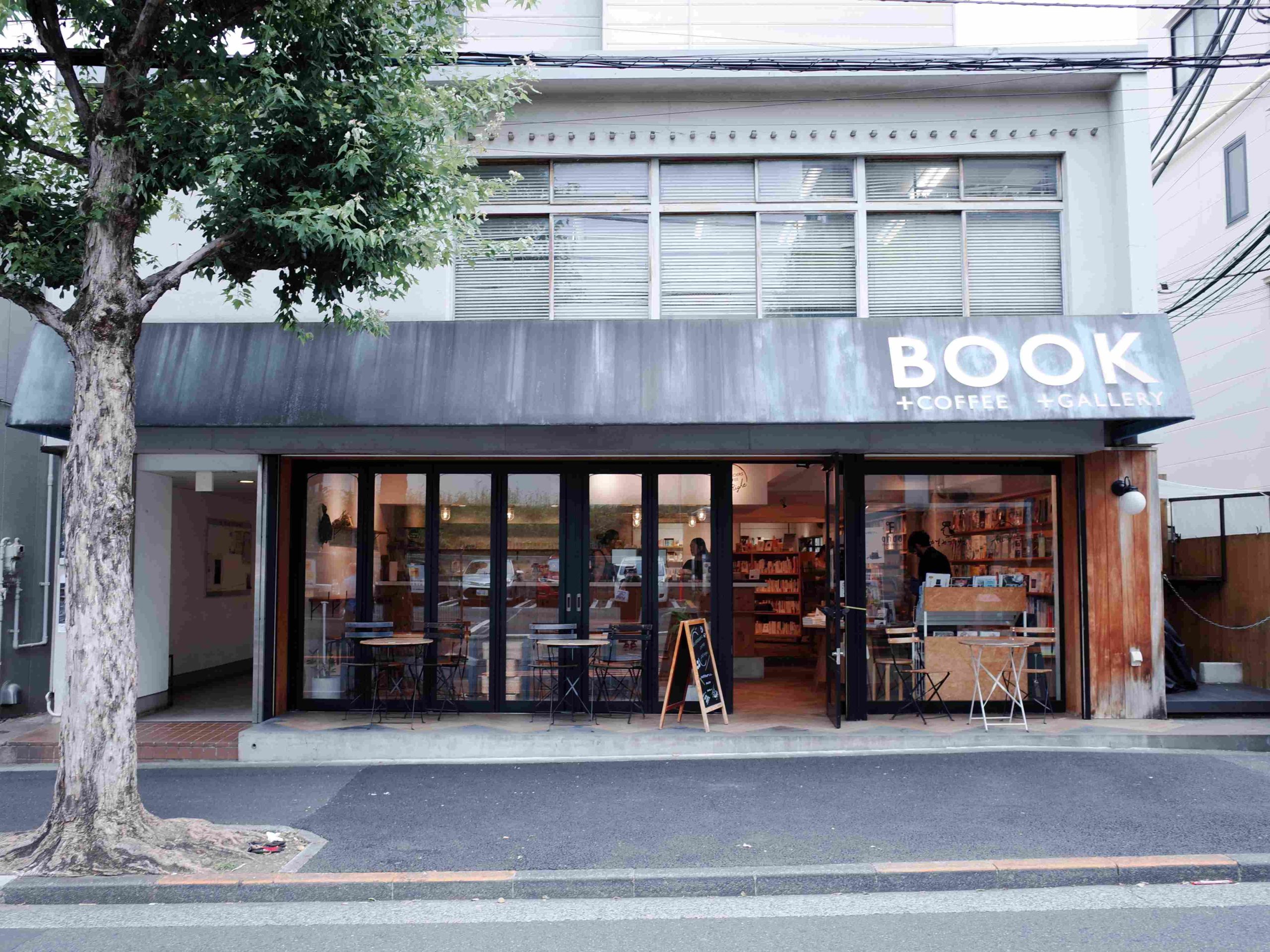
This Kagurazaka bookstore has earned a quiet following among book-loving travelers. What makes it truly unusual is who runs it: not a conventional bookstore chain, but a company specializing in book proofreading and copyediting. So rather than the size of its collection, the real draw here is the curation itself.
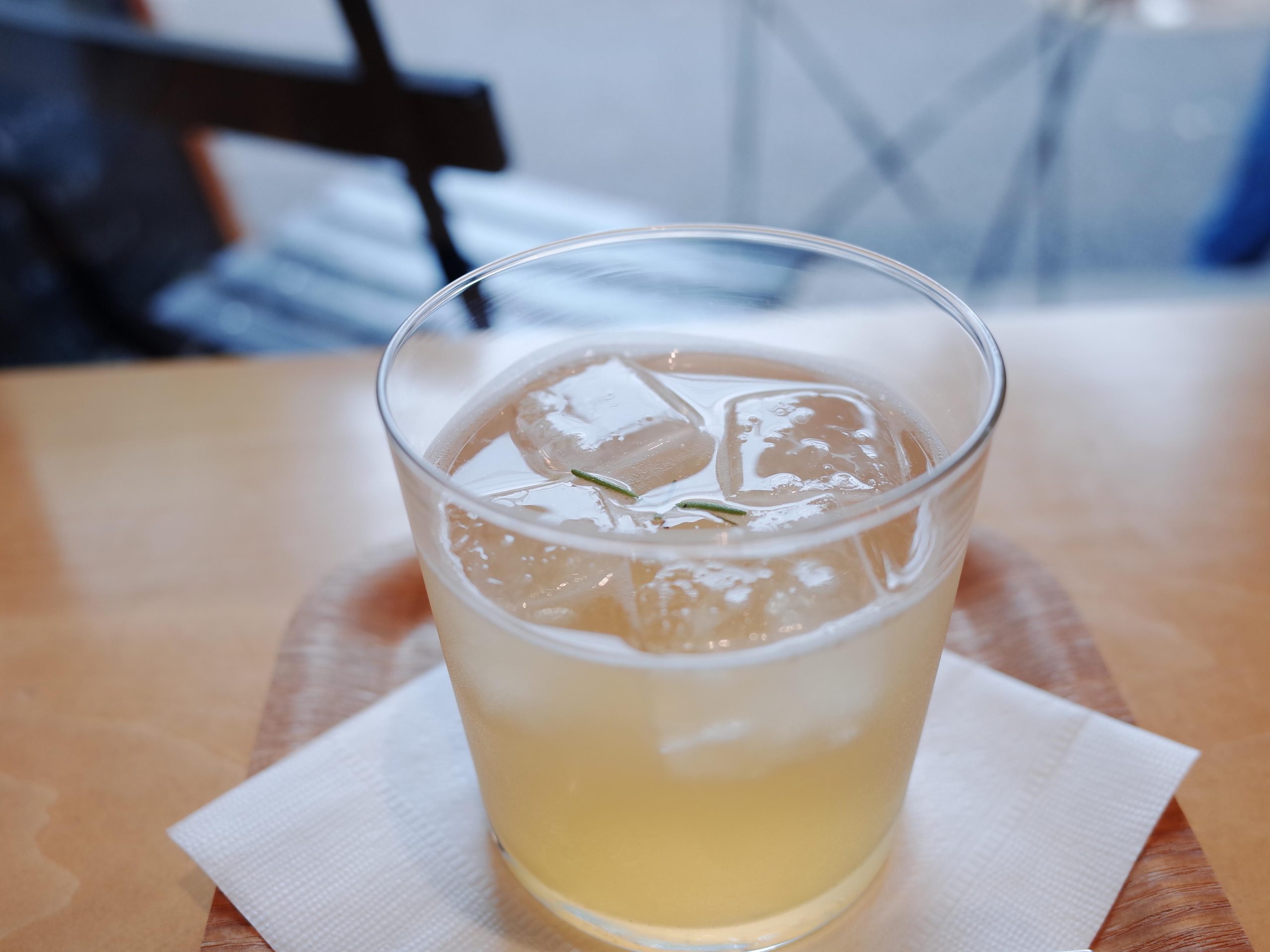
The shelf displays and interior styling share a calm, fresh sensibility. Throughout the shop, several themed feature shelves bring together books from different genres under a single idea — the kind of arrangement that often leads to unexpected discoveries. At the front of the shop is a cafe: when you’ve had your fill of browsing, order a lemon soda, settle in, and quietly watch the stream of passersby outside the window. For a moment, you feel like part of Tokyo life yourself.
| Access |
1 minute walk from Kagurazaka Station (2 Exit) |
|---|---|
| Address |
〒162-0805 Tokyo, Shinjuku City, Yaraicho, 123 |
| Business Hours |
11:00 - 20:00 |
| Closed |
Tuesdays and Wednesdays. During the summer holidays and the New Year holiday period. |
| Official Website |
https://kamomebooks.jp/ |
16. AKOMEYA TOKYO in la kagū|Ending the Walk with the Best of Japanese Goods
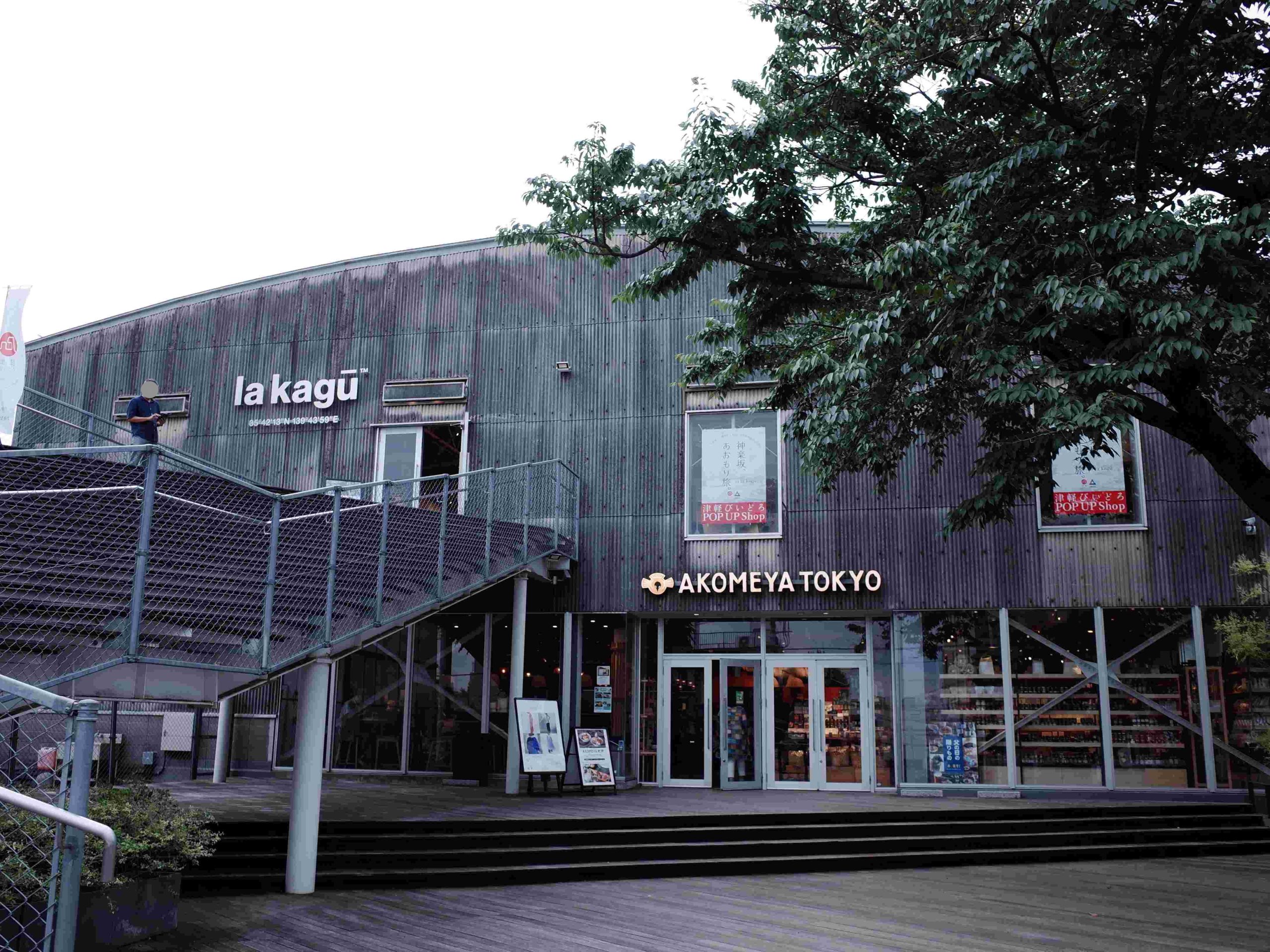
And now, the final stop of the walk — AKOMEYA TOKYO in la kagū. The building itself was designed by Kengo Kuma, converted from what was once a publisher’s book warehouse, and the renovated space is worth a good look in its own right. Inside, you’ll find a dazzling collection of Japanese goods — everything from food ingredients and tableware to beautifully made lifestyle zakka.
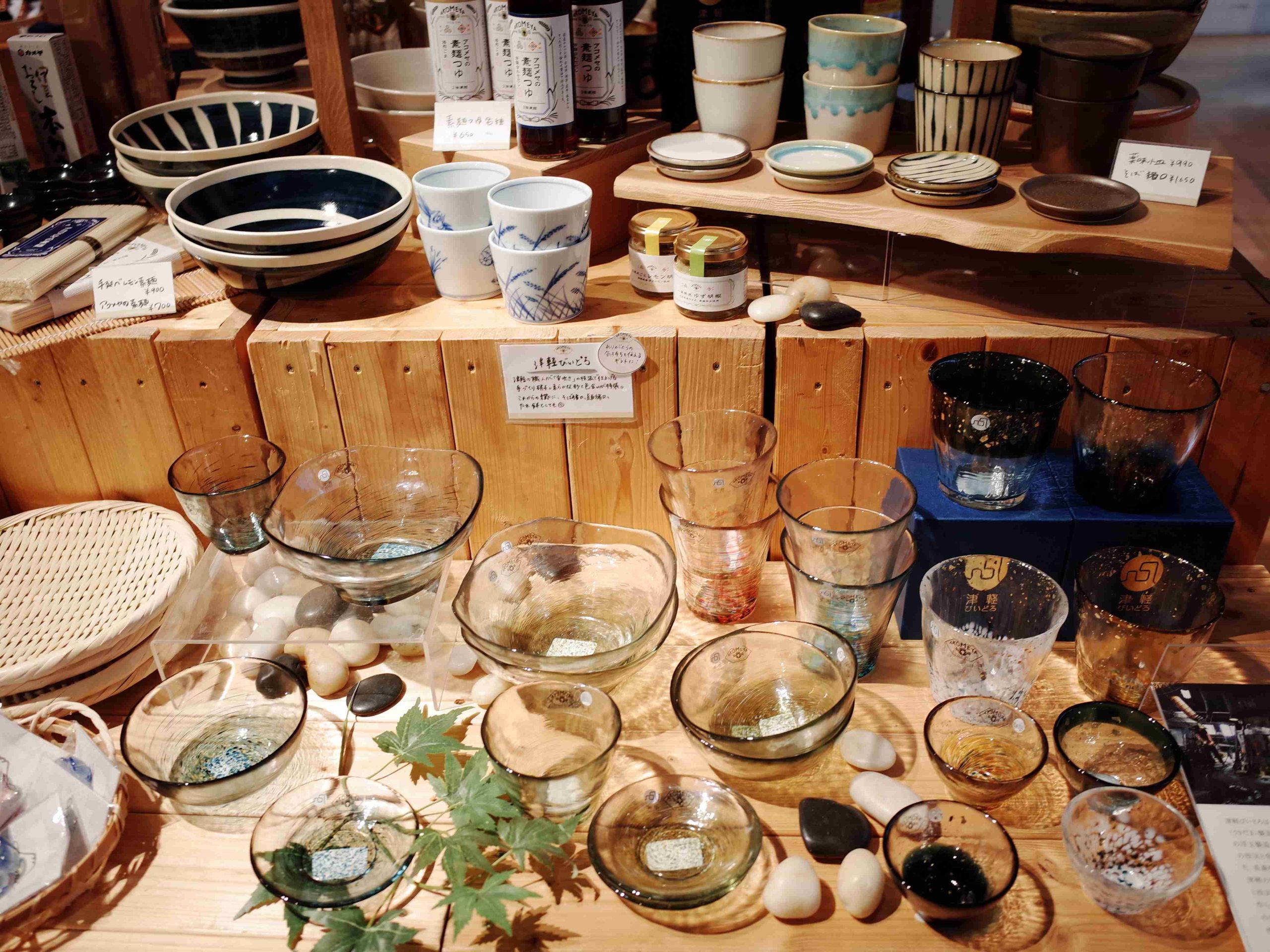
What I love most is how Japanese lifestyle aesthetics are incorporated so naturally into every single item here — the more you browse, the more you want to buy, and choosing souvenirs becomes an almost impossible task with this many good options. In the end, I went home with a pack of AKOMEYA’s dashi. Every time I use it, the taste brings back that relaxed, wandering feeling of the trip.
| Access |
1 minute walk from Kagurazaka Station (2 Exit) |
|---|---|
| Address |
〒162-0805 Tokyo, Shinjuku City, Yaraicho, 67 |
| Business Hours |
11:00 - 20:00 |
| Official Website |
https://www.akomeya.jp/store_info/store/sinlakagu/ |
By the time we finished exploring Kagurazaka, dusk was settling in, and the summer lanterns glowing along the street gave the moment an almost otherworldly feeling — as if we’d stepped out of time. It’s hard not to conclude that this street, praised by so many, truly lives up to its reputation. But its charm isn’t found only in these refined little shops. The unassuming supermarket on the corner, the neighborhood bakery in a side alley — it’s that rich texture of everyday life that proves most captivating of all.
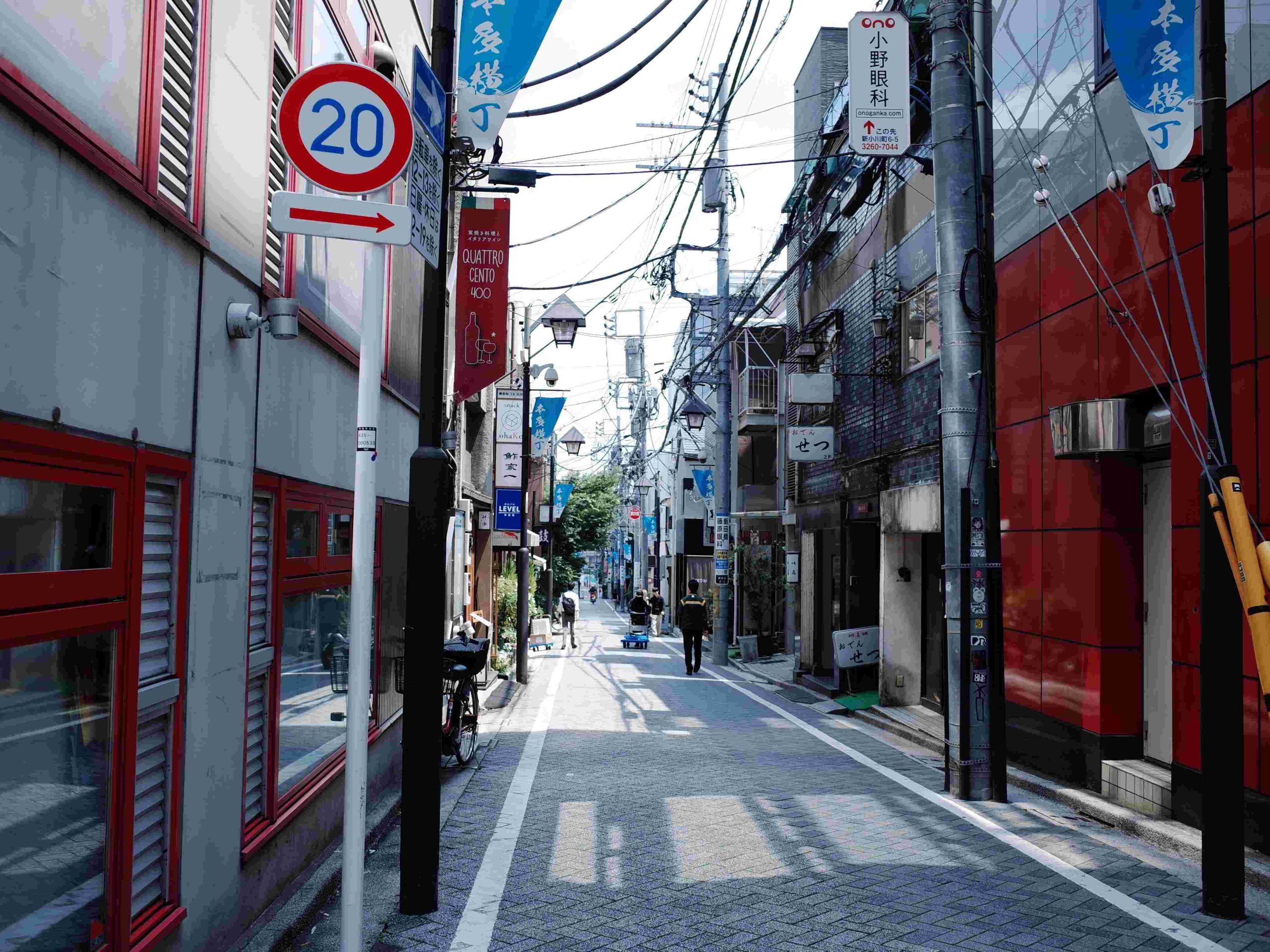
If you’re visiting Tokyo, set aside half a day or so for Kagurazaka — and experience a slice of real, everyday local life for yourself.
Frequently Asked Questions About Visiting Kagurazaka
Q. How do I get to Kagurazaka, and which station should I use?
A. Kagurazaka is located between Iidabashi Station and Kagurazaka Station, both of which offer convenient access from central Tokyo. You can start your walk from either station depending on your preferred route.
- Iidabashi Station is recommended if you don’t mind a gentle uphill walk and want to follow this article’s route from beginning to end.
- Kagurazaka Station is ideal if you prefer a mostly downhill walk through the neighborhood.
Here are some of the easiest routes from major Tokyo stations:
| Departure Station | Destination | Route | Approx. Time |
|---|---|---|---|
| Tokyo Station | Iidabashi Station | JR Chuo Line (Rapid) to Ochanomizu → JR Chuo-Sobu Line | ~12 min |
| Kagurazaka Station | Tokyo Metro Marunouchi Line to Otemachi → Tokyo Metro Tozai Line | ~15 min | |
| Shinjuku Station | Iidabashi Station | JR Chuo-Sobu Line (Local) | ~10 min |
| Kagurazaka Station | Tokyo Metro Marunouchi Line to Takadanobaba → Tokyo Metro Tozai Line | ~15 min | |
| Akihabara Station | Iidabashi Station | JR Chuo-Sobu Line (Local) | ~8 min |
| Kagurazaka Station | JR Chuo-Sobu Line to Iidabashi → Tokyo Metro Tozai Line (1 stop) or a 10–15 minute walk from Iidabashi | ~10–12 min |
Both stations are well connected to the rest of Tokyo, making Kagurazaka an easy destination to visit on its own or as part of a full day of sightseeing.
Q. When is the best time to visit Kagurazaka?
A. Kagurazaka is enjoyable year-round, but spring and autumn are generally considered the most comfortable seasons for walking. The pleasant temperatures make it easy to explore the neighborhood’s sloping streets, hidden alleys, cafés, and boutiques.
If possible, visit on a weekday to enjoy a quieter atmosphere. Weekends tend to be busier, especially around popular cafés and sweet shops. Arriving in the late afternoon is also highly recommended, as the streets take on a particularly charming atmosphere when the traditional lanterns begin to light up.
Q. What are some nearby places to visit after exploring Kagurazaka?
A. One of Kagurazaka’s advantages is its convenient location near several of Tokyo’s major sightseeing districts. From Iidabashi Station, you can reach many popular destinations in about 10–15 minutes by direct train.
Some great places to combine with a Kagurazaka visit include:
- The Imperial Palace area for gardens, historic sites, and scenic walking paths
- Akihabara for anime, gaming, and electronics shopping
- Shinjuku for observation decks, department stores, nightlife, and entertainment
- Tokyo Dome City, located within walking distance of Iidabashi, for attractions, shopping, and family-friendly activities
Because of its central location, Kagurazaka fits easily into a full day of sightseeing around Tokyo.
Q. Are there hotels in Kagurazaka? Is it a good place to stay?
A. Yes. While Kagurazaka does not have as many hotels as larger districts like Shinjuku or Ueno, you’ll find a selection of boutique hotels, business hotels, and serviced apartments nearby.
Staying in Kagurazaka is an excellent choice for travelers who prefer a quieter, more local atmosphere while still enjoying convenient access to central Tokyo. The neighborhood is well connected by train, offers plenty of cafés and restaurants, and has a relaxed evening atmosphere that contrasts nicely with Tokyo’s busier tourist hubs.
Q. Is Kagurazaka a good place to visit with kids?
A. Yes, especially for families looking for a slower-paced day in Tokyo. The neighborhood is compact, easy to explore on foot, and filled with bakeries, sweet shops, cafés, and interesting stores that children often enjoy browsing alongside adults.
Families can also visit Tokyo Daijingu Shrine and Akagi Shrine, stroll through the narrow backstreets, or stop for snacks and desserts along the way. While Kagurazaka doesn’t have large playgrounds or major attractions aimed specifically at children, its relaxed atmosphere makes it a pleasant destination for families who want to experience a different side of Tokyo away from the busiest tourist areas.
Kagurazaka isn’t the kind of place where you rush from one famous landmark to the next. It’s a neighborhood that’s best enjoyed at a slower pace—wandering through the backstreets, popping into shops that catch your eye, and taking a break whenever a café looks too inviting to pass up. If you have half a day to spare in Tokyo, it’s a walk that’s well worth making.
If you like Kagurazaka, be sure to also check out the following spots as well!

Written by
Hi, I'm delighted to get to meet you through my sharing. I am a freelance writer who loves traveling, reading, and food. I'm also the mother of a two-year-old child. Living in Japan for eight years has been both long and short—long enough for me to know Tokyo, where I reside, like the back of my hand, and short because there are still so many aspects waiting for me to explore. Here, I will share the fantastic culture and my thoughts about this beautiful country, hoping you will fall in love with Japan just as I have.
- +0 0
-
-