Guide to Jigokudani Snow Monkey Park
Planning a visit to Jigokudani Monkey Park in Nagano? Learn how to get there, best time to visit, what to expect, and expert tips.

- +0 0
-

-


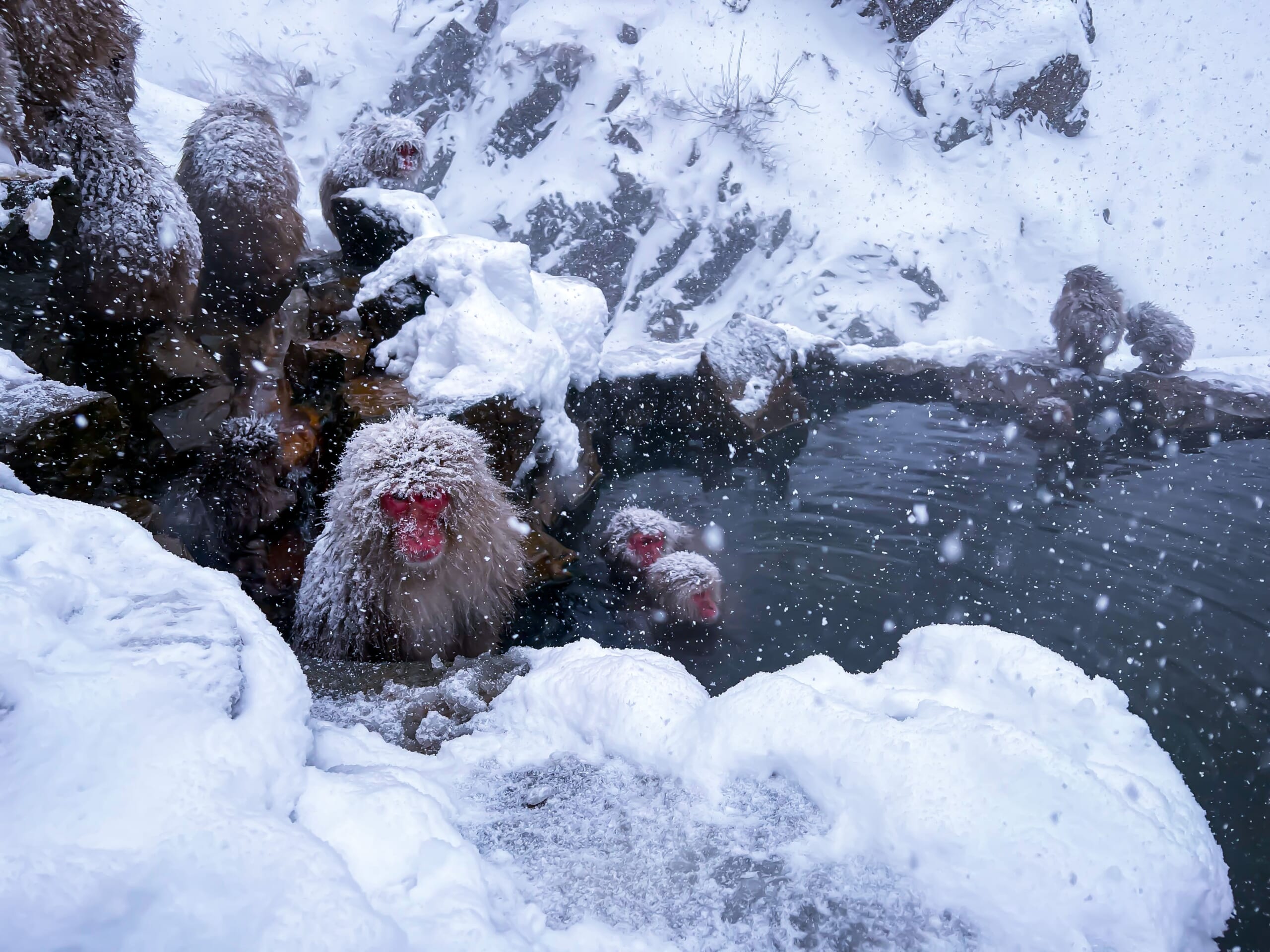
Steam rises from a mountain valley in northern Nagano. Snow falls in thick silence. And in the middle of it all, wild Japanese macaques sit calmly in a hot spring, as if they booked it themselves.
This is Jigokudani Monkey Park, globally known as the Snow Monkey Park, one of Japan’s most photographed wildlife destinations, and one of the few places on Earth where you can observe monkeys bathing in natural onsen in their natural habitat.
But beyond the iconic winter images, visitors quickly discover something important: getting here requires planning. There’s a forest walk. There are seasonal differences. Access routes vary depending on where you’re coming from. And the experience changes dramatically between January snowstorms and August humidity.
This guide breaks it all down: what Jigokudani Monkey Park actually is, when to visit, how to get there from Tokyo or Nagano, what to expect on site, and how to plan the visit intelligently.
If you’re considering adding the Snow Monkey Park to your Japan itinerary, here’s exactly what you need to know.
What is Jigokudani Monkey Park?
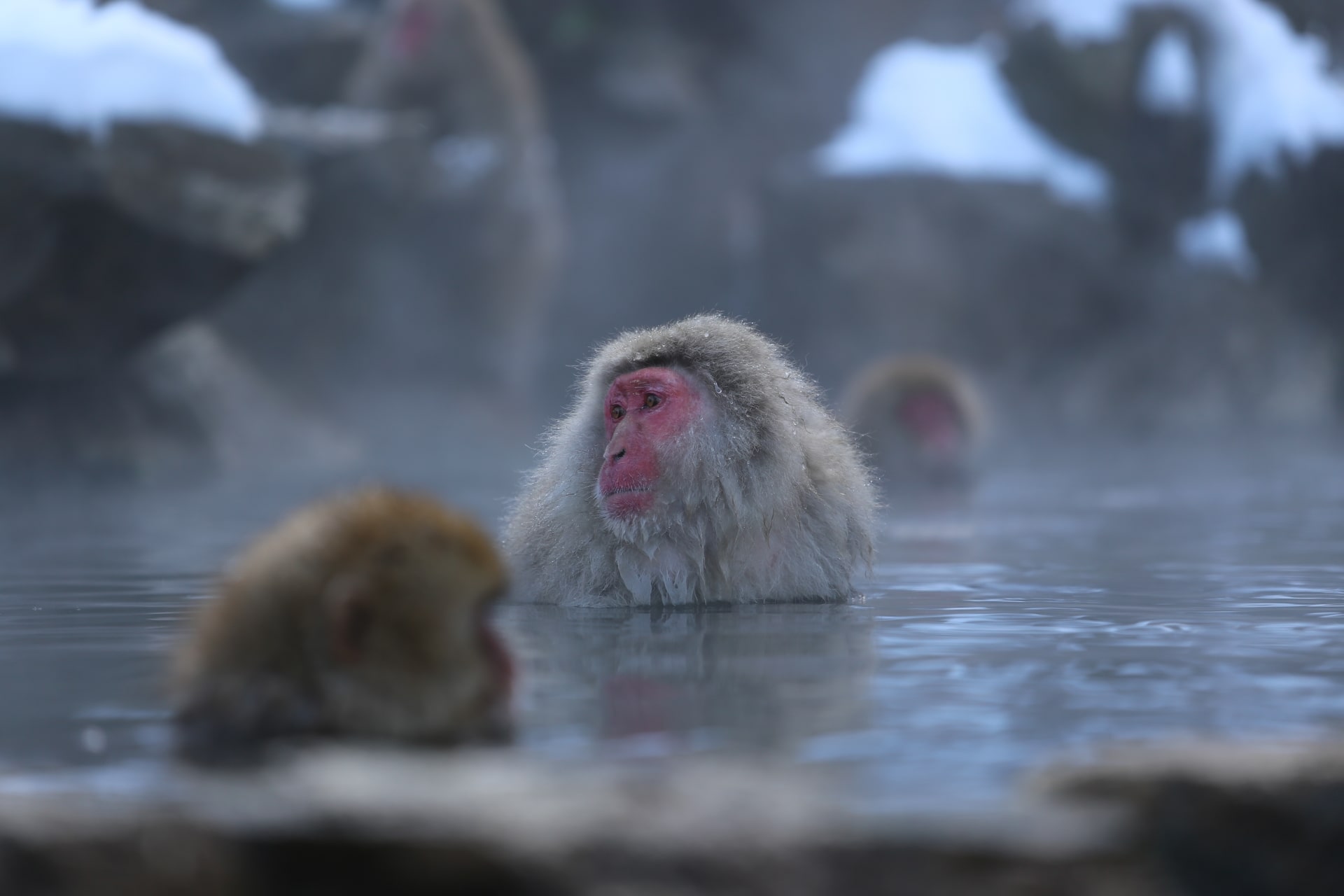
Jigokudani Monkey Park (地獄谷野猿公苑) is a wildlife park located in the mountains of Yamanouchi, in northern Nagano Prefecture. It is internationally known as the “Snow Monkey Park” because of its population of wild Japanese macaques that regularly bathe in natural hot springs during winter.
The park opened in 1964 as a conservation and observation area designed to protect local macaques while allowing controlled public viewing. The monkeys are not captive. They roam freely in the surrounding forest and descend to the hot spring area on their own terms. Park staff do not stage bathing sessions; they manage the area to ensure safety and to minimize disruption to natural behavior.
Why Is It Called “Jigokudani”?
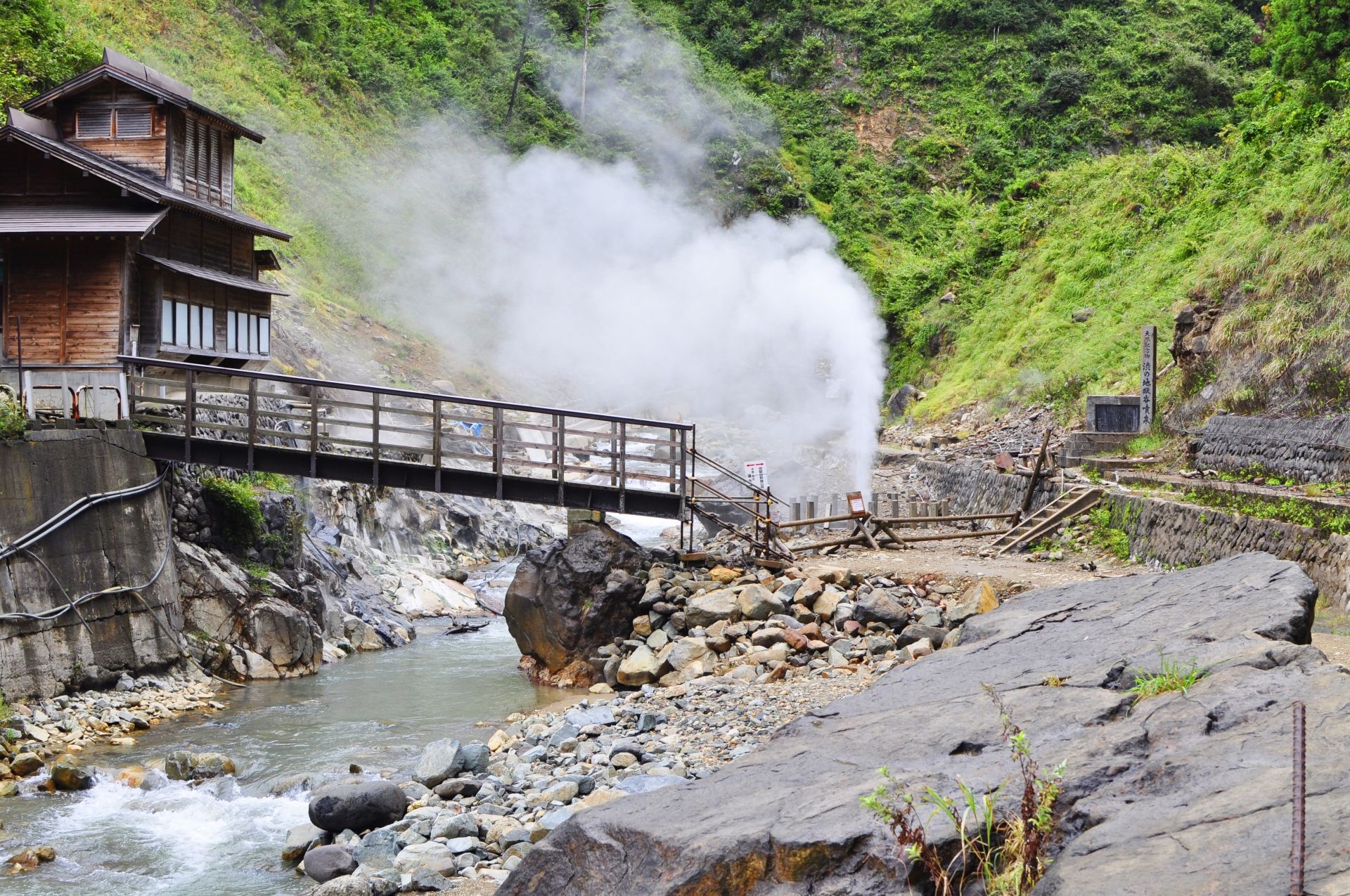
“Jigokudani” translates to “Hell Valley,” a name inspired by the steam vents and boiling water that rise from the geothermal ground. The valley sits within Joshin’etsu Kogen National Park, a protected area known for volcanic activity, alpine terrain, and heavy snowfall.
At roughly 850 meters above sea level, winters are cold, and snow accumulation is significant. The hot spring pool that visitors see today was originally created to discourage monkeys from entering nearby ryokan baths in the onsen towns below.
The Monkeys: Japanese Macaques (Snow Monkeys)
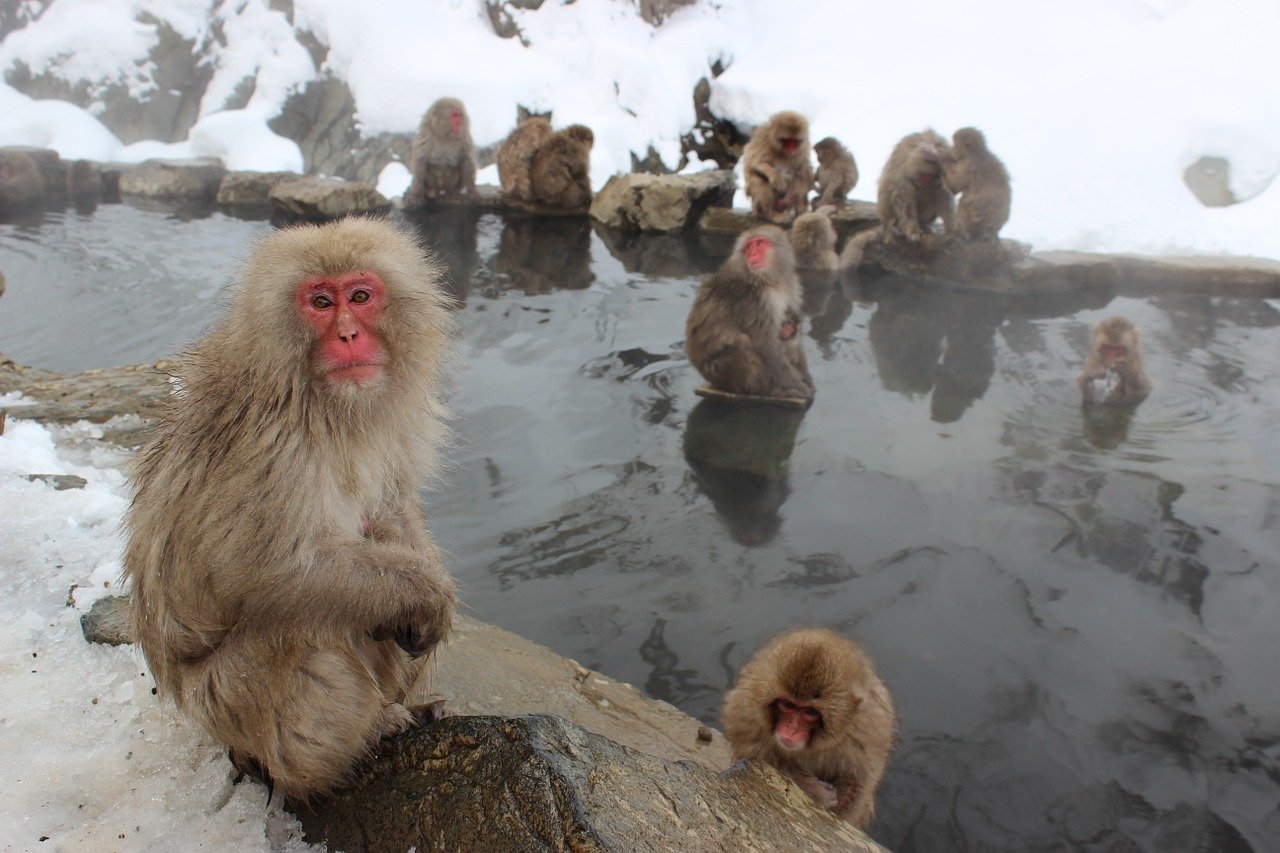
The species found here is the Japanese macaque (Macaca fuscata), the northernmost-living non-human primate in the world. Around 150–200 individuals belong to the troop most commonly observed at the park.
These monkeys are highly social. You’ll see grooming, play behavior, hierarchy disputes, and maternal care, often within a few meters of the viewing path. During winter, they enter the hot spring to conserve energy and regulate body temperature. In warmer months, they spend more time foraging in the forest and may use the pool less frequently.
Importantly, the macaques are wild animals. They are accustomed to human presence but are not trained or domesticated. Visitors are strictly prohibited from feeding or touching them.
What Makes It Unique Globally?
Many wildlife parks offer close encounters. Very few allow observation of wild primates bathing in geothermal hot springs against a snowy mountain backdrop.
That specific combination of wild macaques, volcanic activity, heavy snowfall, and accessible infrastructure, is what has made Jigokudani Monkey Park one of Nagano’s most recognizable attractions and a consistent feature in international travel media.
From an itinerary perspective, it functions as:
- A day trip from Nagano City
- A side trip from Yudanaka or Shibu Onsen
- A long but feasible day trip from Tokyo
- A winter highlight often paired with ski resorts in Shiga Kogen
 Access Access |
45-50min bus from Nagano Station, then 40-min on foot to the park |
|---|---|
 Business Hours Business Hours |
8:30 AM-5 PM (April-October) 9 AM–4 PM (November-March) |
 Price Price |
800 yen (adults) |
 Official Website Official Website |
https://jigokudani-yaenkoen.co.jp/ |
The Park History: How the Snow Monkeys Learned to Use Hot Springs
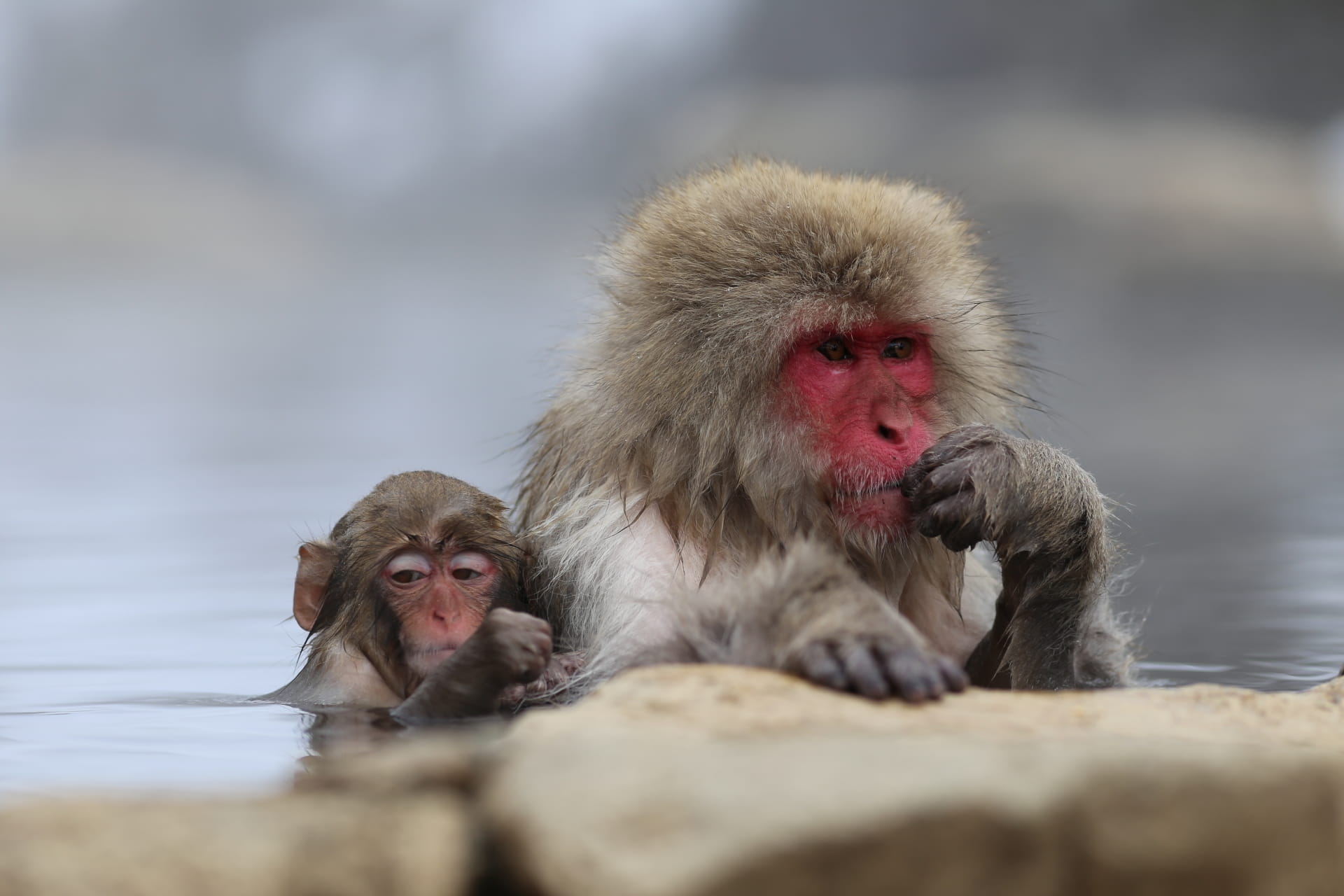
The story of Jigokudani Monkey Park and its famous snow monkeys is rooted in both local wildlife behavior and human efforts to create harmony between animals and people.
The park was established in 1964 as a place where wild Japanese macaques (Macaca fuscata) could be observed without cages and encouraged to stay away from nearby farmland, where they had begun to raid crops after their mountain habitat was disturbed by post-war development. Park founder Sogo Hara, an employee of the Nagano Electric Railway and a nature enthusiast, began feeding the local troop to keep them in the area rather than descending into villages.
At that time, the macaques did not naturally bathe in hot springs. That behavior appears to have begun quite by chance near the traditional inn Korakukan, which sat on a hot spring in Jigokudani. Young monkeys were first observed entering the outdoor baths used by human guests, possibly imitating people or drawn by warmth during cold winter months. Over time, other macaques adopted the behavior. To avoid hygiene issues with monkeys using the same baths as guests, a separate pool was created for the monkeys in the park.


The presence of hot springs in an area that sees heavy snowfall and bitter winter temperatures created ideal conditions for this behavior to become memorable. Once a young macaque soaked and found the warmth comforting, others followed, and the habit has continued across generations.
The park’s global fame surged after the macaques were featured on the cover of LIFE magazine in 1970, with photos of snow monkeys bathing in steaming water capturing public imagination worldwide.
Today, the “snow monkey” image remains one of Japan’s most iconic wildlife scenes: authentic animal behavior shaped by local environment and decades-long human stewardship, not staged performances.
Why People Visit Jigokudani Monkey Park
There are plenty of animal parks in Japan. There are plenty of hot springs, too. What draws people here is the combination: wild Japanese macaques soaking in steaming water while snow falls around them.
That image alone has put the park on travel bucket lists worldwide. But once visitors arrive, most discover the appeal goes beyond a single photograph.
1. To See Snow Monkeys in Their Natural Habitat
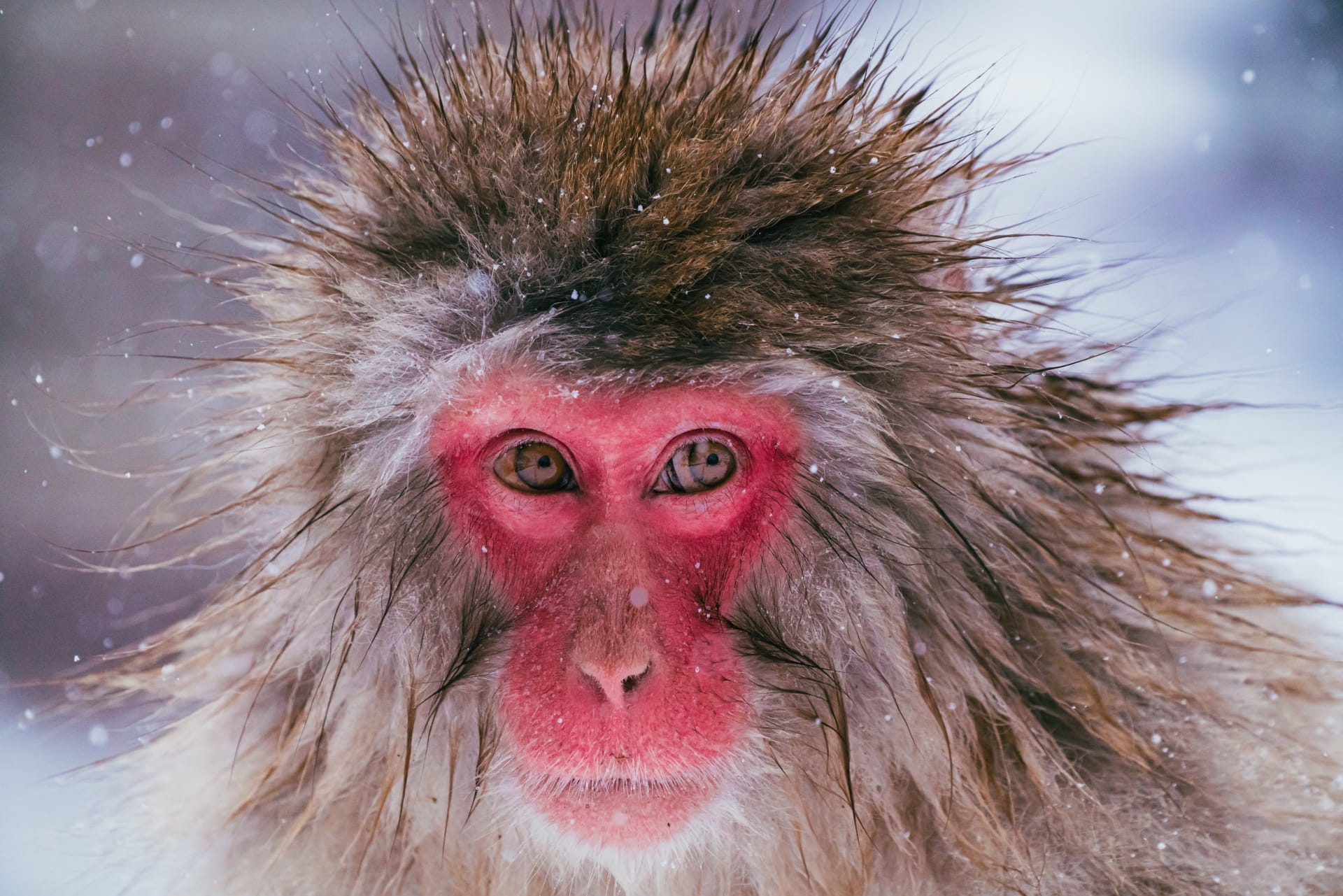
The macaques at Jigokudani are not caged and not performing. They live in the surrounding forest and enter the hot spring area freely. You may see them grooming each other, squabbling over social rank, caring for infants, or simply sitting with an expression that suggests they have solved life.
In winter, they use the hot spring to conserve energy in sub-zero temperatures. In warmer months, they are more active in the trees and along the river. The experience shifts with the season, but the animals remain unmistakably wild.
For many travelers, this is their first time observing primate social behavior up close without barriers.
2. Photography and the Beauty of Winter Landscape
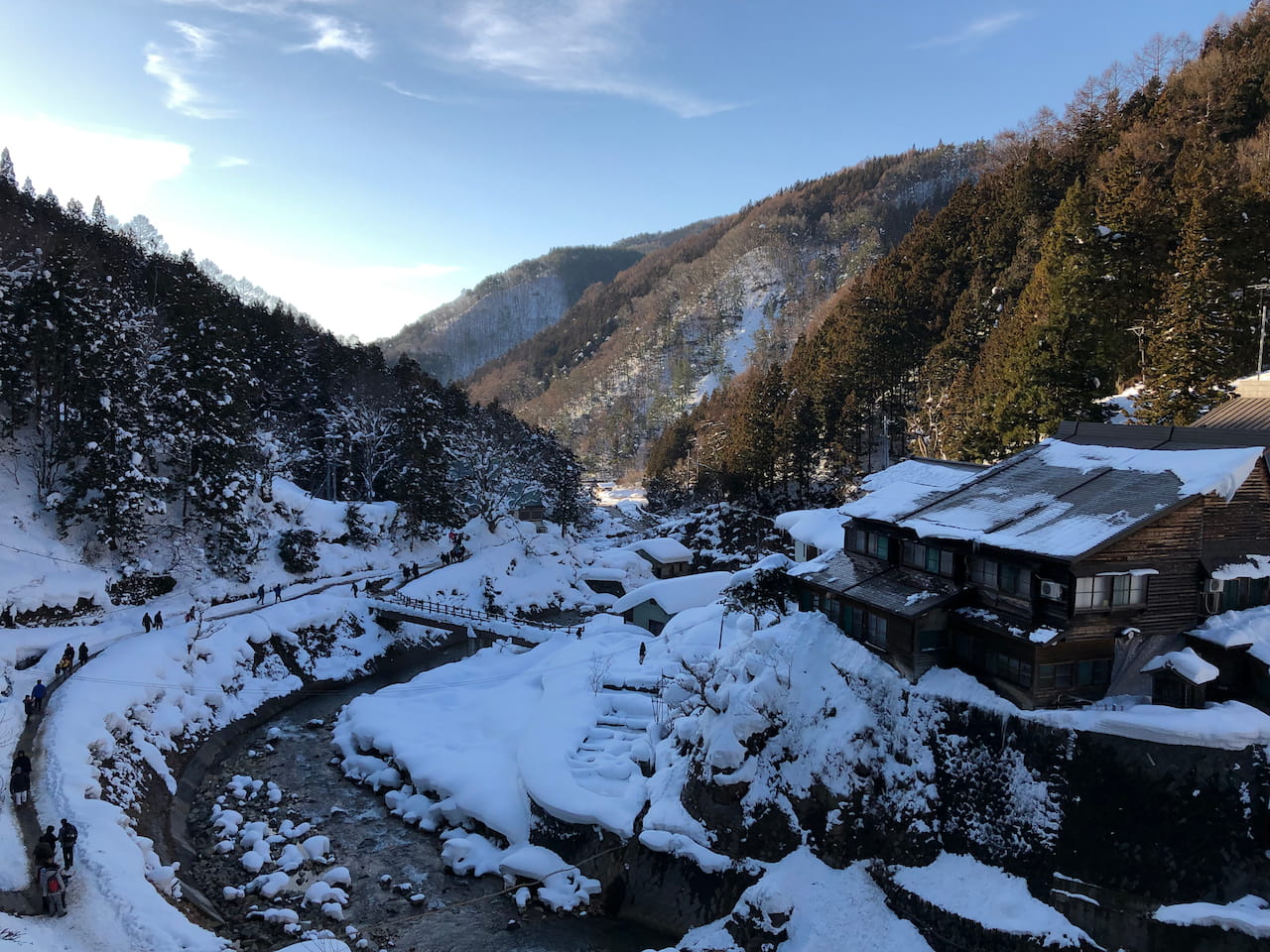
From December through February, heavy snow transforms the valley into something that feels almost unreal. Steam rises from the water, snow gathers on the monkeys’ fur, and the surrounding forest turns monochrome.
It is one of the most distinctive winter scenes in Japan, and one of the most photographed wildlife settings in the country. The combination of things like expressive primate faces with close but controlled viewing distances, amid snow or forest backdrops and natural geothermal steam, are ideal conditions for compelling images. A telephoto lens helps, but even standard cameras can capture detailed expressions thanks to the relatively close proximity allowed on the viewing paths.
That said, winter is also the busiest period. Visitors who want fewer crowds sometimes choose early morning arrivals or shoulder seasons instead.
3. To Pair With Local Onsen Culture
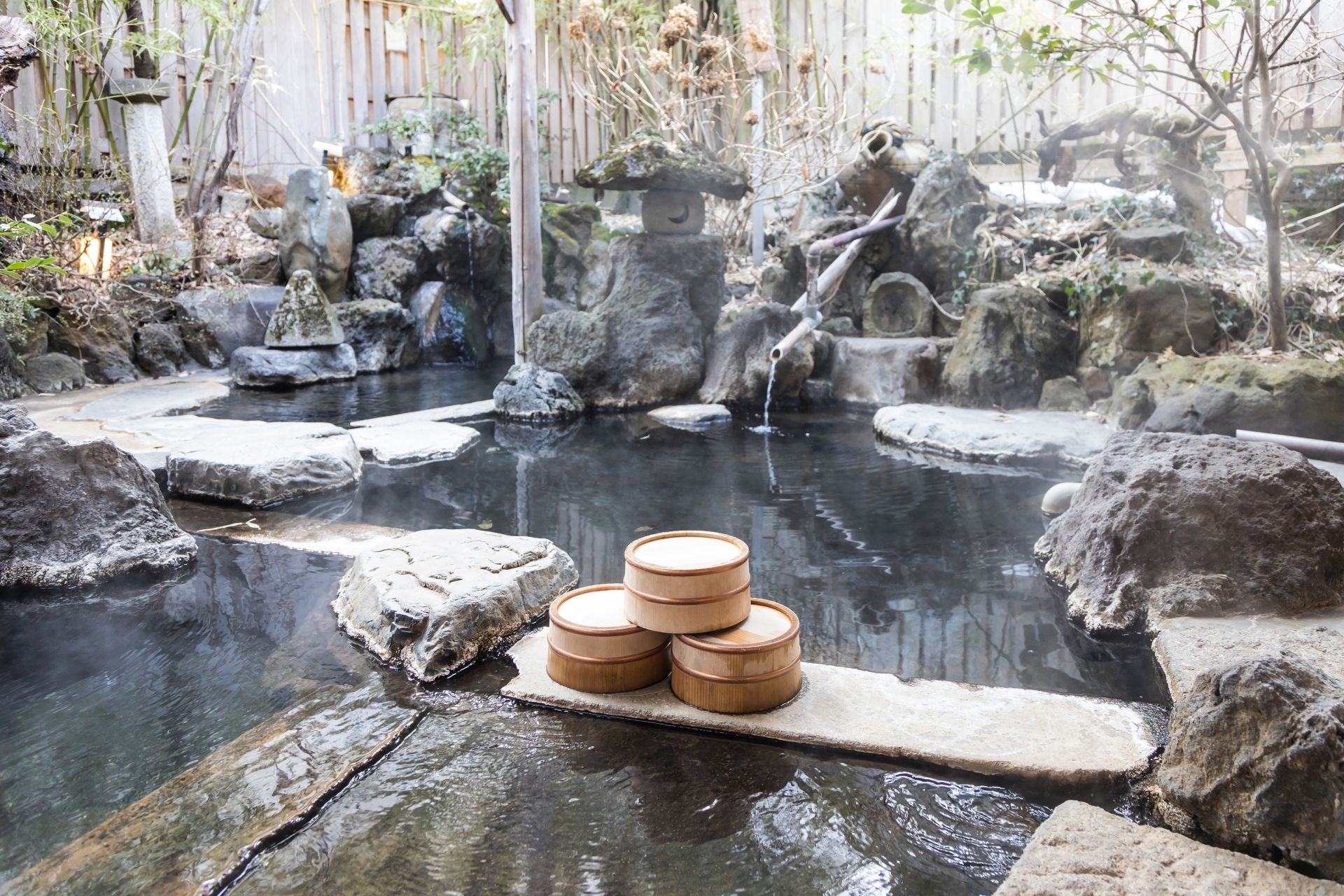
A visit to Jigokudani often connects with nearby hot spring towns like Shibu Onsen and Yudanaka Onsen.
Spending the day watching monkeys soak in mineral water and then ending the evening in a traditional ryokan bath is a very sought after travel experience. Wildlife in the morning, onsen at night.
When to Go — Seasonal Differences Explained
Timing changes the experience at Jigokudani Monkey Park more than most visitors expect. The monkeys are present year-round, but their behavior — and the scenery — shift dramatically with the seasons.
Choosing the right time depends on what you want to see.
Winter (December–February): The Classic Snow Monkey Scene
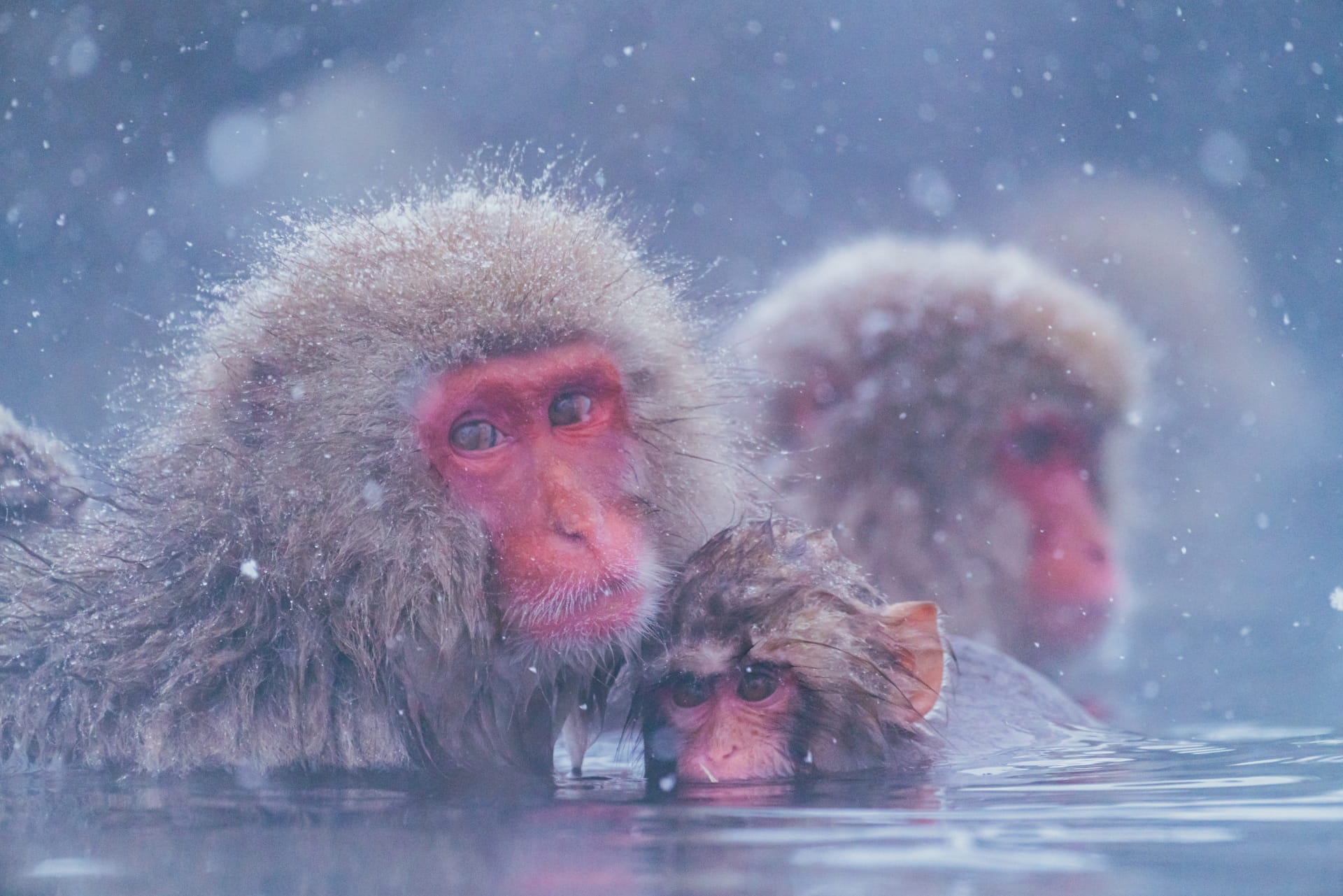
If your goal is the iconic image — macaques sitting in steaming water while snow falls — winter delivers.
Heavy snowfall blankets the valley, temperatures drop well below freezing, and the monkeys enter the hot spring more frequently to conserve body heat. This is the most photogenic period and also the busiest. Arriving early in the morning improves both lighting and crowd management.
Pros:
- Highest chance of seeing monkeys bathing
- Dramatic snow-covered landscape
- Peak photography conditions
Cons:
- Larger crowds
- Slippery forest trail
- Colder wait times outdoors
Spring (March–May): Fewer Crowds, Newborn Monkeys
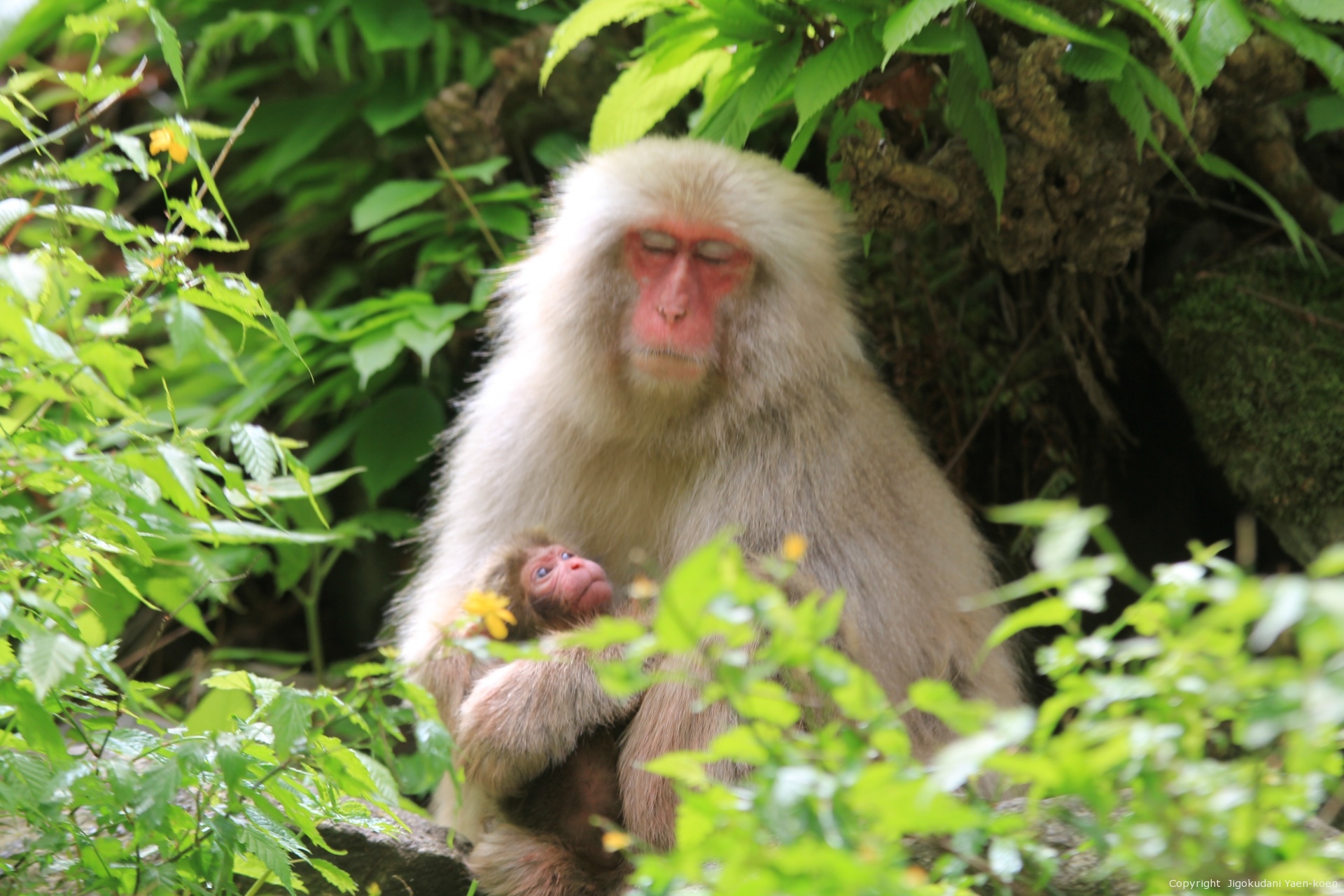
As temperatures rise, snow gradually melts and the forest begins to green. Spring is also birthing season, which means you may see baby macaques clinging to their mothers.
The hot spring remains in use, though less predictably than in deep winter.
Pros:
- Smaller crowds than peak winter
- Infant monkeys visible
- Milder hiking conditions
Cons:
- Less snow scenery
- Hot spring use varies depending on temperature
Summer (June–August): Active Forest Behavior
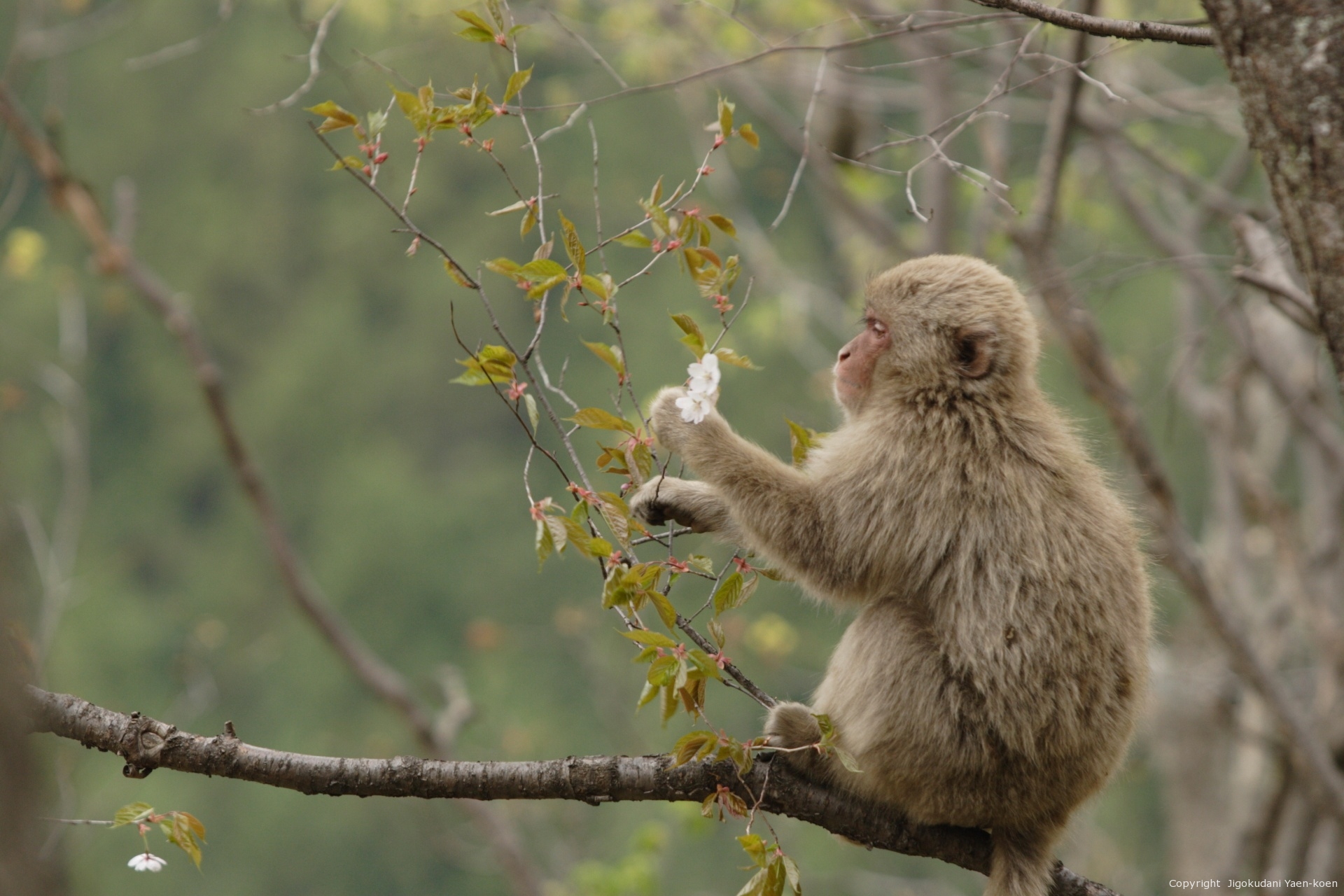
Summer changes the visual atmosphere completely. The valley turns lush and green, and the monkeys spend more time foraging and moving through the trees. They may still enter the hot spring occasionally, but it’s far less frequent. This season appeals more to visitors interested in wildlife behavior than winter imagery.
Pros:
- Lively monkey activity
- Fewer international tour groups
- Comfortable for extended observation
Cons:
- No snow backdrop
- Higher humidity
Autumn (September–November): Color and Calm
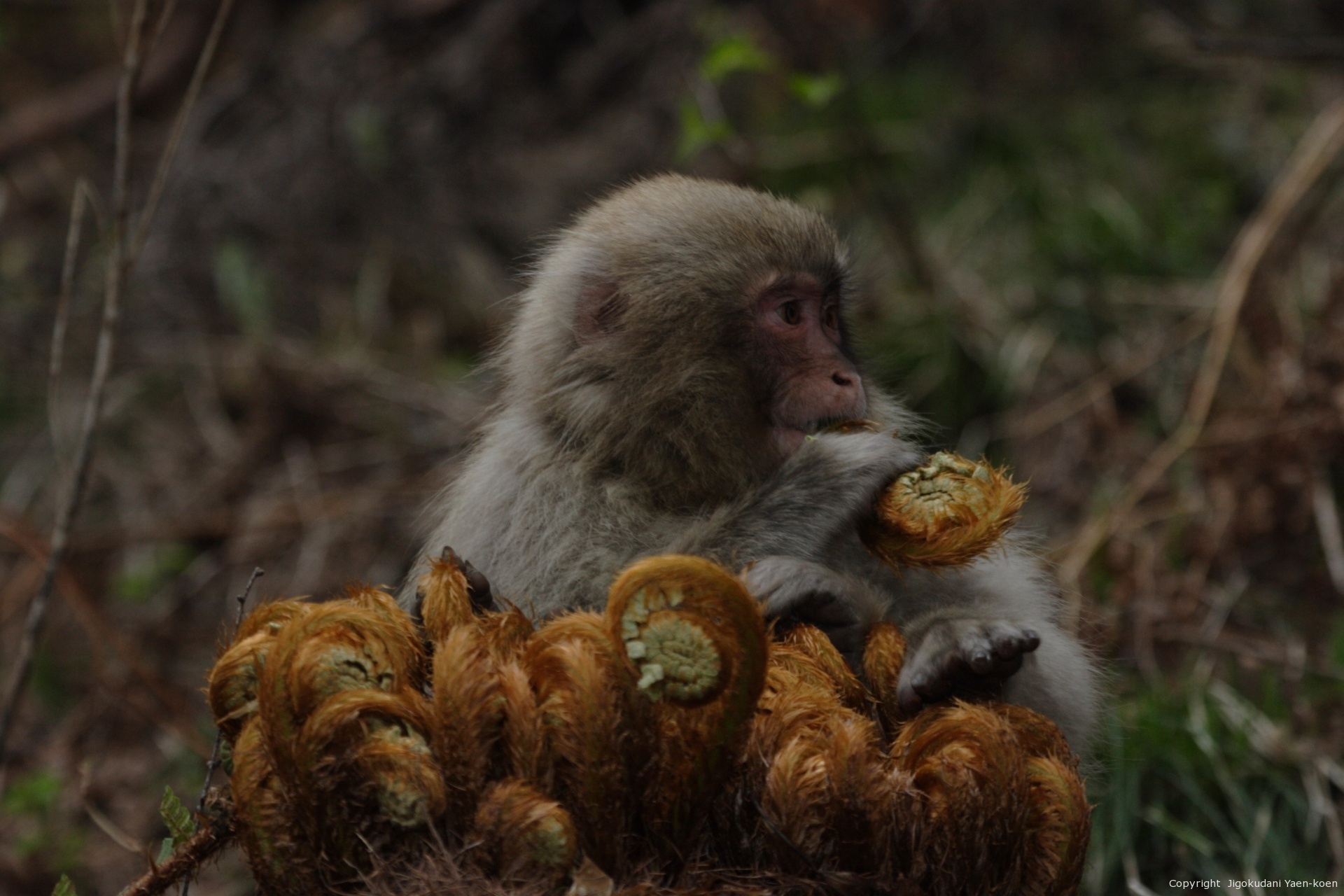
Autumn brings cooler temperatures and foliage in shades of red and gold. The macaques prepare for winter by feeding heavily, and the forest atmosphere becomes quieter. Hot spring bathing begins to increase again as temperatures drop.
Pros:
- Fall colors
- Moderate visitor numbers
- Comfortable walking conditions
Cons:
- Less predictable bathing activity than winter
So, When Is the Best Time?


If your priority is seeing monkeys soaking in snow, aim for January or February.
If you prefer fewer crowds and are interested in behavior rather than postcard shots, late spring or autumn can be a smarter choice.
The park operates year-round, but expectations should match the season. Snow monkeys exist in all weather — the dramatic winter imagery simply isn’t constant outside the coldest months.
Getting to Jigokudani Monkey Park
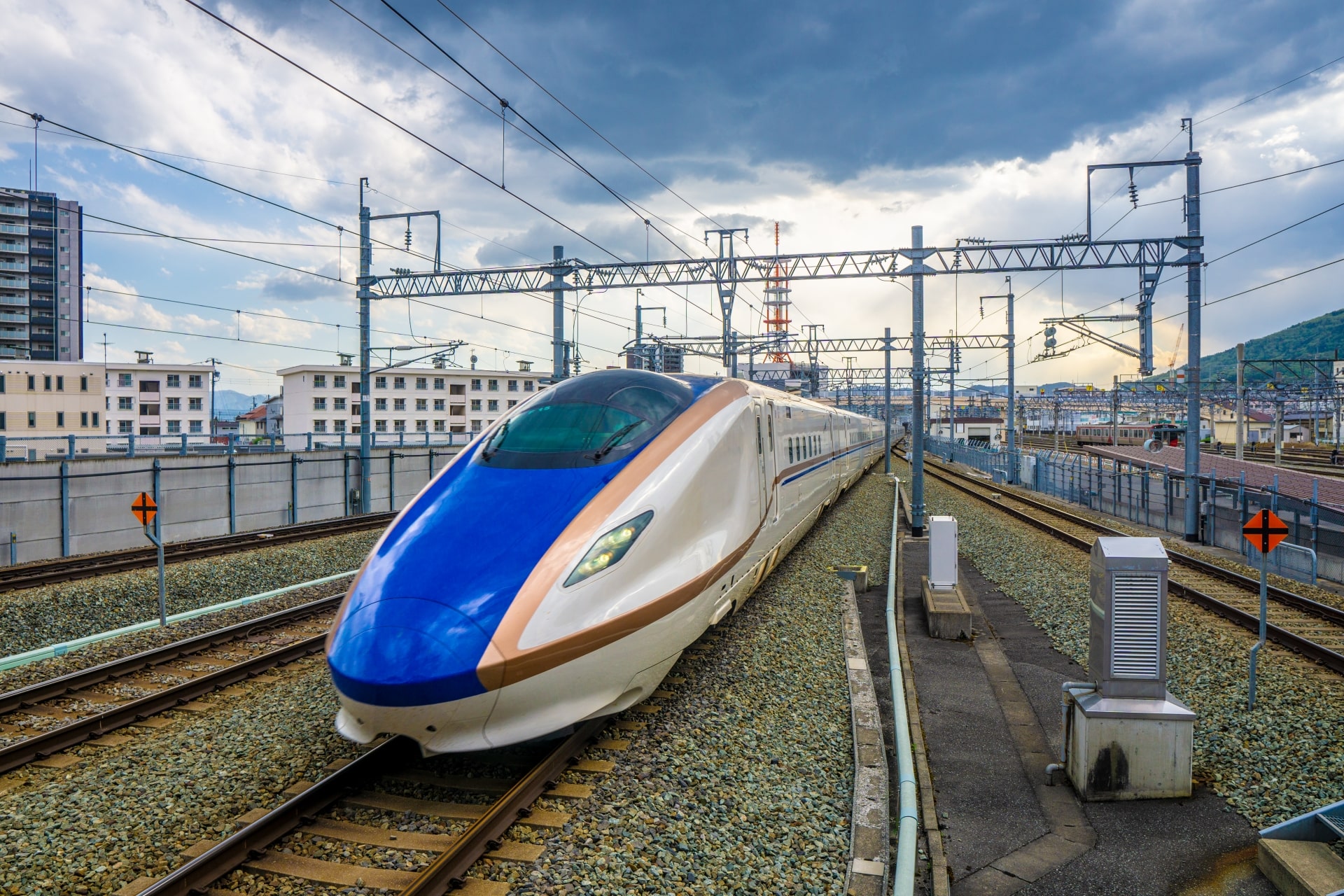
Access is straightforward, but it involves multiple steps. The park sits in the mountains above the onsen towns of Yamanouchi, so expect a train or bus connection followed by a short forest walk.
If you’re looking for a detailed, step-by-step breakdown from Tokyo, see our dedicated transport guide. See below for a quick overview:
From Tokyo
The most efficient route is:
- Hokuriku Shinkansen from Tokyo to Nagano (about 90 minutes)
- Express bus to the Snow Monkey Park stop (about 45 minutes)
From the final bus stop, it’s a 25–40 minute forest trail walk to the entrance.
From Nagano City
- Train + Bus: Nagano Electric Railway to Yudanaka Station (~45 min), then local bus to the park stop.
- Direct Bus: Shiga Kogen Line from Nagano Station East Exit (~45 min).
By Car
- From Shinshu-Nakano IC on Joshin-etsu Expressway, it’s roughly a 20–30 min drive to parking near Kanbayashi Onsen.
- A closer parking lot (¥500) is available seasonally; the free main lot requires a longer walk.
The Final Stretch: The Forest Trail
From the bus stop or parking area, a forest trail of about 25–40 minutes leads to the park entrance. It’s well marked but can be slippery in winter, so proper footwear is essential.
Admission & Opening
The park is simple in structure, but conditions change with the seasons.
Opening Hours
- April–October: 8:30 AM – 5:00 PM
- November–March: 9:00 AM – 4:00 PM
Last entry is typically about 30 minutes before closing. Hours may shift slightly in severe weather, especially during heavy snowfall.
The park is generally open year-round and does not have regular closing days. However, it may close without notice if weather conditions become too unsuitable for a visit.
Admission Fees
- Adults (18+): ¥800
- Children: ¥400
Tickets are purchased at the entrance after completing the forest trail. There is no timed-entry system; visitors can enter at any time during operating hours.
How Long to Budget
Most visitors spend:
- 30–60 minutes inside the park itself
- Plus 25–40 minutes walking each way on the forest trail
In total, plan for at least 2–3 hours including transport buffer time.
If combining the visit with nearby onsen towns like Shibu Onsen or Yudanaka Onsen, allow half a day.
Facilities On Site
The park facilities are intentionally minimal:
- Restrooms near the entrance
- A small souvenir shop
- Basic indoor shelter areas
There are no large restaurants or cafés inside the park area. It’s best to eat before or after your visit.
What to Bring
The park is not technically difficult to navigate, but winter conditions demand proper preparation:
- Waterproof shoes with grip (essential in winter)
- Warm layers in cold months
- Camera with extra battery or external batteries for your smartphone (cold drains power quickly)
- Small backpack as hands-free walking is easier
What to Expect Inside Jigokudani Monkey Park
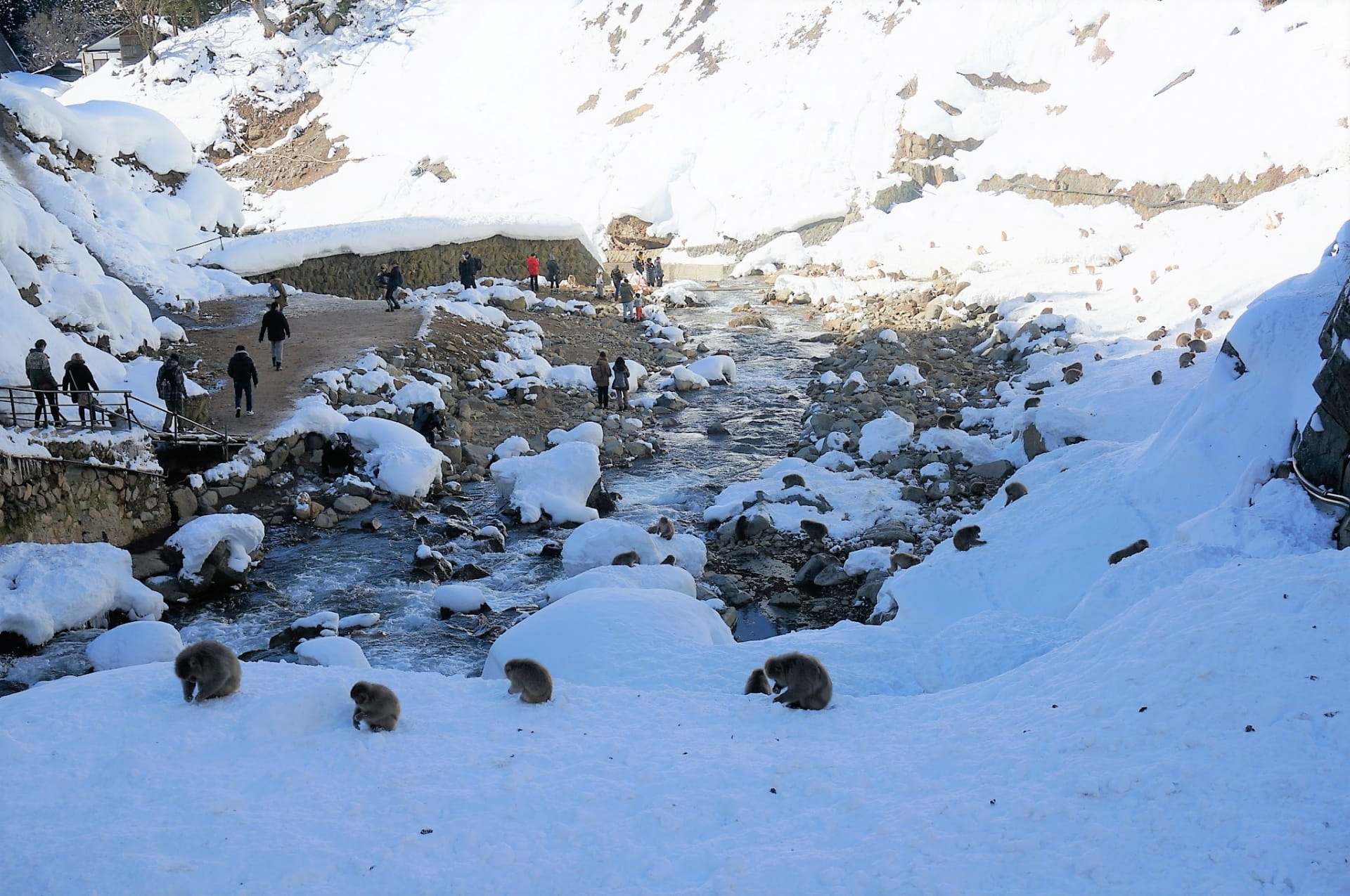
Inside the park itself, expect minimal infrastructure: there are trails and vantage points, but no large buildings or cafés inside the observation area. A small souvenir shop and visitor facilities are usually found near the entrance area after the forest walk. Don’t forget the park is a small wildlife observation zone, and the layout, rules, and animal behavior all reflect that reality.
A Forest Approach Leads to Free-Roaming Monkeys
Before you even reach the monkeys, you’ll walk a 1.6 km unpaved forest path through tall trees and along a mountain stream. The trail from the parking area or bus stop to the park entrance normally takes 25–30 minutes each way and becomes icy or muddy in winter and wet seasons, so solid footwear is recommended.
Monkeys at Ground Level and Hot Springs
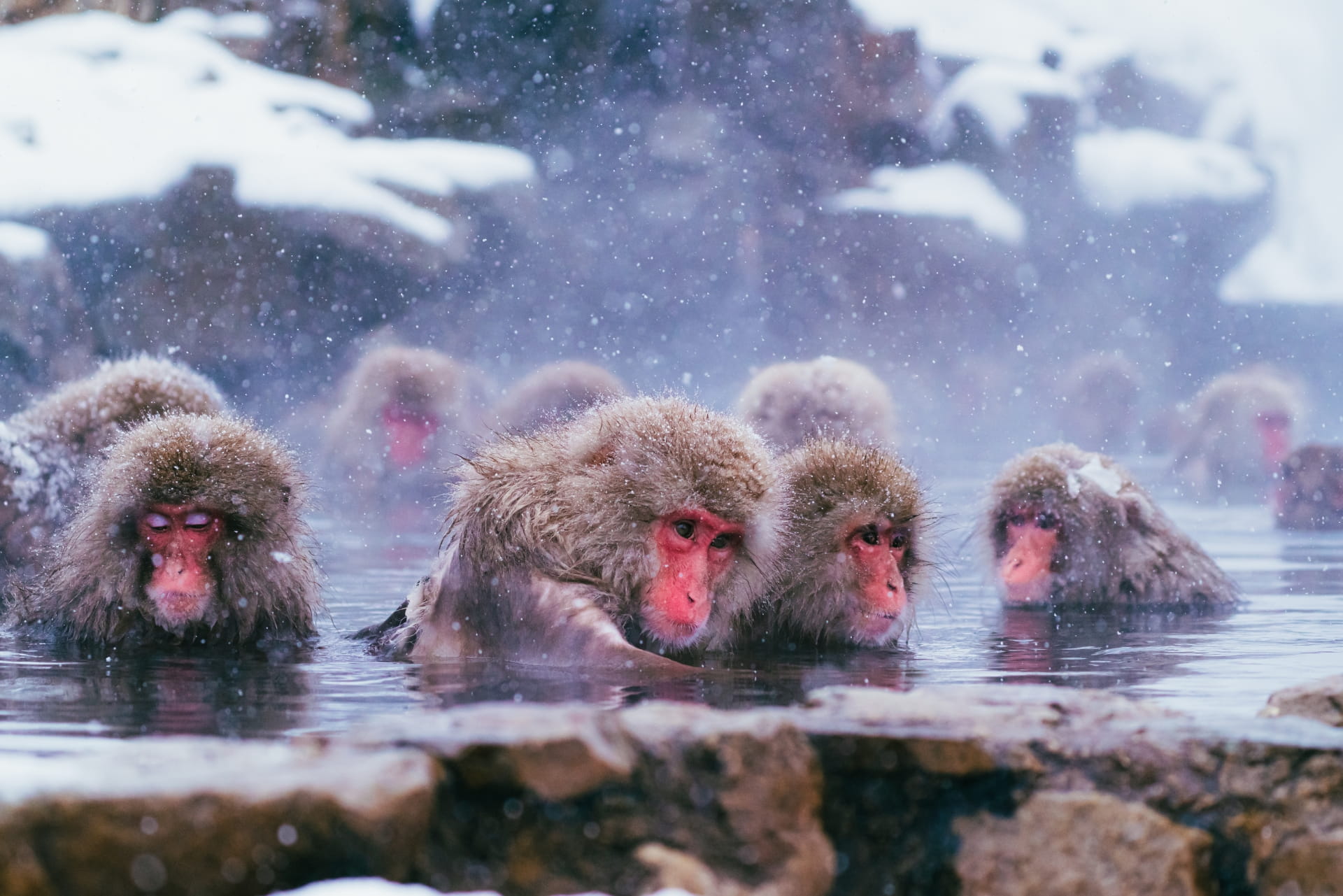
Once inside the park boundary, you’ll find Japanese macaques (Macaca fuscata) roaming freely along the riverbank and around the hot spring area. There are no cages, fences, or enclosures separating them from your viewing paths. The monkeys tend to keep to their own routine, and visitors often watch them:
- Socializing (grooming, playing, establishing hierarchy)
- Feeding on natural foods or supplementary feeds provided by staff
- Soaking in the hot springs, especially on cold days
During winter, hot spring bathing is most frequent as the macaques seek warmth in temperatures that often dip well below freezing.
The trails and small observation areas are set at ground level, so you’ll see monkeys moving around within a few meters, sometimes at eye level, but the key is patience and quiet observation.
Rules and Safety Considerations
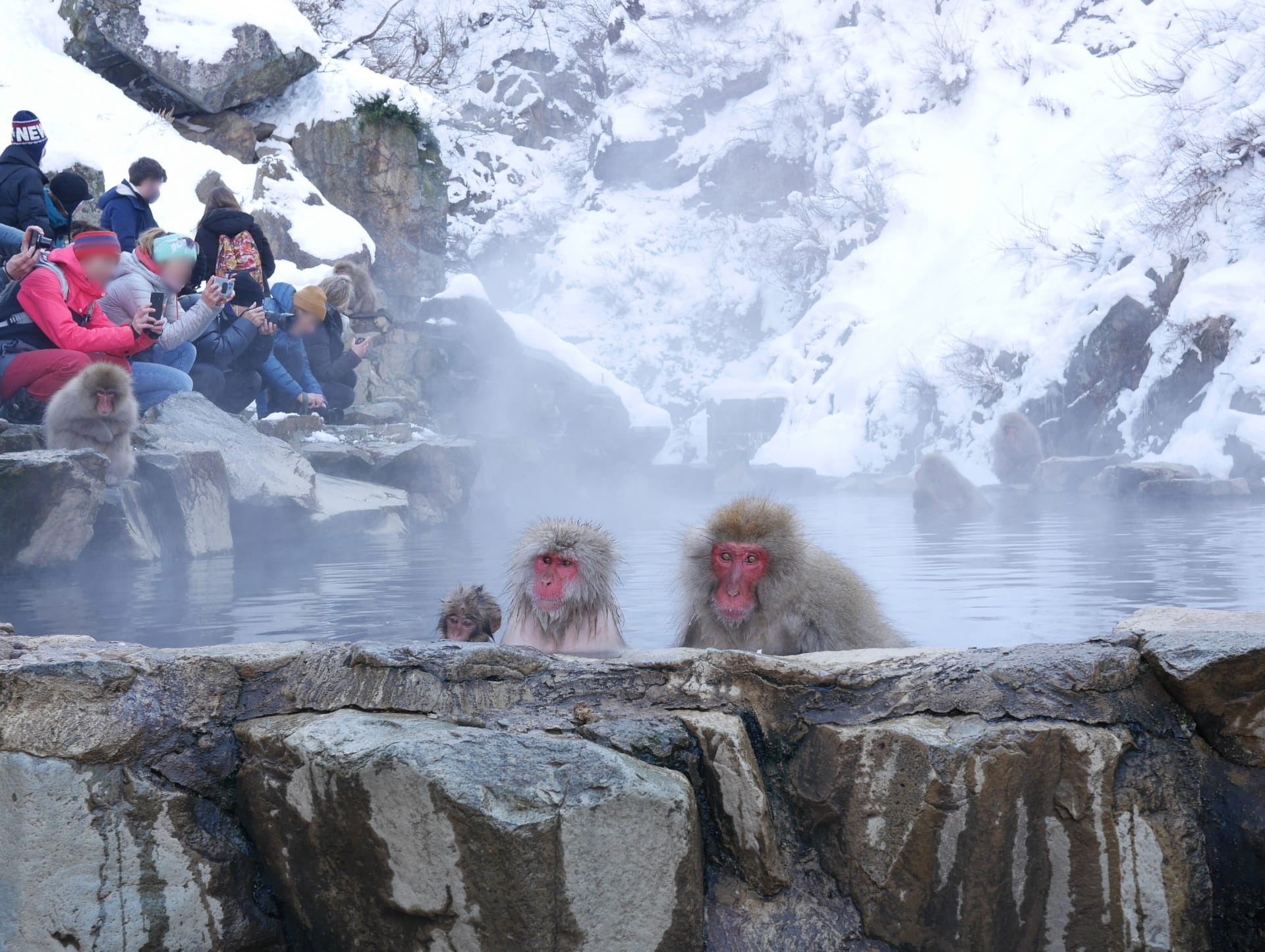
Because there are no physical barriers between monkeys and visitors, observing rules is essential for safety and animal welfare. Basic expectations include:
- Do not feed or touch the monkeys. The macaques are wild creatures, not domesticated animals. Human food disrupts their diet and feeding behavior. And even calm-looking individuals can react defensively if they feel threatened.
- Keep your distance. Again, monkeys are wild. Despite this, they’re generally used to people in this area, and they may walk past your feet or sit near the viewing path. However, we should never approach them.
- Avoid direct eye contact and sudden movements. In macaque social behavior, sustained eye contact can signal aggression. Staring directly into a monkey’s eyes may provoke a reaction.Observe calmly and use your peripheral vision when they are close.
- No selfie sticks, drones, or flash photography. Drones are strictly prohibited. They disturb wildlife and disrupt the park’s natural environment. Selfie sticks and flashes are also restricted, as sudden movements and bright light can stress the animals.
- Do not eat or drink in the park. Carrying visible food will attract unwanted attention.
The official park site emphasizes that violating these guidelines can endanger both visitors and animals, and staff may intervene or ask non-compliant visitors to leave.
Tips for Photography & Best Views at Jigokudani Monkey Park
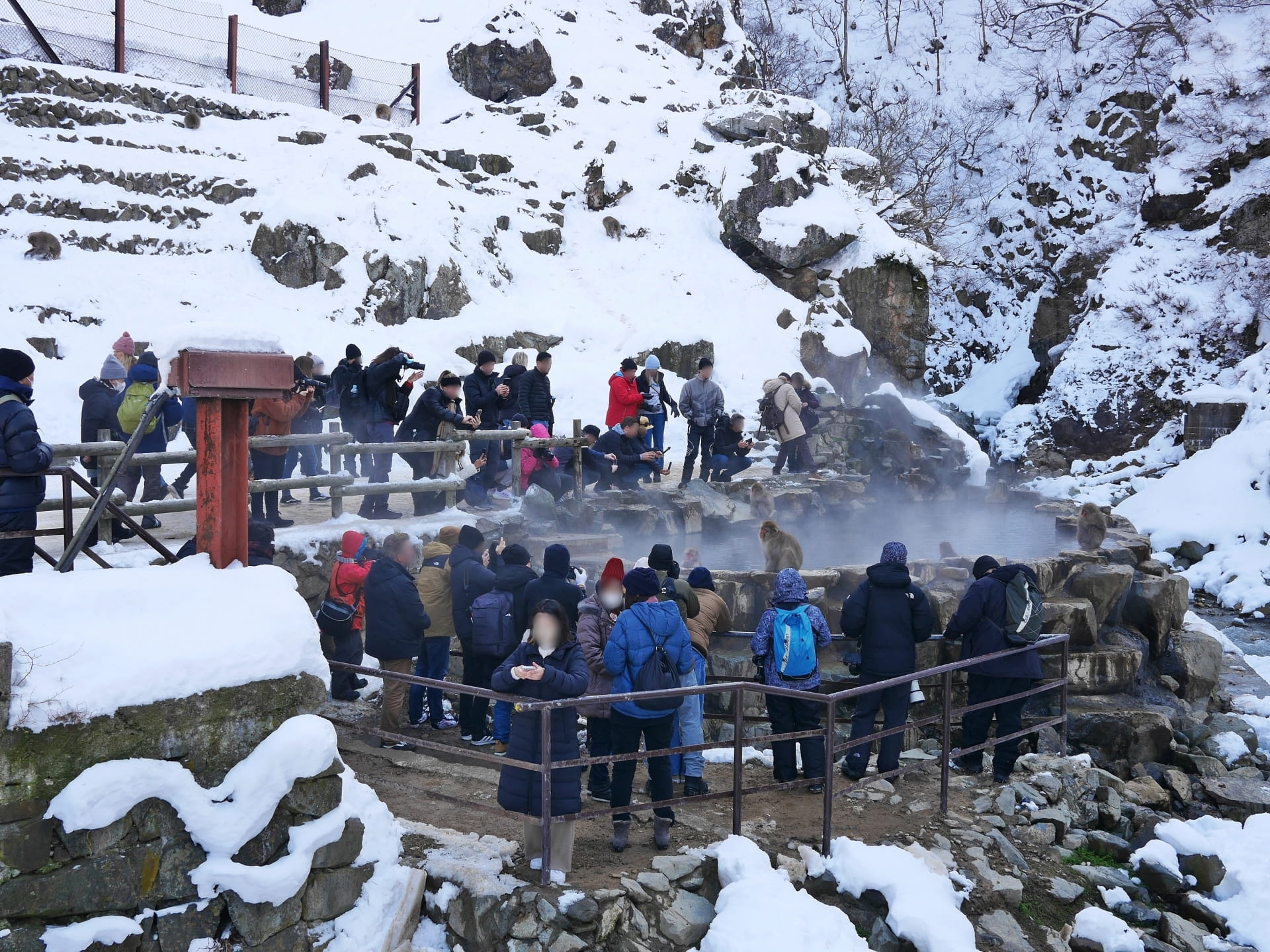
Photographing the macaques at Jigokudani Monkey Park is one of the main reasons many visitors make the trip. The setting does much of the work for you: steam, snow, forest, expressive faces; but a little planning makes a noticeable difference. And once there, just make sure not to block the view for others and avoid occupying the same spot for too long.
Arrive Early for Light and Space
Morning offers two advantages:
- Softer, more directional light
- Fewer visitors around the hot spring
By late morning and early afternoon, especially in winter, the viewing area becomes significantly more crowded. Early arrival improves your angles and reduces distractions in the frame.
On snowy days, continuous light snowfall creates the most atmospheric shots. Clear blue skies can be beautiful, but steam and falling snow add depth.
Use a Zoom or Telephoto Lens
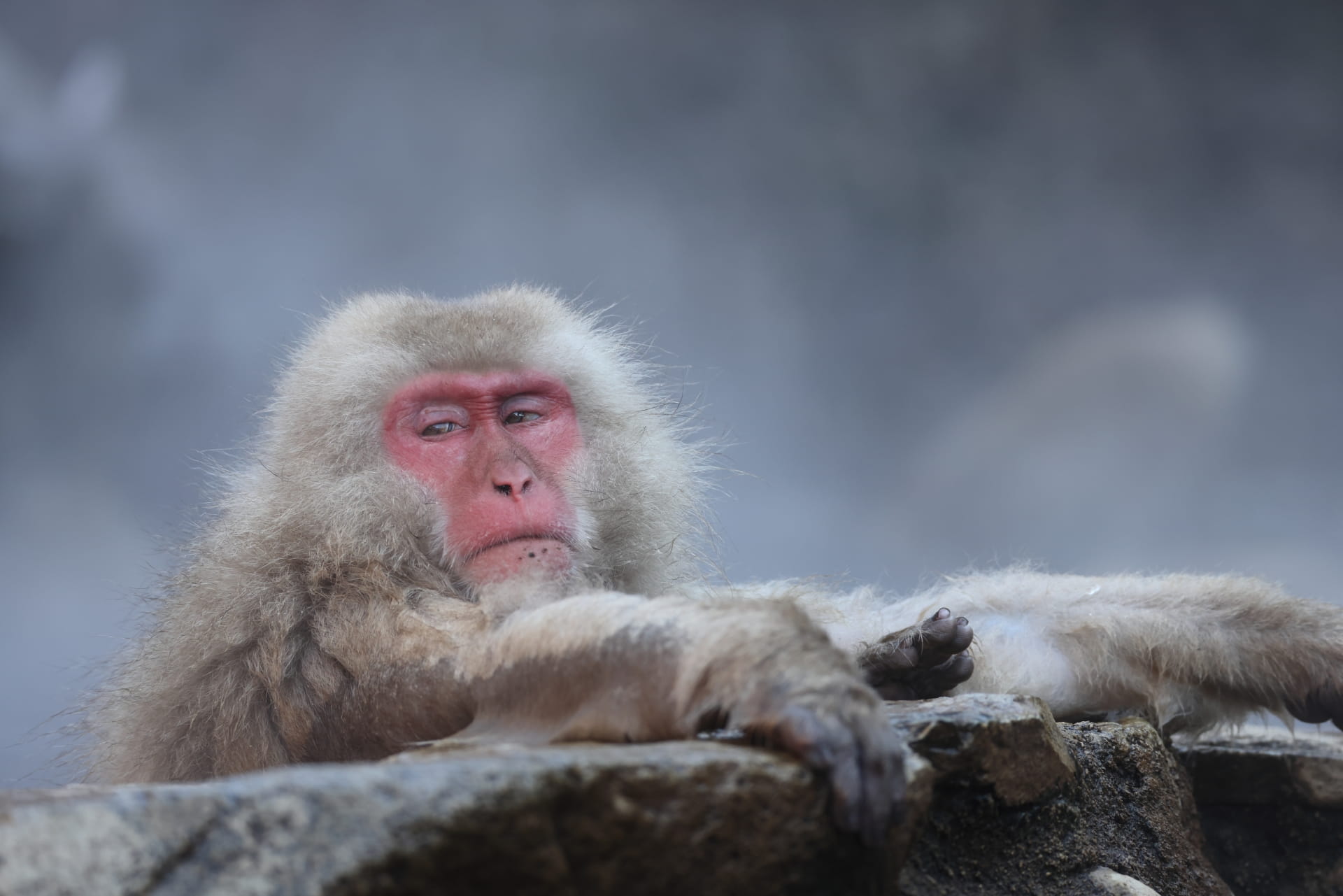
While monkeys often come close to the viewing path, maintaining distance is important.
A 70–200mm or 100–400mm lens (or equivalent zoom range) allows you to:
- Capture facial expressions
- Isolate individuals within a group
- Frame monkeys in the hot spring without stepping closer
Avoid the temptation to move in for a wider selfie-style shot. The strongest images usually come from observing quietly and letting behavior unfold.
Focus on Behavior, Not Just Bathing
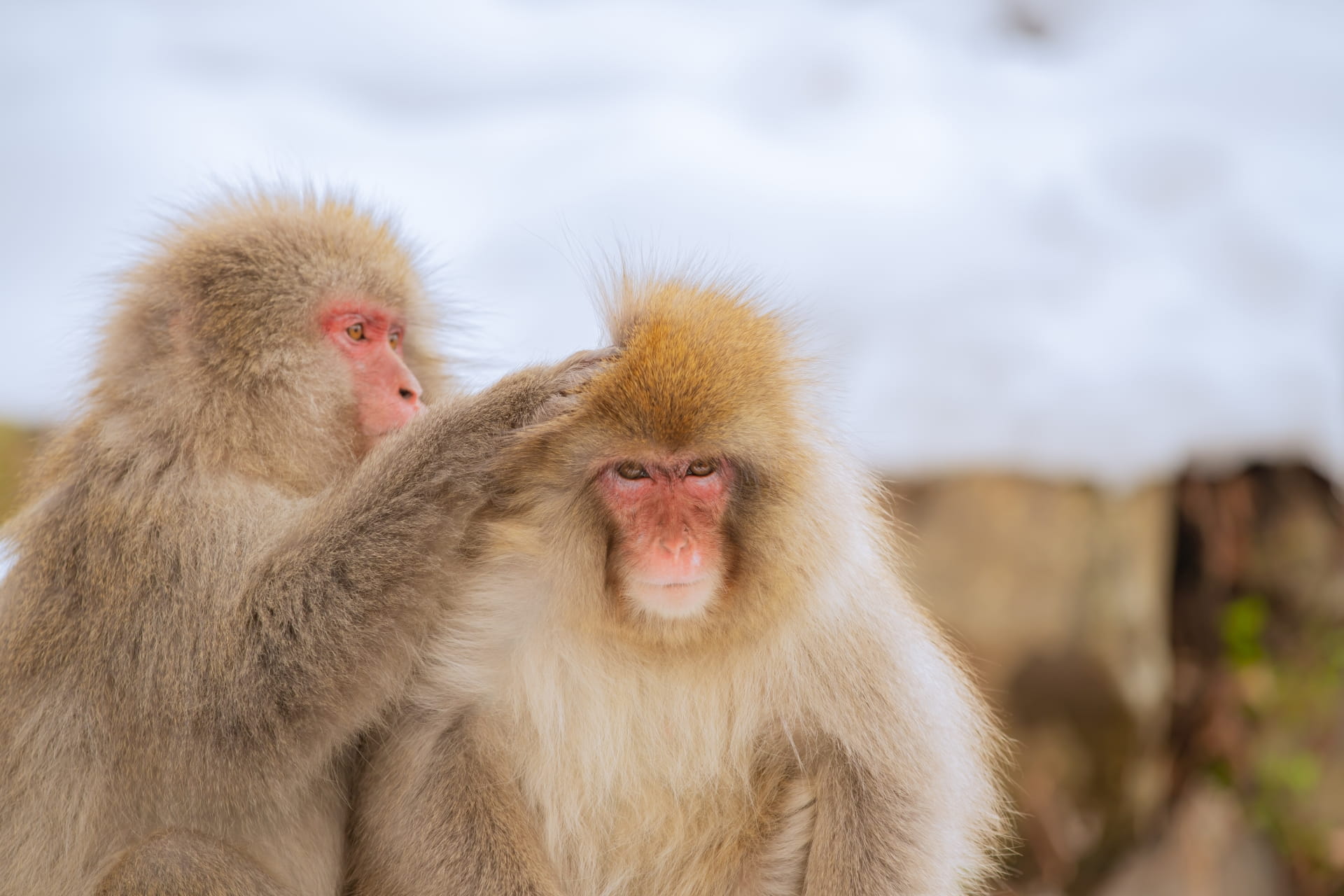
Winter bathing scenes are iconic, but compelling images also come from:
- Grooming interactions
- Mothers holding infants
- Playful juveniles
- Steam rising off wet fur
- Monkeys perched in trees above the river
In warmer seasons, the hot spring may not be heavily used. That doesn’t mean there’s nothing to photograph, as forest activity is also a good opportunity for dynamic shots.
Positioning Around the Hot Spring
The main pool is the visual center, but it’s not the only vantage point.
- Shooting slightly lower than eye level creates intimacy.
- Framing through branches can add depth.
- Waiting for steam movement can soften backgrounds naturally.
Be patient. Monkeys enter and leave the pool unpredictably. Staying still often produces better results than constantly repositioning.
Protect Your Equipment in Winter
Cold temperatures drain batteries quickly. Bring at least one spare and keep it warm in a pocket.
Snow and condensation are common. When moving from cold outdoor air into warm indoor areas (like the souvenir shop), seal your camera in a bag to prevent moisture buildup on the lens and sensor.
After the Park: What to Do Nearby
A visit to Jigokudani Monkey Park rarely stands alone. The surrounding area in Yamanouchi and northern Nagano offers enough to turn a short wildlife stop into a full mountain escape.
Here’s how most travelers extend the experience:
Stay Overnight in Shibu Onsen
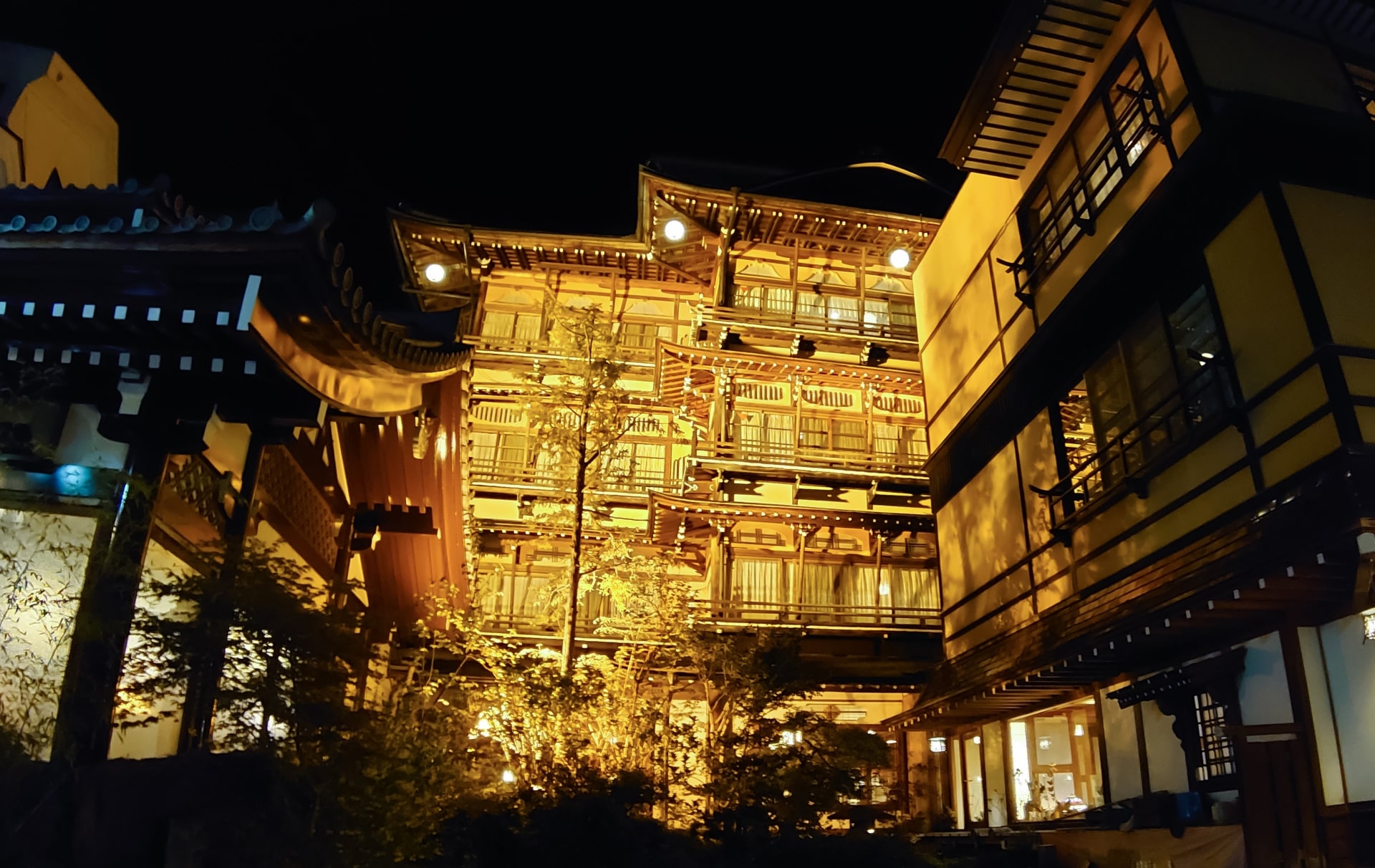
Shibu Onsen (渋温泉) is a historic hot spring town just below the park. Narrow lanes, wooden ryokan, and public bathhouses give it a preserved early-20th-century atmosphere.
Many visitors pair the monkey park with a traditional ryokan stay, multi-course kaiseki dinner, and access to the town’s nine public bathhouses. The contrast is satisfying: watching macaques soak in the morning, then relaxing in mineral water yourself in the evening.
Relax in Yudanaka Onsen
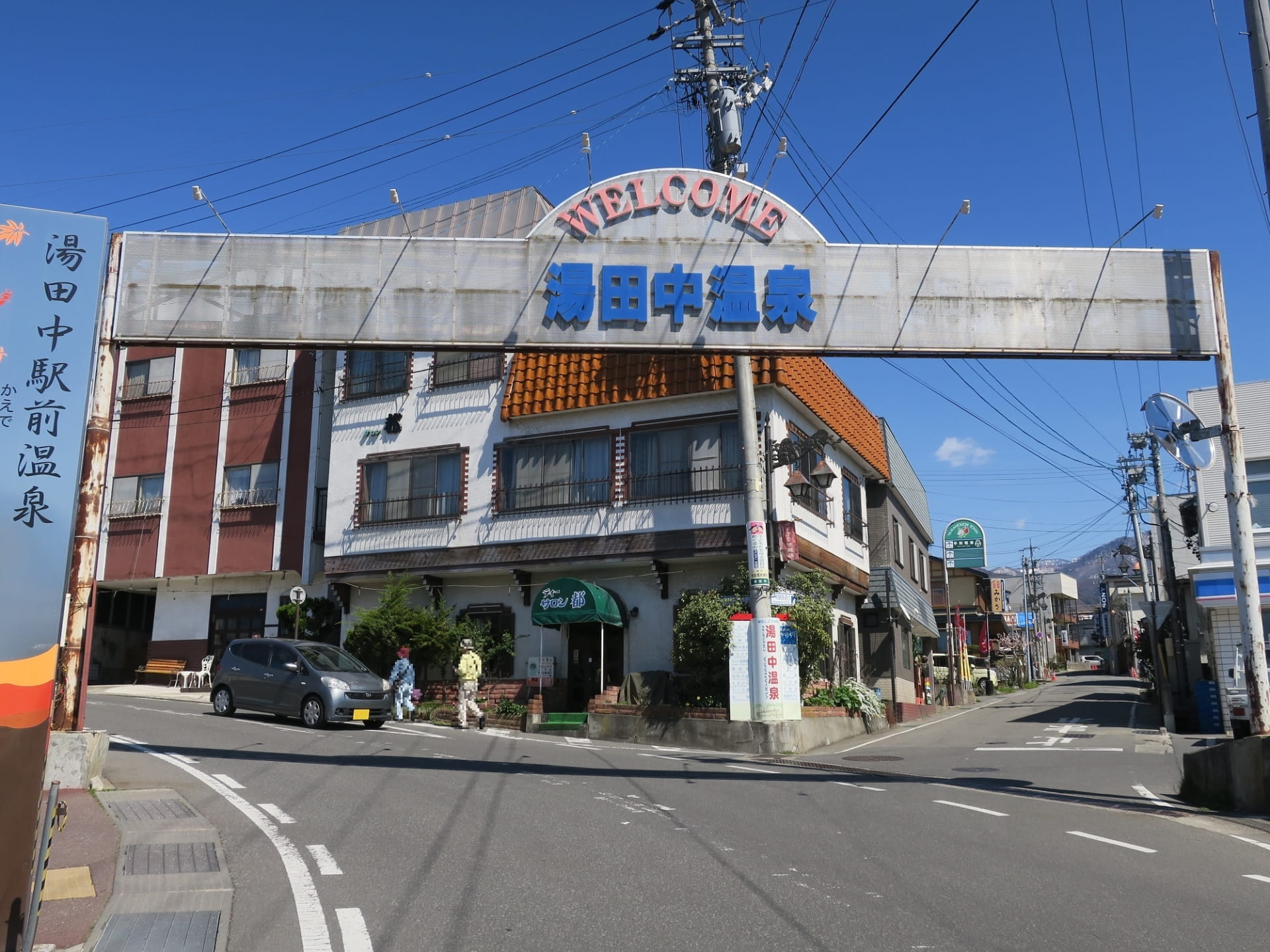
Yudanaka is slightly larger and more modern than Shibu, with easier train access via Yudanaka Station. It’s a practical base if you’re arriving by Nagano Dentetsu train, you prefer a wider range of accommodation styles or you want simpler logistics for an early park visit. Also, some hotels here may offer shuttle services toward the park access area in winter. Check in advance just in case as availability may vary.
| Access |
Via Yudanaka Station |
|---|
Ski or Snowboard at Shiga Kogen
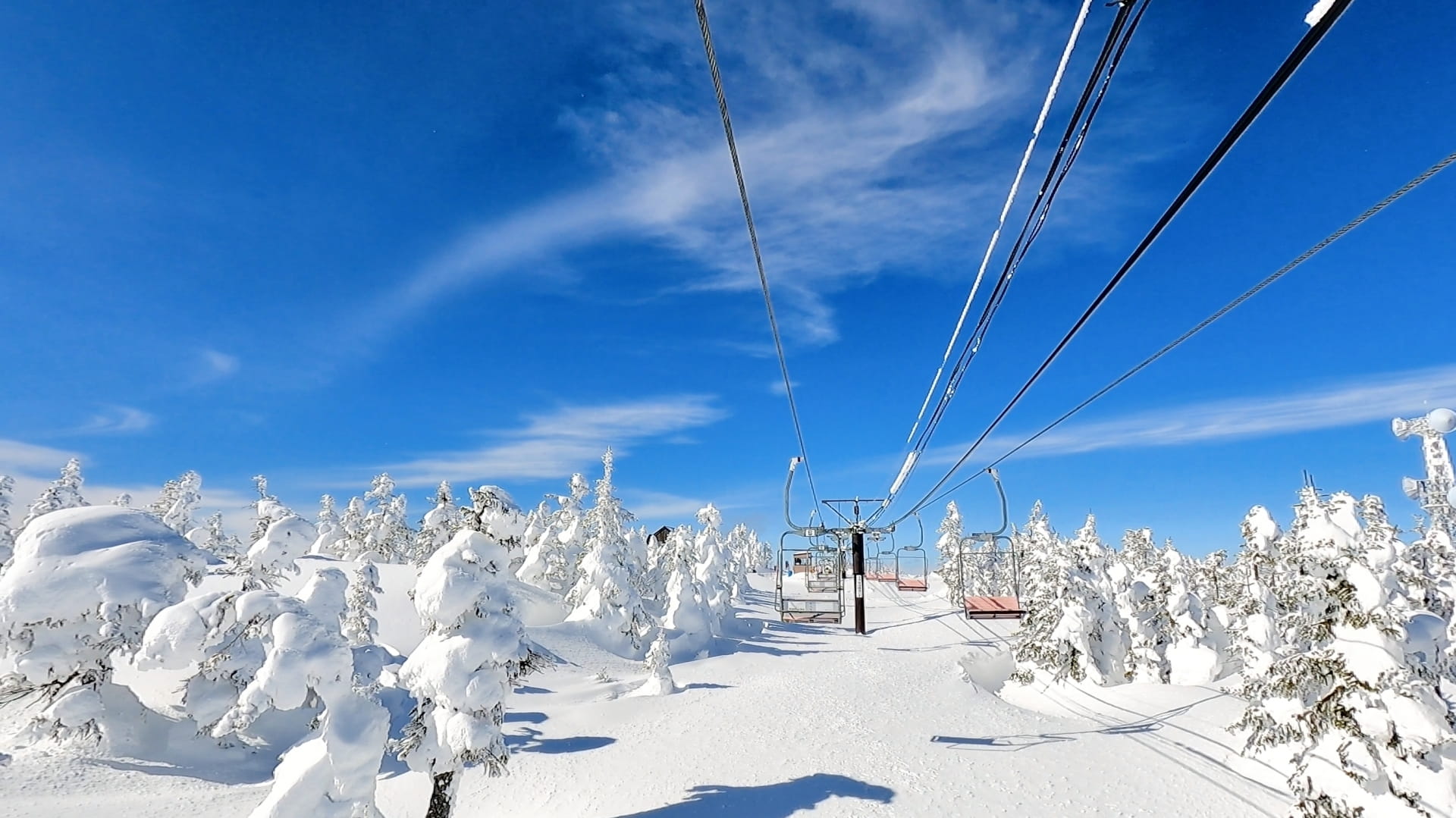
In winter, the monkey park is often combined with skiing at Shiga Kogen (志賀高原), one of Japan’s largest ski areas.
The resort complex includes multiple interconnected ski fields and was a venue during the 1998 Nagano Winter Olympics. Snow conditions are generally reliable thanks to elevation and inland snowfall patterns.
A common winter itinerary often includes a morning at the monkey park, afternoon skiing, and evening onsen. It’s an efficient way to experience wildlife, winter sports, and hot springs within a compact geographic area.
Explore Nagano
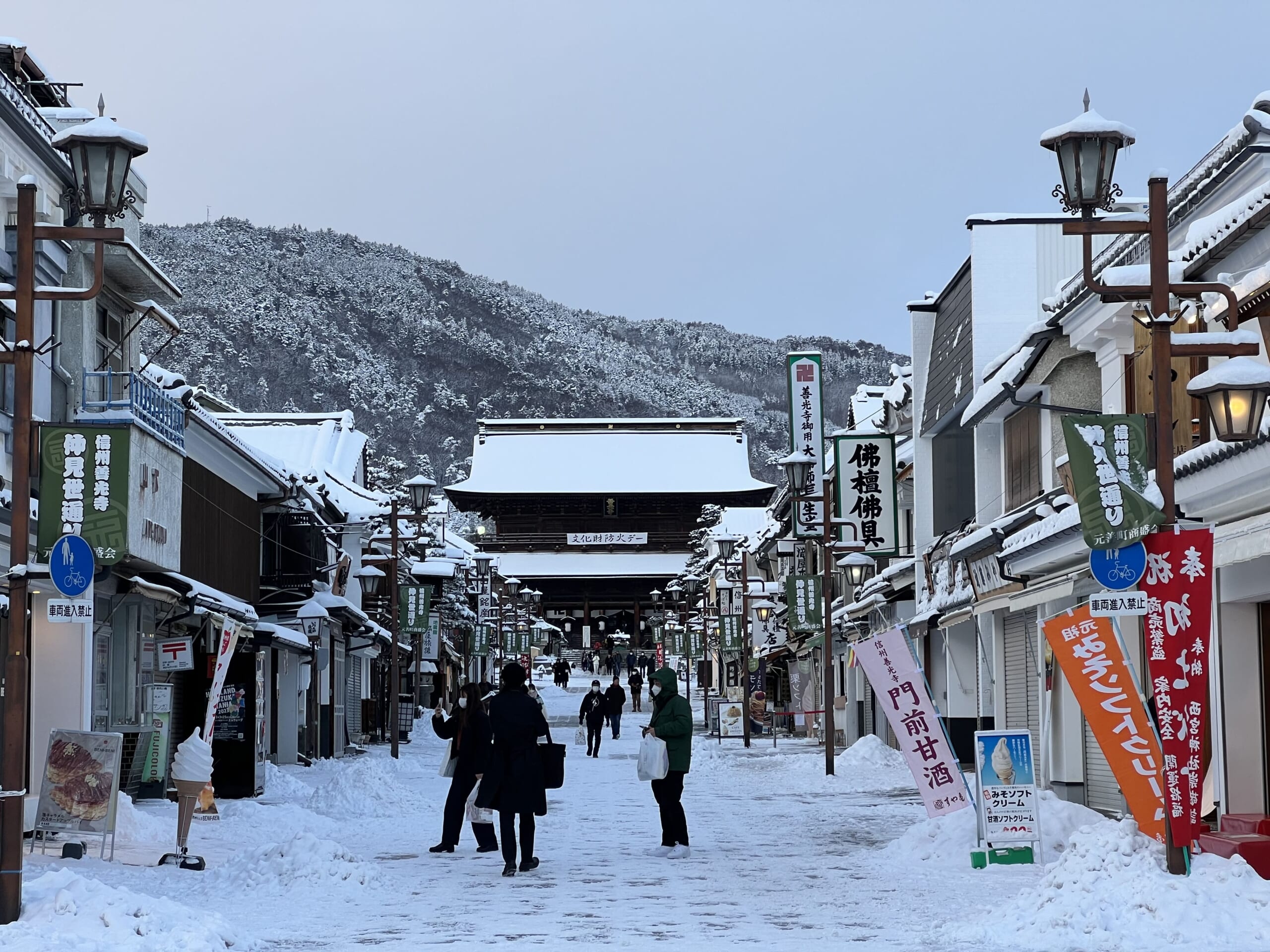
If you’re passing through Nagano City, consider visiting Zenko-ji, one of Japan’s most important Buddhist temples. The temple complex provides cultural balance to the nature-heavy experience of Jigokudani. It also makes logistical sense, as most routes from Tokyo pass through Nagano Station.
Jigokudani Monkey Park delivers exactly what its reputation promises: wild Japanese macaques in a dramatic mountain setting, and the experience becomes much more rewarding with appropriate preparation. Plan it properly, arrive early, respect the rules, and you’ll leave with a wildlife encounter that still feels unscripted. A small treasure in modern travel nowadays.
Looking for more winter-themed inspiration? Look no further!
Written by
Photographer, journalist, and avid urban cyclist, making sense of Japan since 2017. I was born in Caracas and lived for 14 years in Barcelona before moving to Tokyo. Currently working towards my goal of visiting every prefecture in Japan, I hope to share with readers the everlasting joy of discovery and the neverending urge to keep exploring.
- +0 0
-
-