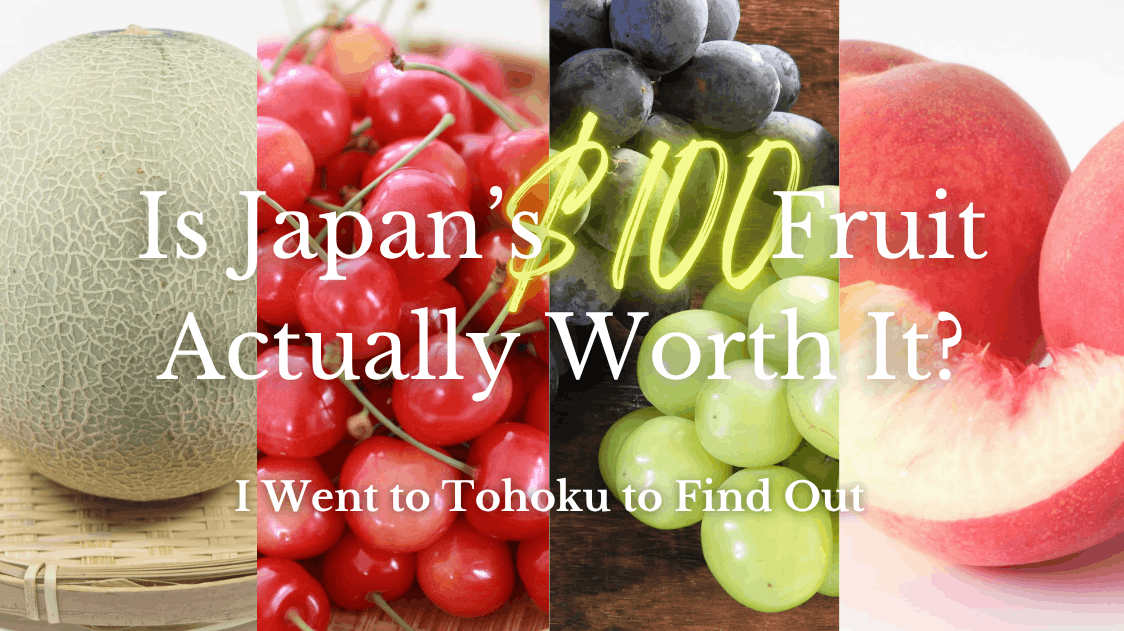
Is Japan’s $100 Fruit Actually Worth It? I Went to Tohoku to Find Out
Why Japan's legendary luxury fruit tastes best where it's grown—and why Tohoku is the perfect place to experience it.

- +1 1
-

-


Not at the gift counter — but absolutely at the source. Welcome to Tohoku, Japan’s fruit treasure trove, and a new way to travel: Fruit Tourism.
You’ve seen the photos. A single muskmelon for $100. One strawberry, white as snow, for the price of a nice lunch. A perfect apple, glowing under department-store lights, wrapped like jewelry, for $20. And you’ve thought what every sane person thinks: who on earth pays that — and could it possibly be worth it?
I thought the same. So I went looking for the answer. And the first thing I learned is that the question itself is a trap.
Here’s the secret nobody tells you in Tokyo’s glittering depachika food halls: that $100 melon isn’t priced as fruit. It’s priced as a gift. In Japan, premium fruit is jewelry — given to a boss, a host, a friend in hospital, wrapped in a wooden box and a ribbon. Judging it by the gift-shop price tag is like judging a country’s wine by the bottle in airport duty-free. You’re looking in the wrong place.
The right place is where the fruit actually comes from. And almost none of it comes from Tokyo.
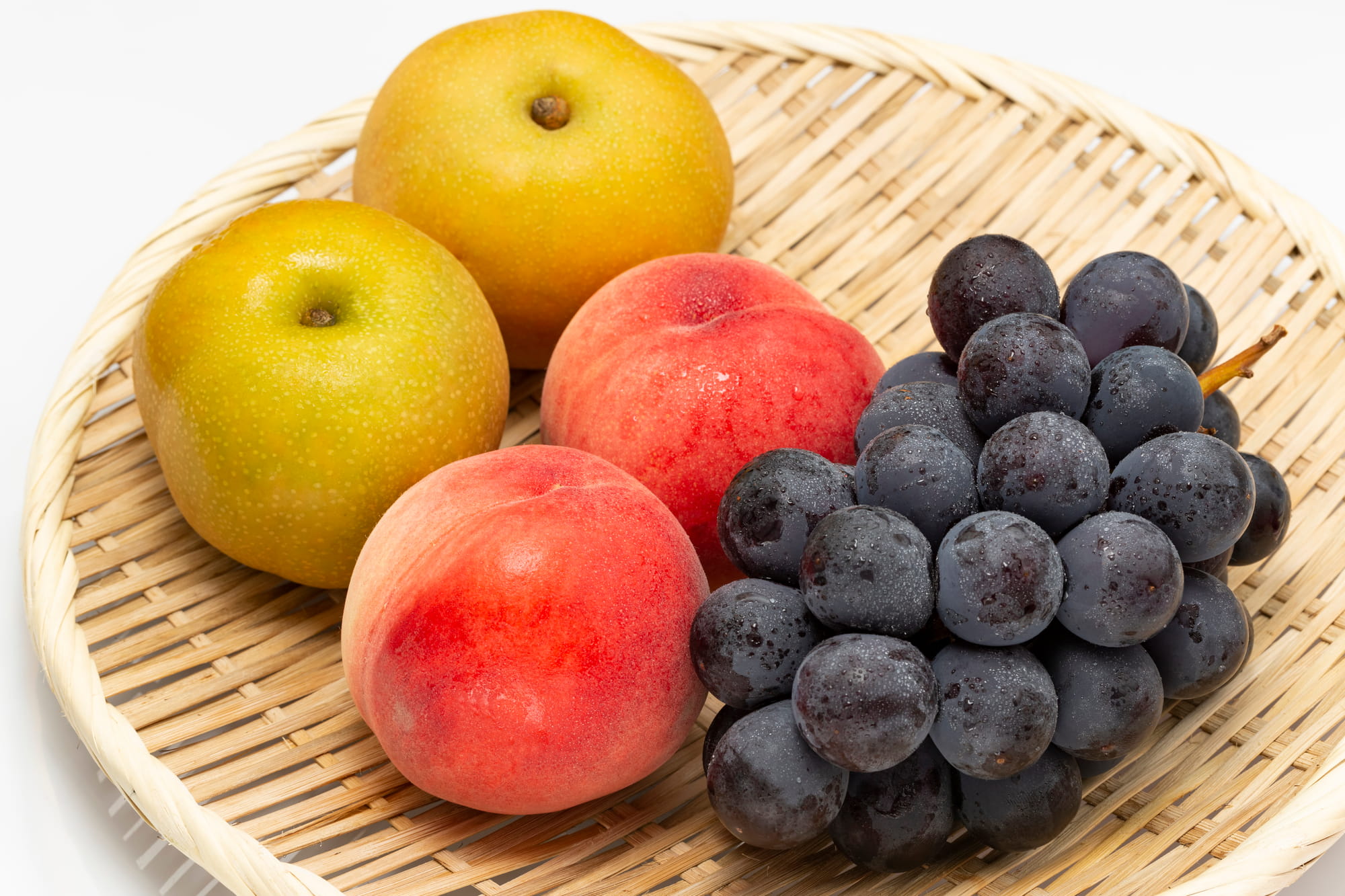
It comes from the north. From Tohoku — a quiet, green, gloriously underrated region two to three hours up the bullet-train line, where Japan grows the fruit the rest of the country treats like treasure. The most prized cherry in Japan. “The world’s best apple.” Peaches so perfect they’re wrapped on the branch while still growing. And here’s the part that changes everything: at the source, in an orchard, that same world-class fruit is all-you-can-eat for about ¥2,000.
That’s where the answer flips from “who would pay that?” to “how did I not know about this?” And it’s the beginning of a way to see Japan that almost no foreign visitor has discovered. Call it Fruit Tourism — where the season is your itinerary, the bullet train is your road, and the orchard is the destination.
Why the “worth it” question is a trap
In most of the world, fruit is a snack you grab without thinking. In Japan, premium fruit is a different object entirely. It’s a formal gift — for a wedding, a hospital visit, a thank-you to someone you respect — and an entire luxury industry exists to make it flawless. Growers use a “one tree, one fruit” method, cutting away every other bud so a single melon gets everything. Each one is hand-checked, sugar-tested, sometimes given a little hat to prevent sunburn, and polished by hand.
So when you see a $100 melon in a Ginza basement, you’re not looking at expensive food. You’re looking at a gift wrapped in fruit skin.
The good news for travelers: everyday Japanese fruit is not like that. A supermarket pack of strawberries or a summer peach costs a few hundred yen — more than back home, yes, but a world away from the gift tier. The luxury price and the everyday price are two different planets, and the famous “$100 fruit” headlines blur them together.
Which means the honest answer to “is it worth it?” is: not at the gift counter — but absolutely at the source. And the source is Tohoku.
Tohoku: Japan’s fruit treasure trove
Run a finger up the bullet-train map north of Tokyo and you pass, prefecture by prefecture, the home of nearly every fruit Japan is famous for:
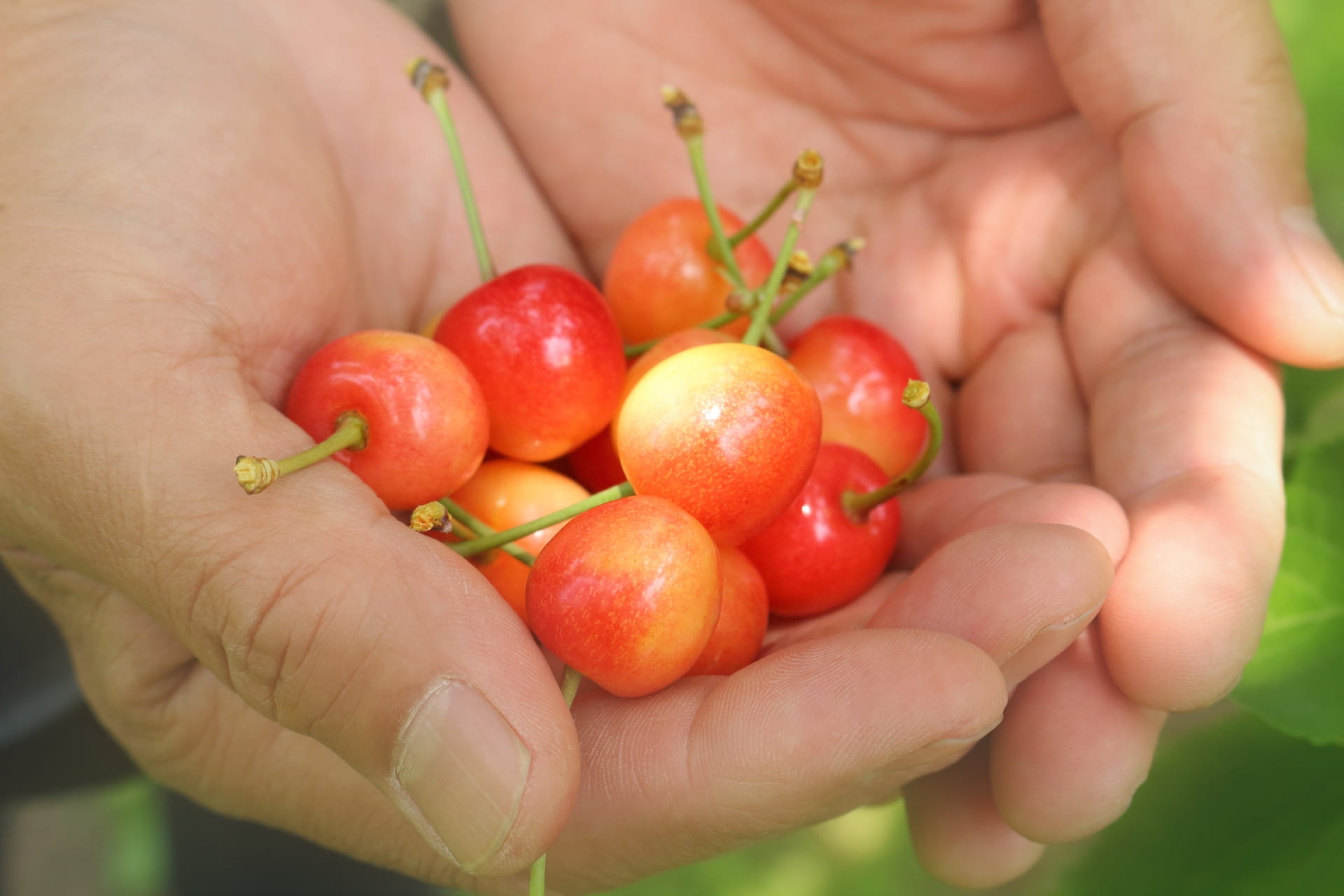
Sato-Nishiki cherries (Yamagata)
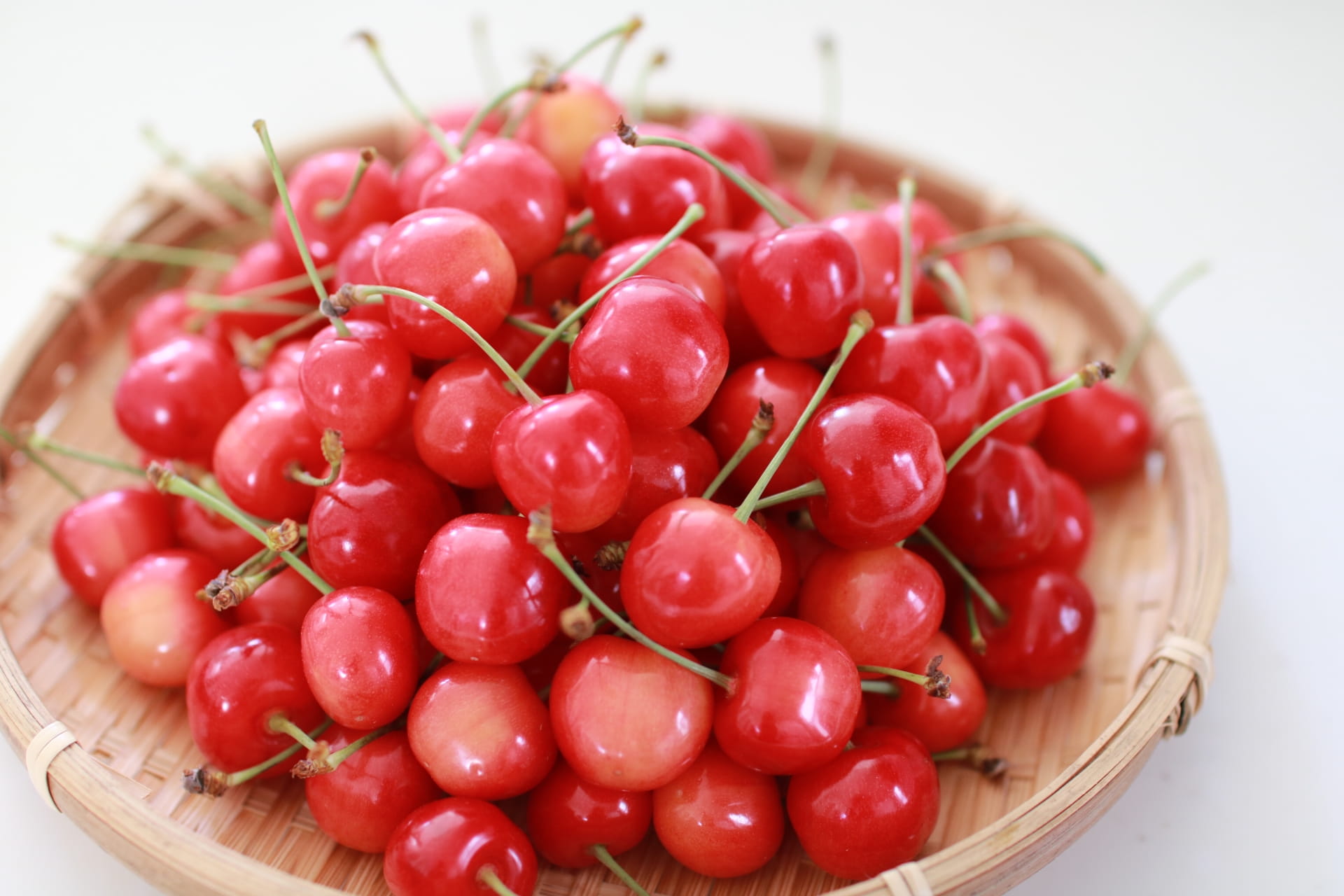 the most prized cherry in Japan: small, jewel-bright, almost shockingly sweet. They’re so valuable that there are stories of orchards being raided by thieves at night. The heart of cherry country is Higashine — there’s literally a bullet-train-line station called Sakuranbō-Higashine (“Cherry Higashine”). Season: June.
White peaches (Fukushima)
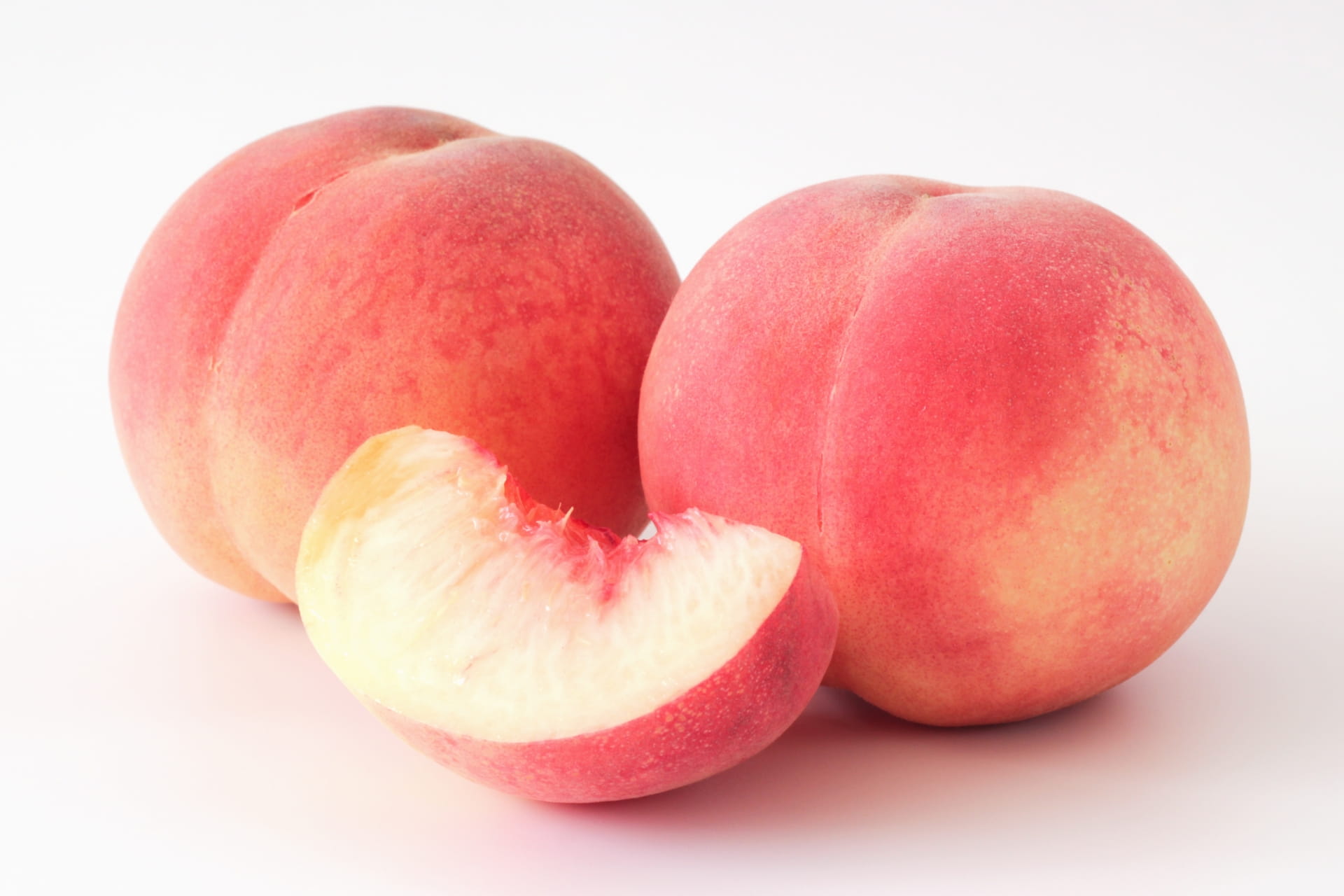 along the famous Fruit Line of orchards, growers raise Hakuto white peaches so delicate they’re bagged on the branch. Heavy, fragrant, dripping. Season: July–August.
“The world’s best apple” (Aomori)
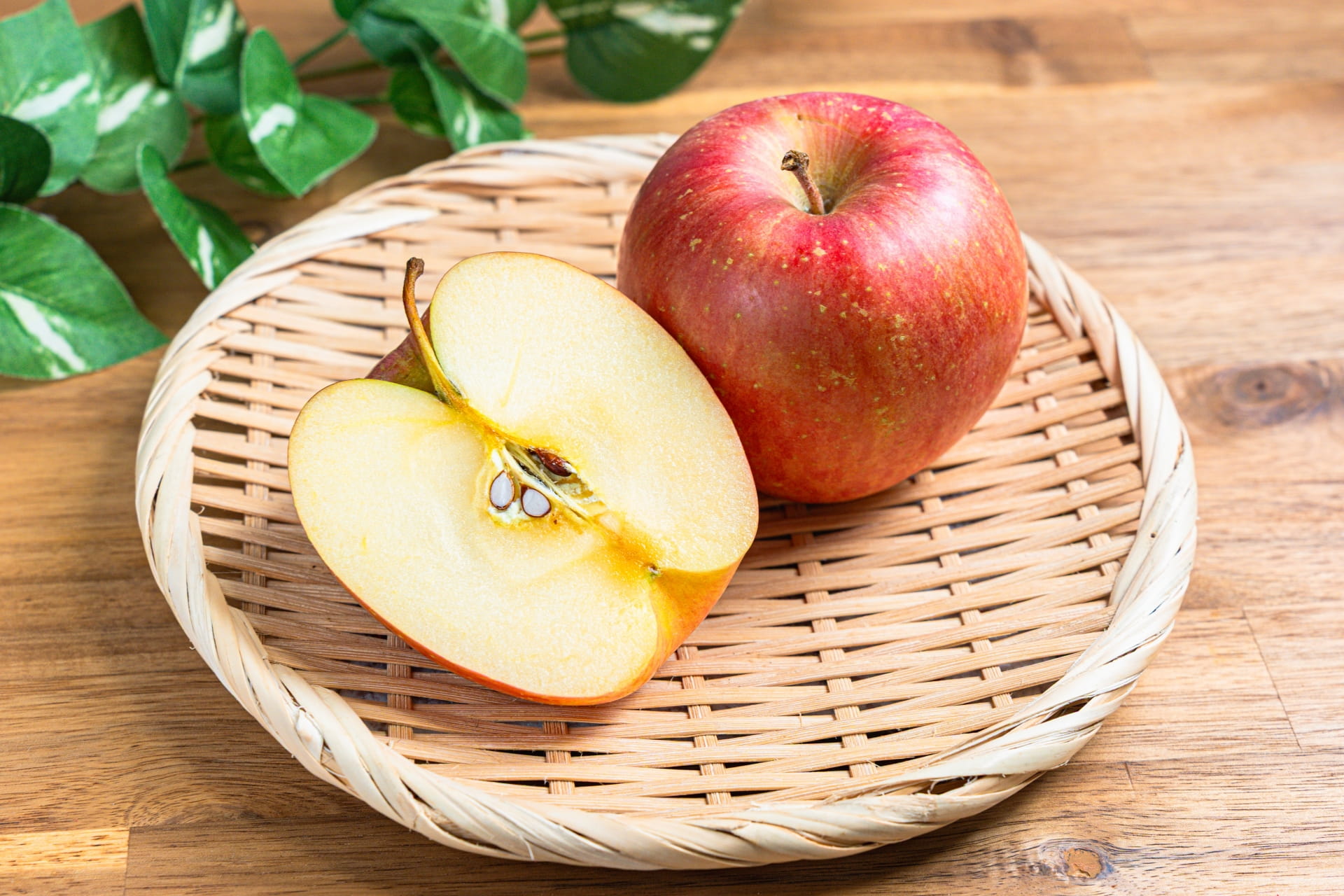 Sekai Ichi, whose name literally means “world’s best,” grows to the size of a grapefruit at around ¥3,000 a piece. Aomori is Japan’s apple kingdom. Season: autumn.
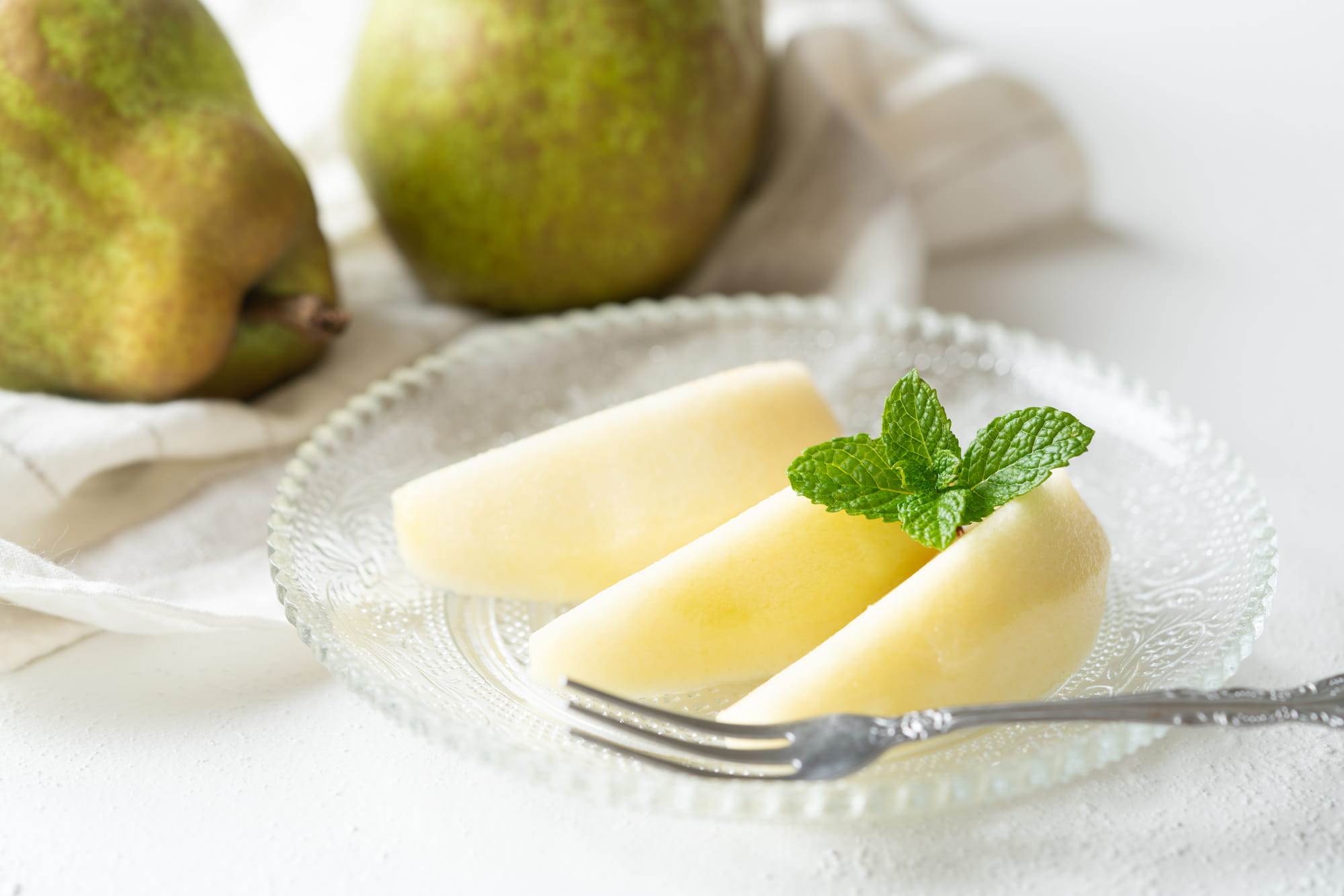
La France pears (Yamagata)
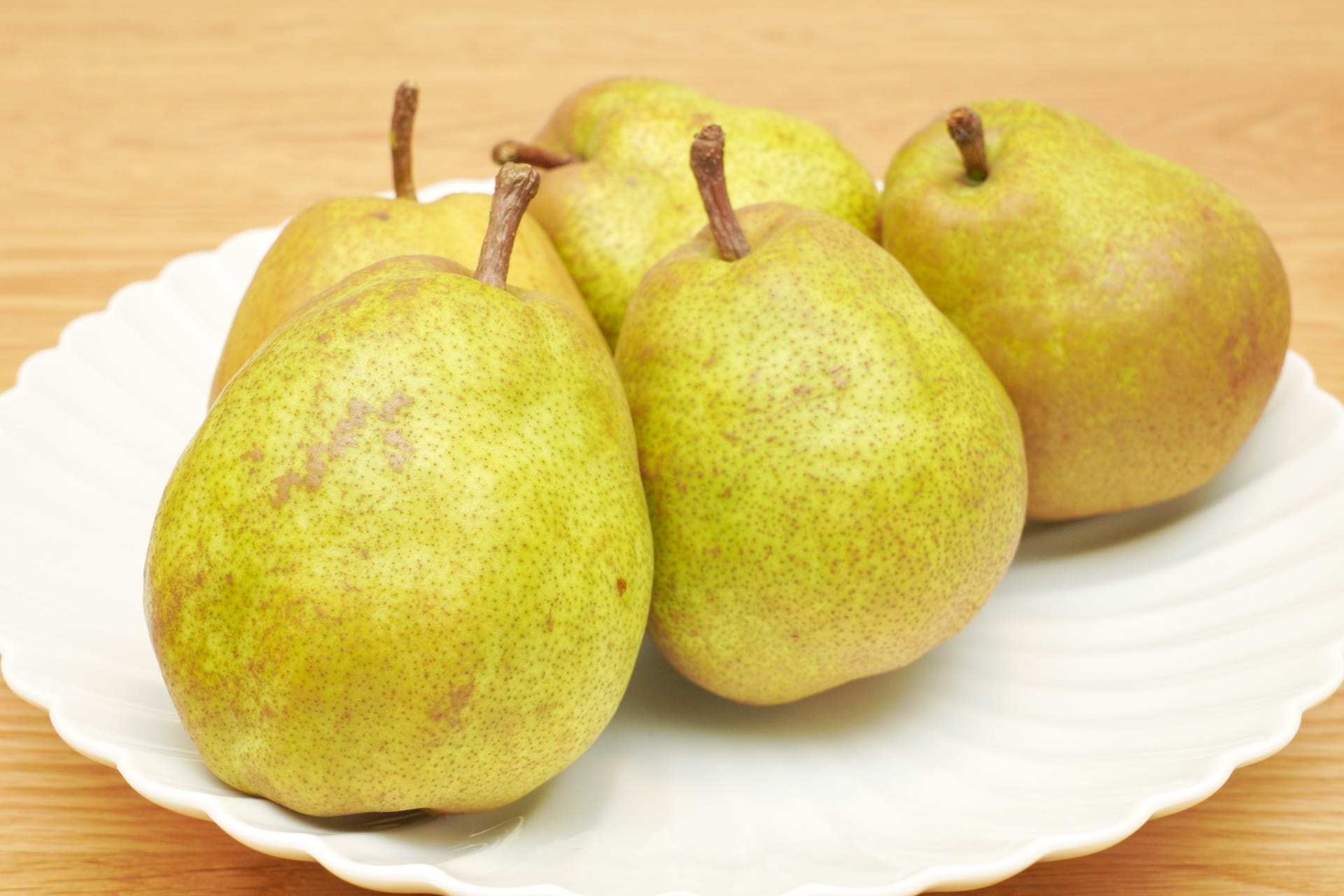 buttery, perfumed European-style pears that Japan perfected; roughly 80% of the country’s crop comes from Yamagata, so this is essentially the only place to taste them at their best. Season: late autumn. verify share
Shine Muscat & Kyoho grapes (Yamagata)
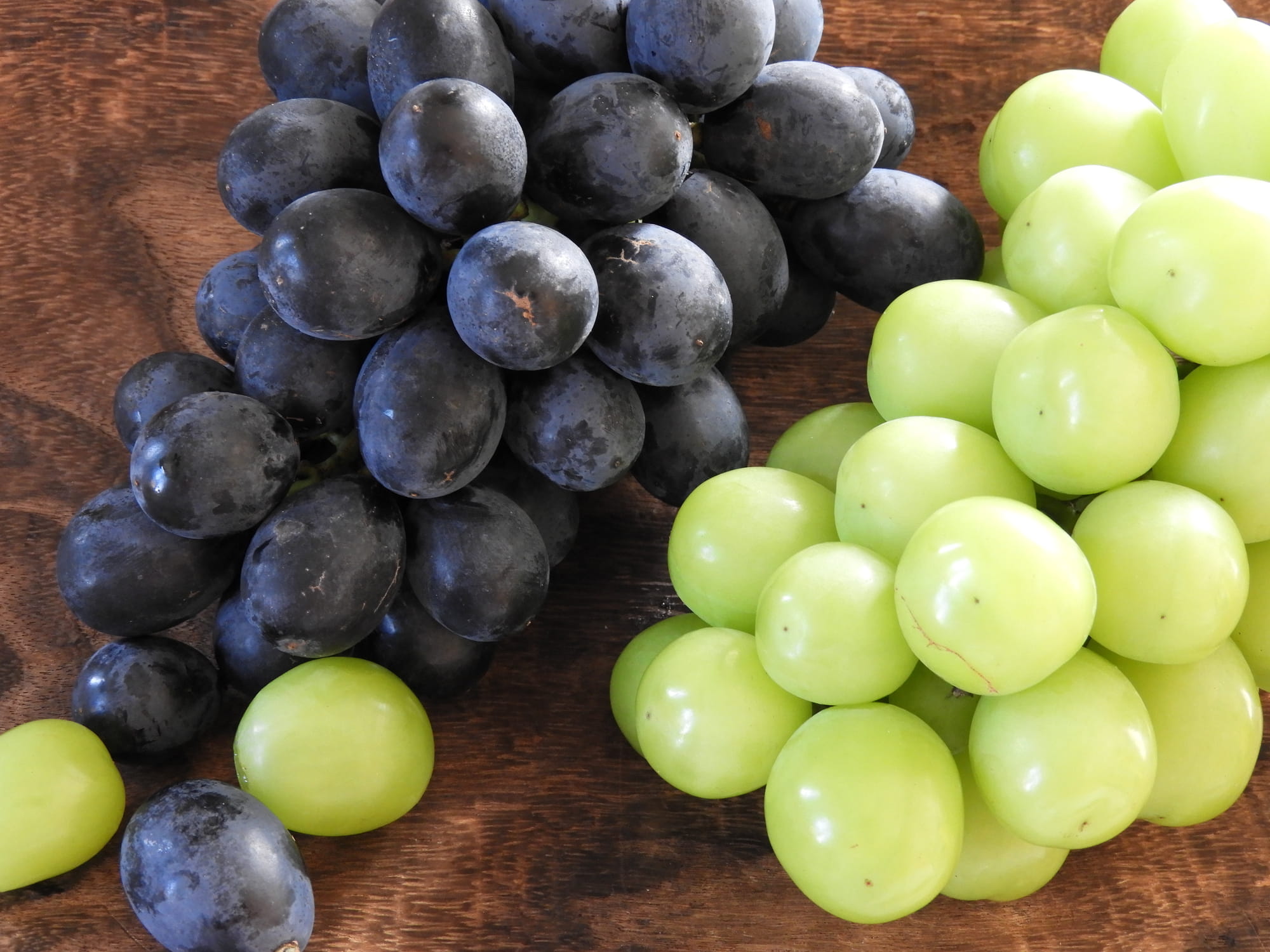 the seedless, eat-the-skin “video-game grape” fruit lovers worldwide now hunt for. Around Nanyō, you can eat it where it’s grown. Season: September–October.
Shonai melon (Tsuruoka)
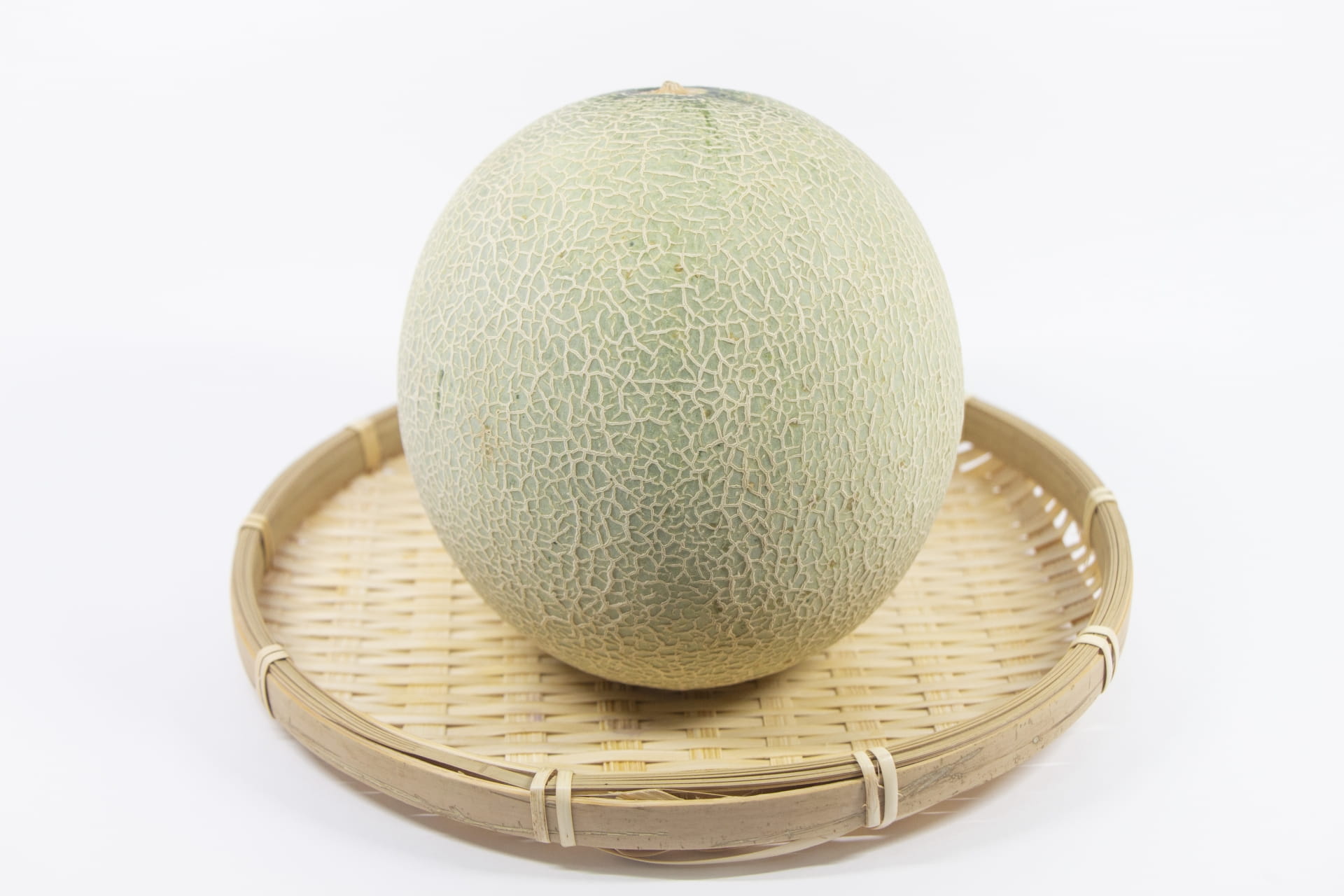 grown in the coastal sand dunes, a summer melon that rivals the famous names for a fraction of the legend’s price. Season: summer.
No other region of Japan lines up this much fruit royalty along a single rail spine.
Where it’s actually worth it: all-you-can-eat at the source
Here’s the reframe that turns skeptics into believers.
That gift-shop melon you’d never pay for? At a Tohoku orchard, the same caliber of fruit — picked at peak ripeness, eaten warm in the sun — costs roughly ¥2,000–3,000 for all-you-can-eat, usually a 30-to-60-minute session. verify current fees You walk the rows, pick what looks best, and eat until you can’t. Travelers describe the first bite the same way every time: it ruins normal fruit for you. A Sato-Nishiki cherry straight off the tree tastes like someone turned the saturation up on every cherry you’ve eaten before.
That is where Japanese fruit is worth every yen. Not the wrapped-up gift — the experience.
One thing to know first, because it surprises Western visitors: fruit picking in Japan is usually all-you-can-eat, not all-you-can-take-home. You feast in the orchard during your time slot, but you don’t fill a basket to carry out (some farms sell take-home boxes separately). Go in expecting a tasting experience, not a grocery run, and it’s pure joy.
Fruit Tourism: let the season be your itinerary
Once you accept that the best fruit lives at the source, a whole way of traveling opens up. Instead of fixed sights, you follow what’s ripe — and in Tohoku, ripeness moves up and down the bullet-train line through the year:
| Fruit | Peak | Tohoku home | Bullet-train hub |
| Sato-Nishiki cherry | June | Yamagata (Higashine) | Yamagata (Tsubasa) |
| White peach | July–Aug | Fukushima (Fruit Line) | Fukushima |
| Shōnai melon | summer | Yamagata (Tsuruoka) | via Niigata/Yamagata |
| Shine Muscat / Kyoho | Sept–Oct | Yamagata (Nanyō) | Akayu / Yamagata |
| La France pear | Oct–Nov | Yamagata | Yamagata |
| “World’s best” apple | Oct–Nov | Aomori (Hirosaki) | Shin-Aomori |
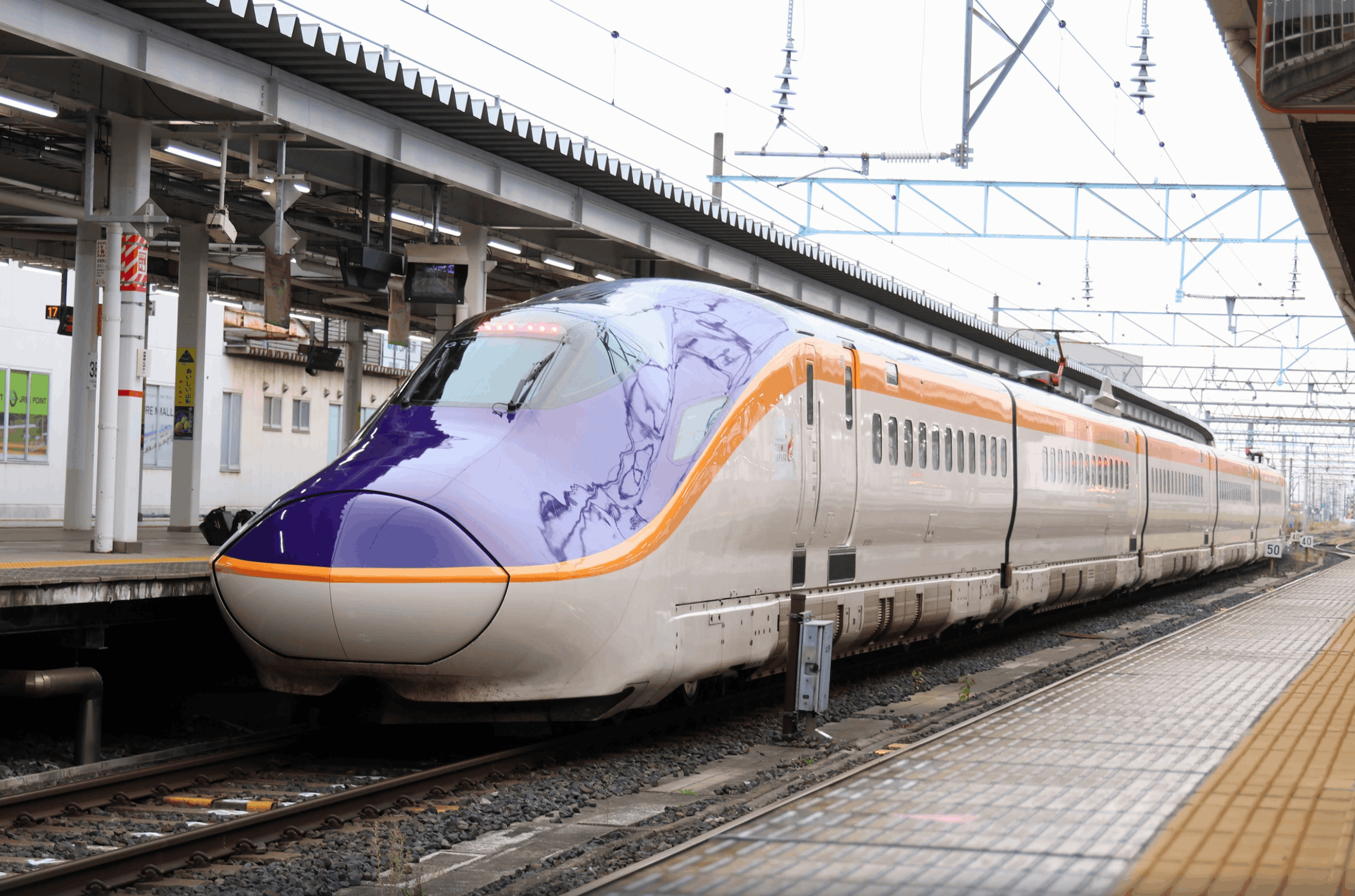
Three Shinkansen lines do all the work. The Yamagata Shinkansen (Tsubasa) alone strings Fukushima’s peaches, Yamagata’s cherries and the grape country onto a single ride north. The Tohoku/Akita lines carry you on to Sendai, the festivals of Akita, and Aomori’s apples. Every leg is a single reserved seat — which is exactly how you build a fruit relay.
Three ready-made Fruit Tourism routes
- 🍒 The Early-Summer Relay (June): Tokyo → Fukushima (first peaches) → Yamagata/Higashine (Sato-Nishiki cherries) → Sendai (a fruit parfait to finish). Three fruits, three stops, two nights.
- 🎆 Fruit & Fireworks (August): Tokyo → Fukushima (peaches) → Sendai → on to Ōmagari for the greatest fireworks night in Japan (Aug 29, 2026). Daytime orchard, nighttime spectacle.
- 🍇 The Autumn Grape & Apple Road (Sept–Nov): Tokyo → Yamagata (Shine Muscat, then La France) → Aomori (“world’s best” apples) — fruit and fall colors at once.
Each route is simply a string of bullet-train tickets. You don’t need a flexible pass; you need the right reserved seats on the right days — one per leg.
Book Your Shinkansen Tickets Online
Build your fruit relay and reserve each bullet-train seat on japan-bullettrain.com — individual tickets, in English, for exactly the days your fruit is ripe.
The easiest first bite: JR Fruit Park Sendai Arahama
If you want to start without planning a whole circuit, begin here. JR Fruit Park Sendai Arahama sits just outside Sendai — 90 minutes from Tokyo by bullet train — with 8 kinds of fruit, 150+ varieties, free entry, pick-your-own by season, and an English-friendly site (open 10:00–16:00). It’s run by JR, it’s a short ride from the Shinkansen, and it turns “I’d like to try this” into an easy half-day. (Confirm the season’s harvest, fees and whether you need to reserve.) verify
Know before you go
- It’s all-you-can-eat, not take-home — feast in the orchard during your time slot.
- Reserve ahead, and pick English-friendly farms — many orchards are small and don’t speak much English, so book ones set up for visitors (or use a guided day tour).
- The season is short — cherries especially. Plan around the fruit, not the dates.
- An honest note: not all Japanese fruit is a $100 splurge, and even famous Shine Muscat divides opinion. Come for the experience of eating world-class fruit where it grows — that’s the part that’s unforgettable.
- Whichever route you choose, book the bullet train first.
Plan your Fruit Tourism route
Build your fruit relay and reserve each bullet-train seat on japan-bullettrain.com — individual tickets, in English, for exactly the days your fruit is ripe.
For more information about traveling to Tohoku, check out the following articles!

Written by
Established in 2016, Japan Web Magazine is a long-running online media platform dedicated to sharing the beauty and uniqueness of Japan with a global audience. Our team is made up of passionate Japan lovers—both Japanese and international writers—who bring a diverse and authentic perspective to every article. We cover everything from must-visit travel destinations across Japan, to local food recommendations, shopping guides, and practical travel tips. In addition to tourism content, we also delve into Japan’s rich cultural tapestry, introducing readers to traditional customs, festivals, and the latest trends in modern Japanese pop culture, including anime and entertainment. Driven by a genuine love for Japan, our mission is to connect readers around the world with the wonders of this incredible country.
- +1 1
-
-