Japanese Currency: A Guide for Travelers
Yen for Beginners: A Crash Course in Navigating the Financial Landscape of Japan

- +0 28
-

-


When it comes to traveling in Japan, understanding the country’s currency is as crucial as knowing basic phrases in Japanese for a seamless trip. In this guide, we’ll cover yen denominations, cashless payment options, and money etiquette so you can navigate Japan’s financial landscape like a pro.
Also, for all currency-related matters, check out our Japan Currency Guide.
The Basics: Bills and Coins – Your Pocket Guide to Yen
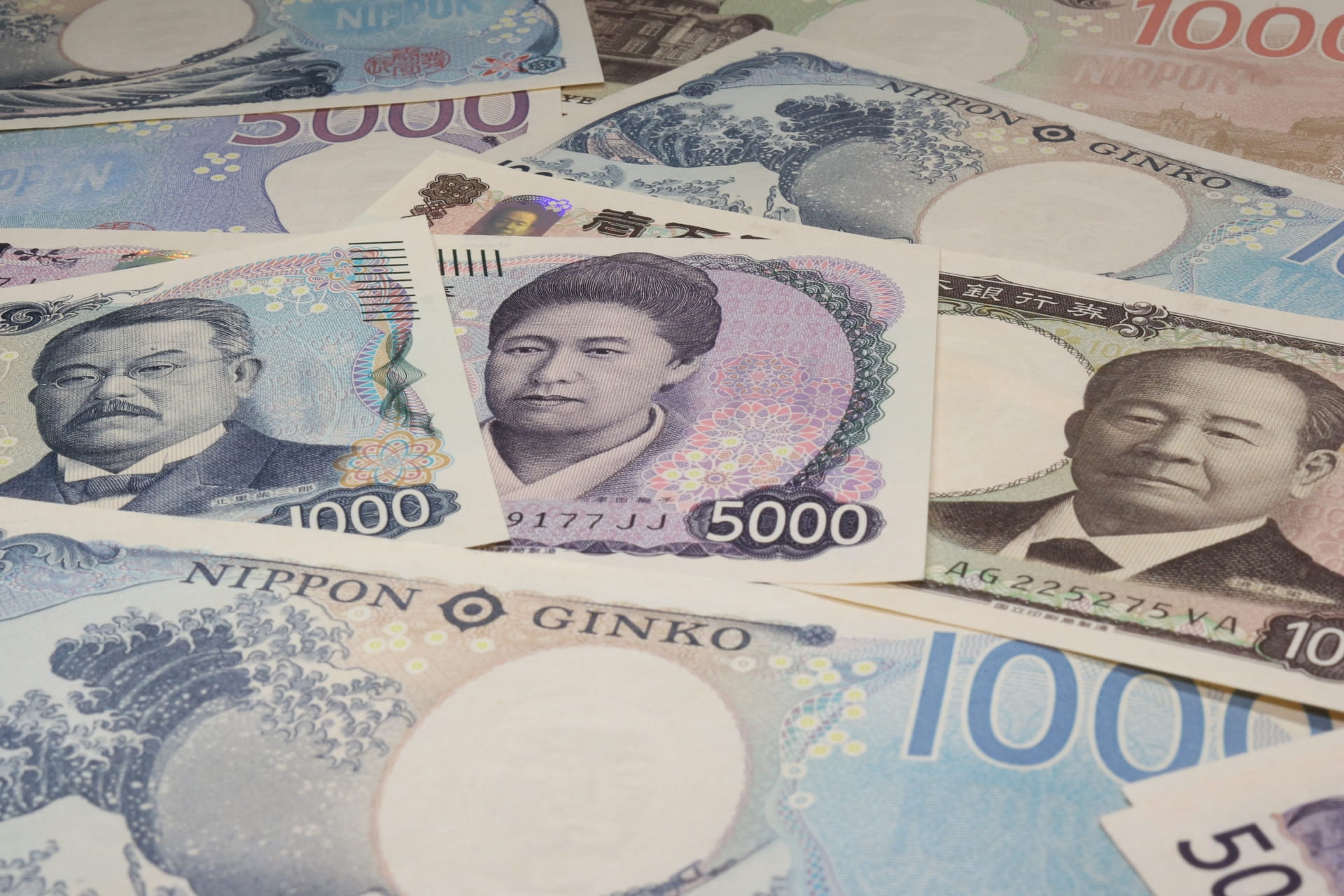
Each bill and coin is a mini work of art, featuring iconic landmarks, historical figures, and even flora and fauna. Here’s a breakdown of what you’re carrying in your wallet:
Bills:
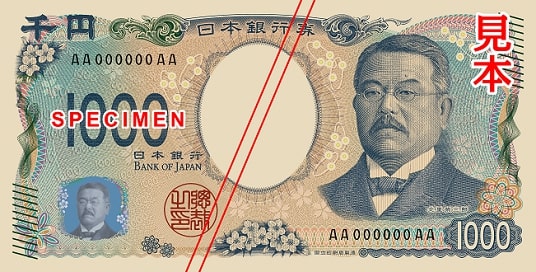
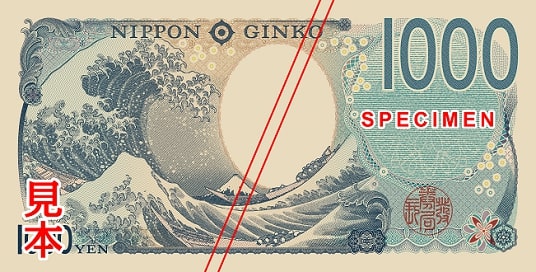
Japan’s banknotes feature prominent figures in science, education, and industry, alongside iconic cultural landmarks. In July 2024, Japan introduced a refreshed series of banknotes packed with state-of-the-art security features and universal design elements.
Key Features & Machine Compatibility
- 3D Holograms & Universal Design: The 2024 notes are the world’s first to feature 3D rotating portrait holograms. They also feature significantly larger face-value numerals and tactile patterns to assist visually impaired individuals and non-Japanese speakers.
- Vending Machines & Ticket Counters: Major bank ATMs, airport counters, and modern transit ticket machines seamlessly support both new and old bills. However, some older vending machines, bus fare boxes, or local ramen ticket counters may still struggle with the new 2024 series notes, so it’s always advisable to carry a mix of coins or an IC card as a backup.
© 独立行政法人 国立印刷局 / NATIONAL PRINTING BUREAU
|
|


© 独立行政法人 国立印刷局 / NATIONAL PRINTING BUREAU
|
|
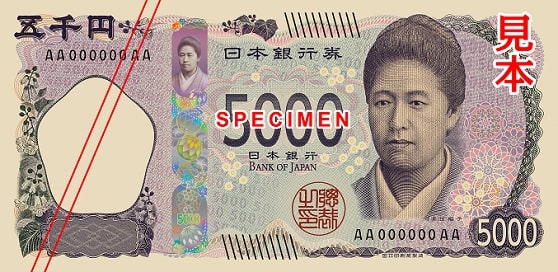
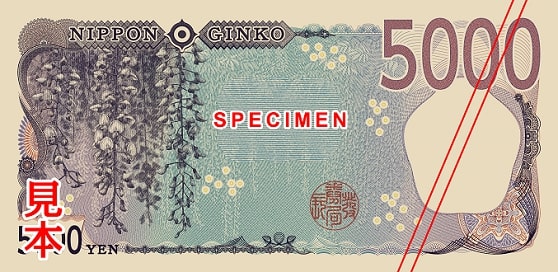
© 独立行政法人 国立印刷局 / NATIONAL PRINTING BUREAU
|
|
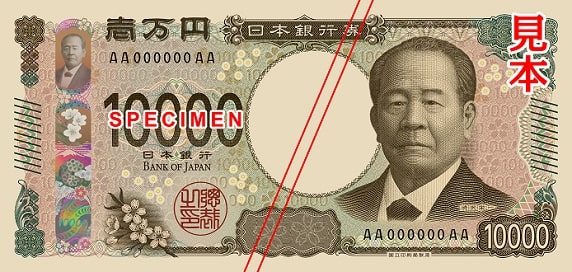
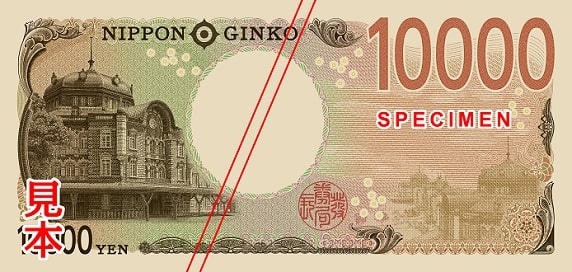
© 独立行政法人 国立印刷局 / NATIONAL PRINTING BUREAU
|
|
What About Pre-2024 Banknotes?
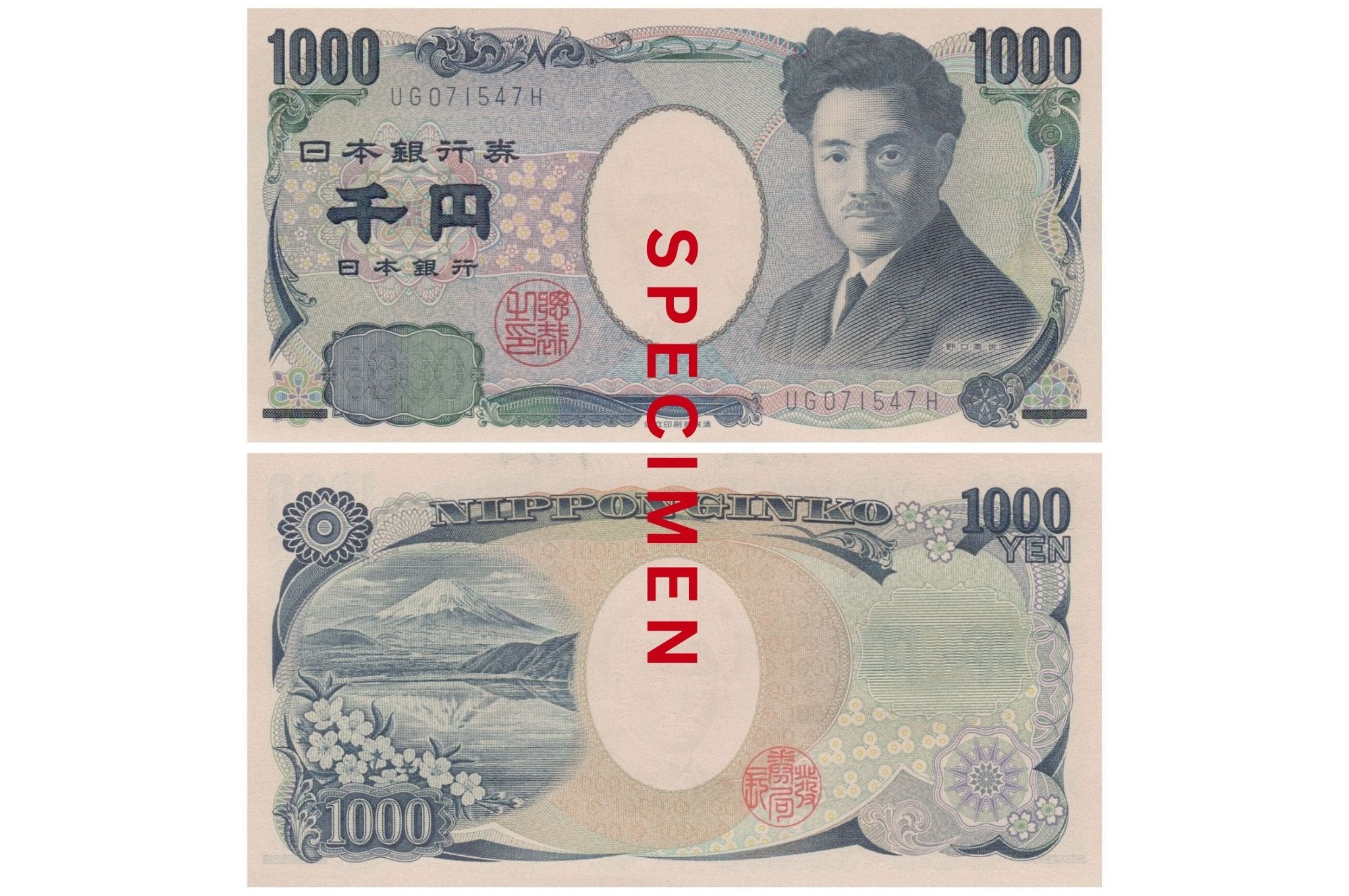

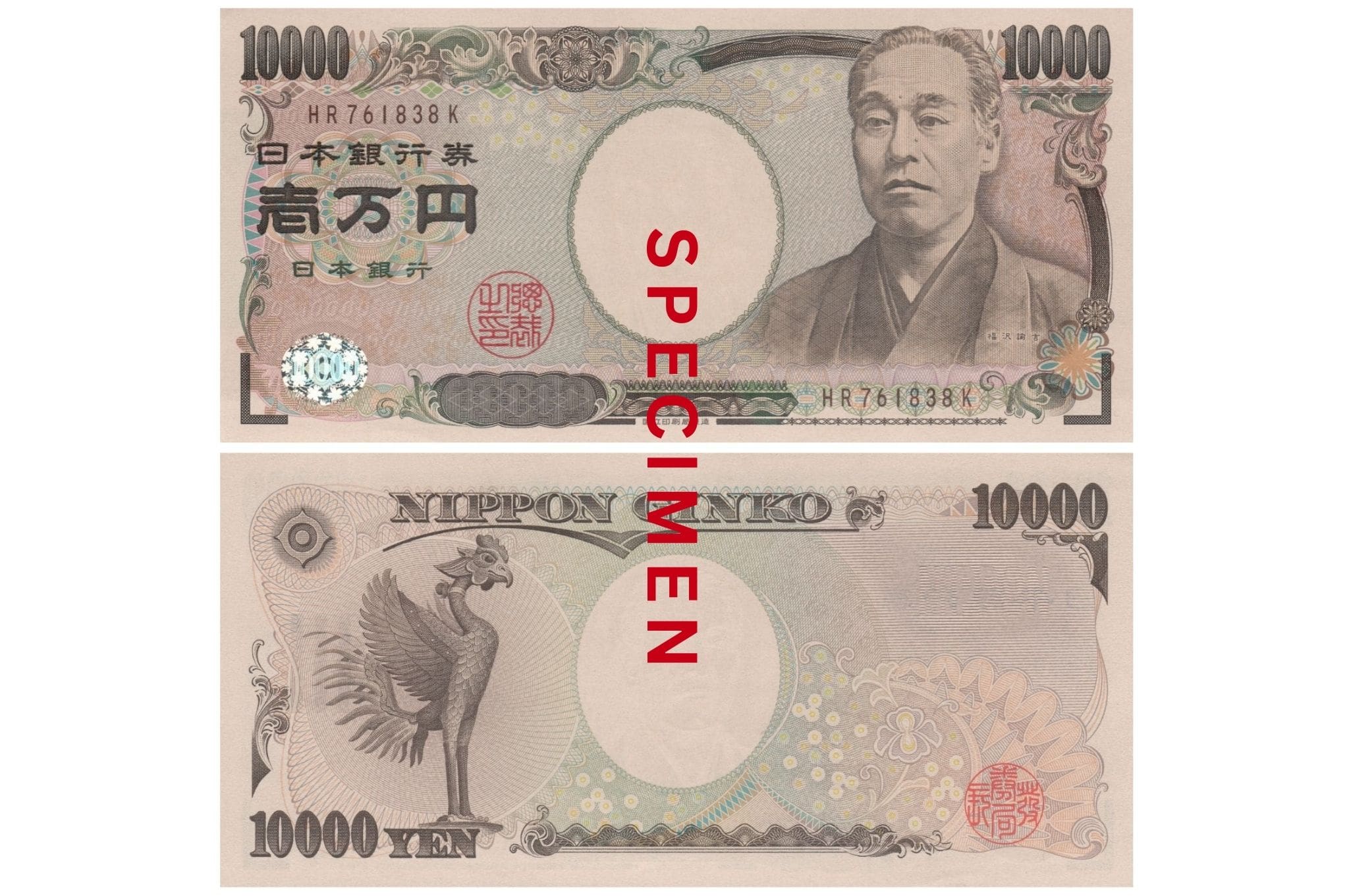
If you held onto Japanese yen from a past trip featuring Hideyo Noguchi (1,000 yen), Ichiyo Higuchi (5,000 yen), or Yukichi Fukuzawa (10,000 yen), don’t worry! Older banknotes remain 100% legal tender and are accepted without restriction across Japan.
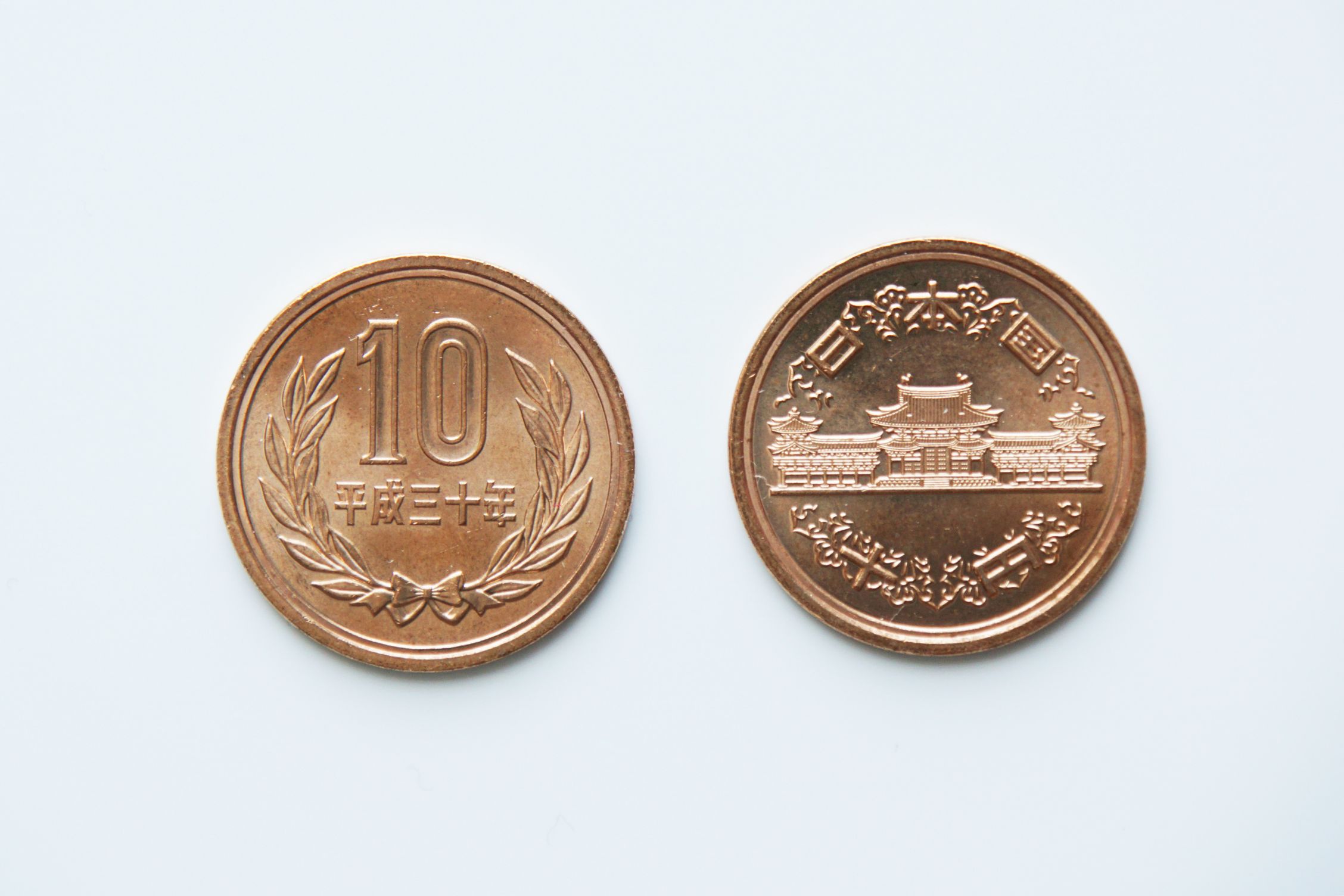
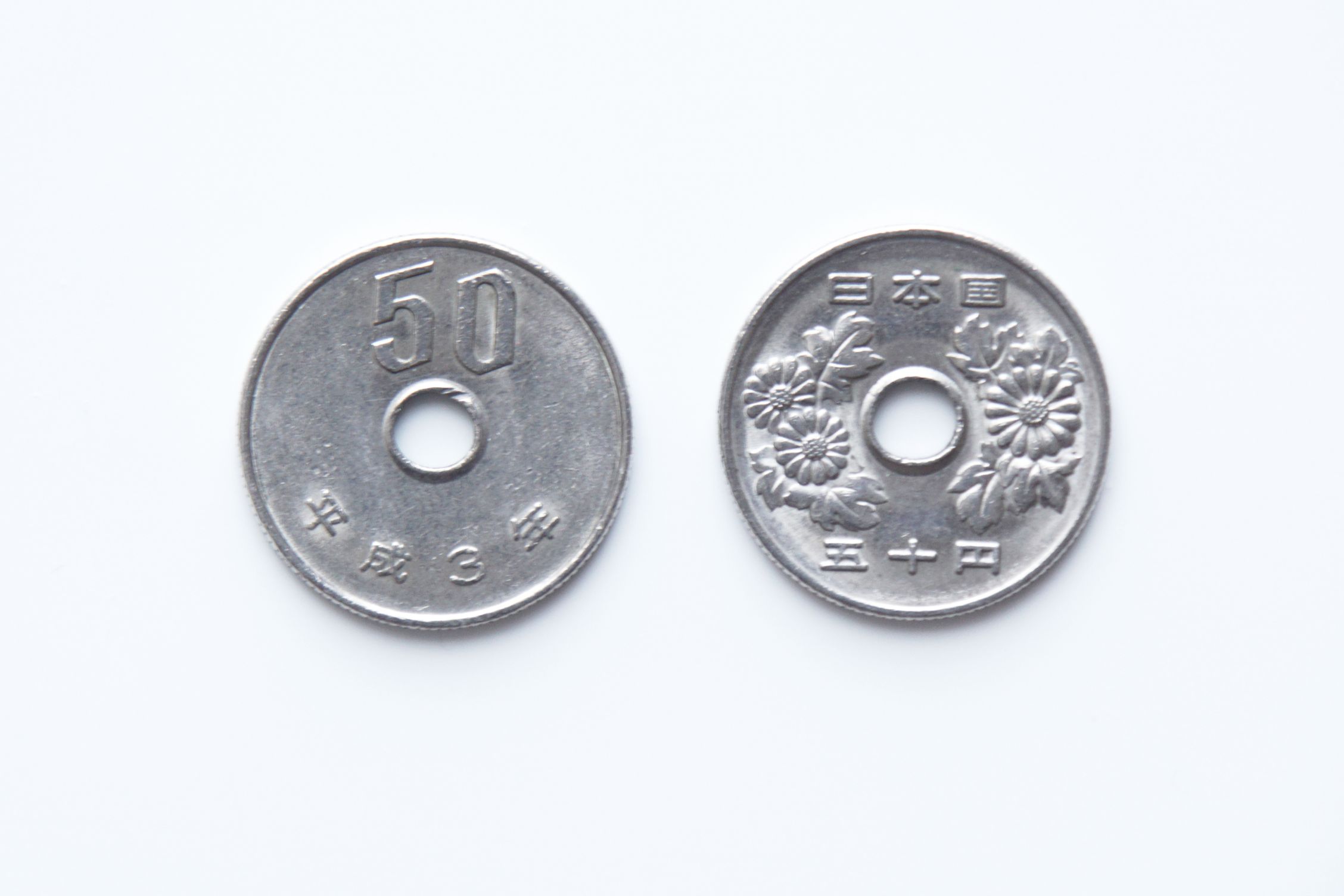
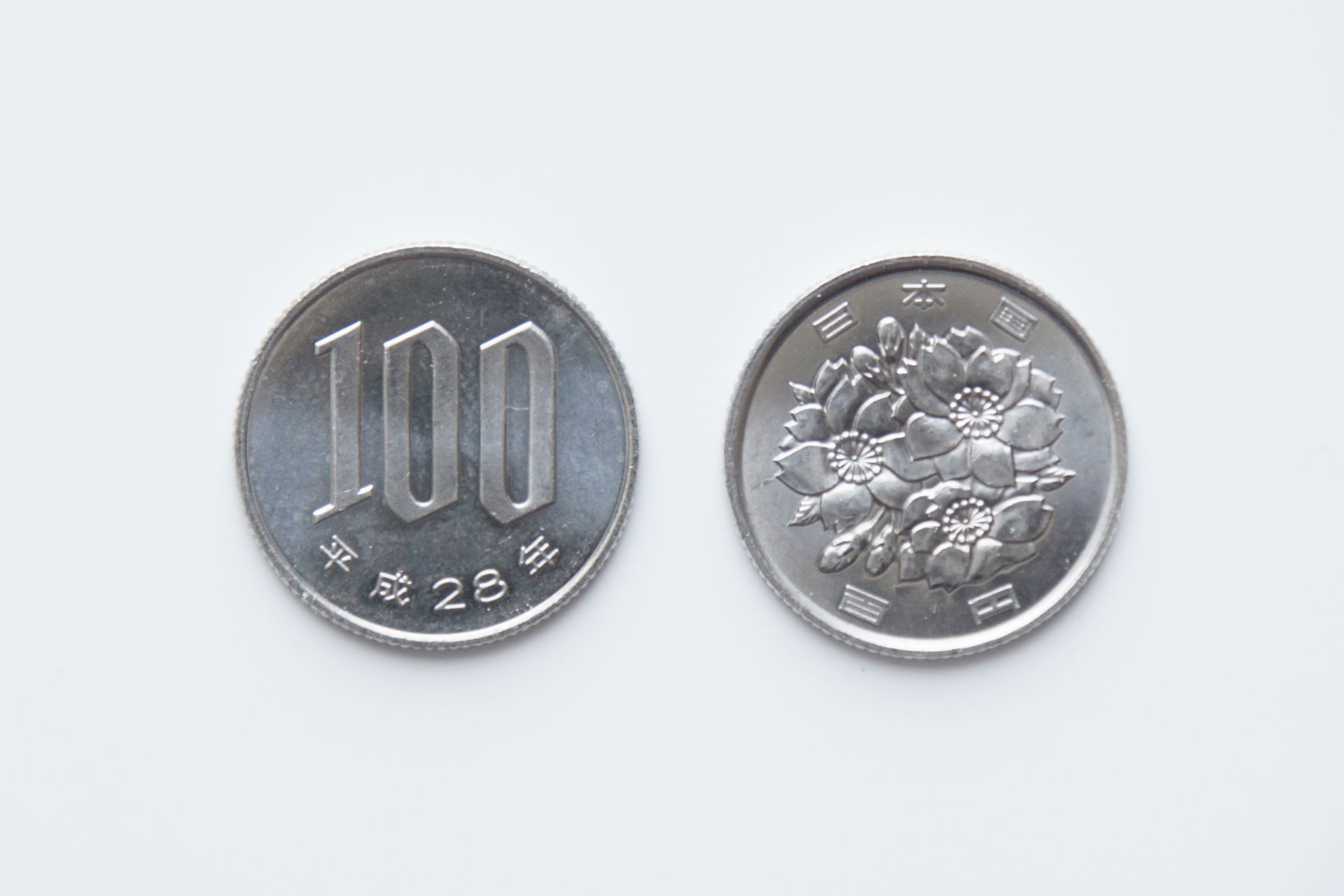
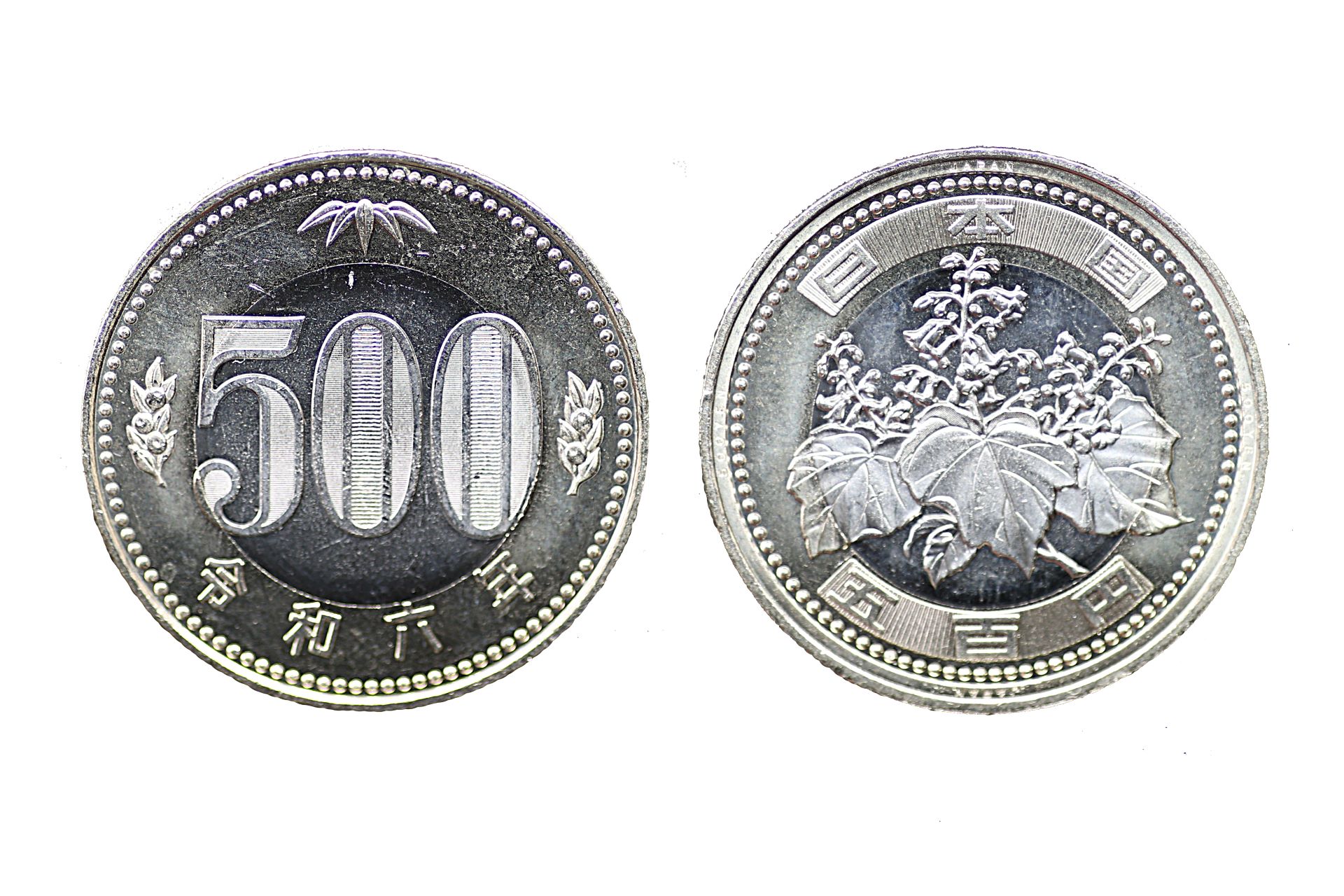
Coins:
 |
|
 |
|
 |
|
 |
|
 |
|
 |
|
Fun Facts:
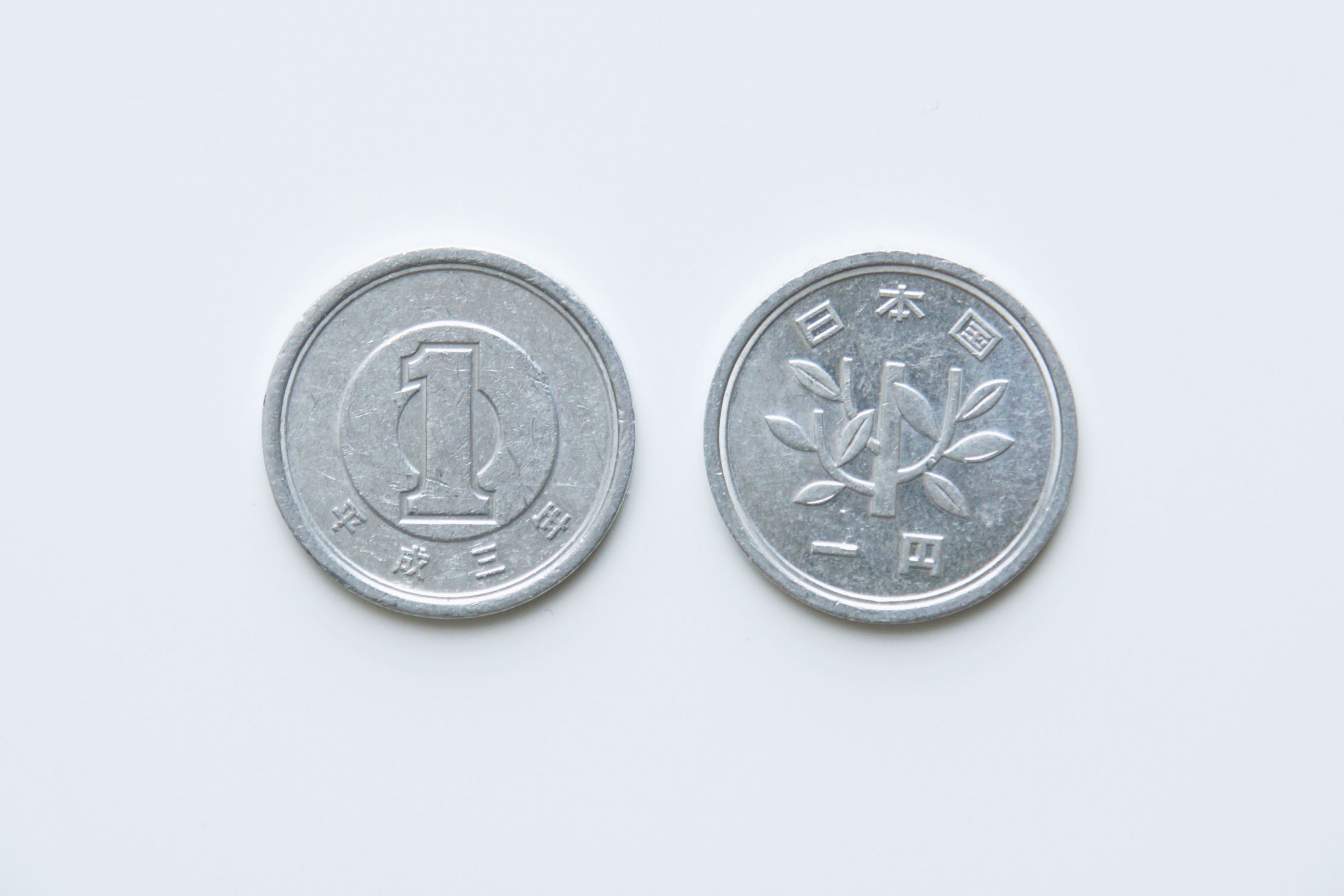
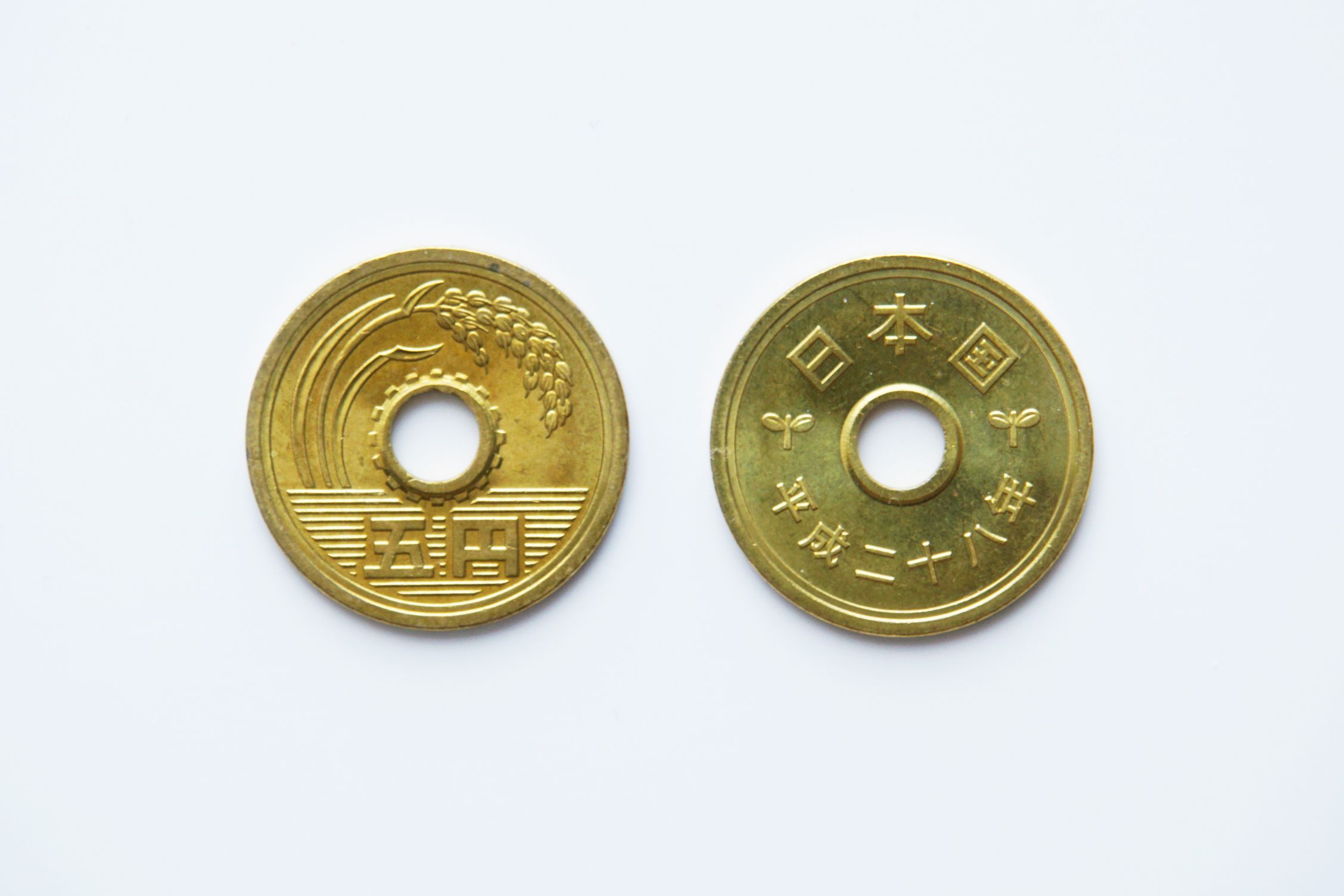
- Japanese coins are stamped with the year of the current emperor’s reign, not the Gregorian calendar year.
- Japanese banknotes are some of the world’s most difficult to counterfeit, so rest easy knowing you won’t encounter any unpleasant surprises while handling yen.
- In late 2021, only the 500 yen coin was renovated. As of 2026, some older vending machines, bus fareboxes, and coin parking meters may still reject the new bimetallic 500-yen coin.
Side Story: The Mystery of the 2,000 Yen Bill
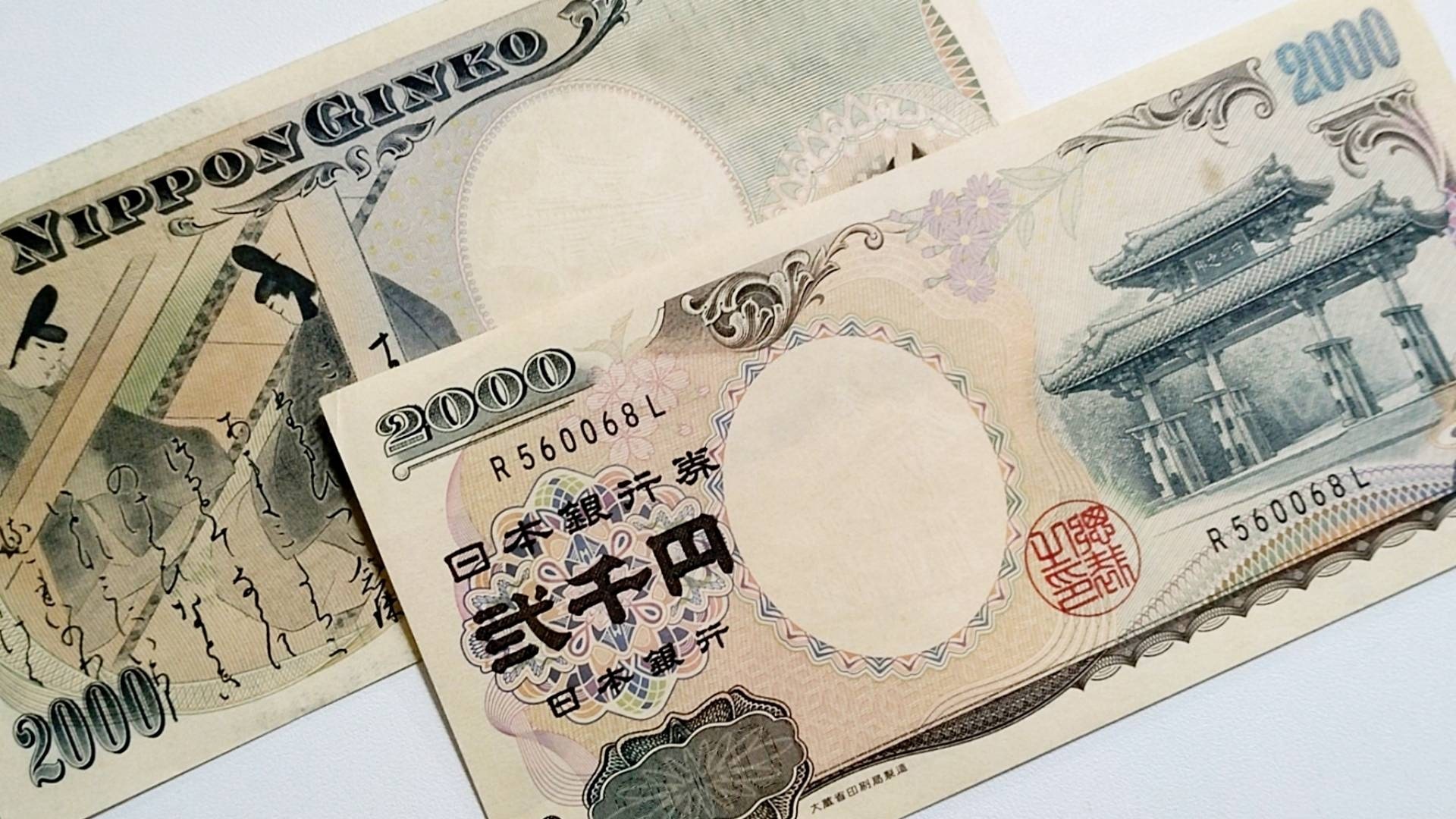
The elusive 2,000-yen bill, a creature so rare in Japan that even some locals have never spotted one in the wild. Some internet stories even warn of ignorant shop owners who refuse these bills, believing them to be fake, so rest assured this is a completely legal bill and no single place has the right to deny you its usage. So, why is this particular bill as scarce as a four-leaf clover?
The 2,000-yen bill was first introduced in July 2000 to commemorate the G8 Summit held in Okinawa and the 26th year of the reign of Emperor Akihito. It was a special edition, so to speak, and not part of the regular lineup of Japanese currency.
Cultural Resistance and Vending Machine Woes
In Japan, people are accustomed to dealing with 1,000, 5,000, and 10,000-yen bills. The 2,000-yen bill, being an oddball, didn’t fit neatly into this well-established system. As a result, it never gained traction and became more of a collector’s item than a functional piece of currency.
On top of it, as much as Japan is a land of convenience, and vending machines are a big part of that, sadly, there seems to be an exception when it comes to this elusive bill. Many vending machines are calibrated to accept 1,000, 5,000, and 10,000-yen bills, but not the 2,000-yen bill. This practical issue further diminished the bill’s usability.
Limited Circulation
The initial issuance was not followed by regular releases, making the bill even scarcer. While you may still find them in the wild, they’re not commonly dispensed by ATMs or given as change. Generally, foreign tourists are the only ones familiar with these bills as they tend to be dispensed only at the airport’s currency exchange office. If that is the case for you, or you happen to come across a 2,000-yen bill during your travels in Japan, you might want to hold onto a few of these banknotes! Due to its rarity and the beautiful depiction of Shureimon, a gate in Okinawa’s Shuri Castle, the 2,000-yen bill has become a sought-after item for collectors. Some people, like yours truly, prefer to keep it as a keepsake rather than spend it.
Currency Exchange
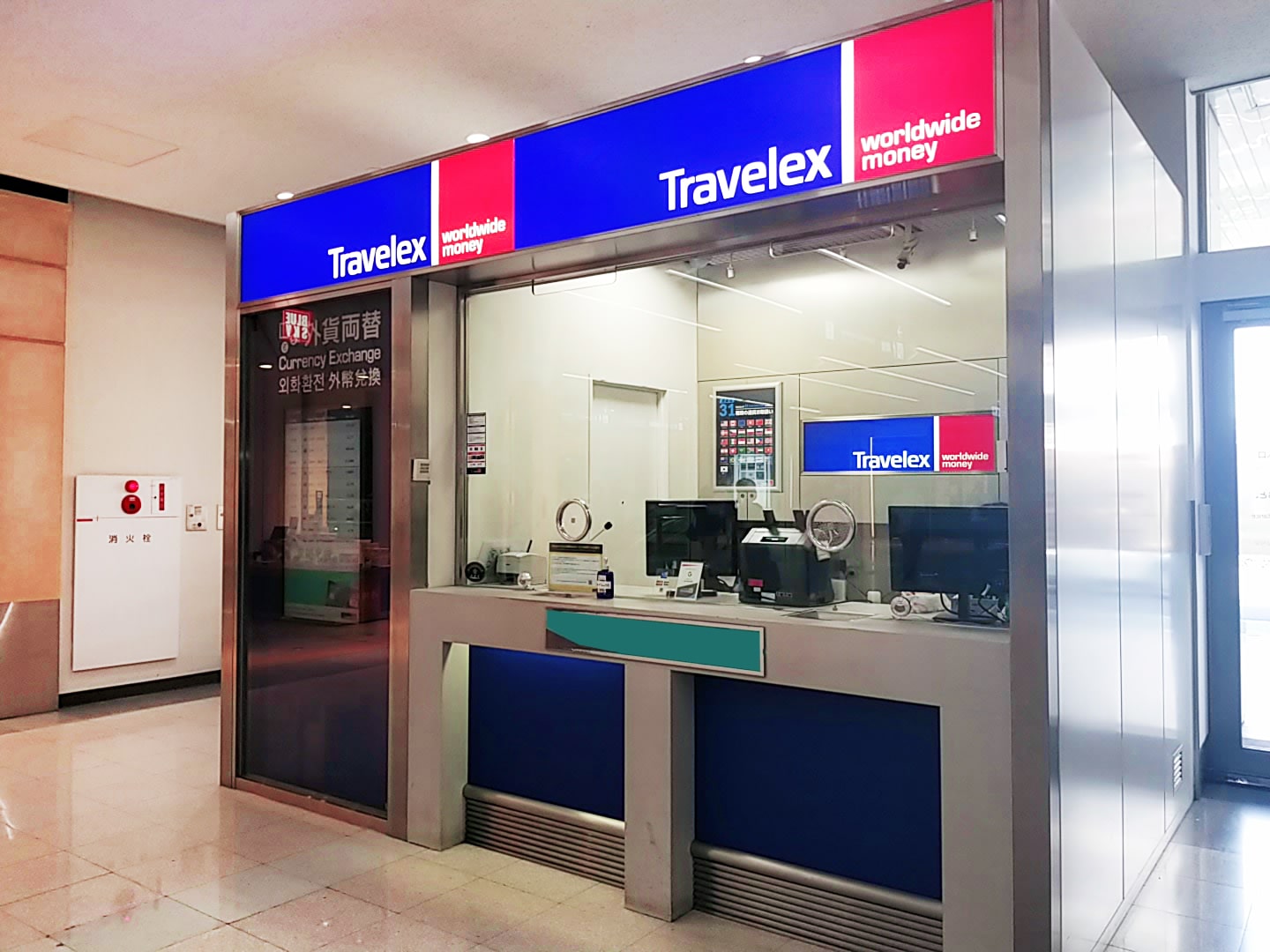
So, you’ve landed in Japan, and you’re eager to explore. If you haven’t done your due diligence before boarding the plane, it’s time to get acquainted with the ins and outs of currency exchange in Japan:
Where to Make the Swap
- Airports: Convenient but not always the best rates. Good for initial small amounts to cover immediate expenses like transportation to your accommodation.
- Authorized Foreign Exchange Counters: These are specialized currency exchange shops. They offer competitive rates and are often located in tourist areas.
- Banks: A more favorable rate but be prepared for paperwork and business hours. Not ideal if you’re in a rush.
- Post Offices: Yes, you read that right. Japanese post offices offer currency exchange services and usually at decent rates.
Be Mindful of the Timing and Rates
- Weekdays vs. Weekends: Exchange rates fluctuate as the forex market is active during weekdays, so depending on the circumstances, you may notice some significant differences.
- Pay attention to real-time rates before deciding whether it’s worth it to exchange at any given place.
- Some places may charge a flat fee in addition to the exchange rate, so make sure there are no fees beforehand just in case.
Payment Methods in Japan
Traditionally, Japan has been a country with a clear dominance of cash even in recent years, particularly for foreign visitors who often struggled to pay with foreign credit cards even if cards were accepted. However, the payment landscape has dramatically improved in the last few years with the emergence of new cashless options.
If you need a vocabulary guide for shopping in Japan, check out our guide to Useful Japanese Phrases to Use when Shopping!
Cash, the Undisputed Ruler
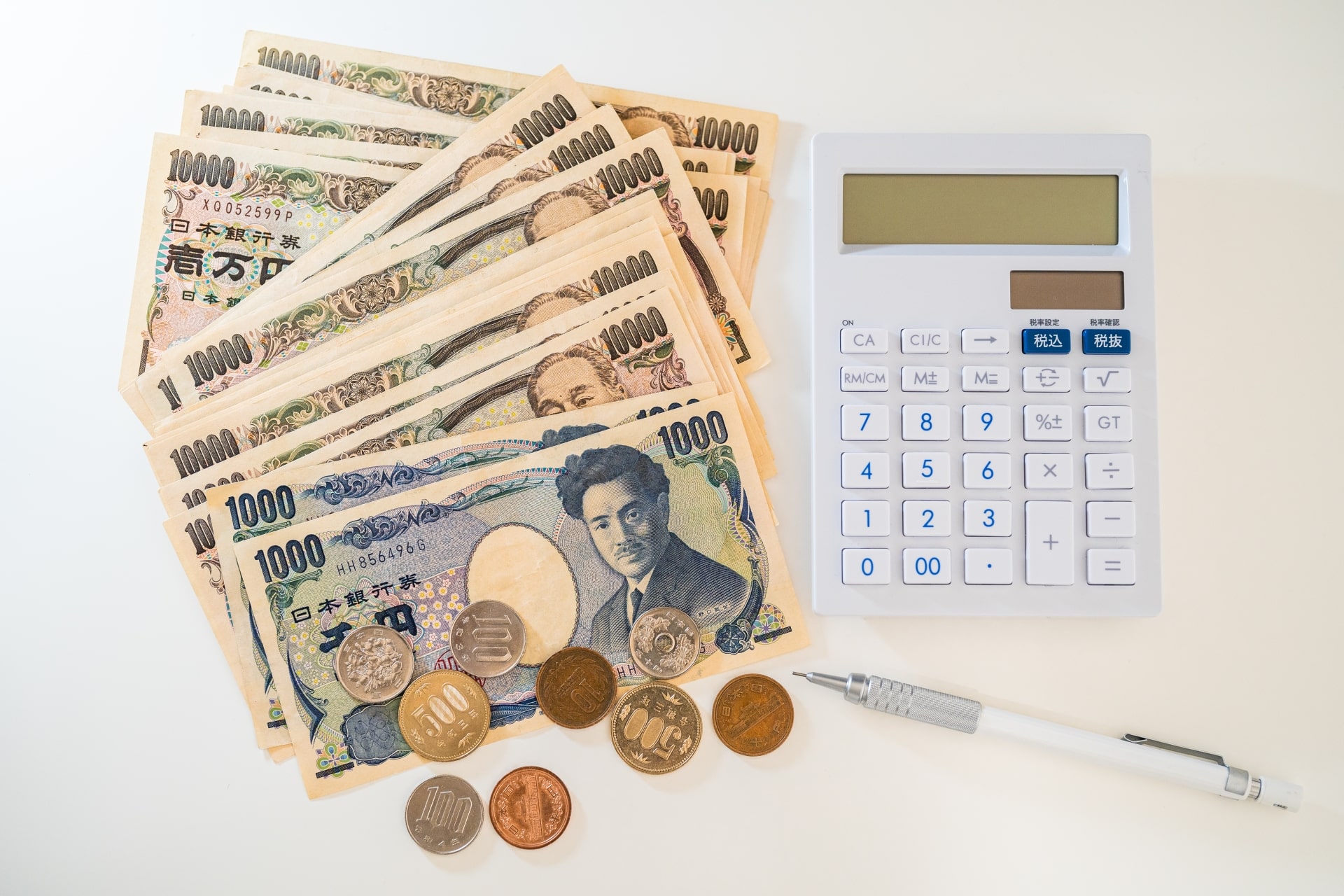
All in all, Japan remains quite far from getting rid of cash. There are still many places, especially outside big cities, that only accept cash. Think small vendors, rural areas, and traditional establishments. Also, you will need it for public transportation if you don’t have prepaid cards like Suica/Pasmo. So bringing a coin purse is a must. With coins going up to 500 yen, you’ll accumulate more change than you expect.
Credit and Debit Cards
While not as universally accepted as cash, credit and debit cards are gaining ground outside of urban areas. Other than that, you are safe to use them at hotels, upscale and mid-range or chain restaurants or chain stores. International banking options like Wise and Revolut are increasingly popular for their ease of use both when it comes to payment and when retrieving cash from ATMs.
IC Cards
-

© 2012 Nara Kotsu Bus Lines Co.,Ltd.
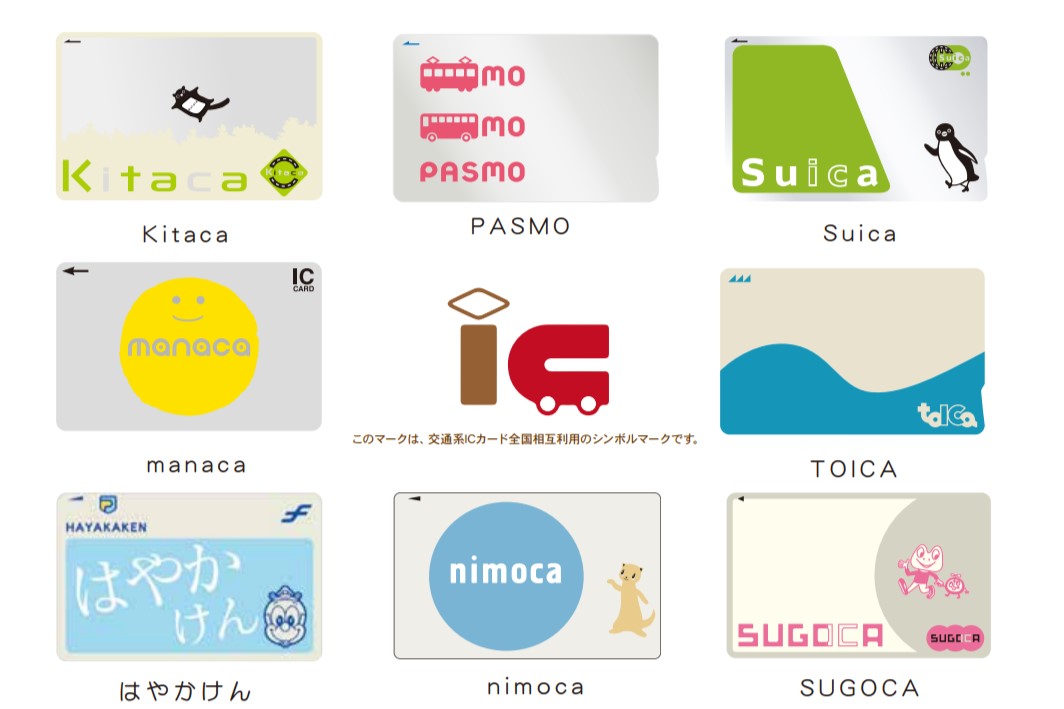
IC cards are prepaid, rechargeable cards used to pay for public transportation, vending machines and most convenience stores and shops. They are the easiest, most convenient payment method for traveling around Japan.
Major regional cards like Suica, PASMO, and ICOCA are largely interchangeable for transit and shopping across the country. Regular physical cards require a 500 yen deposit (refundable upon returning the card) and do not expire for 10 years, making them ideal for repeat visitors.
- Tourist Cards: Dedicated visitor cards like Welcome Suica and TOURIST PASMO require no ¥500 deposit. However, they are valid for 28 days and any remaining balance cannot be refunded.
- Mobile Cards: iPhone users can easily add a digital Suica or PASMO directly through Apple Wallet using an international credit card. (Note: Mobile transit cards on Android generally require a domestic Japanese phone model).
Mobile Payments
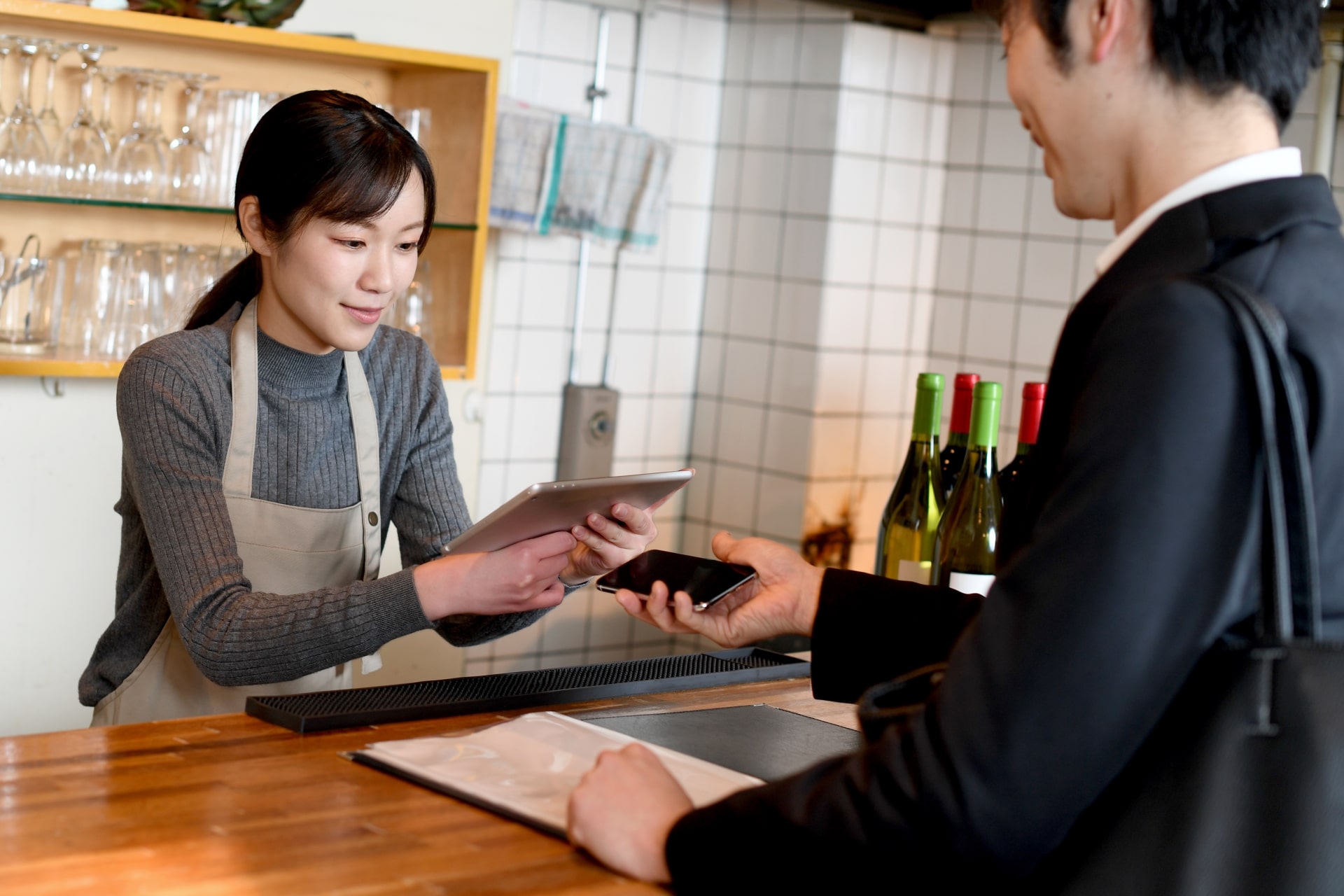
Mobile and contactless payments have expanded rapidly across Japan, making it easier than ever to pay with your phone at convenience stores, chain restaurants, drugstores, and major shops.
- Apple Pay & Google Pay (Contactless Credit): If your foreign credit or debit card supports tap-to-pay, you can use it via Apple Pay or Google Pay wherever you see the contactless wave logo or major card network icons.
- Digital IC Cards (The Best Option for Tourists): The most practical way to pay with your smartphone in Japan is by adding a digital transit card (like Suica or PASMO) to your mobile wallet. This allows you to tap through train gates and pay at millions of vending machines, convenience stores, and coin lockers nationwide.
- QR Code Apps (PayPay & Overseas Partners): While local QR payment apps like PayPay are hugely popular among Japanese residents, setting up a native account isn’t necessary for short-term visitors. However, if you use international e-wallets like Alipay, Kakao Pay, GCash, or Touch ‘n Go, you can scan local PayPay QR codes directly using your home country’s app.
💡 Traveler Tip: Always keep a small amount of physical cash or an IC card as a backup. While contactless payments are common in major cities, smaller local eateries, traditional shops, and rural areas still rely exclusively on cash. Furthermore, some rural areas may not have as many ATM available in the close vicinity.
Money Etiquette: The Do’s and Don’ts of Yen Handling in Japan
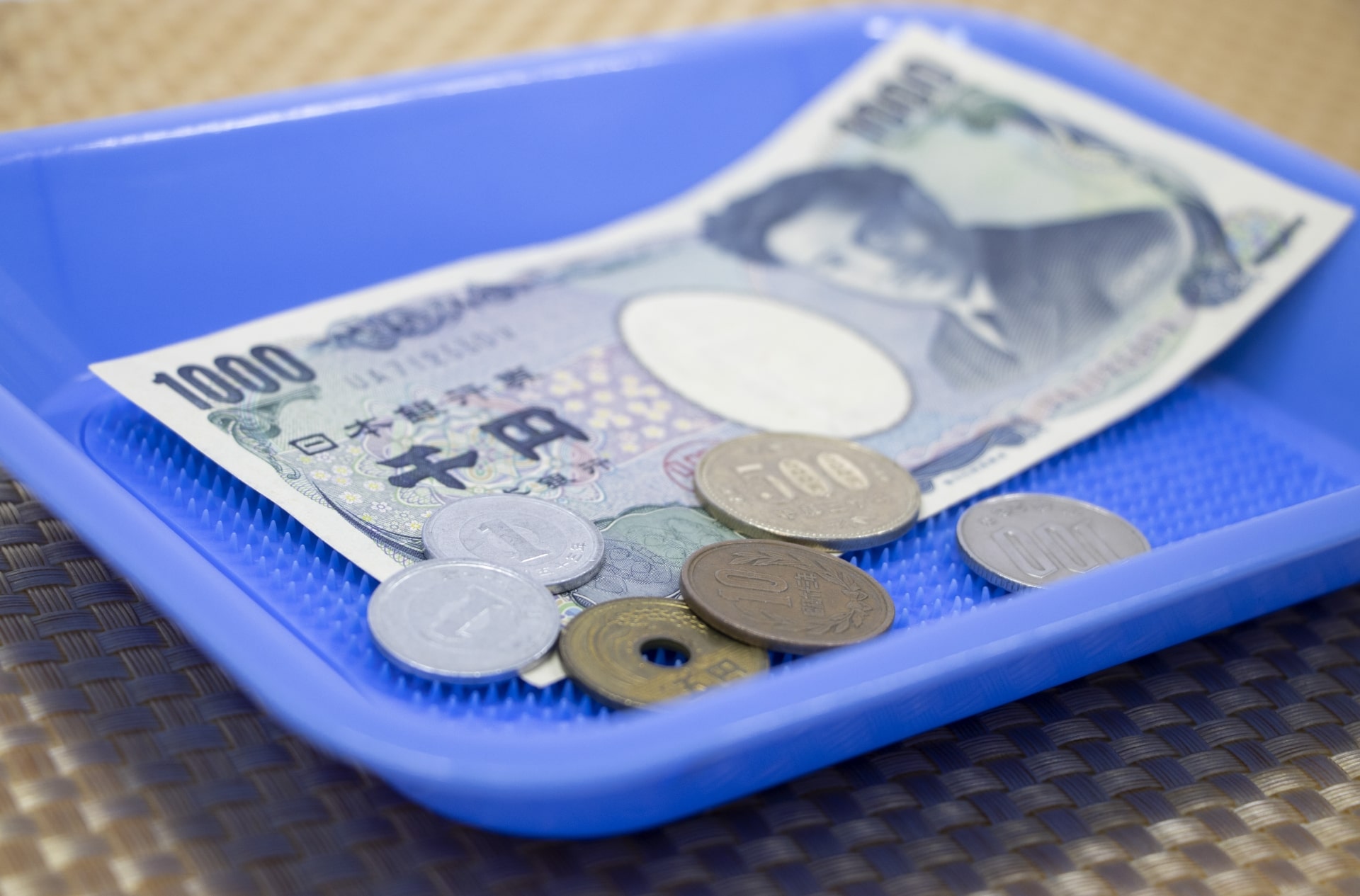
Money transactions are a very straightforward business. However, there are a few unspoken rules in Japan that you should pay attention to:
- Use The Tray! Many establishments provide a small tray for placing your money. Although it may not be a big deal to hand money directly to the cashier, touch is usually frowned upon in Japan, so it’s best to simply place your cash or card on the tray, and the cashier will pick it up from there. Change will be returned the same way.
- Giving and receiving with two hands. Sometimes the cashier may give change directly, in which case it may be done using both hands as a way to show respect or appreciation. In such cases, when in Rome do as the Romans do.
- Avoid wrinkled or folded bills. Folded or wrinkled bills are still valid but frowned upon, so it’s best if you can carry a wallet that allows you to have your bills neatly placed.
- Familiarize yourself with the coins ASAP. This is pretty much a given but no one likes to be waiting in line behind someone fumbling while haphazardly trying to count coins. Some foreigners resort to not using coins at all, resulting in coin purses filled to the brim with unused coins, which is quite impractical.
Practical Tips for Travelers
- Make sure you carry enough small-denomination banknotes. As cash transactions are still somewhat prevalent, places like taxis or small vendors may struggle a bit if you pay a small amount with a 10,000-yen bill.
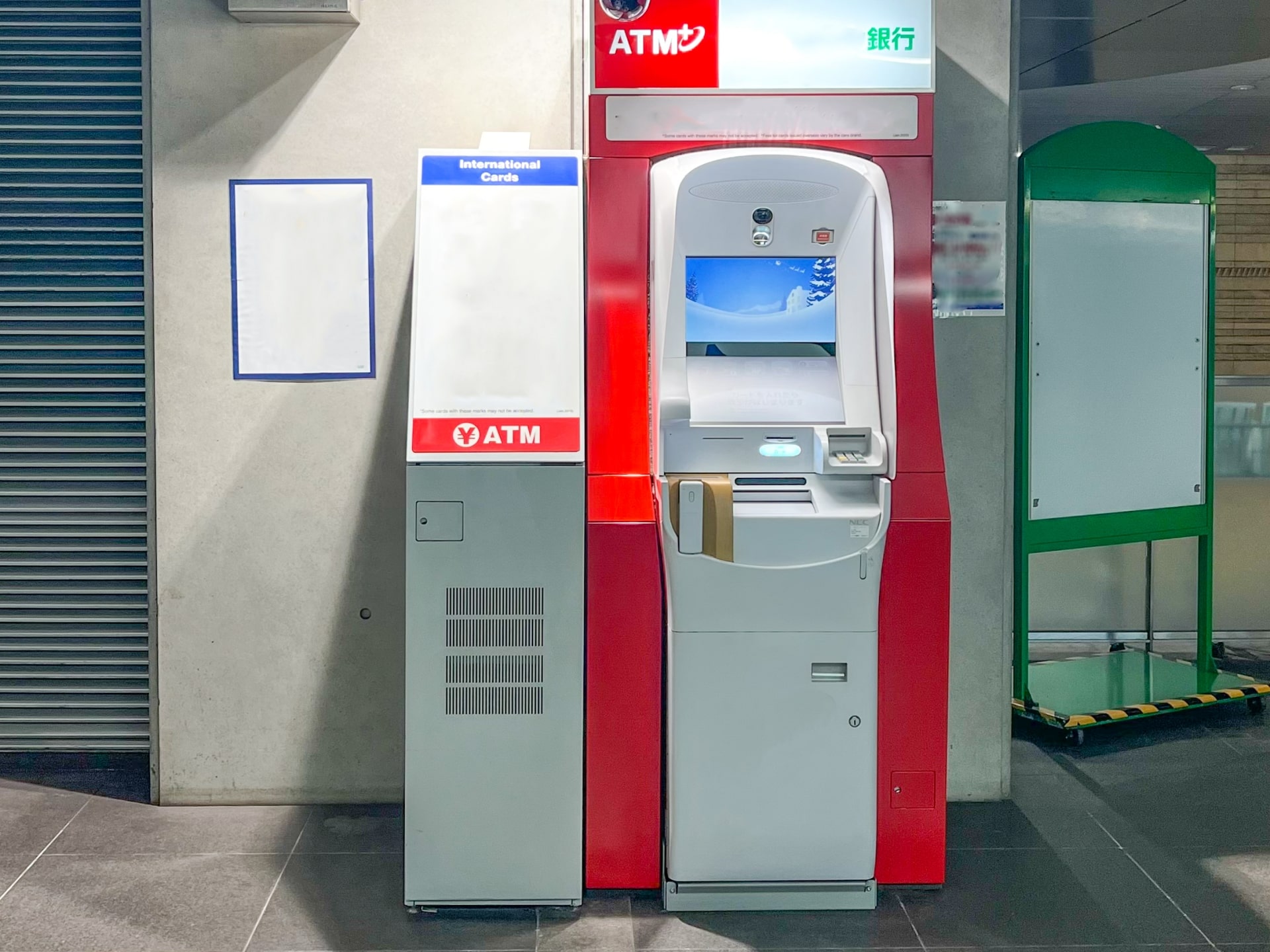
- Seek convenience stores for foreign-friendly ATMs. You might be surprised to see that normal bank ATMs tend not to accept international cards, so you better look for convenience stores for suitable ATMs. Occasionally you may find these ATMs on some stations or shopping malls.
- Withdraw cash during the day. Believe it or not, some ATMs have business hours so depending on your location, you may find yourself cash-strapped at night.
- Most large department stores have Tax-Free shopping for tourists, usually on purchases of 5,000 yen and up, so you want to take advantage of this whenever possible.
- Make sure to always keep some small change. Not all vending machines accept cashless options. You will also need coins if you want to use coin lockers, a very convenient option to leave your belongings for the day, found almost in all stations and many tourist hotspots.
Navigating the financial landscape of Japan might initially seem like deciphering a complex sushi menu. But once you get the hang of it, you’ll find that it’s not just manageable but also part of the adventure. From the tactile pleasure of handling crisp yen bills to the satisfaction of snagging a lunch special, understanding Japanese currency and payment methods enriches your travel experience in ways you might not have expected. So go forth, intrepid traveler, and may your yen take you far—both literally and figuratively.
Now that we’ve covered the basics, how about checking our guides to make the most of your shopping in Japan?



Written by
Photographer, journalist, and avid urban cyclist, making sense of Japan since 2017. I was born in Caracas and lived for 14 years in Barcelona before moving to Tokyo. Currently working towards my goal of visiting every prefecture in Japan, I hope to share with readers the everlasting joy of discovery and the neverending urge to keep exploring.
- +0 28
-
-