Best Places to See Hydrangeas in Tokyo (2026 Guide)
Complete Guide to Hydrangeas in Tokyo

- +0 0
-

-


Hydrangeas (ajisai) are one of the most iconic seasonal sights in Tokyo, transforming parks, temples, and quiet streets into soft landscapes of blue, purple, and pink during the rainy season. Unlike cherry blossoms, hydrangeas thrive in humidity — meaning even cloudy or rainy days create better viewing conditions.
In this guide, you’ll find the best hydrangea spots in Tokyo as well as peak bloom timing for 2026, a comparison table to choose the right location, and practical travel tips.
When to See Hydrangeas in Tokyo 2026 (Best Time to Visit)
Hydrangea season is longer and more forgiving than cherry blossom season, but timing still matters if you want peak colour.
- Early bloom: June 1–7 → fewer crowds, slightly smaller flowers
- Peak bloom: June 10–20 → fullest, most vibrant hydrangeas
- Late bloom: June 20 – early July → still beautiful, but some fading
Important insight:
Hydrangeas actually look better in light rain — the moisture deepens their colour and gives petals a glossy, photogenic texture. Don’t cancel plans because of weather.
Best Hydrangea Spots in Tokyo
1. Hakusan Shrine (Bunkyo Hydrangea Festival)
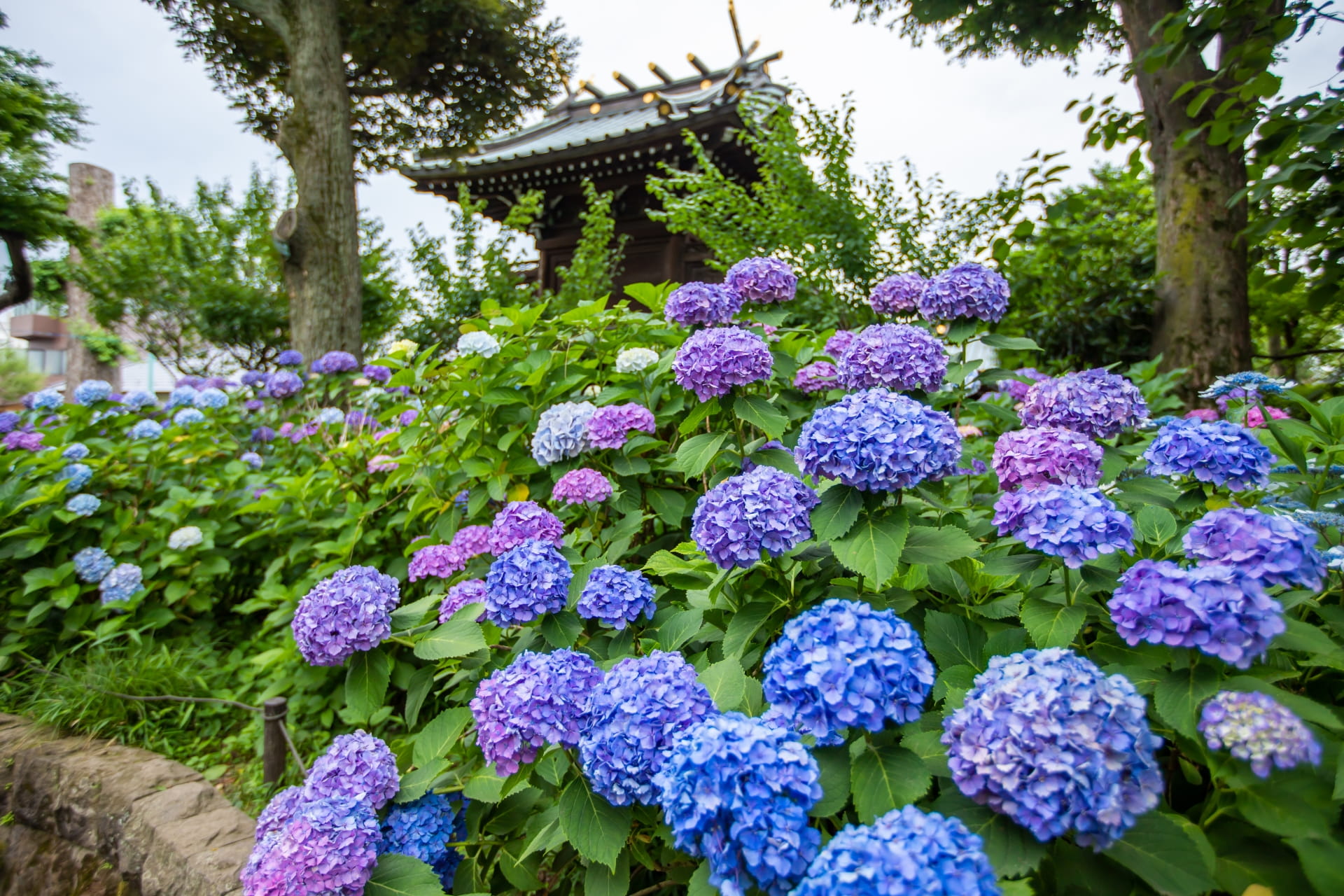
Located in a quiet residential district, Hakusan Shrine becomes one of Tokyo’s liveliest seasonal spots during hydrangea season. The surrounding hillside and pathways fill with thousands of blooms, creating a layered landscape of colour around the shrine grounds.
- Access: 2 min walk from Hakusan Station (Toei Mita Line) / 10 min walk from Hon-Komagome Station (Tokyo Metro Namboku Line)
- Number of flowers: ~3,000 hydrangeas
- Date: Early–mid June 2026 (festival period expected)
Best for: First-time visitors who want a classic, festive experience
Why visit:
- One of Tokyo’s most famous hydrangea festivals
- Small hillside garden area usually opened only during this season
- Traditional food stalls and a local, community feel
Pro tip:
Can get extremely crowded, especially weekends and midday. Arrive before 9:00 AM to enjoy the shrine grounds in near silence and get clean photos before crowds arrive.
2. Takahata Fudoson Temple
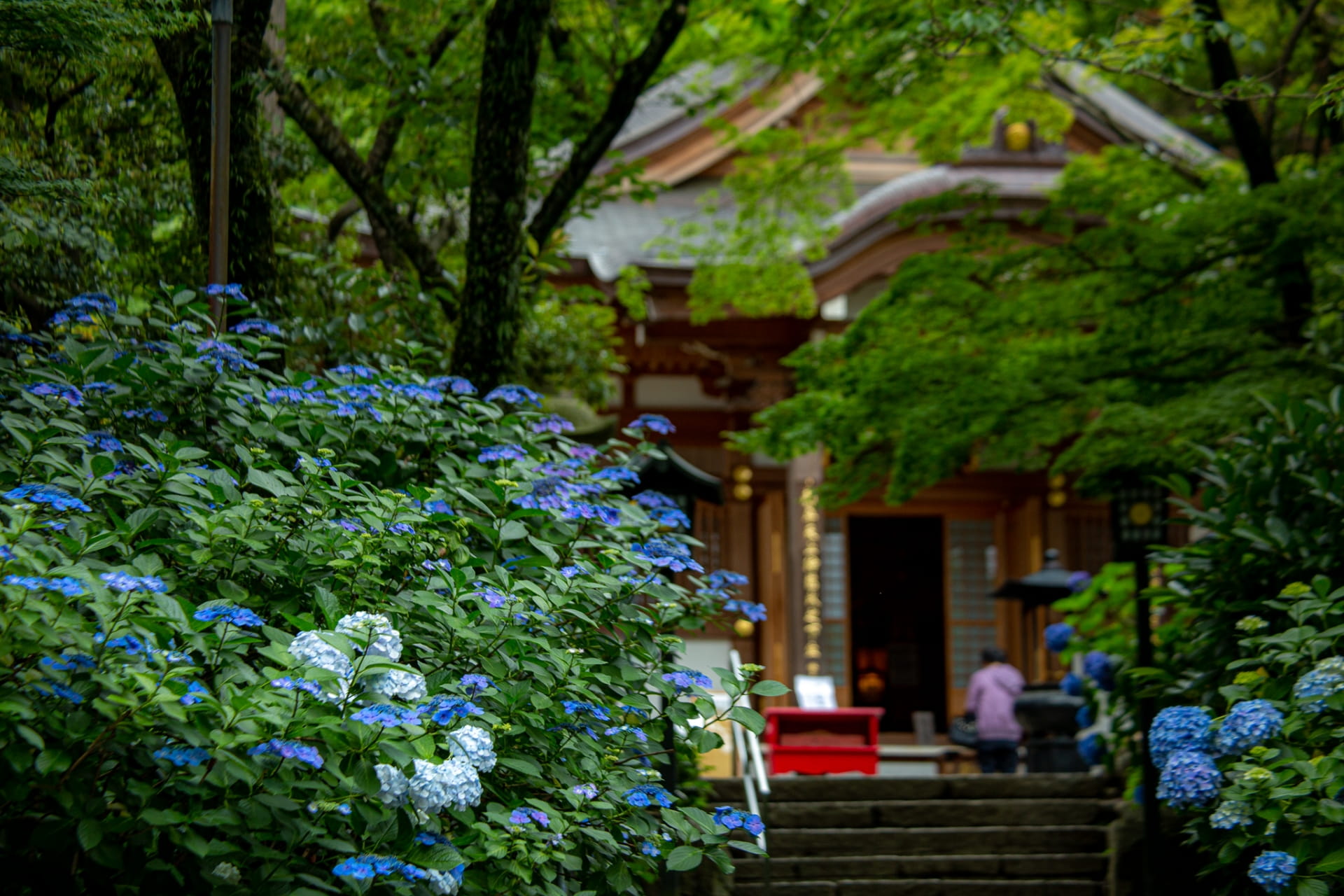
This temple offers a completely different experience — less about crowds and more about atmosphere. Hydrangeas grow along forested slopes and temple paths, blending into the natural environment rather than being arranged in formal displays.
- Access: 5 min walk from Takahatafudo Station (Keio Line or Tama Monorail). About 30–40 min from Shinjuku Station via Keio Line
Best for: Travellers seeking calm, nature, and a more traditional mood
Why visit:
- Thousands of hydrangeas scattered across wooded terrain
- Elevated walking paths with scenic viewpoints
- A quiet, spiritual setting that feels far from the city
Pro tip:
Take your time walking uphill — the higher paths tend to be quieter and offer the best photo angles.
3. Sumida Park
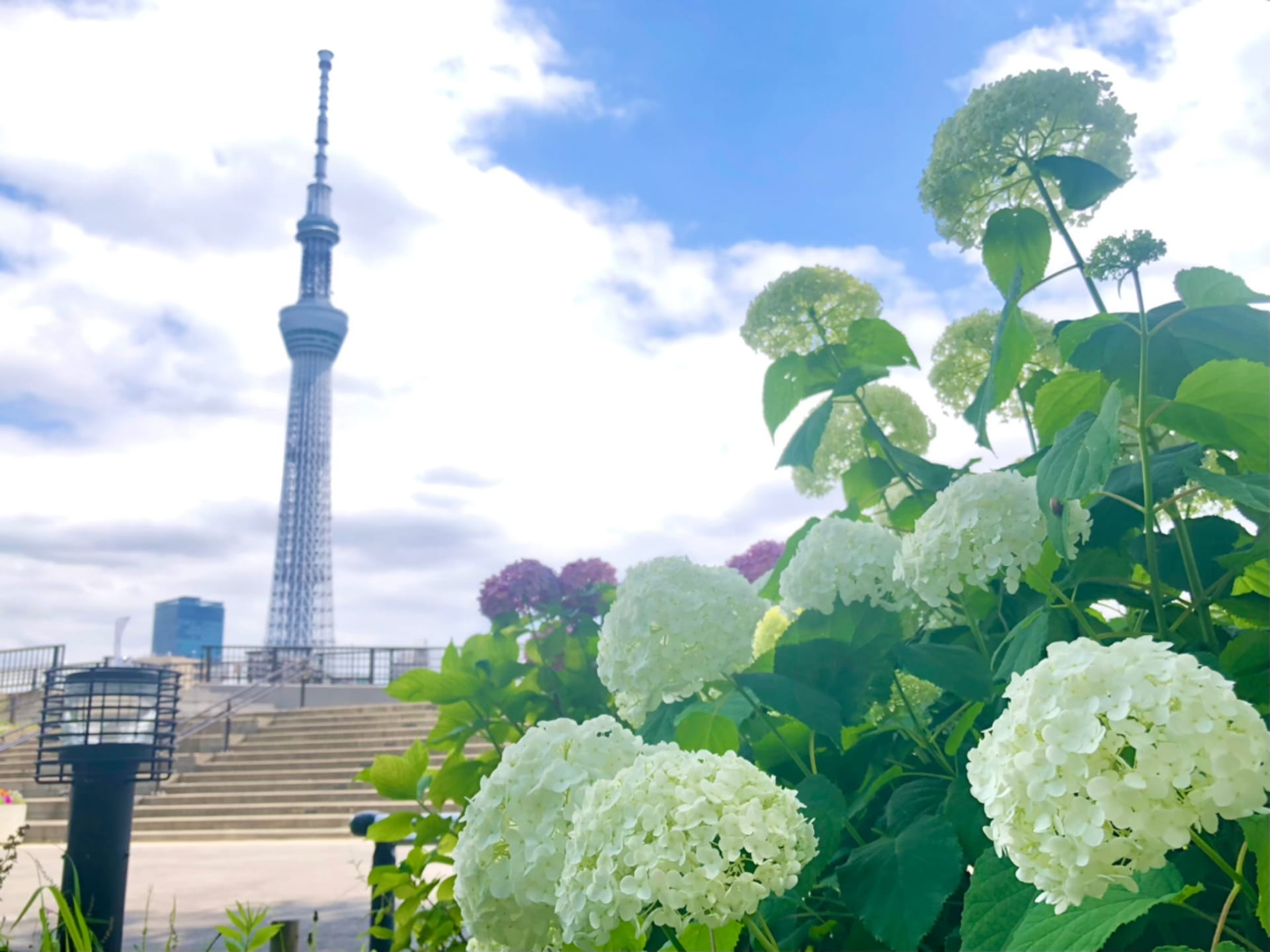
Stretching along the Sumida River, this park offers a unique contrast between seasonal flowers and Tokyo’s modern skyline. Hydrangeas line walking paths, creating colourful foregrounds with urban landmarks behind them. Easily combined with visits to Asakusa and Tokyo Skytree
- Access: 5 min walk from Asakusa Station (Tokyo Metro Ginza Line / Toei Asakusa Line) / 10 min walk from Tokyo Skytree Station (Tobu Skytree Line)
Best for: Easy sightseeing + photography
Why visit:
- Views of Tokyo Skytree rising behind hydrangeas
- Long riverside walks with plenty of space
- Convenient location near Asakusa
Pro tip:
Visit in late afternoon for softer lighting and fewer crowds, then stay for sunset views over the river.
4. Showa Memorial Park
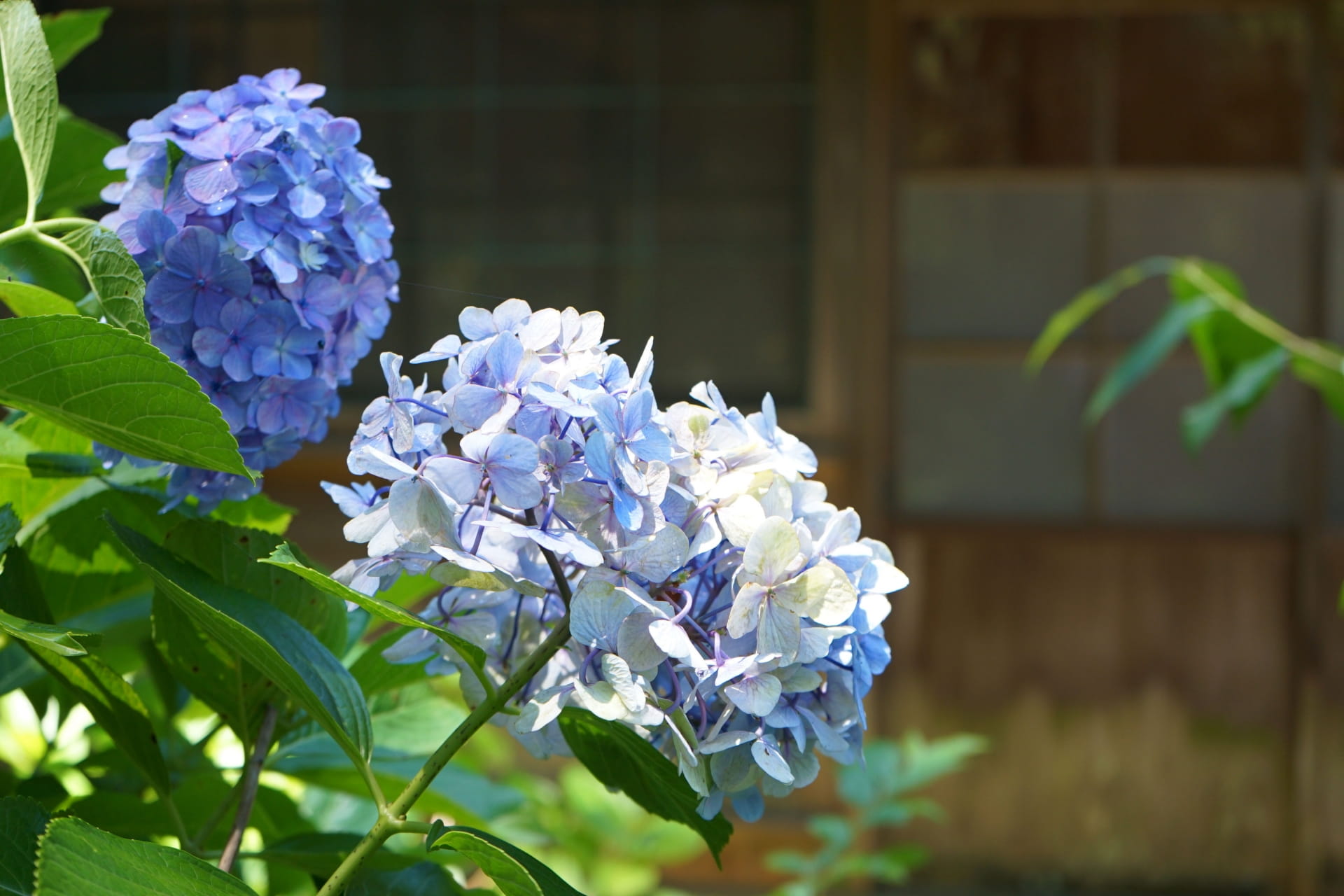
One of Tokyo’s largest parks, this is the best place if you want a relaxed, spacious environment. Hydrangeas are spread across different zones, allowing you to explore without feeling crowded.
- Access: 10 min walk from Tachikawa Station (JR Chuo Line) / 2 min walk from Nishi-Tachikawa Station (JR Ome Line)
Best for: Families, picnics, and slow travel
Why visit:
- Wide-open lawns and shaded walking paths
- Seasonal flower variety beyond hydrangeas
- Bike rentals for easy exploration
Pro tip:
Rent a bicycle near the entrance — it saves time and lets you discover less crowded flower areas.
5. Asukayama Park
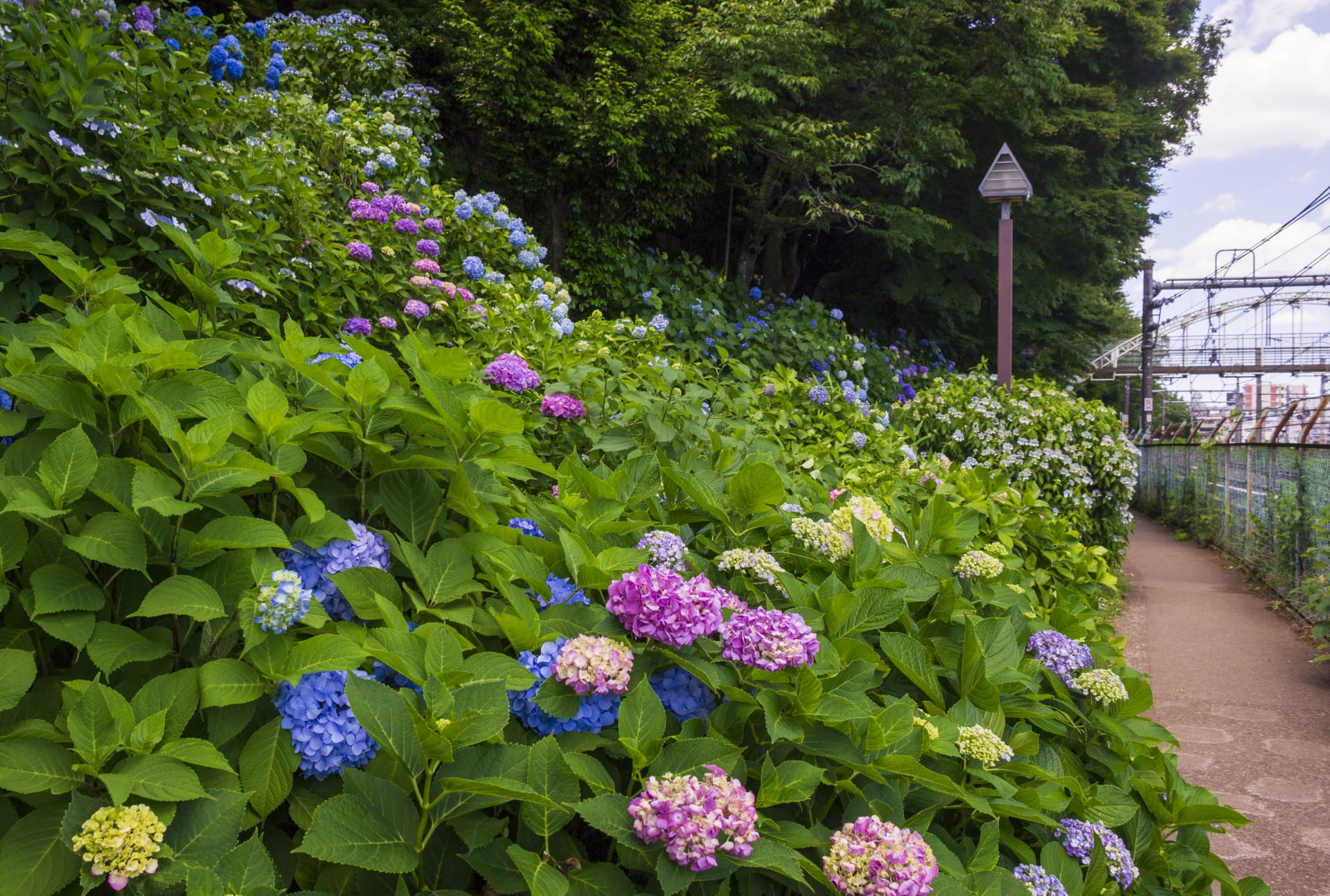
This smaller neighborhood park offers a more local experience. Hydrangeas line gentle slopes and walking paths, making it ideal for a short, low-effort visit.
- Access: 3 min walk from Oji Station (JR Keihin-Tohoku Line) / Direct access via Toden Arakawa Line (tram)
Best for: Casual stop, low crowds
Why visit:
- Quiet, residential atmosphere
- Easy to combine with nearby attractions
- Seasonal charm without heavy tourism
Pro tip:
Pair your visit with a ride on the historic Tokyo streetcar nearby for a nostalgic experience.
6. Tokyo Summerland Hydrangea Garden
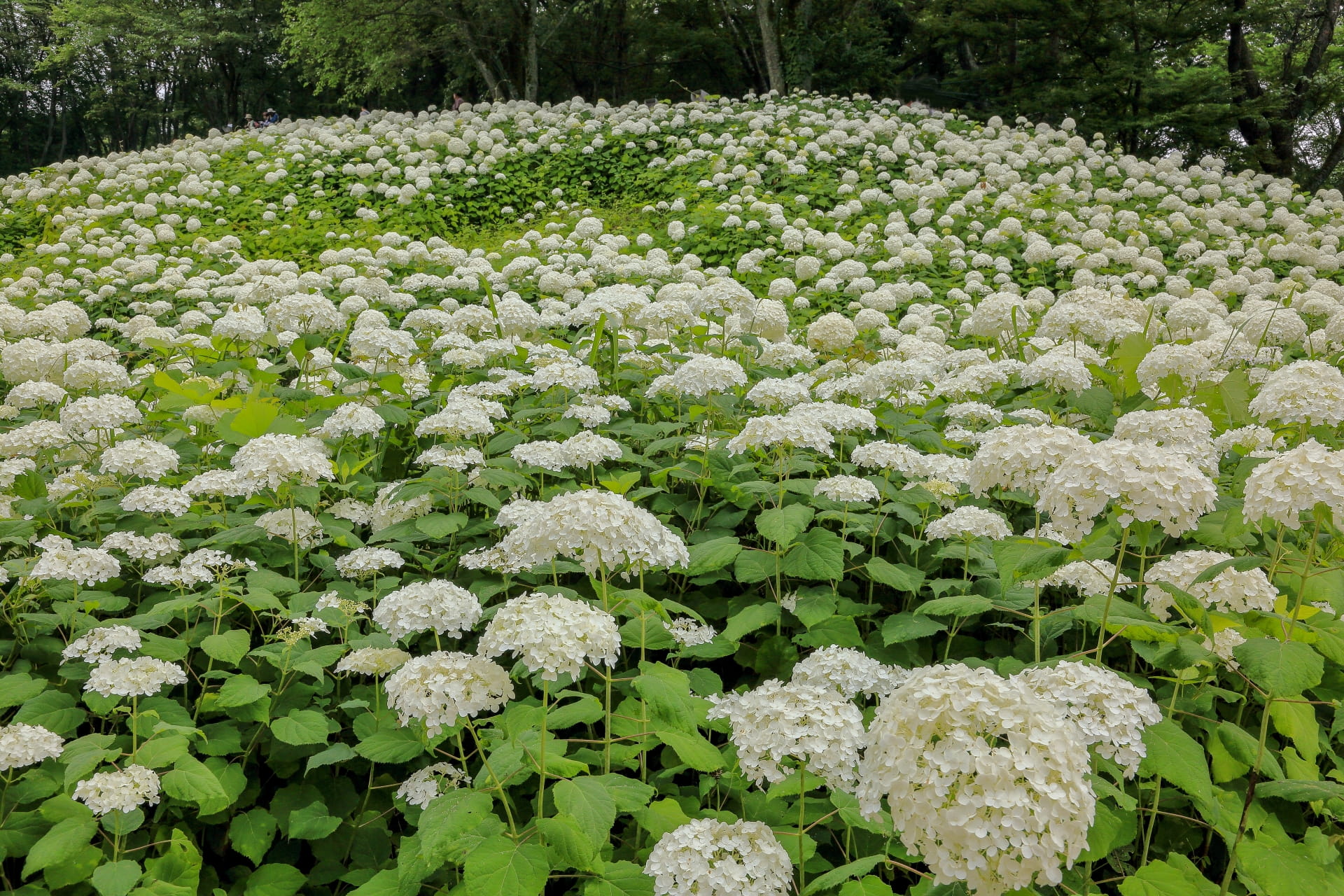
Farther from central Tokyo, this spot rewards visitors with scale and uniqueness. The highlight is a hillside covered in white “Annabelle” hydrangeas — something rarely seen elsewhere in Tokyo.
- Access: From Akigawa Station (JR Itsukaichi Line), take a bus (~10 min) / About 60–75 min from central Tokyo
Best for: Unique scenery + day trip
Why visit:
- Around 15,000 hydrangeas
- Expansive views and fewer crowds
- Distinct white flower landscapes
Pro tip:
Go on a weekday if possible — the area is large, but weekends can still attract families.
+ Worth the Day Trip: Kamakura’s Meigetsuin Temple
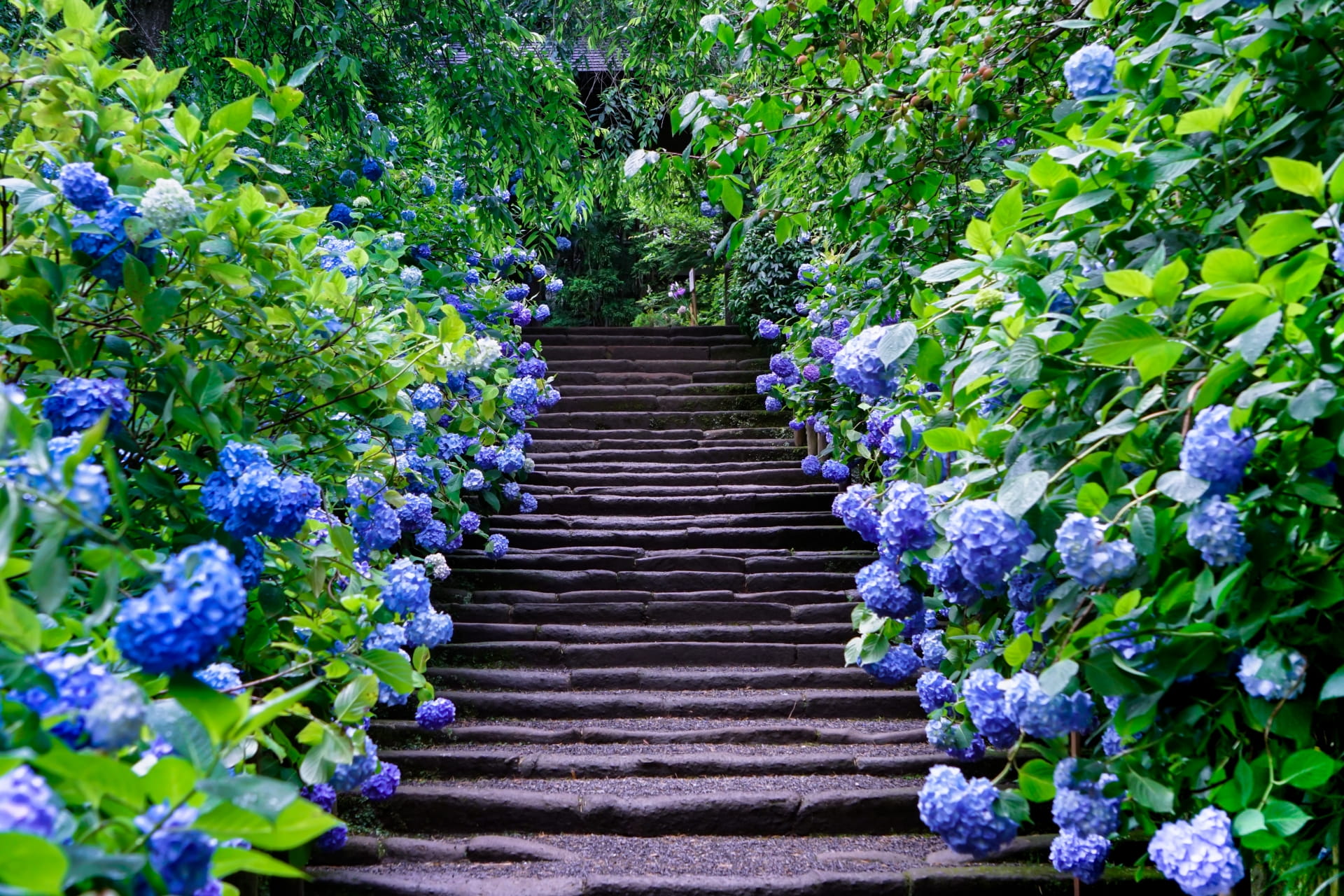
Often called the “Hydrangea Temple”, this is one of Japan’s most photogenic seasonal spots. The temple paths are lined with dense blue hydrangeas, creating immersive, tunnel-like views.
- Access: 10 min walk from Kita-Kamakura Station (JR Yokosuka Line)
Best for: Iconic, high-impact photography
Why visit:
- Uniform blue hydrangeas for a striking visual effect
- Famous temple gate and circular window views
- One of the most recognizable hydrangea scenes in Japan
Pro tip:
Extremely crowded during peak season, and entry restrictions and queues are common. Arrive right at opening time (or just before closing) to avoid the longest lines.
Hydrangea Spots Comparison
| Spot | Best For | Crowd Level | Travel Effort | Why Choose It |
|---|---|---|---|---|
| Hakusan Shrine | 🎏 Festival + culture | 🔴 High | ⭐ Easy | Classic Tokyo hydrangea experience with festival atmosphere |
| Takahata Fudoson Temple | 🌿 Quiet nature | 🟢 Low | ⚠️ Medium | Peaceful temple setting with forested hydrangea paths |
| Sumida Park | 🏙️ City photos | 🟡 Medium | ⭐ Easy | Flowers with skyline views, near Tokyo Skytree |
| Showa Memorial Park | 👨👩👧 Families | 🟡 Medium | ⚠️ Medium | Spacious park, great for picnics and relaxed exploring |
| Meigetsuin Temple | 📸 Photography | 🔴 Very High | ⚠️ Day trip | Iconic dense hydrangea views, best for dramatic photos |
| Asukayama Park | 🌸 Casual visit | 🟢 Low | ⭐ Easy | Local, low-key spot for a short and quiet stop |
| Tokyo Summerland Hydrangea Garden | 🌊 Day trip | 🟡 Medium | ⚠️ Medium | Unique white hydrangea hills and large-scale displays |
Photography Tips (High Impact)
Hydrangeas are surprisingly tricky to photograph well — here’s how to get the best results:
- Go early morning → soft light + fewer people
- Shoot after rain → deeper colours, reflective petals
- Look for layers → foreground flowers + background temple/city
- Use close-ups → hydrangeas have intricate petal details
Common Mistakes to Avoid
- Visiting too late in the season (colours fade quickly after peak)
- Only going midday (harsh light + crowds)
- Skipping less famous spots (they’re often more enjoyable)
Suggested 1-Day Hydrangea Itinerary
Morning: Hakusan Shrine (8:00–9:30 AM)
Start your day early at Hakusan Shrine, one of the most famous hydrangea spots in Tokyo. Arriving before 9:00 AM makes a huge difference — you’ll experience the shrine in a calm, almost local atmosphere before the festival crowds arrive.
Walk through the hydrangea hillside garden (seasonal opening area) and explore the main shrine grounds. Take photos along the stone paths surrounded by flowers.
Midday: Sumida Park (10:00–11:00 AM)
Head toward the east side of Tokyo for your next stop. Take Toei Mita Line, transfer to Ginza Line and arrive at Asakusa. This is a smooth, straightforward transfer with minimal walking.
Take a relaxed walk through Sumida Park, where hydrangeas line the riverside paths with views of the Tokyo skyline. Walk along the Sumida River paths and take photos with Tokyo Skytree in the background. Still relatively quiet, and the light is gentle before midday harshness.
Lunch: Asakusa (11:30 AM-12:30 PM)
After your walk, head into Asakusa for lunch. This area is packed with casual restaurants and local specialties. Grab a quick, relaxed meal and optionally stroll around Nakamise Street. Take a short break before heading west
Afternoon: Takahata Fudoson Temple (1:30–3:00 PM)
Make your way to a quieter, more nature-focused hydrangea spot. The total travel time from Asakusa to Takahata Fudoson Temple takes about 1 hour with a transfer to Keio Line at Shinjuku Station.
At the temple, walk the forest hillside trails lined with hydrangeas and explore temple buildings and pagoda. Look for shaded paths with the tree cover keeps the area cool and photogenic even during midday hours. Capture contrast between flowers and temple structures.
Optional Add-On: Showa Memorial Park (4:00–5:30 PM)
If you still have time and energy, continue to this large park for a relaxed end to your day. Enjoy wide-open spaces and fewer crowds with beautiful late afternoon light. Perfect for unwinding after a busy morning
Why Hydrangea Season Is the Perfect Time to Visit Tokyo
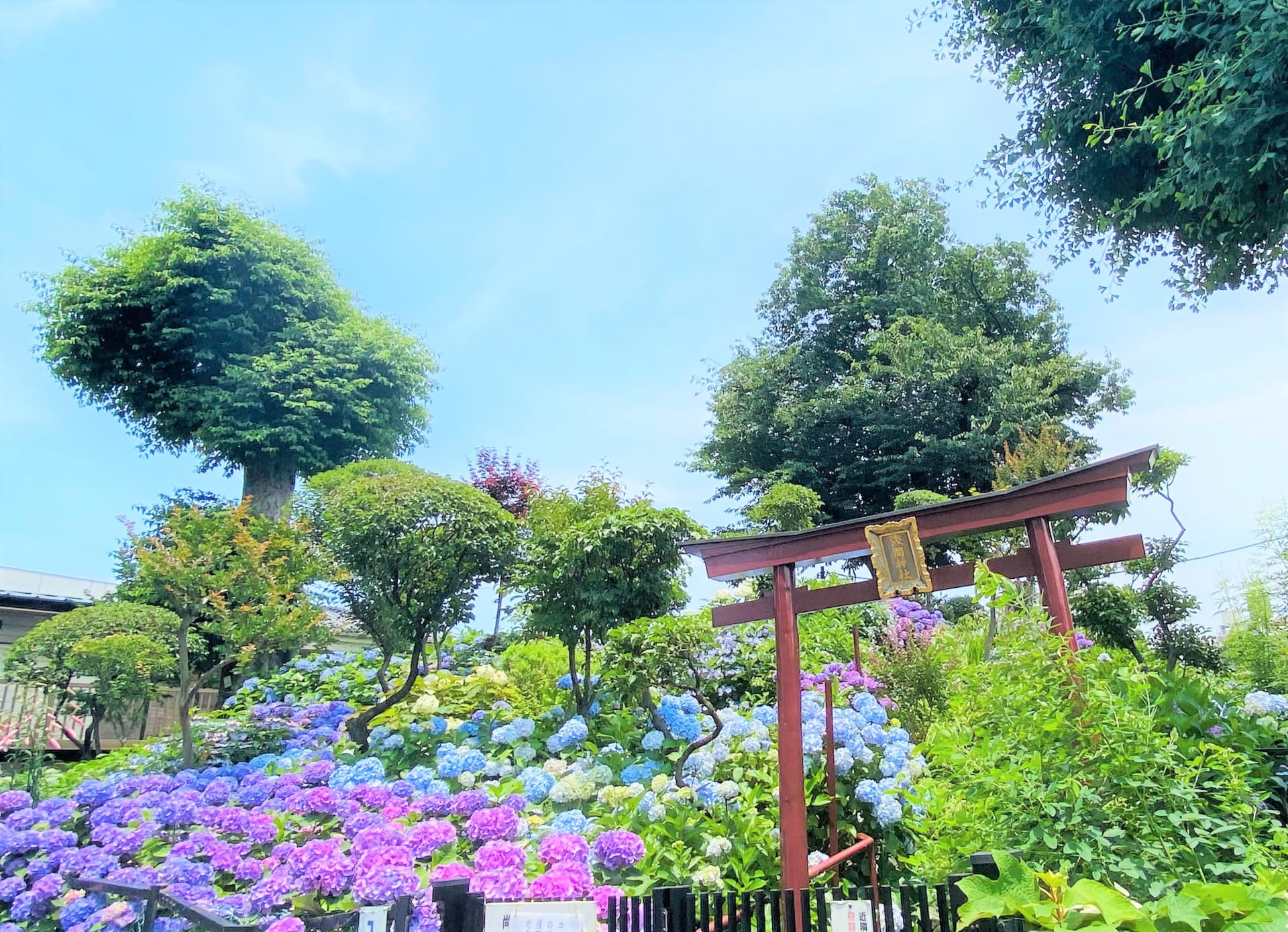
Hydrangea season is one of the most underrated times to visit Tokyo. With longer bloom periods and fewer crowds than cherry blossom season, it offers a more relaxed way to experience the city’s seasonal beauty. From the lively festival atmosphere at Hakusan Shrine to the riverside views of Sumida Park and the peaceful trails of Takahata Fudoson Temple, each spot reveals a different side of Tokyo.
With the right timing and a flexible plan, you can enjoy a full day of hydrangeas that blends culture, nature, and iconic city scenery — making June a surprisingly perfect time to explore Tokyo.
For more seasonal attractions in Japan, please check out following articles, too!



Written by
"The world is my oyster." As a dedicated globetrotter and hammock enthusiast, I’ve spent years chasing new experiences, collecting stories, and discovering the world’s most incredible destinations. Born and raised in Japan, I’ve always had a deep connection to my roots, but my love for adventure has led me to spend over a decade exploring countries across the globe—from culture-rich cities to remote hideaways.
Travel isn't just a hobby for me; it's a lifestyle. I'm constantly searching for new ways to fuel my wanderlust. Over the years, I’ve developed a wealth of knowledge and a treasure trove of tips that make traveling more enjoyable, practical, and meaningful.
Through my experiences, I've come to appreciate not only the beauty of travel but also the importance of understanding diverse cultures, embracing the unfamiliar, and stepping out of my comfort zone. My travels have shaped who I am today, and I’m excited to share those lessons with others.
With Japan Web Magazine, I aim to offer practical advice, insider tips, and firsthand stories that help travelers navigate their journeys to Japan or setting off on a global adventure. From hidden gems in Japan to travel hacks that make any trip smoother, I hope my insights inspire you to embark on your own adventures and make the most of every moment. Let’s explore the world together!
You can also find my stories here ▶ https://medium.com/@nahobm
- +0 0
-
-