How to Spend Half a Day at Takanawa Gateway City
A Guide to Tokyo's New Destination


- +0 0
-

-


There’s a different side of Tokyo taking shape around Takanawa Gateway Station. Instead of one major attraction, Takanawa Gateway City brings together futuristic architecture, sky-high greenery, contemporary art, cafés, restaurants, and shopping across a new urban district.
That makes it an interesting place to spend a few unhurried hours rather than somewhere to simply stop for a photo. You could start with the station itself, head up to a rooftop garden for city views, take a coffee break, have yuzu ramen for lunch, and finish with an exhibition, a bookshop, or something sweet.
So, how much can you actually see in half a day? This guide puts together a practical 3–5-hour route through Takanawa Gateway City, with suggestions on where to go, how long to spend at each stop, and how to shape your visit around your interests.
What is Takanawa Gateway City?
Takanawa Gateway City is a large-scale new urban district built around Takanawa Gateway Station, combining offices, hotels, shops, restaurants, cultural facilities, public spaces, and greenery across an area connecting Takanawa and Shinagawa. Starting with the unveiling of the station itself in 2020, the district opened in stages from March 2025 until its grand opening in March 2026, giving this part of Tokyo a distinctly modern character while retaining links to its past.
That history is particularly interesting for railway enthusiasts. The site lies along the route of Japan’s first railway, which opened between Shimbashi and Yokohama in 1872. During construction, archaeologists uncovered remains of the historic Takanawa Embankment, part of the railway infrastructure built along the former shoreline. The development incorporates this history into its public spaces, while a gallery in THE LINKPILLAR 2 introduces the story of the railway and the archaeological discoveries.
So while the futuristic station and high-rise buildings are the obvious draw, there is an older layer to discover if you look beyond the main attractions.
Is Takanawa Gateway City Worth Adding to Your Tokyo Itinerary?
Takanawa Gateway City is a good fit for travelers who want to see a newer, more contemporary side of Tokyo. It works particularly well if you are staying around Shinagawa, Takanawa, or Minato, and it is also worth considering for repeat visitors who have already explored the city’s better-known districts.
Architecture and design enthusiasts will find plenty to appreciate, while the mix of cafés, restaurants, and specialty food spots makes it easy to build a visit around eating and coffee. It also suits travelers who prefer a relaxed few hours exploring at their own pace rather than moving between major attractions.
That said, it may not need to be a priority on a first Tokyo trip if you still want to cover major historic sights such as Asakusa, Meiji Jingu, or Sensoji. Travelers with only an hour or two may also find the area better saved for another day, when they can give it at least a few hours.
How Much Time Do You Need at Takanawa Gateway City?
Plan on at least three hours to see the main highlights without rushing. This gives you enough time for the main highlights, a nice lunch stop and one cultural stop such as MoN Takanawa.
If you have four to five hours, you can slow the pace and add a proper coffee or dessert break, browse NEWoMan Takanawa, or spend more time at BUNKITSU TOKYO. This longer option works well if you want to treat Takanawa Gateway City as a half-day outing rather than a quick sightseeing stop.
The itinerary below follows the three-hour route first, with optional stops for extending your visit.
A Half-Day Itinerary for Takanawa Gateway City
A simple way to structure your visit is to arrive in the late morning and spend the first few hours following the main highlights before deciding how much longer you want to stay. The schedule below gives you a roughly three-hour route, with the final stop flexible enough to turn it into a four- or five-hour outing.
Suggested 3-hour schedule:
10:30 Takanawa Gateway Station → 11:00 LUFTBAUM → 11:45 LOOPS → 12:15 AFURI → 13:00 MoN Takanawa → 13:30 choose your final stop
1. Start at Takanawa Gateway Station — About 30 Minutes
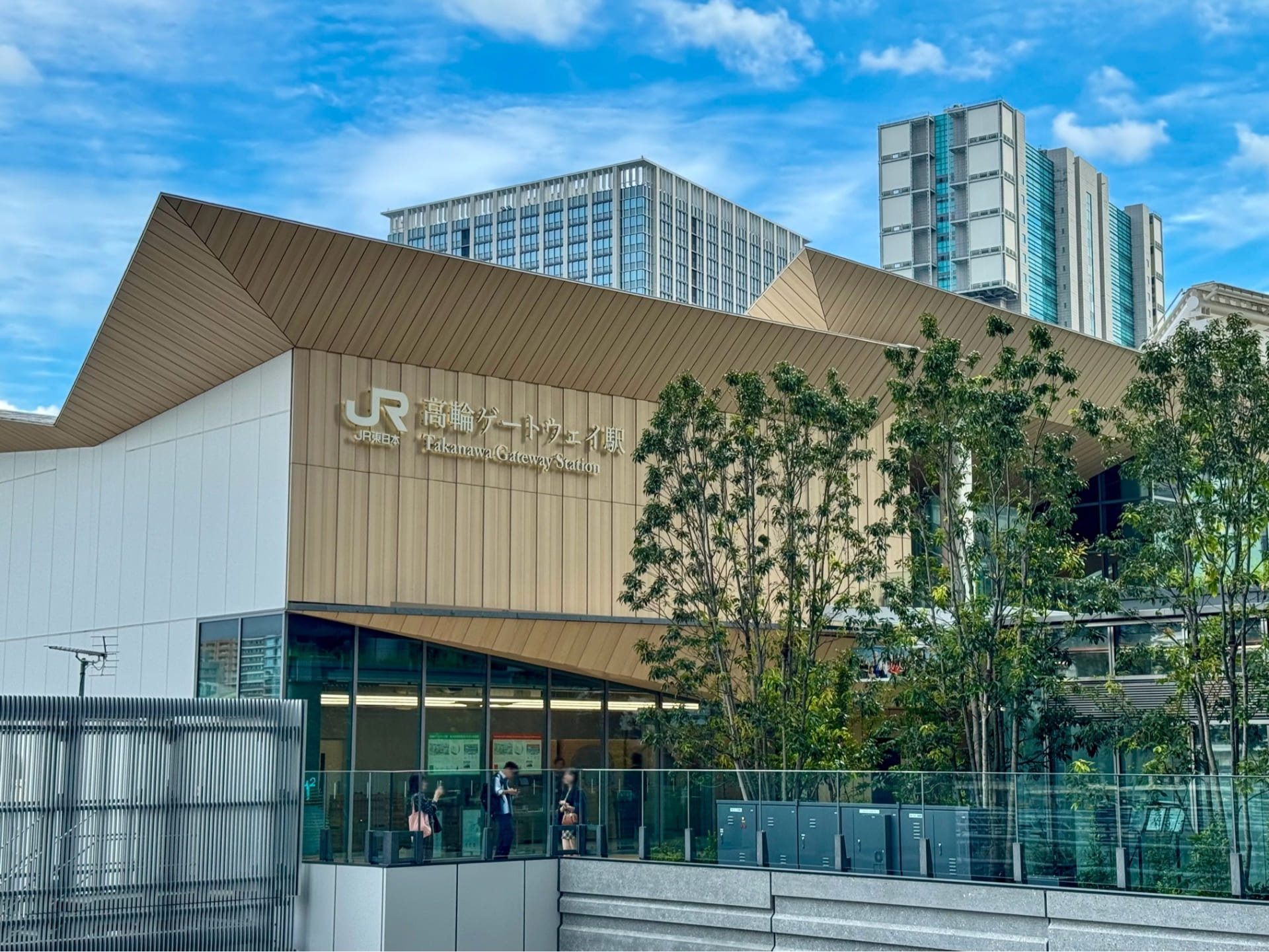
Begin at the station rather than rushing straight into the surrounding facilities. Takanawa Gateway Station was designed by Kengo Kuma, with its large origami-inspired roof and expansive glass surfaces making the station itself one of the area’s architectural highlights.
Give yourself around 30 minutes to look around, take photographs, and get your bearings before heading into the wider development. This also gives you a useful sense of the area’s layout before moving between its different buildings and facilities. If you arrive by train, you are already at the natural starting point for the route.
2. Head Up to LUFTBAUM — About 30–45 Minutes


From the station, make your way up to LUFTBAUM, the rooftop area of NEWoMan Takanawa. The 28th and 29th floors are open to visitors, with the surrounding space offering elevated views across Tokyo. The area is open from 8:00 to 24:00, although individual restaurants and other facilities have their own hours.
Allow around 30–45 minutes here to walk through the garden, take in the views, and photograph the architecture and cityscape. Starting the itinerary at a high point also gives you an immediate sense of the scale of the new development before you spend the rest of your visit exploring at ground level.
3. Take a Coffee Break at LOOPS — About 30 Minutes


After LUFTBAUM, settle in for a short break at LOOPS on the same 28th floor. Designed around the atmosphere of a hotel lounge, it serves food such as bagel sandwiches and pancakes alongside original cocktails.
For a daytime itinerary, this is a natural place to stop for coffee before lunch without adding another major detour. Allow around 30 minutes for a drink and a chance to sit down. If you visit later in the day, LOOPS changes naturally into an evening stop, with cocktails making it a possible place to linger after the sightseeing portion of your visit.
4. Stop for Lunch at AFURI — About 45–60 Minutes


For lunch, head to AFURI in NEWoMan Takanawa North. Its signature yuzu ramen is a good match for a midday stop, with a lighter, citrus-forward profile than the rich bowls associated with some other ramen styles. AFURI also offers its Rainbow Vegan Ramen, made entirely with plant-based ingredients and seasonal vegetables.
Allow 45–60 minutes for lunch, particularly if you are visiting around the main lunch period. The restaurant is also listed by NEWoMan Takanawa as offering vegan-friendly options. For travelers with allergies or strict dietary requirements, check the latest allergen information before ordering, as AFURI notes that its dishes are prepared in a shared kitchen.
5. Explore MoN Takanawa — About 30–45 Minutes


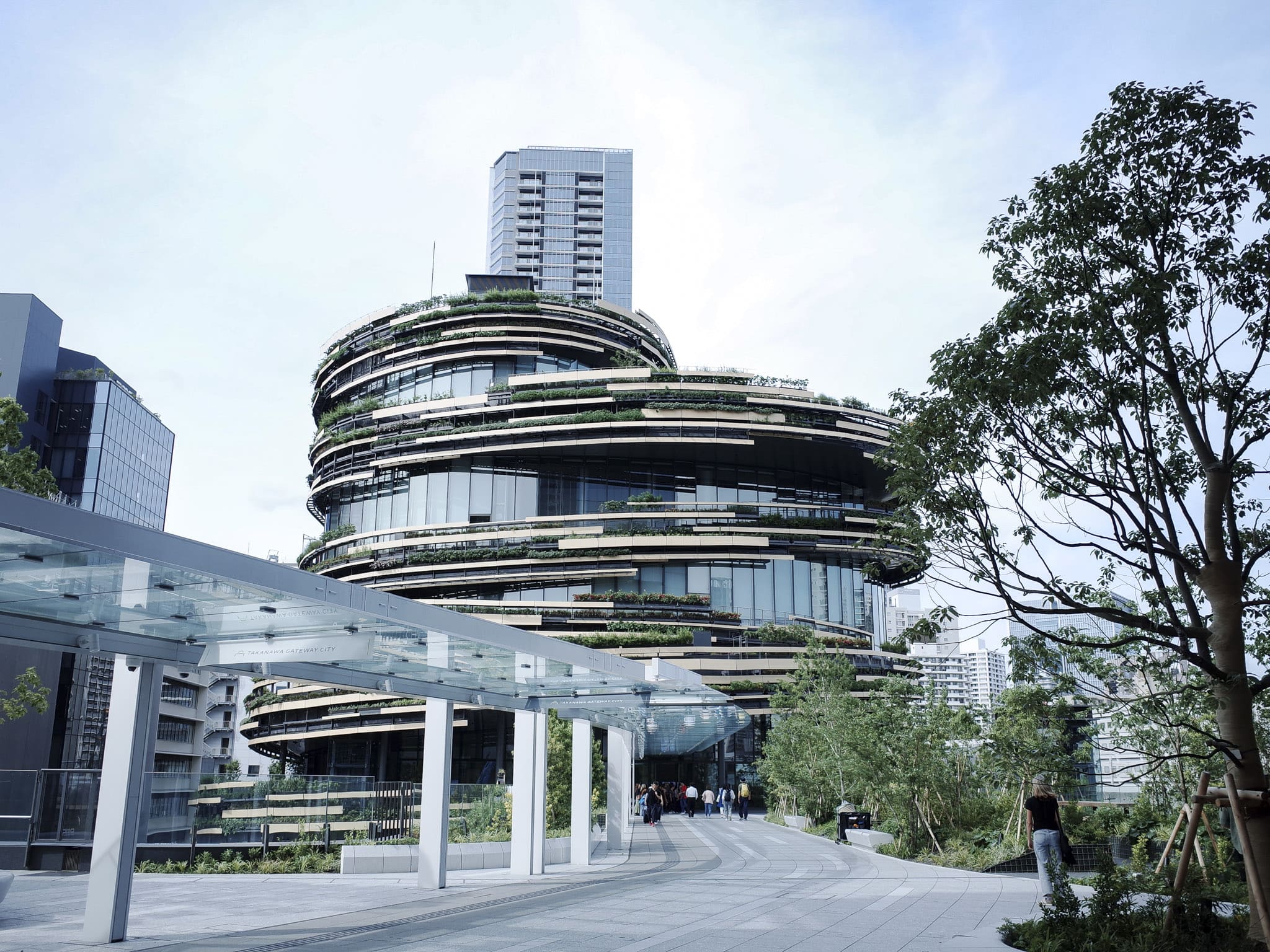
After lunch, continue to MoN Takanawa: The Museum of Narratives. This is another point where the architecture is part of the experience: the museum’s distinctive spiral-shaped exterior was designed by Kengo Kuma & Associates, using extensive timber and greenery to connect the building with its surroundings.
The museum hosts exhibitions, performances, and other cultural programs, so exactly what you see will depend on the schedule when you visit. Allow 30–45 minutes for a typical stop, but check the current exhibition and ticket requirements beforehand if you want to see a specific program. Current programming can include timed-entry exhibitions, so this is one part of the itinerary where checking ahead can save you from having to rearrange the rest of your day.
6. Finish with Coffee, Sweets, Shopping or Books — 30–60+ Minutes


By this point, you will have covered the main sightseeing stops. Rather than adding another fixed destination, use the final part of your visit to choose what interests you most.
For coffee and sweets: head to OGAWA COFFEE LABORATORY in MIMURE. The complex brings together several specialized spaces covering coffee, bread, chocolate, sweets, and other food experiences. One particularly unusual stop is the Texturing Lab, where gelato is finished using -196°C liquid nitrogen in front of you. Allow at least 30 minutes, and longer if you want to explore several of the different labs.
For shopping: spend your remaining time exploring NEWoMan Takanawa. The complex now has around 180 stores across its South, North, LUFTBAUM, and MIMURE areas, so even a quick browse can easily become the longest part of your visit.
For books and design: make your way to BUNKITSU TOKYO on South 5F. The large bookshop carries around 100,000 books and includes several café lounges (note that an admission fee is required for the lounge areas), making it particularly suited to anyone who wants to slow down rather than simply browse a few shelves. If you want to properly explore the collection or use the lounge, allow considerably longer than 30 minutes.
This final choice is what turns the basic three-hour route into a more relaxed four- to five-hour visit. You can follow the itinerary closely, or simply stop once you have seen the parts that interest you most.
Practical Information for Visiting Takanawa Gateway City
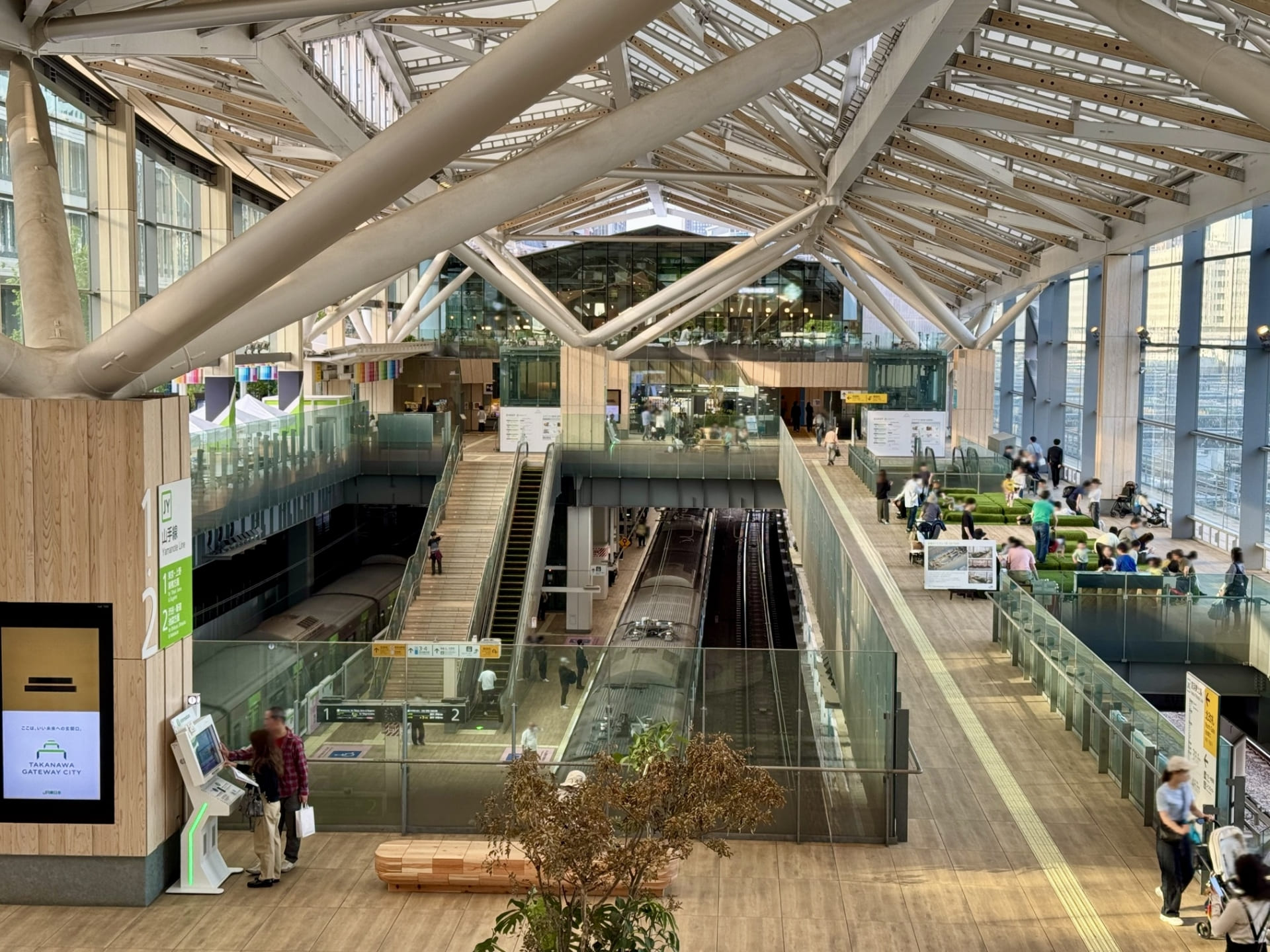
Getting there: Takanawa Gateway City is directly connected to Takanawa Gateway Station, served by the JR Yamanote and Keihin-Tohoku Lines. From Tokyo Station, the journey takes about 8 minutes on the Keihin-Tohoku Line; Shibuya is about 14 minutes and Shinjuku about 21 minutes on the Yamanote Line. Sengakuji Station, served by the Keikyu and Toei Asakusa Lines, is also about a two-minute walk away.
When to go: Daytime is a good choice for LUFTBAUM’s greenery and city views, while a later visit adds the atmosphere of Tokyo after dark. If you want to combine sightseeing with lunch, start in the late morning. For sunset or night views, check the opening hours of the individual facilities rather than assuming the entire complex operates on the same schedule.
If the weather is good, don’t feel you need to stay inside the buildings. The public spaces connecting the development are part of the experience, particularly if you’re interested in architecture, landscaping, or the area’s railway history.
Rainy days: Much of the itinerary can be enjoyed indoors, including the station, NEWoMan Takanawa, MoN Takanawa, restaurants, cafés, and shops. On wet days, spend less time in outdoor areas and allow more time for the indoor stops.
Accessibility and luggage: Elevators are available throughout the main buildings, while wheelchair rentals are available from Area Information & Mobility. Stroller rentals are also offered with advance reservation, subject to availability. Lockers are available 24 hours at THE LINKPILLAR 1 North and South, making it practical to visit with luggage.
Cost: There is no general admission fee for exploring Takanawa Gateway City, although individual attractions, exhibitions, food, drinks, and shopping cost extra. Some special exhibitions and events at MoN Takanawa may require advance reservations or paid admission, so check the current program before visiting.


Is Takanawa Gateway City Worth Visiting?
Takanawa Gateway City offers a different way to experience Tokyo, centered on contemporary architecture, elevated views, food, coffee, culture, and newly created public spaces rather than a single landmark. That mix makes it particularly well suited to a half-day, giving you enough time to explore without having to rush between stops.
The best part is that you can shape the visit around your interests. Spend more time taking photographs, linger over lunch, browse the shops, or settle into a café with a book. Use the itinerary above as a starting point, then adjust the pace and stops to suit your own Tokyo day.
Looking for more cool finds in Tokyo? We got you covered!

Written by
Photographer, journalist, and avid urban cyclist, making sense of Japan since 2017. I was born in Caracas and lived for 14 years in Barcelona before moving to Tokyo. Currently working towards my goal of visiting every prefecture in Japan, I hope to share with readers the everlasting joy of discovery and the neverending urge to keep exploring.
- +0 0
-
-