How to Climb Mount Fuji in 2026: Trails, Fees, and New Rules
Scaling New Heights: Your Ultimate Guide to Conquering Mt. Fuji


- +0 0
-

-


Standing tall at 3,776 meters, Mt. Fuji (富士山), known locally as Fujisan, represents a lot more than just being Japan’s highest peak and its ultimate physical challenge; it’s a symbol of the nation’s spirit and a noteworthy bucket-list achievement for travelers worldwide. Climbing Mt. Fuji is a journey into the heart of Japanese culture, shared between the prefectures of Yamanashi and Shizuoka, and the mountain’s ethereal beauty has inspired countless artworks, its snow-capped summit a sight to behold. But conquering this active volcano requires more than just physical stamina. As someone who has successfully summited Mount Fuji, I know firsthand that the logistical prep can make or break your climb—and the rules have drastically changed.
For the 2026 climbing season, local authorities have strictly enforced mandatory online registration systems, daily climber caps, and a uniform entry fee across all routes to combat dangerous overtourism. Whether you are aiming to catch the legendary sunrise (Goraiko) or navigating the steep volcanic trails, this updated, firsthand guide covers the essential 2026 regulations, crucial gear requirements, and a realistic breakdown of the four main routes to get you to the summit safely.
Important: Trail conditions, opening dates, transportation, fees and entry procedures may change due to weather, volcanic activity or official decisions. Check the official Mount Fuji climbing website and the relevant prefectural information before traveling. This article does not replace professional mountain guidance or individual medical advice.
Mandatory 2026 Booking Systems, Fees, and Gate Rules

To combat severe overtourism and dangerous “bullet climbing” (rushing to the summit overnight without sleep), local authorities have strictly overhauled access rules. If you plan to climb during the 2026 season, you must navigate two entirely separate booking systems depending on your trail:
- Unified Access Fee (4,000 yen per person): A mandatory entry fee of 4,000 yen is now uniformly enforced across all four trails (Yoshida, Subashiri, Gotemba, and Fujinomiya). This consolidates the old, confusing mix of voluntary donations and single-trail fees. You can pay this online when registering or in cash at the trailhead gates.
- Yamanashi Prefecture (Yoshida Trail): Access to the popular Yellow route is subject to a strict 4,000-climber daily cap. You should reserve your entry pass in advance via the official booking portal at fujisan-climb.jp, because although same-day registration and payment are available, you want to avoid the risk of being turned away once the daily limit is reached (mountain-hut reservations are exempt from this limit). The 5th Station gate completely closes from 2:00 PM to 3:00 AM daily; you will be turned away unless you have a verified mountain hut reservation.
- Shizuoka Prefecture (Subashiri, Gotemba, & Fujinomiya Trails): While these three routes do not have a daily climber limit, registration is still completely mandatory. You must use the official “FUJI NAVI” website or mobile app to complete a mandatory e-learning safety module and pass a quick quiz before arrival. You can also do this at the trailhead but it’s always easier and better to do it in advance. Once completed, you will receive a QR code to scan at the 5th Station to get your required entry wristband. Like the Yoshida trail, gates close from 2:00 PM to 3:00 AM for anyone without a hut booking.
- Strict Equipment Gate Checks: For the 2026 season, rangers at the Yoshida gate are conducting physical safety audits. If you do not possess proper hiking boots, a two-piece rain suit, and cold-weather clothing layers, you will be legally denied entry to the mountain, regardless of your reservation status.
How Much Does It Cost to Climb Mt. Fuji? (2026 Estimates)
While the mandatory trail fee is fixed, your total expenses will vary depending on your transport and accommodation choices. Here is a realistic breakdown of what you should expect to spend per person:
- Mandatory Trail Access Fee: 4,000 yen
- Mountain Hut Stay (Per Night): 13,000 to 15,000 yen (depending on whether you choose a room-only option or include one to two meals).
- Round-Trip Transportation (from Tokyo): 7,500 to 11,000 yen (covering the highway express bus or bullet train combinations, plus local shuttle buses from the train stations to the 5th stations).
- Mountain Restrooms: At least 1,000 to 1,500 yen total (budgeting 200 to 300 yen in cash coins per visit).
- Food and Water Premiums: 3,000 to 5,000 yen (bottled water prices double at higher stations, averaging 400 to 600 yen per bottle).
- Optional Wooden Walking Staff & Stamps: 1,500 to 2,000 yen for the baseline stick, plus 300 to 500 yen for each burn stamp (yakki-in) at the various station huts.
Estimated Total Budget: Plan for approximately 25,000 to 35,000 yen per person for a fully supported two-day climb with a mountain hut stay.
💡 Insider Tip:
Don’t wait until the day of your climb to try to download the Shizuoka FUJI NAVI app. Mobile signal service at the 5th stations can be incredibly spotty due to the sheer volume of climbers trying to log on at once. Complete your e-learning quiz and save your QR code to your phone’s digital wallet the night before your climb while you still have a reliable Wi-Fi or mobile connection.
Understanding the Official Mt.Fuji Climbing Seasons

The official Mount Fuji climbing season is strictly limited to the summer months when trails are clear of snow, mountain huts are fully staffed, and public transport to the 5th stations is operational. Outside of this window, support facilities vanish, temperatures plunge below freezing, and the risk of fatal avalanches surges; climbing is strictly illegal without advanced, official winter permit filings.
For the 2026 season, the specific opening windows depend on the trail network you choose:
- Yamanashi Side (Yoshida Trail): July 1 – September 10
- Shizuoka Side (Subashiri Trail): July 1 – September 10
- Shizuoka Side (Fujinomiya & Gotemba Trails): July 10 – September 10
All trails across both prefectures officially close for the year on September 10, 2026.
While July 1 marks the opening of the popular Yoshida route, early July often coincides with Japan’s rainy season (Tsuyu). If you want the most stable weather conditions, the peak window is typically from late July through late August. However, bear in mind this is also when trail congestion peaks.
Choosing Your Route: 2026 Trail Comparison
Mount Fuji features four primary trails to the summit. Each route varies drastically in terrain, crowds, support facilities, and ascent times. Review this overview to determine which path matches your fitness level and climbing style:
| Trail Route | Color Code | Opening Dates (2026) | Best For | Crucial Info to Know |
|---|---|---|---|---|
| Yoshida | Yellow | July 1 – Sept 10 | First-timers & beginners | Highly congested; subject to a strict 4,000 daily climber cap. |
| Subashiri | Red | July 1 – Sept 10 | Nature lovers wanting shade | Merges directly into the crowded Yoshida trail at the 8th station. |
| Fujinomiya | Blue | July 10 – Sept 10 | Speed hikers | The steepest route; ascent and descent share the same rocky trail. |
| Gotemba | Green | July 10 – Sept 10 | Endurance climbers | Lowest starting point (1,400m); very long with minimal mountain huts. |
For first-time climbers, the Yoshida Trail is highly recommended. Because it offers the highest density of mountain huts, clear trail markers, and staffed first-aid stations, it provides the safest and most supported environment if you are new to high-altitude trekking.
Yoshida Trail (Yellow)

The Yoshida Trail (吉田ルート) is the most popular route on Mount Fuji and the primary choice for first-time climbers. Starting from the Fuji Subaru Line 5th Station on the Yamanashi side, this trail features the highest density of mountain huts, staffed first-aid stations, and English-speaking support staff.
The trail faces east, offering spectacular views of the legendary sunrise (Goraiko) starting right from the 7th and 8th stations. This means you do not have to rush to the crowded summit in pitch darkness just to see the sun break over the horizon.
However, because it is highly supported, it is also the most heavily congested route on the mountain. To combat this overtourism, access is subject to a strict 4,000-climber daily cap, and you must pre-register your entry pass online at fujisan-climb.jp.
🥾 Insider Tip:
The Yoshida Trail uses entirely separate paths for the ascent and descent. The descent trail is a long, monotonous zigzag down steep volcanic gravel with almost no mountain huts or restrooms. Make sure to use the facilities at the summit or the 8th station before you begin your downward march, as you won’t pass another restroom until you near the 7th station safety area.
Subashiri Trail (Red)

The Subashiri Trail (須走ルート) is a favored option for hikers seeking a quieter, more scenic route up the mountain that starts from the Subashiri 5th Station on the Shizuoka side and merges with the Yoshida Trail at the 8th Station.
Unlike the other barren volcanic routes, this trail begins inside a dense, beautiful forest. This provides welcome shade and protection from the elements during the initial hours of your ascent. Because it faces east, you can catch the sunrise from almost any point once you clear the tree line.
Keep in mind that at the 8th Station, the Subashiri Trail merges directly into the highly congested Yoshida Trail. From that point onward, you will share the path, facilities, and summit bottlenecks with the largest crowds on the mountain. Registration must be completed via the official Shizuoka “FUJI NAVI” app before you arrive.
🥾 Insider Tip:
A remarkable part of the Subashiri route is the descent, which features the Osunabashiri (Great Sand Slide). You can essentially slide down a massive slope of deep, loose volcanic ash in giant strides. However, you absolutely must wear gaiters over your boots and a face mask or neck gaiter. If you don’t, the fine volcanic gravel will completely fill your shoes and lungs within minutes.
Gotemba Trail (Green)

The Gotemba Trail (御殿場ルート) is the longest, lowest, and least steep of the four main routes. Starting from the Gotemba 5th Station at an elevation of only 1,440 meters, this path requires the greatest physical endurance, as you have to climb significantly more vertical meters than on any other trail.
Because of the grueling distance, it is the least crowded route on Mount Fuji. It features vast, open volcanic landscapes and very few mountain huts, making it highly isolated. You must be completely self-sufficient with your water and energy supply. Registration must be completed beforehand via the Shizuoka “FUJI NAVI” app.
🥾 Insider Tip:
The definitive highlight of this route is the Osunabashiri (Great Sand Slide) on the descent. It is much longer and wider than the one on the Subashiri trail, allowing you to fly down the loose volcanic ash at incredible speeds. However, do not underestimate the trek up; because there are so few huts, treating a sudden bout of altitude sickness or finding shelter during a storm is incredibly difficult here. Only choose Gotemba if you are an experienced, fit hiker.
Fujinomiya Trail (Blue)

The Fujinomiya Trail (富士宮ルート) is the shortest but steepest route to the summit. Starting from the Fujinomiya 5th Station, the highest starting point on the mountain at 2,400 meters, it offers the fastest direct line to the top and is highly popular for climbers traveling from western Japan or Tokyo.
Unlike the Yoshida trail, the Fujinomiya route uses the exact same path for both the ascent and the descent. This makes navigation simple, but it creates major physical bottlenecks during peak hours when ascending and descending climbers have to squeeze past each other on narrow, rocky ledges. Registration via the “FUJI NAVI” app is required before passing the gate.
🥾 Insider Tip:
Because this trail climbs steeply without many flat switchbacks, it is notorious for triggering rapid altitude sickness. Do not rush just because the trail is short. Spend at least an hour at the 5th Station acclimating before you take your first step, and pace your ascent carefully. As a bonus, this route lands you right next to the Fujisan Hongu Sengen Taisha Okumiya shrine near the summit at 3,712 meters, adding a fantastic cultural reward to your finish.

Essential Gear Checklist and Physical Preparation
Climbing Mount Fuji is a serious physical undertaking. The temperature at the summit can drop below freezing even in mid-summer, and sudden storms can bring torrential rain and fierce winds. Having the correct gear is not just a matter of comfort—it is a mandatory safety requirement enforced by trail rangers at the gates.

1. The Non-Negotiable Gear (Checked at Gates)
If you do not have these items, rangers are authorized to turn you away at the 5th Station trailhead:
- Sturdy Hiking Boots: You need proper ankle support and deep tread. The volcanic terrain is steep, rocky, and covered in loose gravel. Sneakers or running shoes may lead to blisters and slips.
- Two-Piece Rain Gear: A single-piece, cheap plastic poncho will tear apart in mountain winds and will not satisfy this requirement. Invest in a breathable, waterproof jacket and pants set (like Gore-Tex) that keeps water out while letting sweat escape.
- Cold-Weather Layers: While the base of the mountain is hot, the summit drops to 0°C to 5°C before dawn. Pack a thermal base layer, a fleece jacket, and a lightweight down coat.
2. Crucial Accessories
- Headlamp: Essential if you plan to hike through the night for the sunrise. Keep your hands free for balance on steep rocky sections; do not rely on your smartphone flashlight.
- Trekking Poles: These save your knees on the grueling, steep descent and provide stability on loose gravel. Pro tip: Buy a traditional wooden staff when you start your ascent, and get it branded with a seal at each station for a great keepsake of your experience.
- Hydration & Snacks: Bring at least 2 liters of water and high-energy snacks (nuts, energy bars, jelly packs). While mountain huts sell fluids, prices double the higher you climb.
- Cash (100-yen coins): Mountain restrooms cost 200 to 300 yen per use and do not accept electronic payments. You also need cash if you want to purchase the traditional wooden hiking staff.
3. Physical Preparation & Altitude Sickness
You do not need to be an elite athlete, but cardio preparation (running, stair-climbing, or local hiking) in the weeks leading up to your trip is highly recommended.
The biggest threat to a successful summit is Acute Mountain Sickness (AMS). To prevent it, spend at least one hour at the 5th Station to acclimate before starting your hike. Climb at a slow, deliberate pace; if you can’t hold a conversation while walking, you are moving too fast. If you develop a severe headache, dizziness, or nausea, stop climbing immediately and rest. If symptoms are severe or keep persisting, descend immediately to the nearest station and seek assistance.
Mountain Huts (Yamagoya) on Mt. Fuji

Staying overnight at a mountain hut, or Yamagoya (山小屋) is the best way to break up the arduous climb and avoid dangerous overnight “bullet climbing.” However, because of the strict new daily climber caps, booking your mountain hut well in advance is completely mandatory if you plan to stay on the mountain.
These facilities offer primitive shelter, a sleeping space (usually a sleeping bag on a shared platform), and a hot meal (typically Japanese curry rice). They are designed for rest, not luxury, but they are crucial for safety and altitude acclimatization.
- Advance Reservations Required: You cannot simply show up and ask for a bed. Most huts open their reservation systems months before the season starts and sell out rapidly.
- Gate Exceptions: If you arrive at the trailhead gates after the 2:00 PM afternoon closure, you will be turned away unless you can present a digital or printed receipt of a valid mountain hut reservation for that evening.
- Hut Etiquette: Mountain huts run on a strict schedule to accommodate sunrise climbers. Lights-out is typically between 8:00 PM and 9:00 PM. Pack your gear before sleeping so you can leave quietly in the early morning without disturbing other hikers.
Mt. Fuji Climbing Etiquette and Safety Measures

Climbing Mount Fuji is no longer just a recreational hike; it is a highly regulated environmental and safety operation. To protect the mountain and ensure your own survival, you must strictly adhere to the following rules, which are actively monitored by trail rangers and local authorities throughout the 2026 season:
1. Crucial Safety Rules
- Zero Tolerance for “Bullet Climbing”: Rushing to the summit overnight without sleeping at a mountain hut is strictly banned. It is the leading cause of altitude sickness, hypothermia, and physical injury. Trail gates now close completely from 2:00 PM to 3:00 AM daily across all routes to block anyone trying to attempt this.
- The “Priority Rule” on Narrow Trails: The trails, especially on the steep, rocky bottlenecks of the Fujinomiya route, are narrow. Ascending climbers always have the right of way. If you are descending, step aside safely against the mountain wall and let upward hikers pass.
- Step Aside for Bulldozers: Supply tractors and construction vehicles frequently use the wider descent paths (particularly on the Yoshida route). If you hear or see a vehicle approaching, pull off the trail immediately and give them wide clearance.
- Listen to Your Body: In case of any physical discomfort or signs of altitude sickness, such as headache, nausea, or dizziness, don’t hesitate to descend or seek help. Mountain huts and the 5th station have medical equipment and first aid kits to assist climbers, but bear in mind coverage may vary by trail and season.
2. Strict Environmental Etiquette
- Pack Out Absolutely Everything: Mount Fuji operates on a strict zero-waste policy. There are no trash cans anywhere on the mountain, including at the 5th stations or inside the mountain huts. Any wrappers, empty water bottles, or oxygen canisters you bring up must go right back into your backpack and return to the city with you.
- Do Not Move or Collect Rocks: Mount Fuji is a designated National Park and a UNESCO World Heritage site. Taking volcanic rocks as souvenirs, moving stones to build cairns, or defacing rock faces is illegal and subject to heavy fines.
- Keep Your Voice and Audio Down: The mountain huts are incredibly cramped, and exhausted climbers are trying to sleep at all hours of the day and night. Keep conversations at a low volume near the huts and never use external speakers or play loud music while trekking.
On Mt. Fuji: What to Expect

Climbing Mount Fuji is a shifting physical and sensory experience. As you ascend, you will pass through distinct vegetation zones. The lower slopes feature lush greenery and forested paths, which gradually give way to a barren, otherworldly volcanic landscape of loose red and black gravel as you push past the 6th and 7th stations.
Along the trails, you will encounter these key milestones and environments:
- Station Checkpoints: These serve as vital resting spots to hydrate and adjust to the thinning air. Each staffed station offers a traditional branding service where handlers burn a commemorative stamp (yakki-in) into your wooden walking stick.
- The Mountain Huts: Scattered along the routes, these basic huts provide shelter, hot meals, and a place to sleep if you have booked a reservation. Do not expect luxury; they are tightly packed communal spaces designed purely for functional rest and weather protection.
- Paid Restrooms: Toilet facilities are available at most huts and stations. They do not have running water and require a coin payment of 200 to 300 yen per use.
- The Sunrise (Goraiko, ご来光): Watching the sun break over the horizon from the slopes or the summit is the definitive highlight of the trek, painting the sky in vibrant hues of orange, pink, and gold. However, expect severe trail bottlenecks and heavy crowds during this window, which requires absolute patience and steady pacing.
After the Climb
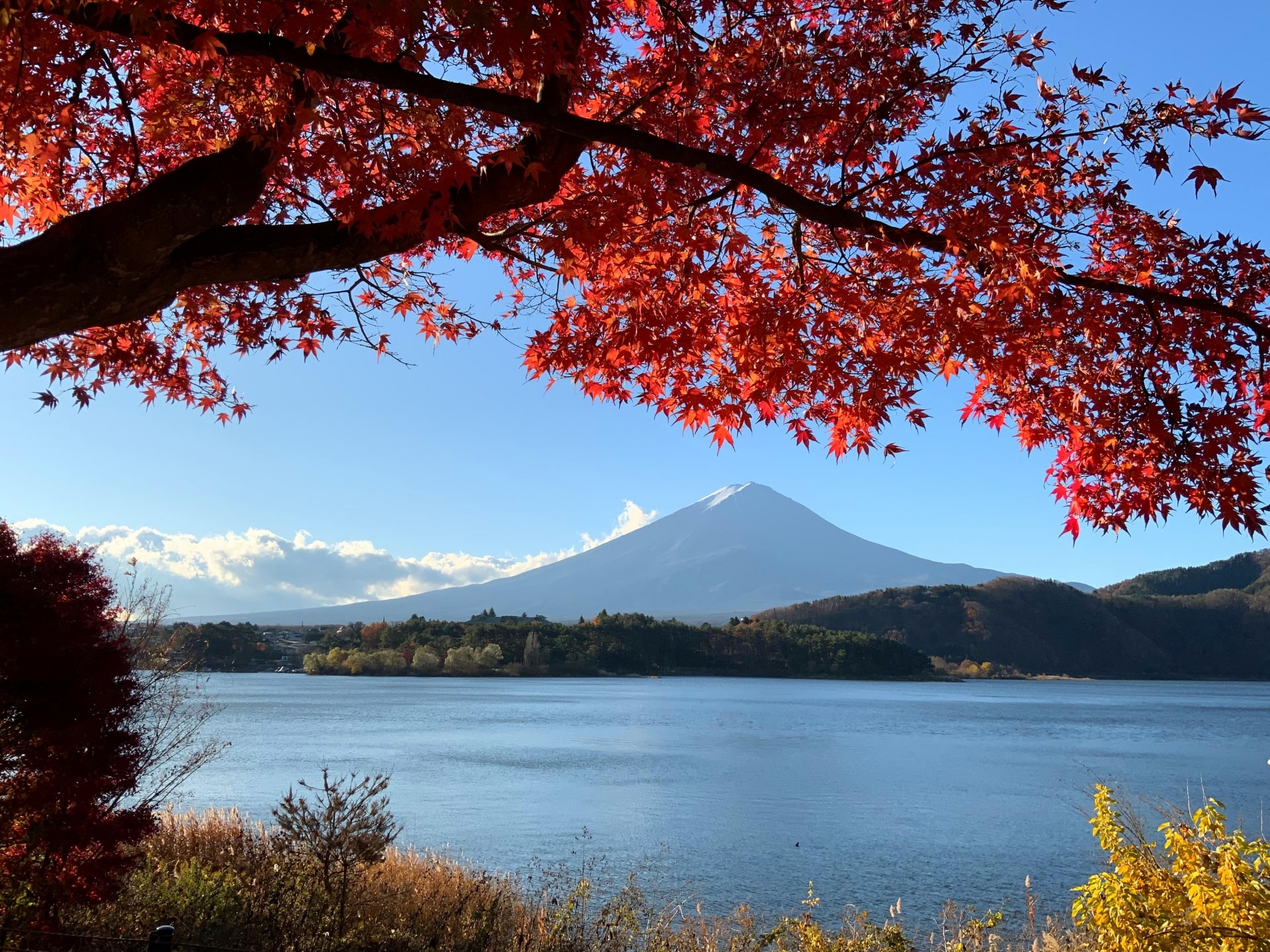
Descending Mt. Fuji can be as challenging as the ascent, if not more. The paths are steep and covered in loose gravel, requiring careful navigation. Trekking poles can be a great help, providing stability and reducing strain on your knees. Remember to take it slow and steady to avoid slipping or falling.
Once you’ve safely descended, the adventure doesn’t have to end. The areas surrounding Mt. Fuji offer a wealth of attractions to explore. The town of Kawaguchiko, for instance, is famous for its hot spring baths, or “onsen,” where you can soak your tired muscles while enjoying views of the mountain.
The Fuji Five Lakes area is a natural paradise, offering activities like boating, hiking, and bird watching. For a deeper understanding of Mt. Fuji’s cultural significance, visit the Fujisan World Heritage Center.
Finally, take some time to reflect on your achievement. Climbing Mt. Fuji is no small feat. As an old Japanese saying goes, “You’re a fool if you haven’t climbed Mt. Fuji once, but you’re also a fool if you climb it twice” (富士山に一度も登らぬばかに、二度登るばか). However, whether you reached the summit or not, the experience is something to be celebrated. Remember, every step taken on the mountain is a step towards personal growth and a memory to be cherished.
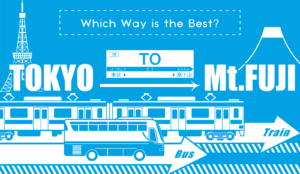
▽Check out the best way for you to go to Mt.Fuji from Tokyo!▽
More information about what to do around Mt. Fuji:

Written by
Photographer, journalist, and avid urban cyclist, making sense of Japan since 2017. I was born in Caracas and lived for 14 years in Barcelona before moving to Tokyo. Currently working towards my goal of visiting every prefecture in Japan, I hope to share with readers the everlasting joy of discovery and the neverending urge to keep exploring.
- +0 0
-
-