Best Beaches Near Tokyo (2026 Ultimate Guide)
Where to Actually Go for a Great Beach Trip Near Tokyo
- +7 7
-

-


The challenge is that “best beaches near Tokyo” can mean very different things.
Some beaches are ideal for a quick and lively summer day trip. Others are worth visiting for surfing, scenic coastlines, or cleaner swimming conditions. And some are technically beaches near Tokyo but are better thought of as urban waterfront hangouts rather than true swimming destinations.
This guide focuses on what travellers actually care about: swimming quality, crowd levels, train access, and whether a beach is truly worth the trip from Tokyo.
Quick Comparison: Best Beaches Near Tokyo
| Beach Area | Best For | Travel Time from Tokyo | Water Quality | Crowd Level |
|---|---|---|---|---|
| Enoshima & Katase | Easy day trips | ~1.5 hrs | Fair | High |
| Yuigahama (Kamakura) | Summer atmosphere | ~1.5 hrs | Fair | Very High |
| Zushi Beach | Relaxed local vibe | ~1 hr | Good | Medium |
| Onjuku Beach | Casual surfing & laid-back beach town | ~2 hrs | Good | Medium-Low |
| Kujukuri Beach | Wide coastline & surfing | ~2–2.5 hrs | Good | Low–Medium |
| Shimoda (Izu) | Most beautiful beaches | ~3 hrs | Excellent | Medium |
| Odaiba Marine Park | Urban waterfront | ~30 mins | Not ideal for swimming | Medium |
1. Enoshima & Katase Beach
Best Overall Beach Day Trip from Tokyo
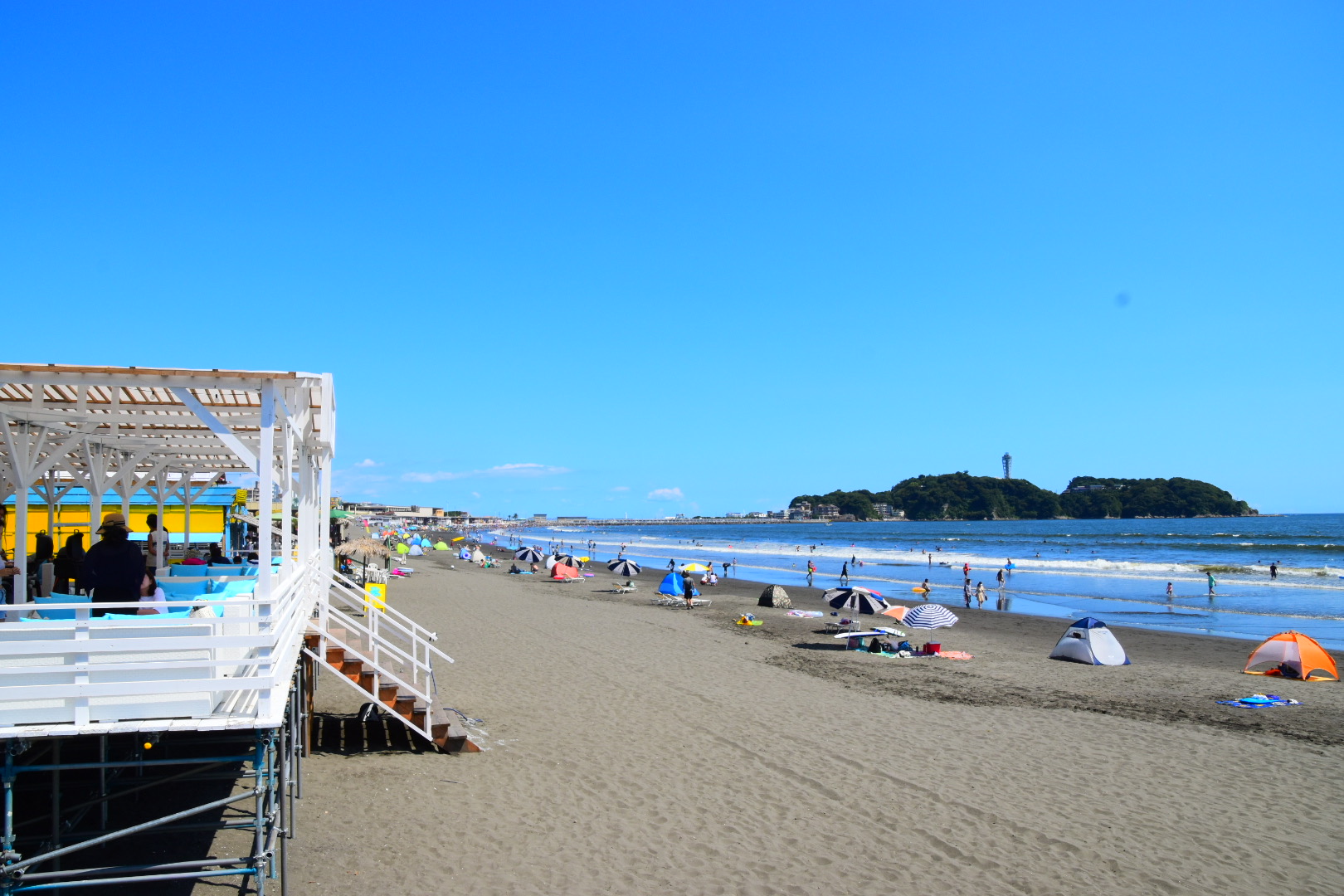
If you ask Tokyo locals where they go for a quick beach escape, Enoshima is usually the first answer.
Located along the Shonan coast in Kanagawa Prefecture, Enoshima combines beach culture, sightseeing, seafood, cafes, and easy train access into one of the most convenient summer destinations near Tokyo.
What makes Enoshima special is not necessarily the water quality — which is decent but not tropical-clear — but the atmosphere. During summer weekends, the beach becomes a giant social scene filled with surfers, beach houses, music, and groups gathering from morning until sunset.
Unlike isolated resort beaches, Enoshima feels energetic and connected to daily life around Tokyo. Many visitors simply leave the city in the morning and are on the beach before lunch.
Atmosphere
During peak season, especially in July and August, the coastline becomes packed with seasonal beach houses known as umi no ie. These temporary beachfront structures function as restaurants, bars, lounges, rental spaces, and changing facilities.
The atmosphere can feel almost festival-like:
- music playing from beach lounges
- surfers walking across the sand
- groups drinking beer under umbrellas
- families swimming near the shoreline
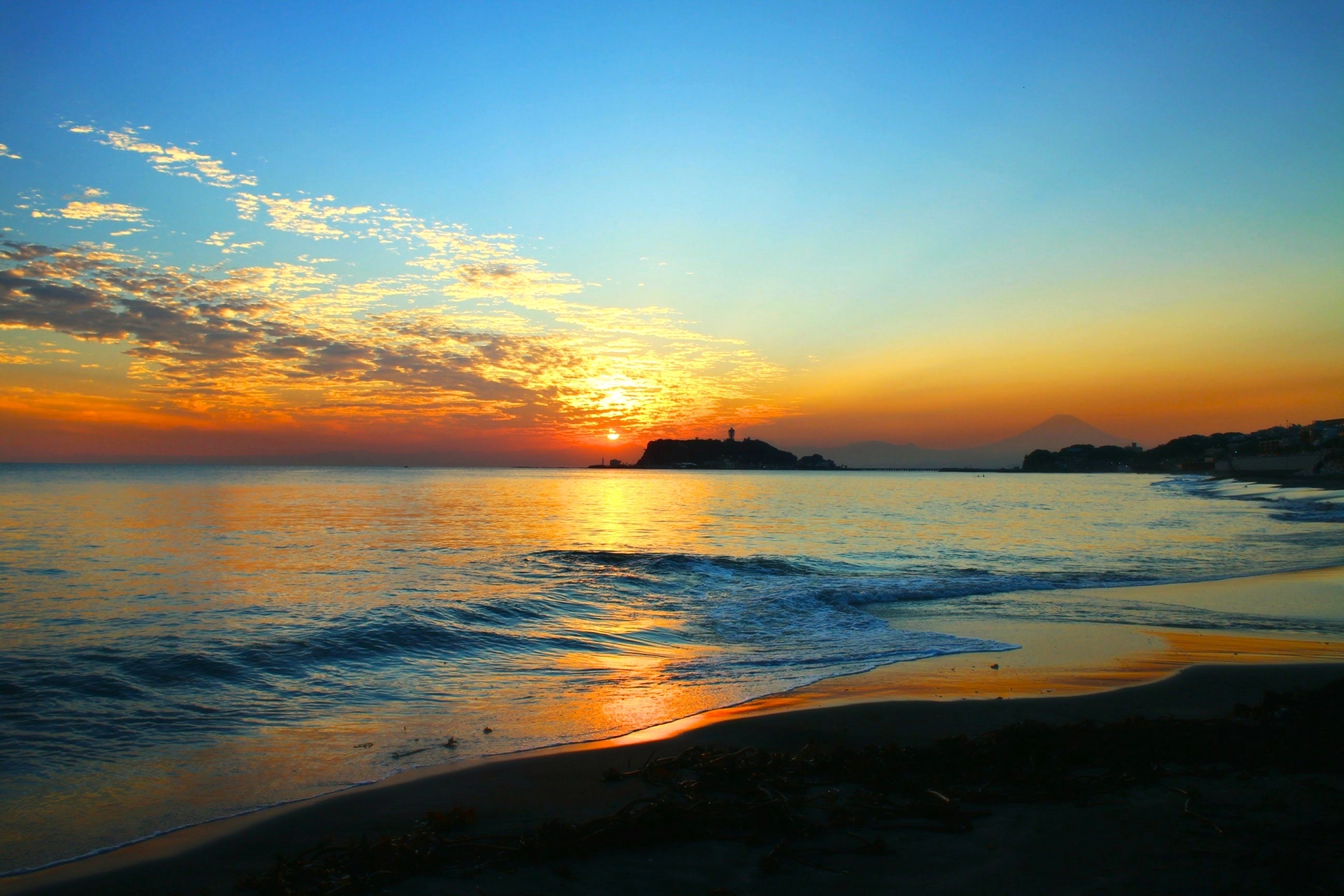
- couples staying for sunset views
Despite the crowds, there’s something distinctly nostalgic and cinematic about Enoshima in summer. It feels like a classic Japanese beach vacation scene.
Swimming & Water Quality
The water is generally safe for swimming during official beach season, but expectations matter.
If your goal is crystal-clear turquoise water, southern Izu is a far stronger option. Enoshima’s appeal is convenience and atmosphere rather than pristine scenery.
That said, swimming conditions are usually enjoyable during warm weather, especially for casual beachgoers who prioritize accessibility over perfection.
Food & Beach Culture
One of the biggest highlights is the food scene. Popular summer dishes include yakisoba, ramen, curry rice, shaved ice, and cold beer and cocktails.
After swimming, many visitors walk to Enoshima island itself, where narrow streets are lined with cafes, souvenir shops, and seafood restaurants overlooking Sagami Bay.
Know Before You Go
Weekday mornings are significantly calmer. On sunny summer weekends, the beach becomes extremely crowded by midday. If possible, arrive before 10 AM.
Access
- Nearest station: Katase-Enoshima Station
- Walking time: ~5 minutes
- Direct access possible from Shinjuku via Odakyu Line
Worth It If…
You want the easiest and most iconic beach day trip from Tokyo.
2. Yuigahama Beach (Kamakura)
Best for Classic Japanese Summer Atmosphere
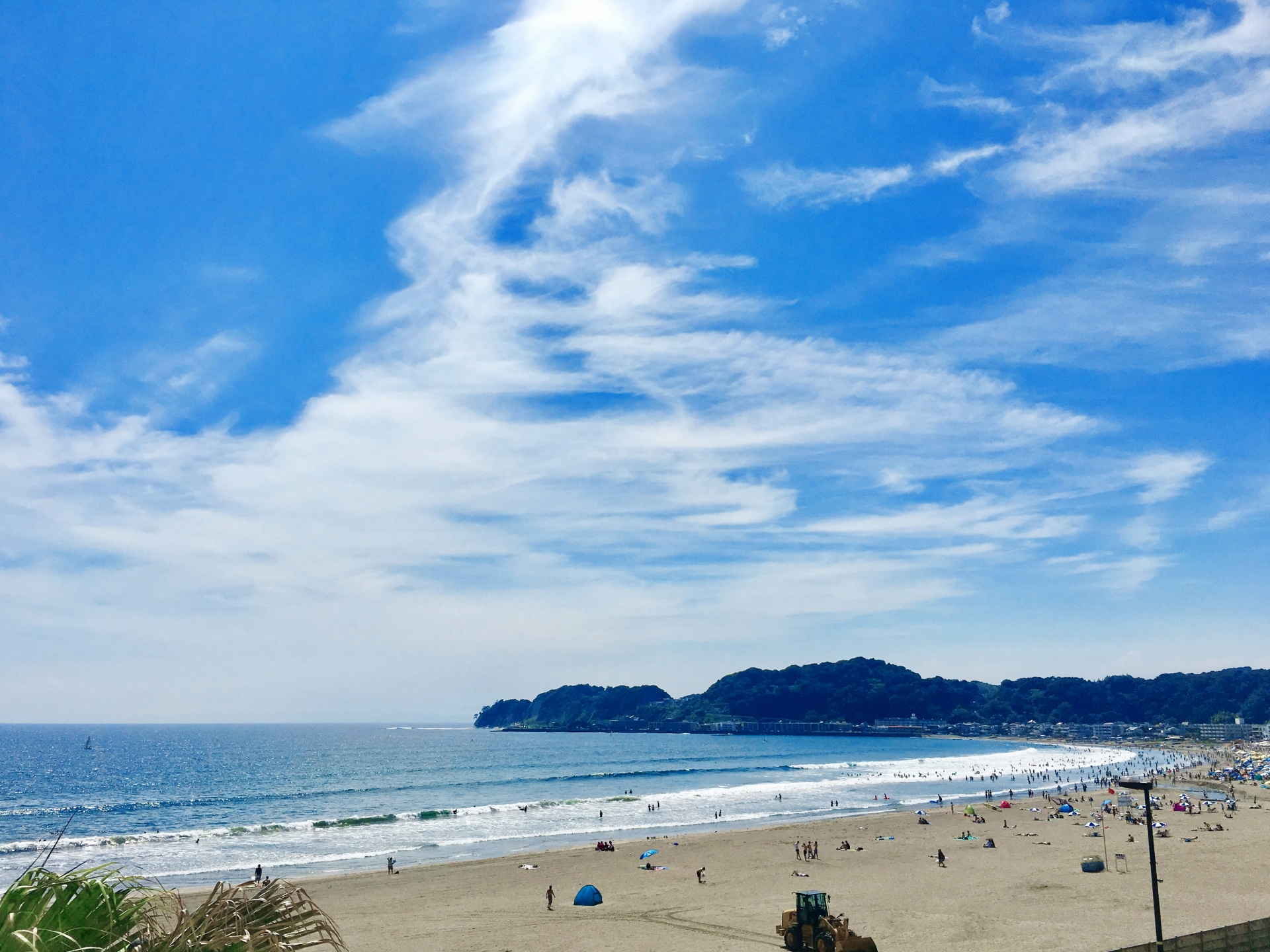
Yuigahama is one of the most famous beaches near Tokyo, but people don’t come here because it’s the cleanest or quietest beach.
They come for the atmosphere.
In peak summer, Yuigahama becomes one of the liveliest beach scenes in Japan. Beach bars, temporary restaurants, music events, surfers, students, couples, and tourists all combine into an energetic coastal environment that feels distinctly different from central Tokyo.
The beach is also deeply connected to Kamakura’s broader identity. Unlike many beach destinations, you can combine temples, cafés, historical streets, and ocean views all in one trip.
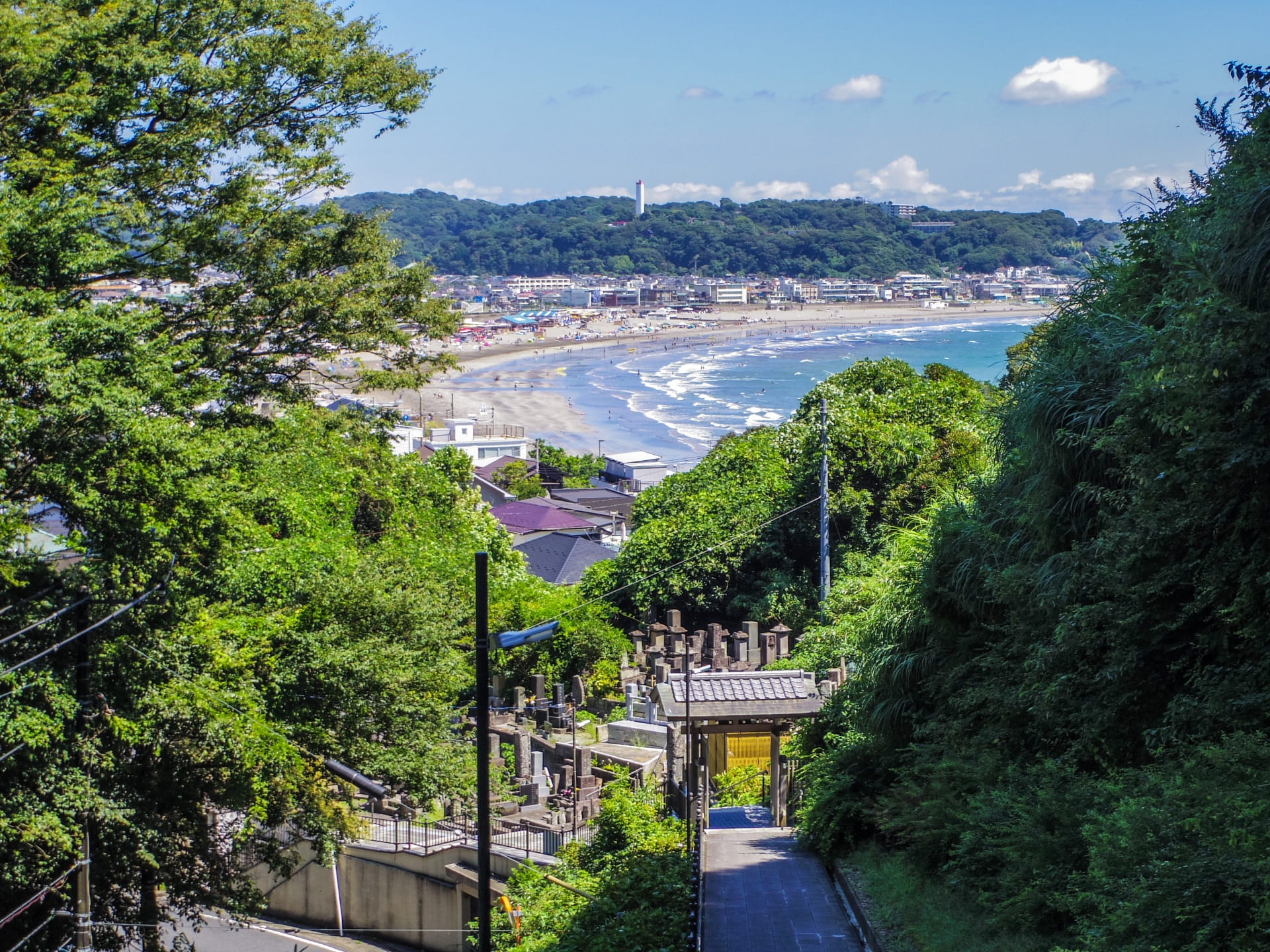
What Makes Yuigahama Special
Yuigahama feels social in a way many Japanese beaches do not.
People gather here not only to swim but to:
- meet friends
- drink at beach houses
- watch sunsets
- spend entire afternoons relaxing by the sea
The beach often feels more like a summer hangout space than a pure swimming destination.
Beach Houses & Summer Culture
The beach-house culture here is especially developed. Some beach houses feel family-friendly and casual, while others resemble temporary outdoor lounges with DJs and cocktails. During evenings, parts of the beach almost take on a mini nightlife atmosphere.
For travellers wanting to experience a stereotypical Japanese summer beach scene seen in dramas and anime, Yuigahama delivers remarkably well.
Swimming Conditions
The water quality is acceptable for swimming but not exceptional. The beach is relatively wide, and swimming zones are monitored during official season, making it accessible for casual swimmers and families. However, crowds can become intense during weekends and Obon holidays.
Combining Kamakura & the Beach
One of the biggest advantages of Yuigahama is flexibility.
A perfect day might include:
- morning temple visits
- lunch near Komachi Street
- afternoon beach time
- sunset by the ocean
- dinner in Kamakura or Enoshima
This combination makes Yuigahama one of the easiest beach destinations to integrate into a broader sightseeing itinerary.
Access
- About 15–20 minutes from Kamakura Station
- Accessible from Hase Station as well
Worth It If…
You want classic Japanese summer atmosphere more than quiet relaxation.
3. Zushi Beach
Best Relaxed Beach Near Tokyo
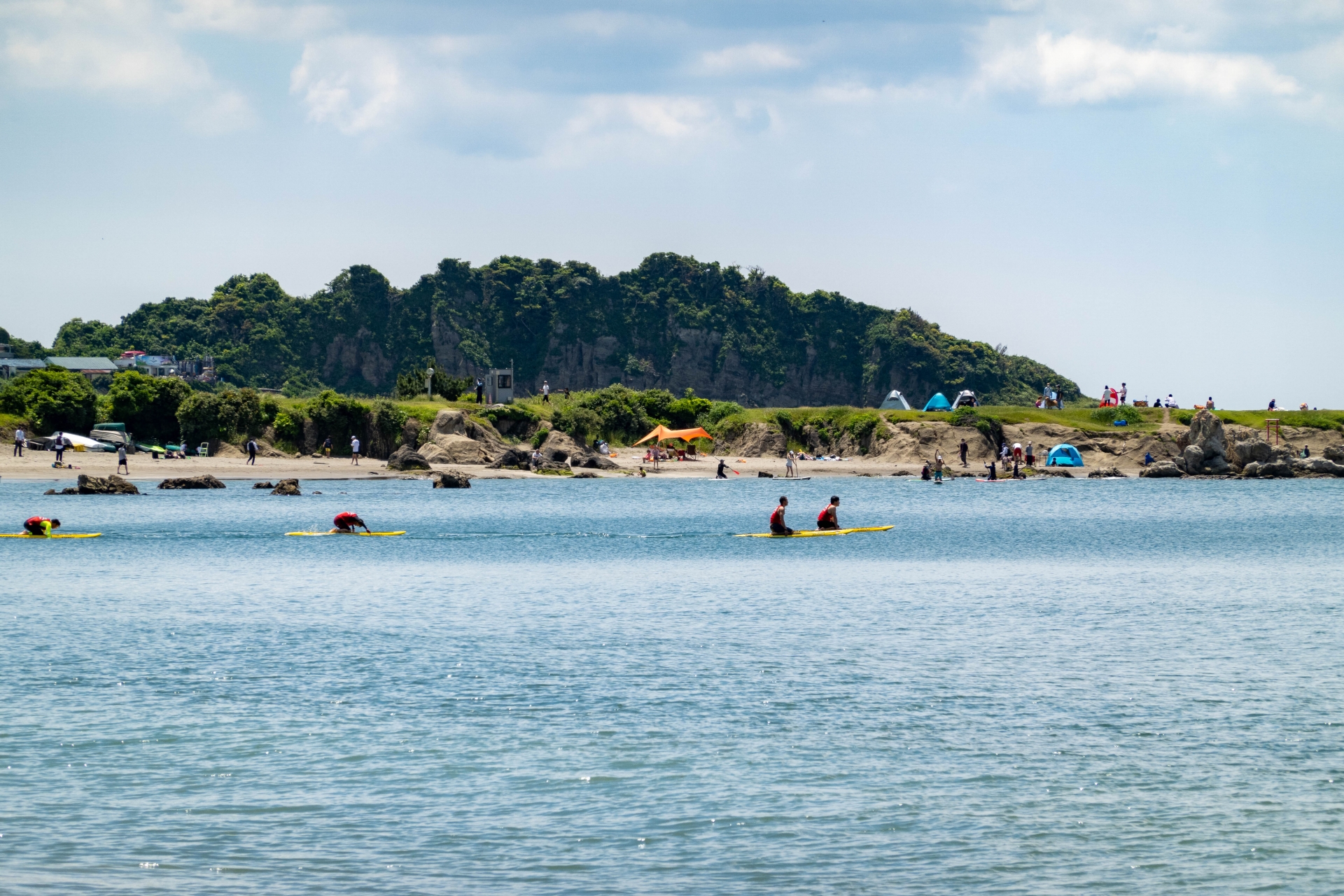
Zushi offers something increasingly difficult to find near Tokyo during summer: a beach that still feels relaxed.
Compared to nearby Enoshima and Kamakura, Zushi is calmer, more residential, and generally less chaotic. It’s popular with families, couples, and locals who want a slower beach day without travelling too far from the city.
The beach itself is smaller than some neighboring coastlines, but the atmosphere is noticeably more peaceful.
Atmosphere
Mornings at Zushi can feel surprisingly quiet, especially outside peak holiday weekends.
Instead of large crowds and loud beach parties, you’re more likely to see:
- paddleboarders
- families with children
- locals walking along the shore
- people relaxing in beach cafes
The area has a slightly upscale coastal-residential feeling compared to the more energetic atmosphere around Enoshima.
Water Quality & Activities
The water quality is usually slightly better than Tokyo Bay-facing beaches closer to central Tokyo.
Popular activities include:
- swimming
- stand-up paddleboarding
- kayaking
- casual beach lounging
The calmer atmosphere makes it especially appealing for visitors who prioritize relaxation over nightlife or crowds.
Sunset Views
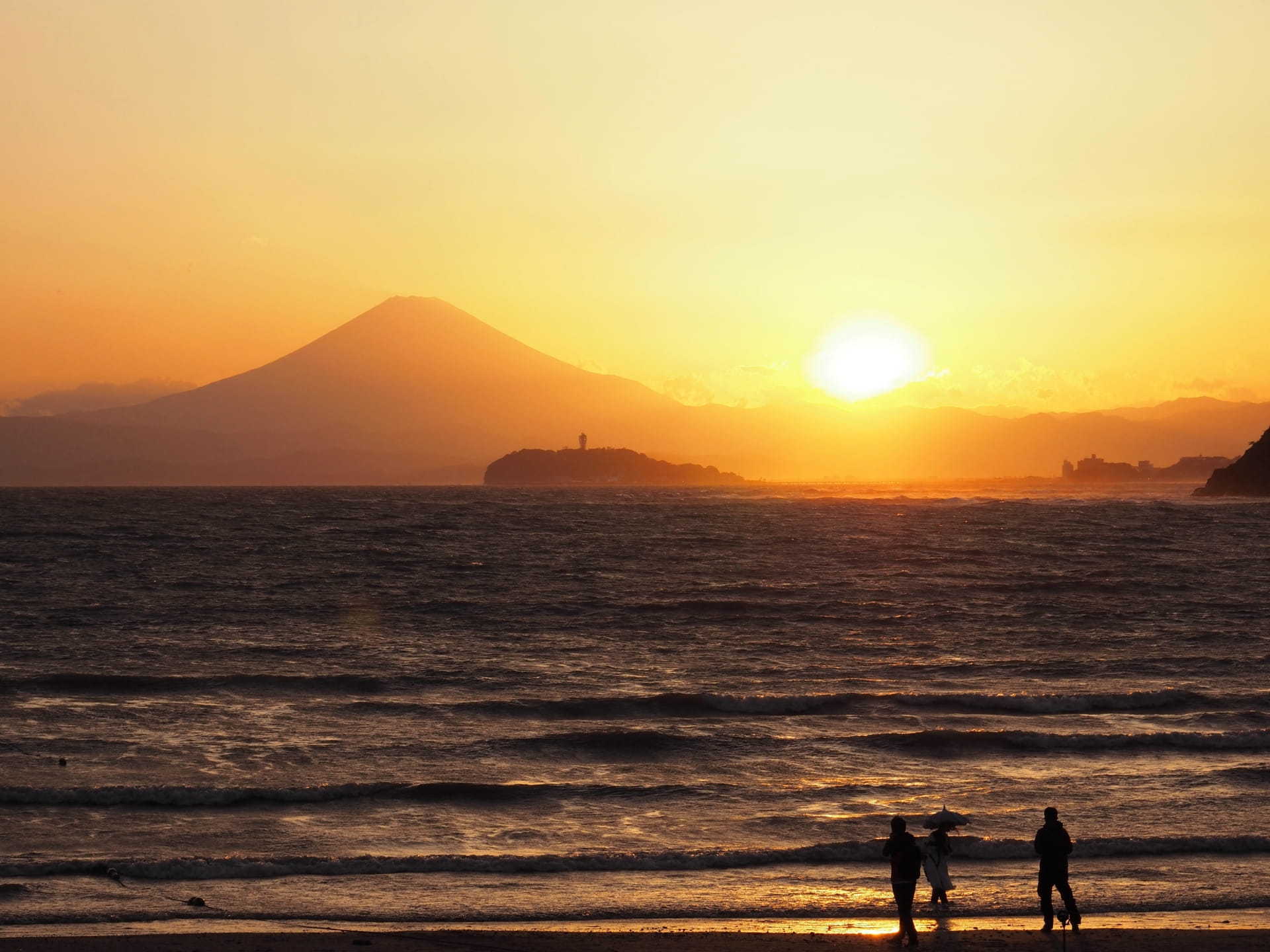
One of Zushi’s strongest points is sunset. The coastline faces westward, creating beautiful evening light over Sagami Bay. On especially clear days, Mt. Fuji can sometimes be visible in the distance. Many people stay specifically for golden hour.
Access
- Roughly 10–15 minutes from Zushi Station
- Easy access from Yokohama and southern Tokyo
Worth It If…
You want convenience without the intense crowds of Kamakura beaches.
4. Onjuku Beach
Best for Casual Surf Culture
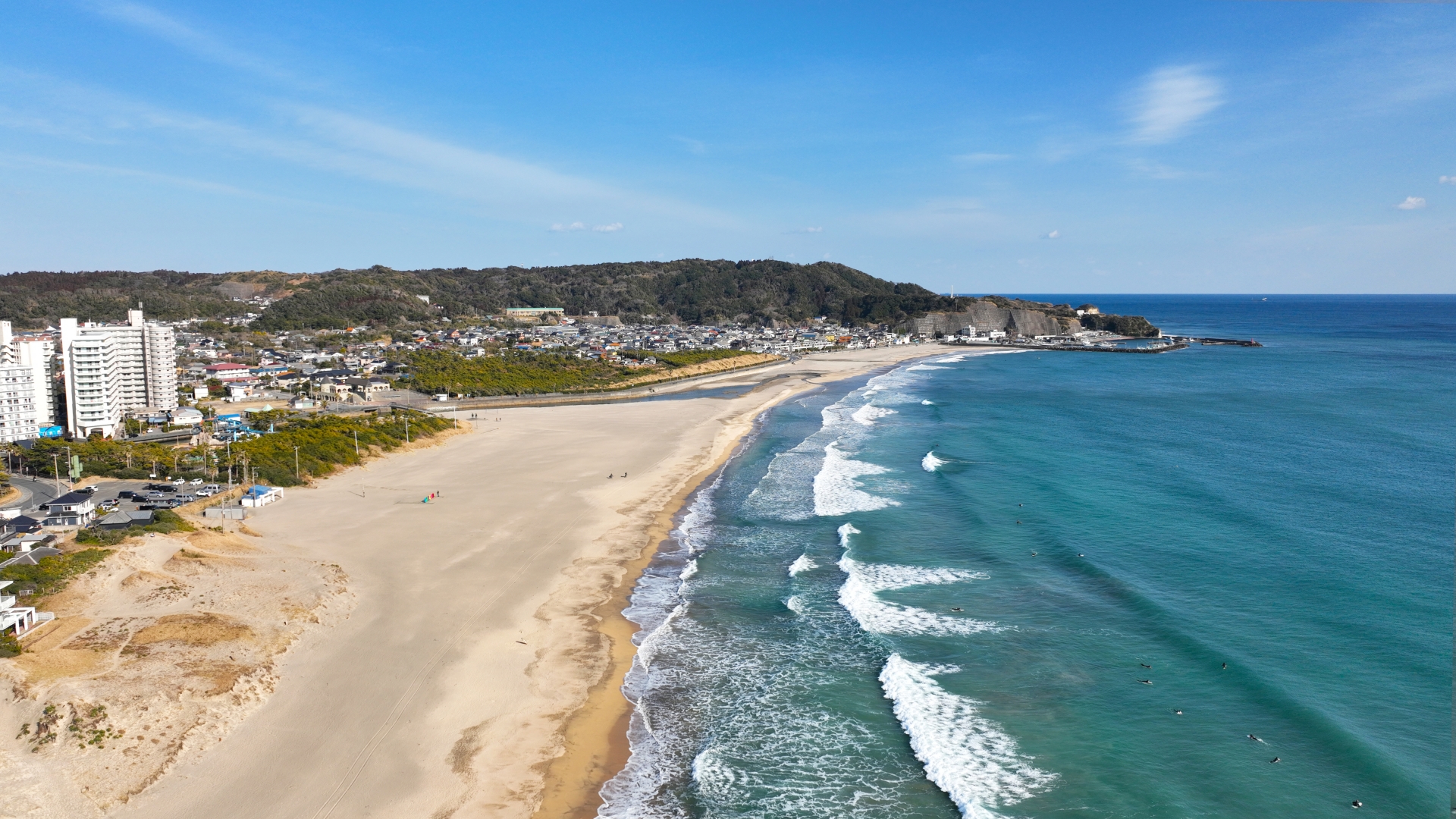
Onjuku sits along Chiba’s Pacific coastline and feels noticeably different from beaches around Tokyo Bay.
The atmosphere is slower, the beaches are wider, and the ocean feels more open and natural.
While still accessible as a day trip, Onjuku begins to feel like a genuine coastal getaway rather than an extension of Tokyo’s urban area.
Atmosphere
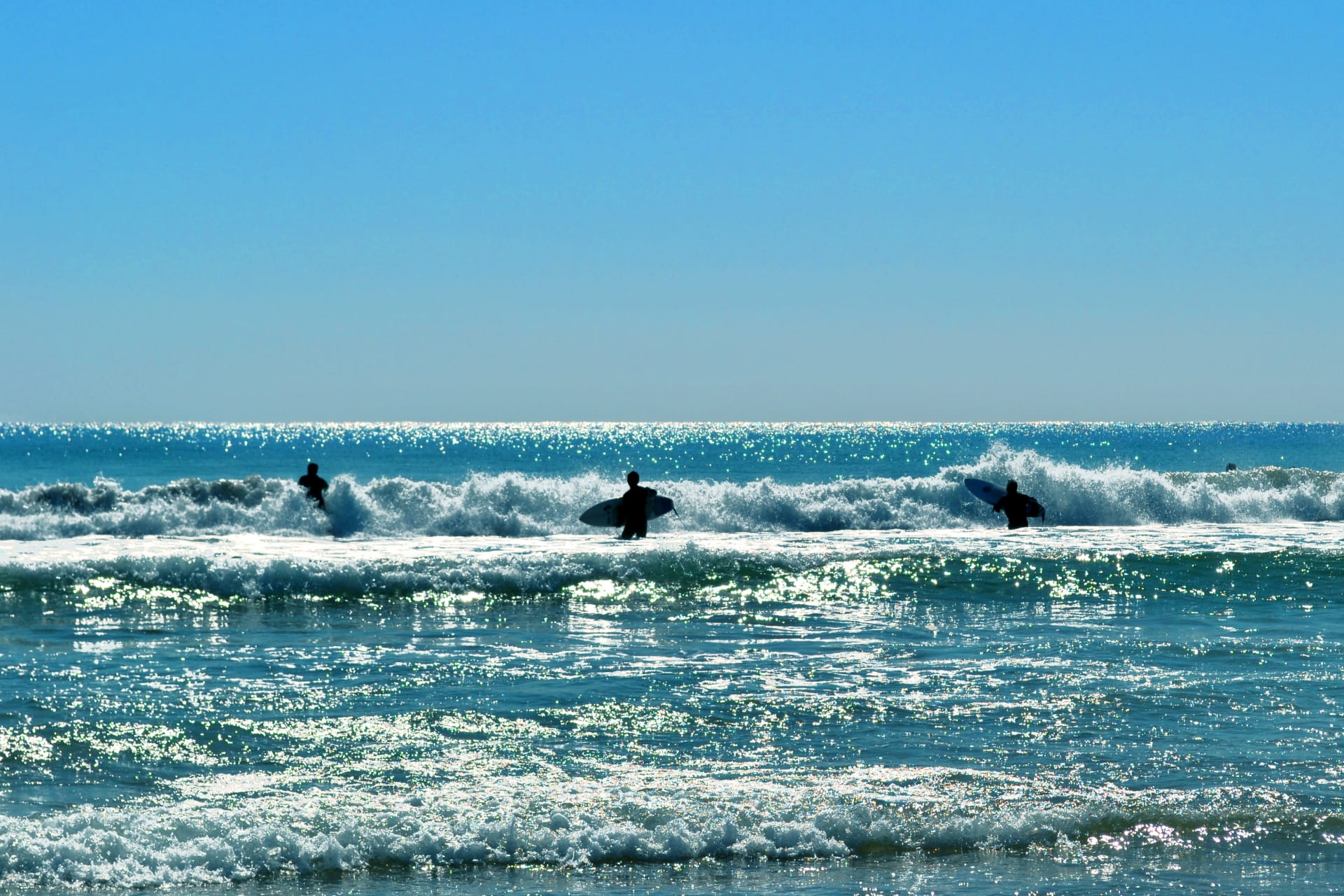
Surfing is central to the town’s identity.
You’ll find:
- surf shops
- rental boards
- casual beach cafes
- surfers in the water throughout much of the year
Unlike some heavily commercialized beach areas, Onjuku still retains a laid-back local feeling.
Swimming & Beach Quality
The beach is broad and sandy with relatively open views of the Pacific Ocean.
Compared to Tokyo-area beaches:
- the scenery feels less urban
- the air feels cleaner
- the beach is less crowded
Swimming conditions are generally pleasant during summer, although waves can occasionally be stronger than calmer Tokyo Bay beaches.
Best For Weekend Trips
While possible as a day trip, Onjuku works especially well as a one-night getaway.
The surrounding coastline is ideal for:
- cafe hopping
- coastal drives
- slow mornings
- surfing weekends
Worth It If…
You want surf-town atmosphere without going extremely far from Tokyo.
5. Kujukuri Beach
Best Wide Open Beach Near Tokyo
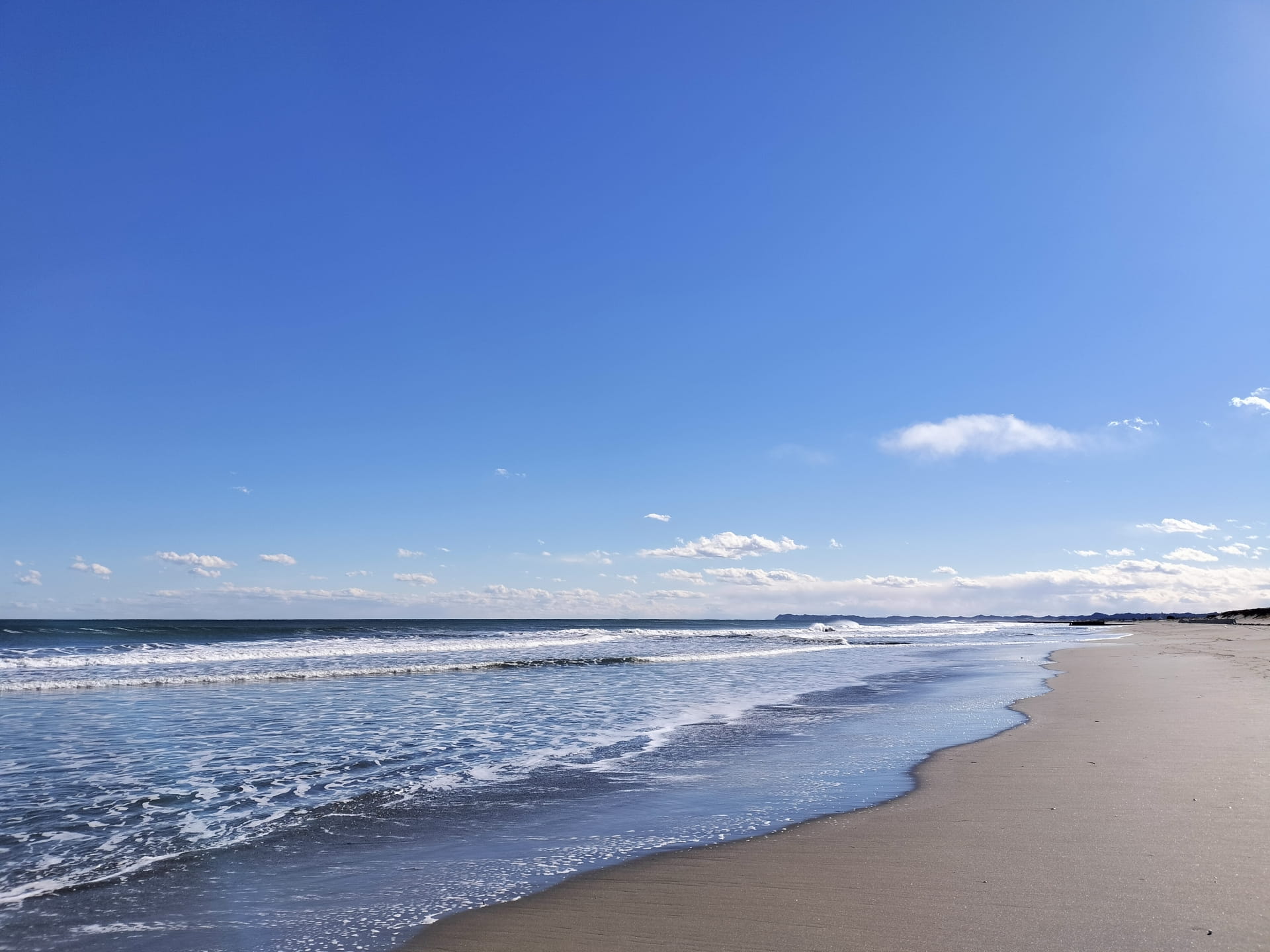
Kujukuri Beach is one of the most impressive stretches of coastline near Tokyo — not because it’s flashy or heavily developed, but because of its sheer scale.
Stretching for roughly 60 kilometers along Chiba’s Pacific coast, Kujukuri feels dramatically more open than the compact beaches around Kamakura or Enoshima. The atmosphere is less urban, less crowded, and much closer to what many travellers imagine when they think of a long classic beach coastline.
It feels much more spacious and natural than Tokyo-area beaches closer to the city.
Atmosphere
Most beaches near Tokyo are relatively compact and heavily connected to urban areas, but Kujukuri is the opposite. The beach seems to continue endlessly along the horizon, creating a sense of openness that’s surprisingly rare near a major city like Tokyo.
Even during summer weekends, it’s often possible to find quieter sections away from the busiest access points.
Instead of packed beachfront promenades and busy sightseeing streets, Kujukuri offers:
- expansive sandy beaches
- rolling Pacific waves
- surf culture
- quieter scenery
- relaxed coastal towns
Surfing & Ocean Conditions
Kujukuri is especially popular with surfers because the Pacific-facing coastline produces stronger and more consistent waves than calmer Tokyo Bay beaches.
You’ll frequently see:
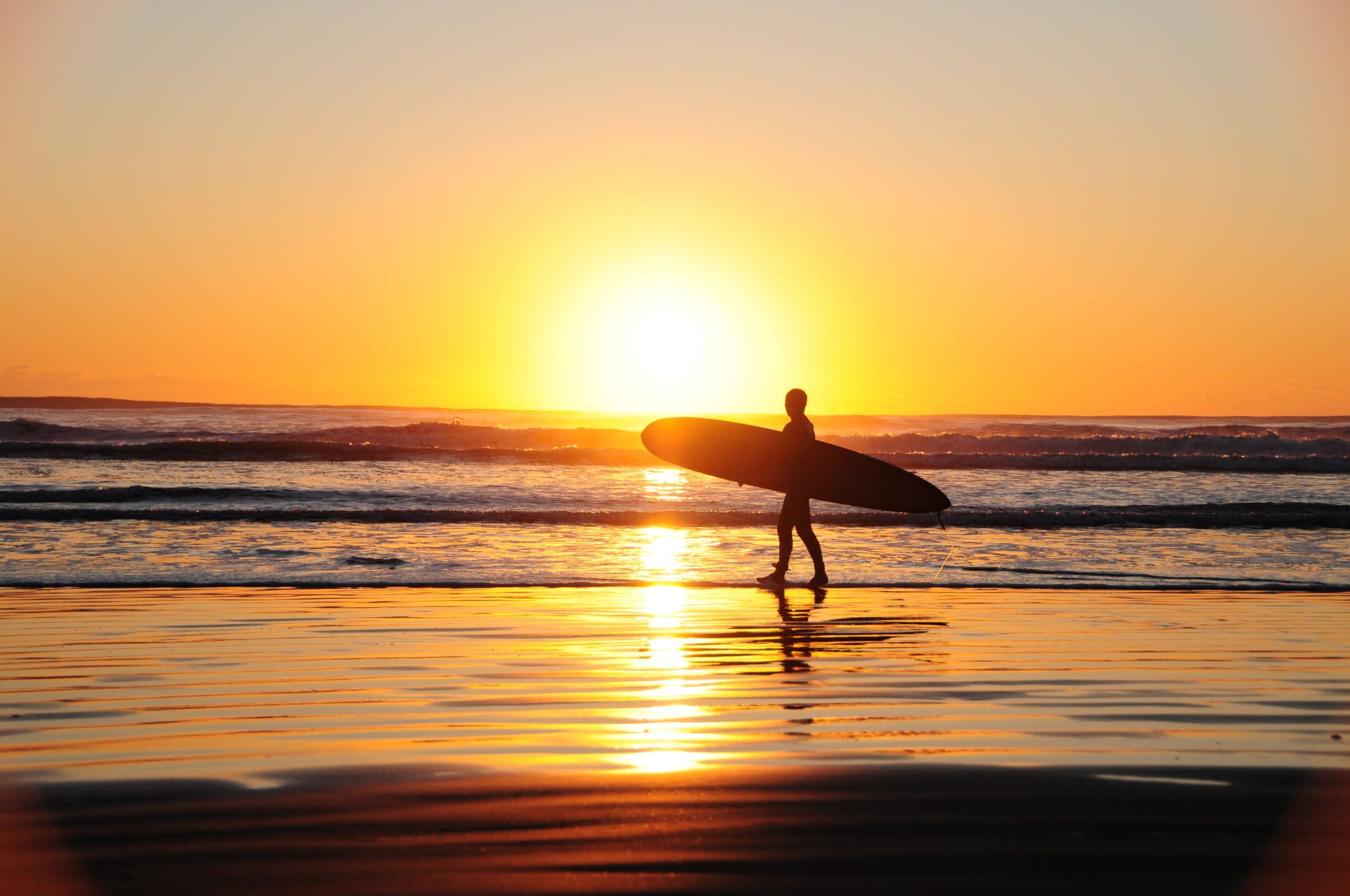
- surfers at sunrise
- surf shops near beach entrances
- beach campers
- local fishing culture
The beach attracts both casual surfers and experienced riders, depending on conditions.
Swimming is possible during summer, though waves can occasionally become rougher than beaches in Kanagawa.
Food & Local Specialties
The Kujukuri area is also known for seafood.
Popular local specialties include:
- grilled clams
- sardine dishes
- fresh seafood rice bowls
Roadside seafood restaurants and small local cafés are scattered throughout the coastline.
Access
Public transportation is possible, but Kujukuri is much easier to enjoy by car.
Driving allows you to:
- explore quieter sections
- stop at multiple beaches
- visit surf cafés
- enjoy the coastal roads at your own pace
From central Tokyo:
- approximately 2–2.5 hours depending on area and traffic
Worth It If…
You want a wide, scenic coastline that feels far less crowded and urban than the typical Tokyo beach experience.
6. Shimoda & Southern Izu
Best Truly Beautiful Beaches Near Tokyo
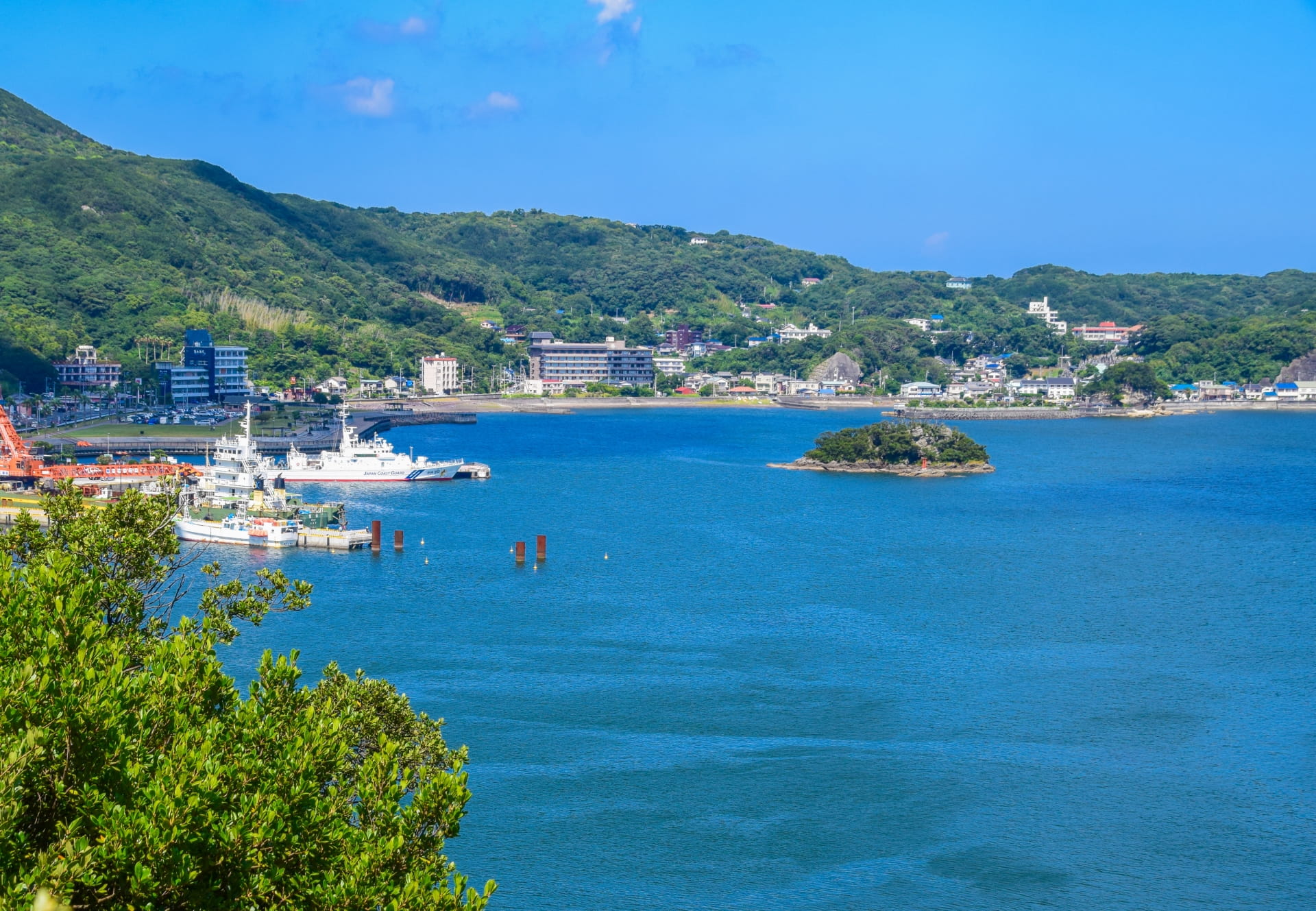
If your definition of a great beach includes clear water, scenic coastline, and genuinely beautiful swimming conditions, southern Izu is the strongest option near Tokyo.
This is where beaches begin to feel dramatically different from the urban coastline around Tokyo Bay.
The water becomes bluer, the sand lighter, and the surrounding scenery more dramatic.
Why Shimoda Feels Different
Many first-time visitors are surprised by how much more tropical southern Izu feels compared to Tokyo-area beaches.
You’ll find:
- rocky coves
- white sand
- clearer water
- lush green hills
- scenic coastal roads
The atmosphere is slower and more vacation-oriented.
Swimming & Snorkeling
Southern Izu offers some of the best swimming conditions near Tokyo. Water visibility is often dramatically better than beaches closer to the city, especially during stable summer weather. Snorkeling is also much more enjoyable here.
Ryokan & Onsen Culture
Another major advantage of Izu is combining beaches with traditional Japanese accommodations.
Many travellers pair beach days with ryokan stays offering seafood dinners and ocean-view hot springs. This combination makes the region ideal for overnight or weekend trips.
Access
- Limited Express Odoriko from Tokyo Station
- Approximately 2.5–3.5 hours
The journey takes longer than Shonan beaches, but significantly more rewarding for scenery-focused travellers.
Worth It If…
You want beaches that are genuinely beautiful rather than simply convenient.
Best Beaches Around Shimoda
Shirahama Beach
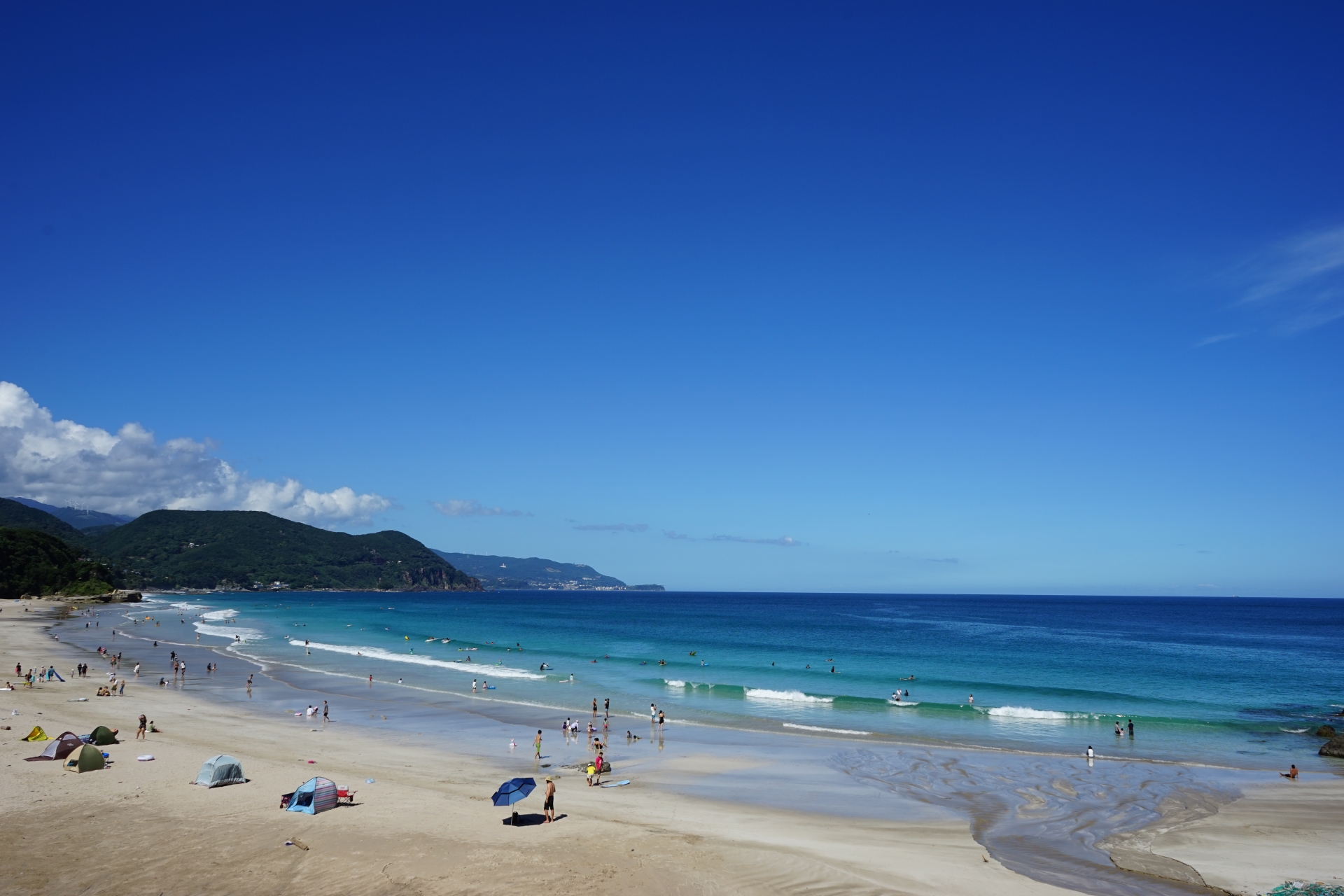
The most famous beach in the area with wide white sand, bright blue water and strong summer atmosphere.
Tatadohama Beach
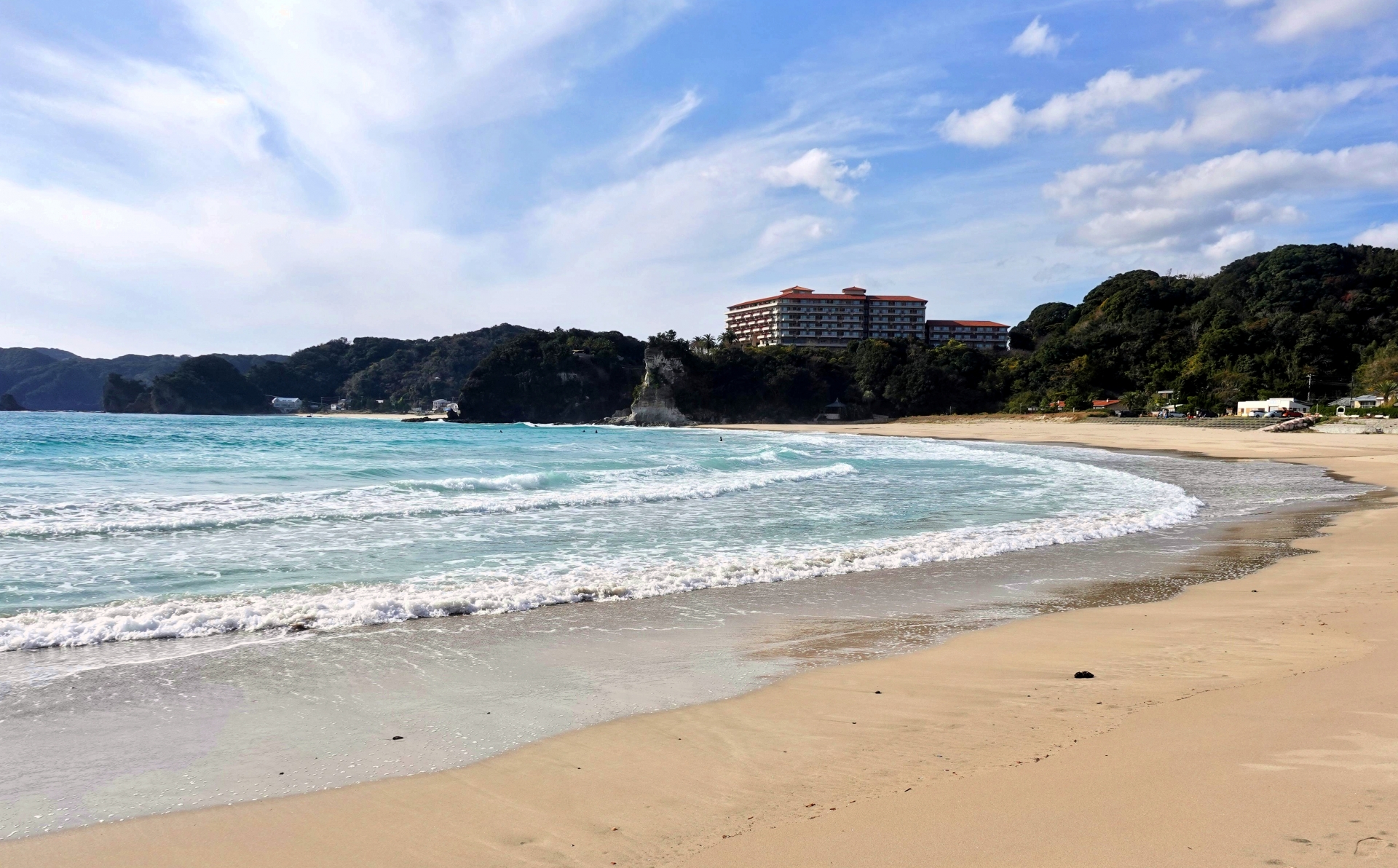
Popular with surfers and photographers because of its dramatic scenery and cleaner natural environment.
Kisami Ohama
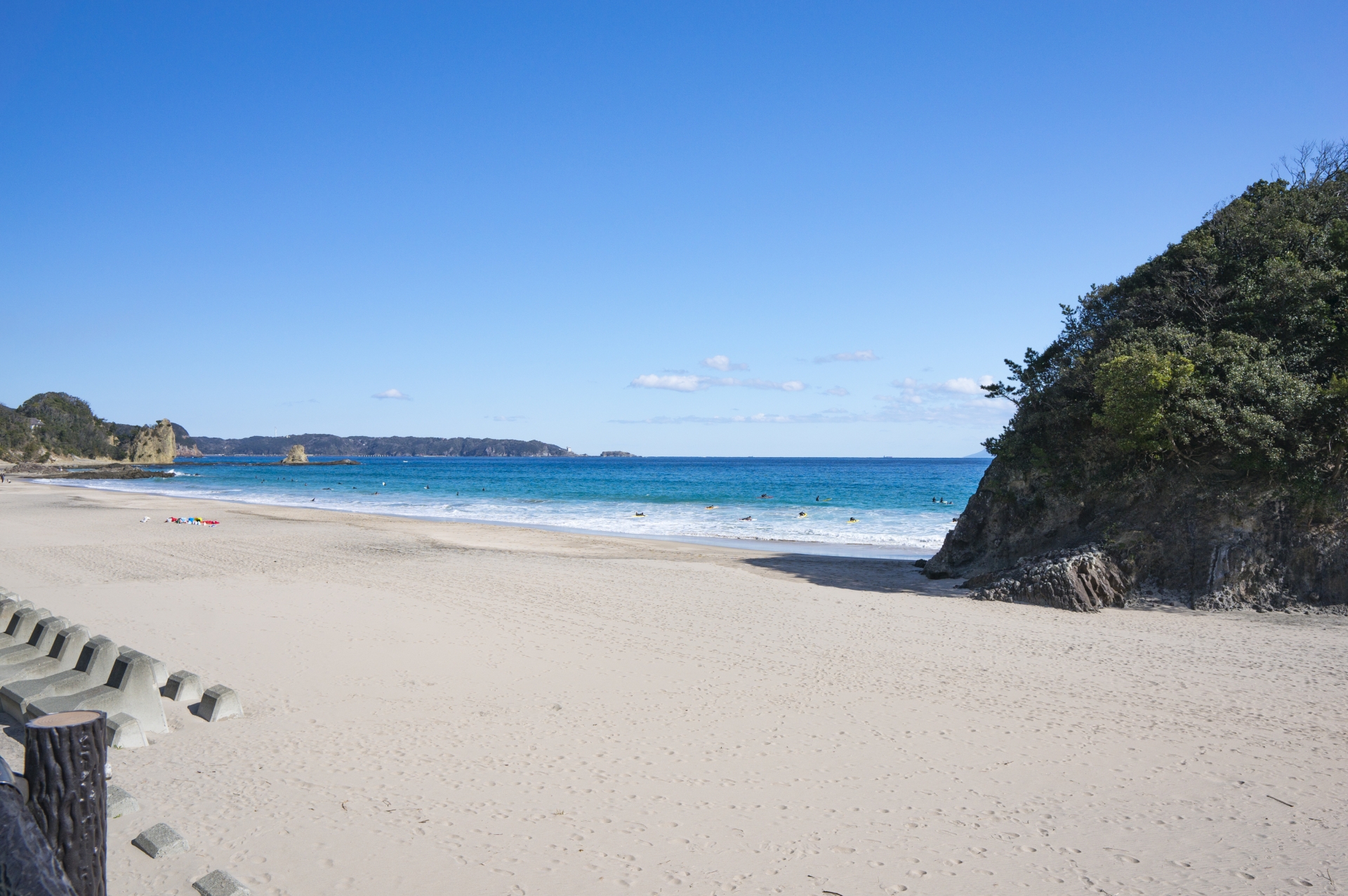
Quieter and more relaxed than Shirahama.
7. Odaiba Marine Park
Best Urban Beach Experience in Tokyo
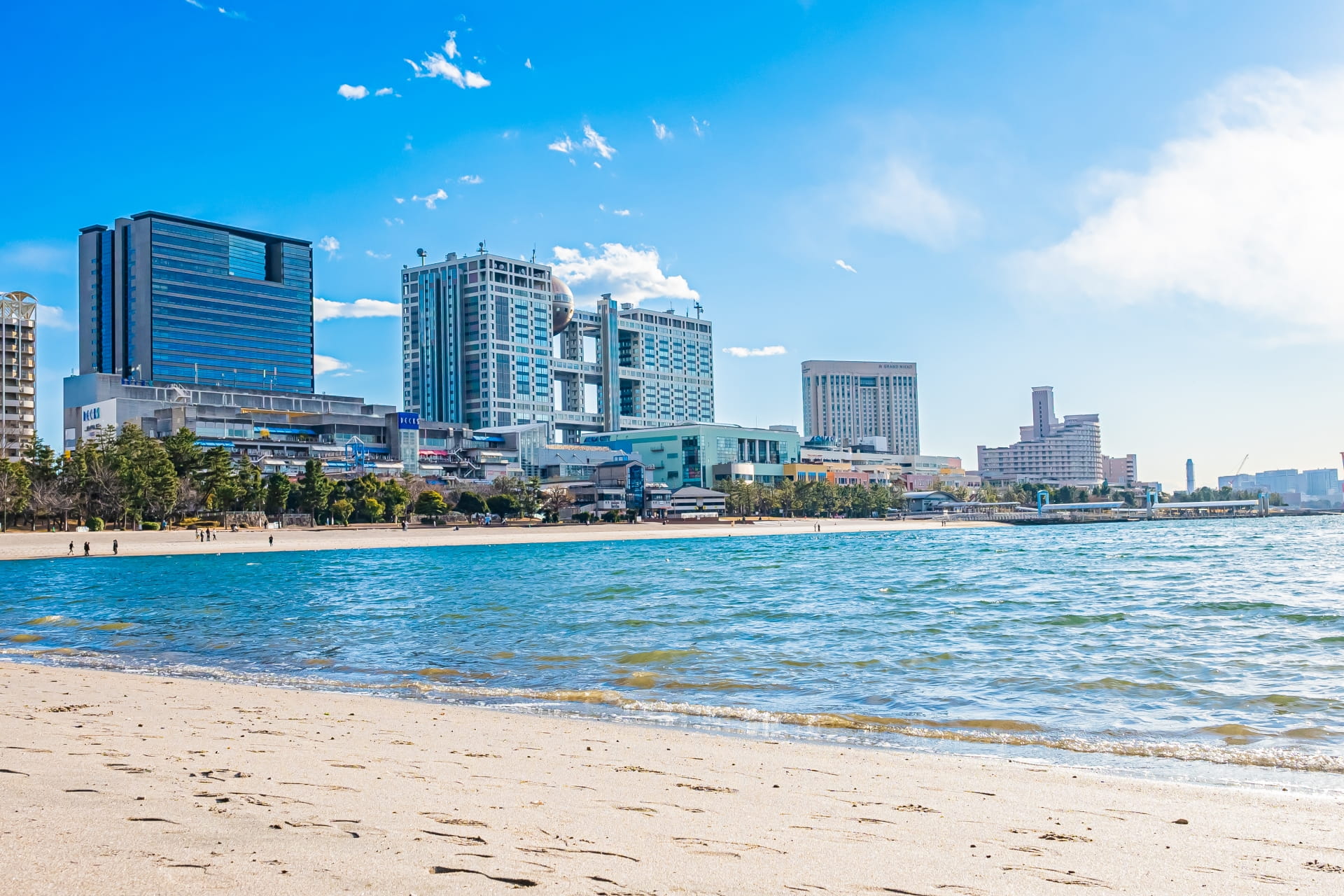
Not every beach trip needs to involve swimming.
If you’re looking for ocean views, sea breezes, and a relaxing waterfront atmosphere without spending hours on a train, Odaiba Marine Park is one of the best coastal escapes in Tokyo itself.
Located on a man-made island in Tokyo Bay, Odaiba offers a unique blend of beach scenery and city skyline views. While it doesn’t provide the natural beauty of Izu or the surf culture of Chiba, it delivers something equally memorable: a chance to enjoy the water while remaining surrounded by one of the world’s largest cities.
For visitors with limited time, it’s easily the most convenient beach-like destination in Tokyo.
Atmosphere
Odaiba feels completely different from the other beaches on this list.
Instead of surfboards and beach houses, you’ll find:
- waterfront promenades
- open public spaces
- couples enjoying sunset walks
- families relaxing by the shore
- visitors taking photos of Tokyo Bay
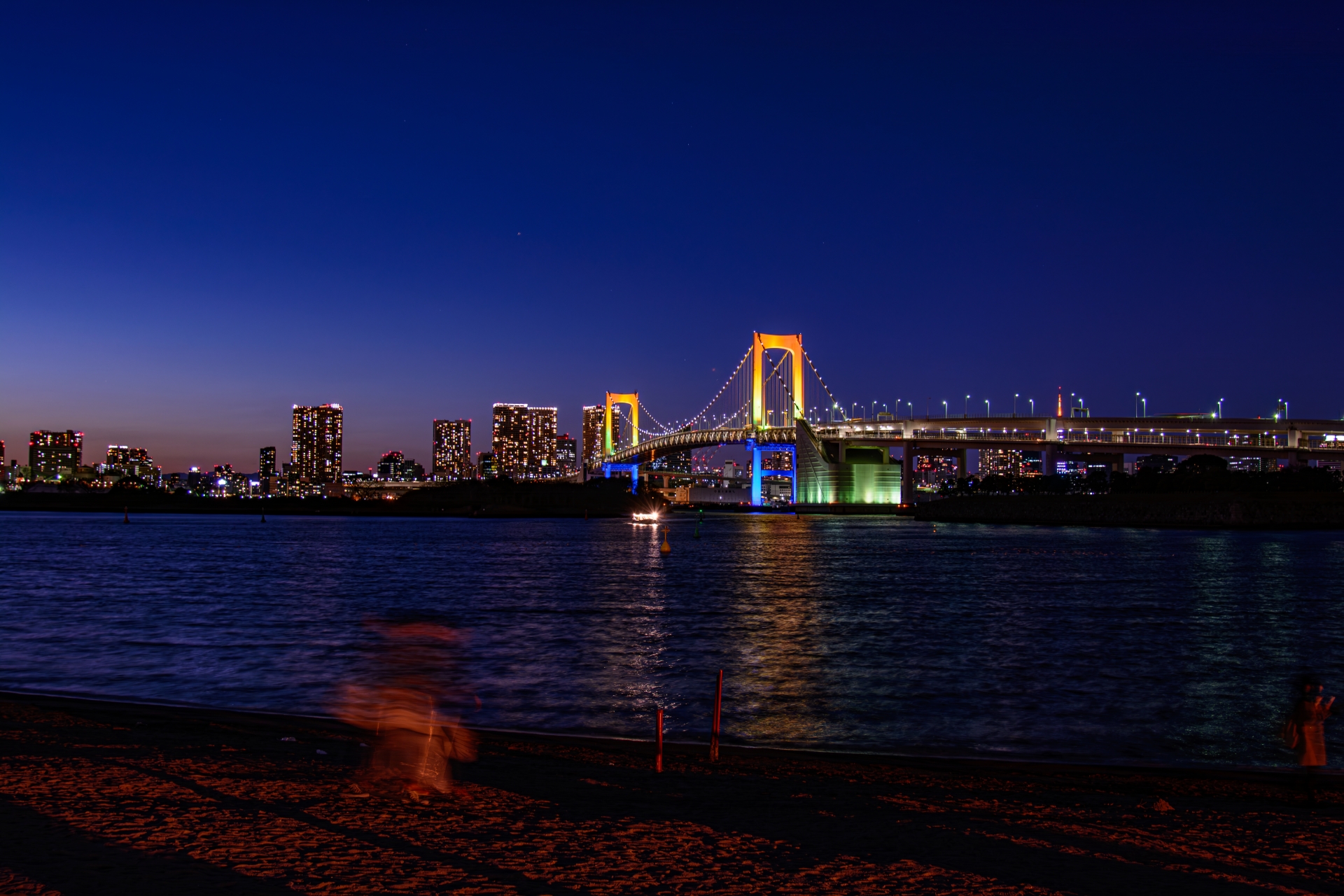
The atmosphere is calm and modern, making it particularly popular for evening visits.
As the sun sets, the skyline begins to glow, boats move across the bay, and the illuminated Rainbow Bridge creates one of Tokyo’s most iconic waterfront views.
What to Do in Odaiba
Although swimming isn’t the main attraction, there is plenty to enjoy nearby.
Popular activities include:
- walking along the waterfront
- watching the sunset over Tokyo Bay
- cycling around the area
- shopping and dining
- visiting entertainment complexes
- photography and sightseeing
Because everything is concentrated within a relatively small area, Odaiba works well as either a half-day outing or an evening destination.
Photography & Sunset Views
Odaiba is arguably one of the best sunset spots in Tokyo.
The combination of:
- Tokyo Bay
- Rainbow Bridge
- illuminated skyscrapers
- reflections on the water
creates a dramatic urban landscape that feels entirely different from traditional Japanese beach destinations.
For photographers, golden hour and blue hour are particularly rewarding.
Accessibility
One of Odaiba’s biggest advantages is convenience.
Unlike the other beaches featured in this guide, you don’t need to dedicate an entire day to the trip.
Access is easy via:
- Yurikamome Line
- Rinkai Line
Travel time from central Tokyo is typically around 20–30 minutes.
Worth It If…
You want a beach atmosphere without leaving Tokyo
Best Time to Visit Beaches around Tokyo
Peak Beach Season: Mid July to Early September
This is when:
- beach houses open
- swimming zones operate fully
- beach events happen
- water temperatures are warmest
Best Overall Month: September
September often offers the best balance between:
- weather
- water temperature
- crowd levels
Many locals prefer early September over August.
Tokyo Beach Etiquette & Practical Tips
Bring Cash
Some beach houses and small cafés remain cash-based.
Respect Garbage Rules
Japan’s beaches often have limited trash bins. Visitors are expected to clean up carefully.
Tattoos
Most public beaches are relaxed about tattoos compared to traditional onsen.
Arrive Early on Weekends
Popular beaches become crowded surprisingly fast.
Final Thoughts
The best beach near Tokyo depends entirely on what kind of trip you want.
If convenience and summer atmosphere matter most, Enoshima and Kamakura are hard to beat.
But if your goal is beautiful scenery, cleaner water, and a more memorable coastal escape, southern Izu is where the beaches become truly exceptional.
Thanks for reading! For more information about things to do in Japan in summer, please check out following articles, too!
Written by
"The world is my oyster." As a dedicated globetrotter and hammock enthusiast, I’ve spent years chasing new experiences, collecting stories, and discovering the world’s most incredible destinations. Born and raised in Japan, I’ve always had a deep connection to my roots, but my love for adventure has led me to spend over a decade exploring countries across the globe—from culture-rich cities to remote hideaways.
Travel isn't just a hobby for me; it's a lifestyle. I'm constantly searching for new ways to fuel my wanderlust. Over the years, I’ve developed a wealth of knowledge and a treasure trove of tips that make traveling more enjoyable, practical, and meaningful.
Through my experiences, I've come to appreciate not only the beauty of travel but also the importance of understanding diverse cultures, embracing the unfamiliar, and stepping out of my comfort zone. My travels have shaped who I am today, and I’m excited to share those lessons with others.
With Japan Web Magazine, I aim to offer practical advice, insider tips, and firsthand stories that help travelers navigate their journeys to Japan or setting off on a global adventure. From hidden gems in Japan to travel hacks that make any trip smoother, I hope my insights inspire you to embark on your own adventures and make the most of every moment. Let’s explore the world together!
You can also find my stories here ▶ https://medium.com/@nahobm
- +7 7
-
-