5 Days Itinerary in Ishigaki Island
Ishigaki 5-Day Itinerary: Slow Travel Guide to Beaches, Views & Island Hopping to Taketomi and Iriomote


- +15 15
-

-


Part of Okinawa Prefecture’s Yaeyama archipelago, Ishigaki Island (石垣島) is a compact yet remarkably diverse destination where coral reefs, jungle-clad hills, and sugarcane fields coexist within a single drive. It’s often praised as the gateway to the surrounding islands of Taketomi, Iriomote, and Kohama, but Ishigaki itself is well worth a few unhurried days. The island balances convenience and remoteness: it has a modern airport and plenty of dining options in the city center, yet you’re never far from beaches where the loudest sound is the wind rustling through palm trees.
Life here moves at a slower rhythm, and so should any itinerary. Ishigaki rewards travelers who take their time, who pause to watch fishermen repair their nets, or to listen to the frogs that begin their chorus as dusk settles. This 5-day plan is designed around that spirit: a trip paced to enjoy both the island’s natural beauty and the easygoing atmosphere that defines Okinawa’s southernmost reaches.
See also: 10 Best Things to Do in Ishigaki Island
How to Get to Ishigaki Island from Tokyo

It’s perfectly possible to reach Ishigaki straight from Tokyo without any hassle, with several daily flights linking the capital to the islands. Direct services operate from Narita or Haneda Airport (the latter being the most convenient, given its proximity to central Tokyo), taking approximately 3 hours and 30 minutes. These tend to be the most convenient option, especially for early-morning arrivals which allow you to start exploring the island on the same day. Average one-way fares usually fall in the ¥20,000–¥40,000 range, depending on the season, demand, and how far in advance you book.
Travelers can also fly via Naha Airport in Okinawa’s main island. This route involves a short domestic flight from either Haneda or Narita, followed by a quick connection to Ishigaki, since there are no ferries available from Naha, as the distance would make it a little impractical. This is a feasible option for those wanting to include the main island as part of their trip itinerary. It also allows for additional options during peak travel periods when direct flights sell out quickly or become more expensive, if you don’t mind the extra travel time for a total of 5 or 6 hours.
Both direct and connecting routes offer enough daily flights to plan your trip flexibly, with morning departures being the most popular for maximizing time on the island.
See also: How to Get from Tokyo to Okinawa: Best Transportation Options, Flight Tips, and Price Comparison
Getting Around Ishigaki
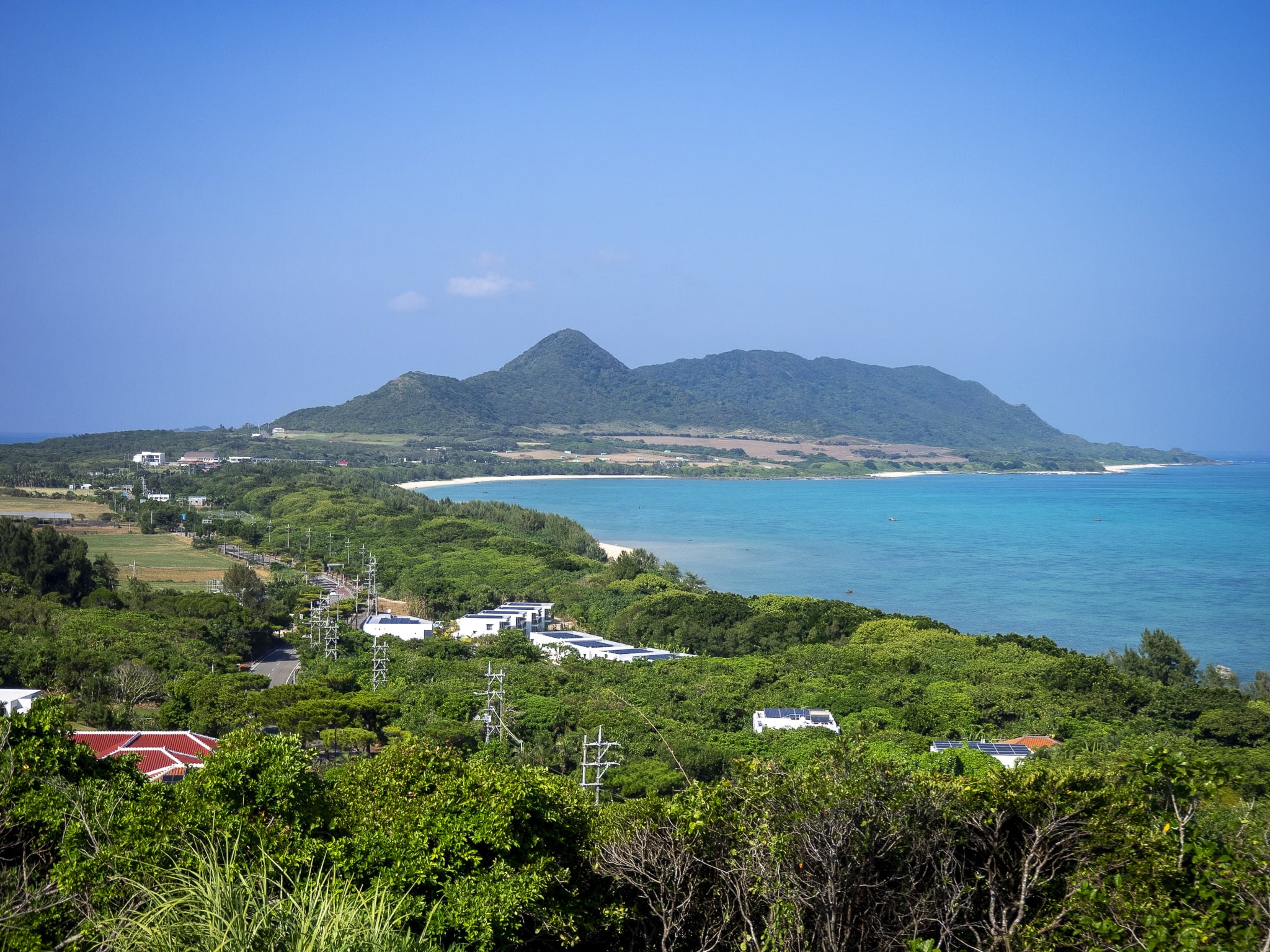
Public transportation on Ishigaki is minimal, and buses cover only a handful of routes at long intervals. For anyone hoping to explore beyond the city center, renting a car is not really a luxury but an essential part of the experience. Most travelers pick up their vehicle right at the airport, where several rental counters are conveniently located, although you can also opt to rent at a later time from any of the multiple agencies scattered around the island, if you don’t feel like driving right off the bat or if your chosen accommodation has shuttle availability. The roads are generally well-maintained, and driving conditions are straightforward once you adjust to the slower rhythm of island life.
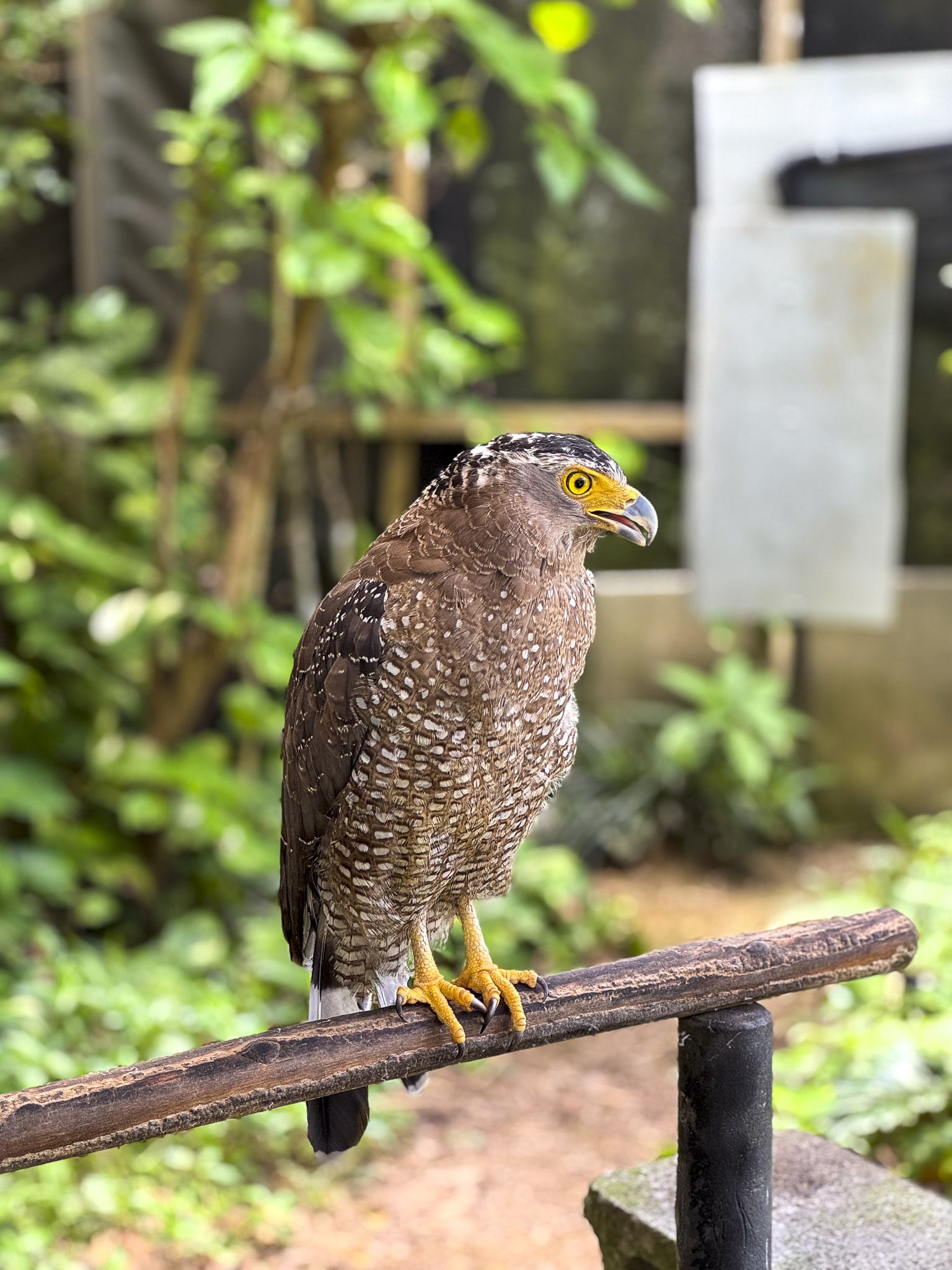
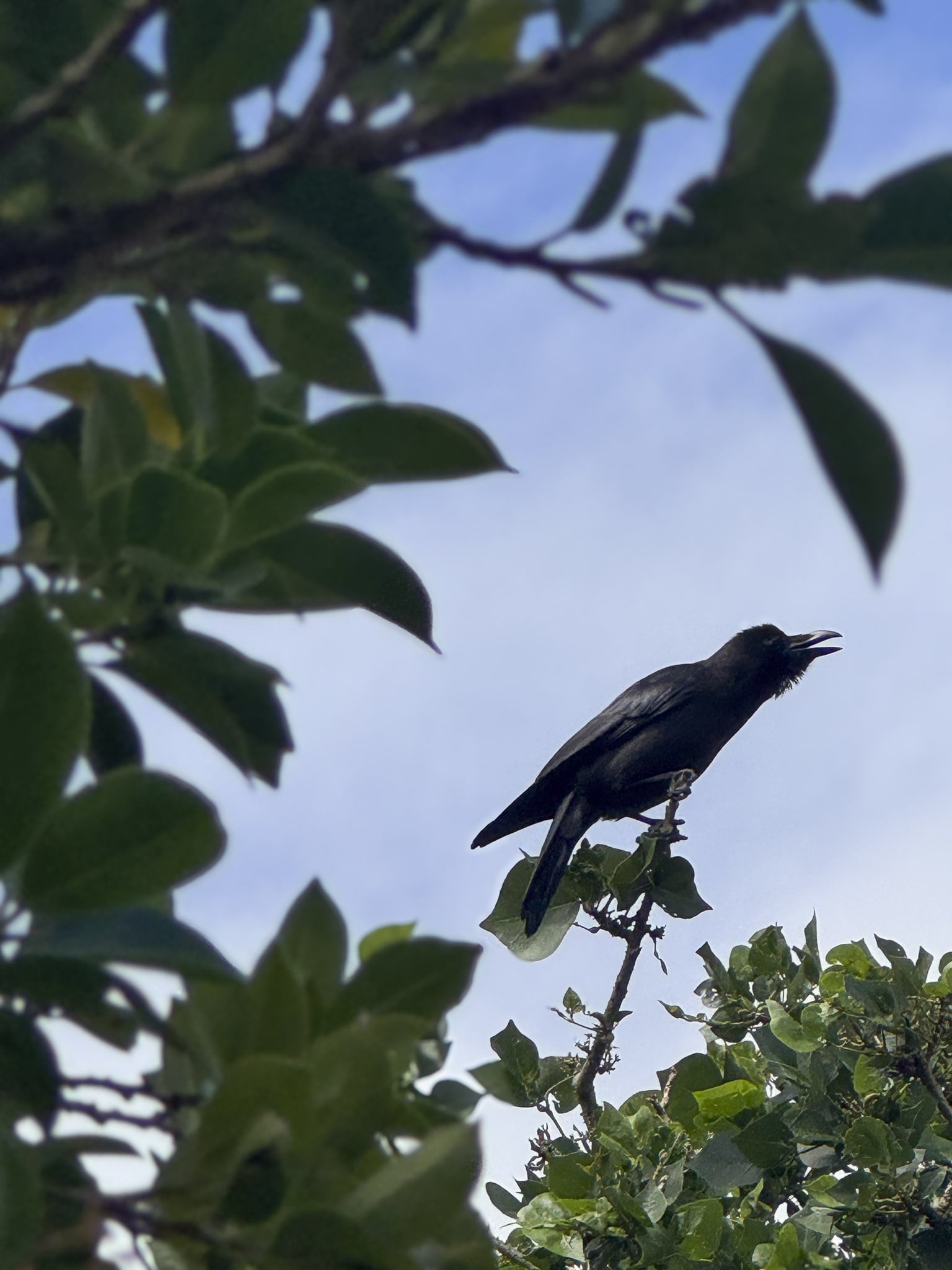
That slower rhythm, however, isn’t optional. Ishigaki’s wildlife has a way of reminding drivers who truly owns the road. Crested serpent eagles swoop low over fields, small frogs leap across damp asphalt after rain, and the occasional slaty-legged crake might dash out of the underbrush. Crows? Get used to them flying low or simply jumping in front of you without a care in the world. I was constantly amused at the seemingly scarce preservation instict of the island’s various little critters as I learned to enjoy this endless stream of on-the-road sightings. Locals know to drive gently, keeping speed down and headlights on early. It is, after all, a matter of respecting the island’s fragile ecosystem, in addition to the obvious safety concerns.
Also, a calm pace behind the wheel sets the tone for the trip. Roads wind through lush fields and along turquoise coves, and the distances are short enough that rushing is certainly pointless. You’re supposed to be here to relax. In Ishigaki, the journey itself often becomes one of the best parts of the day.
To make the most of all the things to do in Ishigaki Island, for this itinerary I suggest you spend the first couple of nights at an accommodation within the city for convenient access to the port, and then spend the remaining two nights at a beach resort for a more leisurely stay.
Day 1: Arrival, City Center and Surroundings
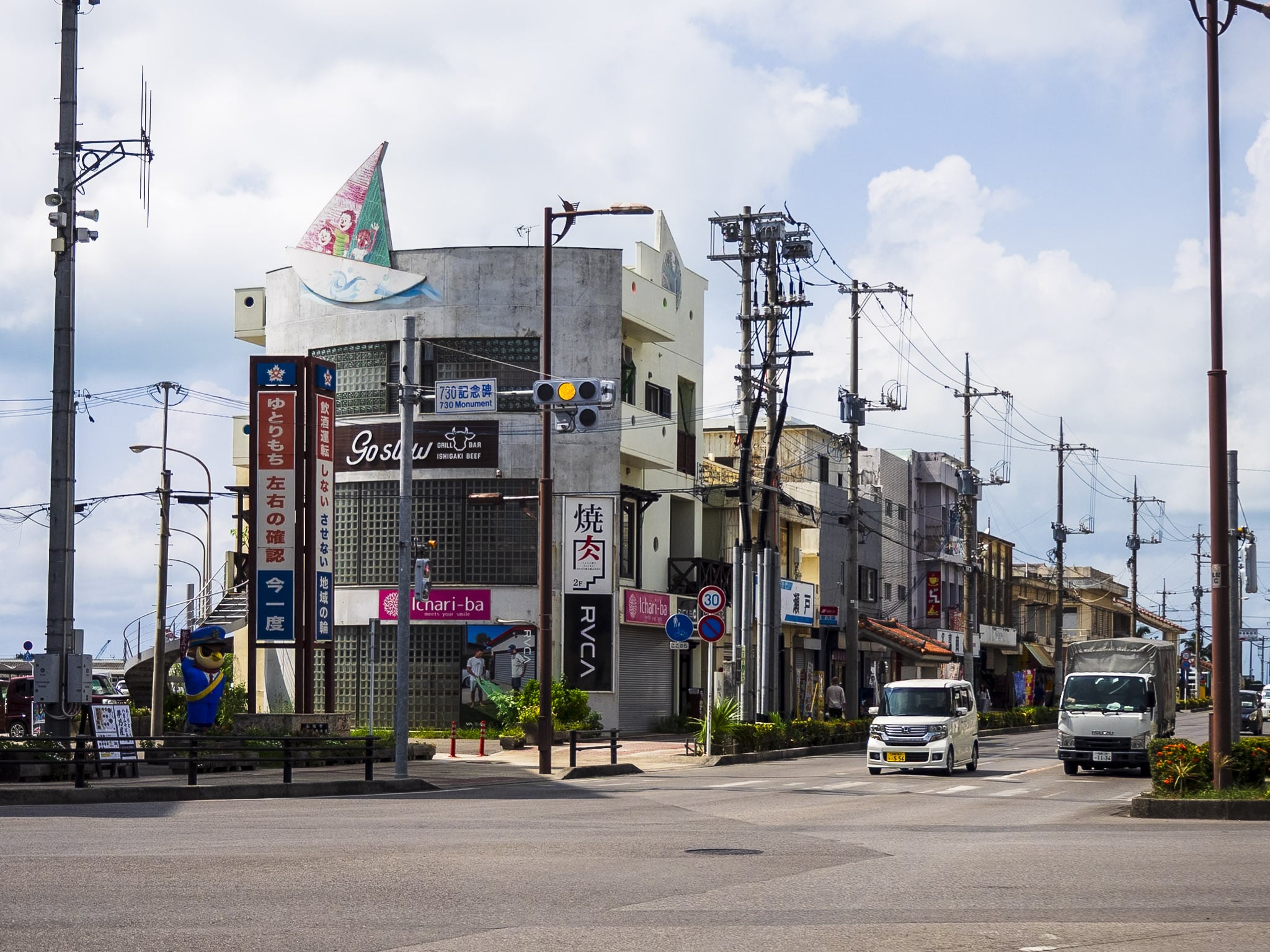
Most flights from Japan’s main islands arrive by late morning, giving you nearly a full day to get settled. After landing at Ishigaki Airport, head straight to the rental car counter — having your own set of wheels from the start will make the rest of the trip far smoother. From there, it’s a short 30-minute drive into the city.
Lunch and Walking Around Ishigaki City
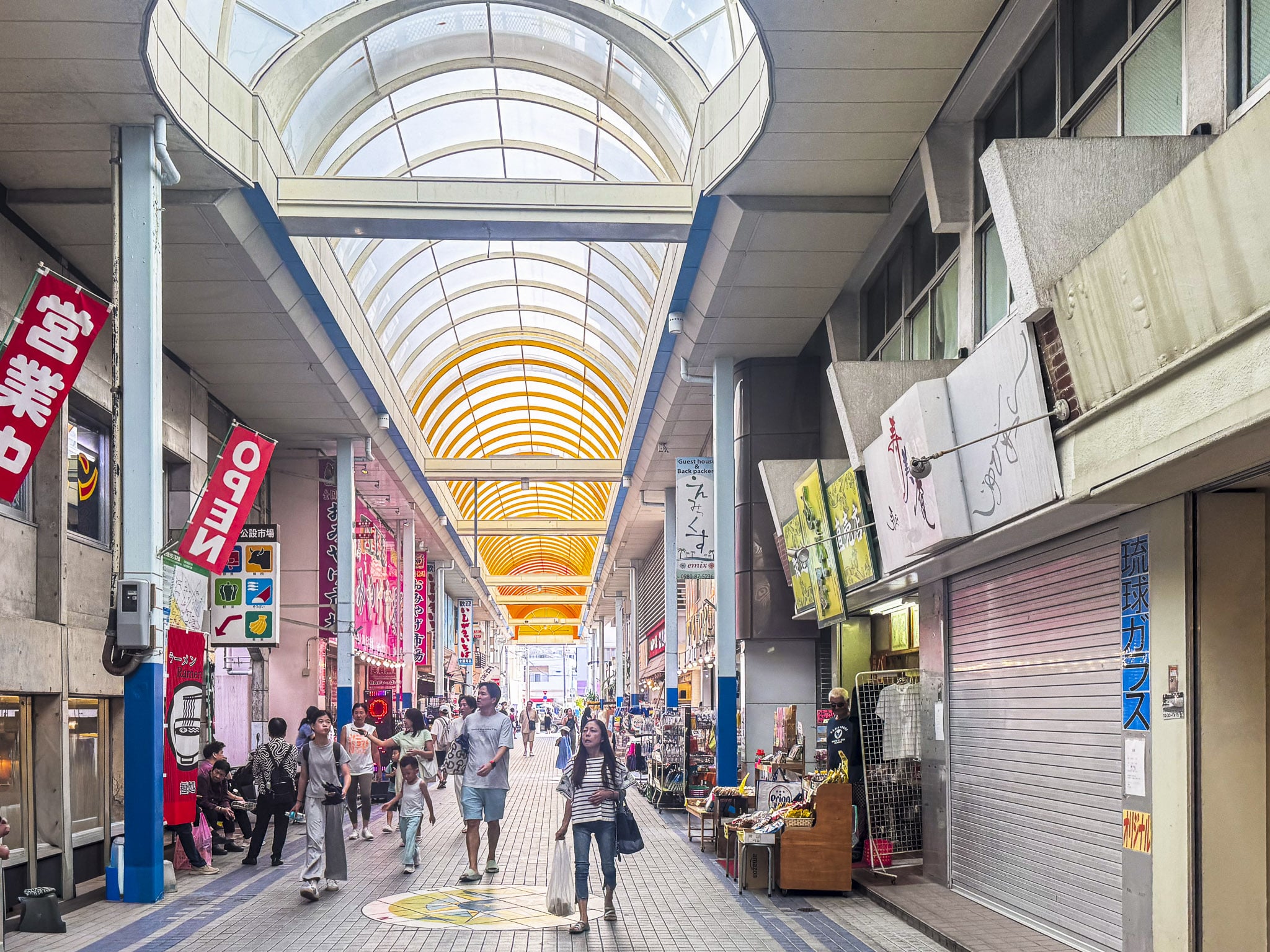
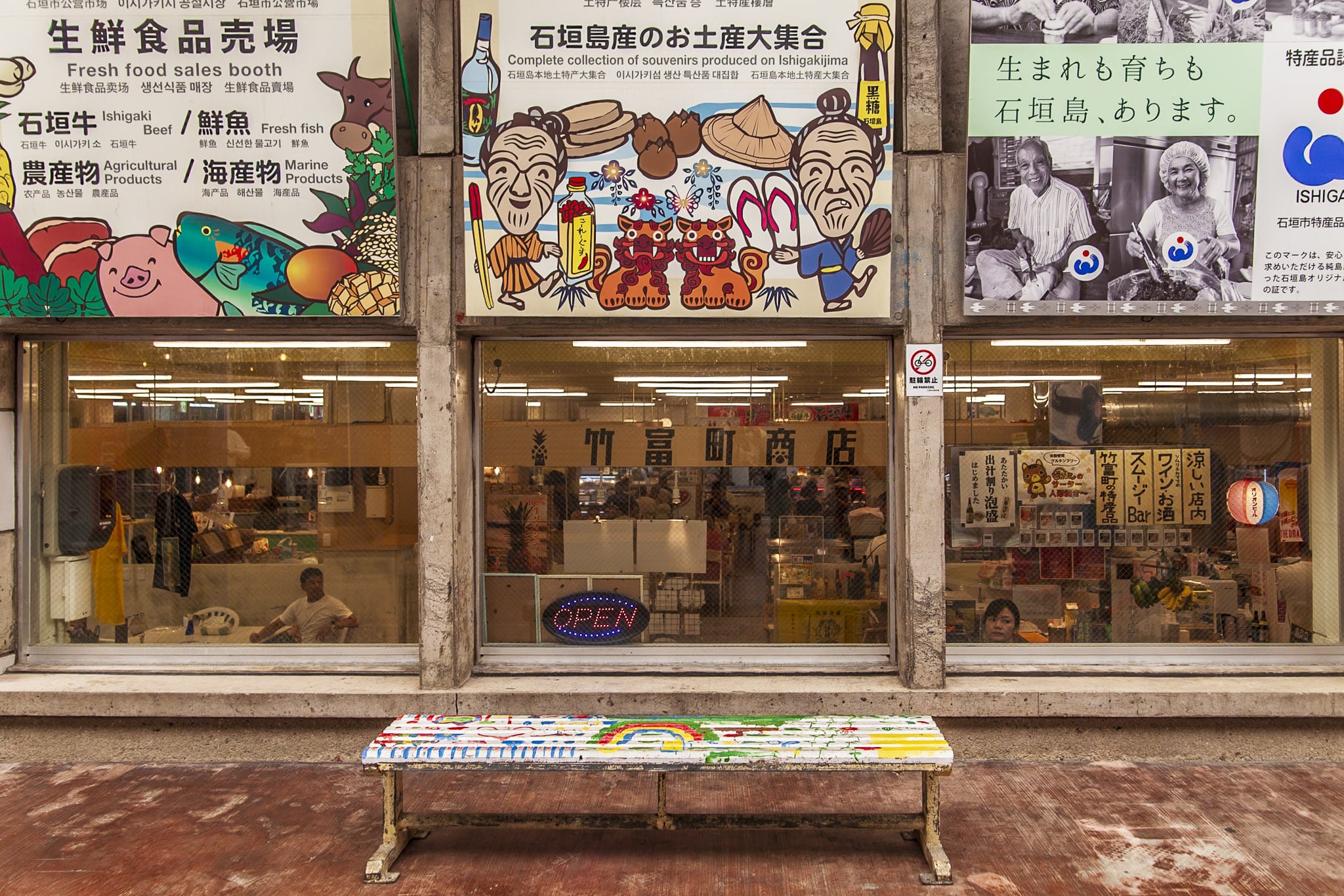
For lunch, the city center around Euglena Mall (ユーグレナモール) and the Public Market (石垣市公設市場) is the ideal first stop. This is where you can ease into island life over a bowl of Yaeyama soba or maybe a casual Ishigaki beef hamburger. The narrow streets are filled with small eateries and souvenir shops selling everything from salt made on nearby islands, cute shisa figures in all sorts of sizes and shapes, to awamori, Okinawa’s distinctive distilled spirit. Orion Beer souvenirs are quite abundant, and you’ll be surprised to see the ubiquity of Okinawa’s signature beer t-shirts among many of the passersby.
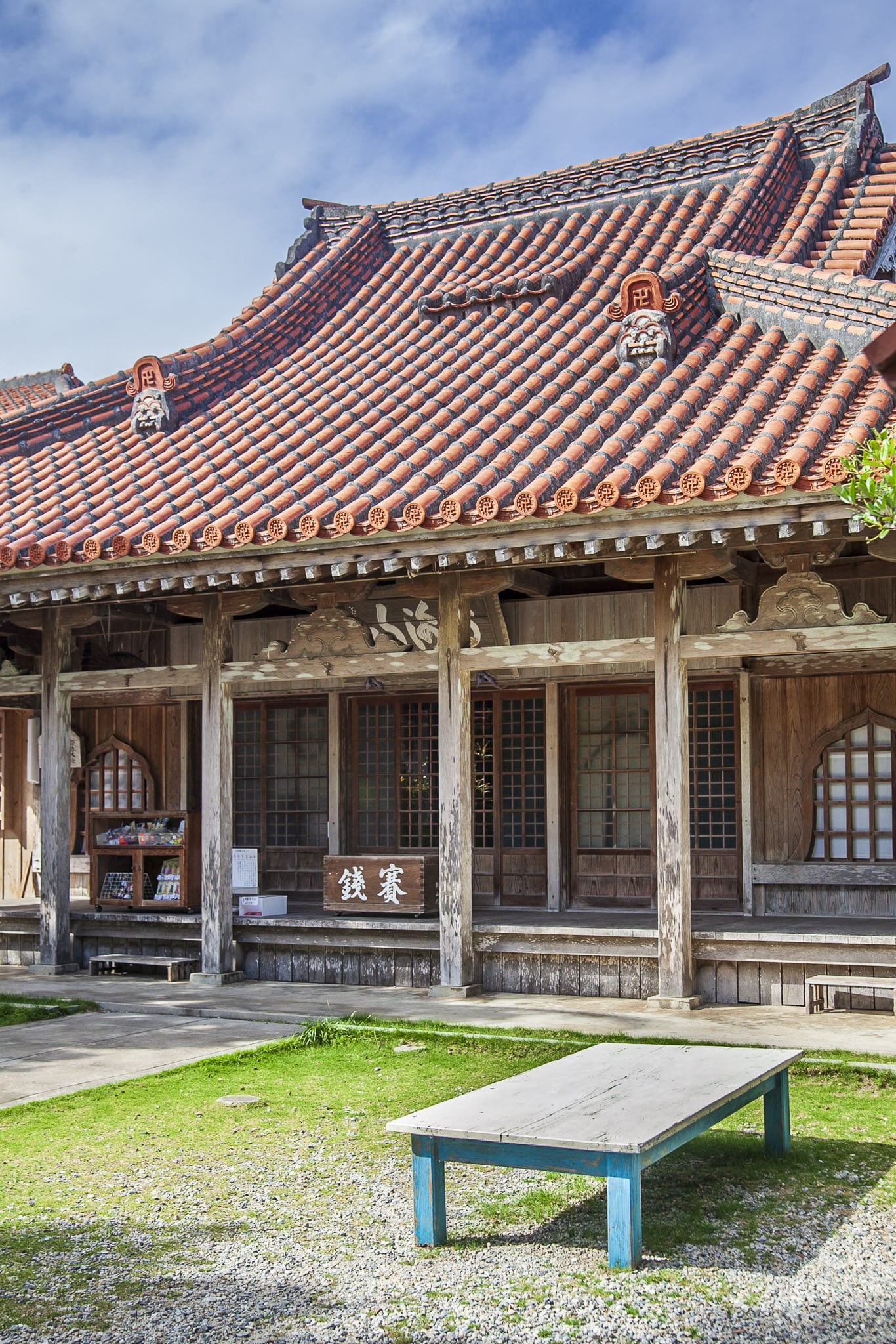
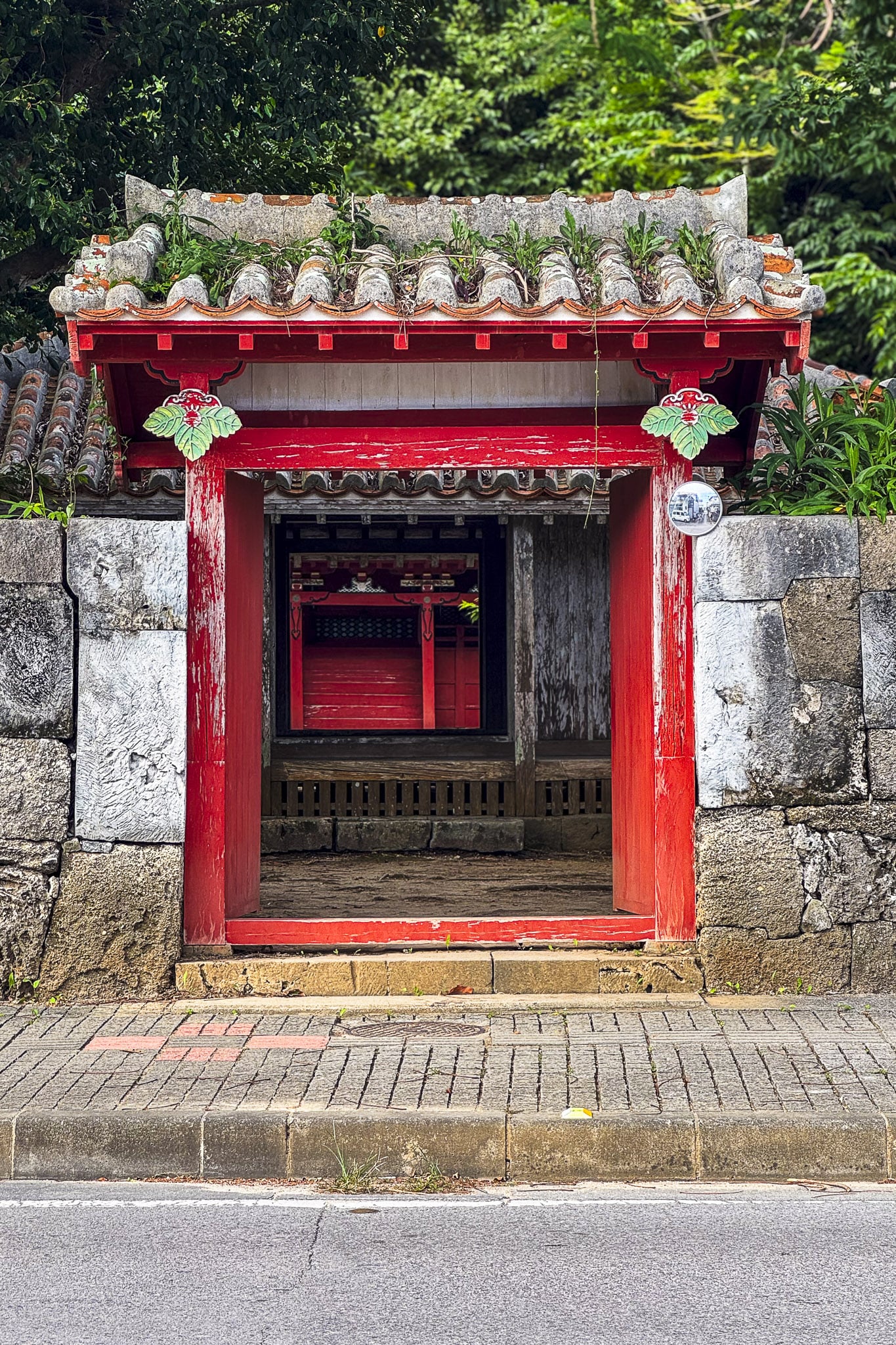
If you’re so inclined, stop by Torinji (桃林寺), Ishigaki’s oldest Zen Buddhist Temple, founded in 1614 and belonging to the Myoshinji school of the Rinzai sect. Next to it there’s Gogendo Hall (八重山権現堂), a Shinto Shrine attached to Torinji, dedicated to the Eight Ryukyu Shrines, Miyako Shrine, and the Three Gods of Kumano. This is the oldest wooden structure in Okinawa, and a quaint representative of the local old and traditional architecture.
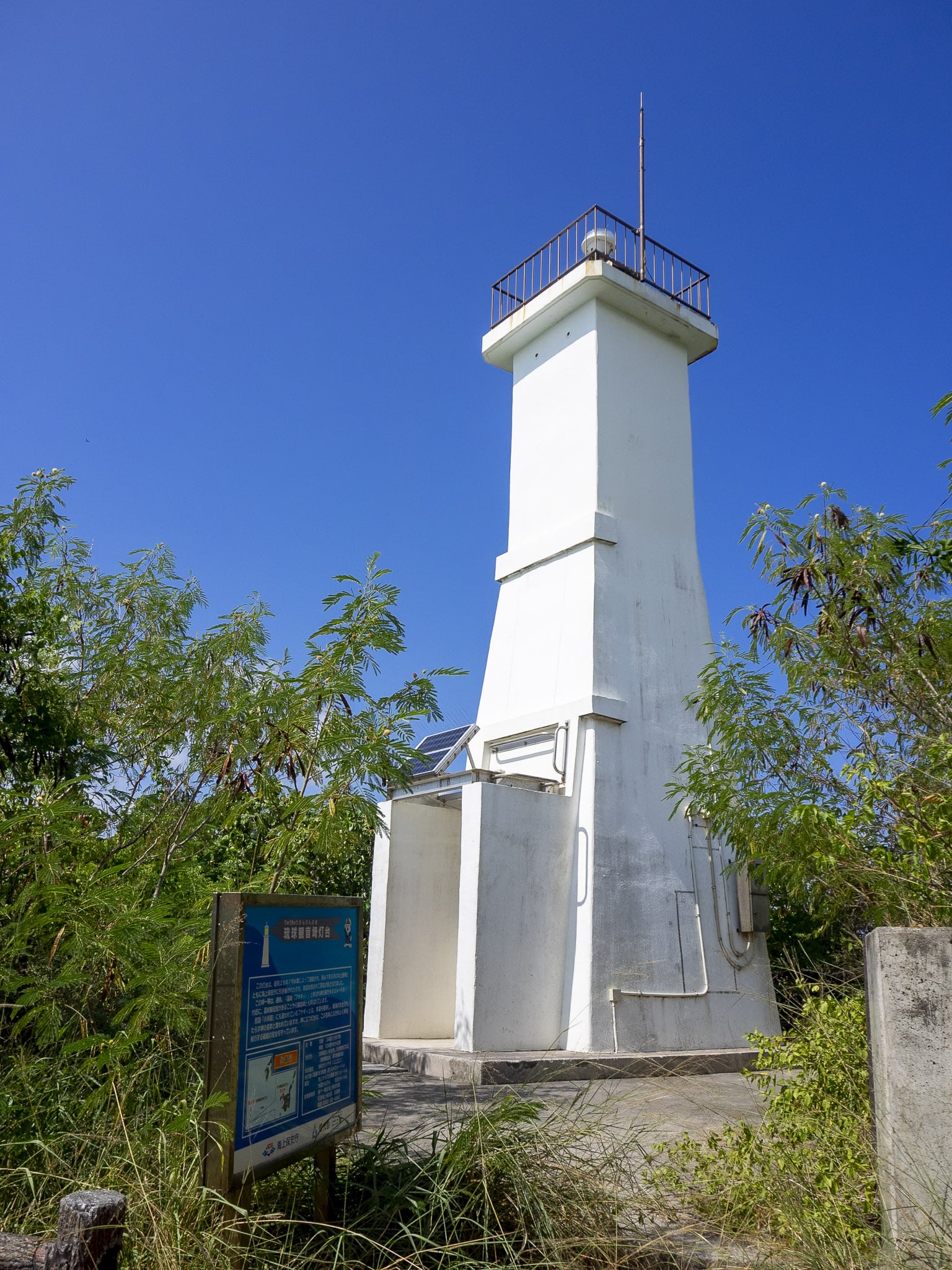
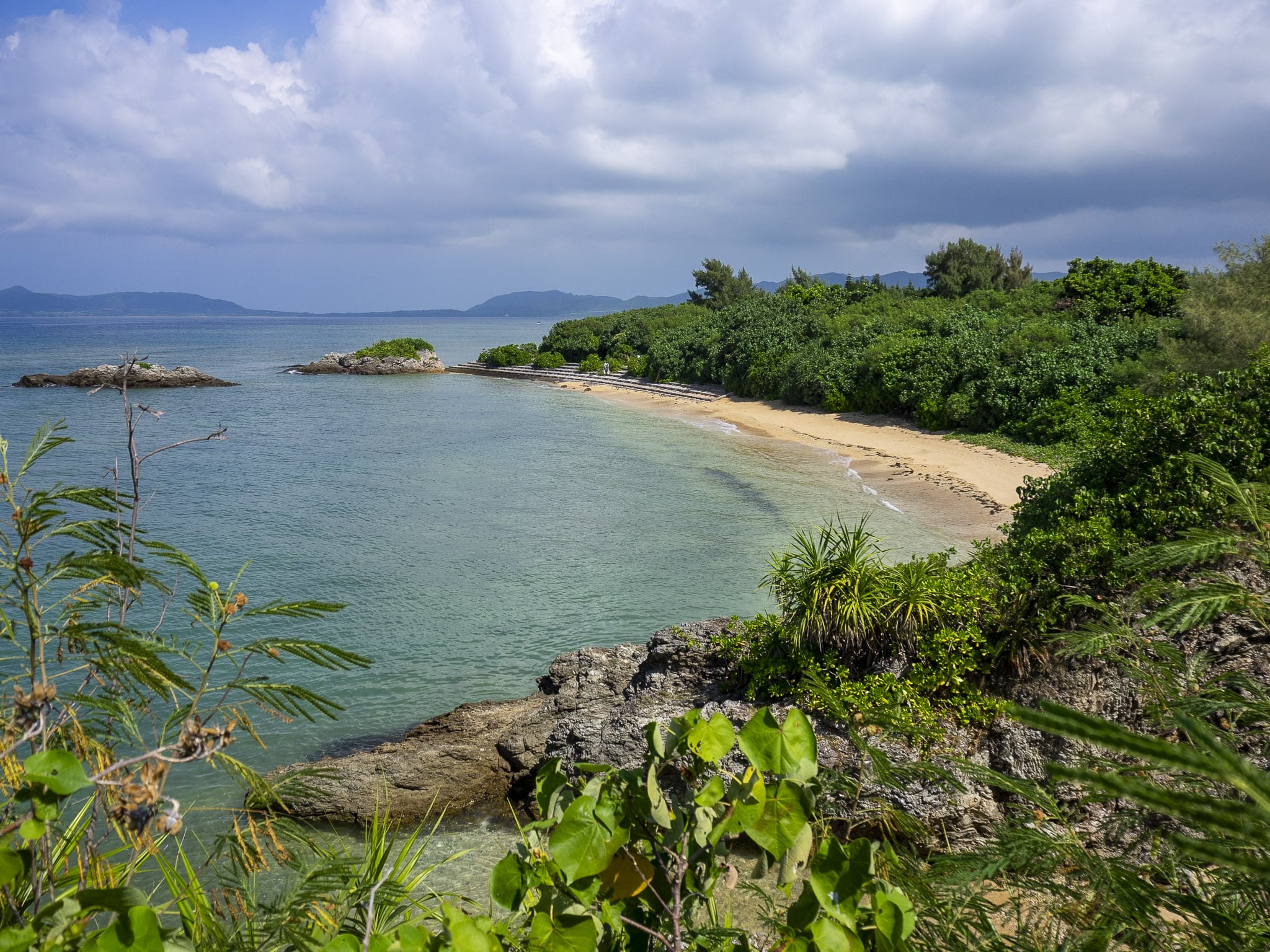
Once fed and oriented, start exploring the outskirts. The Kannonzaki Lighthouse (琉球観音埼灯台) stands on a rugged headland with sweeping ocean views and several scenic spots surrounding it.
Ishigaki Yaima Village
A short drive away on a gentle hillside overlooking Nagura Bay, Ishigaki Yaima Village (石垣やいま村) is an open-air museum of Yaeyama-region culture. Traditional red-tiled houses from various eras have been relocated here, letting you walk through homes of farmers, fishermen and residents from early-20th-century Ishigaki.
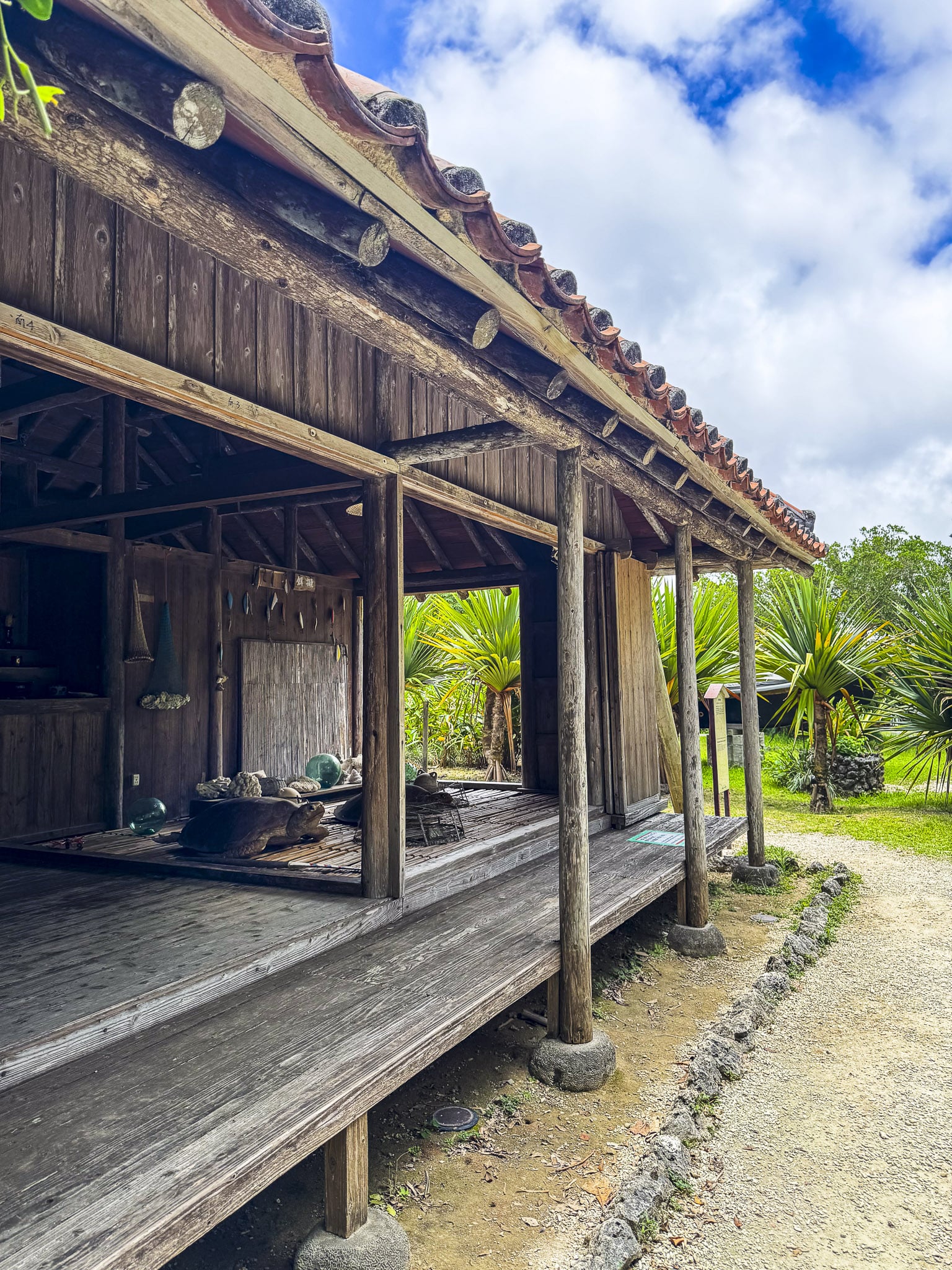

One of the most charming features is a free-roaming population of about 60 squirrel monkeys in a dedicated park zone. You should not grab them, but don’t worry too much if they approach you, as they’re curious and friendly. Just mind your belongings if you don’t want them to be snatched. There are shelves right at the entrance of the dedicated area so you can store your bags safely.
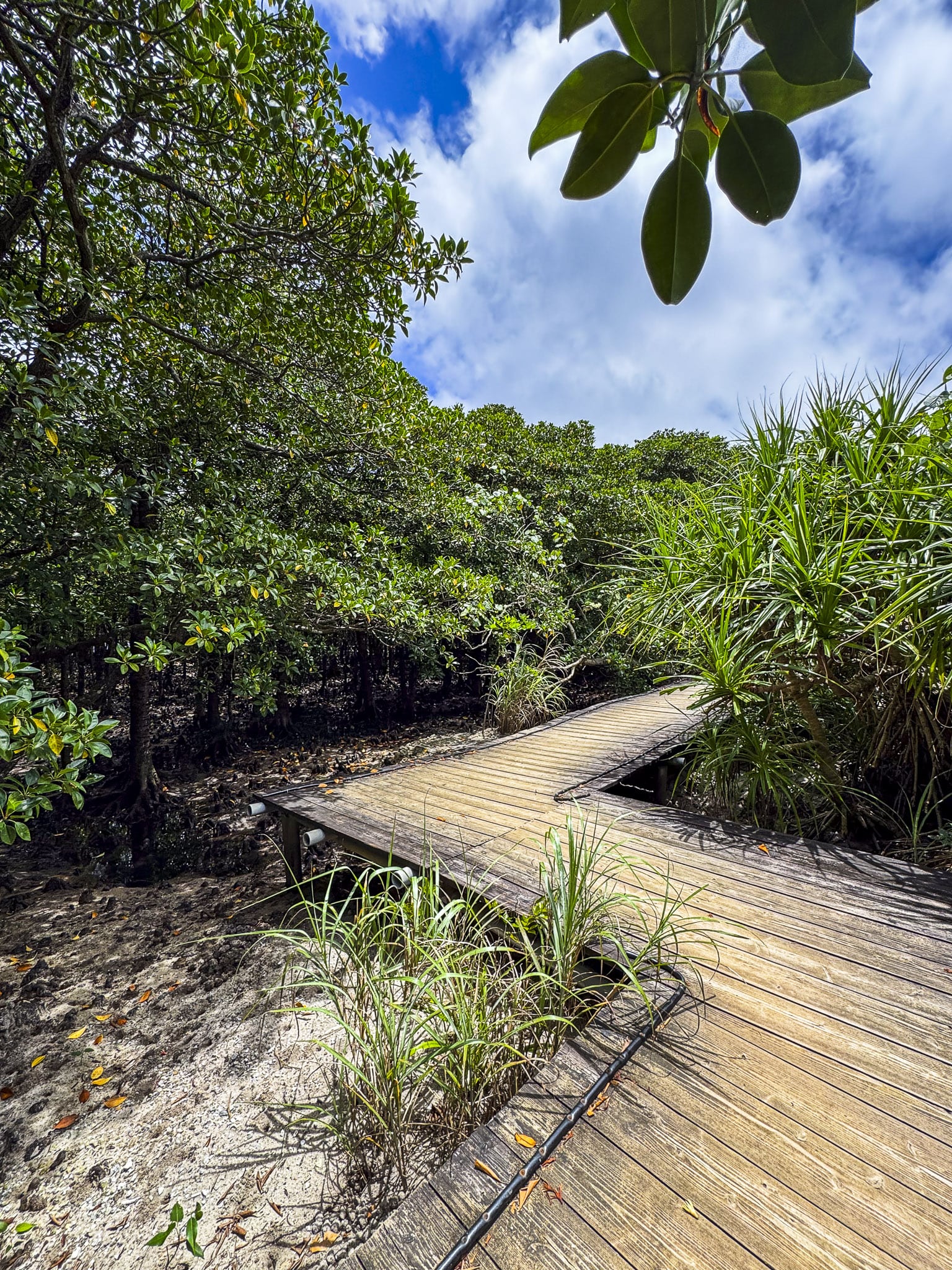
Beyond wildlife, there are short mangrove-walk trails around the adjacent Nagura Anparu wetland, local craft-making (shisa-statue colouring, sanshin instrument play), and traditional music/dance performances in season. Plan around 30–60 minutes here, depending on how deeply you engage with crafts or performances.
Ishigaki Stalactite Cave
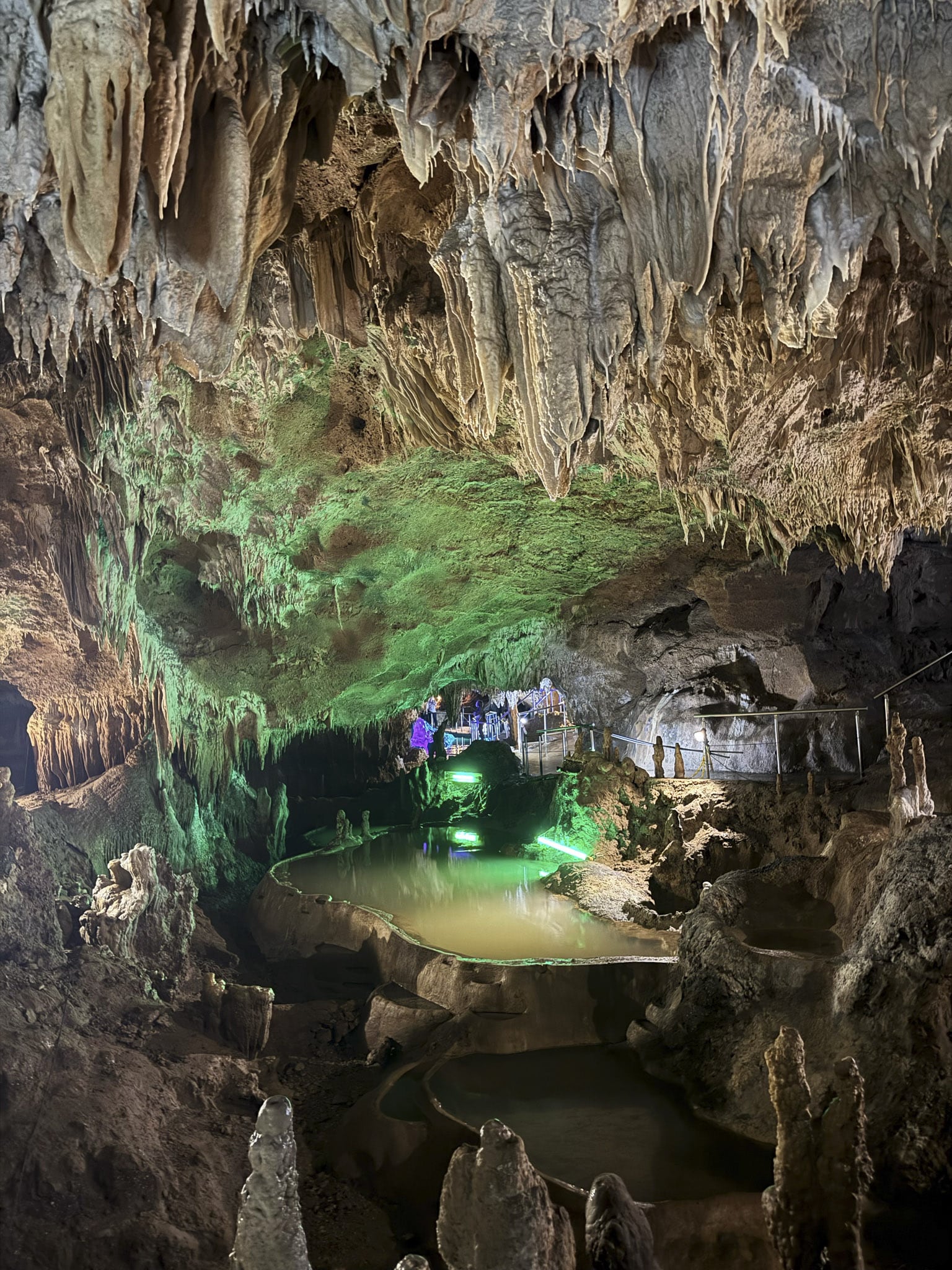
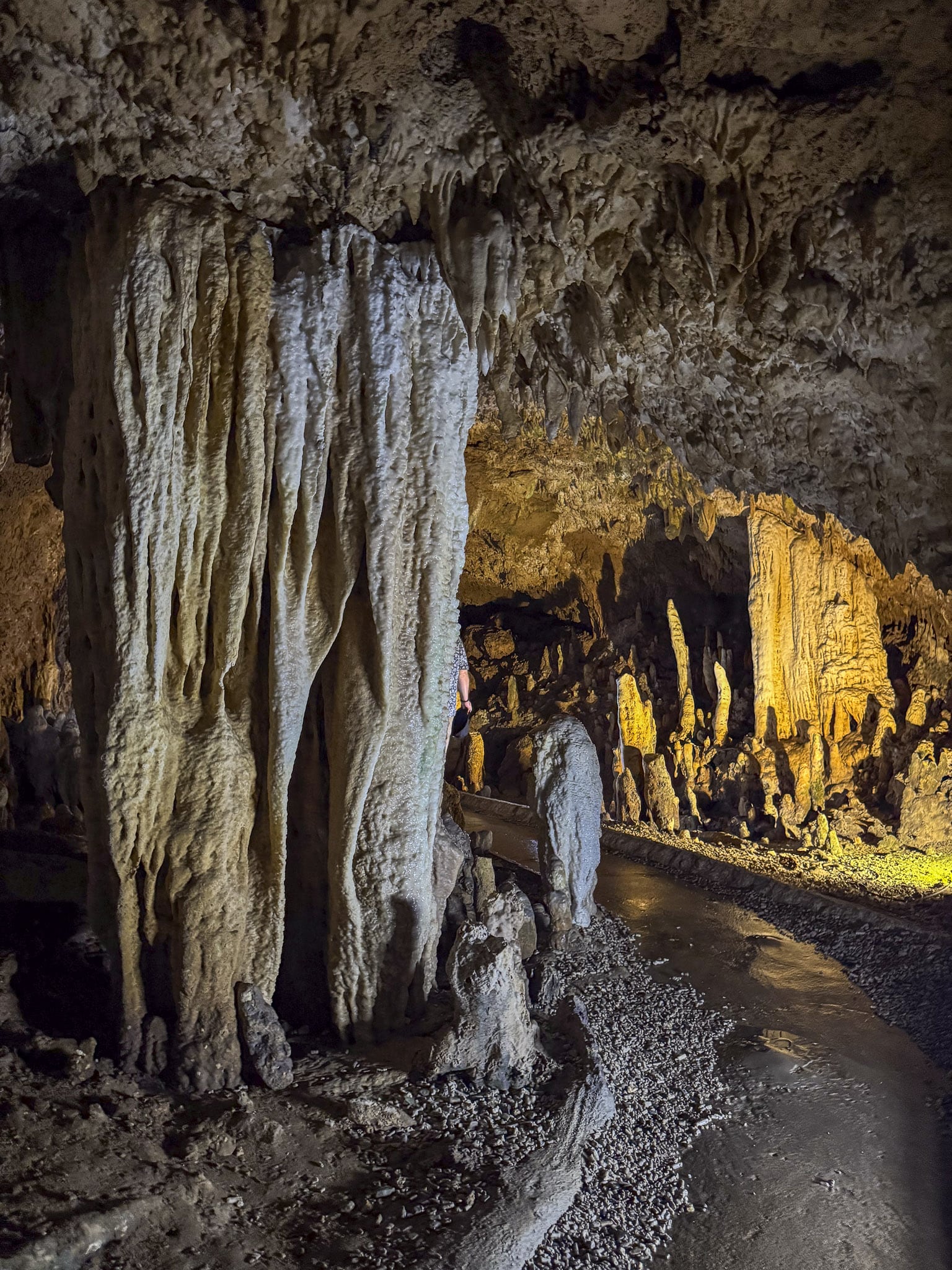
On the return toward town, stop by the Ishigaki Stalactite Cave (石垣島鍾乳洞) to wander through its illuminated limestone chambers. This cave formed over approximately 200,000 years as a result of coral-rock uplift and slow water erosion. Roughly 3.2 km of cave system exists, of which about 660 m are open to the public, taking around 30 minutes to walk through.
Watch out for dramatic stalactites, flowstones, and fossilised sea-organisms embedded in the walls (a reminder that this once was under the ocean). There are also areas with colourful lighting, but I’m not a fan of those if you ask me, as nature wonders are best appreciated as they are. Take into account that the cave is year-round approximately 22–23 °C with high humidity, so bring a light wrap if you tend to chill.
Evening in the City
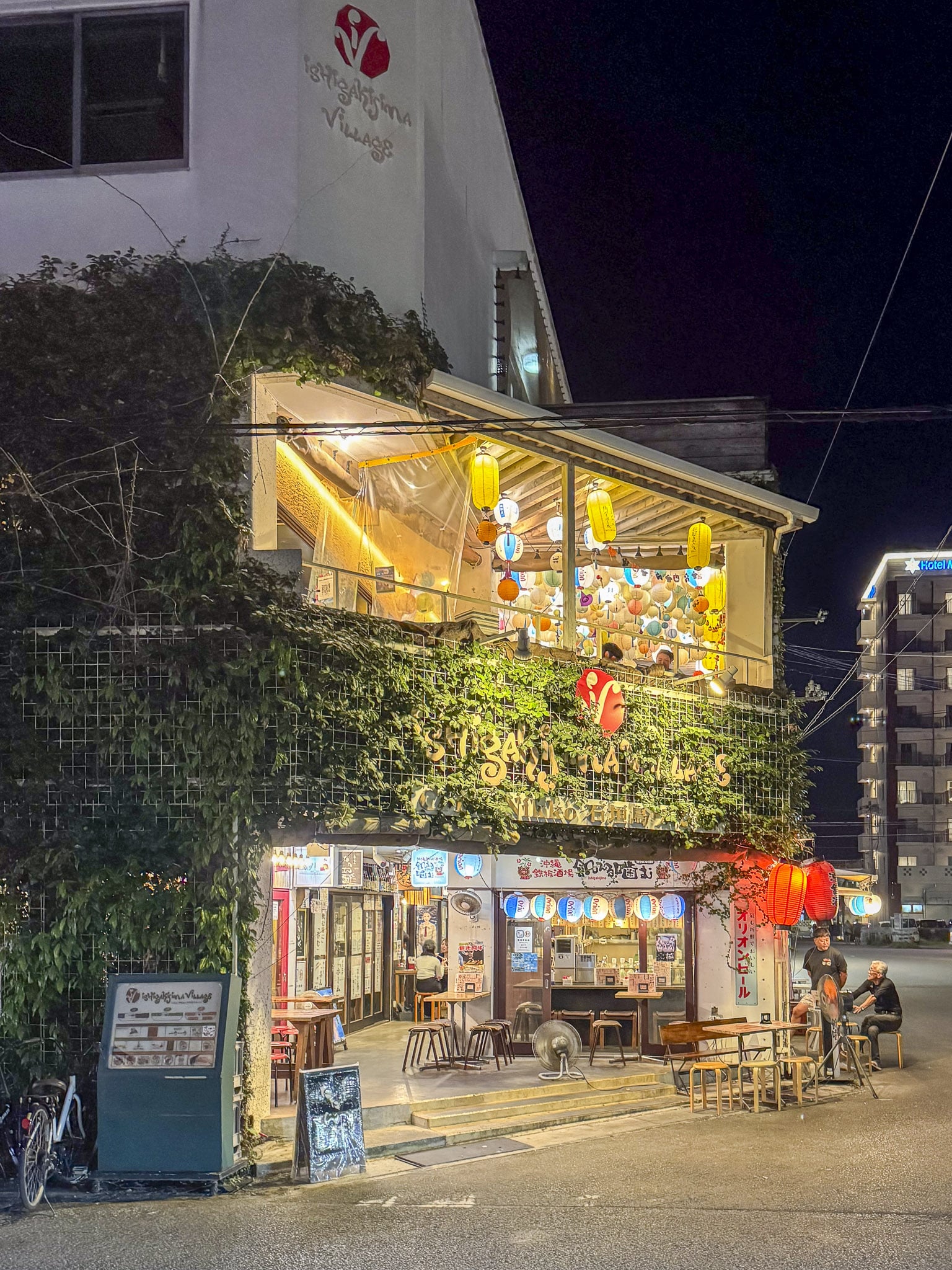
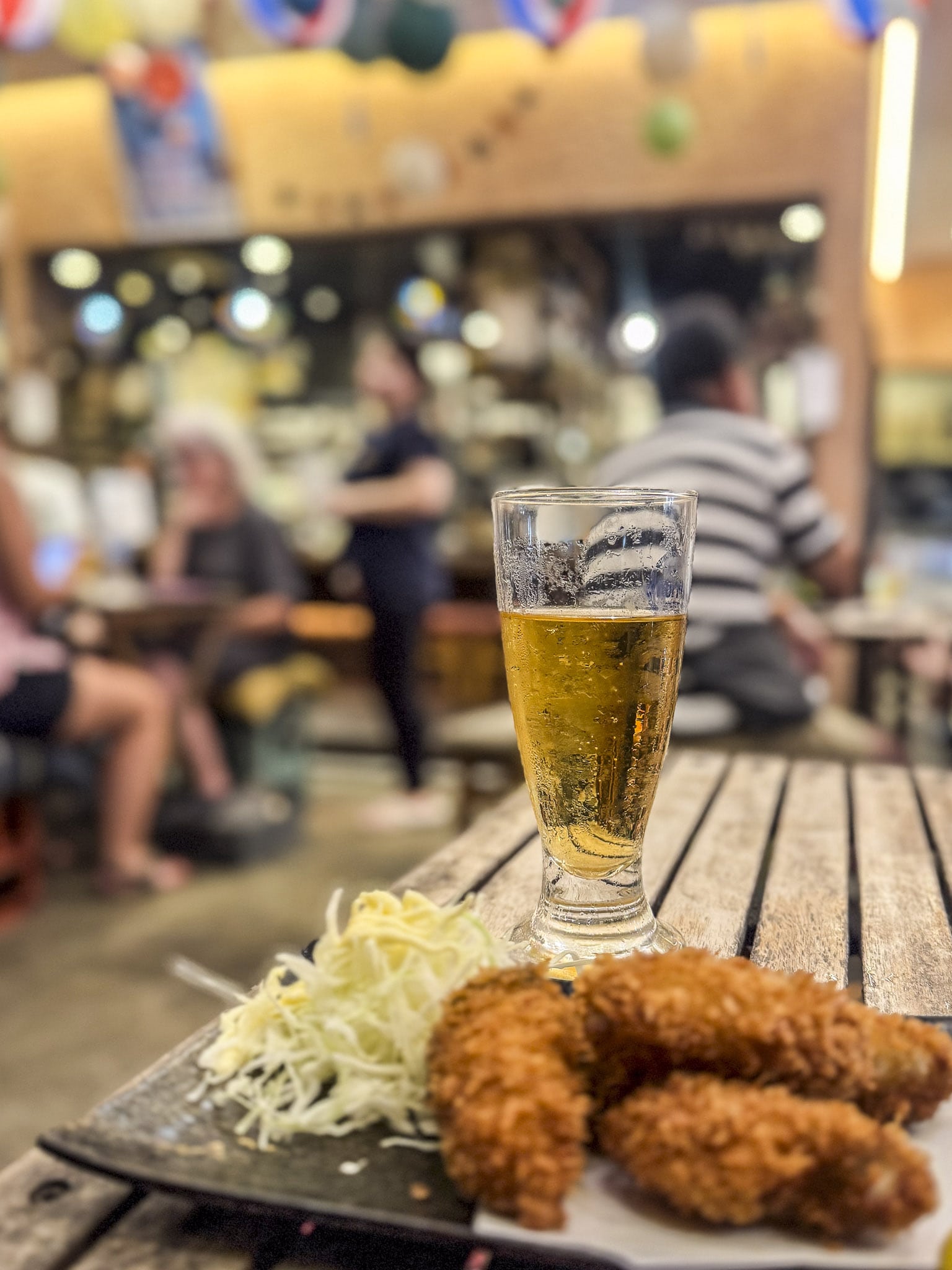
Ishigaki City has quite a wide choice of restaurants and easy access to the ferry terminal for the next day’s excursions. The city’s compact nightlife, with mostly small bars and izakaya clustered around Misakicho, makes for a relaxed evening without straying far from your hotel. One of the places I enjoyed was Ishigaki Island Village (石垣島ヴィレッジ), a hotspot for local gastronomy located right in the middle of Misakicho, with three stories filled with a variety of restaurants and izakayas to suit anyone’s taste.
Day 2: A Day Trip to Taketomi
Taketomi Island (竹富島) lies just a ten-minute ferry ride from Ishigaki Port, yet it feels decades away from modern pace. The entire island is a designated preservation district, and cars are limited mostly to locals, so it’s best explored on foot or by rental bicycle. Traditional red-tiled homes framed by coral-stone walls and bougainvillea make every lane photo-worthy, while the distant clatter of ox-drawn carts adds to the village’s unhurried charm.
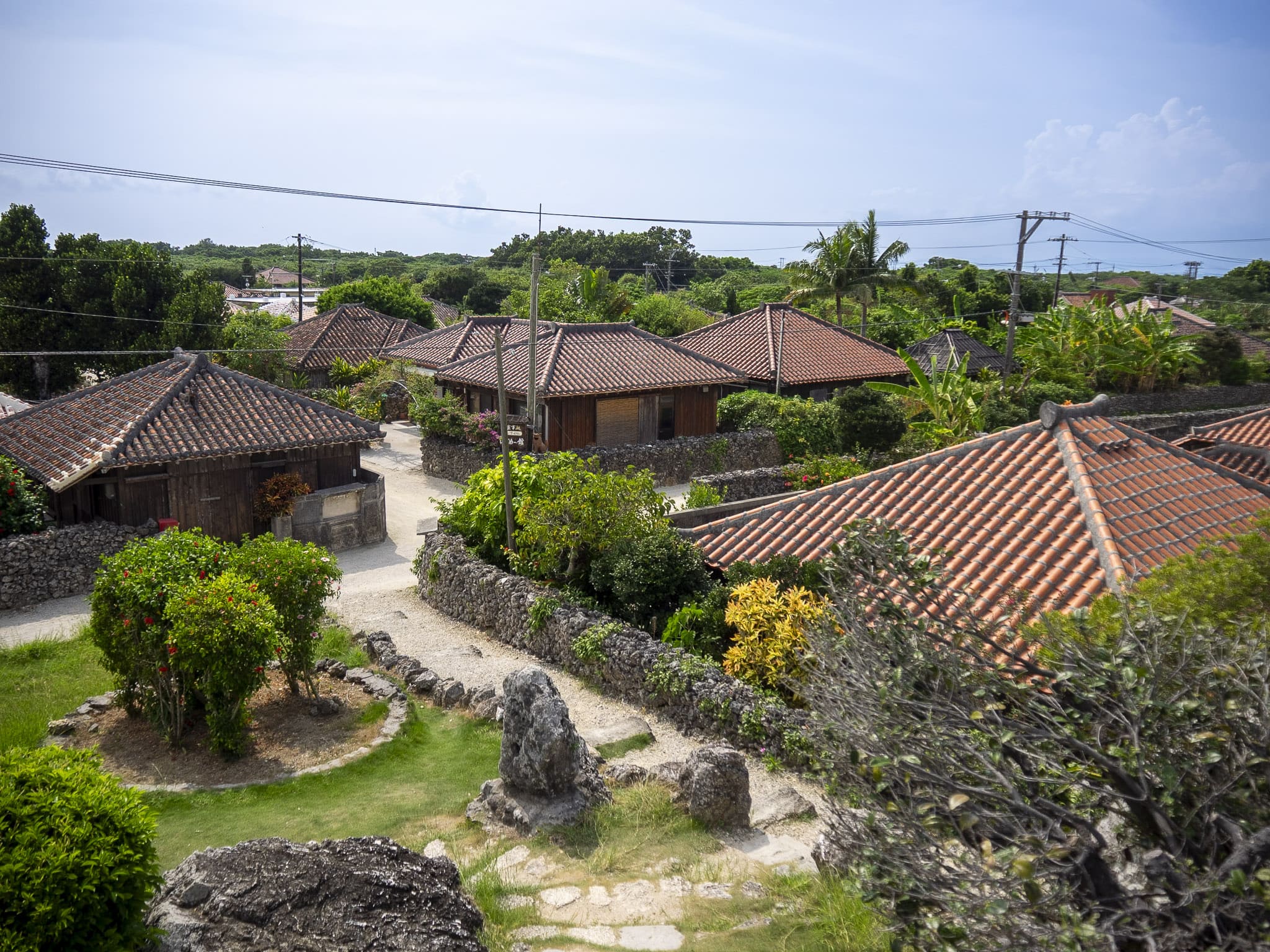
You can easily spend half a day circling the island’s compact loop road, stopping at Kondoi Beach for a swim, Kaiji Beach to spot its star-shaped sand grains, and Nagomi Tower for a quick panorama of the rooftops below. For lunch, small family-run cafés serve Okinawan staples like goya champuru or Yaeyama soba, often enjoyed under wooden verandas that catch the sea breeze.
For detailed sightseeing routes and recommended stops, see my dedicated 1-Day Trip to Taketomi Island from Ishigaki article.
After returning to Ishigaki in the late afternoon, the city’s restaurants are once again the best bet for dinner.
Day 3: A Day Trip to Iriomote
Iriomote is Ishigaki’s wilder counterpart; a dense, river-laced island where more than 90 percent of the land remains covered in subtropical jungle. Ferries from Ishigaki take about 40–50 minutes, arriving at either Uehara or Ohara Port, depending on your preference. Because public transport is scarce, most visitors join guided tours, which conveniently include pick-up and drop-off at the ferry terminal, or you can just rent a car once you arrive. Note that if you are renting a car already in Ishigaki, you cannot take your car aboard the ferry, which is why you will need to rent another car once you get to Iriomote.
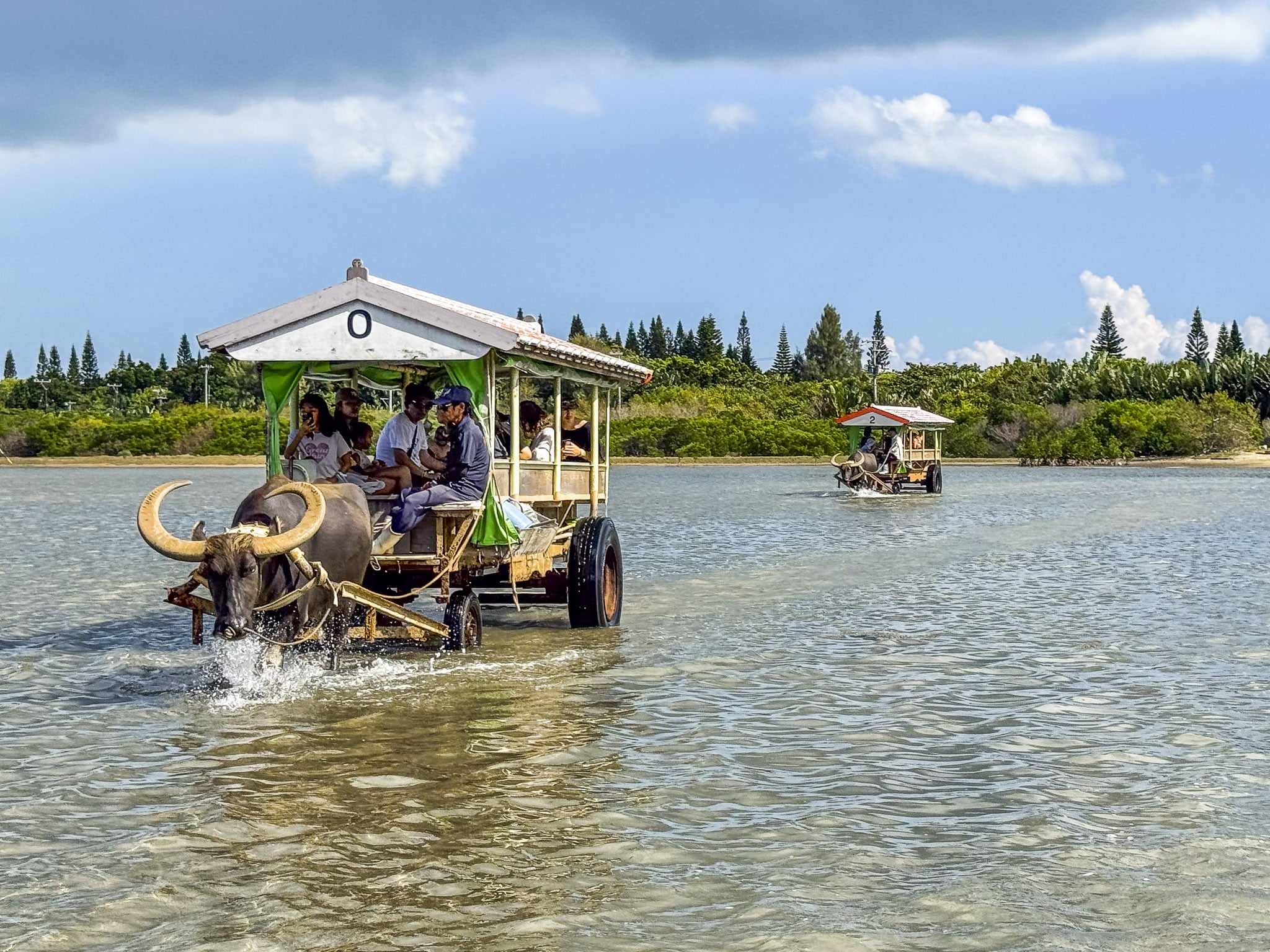
A single day here can include a mangrove cruise up the Nakama River, a gentle hike to Mariyudu and Kanpire Waterfalls, or kayaking through mangrove tunnels to hidden coves. More adventurous travelers might opt for a visit to Pinaisara Falls, Okinawa’s tallest waterfall, whose upper viewpoint overlooks a carpet of green stretching to the sea. Even a few hours on Iriomote convey the sense of raw nature that defines the Yaeyama Islands—the air is heavier, the forest louder, and time feels slower.
For a detailed breakdown of trails, boat routes, and tour options, see my dedicated 1-Day Trip to Iriomote Island from Ishigaki article.
By evening, the return ferry delivers you back to Ishigaki City just in time for dinner. Try one of the casual izakaya serving island-style tapas or grilled beef from Ishigaki’s famous herds. After two nights in town, you’ll have seen the cultural and practical side of the island, before continuing with the quieter coastal stretch where the pace slows even further.
Day 4: Scenic Drives and Coastal Views in Northwestern Ishigaki
After two days of island-hopping, it’s time to focus again on Ishigaki itself. Start the morning by driving north toward the island’s western coastline. The drive is one of the prettiest on Ishigaki, winding roads lined with tropical greenery, grazing cows, and sudden flashes of turquoise sea.
Observation Decks Around Banna Park
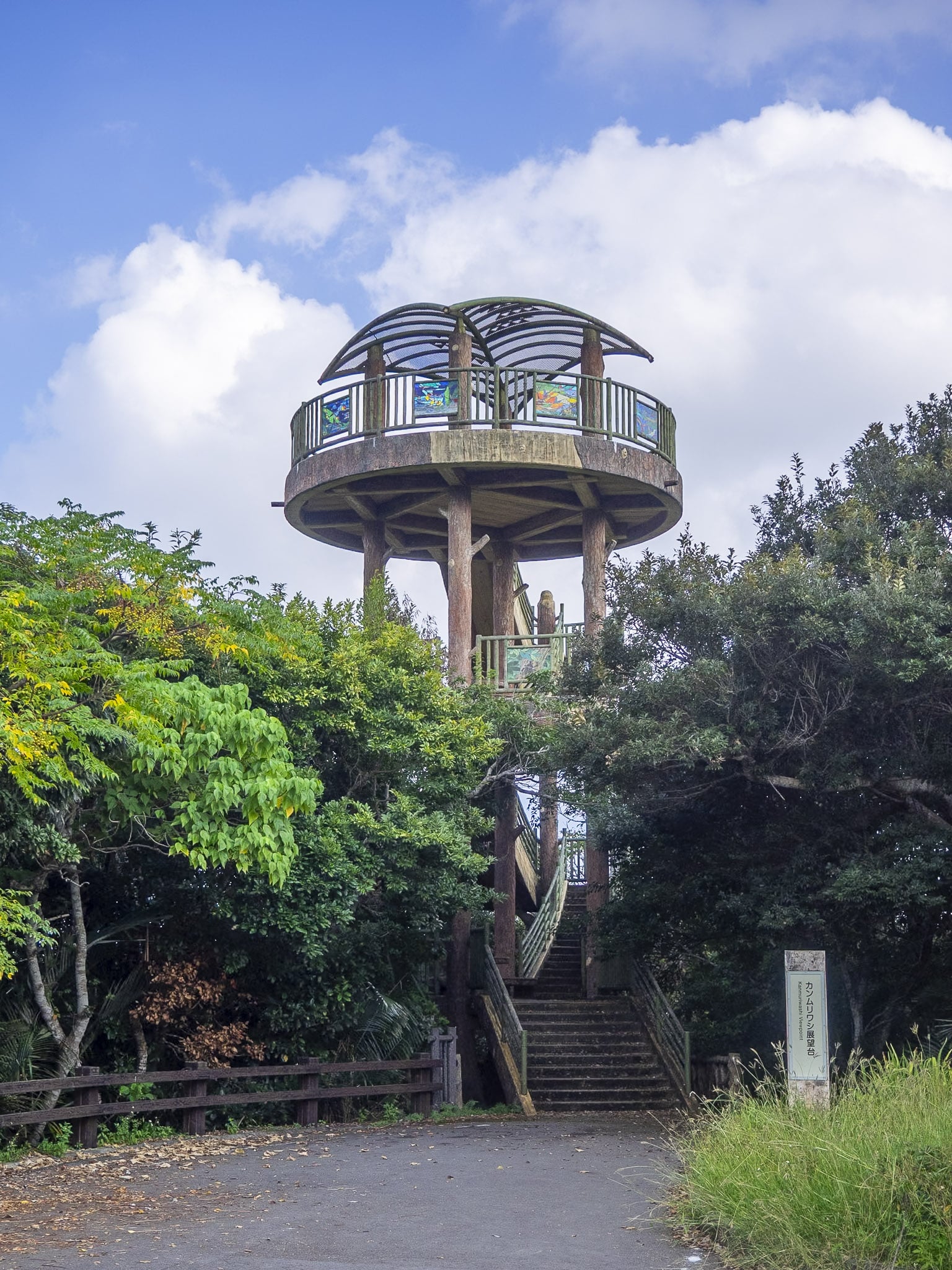
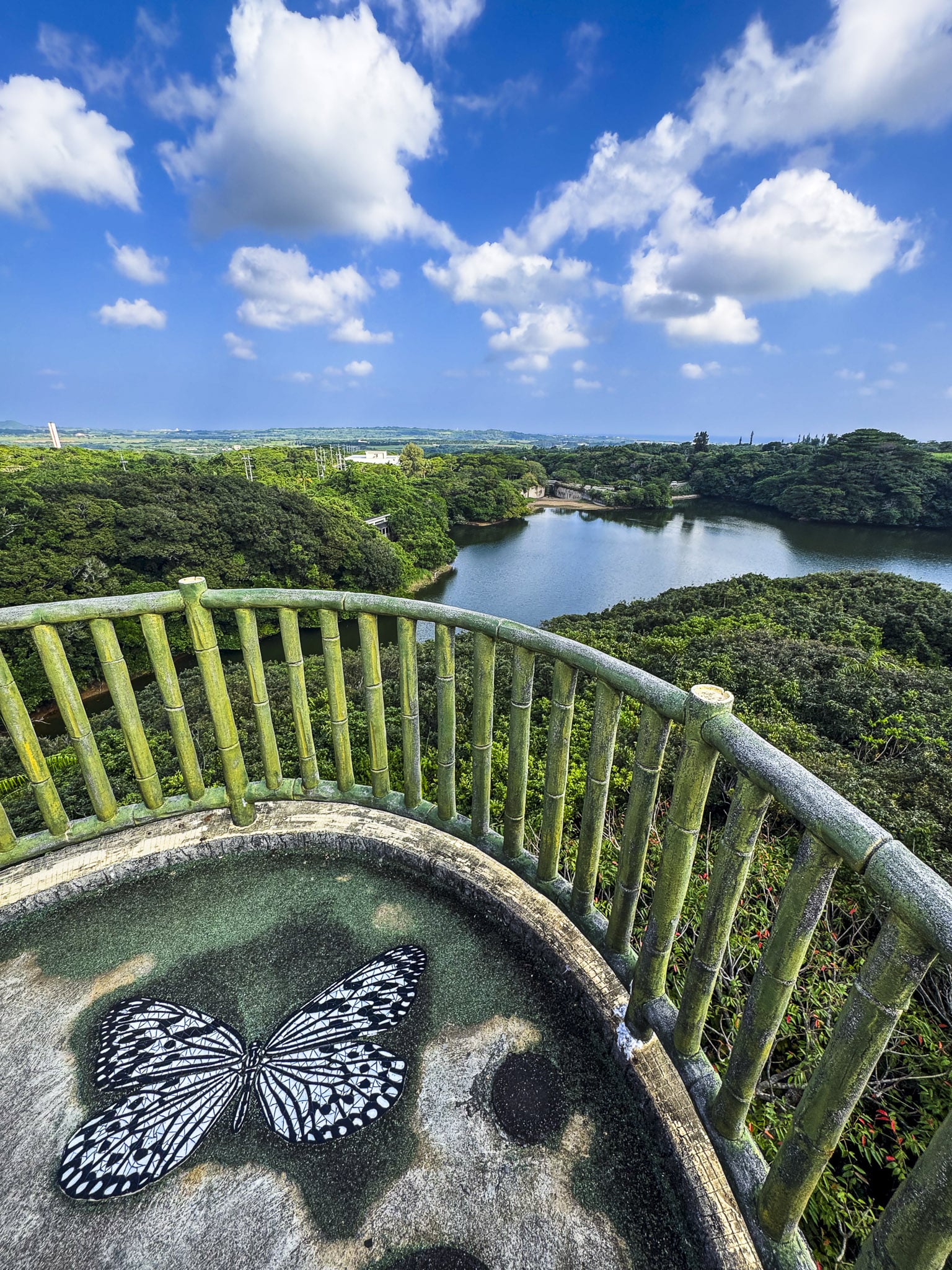
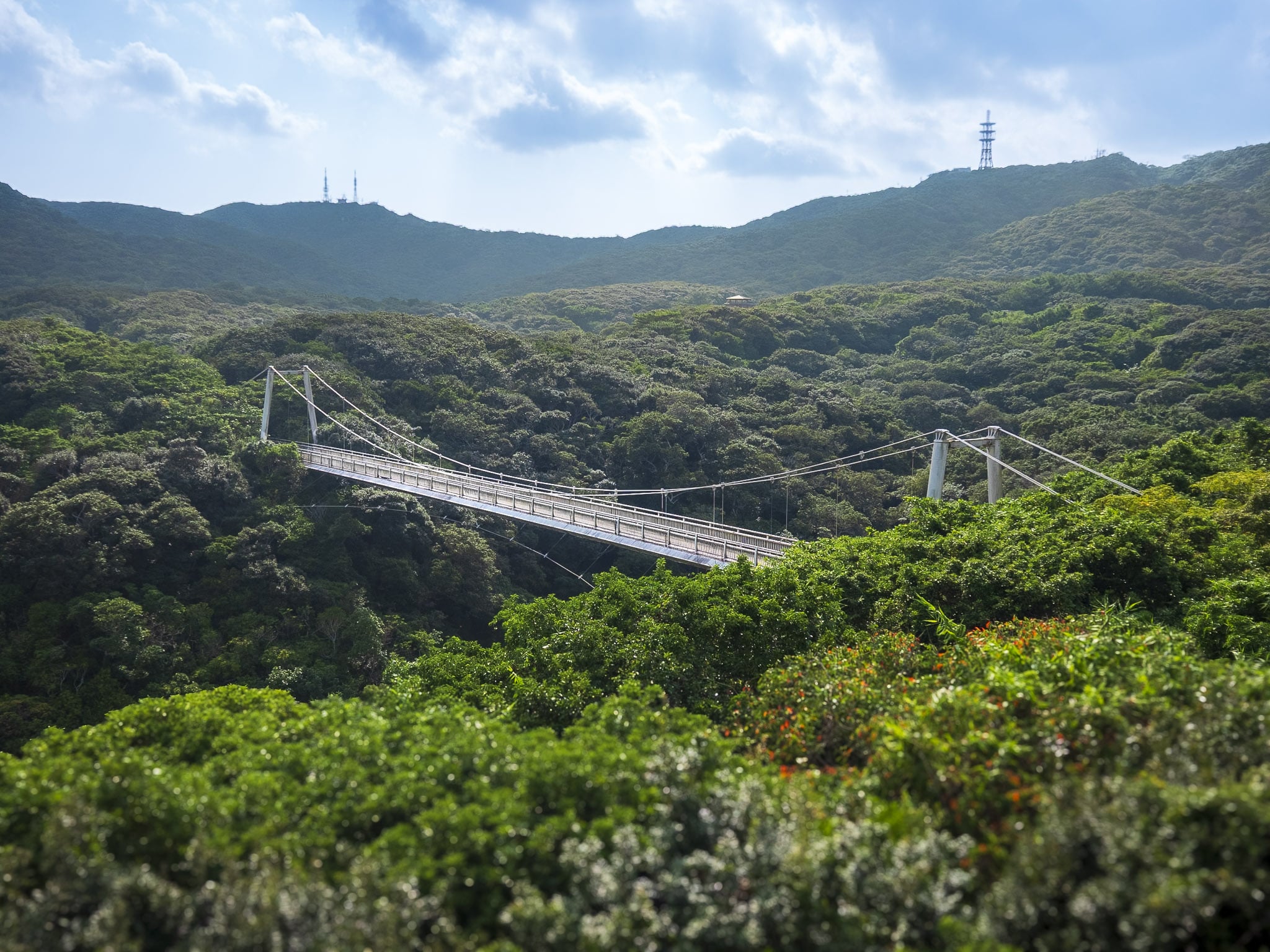
If you, like yours truly, love to gaze at the horizon from observation decks, you’re in for a treat today. Our first stop, about 15 minutes from the city, is the Crested Serpent Eagle Observatory (カンムリワシ展望台), located within Banna Park (バンナ公園). This viewpoint gives you a clear sight-line over Ishigaki’s hills, the scenic Seishika Bridge (聖紫花の橋) and the dam lake area. The name “Crested Serpent Eagle Observatory” refers to the rare raptor known in Japanese as the Crested Serpent Eagle, a species found only on Ishigaki and nearby islands.
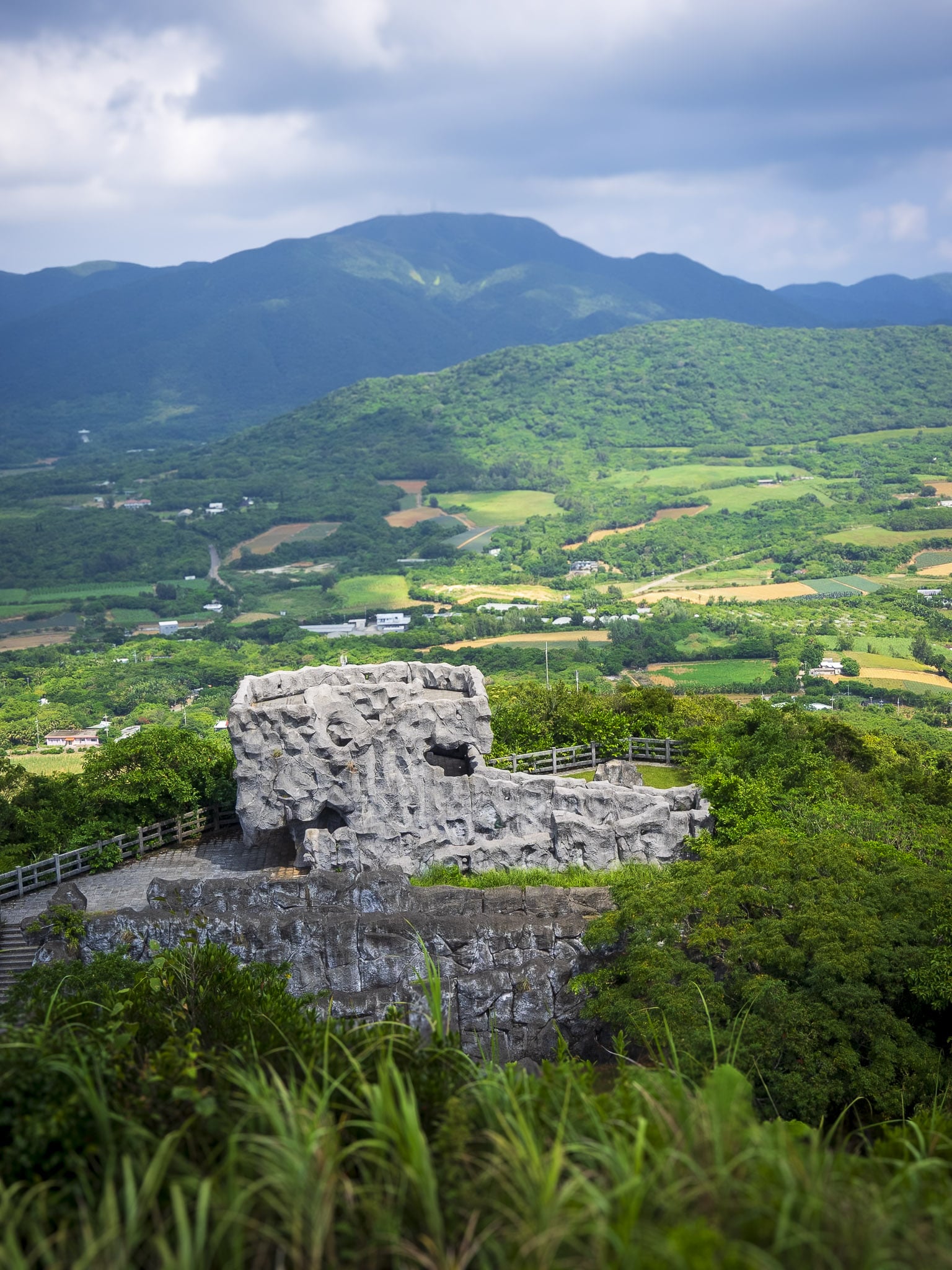
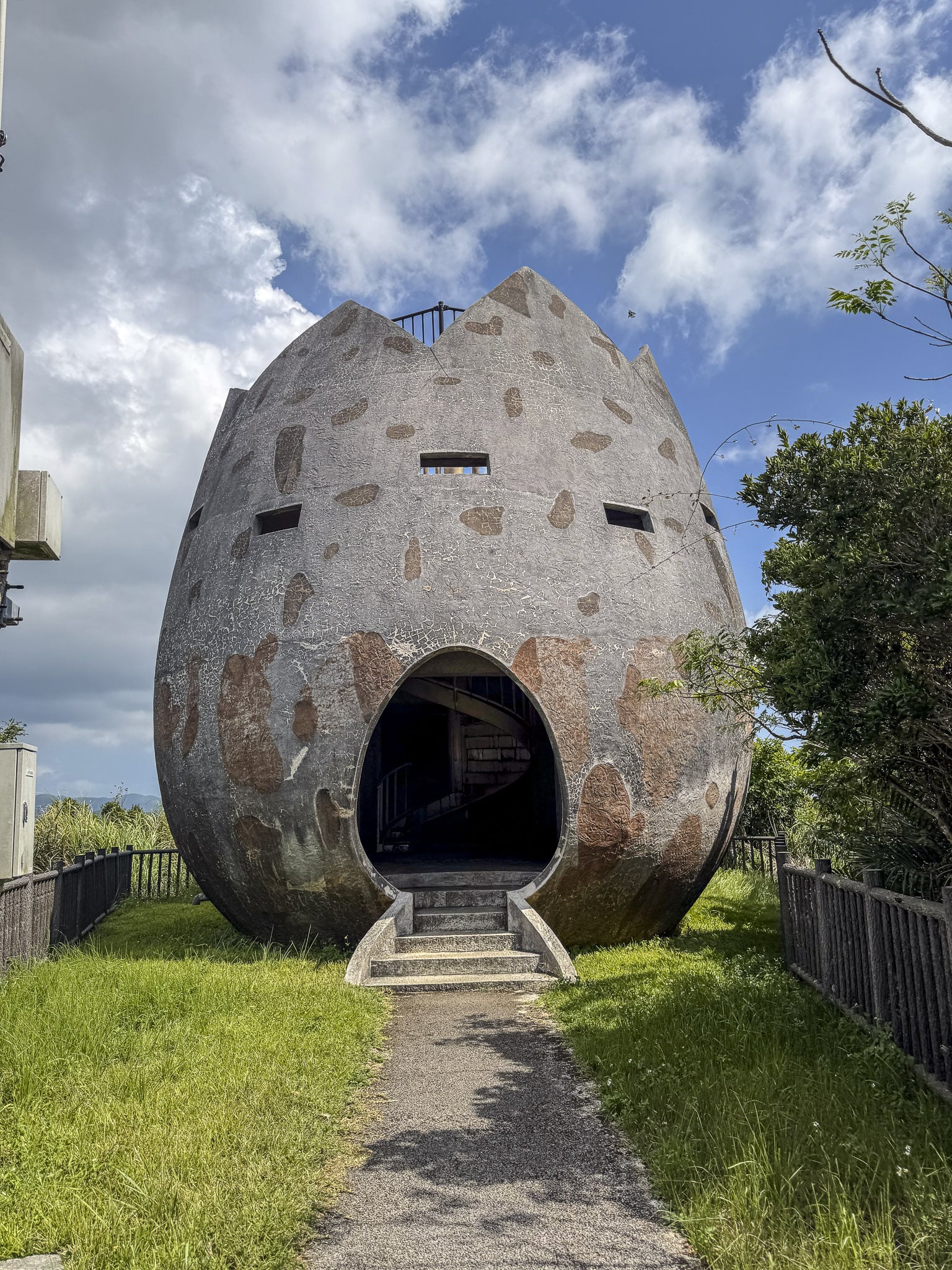
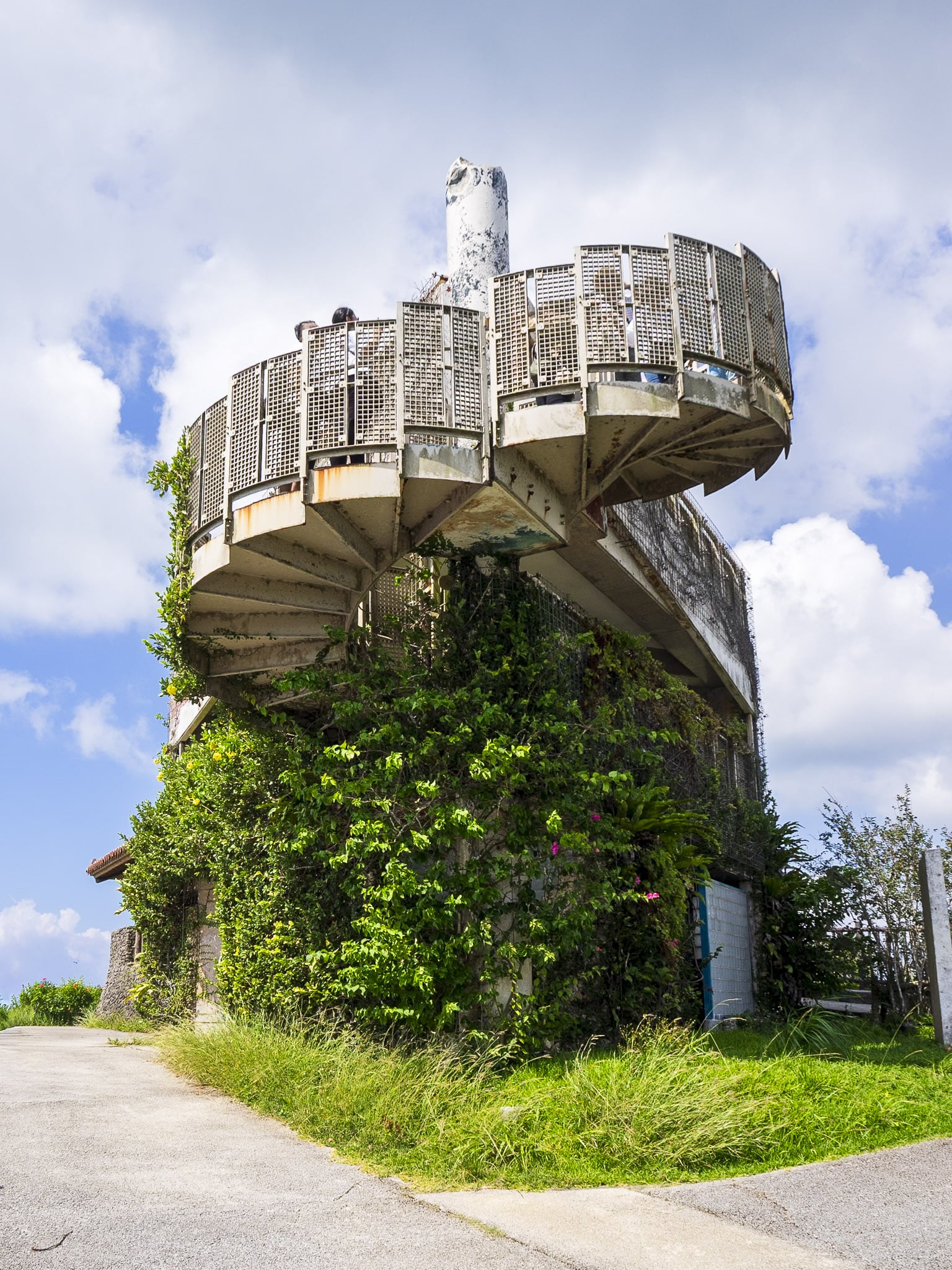
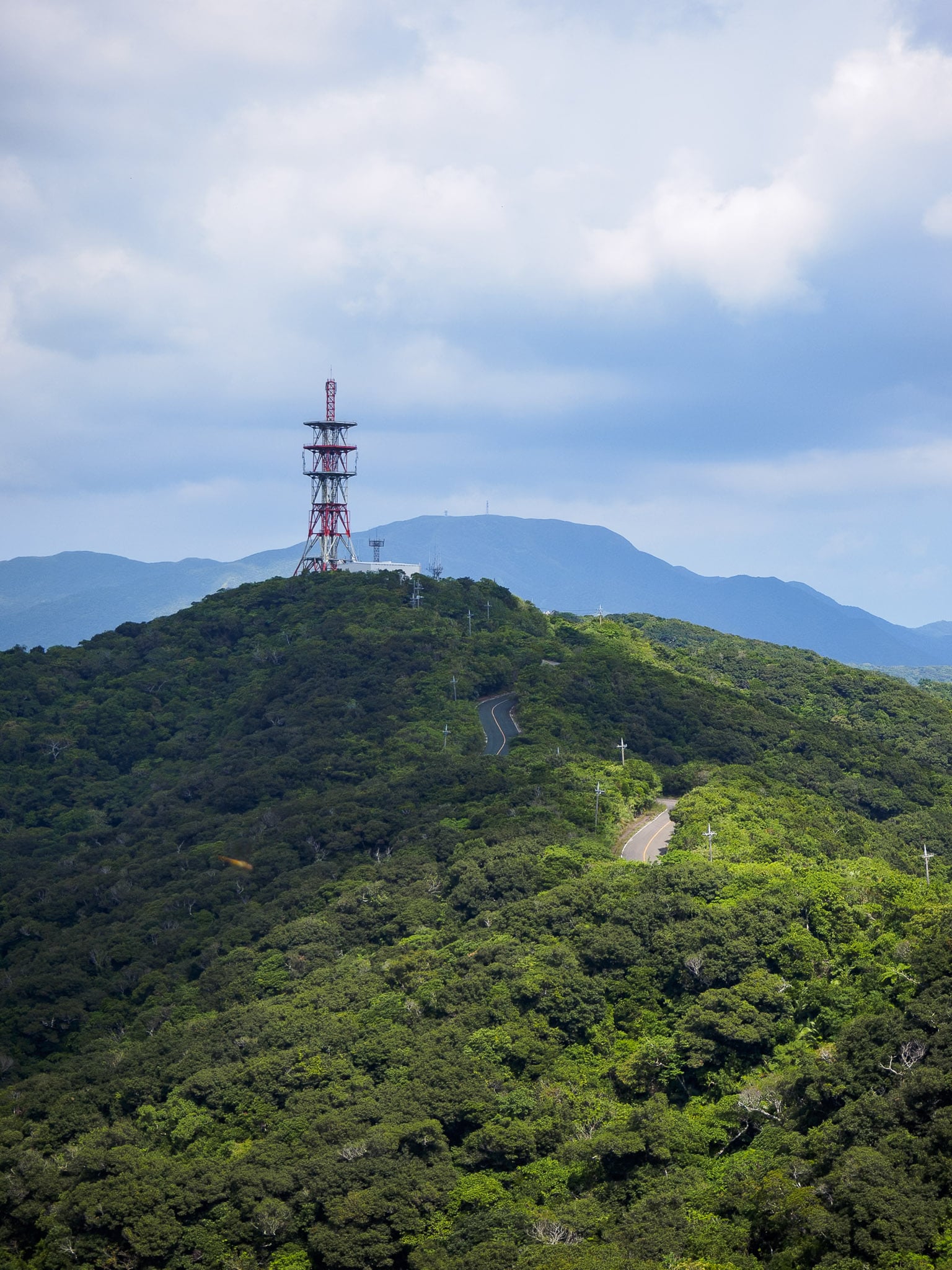
A short drive away, there is also the rock-shaped Observation Deck on the Southern Island (南の島の展望台), and the quirky egg-shaped Migratory Bird Observatory (渡り鳥観察所). And then a bit further south, there is another vantage point at Emerald Sea Observatory Deck (エメラルドの海を見る展望台).
Oganzaki Lighthouse
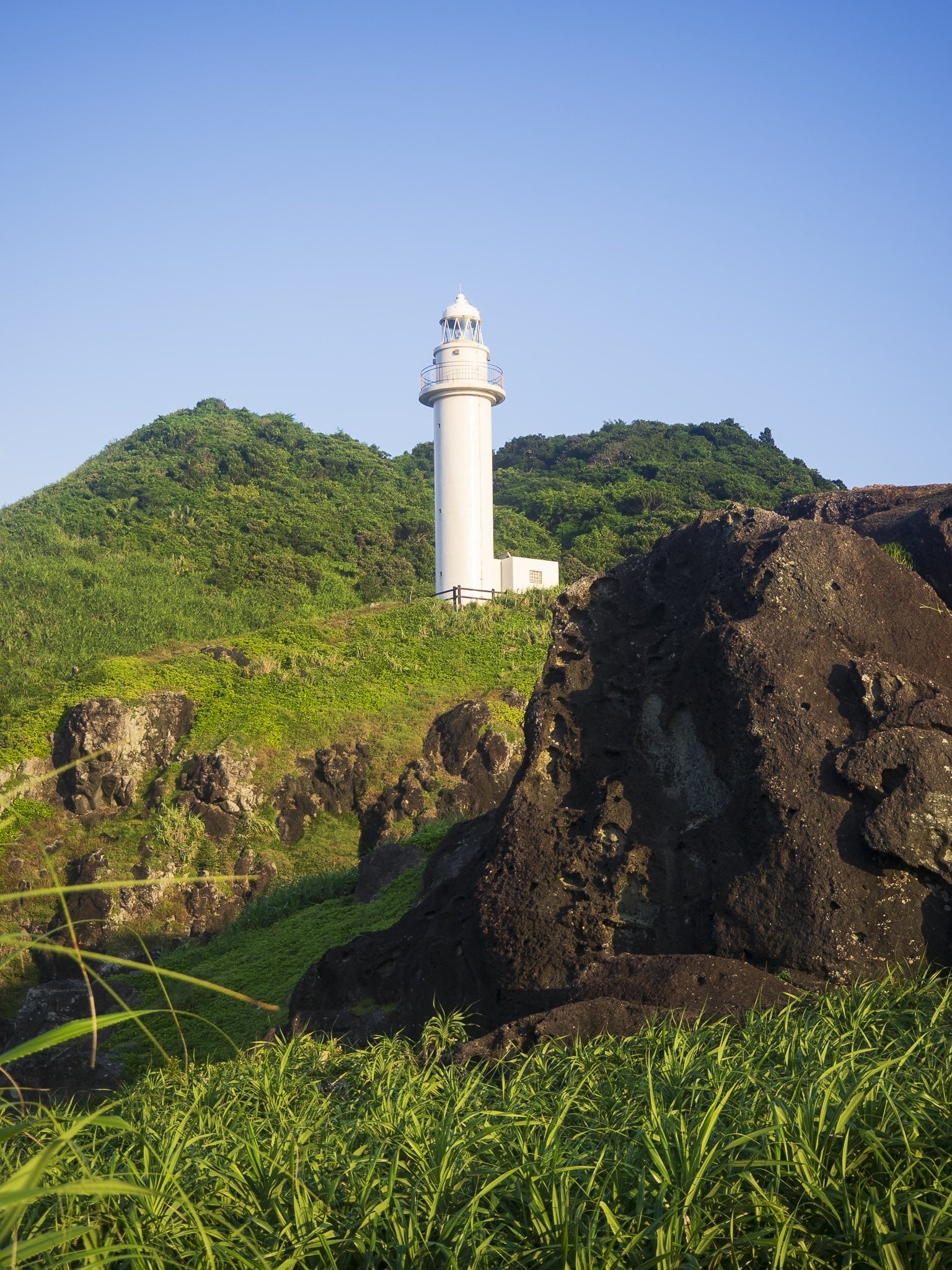
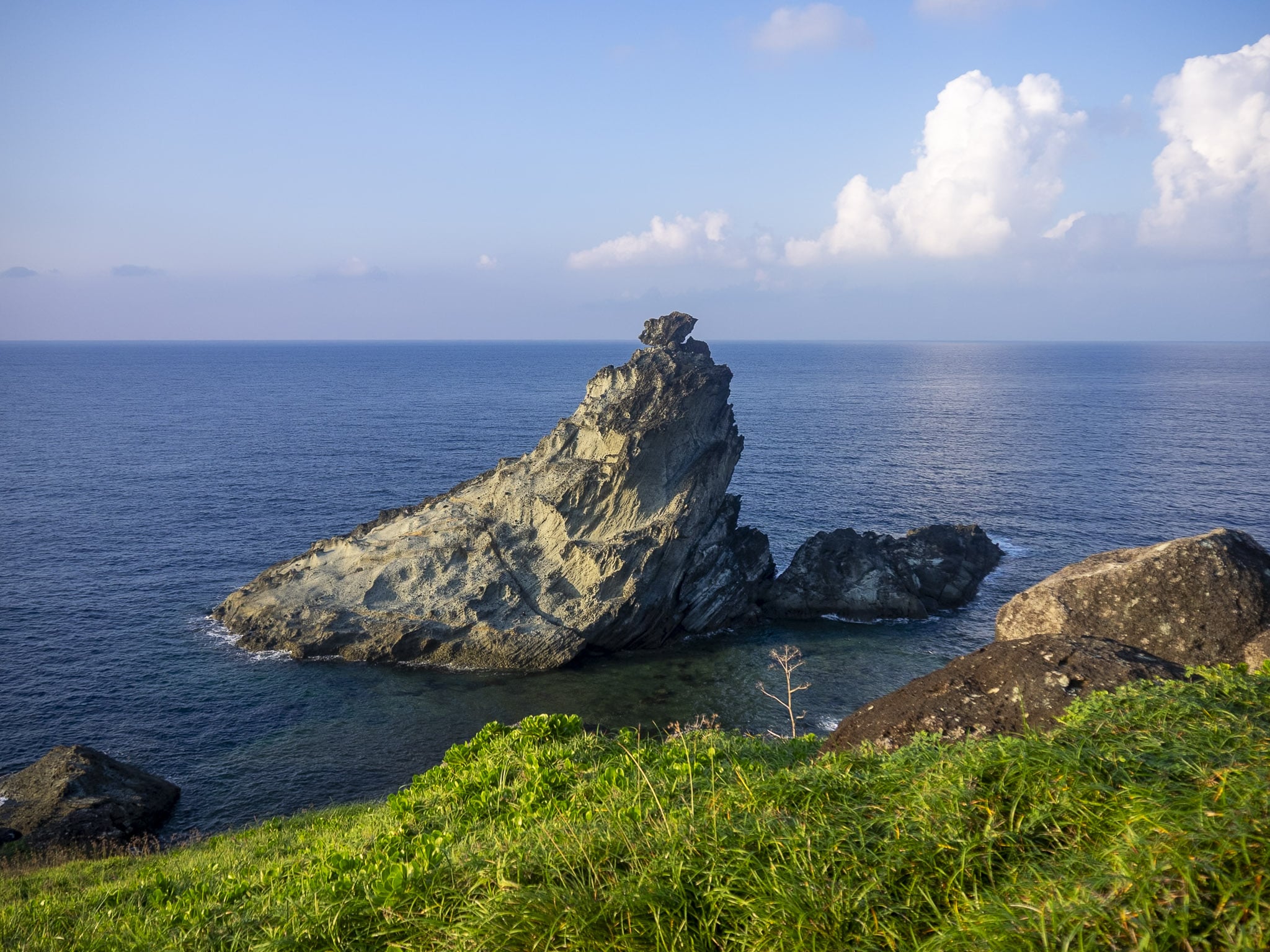
Continue to the Oganzaki Lighthouse (石垣御神崎灯台), perched on a dramatic cliff at the island’s westernmost tip. Strong winds and crashing waves make it one of Ishigaki’s most photogenic spots. It is said to be quite popular as a sunset spot, so feel free to leave this spot for last on the day’s itinerary if you want to see the sunset from here. On clear days, you can even make out Iriomote in the distance.
Kabira Park Observation Deck
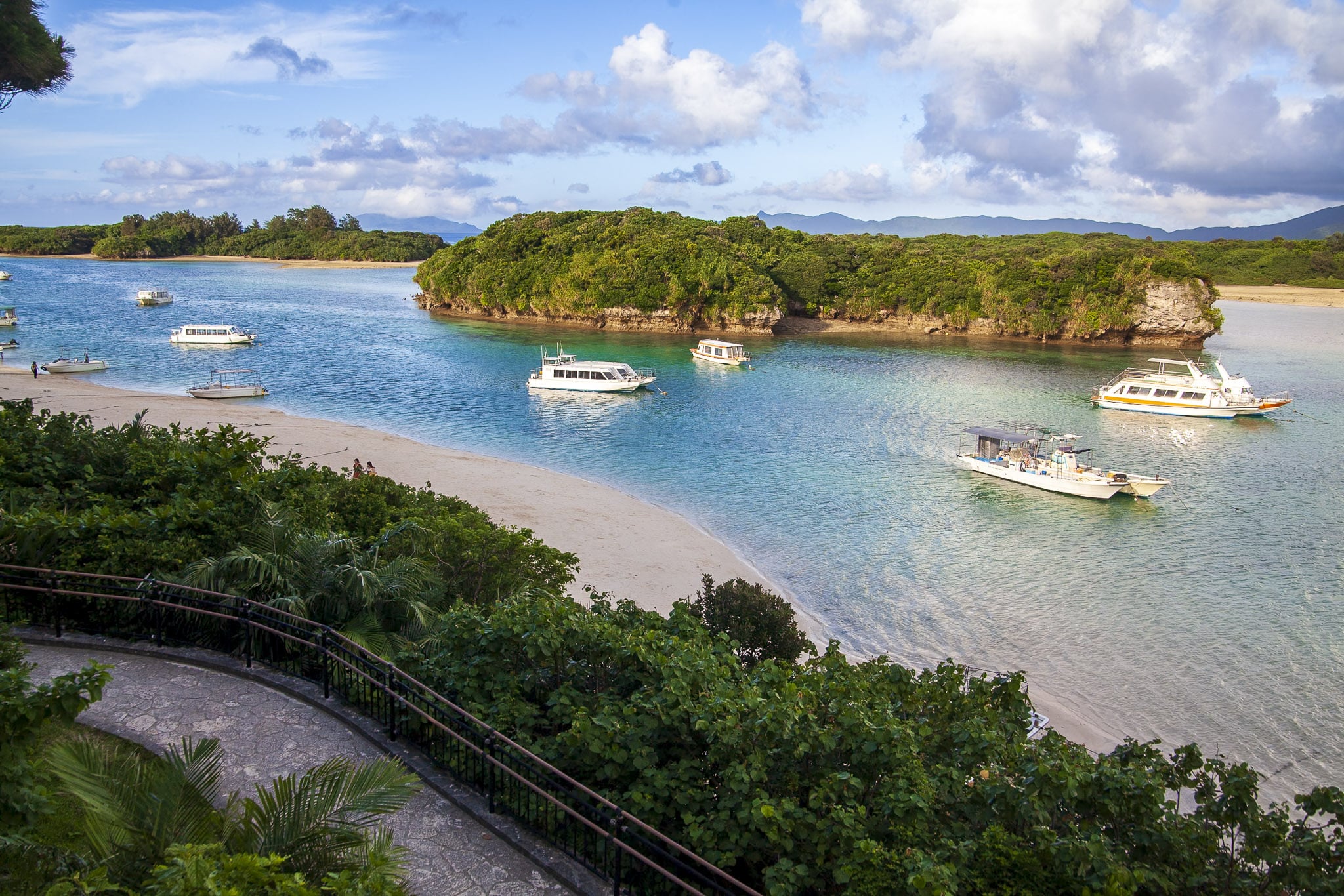
Next, head northeast along the coast to Kabira Park Observation Deck (川平公園展望台), a 15-minute drive away. Kabira Bay’s mix of emerald and cobalt water has made it the postcard image of Ishigaki, and for good reason. Swimming is prohibited to protect the ecosystem, but glass-bottom boats glide over coral reefs teeming with fish, and the viewing deck gives a perfect vantage point for photos.
Yonehara Beach
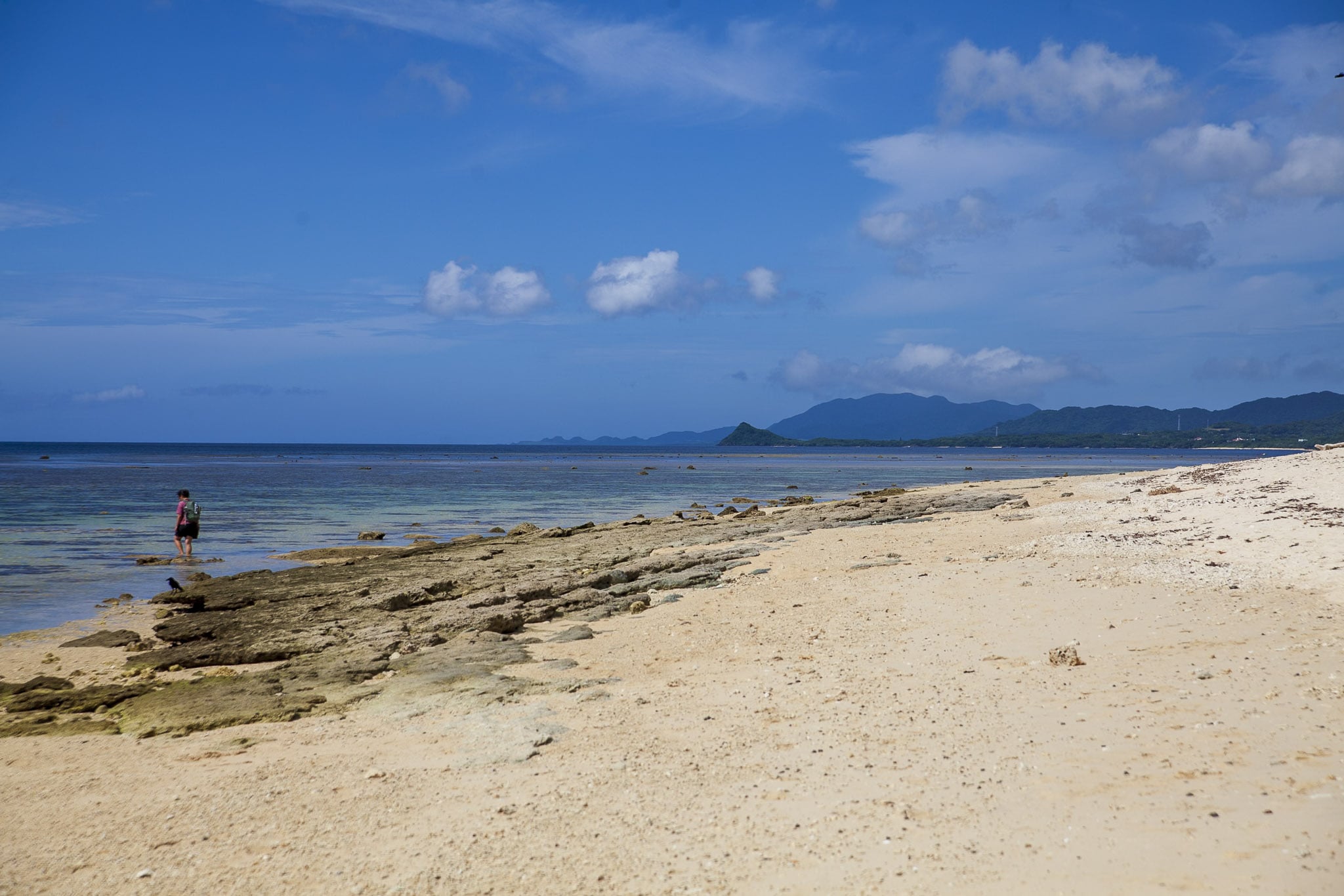
Your last stop for the day is Yonehara Beach (米原ビーチ), roughly another 15-minute drive. It’s one of the island’s most accessible snorkeling spots, with coral reefs starting just a few meters offshore. The clear and calm waters make this the perfect place to wind down and relax for the rest of the afternoon before retreating to your accommodation for the evening.
Side note: About Stargazing in Ishigaki

If you’re staying outside of the city on the second part of this itinerary, chances are you have probably been blown away by the sheer number of stars visible to the naked eye in Ishigaki. Unsurprisingly, stargazing is a popular activity around the Yaeyama Islands, thanks to their remote location away from the light pollution found in larger urban areas. So it’s highly advisable to go for a stroll at night if you’re lucky to have clear skies, just to enjoy this amazing spectacle.
Day 5: Coastal Drives, Quiet Beaches & Final Views in Northeast Ishigaki
Start the morning heading northeast along the coast. With the relaxed pace you’ve built up, this day is ideal for drifting through scenery, quick stops and taking in the last light before returning to the airport.
Hirakubozaki Lighthouse
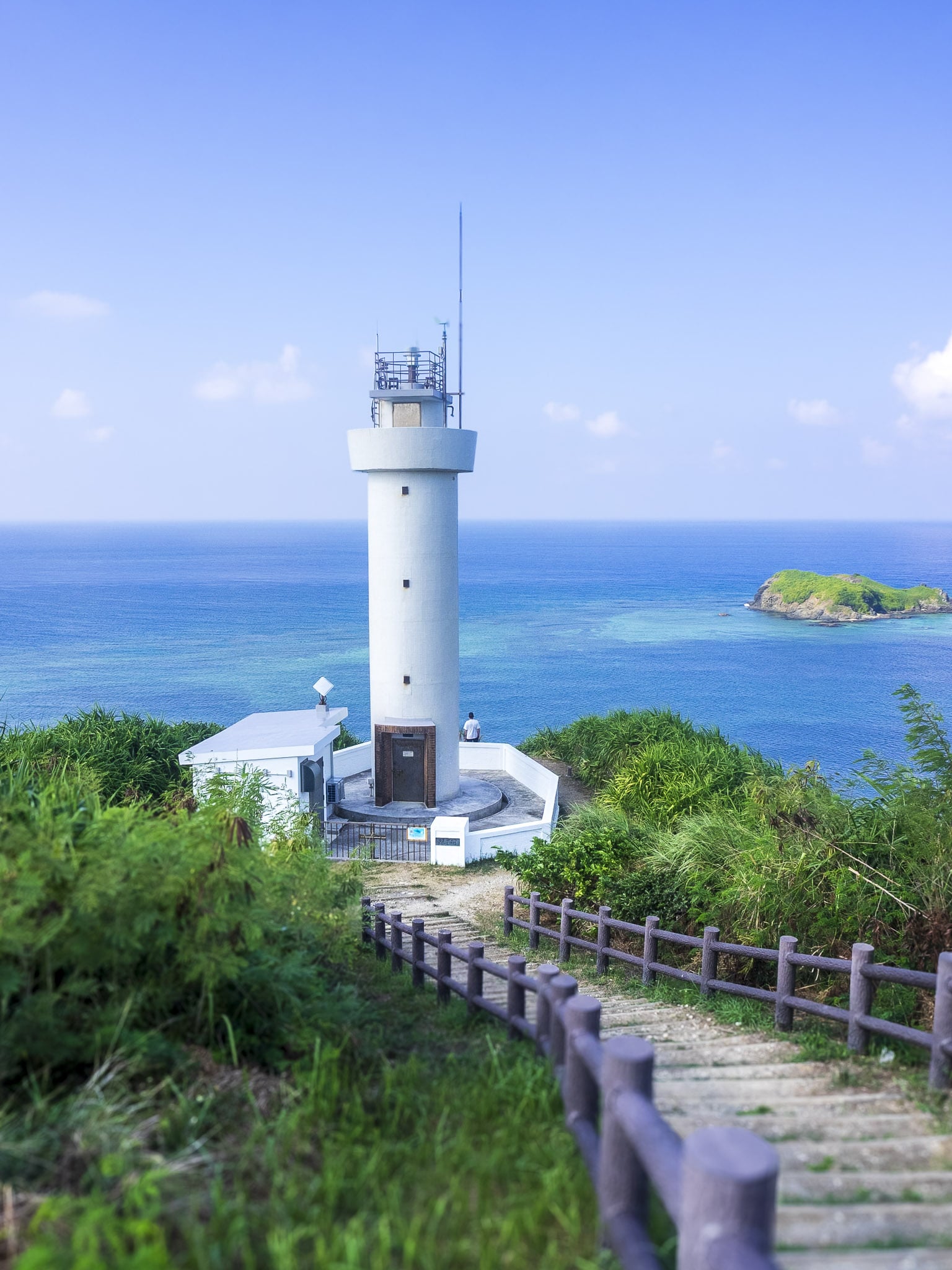
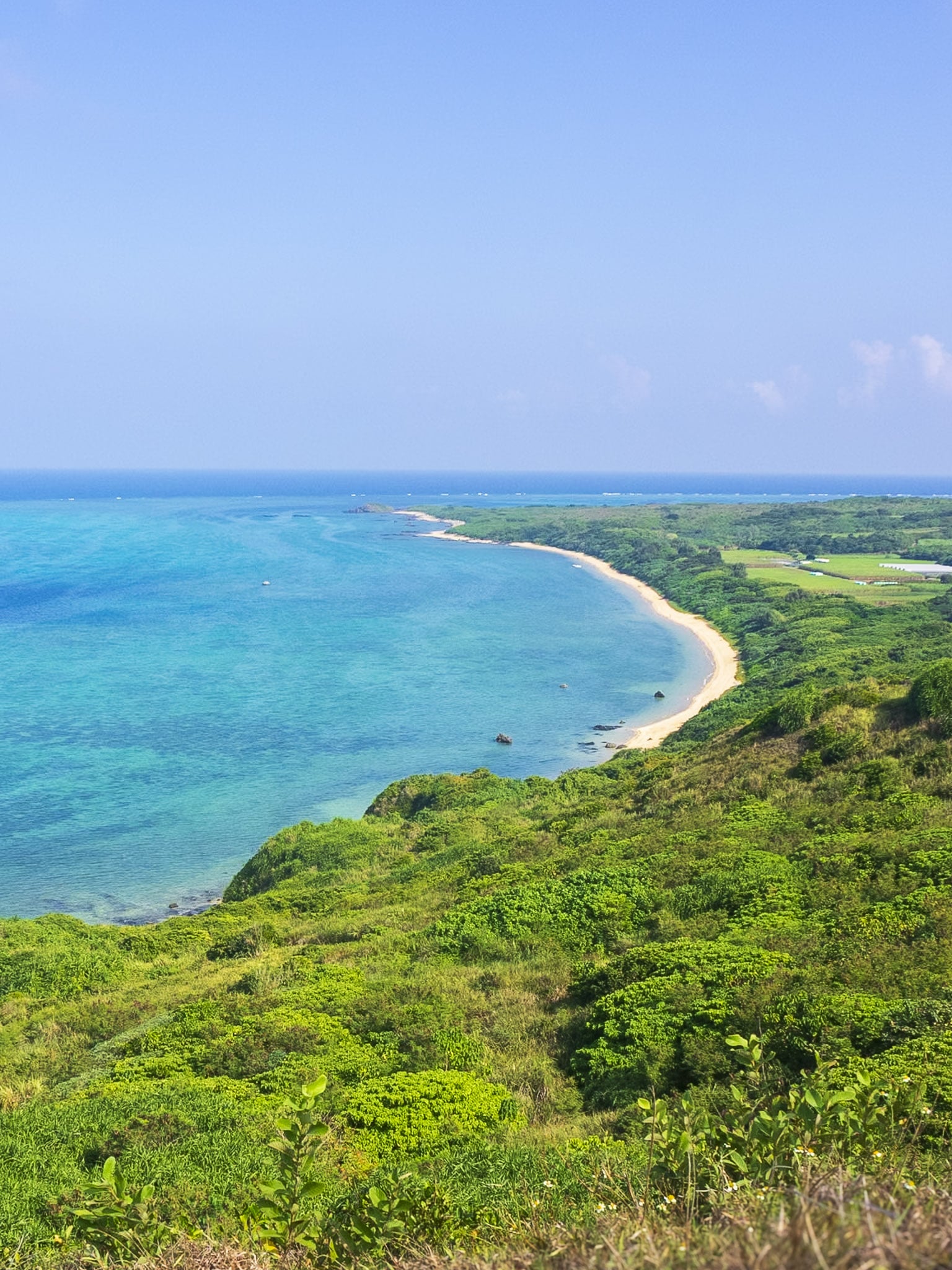
Your first stop is Hirakubozaki Lighthouse (平久保崎灯台), perched on Ishigaki’s northernmost point. From its cliff-top location, the lighthouse offers panoramic views of coral reefs and the open sea, where the colors shift from deep blue to vibrant turquoise along the coast and towards the tiny Daichiri Island off the cape. Known locally as a “Lighthouse for Lovers,” it’s a perfect spot to stretch your legs, take photos, and feel the refreshing sea breeze. Parking is limited, so an early visit is ideal. Otherwise, the wait is usually bearable as visitors don’t stay for too long.
Hirano Beach
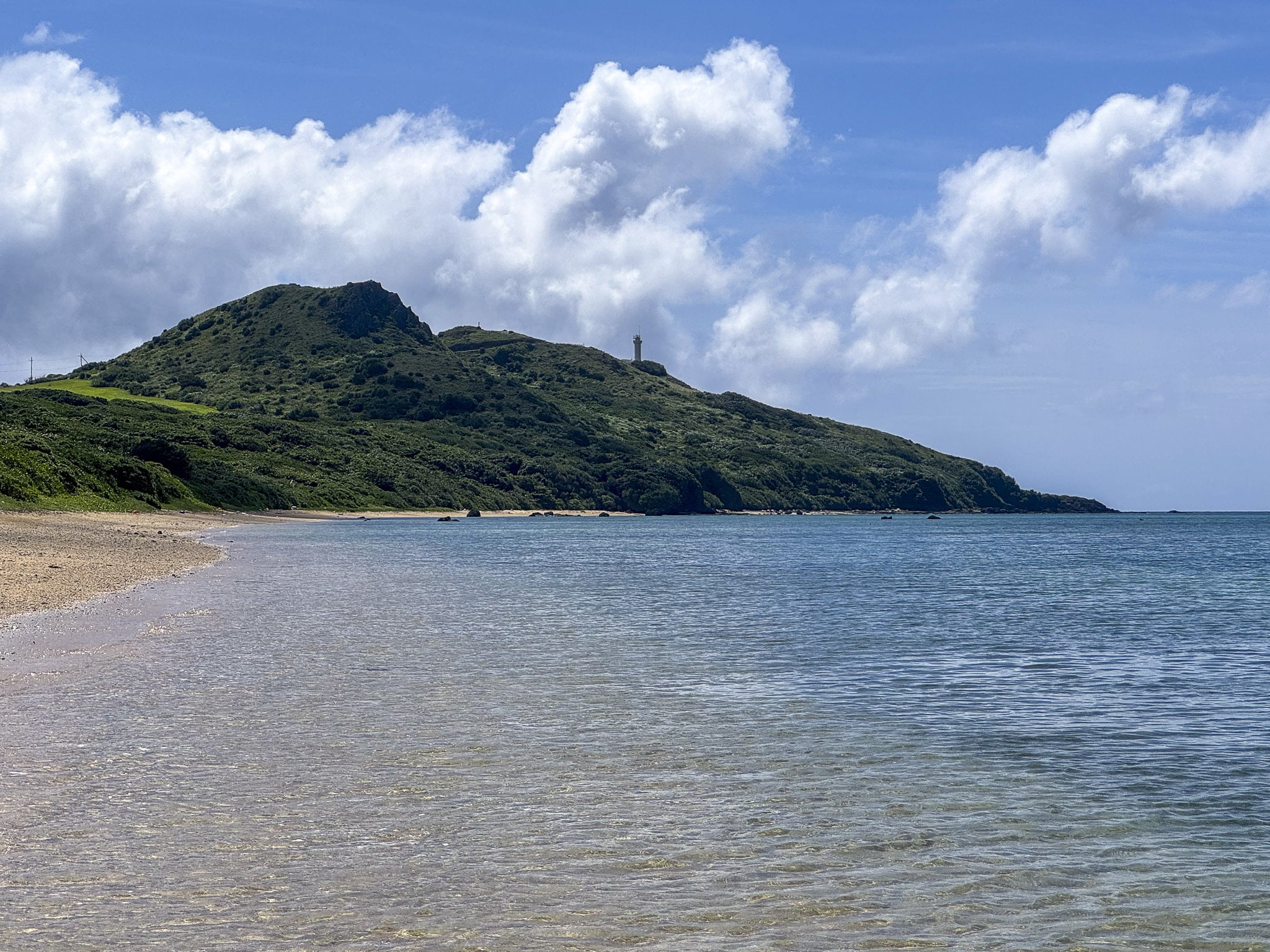
That beautiful and clear beach you could see from the lighthouse is your next stop: Hirano Beach (平野ビーチ), a quiet, off-the-beaten-path stretch of sand. Its shallow waters and nearby reefs make it ideal for a gentle swim or a bit of snorkelling, while the subtropical vegetation along the shore gives the feeling of a hidden gem. There are minimal facilities, so it’s a good place to slow down, enjoy a packed lunch, or just sit back and watch the waves lap at the sand.
Cafe&Stay Reposer Ishigaki
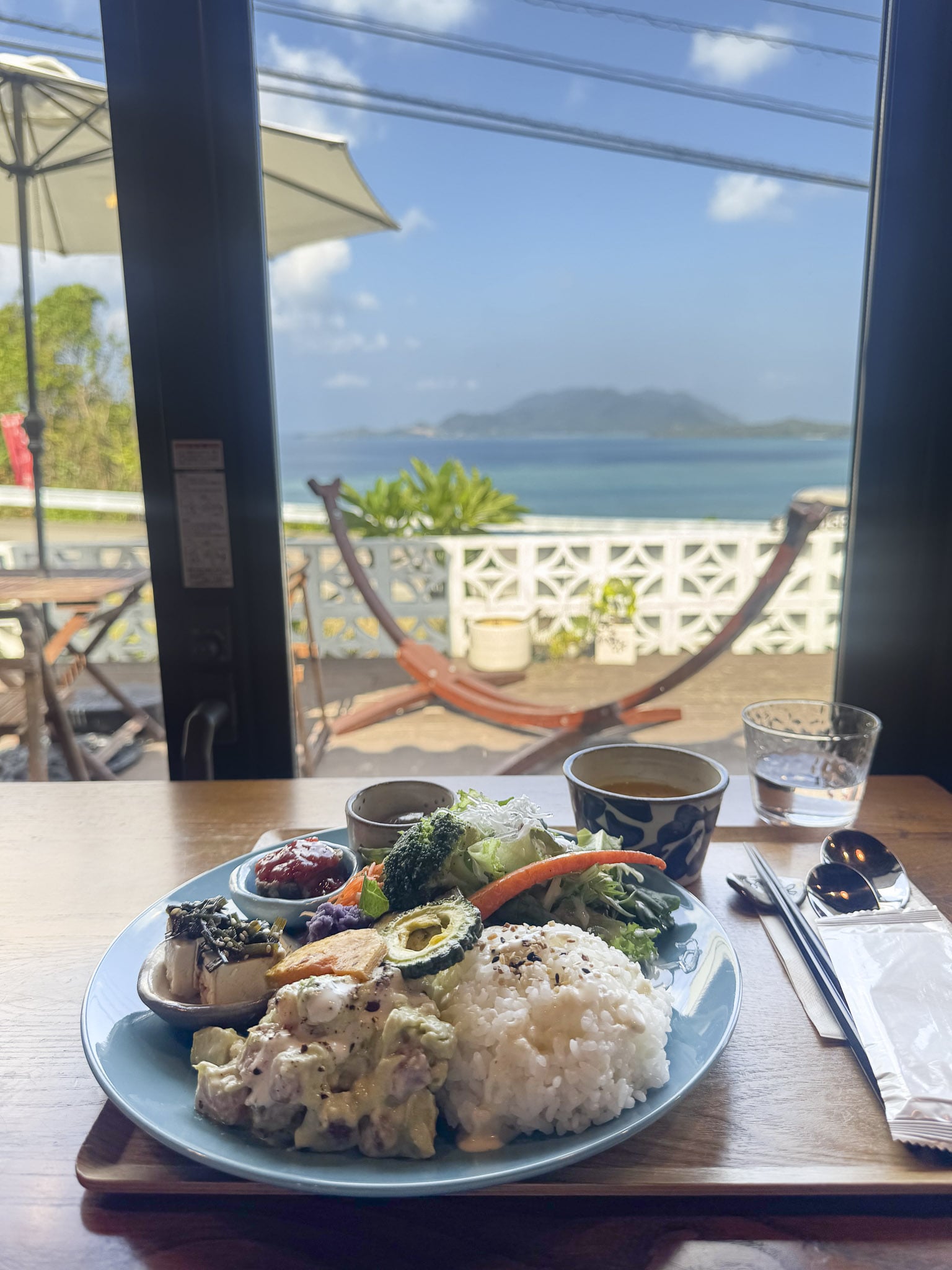
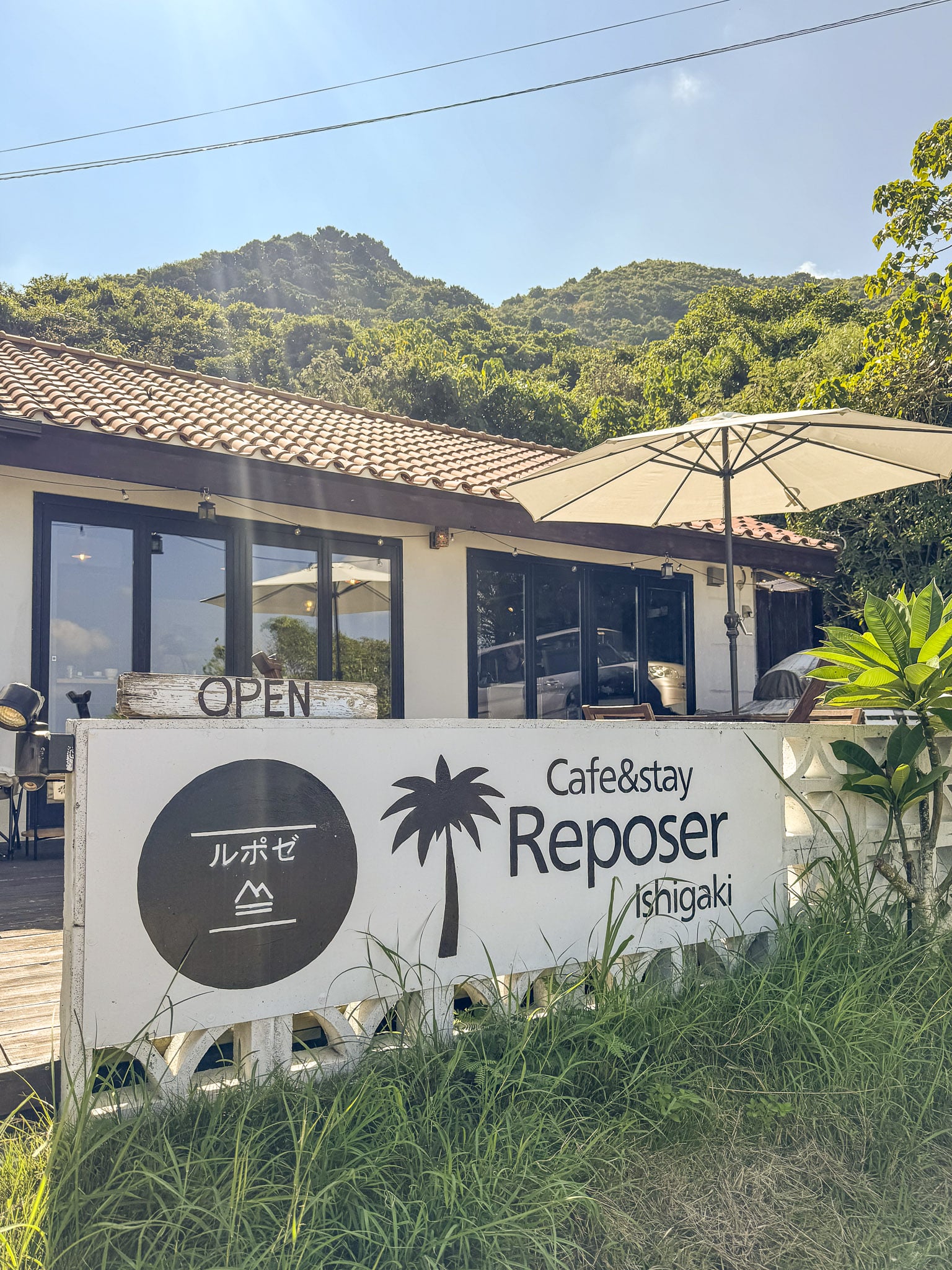
A small shoutout to this lovely cafe restaurant with stunning sea views, just a short detour from the proposed route. The owner is quite friendly and manages the place on her own, so the food takes a little while to be served but it’s totally worth it. It closes on irregular days so it’s best to call in advance just in case if you plan to stop by.
 Business Hours Business Hours |
9AM-5PM |
|---|---|
 Closed Closed |
Irregular days |
 Telephone Number Telephone Number |
080-1042-9806 |
 Official Website Official Website |
https://reposerishigaki.my.canva.site/ |
Nosokodake Observatory
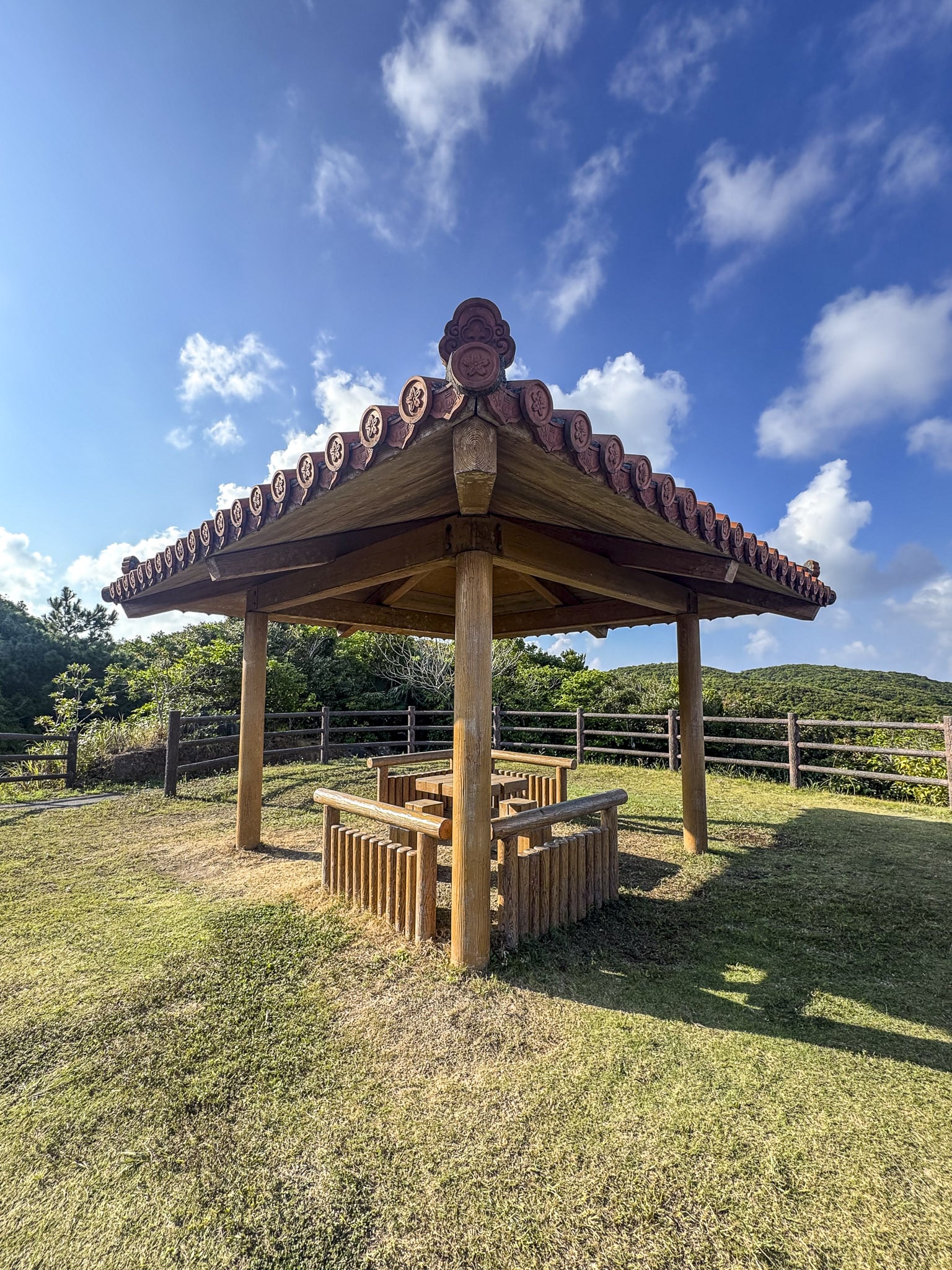
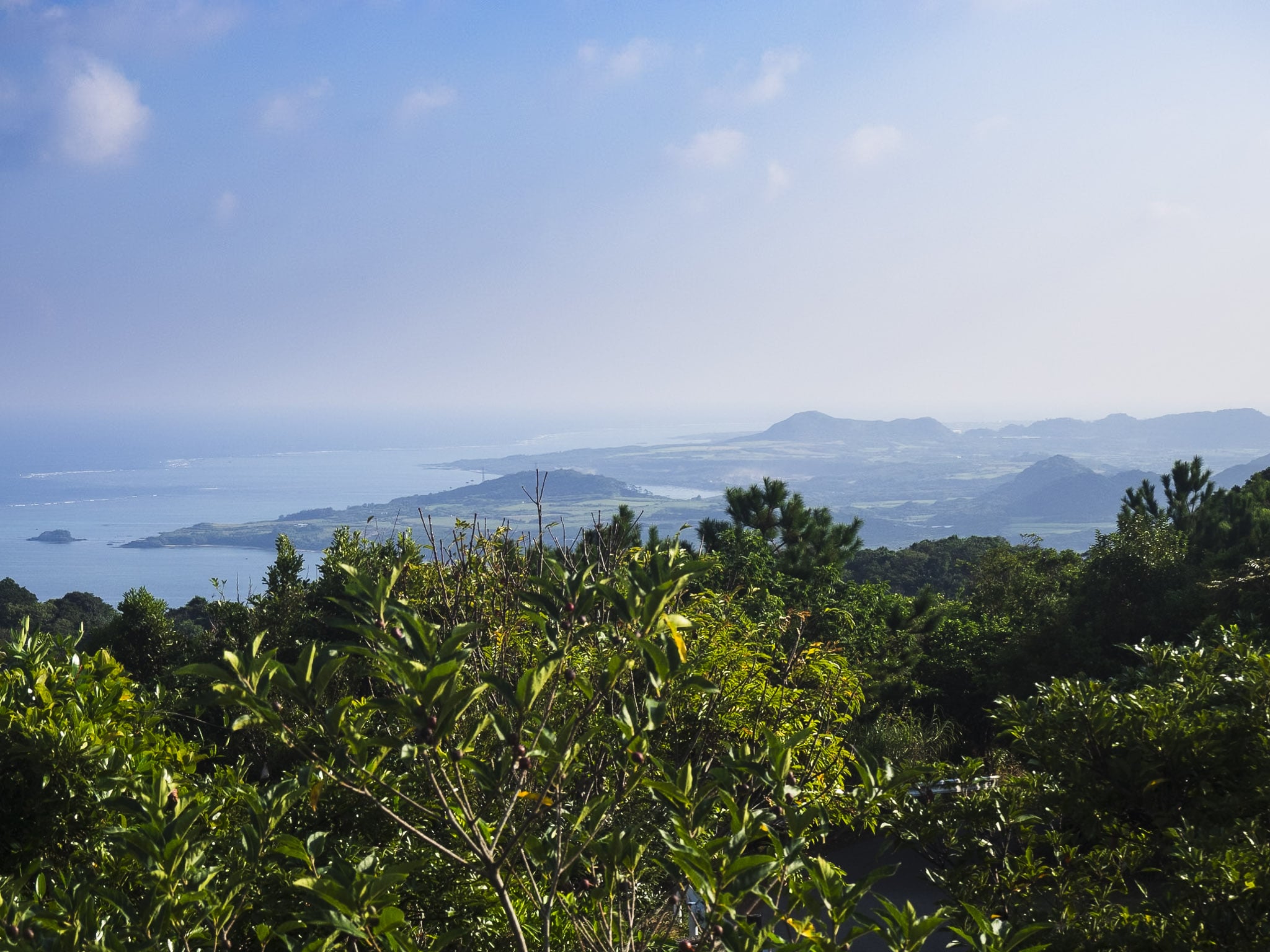
Later drive inland to the Nosokodake Observatory (野底岳展望台), which rises above the surrounding terrain to give sweeping views of both forested hills and the coastline. A short climb from the parking area brings you to the viewpoint, where the panorama stretches in all directions. The spot is far less crowded than the more popular bays, offering a calm, contemplative vantage point to appreciate Ishigaki’s varied landscapes
Tamatorizaki Observatory
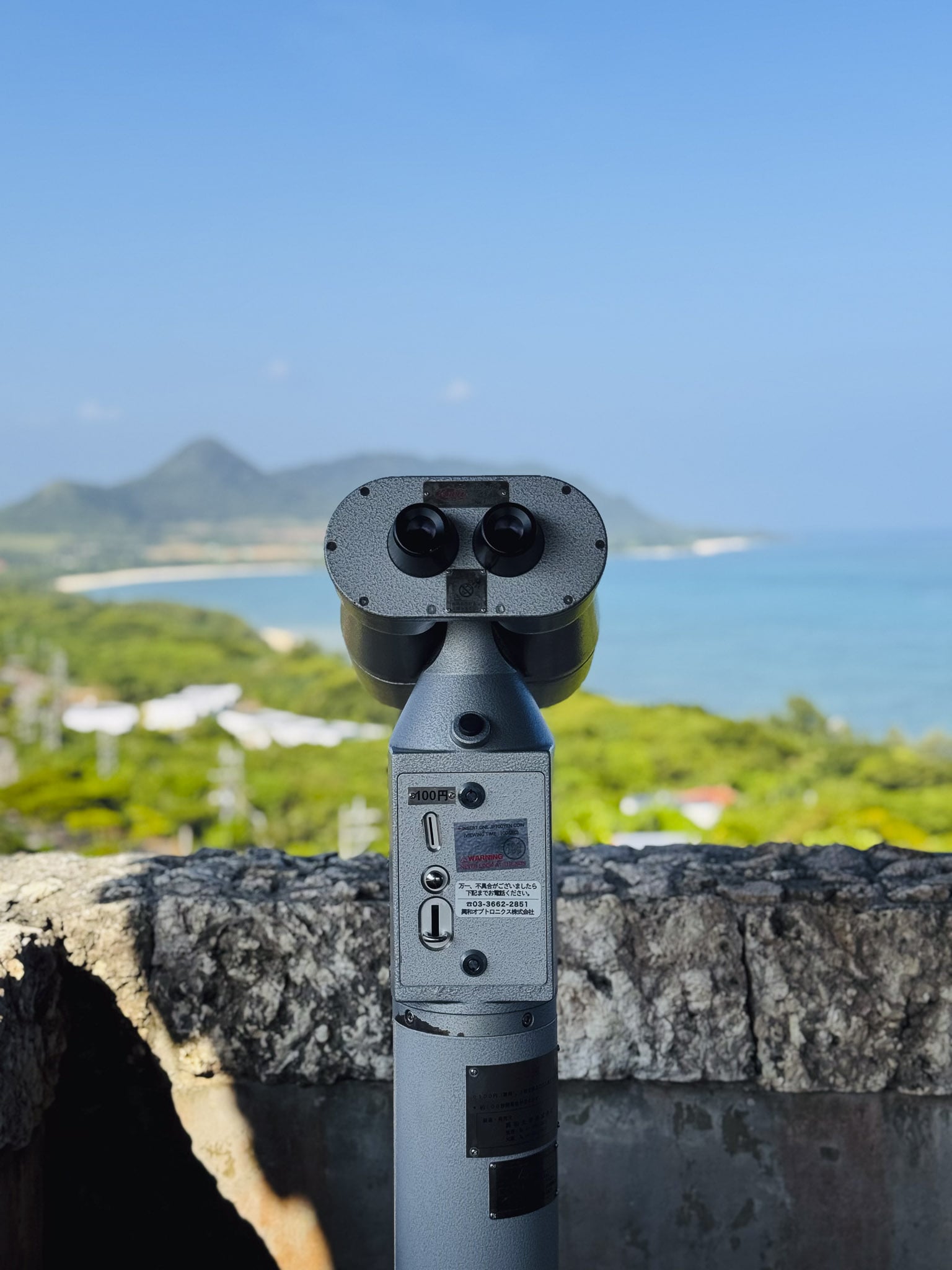
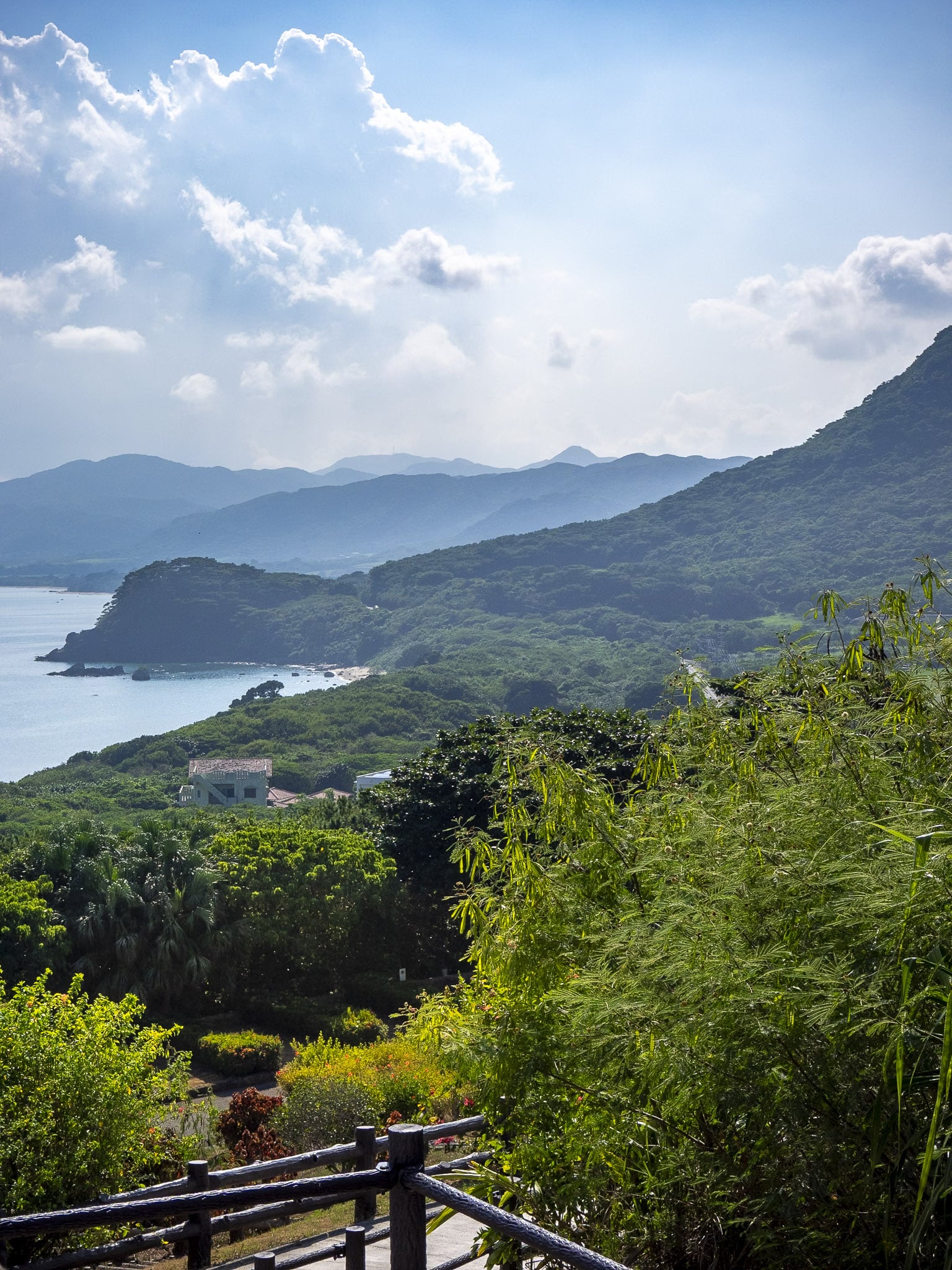
Make your way east to Tamatorizaki Observatory (玉取崎展望台), a gentle, accessible viewpoint where the land curves to meet the sea. Here, you can see both the East China Sea and the Pacific side of the island, while tropical plants like hibiscus frame the observation deck. The light in the late afternoon softens the rugged coastline and paints the waters in shades of green and blue.
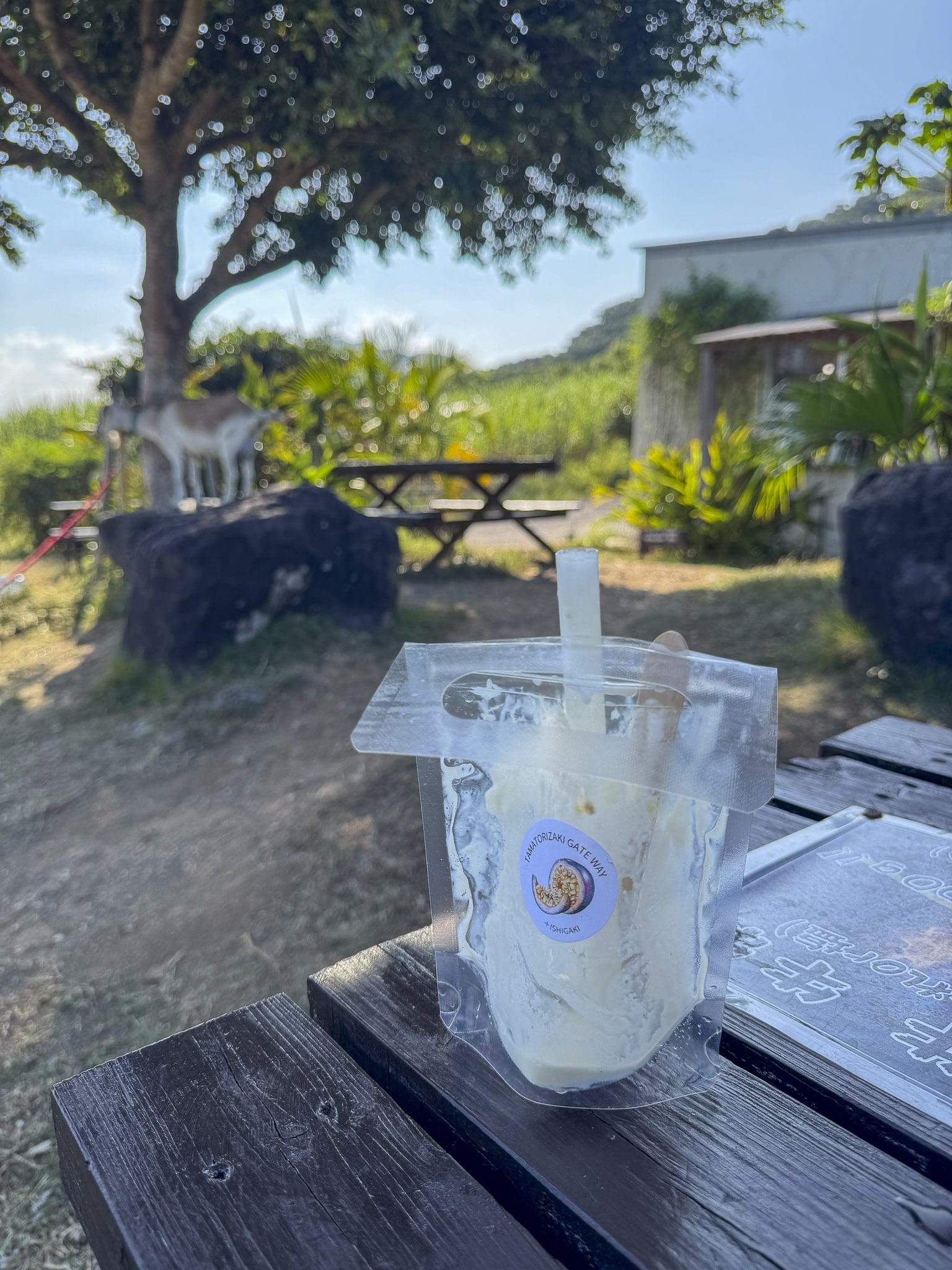
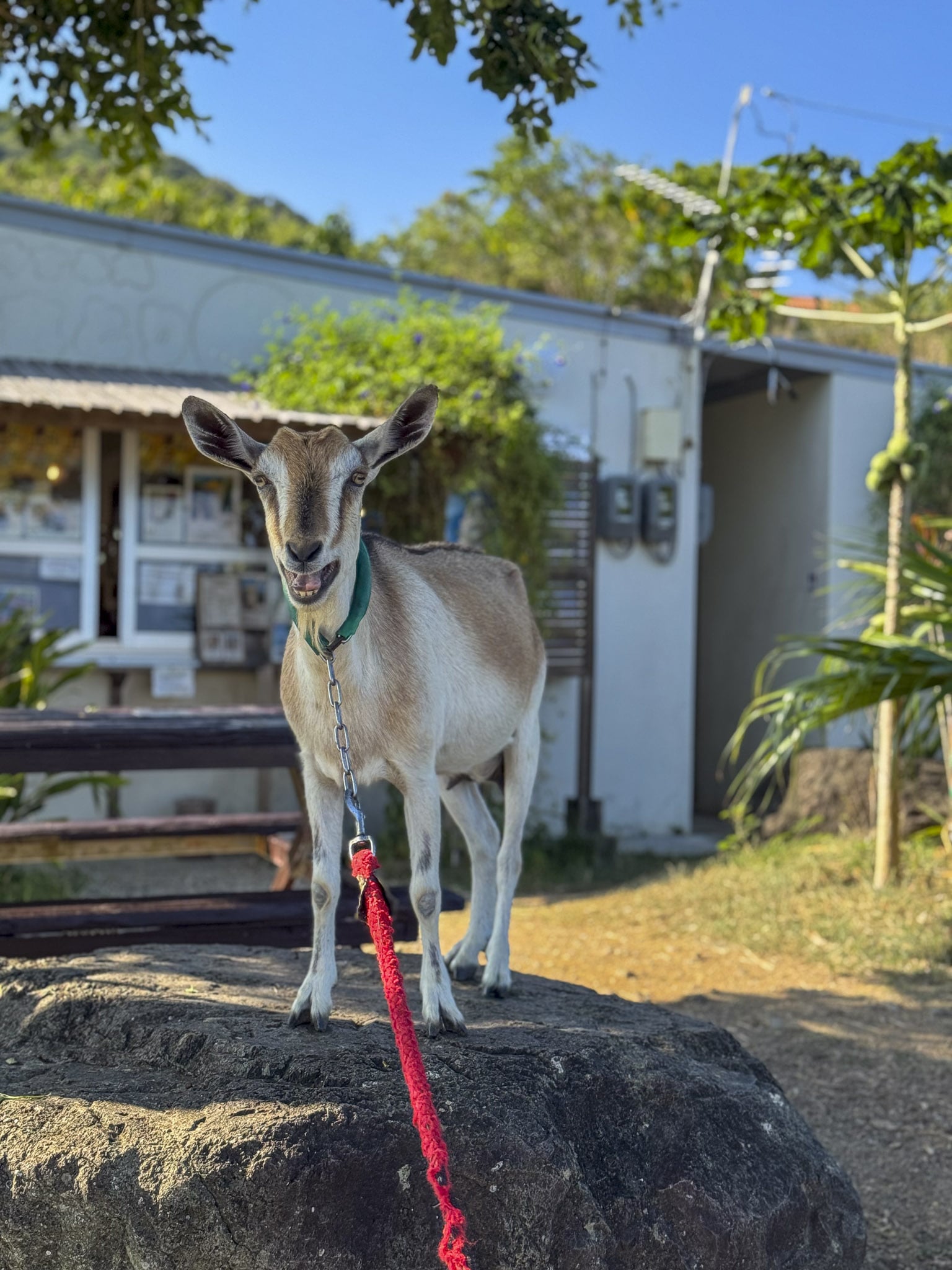
And since you’re there, make sure to stop by Cafe Tamatorizaki Gateway Ishigaki (カフェ 玉取崎ゲートウェイ 石垣島), a quaint souvenir shop and cafe with a nice terrace and a lovely pet goat to keep you company while you wind down with a refreshing drink.
| Business Hours |
10 AM–4 PM |
|---|---|
| Official Website |
https://www.instagram.com/tamatorizakigateway/ |
Shiraho Beach
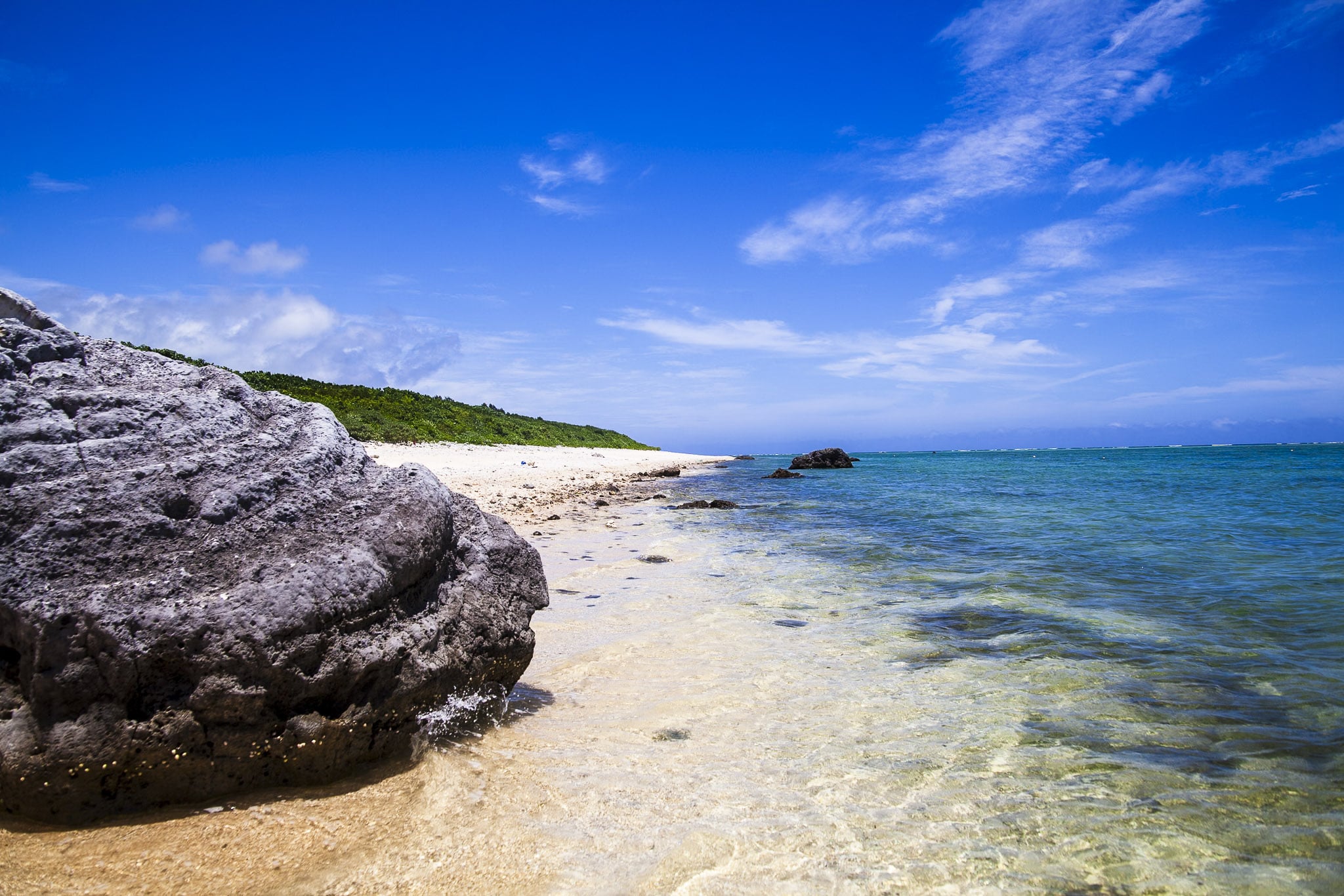
The last suggested stop of the journey before making your way back to the airport is Shiraho Beach (白保海岸), one of the beaches I liked best, on the southeastern tip of the island, where there was nothing else but crystal sea and sky. Surprisingly empty the day we visited, despite being relatively close to Ishigaki city.
Five days on Ishigaki give you the space to slow down, breathe salty air, and appreciate an island that rewards anyone willing to take things a little easier. By the time you roll your suitcase back into the airport, that gentle island rhythm tends to stick with you, something you’ll probably miss the moment your flight lifts off the runway.
For more information about Okinawa, check these articles too!


Written by
Photographer, journalist, and avid urban cyclist, making sense of Japan since 2017. I was born in Caracas and lived for 14 years in Barcelona before moving to Tokyo. Currently working towards my goal of visiting every prefecture in Japan, I hope to share with readers the everlasting joy of discovery and the neverending urge to keep exploring.
- +15 15
-
-