1-Day Trip to Mitakesan from Tokyo
Mt. Mitake Day Trip from Tokyo: Shrine Walks, Nature, and Easy Hiking

- +0 0
-

-


Spring felt like the right excuse to leave Tokyo behind for a day and head toward the mountains. I wanted something simple but meaningful: fresh air, a steady walk, and a destination that carried some weight beyond good views. Mt. Mitake delivered all of that without the need for a full expedition or an overnight bag.
It doesn’t take long for the landscape to shift. Trains thin out, buildings drop away, and by the time I reached the cable car at Takimoto, the city already felt distant despite being just a reasonable distance away. Spring sharpened the contrast. The air was cool enough to keep walking comfortable, and the mountain paths were lined with fresh growth rather than fallen leaves or summer crowds.
It was a good moment for a short and leisurely hike, and so I share what my day at Mt. Mitake was like with you, in hopes of getting you to visit as well. Read on for details.
Mt. Mitake: A Sacred Mountain Inside a National Park
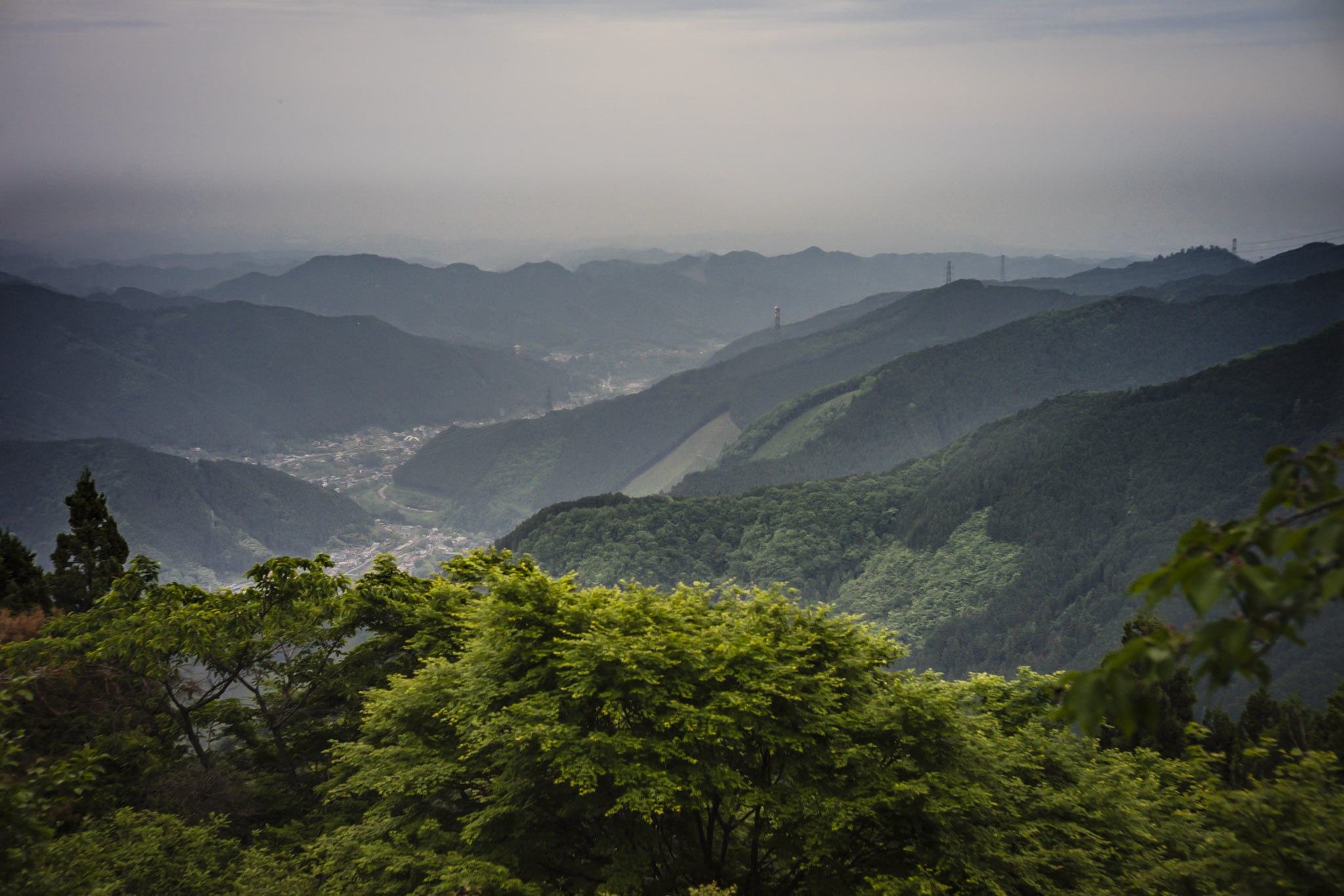
Long before cable cars and day trippers, Mt. Mitake, or Mitakesan (御岳山), functioned as a place of worship, and that purpose still defines how it feels to walk here. The slopes have been climbed for centuries by practitioners of Shugendo and local pilgrims, drawn by the presence of Musashi Mitake Shrine near the summit. As such, this is not a site that people happen upon but one that they deliberately approach, following fixed routes that turn the act of climbing into part of the ritual itself.
What makes Mitake distinctive is how clearly that spiritual history remains visible. The paths are not designed for speed. They curve, rise steadily, and pass through gates and markers that signal transition rather than arrival. Even in spring, with new leaves softening the edges of the forest, the mountain carries a sense of order. You are moving through a place shaped by belief, not just terrain.
At the same time, Mt. Mitake sits firmly within Chichibu Tama Kai National Park, a relevant designation granting protection to its forests, guaranteeing trail maintenance, and keeping land development at bay. In spring, this balance becomes especially clear. Fresh growth spreads across the hillsides, the air stays cool, and the mountain feels alive without feeling staged.
Nature and faith coexist here without competing for attention, which is precisely why Mitake works so well as a day trip. It asks you to walk, look, and slow down—but it never asks you to disconnect completely from the present.
One Day Trip to Mt. Mitake
Mt. Mitake works like a charm thanks to its gentle route upward, allowing for a relaxing and leisurely hike full of history and gorgeous mountain landscapes along a route shaped by belief as much as geography. For a single day outside Tokyo, that balance is hard to beat.
Departing around 9 am – Getting to Mt. Mitake from Central Tokyo
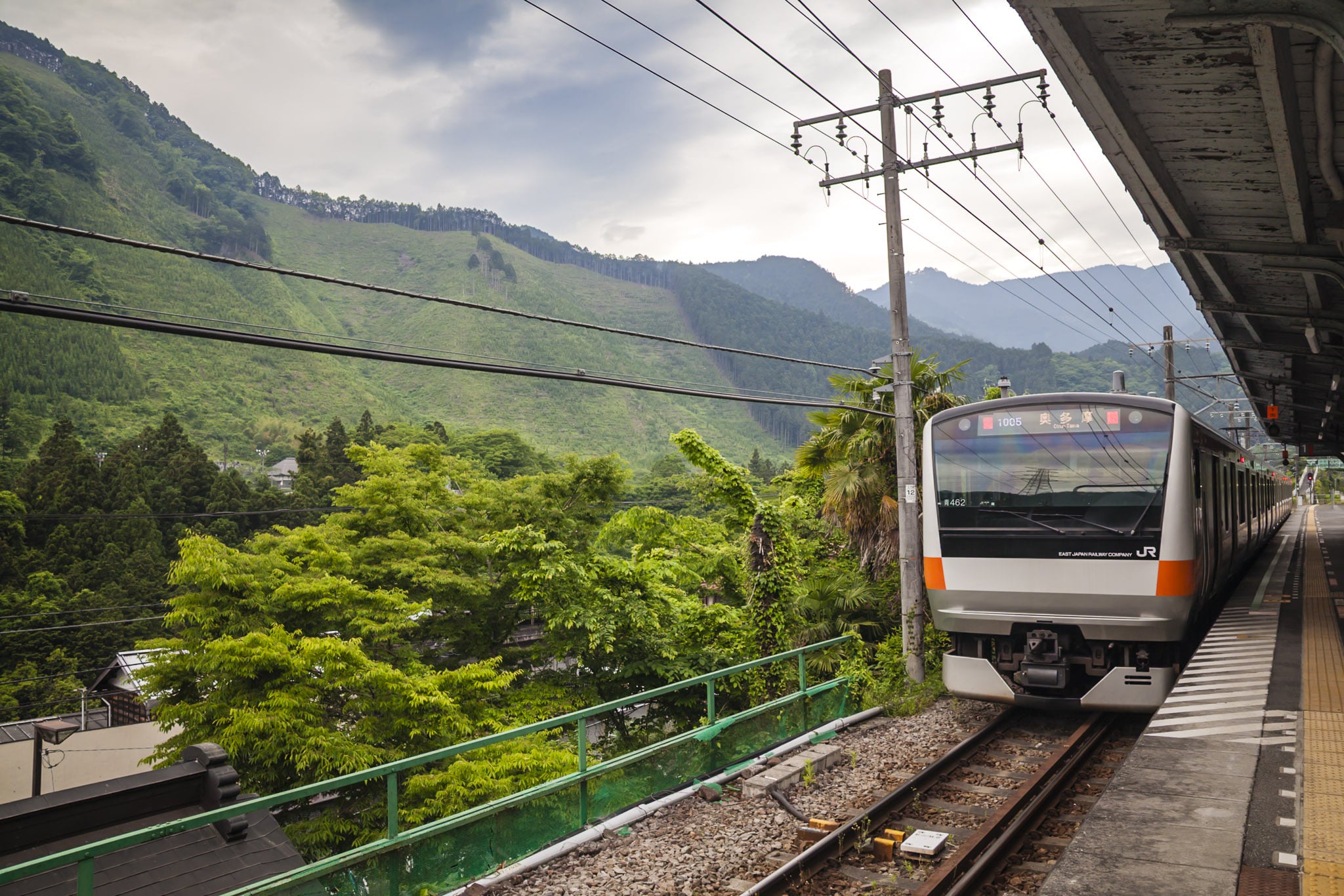
It was a cloudy and hazy Spring morning, and the forecast wouldn’t show any improvements towards the afternoon, so I left early, wanting to squeeze every moment of light I could out of the day. Hopping on the JR Chuo Line at Shinjuku, I watched the city blur into suburbs and then into rolling hills.
After about an hour and a bit — roughly 80–95 minutes from Shinjuku to Mitake Station — the train pulled up alongside quiet streets and mountain air that already felt a few degrees cooler.
Just outside Mitake Station, the next leg is simple enough if you follow the signs. About 50–70 meters from the ticket gates there’s a bus stop with clear signposts for the Nishi Tokyo Bus heading toward the cable car lower station at Takimoto. The ride takes around 10 minutes and drops you near Takimoto Station, the real gateway to the mountain.
If you’re visiting in spring as I did, this early part of the morning ride is a good preview of how different the day feels compared to the city. There’s no rush here, just hills and budding greenery, with the occasional view of the Tama River threading through the landscape on the way to the mountain base.
Approx Between 11:30 ~ 12:00 – Takimoto Cable Car Station to Mitakesan Station
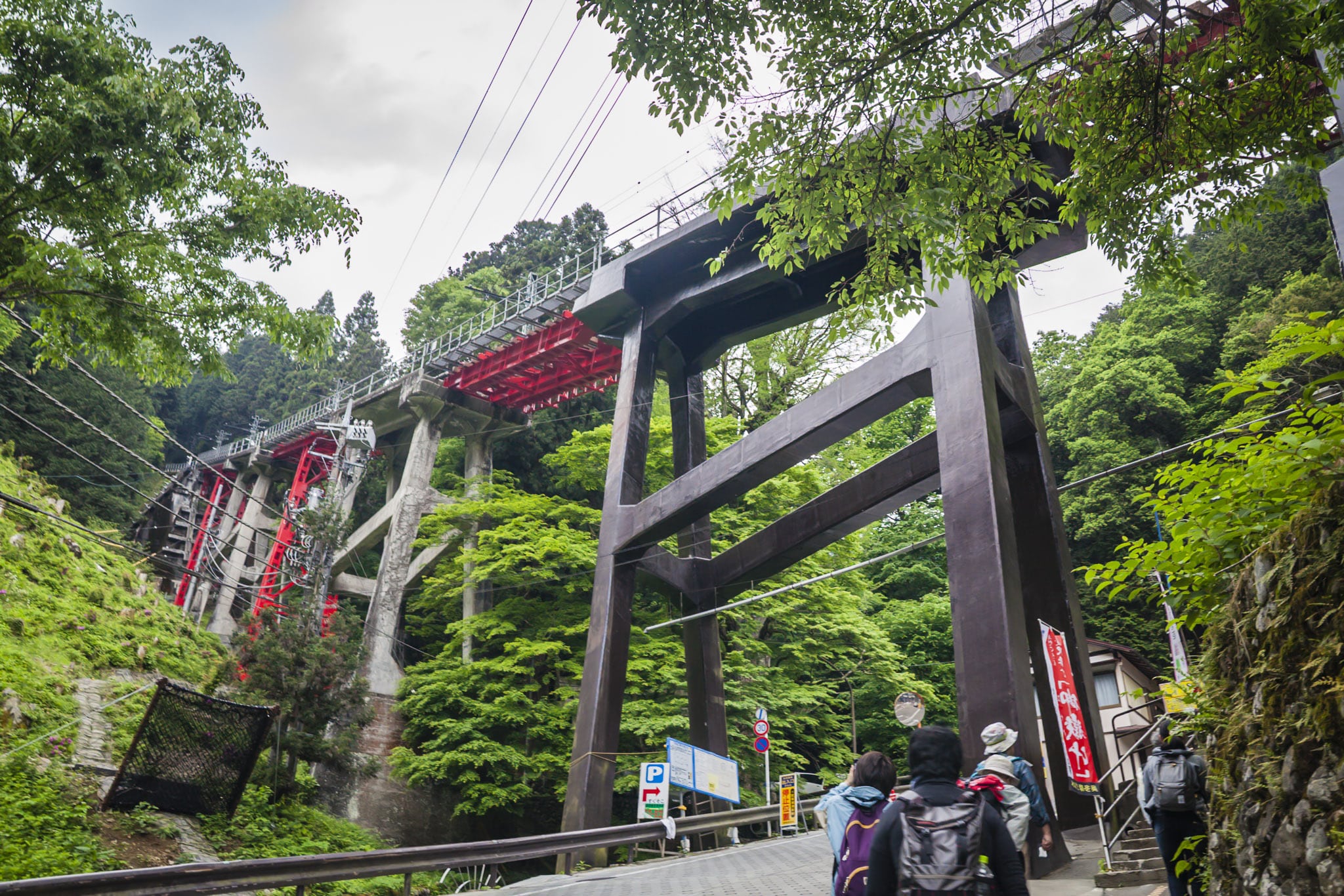
Pulling up at Takimoto Station, the shift from commuter transport to mountain ascent becomes real. The cable car here isn’t a long ride — about 6 minutes — but it climbs quickly, covering a 427-meter elevation gain up to Mitakesan Station with an average gradient that’s among the steepest in the region.
The cars run regularly from early morning into the early evening (typically about 7:30 AM to 6:30 PM, give or take with seasonal schedule changes), and it’s worth checking exact times on the day you go if you’re aiming for specific arrival or departure windows.
The moment the cable car slides out of Takimoto, the forest closes in around you. In spring the light filters through new leaves, and by the time we reached Mitakesan Station — perched at about 831 meters above sea level — the mountain air was distinctly fresher and quieter.
Get to Mitakesan from Shinjuku: Train + Bus + Cable car (Most Popular Option)
| Step | Route | Time | Notes |
|---|---|---|---|
| 1 | Shinjuku → Mitake (Chuo Line) |
Approx. 1h 30 min | Chuo Main Line, transfer in Ome |
| 2 | Mitake → Takimoto (Nishitokyo Bus) |
10 min | Bus departs near station exit |
| 3 | Takimoto → Mitakesan (Mitaketozan Cable Car) |
6 min | Bus stop next to cable car station |
| — | Total | Approx 2h 30 min (including transfers and wait times) | Easy to follow |
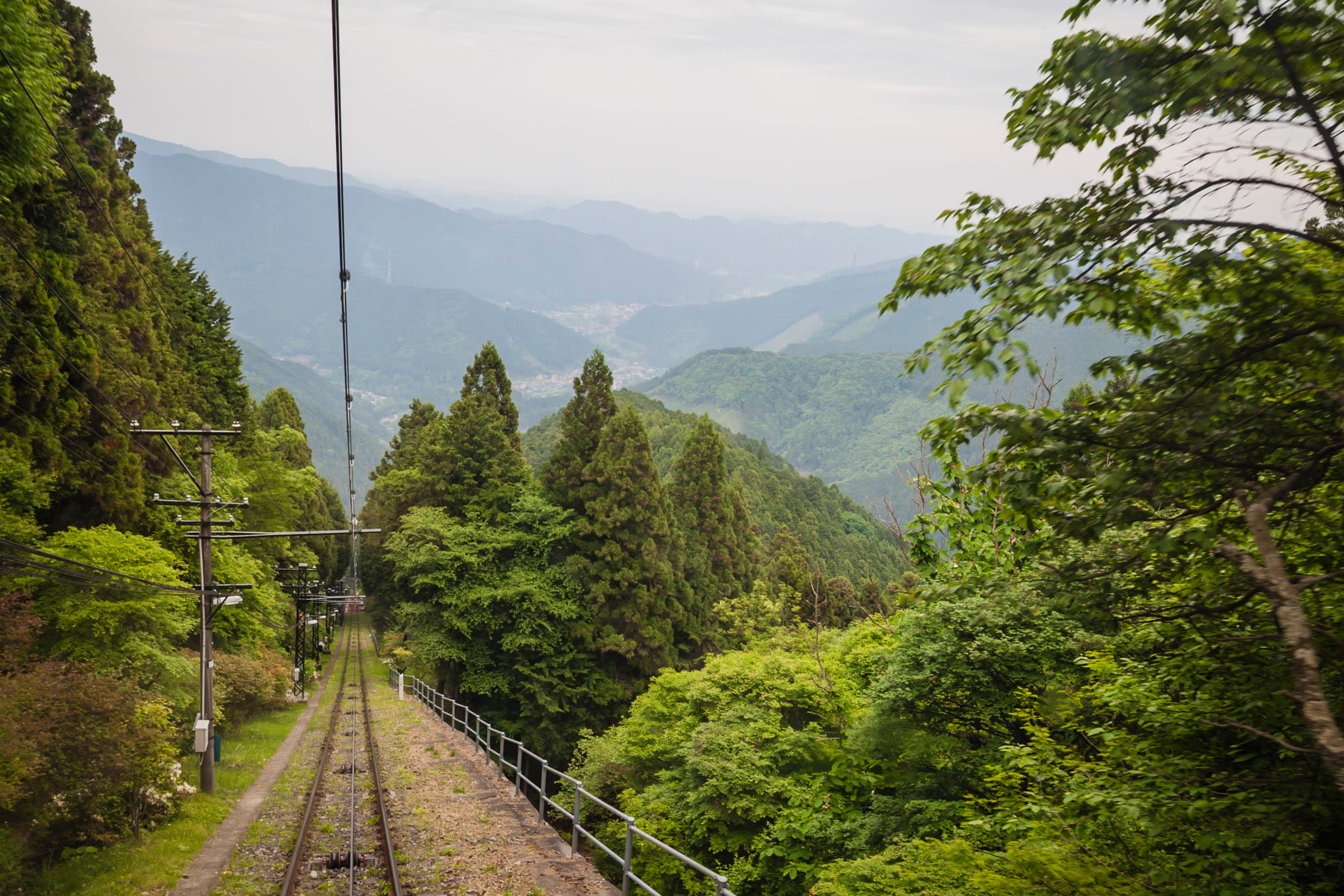
Stepping off the car, you’re already enveloped by trees and the kind of stillness that makes you wonder how long it’s been since you heard a train whistle. From here it’s a gentle 25-minute walk to the main shrine area, a route that blends a gradual incline with forest sounds and occasional views over the valley.
Walking this stretch in spring feels like entering the mountain’s prelude: paths are firm from the dry nights, warmth creeps in with the sun, and everything feels poised to break into summer without rushing. All of it sets the tone for what comes next — the climb toward Musashi Mitake Shrine and deeper into the mountain’s history.
Approx Between 12:00 ~ 12:30 – Walking the Musashi Mitake Shrine Approach
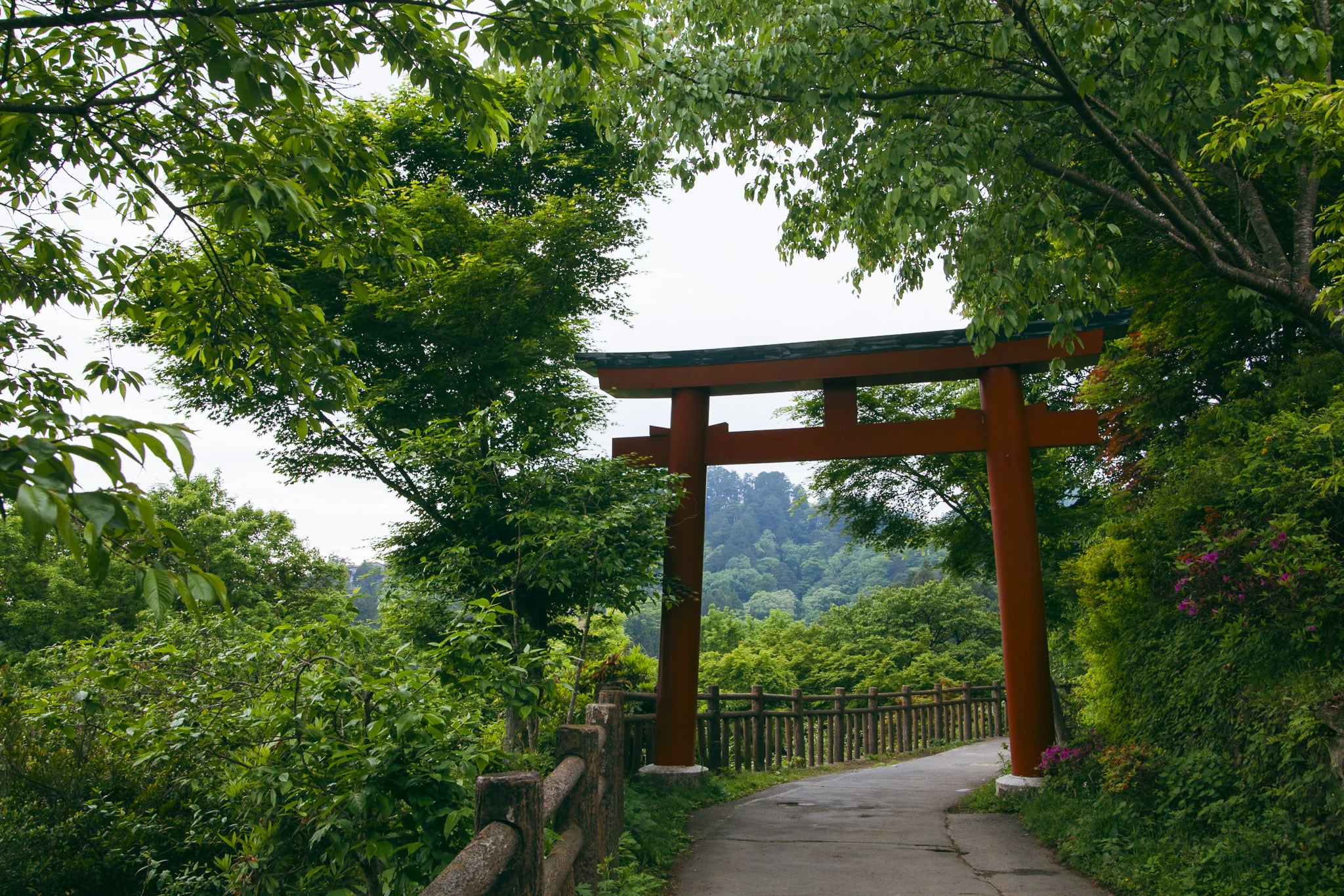
Leaving Mitakesan Station behind, the walk along the Musashi Mitake Shrine Approach (武蔵御嶽神社 参道) begins almost immediately. This is not a dramatic trailhead moment. Instead, the route eases you in, climbing steadily along a well-paved approach that has been used for generations. The incline is noticeable but forgiving, the kind that encourages a measured pace rather than haste.


Spring suits this section especially well. Fresh leaves filter the light, and the forest feels open rather than dense. Along the way, I passed small shrines tucked beside the path, weathered lanterns, and traditional shukubo lodgings that once hosted pilgrims making the overnight journey. Even now, they give the approach a lived-in quality, a reminder that people have been walking this same route long before it became a casual day trip.
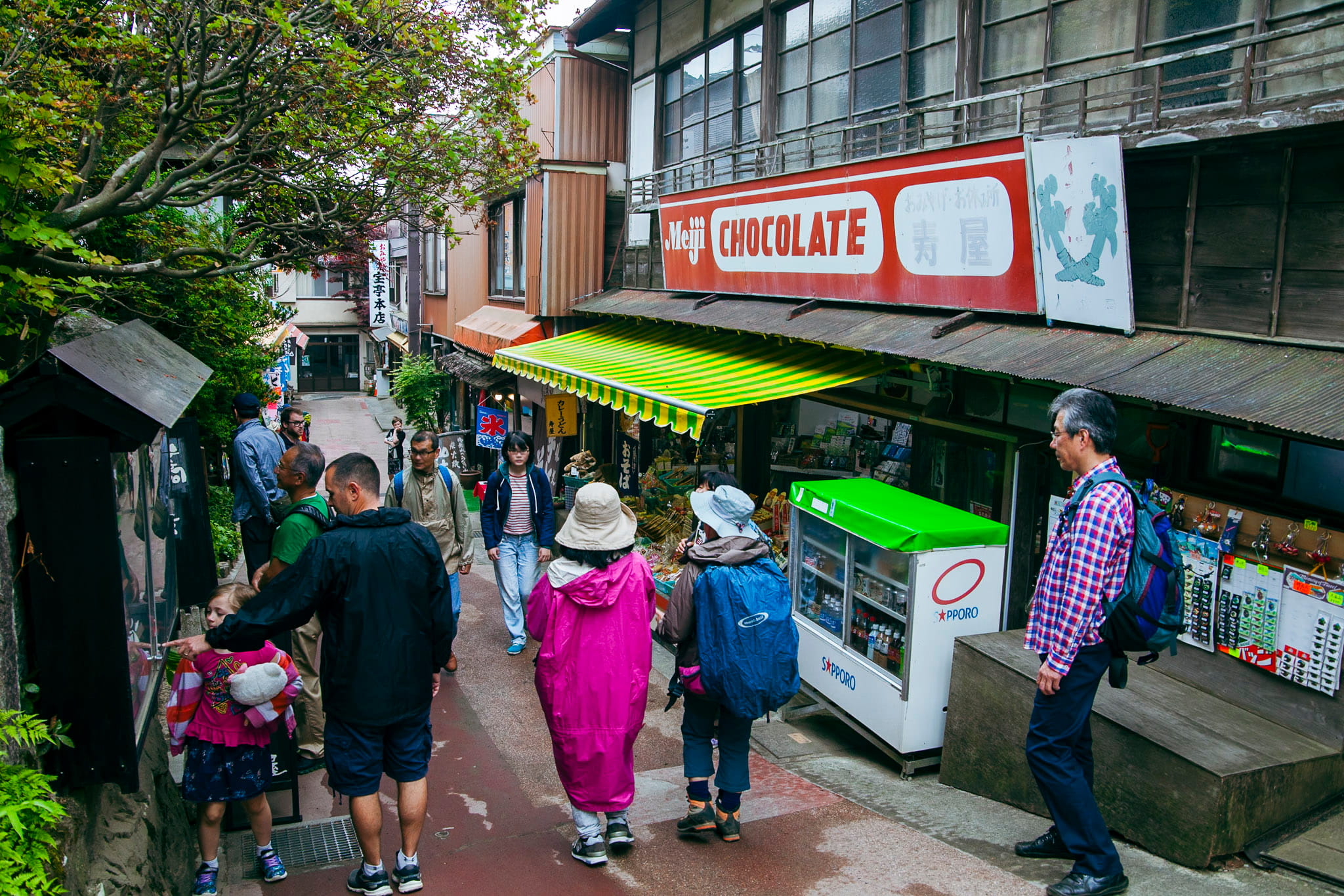
The atmosphere changes gradually as you climb. The sounds of the cable car fade, replaced by footsteps, wind through branches, and the occasional greeting from other walkers. It takes about 20 to 30 minutes to reach the shrine area at a relaxed pace, and halfway in, we find a variety of souvenir shops, some accommodations and the Mitakesan Visitor Center. It’s a good opportunity to get some local information, and perhaps a few whimsical goods to carry back home.
Musashi Mitake Shrine
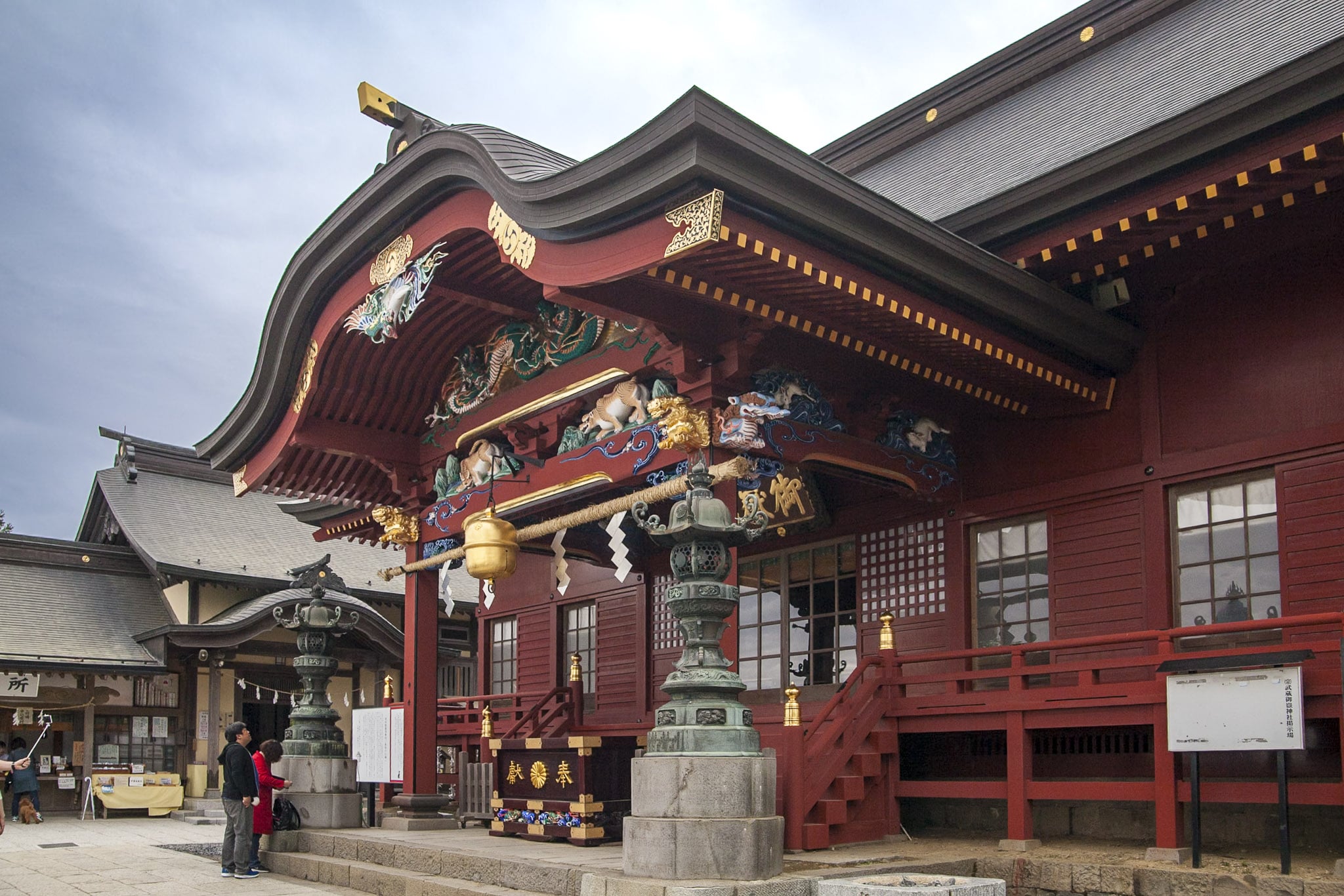
Musashi Mitake Shrine (武蔵御嶽神社) sits near the summit, exuding the quiet authority that comes with a history that spans over two thousand years. Said to be founded in the year 91 BC, its close ties to mountain worship go back at least to the year 736, when Zao Gongen, Shugendo’s main deity, was enshrined here. And thus, it has long been a place where faith and landscape operate as a single unit. Standing on the grounds, it’s clear the location was chosen carefully.


I took time here, moving slowly through the grounds. The main hall anchors the site, while smaller subshrines and other structures trace the shrine’s long history. Spring’s mild weather has an air that stays cool even around midday, encouraging visitors to relax and stay longer, enjoying the calm ambiance. It’s an environment that invites observation.
Visitors wash their hands, bow, and move on, each at their own pace. Everything leading up to this point: the trains, the cable car, the walk, makes sense once you’re standing here, looking out over the mountains.
 Access Access |
20-min walk from Mitakesan cablecar station |
|---|---|
 Business Hours Business Hours |
8:30 am–4 pm |
 Price Price |
500 yen |
 Official Website Official Website |
https://musashimitakejinja.jp/ |
Around 15:00~16:00 – Exploration Around the Shrine Area
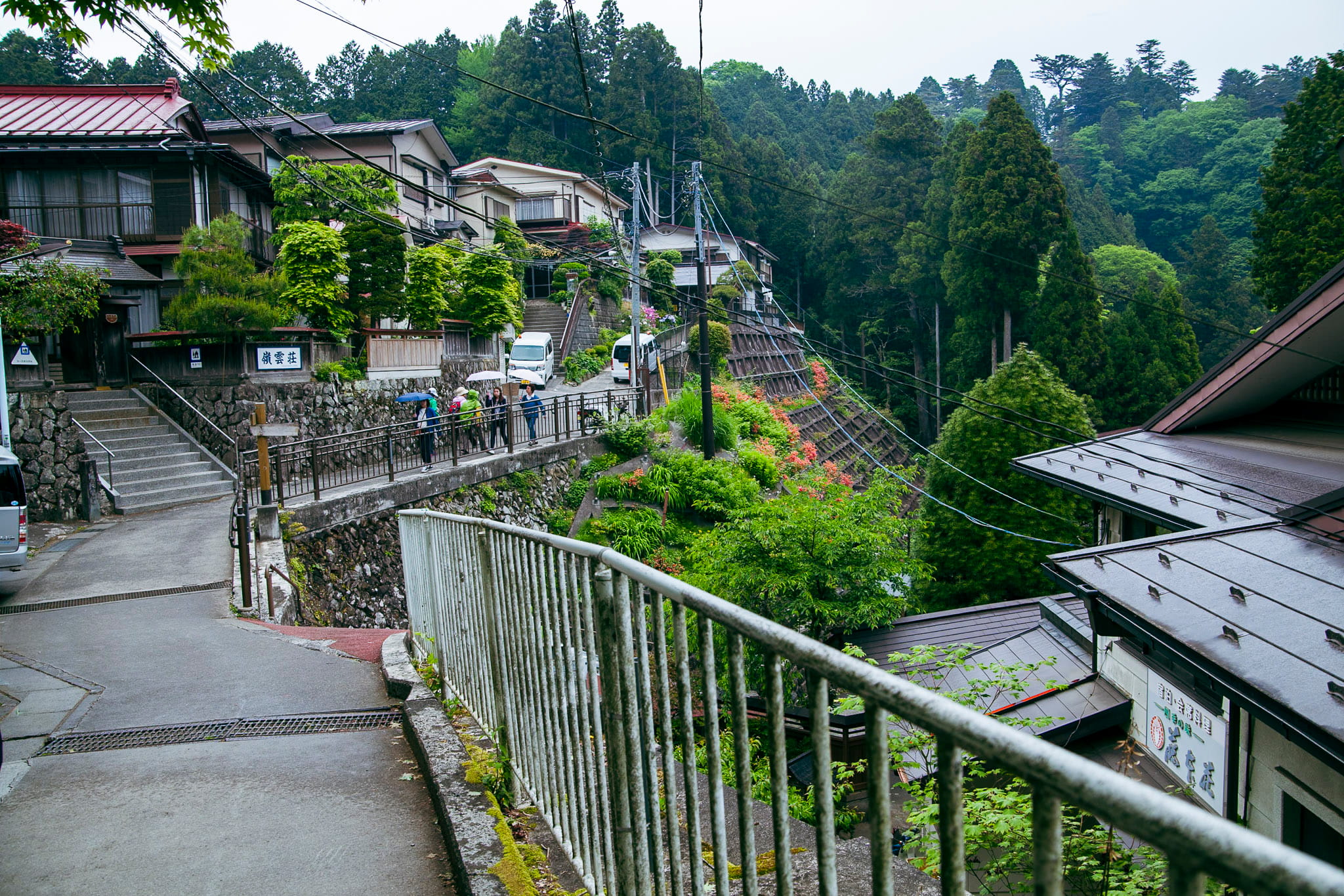
After spending time at Musashi Mitake Shrine, the afternoon naturally slowed down. The area around the shrine allows unstructured wandering: short paths that dip into the forest, quiet viewpoints, and benches positioned where someone clearly expected visitors to stop and look rather than pass through.
Spring keeps this part of the day comfortable. Even as the sun climbs, the temperature stays mild, and the shade from the surrounding trees makes walking easy. You are free to follow a few side paths branching off from the main approach, each leading to slightly different perspectives over the Tama Valley and the layered ridgelines beyond.
None of these walks are long or strenuous, but they extend the experience without turning it into a hike for its own sake.
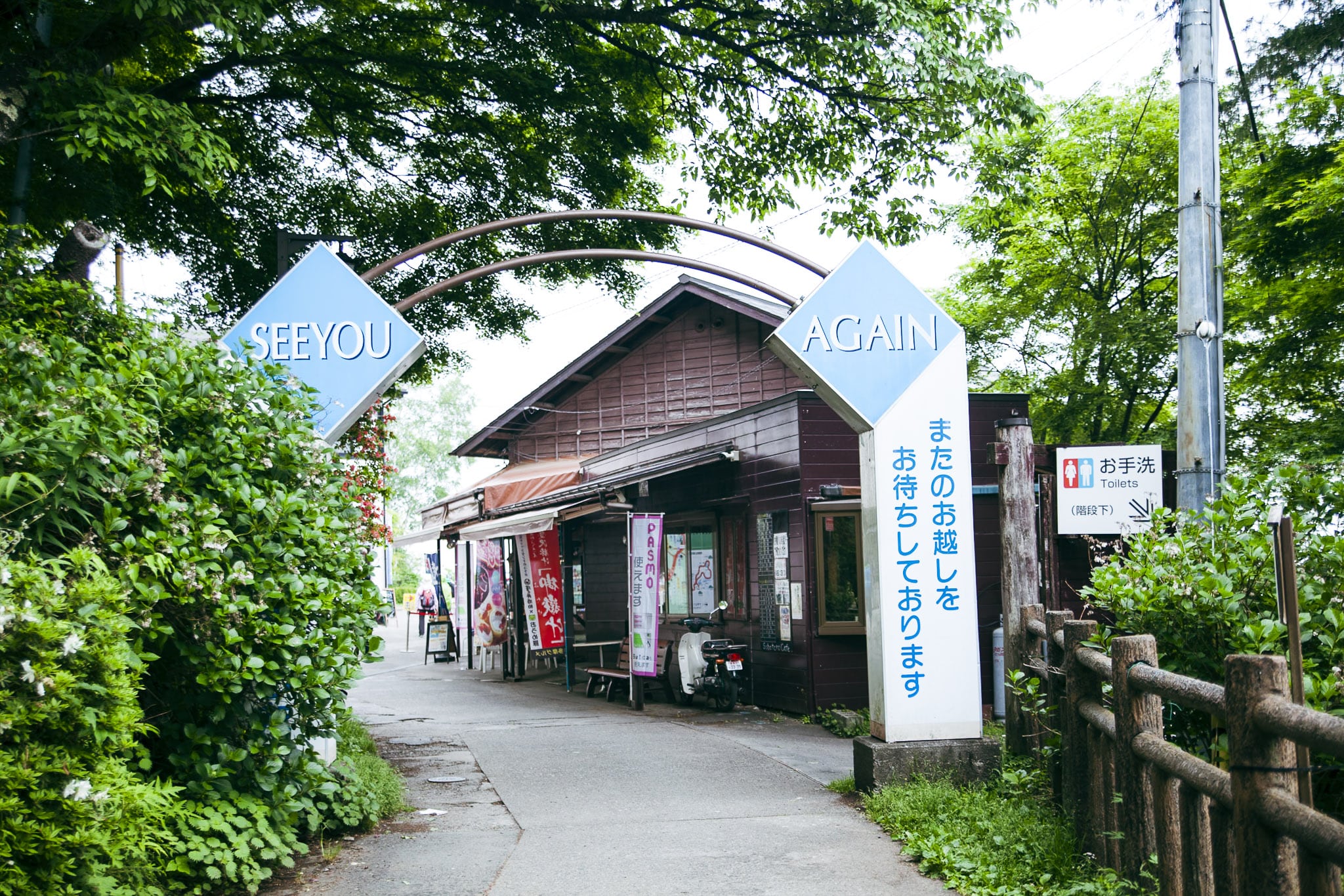
Back near the shrine buildings, the atmosphere remains calm. Small shops and resting spots provide places to sit with tea or browse local souvenirs, but nothing feels intrusive or rushed. This stretch of the afternoon works best when left open-ended.
Mitakesan rewards time more than effort, and lingering here — listening, walking, pausing — feels like the proper way to close the loop before heading back down the mountain.
Other Things to Do Near Mitakesan
Hiking Along the Tama River (Mitake Gorge & Okutama Area)
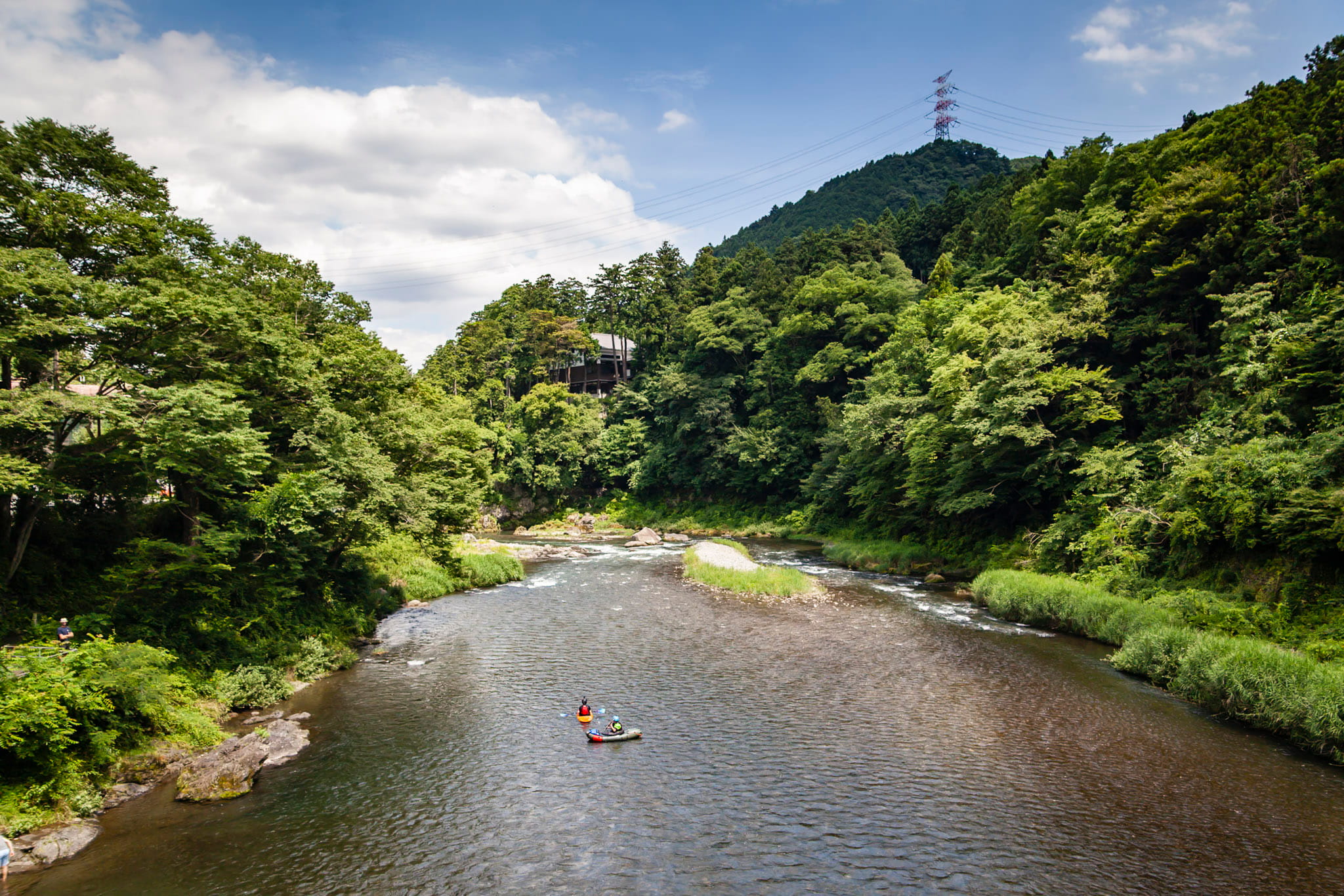
If Mt. Mitake feels like a gentle ascent, the Tama River trails in towards Okutama provide a different rhythm altogether. The riverside paths around Mitake and Kori are mostly level, well maintained, and ideal for a relaxed walk rather than a climb.
Spring brings clear water, fresh foliage, and steady footpaths that follow the river through rocky gorges and quiet stretches, all easily accessed by train.
| Access |
Any Chuo Line station along the Tama River, between Mitake Station and Okutama Station. |
|---|
Nippara Limestone Cave
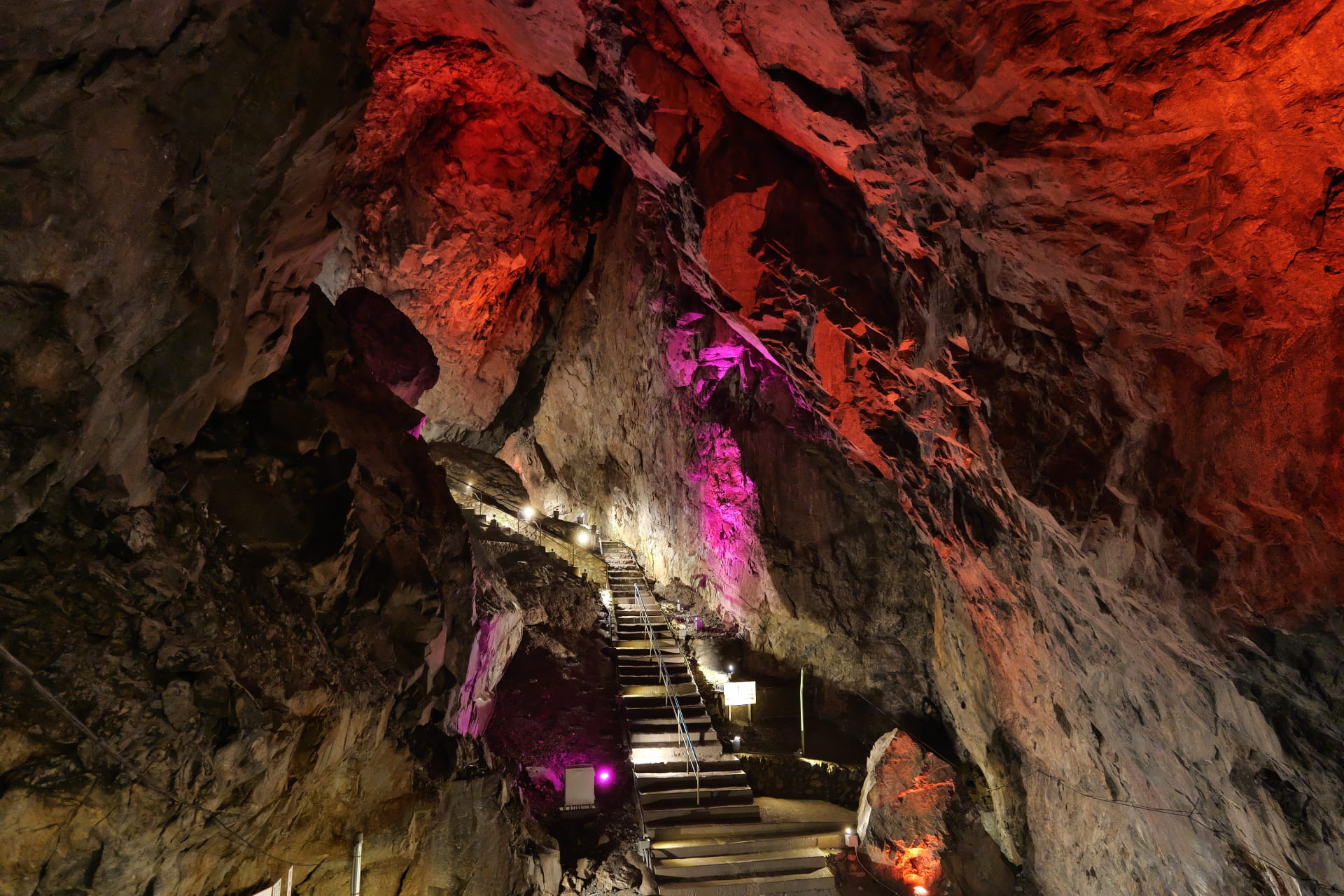
About an hour deeper into Okutama, Nippara Limestone Cave (日原鍾乳洞) offers a sharp contrast to Mitakesan’s open forests. This extensive cave system stays cool year-round and features dramatic rock formations, narrow passages, and underground chambers lit just enough to navigate safely.
It’s one of the largest limestone caves in the Kanto region and works well as a short, self-contained visit for travelers wanting something geological rather than spiritual.
| Access |
40-min bus or 20-min drive from Okutama Station. |
|---|---|
| Business Hours |
http://www.nippara.com/ |
| Price |
900 yen |
| Official Website |
http://www.nippara.com/ |
Ome Town and the Showa Retro Streets
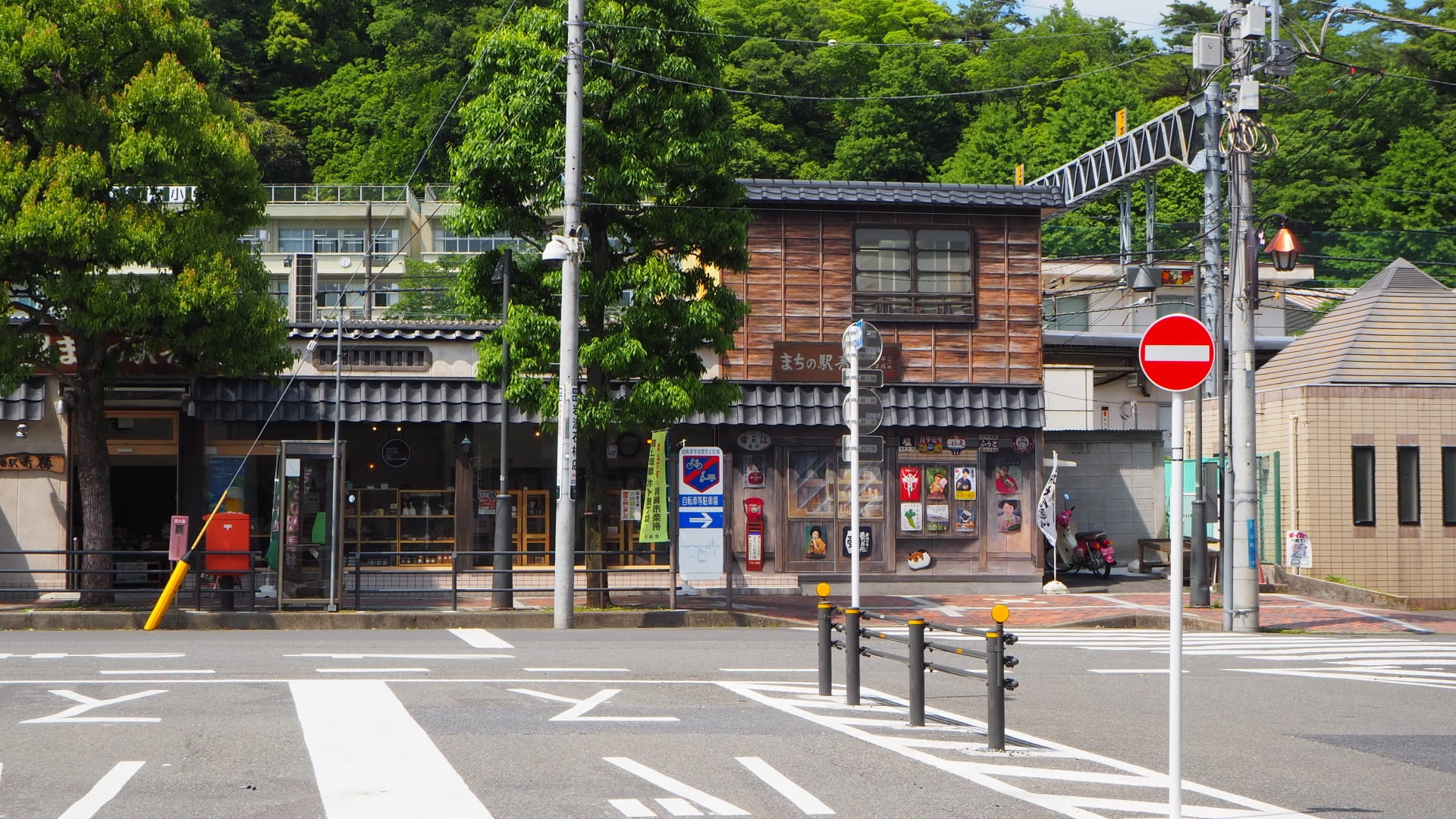
On the way back to Tokyo, Ome makes a worthwhile stop for something slower and more grounded. The area around Ome Station is known for its Showa-era streetscapes, small museums, and cafés housed in older buildings. It’s not a sightseeing checklist kind of place; it’s better for wandering, coffee breaks, and seeing how daily life unfolds at the edge of Tokyo’s mountain region.
| Access |
Around Ome Station |
|---|
Mitakesan is an enjoyable day trip destination that manages to sidestep the crowds while remaining easily reachable from central Tokyo. The mountain is inviting while preserving its unique character, and the trek is easy enough for any casual visitor, so it doesn’t require a great effort for it to feel rewarding.
Check out my recent travel stories:



▽Related Articles▽



Written by
Photographer, journalist, and avid urban cyclist, making sense of Japan since 2017. I was born in Caracas and lived for 14 years in Barcelona before moving to Tokyo. Currently working towards my goal of visiting every prefecture in Japan, I hope to share with readers the everlasting joy of discovery and the neverending urge to keep exploring.
- +0 0
-
-