1-Day Trip to Jogashima from Tokyo
Visiting Jogashima: Top Things to See and How to Get There

- +0 0
-

-


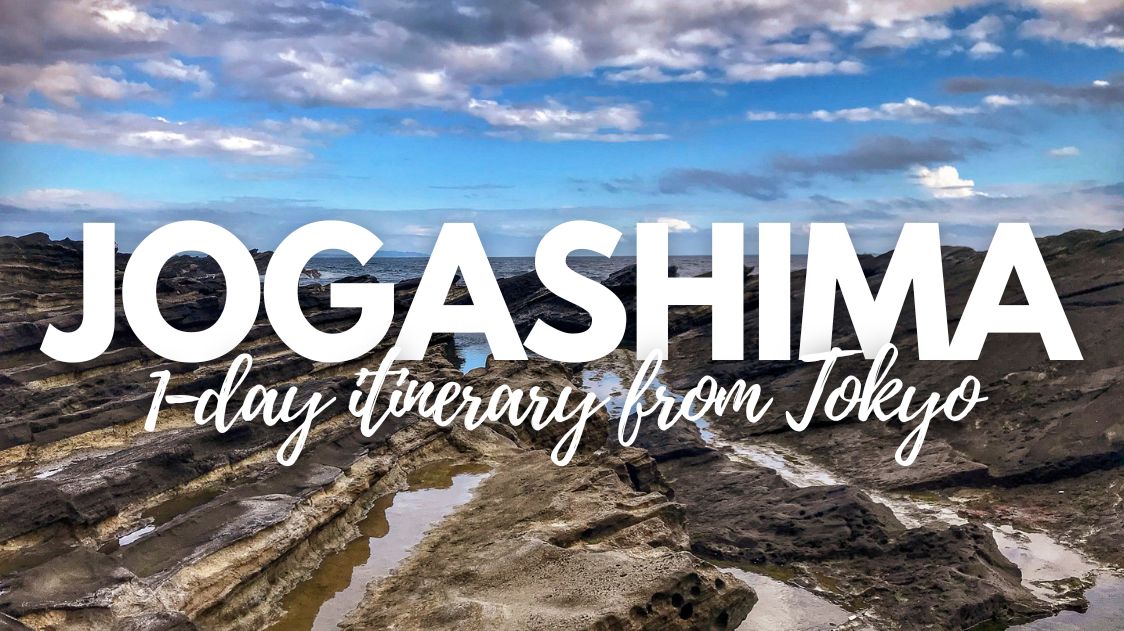
Jogashima tends to surprise first-timers. For such a compact island, it packs in a rocky coastline shaped by strong currents, a pair of lighthouses with completely different personalities, and seasonal crowds of cormorants that gather around the cliffs each winter. A unique landscape that has earned the island a two-star rating in the Michelin Green Guide, an unexpected accolade for a place this quiet.
A day trip here works well for anyone who wants a break from central Tokyo without spending half the day commuting. This is a cherished place that I’ve visited several times over the years, usually during late autumn. The allure of the dramatic rocky landscape keeps drawing me, and there’s something about taking a leisurely walk around the area during sunny, chilly days while enjoying the sea breeze that I can’t quite put into words.
Hopefully, at the end of this article, you’ll get a better idea of what I’m talking about.
One Day in Jogashima
Here’s a quick look at the places I’m advising you to cover on this coastal walk. The island is small enough to explore on foot, yet varied enough that each stop feels distinct: a classic lighthouse, a newer beacon with a local daikon reference hidden in its design, a breezy observation deck, and a lunch spot known for hearty seafood plates.
It’s an easy coastal escape that rewards a slow, simple walk, and the bus and train schedules allow plenty of space for unhurried exploration. It’s perfectly fine to stay around past sunset before returning to central Tokyo.
Mid-Morning Arrival: The Beauty of Jogashima’s Rocky Coast
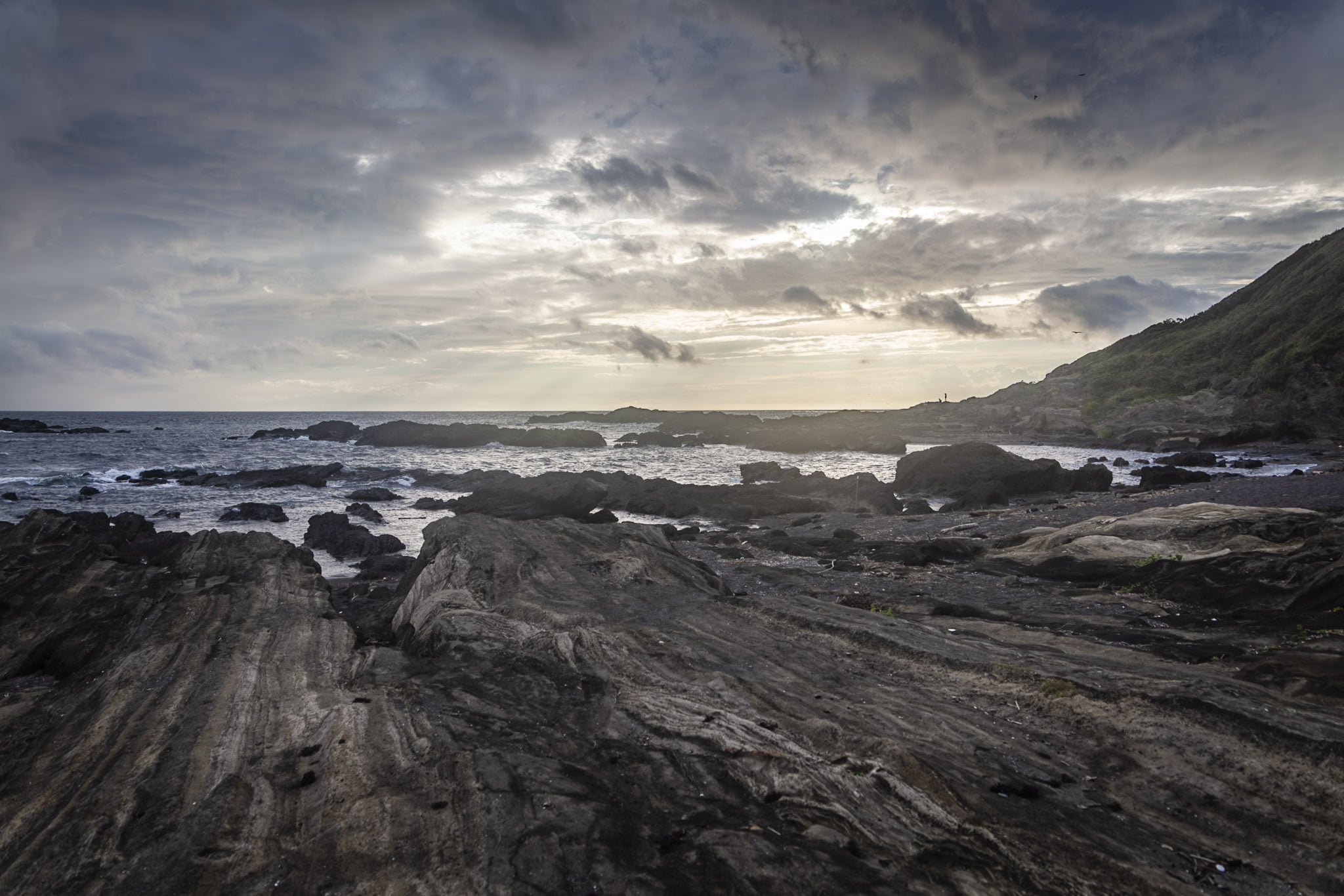
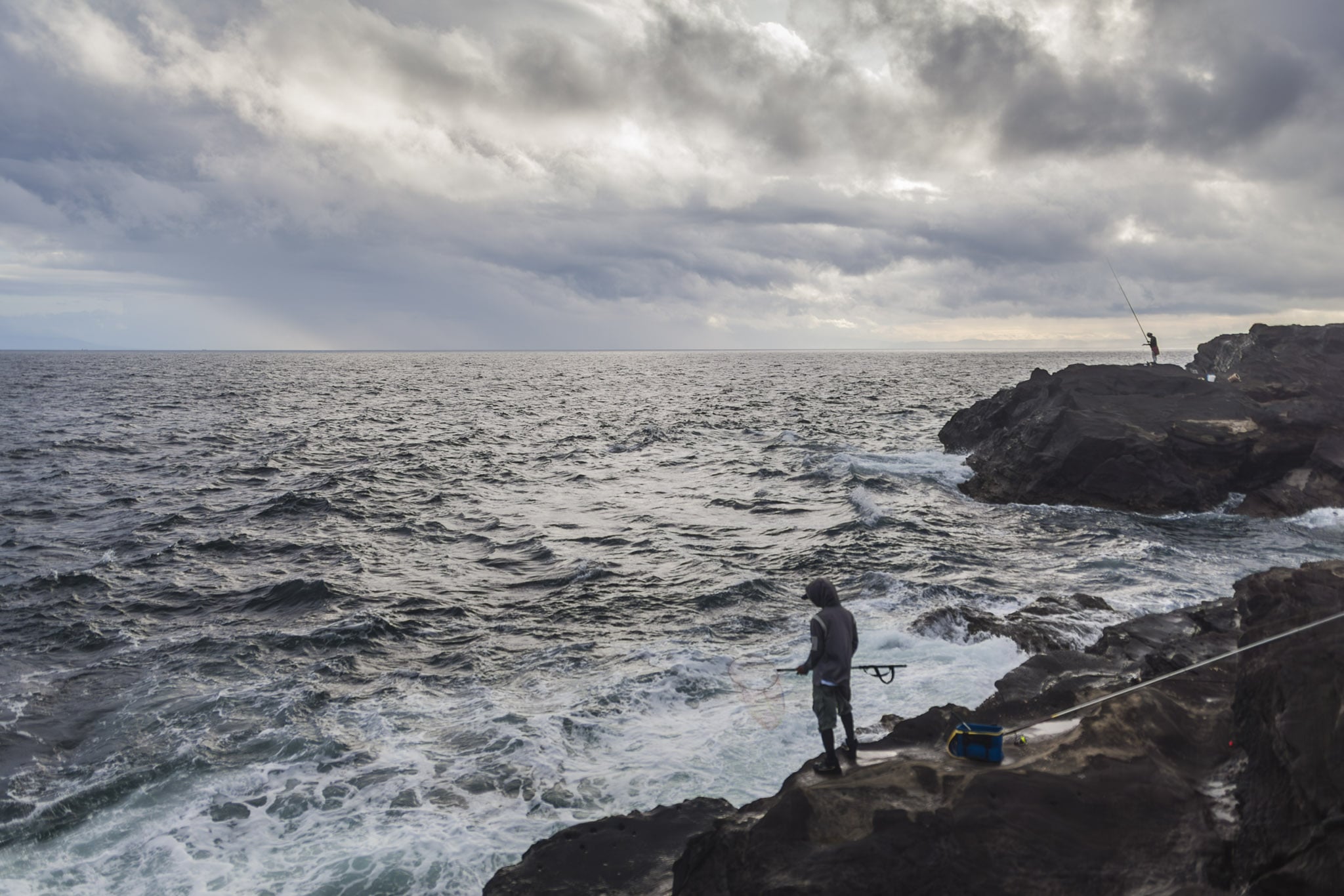
The southern side of Jogashima feels wilder the moment you approach it. The smooth trails give way to broad stone platforms, tide pools, and sharp edges shaped by years of strong waves. Spots like Nishizaki no Iso (西崎の磯) and Yojouhan (四畳半) show this landscape at its best: long, flat terraces cut into the rock and sudden drops where the sea has carved down through softer layers.
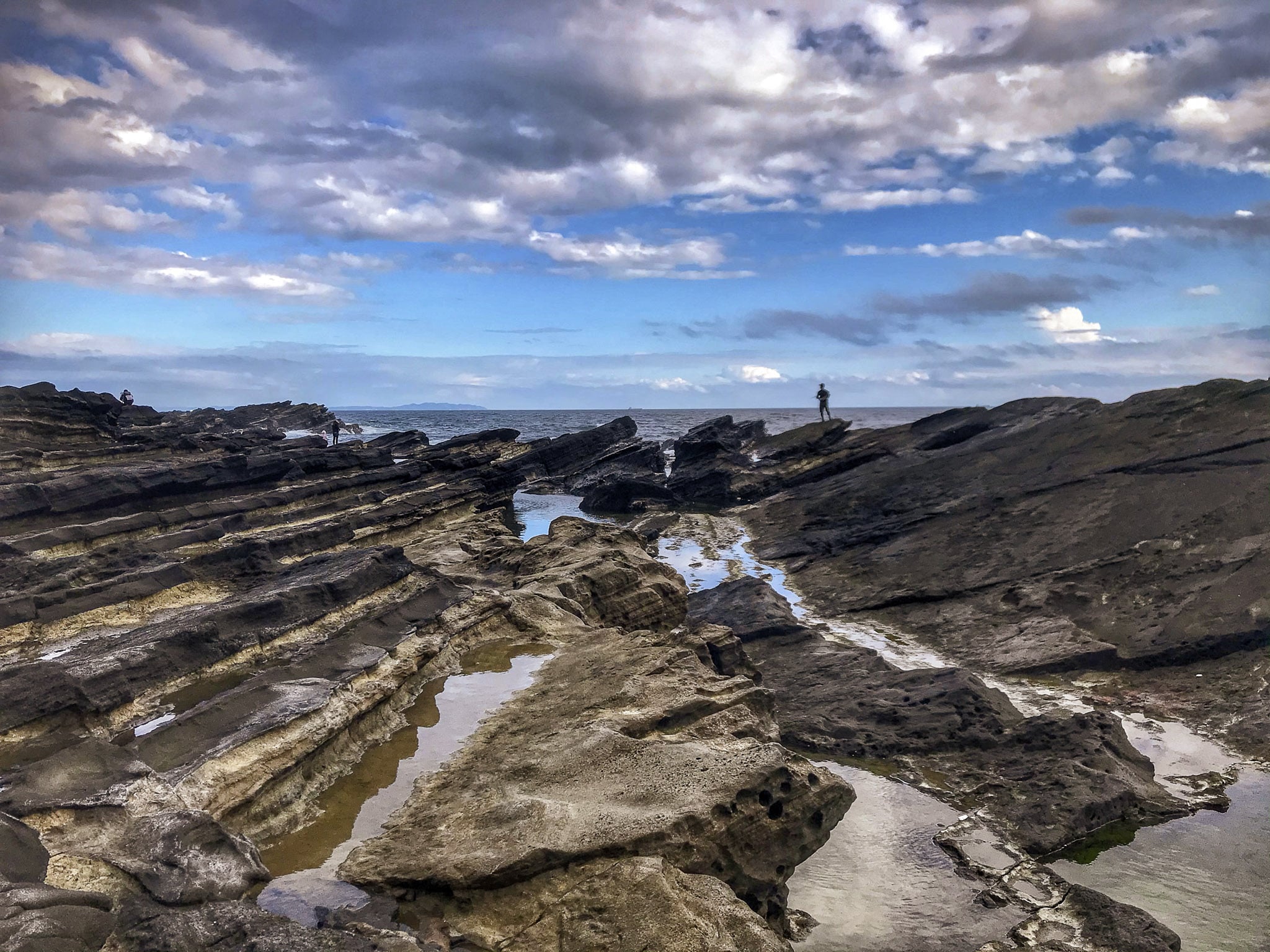
The geology isn’t complicated to understand. Jogashima is made of stacked sedimentary layers that were pushed up over time, and because each layer erodes at a different speed, the coast ends up with natural steps, shelves, and channels, a mix that looks almost as if carefully sculpted by an artist. On clear days you get wide sea views; on rougher days the waves crash against the ledges in a way that feels almost theatrical. It’s an easy place to linger, but footing can be slippery, so mind your step and ensure you wear suitable shoes.
Lunch at Shibukitei


Shibukitei (しぶき亭) keeps things refreshingly straightforward: good seafood, quick service, and adequate portions. The menu leans heavily on tuna, which isn’t surprising given Jogashima’s long ties to Misaki Port. Expect thick slices, fried pieces with the kind of crunch that immediately wins you over, and set meals that don’t bother with fancy presentation.
It’s close to the bus stop, so I find this location convenient enough to get an early lunch as soon as I get there. On weekends, it can get busy, so arriving on the early side keeps the wait from eating into your schedule.
 Access Access |
Next to Jogashima Bus Stop |
|---|---|
 Business Hours Business Hours |
11 AM–3:30 PM |
 Closed Closed |
Monday to Wednesday |
After Lunch Stroll: Jogashima Lighthouse


Jogashima Lighthouse (城ヶ島灯台) has an old-school charm that fits the island perfectly. It dates back to the early days of Japan’s modern lighthouse network, designed by French engineer Léonce Verny and originally built in 1870 (the current structure is a reconstruction from 1926 after the destruction of the Great Kanto Earthquake in 1923). Even though visitors can’t climb inside, the surrounding area is nice enough for a visit. On clear days you can identify Izu Ōshima, and winter air occasionally sharpens the view all the way to Mount Fuji.
Exploring a Bit Further: Umiu Observation Deck
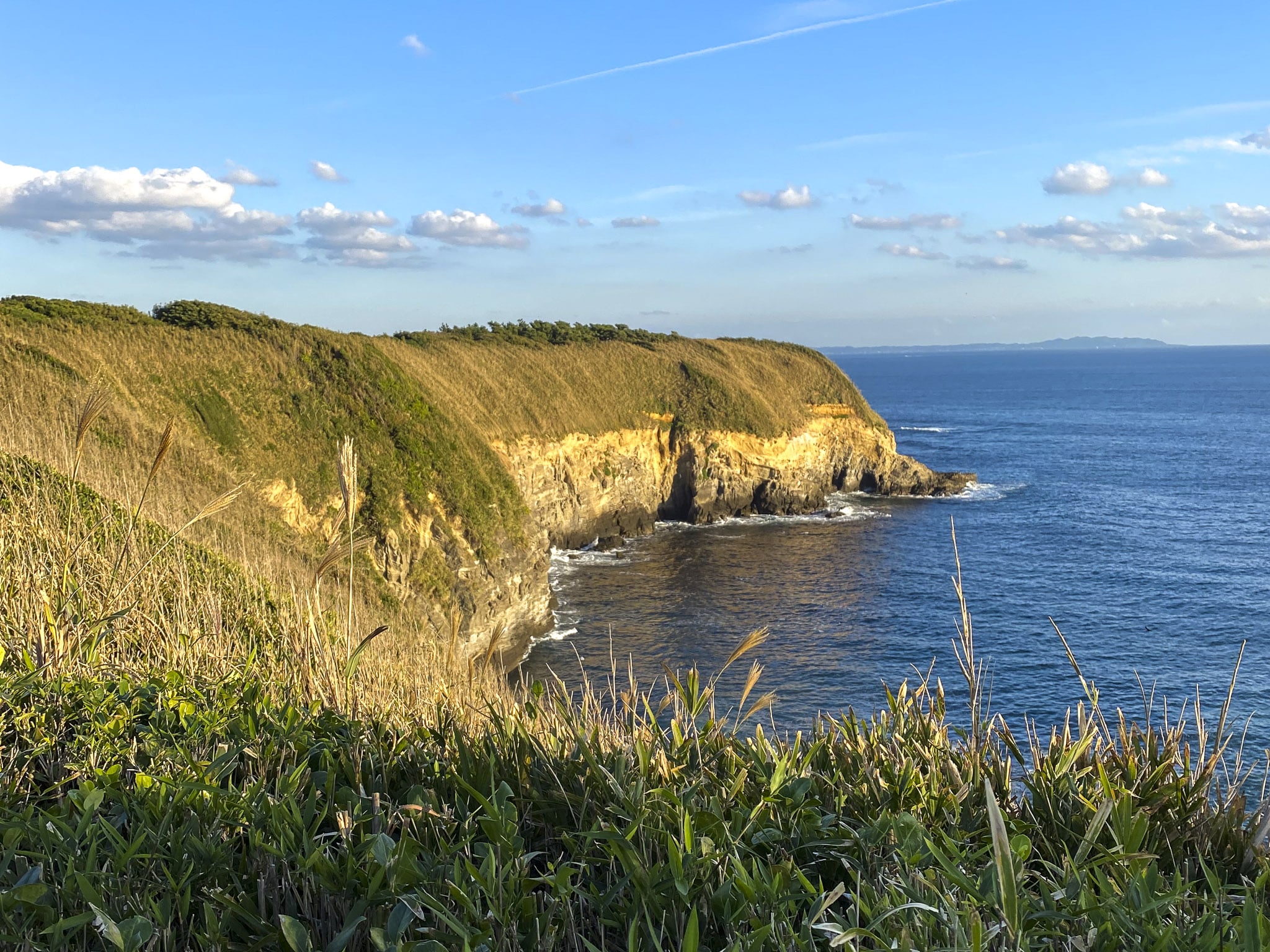
The Umiu Observation Deck (ウミウ展望台) feels like a small reward after the short walk through Jogashima Park. Unfortunately, I haven’t had the chance to visit during winter, but according to local info, the platform sits above a set of sharp cliffs where cormorants gather in winter, making it one of the few places in the region where you can see these birds in good numbers without joining a boat tour, so if birdwatching is your thing, I strongly encourage you to visit this place.
The view stretches across Sagami Bay and reaches Izu Oshima on clearer days. Given the dry weather during winter, clear days are definitely a good choice for rewarding views. That is, if you don’t mind the cold weather.
The Last Stretch of the Beach: Umanose Cave


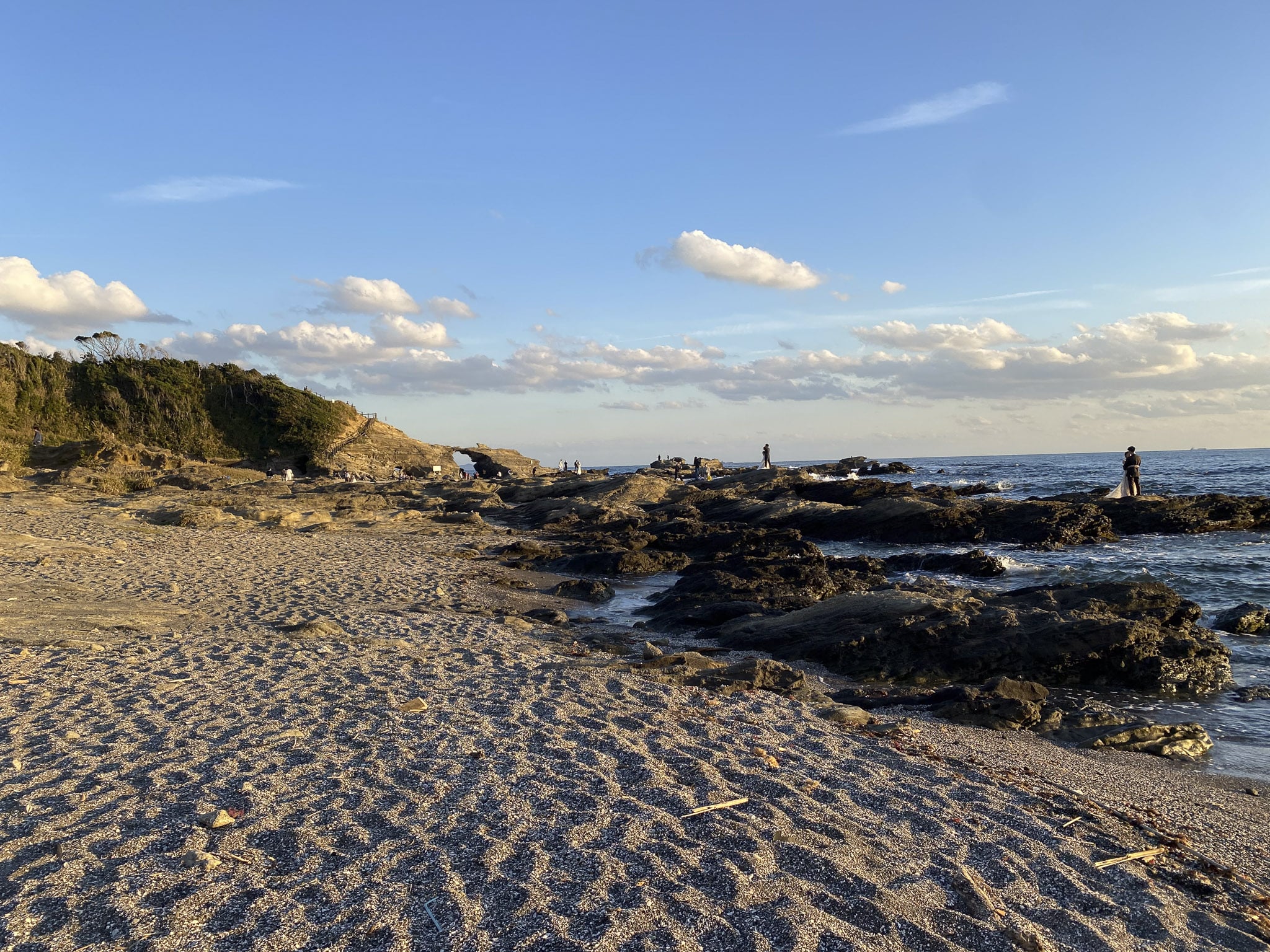
Umanose Cave (馬の背洞門) is a natural arch carved by years of wave action, and its shape makes it one of the island’s most recognisable sights. The final descent to the viewpoint can be uneven, so steady shoes are important, and conditions change quickly when the surf is high. It’s not a spot to rush. Most visitors pause, look for safe footing, and take a few moments to watch the water push through the gaps in the rock. Even without perfect weather, the setting has enough character to make the detour worthwhile before continuing along the coast.
Afternoon Sightseeing: Awazaki Lighthouse


Awazaki Lighthouse (安房埼灯台) sits on the eastern tip of Jogashima and has a completely different feel from the island’s older beacon. The current structure was rebuilt in recent years and carries a playful nod to the region: its base uses a soft green gradient inspired by the local Miura daikon. Views stretch across the water toward the Boso Peninsula, and the wide headland gives you plenty of room to wander without feeling boxed in.
Winds tend to pick up here, so having an extra layer helps, but the openness is part of the appeal. It’s the kind of lighthouse that works as a final stop: simple, approachable, and set in a calm patch of the island where you can slow down before heading back to the bus.
How to Get to Jogashima
Most visitors arrive via Misakiguchi Station, the final stop on the Keikyu Line from Shinagawa Station in Tokyo. The ride usually takes just over an hour, making it an easy day trip. Once you step off the train, hop on the Keikyu bus bound for Jogashima. The ride takes about 20 minutes and drops you near the island’s main sights.
Drivers can follow the coastal roads down the Miura Peninsula and cross the Jogashima Bridge, which connects the island to the mainland. Parking is available around the park areas and near the fishing port, though it can fill quickly on weekends.
Train + Bus (Most Popular Option)
| Step | Route | Time | Notes |
|---|---|---|---|
| 1 | Shinagawa → Misakiguchi (Keikyu Line) |
70–80 min | Final stop on the Keikyu Line |
| 2 | Misakiguchi Station → Jogashima (Keikyu Bus) |
30 min | Bus departs near station exit |
| 3 | Jogashima Bus Stop → Main sights | 10–15 min walk | Easy access to trails & restaurants |
| — | Total | Approx. 90 min | Best option for most visitors |
By Car
| Feature | 🚗 Driving to Jogashima |
|---|---|
| Travel Time | 75–90 min (From central Tokyo, Traffic dependent) |
| Route | Drive through the Miura Peninsula and cross Jogashima Bridge |
| Parking | Available near Jogashima Park and fishing port |
| Things to Know | Parking fills quickly on weekends and holidays |
| Best For… | Families, photographers, flexible schedules |
To this day, Jogashima is one of my favorite day trips from Tokyo, as I find it tremendously rewarding for anyone willing to wander a little. Sharp coastlines, quiet trails, and a few odd geological surprises make the island a reliable escape, regardless of the season, from the city’s routine. Take your time to visit, and you will see what I’m talking about.
My Recent Travel Stories:

For more information about interesting spots in Kanagawa Prefecture, check the articles below!
Written by
Photographer, journalist, and avid urban cyclist, making sense of Japan since 2017. I was born in Caracas and lived for 14 years in Barcelona before moving to Tokyo. Currently working towards my goal of visiting every prefecture in Japan, I hope to share with readers the everlasting joy of discovery and the neverending urge to keep exploring.
- +0 0
-
-