1-Day Trip to Iriomote Island From Ishigaki
Iriomote Island Itinerary: How to Spend One Perfect Day from Ishigaki

- +0 0
-

-


Forty-five minutes from Ishigaki lies a different world: Iriomote, an island where jungle swallows the road and buffalo wade through the sea. You come for the mangroves and the clear blue coves, but end up falling for the pace; half wild, half dream. The sound of cicadas replaces the rush of the ferry, the air smells of salt and rain, and every curve of the road feels like it leads deeper into something untouched. One day here isn’t long enough to see it all, yet it’s plenty to feel the island’s quiet pull, a rhythm that hopefully stays with you long after the ride back.
As the trip takes around 45-50 minutes each way, it’s advisable to try to be on the island at least before 10:00 to make sure you have enough time in a day trip to experience some of the best things to do in Iriomote Island, with highlights such as the mangrove cruise or a water buffalo cart ride to Yubu Island. As public transportation options are limited, renting a car is probably your best bet.
See also: How to Get from Tokyo to Okinawa: Best Transportation Options, Flight Tips, and Price Comparison
Iriomote Island, Okinawa’s Natural Wild Heart
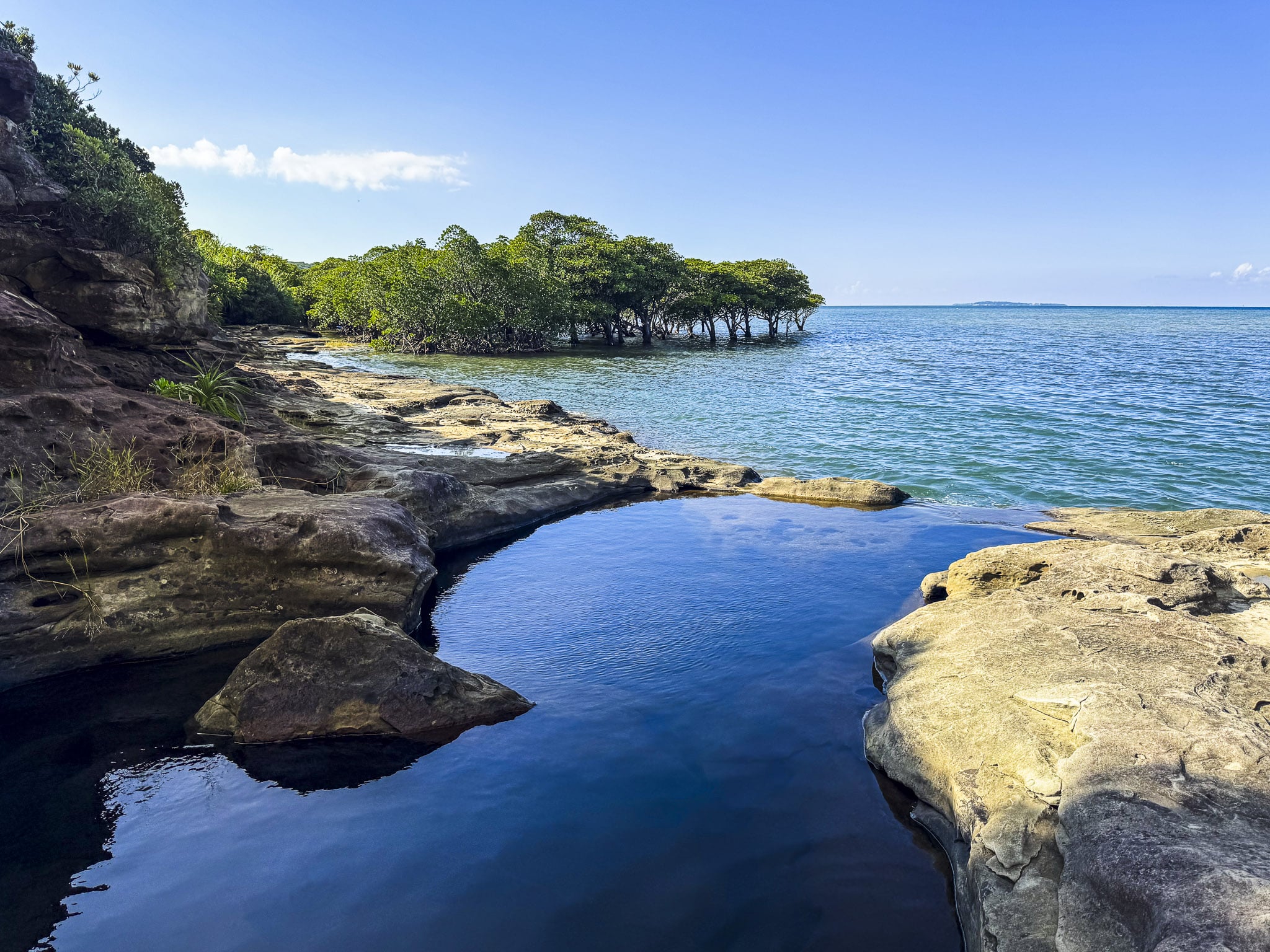
Covered almost entirely by subtropical jungle and mangrove forest, Iriomote Island (西表島) is the largest of the Yaeyama Islands, the second-largest island in Okinawa Prefecture, yet one of its least developed. More than 90% of its land is blanketed in dense vegetation, and much of it lies within Iriomote-Ishigaki National Park, a UNESCO World Heritage Site since 2021. Rivers twist through the forest, waterfalls spill from limestone cliffs, and the coastline alternates between golden beaches and tangled mangrove roots.
For centuries, Iriomote remained isolated, with tiny fishing and farming communities scattered along its coasts. Most visitors arrive by ferry for a day or two of exploration. That isolation is what makes it so special: here, Okinawa’s wild side still feels untouched. This is why Iriomote offers a rare sense of discovery, whether you’re kayaking through mangroves, spotting rare wildlife, or simply slowing down to island time. It’s not a place meant for rushing between sights but to breathe, to let the forest hum and the ocean breeze set your pace.
How to Get to Iriomote from Ishigaki
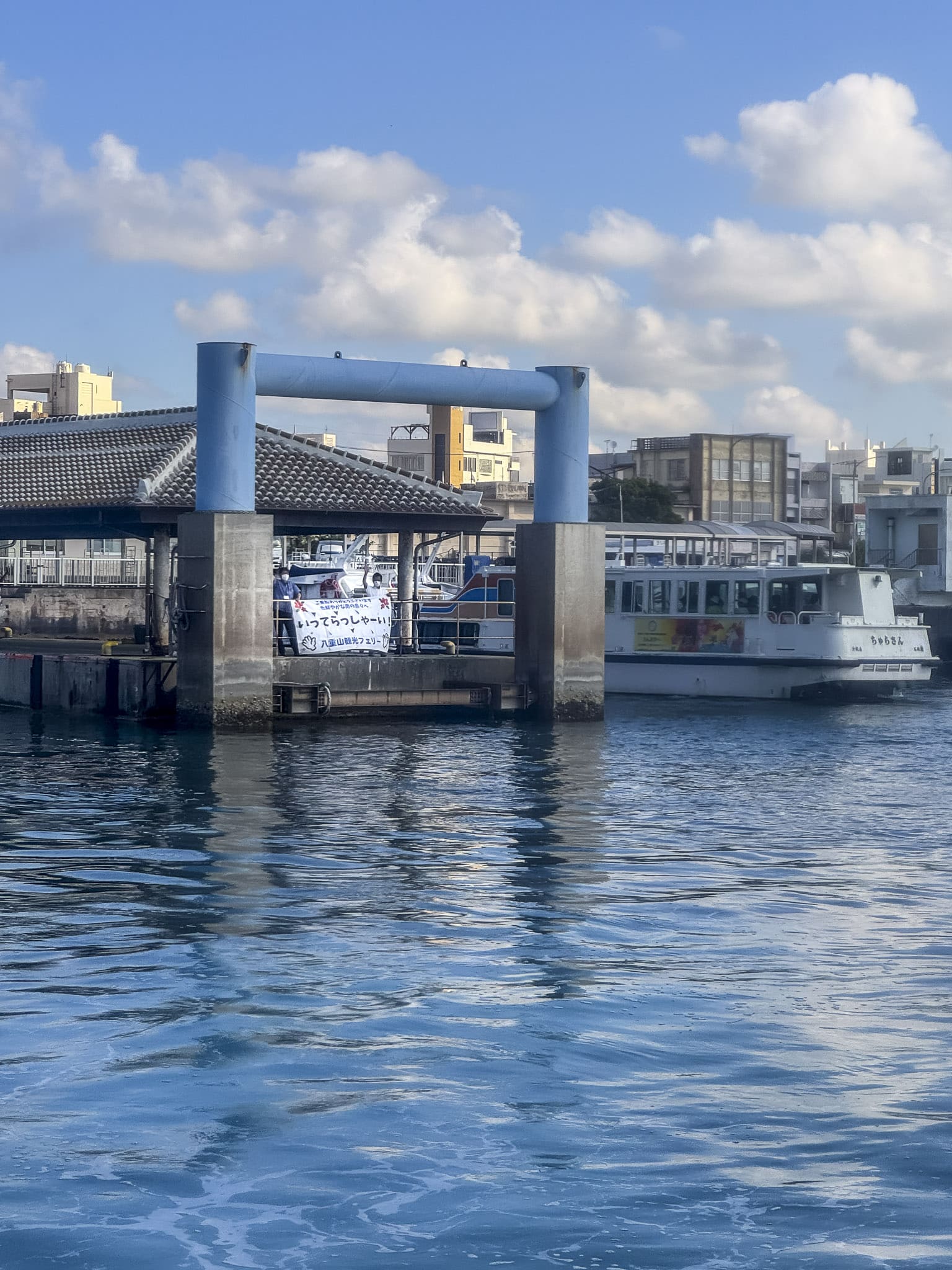
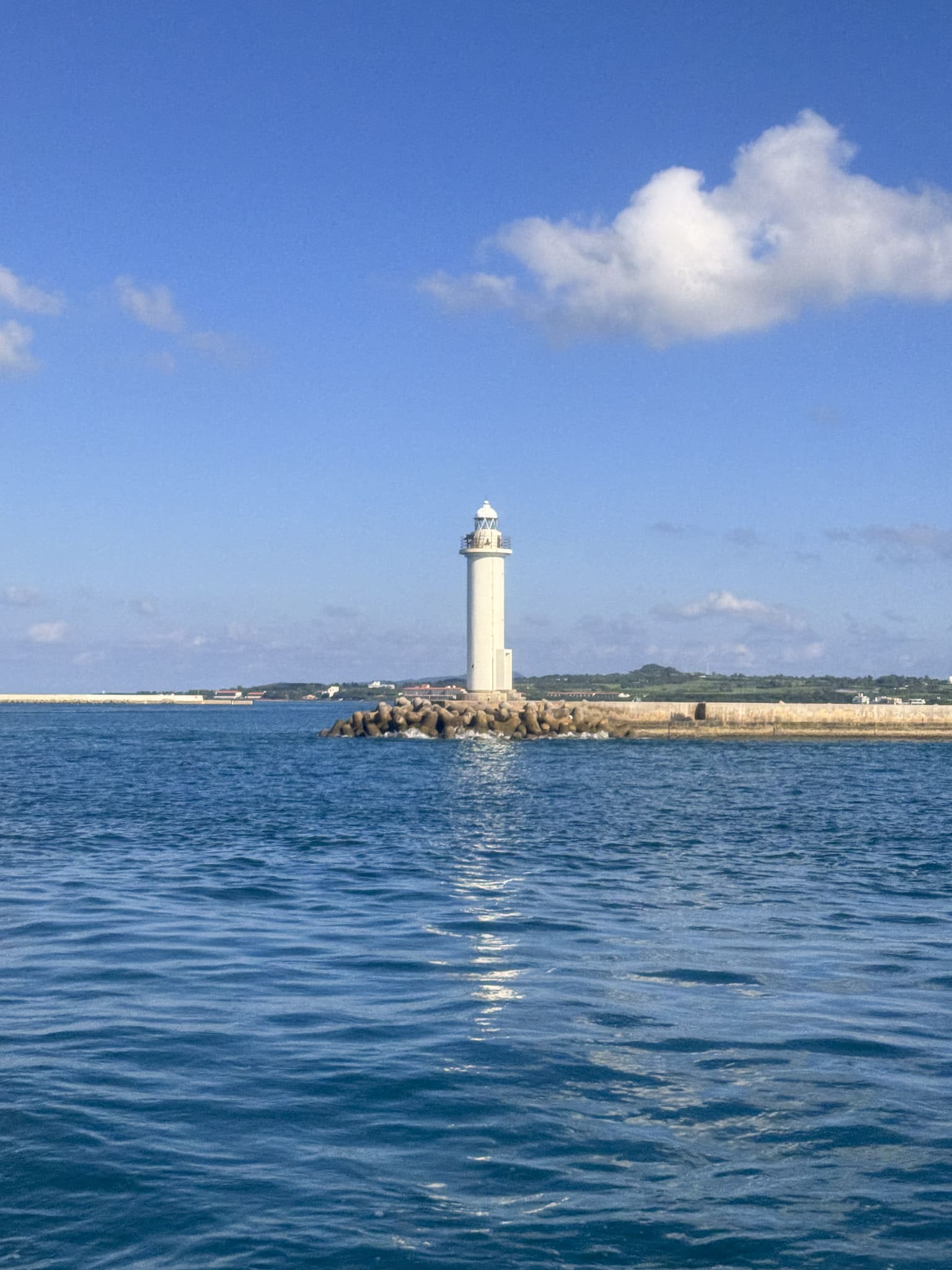
Ferries to Iriomote depart several times a day from Euglena Ishigaki Port Remote Island Ferry Terminal (ユーグレナ石垣港離島ターミナル), taking about 40–50 minutes depending on the route. Two operators cover the route, Yaeyama Sightseeing Ferry and Anei Kanko. There are two main ports on Iriomote:
- Ohara Port (大原港), located on the southeastern side, convenient for the Nakama River Cruise and Yubu Island.
- Uehara Port (上原港) on the northwestern side, closer to beaches like Hoshizuna Beach and Sonai Village.
Schedules vary with the season and also may change depending on the weather, and ferries to Uehara are often suspended when seas are rough. If that happens, your ticket will usually be honored for the Ohara route instead. As of October 2025, one-way tickets between Ishigaki and Iriomote with Yaeyama Sightseeing Ferry or Anei Kanko had the same price for adults: 2,290 yen for Ohara Port and 2,990 yen for Uehara Port. In both cases, there’s a slight discount if purchased as a round trip. Tickets can be purchased on the spot the same day (make sure to be at the Ishigaki counter at least 20 minutes before boarding time), or reserved online. You can check timetables to plan your route and reserve online on their corresponding official websites:
- Yaeyama Kanko Ferry: Timetables & Online Reservation.
- Anei Kanko: Timetables & Online Reservation.
1-Day Itinerary in Iriomote Island
Most visitors make Iriomote a day trip from Ishigaki, and with limited public transport on the island, it’s advisable to book a rental car or guided tour before arrival if you plan to explore beyond the port area. You cannot bring a car from Ishigaki, so if you plan to drive, you must book a rental car in Iriomote.
10:00-11:00 – Nakama River Mangrove Cruise
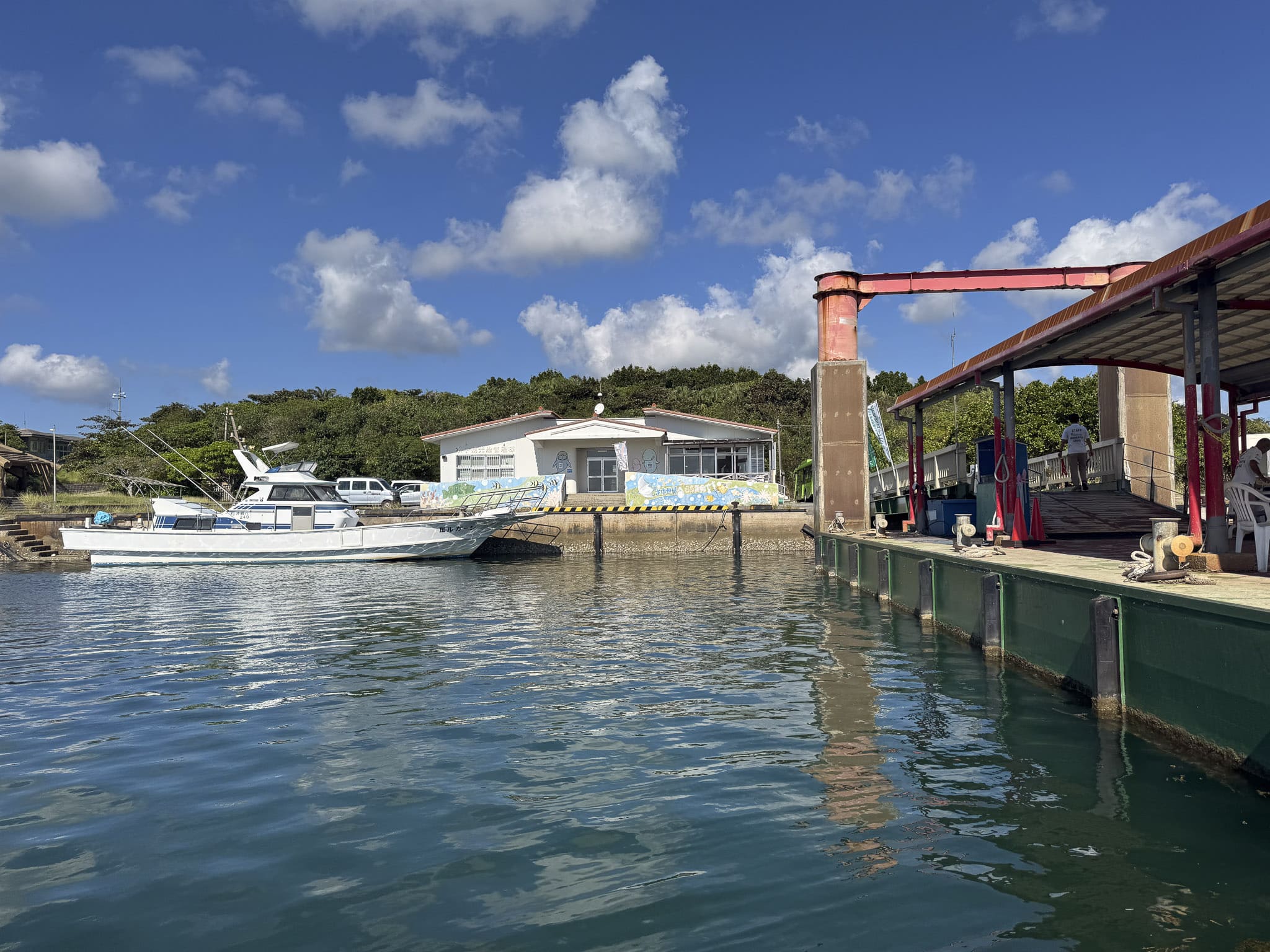
Our ferry docked at Ohara Port around 9:45 a.m. just in time to catch the next Nakama River Mangrove Cruise (仲間川マングローブクルーズ), departing at 10:00 from a small pier only a few minutes away. The rhythm of the day instantly slowed as the boat glided into the wide, green silence of the Nakama River, Okinawa’s longest. Giant mangroves arched overhead, their roots twisting into the water like sculptures, and the air smelled faintly of salt and rain.
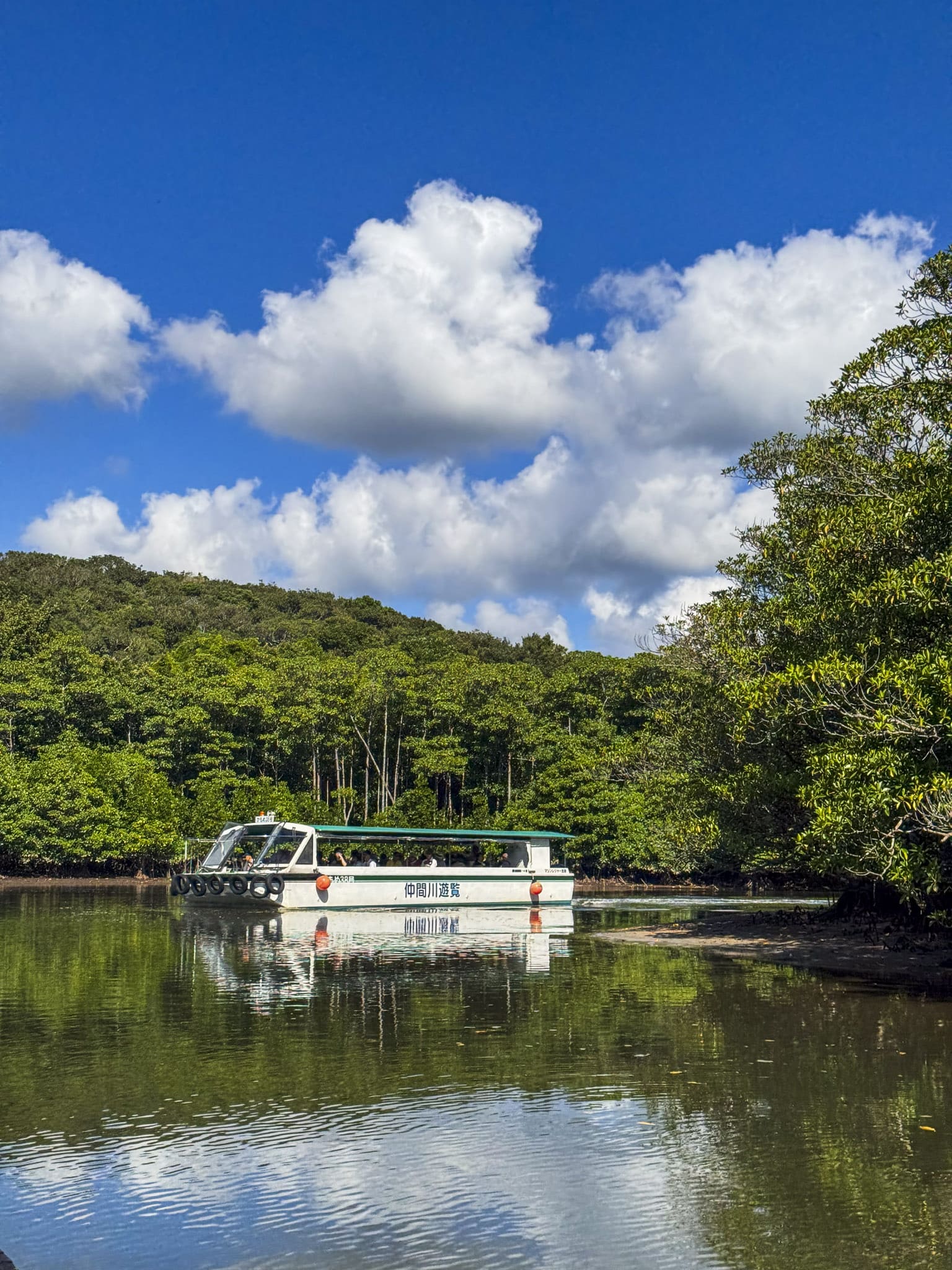
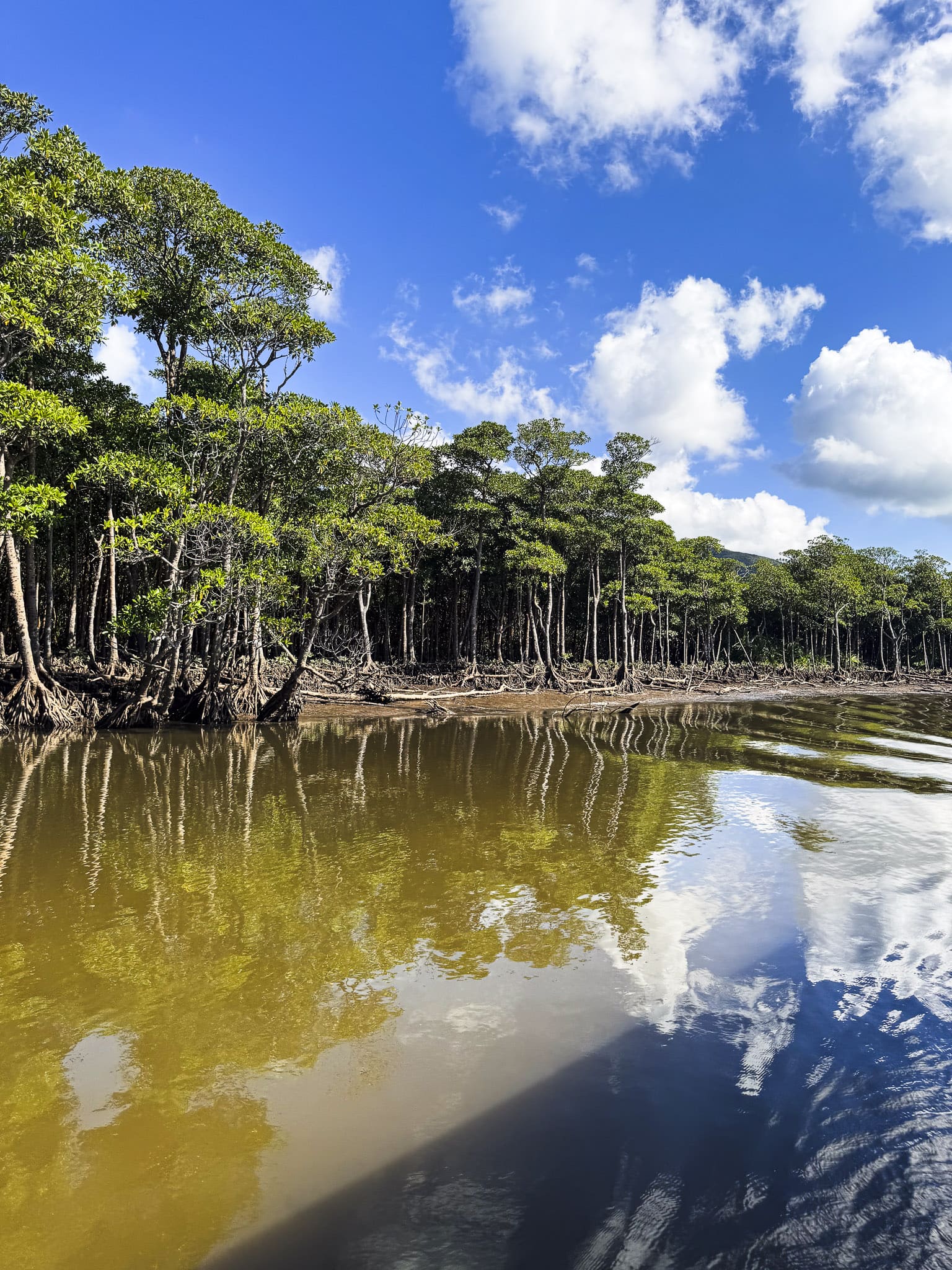
The cruise lasts about an hour, weaving through dense mangrove forests while listening to the guide’s humorous and detailed comments about the area. It’s an easy, scenic way to experience the island’s wilder side before hitting the road. Tickets are about 3,000 yen for adults and are bought on the spot. , but advance reservations are recommended during busier months, especially if you’re coordinating with the morning ferry from Ishigaki.
 Access Access |
1-min walk from Ohara Port |
|---|---|
 Business Hours Business Hours |
9 AM–5:15 PM |
 Official Website Official Website |
https://iriomote.com/top/onlycruize/ |
Getting Around: Renting a Car on Iriomote
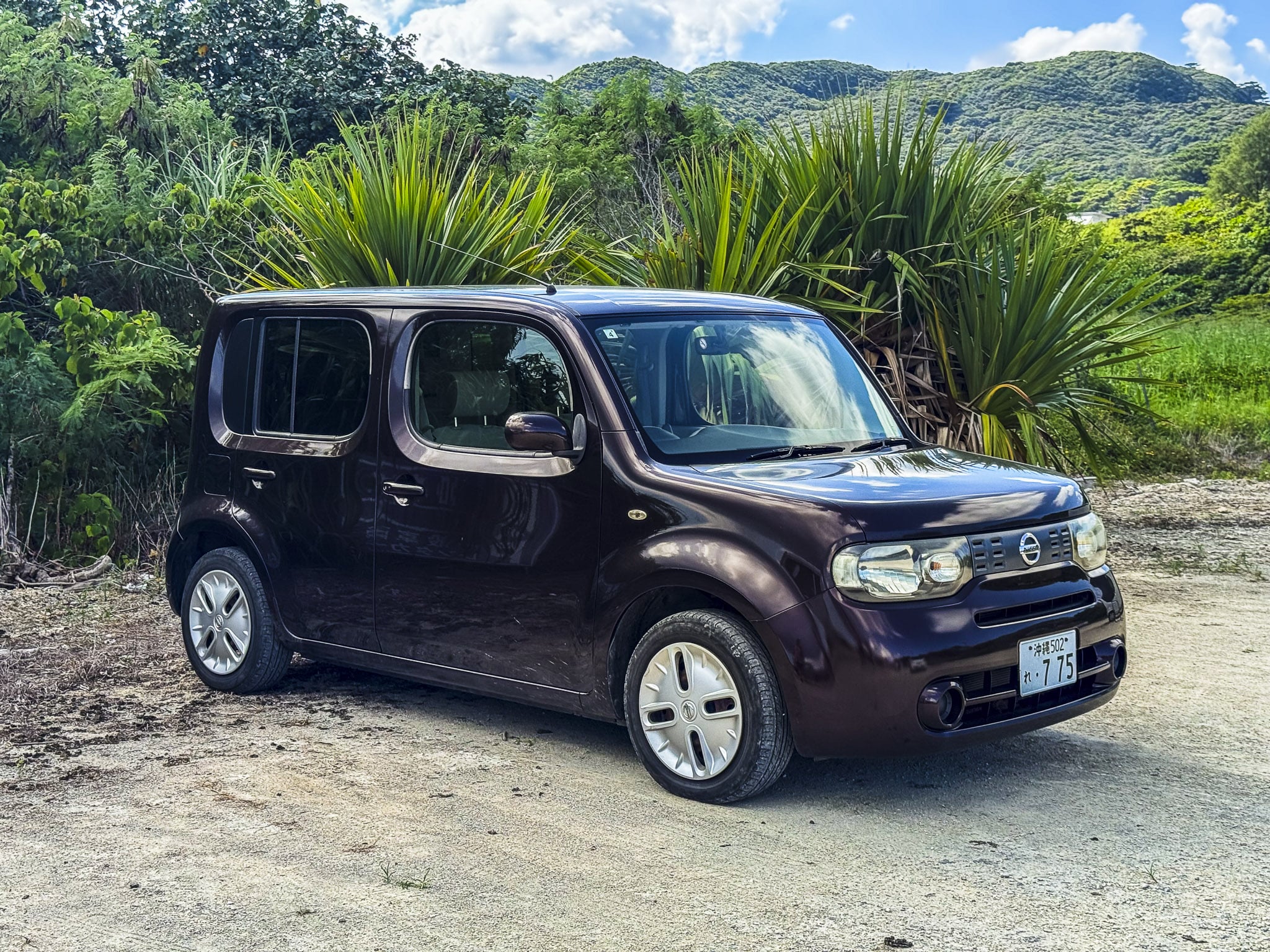
Upon returning from the cruise, we checked the local bus schedules, but the limited frequency made us decide that a car would be more convenient to explore freely, even on a short day trip.
We hadn’t booked a rental car in advance since I usually prefer making plans on the go while traveling, but do as I say, not as I do: making a reservation in advance is advised. I knew there were many rental agencies near the port, and I trusted that, being October and well past the high season, demand would not be as high. However, the first few shops we approached were fully booked. We finally found a car at Hibiscus Rent-a-Car (ハイビスカスレンタカー西表島店), whose staff not only offered friendly advice on recommended spots but also drove us back to the port later so we wouldn’t have to walk.
| Access |
10-min walk from Ohara Port |
|---|---|
| Business Hours |
8:30 AM–6 PM |
| Official Website |
https://reserve.rentacar-samurai.jp/haibisukasurenta-iriomote/reserve |
Driving in Iriomote is easy: traffic is light and roads are well-paved. Just remember to reserve ahead of time, especially in summer, and fill up your tank before returning—the few gas stations close early.
12:00 – Exploring Iriomote’s South and East
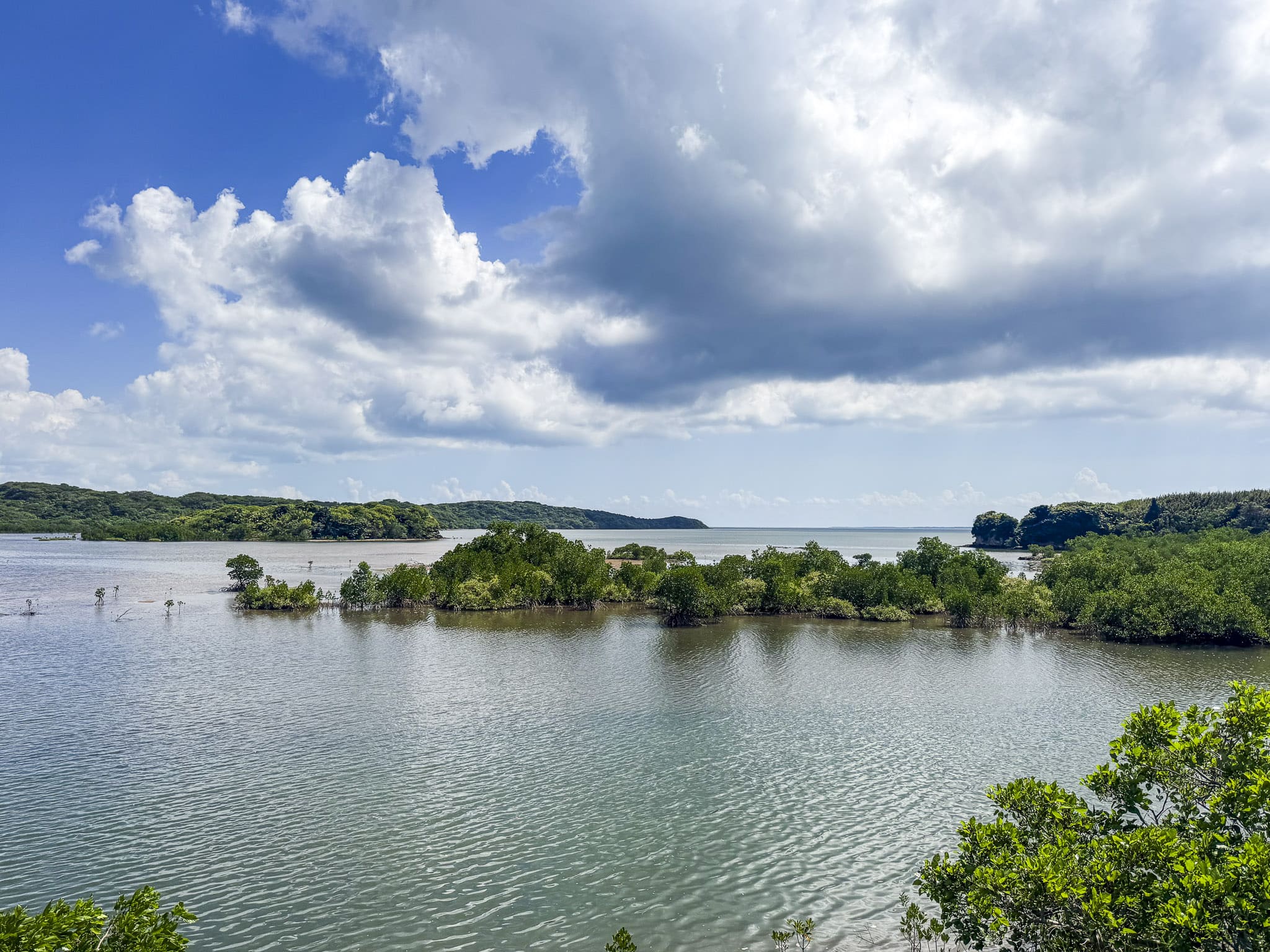
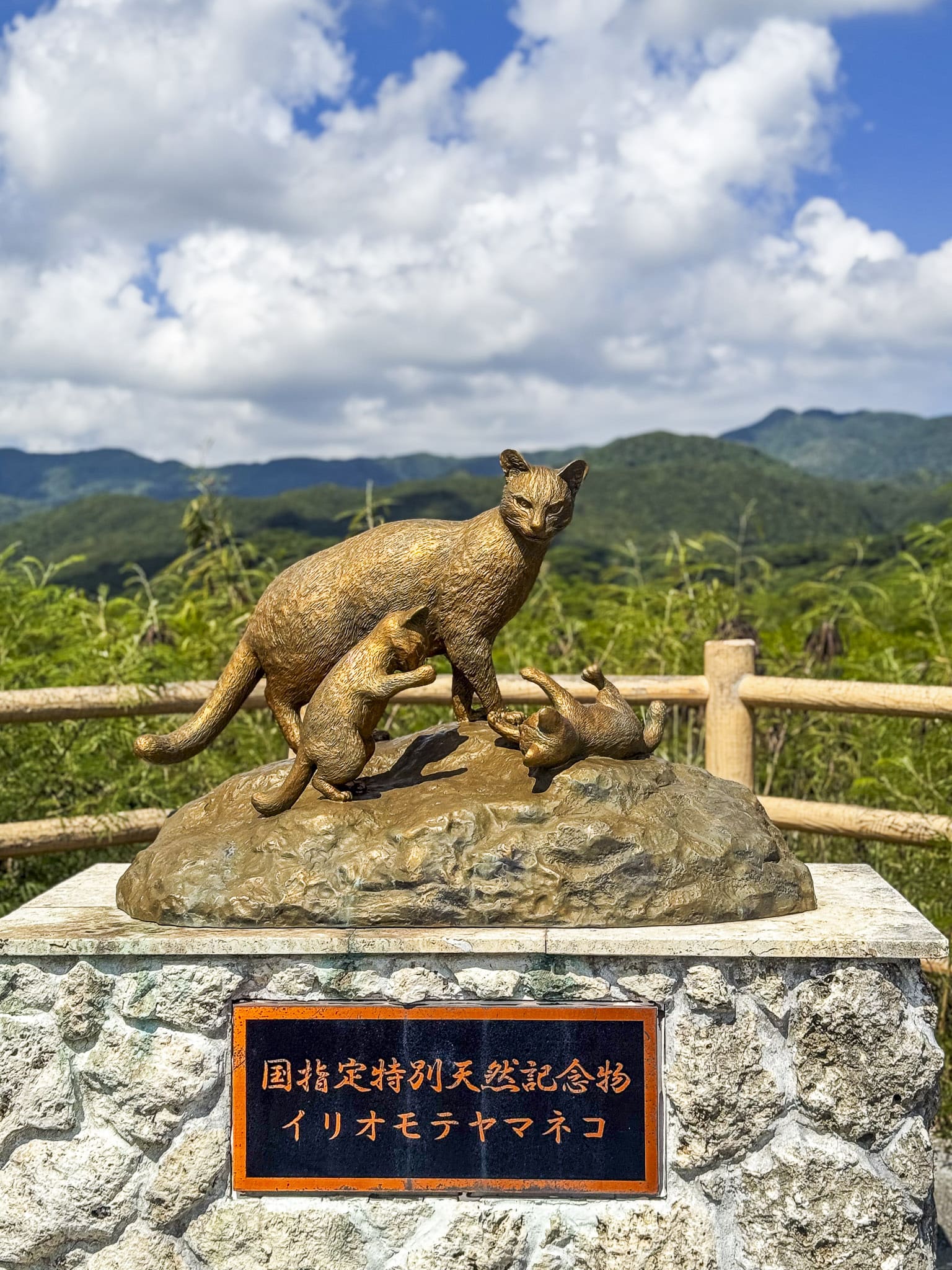
After finally securing a rental car, we headed east toward the Iriomote Wildlife Conservation Center (西表野生生物保護センター) but it was closed on the day we visited. I still recommend it as a small but meaningful stop for anyone who wants to understand the island beyond its scenery, with displays on Iriomote’s ecosystems and the island’s most famous resident: the elusive Iriomote wildcat.
| Access |
13-min drive from Ohara Port |
|---|---|
| Business Hours |
10 AM–5 PM |
 Closed Closed |
Monday or the first working day after a bank holiday |
| Official Website |
https://iwcc.jp/ |
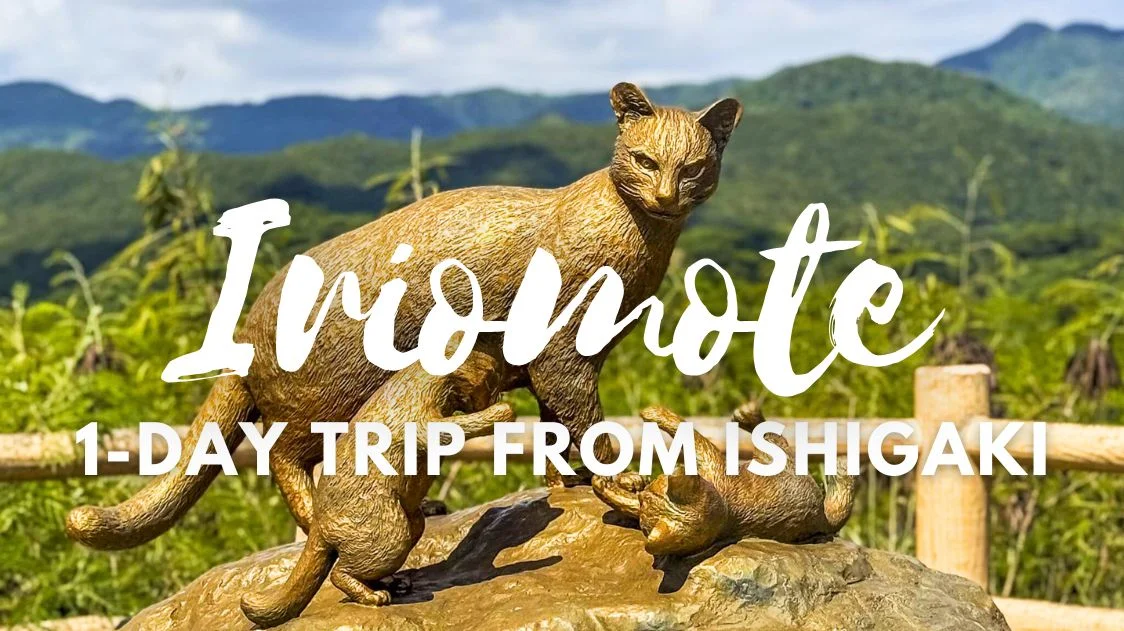
The Iriomote Yamaneko, an Elusive Icon
Discovered only in 1965, this small wildcat is found nowhere else in the world. It’s critically endangered as estimates suggest there are fewer than 100 left in the wild, so it’s become the island’s symbol of conservation. They only mate once a year and produce just 1 or 2 kittens on average. Even if most travelers never see one, knowing it’s out there changes the way you perceive and drive around Iriomote. Without obvious predators, vehicle collisions are its biggest threat.
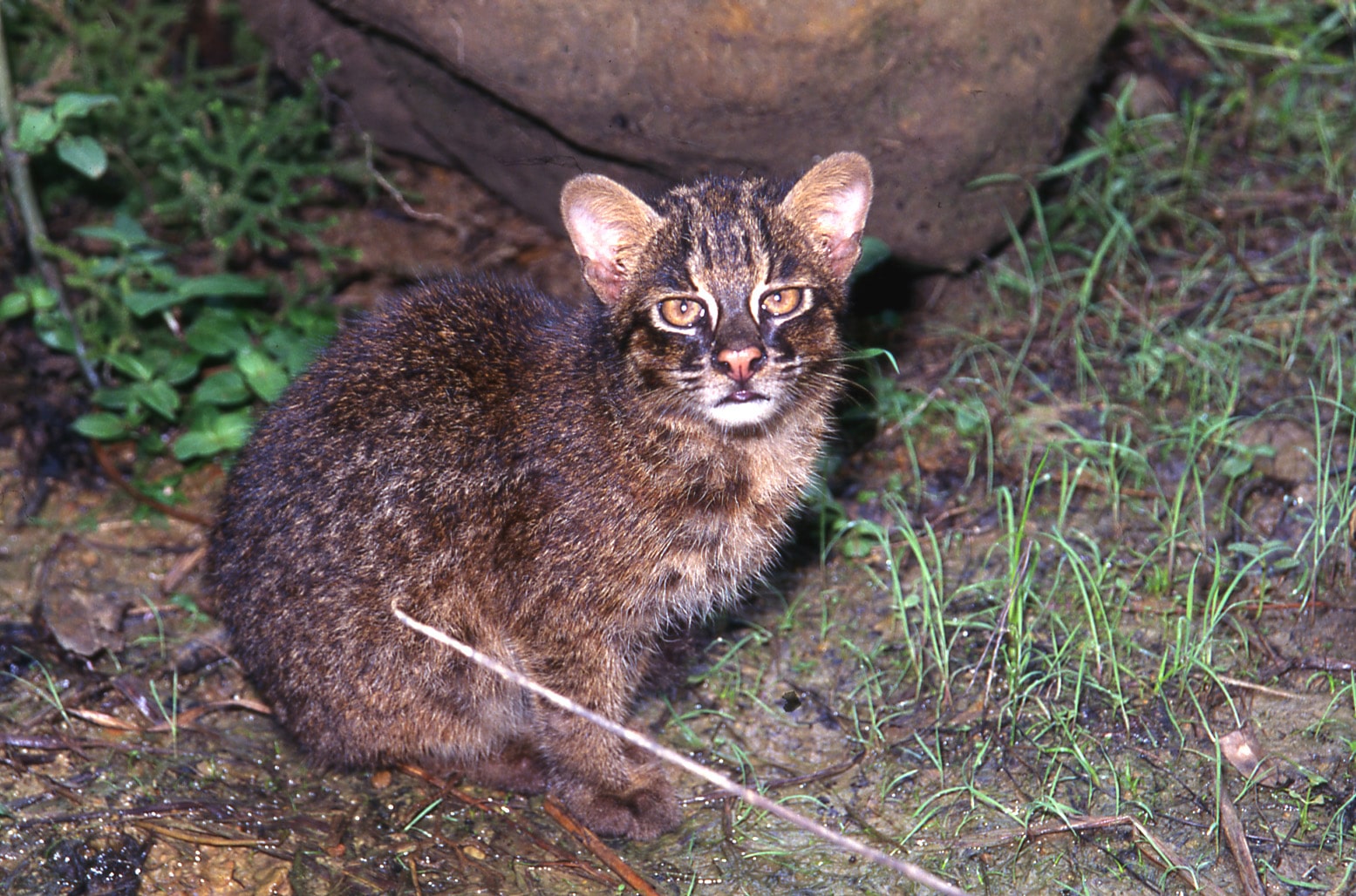
So, for anyone driving, whether you’re staying overnight (the wildcat’s nocturnal habits increase the chances of spotting it at night) or just exploring for the day: slow down. Roads cut through the cat’s natural habitat, and warning signs mark areas where it’s been spotted. Take your time, keep an eye on the road, and remember that rushing makes no sense on an island this small. Plan your ferry and car return so you can drive gently, enjoy the ride, and leave the island as you found it.
If you happen to visit on a day when the center is closed, you can make a short stop at Shiirabashi Road Park (後良橋ロードパーク). It’s just a small roadside viewpoint with a yamaneko memorial statue and some informational posters about the local wildlife. It allows for a perfect five-minute break with a glimpse of the forest and sea. Nothing spectacular, but one of those little pauses that make the day feel unhurried.
12:30-14:30 Crossing to Yubu Island
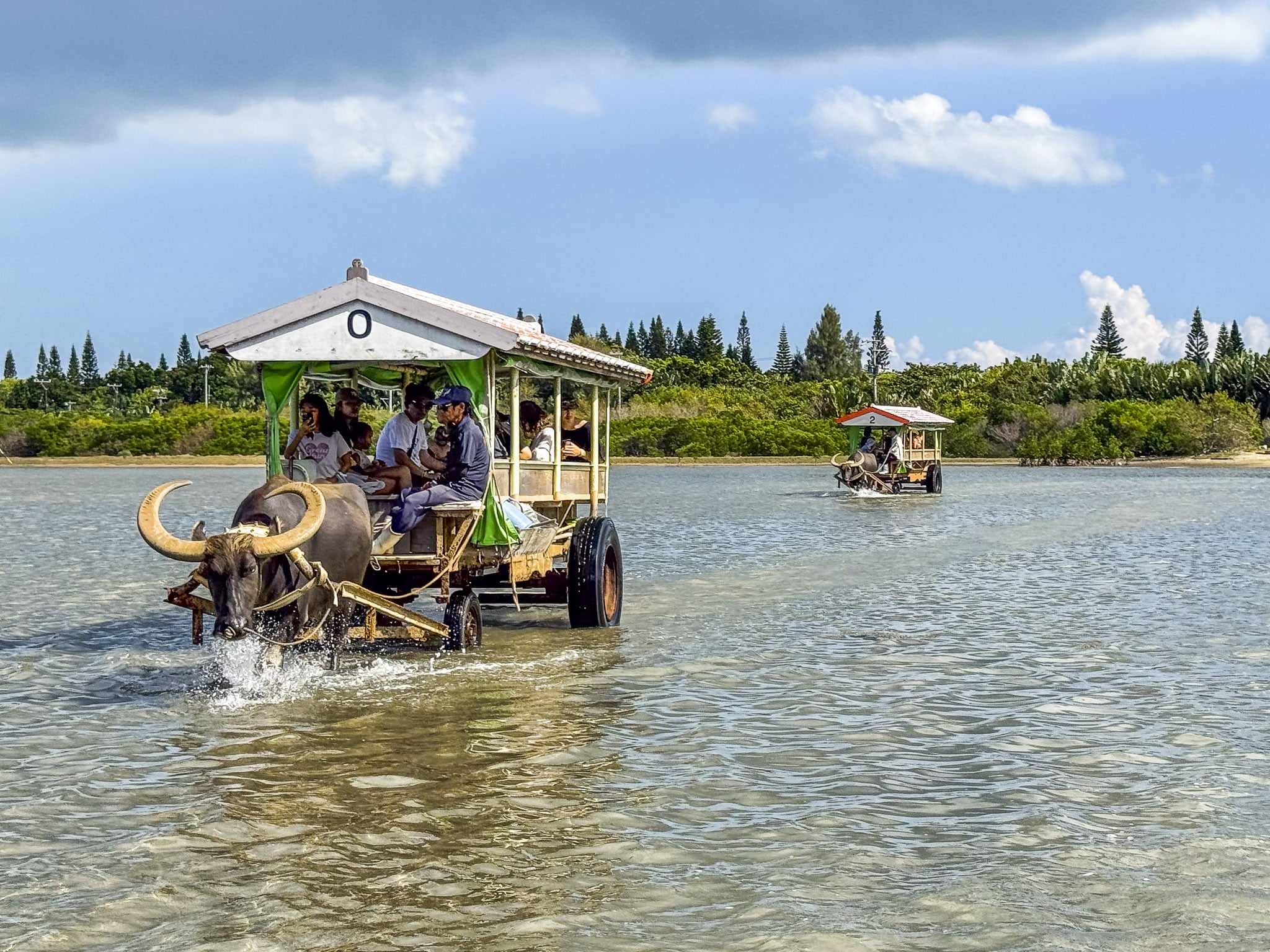
From the southern roads, we reached one of Iriomote’s most emblematic spots: the Yubu Water Buffalo Carriage Crossing (由布水牛車乗り場). The shallow sea here separates Iriomote from Yubu Island (由布島), a tiny islet surrounded by tidal shallows. Buffalo cart round-trip tickets (including island access) are 2,000 yen for adults. The crossing takes just a few minutes, but it feels timeless: the water buffalo plods slowly through the shallows, the driver hums an Okinawan folk tune, and the rhythm of hooves on the cart seems to erase the rest of the world.
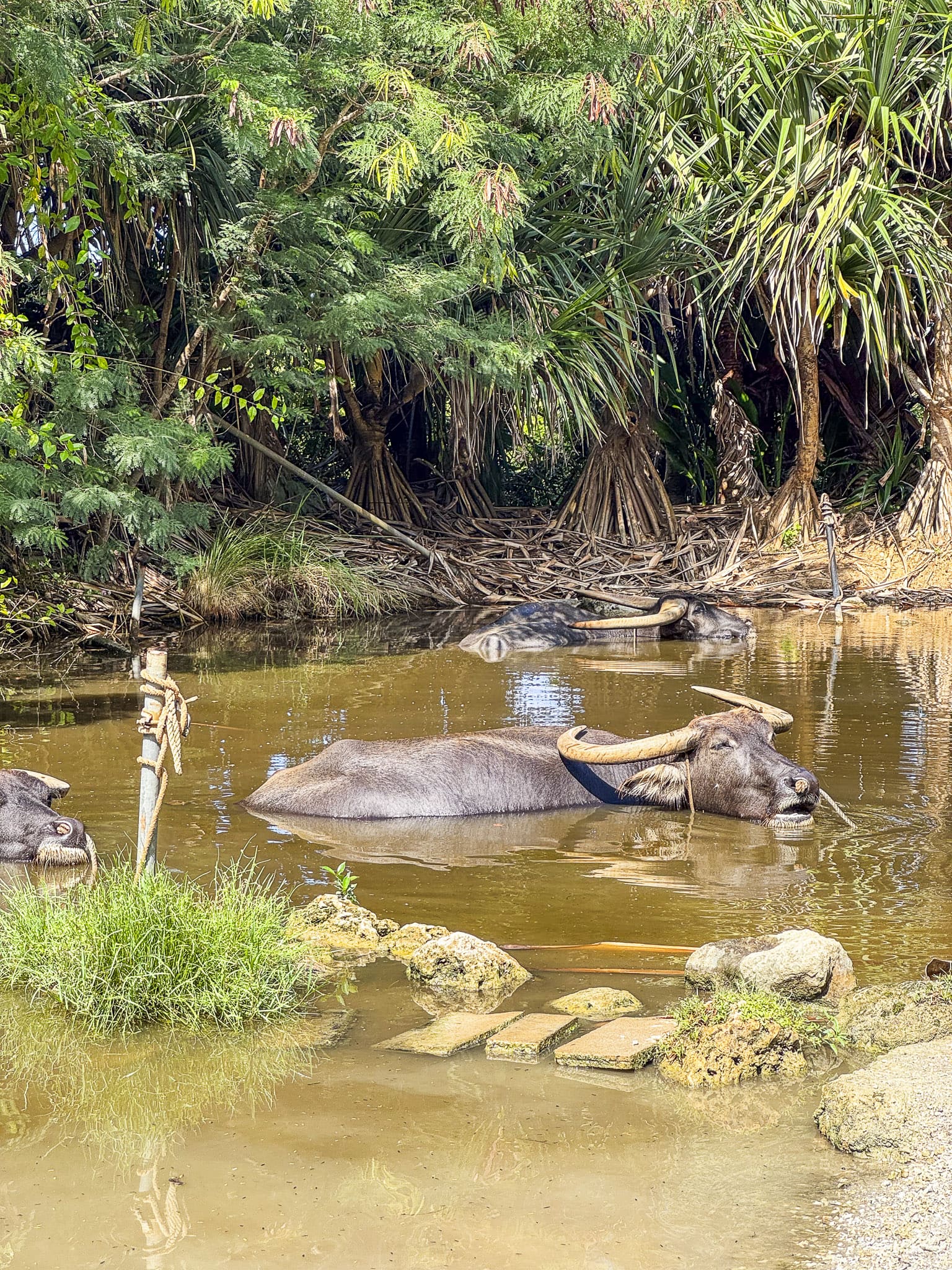
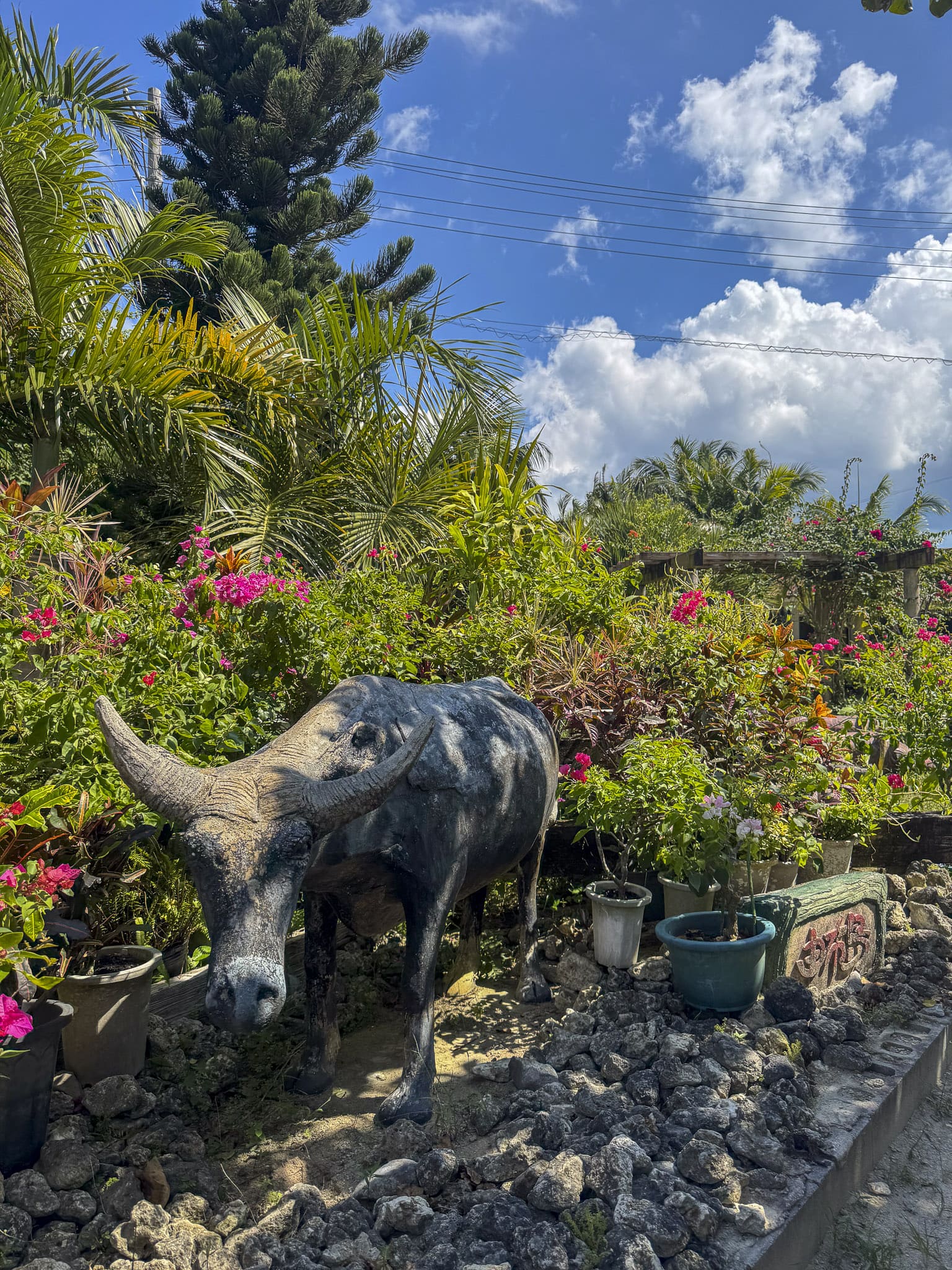
Once on Yubu, we began by watching the buffalo bathe in the Water Buffalo Pond (水牛の池) before heading toward the Yubu Island Restaurant (由布島レストラン) for lunch. For groups, there’s a set bento option, but individual visitors can try a small local buffet with simple island dishes like goya stir-fry, seaweed salad, and Okinawan-style noodles and stews.
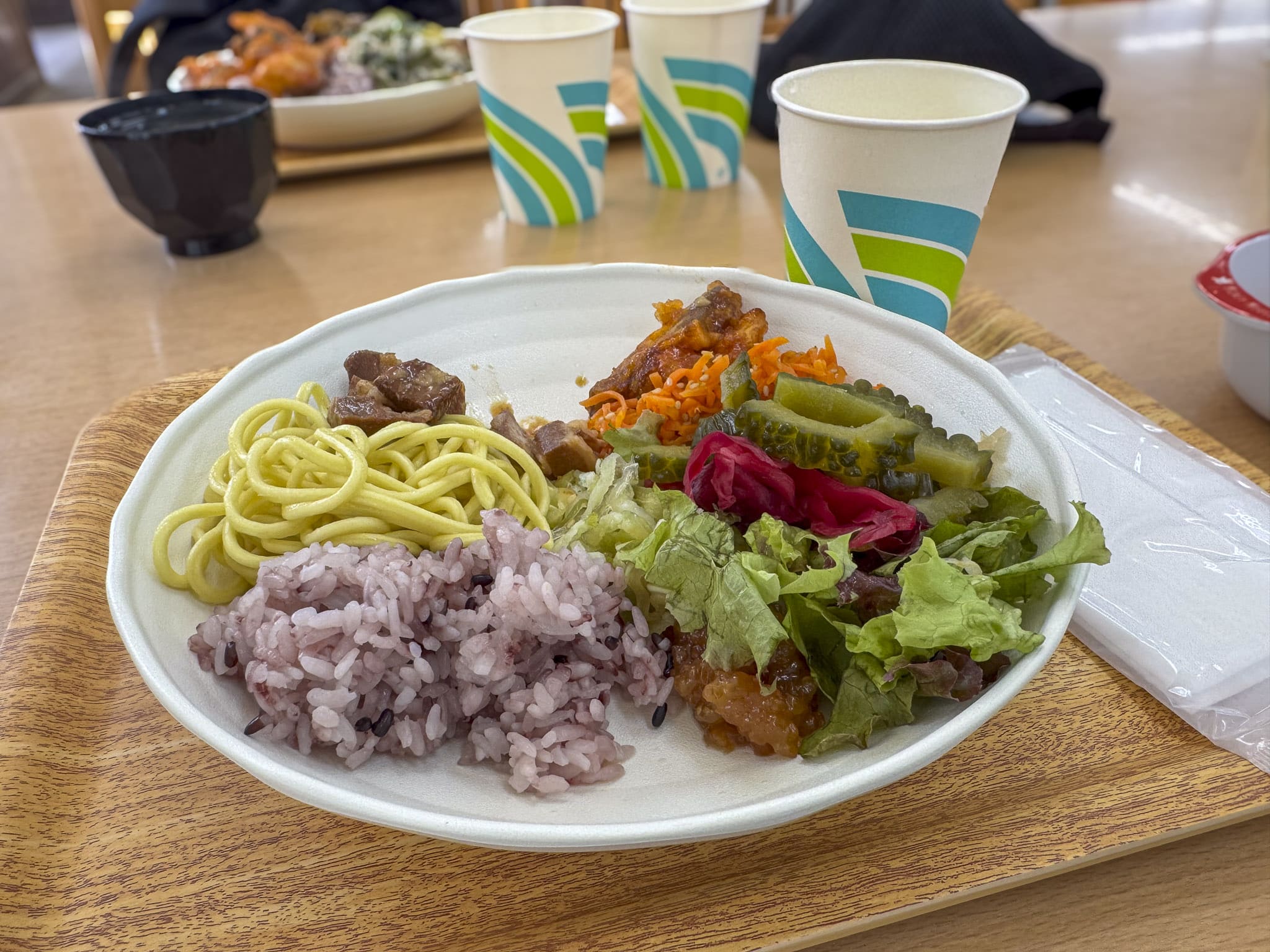
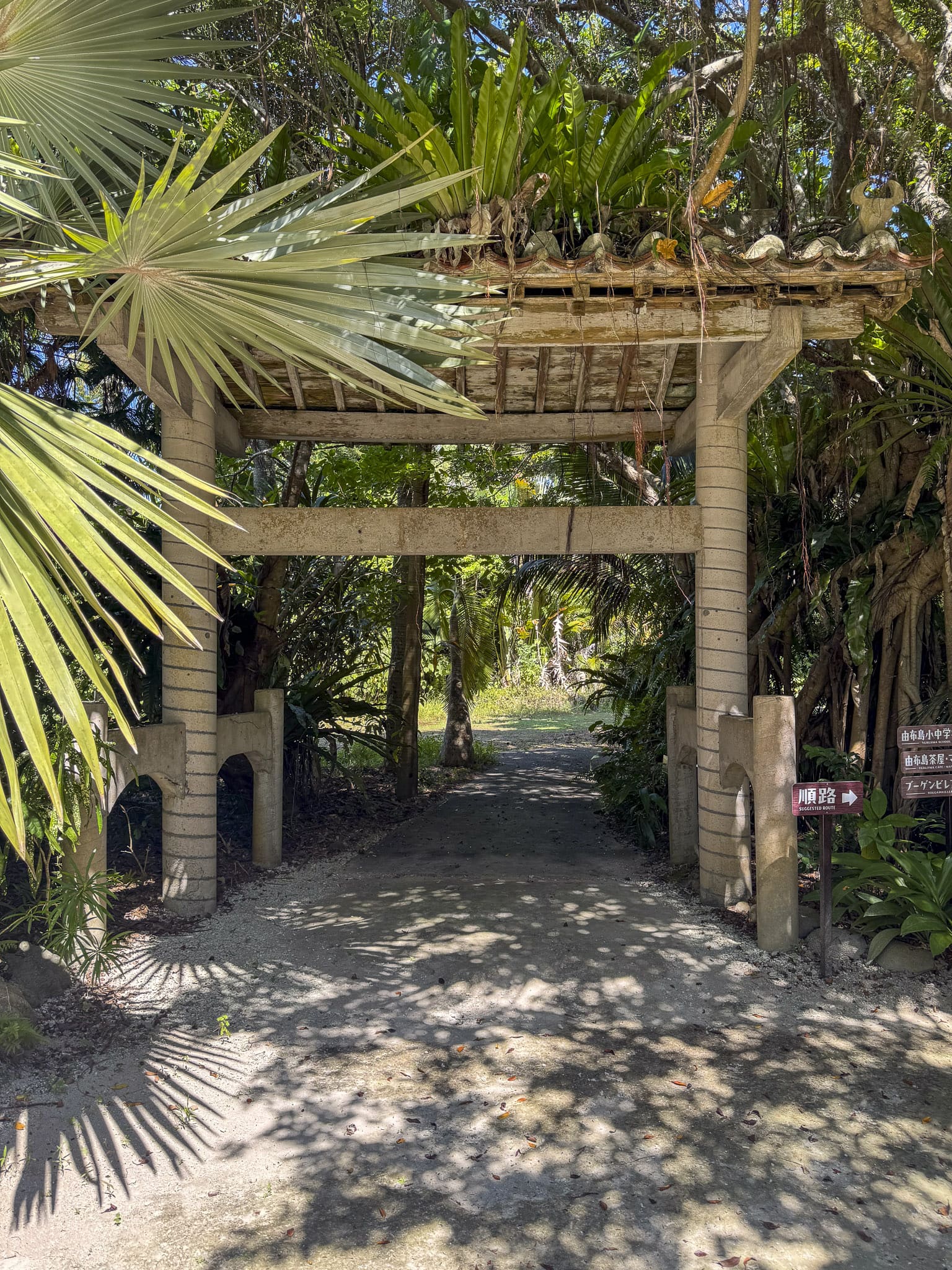
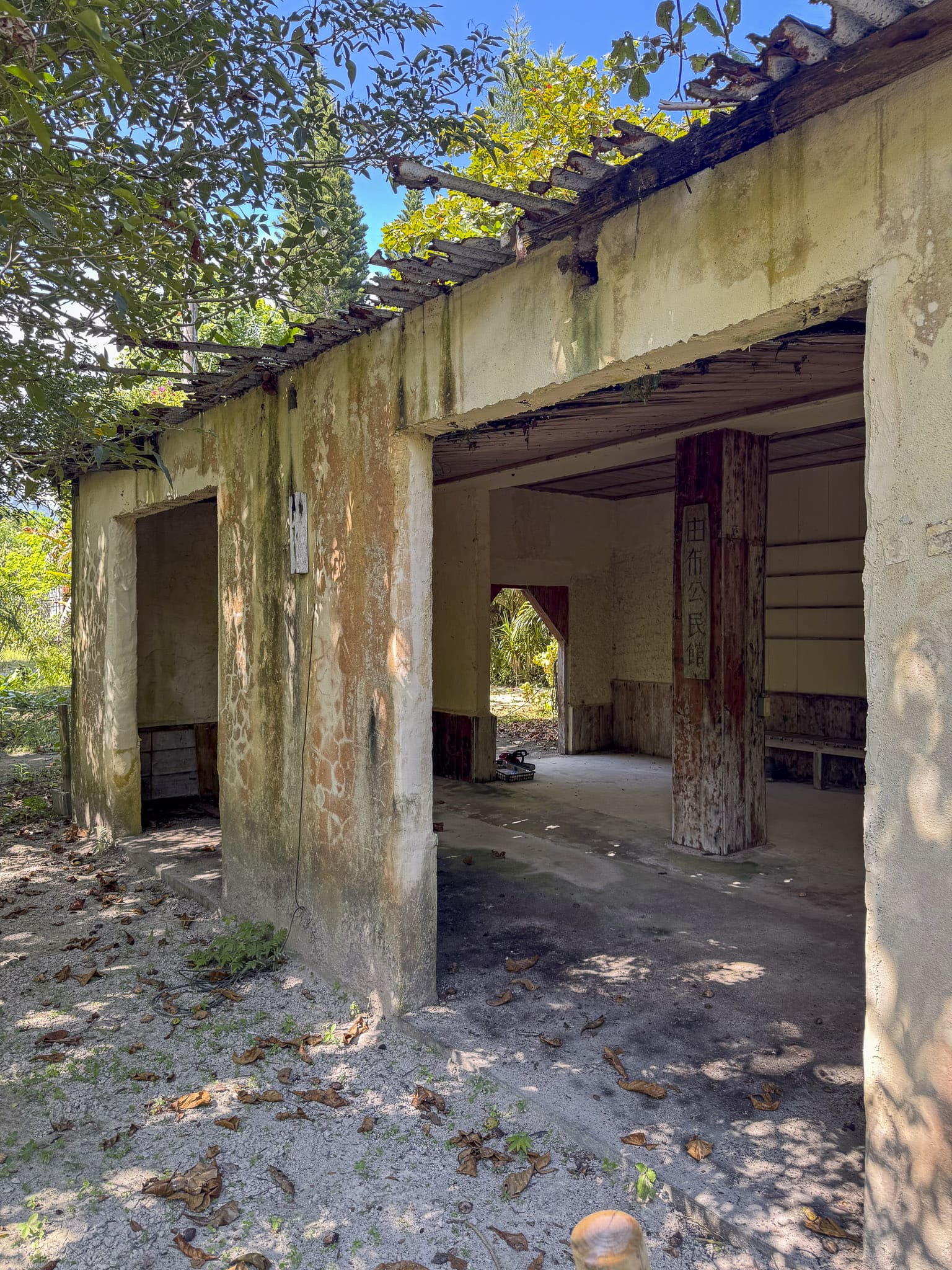
The island itself is small enough to explore in about one hour. We wandered to the Ruins of the former Yubu Elementary and Junior High School (由布島小中学校の跡地), where the old gate now stands as a quiet reminder of the families who once lived here before a typhoon forced their relocation.
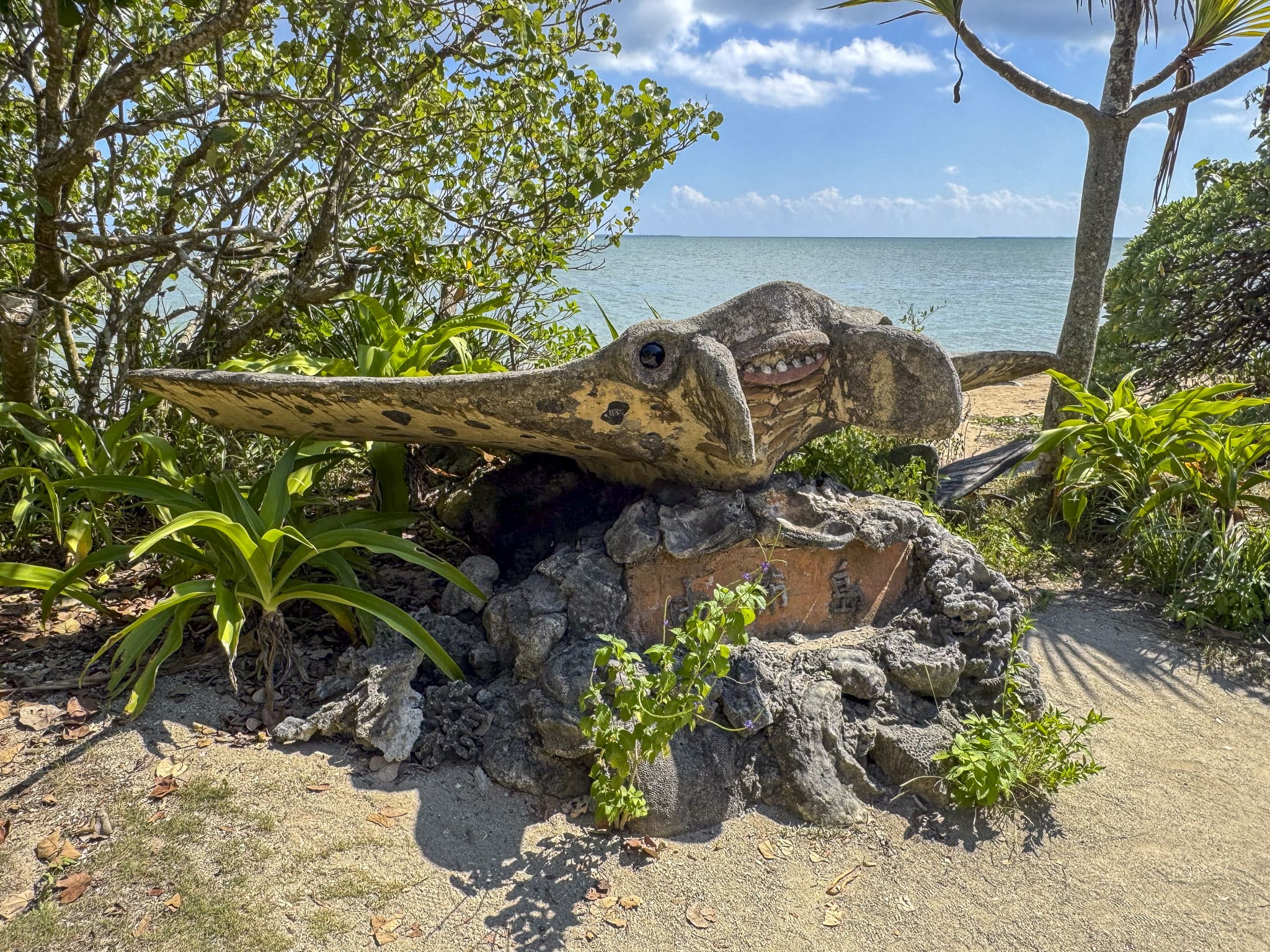
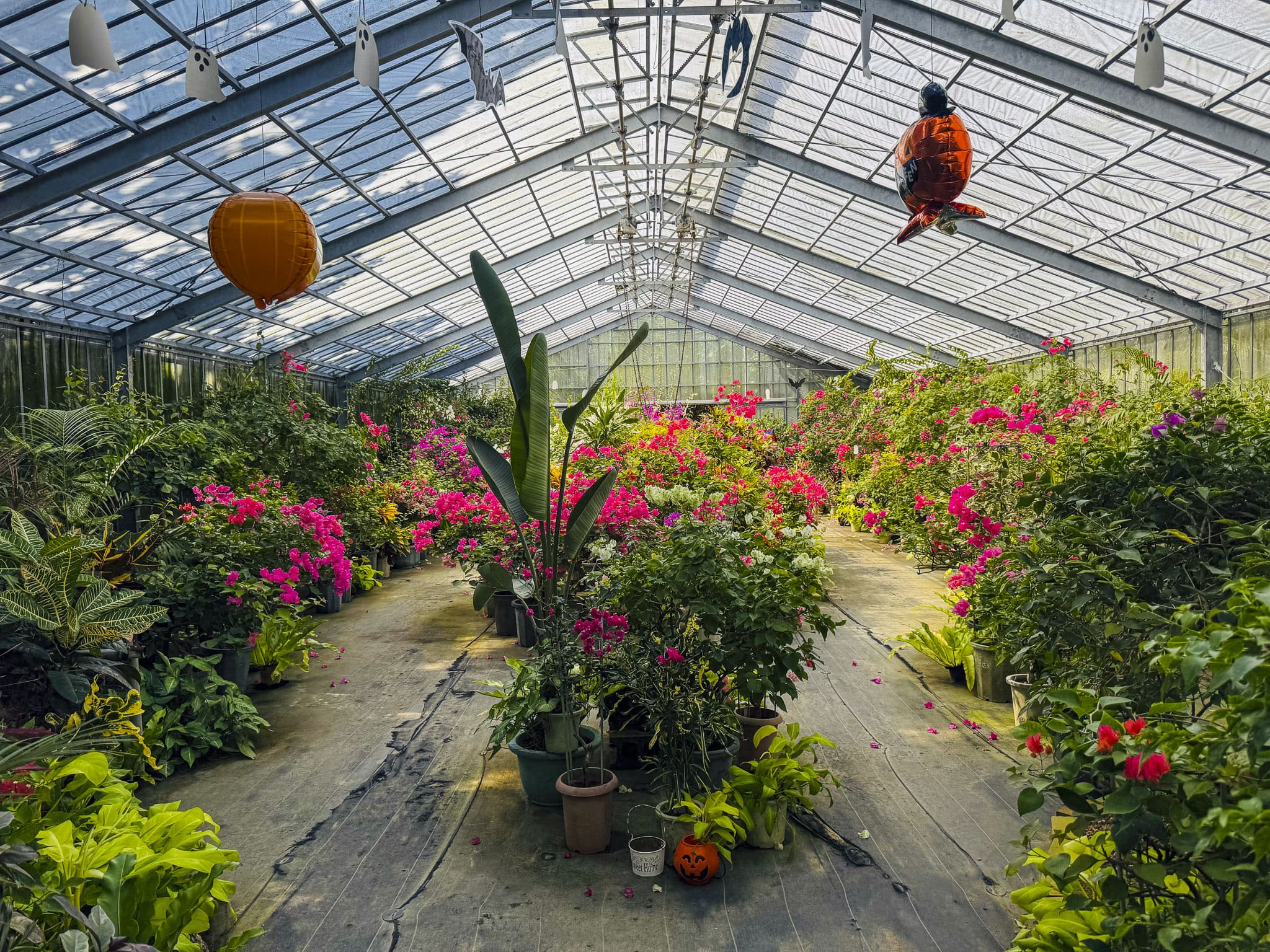
From there, a short walk brought us to Manta Ray Beach (マンタの浜), where the shallow waters shimmer a soft turquoise. There’s a small café on site, a good stop for a drink or ice cream while watching the tide recede. On the way back, we passed through the Bougainvillea Garden (ブーゲンビリアガーデン), a lovely corner inside a greenhouse, with its fuchsia blossoms blazing against the tropical green, and some whimsical Halloween decorations (since we visited in October) here and there.
| Access |
Aprox. 17-min drive from Ohara port. Then, 10 or 15-min on water buffalo cart until Yubu Island. |
|---|---|
| Business Hours |
9:15AM - 4:30PM (last entry 3:45 PM) |
| Closed |
In case of typhoon or unsuitable weather conditions |
| Official Website |
https://yubujima.com/en/ |
Local guides advise you can spend around 1h in Yubu island, but we ended up staying longer than intended, just enjoying the simple pleasure of walking around.
14:45 – A Short Drive Further North and Returning Toward Ohara Port
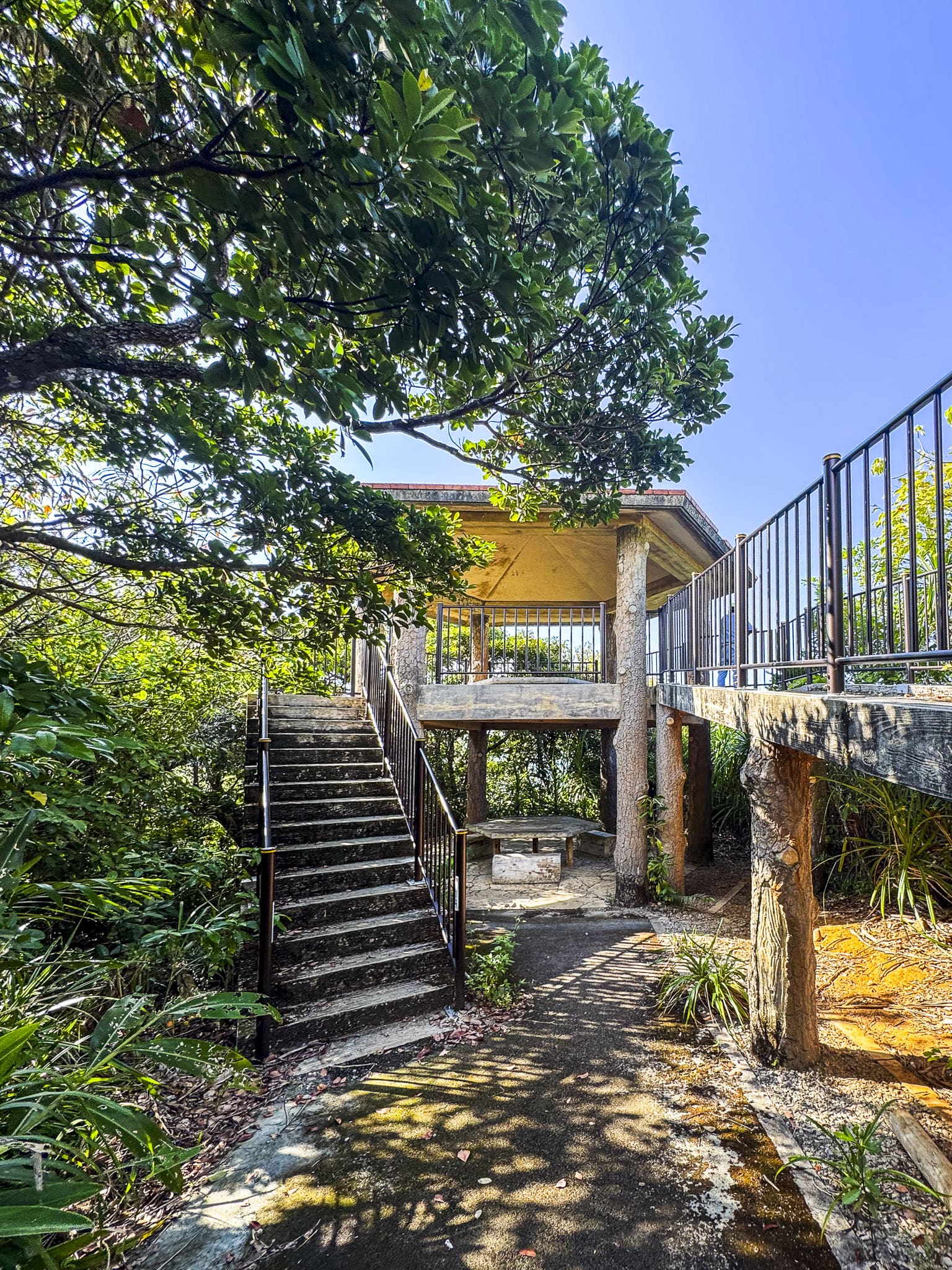
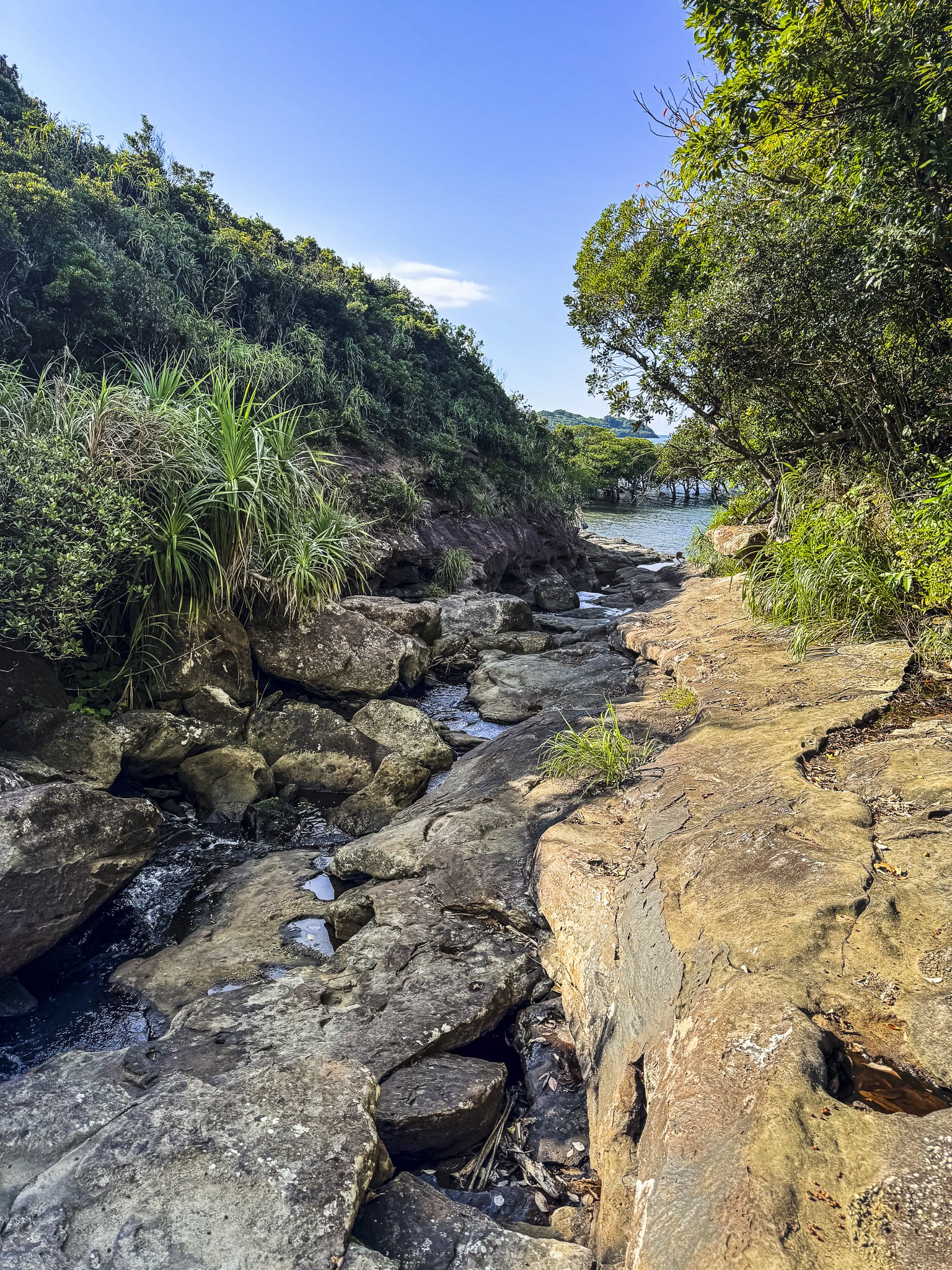
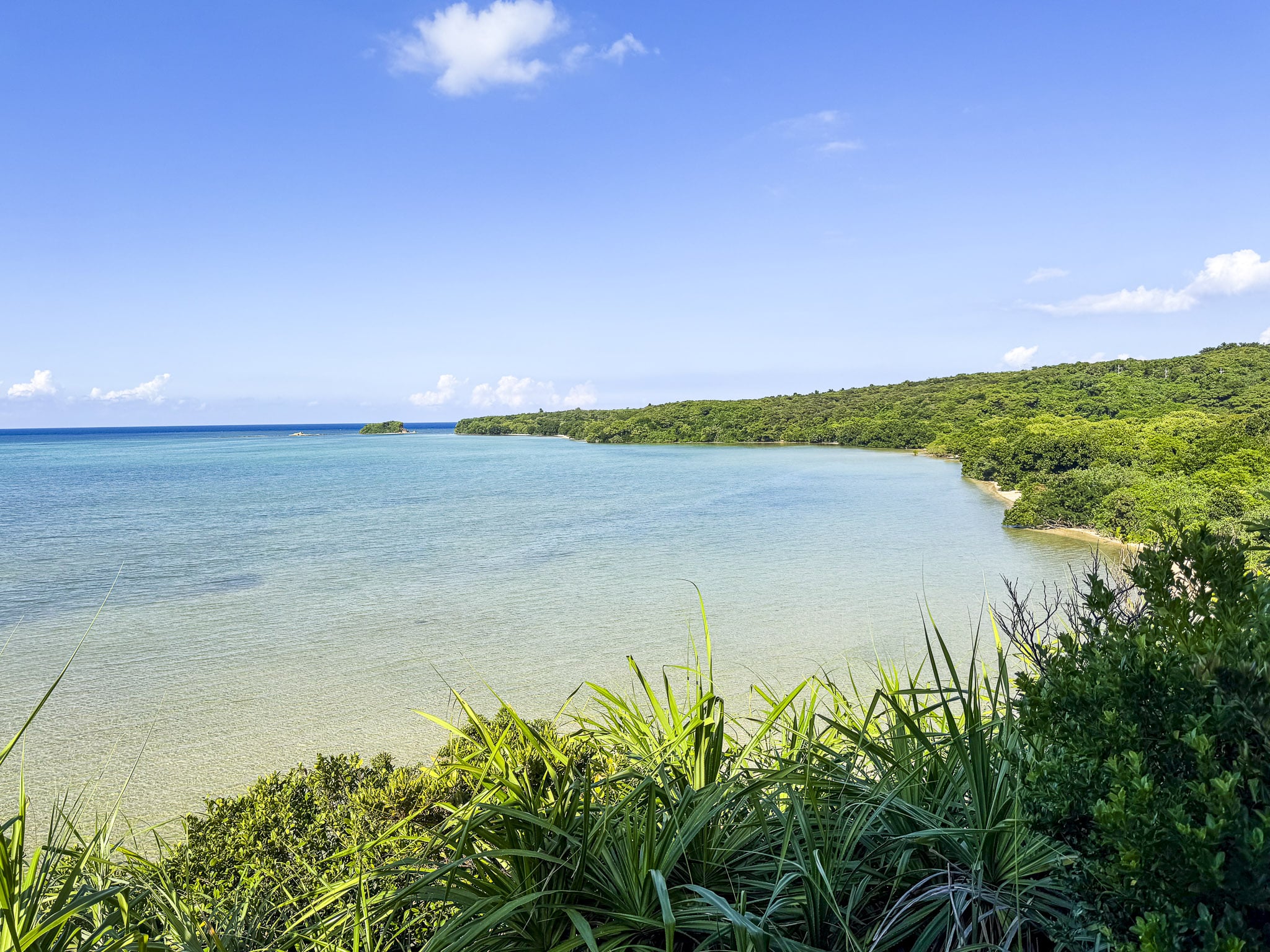
Leaving Yubu Island behind, we knew we wanted to be back at the car rental shop around 16:00-16:30 after refilling the gas tank to make sure we wouldn’t miss our ferry at 17:10. With a little bit of time to spare still, we drove about 20 minutes further north for some last exploration. The road winds between forest and coast, offering small pullouts where you can stop and feel the stillness of the island. A short pause at Omija Road Park (大見謝ロードパーク) gave us one more look at the beautiful landscape opening into the sea, a quiet moment before the day’s last stretch.
| Access |
33-min drive from Ohara Port |
|---|
I had planned to visit Hoshizuna Beach (星砂の浜) but in the end we didn’t have enough time before returning the car, but it’s worth mentioning for those with an earlier start or who stay overnight. Its name means Star Sand Beach, from the tiny star-shaped shells scattered along the shore. Locals say it’s one of Iriomote’s most famous spots, especially when the tide recedes and the sunlight catches the shallows.
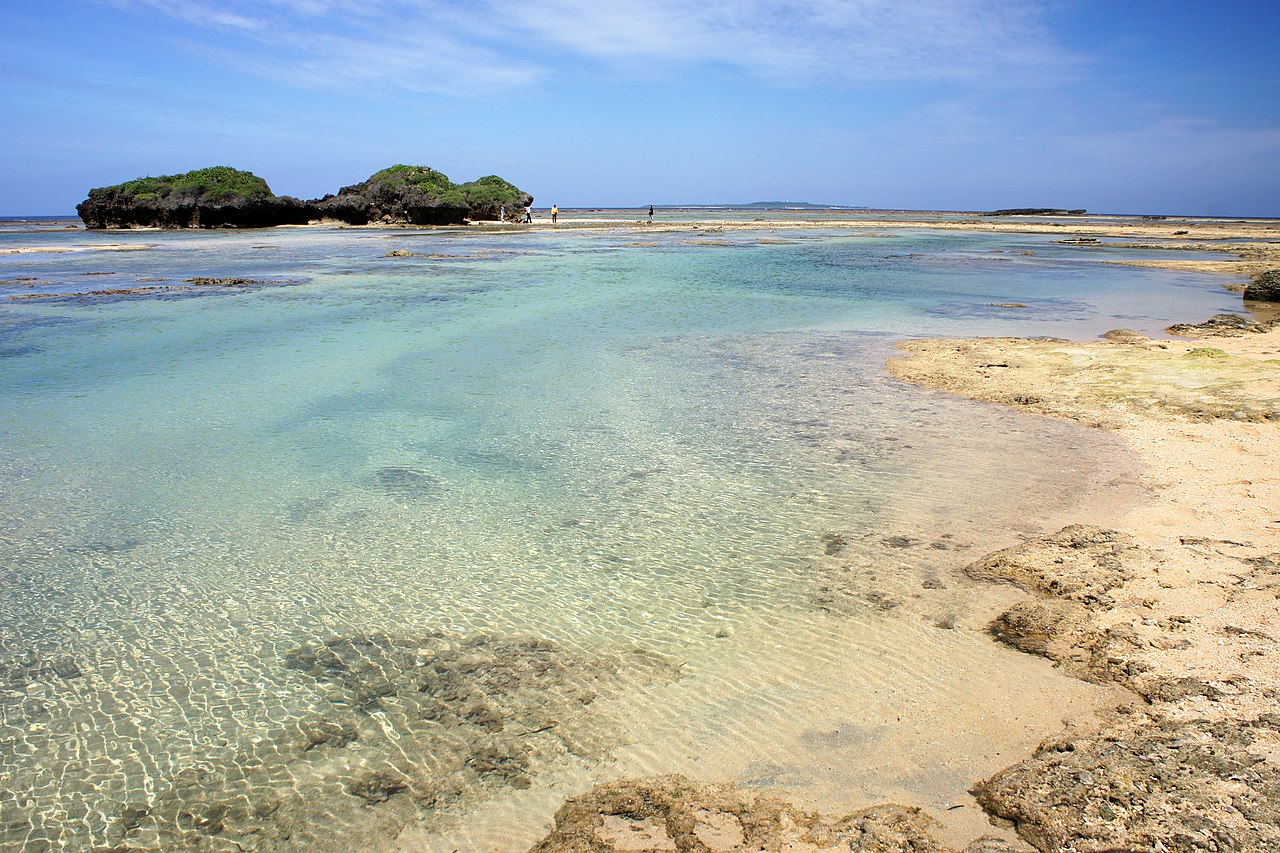
| Access |
50-min drive from Ohara Port or 7-min drive from Uehara Port. |
|---|
Back at the rental shop, the owner kindly offered to drive us to Ohara Port for the 5:00 PM ferry, a small kindness that perfectly fit the island’s unhurried mood. As the boat pulled away, the late-afternoon sun lit the forests in gold. Iriomote felt both remote and vivid, an island that resists quick impressions, asking visitors to slow down and listen, just as the day had taught us to do.
What to Do in Iriomote Island If You Stay for Two Days
As the second largest island in Okinawa, Iriomote is definitely worth spending two or more days. If you can spare at least a second day on Iriomote, you’ll unlock a deeper layer of its wild beauty, with more waterfalls, secret beaches, and rich underwater life. Here I’ve gathered some extra ideas:
Nature & Waterfall Adventures
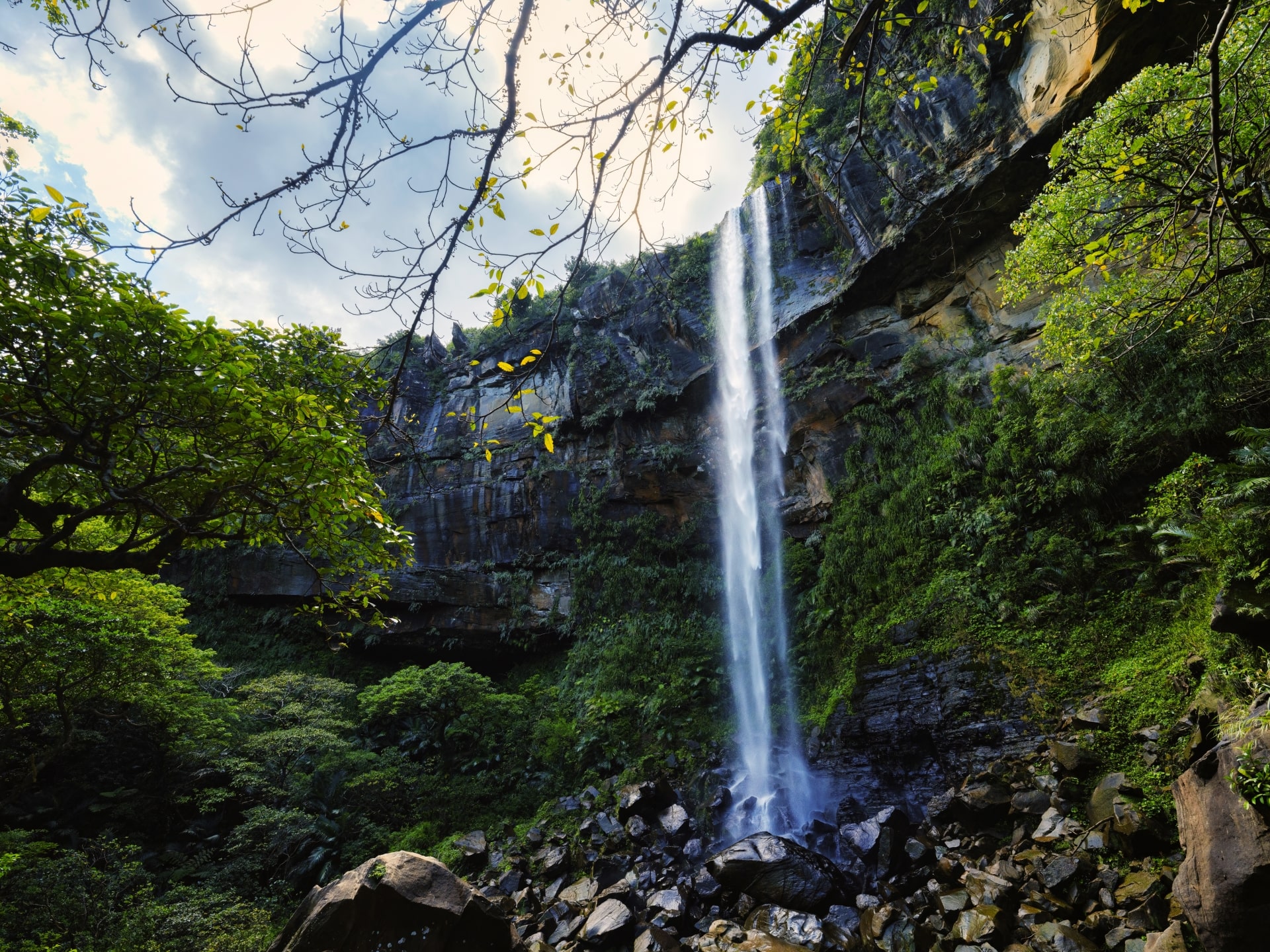
- Pinaisara Falls (ピナイサーラの滝): This is Iriomote’s tallest waterfall (about 55 m) and a highlight for nature lovers. A popular tour involves kayaking up the Pinai River, then trekking through the jungle to reach the falls.
- Sangara Falls (サンガラの滝): A quieter alternative to Pinaisara. You can do a kayak + trek combo to reach a secluded cascade, and certain tours even guide you behind the waterfall.
- Mizuochi Falls (水落の滝): Less-visited, this waterfall drops directly into the waterways. It’s a stunning spot best accessed by sea kayak.
- Mariyudo Falls (マリユドゥの滝): A three-tiered waterfall located on the Urauchi River. It offers a remote, canyon-like trek for the adventurous.
- Limestone Caves in the Mangroves: Iriomote has a few small limestone caves tucked inside mangrove areas. Tours take you in by canoe or walking, it’s one of the more adventurous ways to experience the island’s geology.
Snorkeling & Diving Spots
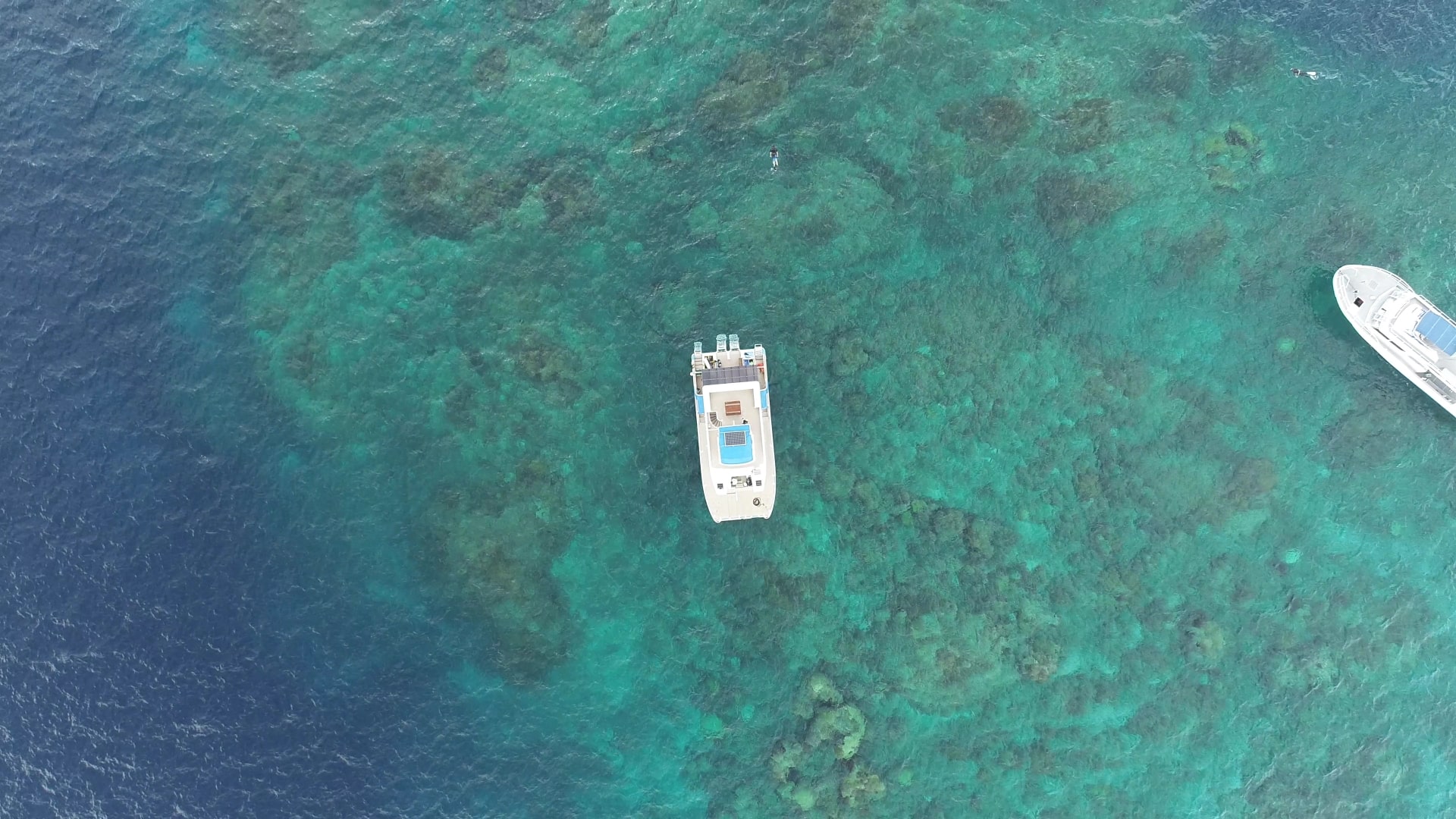
- Barasu Island (バラス島): This “miracle island” made of coral fragments is a top choice. The reefs around it are pristine, and snorkeling or diving here often brings sea turtles and vibrant coral life.
- Amitori Bay (網取湾): A calm, shallow dive point with coral reefs and plenty of small, colorful fish, great for beginners.
- Hinai Beach (ヒナイビーチ): Known for its sandy bottom and macro-life; nudibranchs and other small marine creatures make this a photographer’s favorite.
- Nakano Beach (中野海岸): Excellent for a relaxed dive or snorkel. It’s shallow, clear, and rich with coral and tropical fish.
- Funauki Bay (船浮港) / Kanokawa Bay (鹿川湾): These southern dive points are recommended for their marine biodiversity. Kanokawa Bay, in particular, is known as a place where mantas may appear.
- Ida Beach (イダの浜): A more secluded beach in the west; according to local guides, the coral reef here is among the most beautiful on the island.
Active Tours & Unique Experiences
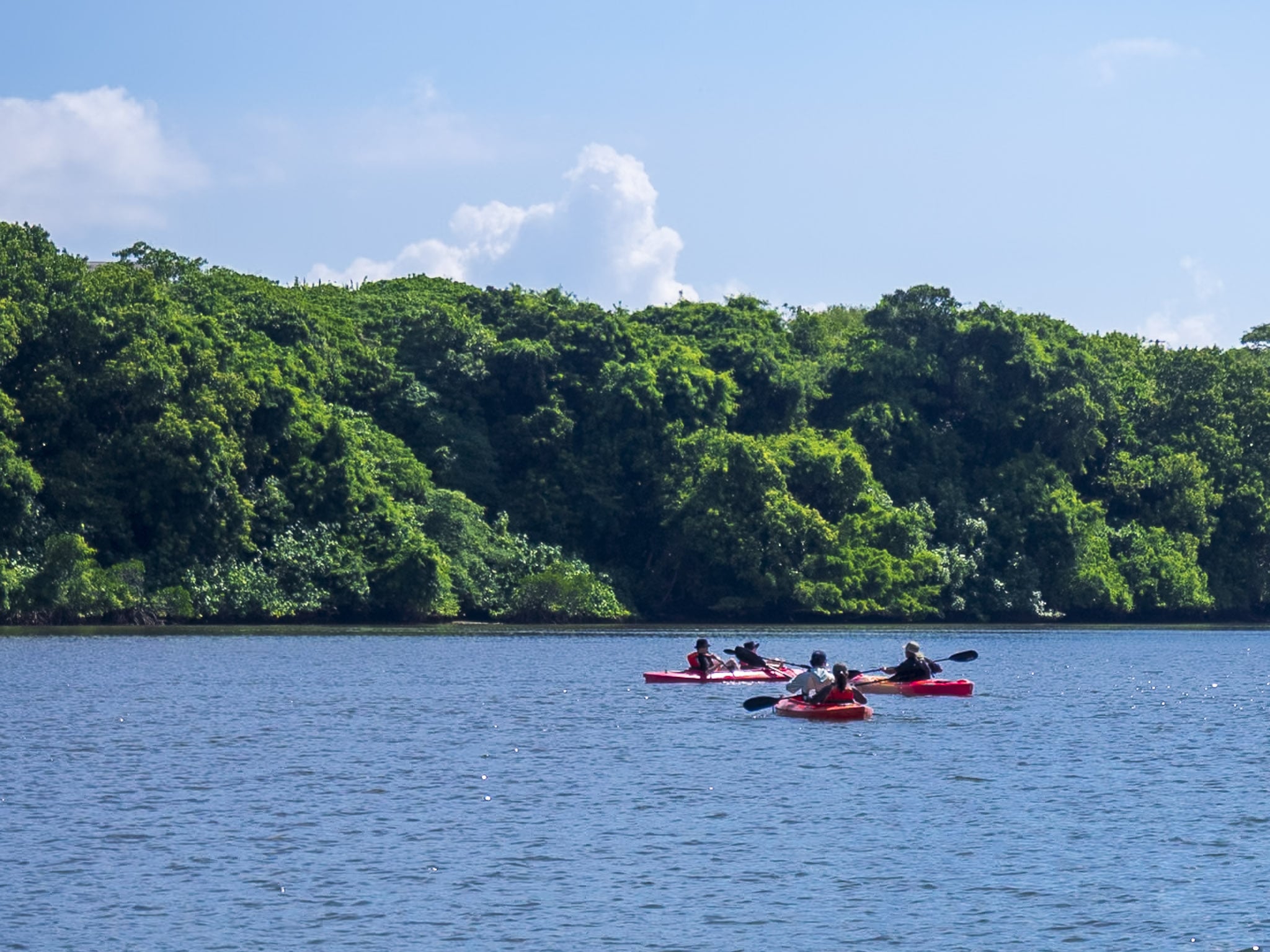
- Canyoning: Using Iriomote’s rivers, some tours combine trekking, swimming, and scrambling through rocky creek beds, ideal for thrill-seekers and people who want a more immersive nature day.
- Sunset or Night Kayak Tours: With two days, you could take a guided evening kayak through mangroves, sometimes timed for sunset or even stargazing. These feel more like meditation than a “tour,” and they highlight the island’s remote calm.
Written by
Photographer, journalist, and avid urban cyclist, making sense of Japan since 2017. I was born in Caracas and lived for 14 years in Barcelona before moving to Tokyo. Currently working towards my goal of visiting every prefecture in Japan, I hope to share with readers the everlasting joy of discovery and the neverending urge to keep exploring.
- +0 0
-
-