Tokyo Tower: The Symbol of Japan’s Capital City
Tokyo Tower Guide (2026): Tickets, Views and Things to Do


- +0 63
-

-


Tokyo Tower (東京タワー) one of the most iconic landmarks in Tokyo, serving as the symbol of Japan’s capital city.
Standing 333 meters tall, this communications and observation tower opened in Minato Ward in 1958, modeled after Paris’s Eiffel Tower. Since then, it has attracted millions of visitors from across Japan and around the world, remaining a focal point of the city’s skyline for over 60 years since its inauguration.
Even though it was surpassed in height by Tokyo Skytree in 2012, Tokyo Tower is still a major tourist spot, close to popular areas like Roppongi, packed with observation decks, high-tech entertainment, and a strong history.
In this guide, I will walk you through everything you need to know about Tokyo Tower: its history, key attractions, ticket options, best times to visit, and how to get there. I hope you enjoy it!
And if you need more information about Roppongi, check out our All-in-One Guide to Roppongi!
*Please note that this article contains affiliate links.
What is Tokyo Tower
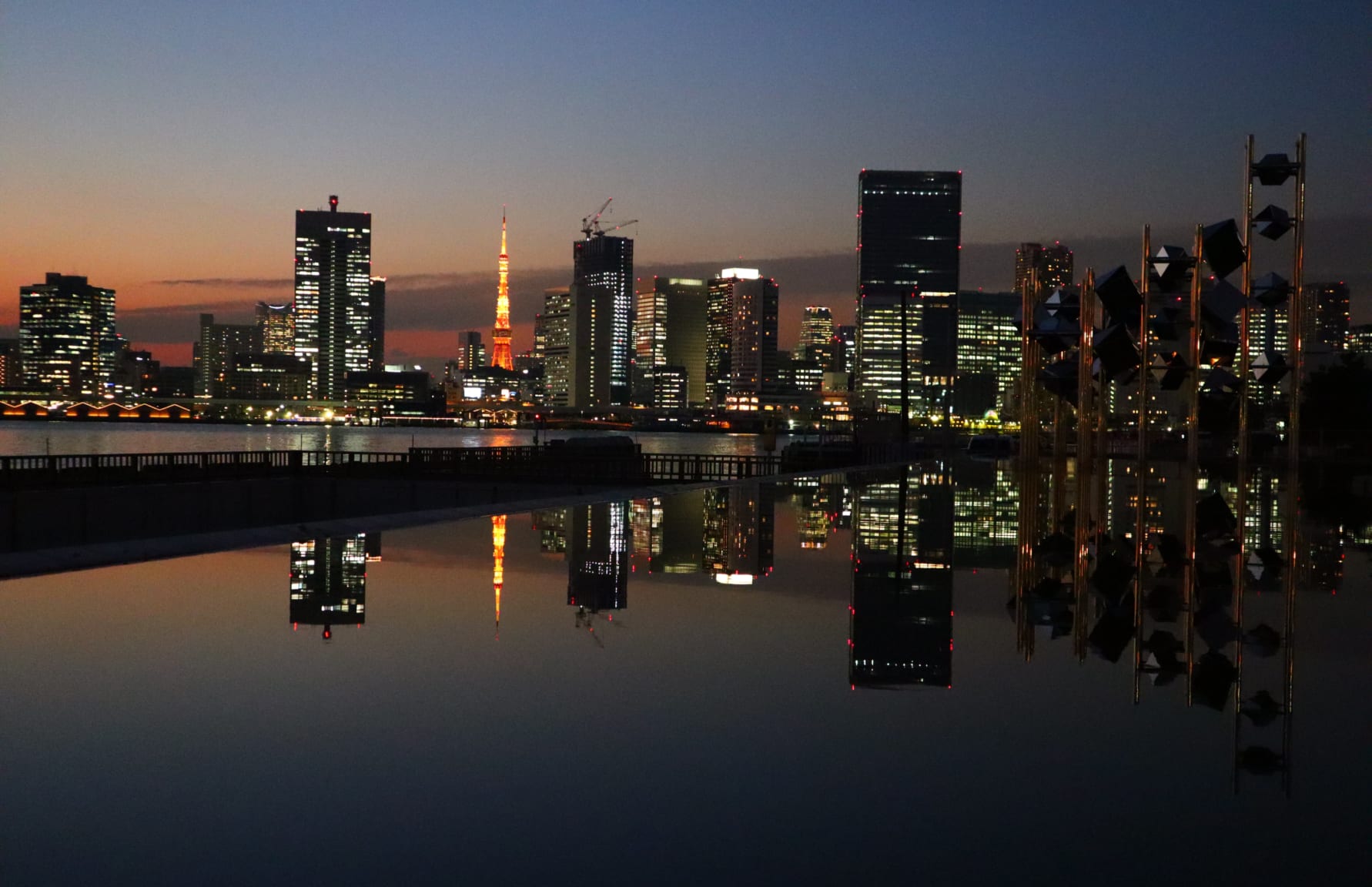
After WWII ended and the Japanese people were starting to rebuild the country, the people wanted a monument to symbolize the strength and revival of the Japanese people. Coincidentally, at the same time, a broadcasting tower large enough to reach all the Kanto region was needed. That is how Tokyo Tower was decided to be built.
Designed by Tachu Naito (内藤 多仲), construction started in 1957 and took just over a year to be completed.
The design was inspired by the Eiffel Tower in Paris, and actually Tokyo Tower surpasses it by 13 meters! Although some people are not fond of its distinct orange and white color scheme, it was chosen specifically to comply with aviation safety regulations.
What to See & Do at Tokyo Tower
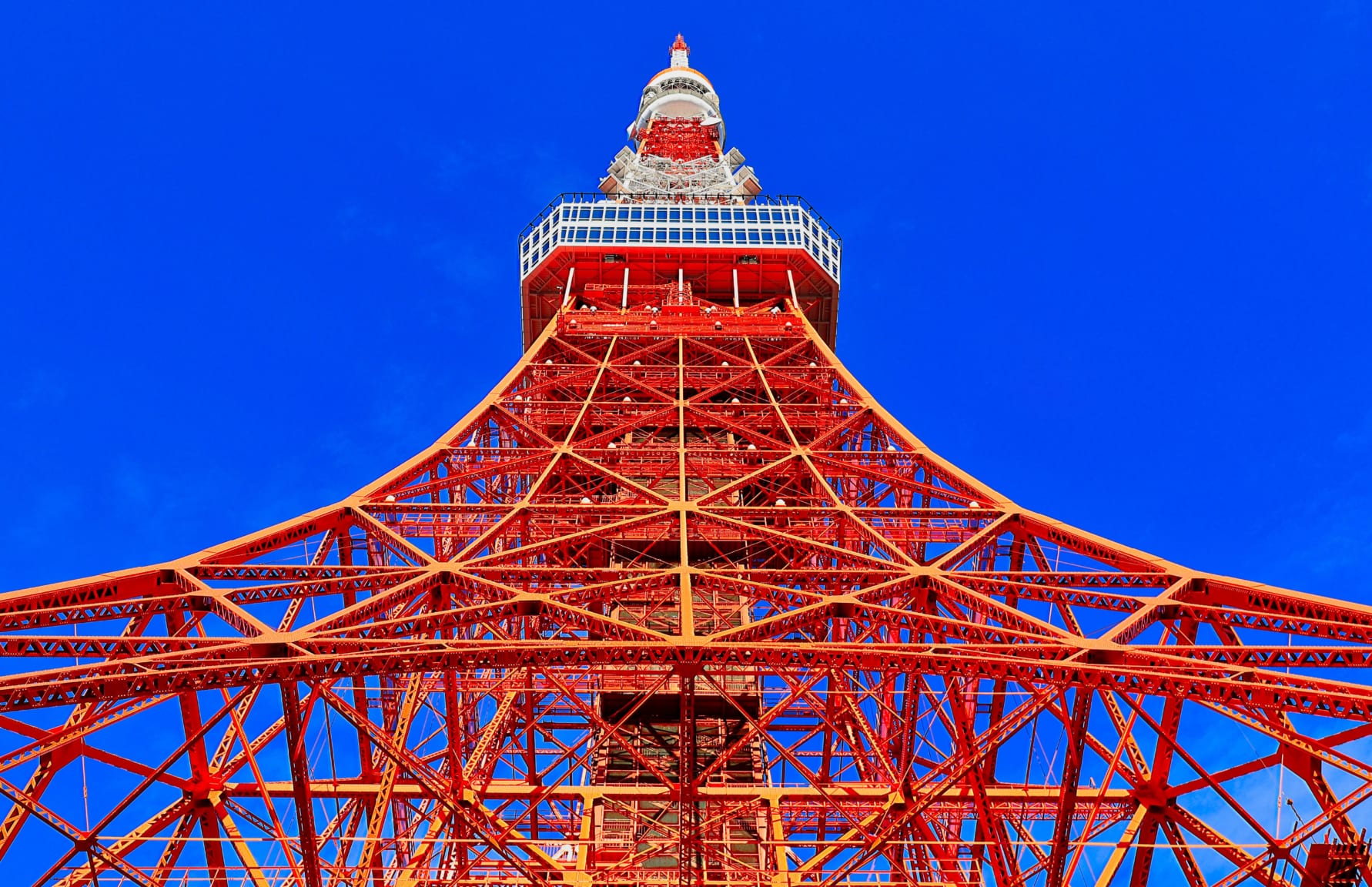
If you think going to Tokyo Tower is all about getting to see the nice views of the city, then you will be surprised at all the different things you can do there. Here are just some of the things you can do at the Tower:
Tokyo Tower Main Deck (150m)
Located 150 meters above ground, the Main Deck spans two levels with 360-degree views of Tokyo, extending to Mount Fuji on clear days. Key highlights include:
- Skywalk Window: Glass floor sections that let you look 150 meters straight down to the street below.
- Tower Daijingu Shrine: Located on the second floor, this is the highest Shinto shrine within Tokyo’s 23 wards, popular for students praying for academic success.
- Cafe La Tour & Club333: Grab a coffee or catch live music and DJ performances against the backdrop of the city lights.
- Open-Air Outdoor Staircase: On weekends and holidays, visitors can skip the elevator and climb the ~600-step outdoor staircase to reach the Main Deck.
Tokyo Tower Top Deck Tour (250m)
To reach the higher observation deck at 250 meters, you must book the dedicated Top Deck Tour. Renovated with geometric mirror walls that reflect the surrounding skyline, this guided experience includes a multilingual audio tour, a complimentary drink, and a souvenir photo.
Is the Top Deck Tour worth it? If you want a less crowded, guided experience with futuristic mirror architecture and higher vantage points, the upgrade is worth the price. However, budget-conscious travelers will find the 150m Main Deck views completely sufficient.
RED° TOKYO TOWER (Foot Town 3F–5F)
Spanning 5,600 square meters across Foot Town’s 3rd to 5th floors, RED° TOKYO TOWER is Japan’s largest esports and VR attraction park. It features cutting-edge VR simulators, AR dodgeball, motor racing, drone racing, and retro arcade games. (Note: Admission to RED° is ticketed separately from the observation decks).
Foot Town Shops & Gallery
Beyond the gaming arena, Foot Town houses:
- Official Shop Galaxy: The primary souvenir shop stocked with Tokyo Tower-themed sweets, stationery, apparel, and figures.
- Tower Gallery: An exhibition space on the 3rd floor displaying historical photographs, architectural plans, and seasonal exhibits detailing the tower’s creation.
Nightly Illumination & Light Shows


Tokyo Tower’s evening light displays are an essential part of the experience:
- Landmark Light: The classic illumination setup using 180 lights. It operates daily from sunset until midnight, shifting seasonally with cool white bulbs during summer (June to October) and warm orange bulbs in winter (October to June).


- Infinity Diamond Veil: Debuted in October 2019 to celebrate the start of Japan’s Reiwa Era (upgrading the original 2008 “Diamond Veil” system created for the tower’s 50th anniversary). Powered by 268 individually controllable LED lights across 17 tiers, it displays dynamic multi-colored patterns on select evenings and special events.
- Operating Hours: Mondays and Thursdays from 8:00 PM to 10:00 PM in different colors each month, symbolizing season highlights such as cherry pink in March. it is also used for special light-ups during events and promotions.
Best Time to Visit Tokyo Tower
Timing your visit to Tokyo Tower can make a dramatic difference in both visibility and crowd levels. Here is how to plan according to your priorities:
- For the Best Photo Opportunities (Golden Hour & Sunset): Arrive 45–60 minutes before sunset. This allows you to experience the Tokyo skyline in full daylight, watch the sun drop behind the horizon, and capture the transformation as the city transitions into a glowing night landscape.
- For Spotting Mount Fuji: The best conditions for viewing Mount Fuji from the observation decks occur on crisp winter mornings between November and February. Low humidity and cold air provide the highest atmospheric clarity, particularly right when the decks open in the morning.
- For Avoiding Long Lines & Crowds: Visit on weekday evenings after 8:30 PM. Peak crowd hours typically run from mid-afternoon through sunset and early evening, especially on weekends and national holidays. Visiting later in the evening lets you enjoy the illuminated night views with minimal wait times for elevators.
Information & Ticket Pricing
Ticket pricing at Tokyo Tower is tiered based on observation deck access and purchase method. Booking online in advance for the Top Deck Tour saves 200 JPY per ticket compared to counter prices.
| Ticket Category | Adult (19+) | High School (16–18) | Junior (7–15) | Child (4–6) |
|---|---|---|---|---|
| Main Deck (150m) | 1,500 JPY | 1,200 JPY | 900 JPY | 600 JPY |
| Top Deck Tour (Online) | 3,300 JPY | 3,100 JPY | 2,100 JPY | 1,500 JPY |
| Top Deck Tour (Counter) | 3,500 JPY | 3,300 JPY | 2,300 JPY | 1,700 JPY |
| Tokyo Diamond Tour (VIP) | 7,000 JPY | 6,500 JPY | 4,700 JPY | 3,300 JPY |
How to get to Tokyo Tower

Since Tokyo Tower is situated in such a centric area, there are many ways you can get there. Here, I will show you how to get there by train and bus.
By Train to get to Tokyo Tower
There are various train stations located within walking distance, but the closest ones are the following.
- Akabanebashi Station (赤羽橋駅) on the Toei Oedo Line, Akabanebashi Exit: 5-minute walk.
- Onarimon Station (御成門駅) on the Toei Mita Line, Exit A1: 6-minute walk
- Kamiyacho Station (神谷町駅) of the Tokyo Metro Hibiya Line, Exit 1: 7-minute walk.
- Daimon Station (大門駅) on the Toei Asakusa Line or Oedo Line, Exit A6: 10-minute walk.
- Hamamatsucho Station (浜松町駅) on the JR Yamanote / Keihin-Tohoku Line, North Exit: 15-minute walk.
Tip: If you are using a JR Pass, Hamamatsucho Station is your best option.
By bus to get to Tokyo Tower
Or you can also take a bus from Tokyo Station (Marunouchi South Exit). Board the Tokyu Bus (Route East 98) which will take you to the “Tokyo Tower” stop. The bus ride takes about 20 minutes and the bus stop is just 1 minute away from the tower.
By Taxi to get to Tokyo Tower
Wanna go directly to Tokyo Tower from the airport or hotel?
Airport Taxi is one of the best services for transfer to and from Narita and Haneda Airport.
Now JWM readers have a 1,000JPY discount if they book with Airport Taxi!!
 Access |
5-minute walk from Akabanebashi Station (Oedo Line) or 7-minute walk from Kamiyacho Station (Tokyo Metro Hibiya Line) |
|---|---|
 Business Hours |
Main Deck: 9am ~ 11pm |
 Price |
(4-6y.o.) 600 Yen, (7-15y.o.) 900 Yen, (16-18y.o.) 1,200 Yen, (19y.o.~) 1,500 Yen |
 Official Website |
https://www.tokyotower.co.jp/en.html |
Tourist Reviews of Tokyo Tower
Tokyo Tower has long been celebrated as an iconic symbol of Tokyo’s skyline, attracting visitors from around the world. With its striking architecture and breathtaking panoramic views, it’s no surprise that this landmark enjoys impressive ratings across various platforms.
Overall Ratings
Tokyo Tower holds a Tripadvisor rating of 4.2/5 from over 8,500 reviews, reflecting its consistent popularity among tourists. On Klook, it has an even higher rating of 4.9/5, supported by an astonishing 354,000+ reviews. Similarly, Yelp users rate it 4.3/5, showcasing the tower’s widespread acclaim among both locals and travelers.
Individual Reviews
“Tokyo Tower is a majestic landmark that truly defines the city skyline. The panoramic views from the observation deck are awe-inspiring, offering a spectacular glimpse of Tokyo. A must-visit for its iconic architecture and unparalleled vistas. Highly recommended for anyone exploring Tokyo! “
– from Tripadvisor
“I didn’t have high expectations about this place and I was amazed by the history and architecture of this tower, the views are beautiful and it is well worth it if you are in Tokyo.”
– from Klook
These glowing reviews underline Tokyo Tower’s status as a must-see destination, combining historical significance with unparalleled views of the city.
Tourist Attractions Near Tokyo Tower
If you’re looking for places nearby where you can get a nice view of the tower, make sure to check our dedicated guide to the Best Places to See Tokyo Tower!
Also, don’t miss all the interesting attractions located just minutes away from Tokyo’s most recognizable landmark:


Zojoji Temple
Located right at the base of Tokyo Tower (just a 5-minute walk away), Zojoji Temple offers one of the most striking visual contrasts in Japan, with its traditional architecture standing next to the modern tower. It is considered one of the most important temples in Japan, as the head temple of the Jodo sect of Japanese Buddhism in the Kanto Region.
Founded in 1393 and relocated to its current site in 1598, Zojoji served as the dedicated family temple of the Tokugawa Shogunate during the Edo Period. Six Tokugawa shoguns are buried in the mausoleum behind the main hall. Its main front gate, Sannedatsu-mon, dates back to 1622 and is the oldest surviving wooden structure in Tokyo. On the temple grounds, you will also find hundreds of Jizo stone statues wearing red knitted caps and holding colorful windmills, dedicated to the protection of unborn children.
Hamarikyu Garden
Roughly a 15-minute walk east of the tower toward Tokyo Bay, Hamarikyu Gardens is a sprawling 250,000-square-meter Edo-period feudal lord’s garden. Originally built as a shogun’s falconry hunting ground, the park features Shioiri-no-ike (Tidal Pond), the only remaining seawater pond in Tokyo that changes water levels with the ebb and flow of the tides from Tokyo Bay.
More info: Hamarikyu Gardens: Tokyo’s Historic Garden Near Tsukiji Outer Market
Hie Shrine
Nestled on a hilltop in nearby Nagatacho (a short ride on the Hibiya or Oedo lines), Hie Shrine enshrines the guardian deity of Tokyo and plays a central role in the city’s heritage as host of the famous Sanno Matsuri festival. While located in the heart of Tokyo’s political and financial district, its eastern approach (Sanno Inari Shrine) is famed for a picturesque staircase lined with a tunnel of vibrant red torii gates. This hidden gem offers a peaceful, Kyoto-like atmosphere right in central Tokyo without the massive tourist crowds found at larger shrines.
More info: Hie Shrine: the Hidden Shrine in Tokyo with Red Torii Gates Tunnel
Roppongi Hills
Located just a 15-minute walk or 1-stop subway ride west of Tokyo Tower, Roppongi Hills is a landmark “city-within-a-city” commercial complex anchored by the 54-story Mori Tower. In addition to luxury retail, international dining, and the Mori Art Museum, it houses Tokyo City View—an indoor observation deck on the 52nd floor featuring 11-meter-high glass windows. Because Tokyo City View sits slightly further back from Tokyo Tower, it is widely considered one of the absolute best vantage points for photographing Tokyo Tower rising above the city skyline. During the winter holidays, Keyakizaka Street behind the complex lights up with sparkling blue LED illuminations that perfectly frame Tokyo Tower in the distance.
HIROO
Just one stop past Roppongi on the Hibiya Line lies Hiroo, one of Tokyo’s most elegant international neighborhoods. Situated near several foreign embassies, Hiroo is known for its relaxed, cosmopolitan atmosphere filled with sidewalk cafes, artisanal bakeries, craft coffee shops, and quiet residential lanes. At the center of the neighborhood is Arisugawa-no-mamiya Park, a densely wooded urban sanctuary built on hillside terrain with rustic walking paths, waterfalls, and koi ponds that offer a peaceful escape from the concrete jungle.
Is Tokyo Tower Worth It?
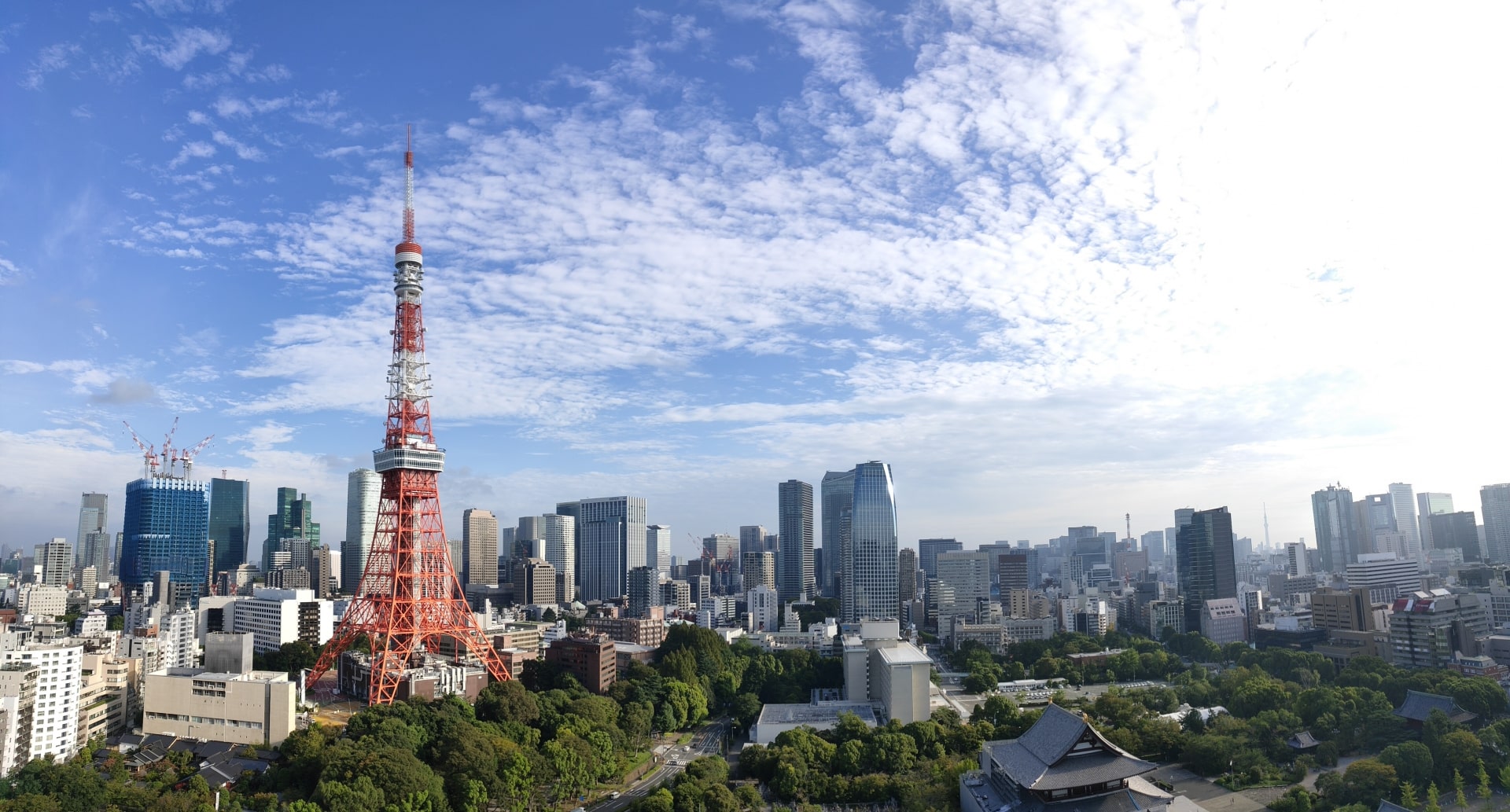
Yes, Tokyo Tower is well worth visiting, especially for first-time visitors, photography enthusiasts, and travelers looking for a blend of post-war history, vibrant city views, and retro charm.
While newer observation decks like Tokyo Skytree and Shibuya Sky offer higher vantage points, Tokyo Tower’s central location in Minato Ward and lower observation deck heights (150m and 250m) keep you much closer to the surrounding architecture. This provides a more detailed, immersive skyline view—particularly at night when the city lights up.
Key Reasons to Visit
- More Affordable Admission: Standard Main Deck tickets (1,500 JPY) are significantly cheaper than tickets for Tokyo Skytree or Shibuya Sky.
- Better Cityscape Photography: Because you aren’t looking down from extreme heights, identifying individual landmarks and capturing clear, detailed skyline photos without atmospheric haze is much easier.
- Rich Heritage & Atmosphere: Built in 1958, the tower carries a strong sense of mid-century Japanese history, sitting right alongside historic grounds like Zojoji Temple.
- Esports & VR Entertainment: Foot Town houses RED° TOKYO TOWER, offering cutting-edge gaming, VR simulators, and esports attractions directly beneath the deck.
If you are torn between Tokyo’s two iconic towers and want a deeper look at height, pricing, locations, and overall experience, check out our full guide on Tokyo Tower vs. Tokyo Skytree.
If you are deciding between Tokyo’s two iconic towers, both offer distinct experiences:
- Tokyo Tower (333m): Offers a nostalgic, central Tokyo charm, retro Paris-inspired aesthetics, lower ticket pricing, and closer proximity to classic sights like Zojoji Temple and Roppongi.
- Tokyo Skytree (634m): Offers record-breaking height, massive multi-level observation decks reaching 450 meters, a futuristic design, and the vast Solamachi shopping complex at its base.
Visiting Tokyo Tower is ideal for those who appreciate 20th-century history, atmospheric evening illuminations, and a central location near classic Tokyo neighborhoods.
Want more ideas for things to do in Tokyo? Check out the following articles!


Written by
Born and raised in Costa Rica, I started living in Tokyo from college. I love traveling within Japan & around the world. Since I wasn’t born in Japan, I know the cultural impact that you can get when visiting Japan for the first time and what you might be worried about before your trip. And I’ve lived long enough to somewhat understand the nuances of the Japanese culture that make this country such an attractive place to visit. Hopefully I can provide to you both the information you’re looking for and the information you didn’t know you needed to know.
- +0 63
-
-