Tokyo Skytree: The New Symbol of Modern Tokyo
Tokyo Skytree Visitor Guide: Tickets, Views and Tips


- +127 149
-

-


Tokyo Skytree (東京スカイツリー) is a broadcasting and observation tower situated in Sumida Ward, Tokyo.
Standing at a remarkable height of 634 meters (chosen as a pun for “Musashi,” the ancient name of the region), the Tokyo Skytree is currently the tallest tower in the world and the third-tallest structure globally, after Dubai’s Burj Khalifa and Malaysia’s Merdeka 118.
Since its inauguration, it has become a very popular site for both Japanese and foreign visitors, not only because of the great view from the Tokyo Skytree observation deck but also because it is located in an area where it is easy to access other popular places that offer many things to do. The tower features three primary illumination patterns: “Iki” (sky blue), “Miyabi” (purple), and “Nobori” (tangerine orange), which alternate depending on the day alongside special seasonal lighting.
Nowadays, it has become one of the symbols of the capital city alongside Tokyo Tower. While the structure of Tokyo Tower may be more eye-catching with its red color, the Tokyo Skytree view offers the most popular and stunning views in the city.
I will show you in this article about this symbolic tower, including its history, how to get there, and interesting spots around the venue.
*Please note that this article contains affiliate links.
What is Tokyo Skytree

Around the year 2000, discussions for building a new and taller broadcasting tower started happening. This is because the current tower back then (Tokyo Tower) wasn’t tall enough to reach and give complete digital terrestrial television broadcasting coverage to all the Kanto region. This was due to taller buildings starting to surround the former broadcasting tower.
Construction of Tokyo Skytree began in 2008 and took about 4 years to complete.
The design is a mix of past and futuristic. It is inspired by the 5-storied pagodas found in temples but also incorporating a neo-futuristic feel.
Nowadays, visitors from all over the world enjoy the stunning Tokyo Skytree view.
▶ Book your tickets for Tokyo Skytree here!
What to See & Do at Tokyo Skytree

Tembo Deck
Located across three floors at a height of 350 meters, the Tembo Deck offers panoramic 360-degree views of Tokyo. Key highlights include the thrill of stepping onto the Glass Floor (Floor 340), dining at Sky Restaurant 634, and viewing the nighttime SKYTREE ROUND THEATER projections across the windows. You will also find two cafes and an official souvenir shop.
Tip: Purchasing your ticket online in advance saves roughly 200–400 JPY per ticket compared to same-day ticket counter prices and lets you skip the ticket queue.
Tembo Galleria (450m)
Reached via a glass elevator that drops you off at 445 meters, the Tembo Galleria features a spiraling glass skywalk slope that ascends to Sorakara Point, the best views from Tokyo Skytree at the highest accessible point in the tower (and the highest observatory deck in Japan) at 451.2 meters. Visitors can purchase a combination ticket covering both the Tembo Deck and Tembo Galleria.
The Skytree Shop
There are three official Skytree shops located on the 1st floor, 5th floor, and inside the Tembo Deck (Floor 345). They carry exclusive Tokyo Skytree merchandise, character collaborations, and unique sweets.
Tokyo Solamachi
Directly connected to the base of Tokyo Skytree, Tokyo Solamachi is a massive commercial complex featuring over 300 shops, restaurants, and entertainment venues. It serves as a complete entertainment hub alongside the tower, organized into several key highlights:
- Shopping & Character Outlets: Home to popular specialty shops including the Pokémon Center Skytree Town, Donguri Republic (Official Studio Ghibli shop), traditional Japanese craft boutiques, and exclusive Skytree souvenir markets.
- Dining Floors (6F, 7F, 30F & 31F): Features extensive food halls and restaurants serving regional specialties like monjayaki, ramen, sushi, and tonkatsu, along with fine-dining restaurants on the top floors offering panoramic skyline views.
- Sumida Aquarium: A sleek, modern indoor aquarium on the 5th and 6th floors featuring a massive open-tank indoor pool for Magellanic penguins and fur seals, as well as mesmerizing LED-lit jellyfish galleries.
- Planetarium “TENKU”: An immersive 360-degree dome theater operated by Konica Minolta, offering high-definition starry sky projections, seasonal music shows, and aroma-infused relaxation screenings.
Best Time to Visit Tokyo Skytree
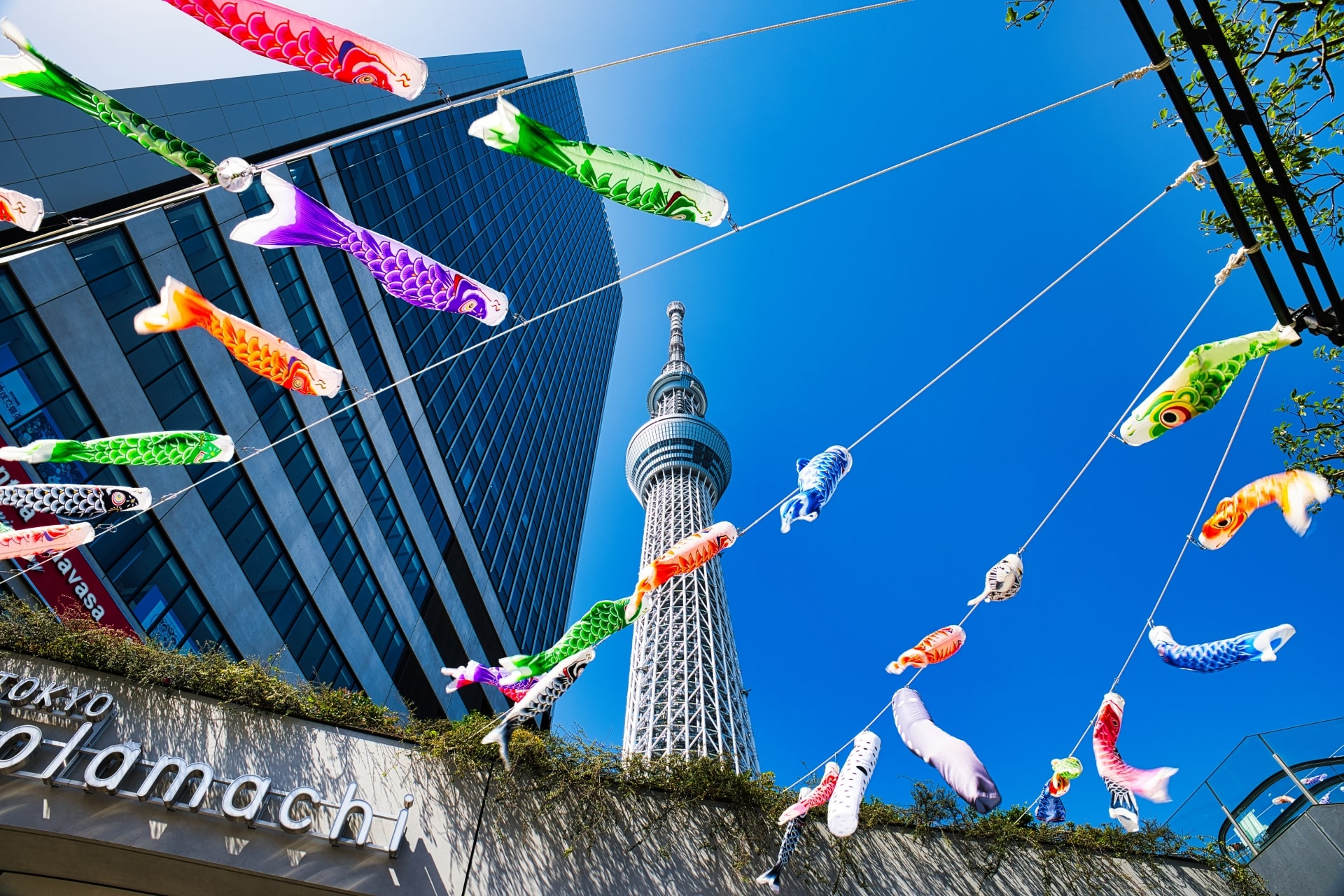
- Best Season for Visibility: November to February (Winter). The crisp, dry winter air provides the highest probability of seeing Mt. Fuji on the southwestern horizon—particularly early in the morning between 8:00 AM and 10:00 AM.
- Best Time of Day (Golden Hour & Night Views): Arrive roughly 1 hour before sunset. This lets you experience daytime panoramas, witness the sunset over Tokyo, and stay as the city transitions into a sea of neon lights.
- Avoiding Crowds: Weekday mornings right at opening (10:00 AM) or late evenings after 8:00 PM offer the shortest wait times at security and elevator lines.
Best Photo Spots at Tokyo Skytree
- Inside the Tower:
- Glass Floor (Floor 340): Step onto the reinforced glass panels for a dizzying vertical look down 340 meters to the ground.
- Sorakara Point (Floor 450): The grand finale of the Tembo Galleria slope, featuring round glass, light effects, and the official highest point marker at 451.2 meters.
- Best Exterior Viewing & Photo Spots:
- Jukken-bashi Bridge (十間橋): Located a 10-minute walk east of Oshiage Station, this river bridge is famous among photographers for capturing the “Upside-Down Skytree” water reflection along the Kitajukken River.
- Sumida Park (Asakusa side): Offers sweeping views of the tower framed by cherry blossoms in spring or river boats along the Sumida River.
- Tokyo Mizumachi: A trendy waterfront shopping strip under the train tracks with unobstructed angle shots of the tower.
How to get to Tokyo Skytree

By train
The easiest way to get to Tokyo Skytree is by train. There are 2 train stations that are directly connected to Tokyo Skytree.
- Tokyo Skytree Station (とうきょうスカイツリー駅) of the Tobu Skytree Line
- Tokyo Metro Hanzomon Line, Toei Asakusa Line, Keisei Oshiage Line, and Tobu Skytree Line (Direct access from Asakusa, Ginza, Haneda, and Narita airports)
On Foot (from Asakusa)
If coming from Asakusa, you can take a scenic 15–20 minute walk across the Sumida River Walk pedestrian bridge, passing through the trendy Tokyo Mizumachi shopping walkway along the way.
By bus
Another way you can get to Tokyo Skytree would be by using one of the several shuttle buses. These shuttle buses stop by some of the main train stations such as Asakusa Station and Ueno Station.
There are also shuttle buses that go to Kinshicho Station (錦糸町駅), which is 3-minutes ride by train or a 30-minute walk to Tokyo Skytree. There are shuttle buses going to Kinshicho Station from Haneda Airport, Tokyo Teleport Station, and Tokyo Disneyland, among other popular areas.
By taxi:
Wanna go directly to Tokyo Skytree from the airport or hotel?
Airport Taxi is one of the best services for transfers to and from Narita and Haneda Airport.
Now JWM readers have a 1,000JPY discount if they book with Airport Taxi!!

 Access |
Directly connected to Tokyo Skytree Station (Tobu Skytree Line) and Oshiage Station (Hanzomon / Asakusa Lines) |
|---|---|
 Business Hours |
10:00 AM – 10:00 PM (Mon–Sat) / 9:00 AM – 10:00 PM (Sun & Holidays). Last admission 9:00 PM |
 Price |
[Tembo Deck (350m)] Adults 2,100–2,300 JPY | Youth (12-17) 1,550–1,650 JPY | Children (6-11) 950–1,000 JPY / [Combo Ticket (Deck + Galleria)] Adults 3,100–3,400 JPY | Youth 2,350–2,550 JPY | Children 1,450–1,550 JPY / Purchasing advance online tickets saves ~200–400 JPY per ticket |
 Official Website |
http://www.tokyo-skytree.jp/en/ |
Tourist attractions near Tokyo Skytree
Sensoji Temple (浅草寺)

Tokyo’s oldest and most famous Buddhist temple, originally founded in 628 AD in historic Asakusa. Visitors enter through the iconic Kaminarimon (Thunder Gate) with its giant red lantern, walking down Nakamise Shopping Street—a vibrant walkway packed with traditional street food and crafts—before reaching the main hall and five-story pagoda. It sits just a scenic 15–20 minute walk across the Sumida River from Tokyo Skytree.
More info: Sensoji Temple in Asakusa
Sumida Hokusai Museum (すみだ北斎美術館)

Located in neighboring Ryogoku, this sleek, angular museum designed by world-renowned architect Kazuyo Sejima is dedicated to Katsushika Hokusai, the legendary Edo-period ukiyoe woodblock artist famous for The Great Wave off Kanagawa. The museum features rotating galleries of his masterworks, interactive historical exhibits, and a full-scale replica of Hokusai’s studio.
Nezu Shrine (根津神社)
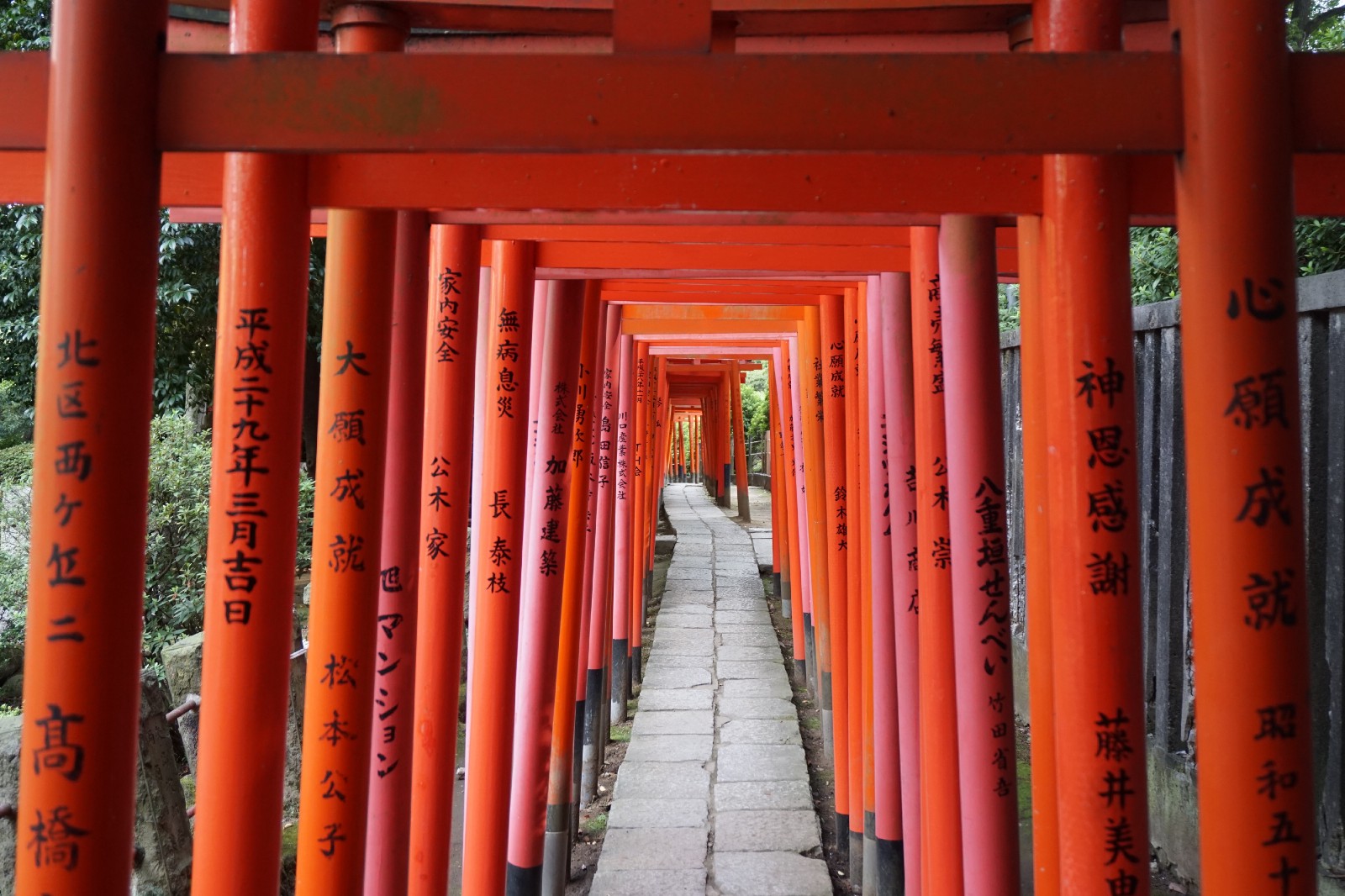
Located near Ueno Park, Nezu Shrine is one of Tokyo’s most picturesque and historic Shinto shrines, featuring preserved wooden structures dating back to 1705. Its main highlights include a scenic tunnel of vermilion torii gates—offering a Kyoto-style atmosphere without leaving Tokyo—and a hillside garden that erupts with thousands of colorful azaleas every spring.
Kappabashi Kitchenware Street (かっぱ橋道具街)

Stretching between Asakusa and Ueno, this world-renowned wholesale district caters to professional chefs and food enthusiasts. The street is lined with over 100 specialty shops selling handmade Japanese kitchen knives, lacquerware, copper cookware, and hyper-realistic plastic food models that make unique souvenirs.
I’d also recommend walking to Tokyo Skytree from Asakusa if you have the time. There’s a lot you can see along the way, and it doesn’t take that long.
Is Tokyo Skytree Worth Visiting? (Our Verdict)

At roughly 2,100 to 3,400 JPY per ticket, Tokyo Skytree is a worthwhile experience if you want the absolute highest, most expansive 360-degree view of Tokyo—and on clear days, a breathtaking backdrop of Mt. Fuji. However, depending on your travel style and budget, it might not be for everyone.
- Is the Combo Ticket Upgrade Worth It? For most first-time visitors, the standard Tembo Deck (350m) provides 90% of the overall experience, including the 360-degree views, cafes, and the thrill of the Glass Floor. Upgrade to the Tembo Galleria (450m) combo ticket mainly if you want to walk the spiraling glass skywalk, reach the highest official point (Sorakara Point at 451.2m), or tick off the bragging rights of standing at Japan’s highest observatory.
- Who Will Love It: First-timers to Tokyo, photography enthusiasts, couples looking for a romantic sunset spot, and families who want an easy, full-day itinerary combining the tower with shopping and dining at Tokyo Solamachi.
- Who Should Consider Skipping It:
- Travelers on a Strict Budget: If you want a high view without the price tag, the Tokyo Metropolitan Government Building in Shinjuku offers a fantastic panoramic observatory completely free of charge.
- Anyone with Severe Fear of Heights: While the observation decks are modern, fully enclosed, and completely safe, the sheer vertical height and the glass floor panels on Floor 340 can be overwhelming for those with intense acrophobia.
- Low-Visibility/Rainy Days: On heavily overcast, foggy, or rainy days, the tower decks can literally be inside the cloud layer with zero outdoor visibility. Always check live weather conditions or Skytree’s live webcam before buying same-day tickets.
And if you’re having second thoughts between Tokyo Skytree and Tokyo Tower, don’t miss our comprehensive comparison between these two!
Tourist Reviews of Tokyo Skytree
Tokyo Skytree enjoys an excellent reputation, with a 4.4/5 rating on Google from 119,206 reviews, a 4.2/5 rating on TripAdvisor from 8,621 reviews, and an impressive 4.9/5 rating on Klook from over 315,000 reviews. This reflects its popularity and positive feedback from visitors worldwide.
Here’s a look at some individual reviews from various platforms:
great experience when you are in tokyo, make sure to visit this attraction, definitely worth the price!
-from Klook
Took (expensive) ticket for both 240 meter and higher decks. While going to higher deck is an experience in itself, I feel the lower one was better to observe around and visualize the beauty of expansive Tokyo city. Couldn’t get view of Mt Fuji due to overcast. It’s quite a happening and busy place, very well crowd managed by the staff. View in evening lights was spectacular.
Post visit, you can have a quick bite in the restaurants in lower floors.
-from TripAdvisor
There are too many people. I didn’t expect the shopping center below. The queue was winding, but it was orderly. The scenery above was good. I could see Tokyo surrounded by water. The night view from dusk to nightfall was beautiful. It was not easy to take pictures. There was no leisure on it, only standing.
-from Trip.com
Overall, Tokyo Skytree remains a highly rated experience, with visitors praising the incredible views, efficient management, and the vibrant atmosphere, though some caution regarding the crowds and the practical aspects of the visit.
Want more ideas for things to do in Tokyo? Check out the following articles!

Written by
Born and raised in Costa Rica, I started living in Tokyo from college. I love traveling within Japan & around the world. Since I wasn’t born in Japan, I know the cultural impact that you can get when visiting Japan for the first time and what you might be worried about before your trip. And I’ve lived long enough to somewhat understand the nuances of the Japanese culture that make this country such an attractive place to visit. Hopefully I can provide to you both the information you’re looking for and the information you didn’t know you needed to know.
- +127 149
-
-