Autumn Isn’t Over Yet: Late Fall in Sendai and Yamagata by Shinkansen
Discover November autumn foliage, illuminated gardens, historic temples, and seasonal flavors on a scenic Shinkansen journey from Tokyo through Sendai and Yamagata.


- +0 0
-

-


By early November, autumn colors are beginning to fade across many of Tohoku’s higher mountains. The roads leading to Zao’s Okama crater are nearing winter closure, while popular foliage destinations such as Naruko Gorge and northern Tohoku’s forests are nearing the end of their season.
It is easy to assume that Tohoku’s autumn is over. It isn’t. It has simply moved.
Autumn in Japan does not switch off all at once. As the high ground goes quiet, color moves down into valleys, temple gardens, and city streets. In Sendai and Yamagata, two cities connected by a scenic mountain railway, many late-season foliage spots reach their best between early and late November.
This guide follows that final stretch of the season: north to Sendai by Shinkansen, over the mountains to Yamadera and Yamagata on a local line, and back to Tokyo by Shinkansen. Two days, two prefectures, and plenty of autumn scenery along the way.
Why November Is Still a Great Time for Autumn Foliage in Tohoku
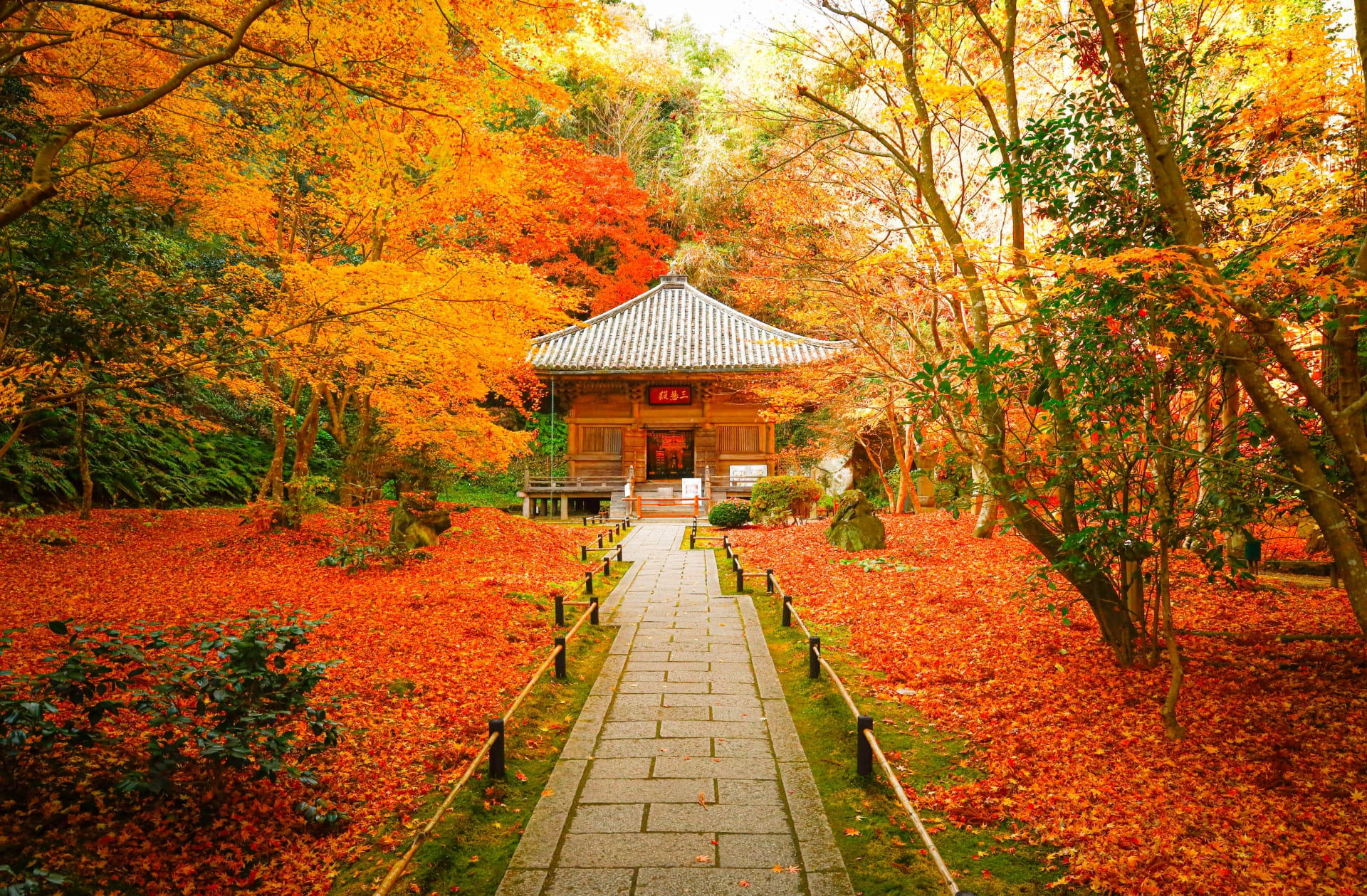
In Tohoku, elevation plays a major role in determining when autumn colors appear. Higher mountain areas generally change first, followed by lower valleys, towns, and city parks. Local temperatures, weather conditions, and tree species also influence the timing.
Zao, the volcanic range on the Miyagi–Yamagata border, illustrates this progression. Its summit area typically changes color around early October, followed by mountain onsen towns later in the month. Down in Yamagata City, gardens such as Momiji Koen often retain their autumn colors into November.
Sendai, near the Pacific coast, and inland Yamagata offer opportunities to enjoy autumn foliage after many higher-elevation destinations have passed their peak.
| Elevation or setting | Typical peak | Example |
|---|---|---|
| High mountains | Early October | Zao summit area |
| Mountain onsen towns | Mid to late October | Zao Onsen |
| Hillside temples and gorges | Late October to early November | Yamadera, Naruko Gorge |
| City gardens | Early to mid-November | Entsuin, Rinnoji, Momiji Koen |
| City avenues | Mid- to late November | Jozenji-dori (Sendai) |
*Peak times are approximate and shift from year to year. Check current foliage reports before traveling.
What to Know Before Visiting Tohoku in November
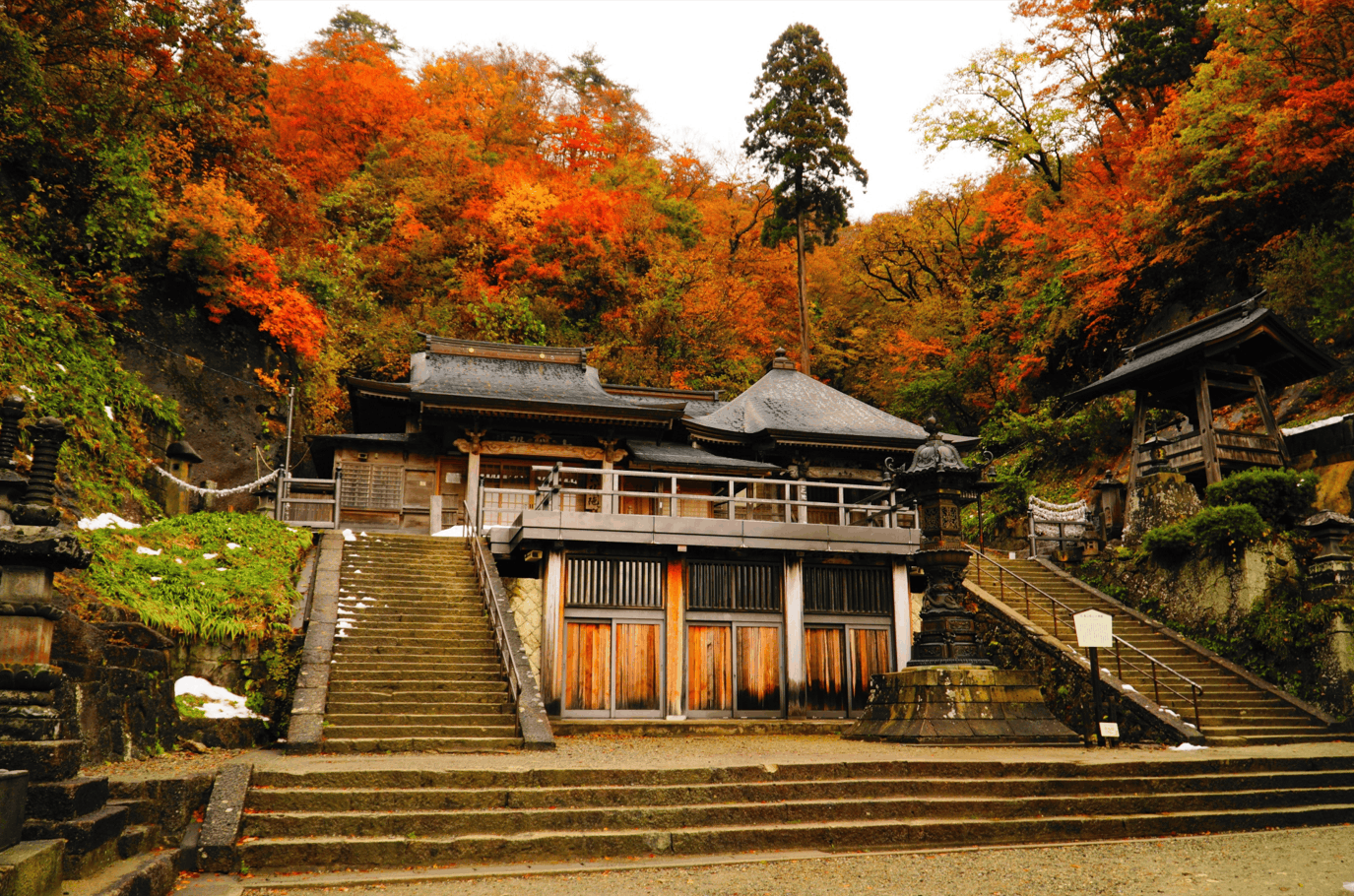
Late autumn rewards flexible travelers, but a few things are worth knowing before you plan your route.
1. Zao’s Okama Crater Becomes Difficult to Access
Road access to Zao’s emerald Okama crater is seasonal, with the Zao Echo Line and connecting roads generally closing for winter around early November. Weather-related restrictions may start earlier, and roads typically reopen in spring.
If Okama is a priority, plan your visit earlier in autumn and confirm current road conditions. For November trips, lower-elevation attractions offer more dependable sightseeing options.
2. Yamadera Is Best Visited Earlier in November
Yamadera’s mountain temple typically reaches peak foliage from late October into early November. In warmer years, some color may remain into mid-November.
If you arrive later, the temple’s 1,015 stone steps and panoramic valley views are still worth experiencing, even without peak autumn leaves.
3. Daylight Is the Real Constraint
By mid-November, the sun sets in Sendai at around 4:30 p.m. Temple gardens generally close in the late afternoon, and Yamadera currently lists November admission hours of 8:00 a.m. to 3:30 p.m.
Plan outdoor sightseeing for the morning and early afternoon, saving the evenings for illuminated gardens, hot springs, and dinner.
4. It Is Colder Than You Think
Yamagata sits in an inland basin, where November mornings can approach freezing. Sendai is generally milder, but coastal winds can make it feel colder.
Bring warm layers and a lightweight down jacket, even if Tokyo still feels relatively mild.
Getting from Tokyo to Sendai and Yamagata by Shinkansen
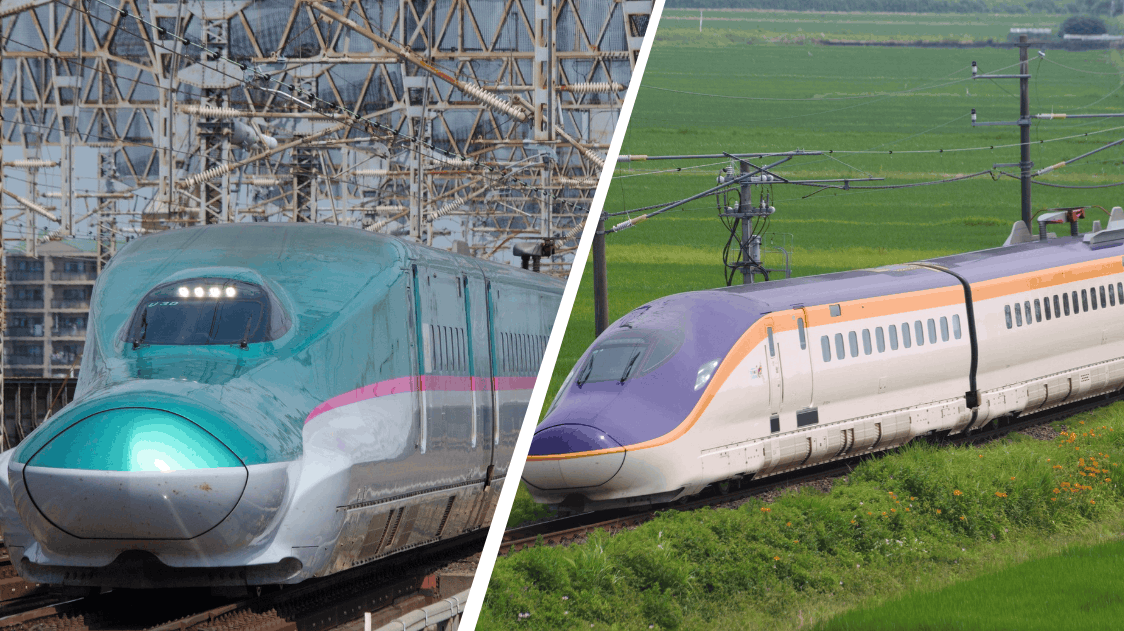
Sendai and Yamagata are served by different Shinkansen lines but connected by the scenic JR Senzan Line. Together, they form a convenient loop from Tokyo without retracing the entire journey.
Tokyo → Sendai → Yamadera → Yamagata → Tokyo
| Leg | Train | Approx. time |
|---|---|---|
| Tokyo → Sendai | Tohoku Shinkansen | About 90 minutes |
| Sendai → Yamadera | JR Senzan Line | About 1 hour |
| Yamadera → Yamagata | JR Senzan Line | About 20 minutes |
| Yamagata → Tokyo | Yamagata Shinkansen | About 2.5–3 hours |
The Senzan Line is the quiet star of this route. It climbs out of Sendai, follows forested valleys through the Ou Mountains, and passes beneath the prefectural border before descending toward Yamadera.
In early November, parts of the mountain scenery may still be colorful, even as the foliage season gradually moves into the cities.
The loop also works in reverse. Starting in Yamagata suits travelers who want to visit Yamadera earlier in November, while finishing in Sendai can be attractive later in the month.
Only Visiting One Area?
Each destination also works as a standalone trip from Tokyo.
| Destination | Route from Tokyo | Approx. time |
|---|---|---|
| Sendai | Tohoku Shinkansen | 90 minutes |
| Matsushima | Shinkansen to Sendai, then JR Senseki Line | 2–2.5 hours |
| Yamadera | Shinkansen to Sendai or Yamagata, then JR Senzan Line | 2.5–3 hours |
| Yamagata | Yamagata Shinkansen | 2.5–3 hours |
| Kaminoyama | Yamagata Shinkansen to Kaminoyama-Onsen | 2.5–3 hours |
| Yonezawa | Yamagata Shinkansen | About 2 hours |
Practical notes:
- Senzan Line trains generally operate about once an hour, so check connections before departure.
- Reserve Shinkansen seats in advance, particularly for weekend return journeys.
- Confirm current JR East service information before traveling, especially when connecting to a reserved Shinkansen.
- If staying overnight, leave large luggage at your hotel or use station lockers where available.
Book Your Shinkansen Tickets Online
Travel from Tokyo to Sendai by Shinkansen, explore Tohoku’s late-autumn foliage, historic temples, and illuminated gardens, then journey through Yamadera to Yamagata before returning to Tokyo.
You can reserve your Tokyo → Sendai Tohoku Shinkansen and Yamagata → Tokyo Yamagata Shinkansen tickets online in English in advance with Japan Bullet Train. Reserve your seats online before your trip and collect your tickets at the station using the QR code sent by email.
Sendai and Matsushima: Late-Autumn Gardens and Illuminations
Sendai calls itself Mori no Miyako, the “City of Trees,” an identity closely connected to its history, including the influence of the Date clan. Today, its historic temples, gardens, and tree-lined avenues offer several places to enjoy the changing seasons.
How to Get There
You can reach the following destinations from Sendai Station by local train, subway, bus, or on foot. Matsushima is approximately 30–40 minutes away on the JR Senseki Line.
Rinnoji Temple
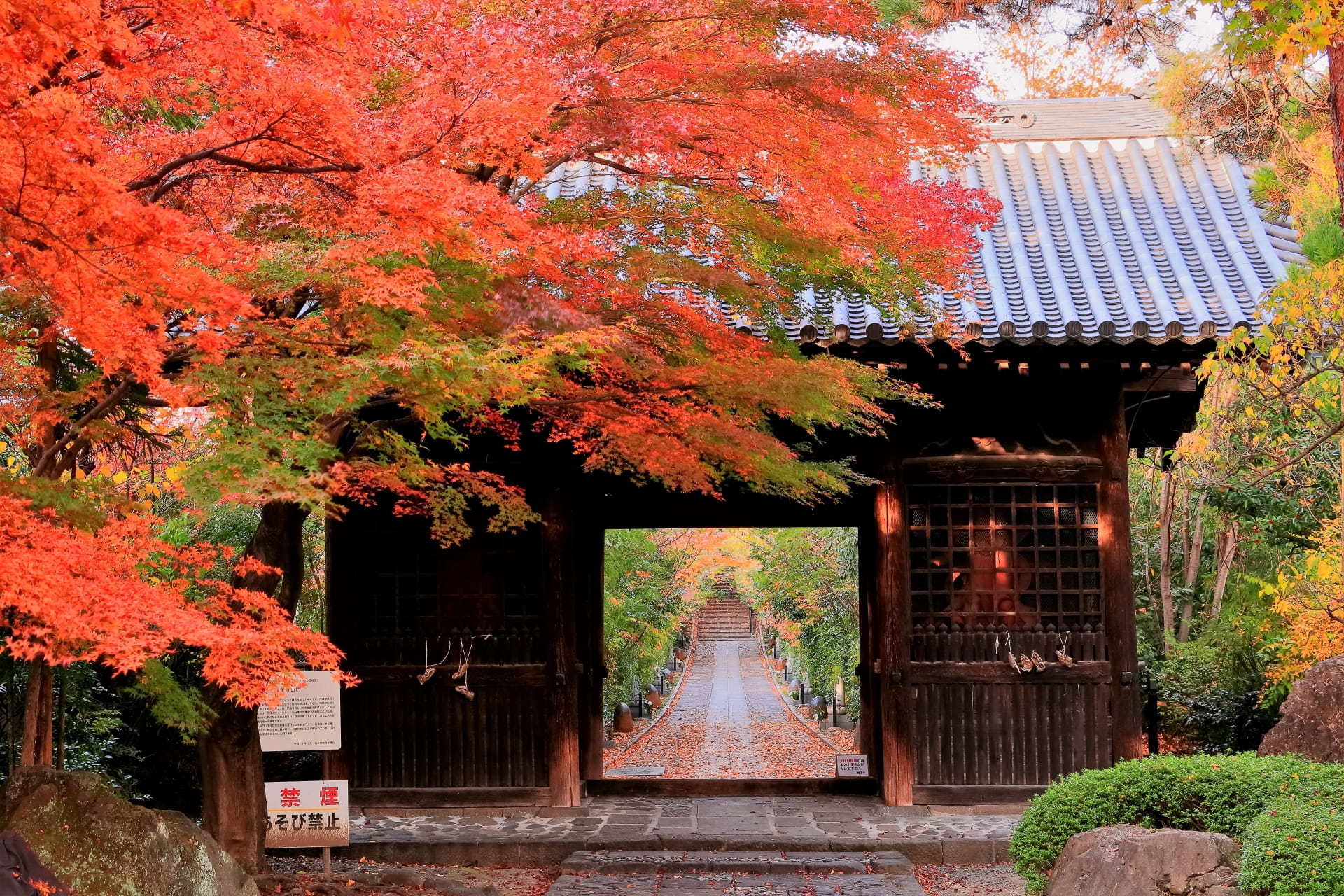
The Date family founded Rinnoji, a Zen temple, in the 15th century and later relocated it to Sendai.
Its Japanese garden features a pond, maple trees, and a three-story pagoda. Autumn foliage typically peaks from early to mid-November, creating a peaceful setting for a garden walk.
Rinnoji is about a 10-to-15-minute walk from Kitayama Station, two stops from Sendai on the Senzan Line.
 Business Hours |
8:00 - 17:00 (last admission 16:30) |
|---|---|
 Price |
300 yen for the garden. |
Zuihoden
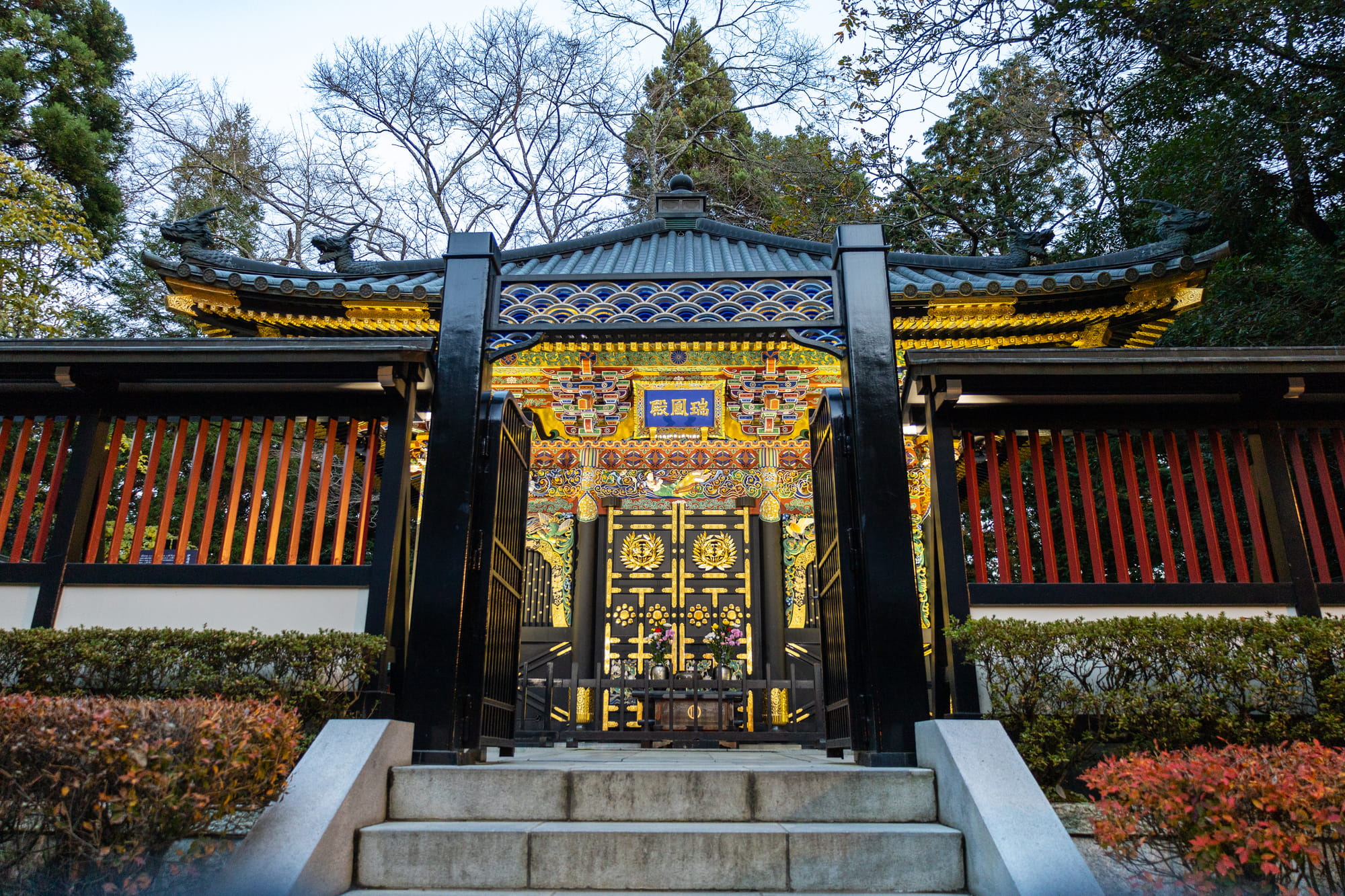
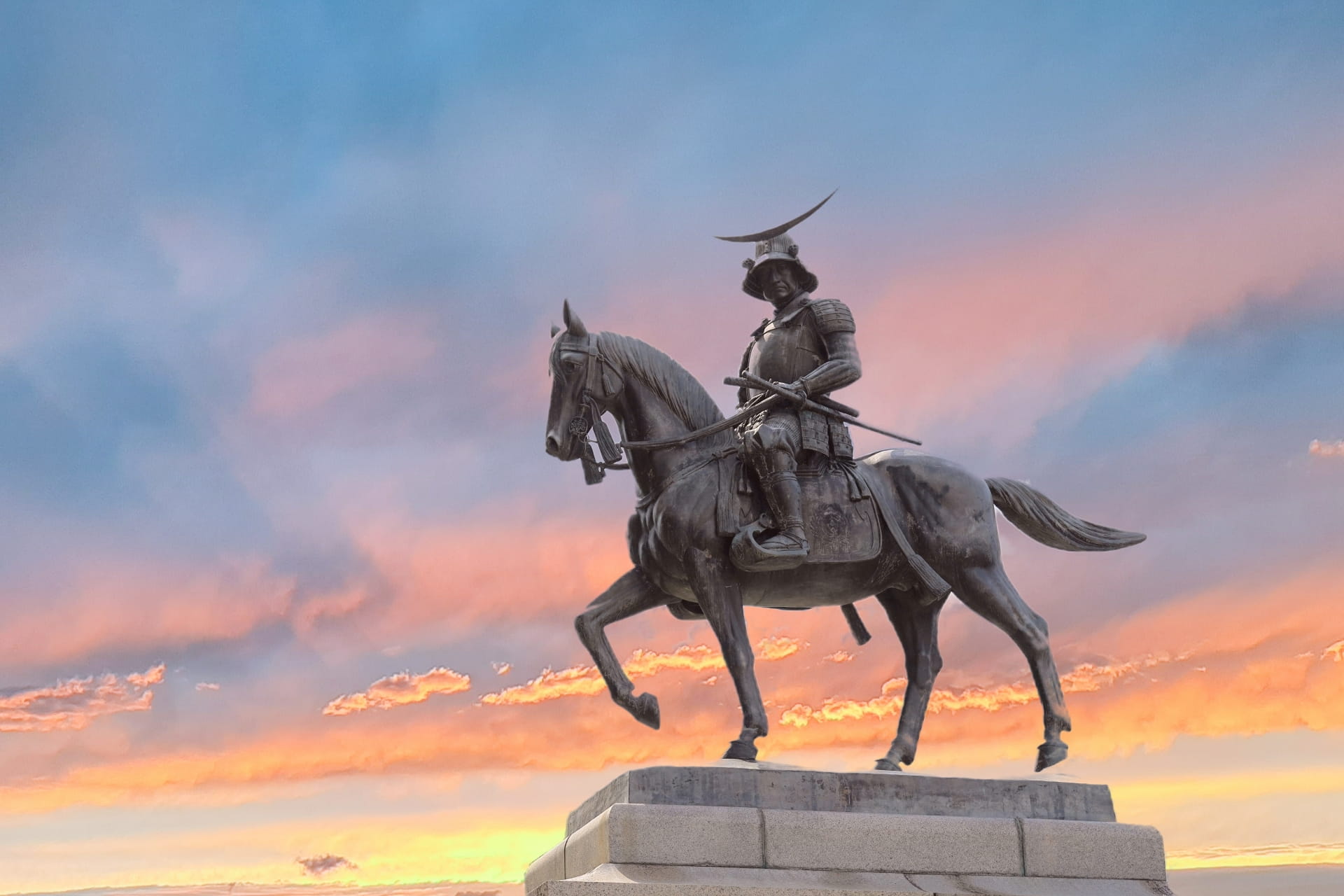
Zuihoden is the mausoleum of Date Masamune, the influential feudal lord who founded Sendai.
Set on a wooded hill, its richly decorated architecture stands out against the surrounding cedar trees and autumn maples. The grounds are particularly atmospheric as the foliage changes through November.
From Sendai Station, take a bus, then take a short uphill walk.
| Business Hours |
9:00 - 16:50 (*schedule from February to Novomber) |
|---|---|
| Price |
570 yen (Adults) |
Jozenji-dori Avenue
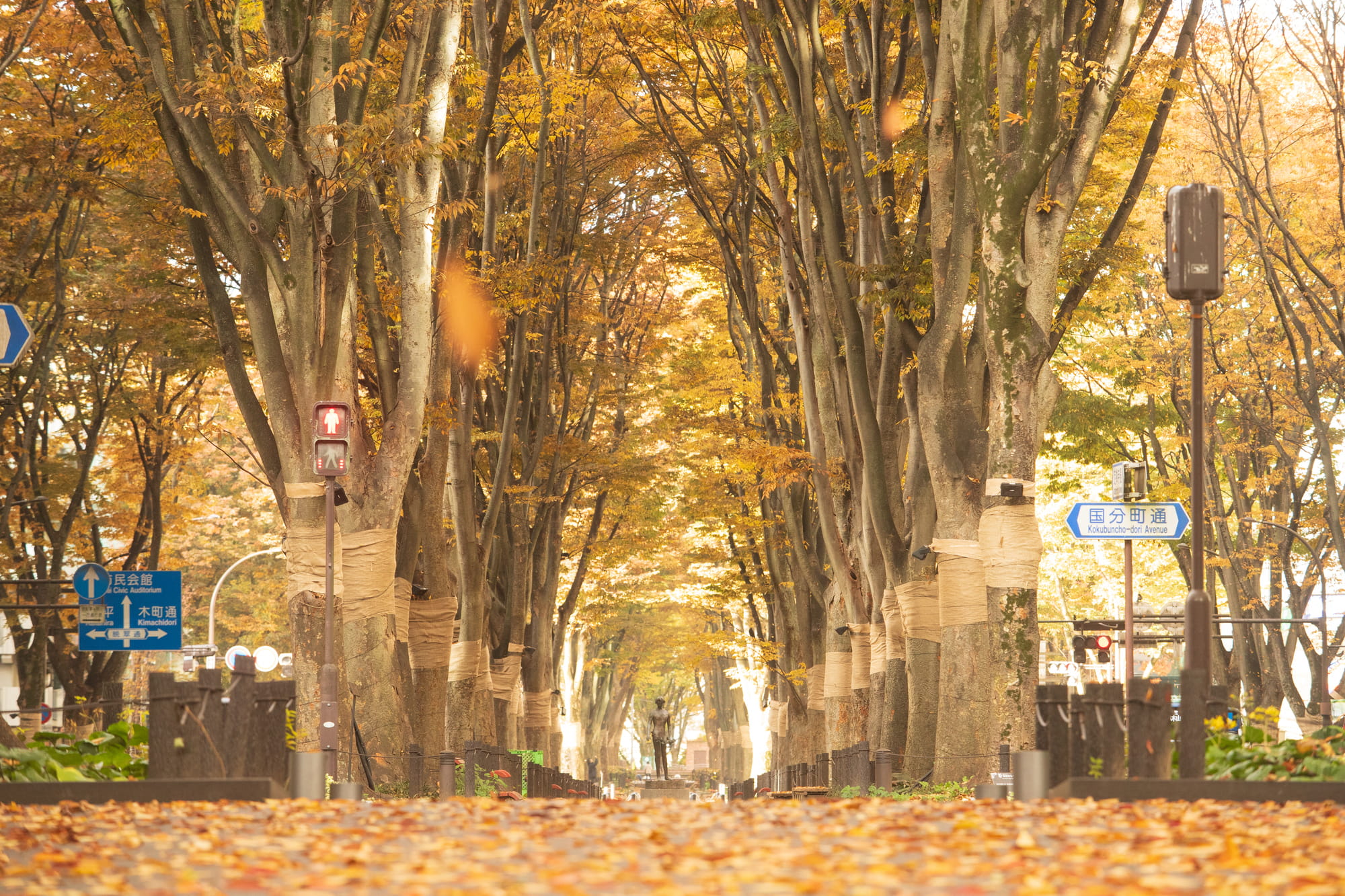
In central Sendai, the zelkova trees lining Jozenji-dori turn golden and brown during November, often providing one of the city’s later autumn displays.
The broad boulevard features a tree-lined central promenade, making it a pleasant place for an afternoon walk.
It is about 15–20 minutes on foot from Sendai Station, or a short subway ride to Kotodai-Koen Station.
In December, the same trees become the setting for Sendai’s well-known winter illumination.
Entsuin, Matsushima: Autumn After Dark
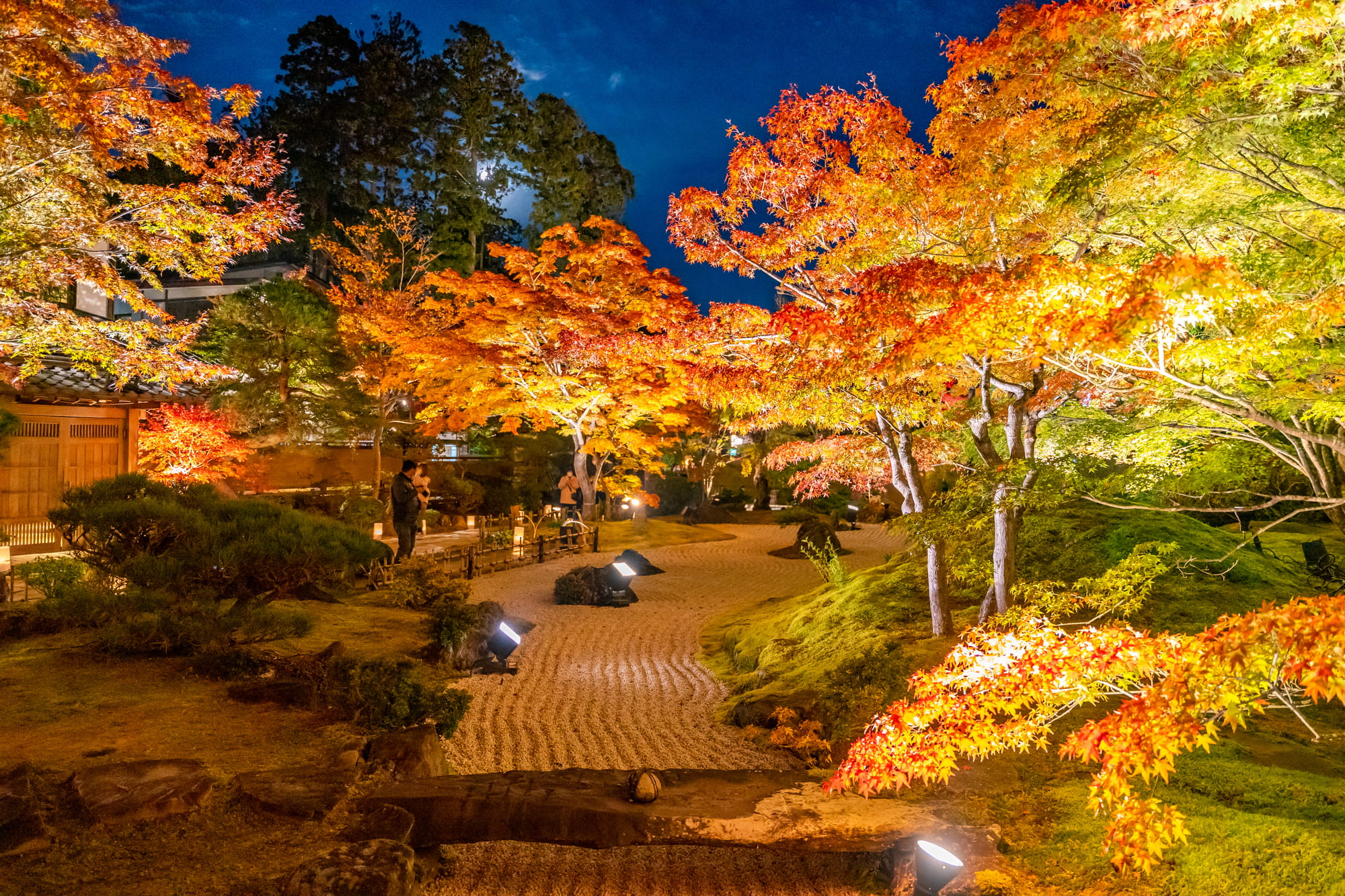
If you add one evening excursion to your trip, consider Entsuin.
This small temple in Matsushima contains the mausoleum of Date Masamune’s grandson, along with landscaped gardens featuring moss, stone arrangements, and maple trees.
Each autumn, the grounds host an evening illumination. On calm nights, the illuminated foliage reflects in Shinji Pond, creating one of Matsushima’s distinctive seasonal scenes.
For 2026, the illumination is scheduled as follows:
| Detail | Information |
|---|---|
| Dates | October 24–November 23, 2026 |
| Hours | 5:30 – 21:00 |
| Ticket Sales Close | 20:30 |
| Adult admission | 1,500 yen |
| Access | About 5 minutes on foot from Matsushima-Kaigan Station |
Live performances are also scheduled during the event, although programs may change depending on conditions.
Entsuin is approximately 30–40 minutes from Sendai by JR Senseki Line. The evening also offers an opportunity to enjoy Matsushima’s seasonal oyster dishes before returning to Sendai.
Riding the Senzan Line to Yamadera
After Sendai’s city gardens, the Senzan Line introduces a different side of Tohoku.
Within a relatively short distance, the urban scenery gives way to forested hills and river valleys. Near the prefectural border, Omoshiroyama Momijigawa Gorge is known for its waterfalls and autumn foliage.
You can admire the gorge from parts of the railway journey, and hiking trails start at Omoshiroyama-Kogen Station. However, the trails include narrow and potentially slippery sections, and seasonal access may be limited. Check current conditions before attempting a walk.
Beyond the mountains, the train approaches Yamadera, where a historic temple complex rises above the valley.
How to Get There
Yamadera Station is on the JR Senzan Line, approximately one hour from Sendai or 20 minutes from Yamagata.
The temple entrance is about a seven-minute walk from the station.
Yamadera (Risshakuji Temple)
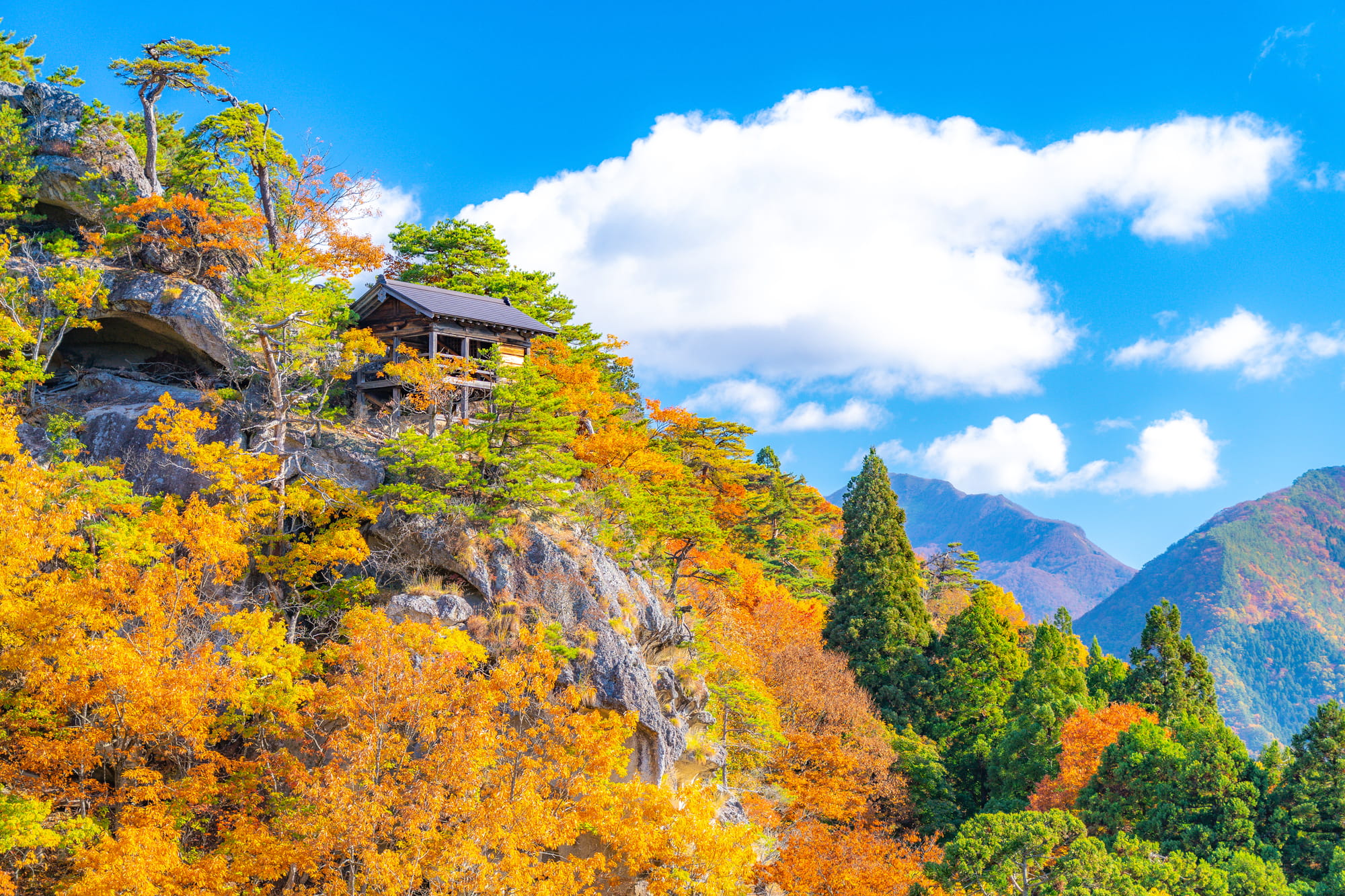
Yamadera, officially Hojusan Risshakuji, was founded in 860 and has attracted pilgrims and visitors for centuries.
The poet Matsuo Basho visited in 1689 during the journey later recorded in The Narrow Road to the Deep North, composing one of his best-known haiku about the temple’s stillness.
The climb follows 1,015 stone steps through cedar forest, past small halls and moss-covered statues. Near the top, the Godaido viewing hall offers expansive views across the surrounding valley.
Autumn foliage typically peaks from late October to early November, although some color may remain later depending on the weather.
The upper temple area requires a substantial climb and may not suit visitors with limited mobility.
Seasonal illuminations may occasionally be visible from the town below. Check current announcements, as nighttime entry to the temple grounds is not generally available.
Visitor information:
- Suggested visit: Allow approximately two hours for the climb, sightseeing, and descent.
- Footwear: Wear shoes with good grip, particularly after rain or on frosty mornings.
| Business Hours |
8:00 - 15:30 (*November hours) |
|---|---|
| Price |
500 yen (adults) |
Yamagata’s Late-Autumn Foliage and Seasonal Traditions
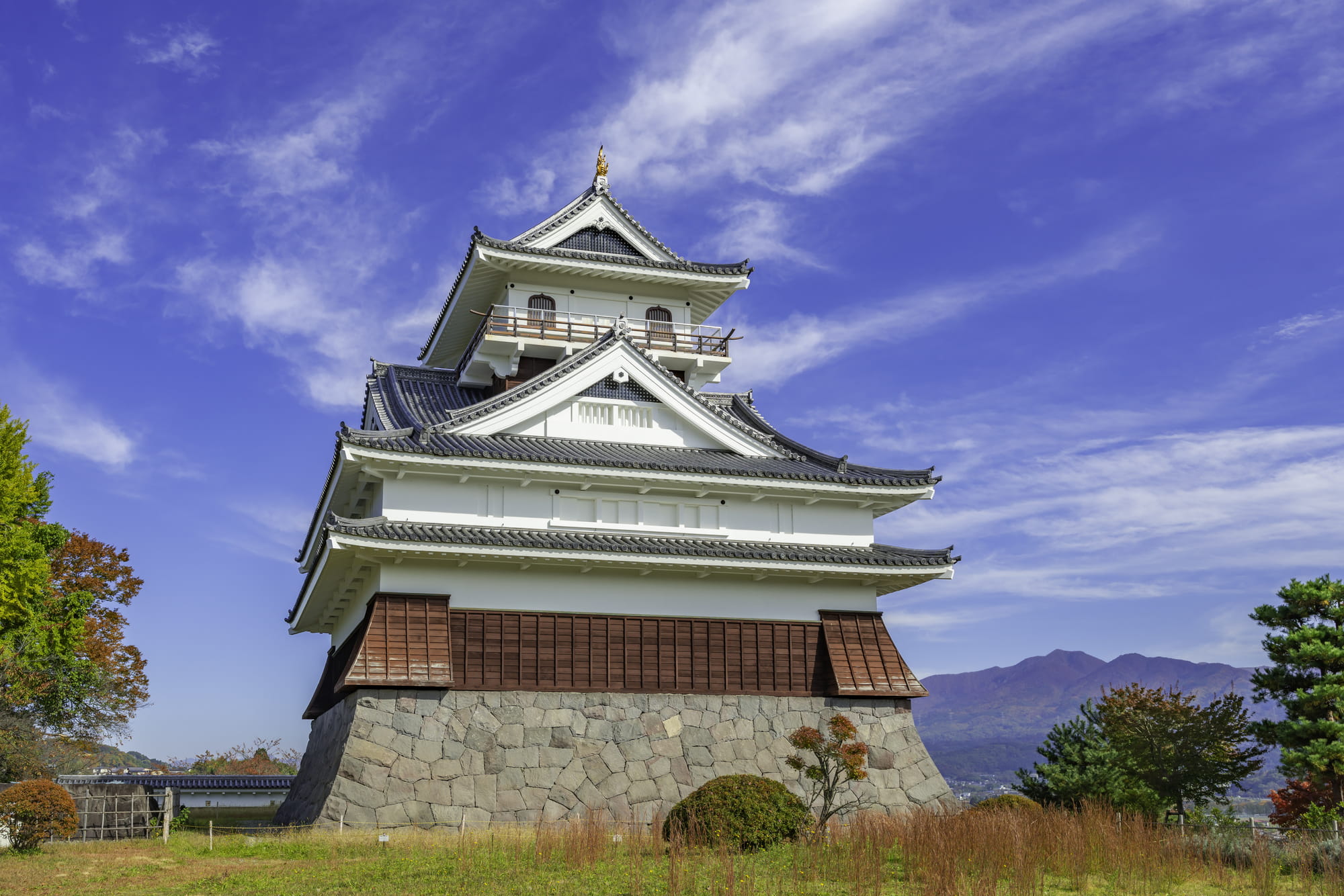
Yamagata City sits in a basin surrounded by mountains. In November, the higher slopes may already be approaching winter, while the city’s gardens and streets still display autumn colors.
How to Get There
Yamagata is approximately 20 minutes from Yamadera by JR Senzan Line. Kaminoyama and Yonezawa are farther south along the Yamagata Shinkansen route, making them possible stops on the journey back to Tokyo.
Momiji Koen
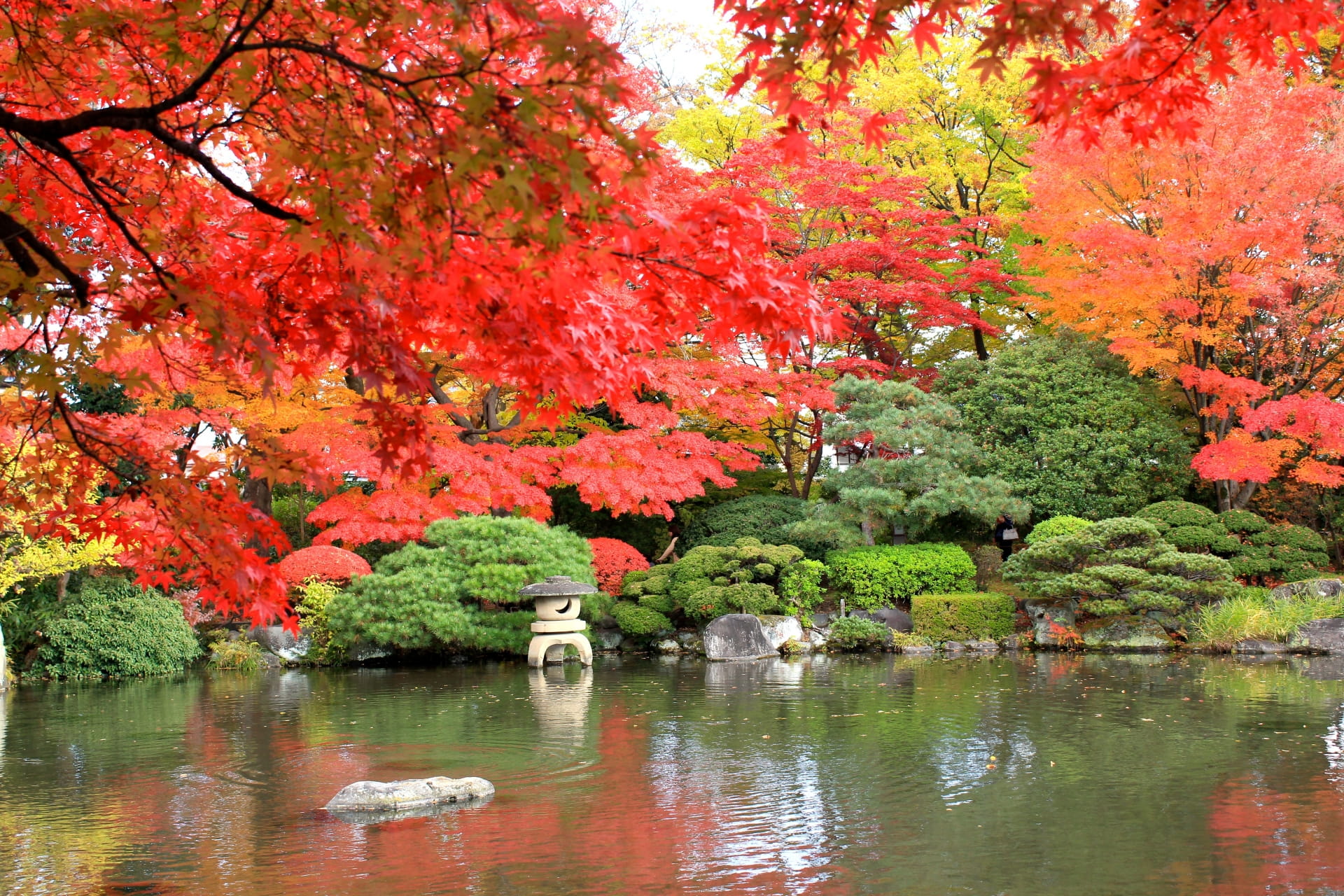
Momiji Koen, meaning “Maple Park,” is a small public garden on the former grounds of Hodoji Temple.
Its walking paths circle a pond surrounded by maple trees, creating attractive reflections in autumn. The grounds also include traditional buildings, including Seifuso.
Foliage typically peaks from early to mid-November, although timing varies.
The park is free to enter and is accessible by local bus or about a 30-minute walk from Yamagata Station.
Kaminoyama: Persimmon Curtains and an Onsen Town
South of Yamagata, Kaminoyama is a historic castle town and hot spring resort that makes an appealing overnight base.
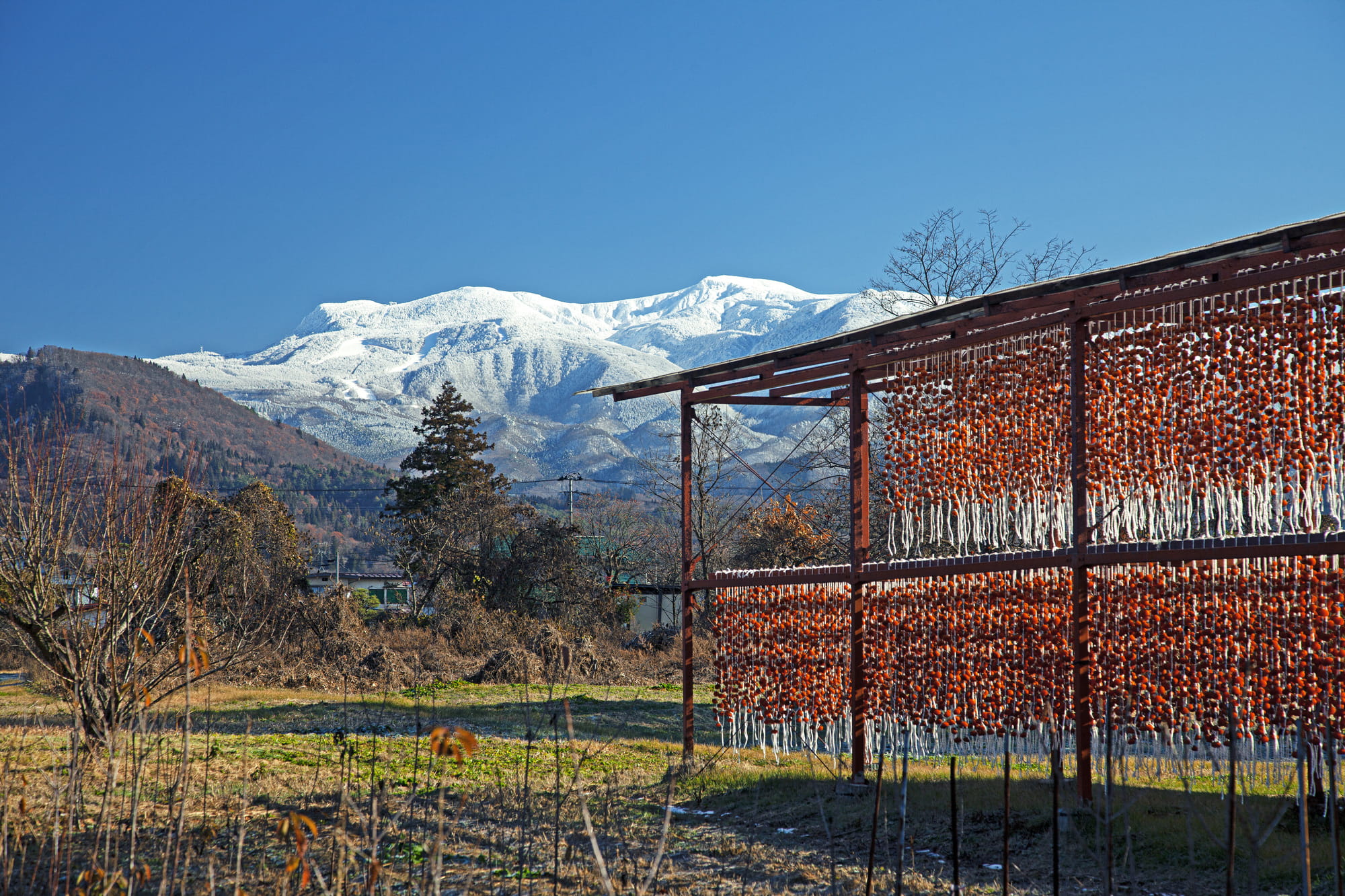
It is also known for benigaki, a local variety of astringent persimmon traditionally dried during the colder months.
After harvesting in autumn, producers peel and hang the fruit in rows, allowing cold, dry air to gradually transform it into a sweet preserved food.
From around mid-November into early December, these hanging persimmons create distinctive orange curtains at local production facilities.
Some displays may be visible from public areas, but the drying facilities are often on private property. Ask your accommodation or the local tourism office about appropriate viewing locations.
Kaminoyama Castle, within walking distance of Kaminoyama-Onsen Station, also offers seasonal scenery around its grounds.
After exploring, relax at one of the town’s hot spring accommodations.
If You Have Another Day: Yonezawa
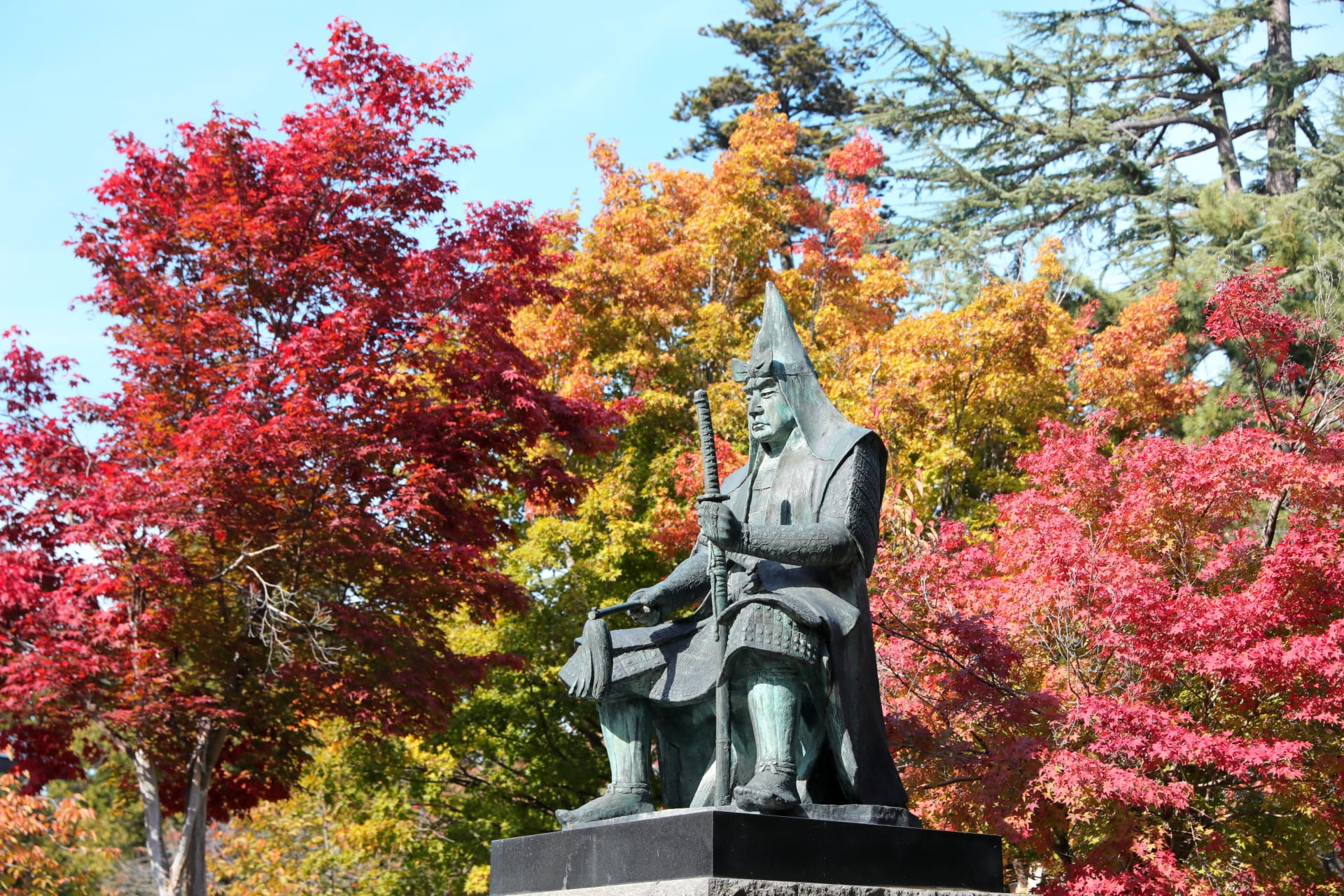 Farther south, Yonezawa was historically associated with the Uesugi clan.
The grounds around Uesugi Shrine feature moats and maple trees that typically change color from late October into early November.
You can reach the shrine by bus from Yonezawa Station.
Yonezawa is also known for its high-quality beef, making it a worthwhile food stop before returning to Tokyo.
Book Your Shinkansen Tickets Online
Travel from Tokyo to Sendai by Shinkansen, explore Tohoku’s late-autumn foliage, historic temples, and illuminated gardens, then journey through Yamadera to Yamagata before returning to Tokyo.
You can reserve your Tokyo → Sendai Tohoku Shinkansen and Yamagata → Tokyo Yamagata Shinkansen tickets online in English in advance with Japan Bullet Train. Reserve your seats online before your trip and collect your tickets at the station using the QR code sent by email.
What to Eat in Sendai and Yamagata in November
November brings seasonal ingredients and warming dishes to Tohoku’s kitchens. Traveling between Sendai and Yamagata also lets visitors compare distinctive regional food traditions.
Imoni: The Great Stew Debate
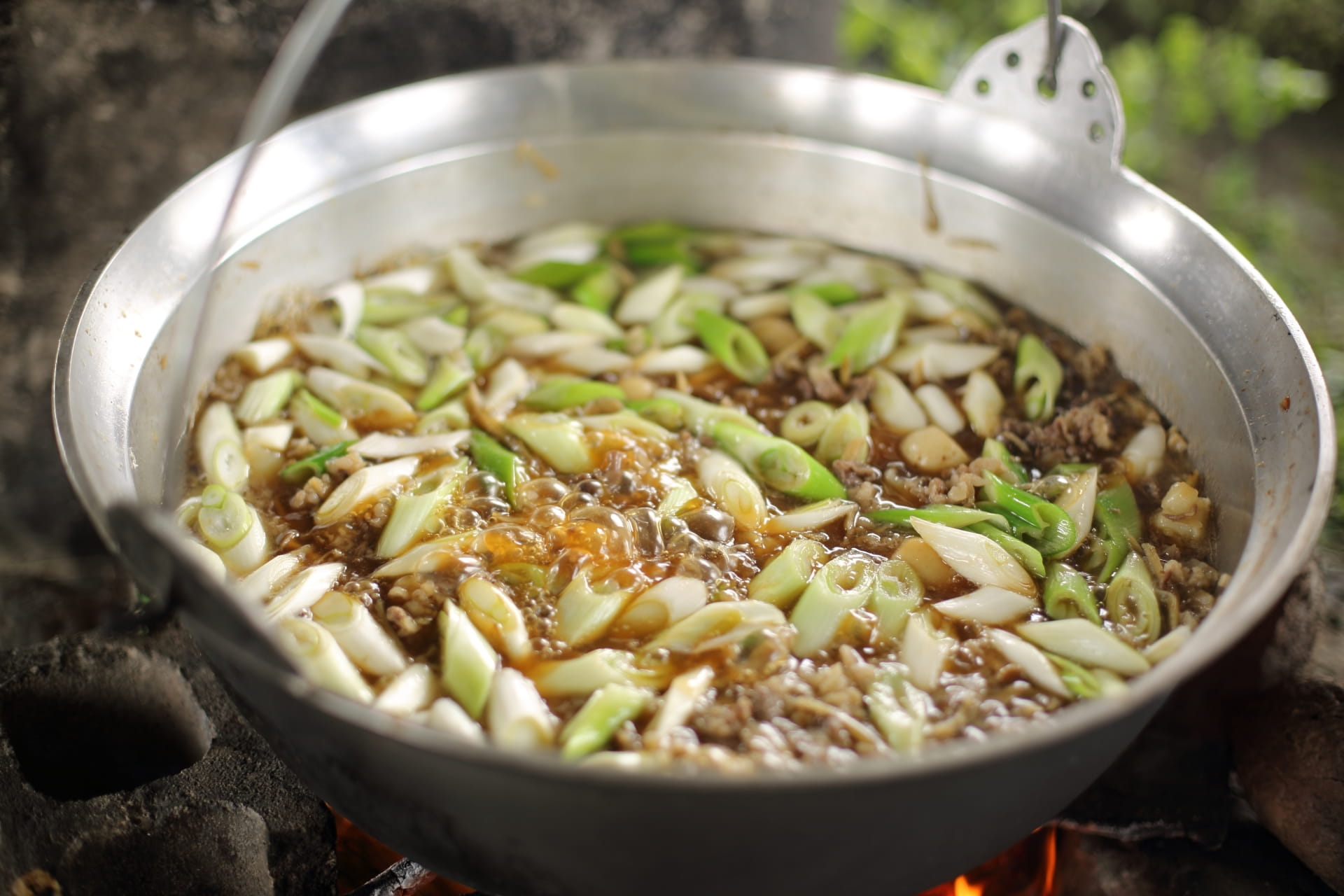
Imoni is a hearty taro-based stew closely associated with autumn gatherings.
In Yamagata, the familiar version features beef in a soy sauce-based broth. In Miyagi, pork and miso-based variations are common.
Both are enjoyed during autumn, and some local restaurants serve them seasonally.
Matsushima Oysters
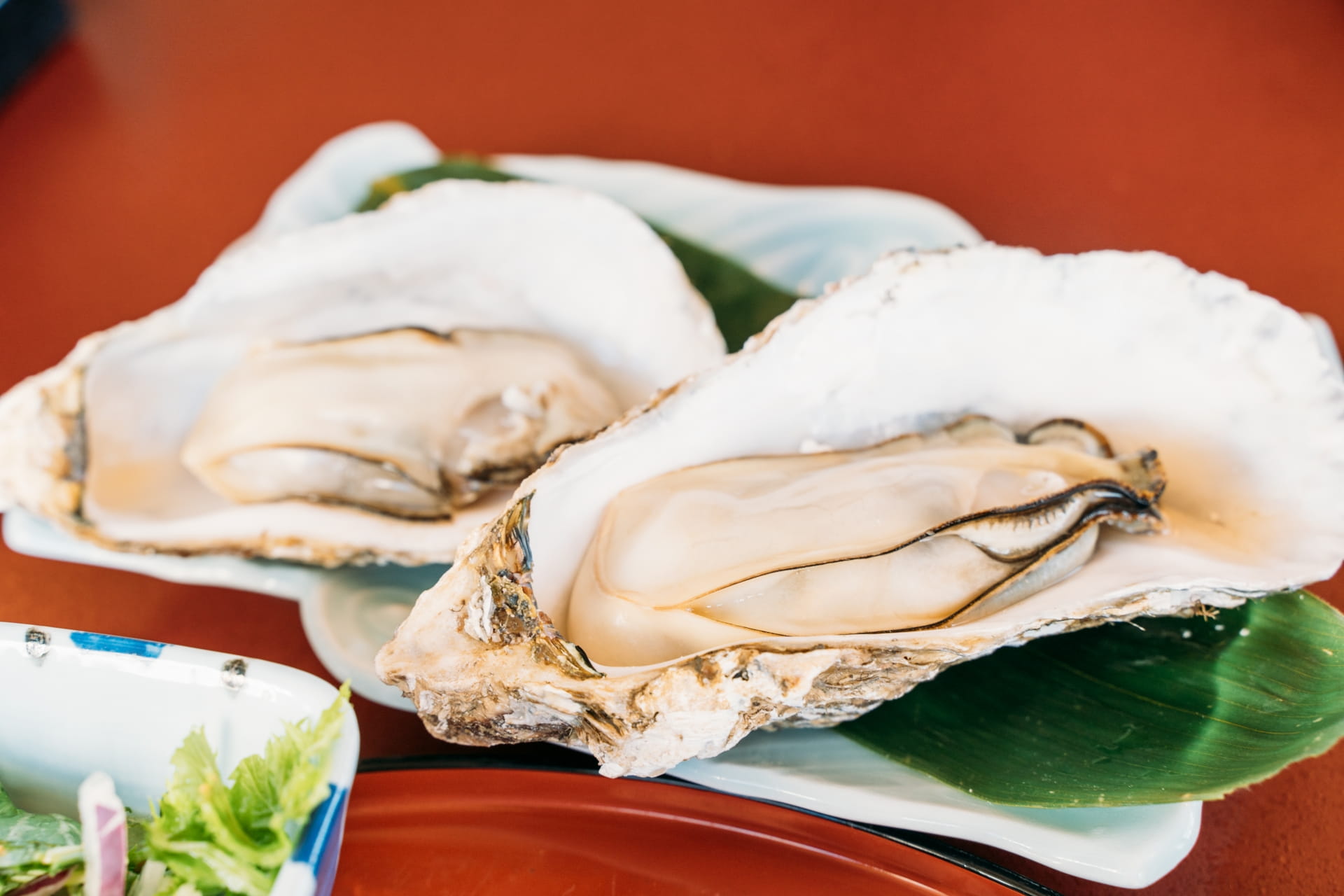
Oyster season around Matsushima Bay generally begins in autumn and continues into winter.
November is a good time to look for grilled, fried, or hot-pot preparations at local restaurants.
La France Pears
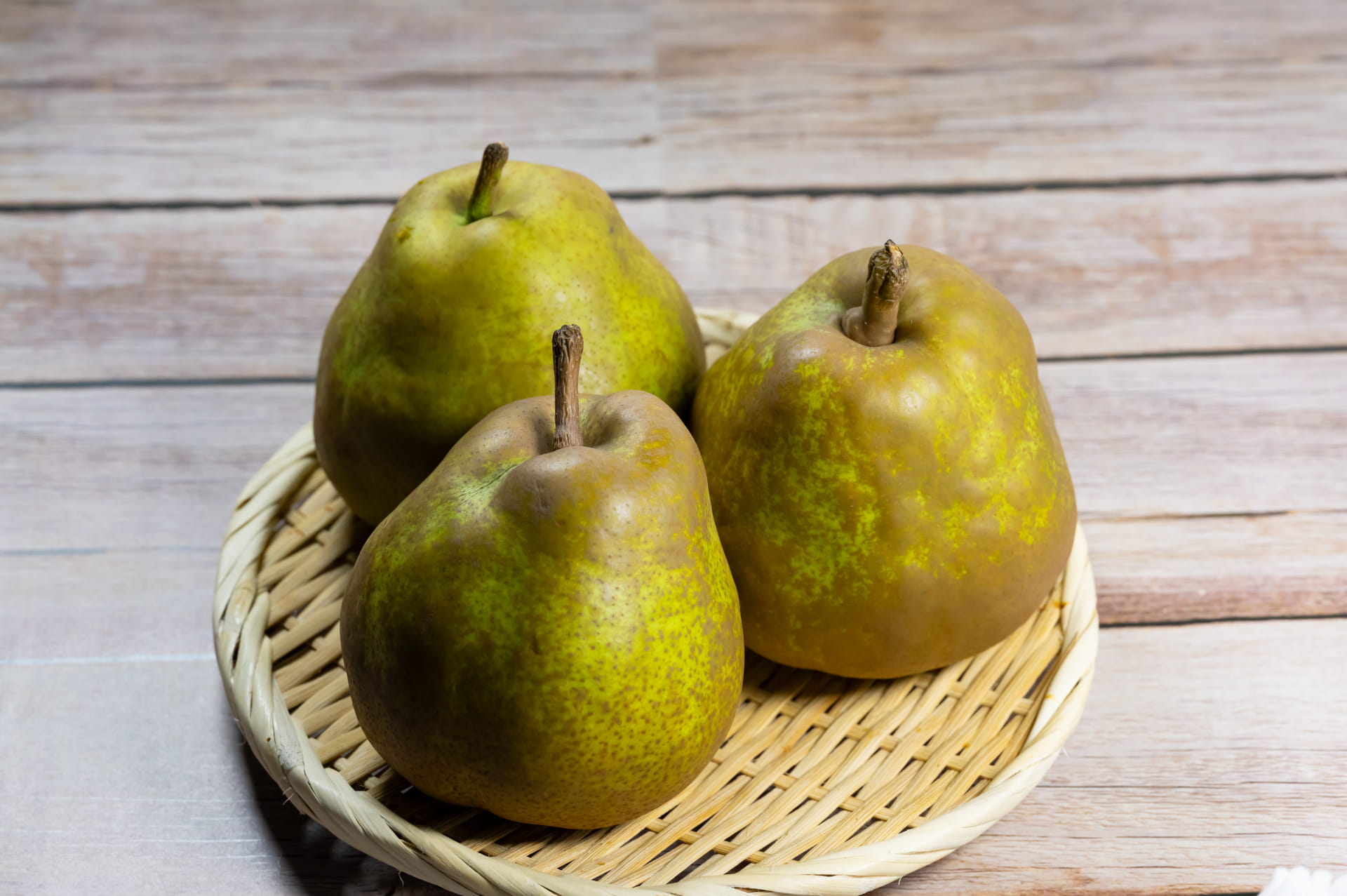
Yamagata is Japan’s leading producer of La France pears.
Harvested in autumn and ripened after picking, these fragrant pears are particularly associated with November. Look for fresh fruit and seasonal desserts around Yamagata.
Kaminoyama’s Dried Persimmons
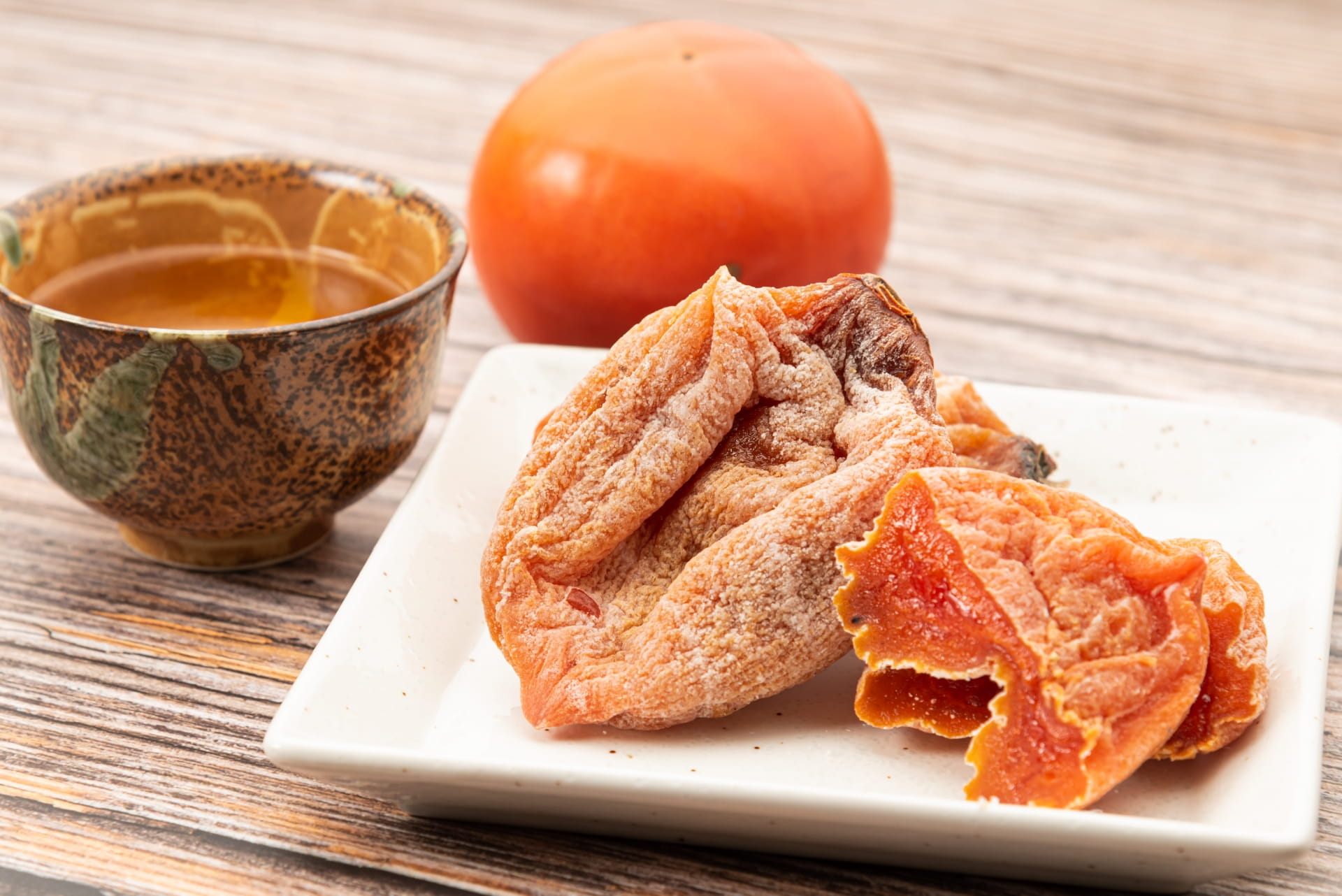
Benigaki persimmons hung to dry in November are generally ready for sale from around December.
Visitors traveling earlier may still find other dried persimmons and persimmon sweets at local shops.
Sendai Gyutan
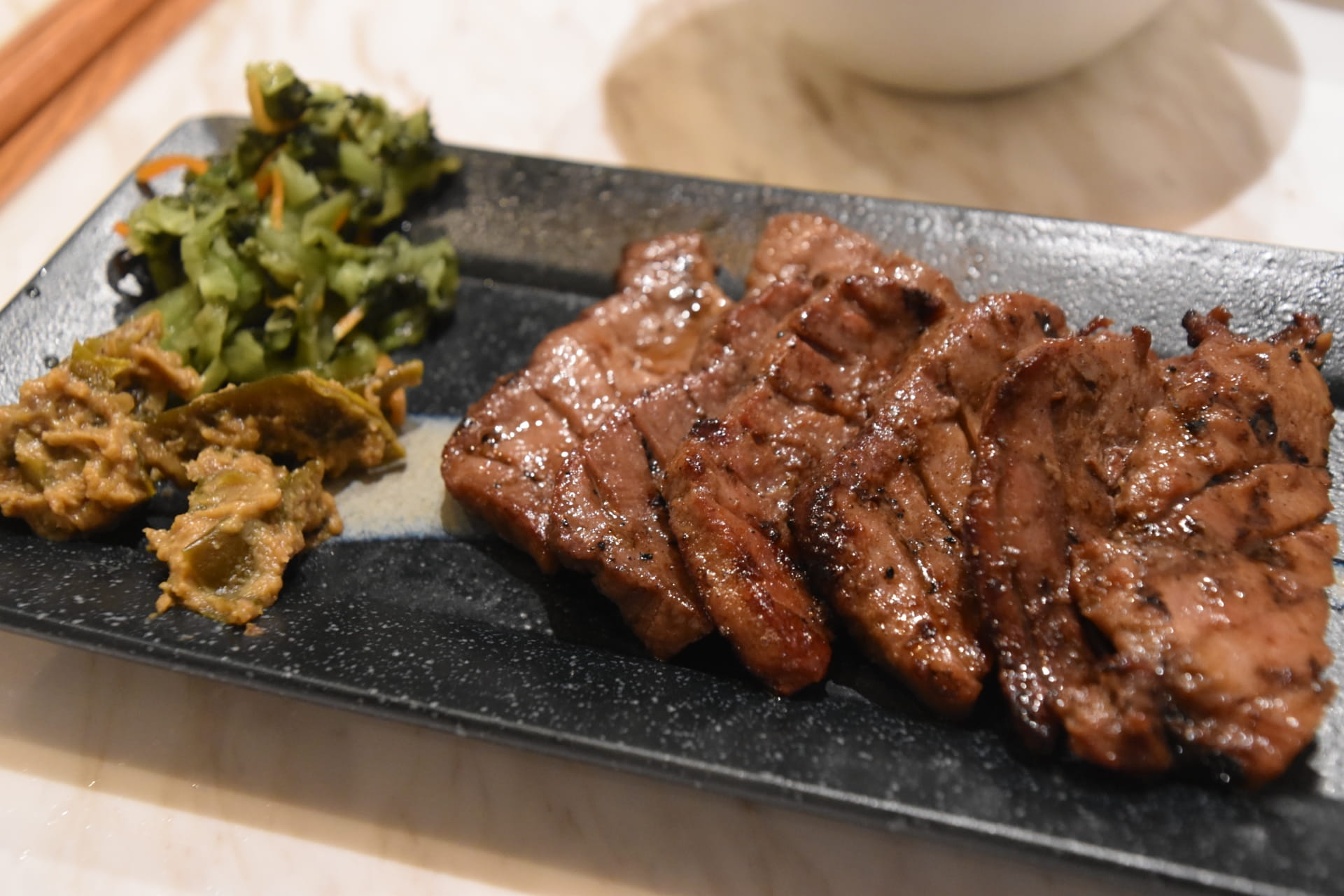
Grilled beef tongue is one of Sendai’s signature dishes year-round.
A gyutan lunch is an easy addition before boarding the Senzan Line toward Yamadera.
A 2-Day Sendai and Yamagata Itinerary from Tokyo
This route combines the two Shinkansen lines with the Senzan Line and prioritizes outdoor sightseeing during November’s shorter daylight hours.
Day 1: Sendai and Matsushima
| When | What |
|---|---|
| Morning | Tokyo → Sendai by Tohoku Shinkansen; leave luggage at your hotel |
| Late morning | Visit Rinnoji Temple garden |
| Lunch | Try gyutan in central Sendai |
| Early afternoon | Explore Zuihoden |
| Late afternoon | Travel to Matsushima by JR Senseki Line |
| Evening | Enjoy the Entsuin illumination and an oyster dinner |
| Night | Return to Sendai and stay overnight |
*Optional: If time permits, enjoy a walk along Jozenji-dori before traveling to Matsushima.
Day 2: Yamadera and Yamagata
| When | What |
|---|---|
| Morning | JR Senzan Line from Sendai to Yamadera |
| Late morning | Climb Yamadera’s 1,015 stone steps |
| Lunch | Enjoy soba near Yamadera Station |
| Early afternoon | JR Senzan Line to Yamagata; visit Momiji Koen |
| Late afternoon | Explore central Yamagata or enjoy an early seasonal meal |
| Evening | Return to Tokyo by Yamagata Shinkansen |
Extend it to three days: Instead of returning to Tokyo on Day 2, stay overnight at Kaminoyama Onsen. On Day 3, explore the castle town, look for seasonal persimmon displays, or continue south to Yonezawa before returning by Shinkansen.
Practical Tips for a November Trip
- Check foliage reports shortly before traveling. Peak colors vary with temperature, elevation, and weather conditions.
- Choose destinations according to your dates. Early November generally favors Yamadera and some mountain areas, while city gardens and avenues may offer better opportunities later in the month.
- Make the most of daylight. Sunset approaches 4:30 p.m. by mid-November, so prioritize outdoor sightseeing before late afternoon.
- Dress in layers. Expect cold mornings in Yamagata and potentially chilly winds in Sendai and Matsushima.
- Reserve your Shinkansen seats. Weekend return services can be busy during popular travel periods.
- Check local railway connections. Senzan Line services are relatively infrequent, and mountain weather can affect operations.
- Consider accessibility. Yamadera requires a long climb up stairs, while city gardens offer less physically demanding alternatives.
Late Autumn in Sendai and Yamagata at a Glance
| Detail | Information |
|---|---|
| Best for | Travelers seeking late-season foliage, gardens, and seasonal food |
| Best timing | Early to late November, depending on the destination |
| Route | Tokyo → Sendai → Yamadera → Yamagata → Tokyo |
| Trip length | 2 days, or 3 with Kaminoyama or Yonezawa |
| Highlights | Entsuin illumination, Rinnoji, Yamadera, Momiji Koen, persimmon displays |
| Seasonal food | Imoni, Matsushima oysters, La France pears |
| Important note | Zao Okama road access is generally unavailable after the winter closure |
The postcard version of Tohoku’s autumn often arrives in October, high in the mountains. This guide’s version is different: a temple garden reflected in still water, maple leaves against historic architecture, and strings of persimmons drying in the cold mountain air.
If you thought you had missed the season, there may still be plenty to discover. You just need to look a little lower.
Book Your Shinkansen Tickets Online
Travel from Tokyo to Sendai by Shinkansen, explore Tohoku’s late-autumn foliage, historic temples, and illuminated gardens, then journey through Yamadera to Yamagata before returning to Tokyo.
You can reserve your Tokyo → Sendai Tohoku Shinkansen and Yamagata → Tokyo Yamagata Shinkansen tickets online in English in advance with Japan Bullet Train. Reserve your seats online before your trip and collect your tickets at the station using the QR code sent by email.
*NOTE: Travel times and admission fees are approximate and reflect information available as of October 2026. Autumn foliage timing varies by year and location, while seasonal illuminations, opening hours, road closures, and railway services may change due to weather or operational conditions. Always confirm current fares, timetables, event details, admission requirements, and access information with JR East and relevant local operators before traveling.
Written by
Born and raised in Costa Rica, I started living in Tokyo from college. I love traveling within Japan & around the world. Since I wasn’t born in Japan, I know the cultural impact that you can get when visiting Japan for the first time and what you might be worried about before your trip. And I’ve lived long enough to somewhat understand the nuances of the Japanese culture that make this country such an attractive place to visit. Hopefully I can provide to you both the information you’re looking for and the information you didn’t know you needed to know.
- +0 0
-
-